
A conversation with Dr. Rohan Monis, Chief Administrative Officer, Kanachur Institute of Medical Sciences
By NV Paulose, Chairman, Global TV +91 98441 82044
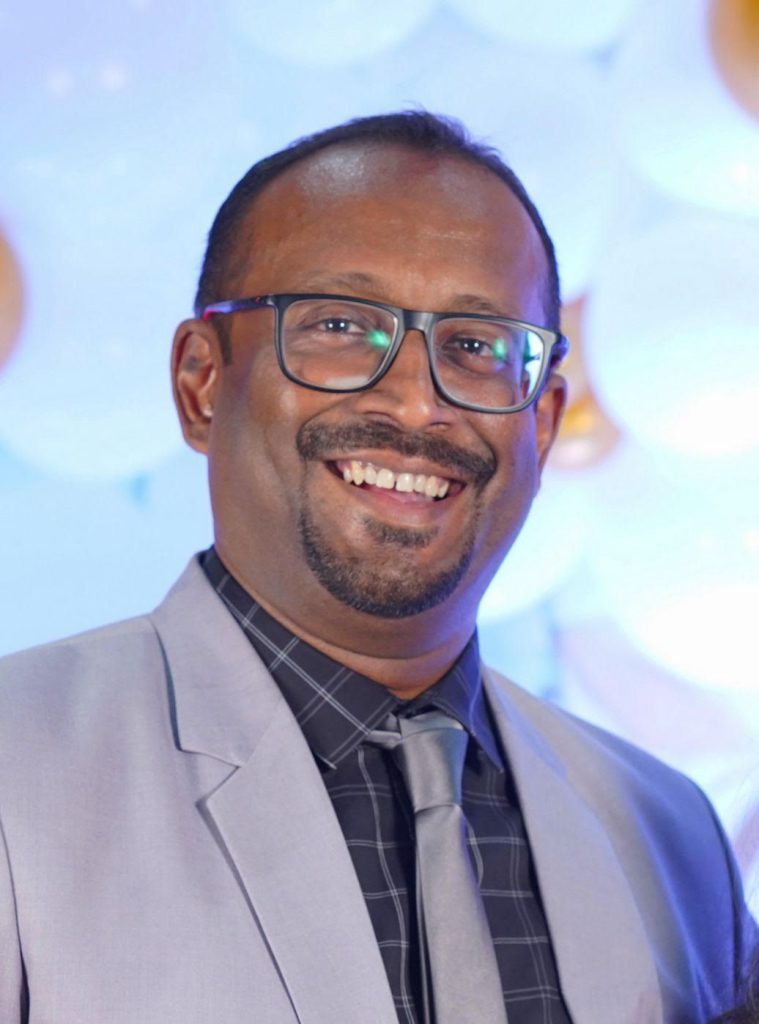
In a very engaging and thought-provoking conversation, Dr. Rohan Monis, the dynamic Chief Administrative Officer of Kanachur Institute of Medical Sciences, shared insights that blend policy, personal responsibility, and public health with stunning clarity. What began as a session on CPR training quickly evolved into a larger reflection on society’s preparedness; or lack thereof, in saving lives.
A Coincidence That Spoke Volumes
“It was the 16th of Jan, 2025 where I had a paper at an ‘International Conference on SDG’s’ at St. Aloysius University and on the 15th, our Union Minister for Road Transport & Highways – Shri Nitin Gadkari highlighted the Good Samaritan Law at a forum in Pune. I just couldn’t ignore the timing; it felt like the universe was reinforcing the importance of what we were doing,” Dr. Monis began.
The Good Samaritan Law protects and rewards individuals who help victims of road accidents. Previously offering ₹5,000, the government has now raised the reward to ₹25,000 for those who assist accident victims without fear of legal entanglements – both civil and criminal.
But even with this progressive law, a deeper issue lingers.
The Young Life Lost in Falnir
Dr. Monis recounted a tragic incident from the same day 15th of Jan, 2025: “A III B.Com student collapsed while playing badminton in Falnir. But no one present knew how to perform CPR. The hospitals were only 200 to 500 meters away, all within reach. And just like that, he was gone.”
“That boy could have been saved,” he said with emotion. “The real issue wasn’t lack of healthcare; it was lack of awareness.”
This loss struck a chord and led Dr. Monis to advocate even more passionately for making CPR training mandatory in non-healthcare graduate institutions. He is a staunch advocate for CPR for a very long time.
“CPR isn’t just a medical procedure. It’s an emergency life saving skill. It’s a social skill; just like crossing the road, greeting someone or even washing hands before a meal. Everyone should know it.”
Questioning Priorities and Cultural Norms
Dr. Monis went on to question the double standards in policy and practice:
“At 18, we give licenses to vote, to drive, to marry, to enter pubs. Now, cigarettes are only legally sold to those over 21; but go outside and you’ll find 10-year-olds smoking. No one’s stopping them. Why can’t we create the same energy around saving lives?” His passion for public well-being is undeniable; not just in words, but in action.
“They asked me to conduct separate CPR sessions for teachers and students. I said, ‘Why? The heart is in the same place for all of us; America or India.’ The protocol doesn’t change.”
Communication vs. Comprehension
In a refreshing thought, Dr. Monis touched upon a subtle yet critical idea; the difference between communication and comprehension.
“Today’s problem isn’t that we’re not communicating; it’s that we’re not being comprehended. You read a book, you listen to someone, but do you really understand what they’re trying to say?”
“When you read, let’s understand the writer’s perspective. When you speak, speak to connect and understand; not to judge. That’s what education should focus on: depth of understanding.”
On Mentorship, Messaging, and Young People
As the conversation closed, Dr. Monis acknowledged the enthusiasm of the younger generation; but also challenged them to rise above surface-level engagement. “We need young people to dissect thoughts, not just accept them. Be upfront. Be socially responsible. It’s not just about technology or success; it’s about civic sense and social responsibility, literally.” He believes that CPR in graduate education is one intervention that will improve the fabric of social well-being.
He left us with one final message:
“You don’t need a passport to save someone’s life. Just a heart that cares; with hands that reach out.”
Editorial Note: A Wake-Up Call from a Man Who Cares
This conversation with Dr. Rohan Monis isn’t just about CPR or legal reforms. It’s about reshaping social consciousness & design. Dr Monis reiterates consciously “Why can’t we be useful to our own species i.e. the human being?” At Global TV, we believe these voices need to be amplified; because awareness is the first step toward action.

Dr. Rohan S. Monis MBBS, FCCS (Critical Care), FAGE, MBA (Healthcare Management), IHWC (CIIS), MAHA, MRFHHA, MIPHA, D.Litt (Health & Hospital Administration)
- Chief Administrative Officer – Kanachur Hospital & Research Centre & Kanachur Institute of Medical Sciences
- Governing Board Member – Fr Muller Charitable Institutions
- Charter Member & Organ Donation Chair – Rotary Club of Organ Donation International
- Patron – Indian Red Cross Society, Dakshina Kannada
- Vice President – CASK
- Core Committee Member – Social Communication and Health Commission: Diocese of Mangaluru
- Nominated Member – Environment, Health & Safety Policy Committee, Mangalore University
- Grand Award Jury Judge at International Science & Engineering Fair (ISEF) in 2019, 2021 : only mangalorean to judge ISEF under Translational Medical Sciences twice
- Best paper awards
- Best presenter awards


Well done Monis
I appreciate you on your thoughts
Its better to take a neccessary appropriate steps towards awareness programm at all the non medical institutions.
God bless u
Best regards