
Educators Beyond Borders | The Enduring Contribution of Teachers from Mangalore and South India
NV Paulose, Chairman, Global TV +91 98441 82044
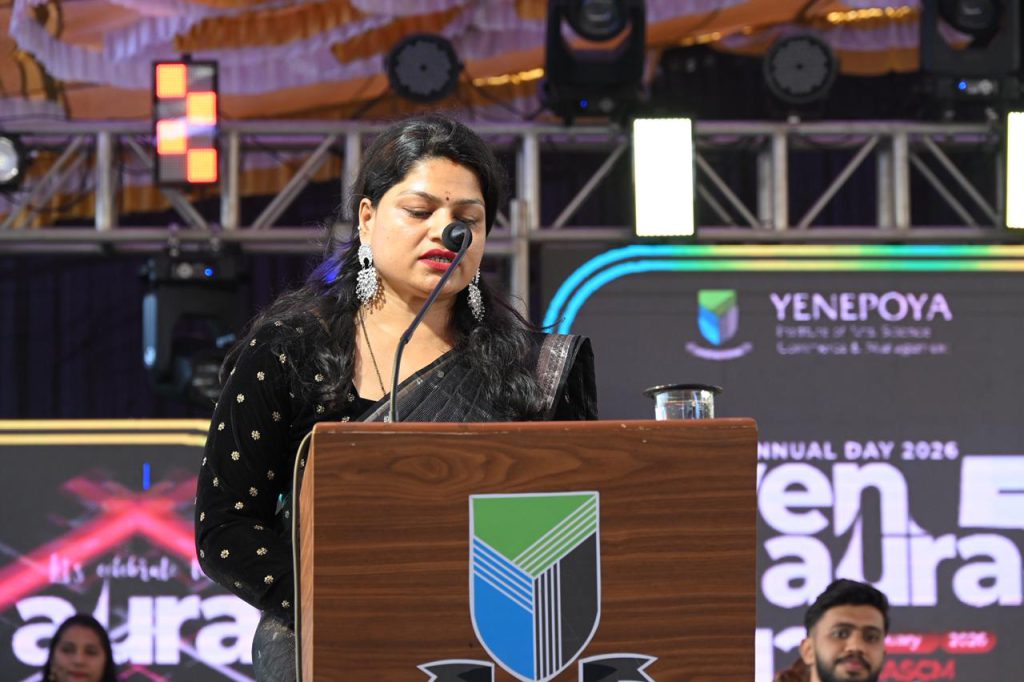
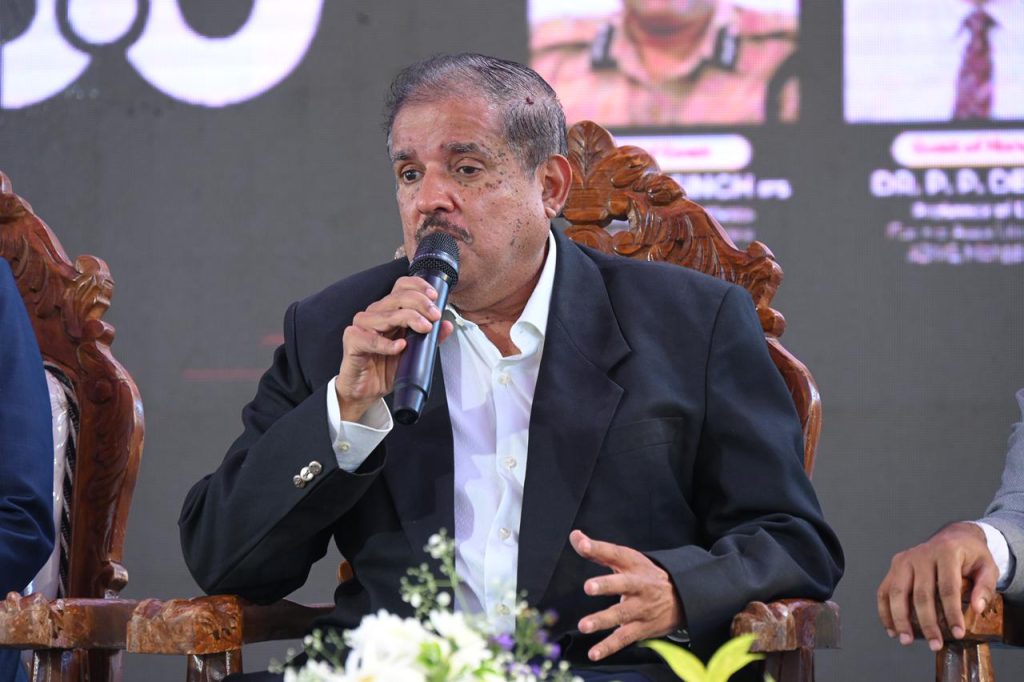
“Education in India has long been shaped not only by institutions, but by the quiet migration of dedicated teachers who carried knowledge, discipline, and values across regions,” said Mr. Amit Singh IPS, Inspector General of Police, Western Range, Mangaluru, the Chief Guest of Yen Aura 5.0, the Annual Day 2026 of Yenepoya Institute of Arts, Science, Commerce and Management.
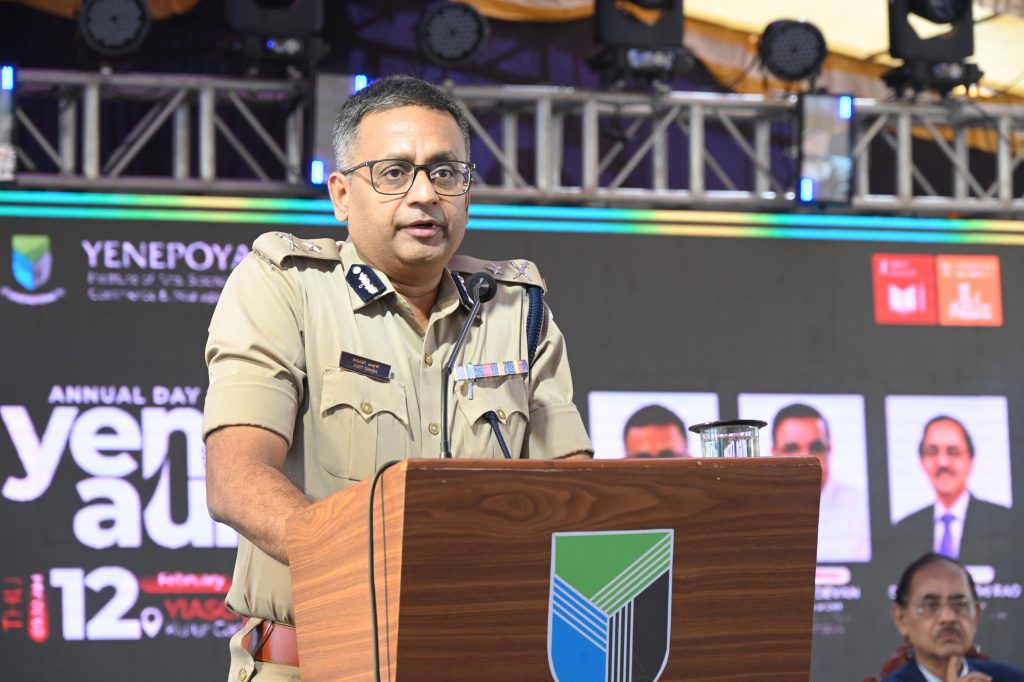
Speaking to Global TV on the occasion at the YIASCM Kulur Campus, while celebrating institutional achievement and the enduring role of educators in nation building, Mr. Amit Singh IPS shared reflections that strongly connected with the academic community. His appreciation was directed toward teachers from across South India, who have played a particularly significant role in strengthening the educational foundations of institutions far beyond their home states.
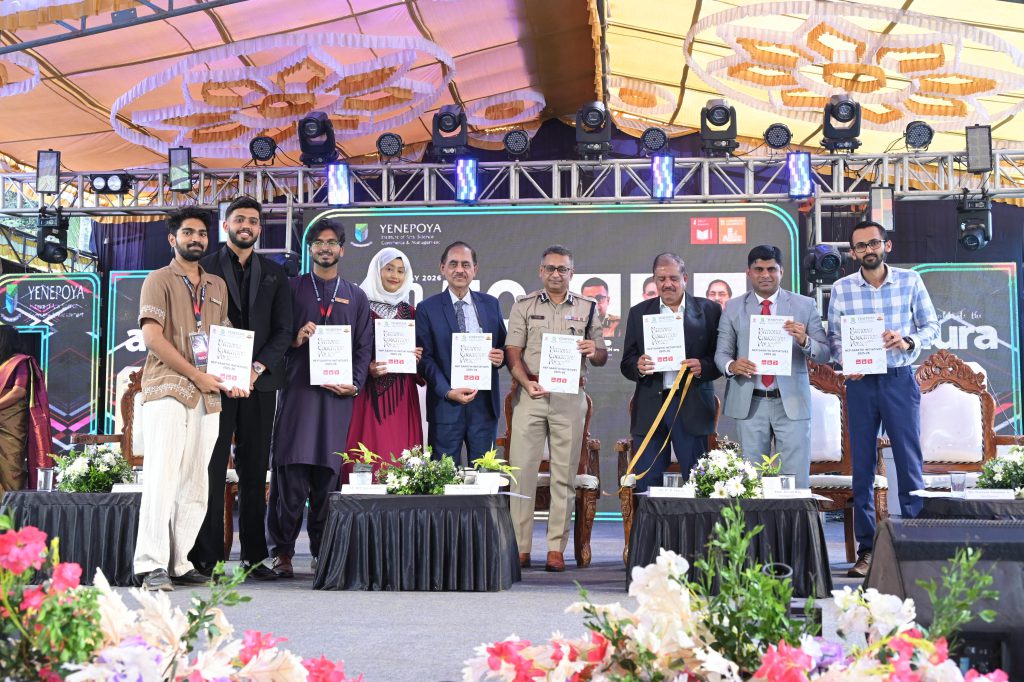
Historically, several decades ago, opportunities in higher education and formal employment were limited in many parts of South India. At the same time, emerging educational institutions across India especially in the northern and eastern regions faced an acute shortage of trained and committed teachers. It was during this period that teachers from Mangalore, Kerala, Tamil Nadu, and neighbouring regions stepped forward, accepting appointments in unfamiliar geographies, cultures, and languages. What they carried with them was not merely subject knowledge, but a deep respect for education as a life shaping force.
Teachers from South India earned a reputation for discipline, consistency, and commitment. Many institutions particularly mission schools, colleges, and newly established campuses actively sought them out. Their willingness to work in challenging environments, adapt to local contexts, and remain deeply invested in student growth left a lasting impression. In states such as Bihar, it became common for entire generations of students to be taught by educators from Kerala and coastal Karnataka, often in remote or underserved areas.

A striking cultural contrast often observed was the reverence shown to teachers in these regions. Students approached education with aspiration and respect, seeing teachers as guides toward a better future. For many young learners, education represented more than employment. It symbolized dignity, social mobility, and purpose. Aspirations toward civil services and public leadership were often nurtured by teachers who emphasized discipline, clarity of goals, and sustained effort.
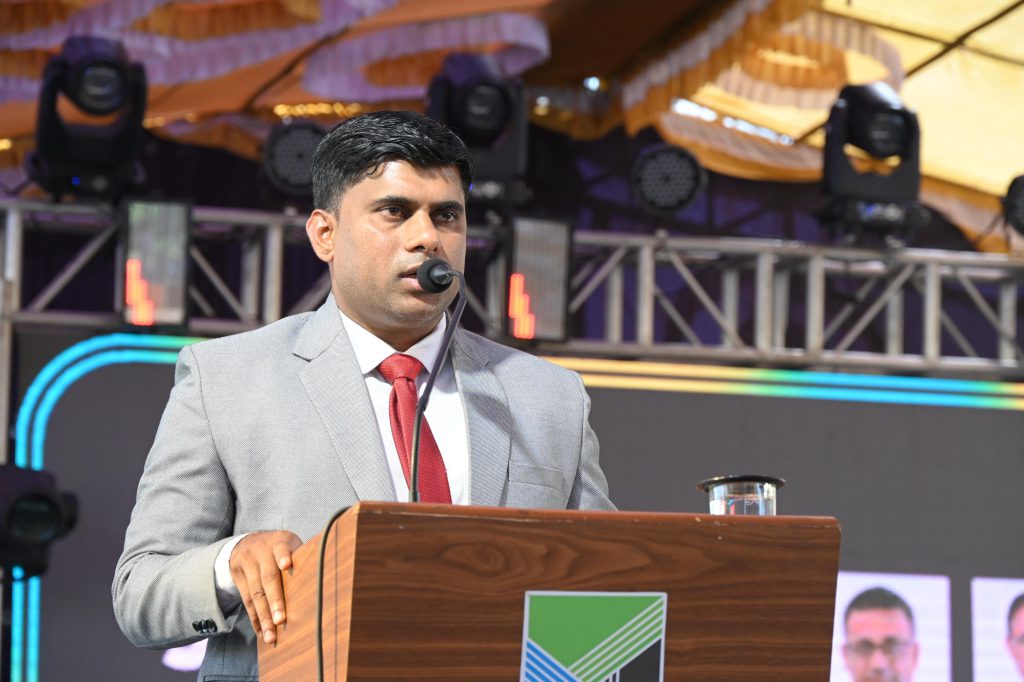
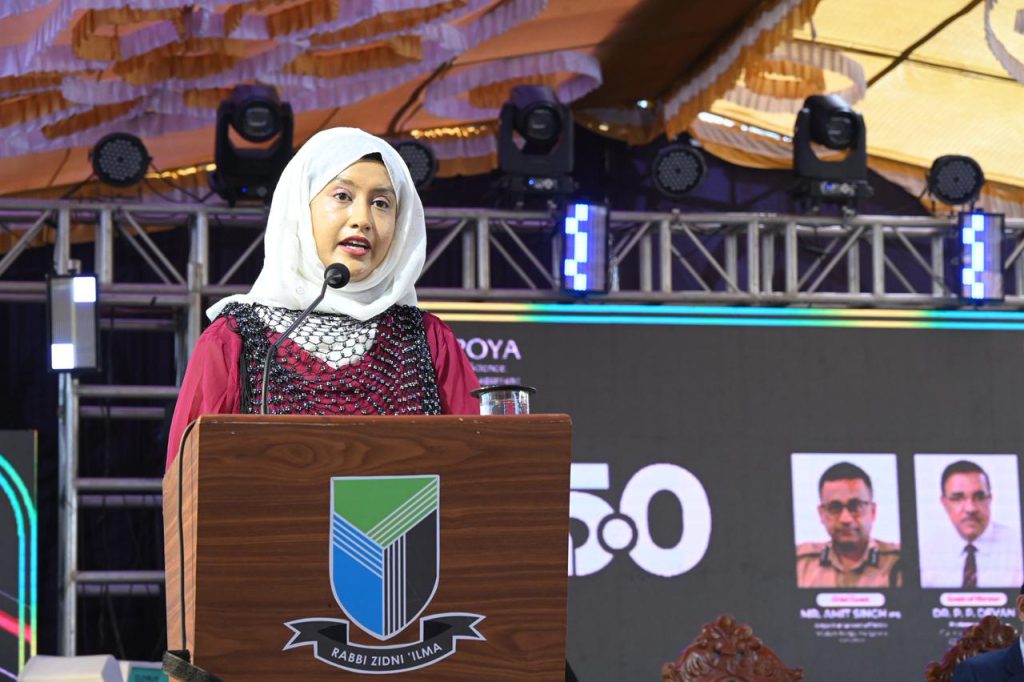
The influence of South Indian teachers extended well beyond classrooms. Many continued their academic journeys by pursuing doctoral research while teaching, supervising scholars, and contributing to institutional growth. Others even after retirement chose to remain engaged in academia, reinforcing the idea that teaching is a lifelong commitment. Their presence strengthened academic culture, research orientation, and ethical standards within institutions.
As Prof. Jeevan Raj, Principal In Charge of Yenepoya Institute of Arts, Science, Commerce and Management, often emphasizes, institutions are built not merely through infrastructure but through people who uphold values and academic integrity. The legacy of South Indian educators aligns closely with this philosophy, quietly strengthening systems, mentoring generations, and raising standards.
Over time, as educational opportunities expanded across India, the landscape naturally evolved. Yet the foundational contribution of teachers from Mangalore and South India remains undeniable. They helped establish credibility, raise academic benchmarks, and cultivate generations of learners who valued effort over entitlement and responsibility over power.


