
Reimagining Ethics in the Age of Artificial Intelligence | When Machines Reflect Moral Philosophy
NV Paulose, Chairman, Global TV +91 98441 82044
In March 2026, the platform Global Gandhi released an unusual and thought provoking statement. It presented an AI generated message inspired by Mahatma Gandhi addressing the ongoing conflict in the Middle East. At a time when artificial intelligence is often linked to misinformation and propaganda, this initiative attempts something different by using AI to revive moral philosophy and advocate for peace.
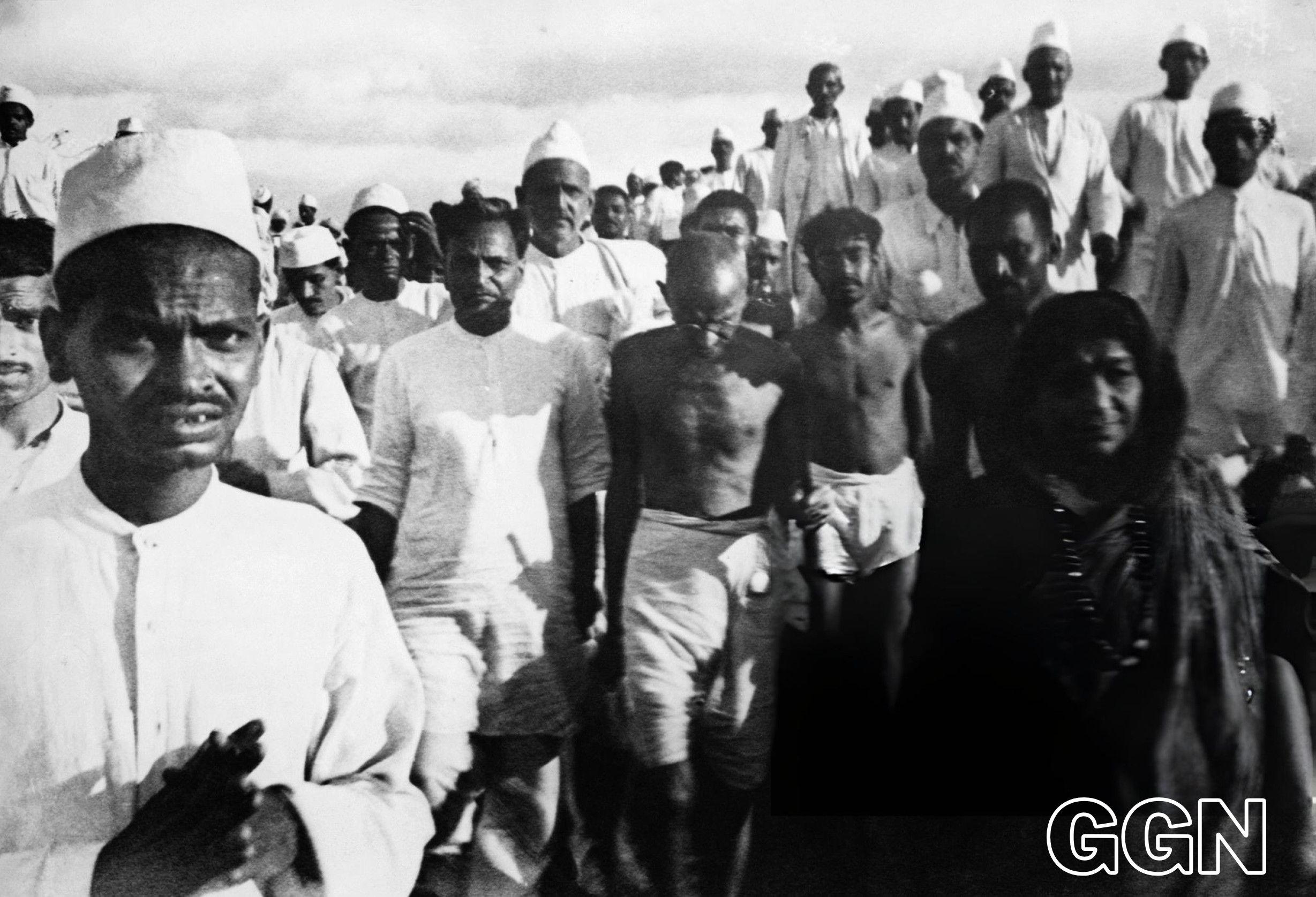
A Gandhian Voice in a Modern Crisis
The message, created using AI but grounded in Gandhi’s principles of nonviolence, truth, justice, and peace, calls for restraint, dialogue, and humanity amid rising tensions in West Asia. The aim is not to imitate Gandhi superficially but to translate his ethical framework into today’s geopolitical realities.
This comes at a moment when the Middle East conflict has intensified, with both military escalation and global political consequences. Rather than offering political solutions, the AI generated message highlights the futility of violence, the moral responsibility of leaders, the need for dialogue instead of retaliation, and the human cost of war.
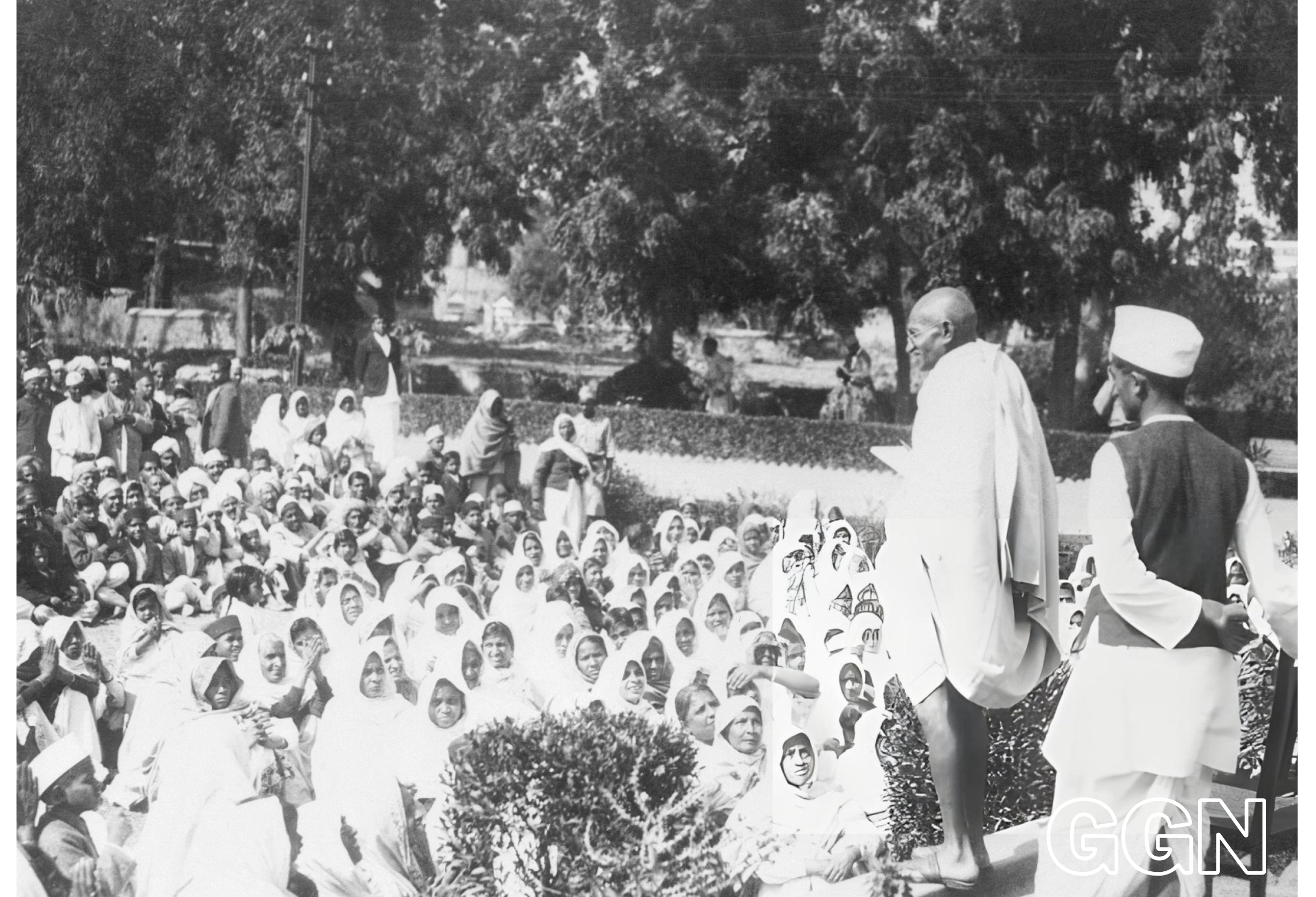
AI as a Tool for Peace or Confusion
The release stands in contrast to how AI is being used in the same conflict. Across digital platforms, AI generated videos, deepfakes, and misleading narratives have flooded public discourse, often spreading panic or propaganda.
Governments and analysts have warned that AI is amplifying disinformation, manipulating public perception, and making it harder to distinguish truth from falsehood.
In this context, Global Gandhi’s initiative attempts to reclaim AI as a force for ethical reflection rather than distortion.
The Philosophy Behind the Initiative
Global Gandhi presents itself as a network that promotes Gandhian values in modern society. Its decision to use AI reflects a broader idea that technology should not only improve efficiency but also strengthen moral awareness.
By generating a Gandhi inspired message, the platform raises important questions. Can AI help revive ethical traditions that are often overlooked. Can historical wisdom guide modern crises. Can technology support peace instead of conflict.
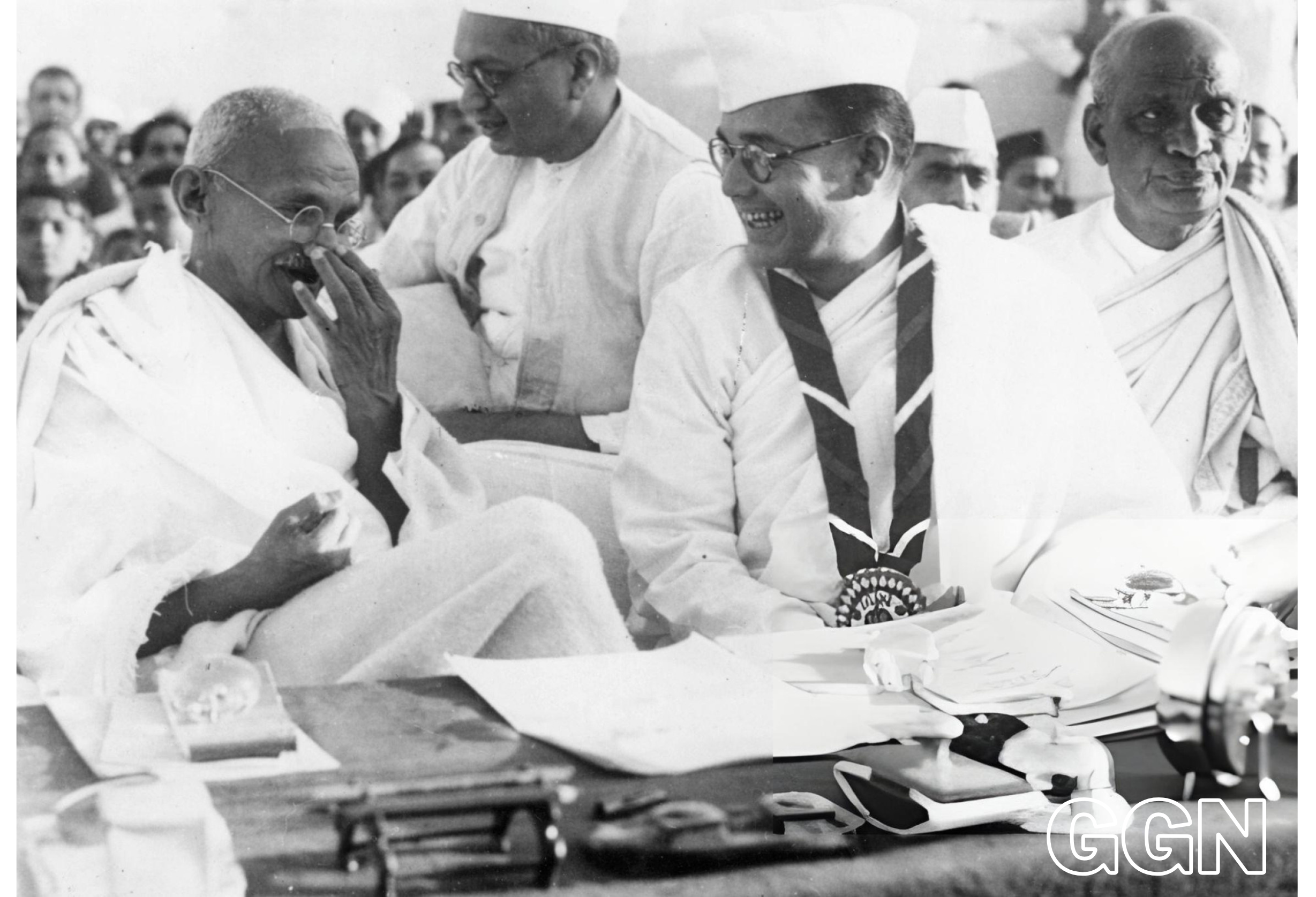
A Symbolic Intervention
It is important to understand that the AI generated message does not claim to represent Gandhi himself, nor does it provide diplomatic strategy. Its role is symbolic. It acts as a moral voice in a conversation that is often dominated by military and political responses.
Such symbolic efforts may seem limited, but they play an important role. They bring attention back to ethics, remind people of nonviolent approaches, and challenge the idea that conflict is inevitable.
Critical Reflections
While the initiative is creative, it also raises important concerns.
Can an AI generated message truly capture Gandhi’s philosophy, or is it shaped by modern interpretation. Is it ethical to simulate the voice of a historical figure, even for positive purposes. Will such efforts influence decision makers, or remain symbolic gestures.
These are not simple criticisms but necessary reflections on the relationship between technology, history, and ethics.
Conclusion
The AI generated Gandhi message is less about technology and more about intention. At a time when AI is often used to divide and mislead, this initiative attempts to promote reflection and unity.
It highlights an important truth. Technology does not carry values on its own. People decide whether it is used to create conflict or encourage compassion.
Global Gandhi’s effort may not directly change the course of the Middle East conflict. However, it does something meaningful. It reopens space for moral dialogue and reminds the world that even in an age shaped by technology, the responsibility for peace remains human.


