
When Influence Bulldozes the Law: The Silent Decay of Civic Discipline in Mangalore
NV Paulose, Chairman, Global TV +91 98441 82044
Mangalore is often celebrated as one of Karnataka’s educated and progressive cities. It is known for literacy, professional colleges, disciplined communities, and rapid urban development. But beneath this polished image lies a disturbing reality that many ordinary citizens witness every day. Illegal practices are carried out openly by influential individuals, often without fear of consequences.
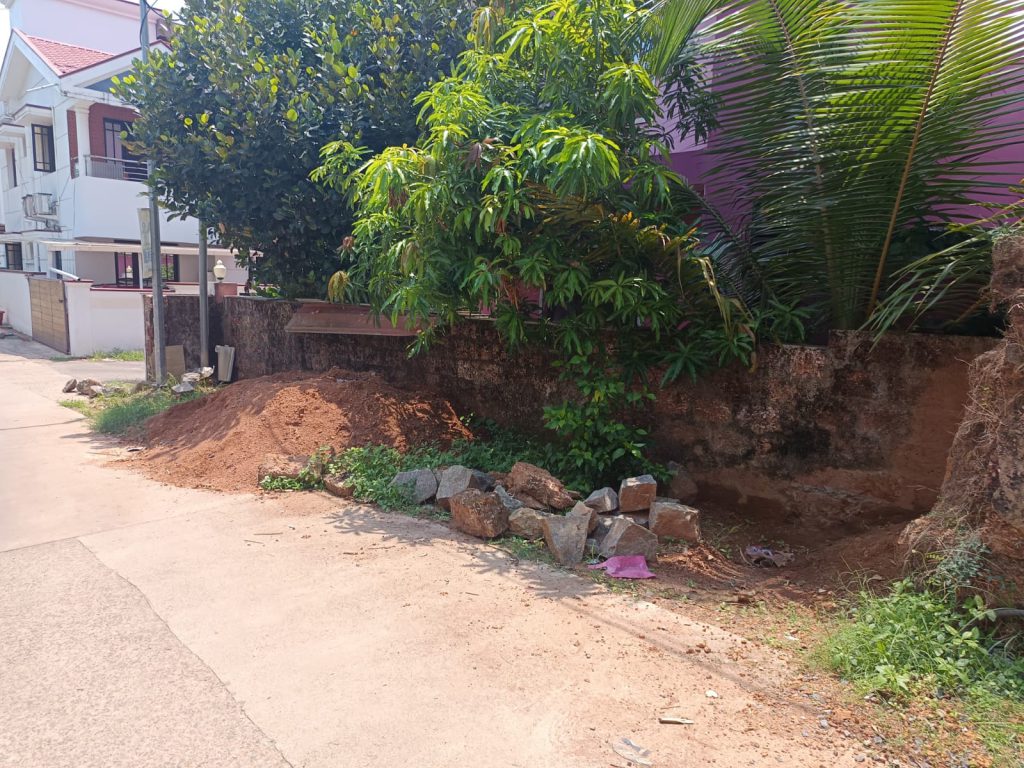
The issue is not merely about a few construction violations. It reflects a deeper collapse of civic responsibility, equality before law, and accountability in urban governance. Roads are blocked with dumped mud and stones, drainage channels are damaged, public spaces are occupied, and building rules are casually violated. What makes this worse is that these actions are frequently committed not by the poor or uninformed, but by educated and financially powerful sections of society.
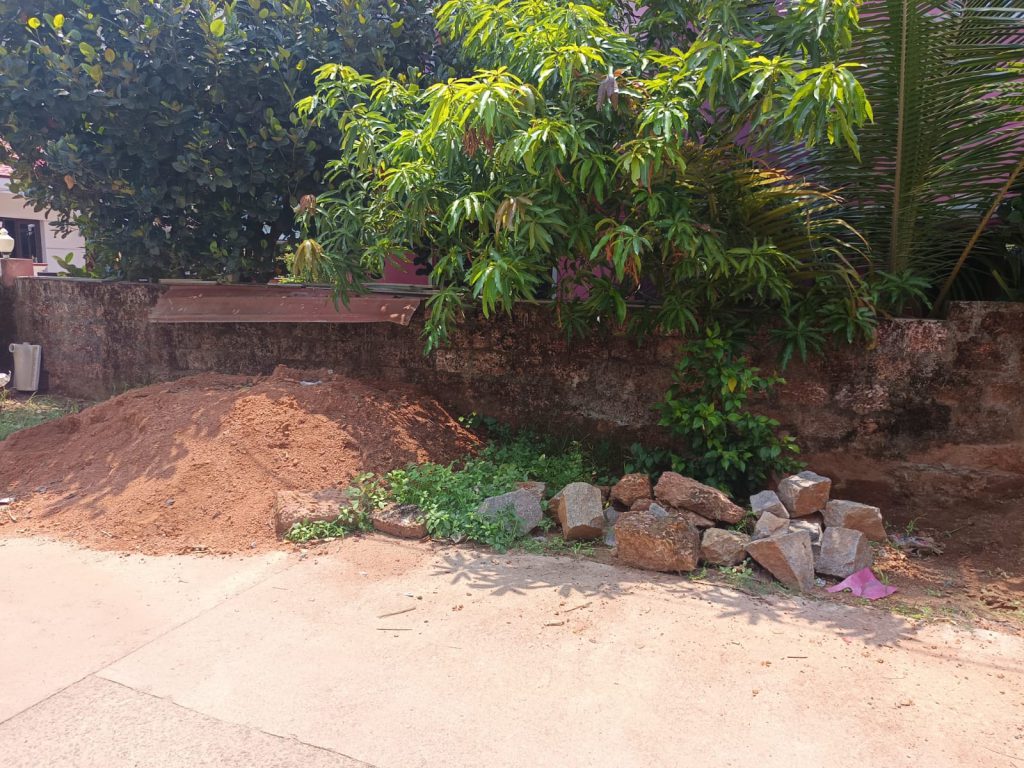
Public Roads Turned into Private Dumping Grounds
One of the most common sights in many residential areas is the dumping of construction materials on public roads. Mud, stones, sand, and debris remain piled for weeks or months, narrowing roads and creating hazards for pedestrians and vehicles alike.
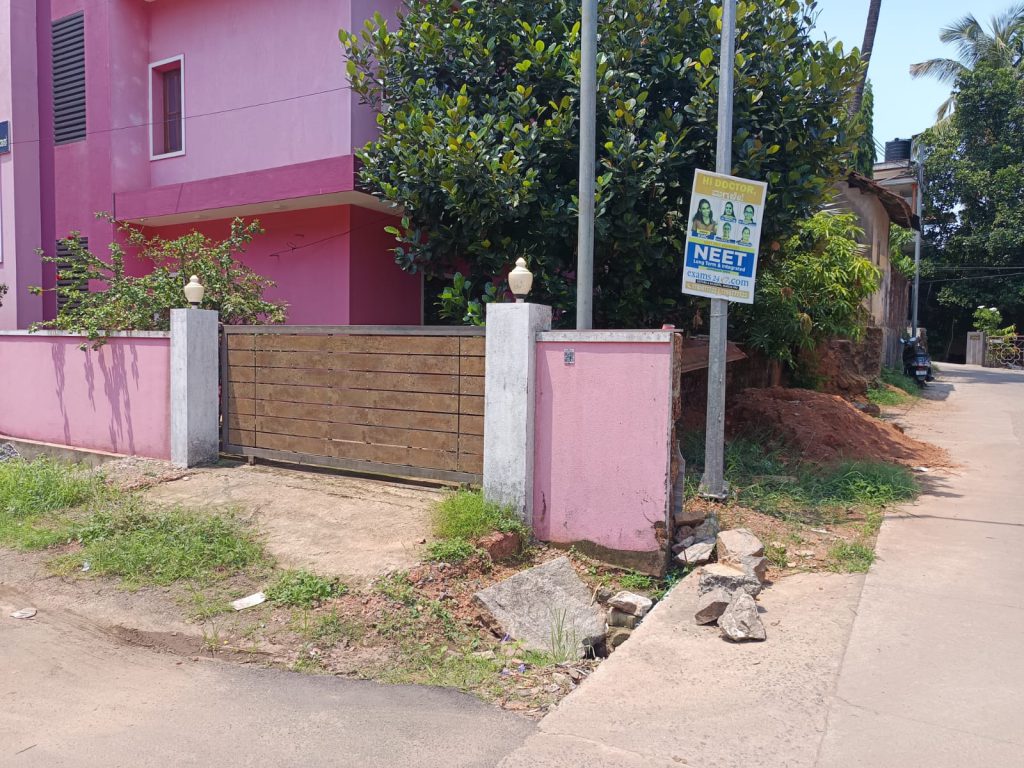
In several localities, citizens are forced to drive around heaps of earth dumped beside compound walls. During rains, this loose soil flows into drains and roads, creating slippery conditions and increasing the risk of flooding. The inconvenience caused to neighbors and daily commuters is treated as insignificant.
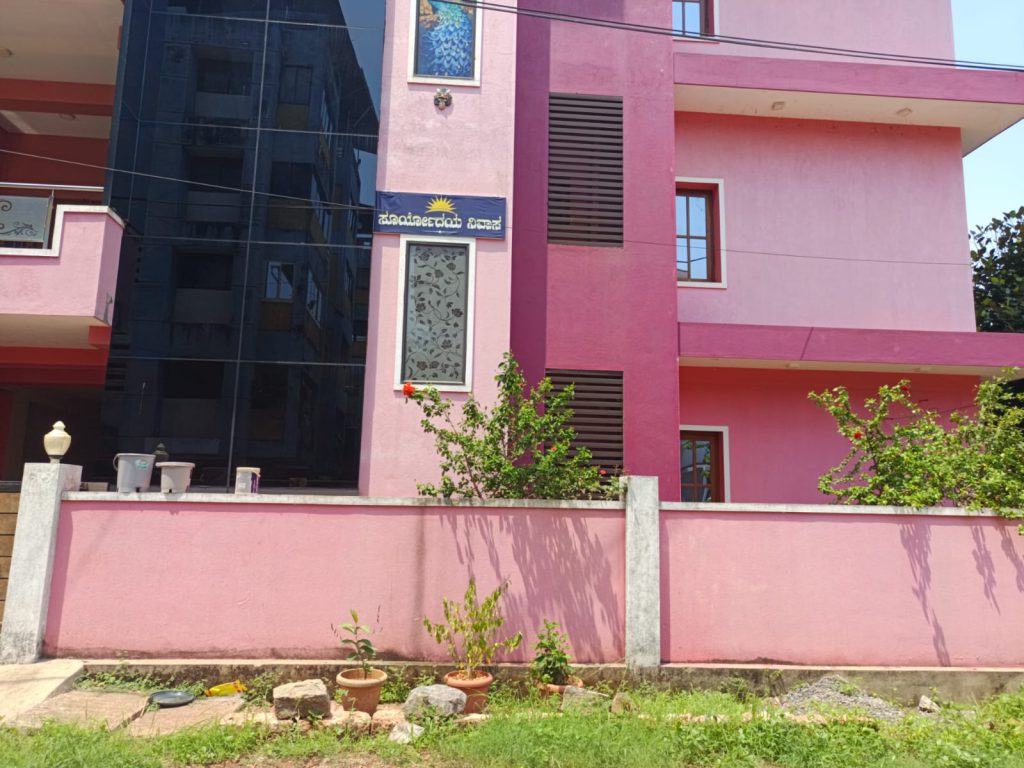
The troubling part is that such activities are often done openly, in broad daylight, without any visible fear of municipal action. If an ordinary street vendor occupies a small public space, authorities act quickly. But when influential property owners misuse public roads during construction, enforcement becomes weak or completely absent.
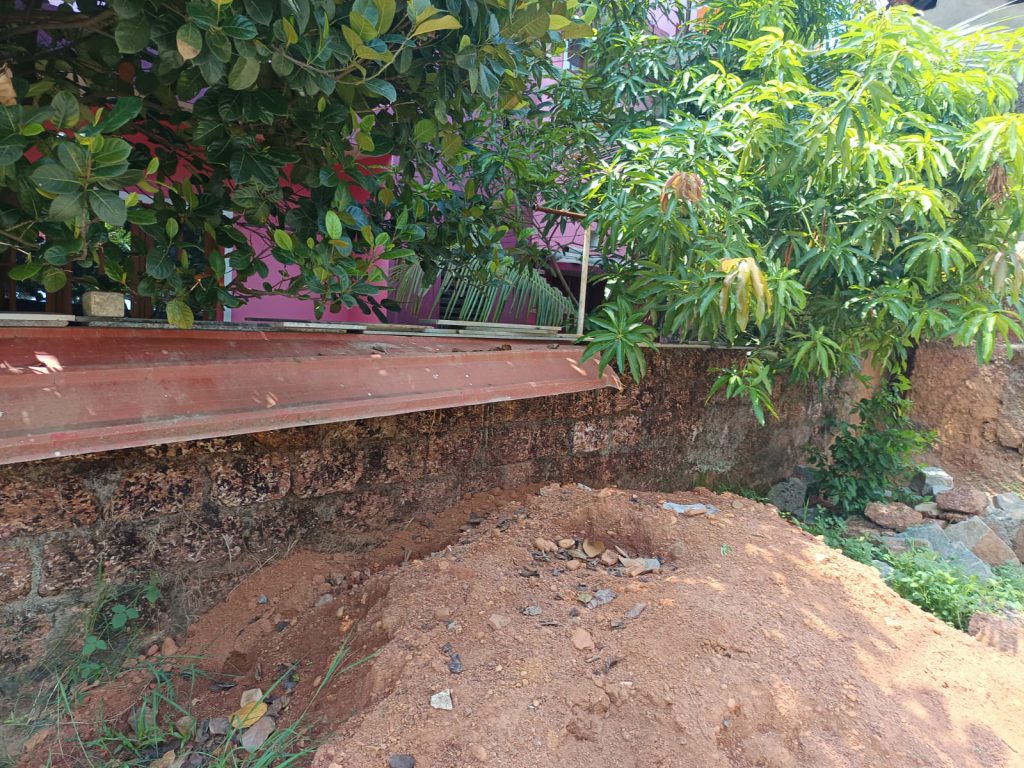
This selective application of rules damages public trust more than the violation itself.
Building Plans Approved on Paper, Violated in Reality
Another growing concern is the manipulation of building permissions. In many cases, one type of plan is submitted to obtain approval, but the actual construction exceeds permitted limits.
Setback areas disappear. Extra floors emerge. Balconies extend beyond sanctioned dimensions. Open spaces meant for ventilation are enclosed later. In some buildings, even designated parking areas are converted into commercial rooms or rental units after construction is completed.
This is not a technical mistake. It is a calculated violation.
Parking spaces exist for a reason. When they are illegally converted into rooms, vehicles spill onto roads, causing congestion and reducing public accessibility. The consequences are borne by the entire neighborhood, while the violator enjoys financial gain.
Such practices expose a dangerous mindset. Rules are meant only for those without power.
Education Without Civic Ethics Is Meaningless
Mangalore proudly identifies itself as an educated city. But education loses its value when civic ethics are ignored.
True education is not measured by degrees, income, or the size of a house. It is reflected in how responsibly citizens behave toward shared public spaces and common laws. A person may be professionally successful, yet socially irresponsible if they believe influence can replace accountability.
Street smartness is valuable when used for innovation, entrepreneurship, or solving social problems. But using intelligence to bypass basic civic norms is not smartness. It is exploitation.
When educated citizens themselves manipulate regulations, younger generations learn the wrong lesson. They begin to believe that success comes not from integrity, but from connections and influence. Over time, this weakens the moral foundation of society.
The danger is not only physical encroachment. It is the normalization of dishonesty.
Law Must Be Equal for Every Citizen
The strongest democracies survive because laws apply equally to everyone. The moment enforcement changes based on wealth, political influence, or social status, public confidence begins to collapse.
Citizens do not expect perfection from authorities. But they do expect fairness.
If strict action can be taken against small roadside vendors, then the same seriousness must apply to illegal constructions, road encroachments, and misuse of sanctioned building plans by affluent property owners. Municipal authorities, engineers, and local bodies must conduct regular inspections and ensure that approved plans match actual construction.
Technology today allows transparent monitoring through digital approvals, geo tagged inspections, and public complaint systems. The real issue is not lack of systems. It is lack of consistent enforcement.
Mangalore still has the opportunity to correct this direction. Civic discipline must become a collective responsibility shared by citizens, builders, officials, and local representatives alike.
A clean and lawful city is not created only through smart buildings or expensive homes. It is built through respect for public space, honesty in construction, and equality before law.
If these violations are happening openly in an educated city like Mangalore, one must seriously ask what could be happening in places where awareness and enforcement are even weaker.
The answer should concern every responsible citizen. Because cities do not decline suddenly. They decline slowly, one ignored violation at a time


