
Agumbe Ghat: Protect the Western Ghats, Do Not Destroy Them
By Benedict Fernandes
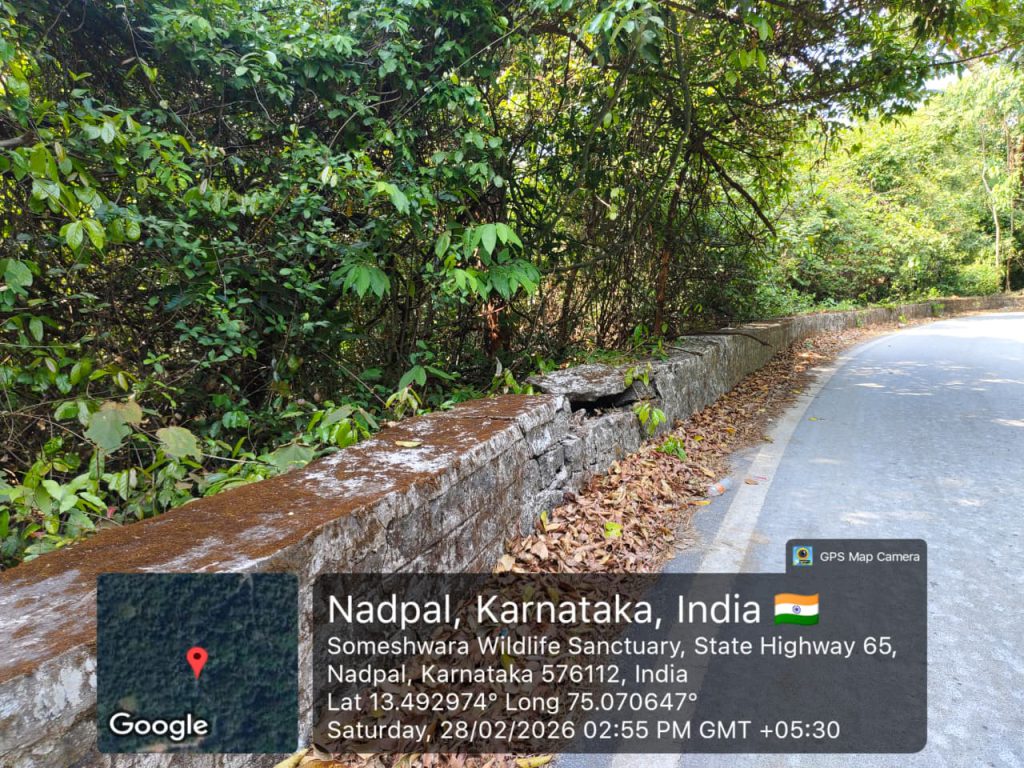
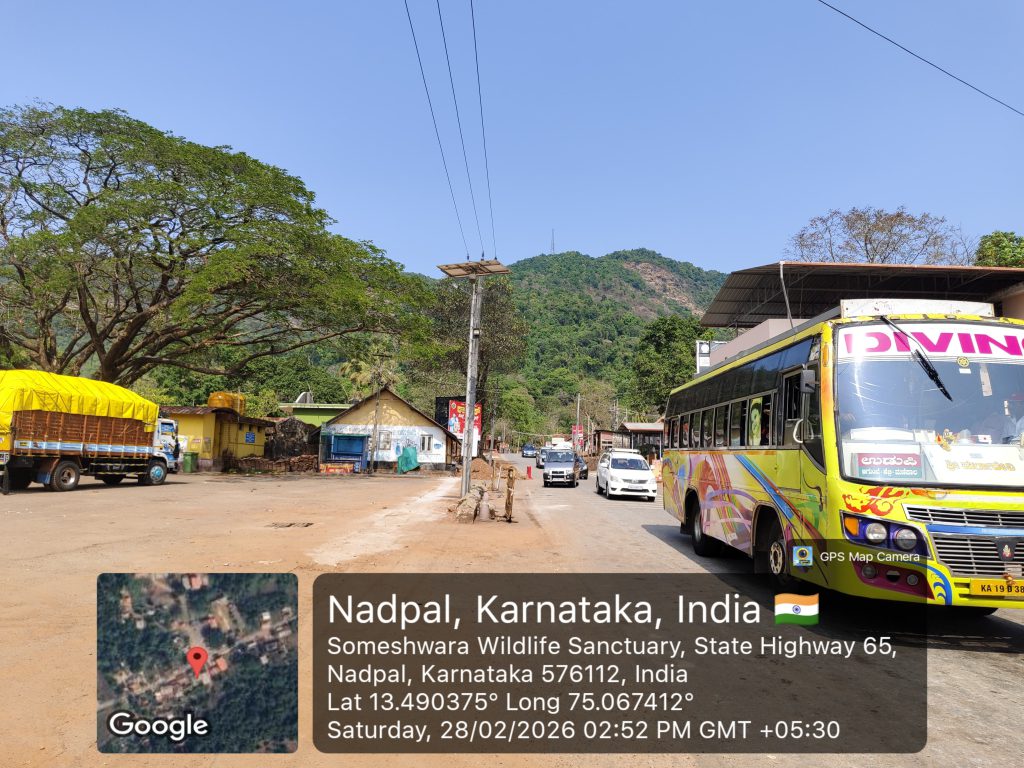
There is a serious misunderstanding growing around Agumbe Ghat. Many believe development means widening roads, blasting hills, and carving tunnels through one of the most sensitive ecosystems in India. That is not development. That is short sighted thinking.
The Real Cause of Traffic Problems
The present road through Agumbe is not inadequate. The real problem is not width. It is management.

At the sixth, seventh, and eighth hairpin bends, vehicles coming uphill from the Udupi side must be given priority. Experienced local drivers understand this. Tourists and occasional visitors often do not. When large buses, tippers, or overloaded vehicles descend aggressively, they block the turns. Engines stall. Vehicles struggle to restart. Confusion follows.
- The result is clear:
- Traffic jams
- Delays for ambulances and emergency services
- Frustration for local residents
- Heavy congestion during weekends
This is not a failure of road design. It is a failure of discipline and regulation.

Why Agumbe Is Ecologically Sensitive
Western Ghats is one of the world’s most important biodiversity regions.
Someshwara Wildlife Sanctuary surrounds this landscape with dense rainforest, rare wildlife, fragile slopes, and intense monsoon rainfall.
Agumbe is not merely a scenic route. It is
- A rainforest ecosystem
- A water source region
- A wildlife corridor
- A landslide prone mountain terrain
Heavy rainfall combined with disturbed slopes leads to landslides. Deforestation combined with road expansion leads to erosion and habitat loss. Blasting for tunnels leads to irreversible ecological damage. A destroyed mountain cannot be rebuilt.
Practical and Responsible Solutions
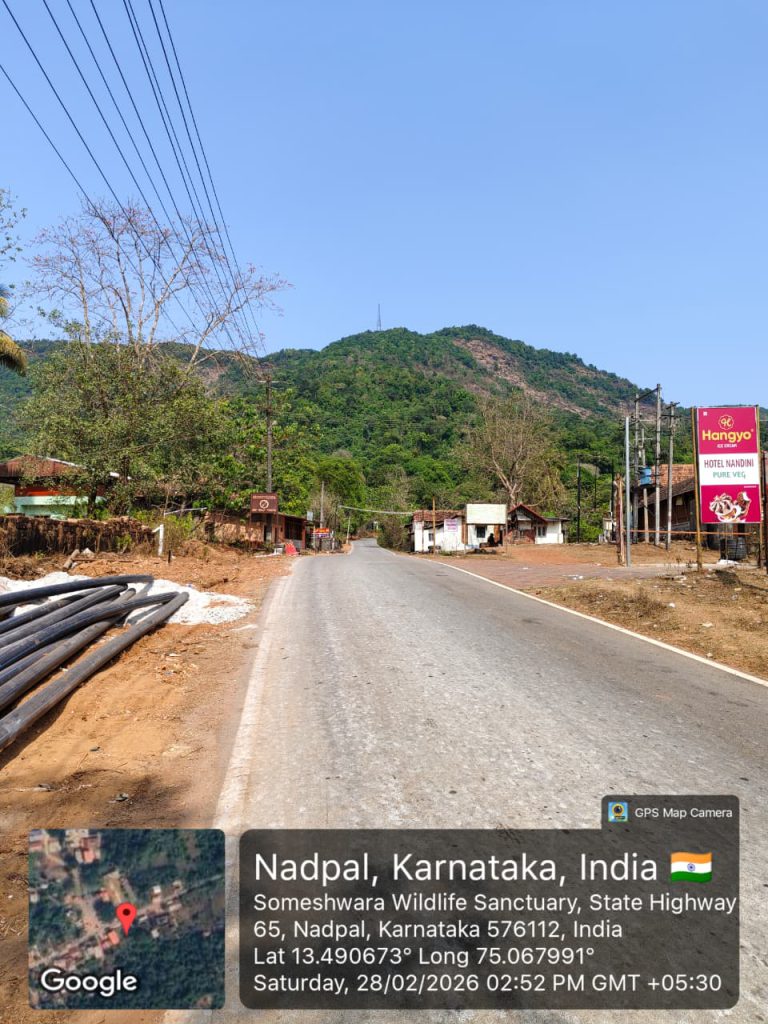
If the goal is safety and smoother traffic, the solutions are simple and achievable.
- Traffic personnel at critical bends
- Two trained staff members at bends six, seven, and eight during peak hours can prevent most congestion. Coordination can solve what concrete cannot.
- Repair and strengthen the existing road
- Close potholes
- Reinforce embankments
- Repair barriers from bends six to thirteen
- Improve drainage systems
Maintenance is smarter and more economical than demolition.
Regulate heavy and illegal transport
Illegal sand, stone, and other goods transport must be strictly stopped. Large tourist buses should be controlled.
Alternative routes already exist
- Hulikal Ghat
- Kerekate Ghat
There is no need to overload a fragile rainforest pass when other roads are available.
Use eco engineering methods
Geo grid reinforcement and bio engineering slope stabilization can strengthen the existing road without harming the environment.
- Work with nature. Do not fight against it.
- Enforce speed control
The growing habit of speeding on ghats is dangerous. Strict monitoring and penalties are necessary. Mountains demand caution and respect.
Development Must Mean Protection
A two lane expansion or tunnel in Agumbe is not a necessity. It risks permanent damage to a sensitive region of the Western Ghats.
Public money should be used to improve safety, enforce law, and protect biodiversity. It should not fund projects that permanently scar a living rainforest.
- True development improves safety while protecting ecosystems.
- True development respects geography and science.
- True development solves real problems without creating irreversible damage.
Agumbe is a living rainforest system that supports wildlife, water, and communities. If we fail to protect such places, we fail future generations. The choice is simple. Reform and regulate. Strengthen what exists. Protect the mountain. Nature does not need bigger roads. It needs wiser decisions.


