
Innovation in Idukki Kerala College Unveils IoT Guardian for Honeybees | Global TV
NV Paulose, Chairman, Global TV +91 98441 82044 | Trivandrum January 5 2026 Global TV Special
At a time when the world is witnessing an alarming decline in honeybee populations a meaningful technological intervention has emerged from the high ranges of Idukki in Kerala.
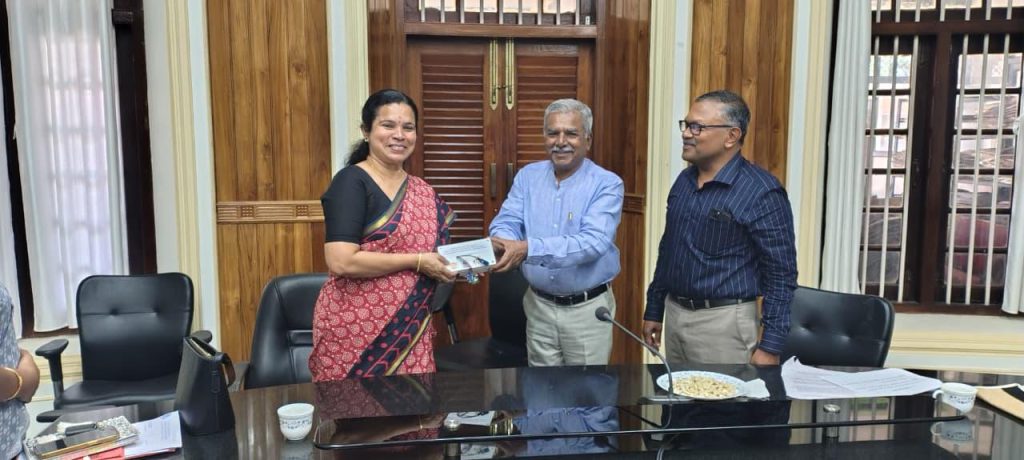
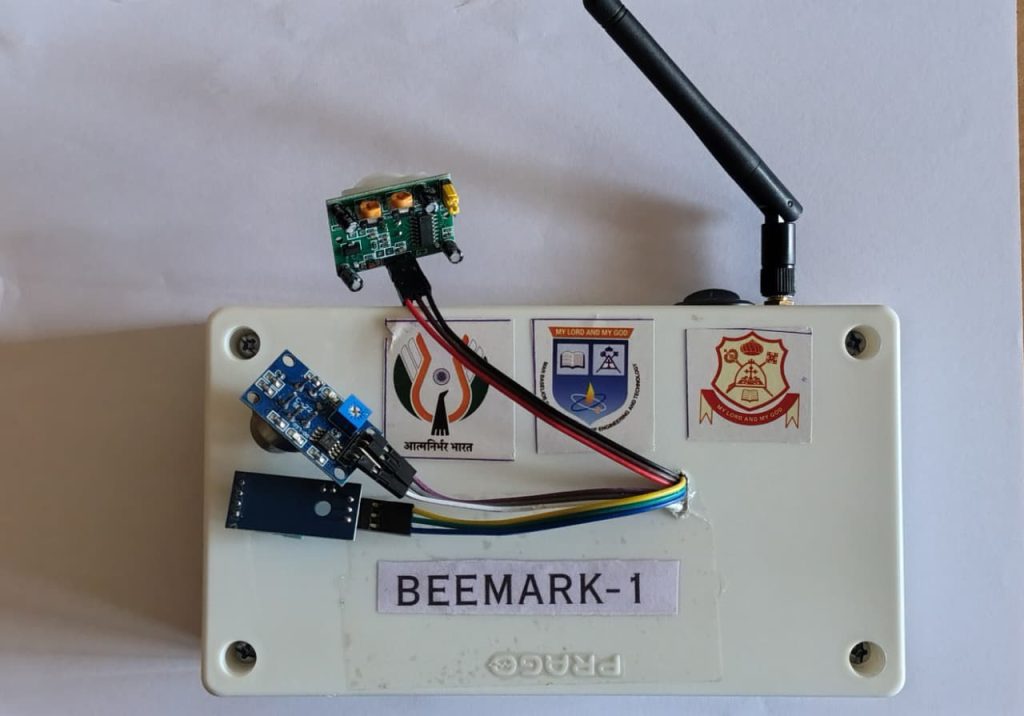
Mar Baselios Christian College of Engineering and Technology Peermade has introduced BEEMARK – I an advanced Internet of Things (IoT) based system designed to safeguard honeybee colonies through continuous and non-intrusive monitoring. The innovation was developed by the Department of Electronics and Communication Engineering under the mentorship of Prof Dr Oommen Tharakan K T Dean Research and Development. This is also an initiative of MBC college towards Atmanirbhar Bharat- building a resilient, self-sufficient nation encompassing Make in India policy of the Government of India.
BEEMARK-I (Bee Electronic Ecosystem by Mbc Advanced Research Kuttikanam) Outside view and the inside.
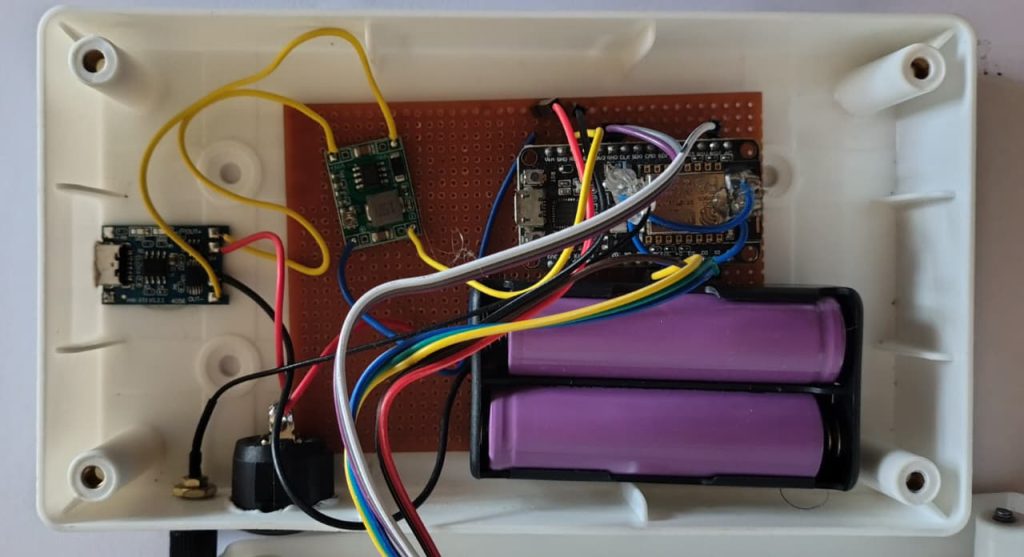
Responding to a Global Ecological Challenge
Honeybees play a critical role in food production and biodiversity. However, climate change pesticide exposure diseases and parasitic infestations are pushing colonies toward collapse.
Conventional hive inspections are often disruptive and may overlook early warning signs of stress. BEEMARK I offers a transformative solution by functioning as a silent observer within the hive. The system continuously gathers and analyses environmental and biological data enabling early detection of abnormal conditions and timely intervention by beekeepers.
Smart Technology Serving Sustainable Agriculture
Key capabilities of BEEMARK – I include
- Continuous temperature and humidity monitoring
- Air quality assessment inside the hive
- Observation of bee movement and activity patterns
- Cloud based data storage and synchronization
- Multi time range data visualization
- Scalable architecture adaptable to different beehive designs
This approach allows beekeepers to shift from reactive problem solving to preventive colony management.
From Campus Innovation to Field Application
The official handing over ceremony to evaluate field compatibility was held at the College of Agriculture Vellayani Trivandrum on January 5 2026. Dr Oommen Mammen Director of MBCCET formally presented the system to Prof Dr Shalini Pillai Associate Director of Research Agricultural Research Station Vellayani.
The event was attended by Prof Dr Amritha V S Principal Investigator of the All India Coordinated Research Project on Honey Bee and Pollinators highlighting the national relevance of the innovation.
Scaling Impact Across Regions
Dr Oommen Mammen stated that MBCCET plans to deploy BEEMARK – I in multiple bee farms across the district in collaboration with the Peermade Panchayat with phased expansion to other parts of the country. The initiative aims to support beekeepers in early decision making thereby improving colony health and increasing honey yield.
He further stated that MBC is in the process of developing Phenotyping tools for accelerated breeding of disease-resistant cardamom- the Queen of Spices.
Engineering with Environmental Purpose
BEEMARK – I stands as an example of how academic research can address real world ecological challenges. By combining engineering expertise with agricultural needs the innovation offers hope for protecting pollinators sustaining livelihoods and strengthening food security. As honeybees continue their vital work inside these smart hives Kerala’s engineers have demonstrated that technology when guided by purpose can help preserve nature.


