
Sparks Urgent Call for Early Detection, Policy Intervention, and Public Mindset Change
NV Paulose, Chairman, Global TV +91 98441 82044
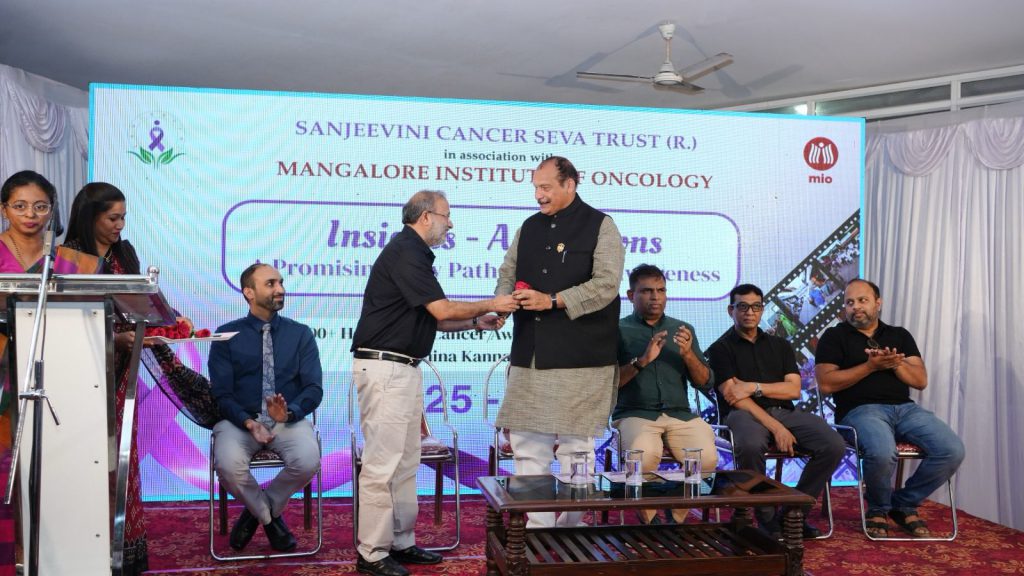
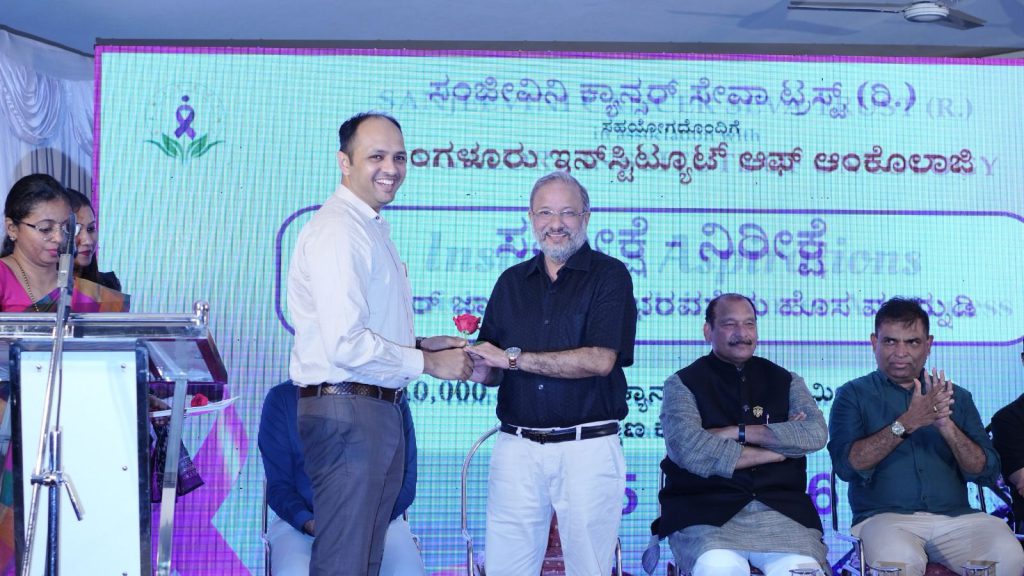
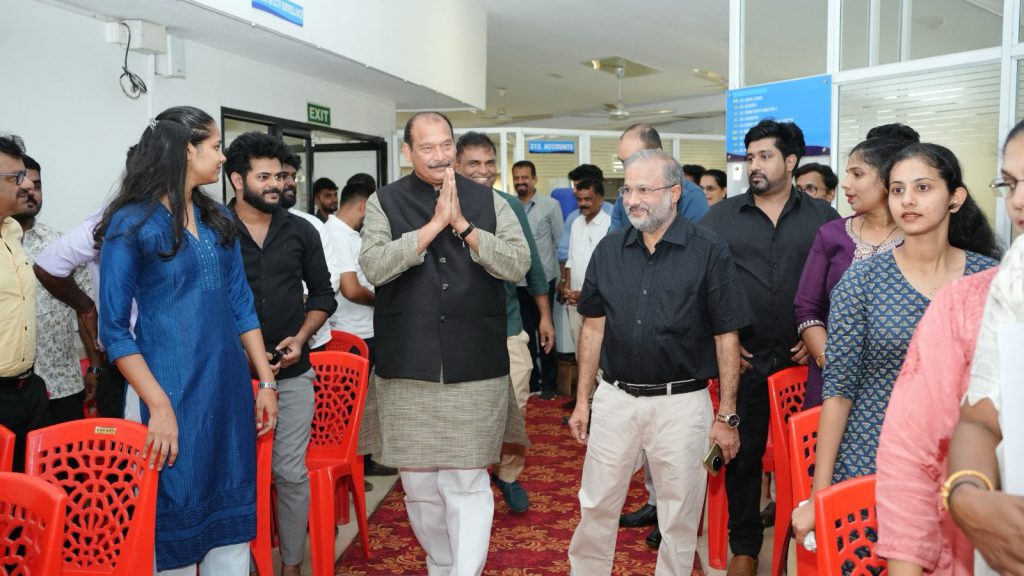
A landmark cancer awareness survey conducted across Dakshina Kannada district has brought into sharp focus a critical public health challenge. While awareness about cancer is relatively high among the population, this knowledge is not translating into preventive action. The findings, officially released at a public function in Mangalore, underline the urgent need to bridge this gap through stronger healthcare access, behavioural change, and coordinated policy support.
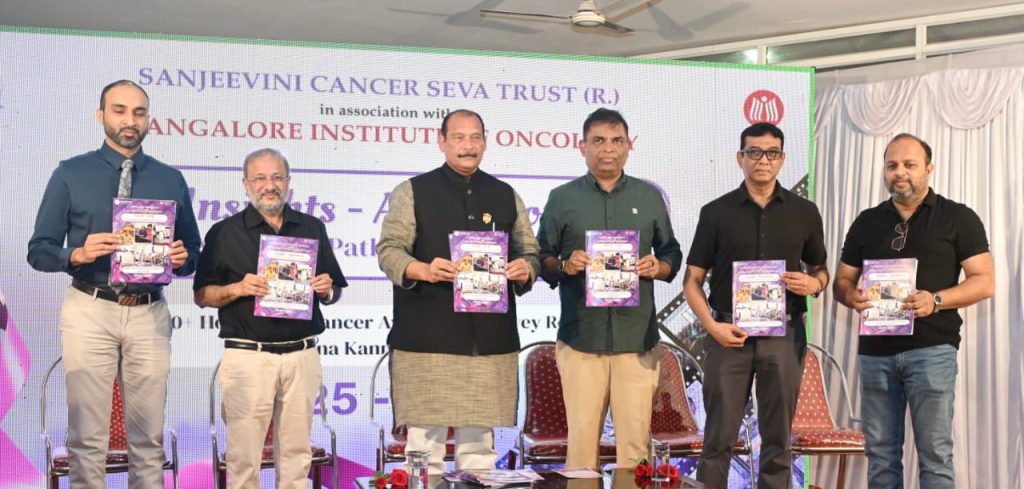
A District That Reflects a Larger Reality
Dakshina Kannada, known for its high literacy rate and relatively advanced healthcare awareness, presents a unique yet concerning picture. Despite these advantages, the district mirrors a broader national trend where awareness does not necessarily lead to timely screening or preventive care. With rising cases of non communicable diseases, including cancer, the region serves as a critical case study for understanding behavioral gaps in public health.
A Large Scale and Diverse Survey
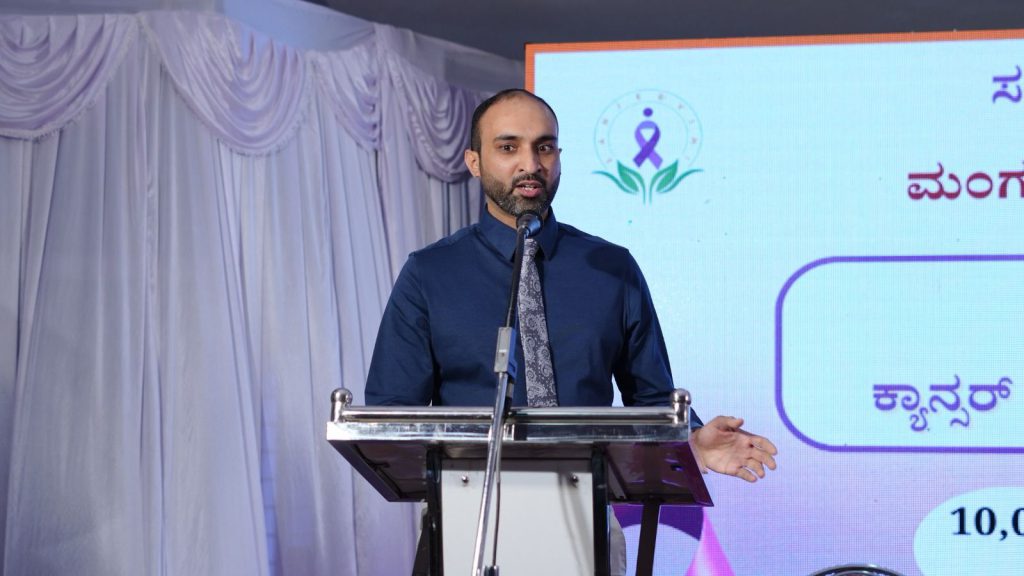
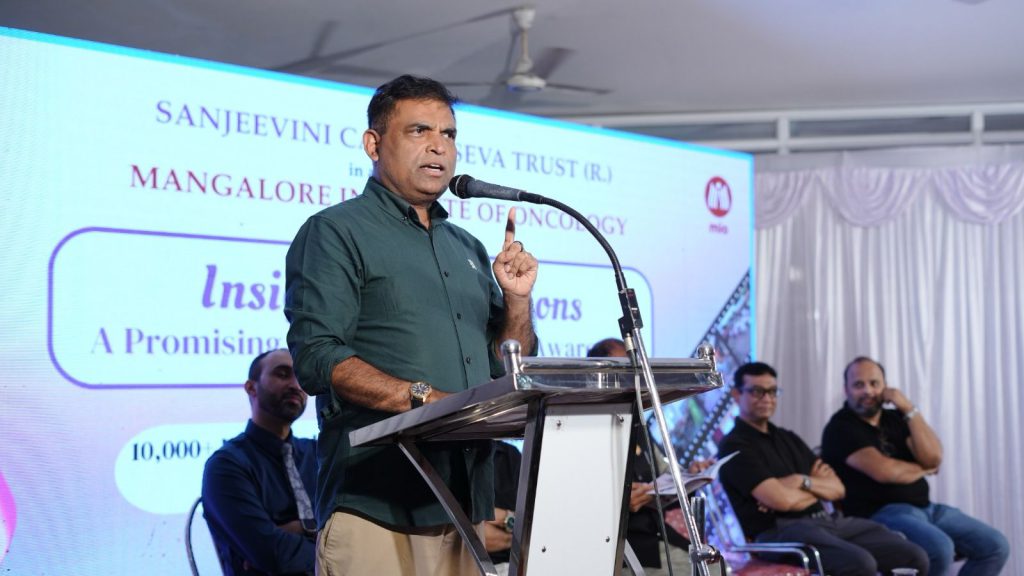
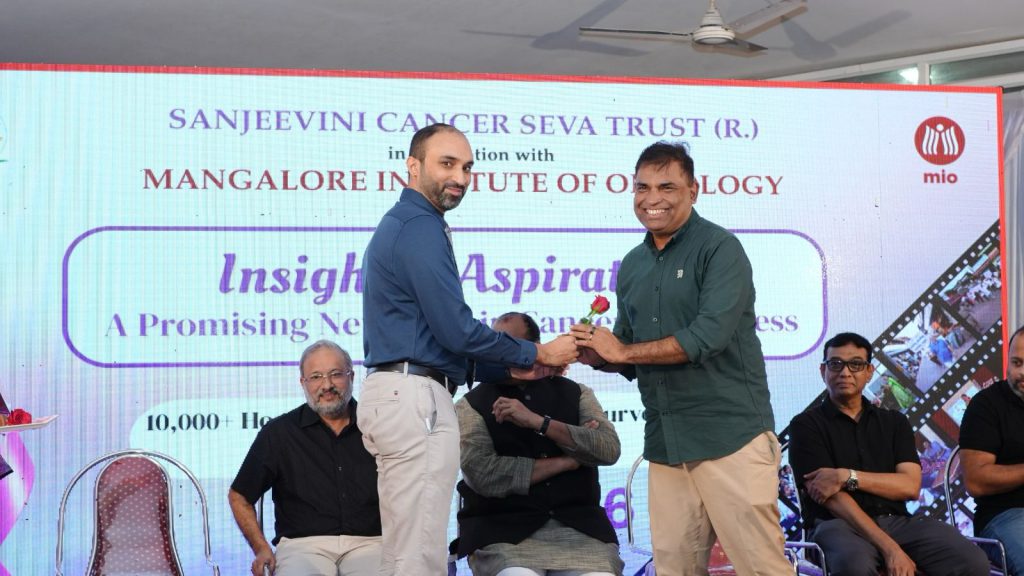
The survey, conducted by Sanjeevini Cancer Seva Trust in association with the Mangalore Institute of Oncology, covered more than ten thousand households across the district. This represents a significant cross section of the population, including students, homemakers, daily wage workers, and professionals.
Given the scale of participation, the findings offer a highly credible and ground level insight into how people perceive cancer, respond to risk, and approach prevention.
Strong Awareness Across the Population
The survey reveals encouraging levels of awareness. More than ninety percent of respondents correctly identified tobacco use as a leading cause of cancer. A majority also understood that early detection greatly improves treatment outcomes. Awareness that cancer is a non-communicable disease was also widely observed.
These findings indicate that public health messaging around causes and risks has been largely effective.
Voices Calling for Policy and Mindset Change
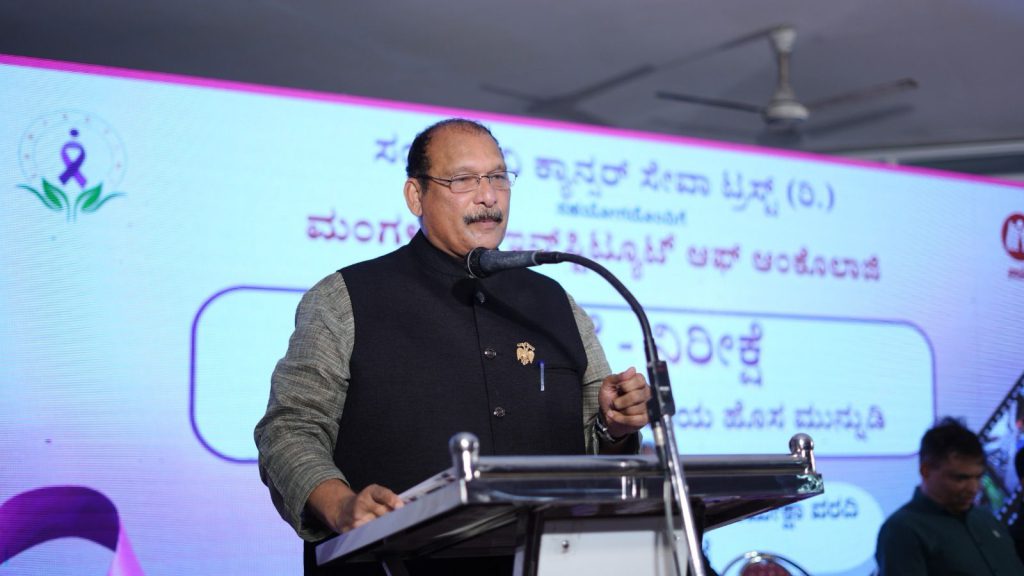
Shri Ivan DSouza, Member of the Legislative Council, highlighted the psychological dimension of cancer care. He noted that nearly half of recovery depends on the confidence instilled in patients by doctors.
He also revealed that a proposal to establish a satellite cancer treatment center in Mangalore, with an estimated investment of three hundred crore rupees, is currently under consideration by the government. While still in process, this proposal signals a step toward strengthening cancer care infrastructure in the region.
He emphasized that people often delay seeking the best medical care until the disease progresses, reinforcing the importance of early detection and trust in local healthcare systems.
Shri Walter Nandalike, Founder of Daijiworld Media Network, praised the compassionate and patient centric approach of the Mangalore Institute of Oncology. He emphasized that patients seek dignity, understanding, and reassurance, and noted that creating a positive and supportive environment plays a vital role in healing.
The Critical Gap Between Knowledge and Action
Despite high awareness, preventive action remains alarmingly low. Fewer than fifteen percent of respondents reported undergoing routine cancer screening.
This gap highlights a fundamental issue. People know the risks, but are not acting on that knowledge. The survey clearly establishes that awareness alone is not enough to drive behavioral change.
Why People Are Not Getting Screened
The report identifies several key barriers that prevent individuals from opting for early detection.
Fear remains the most dominant factor. Many respondents admitted that they avoid screening because they are afraid of a possible diagnosis. This fear often leads to denial and delay.
Financial concerns also play a major role. The perceived high cost of cancer treatment discourages people from even taking the first step toward screening. In addition, limited access to nearby healthcare facilities further reduces participation, especially for those in semi urban and rural areas.
A common behavioral pattern also emerged. Many individuals tend to seek medical attention only when symptoms become severe, significantly reducing the chances of successful treatment.
Limited Awareness and Uptake of HPV Vaccination
The survey points to only moderate awareness of the HPV vaccine, which is a proven preventive measure against certain cancers, particularly cervical cancer.
This is a crucial gap. The HPV vaccine is most effective when taken before exposure to the virus, typically recommended for adolescents and young adults. However, hesitation, lack of information, and low prioritization of preventive healthcare have limited its uptake.
Strengthening awareness around vaccination could play a major role in reducing cancer incidence in the long term.
Positive Signs That Offer Hope
Despite the challenges, the survey also highlights encouraging trends. A section of respondents demonstrated awareness of healthy lifestyle practices such as balanced diet, physical activity, and avoiding tobacco.
Some individuals also reported practicing self examination, indicating a growing but still limited culture of proactive health monitoring.
These positive behaviors provide a foundation that can be expanded through targeted interventions.
Key Recommendations for Change
The report outlines several practical steps to bridge the gap between awareness and action.
It calls for subsidized screening programs to make early detection affordable and accessible. Counseling services are recommended to address the deep rooted fear associated with cancer diagnosis and to encourage timely checkups.
The use of mobile screening units is suggested as an effective way to reach remote and underserved populations. Additionally, the report emphasizes the need for stronger and more focused awareness campaigns, particularly around vaccination and preventive care.
Leadership Driving the Initiative
The initiative was led by Dr D Suresh Rao, Director of the Mangalore Institute of Oncology and President and Managing Trustee of Sanjeevini Cancer Seva Trust.
He stressed that prevention and early intervention remain the most effective ways to reduce the burden of cancer. He pointed out that fear should not paralyze individuals but instead motivate them to seek early detection.
Dr Rao also expressed concern that many people remain indifferent toward regular health checkups, even when they witness illness in others. He emphasized the need to build a more responsible and health conscious society.
Scale, Impact, and the Road Ahead
With coverage of more than ten thousand households, the survey represents one of the most extensive community level studies on cancer awareness in the region. Its findings are expected to influence public health planning and awareness strategies across coastal Karnataka.
The report will be submitted to the Government of Karnataka to help shape future initiatives focused on prevention, early detection, and improved accessibility to care.
The findings from Dakshina Kannada send a clear and urgent message. Awareness without action is not enough. The real fight against cancer lies in early screening, timely intervention, vaccination, and a shift in public mindset.
Bridging this gap requires more than information. It demands accessibility, affordability, emotional support, and collective responsibility. Only then can awareness truly translate into lives saved.


