
From Vanishing Kilns to Living Cities | How Innovation from Rome Found Its Natural Home in Mangalore | Global TV
NV Paulose, Chairman, Global TV +91 98441 82044
A senior tile manufacturer once told me a story that stayed with me. An expert had conducted a workshop for officials from the tile industry. He spoke plainly and without diplomacy. He warned them about the urgent need for innovation. He said industries that failed to reinvent themselves would not slowly decline. They would simply vanish.
His words were uncomfortable. They were ignored.
The tile manufacturer admitted that the warning was consciously brushed aside. Those in the room believed they were irreplaceable. They believed tradition was strength enough. They believed demand would never disappear.
Time proved otherwise.
The tile industry that once defined skylines and livelihoods across the region almost vanished. A few companies that chose innovation survived and today they are doing well. Others chose different paths. Visionaries like Mr FM Lobo looked beyond factories and machinery and saw possibility in land and scenic beauty. Had the system been cleaner and more transparent, those initiatives could have transformed parts of Mangalore into some of the most sought after destinations for events and celebrations.
This is not merely a story about tiles.
It is a lesson about innovation ignored and opportunity lost.
A Powerful Contrast from Rome to Mangalore

There was a time when the slogan Mangalore roofs the world captured a reality. Clay tiles manufactured here travelled far beyond the coast, covering homes across continents.
Today the contrast is striking.

Innovation is no longer flowing outward in the form of clay and kilns. It is arriving from Rome in the form of solar roofing, intelligent materials, digital construction systems, timber engineering, smart glass, and sustainable urban regeneration.
Rome, a city shaped by centuries of civilisation, is now bringing the future of the building industry to Mangalore, a city often referred to as the Rome of the East because of its culture, education, and human values.
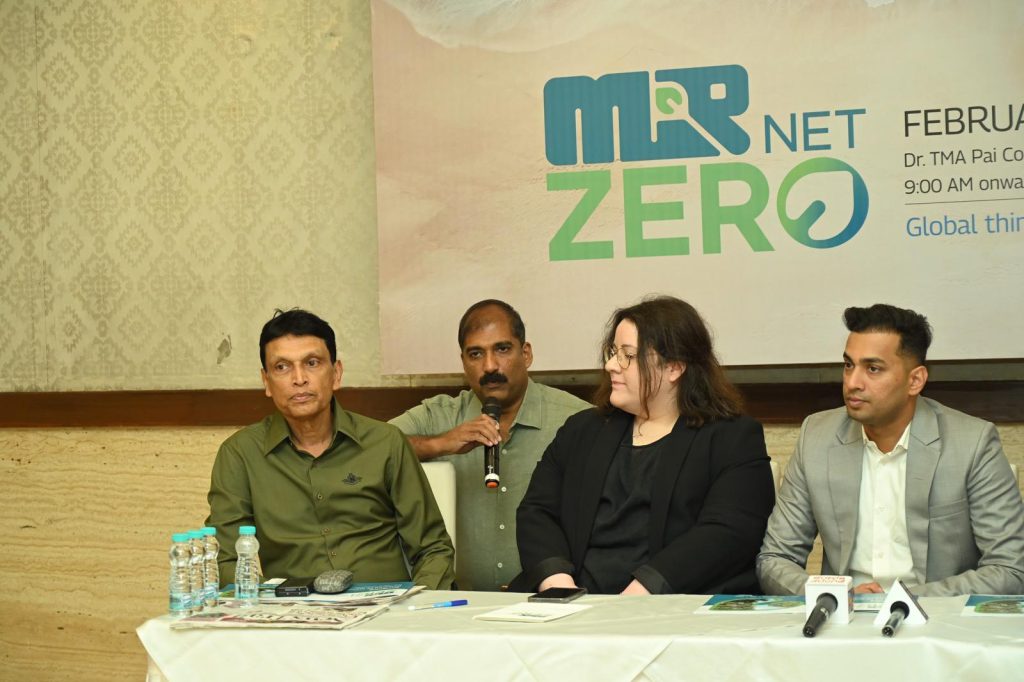
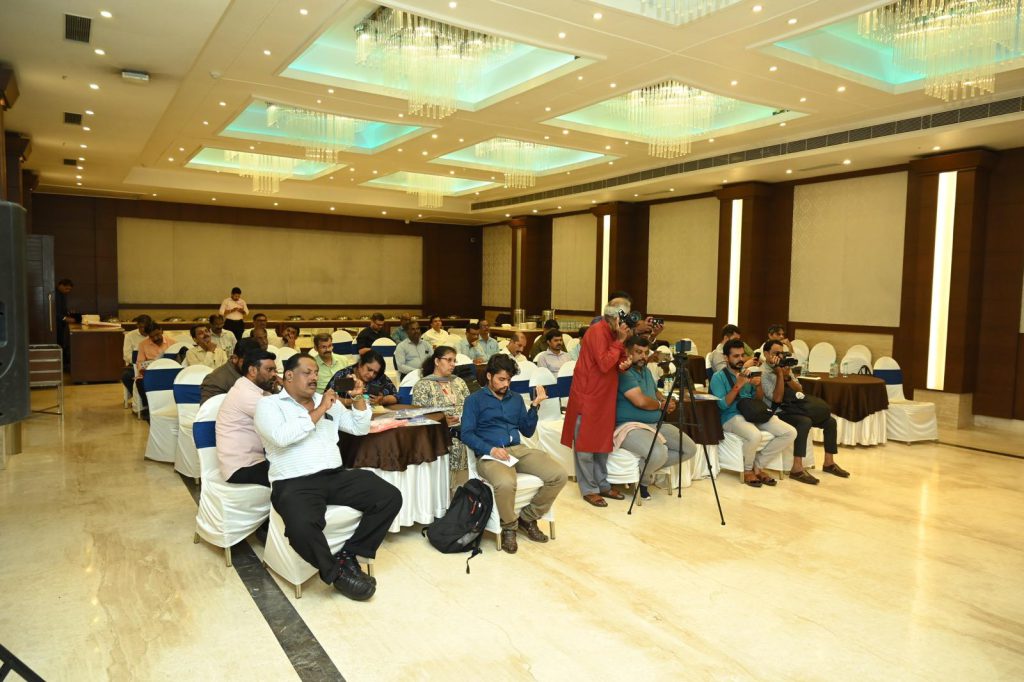
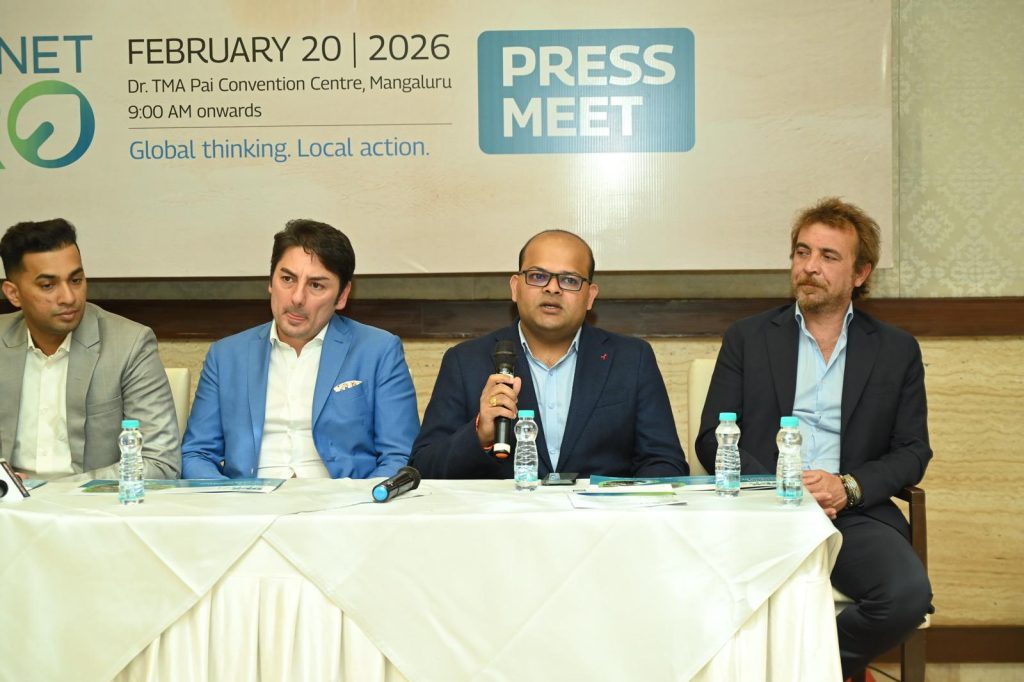
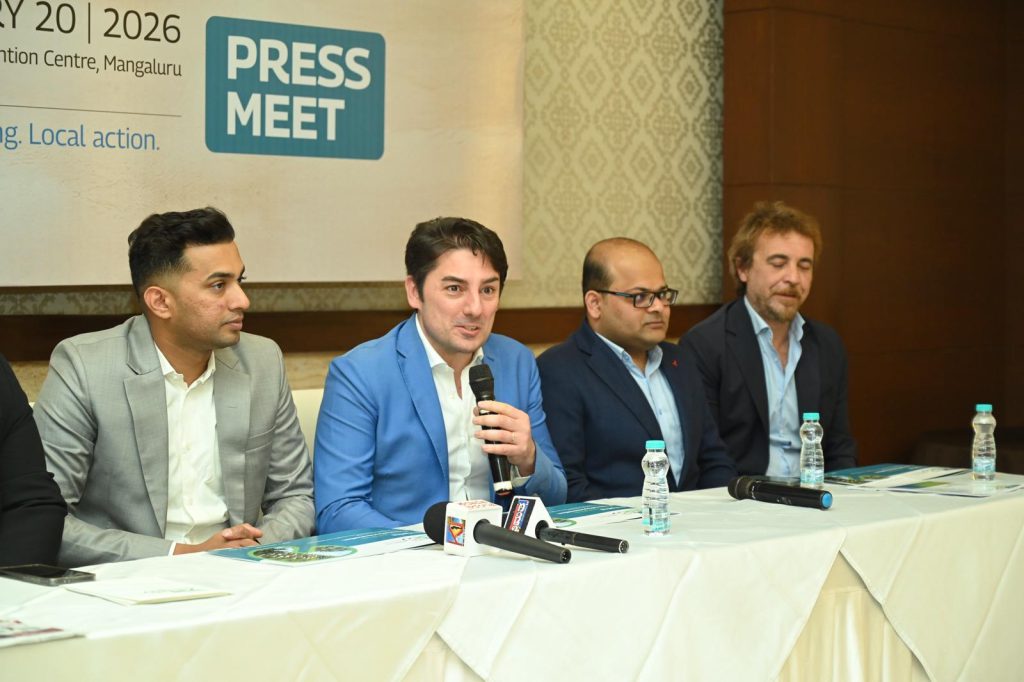
This convergence is symbolic. It is meaningful. And it is deliberate.
At the centre of this moment stands MIR Group and its ambitious initiative MiR Net Zero Vision 2047.
Why Mangalore Was the Right Choice
If one asks what is best about Mangalore, the answer is simple. It is the people.
Civilised in conduct and global in outlook, Mangaloreans combine tradition with exposure. Many have studied and worked across the world and returned with experience, not arrogance. The city values education, social harmony, and quality of life.
By any honest measure of human wellbeing, Mangalore would rank extremely high. If there were a true human happiness index, this city would stand near the top in the country, if not globally.
Innovation does not thrive on technology alone. It thrives where people are receptive and discerning. MIR Group did not merely select a venue. It selected a cultural environment capable of understanding and absorbing advanced ideas.
Beginning this journey in Mangalore was not convenience. It was insight.
MIR Group and a New Way of Thinking

What sets MIR Group apart is not that it speaks about sustainability. Many organisations do that. What sets it apart is how it integrates design, engineering, energy, finance, and governance into one coherent approach.
For MIR, buildings are not static structures. They are living systems that influence energy use, human behaviour, climate impact, and long term economic value.
Through solar integrated building envelopes, digital lifecycle platforms, timber technologies, smart materials, and environmental governance frameworks, the group proposes a new way forward. Cities should not merely reduce damage. They should actively regenerate value.
MiR Net Zero Vision 2047 is a platform created to make decisions.
The Summit and Its Deeper Meaning
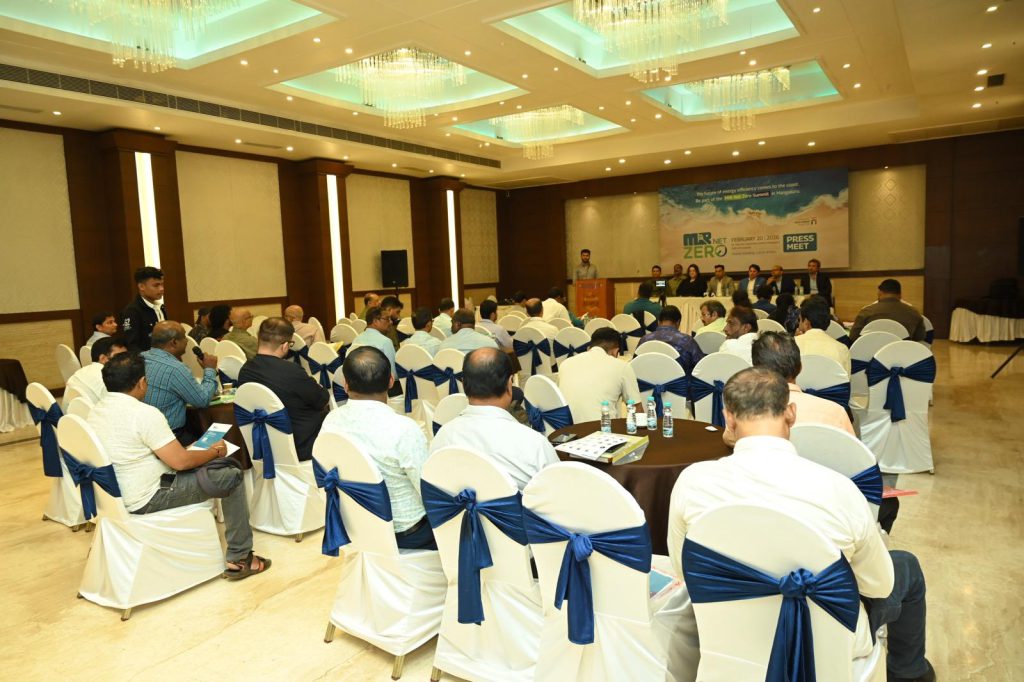
Hosted at the TMA Pai International Convention Centre, the MiR Net Zero Summit 2026 brought together an exceptional group of leaders.
Union ministers and state ministers responsible for energy and infrastructure. Senior administrators who translate policy into execution. International experts from Italy bridging European innovation with Indian scale. Architects, engineers, financiers, developers, and sustainability leaders.
This was alignment, not symbolism.
Discussions moved seamlessly from global green capital to carbon neutral cities, from digital construction systems to material innovation, from policy intent to practical delivery.
One message emerged clearly. Net zero is no longer a distant aspiration. It is an operational challenge of the present.
Italy and India Building Together
Italy brings a rare quality to the sustainability conversation. It understands that efficiency alone is not enough. Design must respect culture. Sustainability must be beautiful. Cities must remain humane.
The Italian experts at the summit spoke about architectural responsibility, urban regeneration, digital integration, and materials that last for generations. They demonstrated that sustainability imposed without elegance will fail. Sustainability integrated with beauty will endure.
India brings urgency, scale, and opportunity. Together, Italy and India form a powerful partnership for the future of cities.
Mangalore became the meeting point.
Learning from Decline and Designing the Future
The decline of the tile industry was not caused by lack of skill. It was caused by lack of imagination.
That lesson echoed throughout the summit.
Buildings account for a large share of global energy consumption. They lock in emissions for decades. Yet they also represent the greatest opportunity for transformation.
- Solar is no longer an add on.
- Glass is no longer passive.
- Timber is no longer primitive.
- Data is no longer optional.
The future city is intelligent, integrated, and engineered with purpose.
MiR Net Zero Vision 2047 does not debate whether India should change course. It focuses on how fast change must happen and how responsibly it must be done.
Why the Year 2047 Matters
The year 2047 marks one hundred years of Indian independence. It is symbolic, but it is also practical.
Cities built today will still stand in 2047. Decisions taken now will define climate resilience, economic competitiveness, and quality of life for future generations.
The final roundtable at the summit emphasised one critical truth. Delay is the most expensive decision of all.
Innovation postponed becomes disruption endured.
A Beginning with Purpose
As the summit concluded with its valedictory address and an exclusive gala bringing together policymakers, industry leaders, and Italian delegates, it was clear that this was not an ending.
It was a beginning.
MIR Group chose Mangalore because it was ready. Ready in mindset. Ready in people. Ready in values.
The story of the tile industry teaches us a powerful lesson. Industries that believe they are irreplaceable rarely are. Cities and companies that reinvent themselves always are.
From Rome to Mangalore, from clay roofs to solar skins, from static buildings to living cities, innovation has found its moment.


