
The Myth of Reactive Cardiology vs. Proactive Movement | Act before an Attack | Global TV
NV Paulose, Chairman, Global TV +91 98441 82044

Generation Yesterday Today Tomorrow | Together Far Better
Cardiovascular health is fundamentally grounded in daily movement, functional endurance, and proactive movement choices long before invasive surgical interventions become necessary. While cardiac surgeons perform life-saving operations during critical cardiovascular emergencies, maintaining optimal heart health rests primarily in the hands of cardiopulmonary physiotherapists, fitness professionals, and active individuals committed to consistent physical conditioning.
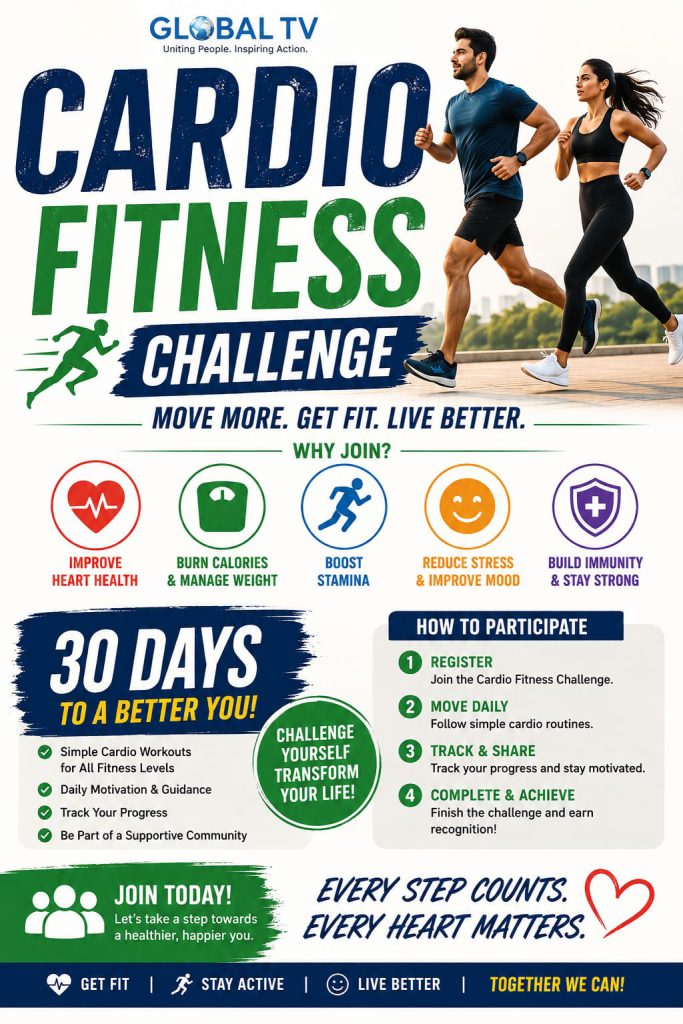
A common misconception in modern healthcare is viewing cardiovascular care as an exclusively hospital-based, surgical discipline. Relying solely on cardiac surgeons positions heart care as a reactive treatment reserved for critical conditions such as advanced coronary artery disease, myocardial infarction, or cardiac arrest. Proactive cardiovascular wellness relies on preventing mechanical and structural deterioration before an acute cardiac event occurs. Cardiopulmonary physiotherapists specialize in optimizing lung capacity, improving VO2 max, regulating blood pressure, and rehabilitating vascular efficiency through targeted aerobic and anaerobic conditioning. When combined with the daily discipline promoted by fitness enthusiasts and coaches, lifestyle-based movement serves as the primary defense against systemic cardiovascular decline.
The Mechanics of Prevention: Cardiopulmonary Physiotherapy and Fitness
Cardiopulmonary physiotherapy bridges the gap between clinical rehabilitation and functional physical training. These specialists utilize evidence-based exercise prescription to systematically adapt the heart muscle, enhance cardiac output, and improve endothelial function.
- Endothelial Function and Vascular Resistance: Regular structured cardiovascular exercise stimulates nitric oxide production, reducing arterial stiffness and decreasing peripheral vascular resistance.
- Myocardial Efficiency: Aerobic conditioning increases stroke volume—the amount of blood pumped per beat—allowing the heart to operate efficiently at lower resting heart rates.
- Autonomic Balance: Consistent movement helps balance the sympathetic and parasympathetic nervous systems, lowering chronic stress hormones like cortisol and adrenaline that contribute to elevated blood pressure.
- Metabolic and Immune Support: Daily physical activity increases calorie expenditure, aids in weight management, improves insulin sensitivity, builds immune resilience, and enhances overall mood.
Fitness enthusiasts and community leaders serve as the frontline motivators who translate these clinical principles into sustainable daily habits. By building supportive environments around active living, fitness communities help turn physiological principles into achievable lifestyle practices.

Taking Charge: The 30-Day Path to Cardiovascular Resilience
Taking proactive control of heart health requires shifting from a sedentary lifestyle to structured, daily movement. Building long-term cardiovascular endurance starts with accessible, repeatable steps designed for all fitness levels:
- Establish a Daily Baseline: Commit to intentional physical activity every day, whether through brisk walking, cycling, swimming, or bodyweight circuit training.
- Follow Tailored Progression: Utilize simple cardio routines structured to match your current functional capacity, gradually increasing duration and intensity over time.
- Track Key Metrics: Monitor resting heart rate, active duration, and recovery time to assess adaptive progress and stay accountable.
- Leverage Community Support: Engage with fitness groups, local challenges, or training partners to maintain long-term motivation and consistency.
Joining Hands for Lifelong Heart Health
Preventative heart health is a collaborative effort that connects clinical movement specialists, fitness professionals, and individual action. While cardiac surgeons remain essential for acute trauma and advanced disease management, the daily work of protecting the heart occurs long before reaching an operating room. By taking charge of functional fitness today, individuals reduce the risk of critical heart events, boost energy levels, manage weight, and improve overall quality of life. Move daily, build stamina, and prioritize proactive movement—because every step counts, and every heart matters.


