
The Wisdom of the Earth, Reimagined for Modern Living
NV Paulose, Chairman, Global TV +91 98441 82044
What if the answer to some of our most pressing environmental challenges was lying beneath our feet all along? What if the soil we excavate while constructing buildings could be transformed into beautiful, durable building materials that help us create healthier homes, reduce energy consumption, and tread more lightly on our planet? This is not merely an inspiring thought. It is a practical possibility being brought to life by the people behind Earth Blocks India, a Bengaluru based enterprise that is giving the humble earth beneath us a remarkable new purpose.
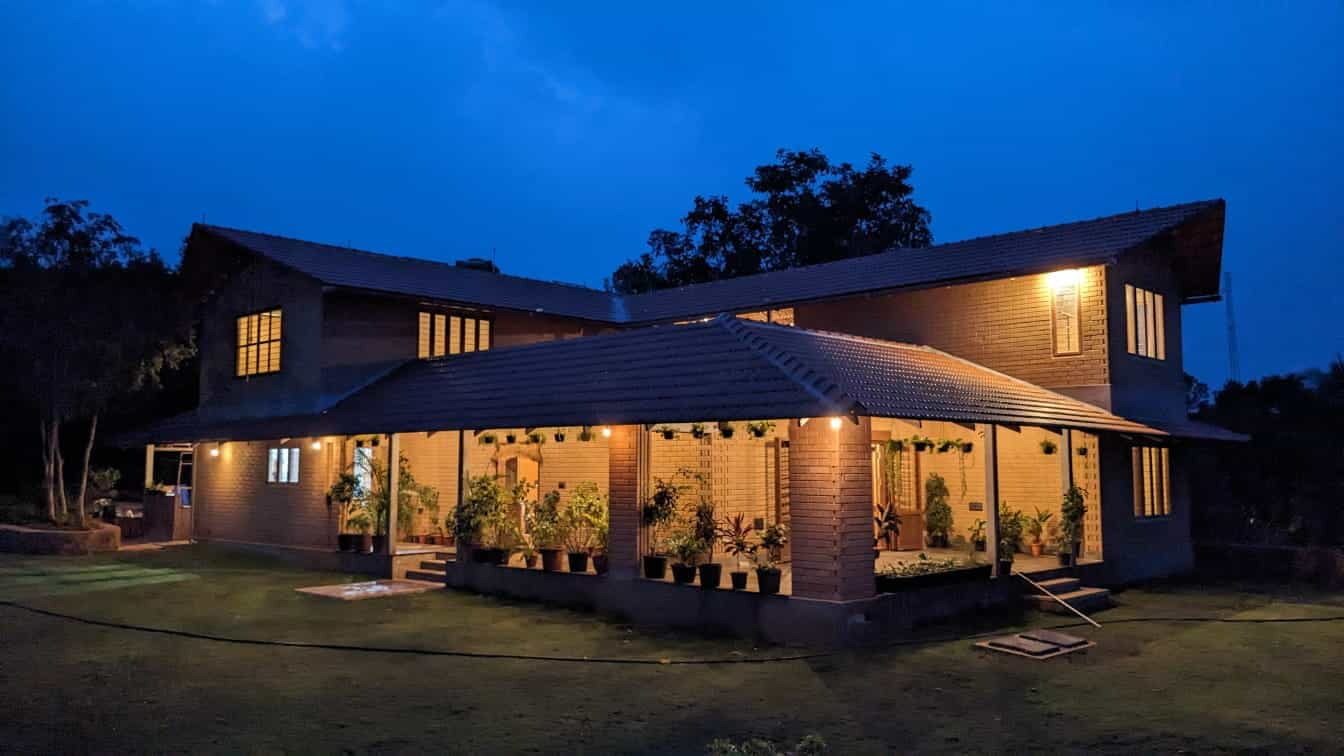
In a world where construction is synonymous with enormous consumption of natural resources, energy intensive manufacturing, and growing environmental concerns, Earth Blocks offer a refreshing alternative. They invite us to reconsider what we build with, how we build, and what kind of legacy our buildings leave behind. For generations, our ancestors understood the value of building with locally available materials. Traditional mud homes, with their naturally cool interiors and earthy charm, were well adapted to their surroundings. However, as urbanisation accelerated and modern construction practices took over, many of these time tested principles were gradually pushed aside. Concrete and conventional bricks became the dominant symbols of progress, often at a significant environmental cost.
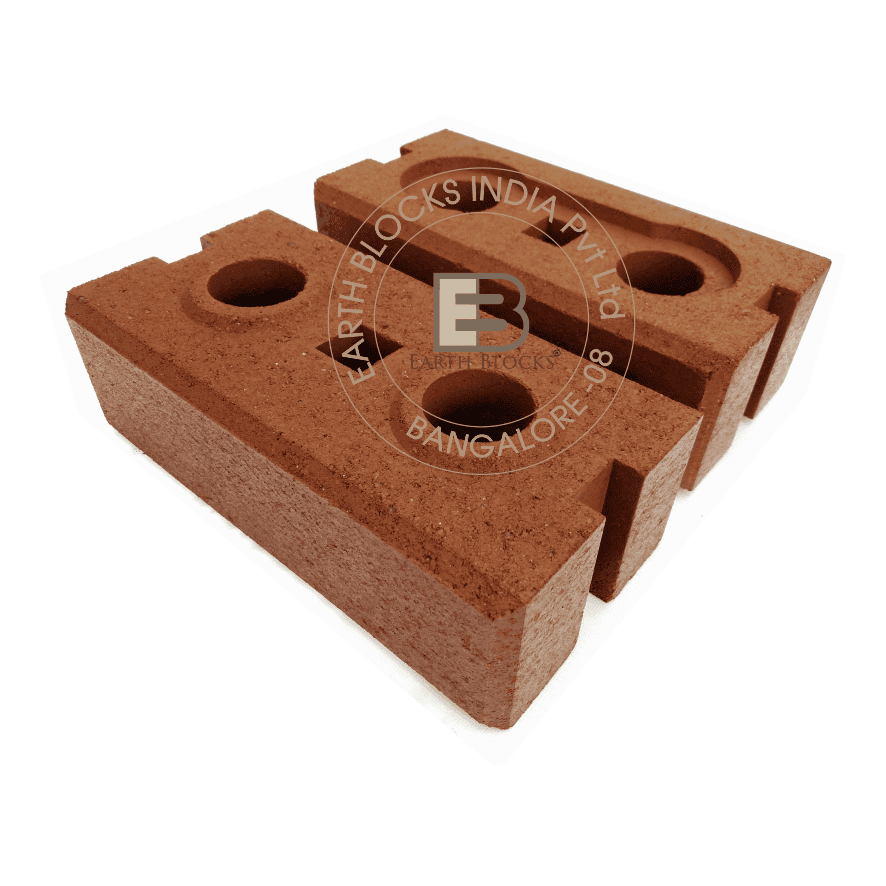
Earth Blocks bring this forgotten wisdom into contemporary architecture through science, engineering, and thoughtful innovation. They are not simply an attempt to return to the past. They represent an intelligent meeting point between traditional knowledge and modern construction technology.
Compressed stabilised earth blocks, commonly known as CSEB, are manufactured by carefully blending suitable soil with a small proportion of cement, generally around six to nine percent depending on the soil composition, intended application, and engineering requirements. The mixture is compressed under pressure to produce strong, dense blocks that can be used in a variety of building applications.
The beauty of this process lies in its simplicity and purpose. Instead of depending on high temperature firing, as conventional clay bricks do, these blocks rely on mechanical compression and stabilisation. Suitable subsoil, including material excavated at construction sites, can become a valuable resource rather than something destined for disposal.
This is an idea worth celebrating. It transforms what might be considered waste into an opportunity, demonstrating that responsible innovation often begins with looking at familiar resources through a different lens.
Homes That Breathe, Buildings That Give Back
A building should do much more than provide shelter. It should support the comfort, health, and wellbeing of the people who live and work within it. This is where Earth Blocks offer a particularly compelling proposition.
One of the most appealing qualities of earth based construction is its ability to contribute to thermal comfort. The density and thermal mass of compressed earth walls can help moderate temperature fluctuations, slowing the transfer of heat between the outdoors and indoors. Depending on the local climate, wall design, orientation, ventilation, and insulation, this can help maintain more comfortable interior temperatures.
Imagine entering a home on a hot afternoon and experiencing a welcome sense of coolness, or enjoying a comfortable indoor environment during cooler weather. Such comfort is not merely a luxury. It can contribute to lower dependence on mechanical cooling and heating, potentially reducing electricity consumption and household energy costs.
As Indian cities experience rising temperatures and buildings account for an increasing share of energy demand, materials that support passive climate control deserve far greater attention. A thoughtfully designed building begins working for its occupants long before an air conditioner is switched on.
Earth Blocks also offer the possibility of walls that manage moisture in ways that support a comfortable indoor environment. Their ability to absorb and release water vapour depends on the soil mixture, stabilisation, finishes, and construction details. When properly designed and protected from persistent dampness, earth walls can contribute to moisture regulation. However, good ventilation, appropriate waterproofing, and careful detailing remain essential to prevent mould and moisture related problems.
There is also the matter of acoustic comfort. Dense earth walls can help reduce the transmission of sound, making them attractive for homes, offices, schools, hospitality spaces, and other buildings where peace and privacy matter. Their performance depends on wall thickness, joints, openings, and the overall building assembly.
Similarly, properly manufactured and tested earth blocks can offer useful fire resistance because soil based materials are noncombustible. Their resistance to insects and biological deterioration can also be valuable, although the performance of a complete building depends on its finishes, timber components, foundations, moisture protection, and maintenance.
These qualities remind us that sustainability is not simply about reducing carbon emissions or choosing a material with an attractive environmental story. It is also about creating spaces that people genuinely enjoy inhabiting. Comfort, durability, health, and resource efficiency must come together if a building is to serve its occupants well.
The true promise of Earth Blocks lies in this holistic vision of construction. Instead of treating walls as lifeless barriers between people and the outdoors, they encourage us to see building materials as active contributors to the experience of a space.
Earth Blocks India: People Turning Possibility into Practice
Behind every meaningful innovation are people who dare to question conventional thinking and put their ideas into action. Earth Blocks India, founded in Bengaluru in 2016, is an example of an enterprise working to make earth based construction relevant to contemporary building needs.
The company has developed different types of earth blocks, including smart blocks and interlocking blocks, bringing greater variety and practicality to the use of compressed earth in construction. These products point towards an important evolution in sustainable building materials. The objective is not merely to make an environmentally considerate block, but to create a product that architects, engineers, contractors, and property owners can realistically incorporate into their projects.
Interlocking systems, for instance, can help guide block placement and may simplify aspects of construction when used with an appropriate structural design and installation method. Different block formats can also respond to varying architectural requirements, allowing designers to explore the visual warmth and natural character of earth without being restricted to traditional building forms.
The fact that Earth Blocks India has been involved in projects across South India is encouraging. Every completed project can help demonstrate what is possible, challenge assumptions about alternative materials, and build confidence among professionals who might otherwise hesitate to move away from conventional construction.
The work of such enterprises involves more than manufacturing. It requires education, collaboration, experimentation, and persistence. Sustainable materials must compete in a market where established practices, supply chains, pricing expectations, and construction habits are deeply entrenched. Architects and builders need reliable technical information. Clients need confidence in quality and durability. Contractors need workable installation methods. And manufacturers must maintain consistency while helping the wider industry understand the material.
These are not small challenges. They call for a combination of technical knowledge, entrepreneurial courage, environmental awareness, and long term commitment.
That is why the people working to expand the possibilities of Earth Blocks deserve appreciation. They are contributing to a conversation that the construction industry urgently needs to have. They are helping demonstrate that progress need not always mean greater industrial intensity, more complicated materials, or ever increasing resource consumption.
Sometimes, progress means making better use of what is already available.
Their efforts also invite architects and designers to rediscover the aesthetic potential of earth. Natural textures, warm tones, exposed masonry, and a sense of connection to the landscape can lend buildings a distinctive character. Earth need not be hidden behind layers of artificial finishes. It can become an expressive architectural element in its own right.
When thoughtful design meets responsible material selection, sustainability becomes visible, tangible, and inspiring.
A Foundation for a More Responsible Future
The environmental argument for Earth Blocks extends beyond the walls of an individual building. Conventional fired clay bricks require substantial heat during manufacturing, while cement and concrete production are also associated with significant carbon emissions. Compressed stabilised earth blocks can reduce reliance on firing and make productive use of suitable excavated soil.
Their actual environmental advantage, however, depends on several factors, including the quantity of cement used, the distance soil and finished blocks travel, manufacturing energy, water requirements, waste generation, and the durability of the completed structure. A responsible comparison must consider the entire life cycle rather than assuming that every earth block automatically has a lower impact.
Even with these considerations, the underlying concept is powerful. Construction sites generate large quantities of excavated material. Finding suitable ways to reuse that material can reduce disposal requirements and ease pressure on other natural resources. When locally sourced soil is appropriate and manufacturing takes place close to the building site, further benefits may be possible.
The six to nine percent cement content commonly used in stabilised earth blocks is also worth examining carefully. Cement improves strength and durability when correctly specified, but it carries its own environmental footprint. The opportunity lies in achieving the required performance with an appropriate amount of stabiliser rather than using more material than necessary.
Equally important is the need for sound engineering. Soil composition varies considerably from one location to another, and not every excavated soil is suitable for block production. Proper soil testing, mix design, compression, curing, quality control, structural planning, and protection against water are essential. Load bearing applications must meet the relevant building codes and safety requirements. Fire performance, acoustic performance, and other technical claims should be supported by appropriate testing for the specific product and construction assembly.
These considerations do not diminish the promise of Earth Blocks. They strengthen it by placing sustainability on a foundation of evidence, reliability, and responsible practice.
For India, where rapid urbanisation and the demand for affordable, comfortable buildings continue to grow, the potential is especially significant. Earth Blocks could contribute to a more resource conscious approach to housing, institutional buildings, workplaces, and commercial developments. They can also encourage a richer architectural vocabulary, one that values local materials and responds intelligently to climate.
Yet the greatest transformation will happen when such materials move beyond isolated projects and become part of a broader culture of responsible construction. Architects must be willing to specify them. Developers must be prepared to explore alternatives. Engineers must continue to validate their performance. Public institutions can help through research, demonstration projects, and appropriate building policies. And consumers can support the transition by asking better questions about the materials used to build their homes.
Earth Blocks India and other pioneers in this field are helping open that door.
Ultimately, the story of Earth Blocks is about more than bricks, walls, or manufacturing technology. It is about recognising value where others may see waste, rediscovering intelligence in traditional materials, and applying contemporary knowledge to create a more thoughtful built environment.
It is about understanding that a beautiful home should not come at an unnecessary cost to the planet, and that a modern building can be strong, comfortable, functional, and environmentally considerate at the same time.
The earth beneath our feet has supported human civilisation for thousands of years. With the right knowledge, care, and innovation, it can continue to shape our future.
Every block made from suitable soil is a reminder that sustainability need not always begin with something new. Sometimes, it begins with seeing something old in an entirely new way.
And sometimes, the foundations of a better tomorrow are quite literally made from the earth beneath us.


