All posts by admin

About admin

Chairman of Global TV | Excellent Writer | Exceptional PR Skills | Author of Six books | MASTER HEALER | +91 98441 82044 |

Seema Shenoy Manek | The Journey of an Authentic Influencer Rooted in Real Transformation | Global TV

Influence is good as far as I am authentic | Seema Shenoy Manek |

NV Paulose, Chairman, Global TV +91 98441 82044

Influence is often measured by numbers, visibility, and perfection. We may feel authenticity has become increasingly rare today. Many voices speak, but only a few create lasting change. Seema Shenoy Manek stands apart not because she seeks attention, but because her work is grounded in truth, lived experience, and meaningful transformation.

Her journey is not one of instant success or external validation. It is a story shaped by struggle, self-reflection, resilience, and an unwavering commitment to growth. What makes her an authentic influencer is not just what she teaches, but what she has personally lived, questioned, and overcome.

The Beginning of a Dream

Seema’s story begins with a young girl who did not fit the traditional definition of success. Coming from a middle-class background, she struggled with self-doubt and lacked academic distinction. At a time when the world had limited expectations from her, she carried within her a quiet but powerful desire to do something meaningful with her life.

At the age of eighteen, she attended a speakers conclave, making a bold decision to invest in that experience despite financial constraints. Sitting in the audience, watching a woman confidently address a large crowd, she found herself asking a simple yet life changing question: what if she could do that one day?

That moment did not transform her overnight, but it planted a vision. It gave her direction, even when she lacked clarity on how to get there. It marked the beginning of a journey that would take years of effort, courage, and persistence.

Learning Through Struggle and Rejection

Seema’s early years were far from smooth. She took up small jobs during her college days, from distributing brochures to conducting surveys, simply to gain experience and support herself. She explored different career paths, including network marketing, but faced repeated setbacks.

One of the most defining phases of her early journey was her attempt to become an air hostess. She attended numerous interviews and faced rejection again and again. For many, such repeated failures would lead to discouragement and self-doubt. For Seema, they became lessons.

She began to understand that rejection was not a reflection of her worth, but a part of the process. She developed resilience, emotional strength, and the ability to keep moving forward despite uncertainty. Over time, she shifted her perspective. Instead of seeing failure as an end, she started seeing it as redirection.

This mindset would later become a core part of her teachings. Authentic influence is not built on perfection. It is built on the ability to rise, learn, and evolve.

The Power of Inner Transformation

What truly shaped Seema’s journey was her commitment to inner growth. She realized early on that external success without internal clarity is incomplete. Instead of only trying to change her circumstances, she focused on changing herself.

She immersed herself in learning, reading extensively and attending seminars that helped her understand human behaviour, mindset, and emotional patterns. But beyond learning, she practiced deep self-reflection.

At one point in her life, she began to question her own beliefs and behaviours. She realized that many of her struggles were not just caused by external factors, but also by her own patterns of thinking. This realization marked a turning point.

She started taking responsibility for her life at a deeper level. She examined her values, questioned her assumptions, and consciously worked on aligning her actions with her goals. This process was not easy, but it was transformative.

She came to understand a powerful truth: life reflects who you are. If you want different results, you must first become different.

This insight became the foundation of her work and the reason her voice carries authenticity. She speaks not from theory, but from personal transformation.

Rising Through Professional Excellence

As she evolved internally, her professional journey also began to take shape. She started her career in a corporate environment and gradually moved into roles that allowed her to train and mentor others. By her mid-twenties, she had already established herself as a trainer.

Over time, she gained experience across different industries and took on leadership roles in training and development. She worked with large teams, helping individuals improve communication, performance, and confidence.

What set her apart was not just her knowledge, but her ability to connect. She understood people, their struggles, and their potential. She had the ability to simplify complex ideas and make them practical.

At this stage, she had achieved stability and professional success. But life had deeper lessons in store.

Personal Challenges That Deepened Her Perspective

Behind her professional achievements, Seema faced intense personal challenges. One of the most difficult phases of her life was the end of her marriage. She went through an emotionally demanding period that involved legal struggles and the responsibility of raising her child as a single parent.

These experiences tested her strength in ways that no professional challenge ever could. They forced her to confront her fears, rebuild her confidence, and find stability within herself.

Instead of allowing these challenges to break her, she used them as an opportunity to grow. She deepened her understanding of emotional resilience, relationships, and human behaviour.

During this time, she explored Neuro Linguistic Programming more deeply. It became a powerful tool that helped her reframe her thoughts, overcome limiting beliefs, and rebuild her life with clarity and strength.

These experiences added depth to her work. They gave her empathy, understanding, and the ability to truly connect with people who were going through difficult phases in their own lives.

Building a Purpose Driven Platform

A major turning point in her journey came when she chose to step away from the corporate world and pursue her passion for transformation. Along with her husband, she co-founded a platform dedicated to personal development and coaching.

This decision required courage. It meant stepping into uncertainty once again. But it was aligned with her purpose.

Through this platform, she began working with individuals from diverse backgrounds, helping them overcome limiting beliefs, build confidence, and create meaningful success in their lives. Her programs focused on mindset, emotional intelligence, and practical strategies that could be applied in everyday life.

Her approach combined knowledge with real life application. She did not just teach concepts. She created experiences that led to transformation.

A Voice Rooted in Truth

What makes Seema an authentic influencer is the source of her voice. She does not speak to impress. She speaks to create awareness and action.

Her message is clear and consistent. Take responsibility for your life. Stop waiting for external validation. Work on yourself. Align your actions with your goals.

She encourages people to look within rather than blame circumstances. She emphasizes the importance of self-motivation and building a strong inner foundation.

She also addresses the internal conflicts that hold people back, helping them understand why they feel stuck and how they can move forward.

Her teachings are practical, relatable, and rooted in real experiences. This is what makes her influence powerful.

Redefining Influence in a Modern World

In today’s digital age, influence is often associated with visibility and popularity. But Seema represents a different kind of influence.

Her impact is not measured by how many people follow her, but by how many lives she has helped transform. She focuses on depth rather than reach.

Her workshops and sessions are designed to create lasting change. People walk away with clarity, confidence, and a renewed sense of purpose.

This is what true influence looks like. It is not about being seen. It is about making a difference.

A Legacy of Growth and Empowerment

Seema’s journey is a reminder that authenticity is not about being perfect. It is about being real. It is about acknowledging your struggles, learning from them, and using those lessons to help others.

She continues to evolve, learn, and grow, staying true to her mission of helping people unlock their potential.

Her story shows that you do not need extraordinary beginnings to create an extraordinary life. What you need is the willingness to grow, the courage to face challenges, and the commitment to take responsibility for your journey.

That is the essence of authentic influence.

And that is what makes Seema Shenoy Manek a true catalyst for transformation.
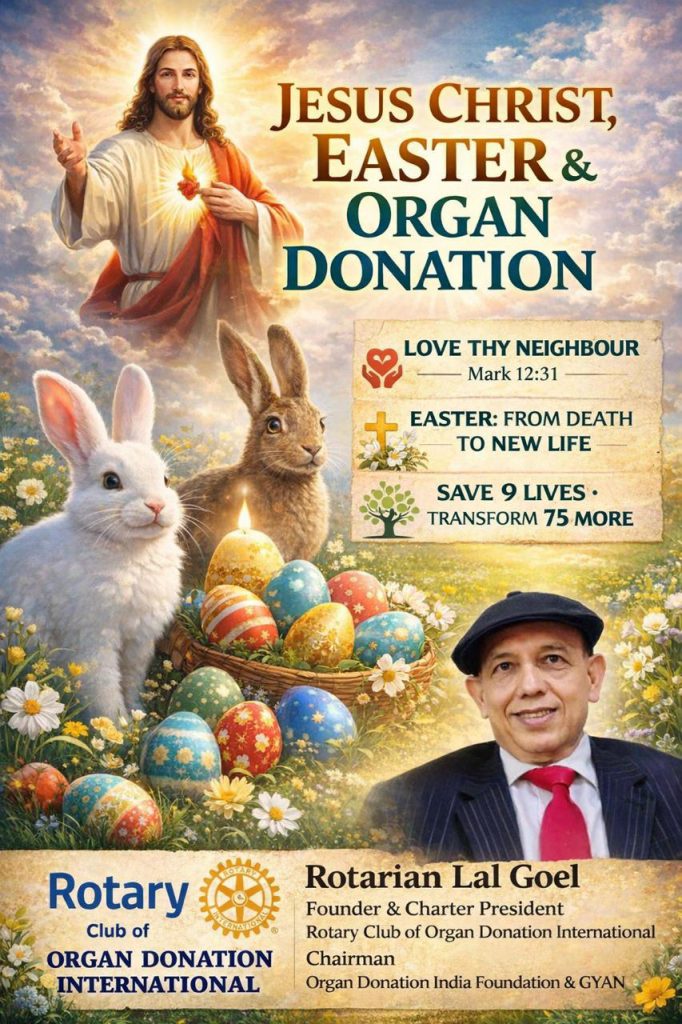
Jesus Christ, Easter & Organ Donation

Rotarian Lal Goel | Founder & Charter President | Rotary Club of Organ Donation International | Chairman | Organ Donation India Foundation & GYAN

A Sacred Reflection on Love, Sacrifice, and the Gift of Life

The life of Jesus Christ is the most luminous example of love in action—love that gives without reserve, sacrifices without hesitation, and saves without condition. In a world still searching for compassion in action, His message remains profoundly relevant today.

His crucifixion was a conscious offering for all of humanity; His resurrection, celebrated at Easter, is the eternal proclamation that life triumphs over death and hope over despair. In our own age, this divine teaching finds a deeply moving expression in organ donation.

LOVE THY NEIGHBOUR — THE CORE TEACHING

Among the most enduring teachings of Jesus Christ is this commandment, at once simple and inexhaustible in its depth:

“Love your neighbour as yourself.” — Gospel of Mark 12:31

In today’s world, where suffering is often unseen and anonymous, this commandment takes on a new and urgent meaning. This is not merely a moral instruction; it is a summons to care for others with the same tenderness we extend to our own lives.

Organ donation is among the truest reflections of this teaching in the modern world. When we pledge our organs, we give life to a neighbour we may never meet—yet whose existence becomes precious to us through the power of this single act of grace.

THE HIGHEST FORM OF LOVE: GIVING LIFE

Jesus Christ spoke of a love that goes beyond words, beyond sentiment, to the ultimate act of self-giving:

“Greater love has no one than this: to lay down one’s life for one’s friends.” — Gospel of John 15:13

Organ donation embodies this highest form of love. Even after death, a donor continues to serve, to heal, to restore.

Through a single act of donation, life multiplies across many lives:

✦ A heart beats again in another chest, carrying renewed purpose
✦ Lungs breathe freely for someone who was struggling for every breath
✦ A liver restores hope—sometimes saving two lives at once
✦ Kidneys give new life to two individuals, freeing them from lifelong dialysis
✦ Eyes open to the world again, beholding light once lost

1 Donor · Saves up to 9 Lives · Transforms up to 75 Lives through tissue donation

This is not merely medicine; it is love in its purest, most selfless form.

EASTER: FROM DEATH TO NEW LIFE

The proclamation of Easter rings across centuries with undimmed power:

“He is not here; He has risen.” — Gospel of Matthew 28:6

Easter is not just a celebration of Christ’s resurrection—it is a reminder that every ending can become someone else’s miracle.

This message of resurrection finds a profound echo in organ donation. What the world perceives as an ending becomes, through the donor’s gift, a beginning—for many others. Life does not simply continue; it is reborn in new forms, in new bodies, in new stories of survival and hope.

Through organ donation, humanity rises together. Death is not the final word.

THE RABBIT, THE HARE & THE EGG — SYMBOLS OF NEW LIFE

The Easter rabbit, hare, and egg are ancient symbols that beautifully echo the spirit of renewal, abundance, and transformation.
The Rabbit represents abundance and the quiet miracle of life renewed—giving in a way that allows others to flourish.

The Hare, associated with ancient traditions of resurrection and the cycle of life, symbolises continuity beyond death—life that returns, transforms, and endures.

The Egg is a powerful symbol of resurrection—what appears closed and complete holds within it the promise of new life waiting to emerge.

In organ donation, these symbols become reality. One life, though ended, becomes the source of many new beginnings.

As Christ himself taught:

“Unless a grain of wheat falls into the earth and dies, it remains alone; but if it dies, it bears much fruit.” — Gospel of John 12:24

The donor, like that seed, does not end — but multiplies life.

FAITH IN ACTION: BEYOND WORDS

Scripture reminds us:

“Faith by itself, if it is not accompanied by action, is dead.” — Epistle of James 2:17

Organ donation is faith made real. It is compassion translated into action. It is the moment when belief becomes a living legacy—continuing in the bodies and lives of others.

INDIA’S CALL: TURNING VALUES INTO ACTION

India has long proclaimed Vasudhaiva Kutumbakam—the world is one family. Yet our organ donation rates remain critically low, and thousands die each year waiting—not because medicine has failed, but because awareness has not translated into action.

Government initiatives, though important, are not sufficient on their own. This movement requires citizens, families, and communities to rise and take responsibility.

The call today is clear:

— Speak openly about organ donation within families
— Take the pledge during your lifetime
— Encourage others to join this life-saving mission
— Engage faith leaders and community voices
— Strengthen and support movements like the Rotary Club of Organ Donation International

Do not wait for the system to change—be the change. Start the conversation today.

When we donate, we are not simply fulfilling a medical need. We are living the commandment: Love thy neighbour.

✦ A CLOSING REFLECTION ✦

Easter reminds us that death is not the end—it can be a beginning for others. Let us honour the life and teachings of Jesus Christ not only in prayer, but in the choices we make for those who will live after us.

“Love thy neighbour” is not merely a teaching—it is a responsibility.

Through organ donation, we do not merely remember Christ’s message—we live it. Saving up to 9 lives, transforming up to 75 more, we turn Easter’s promise of resurrection into a living, breathing reality.

Dr. Tiny Antony | Johnson Paul | Book Media Pala | Kerala: The Beauty of an Enchanting Haven | A Brilliant Book | Global TV

Keralam | A Living Legend of Nature, Culture, and Opportunity | A Land of Passion and Partnership | An ongoing Celebration of Humanity | Global TV

NV Paulose, Chairman, Global TV +91 98441 82044

Keralam, celebrated across the world as “God’s Own Country,” is truly a unique destination. It is an experience that touches the human spirit in profound ways. The travel handbook, or dictionary, as we can call it; “Kerala: The Beauty of an Enchanting Haven” by Dr. Tiny Antony is a sincere honour to this extraordinary land of respectful diversities.

This book is not merely a compilation of tourist information. It is the result of a deep and genuine love for nature and an earnest desire to share that love with the whole world. Every page reflects observation, emotion, and a deep connection with the environment, making the book a heartfelt celebration of Kerala’s landscapes, traditions, and people.
At its core, the book is an expression of lived experience. The journeys undertaken by Dr. Tiny Antony and her husband Johnson Paul are immersive explorations into the soul of Kerala. Their travels across villages, mountains, backwaters, and coastal regions reveal an intimate understanding of the land. This authenticity elevates the book from a simple guide into a meaningful narrative that connects with readers. The book is born out of passion, an enduring love for nature that inspires others to look beyond the ordinary and discover the extraordinary.

We at Global TV find it a companion for the young and the elderly alike to be a treasure in their journey towards excellence in treasure hunt.

A Guide Rooted in Appreciation and Understanding

One of the most striking aspects of this handbook is its ability to foster appreciation. Kerala’s beauty is not presented as a spectacle to be consumed, but as a living ecosystem to be respected and cherished. From the tranquil backwaters of Alappuzha to the mist covered hills of Idukki and the vibrant cultural life of Thrissur, the book invites readers to experience the diversity of the state with sensitivity and awareness.

The narrative goes beyond listing destinations. It captures the essence of Kerala’s identity. It reflects on our traditions, festivals, and daily life, offering a complete understanding of the region. Cultural expressions such as Onam and Thrissur Pooram are presented within the broader cultural fabric. This approach ensures that readers do not remain outsiders but become participants in the cultural journey.

The Emergence of Family Tourism and Human Connection

A unique and powerful dimension of this book is its potential to promote what may be described as family tourism, a form of travel that emphasizes relationships, bonding, and shared experiences. In an era where travel is often rushed and transactional, this handbook encourages a slower and more meaningful approach. It invites families to travel together, explore together, and grow together.

This concept can also be understood as relationship building through human engagement. Kerala, with its welcoming communities, serene environments, and culturally rich settings, provides the perfect backdrop for such experiences. Whether it is a houseboat journey through the backwaters, a quiet evening in a hill station, or participation in local festivals, the opportunities for bonding are immense.

The book gently promotes this philosophy by highlighting experiences that bring people closer to nature, to culture, and to each other. It transforms tourism into a tool for strengthening relationships, making it not just a leisure activity but a meaningful life experience.

Kerala as a Land of Opportunities

Beyond its beauty and emotional appeal, Kerala emerges through this book as a land of vast opportunities. Tourism here is not a passive industry. It is a dynamic system that supports livelihoods, encourages innovation, and fosters sustainable development.

The diverse attractions across the state open up multiple avenues to build human relationships with institutional excellence. Excellence in Education to Exploration of eco-tourism; creates opportunities around wellness tourism, cultural tourism, and culinary exploration.

The book plays a vital role in unlocking these opportunities by guiding travellers toward both well-known and lesser explored destinations. This balanced approach ensures that economic benefits reach a wider range of people, including those who are at rural areas. Encouragement of responsible tourism are highlighted with repeated narratives on importance of protecting Kerala’s natural environment.

The emphasis on natural beauty and cultural richness creates immense opportunities for local communities, artistes, and entrepreneurs. Media should present stories about Homestays, guided experiences, traditional crafts, and local cuisines to connect and gain recognition through such a comprehensive guide. In this way, the book along with Media addons becomes a catalyst for inclusive and sustainable growth.

The Role of Youth, Media, and Creative Engagement

In today’s interconnected world, the impact of a travel guide extends far beyond its pages. The ideas presented in this book connect strongly with the growing influence of youth driven initiatives and creative media platforms. Young travellers, content creators, and researchers have the ability to share Kerala’s story with a global audience.

This connection between travel and storytelling transforms tourism into an active and participatory experience. Visitors become storytellers and ambassadors. By sharing their journeys, promoting sustainable practices, and highlighting local cultures, they contribute to a broader movement of awareness and appreciation.

The book provides a strong foundation for this engagement. Its detailed insights and authentic narratives inspire readers to explore, document, and share their experiences. This creates a continuous exchange of knowledge and understanding. Keralites living elsewhere can take it an opportunity to present their rich heritage to the world around.

Implementation Models for Sustainable Tourism

To fully realize the potential highlighted in the book, practical methods are essential. One important model is the promotion of family centred tourism experiences that focus on learning and bonding.

Village stays, cultural activities, and nature-based exploration can enrich both the mind and the heart. Another approach involves community-based tourism initiatives. Local communities can be empowered to manage and promote their own resources, offering authentic experiences while generating income. This supports economic development and helps preserve cultural identity.

A third model focuses on digital storytelling and engagement. Through modern media, travellers and organizations can create meaningful content that highlights Kerala’s uniqueness. This can include visual storytelling, travel writing, and interactive experiences that reach people across the world. People love telling their story as well.

Explore every option. Sustainability must remain at the centre of all these efforts. Environmental protection, responsible travel behaviour, and cultural respect should guide every initiative. The values reflected in the book provide a strong foundation for such practices.

A Testament to Passion and Partnership

The depth and success of this handbook are rooted in the partnership between Dr. Tiny Antony and Johnson Paul. Their collaboration is a powerful example of how shared passion and mutual support can create something meaningful. While Dr. Tiny brings academic strength and careful observation, Johnson Paul contributes practical insights and a traveller’s perspective. Together, they have created a work that is both informative and inspiring. Together they made a single narrative.

Their journey reflects dedication not only to exploration but also to sharing knowledge and building appreciation. This sincerity gives the book its emotional depth and authenticity. It is a reminder that meaningful work often grows from genuine passion and collaboration.

Collaborative Informal Engagement; A Vision for the Future

“Kerala: The Beauty of an Enchanting Haven” is a vision for a deeper way of experiencing the world. It encourages readers to appreciate nature, value culture, and build meaningful human connections. Kerala is a land of opportunities where beauty and potential exist together.

Through its thoughtful approach, the book opens doors for millions of people to explore Kerala not just as visitors but as participants in a shared journey. It promotes a model of tourism that is inclusive, sustainable, and human centred. This book is a celebration of love for nature, love for culture, and love for human connection. It is this spirit that transforms the book into a powerful source of inspiration, guiding readers toward a richer and more meaningful understanding of Kerala and the world beyond. A Collaborative movement between exceptional people and institutions of excellence will transform the face of Keralam into a land of opportunities; making travellers to travel guides.

Mangalore University | 3 Honorary Doctorates Celebrating Excellence, Service, and Cultural Legacy | Global TV

The 44th Annual Convocation of Mangalore University (2026) | Global TV

NV Paulose, Chairman, Global TV +91 98441 82044

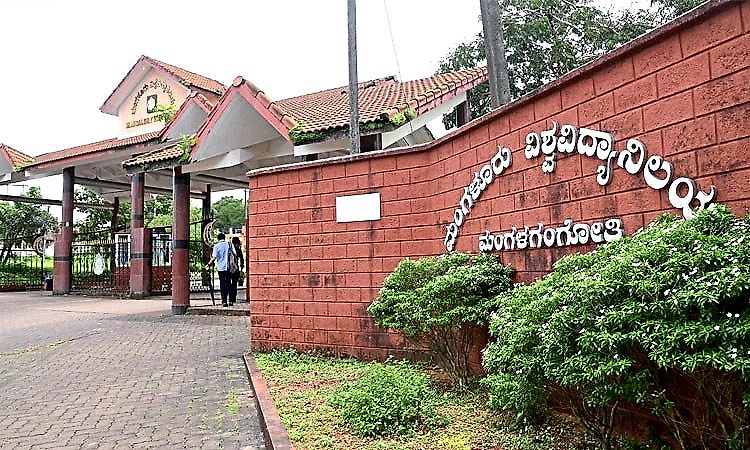
The 44th Annual Convocation of Mangalore University, scheduled to be held on March 28, 2026, marks a significant milestone in the academic calendar of the institution. Taking place at the Mangala Auditorium in the serene Mangalagangothri campus, the event symbolizes the culmination of years of dedication, perseverance, and scholarly pursuit by students. Convocation ceremonies are deeply rooted in academic tradition, serving not only as a formal occasion for awarding degrees but also as a moment of pride, reflection, and transition for graduates stepping into the next phase of their lives.

Honouring Extraordinary Lives Through Honorary Doctorates

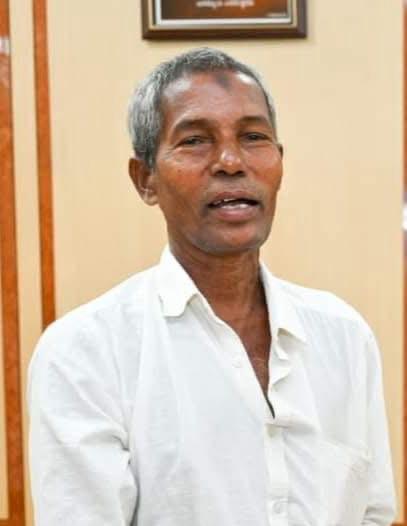
The conferment of honorary doctorates at the 44th Annual Convocation of Mangalore University recognizes individuals whose lives and contributions transcend conventional academic achievement. One of the distinguished recipients is Harekala Hajabba, fondly known as “Akshara Santha.” Despite being unlettered, Hajabba’s extraordinary commitment to education led him to establish a school for underprivileged children in his village using his modest earnings as a fruit seller. His work has transformed countless lives and earned him national recognition, including the prestigious Padma Shri. His journey stands as a powerful testament to the idea that true education lies not only in literacy but in the ability to uplift society.

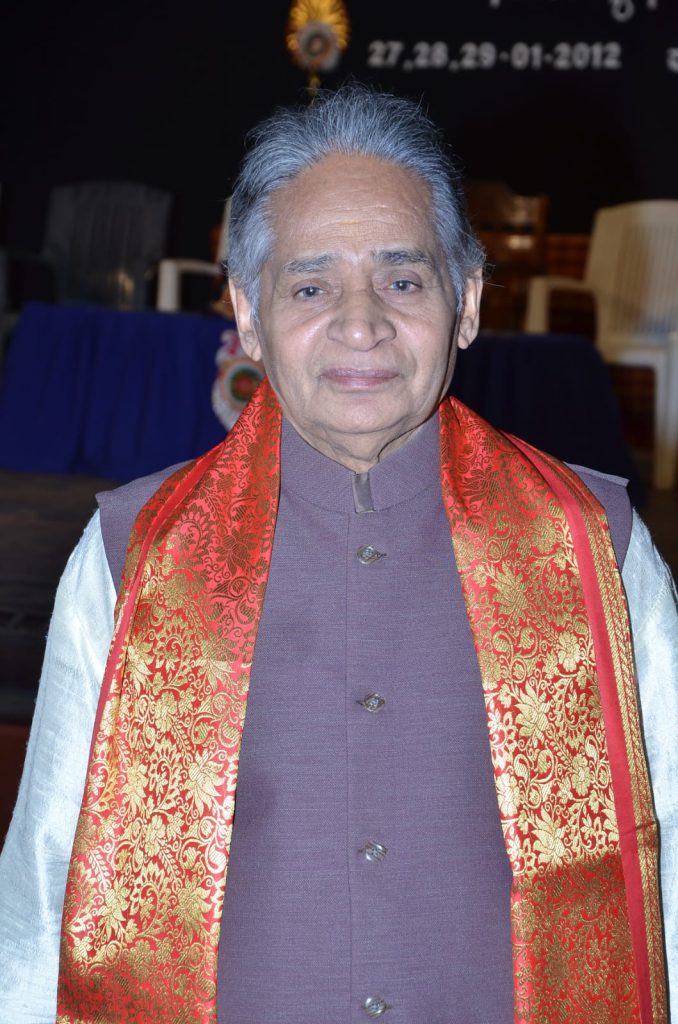
Another eminent awardee is K. Govinda Bhat, a legendary figure in the traditional art form of Yakshagana. With a remarkable career spanning nearly seven decades, Bhat dedicated his life to preserving and promoting this vibrant cultural heritage. Known for his versatility, he performed a wide range of mythological and historical roles, captivating audiences across India and abroad. A recipient of honors such as the Sangeet Natak Akademi Award, his contribution to folk theatre and cultural preservation is invaluable. His passing shortly before the convocation adds a poignant note, making the recognition even more meaningful as a tribute to his lifelong dedication.

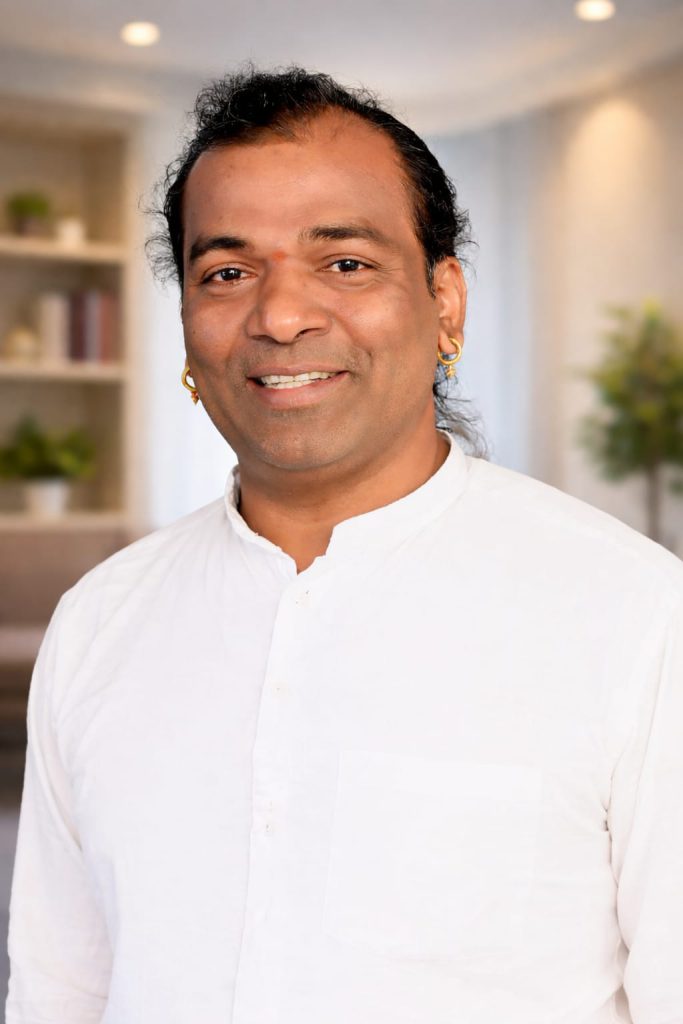
The university also honors Raveesh Padumale, whose achievements bridge the worlds of academia and traditional culture. Rising from a humble background, he became the first Daiva Nartaka to earn a Ph.D. in engineering, reflecting both academic excellence and cultural commitment. As an educator and Head of the Civil Engineering Department at SDM Institute of Technology, Ujire, he has contributed significantly to both education and social harmony. His efforts to address social inequalities and promote cultural heritage, particularly in Tulu traditions, have earned him several accolades, including district-level honors. His recognition highlights the university’s appreciation for individuals who combine intellectual accomplishment with meaningful societal impact.

A Grand Celebration of Academic Achievement and New Beginnings

The ceremony will commence at 11:00 a.m., with invitees requested to be seated by 10:30 a.m. to maintain the decorum and smooth flow of the proceedings. The event will follow the time-honored traditions of academic convocations, including the formal procession, the conferring of degrees, and an inspiring convocation address. Such ceremonies embody the dignity and heritage of higher education, reinforcing the importance of knowledge and intellectual growth in society.

The convocation will be presided over by the Chancellor, Thaawar Chand Gehlot, whose presence underscores the importance of the occasion. The event will also be graced by the Pro-Chancellor, M. C. Sudhakar, reflecting the government’s continued support for higher education. Adding further significance to the ceremony, the Chief Guest, Brijesh Chowta, will deliver the convocation address, offering guidance and inspiration to the graduating students as they embark on their future journeys.

Convocation is a ceremonial distribution of degrees. It represents a defining moment in the academic journey of students. It is an occasion where years of hard work and commitment are formally recognized, and where graduates are encouraged to uphold the values of integrity, responsibility, and lifelong learning. The event signifies the transition from academic life to professional and societal responsibilities, reminding students of their role in contributing positively to the world around them.

Established in 1980, Mangalore University has grown into one of the prominent centers of higher education in Karnataka. Located in the picturesque Mangalagangothri campus in Dakshina Kannada district, the university provides an ideal environment for academic excellence and research. Over the years, it has developed a strong academic framework encompassing a wide range of disciplines, including arts, science, commerce, management, and social sciences. The university is affiliated with numerous colleges across the coastal region, playing a vital role in expanding access to higher education.

Mangalore University has built a reputation for its commitment to academic quality, research, and community engagement. It has consistently contributed to the intellectual and professional development of students, many of whom have gone on to achieve success in diverse fields such as academia, administration, business, and public service. The institution continues to evolve, adapting to changing educational needs while maintaining its core values of knowledge dissemination and societal development.

The convocation ceremony will be conducted with strict adherence to established protocols. Attendees are expected to be seated well before the commencement of the event, and all present will stand as the academic procession enters the hall, remaining so until the Chancellor takes his seat. At the conclusion of the ceremony, participants must remain seated until the procession exits, reflecting respect for the traditions of the institution. Additional guidelines include restrictions on entry for children below the age of twelve and the requirement to keep mobile phones on silent mode to preserve the solemnity of the occasion. The convocation highlights the transformative power of learning and the role of universities in shaping individuals who can contribute meaningfully to society. For graduates, it is both an ending and a beginning; a moment that marks the completion of one chapter and the opening of countless possibilities ahead.

The 44th Annual Convocation of Mangalore University preents academic achievement, institutional excellence, and the enduring value of education. It is an occasion that will remain etched in the memories of graduates and attendees alike, symbolizing success as the promise of a future filled with opportunity and responsibility.

Gracy Peter (99) | Leaving behind a legacy of love, humility, and quiet strength | Global TV

Gracy Peter  | A Life of Grace and Simplicity | Remembering Gracy Peter | Mother of Raju Nair | Global TV

NV Paulose, Chairman, Global TV +91 98441 82044

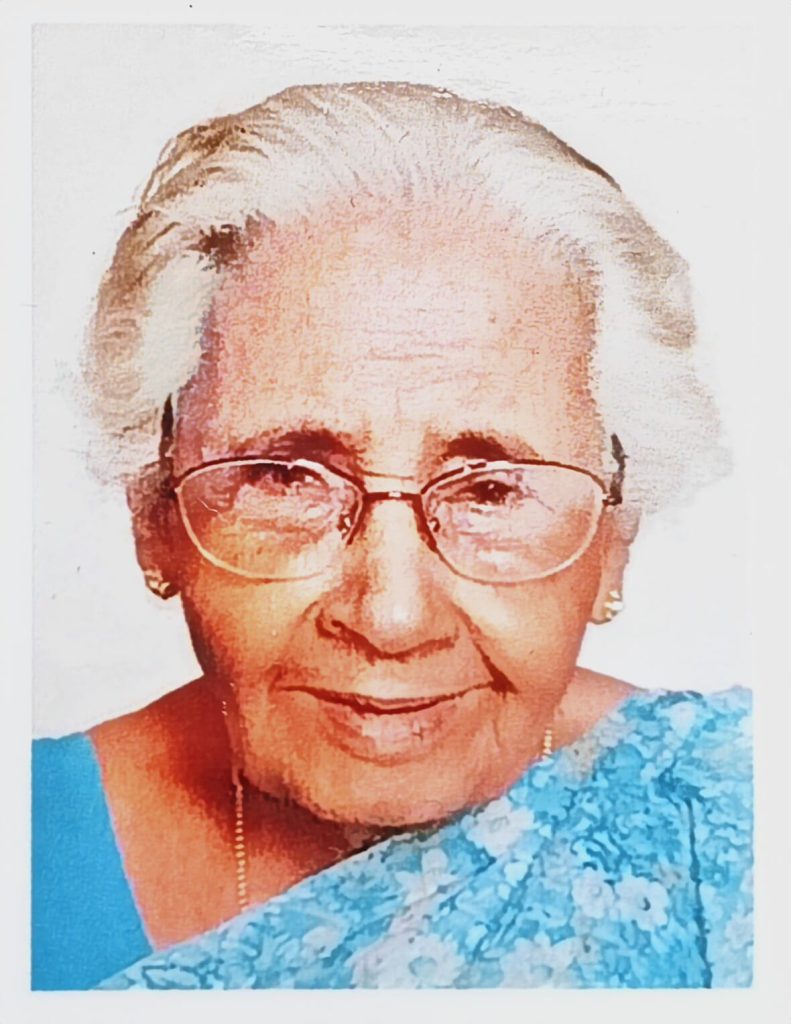
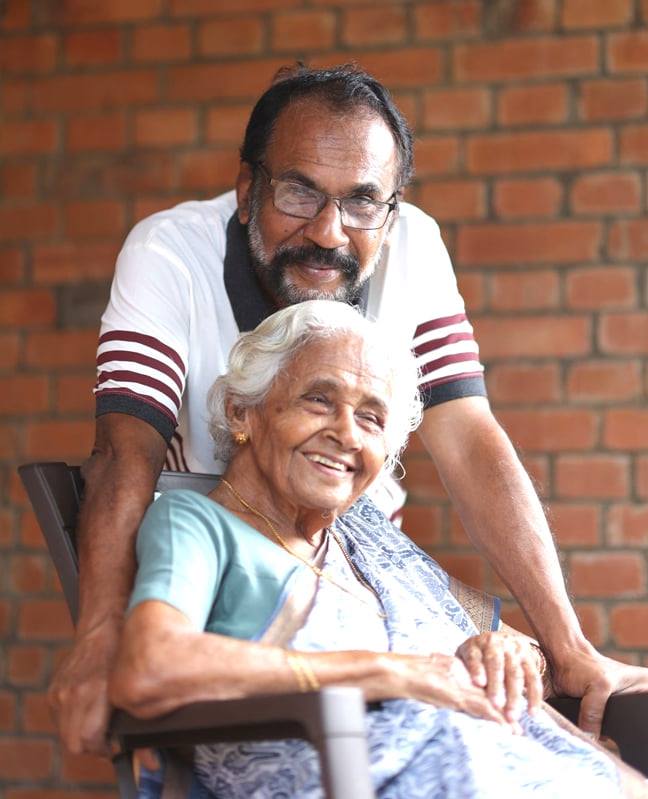
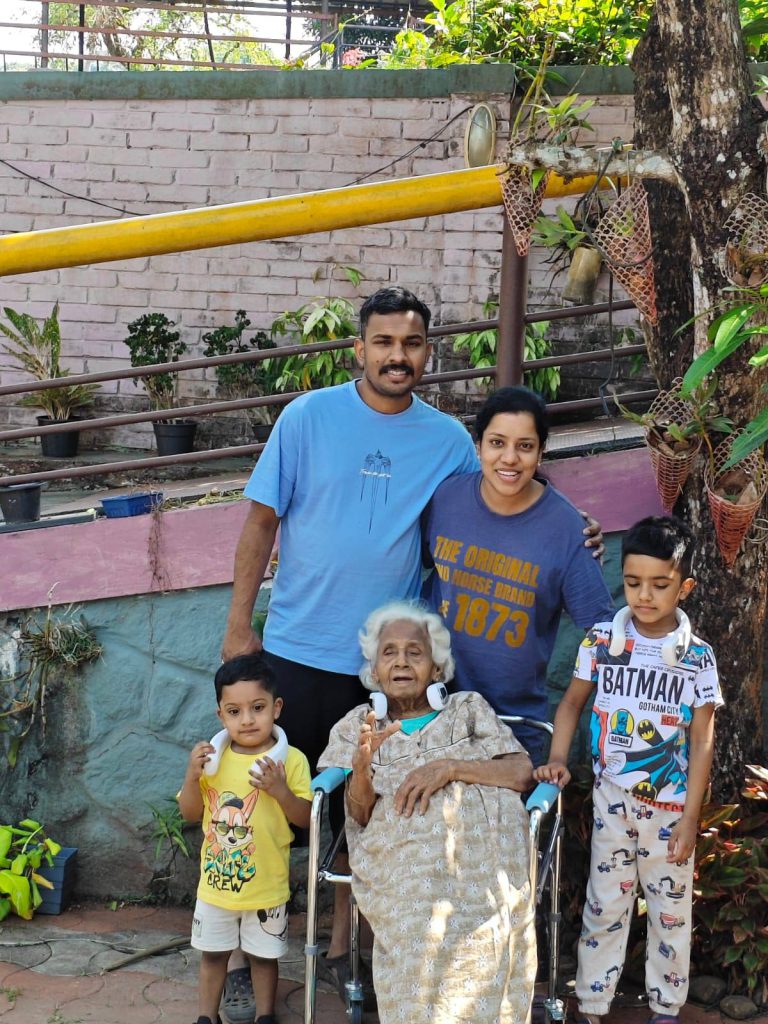
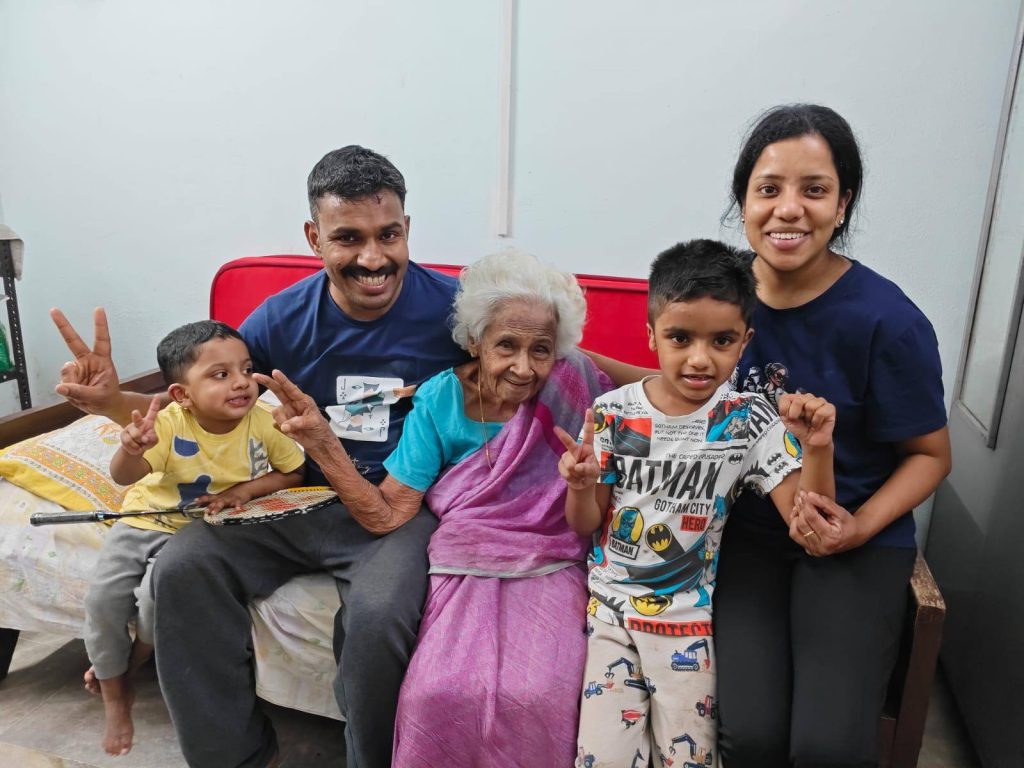
Gracy Peter (99), beloved wife of the late Kocheril K.E. Peter and mother of famous cartoonist Raju Nair, passed away peacefully, leaving behind a legacy of love, humility, and quiet strength.

A cherished member of the Thombra family of Perumbavoor, Gracy Peter was known to all who met her as a woman of gentle spirit and warm presence. Her life was a reflection of simplicity and grace; values she carried with dignity through nearly a century of living. She was deeply rooted in faith, family, and compassion, touching lives through consistent kindness and sincerity.

To her children; Elsy, Babu, Raju, and Agnes, she was more a guiding light, a source of unwavering support, and a living example of patience and love. Her nurturing presence shaped not only their lives but also the lives of those around them. Among them, her son Raju Nair, widely recognized cartoonist with Deepika and a mentor to Global TV, often reflected the values of human sensitivity that she embodied.

Those who knew the great Gracy Peter remember her as a pleasant and approachable person, always ready with a kind word and a welcoming smile. She lived a life free from pretension, finding joy in the simple things and strength in her faith. Her humility and warmth made her a beloved figure in her community and extended family.

Even in her later years, she remained a symbol of grace and dignity. Her life stands as a reminder that true greatness lies in the love we give and the lives we touch. Her funeral will be held at St. Peter’s & St. Paul’s Malankara Catholic Church, Thammanimattom, where family, friends, and well-wishers will gather to pay their final respects. As we remember Gracy Peter, we celebrate a life well lived; a life that leaves behind lasting memories of kindness, simplicity, and grace. May her soul rest in eternal peace.

AI Gandhi on the Middle East | A Digital Voice for Peace in a Time of Conflict | Global TV

Reimagining Ethics in the Age of Artificial Intelligence | When Machines Reflect Moral Philosophy

NV Paulose, Chairman, Global TV +91 98441 82044

In March 2026, the platform Global Gandhi released an unusual and thought provoking statement. It presented an AI generated message inspired by Mahatma Gandhi addressing the ongoing conflict in the Middle East. At a time when artificial intelligence is often linked to misinformation and propaganda, this initiative attempts something different by using AI to revive moral philosophy and advocate for peace.

A Gandhian Voice in a Modern Crisis

The message, created using AI but grounded in Gandhi’s principles of nonviolence, truth, justice, and peace, calls for restraint, dialogue, and humanity amid rising tensions in West Asia. The aim is not to imitate Gandhi superficially but to translate his ethical framework into today’s geopolitical realities.

This comes at a moment when the Middle East conflict has intensified, with both military escalation and global political consequences. Rather than offering political solutions, the AI generated message highlights the futility of violence, the moral responsibility of leaders, the need for dialogue instead of retaliation, and the human cost of war.

AI as a Tool for Peace or Confusion

The release stands in contrast to how AI is being used in the same conflict. Across digital platforms, AI generated videos, deepfakes, and misleading narratives have flooded public discourse, often spreading panic or propaganda.

Governments and analysts have warned that AI is amplifying disinformation, manipulating public perception, and making it harder to distinguish truth from falsehood.

In this context, Global Gandhi’s initiative attempts to reclaim AI as a force for ethical reflection rather than distortion.

The Philosophy Behind the Initiative

Global Gandhi presents itself as a network that promotes Gandhian values in modern society. Its decision to use AI reflects a broader idea that technology should not only improve efficiency but also strengthen moral awareness.

By generating a Gandhi inspired message, the platform raises important questions. Can AI help revive ethical traditions that are often overlooked. Can historical wisdom guide modern crises. Can technology support peace instead of conflict.

A Symbolic Intervention

It is important to understand that the AI generated message does not claim to represent Gandhi himself, nor does it provide diplomatic strategy. Its role is symbolic. It acts as a moral voice in a conversation that is often dominated by military and political responses.

Such symbolic efforts may seem limited, but they play an important role. They bring attention back to ethics, remind people of nonviolent approaches, and challenge the idea that conflict is inevitable.

Critical Reflections

While the initiative is creative, it also raises important concerns.

Can an AI generated message truly capture Gandhi’s philosophy, or is it shaped by modern interpretation. Is it ethical to simulate the voice of a historical figure, even for positive purposes. Will such efforts influence decision makers, or remain symbolic gestures.

These are not simple criticisms but necessary reflections on the relationship between technology, history, and ethics.

Conclusion

The AI generated Gandhi message is less about technology and more about intention. At a time when AI is often used to divide and mislead, this initiative attempts to promote reflection and unity.

It highlights an important truth. Technology does not carry values on its own. People decide whether it is used to create conflict or encourage compassion.

Global Gandhi’s effort may not directly change the course of the Middle East conflict. However, it does something meaningful. It reopens space for moral dialogue and reminds the world that even in an age shaped by technology, the responsibility for peace remains human.

Jiji Philip | Travancore Foundation | Far Beyond Duty | When Care Finds Its Right Form | Leadership Translates Vision into Care

Choosing Dignity and Professional Care for Our Parents | When Love Seeks Excellence | Rethinking Elder Care in a Changing World

NV Paulose, Chairman, Global TV +91 98441 82044

In cultures like Kerala, caring for one’s parents is a deeply held value that reflects gratitude, continuity, and the emotional fabric of family life. For generations, this care was given within the home, shaped by closeness and time. Today, that reality has changed. Careers demand mobility and sustained attention. Families are often spread across cities or countries. The responsibilities of raising children and managing professional commitments leave limited room for continuous personal caregiving. In this changing landscape, the question is no longer whether parents should be cared for, but how that care can be delivered with consistency, dignity, and thoughtfulness.

When Care Needs Structure, Not Just Emotion

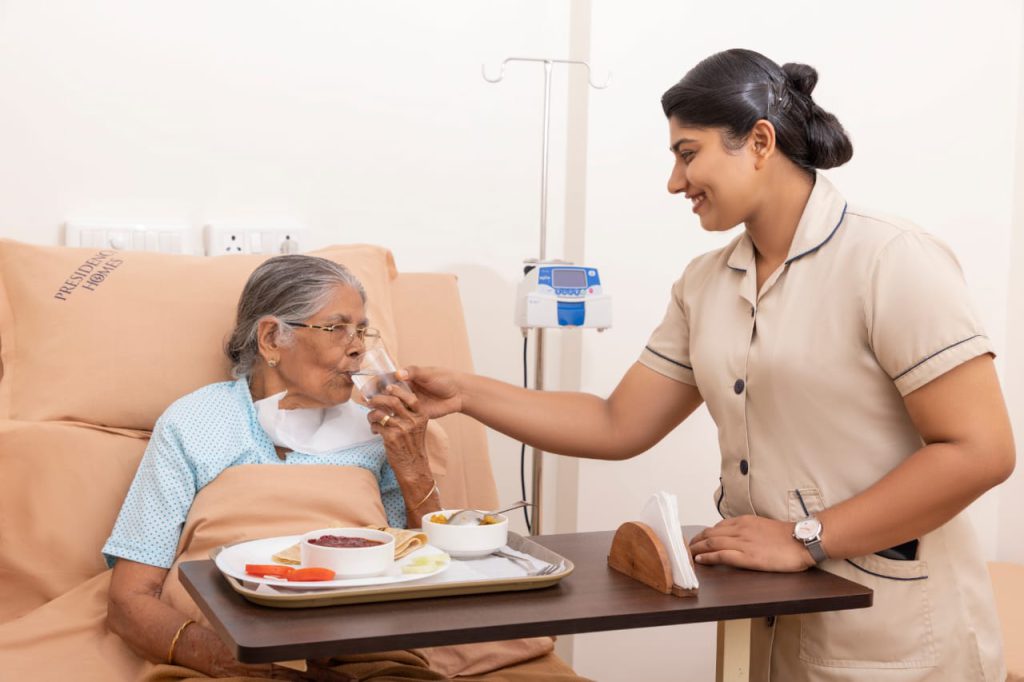
Love for one’s parents is never in question. What becomes difficult is ensuring the quality and continuity of care they deserve. Emotional commitment alone, without the support of time, expertise, and organised systems, can fall short. Choosing professional care in such moments is not a withdrawal of responsibility. It is, in many ways, a fulfilment of it. Institutions like Travancore Foundation do not replace the role of the family. They extend it by offering a structured environment where care is designed to be reliable, attentive, and consistent. Family is recreated in a broader spectrum of thinking.

A Living Environment Designed with Intention

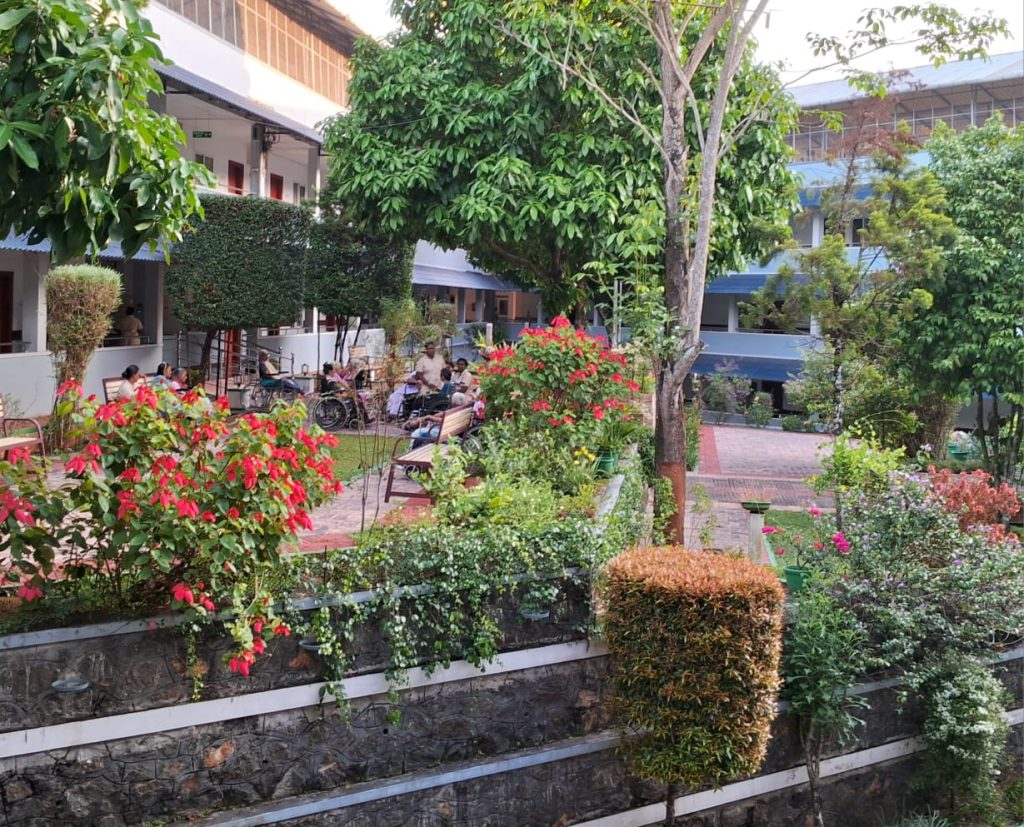
A visit to the Mission Valley in Karukachal reveals a community shaped by thought and sensitivity. Daily life follows a natural rhythm. Mornings begin with prayer, light physical activity, and reflection.

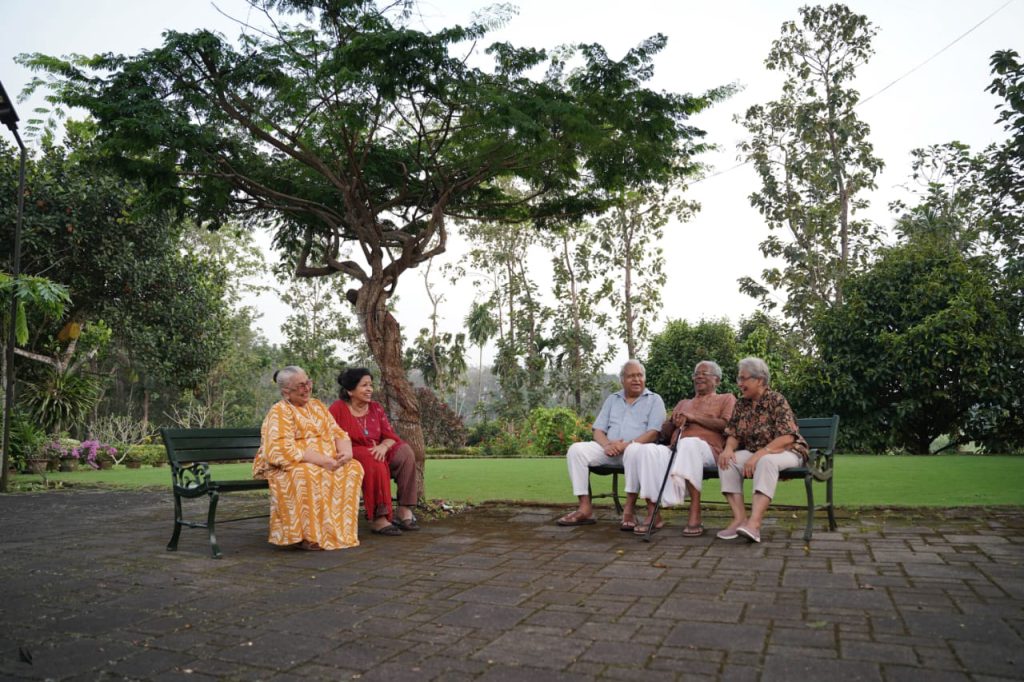
Residents are encouraged to remain engaged in meaningful ways. Conversations, group activities, and shared spaces create opportunities for connection. Gardens and open areas offer calm and familiarity, adding to a sense of ease and belonging. What stands out is the intention behind every element. Care here is not incidental. It is carefully planned and delivered with purpose. Punctuality is not accidental here.

Leadership That Translates Vision into Care

At the core of this institution is the leadership of Jiji Philip and Renu Abraham Varughese. Their role goes beyond administration. It shapes the philosophy and delivery of care. Jiji Philip’s vision brought this model into existence at a time when structured elder care was rare in India. His approach is defined by clarity, discipline, and a strong focus on systems. Care is delivered through well designed processes that ensure consistency, accountability, and reliability.

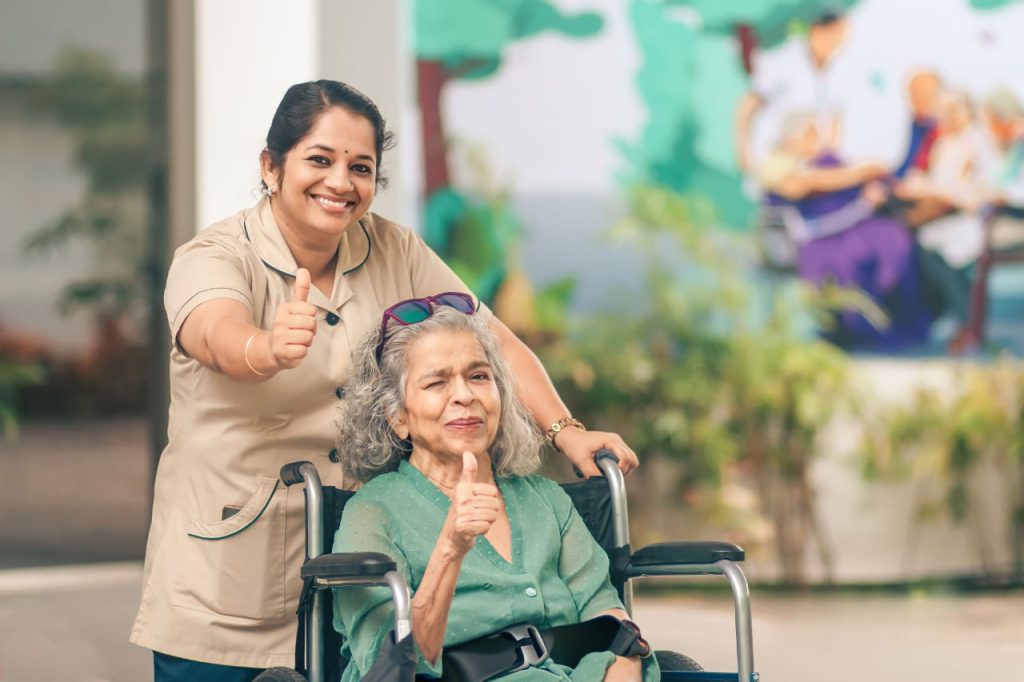
Supporting this vision is a new generation of leadership. Cimi J. Philip and Cini J. Philip bring an attentive and thoughtful presence, engaging with residents as individuals with their own stories and preferences. Their involvement adds emotional depth to a strong operational framework. Together with a team of trained professionals, they create an environment where structure is supported by empathy and professionalism is guided by human understanding.

Care That Preserves Dignity and Belonging

Beyond physical and medical support, care at Travancore Foundation recognises the deeper dimensions of human life. Residents are not only cared for. They are understood. Cultural familiarity plays an important role. Language, food, and daily practices reflect shared experiences and traditions. This continuity allows individuals to retain their identity as their circumstances change. There is also space for reflection and spiritual connection, acknowledging that well-being extends beyond immediate needs. For families, this brings reassurance. Their loved ones are in an environment that respects who they are, while providing consistent and thoughtful care. Family can join them anytime.

A Thoughtful Choice, Not a Compromise

In many cases, it is the parents themselves who make this decision, with a clear understanding of their children’s lives and limitations. It is a choice rooted in awareness and dignity. For children, accepting this path requires emotional maturity. Care is not defined only by physical presence, but by the quality and consistency of support that one gets.

No institution can replace the bond between parent and child. That connection remains central. What places like Travancore Foundation offer is continuity, ensuring that between visits and conversations, life continues with care, structure, and purpose.

Where Care Finds Its Right Form

The true measure of care lies not only in intention, but in execution. It is the ability to create an environment where individuals feel secure, valued, and understood. For those seeking a balance between cultural familiarity and professional excellence, Travancore Foundation gives a meaningful choice. It is a space where tradition and modern care come together, guided by leadership that understands both. Perhaps that is what defines care in today’s world. Not just the desire to provide it, but the wisdom to ensure it is given in the best possible way.

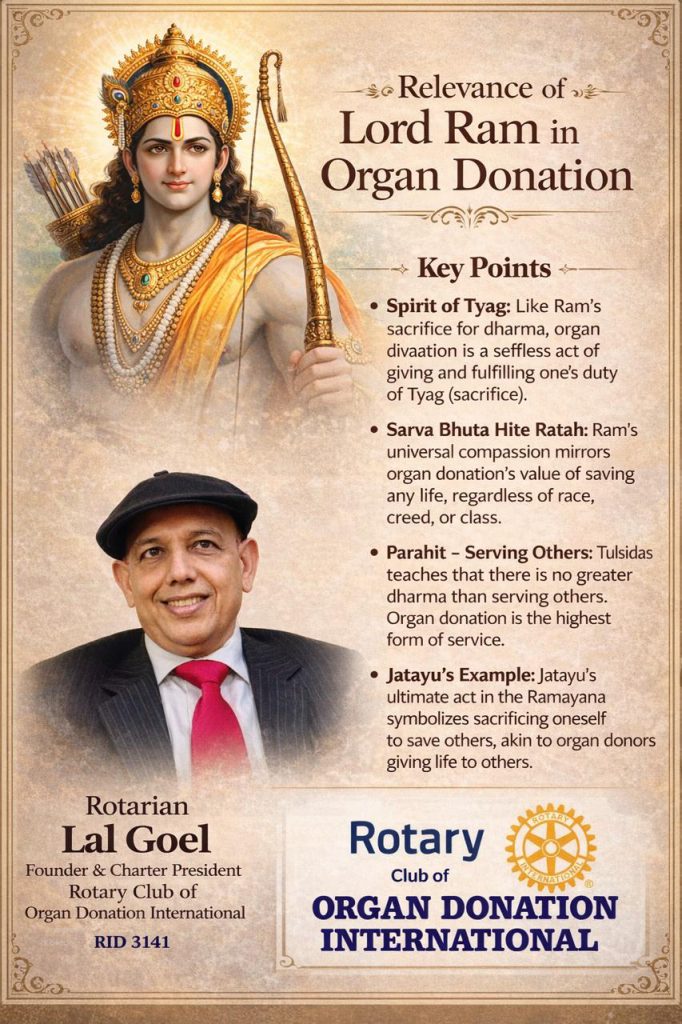
RELEVANCE OF LORD RAM IN ORGAN DONATION | Global TV

Drawing Eternal Lessons from the Ramayana for a Living Humanitarian Cause | Rotarian Lal Goel

Lord Ram, revered across India and the world as Maryada Purushottam — the ideal upholder of righteousness — is far more than a religious icon. He is the moral soul of a civilisation. His life, as chronicled in the Valmiki Ramayana and lovingly retold by Sant Tulsidas in the Ramcharitmanas, enshrines values that speak directly to the deepest needs of our time: sacrifice, compassion, selfless service, and the sanctity of every human life.

Among the most pressing humanitarian challenges India faces today is the severe shortage of organ donors. Thousands of citizens die each year — not from incurable illness, but simply because a compatible organ did not arrive in time. In a nation whose soul is shaped by the ideals of Ram, it is both fitting and urgent to ask: what does his life teach us about the duty to give, to serve, and to sustain life?

The answer, on reflection, is both clear and profound. Every essential virtue that underlies organ donation — tyag (sacrifice), seva (selfless service), parahit (living for others), and ahimsa (reverence for life) — is lived and demonstrated by Lord Ram. His story is not merely an ancient scripture; it is a living call to compassionate action.

Tyag — The Spirit of Sacrifice
The very first great act of the Ramayana is one of sacrifice. When the young prince Ram is asked to relinquish his throne and accept exile into the forest for fourteen years — to uphold his father’s word — he does so without hesitation, without bitterness, and without seeking recognition. His response, recorded in the Valmiki Ramayana (Ayodhya Kand), is among the most moving utterances in all of Sanskrit literature:
“Pitur vachanam satyam kartum icchami”
(I desire to fulfil my father’s word as truth.)
This single line carries within it the entire philosophy of tyag. Ram did not weigh the cost to himself. He gave up a kingdom — the greatest worldly possession — because someone he loved desired it, and because it was right.

This spirit is precisely what organ donation calls upon us to embody. Most organs are pledged in advance, when a person decides that after their death, their organs may give life to another. It is a decision made not in a moment of grief but in a moment of clarity — a conscious act of tyag, of releasing attachment to one’s own body for the benefit of a stranger. Just as Lord Ram honoured the wishes of his father, we too are called to honour the wishes of our near & dear person who pledged to donate organs — the wish to gift life.

Organ donation, viewed through this lens, is not a medical transaction. It is an act of sacred sacrifice in the finest tradition of Lord Ram himself.

Universal Compassion — Sarva Bhuta Hite Ratah
Lord Ram’s compassion knew no borders. He embraced Shabari, a tribal woman of humble station, with the warmth of a son. He honoured Nishadraj, the boatman, as a friend. He wept for Jatayu, an animal, as he would for a father. His world-view was captured in one enduring ideal:
“Sarva bhuta hite ratah”
(One who is engaged in the welfare of all living beings.)
Ram made no distinction between whose life was worth saving. He served and protected all, regardless of caste, kind, or circumstance.

Organ donation carries forward exactly this principle. A transplanted kidney does not know the religion of its recipient. A donated cornea does not distinguish between rich and poor. The gift of an organ is, in the most literal sense, universal compassion made physical. It crosses every boundary that ordinarily divides human beings and asks only one question: Is there a life that can be saved?

To pledge one’s organs is to embody the spirit of Sarva Bhuta Hite Ratah — to declare that one’s final act will be in service of all beings, without exception.

Parahit — The Highest Dharma
Sant Tulsidas, in his beloved Ramcharitmanas, distils the moral teaching of the Ramayana into two immortal lines that every generation of Indians has grown up hearing:
“Parahit saris dharma nahi bhai, Par peeda sam nahi adhamai.”
(There is no dharma equal to serving others; there is no sin equal to causing them suffering.)
These lines do not merely encourage generosity. They make service to others the highest possible expression of a virtuous life. Conversely, they identify indifference to the suffering of others as a form of wrongdoing.
Consider the reality of organ shortage in India today. Nearly two lakh patients await a kidney transplant. Thousands more wait for a liver, a heart, or corneas. In most cases, their suffering could be relieved — not by any great act of wealth or power, but simply by a decision made by ordinary citizens to register as organ donors and to inform their families of that wish.

Parahit, in this context, requires no grand gesture. It asks only for a pledge and a conversation. Yet its impact — the life saved, the family spared from grief, the years restored — is immeasurable. Tulsidas’s teaching leaves little room for hesitation: to donate is dharma; to withhold when one can give is its opposite.

Jatayu — The Symbolism of the Final Gift
Among the most luminous and emotionally resonant episodes of the Ramayana is the sacrifice of Jatayu in the Aranya Kand. The aged eagle-king, upon witnessing Ravana abducting Sita, does not hesitate. He launches himself into battle against a demon far more powerful than himself, fighting until his wings are severed and he falls, mortally wounded, to the earth below.

When Lord Ram discovers the dying Jatayu, he holds him with a tenderness that moves readers across centuries. With his last breath, Jatayu tells Ram the direction Sita was taken — his final act a gift to the one he loved. Ram weeps for him, and performs his last rites as a devoted son would for a father.

In Jatayu, we see the complete philosophy of organ donation: the willingness to give everything, including one’s own body, for the welfare of another. The pledge of organ donation is, in a sense, each person’s opportunity to be Jatayu — to ensure that even in death, one’s final act is one of love and service, giving life and hope to those left behind.

Ram Rajya — A Society That Cares for Every Life
The vision of Ram Rajya — the ideal society that Lord Ram governed — was one in which no subject suffered needlessly, where justice was universal, and where the happiness of the people was the highest duty of all. It was a society defined not by its monuments, but by its compassion. This ideal is captured in a principle that Lord Ram himself embodied:
“Praja sukhe sukham rajnaha”
(The happiness of the ruler lies in the happiness of the people.)
In today’s India, the responsibility for Ram Rajya does not rest with rulers alone. It rests with citizens. A society where thousands die each year awaiting organs that were never pledged is a society that has not yet fulfilled its duty of collective care.

Building a culture of organ donation is, in this sense, nation-building in the spirit of Lord Ram. Every pledge made, every family conversation held, every myth dispelled about donation brings India one step closer to the compassionate society that Ram Rajya represents. This is not merely a medical goal — it is a civilisational one.

Honouring the Wishes of Our Loved Ones
The Ramayana teaches us something else that is quietly powerful: the importance of honouring the wishes of those we love.

Lord Ram’s exile was not his own desire — it was his father’s. Yet he fulfilled it with complete devotion, because he understood that true love sometimes means putting another’s wishes above our own preferences.

This principle is deeply relevant to organ donation in India. Many people register as donors but never inform their families. When they die, families — consumed by grief and unfamiliar with the deceased’s wishes — decline to permit donation. The organs are lost, and lives that could have been saved are not.

The teaching of Ram calls upon us to do both: to pledge our organs, and to speak about that pledge to our families. And it calls upon families, equally, to honour the wishes of a loved one who desired to give — just as Ram honoured his father’s word as sacred.

In organ donation, honouring a loved one’s wish to donate is one of the most profound acts of devotion a family can perform.

Conclusion
The life of Lord Ram is India’s most enduring moral inheritance. Its teachings on sacrifice, compassion, duty, and the welfare of all living beings are not relics of an ancient age — they are answers to the questions our age most urgently asks.

Organ donation is not simply a medical act. In the light of the Ramayana, it is a sacred act of dharma. It is tyag — the willing release of what is most personal for the benefit of another. It is parahit — the fulfilment of the highest religious duty. It is the spirit of Jatayu — giving life, even in the final moment. And it is the foundation of Ram Rajya — a society where no life is lost for lack of a gift that was within our power to give.

India has the spiritual vocabulary, the cultural values, and the moral tradition to lead the world in the culture of organ donation. The life of Lord Ram shows us the way. It remains only for us to follow it.
 
Let us not only worship Lord Ram — let us walk his path.
Pledge your organs. Give the gift of life.

Lalloo Alphonse | ആരു കണ്ടു | AARU KANDU | NANDANAM | LALLOO ALPHONSE | RATHEESH MANGALAMADOM | Global TV

AARU KANDU | NANDANAM | LALLOO ALPHONSE | RATHEESH MANGALAMADOM
LYRICS & MUSIC: RATHEESH MANGALAMADOM

malayalamsongs #ratheeshmangalamadom #lallooalphonse #aarukandu #nandanamsong

Lyrics & music: Ratheesh Mangalamadom
Vocal: Lalloo Alphonse
Orchestration & mixing: George Antony
Camera & editing: Martin Mist
Content owner: Ratheesh Mangalamadom
ph. no.: +917736931471
+965 97591895

Anup Thomas Attukadavil

Singing Couple

We are not the givers, but the blessed ones to serve; Dr. Lavina Noronha | True spirit of Vincentian service | Listening with compassion | Serving the poor with dignity and respect | Global TV

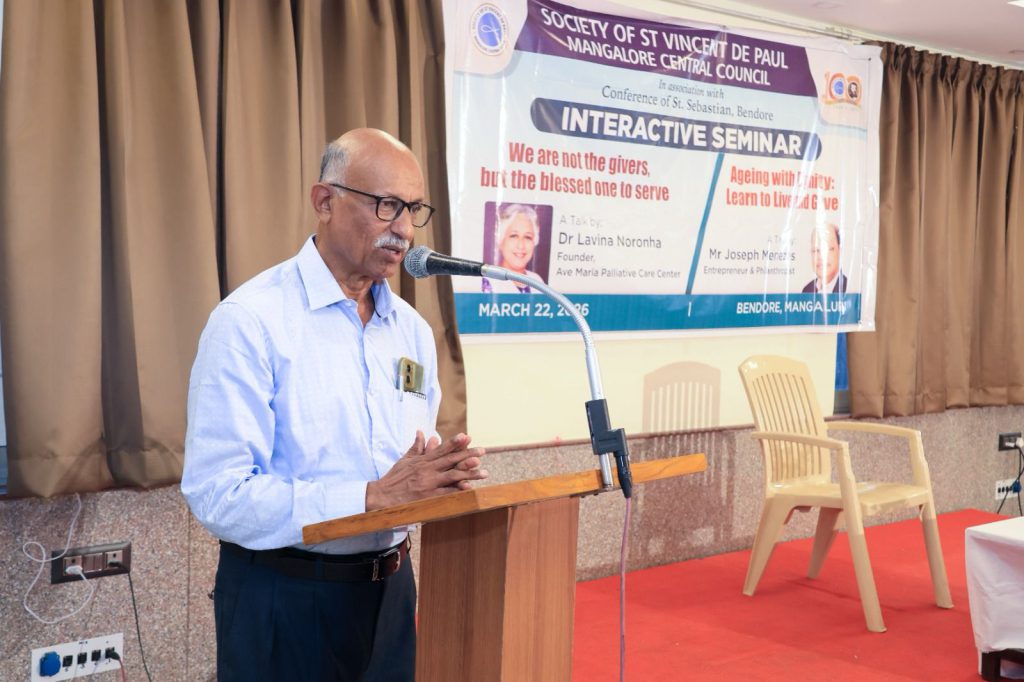
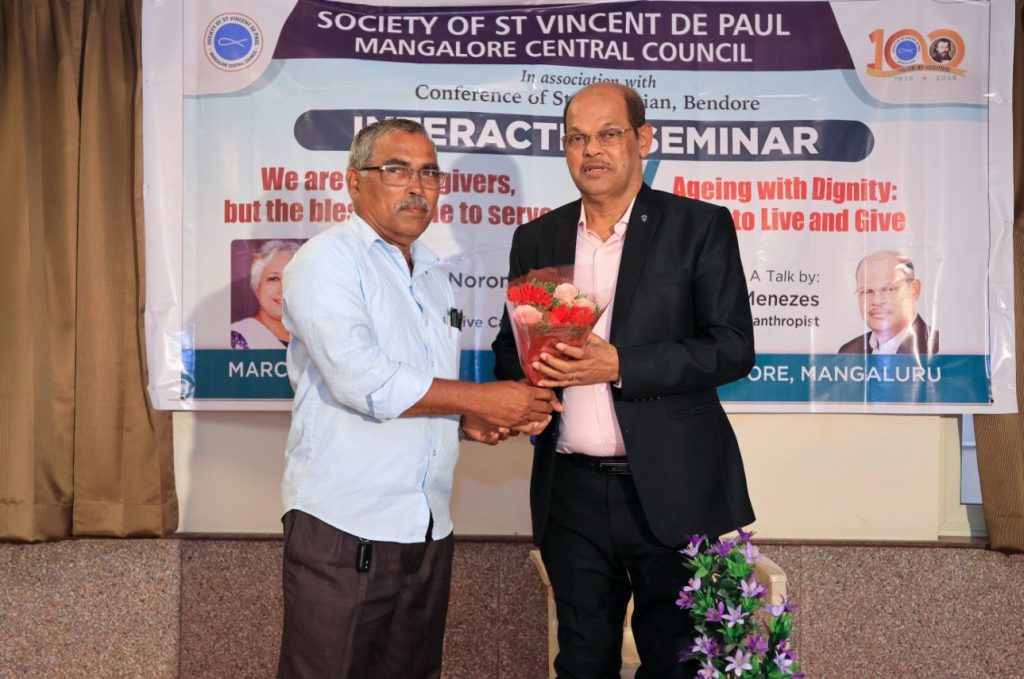
Society of St. Vincent de Paul Interactive Seminar at Bendur

NV Paulose, Chairman, Global TV +91 98441 82044

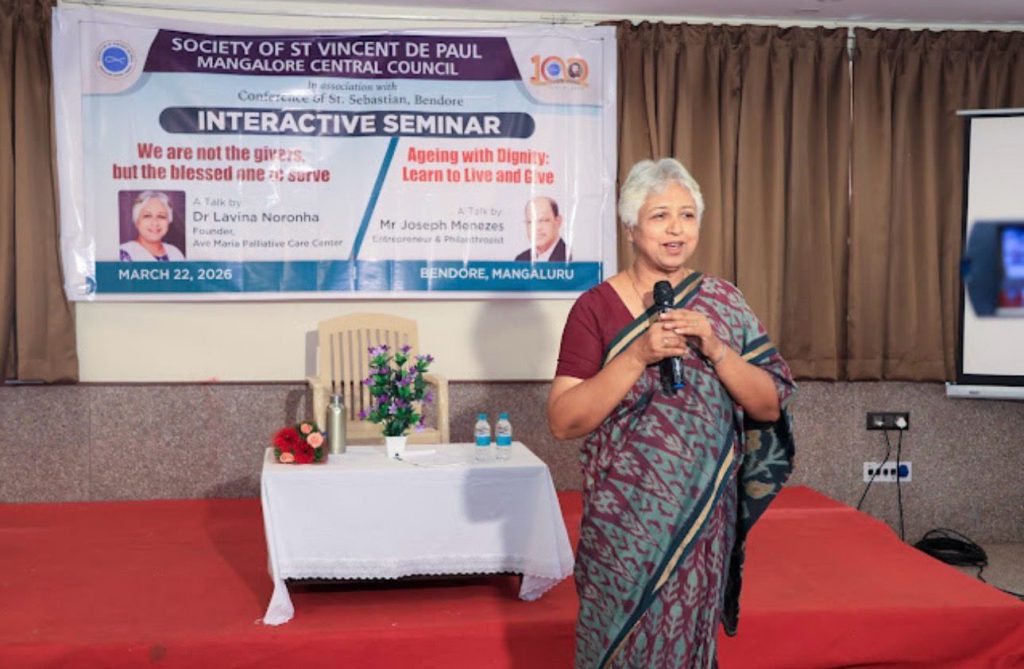
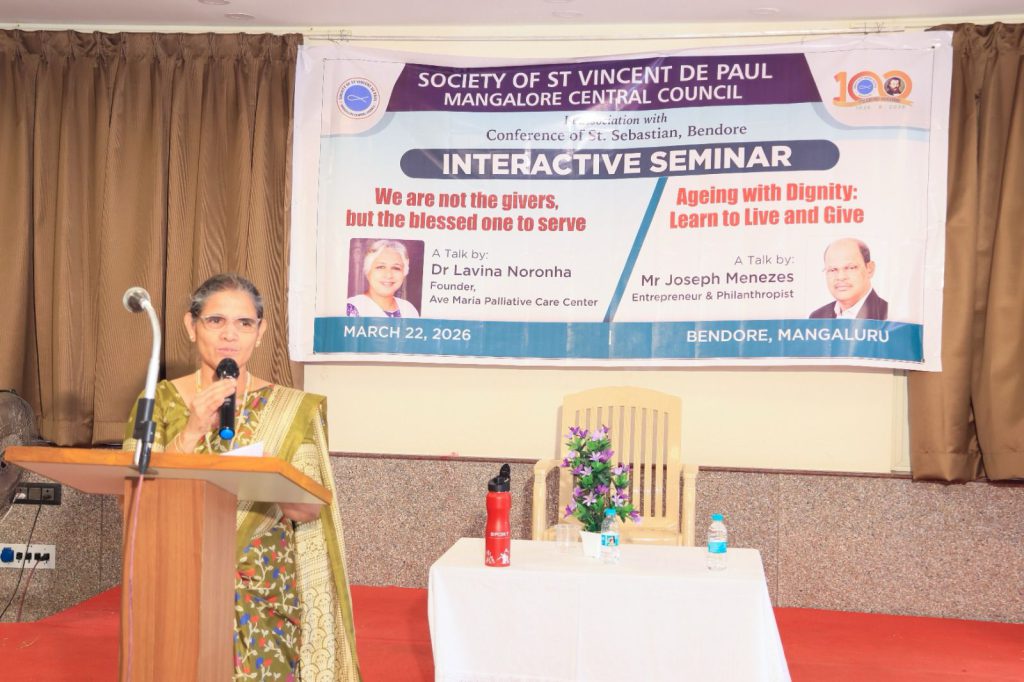
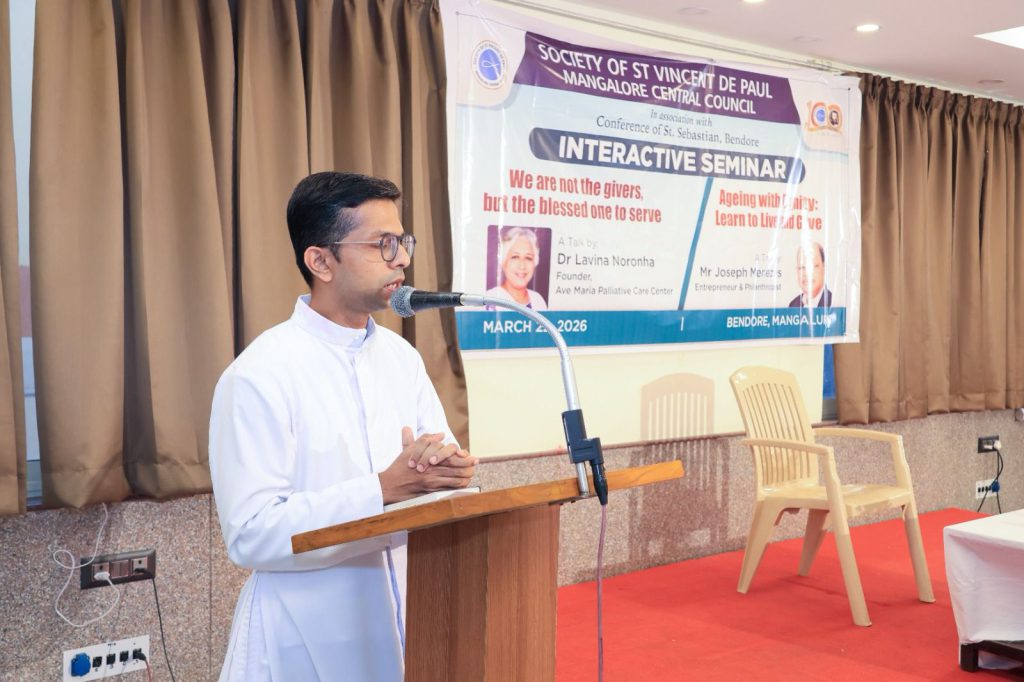
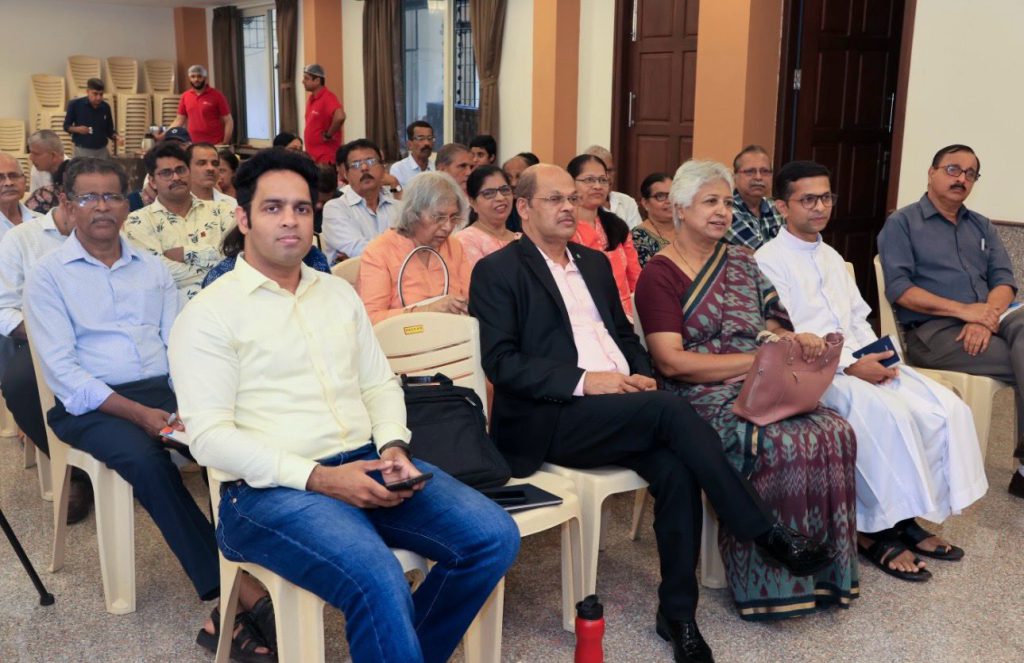
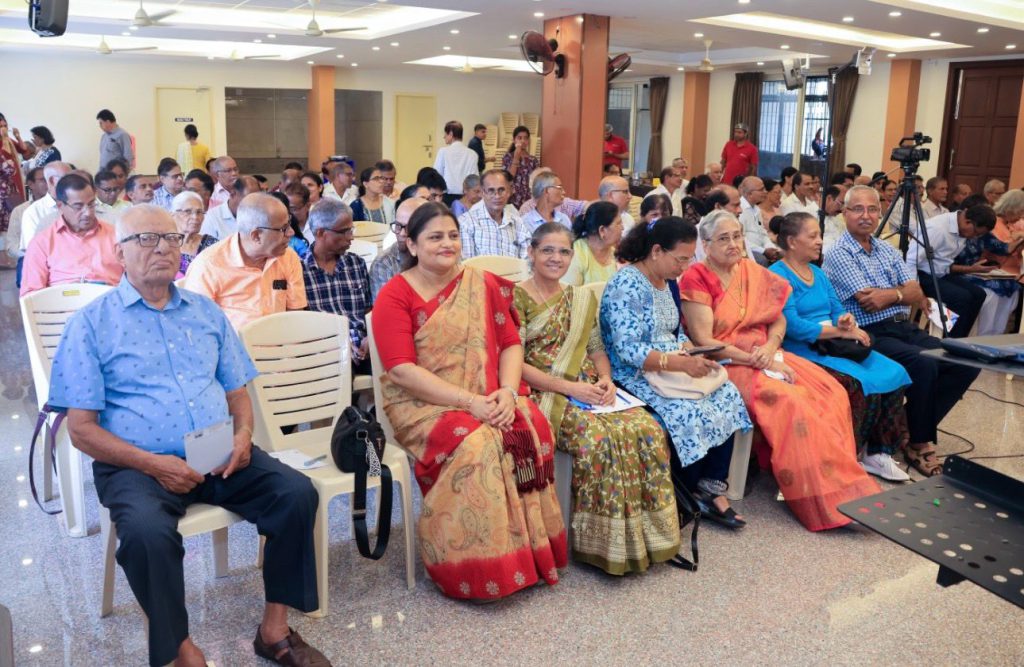
Bendur: The Society of St. Vincent de Paul, Mangalore Central Council, in association with the SSVP Bendur Conference, organized a meaningful and enriching interactive seminar at the parish hall on Sunday, 22nd March 2026. The programme commenced at 10:30 a.m. and witnessed the gracious presence of around 100 participants, comprising Mangalore Central Council members, Episcopal Area Council office bearers, City Area Council office bearers, and Bendur Conference members.

The seminar began with a prayer service led by Fr. Flavian Lobo, Spiritual Advisor of SSVP Mangalore Central Council, invoking God’s blessings on the gathering. The programme was ably coordinated by Mr. Joe Coelho.

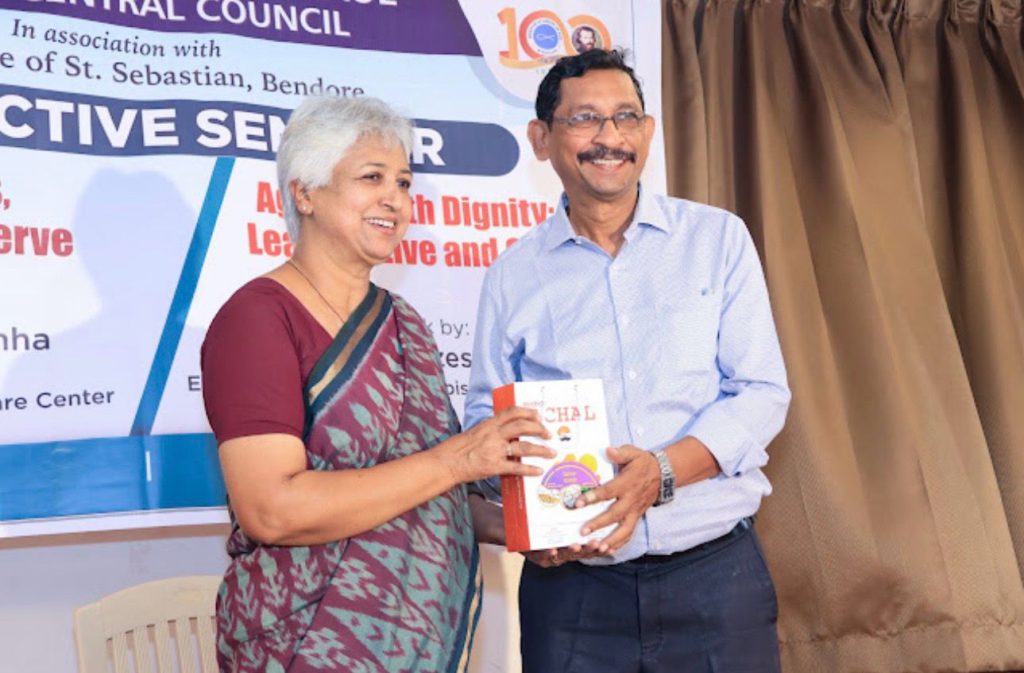
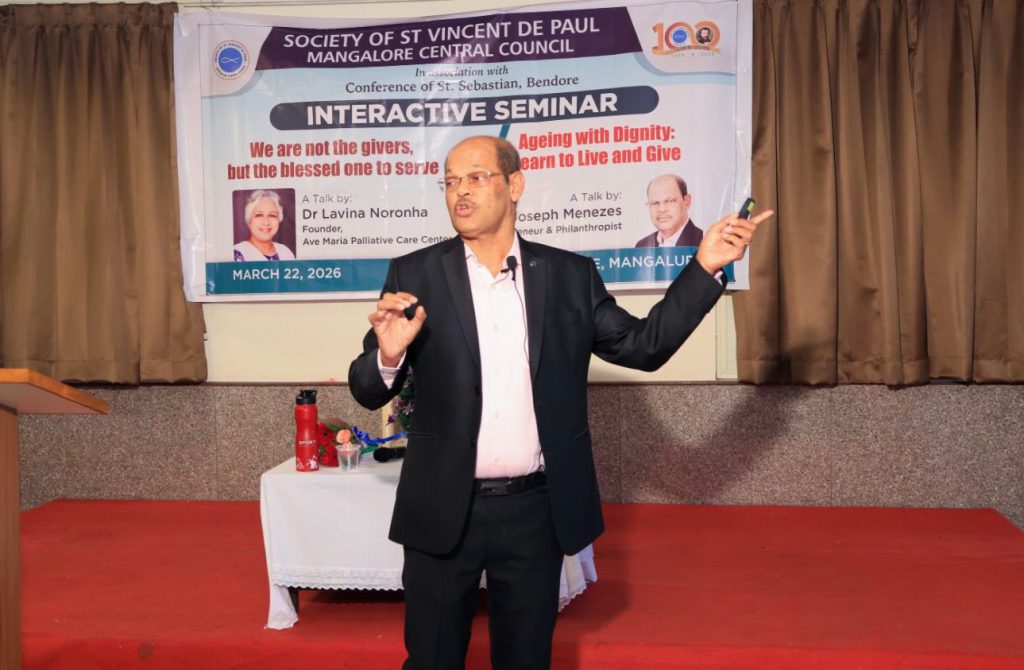
Delivering an inspiring session on the theme, “We are not the givers, but the blessed ones to serve,” Dr. Lavina Noronha of Ave Maria Palliative Care Center eloquently emphasized the true spirit of Vincentian service—listening with compassion and serving the poor with dignity and respect. She underscored the importance of discerning genuine needs and extending assistance responsibly. Drawing from her rich experience of 36 years, she shared heartfelt real-life instances that deeply moved and inspired the audience.

Addressing the gathering on “Ageing with Dignity: Learn to Live and Give,” Mr. Joseph Menezes, a noted entrepreneur and philanthropist, offered valuable insights on leading a life of dignity supported by financial security. He encouraged participants to cultivate the habit of disciplined saving, even in small measures, and highlighted the importance of financial literacy, prudent investment, and thoughtful long-term planning. His practical guidance resonated strongly with the attendees.

The vote of thanks was gracefully proposed by Mrs. Falvi Lobo of the Bendur Conference.

The programme concluded on a warm and joyful note with a fellowship meal, blessed by Fr. Flavian Lobo, fostering a spirit of unity and fraternity among all present.