All posts by admin

About admin

Chairman of Global TV | Excellent Writer | Exceptional PR Skills | Author of Six books | MASTER HEALER | +91 98441 82044 |

From Moscow to Modern India: A Diplomat’s Journey Through Turbulent Times | Global TV

A veteran diplomat reflects on 36 years in the Indian Foreign Service and the evolution of India’s global presence; from the collapse of the Soviet Union to becoming a top economic contender.

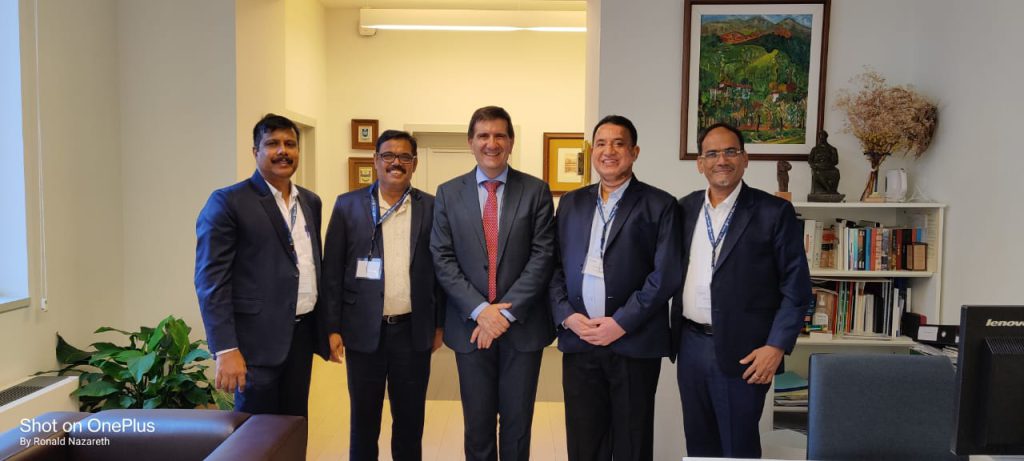
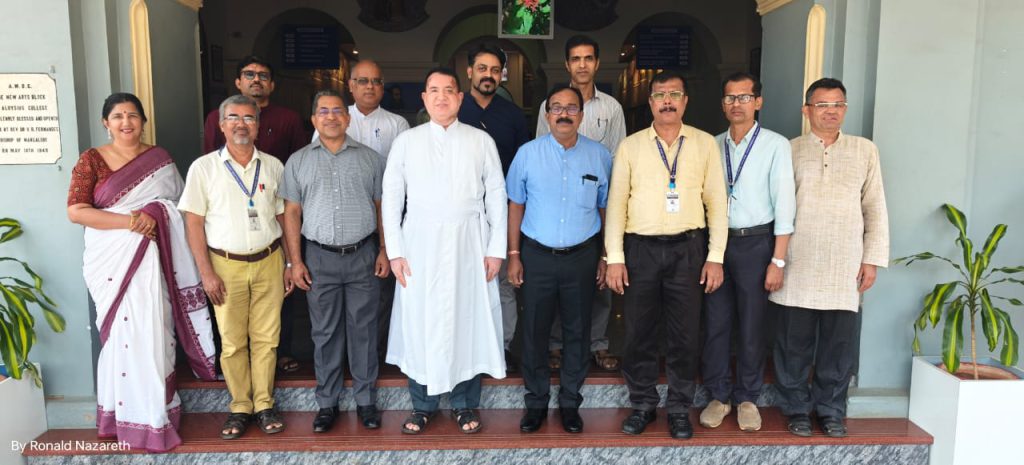
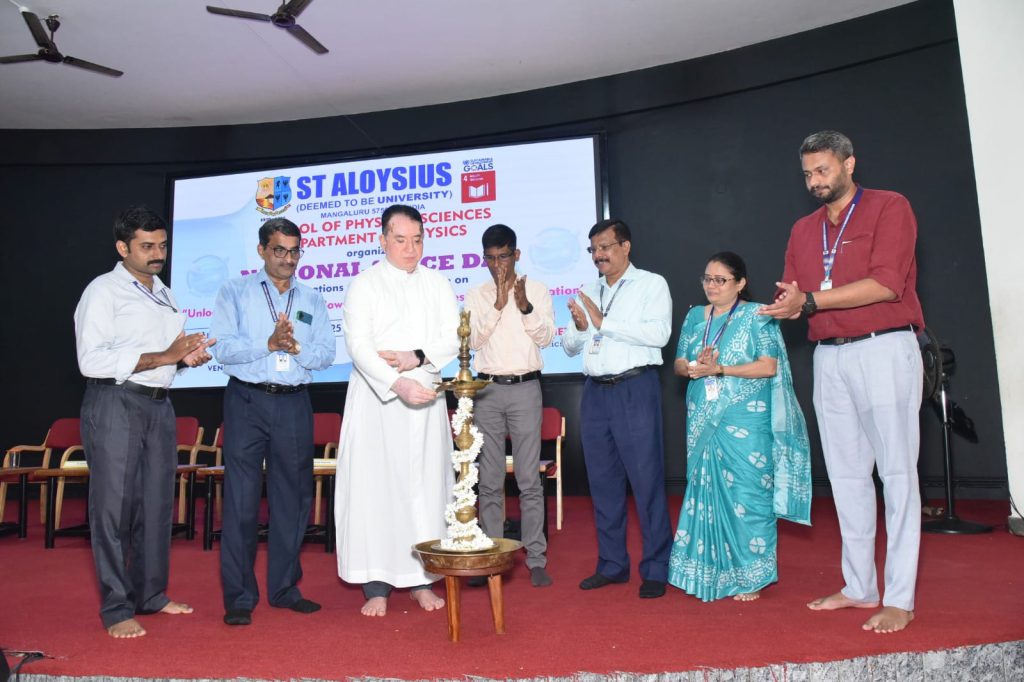
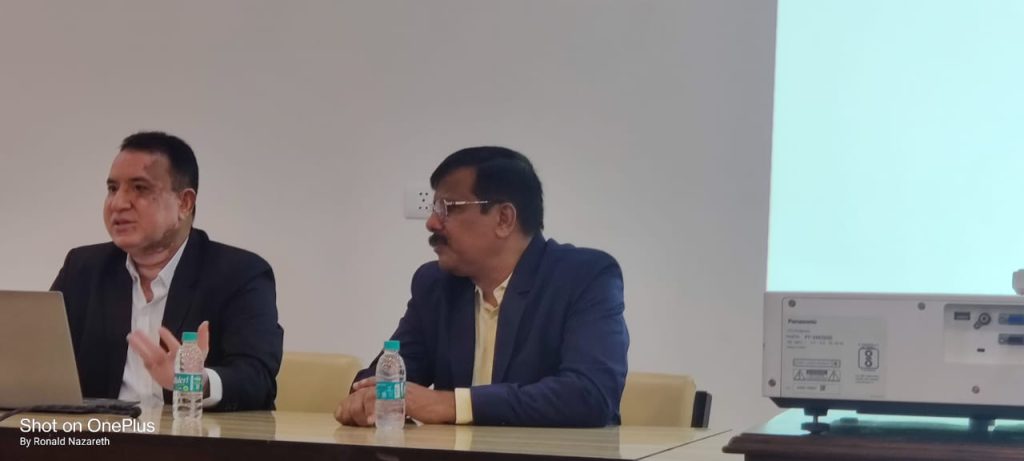
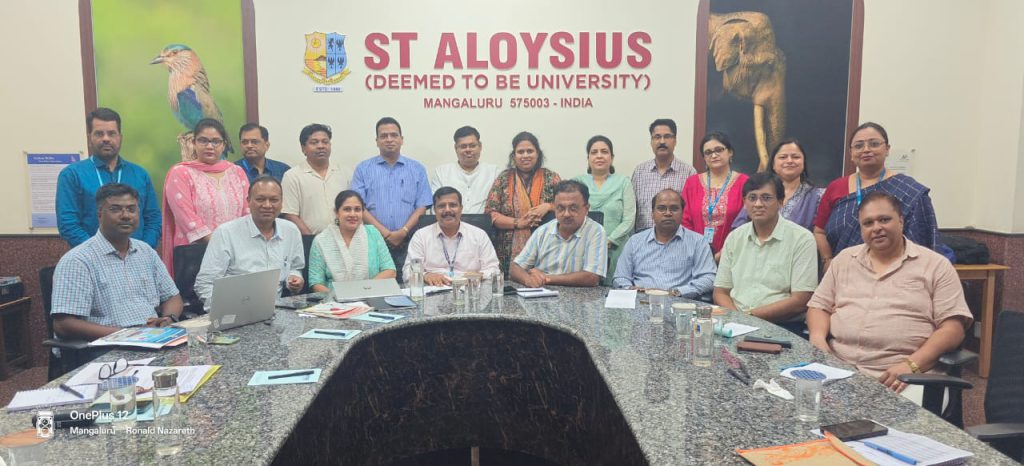
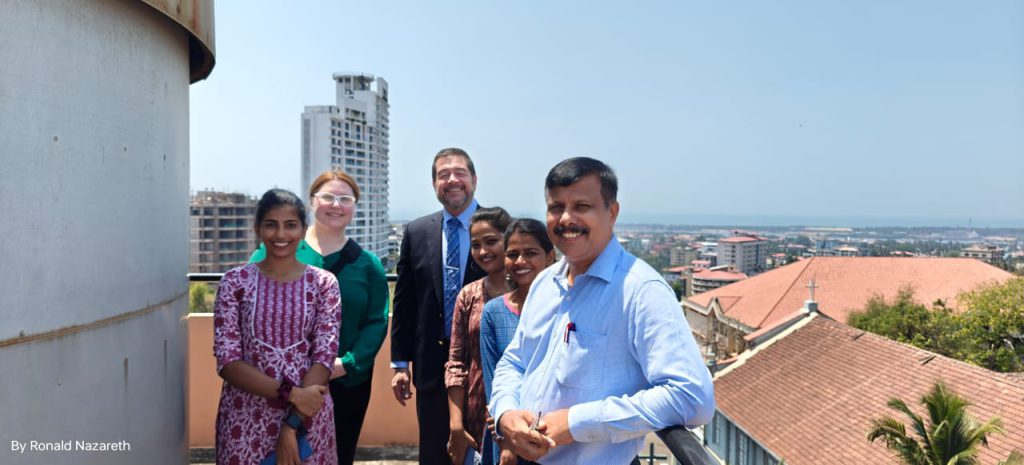
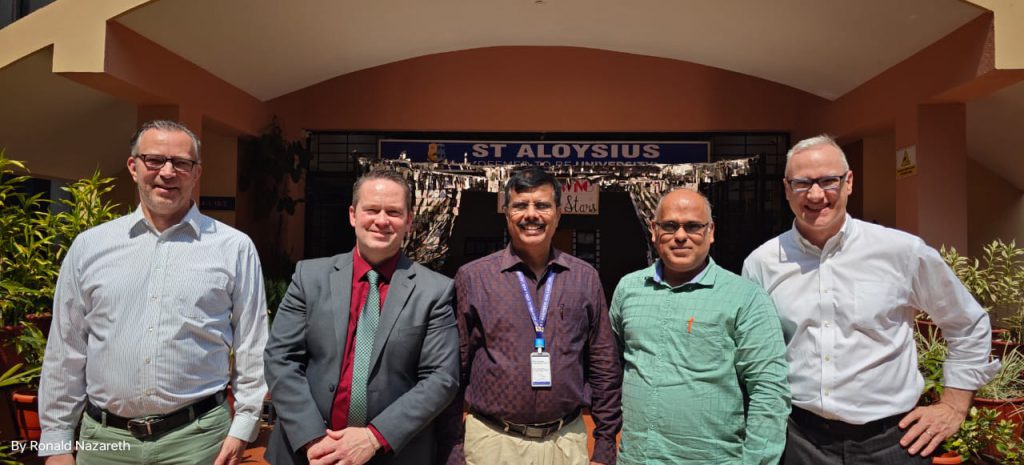
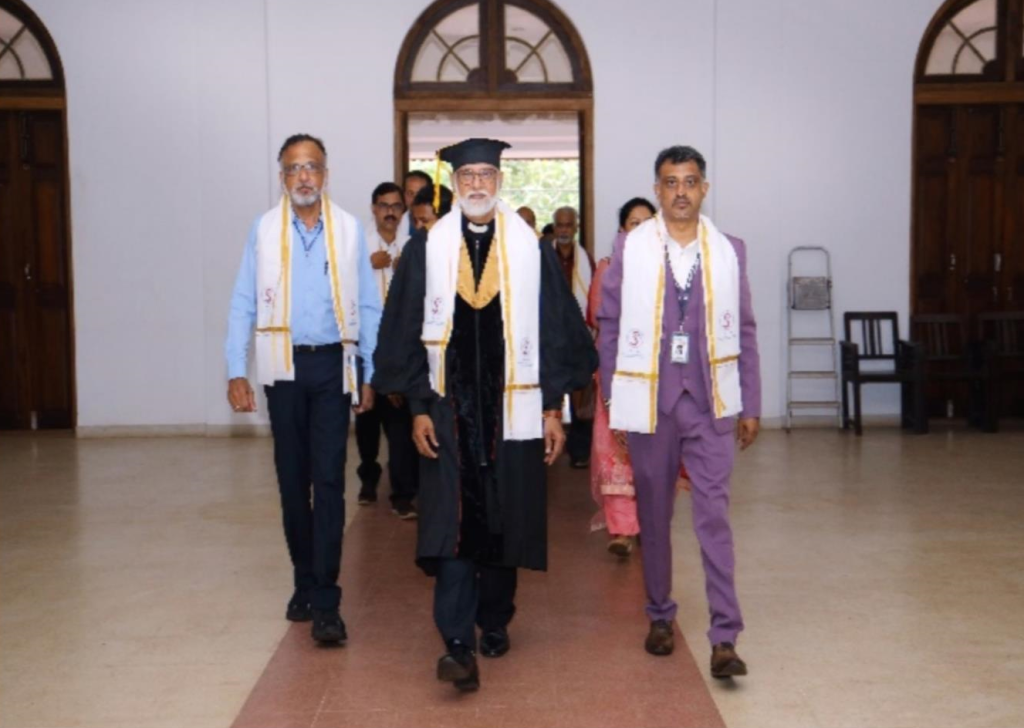
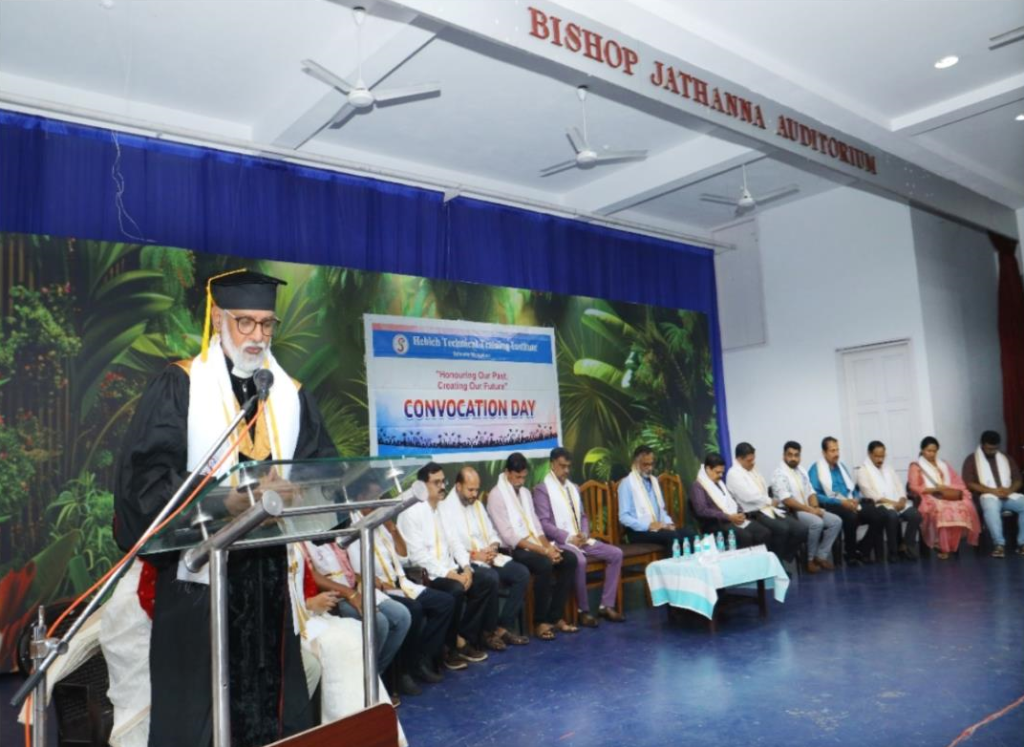
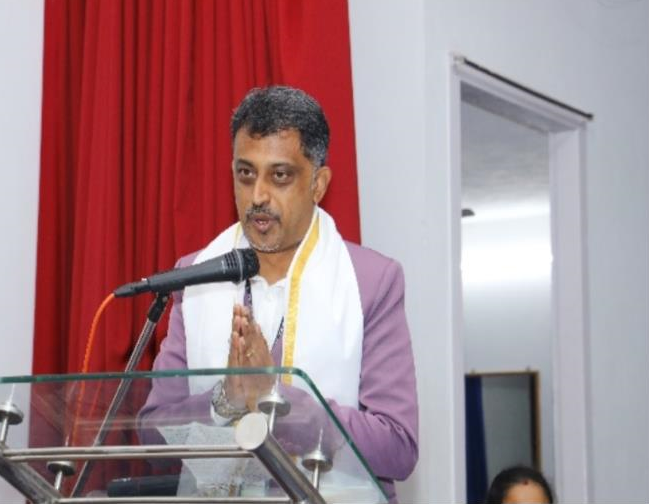
On the 10th and final day of the humanities course for sixth-semester students, the class was treated to an experience unlike any before; a window into the world of diplomacy, foreign policy, and global strategy through the eyes of Dr AVS Ramesh Chandra, a distinguished diplomat with over three decades in the Indian Foreign Service.

This wasn’t just a lecture; it was a journey across history, geopolitics, culture, and identity. The personal stories and insights shared painted a vivid picture of India’s transformation on the world stage.

1. A Diplomat is Born: From Dairy Technology to Diplomacy

Dr. Chandra’s story begins not in the hallowed halls of political science, but in the unlikely field of veterinary and dairy sciences. With no prior background in international relations, his plunge into diplomacy began in 1989, a time of global upheaval. Just a year into his career, he found himself in Moscow, witnessing the dramatic collapse of the Soviet Union.

“Just eight months after I arrived, the Soviet Union collapsed. I had never studied history or international relations. And yet, there I was, trying to make sense of it all.”

His journey stands as a testament to adaptability; the ability to pivot and evolve even in the face of dramatic geopolitical shifts.

2. Then and Now: 1990 vs 2025

Drawing a powerful comparison between 1990 and 2025, Dr. Chandra highlighted that while the players may have changed, the chaos and unpredictability of global politics remain constant.

From Iraq’s invasion of Kuwait in 1990 to today’s challenges; war, energy crises, and diplomatic tensions; the role of the diplomat has only become more vital. Their job? Anticipate outcomes, advise governments, and manage crises; all within tight timelines.

“You’re paid for your judgment. Within 72 hours of a global event, Delhi wants to know: What’s happening? What do we do next?”

3. Unity in Diversity: India’s Strength in the Global Arena

India’s representation abroad is deeply rooted in its internal diversity. With over 1,950 spoken dialects and 22 official languages, diplomacy becomes an extension of India’s multiculturalism.

“Our greatest celebration should be unity in diversity. This is what we showcase to the world.”

He emphasized that India’s cultural, linguistic, and religious plurality is not a liability but its greatest strength in the global narrative.

4. From Snake Charmers to Economic Powerhouse

Recalling the global perception of India in the 1980s and 90s, Dr. Chandra spoke candidly about the derogatory stereotypes; snake charmers, half-naked sadhus.

But India has come a long way. From barely surviving with $1.1 billion in foreign reserves in 1990 to sitting on over $75 billion today, the transformation is staggering.

“We didn’t even have money to finance five weeks of imports. Today, by 2030, we’re projected to be the third largest economy in the world.”

5. Diplomacy Amidst Crisis: Personal Anecdotes from a Career Spanning the Globe

In recounting his years abroad; from setting up India’s embassy in Uzbekistan to managing political affairs in Moscow; Dr. Chandra offered glimpses into real-world diplomacy.

He spoke of his encounters with significant world figures, including the current President of Russia, then the acting mayor of St. Petersburg.

“Diplomacy isn’t glamorous. It’s crisis management in real time. It’s being calm when everything else is falling apart.”

6. The Role of Institutions: Pride in Indian Science and Innovation

Dr. Chandra did not miss the opportunity to reflect on the intellectual and scientific prowess of India, particularly the Indian Institute of Science (IISc), which he lauded for its pioneering contributions.

“2476 patents! That’s what makes institutions like IISc the pride of our nation. From sandalwood soap to biotechnology; this is where tradition meets innovation.”

7. The Enduring Challenges: Security, Development, and Diplomacy

Concluding his talk, Dr. Chandra turned to the core of India’s challenges ahead; peace, security, and development. He quoted Kautilya’s Arthashastra to stress how intertwined these three elements are.

“Without peace and security, there can be no development. That remains our biggest concern; both domestically and across our borders.”

With over 11,000 km of shared land borders with China, Pakistan, and Bangladesh, and a shifting global order, diplomacy will remain a cornerstone of India’s strategy.

Conclusion: More than a Lecture, a Life Lesson

For the students of the humanities course, this final session wasn’t just a lecture; it was an invitation to view India not just as a country, but as an idea shaped by diplomacy, diversity, and resilience.

Dr. Chandra’s story is not just about foreign policy; it’s about learning to navigate change, embracing complexity, and serving with integrity.

“Whether you come from engineering or arts, diplomacy needs all of us. Because the world doesn’t move in silos anymore.”

Endnote: As the Royal Challengers Bangalore prepared to take on the Gujarat Titans that evening, the students walked away from the session not only with thoughts of cricket, but with a deeper understanding of the world; and India’s growing role in it.

“Democracy, Diplomacy, and the Discipline of Leadership: A Veteran Diplomat’s Reflection”

In a candid and compelling interaction with students, a seasoned Indian diplomat offered profound insights into the nature of democracy, the evolving role of diplomacy, and the nuances of leadership in the modern world. Drawing from decades of experience across countries like Pakistan, Russia, Uzbekistan, and Turkey, the diplomat delivered not just lessons from history but truths from lived reality.

Democracy: The Chaos That Works

When asked, “Why is democracy considered a good thing?”, the diplomat didn’t reach for theoretical models or ideological manifestos. Instead, they drew upon personal observations from nations ruled by strongmen and authoritarian regimes. In places where journalists go missing for speaking up, or where power is inherited rather than earned, the absence of freedom is deeply felt. India, by contrast, may often appear chaotic, even unruly, but it functions with a remarkable internal logic that is rooted in freedom, choice, and accountability.

“Only democracy can hold India together,” the diplomat declared. With its tapestry of languages, cultures, religions, and economic classes, India’s diversity defies centralization. Here, governments fall over price hikes in onions, and 700 million people queue up to vote—proof that power rests in the hands of the people.

Diplomacy in a Shifting World

The diplomat painted an evocative picture of the changing nature of diplomacy. Gone are the days of longhand letters and wordy dispatches; today’s diplomats must distill complex global narratives into single-page briefs and crisp sound bites. Yet, the essence of diplomacy remains unchanged—negotiating national interest through quiet persistence, calm intellect, and a sharp eye for nuance.

“There are no permanent friends or enemies in diplomacy,” the speaker reminded. “Only permanent interests.” This eternal truth guides India’s foreign policy, especially in a world where global alignments are increasingly fluid. Diplomats must adapt, stay informed, and never lose sight of the big picture.

Leadership by Example: A Nod to Narendra Modi

The conversation took a deeply personal turn when the diplomat spoke of Prime Minister Narendra Modi. Describing him as a “karmayogi” and “iron man,” the speaker praised Modi’s laser-sharp focus, tireless energy, and commitment to detail. Recounting an incident from 1993, the diplomat also narrated how then Prime Minister Narasimha Rao swiftly cut through bureaucratic red tape to resolve a critical infrastructure issue in Jalalabad. That efficiency and clarity, the diplomat believes, remain India’s credentials in foreign relations to this day.

In contrast, the speaker recalled attending international summits where leaders from other nations dozed off during meetings; as a striking reminder that titles alone do not make leaders. Leadership, he emphasized, is about showing up every single day with clarity, discipline, and an unwavering sense of purpose.

What Makes a Great Diplomat?

When asked what qualities define a successful diplomat, the answer was simple yet profound: calmness, patience, clarity, and the ability to read both people and situations. Diplomacy is as much about listening as it is about speaking. It’s about understanding not only what is said, but what is left unsaid; watching body language, sensing shifts in tone, and adapting in real time.

In an era when geopolitical relationships are often tested in the court of public opinion and on the stage of social media, the old-school virtues of discretion, humility, and long-term vision remain vital.

A Timely Reflection

As India carves out a larger role on the global stage, voices like this diplomat’s provide much-needed perspective. Their words remind us that democracy, though imperfect, remains our greatest strength. That diplomacy is more than protocol—it’s a craft honed through experience, empathy, and intellect. And that leadership, above all, is about action, not performance.

In an age of sound bites and instant judgments, such conversations are both grounding and galvanizing.

From Raw Numbers to Strategic Gold: How Data Became the New Currency of Business Intelligence | Global TV

Strategic Talent Management through Analytics: Learning from Disruptors like Uber and WhatsApp

NV Paulose, Chairman, Global TV +91 98441 82044

Talent is discovered, nurtured, and aligned with strategic goals in the modern workplace, much more than it is hired. The era of instinct-driven HR is being overtaken by data-driven decision-making. Organizations that treat people analytics as a business-critical function are emerging as leaders in the digital economy. This was the central theme of the expert session on “Data-Driven HR: Harnessing Analytics for Strategic Talent Management” led by Mr. Aloysius Kiran, General Manager – HR at Schneider Electric, Bengaluru, and moderated by the visionary HRM Forum Coordinator, Dr. Sebastin.

Disruptors as Teachers: Uber and WhatsApp

To understand the shift in strategic talent management, we must first look outside HR—at global disruptors like Uber and WhatsApp. These companies revolutionized their industries without owning the very assets they facilitated: Uber owns no cars, and WhatsApp owns no telecom infrastructure. Their true power lies in their use of data, analytics, and tools to create intelligent ecosystems.

Uber, for example, introduced a dynamic rating system for drivers, enabling real-time accountability and enhancing customer trust. It wasn’t just about ride-hailing—it was about leveraging behavioral insights to fine-tune services, policies, and user experiences.

Similarly, WhatsApp succeeded not by owning communication channels, but by offering a clean, efficient, and data-light interface that addressed a fundamental need—instant, global, ad-free communication. Despite being rejected by Facebook initially, WhatsApp later sold to them for billions—because their data architecture and user engagement insights were invaluable.

These companies thrived not on ownership, but on data-centric thinking, reminding HR professionals of a vital lesson: owning talent isn’t enough—understanding and enabling it is key.

Data: The New Business Intelligence Currency

As Mr. Kiran highlighted, “Data is often hailed as the new oil, but unless it is refined, it serves little purpose.” Raw data can overwhelm. Organized data becomes actionable. In HR, this translates into the ability to forecast attrition, tailor learning interventions, and align employee goals with organizational vision.

If left unprocessed, data becomes a liability—cluttering systems, increasing risks, and adding no value. But when refined through analytics, it unlocks insights that are transformative.

Here’s the crucial difference: Data alone doesn’t drive decisions. Insight does. It’s the ability to ask, “Why is this data important? What decisions can it influence? Are those decisions adding value?”

From Spreadsheets to Dashboards: Visualization Is Key

Mr. Kiran emphasized the importance of visualization in converting chaos into clarity. “A screenshot of HR data may contain thousands of rows—names, hours trained, modules completed—but a single dashboard with green, yellow, and red indicators can tell you exactly where to act,” he shared.

These visual cues are not just for convenience—they’re tools of strategy. They enable HR teams to:

  • Detect skill gaps in real-time
  • Tailor development programs for high-impact areas
  • Intervene before productivity issues escalate

The result? A responsive and adaptive talent management framework.

Four Pillars of People Analytics in HR

The session outlined the four types of analytics every HR team must master:

  1. Descriptive Analytics – Understand what has already happened (e.g., turnover rates, training hours).
  2. Diagnostic Analytics – Analyze why it happened (e.g., exit reasons, pulse survey insights).
  3. Predictive Analytics – Forecast what could happen (e.g., flight risk modeling, engagement trends).
  4. Prescriptive Analytics – Recommend what should be done (e.g., implement mentoring, redesign policies).

While AI can assist with recommendations, the final decisions always rest with humans. “Without interpretation, even the smartest AI is powerless,” Mr. Kiran noted.

Moving from Talent Acquisition to Talent Attraction

One of the most compelling points made was about rethinking the traditional approach to recruitment. The future of HR lies in Talent Attraction, not just acquisition.

This paradigm shift recognizes that candidates are not just job-seekers—they’re discerning partners. Metrics such as:

  • Time to hire
  • Candidate experience
  • Diversity metrics
  • Early engagement scores

are now becoming key indicators of organizational health. These numbers reflect not just hiring speed but brand appeal, cultural fit, and values alignment.

Competency Mapping: Seeing Skills Clearly

HR professionals today must master competency mapping—an essential tool to align individual capabilities with organizational goals. This involves:

  • Assessing existing skills
  • Identifying required skills
  • Bridging the gaps through training and mentoring

By using color-coded dashboards (Green = Strength, Yellow = Moderate, Red = Critical), managers can visualize skill health across teams and initiate targeted upskilling or reskilling programs.

Competency areas like digital fluency, product knowledge, innovation mindset, and strategic thinking are no longer reserved for leadership. They are enterprise-wide expectations.

Beyond Metrics: The Human Touch in Analytics

While technology powers the data engine, the human element remains irreplaceable. Data doesn’t feel. It doesn’t empathize. It doesn’t inspire. HR professionals must interpret numbers with empathy and contextual awareness.

Talent Management is no longer an intuitive art; it’s a science. But even science needs soul. You must use analytics not just to track people, but to understand them, support them, and enable them to grow.

Talent Management, when powered by analytics, transforms HR from a support function to a strategic partner. Just as Uber used data to disrupt transport and WhatsApp reshaped communication, HR leaders can now reshape workplaces using informed, intelligent decision-making.

The journey begins with a simple yet profound realization: Data isn’t about control; it’s about clarity. Clarity that enables organizations to thrive, talent to flourish, and cultures to evolve.

Dr. Sebastin creates a living classroom where knowledge meets experience, and insights turn into inspiration | Global TV

Adaptive Leadership in the Hybrid Era: Insights on Engagement, Cohesion, and Productivity | Global TV

By NV Paulose, Chairman, Global TV +91 98441 82044

The workplace is no longer confined to four walls.  The collaboration spans across time zones and devices. Adaptive leadership has emerged as a critical competency. Academicians with industrial exposure build safe bridges for their students to traverse through the storms of the realistic world. Students are immensely benefitted with this emotionally connecting expedition through enormous opportunities to interact with real world of hurry burry.

A compelling session titled “Adaptive Leadership: Thriving in a Hybrid Work Environment” held at School of Social Work, Roshni Nilaya, featuring two dynamic speakers: Ms. Rajathi Subramaniam, Founder of Percepts Advisory Services, Bengaluru, and Ms. Yashodha Raji, HR – Business Partner at Ivanti, Bengaluru. The session was expertly moderated by Dr. Devraj K, Former Director, SDM College of Business Management, Mangaluru.

Together, they unpacked the complexities of leading in hybrid work environments; where physical boundaries blur, engagement takes on new meaning, and leadership demands a blend of empathy, flexibility, and strategy.

Leadership Styles that Foster Employee Engagement in Remote Settings

Opening the session, Ms. Rajathi Subramaniam drew attention to the evolving nature of leadership in a post-pandemic world. She underscored that engagement is no longer about presence; it’s about purpose. Drawing from her experience as an HR change consultant, she presented a powerful image of a child trying to move a tree alone in a storm, a metaphor she used to emphasize initiative and intrinsic motivation as cornerstones of leadership in isolation.

Rajathi stressed that in a remote environment, leaders must shift from commanding roles to coaching mindsets. Hierarchies flatten in digital spaces, and influence now flows from authenticity, emotional intelligence, and the ability to connect meaningfully; even across screens. She challenged participants to reflect: Are you leading with visibility or with value?

Her key message was clear: Engagement thrives when leaders focus less on monitoring and more on mentoring. Listening empathetically, checking in with intent (not just agenda), and fostering psychological safety are now non-negotiable practices for leaders.

Ms. Rajathi also challenged the audience to reflect on their leadership style, especially when it comes to communication. She posed a provocative question: do we command, or do we demand? This subtle shift in language carried significant weight. Commanding can carry authority built on respect, clarity, and trust. Demanding, on the other hand, often leans into coercion, pressure, and the weight of hierarchy. Leaders, she said, must be conscious of the emotional undertones in their communication. The most effective leaders don’t just speak to be heard; they listen to understand.

Strategies for Maintaining Team Cohesion and Productivity

Ms. Yashodha Raji, representing the tech-driven workplace of Ivanti, brought a complementary, execution-focused perspective. Speaking from her role as an HR Business Partner, she emphasized that productivity in hybrid teams depends not just on policies but on people-centric practices.

She introduced practical frameworks that Ivanti uses to drive cohesion, including “culture-building touchpoints” like virtual coffee hours, well-being check-ins, and team retrospectives that prioritize feedback. She noted that “the strongest glue in remote teams is shared purpose reinforced through regular, meaningful interaction.”

Yashodha also pointed out that hybrid teams can fall into the trap of “digital fatigue” or “two-tier cultures”; where in-person employees get more access to leadership than remote ones. To counter this, she suggested deliberate inclusion efforts: rotating facilitation roles in meetings, visibility dashboards, and hybrid-friendly policies that level the playing field for contribution and recognition.

She emphasized the importance of trust over surveillance. “When employees feel trusted and supported, productivity follows,” she said, underscoring that autonomy, paired with clarity, is key in driving performance remotely.

Bridging Perspectives: The Role of the Moderator

Dr. Devraj K, with his extensive academic and leadership background, skillfully wove together the diverse threads presented by the speakers. He encouraged reflection on how traditional leadership paradigms must evolve, particularly in institutions and sectors that are just beginning to move with the hybrid shift.

He brought attention to intergenerational expectations within teams, noting that younger employees often value flexibility and purpose over rigid structures, while senior staff may seek more direct engagement and clear frameworks. Adaptive leadership, he explained, lies in reconciling these differences without compromising on values or outcomes.

Dr. Devraj also prompted the speakers to share stories of failure and resilience, enriching the discussion with real-world challenges; miscommunications in digital teams, burnout from over-connection, and the struggle to maintain culture when employees have never met in person.

Key Takeaways: A New Paradigm of Leadership

The session ended with a synthesis of actionable insights for leaders navigating the hybrid frontier:

  • Engage with Empathy: Leadership in hybrid environments requires deep emotional intelligence; more listening, less micromanaging.
  • Communicate with Purpose: Tailor communication to stakeholder roles, avoid generic messaging, and prioritize intentional interactions.
  • Build Structures for Feedback: Continuous, contextual feedback loops should replace outdated annual reviews.
  • Promote Autonomy with Clarity: Trust employees to manage their work, but set clear expectations and shared goals.
  • Create Culture, Not Just Policy: Use rituals, stories, and virtual symbols to maintain cohesion across remote teams.
  • Stay Adaptable: Flexibility is the new superpower; adaptive leaders are learners, not just decision-makers.

Leadership in a hybrid world is not less human; it must be more human. The digital workplace may be shaped by technology, but its success depends on the human touch.

From Rajathi Subramaniam’s emotional intelligence-driven leadership approach to Yashodha Raji’s hands-on strategies for cohesion, and with the reflective moderation by Dr. Devraj K, the event provided a powerful lens into the future of leadership; one where adaptability, empathy, and intentional design are the pillars of success.

As organizations continue to grapple with hybrid dynamics, these insights offer a roadmap for thriving in it.

Dr. Sebastin K V, the visionary Co-ordinator of the HRM Forum,

Dr. Sebastin has consistently championed a practical, forward-thinking approach to HR education. His core belief is that students must move beyond classroom theories and immerse themselves in the evolving dynamics of the corporate world. To this end, he envisions the HRM Forum as a vibrant bridge between academia and industry. This is a platform that offers students direct exposure to real-world challenges, innovations, and leadership practices.

By inviting accomplished HR leaders with futuristic mindsets to the campus, Dr. Sebastin creates a living classroom where knowledge meets experience, and insights turn into inspiration. Under his leadership, the Forum has become a crucible of learning, where students engage with thought leaders who are not only experts in HR strategies but also pioneers in adapting to changing workforce landscapes, including hybrid work, AI integration, and people-first cultures.

Dr. Sebastin believes that the future belongs to those who learn by doing, reflecting, and interacting. His mission is to ensure that every session hosted by the Forum contributes to the holistic development of students as industry-ready professionals. They should become confident, competent, and connected to the pulse of contemporary HR leadership.

SJEC AERO Soars to National Glory: Right Approach Brings All India Rank 1 in Micro Aircraft Category | Global TV

St. Joseph Engineering College’s strategic focus on innovation and mentorship pays off as SJEC AERO Team secures top national honour.

NV Paulose, Chairman, Global TV +91 98441 82044

Mangaluru, April 8, 2025:  In a groundbreaking achievement that underscores the power of the right approach, vision, and perseverance, the SJEC AERO team from St. Joseph Engineering College (SJEC), Mangaluru, has etched its name in history by clinching All India Rank 1 in the prestigious Micro Aircraft Category at the SAEISS Drone Development Challenge 2025 held at Karpaga Vinayaga College of Engineering and Technology, Tamil Nadu.

Competing against more than 80 premier institutions from across India, the SJEC AERO team not only emerged as the national champion but also secured Second Place in the Technical Presentation Category, cementing its status as a leader in innovation-driven aeromodelling.

This historic victory was the result of a methodical and research-based approach, coupled with unwavering commitment from a passionate team that exemplified technical brilliance, problem-solving, and teamwork.

The Flight to Victory: A Triumph of Innovation

At the core of SJEC AERO’s winning formula was an aircraft that stood out in every conceivable way:

  • Innovative Aerodynamic Design
  • Lightweight and Efficient Structural Build
  • Exceptional Flight Stability and Control
  • Real-world Performance Validated Through Rigorous Testing

The aircraft, designed with a rectangular wing delivered outstanding lift and energy efficiency. Piloted with surgical precision by Manvish M K, the aircraft impressed the judges with its superior in-air agility and reliability.

In the Technical Presentation round, the team showcased a compelling narrative that highlighted:

  • A scientific and analytical approach to design and testing
  • Computational and experimental validations
  • Potential real-world applications, including disaster relief and smart surveillance
  • Roadmap for future improvements in micro-aircraft innovation

Behind the Success: A Team Rooted in Excellence

This landmark achievement was a collaborative masterpiece led by Team Captain Akshay Bangera and supported by a dynamic, multi-skilled squad:

  • Pilot: Manvish M K
  • Theoretical Team: Jeevith G, Adithya R, Gurumadhava H, Rahul TP
  • Design Team: Jeevith G, Manvish M K, Akshay Bangera, Lekhna Shetty
  • Computational Team: Rijish A G, Renika Yathish, Stanzil Flemin Menezes, Akshay Bangera

Each member played a pivotal role in taking SJEC AERO from being an enthusiastic college club to a national symbol of student-driven excellence.

Foundations of Success: Vision, Infrastructure, Mentorship

Founded in 2019 by Varun Raj J and a group of aviation enthusiasts, SJEC AERO began its journey with a 13th-place finish at the SAEINDIA Aero Design Challenge. Under the able guidance of faculty coordinator Mr. Yathish, the club evolved into a powerhouse of technical innovation.

Central to this transformation was the SJEC AICTE IDEA Lab, which provided crucial access to modern fabrication tools and technologies such as laser cutters, 3D printers, soldering stations, and hot air guns. Transitioning from heavy foam to Depron and Balsa wood enhanced the flight performance, while support from Ninetron Tech (Abdul Shamer and Shamanth Gowda) gave the final push towards excellence.

The college’s proactive support system—both in infrastructure and financial backing—proved to be a vital enabler, reaffirming the role of institutional vision in shaping student-led success stories.

Impact Beyond the Trophy: A Movement in Motion

More than just a competition-winning team, SJEC AERO is an active torchbearer for aeromodelling education in the region. Through:

  • School visits and workshops
  • Hands-on training sessions
  • Guest lectures by aviation experts

The team is nurturing the next generation of innovators and engineers, expanding the reach of aeronautical knowledge.

A Legacy of Achievements

SJEC AERO’s recent victory builds upon a legacy of accomplishments that have steadily elevated the club’s national profile:

  • 13th Rank – SAEINDIA Aero Design Challenge 2019
  • 2nd Place – Fluxus 2023, IIT Indore
  • 1st Place – Boeing National Aeromodelling, West Zone, IIT Bombay (2023) – with a record 40-golf-ball transport

Led by experienced mentors and office bearers like Captain Mayur, Vice-Captain Akshay Bangera, and Chief Pilot Trainer Abhik L Salian, the club continues to thrive as a nucleus of creativity, precision, and purpose.

SJEC AERO: Where The Sky Is Not The Limit; It’s Just the Beginning.

Krishna Hegde | GGM – HR | MRPL | Transcend traditional roles and embrace leadership, innovation, and responsibility

‘STUNA’ 2025, “Transforming HR: Leading through Change and Innovation” Inaugurated at Roshni Nilaya

By Dr. Sebastin K V

The National Level HR Conference ‘STUNA’ 2025, themed “Transforming HR: Leading through Change and Innovation, organised by the HRM Forum, School of Social work, Roshn Nilaya, Internal Quality Assurance Cell in association with National Institute of Personnel Management (NIPM), Mangaluru Chapter was inaugurated on April 8th, 2025, by Shri. Krishna Hegde, Group General Manager – HR at Mangalore Refinery and Petrochemicals Limited (MRPL). In his inspiring address, Hedge emphasized the evolving role of Human Resources in today’s business landscape, urging professionals to transcend traditional roles and embrace leadership, innovation, and responsibility. He highlighted the importance of adapting to technological transformations while maintaining a strong focus on the human element, stating, “These changes are not meant to replace people but to complement them.” Hegde underscored that innovation is crucial not just for profitability but for sustainability and relevance in the current economic climate.

Hegde also shared foundational principles for aspiring leaders, emphasizing the significance of good health and the distinction between efficiency and effectiveness. He articulated that while efficiency is essential early in one’s career, effectiveness becomes vital in leadership roles, focusing on enabling teams to achieve results. Praising Roshni Nilaya as a pillar of excellence in social work and human resource management, he acknowledged the contributions of the National Institute of Personnel Management (NIPM) in promoting HR practices. Concluding his address, Hegde encouraged participants to fully engage in the conference, stating, “The field ahead is not just challenging—it is exciting. Embrace it.”

Mr. Steevan Pinto, the esteemed Guest of Honour, delivered a heartfelt address that resonated deeply with the audience gathered at the conference. He expressed immense pride in returning to his alma mater, Roshni Nilaya, a place that shaped not only his understanding of Human Resources but also his character. Emphasizing the institution’s commitment to values such as empathy, resilience, and ethics, he encouraged students to carry these principles into their future careers. Mr. Pinto highlighted the theme of the conference, “Transforming HR: Leading Through Change and Innovation,” asserting that the human touch in an increasingly automated world is more crucial than ever. He underscored the importance of bridging academia and industry, commending Roshni Nilaya for its progressive engagement and support. With a vision for the institution to become a national beacon for HR education, he urged students to dream big while remaining grounded in their roots. In closing, he inspired all present with a powerful reminder that true legacy lies not in what one leaves behind but in the positive momentum one creates for the future.

Dr. Jacintha D’Souza, the former principal of the School of Social Work, delivered a spiritually enriching address at the National Conference on “Transforming HR: Leading Through Change and Innovation,” captivating a diverse audience of emerging HR professionals, industry leaders, and academicians at the Roshni Nilaya campus in Mangalore. Expressing gratitude to MRPL and NIPM for their support in making the conference possible, she emphasized the deeper purpose of leadership and human resources, quoting Dr. Jeff Malan on the profound impact of touching lives. In a world increasingly dominated by technology, Dr. Jacintha highlighted the irreplaceable nature of human consciousness and creativity, urging attendees to view their roles through the lens of transformational impact rather than titles. She outlined a threefold understanding of the ‘self’—the Self with a History, the Self in the Making, and the Self in Solidarity—underscoring the importance of self-awareness and interconnectedness in leadership. Additionally, she praised the institution’s commitment to ecological sustainability, aligning it with the urgent need for green initiatives. Concluding her address, she called on future HR professionals to be agents of growth and resilience, emphasizing that a healthy HR professional fosters a positive atmosphere for others to thrive and leads with purpose amidst change and innovation. Her heartfelt message resonated deeply, reinforcing the necessity for a human-centric and value-driven approach in the evolving field of Human Resources.

Earlier, Dr. Sebastin K V, the organizing secretary of STUNA 2025, presented the theme of the conference, inviting industry leaders, HR professionals, and students to participate in this groundbreaking event that aims to redefine the role of Human Resource Management in today’s rapidly evolving business landscape. As we find ourselves at a pivotal juncture where technology intersects with human potential, STUNA 2025 serves as a dynamic platform for exploring how HR can emerge as the architect of agility and innovation.

Prof. Ciciliya Farida Goveas, Registrar of the college, Dr. Sarita D Souza & Dr. Rosa Nimmy Mathew IQAC Co ordinators, Ms. Sathya Venkatesh General Manager – HR

Symbio Generrics India Pvt. Ltd. Bengaluru, Ms. Shwetha Pinto Soft skills trainer & Transformational Coach, Goa,  Mr. Ronald Mascharenhas Former Head – HR , PR & CSR at  Syngene International Limited Mangaluru & Divesh Kumar, Advocate, CCI Legal, Bengaluru were present during the occasion was present during the occasion.

MRPL was the main sponsor and MCF was the co sponsor for the event.

Ms. Sinchana Shetty invoked divine blessings by her gracious performance. Ms. Shravya Naik Welcomed the gathering and Ms. Sindhoora Barlaya proposed the Vote of Thanks.  Ms. Chandni and Ms. Bhumika K Compered. More than 200 participants attended the conference.

Dr. Sebastin K V

Organising Secretary – STUNA 2025

Green Planet | A New Standard in Budget Hospitality | Close to Kannur Airport | Global TV

Dual Investment Visionaries Redefine Malabar’s Hospitality: A Tribute to Green Planet Hotel & Resort, Mattannur | Global TV

By Dr. Joslet Mathew, Dr. Shajimon John, and NV Paulose | Special Feature | Global TV

There is no greater marketing secret than making your visitors feel your property like their own. My one and only feeling that comes thereupon is a unique emotion that connects your visitors permanently with you. They take ownership of your property promotion on their own without you paying them for their services.

This article is an example for that. It is a testimony to the true experience of free but non-consequential ownership sharing at Green Planet at Mattannur, very close to Kannur Airport in Kerala. For those who wish to get their marketing philosophy redefined, this is the theory of building inner circles that the world may start to discuss in coming years; better everyone get transformed. 

No competitions; only collaborations to make a potential competitor to become your propagator. Green Planet is a unique sort of nature creations in the heart of Kerala’s serene Malabar region. It is a new chapter in sustainable tourism. Green Planet blends nature’s bounty with heartfelt hospitality.

Plenty stories of memories unfold at Green Planet Hotel & Resort, Mattannur, just 6 km from Kannur International Airport. Here we experience comfort, culture, and conscience converge. What makes this destination more than a resort is the vision behind it! It can be told as the manifestation of ideas from two entrepreneurial minds who invest not only in nature but also in the people who walk through their doors. It could be a coincidence that the two share their dreams in the same wavelength. Role Creation and Team work are well celebrated.

This is a different story from the general understanding about Malayalees in Kerala; both in the minds of Malayalees and many others everywhere outside the state. Generally, we make enemies with anyone and everyone with our wrong approach and harsh attitude. Humility is a rare attitude, not seen very commonly in the state of our affairs. We argue unnecessarily and urge to prove others wrong. These are self-introspection with good intention and we are sure it is a general statement. Many are exceptional to this as well. We salute all of them.

In such a scenario, when we present a brilliant introduction about Green Planet; the Resort Hotel, you may feel something fishy at first sight on this autogenic article. But believe us it is amazing. People represent there are all accustomed with the organisational culture. That is the reason for you to feel connected at the premises. You wish to go back and stay back there one more time.   

Passionate Investors with a Dual Focus

The Green Planet experience is built on the powerful concept of dual investment; simultaneously in nature and in human relationships. The visionary entrepreneurs behind this project are not just hospitality experts; they are curators of a better future. Their mission transcends profitability. They are here to cultivate a lifestyle of balance; They traverse between luxury and simplicity, business and ecology, development and conservation. They build relationship with people and nature.

Their love is not transactional; it is transformational. Every initiative at Green Planet reflects a deeper passion for life, community, and the planet itself.

A New Standard in Budget Hospitality

Despite its business-class comfort, Green Planet is positioned as a budget hotel, ensuring accessibility for all. With 35 luxury rooms and thoughtfully designed premium suites, the property offers tranquil views of the Malabar landscape; from radiant sunrises to misty dusks. Each stay is an invitation to rest not just your body, but also your mind. Whether you are a corporate traveller, a couple, a heritage tourist, or a family seeking peace, the resort provides a personalized blend of comfort and care. You will feel connected and related very much there.

The Green Protocol: Sustainability is the Signature

Walking into Green Planet feels like stepping into a living manifesto of eco-conscious living. Prominently displayed is the message that encapsulates the resort’s ethos:

“My Waste, My Responsibility.”

This is no slogan; it is a way of life. The resort is proudly Green Protocol-Compliant and rigorously upholds eco-friendly practices:

  • No single-use plastics or thermocol products.
  • Reusable and biodegradable alternatives promoted at every level.
  • Segregated waste collection and in-house composting.
  • Green housekeeping practices and a low-carbon operations model.

Guests, too, become part of this mission; subtly but meaningfully, through the resort’s hospitality and messaging. It is sustainability by design, not by obligation.

Your Gateway to the Soul of Malabar

Green Planet is a springboard for discovering the rich heritage of Malabar. Positioned strategically, it connects travellers to a wide variety of local treasures:

  • St. Angelo Fort – Colonial history meets coastal grandeur
  • Paithalmala – Misty trails and wildlife-filled treks
  • Pazhassi Dam – A quiet retreat surrounded by natural beauty
  • Parassinikkadavu Temple & Snake Park – Where spirituality meets biodiversity
  • Muzhappilangad Drive-in Beach – India’s only drive-in beach

From river valleys to ancient temples, spice plantations to sunset coasts—Malabar waits to be explored. Green Planet gently nudges you to “discover the traveler in you.”

Celebrate. Connect. Create Memories.

Green Planet is a celebration space. ‘Alaina’, the in-house banquet hall, comfortably hosts up to 100 guests. Weddings, birthdays, engagement ceremonies, and corporate events all find a refined yet homely backdrop here. Each event is curated with care, attention to detail, and heartfelt hospitality.

Whether you walk in with plans or dreams, you walk out with memories; inscriptions in the premises speak it out and we welcome you to vouch on it.

Convenience Meets Culture

Just 2 km from Mattannur Bus Station and minutes away from the Kannur Airport, Green Planet is well-connected, yet blissfully removed from the chaos. This balance makes it ideal for both rest and adventure.

The location also opens up convenient routes to Wayanad, Coorg, and coastal Kannur, allowing the traveler to design a multifaceted itinerary with ease.

Building a Culture, Much more than the Business

What sets Green Planet apart is the ethos of its founders. They are building a culture. A culture of thoughtful tourism, eco-sensitivity, and authentic human connection. The entire property is a living expression of values that are rare in today’s hospitality industry: care for the earth, respect for the guest, and a long-term vision for the community. This is why the place is not just visited but remembered, and often, revisited. Come as a guest. Leave as an advocate; for greener choices, deeper experiences, and more meaningful connections.

Contact Information:

Green Planet Hotel & Resort

Velliyamparamba, College Road, Mattannur, Kerala – 670702

📞 +91 99477 70011 | +91 98472 12346 | +91 79074 06944

📧 greenplanethotel@gmail.com

🌐 www.greenplanethotel.com

Published on Global TV | Sustainable Destinations | Panel Editors

STUNA 2025 | NATIONAL LEVEL HR CONFERENCE ‘STUNA’ 2025: “Transforming HR: Leading Through Change and Innovation” | Global TV

The conference will be inaugurated on April 8th, 2025, at 10:00 AM by Shri. Krishna Hegde, Group General Manager – HR at MRPL, Mangaluru

NV Paulose, Chairman, Global TV +91 98441 82044

The School of Social Work (Autonomous) Roshni Nilaya, in collaboration with the National Institute of Personnel Management (NIPM), Mangaluru Chapter, is proud to announce the National Level HR Conference ‘STUNA’ 2025. This prestigious event is set to take place on April 8th and 9th, 2025, at the Roshni Nilaya campus in Valencia, Mangaluru.

The conference will be inaugurated on April 8th, 2025, at 10:00 AM by Shri. Krishna Hegde, Group General Manager – HR at MRPL, Mangaluru. The inauguration will be presided over by Dr. Jacinta D’Souza, Former Principal of the School of Social Work, Mangaluru.

The Valedictory ceremony will occur on April 9th, 2025, at 3:30 PM, with Captain Brijesh Chowta, MP – Dakshina Kannada Loksabha Constituency, as the Chief Guest. The event will also feature esteemed guests including Shri. Shekhar Pujari, Past Chairman of NIPM Mangaluru Chapter, Shri. Steevan Pinto, Chairman of NIPM Mangaluru Chapter, Dr. Laxmish Rai, Hon Secretary of NIPM Mangaluru Chapter, and Prof. Cecilia F. Goveas, Controller of Examination at the School of Social Work, Mangaluru.

About the Conference Key Highlights

The HR Leadership Summit 2025 is designed for management students, aspiring HR professionals, and industry leaders to explore the rapidly evolving HR landscape. With a focus on innovation, adaptability, and strategic leadership, the conference promises to be an enriching experience.

Key highlights of the event include:

  • Inspiring Speakers: Gain insights from top industry experts.
  • Networking Opportunities: Connect with HR professionals and peers.
  • Exciting Competitions: Showcase your strategic and communication skills.

Themes Competitions

The conference will feature two main panels:

Panel 1: 

Theme: Empowering the Next Generation: The Role of Budding HR Professionals in Shaping the Future

  •  Sub-themes:
  • Skills for the Future: What Today’s Students Need to Succeed
  • Building a Personal Brand in HR

Speakers: Ms. Sathya Venkatesh (General Manager – HR, Symbio Generics India Pvt. Ltd., Bengaluru) and Ms. Shwetha Pinto (Soft Skills Trainer Transformational Coach, Goa).
Moderator: Mr. Ronald Mascharenhas (Former Head – HR, PR CSR Syngene International Limited, Mangaluru).

Following this panel will be an expert session on Understanding Recent Changes in Labor Legislation, addressed by Mr. Prashanth B K (Senior Advocate, CCI Legal, Bengaluru) and moderated by Mr. Steevan Pinto Chairman, NIPM Mangaluru Chapter.

Panel 2:

Theme: Adaptive Leadership: Thriving in a Hybrid Work Environment

  • Sub-themes:
  • Leadership Styles that Foster Employee Engagement in Remote Settings
  • Strategies for Maintaining Team Cohesion and Productivity

Speakers: Ms. Rajathi Subramaniam (Founder, Percepts Advisory Services, Bengaluru) and Ms. Yashodha Raji (HR – Business Partner, Ivanti, Bengaluru).

Moderator: Dr. Devraj K (Former Director, SDM College of Business Management, Mangaluru).

An expert session on Data-Driven HR: Harnessing Analytics for Strategic Talent Management will follow, led by Mr. Aloysius Kiran (General Manager – HR, Schneider Electric, Bengaluru) and moderated by Mr. Chethan Mendonca (General Manager – HR, MCF, Mangaluru).

Additionally, participants can engage in competitions such as Best Management Team and HR Business Quiz, with winners receiving trophies, certificates, and cash prizes.

The conference will also feature a musical performance by the Mesmerizing Allegrow Crew (MAC) of Roshni Nilaya.

Join us for this exciting opportunity to learn from industry leaders and network with peers in the field of Human Resource Management.

For further information, please contact:

Dr. Sebastin K V

Co-ordinator – HRM Forum

9448154901   

 Ms. Shravya Naik

President – HRM Forum

892124740

  Ms. Sindhoora Barlaya

Secretary – HRM Forum

9901935530


Vidushi Ayana Perla at the Kodialguthu Center for Art & Culture | 5:30 PM on April 4, 2025 | Bharatanatyam | Global TV

Bharatanatyam Artistry Takes Center Stage in Mangaluru

By Nemiraj Shetty | +91 99863 66355

Mangaluru, April 4, 2025: The Indian National Trust for Art & Cultural Heritage (INTACH) Mangaluru Chapter is set to host a mesmerizing Bharatanatyam performance and demonstration by the talented Vidushi Ayana Perla at the Kodialguthu Center for Art & Culture. The event, scheduled for 5:30 PM on April 4, 2025, will celebrate the rich tradition of Bharatanatyam and its deep cultural significance.

The event will commence with a traditional lamp-lighting ceremony by Sri M. Muralidhara Shetty of M/S M. Sanjiva Shetty & Co, in the esteemed presence of Dharmadarshi Harikrishna Punaruru and Karnataka Kalashree Vidushi Sharadamani Shekar.

The Rising Star: Ayana Perla

A dedicated Bharatanatyam artist, Ayana Perla embarked on her dance journey at the age of five. With an engineering background and an independent spirit, she attributes her artistic passion to the encouragement of her parents, Dr. Vasanthkumar Perla and K. Shaila Kumari.

Her formal training began under Guru Vidushi Srilakshmi at Uma Maheshwara Nritya Kalakshetra, Mysuru, where she mastered the fundamental adavus and hasta mudras. She later honed her craft under the guidance of Guru Vidushi Sharadamani Shekar at Sanathana Natyalaya, Mangaluru, successfully completing the Junior, Senior, and Vidwat examinations of the Karnataka Secondary Education Board.

Further enriching her artistic expression, Ayana pursued a certificate course in Karanas under the legendary Dr. Padma Subrahmanyam in Chennai. Her performances have garnered widespread recognition, establishing her as a promising name in the classical dance scene.

A Celebration of Culture and Art

With this event, the INTACH Mangaluru Chapter continues its mission of promoting cultural heritage and traditional arts. Bharatanatyam enthusiasts, art lovers, and cultural connoisseurs are invited to witness this captivating performance, which promises to be an enriching experience for all.

For further details, interested attendees may contact Subhas Basu (87623 68048) or Dr. Vasanthkumar Perla (94483 84391).

Maharashtra Medical Council (MMC) | Elections | Global TV

Maharashtra Medical Council Election Process Halted Following Supreme Court Order | Global TV

Mumbai, April 3, 2025

By Dr. Deepak Baid | Mumbai | +91 9821019001

The Maharashtra Medical Council (MMC) election, scheduled to take place today, has been suspended following a directive from the Supreme Court of India. The decision was communicated through government counsel Mr. Aditya Pandey (AOR) via telephone, informing state officials about the court’s ruling.

The MMC election process was initially set to proceed as per the planned schedule, following a Supreme Court order on April 2, 2025, which mandated the appointment of an Under Secretary-level officer as the Returning Officer. The Maharashtra government, in compliance with the directive, had designated the new Returning Officer and issued instructions to continue the election process.

However, in a fresh hearing today (April 3, 2025), the Supreme Court ordered the immediate suspension of the voting process, leading the Maharashtra government to issue a directive for its halt. The following measures have been mandated:

  1. Immediate cessation of the voting process across all polling stations.
  2. Sealing of ballot papers and ballot boxes following the prescribed protocol.
  3. Secure storage of election materials in the District Treasury.
  4. Submission of a detailed report on the recorded voting data to the state government.
  5. Official communication to all candidates regarding the Supreme Court’s decision.

The directive was issued by Dr. Tushar Pawar, Deputy Secretary, Maharashtra Government, instructing all concerned officials to implement the necessary procedures without delay.

This sudden turn of events adds another layer of complexity to the MMC elections, which have already faced multiple delays due to legal and administrative challenges. Further developments will depend on the Supreme Court’s next course of action.

EARLIER UPDATE

Maharashtra Medical Council Elections to Proceed as Scheduled | Mumbai, April 3, 2025 | Global TV

The Maharashtra Medical Council (MMC) elections will continue as scheduled, following the appointment of Mr. Sunil Kumar Dhonde, Under Secretary, as the Returning Officer. The voting process will take place today (April 3, 2025) from 8:00 AM to 5:00 PM, ensuring the democratic selection of representatives for the medical body.

The decision comes after a legal challenge regarding the eligibility of the previously appointed Returning Officer, which led to judicial intervention. The Supreme Court of India recently directed the Maharashtra government to appoint a qualified official in accordance with the statutory requirements. Complying with this directive, the state has now designated Mr. Dhonde, meeting the necessary criteria of holding a position not below the rank of Under Secretary.

With the election process now on track, medical professionals across Maharashtra will participate in the voting to elect the new council members. The MMC plays a crucial role in regulating medical practice, maintaining professional ethics, and overseeing licensing for doctors in the state.

The election process, which had been delayed for years, is now expected to bring much-needed representation and governance to the medical fraternity. Officials have assured that all necessary arrangements have been made to conduct the voting in a smooth and transparent manner.

Maharashtra Medical Council

Maharashtra Medical Council is the oldest body and successor body of the old Bombay Medical Council, which was established in September,1912 and was in existence till bifurcation of old Bombay State. The first meeting of the Bombay Medical Council was held on 24th September, 1912 under the President ship of Mr. H. W. Stevenson. In his speech Mr. H. W. Stevenson said that, there is a vast difference between liberty and license. He further said that, registration of medical man stamps him with the approval of the Government of the Country and it is accepted as a guarantee of his professional integrity.

In the year 1929 the Bombay Municipal Corporation, in its meeting held on 27th October, 1929, unanimously passed a resolution that, private dispensaries, who dispense medicine after examination of patient and where there is no sale of medical drugs should be exempted of payment for Shop Act. In 1917 Government of Bombay amended the Bombay Medical Council Act, 1912 and made the provision of reciprocal registration system between the two Councils. On recommendation of the Bombay Medical Council, the Code of Medical Ethics was suggested for the guidance of the Medical Practitioners. There are three principles, which may be regarded as the corner stone of Medical Ethics that, medical man should respect his colleagues, his patients and his Country. In the year 1913, the total registered members of the Bombay Medical Council were 1137

ഗ്ലോബല്‍ മ്യൂസിക് അവാര്‍ഡ് | രാജ്യാന്തര ആത്മീയ സംഗീത ആല്‍ബമായ ‘സര്‍വേശ’ |

രണ്ടു ഗ്ലോബല്‍ മ്യൂസിക് അവാര്‍ഡുമായി ‘സര്‍വേശ’

NV Paulose, Chairman, Global TV +91 98441 82044

  • യേശുദാസ്, ഫാ. പോള്‍ പൂവ്വത്തിങ്കല്‍, മനോജ് ജോര്‍ജ്എന്നിവര്‍ക്ക് രാജ്യാന്തര പുരസ്‌കാരം

തൃശൂര്‍: രാജ്യാന്തര ആത്മീയ സംഗീത ആല്‍ബമായ ‘സര്‍വേശ’ രണ്ടു ഗ്ലോബല്‍ മ്യൂസിക് അവാര്‍ഡുകള്‍ നേടി. ഗാനം ആലപിച്ച ഗാനഗന്ധര്‍വന്‍ പത്മവിഭൂഷണ്‍ ഡോ. കെ.ജെ. യേശുദാസ്, ആല്‍ബത്തിനു സംഗീതം നല്‍കിയ പാടുംപാതിരി റവ. ഡോ. പോള്‍ പൂവ്വത്തിങ്കല്‍ സിഎംഐ, ഗ്രാമി അവാര്‍ഡ് ജേതാവും വയലിന്‍ മാന്ത്രികനുമായ മനോജ് ജോര്‍ജ് എന്നിവര്‍ക്കാണ് അവാര്‍ഡ്.


ബെസ്റ്റ് കംപോസിഷന്‍, ബെസ്റ്റ് പ്രൊഡക് ഷന്‍ എന്നീ രണ്ടു വിഭാഗങ്ങളിലാണ് ഗ്ലോബല്‍ മ്യൂസിക് അവാര്‍ഡുകള്‍. ഗാനരചയിതാവ് പി.സി. ദേവസ്യ, റിക്കി കേജ്, രാകേഷ് ചൗരസ്യ, ആല്‍ബത്തില്‍ ആലപിച്ച നൂറു വൈദികര്‍, നൂറു കന്യാസ്ത്രീകള്‍, പിന്നണി പ്രവര്‍ത്തകര്‍ എന്നിവരെയും ലോസ് ആഞ്ചല്‍സ് ഓര്‍ക്കസ്ട്രയേയും പരാമര്‍ശിച്ചുകൊണ്ടാണ് ഗ്ലോബല്‍ മ്യൂസിക് അവാര്‍ഡു പ്രഖ്യാപിച്ചിരിക്കുന്നത്.


ആഗോളതലത്തില്‍ ലഭിച്ച 22,000 എന്‍ട്രികളില്‍നിന്നാണ് ‘സര്‍വേശ’ ആല്‍ബം മികച്ചതായി തെരഞ്ഞെടുക്കപ്പെട്ടത്. ക്ലാസിക്കല്‍, ജാസ്, റോക്ക്, ബ്ലൂസ്, വേള്‍ഡ്, നാടോടി തുടങ്ങിയ സംഗീതങ്ങളെ കൂട്ടിയിണക്കിയാണ് ഈ ആല്‍ബം ഒരുക്കിയത്. മനോജ് ജോര്‍ജ് രണ്ടാം തവണയാണ് ഗ്ലോബല്‍ മ്യൂസിക് അവാര്‍ഡ് നേടുന്നത്.

SARVESA – K. J. Yesudas, Fr. Paul Poovathingal, Manoj George, Ricky Kej, Los Angeles Orchestra


നാലു മാസം മുമ്പ് മനോജ് ജോര്‍ജും ഫാ. പോള്‍ പൂവ്വത്തിങ്കലും ചേര്‍ന്ന് യുട്യൂബില്‍ അപ്‌ലോഡ് ചെയ്ത ആല്‍ബം ഇതിനകം 11 ലക്ഷത്തിലേറെ പേര്‍ ആസ്വദിച്ചു. വത്തിക്കാനില്‍ ഫ്രാന്‍സിസ് മാര്‍പാപ്പയാണ് ആല്‍ബം പ്രകാശനം ചെയ്തത്.