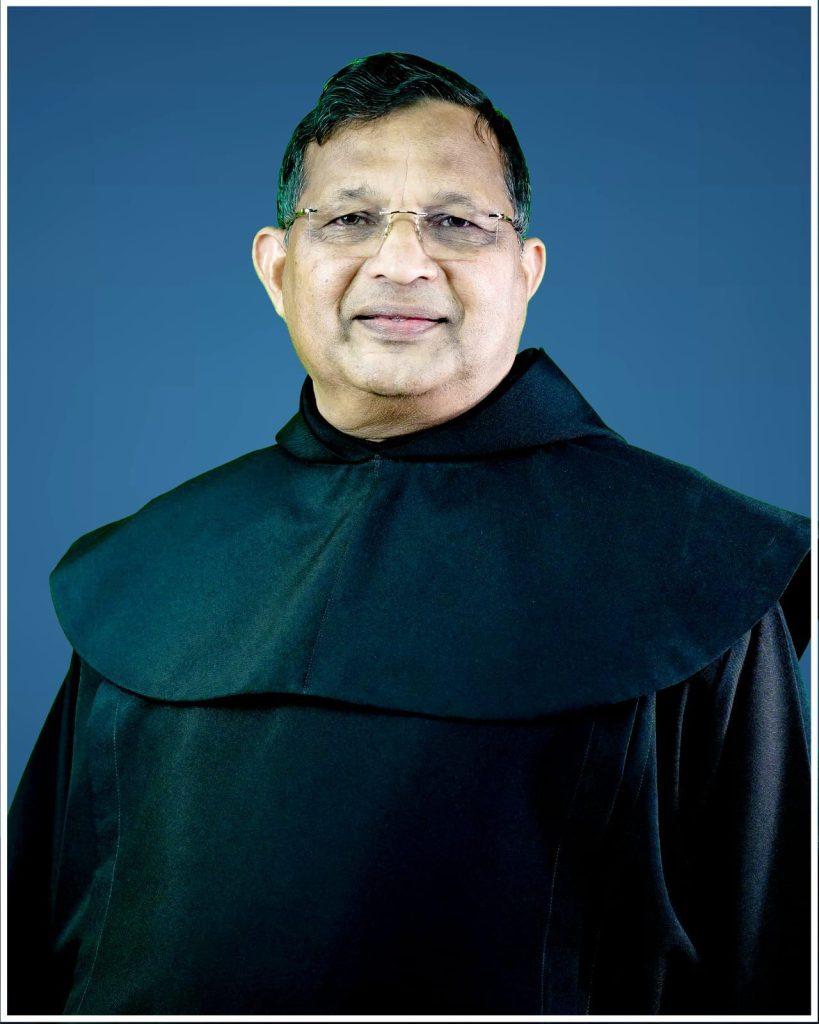
Fr. John Francis Sequeira, OCD, Elected Provincial Superior of Karnataka–Goa Province
NV Paulose, Chairman, Global TV +91 98441 82044
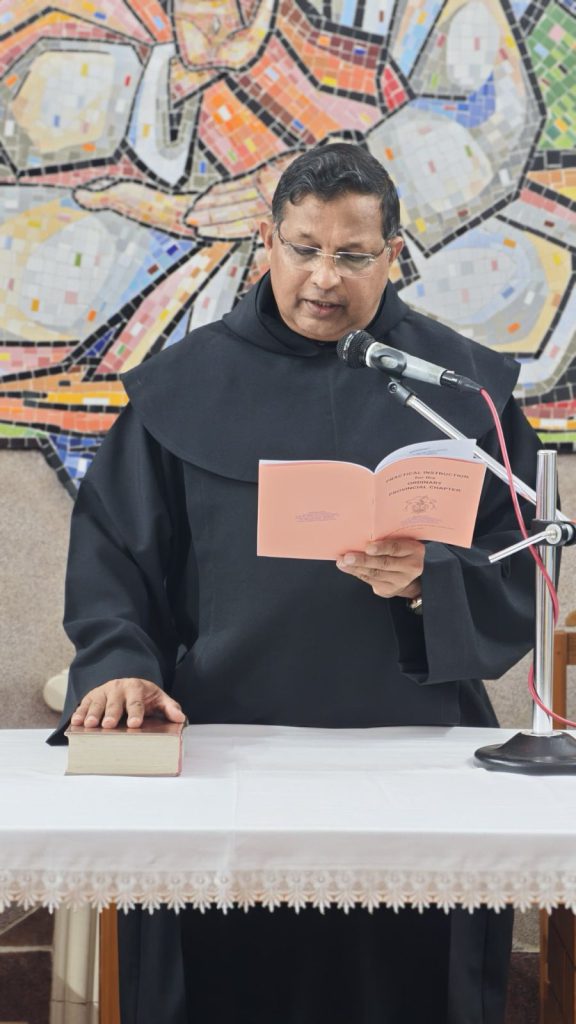
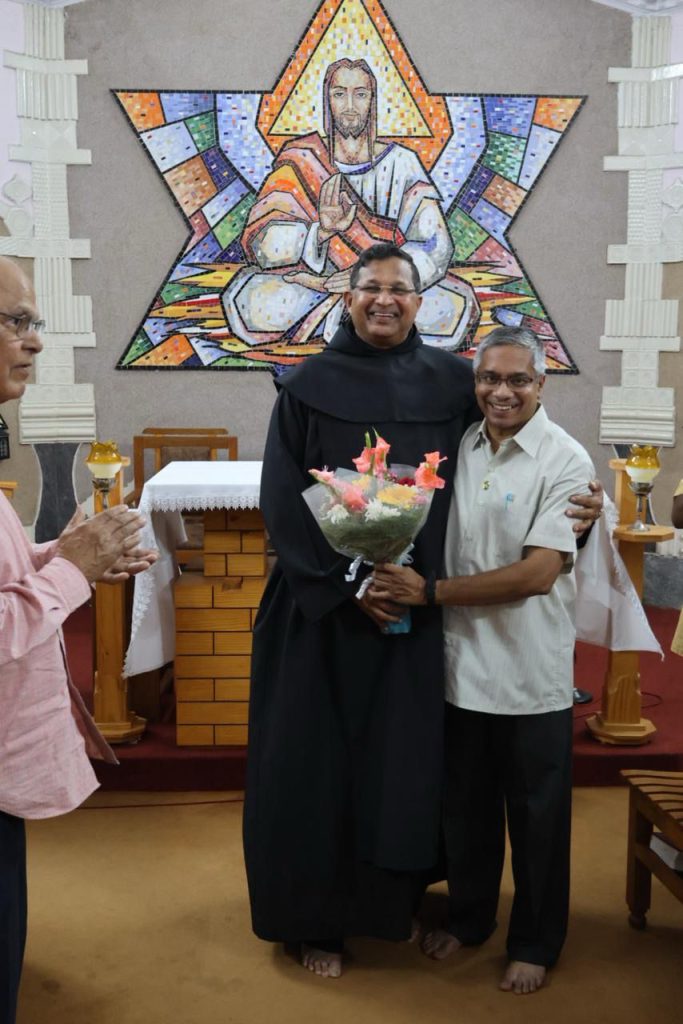
Mysuru, April 17, 2026: Rev. Fr. Dr. John Francis Sequeira, OCD, has been elected as the Provincial Superior of the Discalced Carmelites of the Karnataka–Goa Province during the XVI Provincial Chapter held at Dhyana Sadhana, Bogadi, Mysuru, on Friday, April 17, 2026. He succeeds Rev. Fr. Silvestre D’Souza, OCD, who has served as Provincial Superior for the past three years.
Fr. John Francis Sequeira hails from Agrar Parish in the Diocese of Mangalore. A distinguished academic and spiritual guide, he holds a Master’s degree in Philosophy from Karnataka University, Dharwad, and a second Master’s degree in Philosophy from the University of Vienna, Austria, where he also pursued studies in German Linguistics. He earned his Doctorate in Philosophy from the Pontifical University of St. Thomas Aquinas (Angelicum), Rome, specializing in Hermeneutics – the interpretation of classical texts.
A respected scholar, Fr. John serves as a visiting professor in several undergraduate and postgraduate institutes. Beyond academia, he is well known for his contributions to Human Resource Development and for his deep engagement with Carmelite spirituality and mysticism. His reflections on “Inner Silence and Divine Intimacy” have inspired many.
He has been instrumental in establishing two contemplative centres: “Ryshivana”, a Centre for Inner Silence and Contemplation in Mangaluru, and “Divine Springs”, a prayer centre for youth and families at Xellim, Canacona, Goa.
Fr. John is also a prolific writer and editor. He was the founder and chief editor of “Dhyana”, a journal for religion and spirituality, and the founder-editor of “Jeeva Jala”, a Kannada spiritual journal. He has contributed widely to reputed journals in philosophy and spirituality.
Among his notable publications are Discipline of Dialogue (2001), Transforming Formation (2002), Combating Terrorism (2004), Thache Mogal Vengenth (2024), In His Abiding Love: Simple Steps to Contemplative Prayer (2024), Climbing the Mountain of the Lord: A Thirty-day Retreat on Contemplative Carmelite Spirituality (2025), and Beyond the Horizons of Love: St. Thérèse for Our Times (2026).
Fr. John continues to be actively engaged in research and writing in the fields of philosophy, human resource development, and mysticism.
IS A LIVING WILL EFFECTIVE FOR ORGAN DONATION IN INDIA?
–Rotarian Lal Goel | Founder & Charter President | Rotary Club of Organ Donation International | Chairman, Organ Donation India Foundation & GYAN
Introduction
As organ donation awareness rises across India, many citizens take a conscious step forward — pledging their organs, signing donor cards, or even drafting a living will.
But an uncomfortable truth remains largely absent from public discourse: does this guarantee that their organs will actually be donated?
Under India’s current legal and practical framework, the answer is no — not by itself. And this gap is something every advocate, hospital, and policymaker must confront honestly.
What Is a Living Will?
A living will, or Advance Medical Directive, is a legal document through which a person records their wishes regarding medical treatment and end-of-life care if they become incapable of communicating.
It may include: • Refusal of life-sustaining treatment • Preference for natural death with dignity • Intent to donate organs after death
At its core, a living will protects autonomy, reduces family burden, and guides doctors during critical moments.
Legal Recognition in India
The Supreme Court, in the landmark case Common Cause v. Union of India, recognised living wills as legally valid.
The judgment affirmed that: • The right to die with dignity is part of Article 21 of the Constitution • Individuals can create advance directives • These must be signed before witnesses and clearly documented
In 2023, the Court simplified procedures, making it easier to implement such directives, especially in decisions related to withdrawal of life support.
However — and this is crucial — organ donation was not given automatic enforceability through these directives.
The Central Limitation: Family Consent Prevails
Here lies the defining reality of organ donation in India:
A living will or donor pledge does not guarantee organ donation.
India follows an explicit consent system, not presumed consent. This means: • The next of kin must approve the donation • Without family consent, no organ retrieval takes place • Hospitals will not proceed in the face of objection
Even if a person has documented their wish, the final decision rests with the family at a highly emotional moment.
What Does the Law Actually Say?
The governing legislation, the Transplantation of Human Organs and Tissues Act (THOTA), allows individuals to authorise organ donation during their lifetime.
It provides that: • A person can record their consent in writing before death • Doctors must check for such prior authorisation • Families should be informed of this intent
Yet in practice, this authorisation does not override family refusal. Medical teams, understandably, rely on family agreement before proceeding.
The Gap Between Intent and Reality
This disconnect is one of India’s biggest barriers to deceased organ donation. • Many families are unaware of the donor’s wishes • Misunderstanding of brain death leads to hesitation • Emotional distress results in refusal or withdrawal of consent • Lack of trained counsellors worsens outcomes
Even judicial observations in recent years have highlighted systemic gaps — from uneven implementation of transplant laws to inadequate infrastructure across states.
What Truly Works in India
In India, the most effective “living will” is not a document — it is a conversation.
When families clearly understand a loved one’s wishes: • Consent rates increase significantly • Doubt and guilt are reduced • Decisions are made with clarity, not crisis
A donor card records intent. A conversation creates conviction.
The Way Forward
If India is serious about saving more lives through organ donation, incremental awareness is not enough — systemic change is essential: • Public education must emphasise family discussions, not just pledges • Hospital systems need trained transplant coordinators and grief counsellors • Legal reform should strengthen the authority of documented consent • National registries like NOTTO must be actively promoted and integrated into hospital workflows • State-level infrastructure (SOTTOs) must be uniformly implemented
Without these, intent will continue to fall short of impact.
Conclusion
A living will in India is legally recognised, ethically powerful, and deeply meaningful — but it is not a guarantee of organ donation.
Its true strength lies not in the document itself, but in: • informed families • responsive healthcare systems • and a culture that honours the donor’s final wish
Until India evolves toward a framework that gives binding force to individual consent, organ donation will remain dependent on a fragile moment of family decision.
And that is precisely where the movement must now focus — not just on pledging organs, but on preparing families to say “yes” when it matters most.
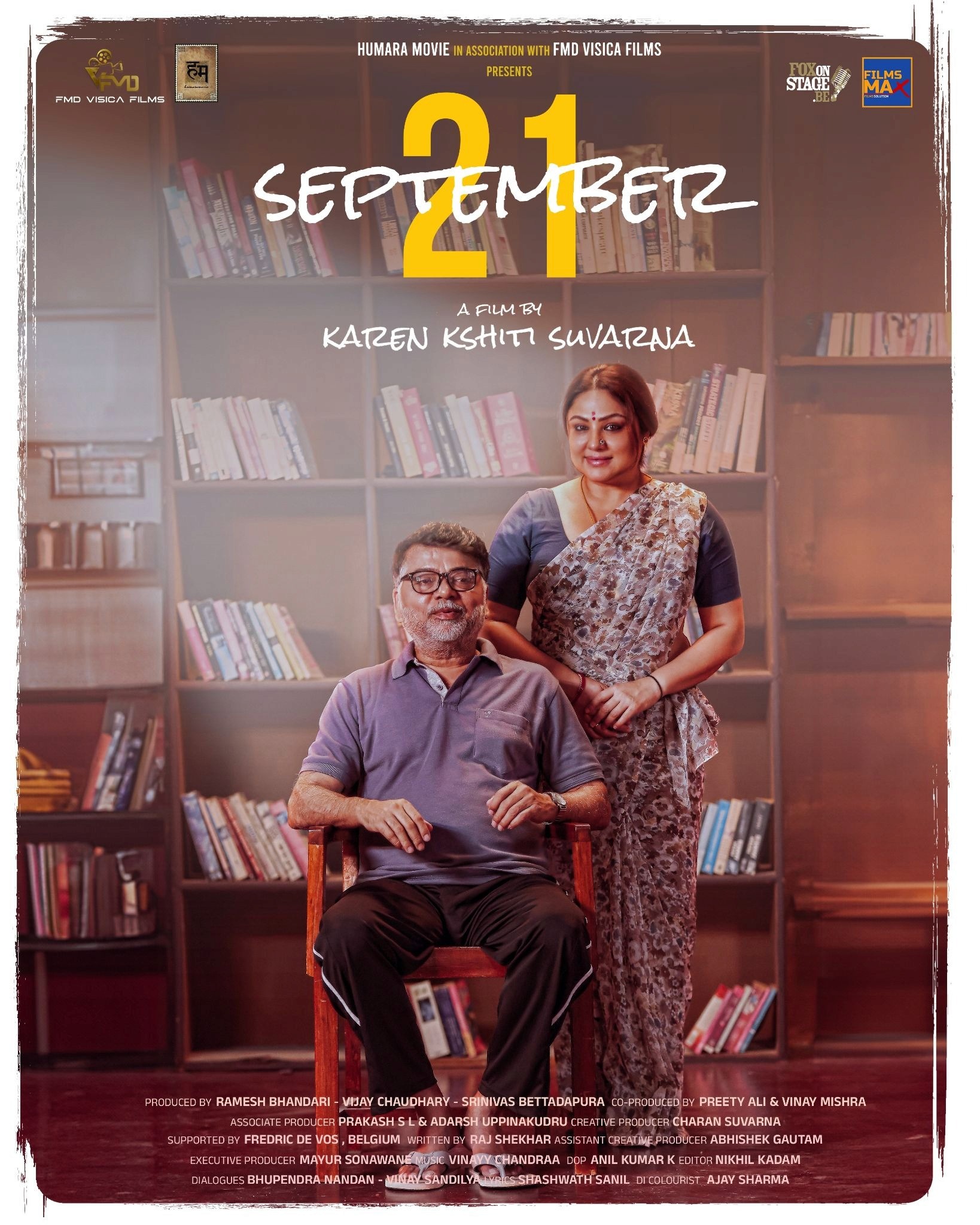
A Defining Debut: September 21 Signals the Rise of Karen K. Suvarna at Cannes
NV Paulose, Chairman, Global TV +91 98441 82044
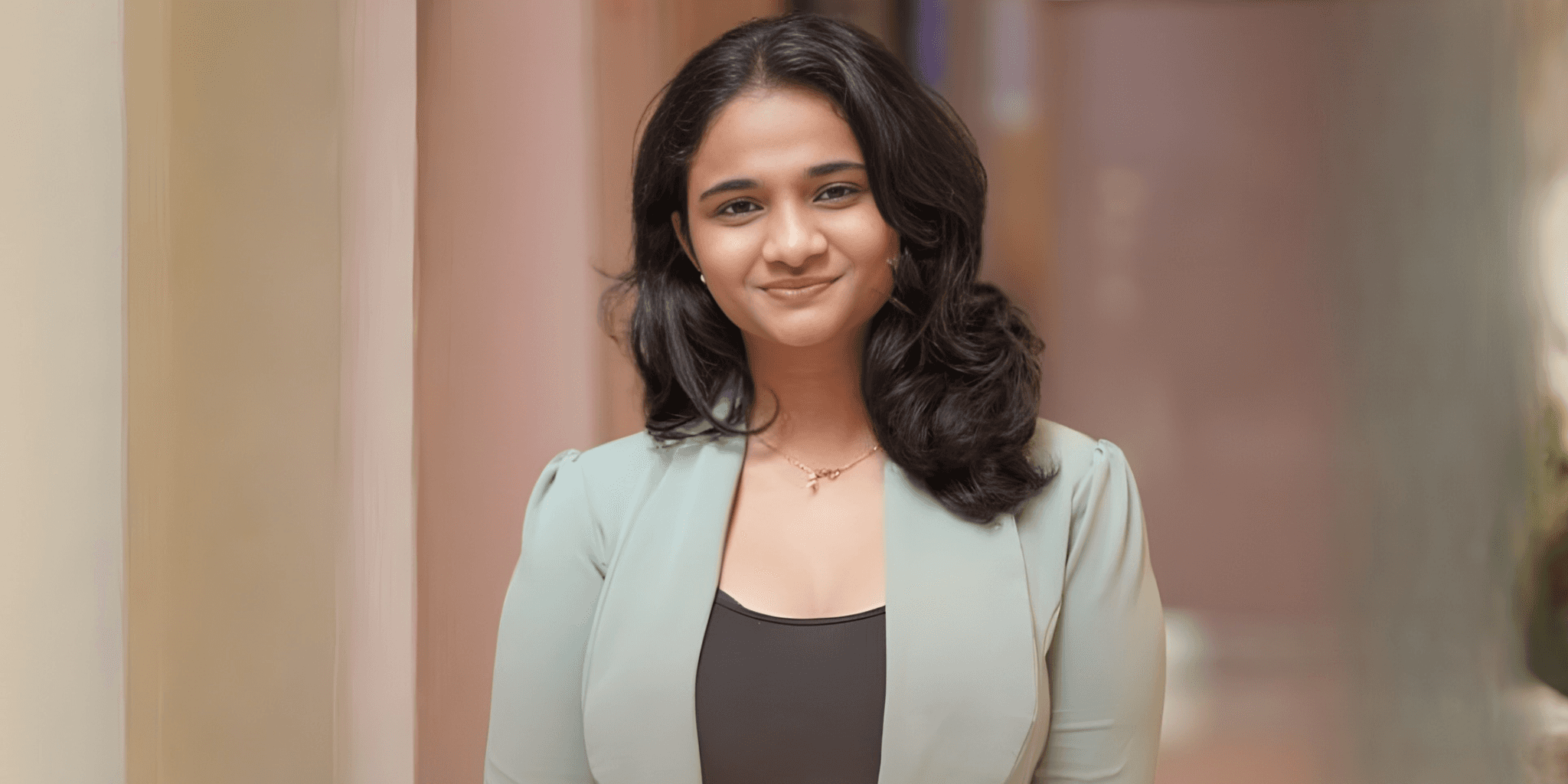
In a cinematic landscape often dominated by spectacle, a quiet and emotionally powerful film is preparing to make a lasting impression on one of the world’s most prestigious stages. September 21, the debut feature by 22 year old filmmaker Karen K. Suvarna, is set to premiere at the Cannes Marché du Film. This moment marks not only a milestone for the young director but also a meaningful experience for audiences around the world.
A Story Rooted in Reality and Told with Honesty
At its heart, September 21 is more than a film. It is an experience that explores the fragile and often devastating reality of Alzheimer’s disease. Instead of focusing only on patients, the film shifts attention to caregivers, whose emotional struggles often remain unseen.
The story follows a man dealing with memory loss who believes his wife is still confined to another room because of COVID 19. This illusion places his estranged son in a difficult position between his personal goals and his responsibility toward family. The narrative feels deeply personal while also speaking to a universal truth.
What makes the film stand out is its restraint. It avoids unnecessary dramatization and instead embraces silence and stillness, allowing emotions to unfold naturally. Suvarna highlights how caregivers carry a burden that is rarely acknowledged, giving voice to an experience that many endure quietly.
A Young Voice with Remarkable Depth
At just 22, Karen K. Suvarna brings a level of maturity that is rare for a debut filmmaker. Her storytelling is thoughtful, her direction is controlled, and her understanding of emotion is clear.
Her earlier work also explored themes of mental health, showing a consistent commitment to meaningful storytelling. With September 21, she establishes herself as a filmmaker who is willing to confront difficult realities and turn them into stories that connect with audiences across cultures.
Performances That Ground the Film
The film features a strong cast including Priyanka Upendra, Pravin Singh Sisodia, Zarina Wahab, and Amit Behl. Each performance feels authentic and deeply connected to the story.
Sisodia brings quiet intensity to his role, while Upendra and Wahab add emotional strength that anchors the narrative. Together, the cast creates a believable and moving portrayal of family, memory, and loss.
A Global Platform at Cannes
The Cannes Marché du Film is known as a major global platform for filmmakers, producers, and industry leaders. For September 21, this premiere represents an important step in reaching an international audience.
For Suvarna, it is a moment of recognition and validation. It places her among a new generation of filmmakers who are shaping cinema through sincerity and purpose. It also brings attention to Alzheimer’s disease, encouraging wider understanding and conversation.
Cinema with Purpose
What sets September 21 apart is its intention. Supported by organizations such as the Alzheimer’s and Related Disorders Society of India, the film goes beyond storytelling and enters the space of awareness and advocacy.
It asks audiences to rethink empathy, not only for those living with memory loss but also for those who care for them every day. In doing so, it shines a light on experiences that are often overlooked.
The Beginning of a Promising Journey
As September 21 prepares for its debut at Cannes, it signals the arrival of a new voice in cinema.
Karen K. Suvarna is not simply introducing a film. She is presenting a perspective that is thoughtful, honest, and necessary.
If this debut is any indication, her journey is only beginning, and it is one that audiences around the world will be watching with great interest.
From Shelf to Society: Turning Doctoral Research into National Progress
NV Paulose, Chairman, Global TV +91 98441 82044
India stands at a critical juncture in its academic evolution. As global education systems begin to realign research with real world impact, the traditional model of doctoral education in India is increasingly being questioned. The recent discussion triggered by academician Biju Dharmapalan, published in Book No. 6 (2026) Surf & Dive of The Hindu, highlights a pressing concern: Are Indian PhDs creating knowledge that matters beyond university walls?
His observations point to a system deeply rooted in outdated metrics, where success is measured not by impact but by volume.
The Problem with Paper Counting
As Biju Dharmapalan notes, “progress is judged less by the depth of original insight and more by the number of papers indexed in certain databases.” This single line captures the core issue. The current system incentivises scholars to produce multiple publications, often at the cost of originality and relevance.
The result is predictable. Research becomes fragmented, repetitive, and disconnected from societal needs. Instead of solving problems, scholars are busy meeting publication targets.
The Illusion of Academic Productivity
The emphasis on indexed journals has created an illusion of productivity. A scholar with five papers is often seen as more accomplished than one who develops a single impactful innovation.
Dr. Dharmapalan rightly questions whether a thesis should be evaluated based on “the number of papers a scholar has produced or the societal relevance of the work.” This is not just an academic concern. It is a national one.
India does not lack research output. It lacks meaningful outcomes.
From Book PhD to Breakthrough PhDs: Rethinking Research for Real Impact | The Burden of Endless PhDs
Another structural issue is time. Many doctoral candidates spend five to eight years completing their degrees. According to the article, delays are frequently tied to publication requirements rather than the research itself.
This creates a system where time is wasted not in thinking or experimenting, but in waiting. Waiting for journal acceptance. Waiting for reviews. Waiting for bureaucratic approvals.
A system that delays innovation is a system that discourages it.
Exploitation in the Research Ecosystem
Dharmapalan does not shy away from addressing a sensitive issue. He points out that many scholars are treated as “labour that supervisors can take for granted.”
This imbalance of power often leads to prolonged PhDs, where students are retained to sustain lab output and publication pipelines. The scholar’s growth becomes secondary to the supervisor’s metrics.
Such practices not only demotivate researchers but also dilute the integrity of academic mentorship.
The Myth of the Lengthy Thesis
In many Indian universities, the size of a thesis is still seen as a marker of quality. Documents exceeding 200 pages are common.
However, Dharmapalan challenges this notion by reminding us that even groundbreaking research can be concise. The insistence on length leads to unnecessary expansion, wasting time and energy on content that adds little value.
Clarity is sacrificed for volume. Insight is buried under pages.
Research That Never Leaves the Shelf
Perhaps the most troubling observation is that much of India’s doctoral research remains unused. Theses are archived, rarely accessed, and seldom translated into policy or practice.
As the article states, many works “don’t often help with public policy, new ideas in business or the health of communities.” This represents a massive loss of intellectual capital.
In a country facing challenges in healthcare, agriculture, and sustainability, this disconnect is not just inefficient. It is unacceptable.
The Case for Practical Outcome Based PhDs
This is where the idea of practical outcome based PhD certification becomes crucial. Instead of evaluating scholars solely on written work, the focus must shift to what their research achieves.
This could include prototypes, technologies, policy frameworks, or scalable solutions. China’s emerging model demonstrates that such an approach is not only possible but effective.
A PhD should not just answer questions. It should create change.
By integrating industry experts into evaluation panels and allowing alternative forms of submission, universities can ensure that research is both rigorous and relevant.
A Roadmap for Reform
Reforming India’s PhD system requires more than minor adjustments. It demands a fundamental shift in mindset.
First, evaluation criteria must prioritise impact over publication count. Second, timelines should be flexible and aligned with the nature of the research rather than journal cycles. Third, collaboration with industry and government bodies must become a core component of doctoral work. Institutions must recognise that producing more PhDs is not the goal. Producing better ones is.
Knowledge That Works
The message from Biju Dharmapalan’s article is clear and urgent. India must rethink not just how PhDs are conducted, but why they exist.
A doctoral degree should not be an academic ritual. It should be a powerful tool for national development.
Moving towards practical outcome-based PhD certification is not about abandoning academic rigour. It is about restoring purpose.
If India can align its research ecosystem with real-world needs, its PhDs can become engines of innovation rather than archives of unused knowledge.
The choice is simple. Continue counting papers or start creating solutions.
About Dr. Biju Dharmapalan:
Dr. Biju Dharmapalan is a distinguished academic leader, science communicator, and educator currently serving as the Dean of Academic Affairs at Garden City University, Bengaluru. With over two decades of experience in teaching, research, and academic administration, he has built a reputation as a strong advocate for meaningful and socially relevant science. He holds a PhD in science communication from the CSIR National Institute of Science Communication and Policy Research and is widely recognised as a National Award winning science writer and columnist. His work spans biosciences, education reform, and public engagement with science, and he has authored multiple books and articles in national publications. Beyond academia, he has contributed to policy discussions, research projects, and science outreach initiatives, making him a key voice in bridging the gap between scientific knowledge and societal needs.
ROTARIAN LAL GOEL EXPRESSES DEEP ADMIRATION AND HEARTFELT GRATITUDE TO THE FAMILY OF EYE DONOR SHRI SURESH CHANDRA JAIN
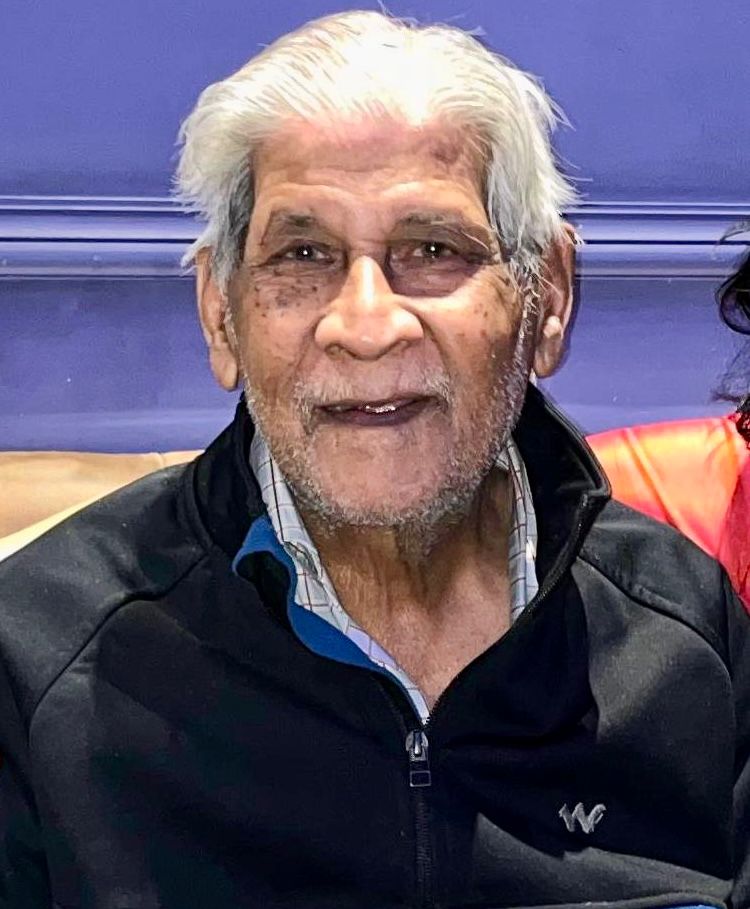
Ghaziabad, 17 April 2026: Rotarian Lal Goel, Founder & Charter President of the Rotary Club of Organ Donation International and Chairman of the Organ Donation India Foundation & GYAN, expressed profound admiration and heartfelt gratitude to the family of Late Shri Suresh Chandra Jain for honouring his noble wish of eye donation.
Earlier this morning, Rotarian Shreyansh Jain—Member of the Rotary Club of Organ Donation International and Former President of Sri Paras Dham Digamber Jain Mandir, Vaishali, Ghaziabad—reached out to inform that a close family friend had passed away, and his last wish was to donate his eyes. Despite their immediate efforts, initial attempts to secure support from an eye care provider did not materialise.
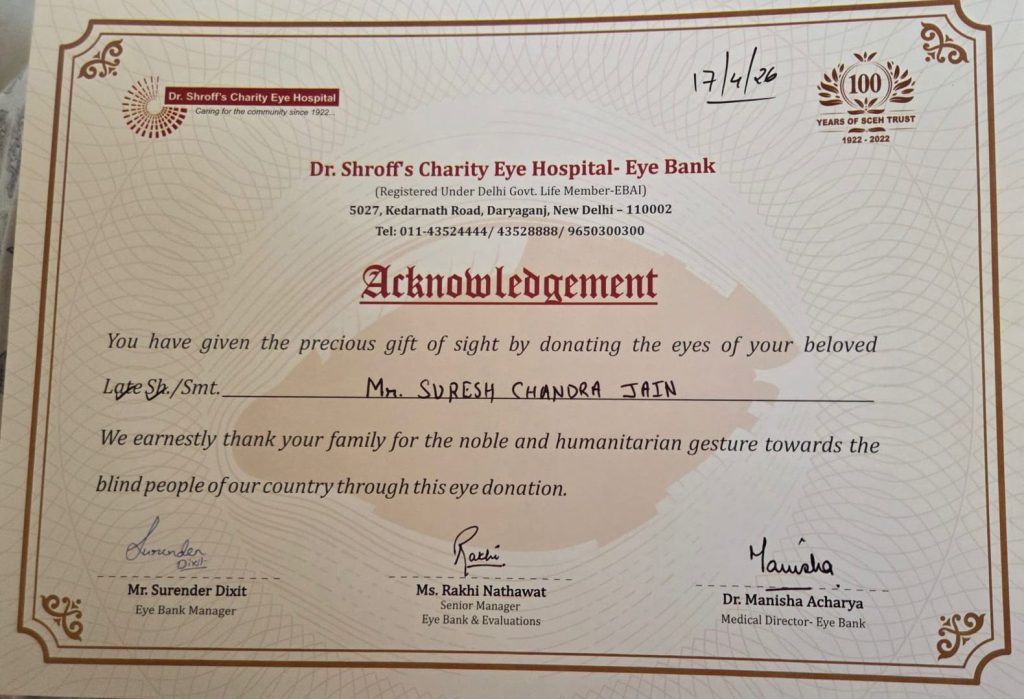
Responding without delay, Rotarian Lal Goel coordinated with Mr Roshan from Dr Shroff’s Charity Eye Hospital – Eye Bank. Thanks to their swift intervention, the corneas were successfully retrieved—ensuring that the donor’s final wish was fulfilled.
Shri Suresh Chandra Jain passed away peacefully in the early hours of 17 April 2026.
According to the family, his son Mr Sandeep Jain and daughter-in-law Ms Neeru Jain upheld his expressed wish for eye donation. In a moment of immense personal loss, their decision transformed grief into a powerful act of humanity—offering the gift of sight and a renewed future to others.
In his letter to the family, Rotarian Lal Goel wrote: “In a moment of profound grief, you and your family demonstrated extraordinary courage and compassion by choosing to donate the eyes of your beloved father, Shri Suresh Chandra Jain. I express my deepest admiration and heartfelt gratitude for this noble act. Your decision reflects the highest spirit of humanity. Through this gift of light, Shri Jain will continue to illuminate lives, and his legacy will live on in the vision he has restored and the hope he has created.”
Concluding his message, he added: “On behalf of our entire Rotary family—and on behalf of every life his generosity will touch—I bow my head in gratitude to you, your family, and to the sacred memory of Shri Suresh Chandra Jain.”
Rotarian Lal Goel emphasised that when families honour the final wishes of their loved ones, it can significantly bridge the gap in organ and tissue availability—bringing life, light, and hope to countless individuals.
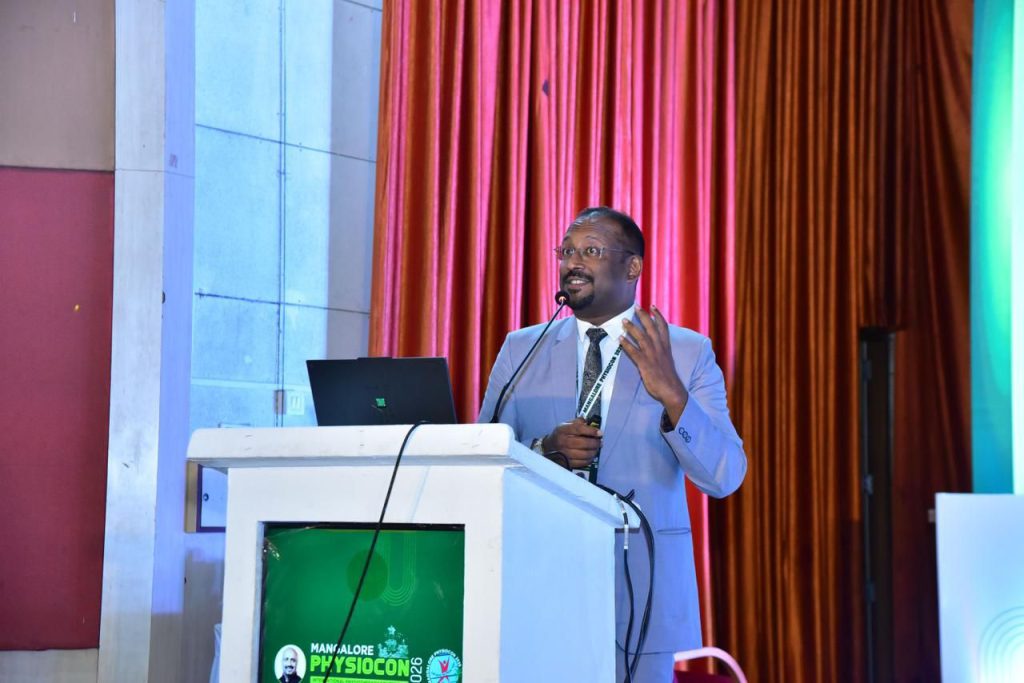
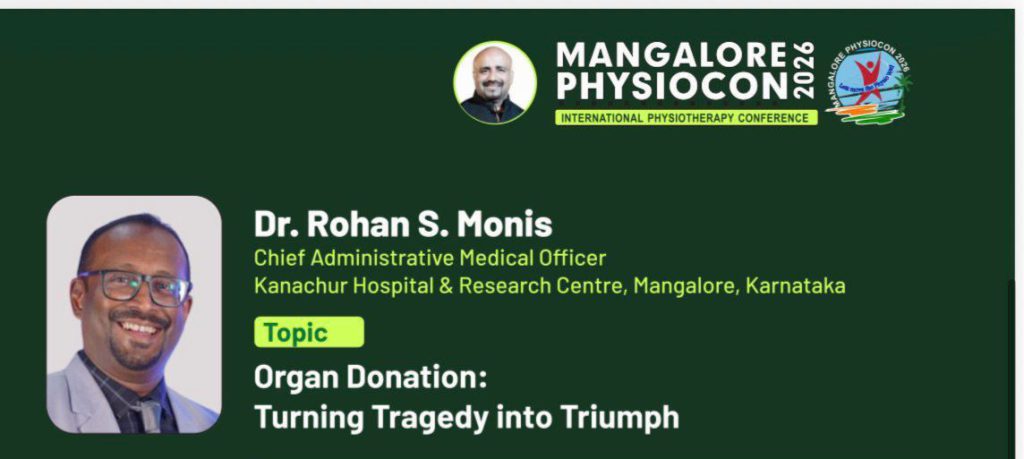
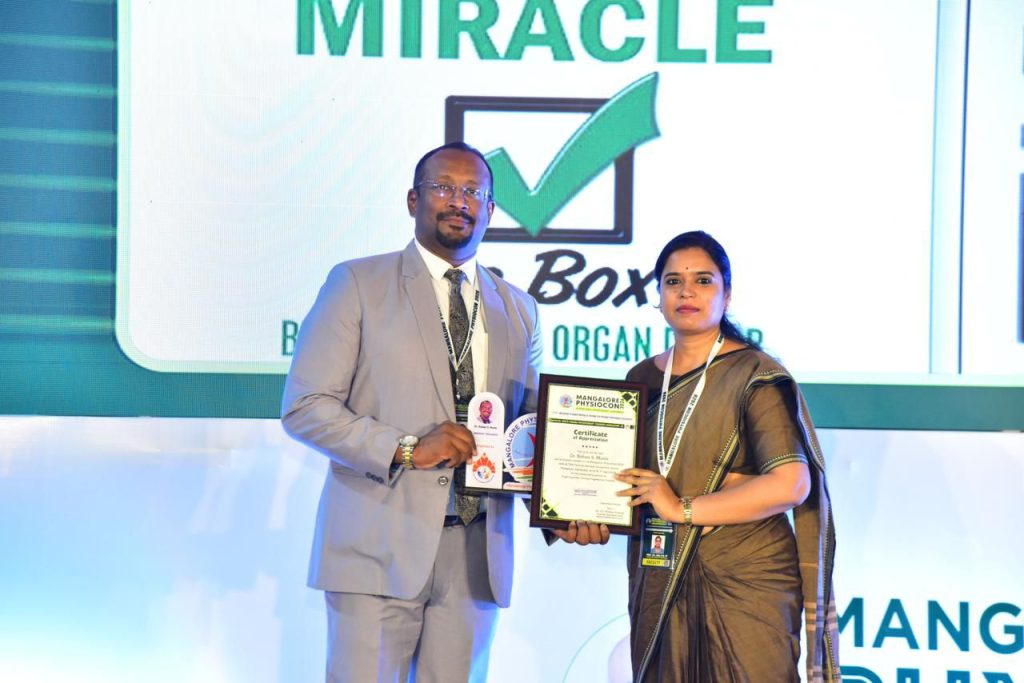
Rtn PHF Dr Rohan S. Monis shares mindful insights on ‘Organ Donation – Turning Tragedy into Triumph’ at Bharat’s Largest ever Physiotherapy Conference, held at Mangaluru.
NV Paulose, Chairman, Global TV +91 98441 82044
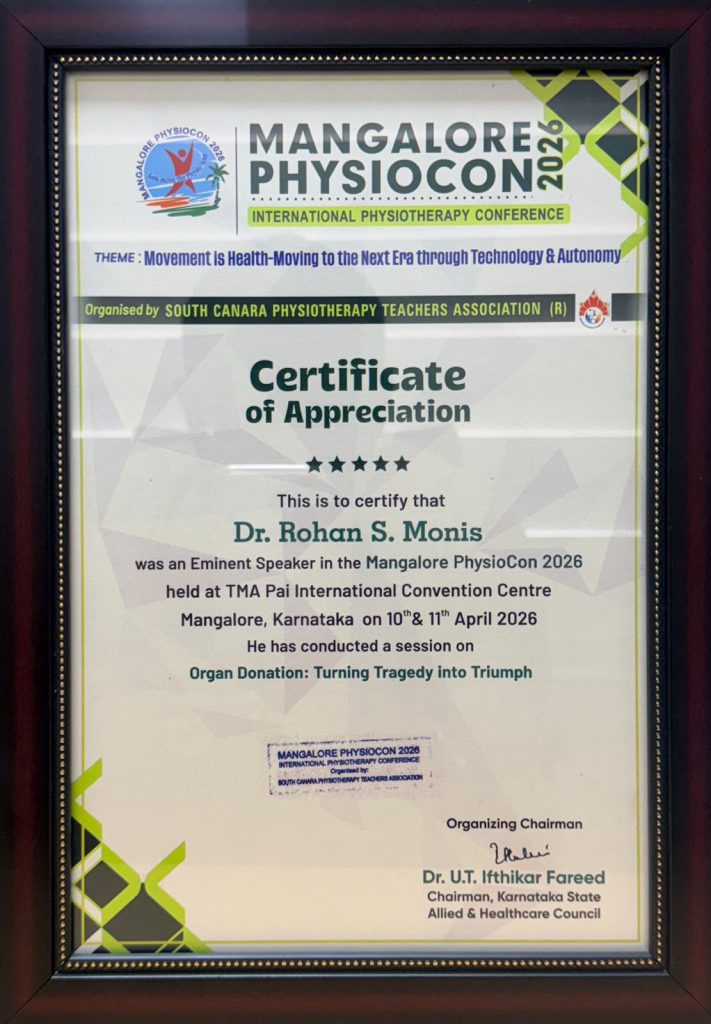
Mangalore Physiocon – 2026 : an International Physiotherapy Conference was held at Mangaluru on the 11th and 12th of April, 2026; at TMA Pai International Convention Centre. This historic conference witnessed 30+ eminent speakers listed from Asia; with more than 6000+ physiotherapists – the largest ever in Bharat. Dr U.T.Ifthikar Fareed – Chairperson, Mangalore Physiocon 2026 spearheaded this initiative supported by South Kanara Physiotherapy Teacher’s Association ®️ – which was powered by Kanachur Islamic Education Trust ®️ and other esteemed Institutions around the state of Karnataka. Dr Suhail and his team of able physio leaders ensured that the ‘Physio Week’ was planned smoothly.
Rtn Dr Rohan S. Monis – Chief Administrative Officer, Kanachur Hospital & Research Centre & Medical Director, Rotary Club of Organ Donation International was invited as an eminent speaker for this colossal conference on ‘Organ Donation – Turning Tragedy into Triumph’. It is podiums like these where one can choose to create awareness and coach learned communities on the humane movement that the society needs to see.
Dr Monis began his session with a quote from John Bunyan “You have not lived today until you have done something for someone who can never repay you.” He showed the present donor crisis situation in our country and put up a statistical difference between Bharat and Spain – which was a stark comparative reality staring at us. We, a population of over 1.4 billion people aren’t able to create a difference in the lives in our surroundings : because Bharat had a donor count of <1 donor / million population while Spain was at >50 donors / million population. To bring clarity on the types of Donations and the Organs / Tissues that can be harvested in accordance with THOTA act are: ● Living Donor : can donate one of his Kidneys, a part of his Liver, a part of Lungs, Intestine and also Pancreas in India. ● Deceased Donor : ○ Circulatory Death : Tissues (Cornea, Tendons, Heart Valves, Veins, Ligaments, Bones, Skin) can be donated. ○ Brain Dead : Organs (Lung, Heart, Liver, Kidneys, Pancreas & Intestines) and Tissues (Cornea, Tendons, Heart Valves, Veins, Ligaments, Bones, Skin) can be donated. To give the physiotherapists a real time update from the statistical archives from NOTTO, MOHFW – GOI, Dr Monis shared that :
The number of transplants in the country has seen a fourfold increase from less than 5 thousand in 2013 to nearly 20 thousand in 2025
Around 18% of transplants currently being performed with organs donated from deceased donors
More than 4.8 lakh citizens registered to donate organs and tissues after death through a Aadhaar based verification system, since 17 September 2023
India leads the world in hands transplants and performs a greater number of hand transplants than any other country
AS PHYSICAL THERAPISTS ‘ORGAN DONATION’ IS AN ADVOCACY THEY SHOULD TAKE UP AND CREATE AWARENESS IN THEIR ENVIRONMENTS.
Dr Monis beautifully elucidated on WHY our PHYSIO experts can be Organ Donation Health Advocates. As Physio’s their spheres of influence are expressed over Patient, Family, Community and The Medical Ecosystem. With an understanding of the need for prevention of Organ Failure and the need to help the debilitated ones; our Physio’s can be trendsetters too. Primarily,
They are Touch Points in the community and become trusted information banks.
They have Long Therapeutic Relationships with their patients.
During Rehabilitation proximity with the family develops.
Their expertise is trusted thus defining credibility without fear.
A Medical Update highlight was expressed on Xenotransplantation where Animal Organs are used in Clinical and Compassionate-use cases. The Pig’s organs have a close genetic make up to our human organs and a series of transplants using the pig’s Kidney, Heart and Liver have proved possible with scientific advances and research is still going on from 2024 in the USA.
Requesting the large delegation of Physiotherapists to take this a movement by :
Partnering With Key Institutions : Ensures a clear progression from unawareness, to understanding, to positive attitude, to action (registering), and finally to advocacy.
Building Knowledge and Dispelling Myths / Superstitions : Outreach programs provide accurate information and help undo wrong thought processes.
Reaching People Where They Are : Community-based programs bring the conversation to places people already trust i.e. schools, religious institutions, community centers and local events.
Leveraging Personal Stories : Programs that feature donor families and transplant recipients put a human face on these humane life saving issues.
Engaging Underrepresented Communities : Certain ethnic and racial groups are disproportionately represented on transplant waiting lists, yet have historically lower donor registration rates — often due to cultural concerns.
Normalizing the Conversation : Organ donation is closely tied to discussions about death and dying, which many cultures find uncomfortable. Regular outreach helps normalize these conversations, making it easier for people to talk about their wishes with family members. This matters because family consent is often a critical factor in whether donation actually proceeds, even when someone is a registered donor.
Creating a Multiplier Effect : When community members are educated and engaged, they become informal ambassadors.
Dr Monis encouraged the Physio Experts to take the NOTTO pledge (using the QR code displayed on the presentation screen – https://notto.abdm.gov.in/) and to be a miracle in life. This session encouraged the Physio Experts to think in another dimension and ensure life happens even after we leave for our heavenly abode.
Inaction is impact less | Even Small Actions do better | From Social Gatherings to Meaningful Economic Engagements
NV Paulose, Chairman, Global TV +91 98441 82044
Across communities, a subtle transformation is taking place. Families are reconnecting, alumni are meeting more often, and circles of friends are finding time to come together. Yet, most of these gatherings remain informal and fleeting. They create warmth in the moment but leave behind little lasting value. The opportunity before us is to reimagine these interactions, to turn them into experiences that are not only enjoyable but also meaningful and productive.
The Untapped Power of Social Networks
Every individual is surrounded by a powerful network that often goes unrecognized. Families carry stories of legacy and resilience. Alumni networks are rich with knowledge and influence. Friends and like-minded groups are bound by trust and shared experiences.
These are not just social connections. They are potential ecosystems where ideas, opportunities, and value can be created and shared. When approached with intention, these networks can become the foundation for sustainable engagement.
From Meetings to Meaningful Engagements
The key lies in transforming the nature of gatherings. Instead of routine conversations, meetings can be curated as experiences. A family get together can become a celebration of shared history. An alumni meet can evolve into a platform for inspiration and mentorship.
Friendly gatherings can turn into spaces where ideas are exchanged and collaborations are born. This shift from casual interaction to meaningful engagement is where true value begins to emerge.
Transformation Through Storytelling
Storytelling initiative by Global TV is to bring structure and purpose to casual and usual gatherings. It encourages individuals to share their journeys, reflect on their experiences, and connect at a deeper level.
Storytelling creates a sense of belonging and recognition. It allows people to be seen and heard. When stories are shared in a thoughtful environment, they inspire others and strengthen relationships. Over time, these shared moments become cherished memories that bind communities together. Together Everyone Achieve More (TEAM)
From Social Capital to Economic Value
When gatherings are structured with purpose, they begin to generate more than just memories. They create opportunities for economic activity. Hospitality, event curation, storytelling sessions, cultural experiences, and professional documentation all become part of the ecosystem. These are examples of Additional Revenue Models. What was once considered social time now evolves into productive engagement, where value is created and shared among participants.
The Role of Resident Editors
Resident Editors act as facilitators and bring structure and flow to each gathering. Their role is to ensure that interactions are meaningful, that stories are captured, and that every participant feels included. They organize events. They create environments where connections deepen and opportunities take shape. They become key enablers of the idea.
Experiences That Inspire and Rejuvenate
Imagine visiting a place where your presence is valued and your story matters. A destination like Mangalore offers not just scenic beauty but also the perfect setting for reflection and connection. With thoughtful facilitation, experiences go beyond relaxation. They help individuals reconnect with themselves and others. Participants return refreshed and inspired. They carry new perspectives and stronger relationships. No one is a stranger; all of us are friends; many are yet to meet.
We Need Not Fight for Our Rights
Many feel the need to compete and struggle for recognition. There are more simpler and effective ways to progress. We need not fight for our rights. We only need to collaborate with the likeminded. When people come together with a shared purpose, opportunities emerge naturally. Collaboration replaces competition. Mutual respect replaces conflict. By working together, people can create value that benefits everyone involved, making the process both fulfilling and rewarding.
Rethinking Capital and Collaboration
There is a common belief that capitalists are driven only by greed, but this is a wrong understanding. Like in any group, there are all kinds of individuals among those who create and manage capital. Some may be driven by self-interest, but many are guided by purpose, responsibility, and a desire to contribute. There are capitalists who are generous, who invest in people, ideas, and communities, and who believe in shared growth. It is important not to generalize, but to recognize and work with those who align with values of collaboration and meaningful impact. Opportunity is in identifying the right people and building the future together with those who are committed to creating value for all.
Expanding the Meaning of Capital
Capital is often misunderstood as financial, but in reality, it exists in many forms. Infrastructure that remains underutilised, public spaces that are seldom activated, and leisure environments that lack purposeful engagement are all forms of dormant capital waiting to be unlocked.
We need individuals with integrity and vision in transforming dormant wealth into spaces of shared prosperity. The most valuable capital of all forms is the creative and constructive and active people.
Human relationship is the key. Our ability to connect and collaborate is the very foundation of wealth creation. When we begin to recognise and activate diverse forms of capital, we move from the usual mindset of scarcity to one of abundance, where value can be created in ways that are inclusive, sustainable, and deeply impactful.
A New Way Forward
The future belongs to those who can create meaningful engagement. It is no longer enough to simply participate in gatherings. The need is to design them with intent and purpose. By leveraging existing networks and focusing on collaboration, individuals can unlock new pathways for growth and fulfilment. This approach is not limited to any one group or location. It is a model that can be replicated across communities.
Building Value Through Connection
Strengthening ARMs is about recognizing the value that already exists around us and using it wisely. By collaborating with families, friends, alumni, and likeminded individuals, we can transform moments into powerful experiences. Experiences create memories and relationships. Open doors to new opportunities. By doing so, we contribute to a more connected, meaningful, and economically vibrant society.
His story connected deeply because it bridged the gap between medical theory and real human experience.
NV Paulose, Chairman, Global TV +91 98441 82044
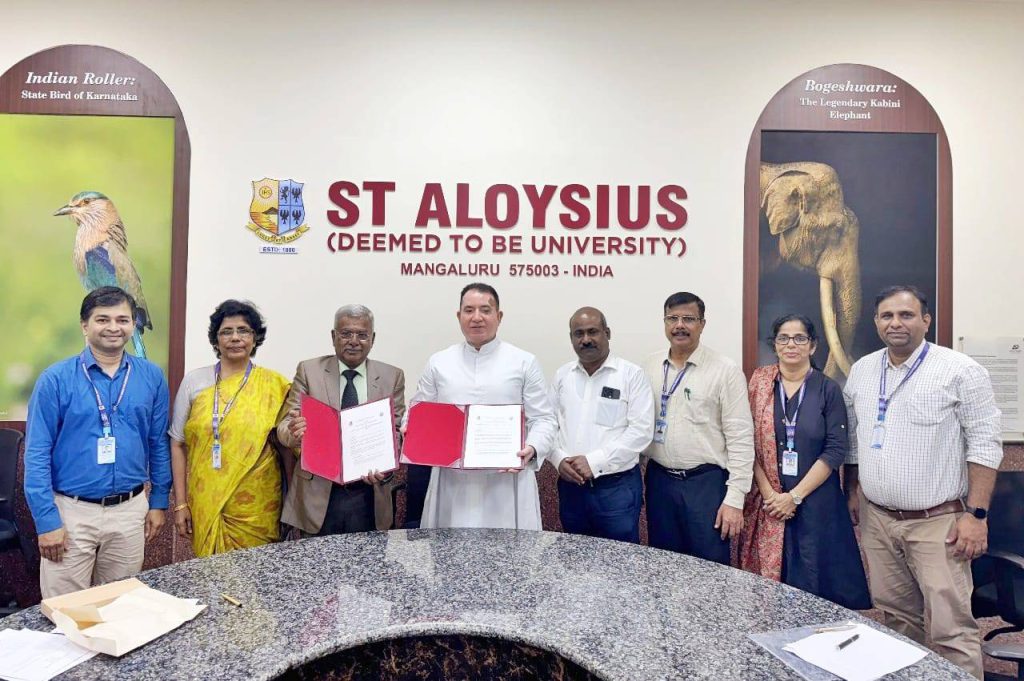
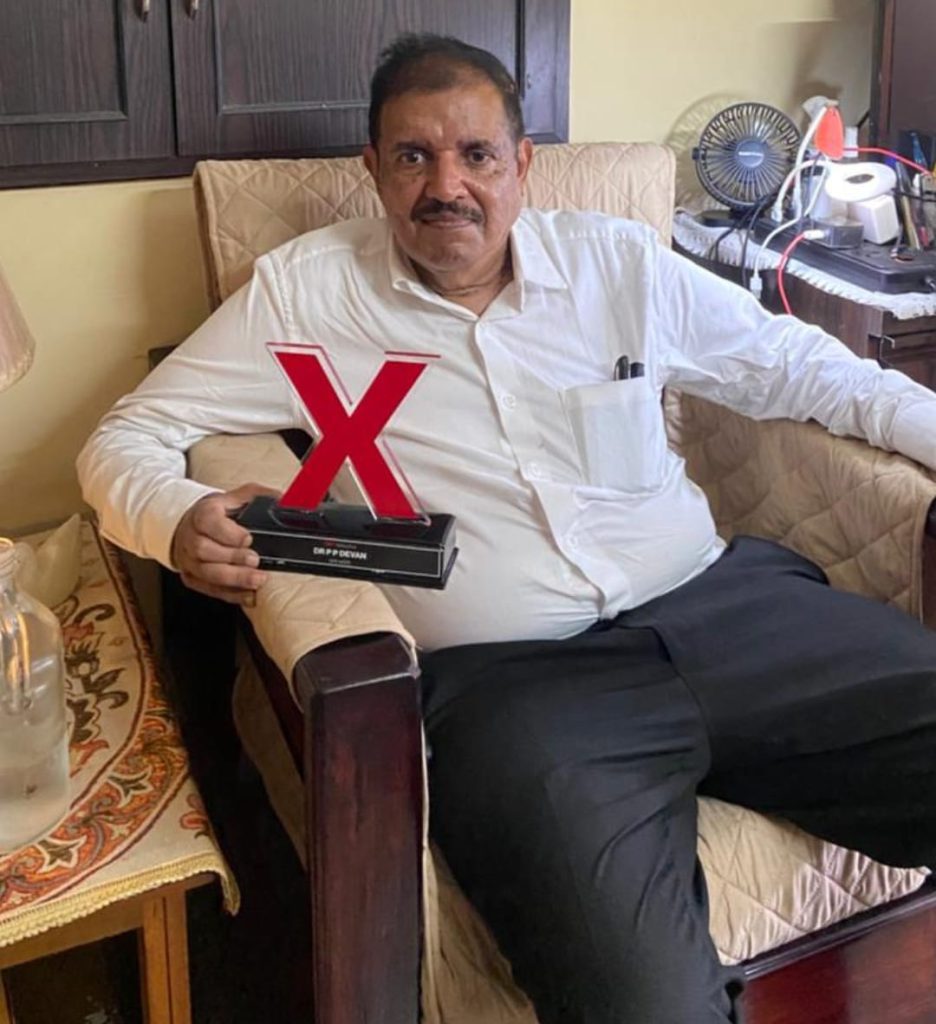
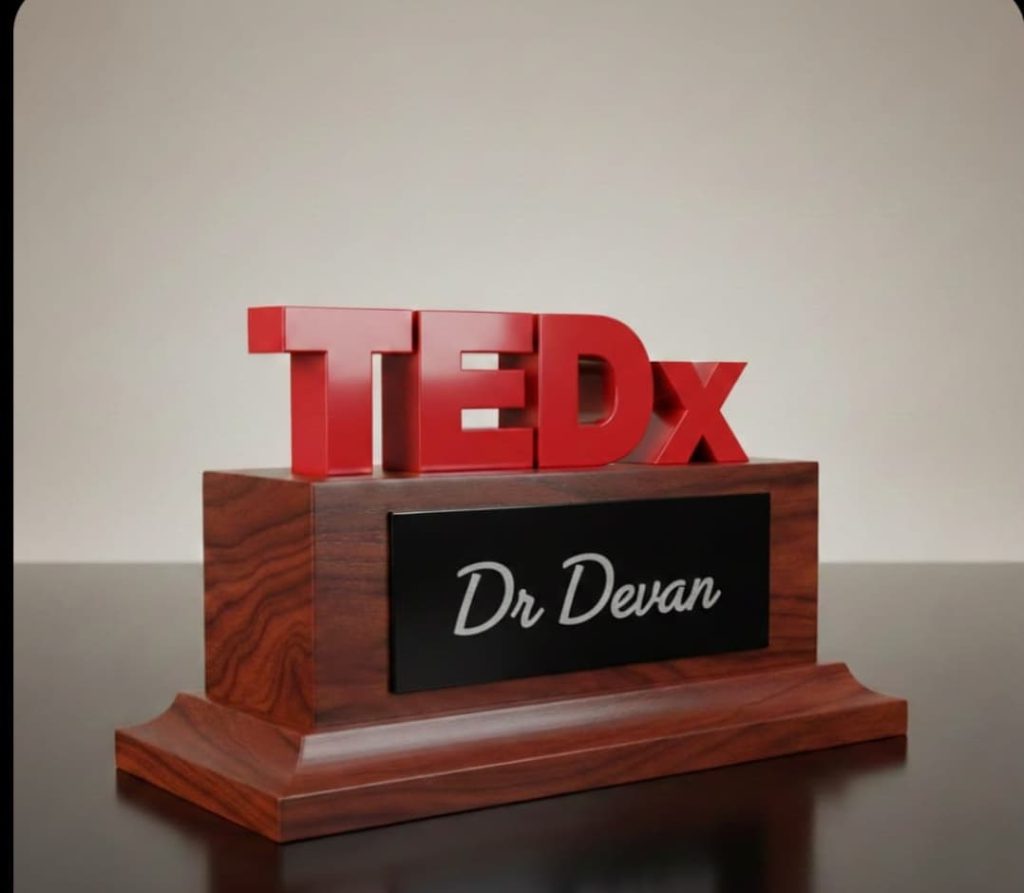
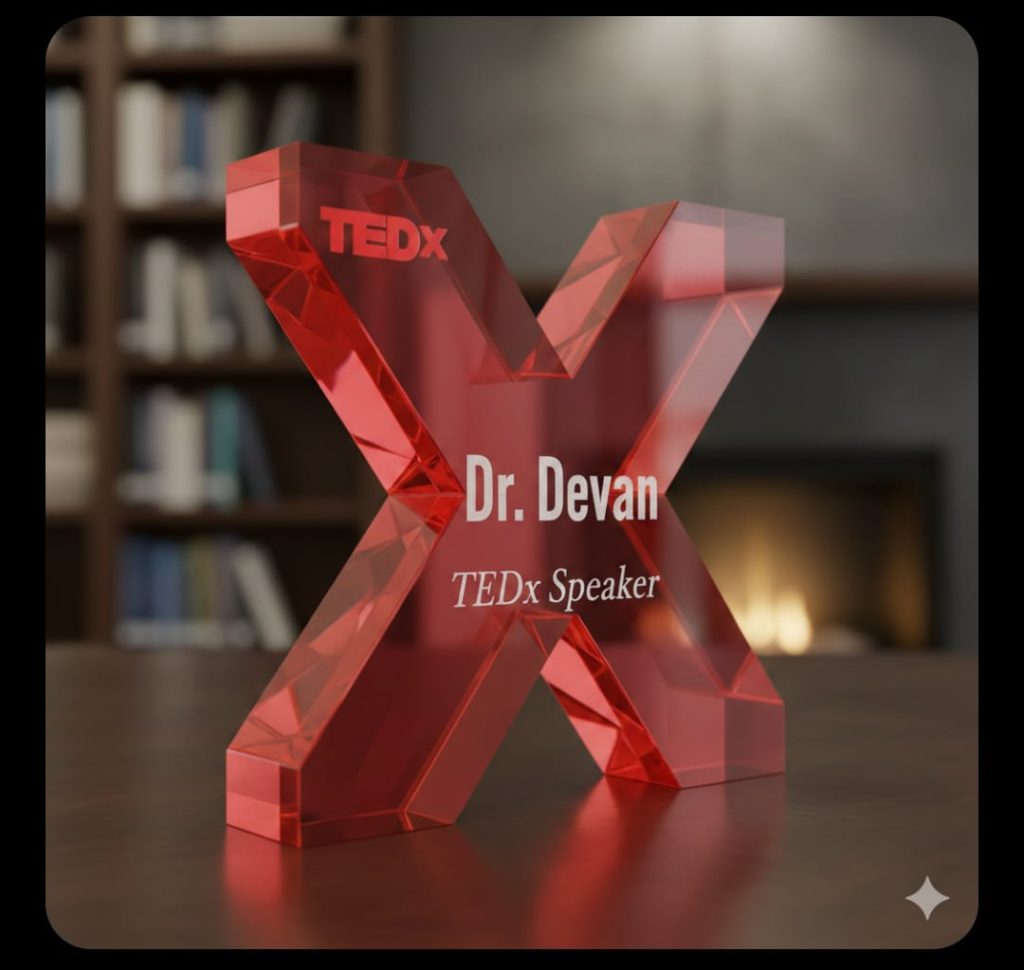
Dr. PP Devan, a distinguished ENT surgeon, academician, and double gold medalist, recently delivered a compelling talk at the prestigious TEDx conference held at St. Aloysius University, Mangalore. Known for his contributions to medical science and education, Dr. Devan has authored chapters in the internationally accredited medical reference eMedicine, a resource widely read by medical specialists across the globe. His participation as a TEDx speaker reflects both his academic stature and his commitment to sharing transformative medical insights with a wider audience.
In his powerful and deeply personal talk, Dr. Devan spoke about a journey that was a professional, and profoundly personal. Unlike many medical lectures that focus solely on clinical data, Dr. Devan narrated his own battle with serious health challenges including diabetes, hypertension, obesity, and even the life-altering experience of stroke. What made his talk remarkable was his candid account of how he confronted these illnesses and ultimately reversed them by adopting innovative, evidence-based approaches rooted in cutting-edge medical science.
Drawing upon both his expertise as a Doctor and his experience as a patient, Dr. Devan illustrated how disciplined lifestyle interventions, scientific understanding of metabolism, and modern preventive strategies can dramatically alter the course of chronic diseases.
His message emphasized that many conditions often considered lifelong can, in fact, be managed or even reversed through informed choices, perseverance, and the right medical guidance.
The audience responded with great enthusiasm to his presentation. His story connected deeply because it bridged the gap between medical theory and real human experience. Rather than presenting medicine as an abstract science, Dr. Devan demonstrated how knowledge, when applied with determination and courage, can reshape one’s health and life trajectory.
The Vice Chancellor of St. Aloysius University commended Dr. Devan’s talk, describing it as one of the most impactful presentations of the event. He noted that it offered a refreshing and unique perspective for a TEDx audience—one where a doctor did not simply speak about treating patients, but openly shared his own journey through illness, recovery, and renewal.
Dr. Devan’s TEDx talk was a testament to the power of courage, scientific thinking, and personal transformation. By combining medical scholarship with lived experience, he delivered a message that was both intellectually stimulating and profoundly inspiring. His story serves as a reminder that the frontiers of medicine are not only found in laboratories and hospitals, but also in the courage to rethink how we live, heal, and thrive.
വായന വലിയ പ്രചോദനമാണ്. ഏതു പ്രായത്തിലും ഏതവസ്ഥയിലും ജീവിതത്തെ താങ്ങിനിര്ത്തുന്ന ഊന്നുവടിയാണ് പുസ്തകങ്ങള്. എന്റെ ജീവിതത്തില് അത്തരം അനവധി സന്ദര്ഭങ്ങള് ഉണ്ടായിട്ടുണ്ട്. വായനയില്ലാത്ത ജീവിതം ആലോചിക്കാന്പോലും കഴിയാത്തതാണ്. മലങ്കര ഓര്ത്തഡോക്സ് സഭയുടെ ഇടുക്കി ഭദ്രാസനാധിപന് സക്കറിയാ മാര് സേവേറിയോസുമായി മാധ്യമപ്രവര്ത്തകന് ജോര്ജ് പുളിക്കന് നടത്തിയ കൂടിക്കാഴ്ചയുടെ രണ്ടാംഭാഗം.