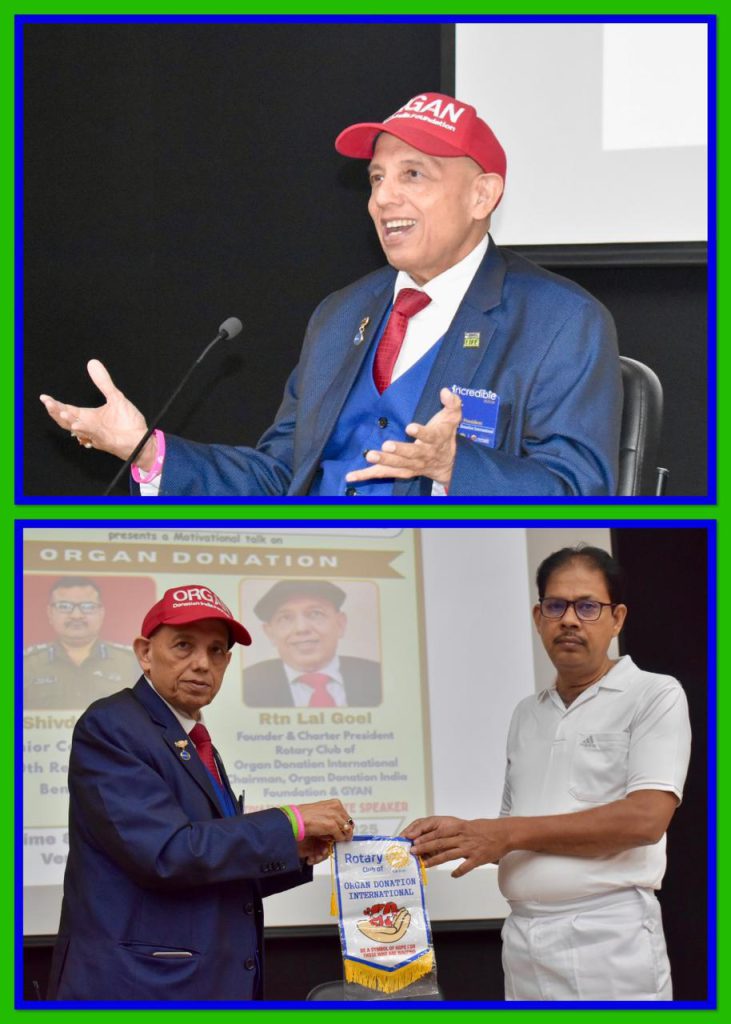
The steadfast dedication of Rotarian Lal Goel continues to energise the national movement for organ donation.
NV Paulose, Chairman, Global TV +91 98441 82044
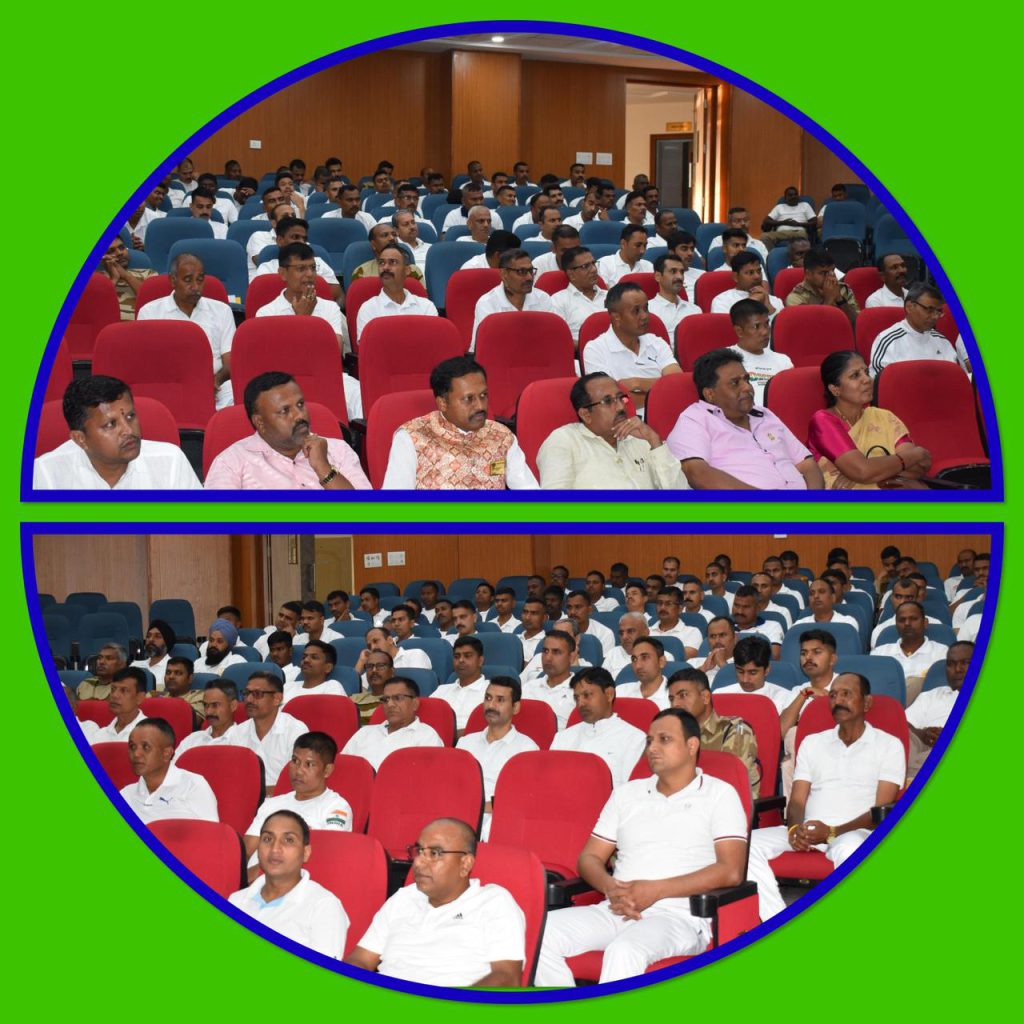
Bengaluru, 19 November 2025 Rotarian Lal Goel, Founder and Charter President of the Rotary Club of Organ Donation International and Chairman of the Organ Donation India Foundation and GYAN, delivered an inspiring address on organ donation at the CISF Tenth Reserve Battalion in Bengaluru.
In his remarks, Rotarian Lal Goel applauded the CISF personnel for their steadfast commitment to national security and public service. He stated that as guardians of the nation they save lives through their duty every day. By promoting organ donation within their families and communities they can save many more lives. He also acknowledged the vital support CISF provides during organ transport at airports, ensuring timely transfers that often make the difference between life and death.
Speaking on the current state of organ donation in India, he highlighted the strength of Indian organ transplantation laws, reaffirming that they are designed to prevent misuse and ensure ethical and transparent practices. He also addressed common myths and misconceptions that discourage people from donating organs.
Rotarian Lal Goel extended heartfelt thanks to Senior Commandant Shri Shivdatta Kumar for facilitating the session at short notice and for supporting this humanitarian mission.
The event saw active participation from the President and members of the Rotary Club Sonpura, Rotary International District 3192, along with a large number of CISF officers and personnel.
Editorial note The steadfast dedication of Rotarian Lal Goel continues to energise the national movement for organ donation. His consistent outreach, clarity of purpose and commitment to service have helped keep this lifesaving mission active and growing across communities.
Beyond the Bookshelf: National Library Week at FMMC Champions the Multi Form Renaissance of Reading
NV Paulose, Chairman, Global TV +91 98441 82044
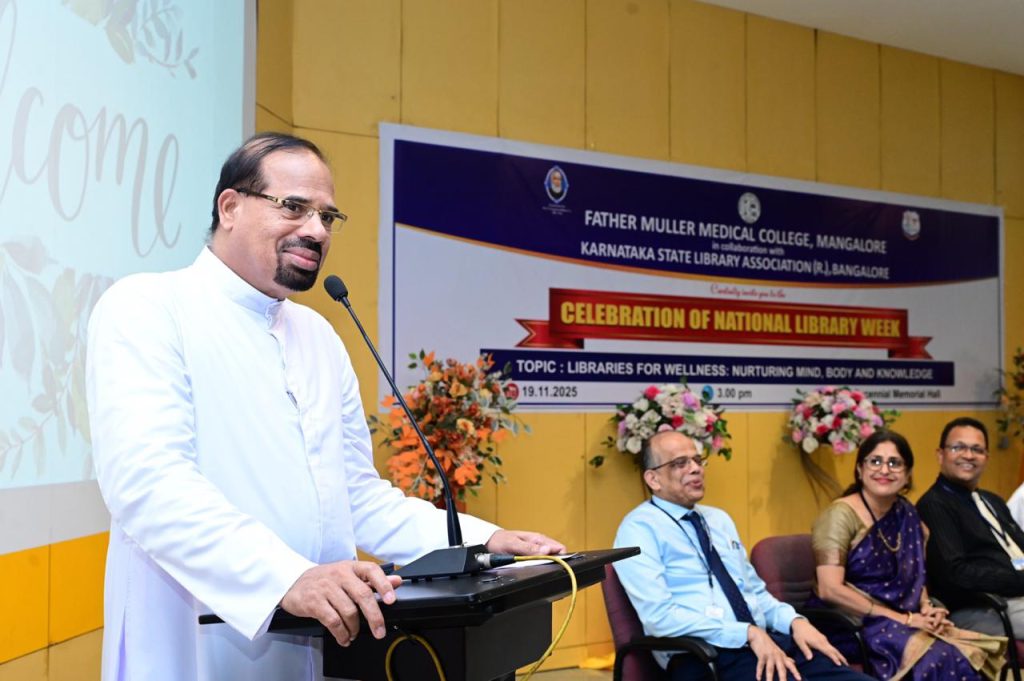
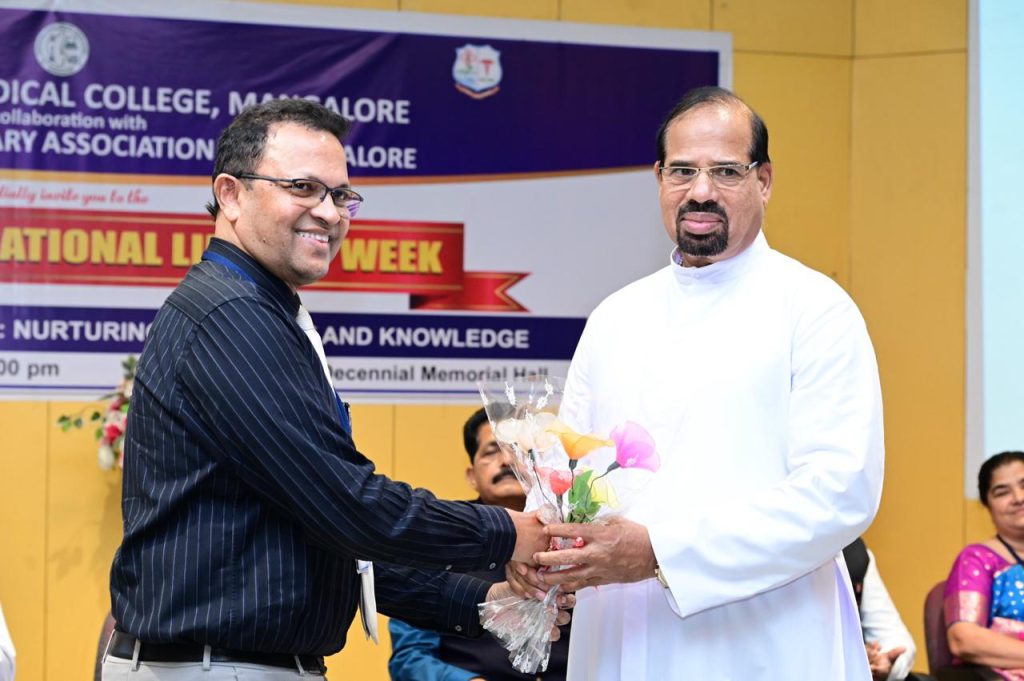
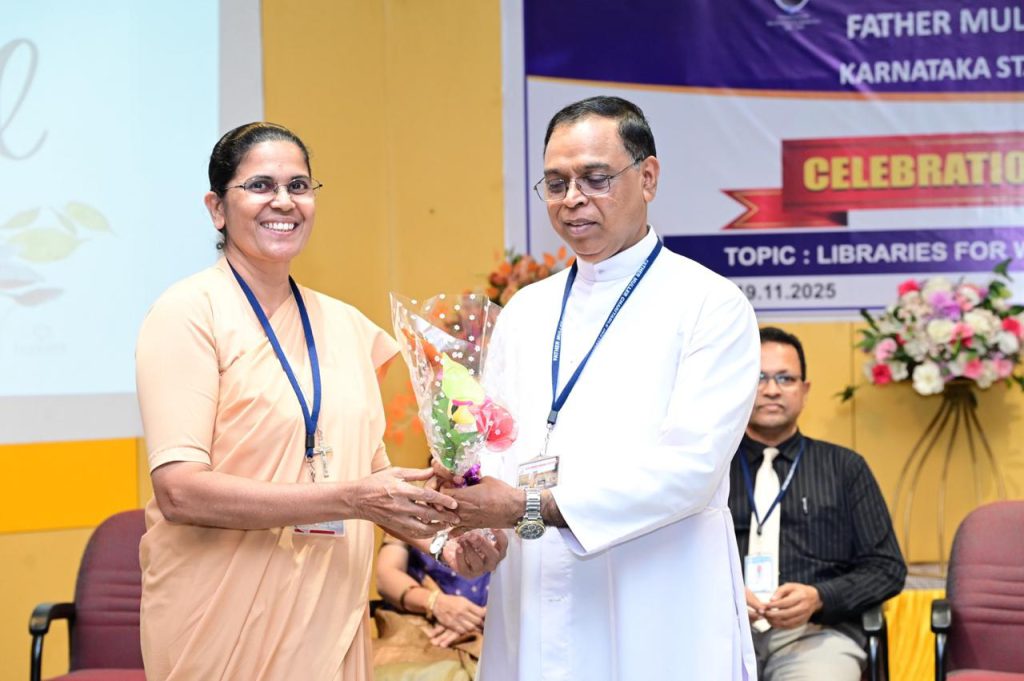
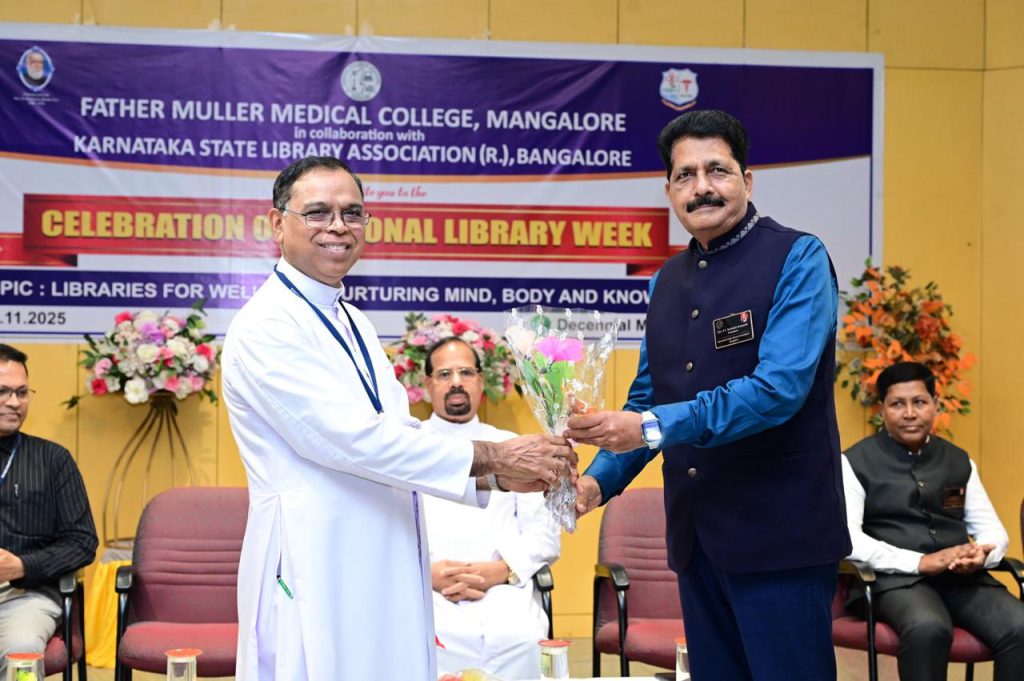
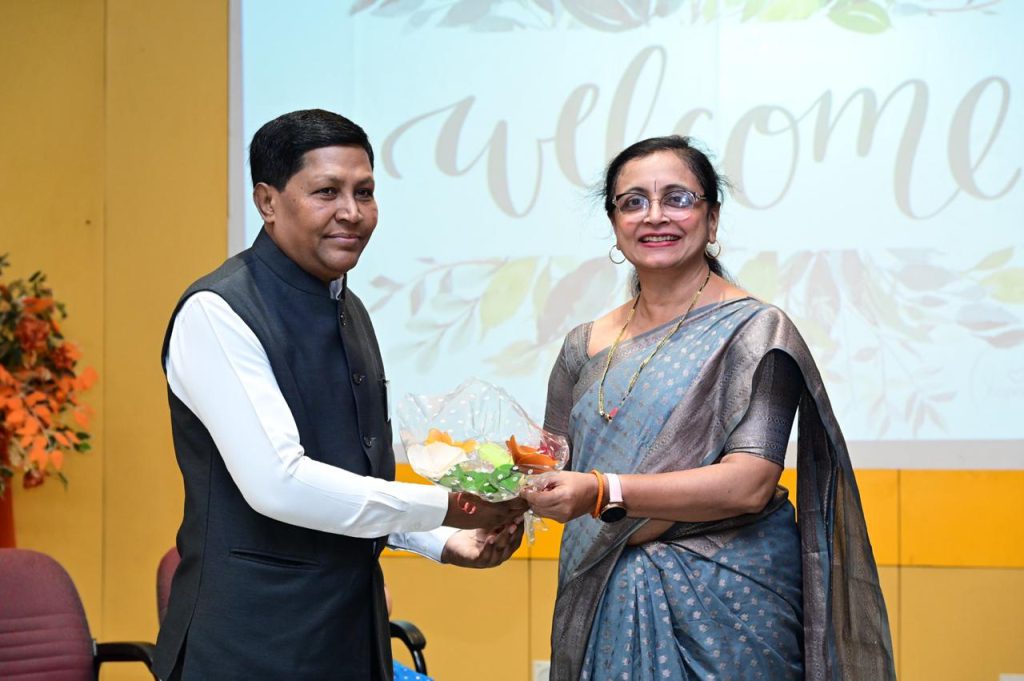
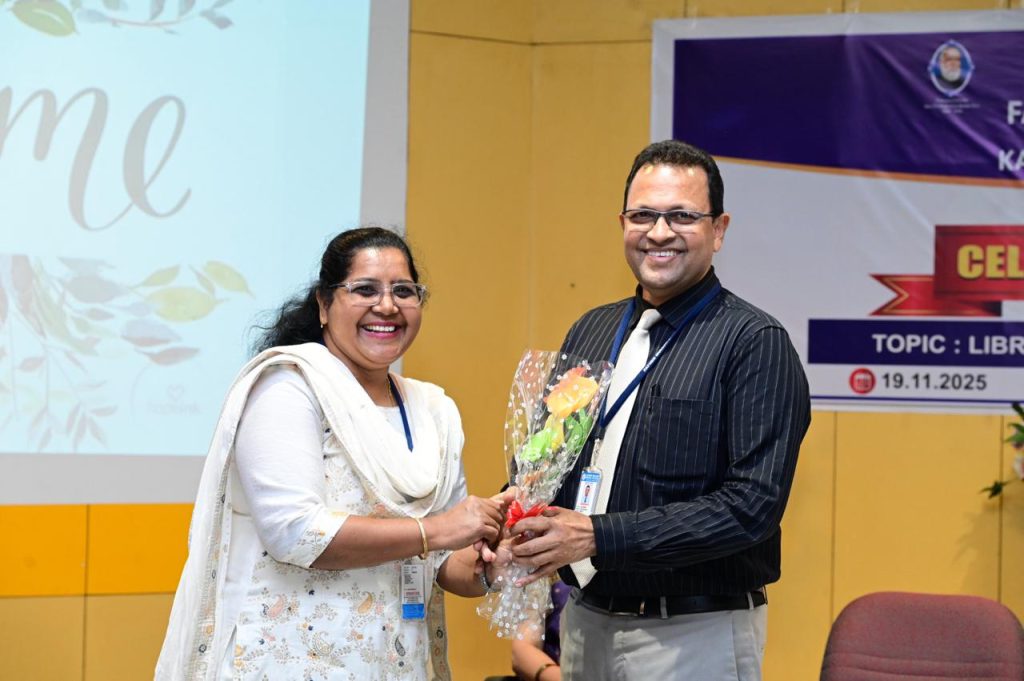
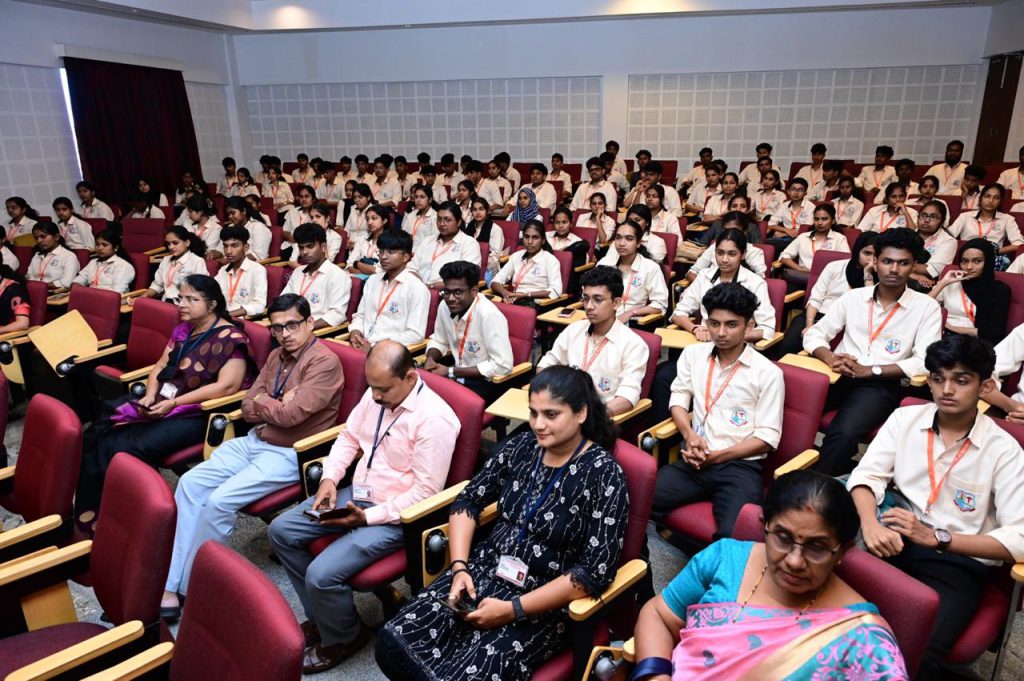
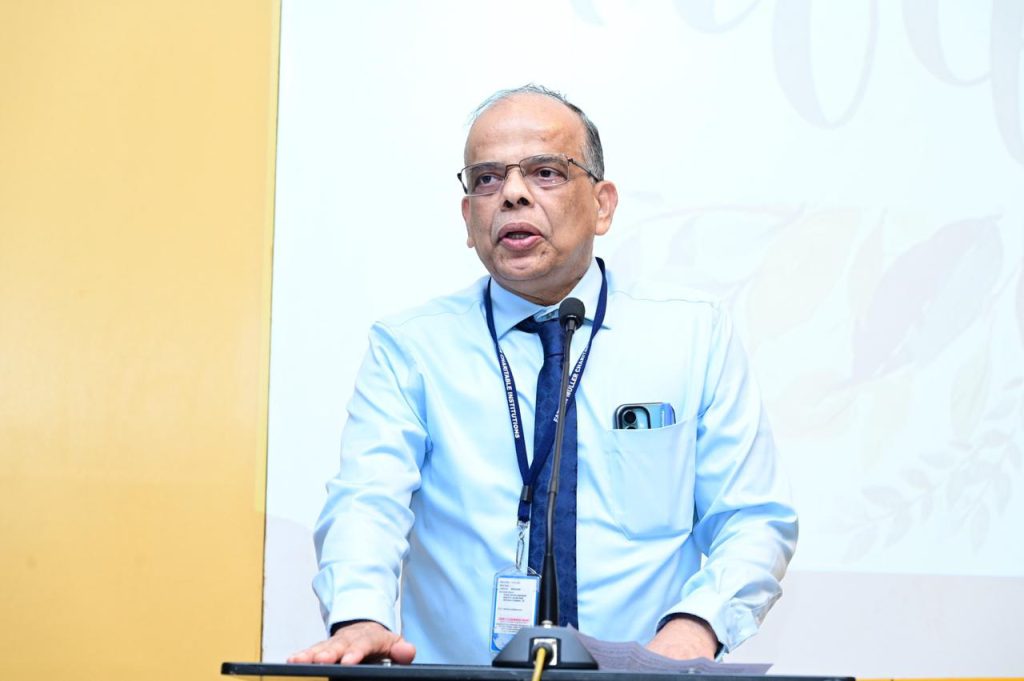
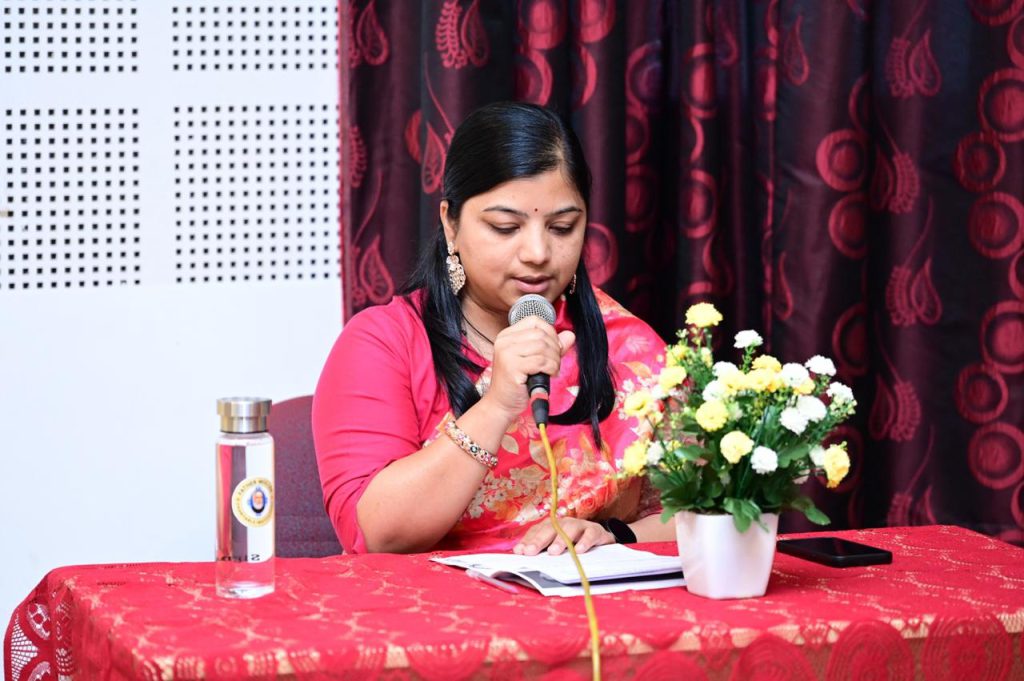
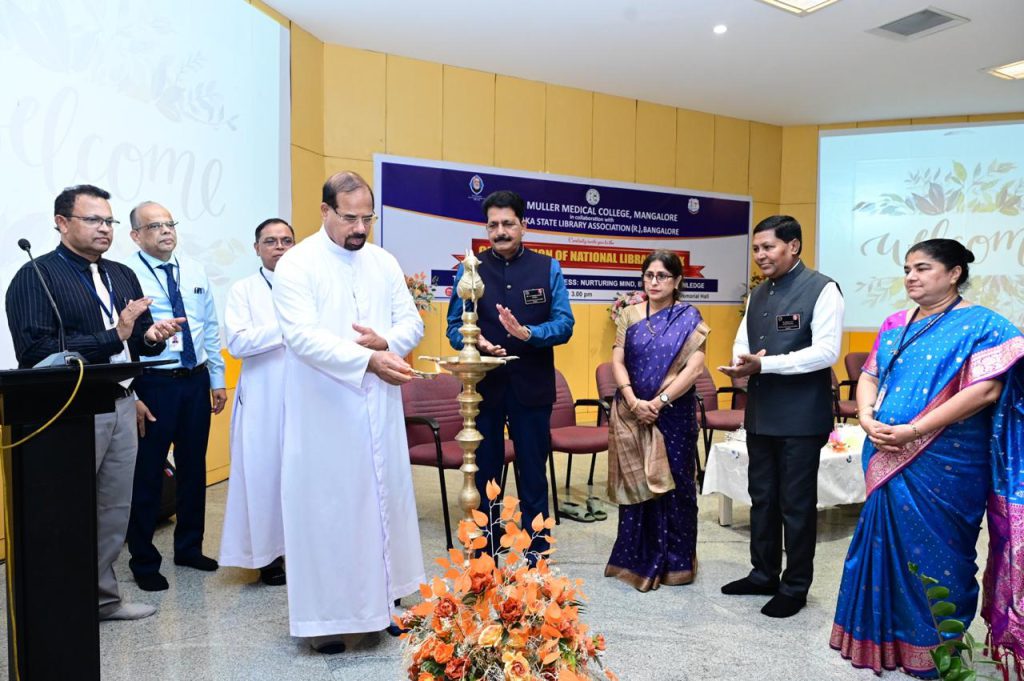
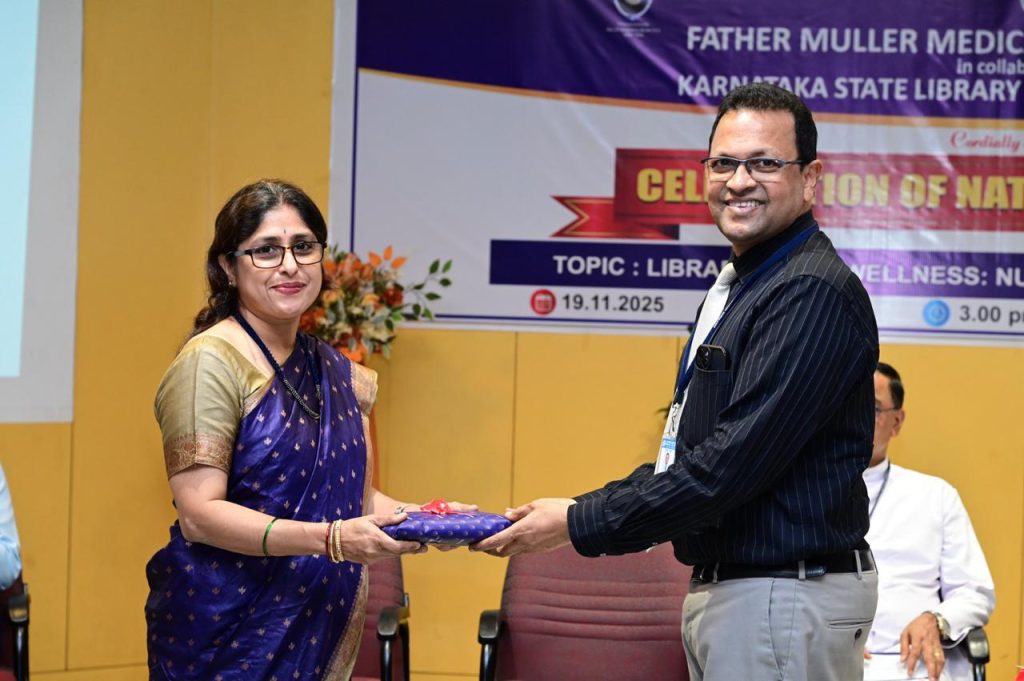
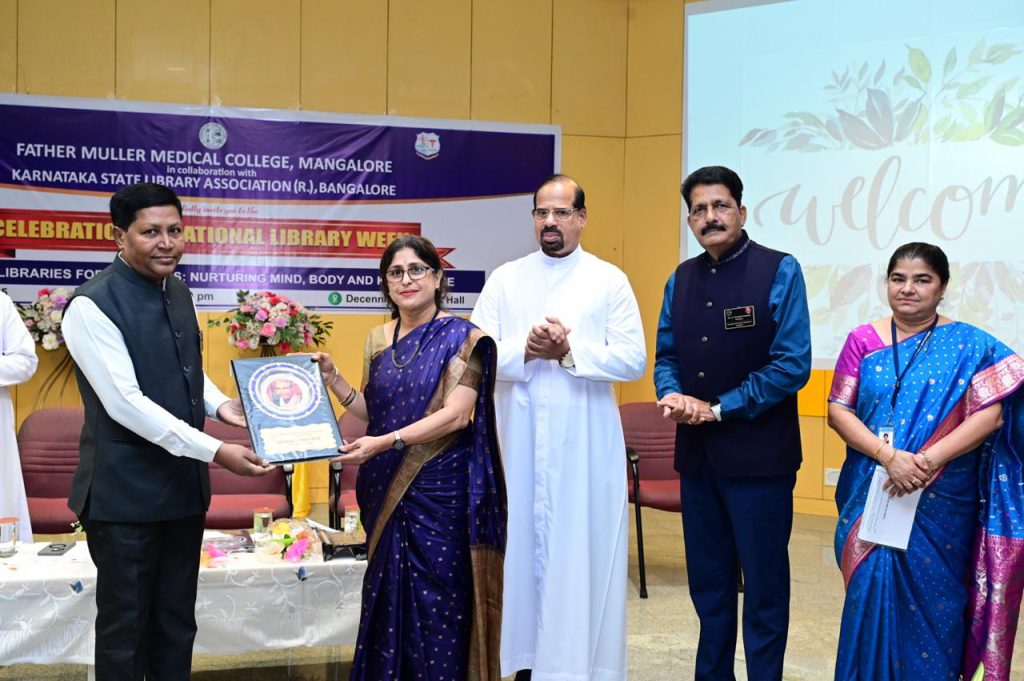
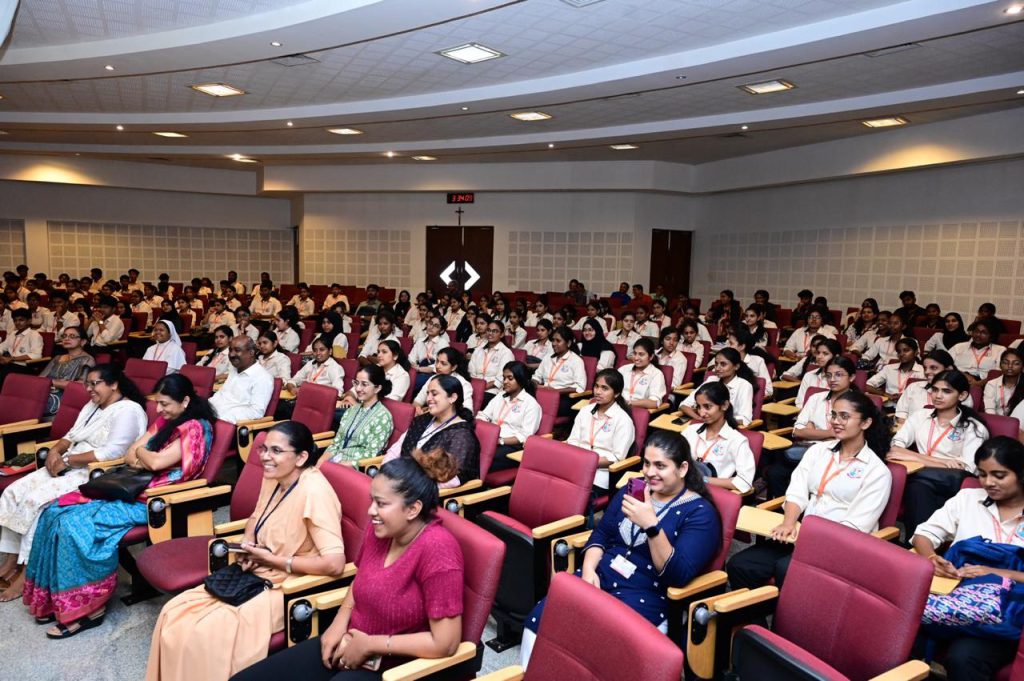
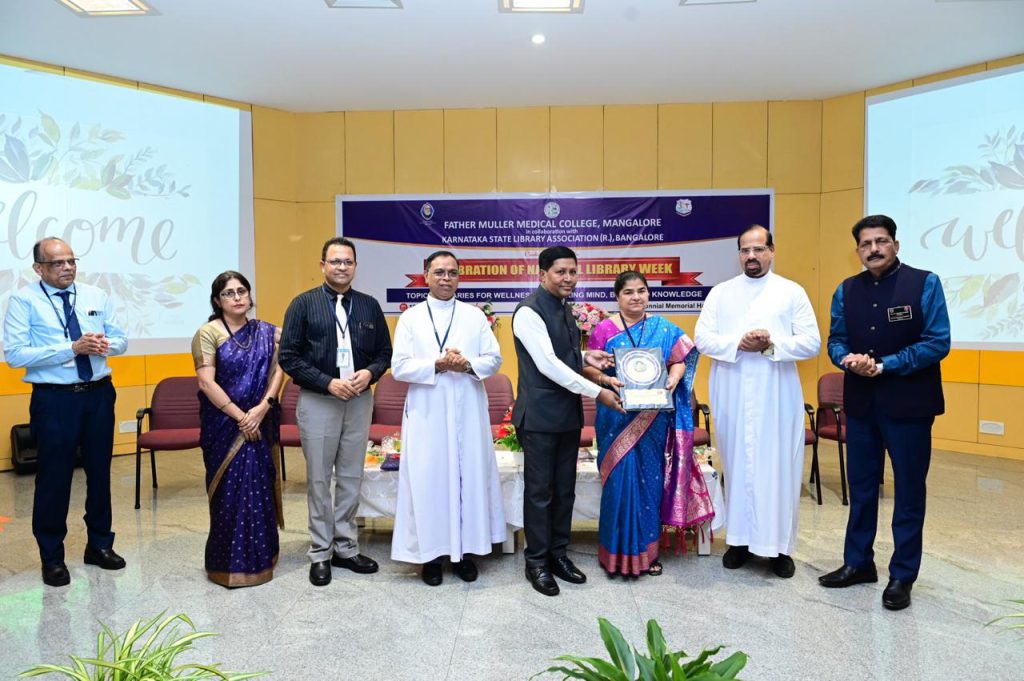
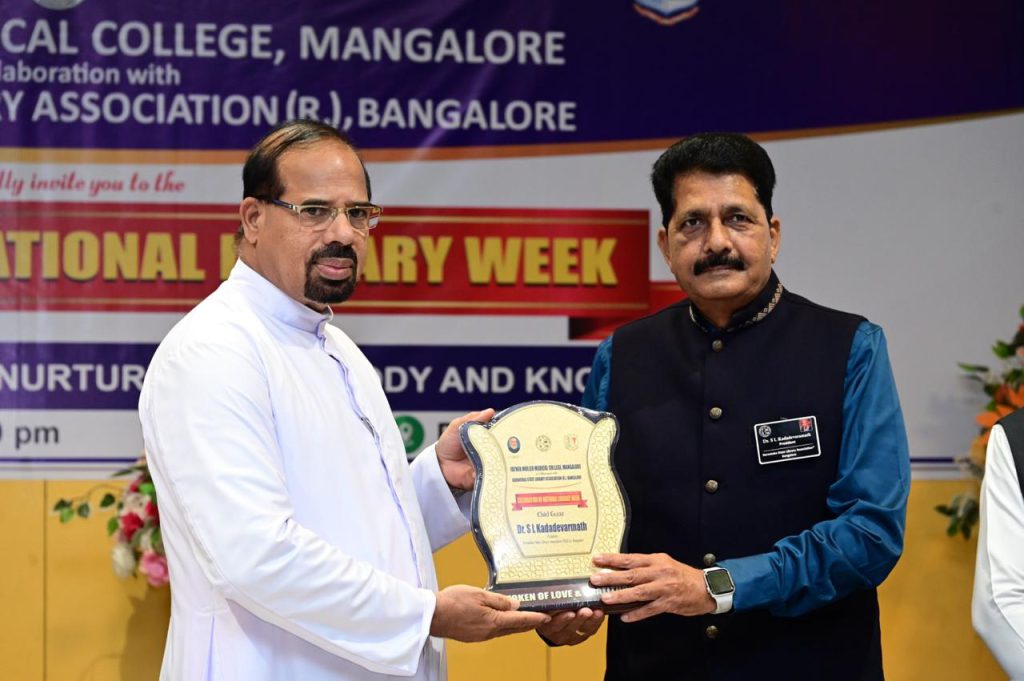
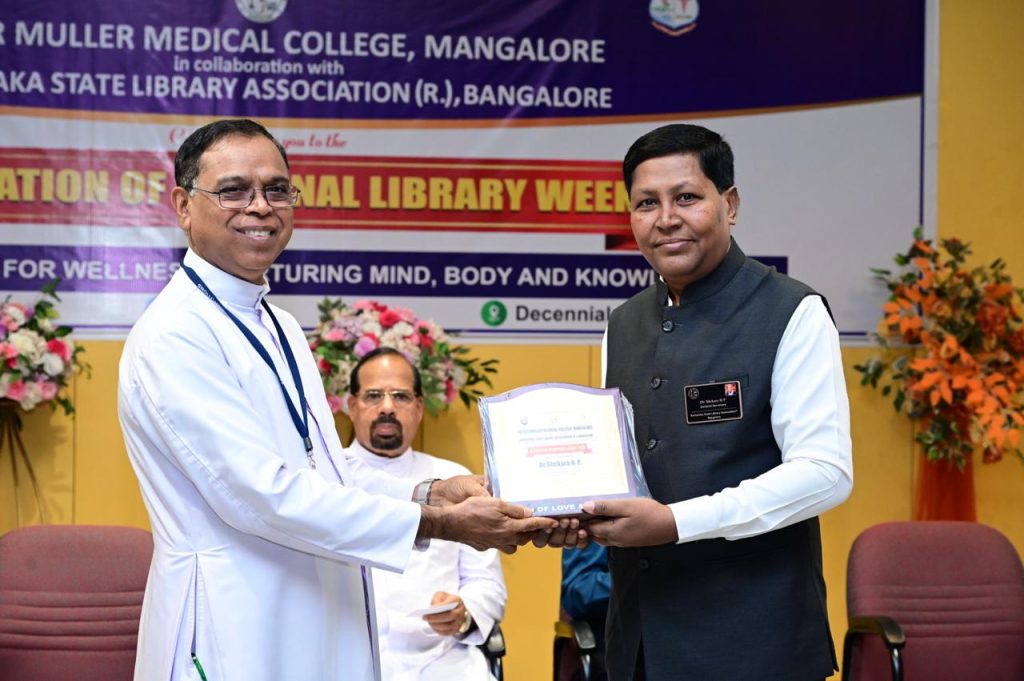
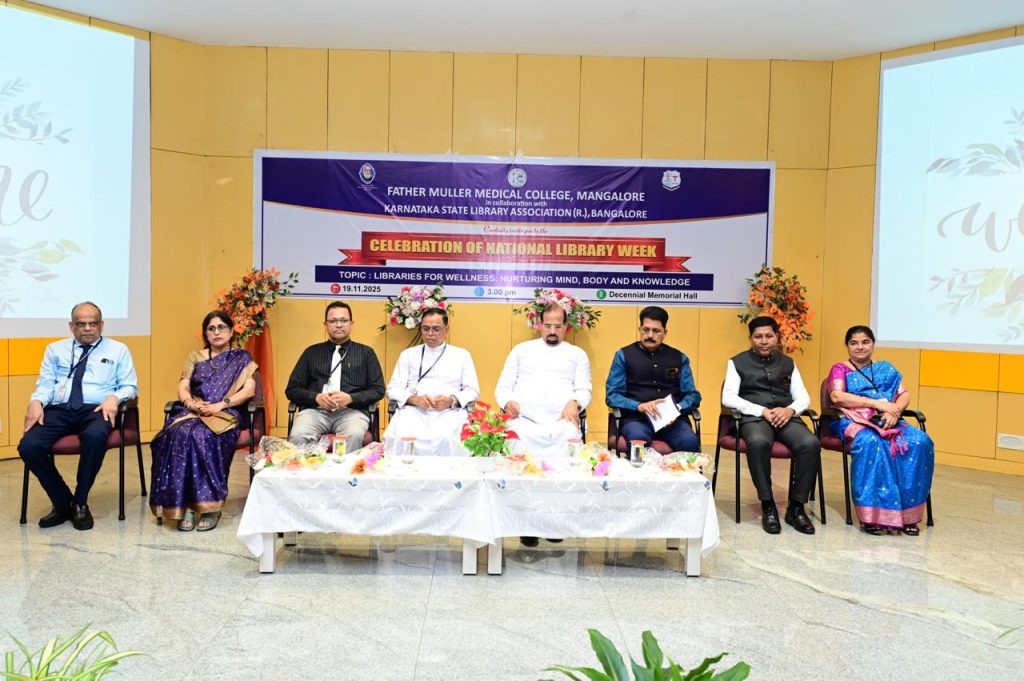
Mangalore, November 19, 2025: The Decennial Memorial Hall at Father Muller Medical College became a vibrant centre of an important cultural conversation on Wednesday. The college, in collaboration with the Karnataka State Library Association, celebrated National Library Week with the theme “Libraries for Wellness: Nurturing Mind, Body, and Knowledge.” What began as a discussion on reading soon expanded into a deeper question. In an age ruled by smartphones, is reading disappearing, or is it simply taking new shapes?
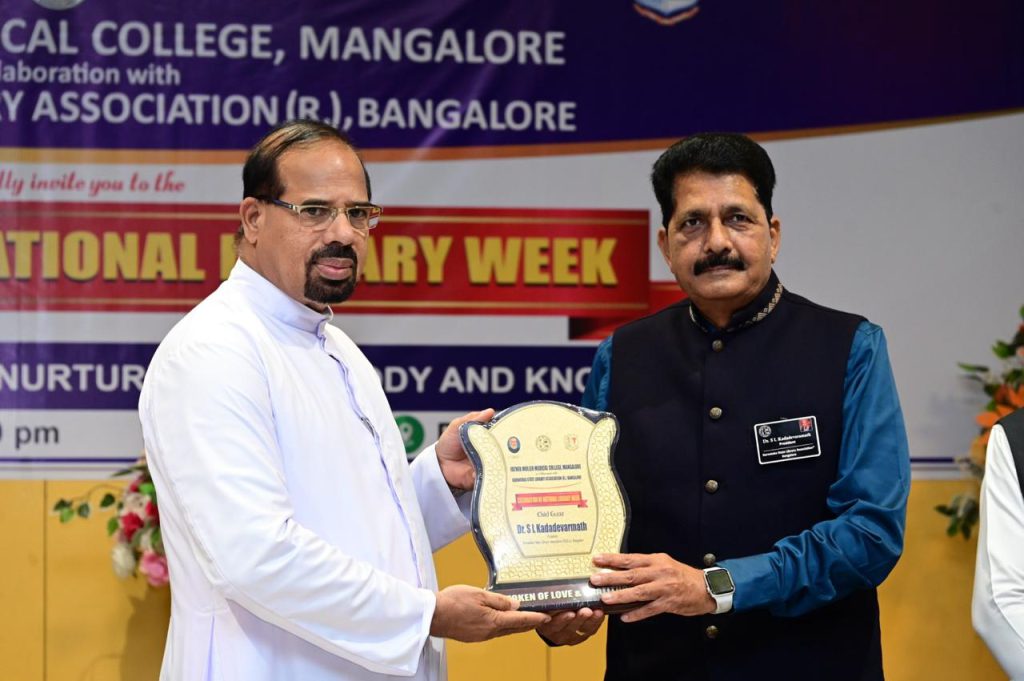
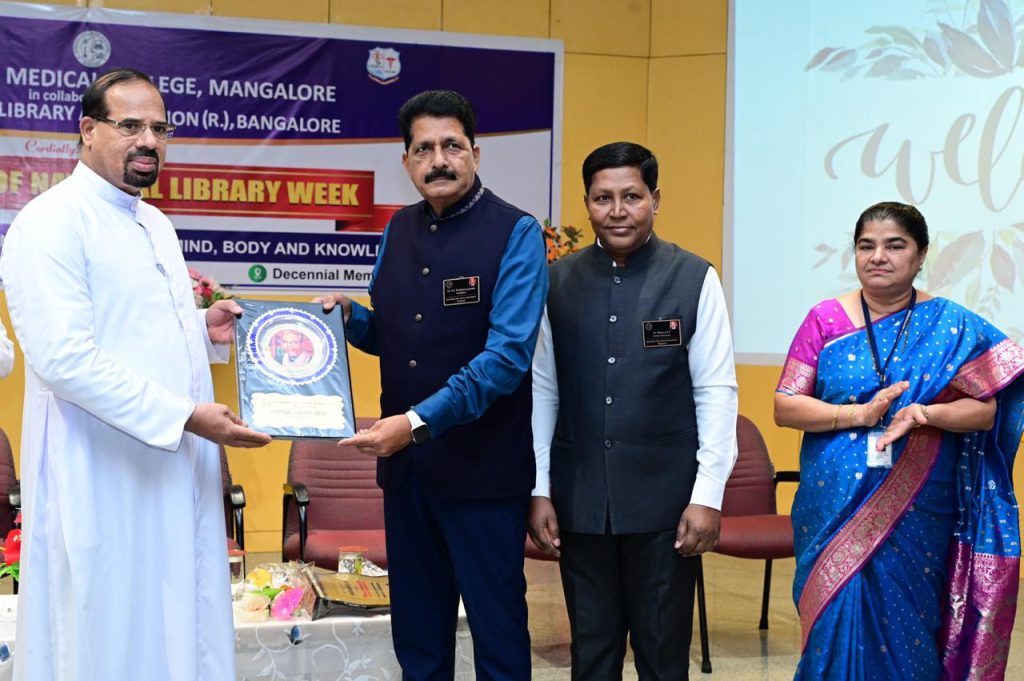
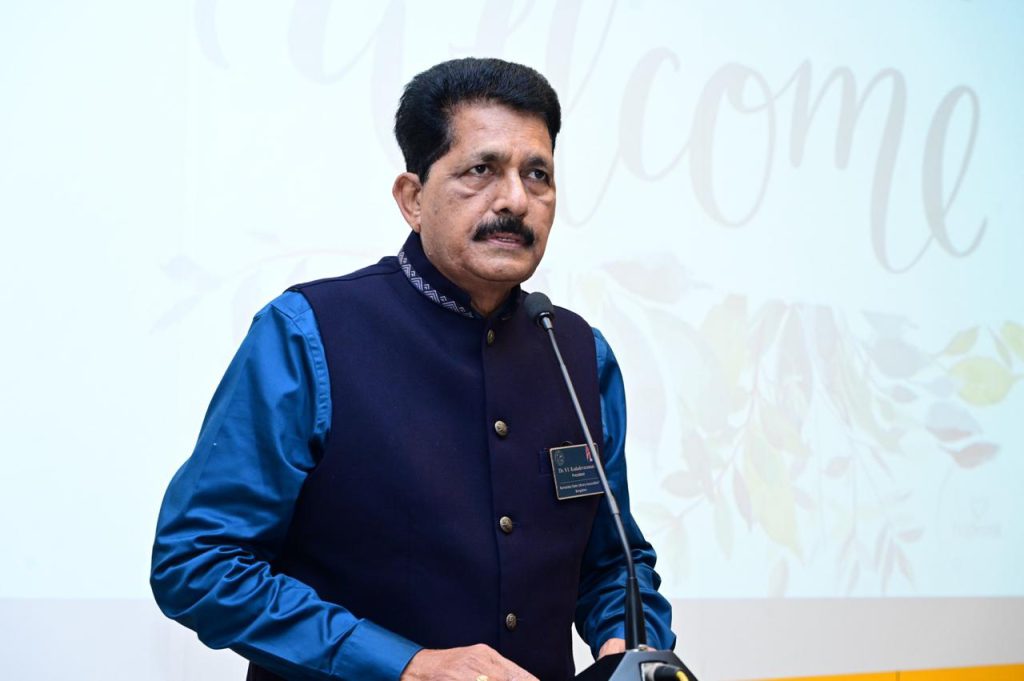
The event was presided over by Rev Fr Faustine Lucas Lobo, Director of FMCI, and featured Dr S L Kadadevarmath, President of the Karnataka State Library Association, as the Chief Guest. Dr Kadadevarmath, a seasoned librarian with more than thirty years of experience, began by expressing concern about the decline of traditional reading habits. He shared uplifting stories from his Readbook Foundation, which has distributed forty-two thousand books across various communities, proving that the desire for knowledge remains strong in rural India. He called upon students to revisit the magic of print books and reminded them that digital content, though fast and convenient, often lacks the depth found within library shelves.
A Call for a Personal Reading Renaissance
The presider of the function, Rev Fr Faustine Lucas Lobo, carried this message forward with conviction. He invited the audience to transform Library Week into a personal Reading Book Week. He posed a simple but powerful question to the students. Can we decide today that we will read at least one book every month? The hall responded with enthusiasm. He described a book as a treasure chest of experience, reflection, and refined wisdom. It is a fund of knowledge, he said, that no quick digital summary can replace. His words reminded students of the lasting value of patient, thoughtful, linear reading.
The Modern Perspective: Reading Has Not Reduced, It Has Multiplied
Yet a more contemporary viewpoint added balance to the discussion. The idea that reading is dying was gently challenged. It was observed that reading has not reduced at all. In fact, it has multiplied in new forms. Students today read more than ever, although not always through printed books. Reading a message, following a news feed, watching a video with subtitles, browsing a webpage, or navigating an app are all acts of reading. The question is no longer whether we read, but rather what we read and how we read.
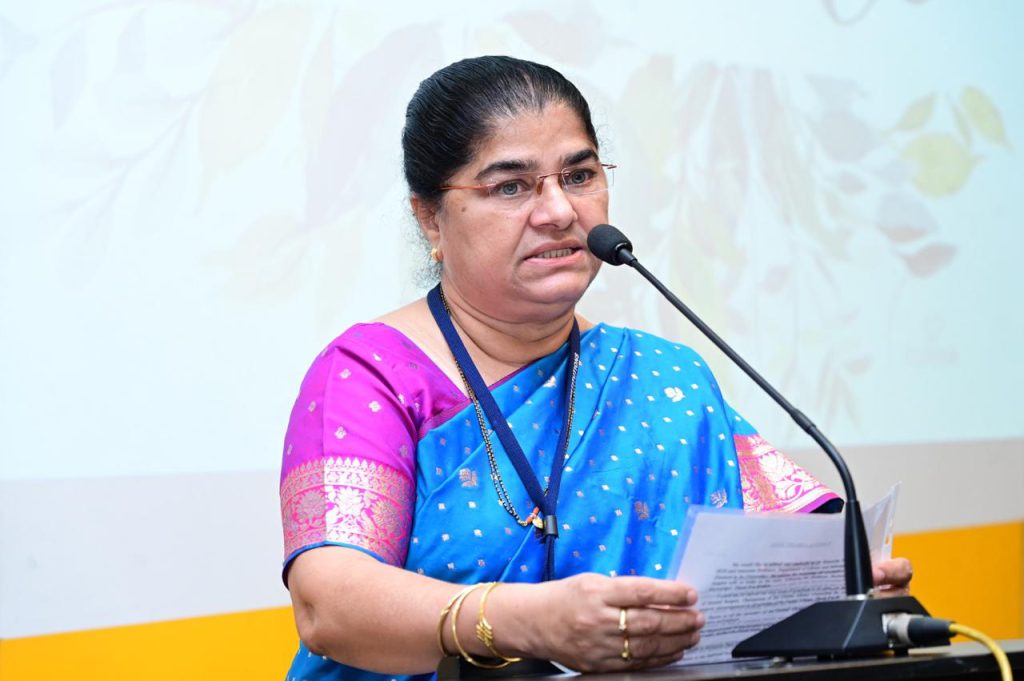
The resource person for the day, Dr Mamatha Pramod Kumar, Head of the Department of Library and Information Science at Yenepoya, reflected this shift through her presentation on Libraries for Wellness. She showed how the modern library has grown far beyond its traditional image. It has become a center that supports both academic and emotional well being. Students now engage with digital archives, online journals, health information portals, audiobooks, and many forms of multimedia learning. The library is no longer tied only to silent reading. It has embraced the multi form reader of the digital age.
The Library as the Bridge Between Depth and Dynamism
The event concluded with a thoughtful understanding rather than a simple answer. The library of the twenty first century is a bridge between the richness of the past and the fluid energy of the present. It gives students a quiet corner to immerse themselves in a three hundred page narrative, while also providing electronic access to the most recent medical research. It offers a calm space that protects students from the constant noise of the digital world, yet simultaneously equips them with digital tools that strengthen their academic journey.
The program, coordinated by Dr Janet Dotty Lobo, Chief Librarian, beautifully brought forward this truth. Reading is not in danger. It is evolving. It has become a versatile skill that demands both depth and agility. The modern learner does not need to choose between a printed book and a digital platform. Instead, the learner must grow into a discerning reader who appreciates the reflective beauty of an authored text while confidently navigating the fast moving flow of online information. National Library Week at FMMC ultimately celebrated this new reality. Reading has not reduced. It has been released from its old boundaries. And the modern library stands proudly as its guardian, guide, and champion.
Library as a Sanctuary of Strength | A New Wellness Pathway Unveiled | Wellness Centric Role for Libraries | A Meaningful Celebration of National Library Week
NV Paulose, Chairman, Global TV +91 98441 82044
Mangalore, November 19, 2025: Father Muller Medical College, in collaboration with the Karnataka State Library Association, hosted a remarkable celebration of National Library Week. The event became much more than a formal occasion. It evolved into a thoughtful and uplifting exploration of how the library can enrich the mind, energise the body, and support the spirit. The Celebration was presided by Rev Fr Faustine Lucas Lobo, Director, FMCI and graced by Chief Guest Dr S L Kadadevarmath. The event was curated by Dr Janet Dotty Lobo.
A Visionary Voice: Dr Mamatha Pramod Kumar
The highlight of the program was an exceptional presentation by Dr Mamatha Pramod Kumar, a respected scholar and Head of the Department of Library and Information Science at Yenepoya University. She brought a rare clarity to the discussion and presented a refreshing message. She explained that the library is not only a place for information. It is a living centre of wellness that silently supports every learner. Her ability to connect academic insight with human experience made the session unforgettable. She gently opened a new doorway by showing that the library is a place where inner calm, inner balance, and inner strength are nurtured every day.
Reading as a Path to Mindfulness
Dr Mamatha described reading as a natural form of mindfulness. When the mind follows a line of text, it slows down, becomes attentive, and remains present. She explained how bibliotherapy helps students find emotional clarity and comfort. Her message was simple but powerful. A library does not heal with medicine. It heals with silence, reflection, and gentle expansion of thought. Her PPT was Colourful and brilliant.
Design That Supports Healthy Study
She highlighted the physical care offered by the library. Good lighting, thoughtful seating, and calm spaces help reduce strain and support healthy posture. Even walking between shelves becomes a small moment of physical refreshment. In this view, the library becomes both a mental and physical sanctuary that protects the learner from digital fatigue. (Editorial Note: Reading in mobile is a Roller Coster whereas reading in the library is a walk on an escalator in a city mall.)
The Rise of the Global Wellness Library
Dr Mamatha shared inspiring examples from international universities where libraries have grown into complete wellness hubs. Meditation rooms, reflection spaces, art corners, and gentle activity zones have become part of the library experience. She reminded the audience that wellness does not reduce academic performance. It increases focus, clarity, and joy in learning.
Librarians as Guides of Inner Growth
She redefined the role of the librarian as a mentor who supports emotional and digital wellbeing. By guiding students to credible sources and teaching them to handle information with responsibility, librarians help reduce confusion and protect the mind from overload. Dr Mamatha honoured the profession by showing its silent power in shaping balanced and compassionate learners.
Books That Build the Inner Self
The session ended with a thoughtful list of books, each selected to nourish emotional maturity, personal discipline, and gentle growth. It encouraged every student to start a personal journey toward a more centred and confident life. The knowledge behind the selection of books is truly fantastic. A student or even faculty who master the books presented will sure make a career filled with joy and happiness.
A Brilliant Event at Father Muller Medical College
The event was beautifully coordinated by Dr Janet Dotty Lobo with the support of Rev Fr Dr Michael Ligory Santhumayor, Dr Antony Sylvan DSouza, Dr Shekara H P, and Dr John J S Martis. The entire celebration reflected the commitment of Father Muller Medical College to inspire students not only to succeed in academics but also to grow as strong, peaceful, and compassionate human beings.
This National Library Week did not merely honour books. It honoured the inner life of every learner. Through the vision of Dr Mamatha Pramod Kumar, the library was seen not as a silent room but as a radiant centre of wellness. It is a place where the student learns to think, to breathe, to rest, and to rise.
Manifestation Talks by MANU PAILY | Manu Paily | Manifest | Global TV
Manu Paily is an international speaker and transformation coach who works with people who want to improve their lives through clarity, discipline and inner growth. He has built a strong presence as a guide who brings together practical thinking and deep reflective practices. His approach is simple and direct. He focuses on helping people understand the power of their mind and the role of clear intention in shaping their future.
He is the co founder of Alma Gyan General Consultancy Private Limited. Through this platform he offers courses, training programs and personal growth sessions. His work includes meditation based programs, manifestation practices and mindset training. Many people follow his guidance to learn how to remove limiting beliefs and build a more confident and purpose driven life.
Manu Paily has a background in electronics engineering and industrial electronics. He uses this analytical foundation to bring structure to his teaching. His sessions often focus on balance. He brings science based clarity to subjects that are usually considered abstract. His growing online community follows his talks, videos and short guidance sessions shared through different platforms.
Overall he is known as a teacher who inspires people to take charge of their own growth. His training is centered on inner strength, self belief and consistent daily action. His presence and message continue to reach a wide audience in India and around the world.
What do you do is less important than How you do that | Mathew Joseph
NV Paulose, Chairman, Global TV +91 98441 82044
അവർ ചിരിക്കുമ്പോൾ നമ്മൾ കരയും. അത് വലിയൊരു ആനന്ദ കരച്ചിൽ ആയിരിക്കും. പച്ചയായ മനുഷ്യർ. ഉയർച്ചയിലും വളർച്ചയിലും കുടുംബം താങ്ങും തണലുമാകുന്ന കഥകളാണ് അവർ പറയുന്നത്. ഇവിടെയാണ് സ്വർഗ്ഗം താണിറങ്ങി വരുന്നത്.
Mathew Joseph. The Visionary Who Transformed the Way India Eats
Mathew Joseph is the Chief Operating Officer of FreshToHome. He has more than thirty two years of experience in the seafood industry. His journey began in Kerala where he grew up watching the hard work of fishermen and the traditional ways of selling fresh fish. These early experiences shaped his passion for quality and honesty in food.
Mathew started his career as an accountant in a seafood company. He was curious about every part of the industry and spent extra hours learning how fish was handled and processed. Over time he built strong relationships with fishermen and learned how the supply chain worked. This knowledge later helped him become a pioneer in the fresh food business.
Life changed for Mathew during the global recession in 2008. His export business faced heavy losses. He lost almost everything he owned. This difficult phase pushed him to think in a new direction. His wife encouraged him to build something for the Indian market instead of focusing only on exports. This simple advice became the starting point of his new vision.
In 2012 Mathew launched SeaToHome. It was one of the first online platforms in India that delivered fresh fish directly from the coast to customers. The idea was ahead of its time. The platform worked well in the beginning. But due to limits in technology and infrastructure SeaToHome had to close after two years. This disappointment did not weaken Mathew’s spirit. Instead it gave him clarity about what needed to change.
In 2015 Mathew met Shan Kadavil. Shan was impressed by Mathew’s dedication and knowledge of the seafood market. They joined together and created FreshToHome. The new company focused on fresh fish meat and ready to cook products without any chemicals. Mathew built a strong network of fishermen across India. He removed middlemen and ensured fair prices for the fishermen and clean products for customers.
FreshToHome grew quickly under Mathew’s guidance. It created a transparent supply chain from the sea and the farms to the kitchen. The company brought modern technology into a traditional industry. Fishermen could now sell their catch directly through a simple digital system. Customers could trust the quality because every product went through strict checks for freshness and safety.
Today FreshToHome serves millions of customers in many cities in India and in the Gulf region. The company has a large team and delivers more than two million orders every month. It is respected for its ethical values and its strong support for small fishermen and farmers. Many awards and achievements have followed. But Mathew always says that the real reward is customer trust.
Mathew Joseph is not only a business leader. He is also a mentor who inspires young entrepreneurs. His story teaches that failure is not the end. It is often the beginning of something better. His life shows the power of resilience and honest effort.
At the Kerala Retail Summit his presence is truly special. His journey from a small coastal town to the top of the modern food industry is a message of hope. He proves that a simple idea with a sincere purpose can transform an entire industry. His work continues to change the way India eats and the way India thinks about quality and freshness.
Beyond Charity: Engineering a Legacy of Sustainable Change | Precision in Purpose: Where Every Act of Kindness is a Masterpiece of Planning | The Systemic Impact of M Friends
NV Paulose, Chairman, Global TV +91 98441 82044
The vast landscape of philanthropy is often chaotic. Well-intentioned efforts can also sometimes falter without a clear roadmap. It is at such a confused stream of affairs that the Beary M Friends Charitable Trust stands unique and brilliant in what we call an order in the vast stream of chaos. They are doing something truly remarkable. Can we call it a systemic empathy towards humanity. Yes! They have skilfully and also masterfully redefined charity, not as a sporadic act of giving, but as a disciplined, precision-engineered operation for sustainable change.
This is not merely an organization that helps; it is an institution that operates with sharp focus of a skilled architect. They are building future for themselves with an unwavering commitment. Their blueprint of clarity and compassion is set on a foundation of serving God.
The streams chosen and initiatives undertaken are small and tiny visibly but the volume of their work are mounting at Everest hight. They are known for their unwavering professionalism and clarity of thoughts. It is the way they do things make the difference than what they are doing differently. In fact; they are doing the same thing that others are also doing, but with a difference that make the difference.
The Hallmark of Professionalism: A Dignified Partnership
From the first interaction, it is clear that Beary M Friends operates on a different plane. Their approach is not one of distant benefactors, but of engaged partners. Communication is clear, transparent, and respectful. They understand that true charity upholds the dignity of those they serve, treating every interaction with the respect and professionalism one would expect in a corporate boardroom.
This professionalism builds trust; not just with the donors who can see exactly where their contributions are going, but more importantly, with the communities they support. They create a space where needs can be articulated and met with efficiency and grace, transforming the act of receiving aid into a step toward self-reliance.
The Power of Precision: Impact by Design
Beary M Friends wields precision like a surgeon’s scalpel. What we see in the world usually is scattered efforts. M Friends do not believe in a “spray and pray” model of charity. Their work is characterized by:
Targeted Initiatives: Whether it’s educational support, healthcare access, or community welfare, each program is carefully defined. Their goals are specific, measurable, and tailored to address the root causes of an issue, not just its symptoms.
Meticulous Execution: Every rupee, every volunteer hour, and every resource is allocated with intention. There is a palpable absence of waste, a testament to their commitment to ensuring that the maximum possible benefit reaches the intended recipients.
Data-Informed Action: Their strategy is not based on assumption, but on understanding. They likely employ a systemic approach to identify needs, monitor progress, and measure outcomes, ensuring their efforts are effective and can be scaled or adjusted with intelligence.
A Systemic Symphony: The Engine of Sustainable Change
The most profound aspect of the Beary M Friends Charitable Trust is its systemic nature. They are not just planting trees; they are cultivating an ecosystem. Their methodology resembles a well-oiled machine where every component works in harmony:
Identification: Systematically pinpointing areas of need within their community.
Structuring: Designing programs with clear objectives, timelines, and success metrics.
Mobilization: Efficiently deploying resources; financial, material, and human, with clear roles and responsibilities.
Execution: Carrying out initiatives with a focus on quality and consistency.
Evaluation: Continuously assessing impact to learn, adapt, and improve for the future.
This cyclical, systemic process ensures that their charity is not a one-off event but a self-reinforcing engine for long-term, sustainable development. It creates a legacy of empowerment, where the help provided today enables individuals and communities to thrive independently tomorrow.
A New Standard for Giving
The Beary M Friends Charitable Trust does not just ask, “How can we help?” They ask, “How can we solve this, permanently?” They have moved beyond the heart and have elegantly married it with the mind, proving that the most powerful compassion is that which is organized, strategic, and relentlessly effective. They talk about the fact that when charity is delivered with the precision of a master craftsperson and the systematic rigor of a seasoned engineer, its impact is cemented into the very fabric of the community. For their professionalism, their precision, and their powerful systemic approach, they deserve our appreciation; indeed, they deserve our profound admiration and support.
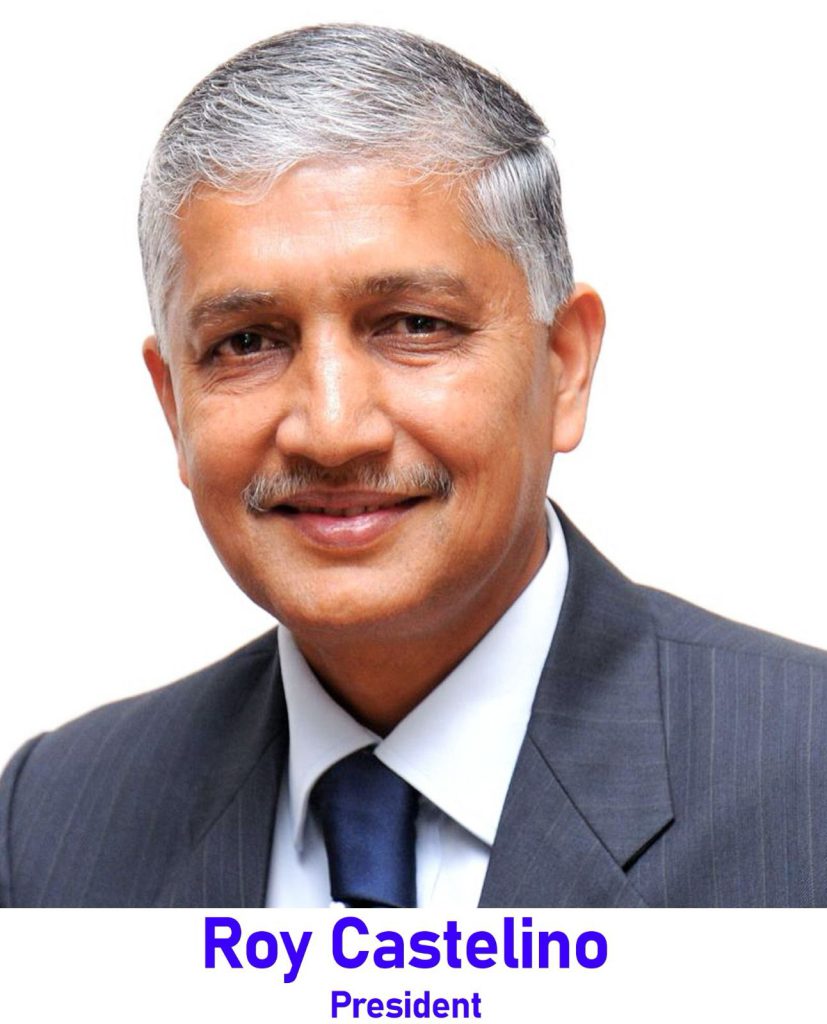
Roy Castelino Elected President of Rachana, Catholic Chamber of Commerce & Industry
The 26th General Body Meeting of Rachana, the Catholic Chamber of Commerce of Mangalore, was held on 16.11.25 at the Bendoor Hall. Catholic leader and entrepreneur Roy Castelino was unanimously elected as President for the upcoming two-year term.
At the Annual General Meeting (AGM) held this Sunday evening at Bendur Church hall, Roy Castelino was elected as the new President of Rachana, Catholic Chamber of Commerce & Industry. The election marks a significant transition in leadership for the prominent organization dedicated to fostering entrepreneurship and professional growth within the Catholic community.
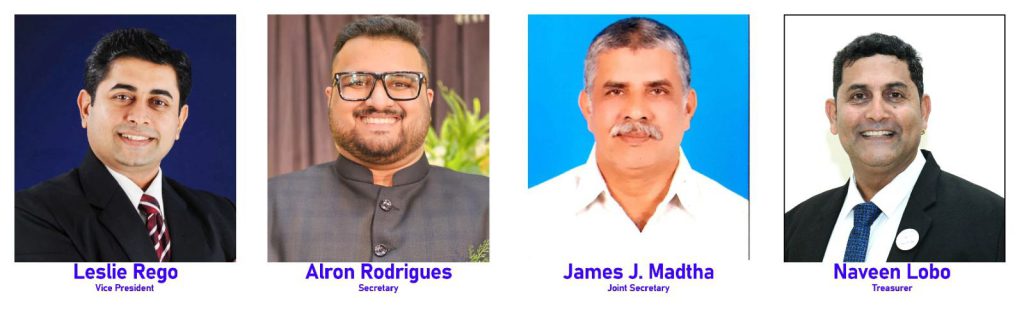
Castelino, a well-respected figure in the region’s business landscape, brings a wealth of experience and a proven track record of leadership to his new role. The AGM also saw the election of other key office bearers who will serve alongside Castelino in guiding Rachana’s strategic direction. Leslie Rego was elected Vice President, Alron Rodrigues will serve as Secretary, James J. Madtha as Joint Secretary, and Naveen Lobo as Treasurer. These individuals represent a diverse range of expertise and a strong commitment to Rachana’s mission. In addition to the core leadership team, the following individuals have been chosen as members of the Governing Body: Marcel Monteiro, Ronald Gomes, Stany Alvares, William D’Souza, Nelson Monteiro, and Sunil Vas. Their collective insights and experience will be invaluable in shaping Rachana’s policies and initiatives. Rachana, Catholic Chamber of Commerce & Industry, has long been recognized as a vital platform for Catholic entrepreneurs, professionals, and business leaders to connect, collaborate, and contribute to the economic development of the region. The organization provides a range of services, including networking events, mentorship programs, skill development workshops, and advocacy initiatives. The newly elected leadership team is expected to build upon Rachana’s existing strengths while also exploring new avenues for growth and innovation. Key priorities for the upcoming year are anticipated to include [mention potential focus areas based on Rachana’s mission, e.g., expanding membership, enhancing mentorship opportunities, promoting ethical business practices, supporting Catholic-owned businesses, advocating for favorable policies]. With a strong leadership team now in place, Rachana is well-positioned to continue its vital work in empowering the Catholic business community and fostering a vibrant economic ecosystem. The organization’s members and stakeholders have expressed optimism about the future under the guidance of the newly elected President and his team.
Motivational Team Training on “Gender Equality and Justice” at CODP
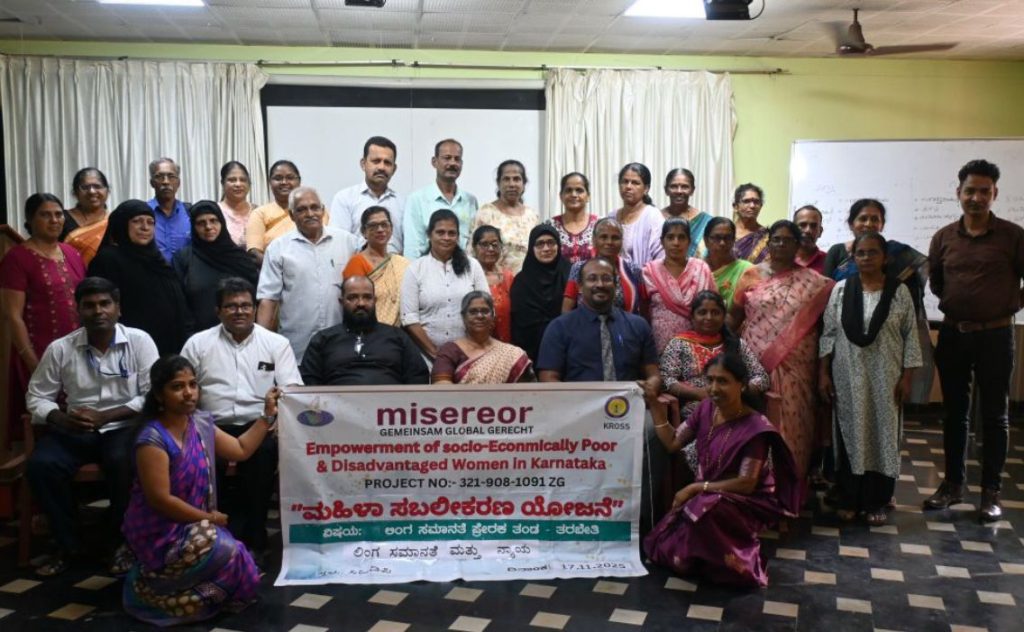
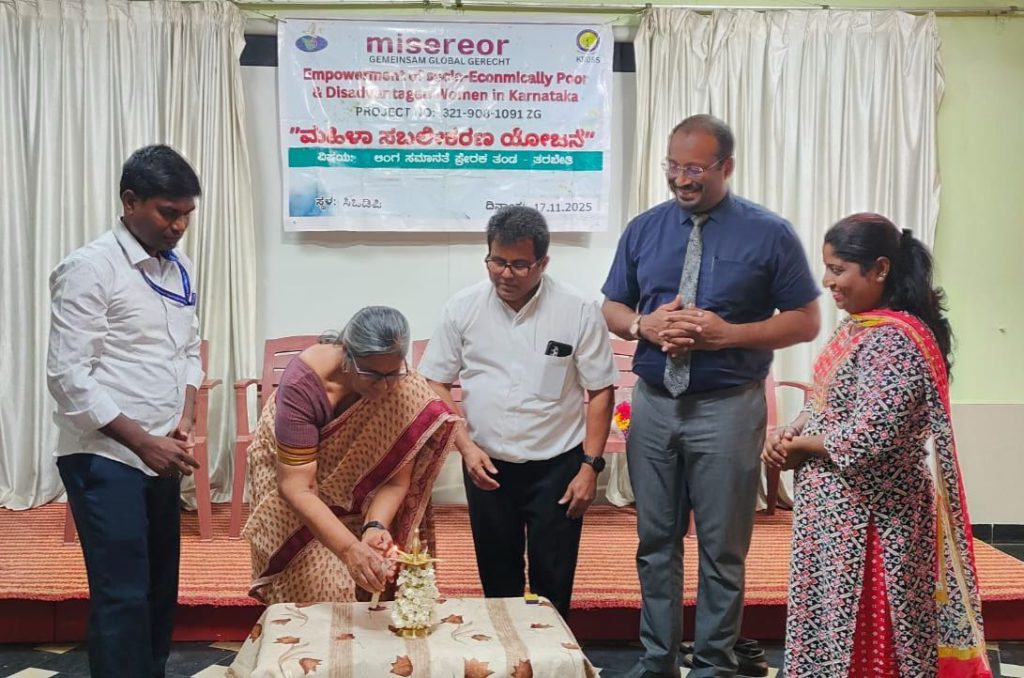
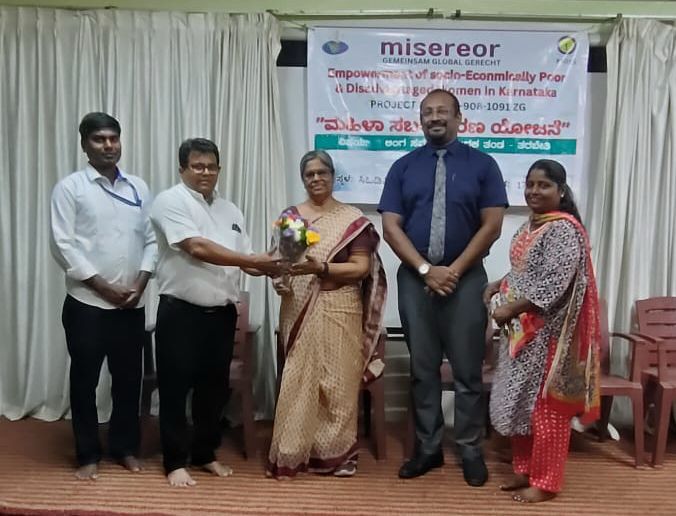
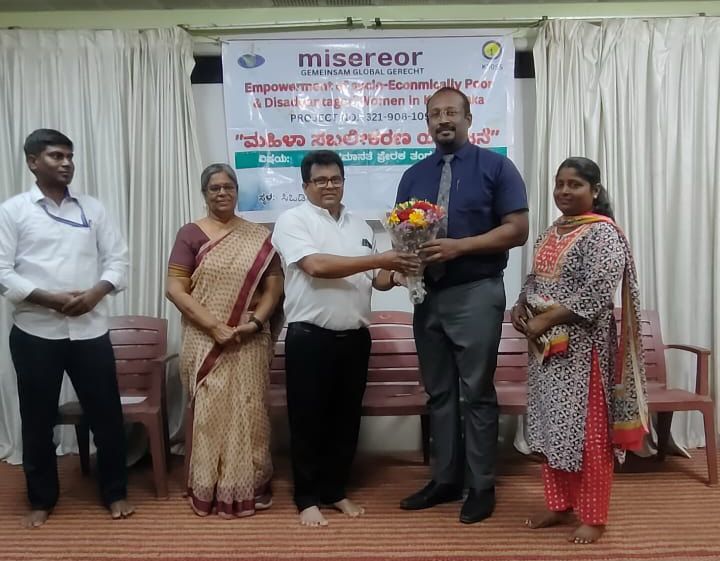
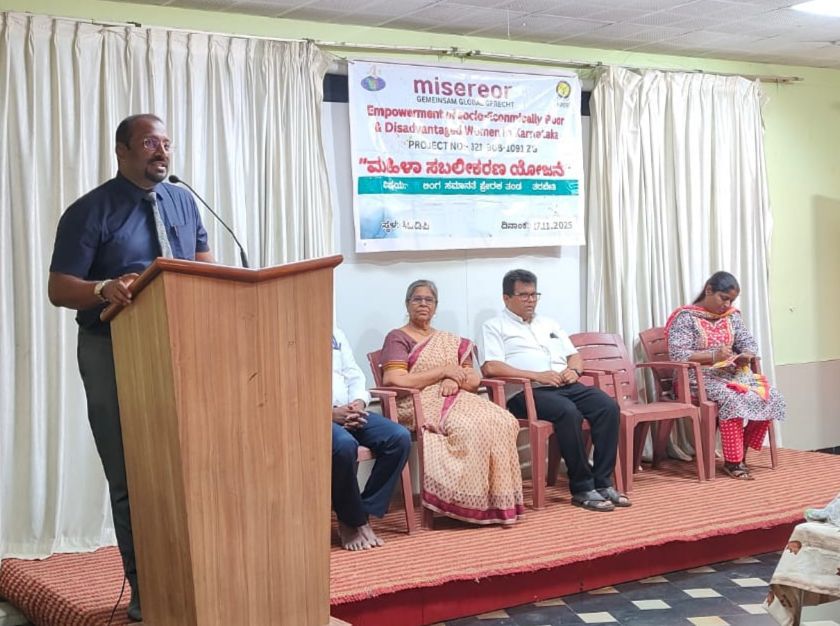
The “Gender Equality and Justice” Motivational Team Training was organized at CODP on November 17, 2025; in collaboration with KROSS Bangalore and CODP ®️ Mangalore, under the ‘Women Empowerment Project’ wing.
The event was inaugurated in the august presence of:
Mr. Rajshekhar – Coordinator, Women Empowerment Project, KROSS Bangalore;
Dr. Rohan S. Monis – Chief Administrative Officer, Kanachur Hospital & Research Centre, Deralakatte; Head of the External Team for Gender Equality and Justice, CODP & Vice President – Catholic Association of South KANARA;
Ms. Merlin Martis – Director, Deeds Social Service;
Mrs. Seema – Secretary, Manini State Women’s Federation and
Fr. Vincent D Souza – Director, CODP.
Ms. Merlin Martis, the resource person – spoke about gender equality and justice; emphasizing its management within families and the awareness parents should impart to their children from a very young age. She explained how internal and external teams under CODP’s Gender Equality and Justice can collaborate to organize training and programs for the communities at large; as both men & women are vital for the existence of a happy & mindful community.
The program was compered by Ms. Supriya – Coordinator, Women Empowerment Project. Fr. Vincent D Souza welcomed the guests. Dr Rohan Monis thanked the participants for their time & encouraged them to be a positive voice in the society – against Gender Inequality. Mrs. Seema proposed a vote of thanks.
The thought provoking discussions with proactive interactions pushed the thought for the need for a focused approach and awareness on Gender Inequality in the society at large.
The Rotary Club Organ Donation International is an international initiative founded by Rotary members to promote organ donation awareness and increase participation through events, collaborations, and advocacy. It works with other Rotary clubs, organizations, and institutions to educate the public, encourage pledging, and support those involved in organ donation. The club’s activities involve a wide range of efforts, from hosting brainstorming sessions and awareness events to collaborating internationally with other clubs, according to Rotary India and Rotary International. Key activities Awareness campaigns: The club organizes events to raise awareness about organ donation, often partnering with sports organizations, schools, and other community groups. International collaboration: It collaborates with other Rotary clubs internationally, such as the Rotary e-Club of Organ Donation UK, to broaden its reach. Advocacy and strategic planning: Members participate in strategic brainstorming sessions to advance organ donation efforts and advocate for policy changes. Youth engagement: The club is working to expand its network of Interact and Rotaract Clubs to further its mission through youth leadership. Supporting recipients and donors: The initiative also supports and features individuals who are organ donors and recipients, like the liver donor and recipient who organized programs in Chandigarh. Key figures Rtn Lal Goel: Founder and Charter President, who also serves as Chairman of the Organ Donation India Foundation and GYAN. Rtn Hemalatha Bhandari: New President of the club who promotes awareness through events.
Century of ‘The Problem of the Rupee’: National Seminar in Mudipu to Decode Ambedkar’s Enduring Economic and Social Vision
NV Paulose, Chairman, Global TV +91 98441 82044
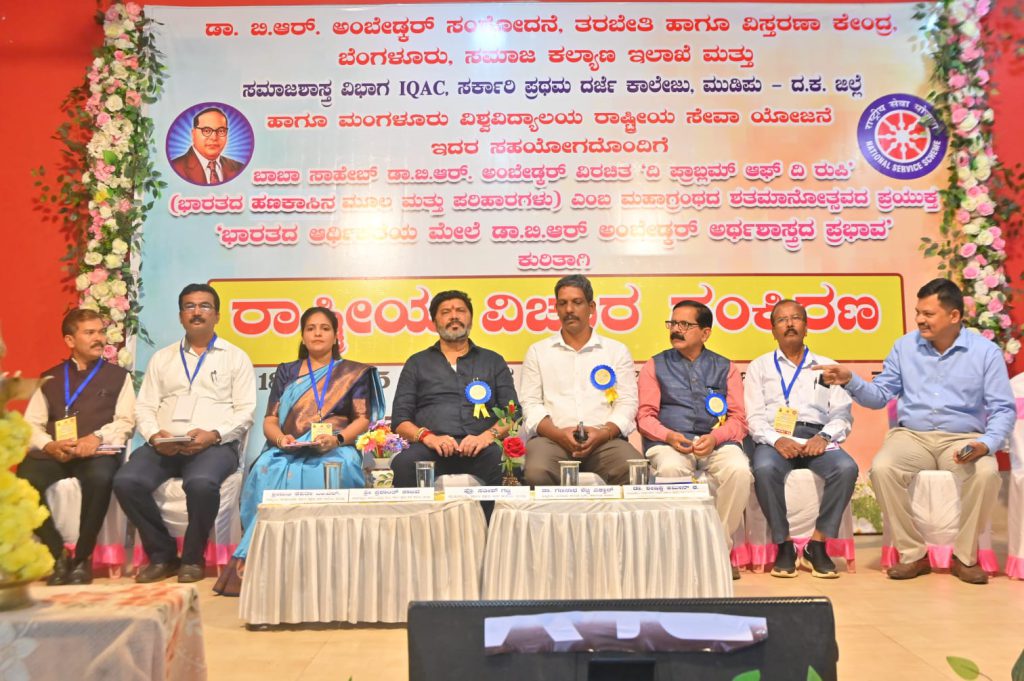
MUDIPU, MANGALURU, November 17, 2025: In a significant academic tribute to Dr. B.R. Ambedkar’s intellectual legacy, a National Seminar will be convened on November 18, 2025, at the Government First Grade College in Mudipu. The event marks the centenary of his groundbreaking economic thesis, “The Problem of the Rupee: Its Origin and Its Solution,” and will explore the overarching theme, “Impact of Dr. B.R. Ambedkar’s Economics on the Indian Economy.”
The seminar is a collaborative initiative of the Dr. B.R. Ambedkar Research, Training, and Extension Centre, Bangalore, the Department of Sociology IQAC of Government First Grade College, Mudipu, and the Mangalore University National Service Scheme (NSS) Unit.
The Dr. B. R. Ambedkar Research, Training, and Extension Centre, Bengaluru, under the Department of Social Welfare, in association with the Department of Sociology, Government First Grade College, Mudipu, Ullala,Mangaluru and the National Service Scheme (NSS), Mangalore University, organized a National Seminar on the topic “The Impact of Dr. B. R. Ambedkar’s Economic Thought on the Indian Economy” on Tuesday, 18th November 2025, at the Government First Grade College, Mudipu,
The seminar was organized to commemorate the centenary of Dr. B. R. Ambedkar’s monumental work “The Problem of the Rupee: Its Origin and Its Solution.”
The seminar was inaugurated by Dr. Gananath Shetty Ekkar, President of the Dr. Shivarama Karanth Trust , Government of Karnataka. The program was presided over by Prof. Dr. Satish Gatti, Principal of the college.
Chief Guest: Mr. Prashanth Kajava, Working President of the College Development Committee.
Welcome address: Dr. Sheshappa Amin K, Professor, Department of Sociology, Government First Grade College, Mudipu, and Coordinator, NSS , Mangalore University.
Vote of thanks: Mrs. Kavita M. L., IQAC Coordinator, Government First Grade College, Mudipu
Anchoring: NSS student Varuni,SDM college Mangalore
Prominent organiser in the seminar included:
Dr. Devanand H. N., Founder President, Ambedkar Economics Foundation, Bengaluru.
Mr. Andani, Lecturer, Centre for Rural Development Studies, Bangalore University.
Mr. Srikanth, Thinker , Bangalore
In the first session, Prof. Rajappa, Retired Principal, DVS College, Shivamogga, presented a paper on “The Impact of Ambedkar’s Economic Thought on the Indian Economy.”
The second session was on “Dr. Ambedkar’s Socio-Cultural Thoughts”, presented by Dr. Ratnakar Mall Moole, Professor, Postgraduate and Research Department of Kannada, Government College, Kasaragod, Kannur University, Kerala.
The third session featured Dr. G. S. Sakriya Nayak, Professor, Department of Sociology, Government First Grade College, Shivamogga, who spoke on “Dr. B. R. Ambedkar’s Thought and Awareness.”
Certificates were distributed to all the participants.300 delegates participated.
Faculty members of the Government First Grade College, Moodbidri — Prof. Hyder Ali, Dr. Akshata Suvarna, Smt.Kavitha M L, Dr. Pavan, and Mr. Vijay Kumar — coordinated the seminar sessions.
Support was extended by Mr. Usman and Mr. Mohammed Rafeeq, Physical Education Director.
The National Seminar was conducted under the convenorship of Prof. Sheshappa Amin K Professor of Sociology and Coordinator, National Service Scheme, Mangalore University.
Below is the Earlier Curtain Raiser News Article
A Gathering of Dignitaries The inaugural ceremony will set the stage for a day of deep intellectual discourse. The event was inaugurated by Gananath Yekkar, State NSS officer. Prof. Satish Gatti, Principal of GFGC, Mudipu, presided over the function. Mr. Prashanth Kajava, President, College Development Committee, GFGC, Mudipu was the Chief Guest.
The program has been coordinated by Dr. Sheshappa Amin K., Professor of Sociology at GFGC, Mudipu, and Coordinator for the Mangalore University NSS Unit, and Mrs. Kavitha M.L., IQAC Coordinator of the college,
A Tripartite Deep-Dive into Ambedkar’s Thought Moving beyond a conventional seminar, the event is structured as a series of three focused thought-provoking sessions, designed to provide a holistic understanding of Ambedkar’s multifaceted legacy.
Session 1 (11:00 AM – 12:00 PM): ‘Impact of Ambedkar’s Economics on the Indian Economy’ This session, directly addressing the centenary theme, will be led by Prof. Rachappa, Retired Principal of D.V.S. College, Shivamogga. It will delve into Ambedkar’s prescient analysis of India’s monetary system, his advocacy for a stable currency and a central bank—ideas that directly influenced the creation of the Reserve Bank of India (RBI)—and their relevance to contemporary economic challenges like inflation and fiscal policy.
Session 2 (12:00 PM – 1:00 PM): ‘Dr. Ambedkar’s Socio-Cultural Thoughts’ Broadening the perspective, this session will be handled by Dr. Ratnakar Malla Moola, Professor, Kannur University, Government College, Kasargod, Kerala. The discussion will explore Ambedkar’s profound contributions to social justice, his critique of the caste system, and his vision for a progressive and egalitarian Indian society.
Session 3 (1:30 PM – 2:15 PM): ‘Dr. B.R. Ambedkar’s Philosophical Thought of Awakening’ The final session will delve into the philosophical core of Ambedkar’s mission. It will be conducted by Dr. G.S. Sakri Naik, Professor of Sociology, GFGC, Shivamogga, and will examine the ideals of justice, liberty, and fraternity that underpinned his life’s work and their power to drive social transformation.
Bridging a Century-Old Vision with Modern India This seminar promises to be more than a commemoration; it is an urgent re-engagement with one of India’s most formidable minds. By examining his economic solutions, social reforms, and philosophical foundations in a single forum, the event highlights the interconnectedness of his thought.
“Dr. Ambedkar’s work on the Rupee was not just an academic exercise; it was a foundational blueprint for a sovereign India’s financial architecture,” said a program coordinator. “A century later, as we navigate global economic pressures and strive for inclusive growth, his diagnostics offer invaluable lessons. This seminar aims to spark a conversation on how his vision can guide us in building a more resilient and equitable economy.”
The involvement of the NSS unit further underscores the commitment to translating this academic discourse into actionable social extension activities, resonating with Ambedkar’s own mission of empowering the marginalized.
Event Details:
What: National Seminar on the Centenary of Dr. B.R. Ambedkar’s “The Problem of the Rupee.”
Theme: “Impact of Dr. B.R. Ambedkar’s Economics on the Indian Economy.”
When: November 18, 2025, commencing at 10:00 AM.
Where: Government First Grade College, Mudipu, Dakshina Kannada.