A Call for Upright Politics and Rewarding Careers: Wishing Mr. Sasikanth Senthil and Fellow Leaders Success | Global TV
In the often muddy waters of Indian politics, the presence of individuals like Mr. Sasikanth Senthil shines as an inspiration and hope. With an unwavering commitment to integrity and public service, he exemplifies the qualities sorely needed in our political landscape today.
As Mr. Sasikanth Senthil boards on his journey into the Lok Sabha Election 2024, we extend our heartfelt best wishes not only to him but to all politicians of his caliber. It is individuals like him who have the power to redefine politics, to elevate it from the domination of corruption to one of meaningful change and progress.
Mr. Sasikanth Senthil: A Champion of Integrity and Public Service
Mr. Sasikanth Senthil stands at the forefront of the quest for ethical and principled governance. He is a former Indian Administrative Service (IAS) Officer hailing from Tamil Nadu. Renowned for his unwavering commitment to serving the public good, Mr. Senthil’s tenure as Deputy Commissioner in the Dakshina Kannada district was marked by remarkable achievements and commendable initiatives. During his time in office, Mr. Sasikanth Senthil confronted pressing issues head-on, from illegal sand mining to religious extremism.
Through his proactive measures and community-centric approach, he succeeded in curbing communal violence and reducing the influence of vested interests. His dedication to fair administration and transparent governance set a precedent for others to follow. In September 2019, Mr. Sasikanth Senthil made headlines when he resigned from his IAS position, citing ethical concerns and a deep-seated commitment to democracy.
His decision sparked discussions and reflections on the state of governance in our nation, earning him praise from various quarters. Now, as Mr. Sasikanth Senthil embarks on a new chapter in his career with a bid for the Lok Sabha Election 2024, his exemplary leadership and integrity continue to inspire hope and admiration. His journey serves as a testament to the transformative power of individuals dedicated to upholding the values of honesty, transparency, and accountability in public life.
In wishing Mr. Sasikanth Senthil and other leaders of his stature success in their endeavors, we reaffirm our belief in the potential of politics as a force for positive change. Let us rally behind these visionary leaders as they strive to create a more inclusive and prosperous future for all.
At Global TV, we believe that true leadership extends beyond mere rhetoric and political maneuvering. It lies in the ability to create tangible opportunities for the millions of individuals striving for better lives. It lies in fostering an environment where meritocracy thrives, where hard work and talent are duly rewarded.
We urge Mr. Sasikanth Senthil and his counterparts to seize the immense potential within our nation. Let us harness the collective intelligence and creativity of our people to create millions of rewarding career opportunities. Every space, every situation, presents an opportunity for transformation, for the creation of highly paid professional jobs.
As we traverse the complexities of the modern world, let us not forget the power of collaboration, of unity in purpose. Together, we can build a future where integrity and excellence are the hallmarks of our political landscape, where every individual has the chance to fulfil their potential.
So here’s to Mr. Sasikanth Senthil and all leaders who dare to dream of a better tomorrow. May your endeavors be guided by principles of honesty, compassion, and inclusivity. May you pave the way for a brighter, more prosperous India, where opportunity abounds for all.
Harnessing Negative Energy | Convert Weakness into Strength | Elevating Anger and Lust to Positive Forces | Global TV
By NV Paulose
There are plenty of powerful energies with in us. Anger, lust, fear, anxiety etc. are all energies expressed in wrong ways. These energies when harnessed well and redirected appropriate can lead us to profound personal growth and transformation. Anger and lust are often perceived as negative emotions. There are many other forms of energy within us. Every emotion has the potential to be channeled into a positive force when we are able to approach it with right intentions.
Anger is commonly misunderstood as a symbol of strength. It is but a complex and often a destructive emotion. It arises from various sources like injustice, fear, or hurt. Frustration is often responded with angry emotions. While it may provide a temporary sense of empowerment, unchecked anger can erode relationships, cloud judgment, and lead to regrettable actions. Anger can become a positive energy.
The key to transcending anger into positive lines lies in understanding its nature and harnessing its energy constructively. Rather than allowing anger to control us, we can learn to channel it into productive outlets. By acknowledging and processing the underlying causes of our anger, we can transform it into a catalyst for positive change. There are plenty of examples for such transformations.
One way to elevate anger is to transcend it into a power of trust. You will notice it in clear terms that the anger is expressed over and again on to your intimate ones than it appears over to others very often. You can get into the root cause of anger through concentration, awareness and emotional regulation techniques.
You can get into regular practices such as meditation and deep breathing to help yourself to cultivate a sense of calm and clarity. This will allow us to respond to challenging situations with greater composure. By reframing our perspective about the causes of anger and seeking constructive solutions, we can harness the energy of anger to drive meaningful action and advocacy. This will transform our life entirely. We become a powerhouse to transform many other lives as well.
Similarly, lust, often associated with base desires and impulsivity, can also be transformed into a profound expression of love and connection. In its purest form, lust is not merely about physical gratification but encompasses a deep yearning for intimacy and closeness. By reframing lust within the context of love, we can cultivate deeper, more meaningful relationships built on care, mutual respect and emotional connection. The next level is Godly and it generates everlasting love.
To elevate lust into everlasting love, we must first recognize and honor to our self about the underlying emotions and needs driving our desires. Rather than viewing lust as a fleeting indulgence, we can approach it with reverence and intentionality. We are then seeking to cultivate genuine connections based on trust, empathy, and shared values. By prioritizing emotional intimacy and communication, we can very well transcend the superficiality of lust and forge lasting bonds grounded in love and mutual respect. It then becomes a great feeling of emotional fulfillment.
The journey of transforming negative emotions into positive forces requires lot of efforts, self-awareness, intentionality, and a commitment to personal growth. By acknowledging the inherent complexities of emotions like anger, lust, fear, anxiety etc. we can harness their energy to propel us towards greater understanding, much more compassion, and larger fulfillment. As we learn to navigate the depths of our emotions with wisdom and grace, we unlock the transformative power within, paving the way for a more authentic and meaningful existence.
Improving the quality of people within a community yields numerous advantages across various domains | Global TV
Enhanced education attainment and skill development foster a more knowledgeable and adaptable workforce, driving economic growth and innovation. Increased social cohesion and trust within communities lead to stronger social bonds, greater cooperation, and improved resilience in the face of challenges. Better health outcomes result from improved access to healthcare services, healthier behaviors, and support networks that promote well-being. Moreover, elevated levels of civic engagement and ethical conduct contribute to a more vibrant democracy and a more just and equitable society. Ultimately, investing in the quality of people yields a multitude of benefits, including stronger economies, healthier populations, and more inclusive and cohesive communities, thereby enriching the fabric of society as a whole.
Is there any method to measure quality of people?
Measuring the quality of individuals or groups of people is a complex and multifaceted task that involves various subjective and objective factors. While there is no universally accepted method to measure the overall quality of people, there are some approaches and frameworks that attempt to assess different aspects of individuals or populations:
Surveys and Questionnaires: Surveys and questionnaires are commonly used to collect data on people’s perceptions, attitudes, behaviors, and demographics. These tools can be designed to assess specific aspects such as happiness, satisfaction with life, well-being, health, education, employment, and social relationships.
Psychological Assessments: Psychological assessments and standardized tests are used to measure cognitive abilities, personality traits, emotional intelligence, and mental health indicators. These assessments are often conducted by trained professionals using validated instruments.
Health Indicators: Health indicators such as life expectancy, mortality rates, disease prevalence, and access to healthcare services are used to assess the overall health and well-being of populations. These indicators provide insights into the physical health status of individuals and communities.
Economic Indicators: Economic indicators such as income levels, employment rates, poverty rates, and socioeconomic status are used to measure the economic well-being and standard of living of individuals and households. These indicators reflect access to resources and opportunities.
Social Indicators: Social indicators such as literacy rates, education attainment, social capital, and participation in community activities are used to measure social well-being and social cohesion. These indicators assess individuals’ participation in society and their ability to engage with others.
Quality of Life Indices: Quality of life indices and frameworks combine various indicators across multiple domains (e.g., health, education, income, environment) to provide a holistic assessment of individuals’ well-being. Examples include the Human Development Index (HDI), Gross National Happiness (GNH), and OECD Better Life Index.
Ethical Considerations: It’s important to note that measuring the quality of people raises ethical considerations regarding privacy, consent, bias, and stigmatization. Any attempt to measure or assess individuals should be done with sensitivity and respect for their dignity and rights.
While these methods provide insights into different aspects of individuals’ lives, no single measure can capture the complexity and richness of human experience. Moreover, perceptions of quality can vary widely depending on cultural, social, and individual factors. Therefore, any attempt to measure the quality of people should be approached with caution and awareness of its limitations.
Building Social Capital
Improving social capital within communities and societies is paramount for fostering cohesive and resilient social structures. Social capital serves as a foundation for trust, cooperation, and collective action, enabling communities to address shared challenges more effectively. Strong social networks and bonds facilitate the exchange of information, resources, and support, enhancing individuals’ and groups’ ability to navigate complex social, economic, and political landscapes. Additionally, high levels of social capital promote inclusivity and reduce social disparities by providing marginalized groups with greater access to opportunities, resources, and social support networks. Moreover, robust social capital fosters a sense of belonging and shared identity, contributing to increased civic engagement, participatory decision-making, and community empowerment. By investing in social capital, societies can build stronger, more resilient communities that are better equipped to address emerging challenges, promote social justice, and achieve sustainable development goals.
What is social capital?
Social capital refers to the networks of relationships, social norms, trust, and reciprocity that exist within a community or society. It encompasses the social connections and bonds between individuals, groups, and institutions, as well as the shared values and norms that facilitate cooperation and collective action.
Key components of social capital include:
Social Networks: Social capital is built through the connections and interactions between individuals and groups within a community or society. These networks can be formal (such as professional associations or community organizations) or informal (such as friendships, family ties, or neighborhood relationships).
Trust and Reciprocity: Trust is a fundamental aspect of social capital, as it underpins cooperation and collaboration among individuals. Social capital fosters a sense of trust and reciprocity, where people are willing to help and support each other based on mutual understanding and shared norms.
Norms and Values: Social capital is shaped by the norms, values, and cultural practices that guide social interactions within a community. These norms often promote cooperation, solidarity, and collective action, contributing to the cohesion and resilience of the community.
Social Cohesion: Social capital strengthens social cohesion by fostering a sense of belonging, identity, and solidarity among community members. Strong social ties and shared experiences help build resilience and enable communities to respond to challenges and crises more effectively.
Social capital plays a crucial role in various aspects of society, including:
Economic Development: Social capital can facilitate economic growth by promoting entrepreneurship, innovation, and access to resources. Strong social networks and trust-based relationships can lead to increased cooperation and collaboration in business and economic activities.
Health and Well-being: Social capital has been linked to better health outcomes and well-being. Supportive social networks and community ties provide emotional, instrumental, and informational support, which can buffer against stress, improve mental health, and encourage healthy behaviors.
Education and Learning: Social capital can enhance educational outcomes by providing opportunities for learning, mentorship, and peer support. Strong social ties within schools and communities can create a supportive environment for students and encourage academic achievement.
Governance and Civic Engagement: Social capital is essential for effective governance and civic engagement. Trust and cooperation among citizens, institutions, and policymakers are vital for democratic participation, social accountability, and the provision of public goods and services.
Overall, social capital contributes to the resilience, cohesion, and well-being of communities and societies by fostering social connections, trust, and collective action. It is a valuable resource that enhances individuals’ and groups’ ability to
Empowering Communities: The Expansive Journey of DEEDS | Global TV
In the vast landscape of social change and community empowerment, few organizations exemplify the transformative power of grassroots action like DEEDS (Development through Education and Empowerment of the Disadvantaged Society). Founded in 1977 in Chennai by the esteemed development consultant, the late Dr. Desmond D’Abreo and Mrs Margarette D’Abreo, DEEDS emerged from a visionary quest for a society rooted in justice and equity, where change begins from the very roots of communities.
A Visionary Quest for Justice
Vision of Dr. Desmond D’Abreo and Mrs Margarette D’Abreo was not just about addressing surface-level issues but about fundamentally reshaping societal structures to uplift the most marginalized. He believed that true change could only come from understanding the lived experiences of those at the grassroots level. Thus, DEEDS was founded with a mission to empower marginalized communities to recognize and challenge the oppression they face, ultimately leading to self-determined development agendas.
A Journey of Discovery and Adaptation
DEEDS’ journey towards empowerment took many twists and turns, each one representing a deeper understanding of the challenges faced by marginalized communities. The decision to shift from the urban hustle of Chennai to the rural tranquility of Denkanikota was a crucial moment. It was here that DEEDS gained invaluable insights into the realities of village life, shaping its approach to community empowerment. Later, the move to Mangalore marked a new chapter in DEEDS’ evolution, bringing its mission to a broader audience and deeper engagement with local communities.
Continuing the Legacy: Merlyn Martis and the Mandate of Empowerment
In 1989, Mrs. Merlyn Martis assumed leadership of DEEDS in Mangalore, carrying forward the organization’s mandate of empowerment and social justice. Under her guidance, DEEDS intensified its efforts to train social workers as activists, recognizing the importance of grassroots leadership in driving sustainable change. Martis’ commitment to amplifying the voices of marginalized communities has been instrumental in shaping DEEDS’ approach to empowerment.
Empowering Women: The Heart of DEEDS’ Mission
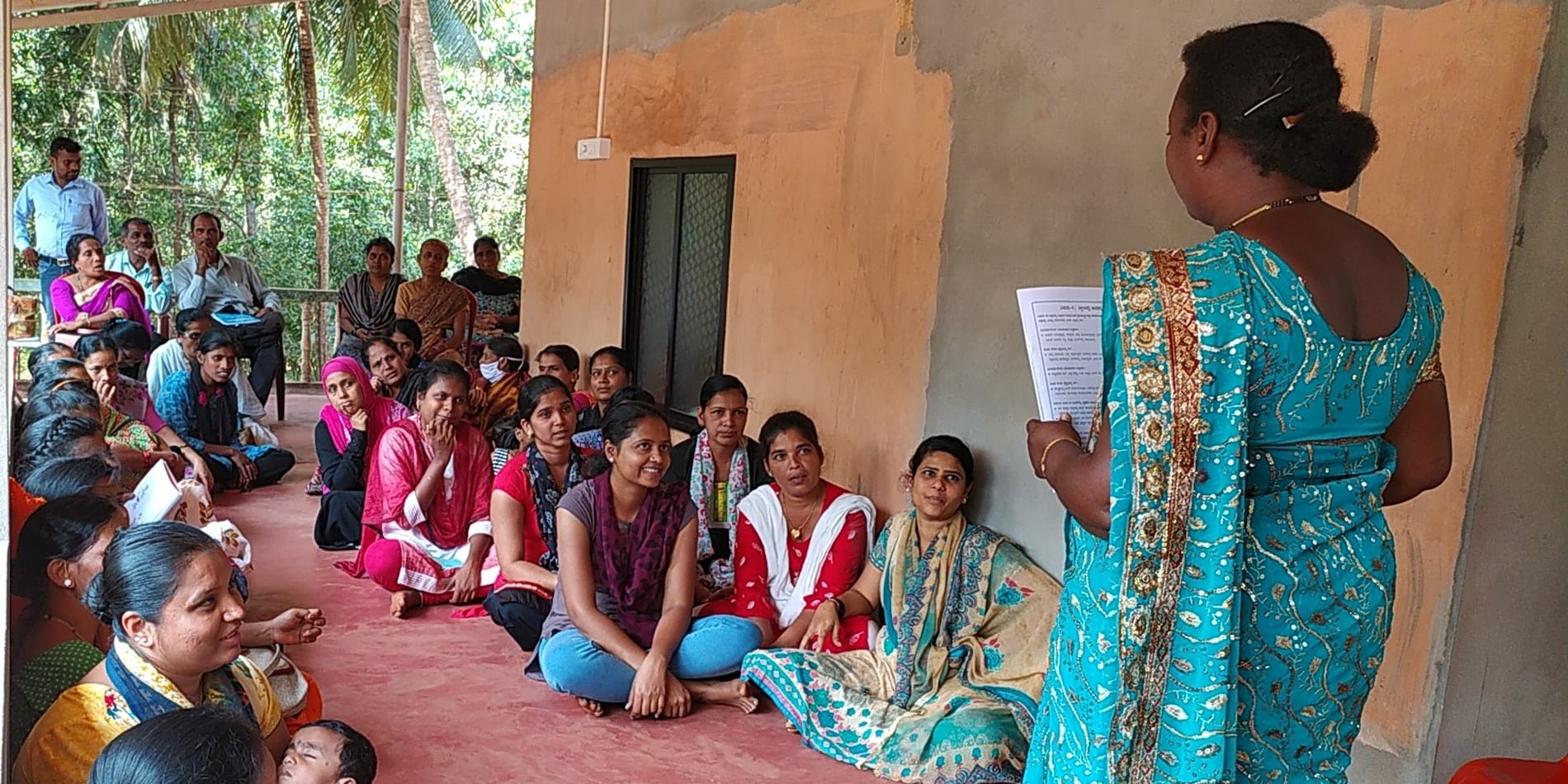
At the core of DEEDS’ mission lies a steadfast commitment to empowering women. Recognizing that gender inequality is a pervasive issue, DEEDS has implemented a range of programs aimed at promoting women’s rights and gender equality. From paralegal training to legal assistance and advocacy, DEEDS has become a leading voice in the fight for gender justice, empowering women to claim their rights and challenge oppressive norms.
From Advocacy to Action: Mobilizing Communities for Change
DEEDS’ impact extends far beyond advocacy, encompassing tangible actions aimed at improving the lives of marginalized communities. Through partnerships with government agencies, NGOs, and grassroots organizations, DEEDS has implemented a wide array of programs addressing issues such as literacy, livelihood development, and domestic violence. By mobilizing communities and providing them with the tools and resources they need, DEEDS has catalyzed transformative change from the ground up.
Sanchalana: A Force for Gender Equality
Central to DEEDS’ efforts to promote gender equality is the Women Trainers Collective, Sanchalana. With hundreds of members, Sanchalana empowers women to become agents of change within their communities, advocating for gender justice and women’s rights. Through training, capacity-building, and collective action, Sanchalana is driving positive change at the grassroots level, one community at a time.
A Hub for Resources and Advocacy
DEEDS’ resource center serves as a vital hub for research, documentation, and dissemination of information on gender and law. From training manuals to publications and campaign materials, DEEDS equips activists, NGOs, and communities with the knowledge and tools needed to advocate for gender justice. By sharing its experiences and learnings, DEEDS is fostering a culture of collaboration and empowerment across the social justice landscape.
Advancing Gender Equality Through Advocacy and Information
DEEDS’ advocacy efforts extend to leveraging the Right to Information (RTI) to gather crucial data on gender-related issues. By harnessing the power of RTI, DEEDS has obtained valuable information on issues such as sexual harassment, marriage registration, and child marriage, which are used to inform campaigns and advocacy initiatives. Through advocacy and information sharing, DEEDS is driving systemic change and advancing gender equality at all levels of society.
A Legacy of Empowerment and Change
As DEEDS continues its expansive journey towards empowerment and social justice, its legacy of empowerment and change grows stronger with each passing day. Through education, awareness, and grassroots action, DEEDS is transforming lives and communities, paving the way for a more just, inclusive, and equitable society. As we celebrate DEEDS’ achievements, let us recommit ourselves to the pursuit of a world where every individual, regardless of gender or background, has the opportunity to thrive.
A Call for Citizen-Centric Governance | Dr. G. Shreekumar Menon’s insightful and Visionary Writing | Reflect and Revert Back | Global TV | +91 98441 82044
As India braces itself for the forthcoming elections, the spotlight naturally falls on the promises and pledges laid out in the various party manifestos. Dr. G. Shreekumar Menon, a distinguished authority in governance and policy, brings forth a critical perspective on the significance of these manifestos and offers a compelling alternative in the form of a Citizen’s Manifesto.
The essence of democracy lies in the representation and empowerment of its people. It is imperative that the electorate is not merely swayed by rhetoric and grandiose promises but is equipped to critically examine the commitments put forth by political entities. Dr. Menon astutely highlights the need for vigilance among voters, urging them to scrutinize manifestos with a discerning eye.
In this regard, the proposition for a Citizen’s Manifesto resonates deeply. It calls for a paradigm shift wherein the electorate actively participates in shaping the agenda for governance. By articulating their priorities and concerns, citizens can exert significant influence on the political landscape, transcending the limitations of traditional party manifestos.
In fostering economic empowerment, it’s imperative to harness the potential of grassroots economies by facilitating global connections. When urban centers direct their focus towards rural areas, we witness a surge in creative and productive endeavors among local communities. Not only does this shift reduce the cost of production significantly, but it also amplifies the quality of produce to unprecedented levels. Moreover, this approach enables a personalized touch, catering to unique preferences and needs.
As our nation progresses with international treaties, it’s equally vital for every citizen to advocate for global treaties that benefit their adjacent locales. By aligning international agreements with local interests, we can ensure equitable development and sustainable growth across all regions. This grassroots-driven approach not only fosters economic prosperity but also strengthens community ties and promotes inclusive governance.
Furthermore, Dr. Menon’s insights underscore the broader issues often overlooked in political discourse. From population control and environmental conservation to judicial and bureaucratic reforms, there exists a plethora of challenges demanding urgent attention. The call for a more comprehensive approach to governance is both timely and pertinent.
The editorial echoes Dr. Menon’s sentiment regarding the need for transparency and accountability in public affairs. The recent economic crises in certain states serve as stark reminders of the consequences of opaque decision-making and fiscal mismanagement. A Citizen’s Manifesto, rooted in the principles of accountability and good governance, holds the potential to address these systemic issues at their core.
As we address the complexities of modern governance, it is incumbent upon us to embrace innovative approaches that prioritize the welfare and aspirations of the citizenry. The proposition for a Citizen’s Manifesto represents a pivotal step towards fostering a more inclusive and participatory democracy.
Dr. Menon’s advocacy for a Citizen’s Manifesto serves as a clarion call for collective action and civic engagement. By empowering citizens to shape the narrative of governance, we can usher in a new era of responsive and accountable leadership. Let us seize this opportunity to redefine the contours of democracy and forge a path towards a brighter, more equitable future for all.
In India, numerous establishments find themselves grappling with cash crunch situations, resorting to temporary fixes such as acquiring more loans. Even states rely on loans and overdrafts as recurring solutions to tackle these challenges. However, this approach only offers short-term relief without addressing the root causes of the issue. It’s imperative to delve deeper into the underlying factors contributing to these cash flow constraints. One prevalent issue is the imbalance between fixed capital and working capital. By strategically addressing this fundamental imbalance through various avenues, we can transform adversity into advantage.
Borrowed Capital No Solution | It is only delaying the Crisis | Rely on Your Strengths
Relying solely on accumulating more debt exacerbates the challenges we face, inevitably leading to a cascade of non-performing assets (NPAs) that burden our financial system. It’s crucial to recognize that sustainable solutions lie not in perpetuating debt, but in generating consistent cash flow and marginal profit across all economic streams. This entails a holistic approach that encompasses both optimizing existing revenue channels and innovating new avenues for income generation.
These revenue streams should prioritize initiatives involving more people and communities. Focus on people who are engaged not on salary-based ventures. Innovative and enterprising people will diversify your economic landscape in various ways by engaging a large network of people who are beneficiaries to the innovative concepts. We can foster resilience and prosperity in the face of cash crunches in many ways.
Cash Crunch demands Embracing Innovation and Diversity for Sustainable Solutions
Implementing cost-cutting measures and reducing operations, often accompanied by downsizing employee numbers, are telltale signs of a cash crunch within an organization. However, resorting to such measures can have dual negative implications for the organization’s health. Not only do they signal financial distress, but they also risk compromising long-term growth prospects and employee morale. Instead of retrenching, businesses should adopt a proactive approach by continually expanding and diversifying their operations, even amid challenges. By embracing innovation and exploring new avenues for growth, organizations can create a robust ecosystem that engages a diverse workforce in generating multiple streams of cash flow. This shift in mindset towards inclusivity and adaptability fosters resilience and lays the groundwork for sustained success, even in turbulent times.
Fostering a Culture of Respect: Acknowledging Individual Performance
Mutual Respect and Operational Freedom (MROF) play major roles in building the dynamics of human interactions. Respect is the cornerstone upon which healthy relationships, be they personal or professional, are built. Performance patterns in the workplace, academia, or the arts, giving due respect for individual contributions fetch better results than otherwise. Respect is not merely a courtesy but a fundamental aspect of fostering growth and cultivating a positive environment.
The Pygmalion effect, a psychological phenomenon named after the Greek myth of Pygmalion, underscores the power of expectations in influencing performance. Originating from the work of psychologists Robert Rosenthal and Lenore Jacobson, this concept suggests that high expectations can lead to improved performance, while low expectations can result in poorer performance. However, it is crucial to recognize that the performers themselves are the architects of their achievements.
In any collaborative endeavor, whether it’s a team project in the workplace or a classroom setting, acknowledging individual contributions is paramount. Each person brings their unique skills, experiences, and perspectives to the table, contributing to the collective success. Giving due respect for these contributions not only validates individuals’ efforts but also reinforces a sense of belonging and appreciation.
Transparency and fairness in recognizing achievements are essential elements of a respectful environment. Leaders and educators must avoid the temptation to claim undue credit for others’ accomplishments and instead highlight the collaborative nature of success. By doing so, they not only demonstrate integrity but also inspire trust and confidence among team members or students.
Furthermore, acknowledging individual performance goes beyond mere recognition. It is an opportunity to nurture talent and potential. Offering constructive feedback, mentoring, and providing opportunities for growth are tangible ways to show respect for individuals’ efforts and aspirations. When performers feel valued and supported, they are more likely to continue striving for excellence and contributing positively to the collective endeavor.
In the context of George Bernard Shaw’s play “Pygmalion,” the character of Eliza Doolittle serves as a poignant example. Initially a humble flower girl, Eliza undergoes a transformation into a refined lady under the tutelage of Professor Henry Higgins. However, her journey is not merely about external appearances; it is a quest for self-discovery and empowerment. Ultimately, Eliza asserts her independence and chooses her own path, highlighting the importance of respecting individuals’ agency and choices.
Giving due respect for people on their performance is not just a gesture of politeness. It is an essential ingredient for cultivating a culture of excellence, collaboration, and mutual respect. Whether in the workplace, academia, or any other sphere of life, let us remember that each individual’s contribution is valuable and deserving of acknowledgment. By fostering an environment where respect is paramount, we can unlock the full potential of individuals and collectively achieve greater heights of success.
Many people ask about what we at Global TV do so meticulously and so vigorously and about how it is going to fetch an advantage for everyone involved in the process?
Global TV is a large Network of Editors at various streams and localities. Connecting people globally, converting them to become Editors and getting them networked between the potential of their roots and the opportunities of their extended neighborhoods is the primary mission of Global TV. We respond to every opportunity that is opened up in front of us at every moment. Opportunities come either directly or through various windows of our global connectivity with people who are intellectually brilliant, social oriented and humanitarian in outlook.
Global TV’s mission is primarily to connect people globally and facilitate networking between the potential rooted in their cultural heritage and the opportunities presented by their extended neighborhoods. In pursuit of this mission, Global TV brings forth a plethora of advantages for individuals engaged in the process. Collective Networking of people through Mass Media is the unique mission that we perform. Social Media is an opposite contrast to it.
Great things happen when people come together with a purpose to support each other. Time and Space get to become vibrant in spirit and brighter in perspective. Confusions get dissolved when solutions are emerged from the large reservoir of knowledge and support systems. Let us look at the possibilities;
Cultural Fusion: By bridging individuals across different corners of the globe, Global TV facilitates the fusion of diverse cultural perspectives, enriching the collective global growth mechanism.
Opportunity Exploration: Global TV serves as a platform for individuals to explore and capitalize on opportunities beyond their immediate surroundings, tapping into the vast potential of their extended neighborhoods.
Cross-Cultural Understanding: Through Global TV networking, the editors gain insight into the nuances of various cultures, fostering cross-cultural understanding, appreciation, and respect.
Community Empowerment: Global TV empowers communities by providing a platform for sharing stories, knowledge, and experiences, thereby strengthening bonds and promoting collaboration.
Global Awareness: Global TV raises awareness about global issues, challenges, and opportunities, encouraging citizens to become informed and engaged global citizens.
Entrepreneurial Endeavors: Global TV inspires entrepreneurial endeavors by showcasing success stories, innovative ideas, and business opportunities from around the world.
Cultural Preservation: Global TV plays a role in preserving and promoting cultural heritage by showcasing traditional practices, rituals, and art forms to a global audience.
Networking Opportunities: Global TV facilitates collective networking (C-NET) opportunities for individuals with shared interests, aspirations, and backgrounds, fostering collaboration and exchange.
Inspiration and Motivation: Through Global TV, Editors and Participants are inspired and motivated by stories of resilience, perseverance, and achievement, encouraging them to pursue their dreams and aspirations. Global TV celebrates diversity and promotes inclusion by amplifying voices from underrepresented communities and challenging stereotypes and prejudices.
In essence, Global TV serves as a catalyst for global connectivity of visionaries and action leaders. We enjoy empowerment and enrichment of people by bringing them together across borders and boundaries to harness the full potential of their cultural roots and extended neighborhoods. By connecting people globally, Global TV facilitates the exchange of diverse viewpoints and perspectives, fostering a deeper understanding of different cultures, beliefs, and experiences.
Promotion of Empathy and Understanding: Global TV encourages viewers to empathize with others’ experiences and perspectives, fostering greater compassion, empathy, and understanding across cultural, social, and geographical boundaries.
Facilitation of Communication and Collaboration: Global TV serves as a platform for communication and collaboration, enabling individuals and communities from different parts of the world to connect, share ideas, and work together towards common goals.
Inspiration and Inspiration: Through Global TV, viewers are exposed to stories of resilience, courage, and compassion from around the world. These stories inspire and motivate individuals to overcome challenges, pursue their passions, and make a positive impact in their own lives and communities.
Promotion of Unity and Partnership: By highlighting the interconnectedness of humanity, Global TV promotes unity and partnership among people of different backgrounds, fostering a sense of shared humanity and collective prosperity towards building a more inclusive and equitable world.
Catalyst for Social Change: Global TV has the potential to raise awareness about social, environmental, and humanitarian issues on a global scale, mobilizing viewers to take action, advocate for change, and contribute to positive social transformation.
Overall, connecting people globally through Global TV brings a multitude of advantages, including cultural enrichment, access to information and education, promotion of empathy and understanding, facilitation of communication and collaboration, inspiration and inspiration, promotion of unity and solidarity, and serving as a catalyst for social change. These advantages contribute to creating a more interconnected, compassionate, and equitable global community.
Global TV has transcended into an Informal Intellectual Bank, serving as a repository of knowledge, ideas, and cultural exchange. Through its diverse engagement, Global TV fosters cross-cultural understanding, promotes collaboration, and inspires viewers to explore new horizons. It becomes a platform where individuals deposit and withdraw insights, perspectives, and experiences, enriching the collective intellectual capital of its global partners. Global TV becomes a hub of informal networking, empowerment, and cultural exchange, bridging the gap between diverse communities and fostering a more interconnected, enlightened world.
Auroville and Singapore are true Models for Sustainable Smart City Development Model | Professionalism and love for nature go together fetching better results than that of the greed economics.
We are living in an age where environmental degradation and social disparities threaten the fabric of our planet. It’s imperative to seek inspiration from initiatives that offer hope in finding practical solutions for the environmental issues faced by the planet earth. One such example shines brightly in the form of Auroville, the international township nestled in the serene landscapes of southern India. Auroville’s model of environmental care and humanitarian efforts stands as a testament to the transformative power of community-driven action and conscious living.
Singapore development model
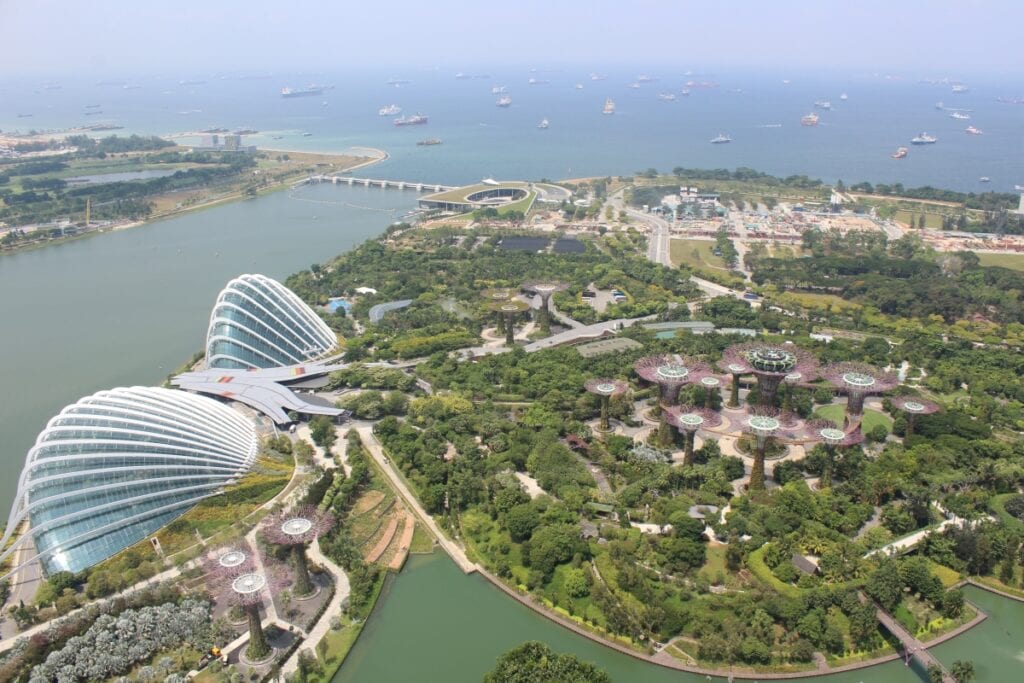
Singapore development model is another bigger example on the same theme. Singapore indeed stands out as a remarkable example of environmental sustainability and humanitarian efforts on a larger scale. Despite its limited land area and resources, Singapore has emerged as a global leader in sustainable urban development, pioneering innovative solutions to address pressing environmental challenges.
Through proactive policies, investment in green technologies, and public awareness campaigns, Singapore has achieved remarkable success in areas such as waste management, water conservation, and renewable energy adoption. Additionally, Singapore’s commitment to social inclusivity and humanitarian efforts is evident in its efforts to provide affordable housing, healthcare, and education for its citizens, as well as its support for international aid and disaster relief initiatives.
By combining strategic planning, technological innovation, and a strong sense of social responsibility, Singapore serves as a beacon of inspiration for nations worldwide striving to achieve sustainable development and foster a more equitable society.
The Aurovilla Story:
At the heart of Auroville lies a profound commitment to environmental sustainability. From its inception in 1968 on barren land, Auroville has embraced eco-friendly practices and innovative approaches to harmonize human habitation with nature. The township’s emphasis on renewable energy, organic farming, and waste management exemplifies a holistic approach to environmental stewardship. By integrating sustainable technologies and permaculture principles into daily life, Auroville demonstrates that thriving communities can coexist with, and even enrich, their natural surroundings.
Auroville’s environmental ethos extends beyond its borders through educational outreach and advocacy. The township serves as a living laboratory for sustainable living, welcoming researchers, students, and eco-enthusiasts from around the world to learn and collaborate. Through workshops, conferences, and experiential programs, Auroville fosters a global network of changemakers committed to environmental conservation and ecological regeneration.
Yet, Auroville’s impact transcends environmental sustainability alone. Central to its vision is the promotion of human unity and social equity. In a world rife with divisions and inequalities, Auroville stands as a shining example of multiculturalism and inclusive community-building. Residents from diverse backgrounds and nationalities come together in a spirit of collaboration and mutual respect, transcending barriers of race, religion, and ideology. Through cultural exchange programs, educational initiatives, and grassroots projects, Auroville nurtures a sense of global citizenship and solidarity, reminding us of our shared humanity.
Moreover, Auroville’s humanitarian efforts extend beyond its immediate community to reach marginalized populations in neighboring regions. Through initiatives in education, healthcare, and sustainable development, Auroville empowers disadvantaged communities, offering them hope and opportunities for a better future. By bridging divides and fostering partnerships, Auroville exemplifies the transformative potential of compassionate action and collective empowerment.
As we confront the urgent challenges of our time, from climate change to social injustice, Auroville’s model offers a compelling vision of what is possible when we prioritize environmental care and humanitarian values. It reminds us that sustainable living and social harmony are not distant ideals but attainable goals within our reach. Let us draw inspiration from Auroville’s example and strive to create a more just, sustainable, and compassionate world for all.
In the spirit of Auroville’s vision, let us embark on a journey of collective transformation, guided by the principles of environmental stewardship, human unity, and compassionate action.
Together, we can build a brighter future for generations to come.
Model Cities are not many in the world!
Curitiba, Brazil: Renowned for its integrated approach to urban planning and environmental sustainability, Curitiba has set a high standard for green initiatives. The city boasts extensive green spaces, including parks, gardens, and forest reserves, which play a crucial role in regulating the urban climate, reducing pollution, and preserving biodiversity. Notably, Curitiba has invested in river restoration projects like the revitalization of the Barigui River, enhancing water quality and providing recreational opportunities for residents.
Portland, Oregon, USA: Portland’s commitment to sustainability and environmental stewardship is evident through its focus on protecting and restoring the urban forest canopy. Through tree planting programs and conservation efforts, the city works to preserve green spaces and combat the urban heat island effect. Additionally, Portland has invested in sustainable transportation infrastructure, promoting eco-friendly modes of travel through bike lanes and public transit systems.
ancouver, Canada: Recognized for its proactive stance on environmental conservation and climate resilience, Vancouver has implemented various initiatives to protect and restore natural ecosystems. The Stanley Park Ecological Society, for instance, works tirelessly to preserve the biodiversity of Stanley Park, one of North America’s largest urban parks. Vancouver also prioritizes sustainable urban development and renewable energy initiatives to reduce its ecological footprint.
Bristol, United Kingdom: Bristol has earned acclaim for its efforts to rejuvenate urban rivers and promote biodiversity within the city. Spearheaded by the Bristol Avon Rivers Trust, projects aim to restore and enhance the ecological health of the River Avon and its tributaries through habitat restoration and community engagement. Additionally, green infrastructure projects like green roofs and rain gardens manage stormwater runoff and bolster urban resilience to climate change.
The genesis and growth of various sustainable practices within and outside the boundaries of India.
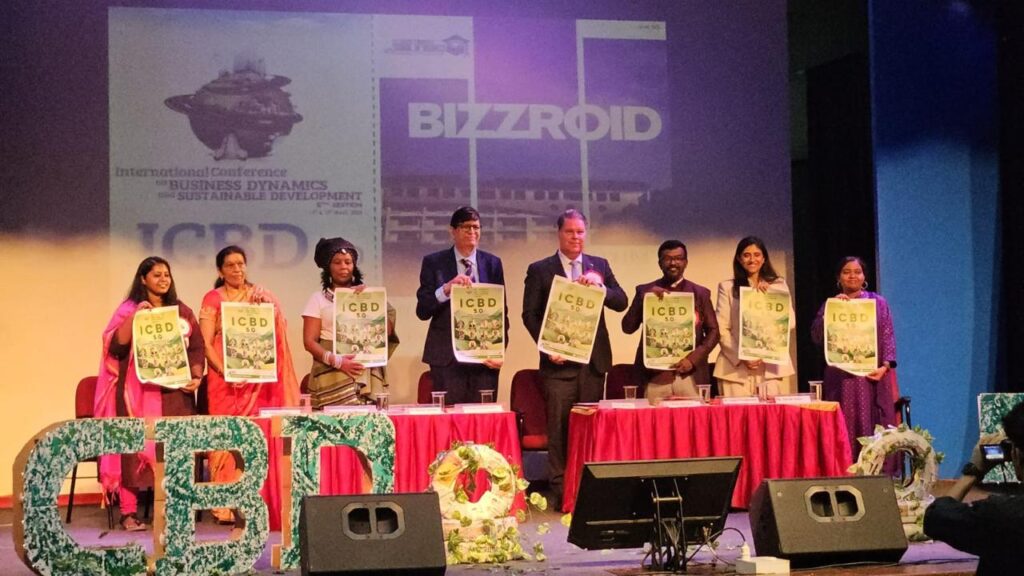
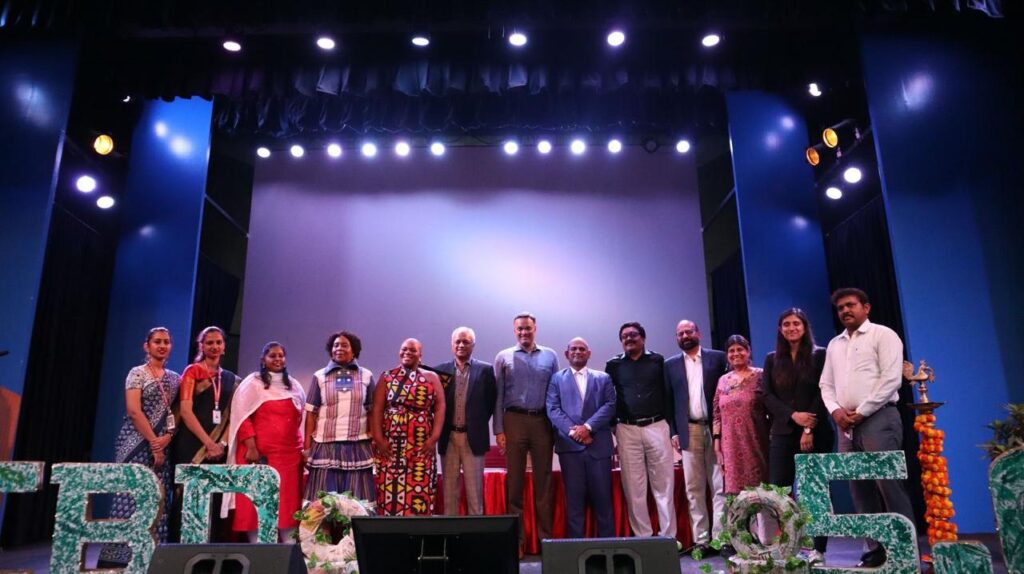
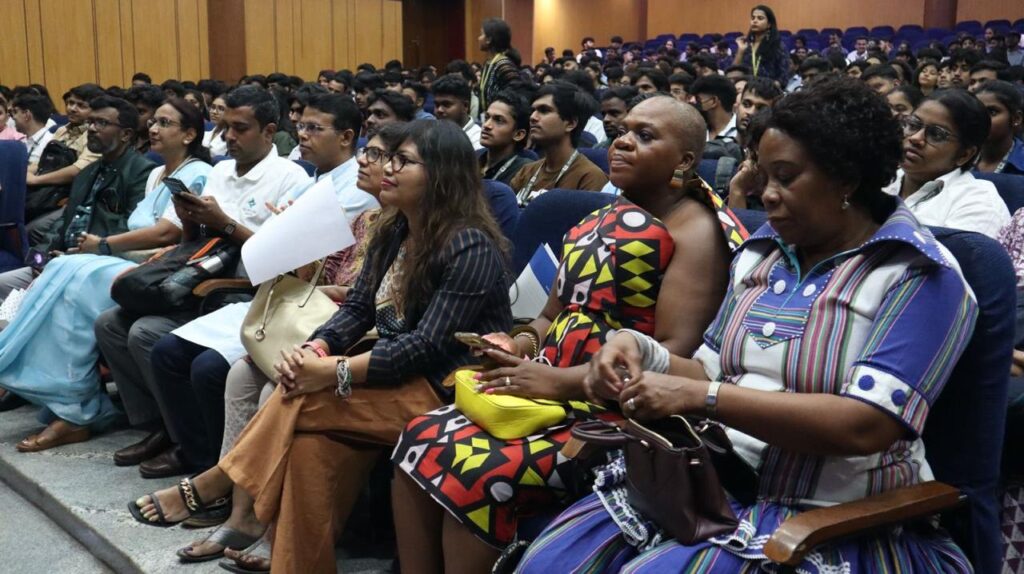
The 5th international conference on Business dynamics and Sustainable development (ICBD 5.0) is a flagship event of the School of Business at St Joseph’s University, Bengaluru was held on the March 14-15, 2024. The conference sponsored by Miles Education, Titan, LTImindtree and Vertex Ventures. A total of 60 research paper presenters from various institutions, a mix of academicians, research scholars, industry professionals, students of higher education across the world participated in the conference.
The theme of the conference revolves around the genesis and growth of various sustainable practices within and outside the boundaries of India. Also, the dynamics of the environment, society, and governance in sustainability have changed with the announcement of India’s commitment to achieving net-zero emissions by 2070. Every stakeholder has a bigger role in pivoting business development through sustainable leadership. This conference has been conceptualized to enable the confluence of research ideas and innovations in sustainable practices. Conference Inauguration:
The inaugural ceremony began with a welcome address by Conference Chairman Dr. Christo Selvan V, Dean, School of Business, reminiscing about the conference’s inception in January 2023 and acknowledging the relentless efforts of over 60 individuals who worked tirelessly behind the scenes to make the event a success.
Chief Guest Mr. Tirunelveli Parasuraman highlighted the surge in digital transformation catalyzed by the COVID-19 pandemic. He emphasized India’s rapid ascent as a manufacturing hub, projecting a GDP growth to 10 trillion by 2030. Despite technological advancements, he pointed out the persistent challenge of limited land resources and echoed the words of Former President APJ Abdul Kalam, stressing the importance of internal change. Guest of Honor Mr. Ewout De Wit expressed his commitment to fostering collaboration between nations to tackle future challenges. He commended St. Joseph’s University for hosting ICBD 5.0 and applauded its dedication to sustainability. He shared insights from Philips, where 5000 individuals are dedicated to advancing healthcare, emphasizing the importance of collective action for a better future. Dr. Regina Mathias, Pro Vice Chancellor at St. Joseph’s University, delivered the presidential address, acknowledging the significance of sustainability in driving societal evolution, even from a technology and electronics background. Key note Speaker Ms. Maureen Mboshane, Retd. VP of Corporate Affairs, Sasol Synfuels of South Africa emphasized the imperative of transparency, accountability, and stakeholder engagement for a sustainable future. She underscored the critical role of stakeholders in addressing the Sustainable Development Goals (SDGs) and outlined the strategic intent of the 2030 agenda. Technical Session The Technical Session was handled by Mr. T R Dayalan, Country Head of ARK Power Solutions Pvt Ltd, Bangalore. With a captivating presentation, he delved into the evolution of business dynamics, drawing parallels with the transformation of the music industry from CDs to online platforms like Spotify. He emphasized how digital acceleration has revolutionized businesses, highlighting the imperative of adapting to thrive in today’s competitive landscape. Mr. Dayalan shed light on the current business dynamics, emphasizing the convergence of digital acceleration, inflation, and sustainability, stressing the significance of gaining a deeper understanding to gain a competitive edge. Exploring sustainable development, he underscored its importance for long-term viability. Furthermore, Mr. Dayalan elucidated on factors disrupting sustainability, urging proactive recognition and addressing of challenges. His address culminated with a compelling video by TAT Power, underscoring the importance of sustainable development. In recognition, Mr. T R Dayalan was felicitated by Ms. Princy Nisha. The session provided valuable insights into navigating business dynamics and embracing sustainability for success. The Technical Session II was handled Mr. Pranjal Goswami, Chief Sustainability Officer at Gokuldas Exports. With a rich background in spearheading sustainability initiatives across various sectors, Mr. Goswami delved into the intriguing topic of the “Future of Sustainable Business.”During his engaging presentation, Mr. Goswami elucidated two pivotal elements of sustainable business: defining what constitutes sustainable business practices and understanding how businesses can contribute to a sustainable future. He highlighted the ongoing transition in energy sources and emphasized the critical role of sustainable development in achieving net-zero goals, aligning with national pledges.Furthermore, Mr. Goswami underscored the significance of consumers in driving sustainable practices, citing examples such as the gaming industry, where consumer choices significantly impact the industry’s trajectory. He emphasized the importance of assessing whether products generate positive societal impacts as a vital aspect of sustainable development.Addressing queries from the audience, Mr. Goswami engaged in a questionnaire session, wherein students posed thought-provoking questions. One such query centered on the financial implications of investing in sustainable products, prompting insightful discussions on managing expenses while pursuing sustainability goals. Panel Discussion: Emerging Trends and Opportunities in the ESG Era The Panel Discussion on “Emerging Trends and Opportunities in the ESG Era” moderated by Mr. Rajnarayanan Ramakrishnan, President, XLRI Bengaluru Alumni Chapter. Mr. Ben Matias, Managing Partner at Vertex Venture SEA and India shed light on the investor’s perspective when considering startups for investment. He emphasized on the significance of ESG compliance as a critical criterion, categorizing companies into A, B, and C categories based on their adherence to ESG standards. He elucidated that while A category companies pose higher risks due to non-compliance, C category companies demonstrate exemplary ESG practices. Ms. Mashudu Ndou, Vice President ESG at Sasol of South Africa aimed to demystify the true essence of ESG, unravelling its multifaceted implications in business practices. Mr. Paneesh Rao, Chief Sustainability Officer, LTI Mindtree highlighted the evolution of corporate social responsibility (CSR) practices, emphasizing its importance in addressing societal challenges. He shared insights into the water crisis in Bangalore and stressed the significance of sustainable practices. Mr. Rao emphasized that although implementing ESG measures might be costly initially, they hold the key to long-term benefits for society and the environment. He discussed the implementation of sustainable policies in workplaces, such as banning single-use plastics and promoting eco-friendly practices.
Mr. Sridhar, Head of ESG, Bengaluru International Airport: Mr. Sridhar elaborated on the strategic pillars of a sustainable future, underlining the importance of holistic approaches to address environmental, social, and governance issues. The conference shed insights from the business and academic world, emphasizing its role in fostering a sustainable future. Despite diverse backgrounds, all speakers and panelists shared a common goal that is to contribute positively to our planet’s well-being through dynamics in Business. This conference highlighted its unique approaches aimed at promoting sustainable business in simple, understandable terms. Conference conveners Ms. Amita Priyadarshini and Ms. Immaculate Mary highlighted the pressing issue of Bangalore’s water crisis due to climate change, urging collective action towards sustainability. The International Conference on Business Dynamics and Sustainable Development (ICBD 5.0) served as a platform for meaningful discourse and collaboration, inspiring attendees to work towards a more sustainable and prosperous future.








:max_bytes(150000):strip_icc():format(webp)/GettyImages-1154205813-2fae7283fde64a2f91a71e1df0428894.jpg)