
Mangalore Has Lessons from the Models and Mistakes of Brooklyn 1990
NV Paulose, Chairman, Global TV +91 98441 82044
The story of Brooklyn’s transformation since the 1990s is often celebrated as an urban success. Old industrial zones became thriving neighborhoods, neglected waterfronts turned into public destinations, and economic activity flourished. However, this progress also came with significant challenges, including rising land values, displacement of long time residents, and the concentration of development benefits among a few powerful interests.
Mangalore stands at a unique moment in its own history.
Unlike cities that had to learn through experience, Mangalore has the advantage of learning from both the achievements and the mistakes of Brooklyn.
Development Without Displacement
The riverfronts and coastal landscapes of Mangalore should not be viewed as vacant land waiting for acquisition. They are living ecosystems and home to communities that have protected and nurtured them for generations.

True development should strengthen these communities rather than replace them.
Government policy should focus on empowering riverfront property owners through incentives, technical guidance, environmental support, and infrastructure partnerships instead of large scale land acquisition.
Partnership Over Possession
The future of Mangalore can be built on a model where:
- Private ownership is respected.
- Public access is improved through collaboration.
- Nature is protected and restored.
- Local communities become active participants in economic growth.
This creates a development process where government acts as a facilitator rather than a central landholder.
Erection Rather Than Construction
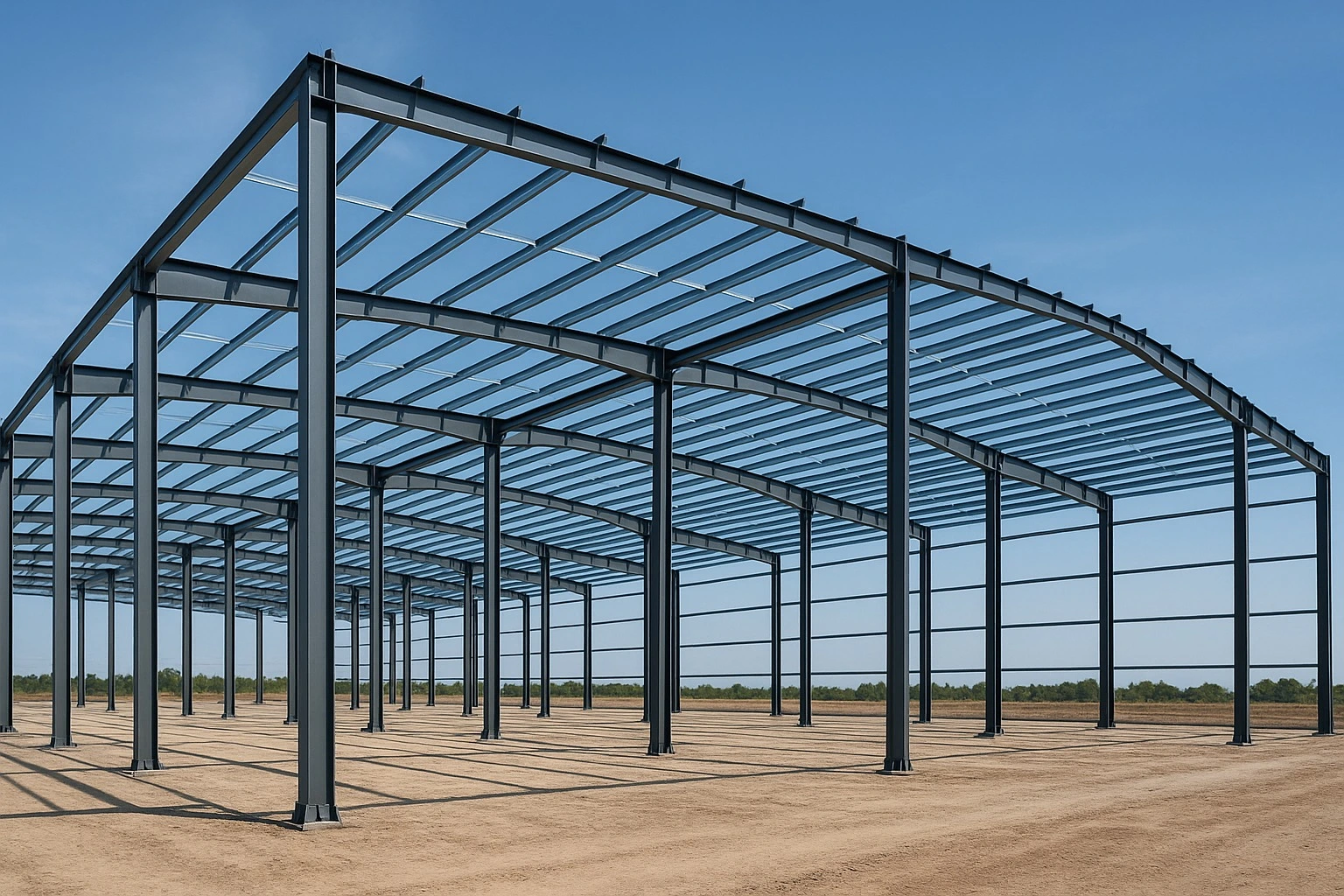
Modern infrastructure does not always require massive permanent structures.
Light touch interventions such as elevated boardwalks, cycling paths, observation decks, floating platforms, ecological piers, and modular public spaces can provide accessibility while preserving the natural riverbanks.
Such infrastructure works with the landscape instead of replacing it.
A Living Riverfront
Mangalore’s rivers should remain ecological corridors, not concrete channels.
Development should include:
- Native vegetation and mangrove restoration.
- Rainwater management systems.
- Public green spaces.
- Community markets and cultural spaces.
- Nature based tourism operated by local residents.
- Small business opportunities connected to the waterfront.
A healthy river is itself an economic asset.
Learning from Brooklyn’s Mistakes
Brooklyn demonstrated that economic growth can transform a city.
It also demonstrated that uncontrolled speculation and aggressive redevelopment can weaken the social fabric by disconnecting people from the places they built.

Mangalore has the opportunity to choose a different path, one where growth is measured not only by buildings and investment, but also by environmental health, community participation, and the protection of individual property rights.
A Vision for Mangalore
The objective should not be to copy Brooklyn.
The objective should be to surpass it.
By combining modern infrastructure with ecological stewardship and respect for local ownership, Mangalore can become a model for sustainable riverfront development where progress does not come at the cost of people or nature.
The greatest lesson from Brooklyn 1990 is that development should create value for the community, not merely transfer value from the community to the powerful.


