
Children with Special Needs – A Pressing Concern in Modern India
Eric J B D’Souza

Children with special needs are given countless labels—be it “mentally challenged,” “intellectually disabled,” “differently abled,” or “children of God.” Yet, just as a rose by any other name would smell as sweet, the challenges these children face in India remain significant, regardless of how we choose to describe them.
Although initiatives exist at the national, state, and local levels, it is still painfully evident that a comprehensive, fully functional support structure for these children and their families is lacking—especially when compared with many Western nations, where such children are recognised as “privileged citizens” and benefit from robust, lifelong care systems from “womb to tomb.”
Incomplete Data and an Overlooked Population
A serious concern is the lack of accurate data on the number of children (and adults) with mental or intellectual disabilities. The Indian census does not distinguish between those who are physically disabled and those who are mentally disabled; consequently, it is impossible to ascertain the exact number of individuals who need specialised care.
The last nationwide census was conducted in 2011, placing India’s population at 1.21 billion. By 2025, estimates suggest that figure may have risen to around 1.45 billion—a substantial increase. Naturally, the number of children and adults with special needs has also likely grown, yet we have no precise records of how many require vital support and services.
A Personal Glimpse: Vijay, Vimla, and Santhosh
To illustrate the dire need for more comprehensive care, consider the fictional case of Vijay and Vimla, who welcomed their son, Santhosh, in 2002, six years after the birth of their healthy daughter. Their joy was soon tempered by the gradual realisation that Santhosh’s development was delayed and his behaviour increasingly difficult to comprehend.
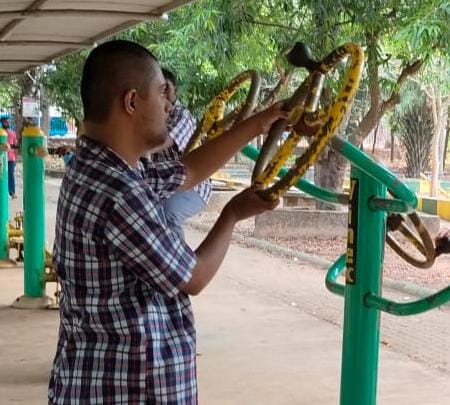
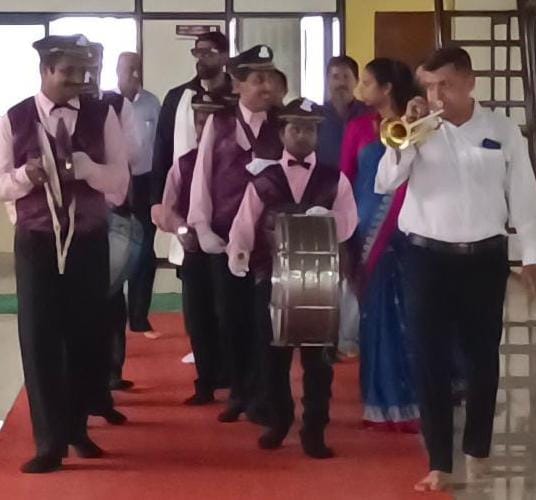
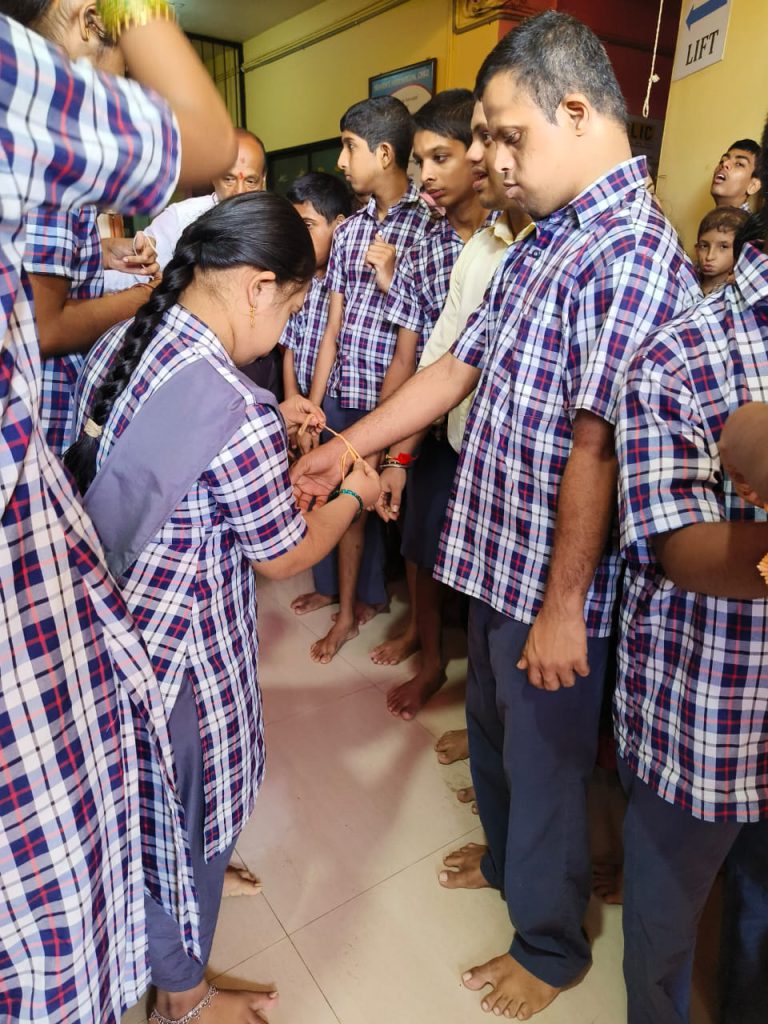
In 2005, they were informed he had a form of brain damage that necessitated lifelong support. The shock of this diagnosis reshaped their lives. Suddenly, everything revolved around Santhosh: his daily needs, his communication barriers, and his ongoing therapies.
Parenting a child with special needs can place immense strain on family life, marital relationships, health, and careers. Vijay and Vimla’s ability to focus on their work was severely compromised, as was their hope for an ordinary family life.
Although they eventually learned to cope, the most pressing question remains unanswered: Who will care for Santhosh after they are gone? Even if they manage to save and invest on his behalf, Santhosh will always require dedicated support and someone to help him navigate everyday tasks.
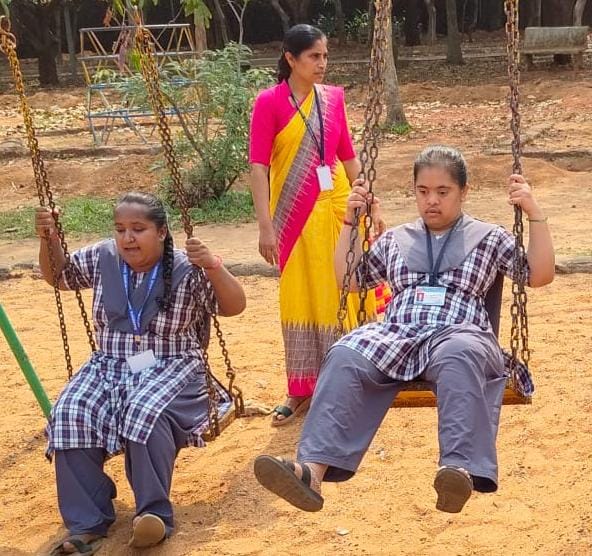
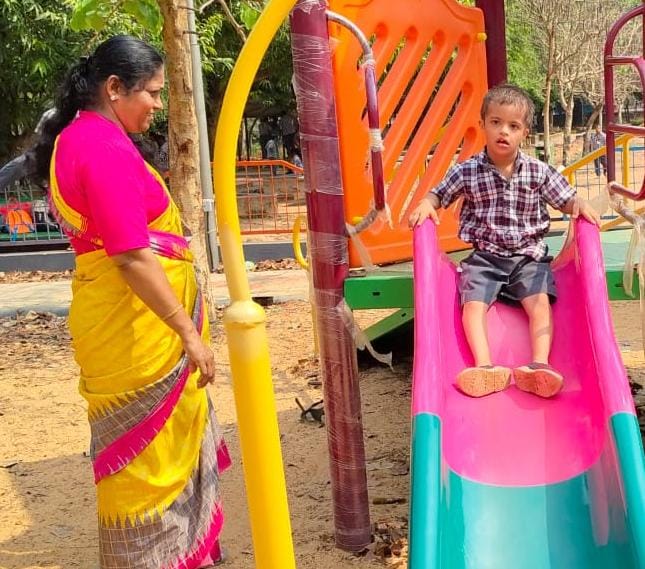
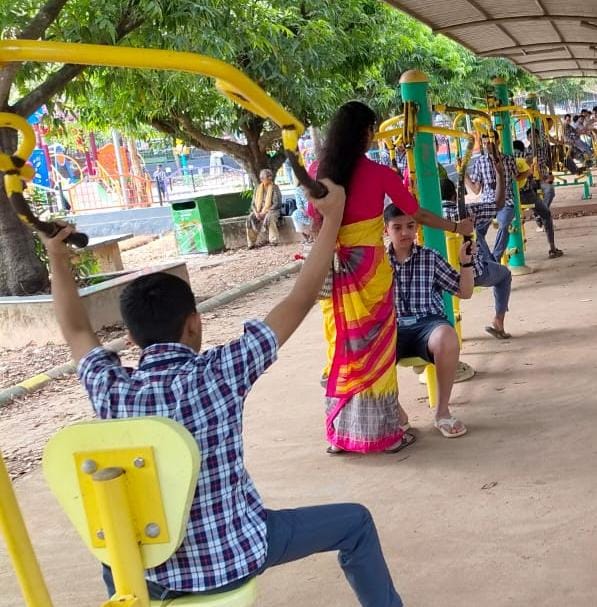
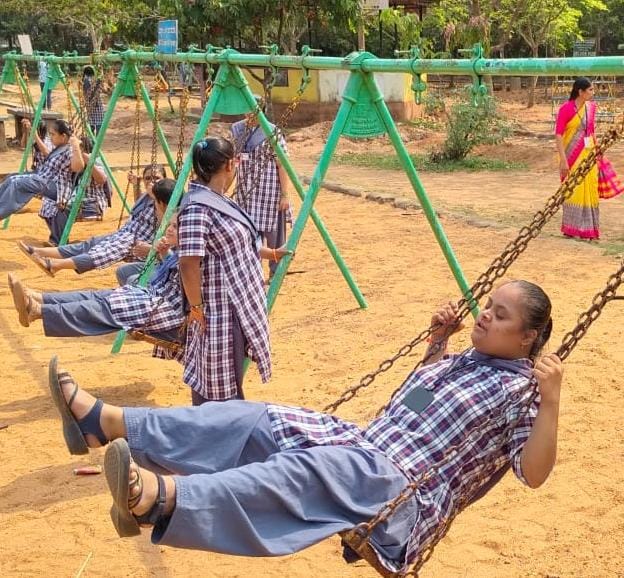
In India, where official records do not properly account for children and adults like Santhosh, there is no substantial, unified system to ensure they will be cared for in later life.
A Collective Responsibility: Areas for Improvement
Over the years, I have encountered parents, caregivers, and professionals who share similar worries and aspirations. Below is a condensed list of suggested measures spanning the Government, the corporate sector, medical and professional bodies, and the community at large. It is my earnest hope that, together, we can begin addressing these concerns more effectively.
- The Government
- Right to Special Education
Just as basic education is recognised as a fundamental right for every Indian child, special education must be similarly enshrined for every child with specialneeds. Although legislation suchas the NationalTrust Act (1999) and the Rights of Persons with Disabilities (RPwD) Act (2016) exist, implementation requires urgent reinforcement.
- Integrated Schooling
Mainstream schools should make every effort to integrate children with special needs, wherever feasible, or set up parallel special-education systems within their institutions. Early, consistent exposure will help typical children better understand and accept their peers with special needs, and in turn, help those with special needs acclimatise to society.
- Enhanced Special Schools and Infrastructure
The number and quality of special schools must be vastly improved, complete with residential facilities to support children and adults throughout their lives—from “womb to tomb.” Having a safe, nurturing environment that addresses varied and evolving needs is paramount.
- The Corporate Sector
- Job Reservations and CSR Initiatives
The existing job-reservation quota for people with disabilities in government services should be expanded to include those with intellectual disabilities. Although productivity in certain roles may be limited, such measures would significantly ease the burden on these individuals and their families. Alternatively, companies might allocate part of their Corporate Social Responsibility (CSR) funds to support individuals with special needs or the institutions that serve them.
- Support for Employees with Special-Needs Children
Employers can dramatically enhance productivity by recognising the additional challenges parents face. Providing sponsored therapies, educational assistance, and access to residential services for employees’ children with special needs could offer relief to countless families.
- Parenting Workshops
Corporate-sponsored workshops on managing the stress and complexities of raising children with special needs would benefit employees and potentially the wider community. Government health departments could extend similar workshops in the unorganised sector.
3. Medical and Professional Support
- Counselling and Psycho-Social Services
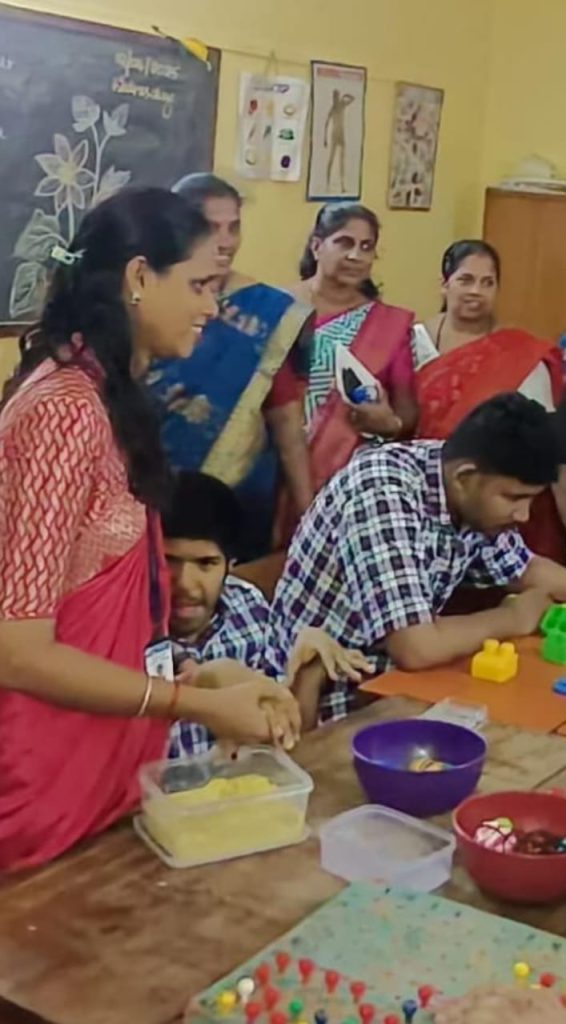
Parents of children with special needs often require professional guidance—psychological, financial, and emotional—yet affordable, regulated counselling services remain sparse outside major cities. This gap must be bridged if families are to secure a better future for their children and themselves.
- Medical Research and Prevention
The medical community must invest in more robust research aimed at preventing or reducing the incidence of certain disabilities. Advances in genetics could potentially ensure fewer children are born with preventable impairments, although such scientific progress should always be pursued with caution and ethical considerations.
4. The Role of the Community
- Parent Support Groups
While such groups are prevalent abroad, they are conspicuously rare in India. Non-Governmental Organisations (NGOs) could facilitate these networks, allowing parents to share experiences, resources, and guidance.
- Attitudinal Shift
Society at large must adopt a more inclusive outlook. Rather than pity, children with special needs deserve respect and acceptance. Integrating them into community events and daily life from an early age fosters understanding and compassion.
- Trained Care Professionals
The scarcity of skilled caregivers—nurses, domestic helpers, and others trained to work with special-needs individuals—is a pressing concern. Organisations should offer education and certification programmes to build a workforce of compassionate, capable helpers who see this work as both a profession and a calling.
- Media Engagement
Media platforms can be powerful agents for change. Regular coverage and discussions of special-needs issues would raise public awareness, encourage empathy, and shine a spotlight on policy gaps and success stories alike.
The Most Urgent Issue: Long-Term Care
The question that troubles every parent of a child with special needs is: What happens when I am no longer here to care for them? It is imperative that the Government, NGOs, and private organisations collaborate to establish residential and day-care facilities that cater to the long-term welfare of adults with special needs.
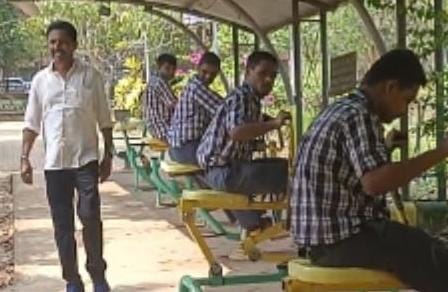
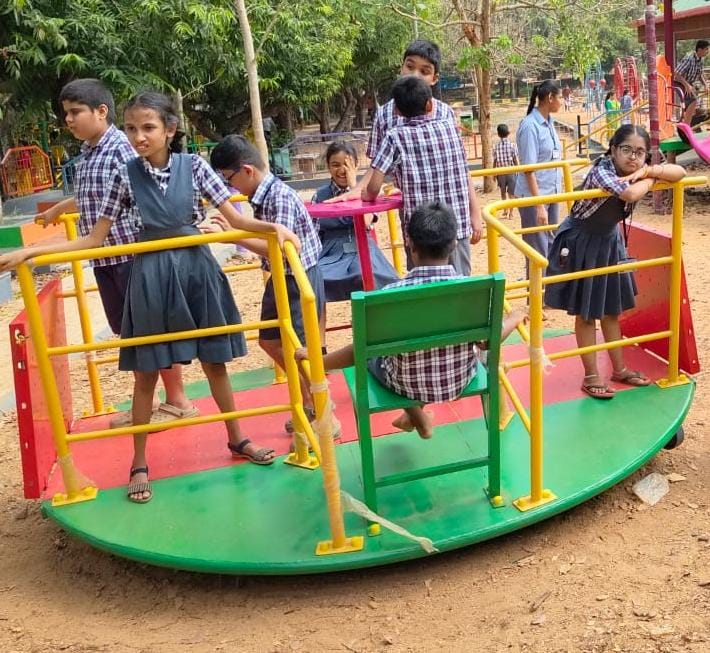
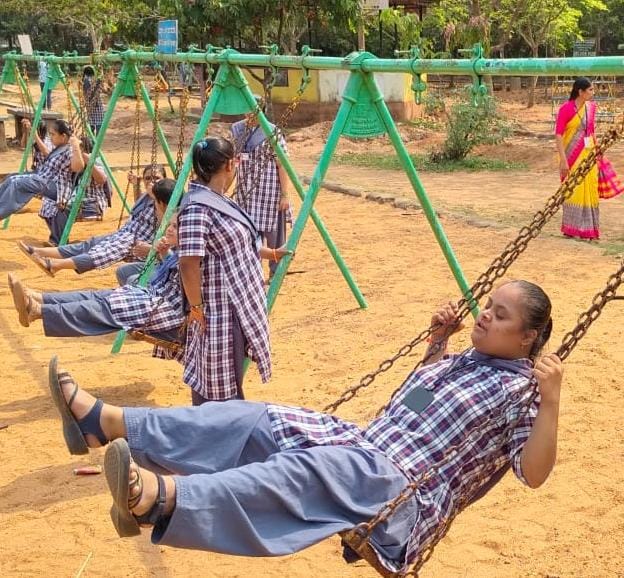
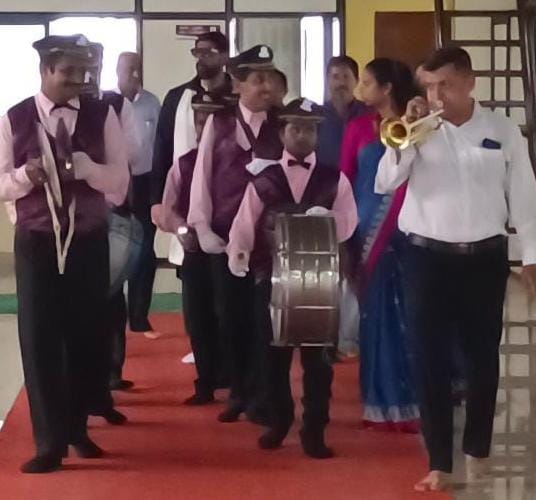
Whether for short-term respite or permanent care, such homes would offer stability and peace of mind for families. In essence, India requires the equivalent of“old-age homes” specifically designed for this community—a place where theyare not merely housed but meaningfully engaged, protected, and valued.
A Hopeful Vision
Addressing these challenges calls for coordinated efforts from all sectors of society. While there is undoubtedly much work to be done, raising awareness is the first step towards finding lasting solutions. I sincerely hope that, in time, each concern outlined here will be addressed in depth, easing the burden on individuals with special needs and their families. Ultimately, the measure of a society’s progress lies in its capacity for empathy, inclusivity, and care for those most in need-and it is past time that we rise to this task.
(Author is Member of the Advisory Board, Saanidhya Group of Institutions for Mentally Challenged Children)


Jagdeesh77@yahoo.com
Sir , your generosity means everything . It’s really good initiative by a parent , explaining the touching words about the specially abled children of god and ofcourse the dedication of special educators for the mentally challenged
I endorse your thoughts and believe they should be implemented for children with special needs. It’s so important to ensure that every child feels supported and understood. Together, we can create a nurturing environment that fosters their growth and development. Your passion for this cause truly resonates with me, and I’m eager to see positive changes for these amazing kids.
Eric Dsouza has voiced the concerns of thousands of parents in similar circumstances. The government needs to hear and support this very real area in child welfare.