
Visionary Administrator and Public Leader | Honouring a Legacy of Service, Integrity, and Inspiration | Global TV
NV Paulose, Chairman, Global TV +91 98441 82044
James K. Joseph, who passed away at 76, leaves behind a legacy of integrity, dedication, and visionary leadership. He was among the rare breed of civil servants who combined financial acumen with human empathy. Serving as Accountant General of Kerala, Tamil Nadu, and Maharashtra between 1988 and 1995, he built a reputation for fairness and precision. His stewardship ensured that public funds were managed with diligence, winning him the admiration of colleagues and governments alike.
His service extended to the Government of India, where he worked as Joint Secretary in the Department of Personnel and Training (DoPT). In 1995, at the relatively young age of 48, he chose voluntary retirement, a bold decision that reflected his desire to explore new ways of serving society.
Beyond the Bureaucracy: A Man of Many Roles
After his retirement from the central services, Joseph took up a new challenge — he became Managing Director and Chief Editor of the Deepika Group of Publications. In this role, he proved that leadership transcends bureaucratic boundaries. Under his stewardship, Deepika reaffirmed its place as one of Kerala’s most respected publications. His sharp editorial vision and commitment to truth turned the media house into a credible voice in a rapidly changing landscape.
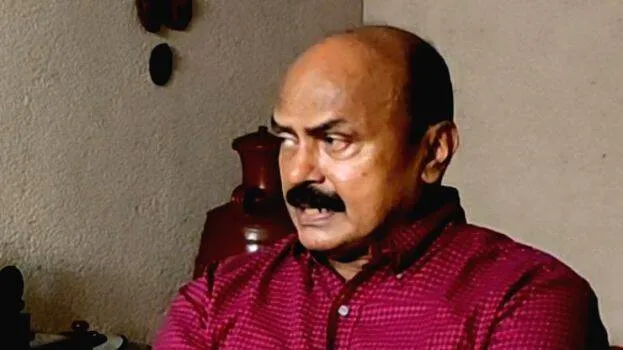
He later took the helm of public enterprises, serving as Managing Director of the Kerala State Industrial Development Corporation (KSIDC) and later as Managing Director of the Kerala State Road Transport Corporation (KSRTC). These roles, particularly in KSRTC, highlighted his ability to manage complex organisations with tens of thousands of employees, extensive assets, and deep-rooted challenges.
Reviving KSRTC: A Human-Centred Vision
When James K. Joseph assumed leadership of KSRTC in 1999, the corporation was struggling with low morale and mounting financial losses. He recognised that the organisation’s most important resource was not its 4,000 buses or its landholdings, but its 30,000 employees.
To energize the workforce, he introduced the Panchali scheme — each bus was permanently assigned to a small team of drivers, conductors, and a mechanic. This fostered emotional ownership of the vehicles, transforming buses from mere machines into personal responsibilities. He also introduced incentive systems tied to daily collections and implemented grievance redressal forums where any employee could meet the Managing Director directly on Fridays. His belief was simple yet profound: “The next best thing to excellence is the appreciation of it.”

He instituted certificates of excellence and cash awards to reward outstanding service. Employees who had long felt neglected suddenly found themselves valued, and KSRTC began to regain both efficiency and dignity.
The Historic “Vilapa Yathra”
One of the most defining chapters of James K. Joseph’s tenure as KSRTC Chairman and Managing Director came in July 2000, when nearly 300 buses were vandalised across Kerala during a hartal. For most, it was a moment of despair — a loss that deepened the crisis of an already struggling corporation. But Joseph chose to transform the tragedy into a message that would stir the conscience of the entire state.
He ordered the damaged buses to be repaired just enough to move on the road. Posters were pasted on them bearing a simple but powerful reminder: “This is your bus, your own bus.” Then, in an unprecedented move, he led a solemn procession of these vehicles through the streets of Thiruvananthapuram.
The sight was unforgettable. Hundreds of battered buses, bearing scars of senseless violence, moved slowly in a funeral-like procession. People lined the streets in silence, many of them breaking into tears as the convoy passed. The event, later remembered as the Vilapa Yathra — the Funeral March of Buses — was not just a protest, but a moral awakening.
Through this symbolic act, James K. Joseph reminded citizens that public property belongs to the people themselves. By making the buses objects of collective mourning, he rekindled a sense of ownership and responsibility among the public. It was a masterstroke of leadership that combined emotion with vision, transforming a crisis into a lesson in civic duty.
Fighting Corruption with Professionalism
Joseph’s tenure was also marked by his uncompromising fight against corruption. He discovered that poor-quality spare parts were being purchased at inflated prices, draining resources and reducing efficiency. By halting such purchases and insisting on original manufacturers, he saved crores of rupees for KSRTC.
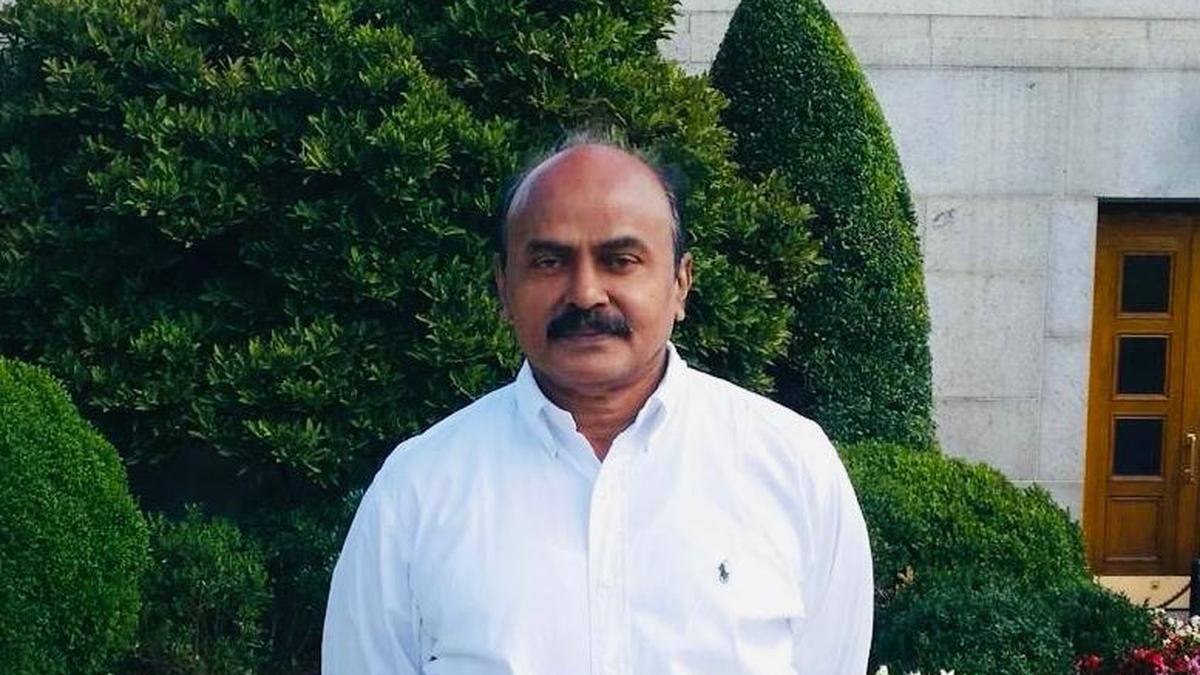
His professional decisions, however, antagonized vested interests. Corrupt lobbies, threatened by his reforms, resisted his initiatives. Ultimately, he resigned after a year, but the systems he introduced continued to leave a mark. For him, it was never about position or power but about principle and professionalism.
A Broader Vision for Kerala and India
Beyond KSRTC, Joseph believed in resource-based development and the power of professional service. He often stressed that corruption was the opposite of professionalism, and that society could only be transformed through visionary, action-oriented leaders.
He admired the models of Dr. Verghese Kurien, who built Amul through micro-enterprises of farmers, and Sam Pitroda, who spearheaded India’s telecom revolution by empowering millions through STD booths. He believed that KSRTC, and Kerala at large, could be revived through similar models of innovation rooted in people’s participation.
Personal Touch and Human Warmth
Those who knew James K. Joseph remember not just his administrative acumen but also his warmth, humility, and compassion. He never shied away from acknowledging the value of people, whether it was an employee of KSRTC, a journalist at Deepika, or a citizen reaching out for help.
He treasured the handwritten note of gratitude from Mother Teresa, who once recommended a young man for a position under his authority. For Joseph, her words — “My gratitude to you is by prayer for you and your family” — remained among his most cherished possessions. Such moments reflected the spiritual depth with which he approached service.
A Legacy That Lives On
James K. Joseph’s life reminds us that true leadership is not about titles or positions, but about vision, integrity, and humanity. From stewarding state accounts to reviving public corporations, from leading media houses to mentoring future professionals, his journey was one of tireless commitment to society.
Every Keralite who has boarded a KSRTC bus, every reader of Deepika, and every colleague who worked under his guidance has felt the imprint of his vision. He remains a shining example of what it means to be a visionary action leader — one who led with both intellect and heart.


James K.Joseph a multifaceted personality was beyond doubt a person of high integrity..He possessed immense knowledge & had good leadership qualities.A great human being humble and compassionate was deeply loved by one and all..A noble soul whose memories has become treasures to be cherished in our hearts forever.
A great soul never dies.It brings us together again and again. Left a void that is irreplaceable.
Forever remembered.. Forever missed dear James Sir