
The Difference Between Construction and Transformation | Global TV
NV Paulose, Chairman, Global TV +91 98441 92044
India often confuses infrastructure with transformation. Roads, bridges, airports, and digital systems are important, but they are only the visible side of development. Real transformation goes deeper. It changes the thinking of institutions, the confidence of citizens, and the quality of decision making. Systems and Structures, or SS, are not only physical arrangements. They are the invisible frameworks that determine whether a nation encourages courage, creativity, and responsibility.
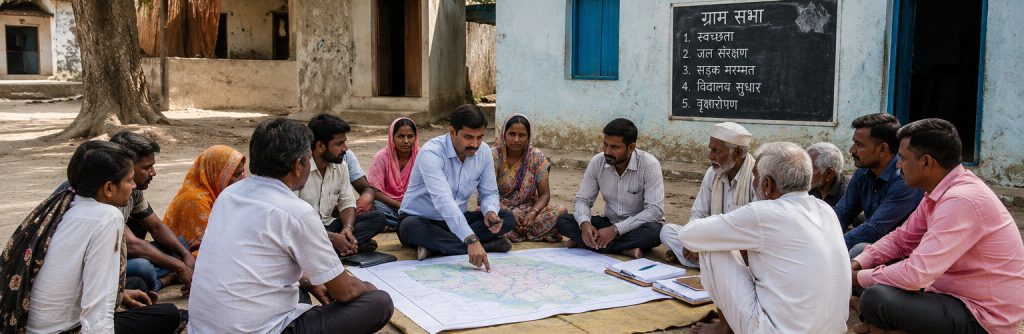
Today, discussions about progress are dominated by the language of money. Every proposal is immediately met with questions about budget, investment, or funding. This mindset has become a barrier. Capital is necessary, but capital alone does not create civilization. A country rises when people build systems that outlast individuals and structures that empower future generations.
India already has enough examples from its own history. After independence, the country faced shortages, weak industries, poor infrastructure, and limited financial strength. Yet, that period gave birth to some of India’s greatest institutions. The vision was larger than the resources available. Leaders believed that institutions could shape the future of the nation. They focused on building scientific centers, educational institutions, public sector foundations, and democratic systems that could serve generations.
The Nehruvian Lesson India Has Forgotten
The early decades after independence carried a strong belief in nation building. Under Jawaharlal Nehru’s leadership, India invested in institutions such as the IITs, scientific research centers, public sector industries, dams, and national laboratories. These were not built because India was rich. They were built because the leadership understood the importance of systems thinking. The goal was not immediate profit. The goal was long term national capability.
That generation worked with limited capital but unlimited determination. They saw institutions as instruments of social transformation. They understood that education, science, engineering, and governance had to be strengthened together. The country did not wait for perfect conditions. It created conditions through commitment and collective effort.
Today, India has far greater access to capital, technology, and global partnerships. Yet, there is hesitation everywhere. Many projects are delayed not because resources are absent, but because decision makers are afraid to think independently. A culture of approval seeking has replaced a culture of nation building. Too many people in positions of authority simply wait for instructions instead of taking responsibility.
The Crisis of Yes Boss Culture
One of the biggest barriers to India’s transformation is the growth of the yes boss mentality. In many institutions, people avoid disagreement even when they know systems are failing. Creativity becomes dangerous. Honest criticism becomes risky. Innovation becomes limited because individuals fear authority more than they fear stagnation.

This culture weakens governance, administration, education, and industry. Systems become dependent on personalities instead of principles. When people stop questioning, structures become rigid. A nation cannot progress when obedience is rewarded more than independent thinking. Real leadership is not about surrounding oneself with agreement. It is about encouraging strong minds that can challenge old assumptions.
India’s greatest strength has always been its intellectual diversity. From ancient philosophical debates to the freedom movement, progress emerged when people questioned existing systems. The country did not move forward through silence. It moved forward through discussion, disagreement, and vision. If institutions discourage critical thinking, they slowly lose their ability to adapt.
Young professionals entering government, industry, education, and public service must be trained to think structurally. They should ask why systems fail, how institutions can improve, and what long term impact policies create. Instead of producing followers, India must produce problem solvers.
Young India Must Build the Next Framework
The future of India depends heavily on its youth. India has one of the world’s youngest populations, and this demographic strength can become a historic advantage if guided properly. Young people should not only be trained for employment. They should be trained for institution building. The country needs engineers who understand social systems, administrators who understand technology, and entrepreneurs who understand public responsibility.
Education must move beyond examinations and memorization. Students should learn systems design, civic responsibility, ethics, public administration, scientific thinking, and collaborative problem solving. Schools and universities should encourage students to work on real local challenges such as water management, waste systems, transportation, agriculture, urban planning, and digital governance.
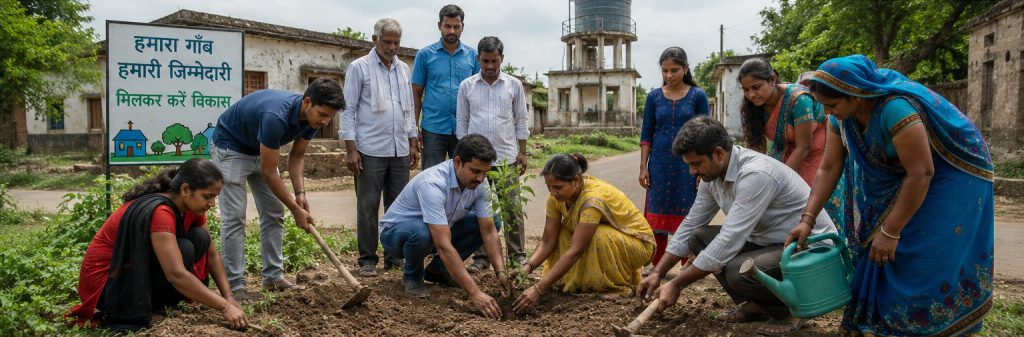
India also needs a new culture of public participation. Young citizens should not feel disconnected from governance. They should see themselves as contributors to national systems. Whether in villages or cities, young people can redesign local structures when given responsibility and trust. Transformation happens when citizens stop behaving like passive observers and begin acting like co builders of the nation.
Technology can become a powerful support system in this effort. Digital tools, artificial intelligence, data systems, and communication platforms can help India solve long standing challenges. But technology alone cannot transform society. It must operate within ethical and visionary structures. Without values, even advanced systems become inefficient or exploitative.
Beyond Material Development Toward National Transformation
India now stands at an important turning point. The country has economic ambition, global visibility, and technological capability. But material growth alone cannot define national success. A nation becomes truly powerful when its systems encourage dignity, innovation, accountability, and participation. Roads and buildings may symbolize development, but institutions determine whether development survives.
Transformation requires courage from leadership and confidence from citizens. It requires people who can think beyond immediate political cycles and short term profits. India must stop using lack of money as an excuse for inaction when many reforms require more imagination than expenditure. Better governance, transparent systems, stronger educational culture, and institutional accountability often depend more on intent than on finance.
The next stage of India’s journey must focus on Systems and Structures in the deepest sense. Infrastructure matters, but institutional thinking matters more. Youngsters must be encouraged to question, design, experiment, and improve. The nation should reward originality instead of blind agreement. A society that empowers independent minds creates lasting institutions.
From Administration to Leadership
India today has many administrators but needs more leaders. Administration maintains existing systems, while leadership improves them. A leader is willing to take responsibility, make difficult decisions, and challenge outdated practices. Many institutions remain slow because officials fear failure more than they value innovation. This creates a culture where files move, meetings happen, but real change does not occur.
True leadership requires intellectual courage. Officers, teachers, engineers, entrepreneurs, and public servants must be encouraged to think independently. Systems improve when people ask difficult questions and search for practical solutions. Nations become strong not when everyone agrees with authority, but when institutions welcome capable minds with fresh ideas.
India must therefore create leadership oriented institutions instead of obedience oriented institutions. Training programs in schools, colleges, civil services, and industries should focus on responsibility, ethics, teamwork, and problem solving. Young Indians should grow with the confidence that they are capable of shaping the nation rather than simply following instructions.
Nation Building Begins at the Local Level
Transformation does not begin only in Parliament or large cities. It begins in villages, municipalities, schools, local industries, and communities. Strong nations are built when local systems become efficient and accountable. Clean streets, functioning schools, water management, public health systems, and local entrepreneurship are all part of national development.
India’s youth can become the driving force behind local transformation. Young citizens can participate in solving community problems through technology, social innovation, and public participation. When citizens work together to improve local systems, they develop ownership toward the nation itself. Real Systems and Structures are built not only through government action, but through collective civic responsibility.
India’s transformation will not come only from wealth, foreign investment, or massive projects. It will come from rebuilding the spirit of national purpose. The country needs citizens who believe they can shape systems instead of merely adjusting to them. When India develops leaders who think beyond yes boss, the nation will rediscover its ability to create institutions that inspire the world for generations.


