
Inspiring Innovation Through Architecture, Planning, and Academic Excellence | Global TV
NV Paulose, Chairman, Global TV +91 98441 82044
The growth of a nation is reflected not only in its economic achievements but also in the quality of its cities, institutions, and public spaces. Behind every well planned community and every thoughtfully designed structure lies the vision of architects and planners who understand that the built environment shapes the way people live, work, and interact.
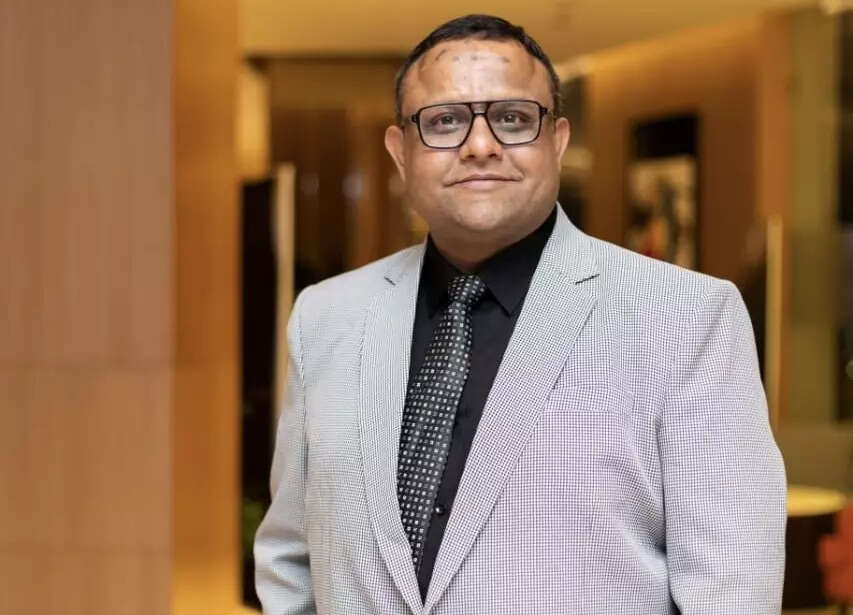
Equally important are the educators who prepare the next generation to carry this responsibility forward. Prof. Rahul Tiwari, serving as Assistant Professor in the Department of Architecture and Planning at Maulana Azad National Institute of Technology, Bhopal, represents the enduring values of knowledge, creativity, and dedication to academic excellence.
Through his role as an educator and mentor, he contributes to the development of future architects and planners who will help build sustainable, inclusive, and resilient communities for generations to come.
The Transformative Power of Education
Education is one of the greatest forces for social and intellectual progress. A dedicated teacher does far more than deliver lectures or evaluate assignments. A teacher inspires curiosity, encourages innovation, and helps students discover their own potential.
In professional disciplines such as architecture and planning, education becomes even more significant because it shapes individuals whose work directly influences society. The guidance of committed educators equips students with the knowledge, technical skills, and ethical values required to address real world challenges.
As an Assistant Professor, Prof. Rahul Tiwari contributes to creating an environment where learning extends beyond the classroom and becomes a lifelong pursuit of excellence.
Architecture and Planning as Instruments of Change
Architecture and planning are not simply technical professions. They are powerful tools for improving the quality of life. Every city, neighborhood, educational institution, and public space reflects the ideas and vision of those who designed them.
Thoughtful planning promotes sustainable growth, protects natural resources, and creates environments where communities can thrive. It balances tradition with modernity and innovation with responsibility.
The academic study of these disciplines encourages students to think critically about the relationship between people and the spaces they inhabit. By guiding this learning process, Prof. Rahul Tiwari helps nurture professionals who understand that every design decision carries the potential to create lasting social impact.
Fostering Creativity and Critical Thinking
Creativity is the foundation of meaningful design, but creativity flourishes best when combined with disciplined thinking and a strong analytical approach. Great educators encourage students to question assumptions, explore possibilities, and approach problems with both imagination and logic.
The design studio becomes a place where ideas evolve into solutions and where challenges become opportunities for innovation. Through discussion, research, and experimentation, students develop the confidence to transform concepts into realities.
By fostering such an environment, Prof. Rahul Tiwari contributes to building a culture of innovation that empowers young minds to address the evolving needs of society.
Building a Sustainable Future
The modern world faces significant urban and environmental challenges. Rapid urbanization, climate change, resource conservation, and the need for resilient infrastructure require thoughtful and forward looking solutions.
Sustainable architecture and planning seek to create spaces that are environmentally responsible, socially inclusive, and economically viable. They encourage harmony between development and nature while ensuring that future generations inherit healthier and more livable communities.
Educators who instill these values in their students help shape professionals who will become responsible custodians of the built environment. Through his academic engagement, Prof. Rahul Tiwari contributes to this important mission of sustainable development.
The Lasting Influence of a Mentor
A teacher’s true legacy is measured not by awards or titles but by the lives they inspire. The lessons shared in classrooms often become the guiding principles that students carry throughout their personal and professional journeys.
Mentorship creates confidence, broadens perspectives, and encourages individuals to strive for excellence while remaining grounded in values and ethics. It transforms education into a lifelong source of inspiration.
For aspiring architects, planners, and researchers, the example set by educators like Prof. Rahul Tiwari demonstrates that knowledge acquires its highest purpose when it is used to empower others.
Contributing to Nation Building
The future of any nation depends upon the quality of its institutions and the people they nurture. Universities and institutes of higher learning play a central role in creating leaders, innovators, and professionals capable of addressing the complex challenges of the modern world.
The Department of Architecture and Planning at Maulana Azad National Institute of Technology, Bhopal, contributes to this national mission by preparing students to think creatively, act responsibly, and design for the greater good.
As a member of this academic community, Prof. Rahul Tiwari participates in the larger effort of shaping a future where knowledge, innovation, and social responsibility work together to create lasting progress.
The advancement of society depends upon those who dedicate themselves to the pursuit of knowledge and the empowerment of others. Educators are the architects of human potential, inspiring generations to dream, create, and lead.
Prof. Rahul Tiwari, as Assistant Professor in the Department of Architecture and Planning at Maulana Azad National Institute of Technology, Bhopal, symbolizes the values of scholarship, creativity, and service to education. Through his commitment to teaching and intellectual growth, he contributes to the development of future professionals who will shape the cities and communities of tomorrow.
His journey serves as an inspiring reminder that the greatest structures we build are not only physical spaces, but also the ideas, values, and aspirations that guide humanity toward a brighter and more sustainable future.


