
Why a Compassionate Society Must Learn to Protect, Respect and Coexist with Its Animals
Mrs. Crasta, Principal Founder, Mangalore Listeners Club
Animals are not merely creatures that share our planet. They are companions, healers, teachers and silent contributors to human happiness. Perhaps it is time we recognised them not as a responsibility to be avoided, but as a wealth to be nurtured. What makes a city truly wealthy? Is it the height of its buildings, the strength of its economy, the number of industries it houses, or the infrastructure it creates?
Perhaps there is another measure of prosperity that we have overlooked: the way a society treats its animals. Animals are among the most precious gifts of nature. They ask for very little from us; food, water, shelter, safety, and kindness. Yet, in return, they offer companionship, loyalty, affection and an extraordinary ability to bring comfort into human lives.
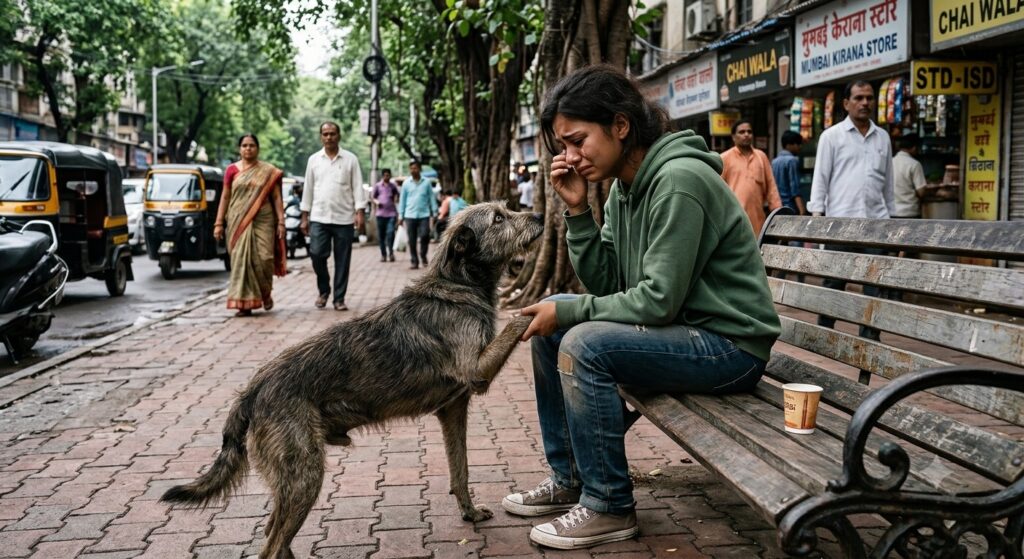
A dog waiting eagerly at the gate, a cat quietly settling beside someone going through a difficult day, or a cow peacefully grazing in an open field; these are not insignificant sights. They represent a form of wealth that cannot be measured in money. It is time we understood the wealth of animals.
Animals: Our Silent Partners in Emotional Well-being
One of the greatest gifts animals offer human beings is companionship. Human beings often experience loneliness, anxiety, grief, financial difficulties, relationship problems, and emotional distress. During such moments, an animal can become an extraordinary source of comfort.

A dog does not ask why you are upset. A cat does not judge your failures. They simply stay beside you. They listen without interrupting, respond through their eyes and gestures, and offer affection without expecting explanations. Their presence can make a lonely home feel alive again. The relationship between humans and animals is also increasingly recognised in animal-assisted therapy. Trained dogs, horses and other animals can support people experiencing emotional difficulties, trauma and certain physical or psychological challenges.
Therapy animals are being used in hospitals, care facilities and programmes supporting people with disabilities and older adults. For veterans dealing with trauma, children facing emotional difficulties and patients receiving palliative care, the companionship of animals can make a meaningful difference. We should therefore look beyond the traditional understanding of pets. Animals are not simply possessions kept at home. They can be valuable companions and contributors to human well-being.
The Unconditional Love We Often Take for Granted
There are countless stories that demonstrate the extraordinary loyalty of animals. One of the most moving is the story of Hachikō, the Japanese dog who continued waiting at Shibuya railway station for his deceased owner, even years after his death. His story became an enduring symbol of loyalty and devotion. Such stories remind us that animals form deep attachments. They recognise familiar people, respond to affection and can experience distress when separated from those they love.
Dogs, cats and even birds develop strong relationships with their human companions. Some animals become withdrawn when neglected or left alone for long periods. They have emotional needs, just as they have physical needs. If we welcome an animal into our lives, we must accept the responsibility of caring for it throughout its life.
Stray Dogs Are Not Criminals. They Are Our Shared Responsibility.
One of the most urgent issues facing Indian cities is the treatment of community dogs. Dogs living in school campuses, colleges, factories, temples, churches and residential compounds often become familiar with their surroundings. These spaces are their territories, and they develop relationships with the people who live and work there.
Suddenly removing them without a humane and properly planned solution can cause distress and create further challenges. Instead of treating these animals as unwanted intruders, institutions should explore responsible community-based care. Schools, colleges, factories, government offices and community centres can consider providing designated, secure spaces for community dogs, wherever appropriate and legally permissible.
Such arrangements should include:
- Proper shelters protecting animals from rain, heat and extreme weather.
- Regular food and clean drinking water.
- Veterinary care, vaccination and sterilisation.
- Responsible supervision and hygiene.
- Safe boundaries that protect both animals and people.
- Awareness programmes that teach children kindness and responsible behaviour.
Animal welfare and public safety must go hand in hand. The solution is not cruelty or indiscriminate relocation. It is responsible management, veterinary intervention and cooperation between institutions, animal welfare organisations, local authorities and citizens.
Teach Children Kindness Through Animals
There is an important lesson our children must learn early in life: compassion is not limited to human beings. When children grow up understanding that animals feel hunger, fear, affection and pain, they develop a deeper sense of responsibility towards living creatures.
A school that teaches children to respect animals is teaching them something beyond animal care. It is teaching empathy. Schools and colleges could introduce supervised animal-awareness programmes, responsible feeding initiatives and partnerships with veterinary professionals and animal welfare organisations. Where safe and permitted, children could learn about community animals through supervised interactions. These experiences can help nurture a generation that understands kindness not as a weakness, but as a strength.
Sterilisation and Vaccination: Addressing the Root of the Problem
The growing population of stray dogs cannot be addressed through cruelty or abandonment. A major part of the solution lies in effective, sustained and scientifically managed animal birth-control programmes, alongside vaccination and veterinary care. Unwanted puppies and kittens are frequently abandoned because owners fail to take responsibility for sterilisation. Some are discarded in streets, bins, lakes and other unsafe places. This is a reflection of human irresponsibility, not an animal problem. Local authorities, veterinary professionals, animal welfare organisations and communities must work together to expand accessible sterilisation services, vaccination programmes and public awareness. Responsible pet ownership must also become a social norm. Prevention, rather than abandonment and suffering, must guide our approach.
Cows and Other Farm Animals Deserve Dignity Too
Another serious concern in Indian cities is the abandonment of cattle. Cows and calves are often seen wandering on busy roads and highways, exposed to speeding vehicles, hunger, dehydration and injury. Some consume plastic waste because they cannot find adequate fodder. This is dangerous for the animals and for motorists. Cattle require proper grazing space, nutritious fodder, clean water, veterinary attention and secure shelter. They cannot be expected to survive by searching for food on roadsides and in garbage dumps.

Governments and local authorities should explore properly managed grazing areas and cattle-care facilities, supported by land, infrastructure and accountable management. Owners must also be held responsible for the lifelong care of their animals. The same principles apply to goats and other livestock. Allowing animals and their young to wander unsupervised on busy roads puts both animals and people at risk. Compassion must always be accompanied by responsibility.
From Cages to Sanctuaries: Let Animals Live with Dignity
Our relationship with animals must also extend beyond domestic pets and community animals. Wild animals and birds deserve to live in environments that respect their natural behaviour and needs. Animal sanctuaries and properly managed rescue centres can provide safe environments for animals that cannot return to the wild, particularly those rescued from injury, abuse or exploitation. The objective should be their welfare, not entertainment. Animals should not be subjected to unnecessary noise, distress, confinement or repeated disturbance for human amusement. Even seemingly harmless activities such as flash photography can distress certain animals.
We must learn that our desire to see, touch, photograph or entertain ourselves with animals should never come before their well-being. Birds, in particular, need freedom to fly and express their natural behaviour. Keeping them confined purely for entertainment raises serious ethical concerns.
Animals Can Become Valuable Contributors to Society
Perhaps one of the most exciting opportunities is to recognise the wider contribution animals can make to our communities. With appropriate training, veterinary care and welfare safeguards, dogs can serve in several valuable roles:
- Supporting people with visual impairments as guide dogs.
- Providing companionship to older people.
- Participating in therapy programmes in hospitals and care facilities.
- Supporting individuals experiencing trauma.
- Assisting trained police and rescue teams.
- Participating in supervised programmes for children with special needs.
India’s indigenous dog populations should also receive greater attention. Many Indian dogs are intelligent, adaptable and well suited to their local environments. With proper assessment, care and training, suitable dogs can be considered for adoption, companionship and specialised working roles. Rather than viewing every stray dog as a problem to be removed, we should recognise that some may become wonderful companions and contributors to society.
A New Model: Shared Responsibility Between Government and Citizens
No government can independently solve every animal welfare challenge. Equally, individual animal lovers cannot carry the entire responsibility. We need a collaborative model involving government departments, educational institutions, businesses, religious institutions, veterinary professionals, animal welfare organisations and ordinary citizens.
Imagine a city where:
- Every major institution has a responsible animal welfare policy.
- Community dogs receive regular food, vaccination and sterilisation support.
- Cattle have access to safe grazing spaces and appropriate shelters.
- Veterinary services are accessible.
- Animal sanctuaries provide dignified care.
- Children learn empathy through structured awareness programmes.
- Businesses support local animal welfare initiatives.
- Citizens participate in responsible adoption and community care.
Factories, corporate campuses, colleges, government offices and community centres could support local animal welfare programmes through funding, veterinary partnerships, infrastructure and trained staff. This would create a sustainable model in which compassion becomes an organised social responsibility. Animal welfare should not depend only on occasional donations or the personal commitment of a few individuals. It needs systems that can function consistently.
Turning Compassion into a Sustainable Career
There is another important dimension to this movement: animal welfare can also create meaningful livelihoods. People who are passionate about animals should have opportunities to build sustainable careers in this field. Veterinary services, animal rehabilitation, shelter management, animal-assisted therapy, training, grooming, responsible boarding, rescue operations and animal welfare education are all areas where professional skills and employment opportunities can develop.
Passion becomes sustainable when it is supported by sound management and economic viability. Animal welfare should not be treated merely as charity. It can become a professionally organised sector that creates employment while improving the lives of animals and people. This is how we transform individual compassion into lasting social impact.
The Wealth of a City Lies in Its Compassion
We often speak about building smart cities, sustainable cities and economically prosperous cities. But can a city truly call itself developed if its animals are starving, injured, abandoned or treated as nuisances? A truly progressive society must find ways for humans and animals to coexist safely and peacefully. Animals teach us lessons that are increasingly missing from modern life: loyalty, patience, affection, trust and the simple value of being present for another living being. They comfort us when we are lonely, accompany us when we are vulnerable and sometimes give us a reason to keep going when life becomes difficult.
They cannot speak our language, but that does not mean they have nothing to communicate. Perhaps it is time we learned to listen. The wealth of animals is not in what they produce for us. It is in what they bring into our lives; companionship, emotional comfort, unconditional affection and the reminder that every living creature deserves dignity.
Let us stop looking at animals as a burden on our cities. Let us recognise them as part of our shared wealth. Because the true measure of a civilised society is not only how well it looks after its people, but also how compassionately it treats the voiceless creatures with whom it shares the Earth. A city that cares for its animals is a city that cares for its soul.


