
Learning to Adapt, Not Instruct
NV Paulose, Chairman, Global TV +91 98441 82044
- Forty years of transformation, the revival of a historic newspaper, multicultural leadership, and a human centred approach to business define the remarkable professional journey of Tom Cyriac.
There are leaders who build their careers by staying within familiar boundaries, and there are those who grow by embracing change, stepping into unfamiliar territory, and learning from every experience. Tom Cyriac belongs to the latter. His professional journey, spanning four decades and multiple industries, is a story of resilience, reinvention, and an enduring belief that the most effective leadership is not about instructing people, but understanding them.
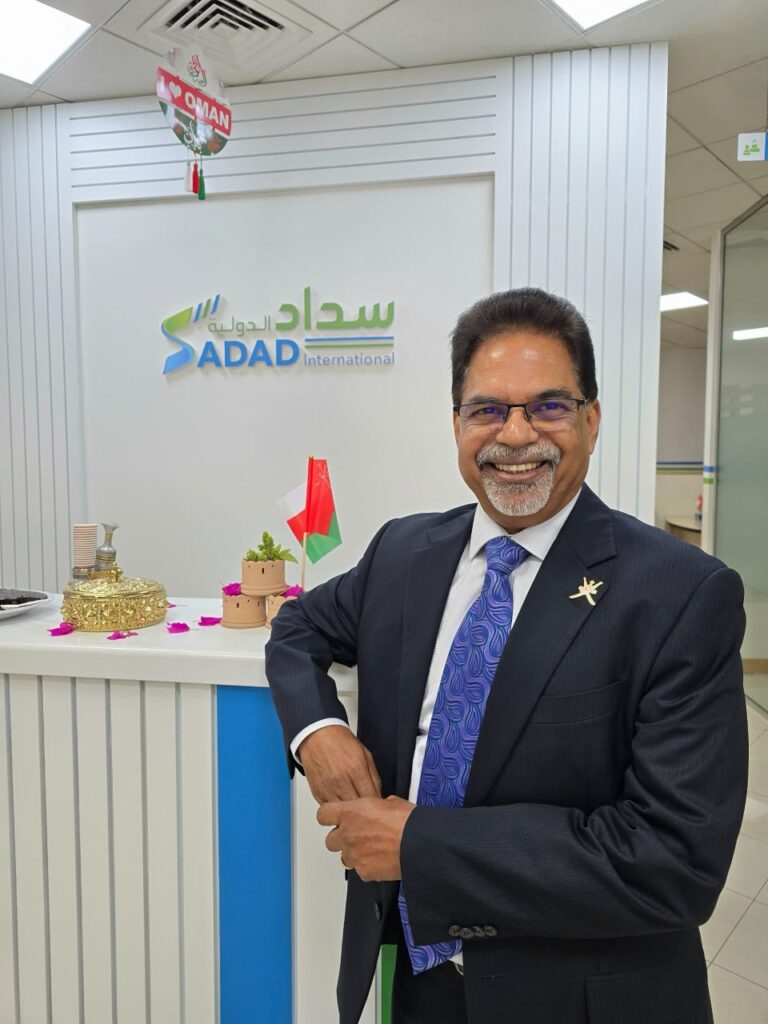
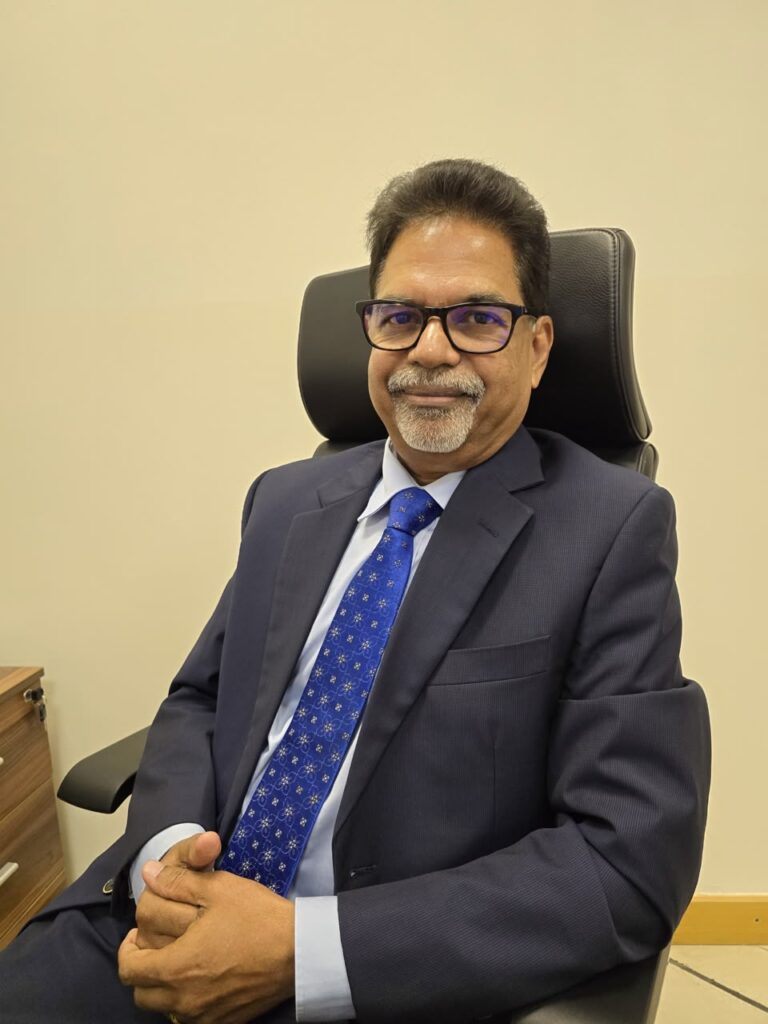
Today, as Chief Operating Officer of SADAD International LLC, the credit risk management and debt recovery business associated with Bahwan International Group Holding, Cyriac brings a rare combination of frontline experience, commercial understanding, operational discipline, and people centred leadership to the Middle East’s evolving financial services landscape.
Recognised in TradeFlock’s Most Innovative Global COOs 2026 feature under the theme Forty Years of Learning to Adapt, Not Instruct, his career offers a compelling lesson in how professional success is built not merely by accumulating positions, but by continuously developing the ability to adapt, connect, and lead.
Behind the executive designation is a professional who has witnessed business evolve through remarkable changes, from the early days of computerisation to the era of artificial intelligence, from traditional sales to sophisticated financial services, and from familiar Indian workplaces to multicultural organisations in the Gulf. His story is not simply about career progression. It is about the evolution of a leadership philosophy.
Four Decades of Experience, One Constant Philosophy
Tom Cyriac began his professional journey in 1985 as a Sales Executive at Usha Computers in Chennai. Those early years provided him with an invaluable grounding in the realities of business. Sales was not merely about convincing customers to purchase a product. It was about listening, understanding needs, managing expectations, building credibility, and earning trust. The lessons learnt at the frontline would remain with him throughout his career.
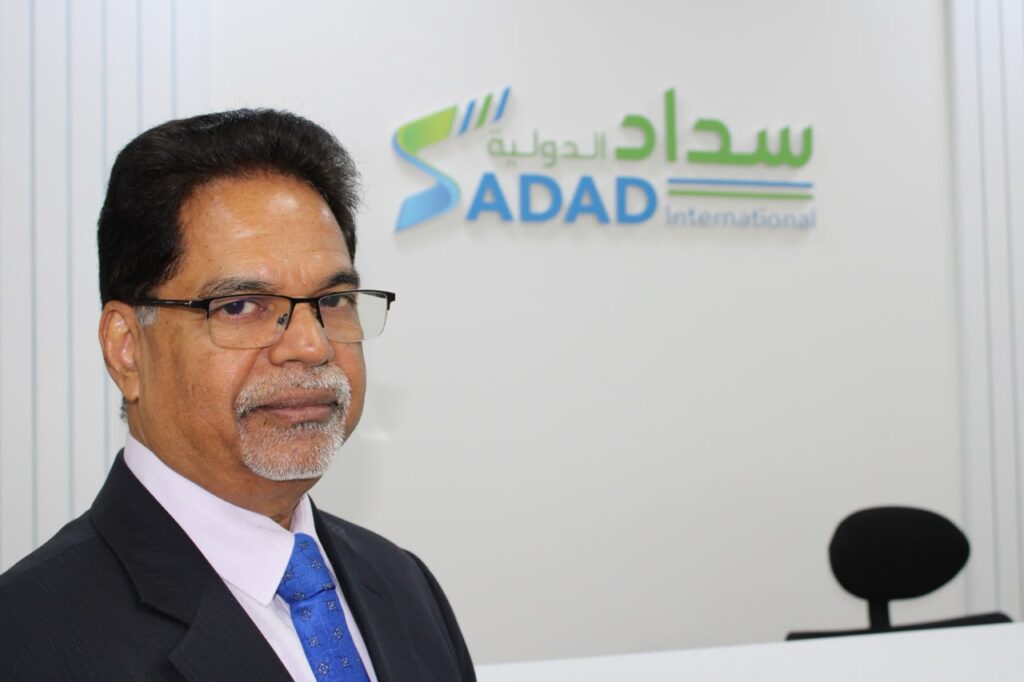
Over the years, he moved through office automation, automotive, media, financial services, and debt recovery. His professional experiences took him across Kerala, Chennai, Bengaluru, and Mumbai, exposing him to different commercial environments, customer behaviours, organisational cultures, and business challenges.
Each transition broadened his perspective. Each industry offered a new understanding of how businesses operate and how people respond to change. Rather than viewing these shifts as disruptions, Cyriac treated them as opportunities to learn. The fundamentals of business, he discovered, remain remarkably consistent across industries. Integrity, customer focus, communication, adaptability, and the ability to build relationships continue to determine success, irrespective of the sector.
His early sales experience remains particularly relevant to his leadership today. When he meets clients, he draws upon the understanding gained from working on the frontline, appreciating both customer expectations and the practical challenges faced by sales teams.
This connection to the ground gives his leadership a practical dimension. He understands that strategies conceived at the senior management level must eventually work in real situations, with real people, under real constraints. Experience, in his view, is valuable not because it gives a leader the authority to instruct others, but because it develops the judgement to understand situations more deeply.
A Defining Chapter in Kerala’s Newspaper Renaissance: The Deepika Turnaround
Some chapters in a professional career are remembered for the positions held. Others are remembered for the organisations transformed, the challenges overcome, and the collective achievements they helped create. For Tom Cyriac, his years with Rashtra Deepika Ltd. during the remarkable resurgence of Deepika in the 1990s belong firmly to the latter.
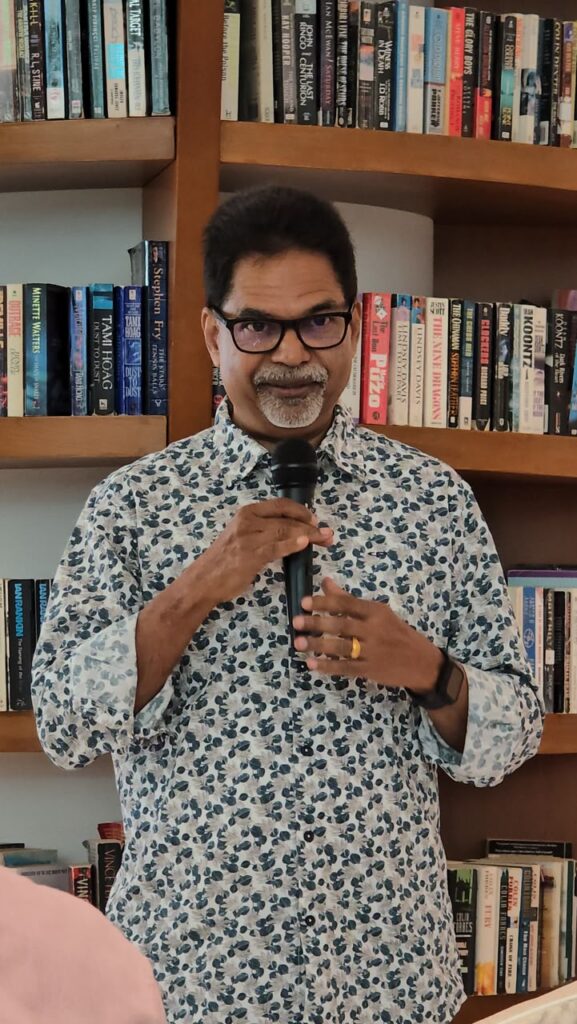
Deepika occupies a special place in Kerala’s history. Established on April 15, 1887, initially as Nasrani Deepika, it was the first Malayalam newspaper. Its origins were rooted in the vision of Fr. Emmanuel Nidhiry, popularly known as Nidhirikkal Mani Kathanar, while the printing initiative was associated with the pioneering efforts of Saint Kuriakose Elias Chavara. It was more than a newspaper. It was an institution that helped shape Kerala’s intellectual, cultural, social, and journalistic life. Largest Malayalam Internet Read
Over the decades, Deepika built an identity founded on credibility, social commitment, and a connection with readers. However, as the newspaper industry evolved and competition intensified, the institution faced the challenge of renewing its commercial strength and organisational momentum. A rich legacy was an asset, but sustaining that legacy demanded fresh thinking, professionalism, and a willingness to change.
In August 1989, Deepika entered a new corporate chapter when it was converted into a public limited company under the name Rashtra Deepika Ltd. The transformation was intended to bring fresh impetus, greater professionalism, and a new organisational ethos to meet the challenges of an increasingly competitive publishing environment. Largest Malayalam Internet Read
The years that followed became an important period of renewed ambition and transformation. The organisation needed to strengthen its market presence, energise its commercial operations, reconnect with readers, build advertiser confidence, and take its historic brand into a new era.
It was during this defining period that Tom Cyriac served as Marketing Manager, leading the entire marketing team and playing a significant role in the broader success story of Deepika. As the second in command in this remarkable institutional journey, he was closely associated with the effort to translate the newspaper’s heritage into renewed market energy and commercial momentum.
This was no ordinary marketing assignment. It required a deep understanding of the newspaper’s identity, its readers, the competitive environment, and the changing expectations of the market. It demanded teamwork, persuasion, planning, field engagement, relationship building, and the ability to motivate an entire marketing force towards a common objective.
The challenge was to make an institution with a distinguished past relevant to a new generation without compromising the values that had earned it the trust of generations before. Marketing, in such circumstances, was not merely about advertising or sales promotion. It was about positioning, visibility, readership, distribution, commercial relationships, and restoring confidence. Every initiative had to contribute to a larger organisational purpose.
Tom Cyriac’s leadership of the marketing team during this period placed him at the centre of that effort. His role required not just professional competence but the ability to rally people, coordinate action, respond to market realities, and maintain the momentum of an organisation undergoing change.
The Deepika experience was an important chapter in his professional development. It brought together his frontline sales understanding and his emerging leadership capabilities on a much larger platform. It taught him the importance of institutional transformation, collective ownership, market responsiveness, and the power of people working towards a shared vision.
The turnaround of Deepika was a collective achievement, built through the efforts of many people across the organisation. Yet for Cyriac, being entrusted with leading the marketing team during such a defining period was a formative experience that would influence his approach to leadership in the years ahead.
It reinforced a lesson that would continue to resonate throughout his career: organisations do not transform merely because strategies change. They transform when people understand the purpose of change, believe in the possibility of success, and find the motivation to make it happen.
In many ways, the Deepika chapter foreshadowed the leadership philosophy he would later carry into the Middle East. The ability to understand a market, connect with people, adapt to changing circumstances, and build collective momentum would become recurring themes throughout his professional journey.
The renaissance of Deepika was therefore more than a career milestone. It was an education in transformation, an experience in leadership at scale, and an important part of the foundation upon which the next chapters of his career would be built.
Leading Across Cultures: Adapting Before Instructing
Moving to Oman introduced Tom Cyriac to an entirely different dimension of leadership. Managing a multicultural workforce representing approximately six to seven nationalities required him to reconsider assumptions and recognise that effective management could not be built around a single style.
A leadership approach that works in one cultural environment may not necessarily produce the same results in another. Communication, expectations, motivations, and relationships are influenced by cultural context, personal values, and individual circumstances.
Tom Cyriac experienced this first hand. In India, where language and cultural familiarity often encouraged direct communication, workplace interactions could be relatively straightforward. In Oman, where Omani nationals formed the majority of his workforce, family and personal responsibilities carried significant importance alongside professional commitments.
Rather than expecting employees to adjust entirely to his style, he made a conscious effort to adapt his leadership to their cultural expectations and values. This was not about compromising organisational standards. It was about understanding the people expected to uphold those standards.
The experience taught him that leadership begins with listening. It requires a willingness to observe, appreciate differences, and understand what motivates individuals. Respect is not something that can be demanded through a designation. It must be earned through consistency, fairness, and genuine consideration.
Tom Cyriac came to see multiculturalism not as a management challenge to be overcome, but as a strength to be developed. Different backgrounds bring different perspectives, approaches, and experiences. When people feel respected and included, those differences can enrich the organisation.
His time in Oman made him a better listener and a more empathetic leader. It reinforced his belief that the most effective leaders do not insist that everyone think alike. They create an environment where people with different experiences can work together towards common objectives.
In a region where multicultural teams are a defining feature of business, this insight has particular relevance. Cultural intelligence is no longer an optional leadership skill. It is an essential ingredient of organisational effectiveness. For Tom Cyriac, adapting before instructing became more than a management technique. It became a way of looking at people.
Redefining Debt Recovery: Beyond Numbers and Notices
Few industries carry as many misconceptions as debt collection. Often perceived as confrontational, mechanical, and driven solely by financial recovery, the sector is frequently viewed as the final chapter of a customer relationship. Tom Cyriac challenges that perception.
At SADAD International LLC, he champions a philosophy that places customer relationships, professional communication, and constructive resolution at the centre of recovery operations. His approach is built on a simple but powerful belief: financial difficulty today does not necessarily mean the end of a commercial relationship tomorrow.
As he puts it:
“A customer who defaults today can still return as a paying customer tomorrow, and that belief fundamentally changes the way you approach debt recovery.”
This conviction changes the way recovery teams look at their work. A customer is not simply an overdue account or a number in a portfolio. There is a person behind the obligation, a circumstance behind the delay, and sometimes an opportunity to resolve the situation without damaging a relationship permanently.
Empathy, however, does not mean compromising commercial responsibility. It does not mean overlooking obligations or abandoning the interests of clients. It means approaching recovery with an understanding of the circumstances while remaining focused on a responsible outcome.
At SADAD, this philosophy is reflected in professional communication standards, monitored interactions, and training that encourages constructive dialogue rather than confrontation. Legal action is considered when there is clear evidence of deliberate default, while amicable resolution remains the preferred approach wherever possible. This balance between commercial discipline and customer dignity is central to Tom Cyriac’s approach.
The distinction is important. Aggressive recovery may sometimes produce an immediate response, but a professional and respectful interaction can open the door to a sustainable settlement, preserve the customer’s dignity, and protect the reputation of the organisation represented by the collection team. In an industry where trust can be easily lost, the manner of recovery matters.
Tom Cyriac believes that a successful recovery professional must possess more than persistence. The role demands patience, emotional intelligence, negotiation skills, sound judgement, and the ability to recognise when firmness is required and when flexibility can produce a better outcome.
This philosophy is particularly relevant in the Middle East, where commercial relationships, reputation, and trust often extend well beyond a single transaction. Businesses may encounter the same customers in different circumstances over time. Preserving the possibility of a future relationship can therefore be as important as resolving the immediate obligation. For Tom Cyriac, recovery is not simply about collecting money. It is about resolving financial obligations responsibly while preserving human dignity wherever possible.
Building Operational Excellence Without Losing Humanity
A people centred approach must be supported by discipline, consistency, and strong operating systems. Tom Cyriac understands that empathy without accountability can create confusion, just as processes without empathy can create resentment. At SADAD, operational excellence and customer sensitivity are intended to complement each other.
The company’s ISO 9001:2015 quality framework reflects its commitment to process discipline, service consistency, accountability, and continual improvement. In a business where every customer interaction has the potential to influence perceptions, communication quality is not a minor detail. It is part of the service itself.
A collection interaction can leave a lasting impression. The professionalism of the agent, the clarity of the conversation, the willingness to listen, and the manner in which an issue is handled all contribute to the customer’s experience. Tom Cyriac believes that quality must be visible in everyday behaviour rather than confined to manuals, audits, or procedures.
This requires clear expectations, ongoing training, performance monitoring, constructive feedback, and a culture in which people understand both the commercial objectives and the standards expected of them.
His operational philosophy recognises that sustainable performance is achieved when employees know what they are expected to deliver, understand why it matters, and have the tools and support to do it well. SADAD operates in markets including Oman, Saudi Arabia, the United Arab Emirates, and Bahrain, serving clients across a region where customer expectations, regulatory environments, and business cultures can vary considerably.
Managing operations across such markets requires adaptability, consistency, and a clear understanding of local realities. The challenge is to maintain common standards while remaining sensitive to the specific environment in which teams operate.
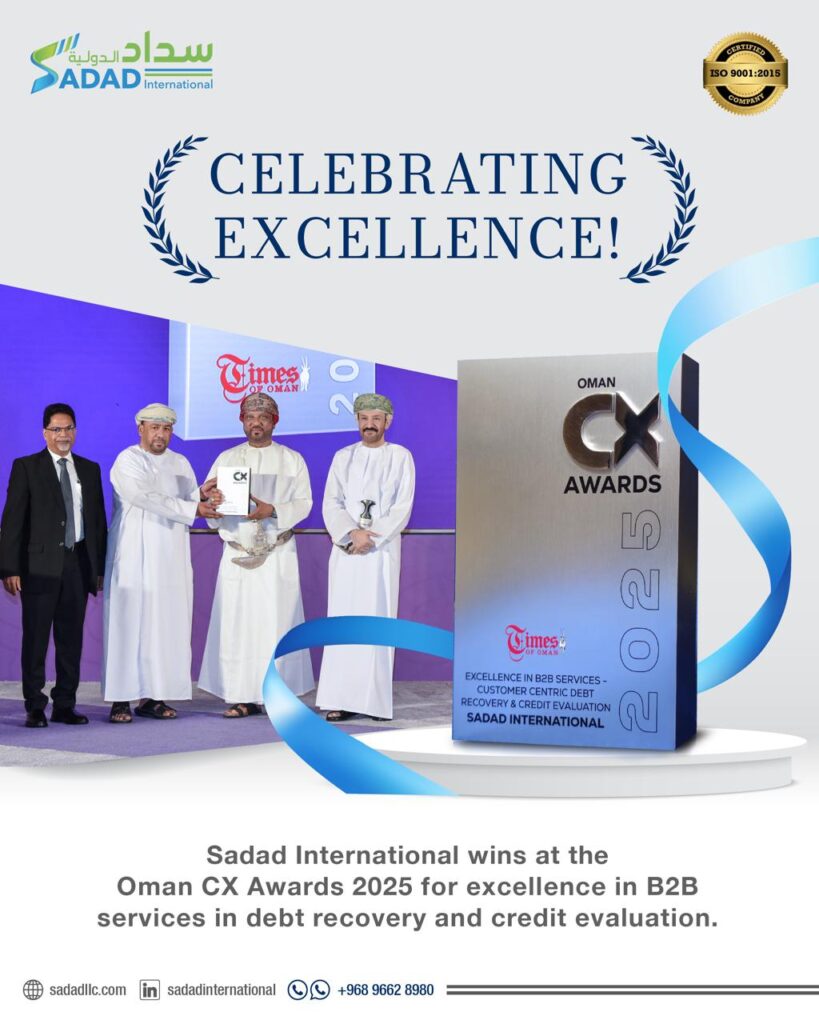
Under Tom Cyriac’s operational leadership, SADAD has earned recognition, including the Excellence in Credit Risk and Debt Collection Services Award at the Business Today Oman CFO Forum 2025. Such recognition reflects the growing importance of professional recovery practices and the value of combining operational rigour with customer centricity. For Tom Cyriac, however, awards are not the ultimate measure of success.
The real measure is whether clients trust the organisation, employees take pride in their work, processes remain dependable, and customers are treated professionally even when conversations are difficult. That is the kind of excellence he seeks to build.
The SADAD Family: Protecting the People Behind the Performance
Debt recovery is emotionally demanding work. Field agents and collection professionals often deal with customers experiencing financial uncertainty, anxiety, frustration, and difficult personal circumstances. They must navigate challenging conversations while maintaining composure, professionalism, and persistence.
Cyriac believes that an organisation cannot expect its employees to demonstrate empathy towards customers if it does not demonstrate empathy towards its own people. This understanding has helped shape the culture of SADAD, which proudly refers to its employees as the “SADAD Family.”
The expression is intended to represent a culture of support and belonging. Team leaders maintain regular communication with field agents. Supervisors provide immediate assistance when difficult situations arise. Employees are encouraged to approach senior leadership through an open door culture.
For people working in field recovery, knowing that help is available can be reassuring. It creates a sense that they are not expected to manage every difficult situation alone. Tom Cyriac views employee wellbeing not as an administrative HR responsibility, but as an obligation of leadership.
He recognises that field employees operate under pressures that are not always visible to senior management. Environmental conditions, travel, customer interactions, targets, and emotional fatigue can take a toll. A leader must remain conscious of these realities rather than evaluating performance purely through numbers. Supportive leadership does not eliminate accountability. Instead, it creates an environment where accountability becomes healthier and more sustainable.
When employees feel respected, supported, and valued, they are more likely to remain engaged. When they trust their supervisors, they are more willing to raise concerns, seek help, and learn from difficult experiences. When they feel connected to their organisation, they develop a greater sense of responsibility towards its customers and objectives.
This is the connection Tom Cyriac seeks to establish between employee wellbeing and business performance. The SADAD Family is, in many ways, an expression of his broader leadership philosophy. Relationships matter. People matter. And the quality of an organisation is ultimately reflected in how it treats those who contribute to its success.
A Leader Who Has Witnessed Technology Rewrite Business
Tom Cyriac’s career has unfolded alongside some of the most significant technological changes in modern business. When he pursued his MBA, computer education was largely theoretical for many students, with limited practical exposure. He entered the workforce during a period when organisations were still cautious about adopting new technology.
Over the decades, he witnessed the arrival and widespread adoption of personal computers, the internet, digital transformation, social media, and now artificial intelligence. Each development has changed how businesses communicate, compete, operate, and serve customers.
Having experienced these transitions, Tom Cyriac does not regard technology as something to fear. He sees it as an opportunity that leaders must understand and embrace. Artificial intelligence, automation, analytics, and digital platforms are likely to transform credit risk management and debt recovery. They can help organisations process information more efficiently, improve decision support, identify patterns, strengthen operational productivity, and reshape customer engagement.
The challenge for leadership is to ensure that technological advancement is accompanied by sound judgement. Technology can process information. It can identify patterns. It can help make decisions faster. But business decisions often involve circumstances that require context, discretion, understanding, and human judgement.
Tom Cyriac believes that the leaders of tomorrow will be those who remain curious and willing to learn while holding firmly to the values that make leadership meaningful. Integrity, empathy, resilience, accountability, and the ability to inspire people will remain indispensable, regardless of how advanced technology becomes.
His own career demonstrates the importance of remaining adaptable. The professional who began in sales in the mid eighties has navigated industries and business environments that have transformed beyond recognition. Yet he has continued to learn, adjust, and remain relevant. For him, embracing technology is not about abandoning the past. It is about using experience to navigate the future more intelligently.
The Legacy of Learning
Looking back at Tom Cyriac’s professional journey, the most revealing perspective is not the number of industries he has worked in or the positions he has held, but the connection between the experiences that shaped him.
The young sales executive who learnt the importance of customer relationships. The marketing leader who helped navigate Rashtra Deepika through a defining period of transformation in the 1990s. The professional who moved across industries and geographical boundaries, never allowing unfamiliarity to become a barrier. The executive who learnt to lead multicultural teams in Oman. The COO who believes debt recovery can preserve relationships rather than destroy them. And the leader who considers the wellbeing of his employees a responsibility that extends beyond the office. These are not separate identities. They are different expressions of the same philosophy.
His years at Rashtra Deepika stand out as a particularly defining chapter because they placed him in the midst of an institutional transformation. Working as Marketing Manager, leading the entire marketing team, and contributing to the success of the organisation during its celebrated turnaround gave him an experience in leadership, collective ambition, and commercial reinvention that would remain relevant throughout his career.
It was a lesson in how legacy and innovation can coexist, how organisations can honour their past while pursuing a new future, and how people become central to any meaningful transformation. His subsequent experiences in India and the Middle East would reinforce those lessons in different ways. Every new industry demanded a fresh understanding. Every new team required a different approach. Every new challenge tested his ability to adapt without losing sight of his principles. That may be the most significant quality in his professional journey: he has remained willing to learn.
In an era when experience can sometimes make leaders resistant to change, Tom Cyriac appears to have drawn a different conclusion. Experience should not make a person less curious. It should make that person more discerning, more open to different perspectives, and more capable of recognising when the old way is no longer the right way. His leadership philosophy is particularly relevant in today’s business environment, where organisations face constant change, uncertainty, technological disruption, and increasingly complex customer expectations.
The temptation is often to respond with tighter controls, more instructions, and greater pressure. Yet Tom Cyriac’s career suggests that the most sustainable results come from a different approach. Leaders must remain firm in their values but flexible in their methods. They must be ambitious about performance but respectful of the people responsible for delivering it. They must embrace technology without surrendering judgement and pursue commercial success without losing sight of human dignity.
At forty years into his professional journey, Tom Cyriac’s story is a reminder that leadership is not a destination reached through experience, seniority, or designation. It is an ongoing process of learning, adjusting, understanding, and becoming better equipped to lead the people around you.
Perhaps the greatest measure of his leadership is not simply the organisations he has helped strengthen, the markets he has served, or the professional recognition he has received. It is the philosophy he continues to champion: that meaningful business success is built when commercial objectives and human values reinforce one another. He tells the new gen few important lessons. Adapt, do not assume. Listen, before you instruct. Lead people, not just processes. Embrace change, but never lose your humanity. That, perhaps, is the real meaning of forty years of learning to adapt, not instruct.


