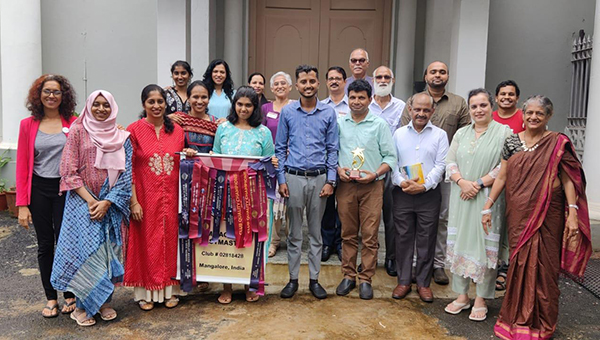
Francis Rego is new President of Milagres Toastmasters Club
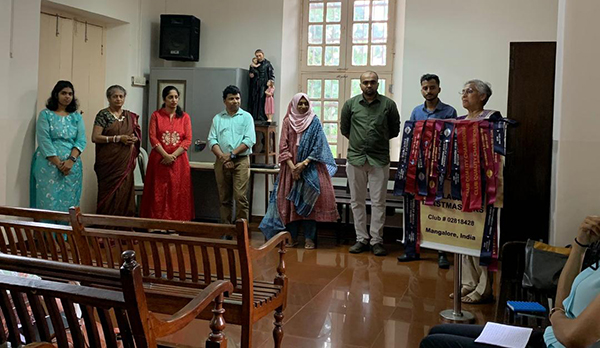
The new team of office bearers of Milagres Toastmasters for 2023-24 led by president TM Francis Rego was installed on Sunday July 2 2023 at Monica Hall, Milagres Church Compound. The installation Ceremony was themed “ Explore Experience Enjoy”
Fr. Michael Santhmayor, Principal, Milagres Degree College, graced the event as the Chief guest for the day. In his speech to the gathering, he addressed the theme “Explore Experience Enjoy” saying that acceptance of language makes us a global citizen. Propogate religion of languages instead of faith. Leave the shore and explore the ocean. Experience makes a person wise.
TM Anusha Shetty served as Sergeant at Arms for the event. The outgoing president, TM Sharline Rodregues delivered the last speech of her presidential ter She thanked her executive team, her club members and the toastmasters of Mangaluru for supporting her through her tenure.
Outstanding Toastmaster Award was awared to TM Zakir Husain Panambur.
TM Mohammed Kunhi presented a very elaborate secretar’s report, highligting the events, achievements and updates of the club during the term 2021-2022. TM Pavanashree enthusiastically introduced the team of office bearers.
TM Vimala introduced the Area Direcotr TM Sunitha M A Periera. The following officers were installed by area director; TM Francis Rego as President, TM Akarsh as VP Education, TM Azma Sheikh as VP Membership, TM Zakir Husain as VPPR, TM Cavya as Secretary, TM Vimala as Treasurer and TM Carolin as Sargeant at Arms. In her address, she congratulated the outgoing executive team and wished the best for the incoming executive team.
TM Amita Shetty graciously handled the felicitations where representatives of different clubs of Division F showered the club with well wishes and support. TM Cavya concluded the program with heartwarming delivery of the vote of thanks.
The entire program was deligently held together by the anchor, TM Leona Aranha.
The ceremony was attended by many distinguished toastmasters and toastmasters from Mangaluru.
Milagres toastmasters was chartered on October 18, 2012 and since then, club has been providing a supportive and encouraging environment to help its members grow as communicators and leaders. Milagres toastmasters conducts its meetings every alternative Sunday at 9.30am in Monica Hall, Milagres Church Compound.
Since its inception, Global TV depends on contributions from known circles. People who are aware of our work periodically contribute to strengthening our activities. We invite you to join the circle.
Global TV is engaged in a non-threatening mode of Journalism. Our way of journalism is to find the good at every corner and to spread it to the larger society. We organize class events and connect the visionaries to the younger world.
Donation Can be sent Via Google Pay:
+91 9844182044
The latest initiative of Global TV is the launch of Big Screen Human Library. This needs a lot of support.
Mothers (housewives) are the most powerful. Capable of working everyday forever.
Matru Shakti Yojana of ‘Rebuild India’ is a micro entrepreneur program for mothers.
Our mothers are not liabilities on the economy even if they don’t do financially gainful work. But, they need to be allowed to be a part of national development.
It’s not a favour to the mothers. It’s our privilege to get inspired from many mothers.
The work is huge. It’s necessary for everybody to join hands.
Title: The Pursuit of Happiness: Unlocking the Key to a Fulfilling Life
Introduction: Happiness is an elusive concept that has captivated philosophers, psychologists, and individuals across cultures and generations. What is it that makes us happy? Can we truly achieve a state of lasting happiness? These questions have sparked countless debates and inquiries, but one thing is clear: happiness is a fundamental human desire. In this article, we will explore the nature of happiness, its underlying factors, and how we can cultivate a more fulfilling and joyful life.
Understanding Happiness: Happiness is not a destination or a fixed state but rather a dynamic and subjective experience. It is the feeling of contentment, joy, and overall satisfaction with one’s life. While external circumstances and events can influence our happiness temporarily, research suggests that happiness is largely determined by internal factors, such as our mindset, values, and relationships.
The Role of Mindset: Our mindset plays a crucial role in shaping our experience of happiness. The field of positive psychology emphasizes the power of cultivating a positive mindset, which involves focusing on gratitude, optimism, and self-compassion. By training our minds to perceive the world through a positive lens, we can enhance our well-being and resilience in the face of challenges.
The Power of Connection: Human beings are social creatures, and our relationships have a profound impact on our happiness. Numerous studies have shown that having strong social connections and supportive relationships is associated with greater levels of happiness and life satisfaction. Cultivating meaningful connections with family, friends, and community fosters a sense of belonging and provides a vital support system during difficult times.
Pursuing Purpose and Meaning: Beyond external achievements and material possessions, finding a sense of purpose and meaning in life is a key component of lasting happiness. Engaging in activities that align with our values and passions gives us a sense of fulfillment and contributes to our overall well-being. Whether it is through our work, hobbies, or acts of service, having a sense of purpose provides a deeper and more sustainable source of happiness.
The Importance of Self-Care: Taking care of our physical, emotional, and mental well-being is essential for cultivating happiness. Engaging in regular exercise, eating a balanced diet, practicing mindfulness or meditation, and getting enough sleep all contribute to our overall happiness. Prioritizing self-care allows us to recharge, reduce stress, and improve our overall quality of life.
The Paradox of Hedonic Adaptation: Humans have a remarkable ability to adapt to both positive and negative circumstances. This phenomenon, known as hedonic adaptation, can hinder our long-term happiness. The initial joy derived from acquiring new possessions or achieving a goal tends to fade over time as we become accustomed to the new status quo. Recognizing this tendency, we can consciously focus on appreciating the present moment and finding joy in everyday experiences.
Conclusion: While the pursuit of happiness may be a lifelong journey, understanding its foundations can guide us towards a more fulfilling and joyful existence. By nurturing a positive mindset, fostering meaningful connections, pursuing purpose, and prioritizing self-care, we can unlock the key to lasting happiness. Embracing the present moment and finding gratitude in life’s simple pleasures can help us experience happiness in its truest form. Remember, happiness is not a destination; it is a state of being that we can cultivate and nurture within ourselves.
Who are the most happy people in the worldChatGPT
Determining the “most happy” people in the world is a complex task, as happiness is subjective and can vary greatly among individuals. However, several factors have been found to contribute to overall happiness levels within societies. It’s important to note that these factors do not guarantee happiness for every individual within a society, but they provide a general understanding of the conditions that may contribute to higher levels of happiness. Here are some examples:
Nordic Countries: Countries such as Finland, Denmark, Norway, and Iceland consistently rank among the highest in global happiness reports. These nations often prioritize social support, strong social safety nets, high levels of trust, and a good work-life balance. They also tend to have high levels of economic prosperity, quality healthcare, and education systems.
Bhutan: Bhutan is known for prioritizing Gross National Happiness (GNH) over Gross Domestic Product (GDP). This philosophy emphasizes sustainable development, cultural preservation, and spiritual well-being. The country’s unique approach to measuring and promoting happiness has attracted international attention.
Costa Rica: Costa Rica is often cited as one of the happiest countries in the world. It boasts a strong sense of community, a focus on environmental sustainability, and a high life expectancy. Costa Ricans, known as “Ticos,” often value simplicity, social connections, and a slower pace of life.
Netherlands: The Netherlands consistently ranks among the happiest countries globally. It benefits from a high quality of life, excellent healthcare, high levels of social support, and a strong emphasis on work-life balance. The Dutch also value equality, tolerance, and freedom.
It is crucial to note that happiness is a complex and multi-dimensional concept, and the factors contributing to happiness can vary among individuals and cultures. It’s also important to remember that personal circumstances, genetics, and individual perspectives greatly influence an individual’s happiness, regardless of the country they reside in.
Ultimately, the pursuit of happiness is a personal and subjective journey, and what brings happiness to one person may not be the same for another. It is important for individuals to focus on self-awareness, self-care, cultivating positive relationships, pursuing meaningful goals, and finding a sense of purpose in their own lives to maximize their personal happiness.
Tell something about the administration in Costa RicaChatGPT
Costa Rica is a democratic republic with a well-established system of government. It operates under a presidential system, where the president serves as both the head of state and the head of government. The country follows a multi-party system, with various political parties competing in elections to form the government.
The administration in Costa Rica is characterized by stability and a long-standing commitment to democracy. The country abolished its army in 1949 and has since focused on investing in education, healthcare, and social welfare programs. This unique approach has allowed Costa Rica to allocate more resources to social development, resulting in high literacy rates, access to healthcare, and a relatively high standard of living compared to some of its neighbors.
The president, who is elected through a popular vote for a four-year term, holds executive power. The administration is supported by a cabinet, composed of appointed ministers who oversee specific government departments and policy areas. The president and the cabinet are responsible for implementing policies, managing the government’s affairs, and ensuring the well-being of the nation.
Costa Rica’s administration places a strong emphasis on environmental sustainability and conservation. The country is renowned for its commitment to protecting its natural resources and has designated a significant portion of its land as protected areas, including national parks and reserves. Costa Rica’s administration actively promotes sustainable practices, renewable energy, and eco-tourism to preserve its rich biodiversity and minimize its environmental footprint.
Furthermore, Costa Rica is known for its high levels of transparency and low levels of corruption. The country consistently ranks as one of the least corrupt nations in Latin America, according to international indices such as Transparency International’s Corruption Perceptions Index.
Citizen participation is valued in Costa Rican administration, and there is a culture of engaging in grassroots movements and community initiatives. Civil society organizations play an active role in shaping public policies and advocating for social and environmental causes.
Overall, the administration in Costa Rica operates under democratic principles, prioritizing social development, environmental sustainability, transparency, and citizen participation. Its commitment to these values has contributed to the country’s reputation as a stable and progressive nation in the region.
What are the livelihood avenues for their peopleChatGPT
Costa Rica offers a diverse range of livelihood avenues for its people, driven by various sectors of the economy. Here are some of the significant livelihood avenues in Costa Rica:
Tourism: Costa Rica’s natural beauty, biodiversity, and eco-tourism initiatives make it a popular destination for international visitors. The tourism industry provides numerous employment opportunities, including hotel and restaurant services, tour operators, transportation, and adventure activities. Coastal areas, national parks, and cultural sites attract both domestic and international tourists, generating revenue and creating jobs.
Agriculture: Agriculture plays a vital role in Costa Rica’s economy. The country is known for its coffee, bananas, pineapples, and ornamental plants. Small-scale farmers cultivate a variety of crops, and there is also a growing focus on organic and sustainable farming practices. In addition to crop cultivation, livestock rearing, dairy farming, and aquaculture contribute to the agricultural sector.
Services: The services sector in Costa Rica encompasses a wide range of activities, including finance, banking, insurance, telecommunications, and professional services. San José, the capital city, is a major hub for these services, attracting multinational companies and offering employment opportunities in various fields.
Technology and Innovation: Costa Rica has been striving to position itself as a technology and innovation hub in recent years. The country has a well-educated workforce, and the government has been actively promoting the development of the technology sector. Many multinational companies have established their operations in Costa Rica, creating job opportunities in fields such as software development, data analytics, and shared services.
Manufacturing: Costa Rica has a strong manufacturing sector, including the production of medical devices, electronics, textiles, and processed food products. The country’s favorable business environment, strategic location, and skilled workforce have attracted foreign investment in manufacturing, contributing to job creation and economic growth.
Education and Research: Costa Rica places great emphasis on education, with high literacy rates and a well-developed education system. The country has several universities and research institutions that provide employment opportunities for academics, researchers, and educators. Additionally, the education sector supports various ancillary services such as tutoring, language schools, and vocational training.
Creative Industries: Costa Rica has a thriving artistic and cultural scene. The creative industries, including visual arts, music, film, and crafts, offer opportunities for artists, performers, designers, and entrepreneurs. Art galleries, festivals, and cultural events contribute to the growth of this sector.
It’s important to note that employment opportunities may vary across regions in Costa Rica, with urban areas providing more diverse options compared to rural areas. Additionally, self-employment and entrepreneurship are prevalent, with many individuals starting their own businesses in sectors such as tourism, hospitality, and services.
Costa Rica’s economy has shown resilience and adaptability, offering a range of livelihood avenues for its people across various sectors.
Which are the universitiesChatGPT
Costa Rica is home to several reputable universities that offer a wide range of academic programs and contribute to the country’s educational and research landscape. Here are some of the prominent universities in Costa Rica:
University of Costa Rica (Universidad de Costa Rica or UCR): As the oldest and largest university in Costa Rica, UCR is highly regarded for its academic excellence and research contributions. It offers a broad range of programs across multiple disciplines, including arts, sciences, engineering, agriculture, law, medicine, and social sciences.
Costa Rica Institute of Technology (Instituto Tecnológico de Costa Rica or TEC): TEC is known for its strong focus on science, technology, engineering, and mathematics (STEM) fields. It offers undergraduate and graduate programs in areas such as engineering, computer science, biotechnology, renewable energy, and business administration.
National University of Costa Rica (Universidad Nacional de Costa Rica or UNA): UNA is a public university that offers programs in various disciplines, including natural sciences, humanities, social sciences, education, and health sciences. It is recognized for its commitment to environmental conservation and sustainable development.
Latin University of Costa Rica (Universidad Latina de Costa Rica): With multiple campuses across the country, Universidad Latina offers a wide range of programs at the undergraduate and graduate levels. It covers fields such as business administration, health sciences, engineering, arts, and communication.
National Technical University (Universidad Técnica Nacional or UTN): UTN specializes in technical and professional education. It offers programs related to engineering, construction, agriculture, tourism, and applied sciences, aiming to meet the demand for skilled professionals in these areas.
Earth University (Universidad EARTH): Focused on agricultural sciences and sustainable development, Earth University offers a unique educational model that combines academic training, leadership development, and experiential learning. It aims to prepare professionals who can address global challenges in agriculture and natural resource management.
These universities, along with other higher education institutions in Costa Rica, provide quality education and contribute to research, innovation, and the development of highly skilled professionals. They play a crucial role in shaping Costa Rica’s intellectual capital and preparing students for careers in various sectors of the economy.
It’s important to note that this is not an exhaustive list, and there are additional universities and educational institutions in Costa Rica that also provide valuable educational opportunities.
Who are the neighboring countriesChatGPT
Costa Rica is located in Central America and shares borders with two countries: Nicaragua to the north and Panama to the southeast. Here is a brief overview of Costa Rica’s neighboring countries:
Nicaragua: Costa Rica shares its northern border with Nicaragua. The two countries are connected by land and share a history of cultural and economic exchange. Nicaragua is known for its volcanic landscapes, colonial cities such as Granada and León, and the beautiful Lake Nicaragua. The border region between Costa Rica and Nicaragua is home to diverse ecosystems, including rainforests and wildlife reserves.
Panama: Costa Rica shares its southeastern border with Panama. The two countries are connected by land and have a shared cultural heritage. Panama is renowned for its famous engineering marvel, the Panama Canal, which connects the Atlantic and Pacific Oceans. The country is known for its vibrant capital city, Panama City, with its modern skyline and historic Casco Viejo district. Panama is also home to lush rainforests, stunning beaches, and indigenous communities.
Costa Rica’s proximity to these neighboring countries allows for cultural exchanges, trade, and tourism. The borders facilitate travel and provide opportunities for exploration and engagement with the natural beauty and diverse cultures of the region.
Other nearest countriesChatGPT
In addition to Nicaragua and Panama, Costa Rica’s neighboring countries also include several other nations in Central America. Here are the other nearest countries to Costa Rica:
Honduras: Located to the northeast of Costa Rica, Honduras shares a border with Nicaragua. Honduras is known for its Mayan ruins, beautiful Caribbean coastline, and diverse ecosystems, including the Mosquito Coast and the Bay Islands.
El Salvador: To the southeast of Honduras, El Salvador is another neighboring country of Costa Rica. El Salvador is known for its picturesque beaches, volcanic landscapes, and Mayan archaeological sites. The country offers opportunities for surfing, ecotourism, and exploring its rich cultural heritage.
Guatemala: Located northwest of El Salvador and Honduras, Guatemala is renowned for its ancient Mayan ruins, colonial architecture, and vibrant indigenous cultures. The country’s diverse landscapes include volcanoes, rainforests, and the stunning Lake Atitlán.
Belize: While not directly bordering Costa Rica, Belize is located to the southeast of Mexico and is considered part of Central America. Belize is known for its pristine Caribbean coastline, barrier reefs, and ancient Maya temples. It offers opportunities for diving, snorkeling, and exploring its rich marine biodiversity.
These neighboring countries provide travelers and explorers with a wealth of cultural, historical, and natural wonders to discover. Each country has its own unique attractions and characteristics that contribute to the rich tapestry of Central America’s diverse heritage.
Which of the above happy countries are near to IndiaChatGPT
Among the countries mentioned earlier as being known for their happiness levels, none are geographically close to India. However, if we consider the nearest countries to India, they would be located in South Asia. Here are some neighboring countries of India:
Nepal: Situated to the north of India, Nepal shares a border along the Himalayas. Known for its stunning mountain landscapes, including Mount Everest, Nepal is a popular destination for trekkers, adventure enthusiasts, and those interested in exploring rich cultural heritage and ancient temples.
Bhutan: Located to the northeast of India, Bhutan is known for its unique approach to measuring Gross National Happiness (GNH) and its commitment to environmental conservation. The country offers opportunities for exploring its beautiful landscapes, including the Himalayas, and experiencing its vibrant Buddhist culture.
Bangladesh: Situated to the east of India, Bangladesh shares a border along the Indian states of West Bengal, Tripura, Meghalaya, Assam, and Mizoram. Bangladesh is known for its diverse culture, historical sites such as the ancient city of Bagerhat, and the beautiful Sundarbans mangrove forest.
Myanmar (Burma): Located to the east of India, Myanmar shares a border with the Indian states of Mizoram, Manipur, Nagaland, and Arunachal Pradesh. Myanmar is known for its rich Buddhist heritage, ancient temples, and scenic landscapes, including the famous Bagan archaeological site.
While these neighboring countries may not necessarily be specifically known for their happiness levels, they offer unique cultural experiences, historical sites, and natural beauty for travelers from India and around the world.
I am asking about countries from the first article aboveChatGPT
Apologies for the confusion. Among the countries mentioned in the first article as being known for their happiness, none of them are geographically close to India. The countries discussed in the first article were the Nordic countries (Finland, Denmark, Norway, Iceland), Bhutan, Costa Rica, and the Netherlands. These countries are located in Europe (Nordic countries and the Netherlands) and Central America (Costa Rica and Bhutan).
India, on the other hand, is located in South Asia, and its neighboring countries include Nepal, Bhutan, Bangladesh, and Myanmar (Burma), as mentioned in the previous response.
Therefore, there is no overlap between the countries known for their happiness in the first article and the countries geographically close to India.
BhutanChatGPT
Apologies for the confusion in the previous response. Bhutan, one of the countries mentioned in the first article as being known for its happiness, is geographically close to India. In fact, Bhutan shares a border with India.
Bhutan is located in the Eastern Himalayas and is bordered by the Indian states of Sikkim, Arunachal Pradesh, Assam, and West Bengal. It is known for its unique philosophy of Gross National Happiness (GNH), which focuses on holistic well-being and sustainable development.
The close proximity between India and Bhutan has fostered a strong relationship between the two countries, including cultural, economic, and diplomatic ties. India has been a key partner in Bhutan’s development and has provided support in various sectors, including education, infrastructure, and trade.
Many Indian tourists visit Bhutan to explore its beautiful landscapes, Buddhist monasteries, and unique cultural heritage. The countries also engage in cross-border trade and cooperation in areas such as hydropower generation and tourism.
Therefore, Bhutan, a country known for its emphasis on happiness and well-being, is geographically close to India and shares a border with several Indian states.
What is the state of affairs in Myanmar about happinessChatGPT
The state of affairs in Myanmar regarding happiness is complex and has been influenced by various factors, including political unrest, human rights issues, and socio-economic challenges. It is important to note that the situation in Myanmar is highly dynamic, and the following information reflects the general context up until my knowledge cutoff in September 2021. Given that the political situation in Myanmar has evolved significantly since then, the current state of affairs may have changed.
Myanmar has experienced political instability for many decades, with periods of military rule and ongoing conflicts with ethnic minority groups. The military coup in February 2021, which overthrew the democratically elected government, has led to widespread protests, civil unrest, and a deteriorating human rights situation. The military’s actions and the subsequent crackdown on dissent have resulted in violence, arbitrary detentions, and human rights abuses, causing immense suffering and loss of life.
Given these circumstances, it is challenging to assess the state of happiness among the people of Myanmar. The prolonged political turmoil and human rights violations have undoubtedly had a negative impact on the well-being and happiness of the population. The restrictions on civil liberties, limited access to essential services, and economic hardships resulting from the political instability have created significant challenges for the people of Myanmar.
It is crucial to recognize that happiness is a multifaceted concept that encompasses not only personal well-being but also social, political, and economic factors. In the current situation, the people of Myanmar are grappling with significant hardships, including limited freedoms, violence, displacement, and a struggling economy. These factors contribute to a challenging environment that can negatively impact overall happiness and well-being.
However, it is important to note that despite these difficulties, the people of Myanmar have demonstrated resilience, unity, and a strong commitment to democracy and human rights. Civil society organizations, activists, and individuals within Myanmar continue to work towards a more inclusive, just, and peaceful society.
Given the rapidly changing nature of the situation in Myanmar, it is advisable to seek up-to-date information from reliable sources to gain a more accurate understanding of the current state of affairs and the well-being of the people in the country.
Where does India stand in happiness index ChatGPT
As of my knowledge cutoff in September 2021, India’s position in the World Happiness Report, which ranks countries based on various factors related to happiness and well-being, has varied over the years. The World Happiness Report is released annually by the United Nations Sustainable Development Solutions Network.
In the 2021 World Happiness Report, India was ranked 139 out of 149 countries. The report takes into account several indicators, including GDP per capita, social support, life expectancy, freedom to make life choices, generosity, and perceptions of corruption. While the ranking can fluctuate from year to year, India has typically been placed in the lower half of the index.
It’s important to note that measuring and assessing happiness and well-being is a complex task, and different reports and indices may provide varying results. The ranking in the World Happiness Report does not provide a comprehensive view of the overall happiness or well-being of the population in a country. Factors such as social and economic inequalities, cultural diversity, and regional variations can significantly influence the happiness levels within a country.
Moreover, it is worth mentioning that the COVID-19 pandemic, which has had a profound impact on global well-being, including in India, may have influenced the country’s ranking in recent years. The pandemic has brought about numerous challenges, including health crises, economic disruptions, and social consequences, which can affect people’s overall happiness and well-being.
To gain a more comprehensive understanding of happiness in India, it is important to consider various factors, such as social, economic, and cultural dynamics, as well as individual experiences and perceptions.
What are the important suggestions to create activities at people to people level for happiness increaseChatGPT
Creating activities at the people-to-people level can significantly contribute to happiness increase within a community. Here are some important suggestions to foster such activities:
Community Engagement: Encourage community members to actively participate in local initiatives and events. Organize community gatherings, festivals, or cultural programs that bring people together, fostering a sense of belonging and social connection.
Volunteerism and Service: Promote volunteerism and encourage people to engage in service activities. This could involve organizing community service projects, environmental clean-ups, or supporting local charities and NGOs. Volunteering not only helps others but also provides a sense of purpose, fulfillment, and social connection, enhancing overall happiness.
Skill Sharing and Learning: Encourage individuals to share their skills and knowledge with others. Organize workshops, classes, or skill-sharing sessions where community members can teach and learn from one another. This fosters a sense of empowerment, personal growth, and social interaction, positively impacting happiness levels.
Physical Activities and Sports: Promote physical activities and sports within the community. Arrange regular sports events, fitness classes, or outdoor recreational activities that encourage people to engage in physical exercise and enjoy the benefits of an active lifestyle. Physical activity releases endorphins and promotes mental well-being.
Cultural Exchange: Organize events that celebrate the cultural diversity within the community. Encourage people from different backgrounds to share their traditions, music, dance, and cuisine, fostering intercultural understanding and appreciation. Cultural exchange promotes unity, connection, and happiness through the celebration of shared experiences.
Support Groups and Social Clubs: Create support groups or social clubs centered around common interests or shared experiences. These groups can provide a platform for individuals to connect, share experiences, and find support. Examples include book clubs, hobby groups, parenting support groups, or mental health support groups.
Art and Creativity: Encourage artistic expression and creativity within the community. Organize art workshops, craft sessions, or community art projects. Engaging in artistic pursuits provides an outlet for self-expression, boosts creativity, and fosters a sense of accomplishment and happiness.
Promote Kindness and Compassion: Encourage acts of kindness and compassion in everyday life. Spread awareness about the importance of empathy and encourage people to engage in random acts of kindness, such as helping others in need, supporting neighbors, or promoting a positive and inclusive environment.
By implementing these suggestions, communities can create opportunities for social interaction, personal growth, and meaningful connections, ultimately contributing to increased happiness levels among individuals. It is important to foster an inclusive and supportive environment that values and promotes the well-being of all community members.
How to promote kindness and compassionChatGPT
Promoting kindness and compassion in society can have a significant positive impact on individuals and communities. Here are some ways to encourage and foster kindness and compassion:
Lead by Example: Practice kindness and compassion in your own daily life. Be kind to others, show empathy, and engage in acts of compassion. When people witness kindness in action, it can inspire and encourage them to do the same.
Spread Awareness: Raise awareness about the importance of kindness and compassion. Share stories and examples of acts of kindness through social media, community platforms, or local publications. Highlight the positive impact that acts of compassion can have on individuals and society as a whole.
Education and Empathy Building: Incorporate empathy-building programs in schools, colleges, and community organizations. Teach children and young adults about empathy, compassion, and the value of treating others with kindness and respect. Encourage activities that promote understanding, perspective-taking, and tolerance.
Volunteer and Community Service: Engage in volunteer work and community service. Participate in local service projects or join organizations that focus on helping others. Volunteering allows individuals to contribute to the well-being of others and fosters a sense of compassion and connection.
Random Acts of Kindness: Encourage random acts of kindness in everyday life. Promote initiatives like “Pay It Forward” or “Kindness Challenges” where individuals are encouraged to perform acts of kindness and then invite others to do the same. Small gestures, such as holding the door for someone or offering a helping hand, can make a significant difference.
Promote Inclusivity and Respect: Foster an inclusive and respectful environment where diversity is celebrated. Encourage open dialogue, promote understanding, and discourage discrimination or prejudice. Create safe spaces where individuals feel valued, accepted, and respected.
Kindness Campaigns and Events: Organize kindness campaigns or events within your community. This could include initiatives like “Kindness Week” or “Random Acts of Kindness Day,” where community members are encouraged to engage in acts of kindness and compassion.
Practice Active Listening: Take the time to listen attentively to others. Show genuine interest and empathy in their experiences, challenges, and emotions. Active listening promotes understanding, connection, and validates the importance of each person’s voice.
Practice Self-Kindness: Encourage individuals to practice self-compassion and self-care. Remind others of the importance of being kind to themselves, taking care of their physical and mental well-being, and treating themselves with the same kindness they extend to others.
Collaboration and Cooperation: Foster a culture of collaboration and cooperation in workplaces, schools, and community settings. Encourage teamwork, mutual support, and a spirit of helping one another. By promoting collaboration, individuals are more likely to demonstrate kindness and compassion towards their peers.
Promoting kindness and compassion requires a collective effort from individuals, communities, and institutions. By incorporating these practices and fostering a culture of kindness, we can create a more compassionate and empathetic society where everyone feels valued and supported.
Tell something about the power of collective actionChatGPT
The power of collective action is a force that can bring about significant change and achieve common goals. When individuals come together and pool their efforts, resources, and voices, they can create a transformative impact on various levels, from local communities to global movements. Here are some key aspects of the power of collective action:
Strength in Numbers: Collective action harnesses the strength of numbers. When individuals unite and work together towards a common cause, they amplify their influence and create a powerful collective voice. This increased strength can help overcome barriers, challenge existing systems, and demand attention and change.
Shared Resources and Expertise: Collective action allows for the pooling of resources, skills, and expertise. By combining efforts and knowledge, individuals can maximize their impact and achieve results that may not be possible individually. Sharing resources and expertise creates synergy and increases the effectiveness of collective action initiatives.
Mobilizing for Change: Collective action mobilizes people to take action and advocate for change. It raises awareness about pressing issues, galvanizes support, and motivates individuals to participate actively in efforts to address challenges. The collective momentum generated by a group of people working together can inspire others to join and contribute to the cause.
Amplifying Voices: Collective action amplifies the voices of marginalized or underrepresented groups. It provides a platform for those who may not have access to power structures or decision-making processes to be heard. By joining forces, individuals can advocate for their rights, express their concerns, and influence policy decisions that affect their lives.
Social and Cultural Change: Collective action has the potential to drive social and cultural change. Movements focused on civil rights, gender equality, environmental conservation, and other social issues have shaped societies and challenged deeply ingrained norms and practices. Through collective action, individuals can challenge injustice, promote inclusivity, and create a more equitable and compassionate world.
Policy Influence: Collective action can have a direct impact on policy formulation and implementation. By organizing and advocating for specific policy changes, individuals can influence decision-makers, legislators, and institutions. This can lead to the development and implementation of laws, regulations, and practices that align with the collective goals and aspirations of a community or movement.
Building Networks and Alliances: Collective action helps build networks and alliances among diverse groups and organizations. It fosters collaboration, cooperation, and solidarity among individuals who share common values and objectives. These networks can be instrumental in mobilizing resources, exchanging knowledge, and sustaining long-term efforts for positive change.
Inspiration and Empowerment: Collective action empowers individuals by instilling a sense of agency and belonging. It shows that their voices and actions matter, fostering a collective belief in the power to effect change. By participating in collective action, individuals gain confidence, develop leadership skills, and become active contributors to their communities.
Collective action is a powerful tool for promoting social, economic, and environmental justice. By recognizing and harnessing the power of unity and collaboration, individuals can address pressing issues, challenge injustices, and shape a better future for themselves and future generations.
What will happen if the poor are empowered to become relatively richChatGPT
Empowering the poor to become relatively rich can have a transformative impact on individuals, communities, and society as a whole. Here are some potential outcomes of empowering the poor to attain relative wealth:
Poverty Alleviation: Empowering the poor to become relatively rich can lead to significant poverty reduction. As individuals gain access to resources, opportunities, and economic stability, they can lift themselves and their families out of poverty. This, in turn, improves living conditions, reduces inequality, and promotes social mobility.
Enhanced Quality of Life: Increased wealth can improve the overall quality of life for the poor. It allows for better access to basic necessities such as nutritious food, clean water, healthcare, and education. Improved living conditions, including better housing and sanitation, contribute to the well-being and overall happiness of individuals and their families.
Economic Growth and Development: Empowering the poor can drive economic growth and development. When individuals are given the means and opportunities to enhance their economic well-being, they can become active participants in the economy. Increased incomes and consumer spending contribute to local markets, stimulate entrepreneurship, and create employment opportunities for others.
Education and Skill Development: Empowering the poor with wealth can enable greater access to education and skill development. Education plays a crucial role in breaking the cycle of poverty, as it equips individuals with knowledge, skills, and opportunities for personal and professional growth. This, in turn, enhances productivity, employability, and income potential.
Increased Social and Political Participation: As the poor become relatively rich, they gain a stronger voice and influence in social and political spheres. Economic empowerment enables individuals to participate actively in decision-making processes, engage in civic activities, and advocate for their rights and interests. This fosters a more inclusive and participatory society.
Reduced Social Disparities: Empowering the poor to become relatively rich can help reduce social disparities. When individuals have access to resources, opportunities, and wealth, social inequalities are diminished. This can lead to greater social cohesion, improved social mobility, and a more equitable distribution of resources within society.
Enhanced Human Capital: Empowered individuals are more likely to invest in their own human capital, such as education, skills, and health. This, in turn, strengthens the overall human capital of a society, leading to a more productive workforce, increased innovation, and improved economic competitiveness.
Poverty Eradication: Ultimately, empowering the poor to become relatively rich contributes to the long-term goal of eradicating poverty. By addressing the root causes of poverty and providing opportunities for economic advancement, societies can work towards sustainable poverty reduction and create pathways for generational prosperity.
It is important to note that empowering the poor to become relatively rich requires a comprehensive approach that encompasses not only income generation but also access to education, healthcare, social protection, and supportive policies. Collaboration among governments, civil society, and private sectors is crucial in implementing effective poverty alleviation strategies and creating an enabling environment for economic empowerment.
What is the role of creating opportunities for the poor by utilizing natural resourcesChatGPT
Creating opportunities for the poor by utilizing natural resources can play a significant role in poverty reduction and sustainable development. Here are some key aspects of the role that natural resource utilization can have:
Economic Development and Job Creation: Natural resources, such as minerals, forests, fisheries, and agricultural land, can serve as valuable assets for economic development. By responsibly harnessing and utilizing these resources, opportunities for income generation and job creation can be created for the poor. This can include activities like sustainable farming, agro-processing, eco-tourism, and small-scale mining or extraction.
Access to Basic Needs and Services: Natural resource utilization can provide access to basic needs and essential services for the poor. For example, utilizing natural resources for agricultural purposes can enhance food security and improve nutrition for local communities. Access to clean water, energy, and healthcare can also be improved through sustainable resource management.
Livelihood Diversification: Natural resource utilization can offer opportunities for diversifying livelihoods and reducing dependence on a single income source. This is particularly important for rural communities that rely heavily on natural resources for their subsistence. By providing alternative income-generating activities and skills training, natural resource utilization can support the development of more resilient and sustainable livelihoods.
Environmental Conservation and Sustainability: Responsible and sustainable natural resource utilization is essential for the long-term well-being of both the poor and the environment. Balancing economic development with environmental conservation ensures that natural resources are not depleted or degraded, preserving them for future generations. Sustainable practices, such as reforestation, ecosystem restoration, and sustainable fishing, can provide ongoing benefits to both the environment and the livelihoods of the poor.
Community Empowerment and Ownership: Involving local communities, including the poor, in the decision-making processes related to natural resource utilization can empower them and enhance their ownership of these resources. Community-based resource management approaches, such as community forestry or community-led conservation initiatives, enable the poor to have a say in how natural resources are utilized, ensuring their equitable access and distribution of benefits.
Value Addition and Market Access: Utilizing natural resources can involve value addition and processing, which increases the economic returns for the poor. This can include activities like adding value to agricultural products through processing, developing local handicrafts or artisanal products, or engaging in sustainable value chains that connect producers with national and international markets. Access to markets and fair trade practices are important in ensuring that the poor receive a fair share of the economic benefits from resource utilization.
Sustainable Development and Resilience: Natural resource utilization that takes into account environmental sustainability, social equity, and economic viability contributes to overall sustainable development. By adopting sustainable practices and ensuring the inclusion of marginalized communities, natural resource utilization can enhance resilience to environmental changes, reduce poverty, and promote long-term well-being.
It is important to note that natural resource utilization should be carried out in a responsible and sustainable manner, considering the ecological, social, and economic implications. Effective governance, regulatory frameworks, and stakeholder participation are crucial to ensure that natural resource utilization benefits the poor while safeguarding the environment and promoting long-term sustainability.
Can we look up to rural integration in a global eye viewChatGPT
Yes, rural integration can be examined from a global perspective, considering its significance in achieving sustainable development goals, promoting inclusive growth, and addressing global challenges. Here are some key aspects to consider when looking at rural integration from a global viewpoint:
Sustainable Development: Rural integration is crucial for achieving sustainable development on a global scale. Rural areas play a vital role in food production, natural resource management, and biodiversity conservation. Integrated rural development approaches that consider social, economic, and environmental dimensions can contribute to poverty reduction, food security, and sustainable livelihoods, while also ensuring the preservation of ecosystems and natural resources.
Poverty Reduction and Inclusive Growth: Globally, a significant proportion of the poor reside in rural areas. Integrating rural communities into the broader economic and social fabric is essential for poverty reduction and inclusive growth. It involves providing access to basic services, such as education, healthcare, clean water, and energy, as well as improving infrastructure, creating employment opportunities, and supporting entrepreneurship in rural areas.
Agricultural Development and Food Security: Rural integration is closely linked to agricultural development and global food security. Enhancing agricultural productivity, improving access to markets, and promoting value chains that connect rural producers to national and international markets are vital for ensuring food availability and reducing hunger. Integrated approaches that address agricultural, environmental, and social aspects can contribute to sustainable agricultural practices, resilient food systems, and improved livelihoods for rural communities.
Climate Change and Environmental Sustainability: Rural areas often bear the brunt of climate change impacts, such as extreme weather events, land degradation, and water scarcity. Integrating rural communities into global efforts to address climate change is crucial. This includes supporting sustainable land management practices, promoting renewable energy solutions, enhancing climate resilience, and fostering sustainable natural resource management. Rural integration can contribute to global efforts towards environmental sustainability and climate change mitigation.
Digital Connectivity and Technology: Access to digital connectivity and technology is increasingly important for rural integration in a global context. Bridging the digital divide between rural and urban areas can facilitate access to information, education, markets, and financial services. It can enable rural communities to participate in the digital economy, access new opportunities, and enhance their overall well-being.
Global Partnerships and Knowledge Exchange: Collaboration and knowledge sharing among countries, international organizations, and stakeholders are essential for promoting rural integration on a global scale. Sharing best practices, experiences, and lessons learned can support the development and implementation of effective rural development strategies. Global partnerships can facilitate technical and financial support, capacity building, and policy coordination to drive rural integration efforts.
Migration and Urbanization: Rural integration is interconnected with migration and urbanization trends. Addressing rural-urban disparities and creating attractive opportunities in rural areas can help reduce rural-to-urban migration and the associated challenges. Integrated rural development approaches that focus on enhancing rural livelihoods, improving infrastructure, and providing social services can contribute to balanced urban-rural development and sustainable urbanization.
Considering rural integration from a global perspective recognizes the interconnectedness and interdependence of rural areas with broader global development goals and challenges. By addressing rural development in a comprehensive and integrated manner, countries can promote inclusive growth, reduce poverty, ensure food security, protect the environment, and foster sustainable development for the benefit of all.
Suggest me a question nowChatGPT
What are some effective strategies for promoting sustainable tourism in rural areas?
Wonderful. Kindly answerChatGPT
Promoting sustainable tourism in rural areas requires a holistic approach that balances economic development with environmental conservation and community well-being. Here are some effective strategies for achieving sustainable tourism in rural areas:
Community Engagement and Empowerment: Engage local communities in the planning, decision-making, and management processes of tourism initiatives. Encourage their active participation and ownership, as this fosters a sense of pride, preserves cultural heritage, and ensures that the benefits of tourism reach the local population.
Capacity Building and Skills Development: Invest in training and capacity-building programs for community members and local businesses involved in tourism. Provide opportunities for skill development, entrepreneurship training, and sustainable tourism practices. This enhances the quality of services, promotes authenticity, and enables locals to actively participate in the tourism value chain.
Sustainable Resource Management: Emphasize responsible resource management to preserve the natural and cultural assets of rural areas. Implement sustainable practices such as waste management, energy conservation, water conservation, and biodiversity protection. This ensures the long-term viability of the destination and minimizes negative environmental impacts.
Cultural Preservation and Authentic Experiences: Highlight the cultural heritage and unique traditions of rural communities. Encourage visitors to engage in authentic cultural experiences while respecting local customs, traditions, and beliefs. This promotes cultural understanding, supports local artisans and craftsmen, and generates pride in the community’s cultural identity.
Infrastructure Development: Develop necessary infrastructure while considering sustainability aspects. Improve transportation, accommodation, and other tourism-related facilities in a manner that minimizes environmental impact, respects the local aesthetics, and benefits the local community. Emphasize eco-friendly designs, use of renewable energy, and integration with the natural surroundings.
Diversification and Linkages: Encourage the development of diverse tourism products and experiences that showcase the unique offerings of rural areas. Promote linkages between tourism and other sectors such as agriculture, handicrafts, and local food production. This creates opportunities for local businesses, stimulates the local economy, and reduces dependence solely on tourism.
Responsible Visitor Behavior: Educate visitors about responsible tourism practices and encourage them to respect local customs, cultures, and the environment. Promote sustainable tourism principles, such as minimizing waste generation, supporting local businesses, and engaging in responsible wildlife viewing. Encourage interaction with local communities in a mutually respectful and beneficial manner.
Collaboration and Partnerships: Foster collaboration between tourism stakeholders, local communities, government agencies, NGOs, and private sector entities. Establish partnerships that promote sustainable tourism practices, share resources, and support destination management initiatives. Collaborative efforts ensure a coordinated approach, leverage expertise, and maximize the positive impacts of tourism in rural areas.
By implementing these strategies, rural areas can create sustainable tourism experiences that benefit local communities, protect the environment, and provide enriching experiences for visitors. The goal is to strike a balance between economic development, environmental conservation, and the preservation of cultural heritage to ensure the long-term sustainability of rural tourism destinations.
An article about Gandhian philosophy of GRAMSWARAJ
ChatGPT
Gandhian Philosophy of Gramswaraj: Empowering Rural Communities
Mahatma Gandhi, the father of the Indian independence movement, was not only a political leader but also a profound philosopher. His philosophy of Gramswaraj, or village self-rule, emphasized the importance of empowering rural communities and decentralizing political and economic power. Inspired by the principles of simplicity, nonviolence, and self-sufficiency, Gandhian philosophy provides a vision for creating a just and equitable society. In this article, we delve into the key principles and concepts of Gandhian philosophy and explore the significance of Gramswaraj in today’s world.
Principles of Gandhian Philosophy:
a. Satyagraha (Truth and Nonviolence): Satyagraha, or the pursuit of truth through nonviolent means, was the cornerstone of Gandhian philosophy. Gandhi believed that nonviolent resistance was a powerful tool for social and political change. By adhering to truth and practicing nonviolence, individuals and communities could challenge injustice and transform society.
b. Swaraj (Self-Rule): Swaraj, meaning self-rule, was a central concept in Gandhi’s philosophy. He advocated for political and economic independence, encouraging individuals and communities to take responsibility for their own governance and development. Swaraj aimed at achieving self-sufficiency and autonomy, both at the individual and community levels.
c. Sarvodaya (Welfare of All): Sarvodaya, or the welfare of all, was another important principle in Gandhian philosophy. It emphasized the need for inclusivity and the equitable distribution of resources. Gandhi believed that true progress could only be achieved when the most vulnerable members of society were uplifted.
Gramswaraj: Concept and Objectives:
Gramswaraj, often translated as village self-rule, was Gandhi’s vision for decentralized governance and rural development. He believed that the revitalization of rural communities was essential for the overall progress of the nation. Gramswaraj aimed to empower villages by enabling them to govern their own affairs, promoting local self-sufficiency, and preserving traditional crafts and skills.
The objectives of Gramswaraj were as follows:
a. Swadeshi (Self-Sufficiency): Gramswaraj emphasized the promotion of local industries and self-reliance. By encouraging the production and consumption of goods within the community, Gandhi aimed to reduce dependence on external resources and create sustainable local economies.
b. Panchayati Raj (Local Governance): Gandhi advocated for the establishment of Panchayati Raj institutions, local self-government bodies, to give power and decision-making authority to the village communities. Through Panchayati Raj, villagers could actively participate in shaping policies, resolving conflicts, and managing their own resources.
c. Education and Social Reforms: Gramswaraj recognized the importance of education and social reforms in empowering rural communities. Gandhi believed that education should be rooted in the values of truth, nonviolence, and social justice. He also emphasized the eradication of social evils such as untouchability and gender discrimination.
Relevance of Gramswaraj Today:
While Gandhi’s Gramswaraj philosophy emerged in the early 20th century, its principles and objectives continue to hold relevance in today’s world:
a. Sustainable Development: Gramswaraj aligns with the principles of sustainable development by emphasizing local self-sufficiency and resource conservation. It encourages communities to adopt eco-friendly practices and prioritize the well-being of both present and future generations.
b. Community Empowerment: Gramswaraj promotes community participation, decision-making, and self-governance. In an era of globalization and urbanization, empowering rural communities is crucial for ensuring inclusive development and reducing socio
How can it be applied in today’s world
ChatGPT
The application of Gandhian philosophy of Gramswaraj in today’s world requires a thoughtful and contextual approach. While the specific strategies may vary based on the social, economic, and political conditions of each region, the following are some ways in which Gramswaraj can be applied in contemporary society:
Strengthening Local Governance: Encourage the establishment and empowerment of local self-government bodies, such as Panchayati Raj institutions, to give communities more control over their own affairs. These institutions should be supported with adequate resources, training, and decision-making authority, enabling them to address local issues, plan development initiatives, and ensure inclusive governance.
Promoting Sustainable Agriculture and Rural Livelihoods: Encourage sustainable farming practices, organic agriculture, and the preservation of traditional knowledge in rural areas. Support small-scale farmers by providing access to credit, technical assistance, and market linkages. Emphasize the importance of preserving biodiversity, water conservation, and soil health to ensure long-term agricultural sustainability.
Revitalizing Local Industries and Crafts: Promote local industries and crafts by creating markets and networks that connect rural artisans with consumers. Encourage the production and consumption of locally-made products, emphasizing the principles of Swadeshi (self-sufficiency) and sustainability. Support skill development programs that preserve traditional crafts and empower artisans to improve their livelihoods.
Access to Education and Healthcare: Focus on improving access to quality education and healthcare in rural areas. Establish schools and educational institutions that provide value-based education and promote practical skills development. Ensure access to affordable and quality healthcare facilities, including preventive and curative services, in rural communities.
Environmental Conservation and Renewable Energy: Promote environmental conservation through awareness campaigns and community-led initiatives. Encourage the adoption of renewable energy sources such as solar and wind power in rural areas, reducing dependence on non-renewable energy and improving energy access for communities.
Women’s Empowerment and Social Justice: Emphasize women’s empowerment by providing opportunities for education, skill development, and entrepreneurship. Work towards eliminating gender-based discrimination and violence. Promote social justice by addressing caste-based discrimination, ensuring equal rights and opportunities for all members of society.
Sustainable Tourism and Cultural Preservation: Encourage sustainable tourism practices that promote cultural exchange, preserve heritage sites, and generate economic opportunities for local communities. Develop tourism models that respect the environment, culture, and traditions of rural areas, avoiding exploitation and promoting community-led tourism initiatives.
Technology and Digital Connectivity: Leverage technology and digital connectivity to bridge the urban-rural divide. Provide access to information and communication technologies in rural areas, enabling communities to connect, access markets, and gain knowledge. Promote digital literacy and skills training to enhance the digital capabilities of rural populations.
It is important to remember that the application of Gandhian philosophy of Gramswaraj should be tailored to the specific needs and aspirations of each community, respecting their cultural context and local wisdom. By empowering rural communities, promoting sustainable development, and upholding the principles of truth, nonviolence, and self-sufficiency, Gramswaraj can contribute to a more just and equitable society in today’s world.
Are you telling about Rural Integration in the global development process
ChatGPT
Yes, the concept of rural integration is closely related to the global development process. Rural integration refers to the inclusion and active participation of rural areas and communities in the broader development process, ensuring that they benefit from and contribute to global economic, social, and environmental progress. It recognizes that rural areas play a crucial role in the overall development of a nation and that their integration is essential for achieving sustainable and inclusive growth.
Here are some key aspects of rural integration in the global development process:
Economic Development: Rural integration involves promoting economic development in rural areas, ensuring access to markets, and facilitating trade and investment opportunities. It emphasizes the diversification of rural economies beyond traditional agriculture, fostering entrepreneurship, and supporting the growth of rural enterprises. This helps create employment opportunities, reduce poverty, and bridge the urban-rural divide.
Infrastructure and Connectivity: Investing in rural infrastructure, including transportation, communication, energy, and water supply, is crucial for rural integration. Improved infrastructure enhances connectivity, facilitates the movement of goods and services, and enables access to markets, education, healthcare, and other essential services. It reduces the isolation of rural areas and promotes their integration into regional and global networks.
Access to Services: Ensuring access to quality education, healthcare, sanitation, clean water, and other essential services is a fundamental aspect of rural integration. It requires addressing the gaps in service provision between rural and urban areas, improving rural healthcare facilities, and enhancing the quality of education in rural schools. This helps reduce disparities and improve the overall well-being of rural communities.
Environmental Sustainability: Rural integration should also prioritize environmental sustainability. This involves promoting sustainable agricultural practices, protecting natural resources, conserving biodiversity, and mitigating the negative impacts of rural development on the environment. Integrating environmental considerations into rural development strategies ensures long-term sustainability and resilience.
Social Inclusion and Empowerment: Promoting social inclusion and empowering marginalized groups in rural areas are critical aspects of rural integration. It involves addressing social inequalities, empowering women and youth, and eliminating discrimination based on gender, caste, or ethnicity. Creating opportunities for participation, decision-making, and leadership at the local level ensures that the voices and needs of rural communities are represented in the development process.
Technology and Innovation: Harnessing technological advancements and promoting innovation in rural areas can significantly contribute to their integration into the global development process. Encouraging the adoption of digital technologies, promoting digital literacy, and facilitating access to information and communication technologies can empower rural communities, enhance productivity, and improve connectivity with the broader world.
Rural integration recognizes the interdependence between rural and urban areas, acknowledging that balanced and inclusive development requires the active involvement and empowerment of rural communities. By integrating rural areas into the global development process, we can foster sustainable development, reduce inequalities, and create a more equitable and prosperous world.
Who should take initiative for this
ChatGPT
The initiative for rural integration in the global development process can be taken by various stakeholders at different levels. Here are some key actors who can play a significant role in driving rural integration:
Governments and Policy Makers: National and local governments have a crucial role in formulating policies and implementing strategies that promote rural integration. They can design and implement rural development programs, allocate resources, and create an enabling environment for rural economic growth and social inclusion. Governments can also support infrastructure development, invest in education and healthcare, and enact policies that encourage sustainable agriculture and rural industries.
International Organizations and Donors: International organizations, such as the United Nations, World Bank, and regional development banks, can support rural integration through financial assistance, technical expertise, and policy advice. They can provide funding for rural infrastructure projects, capacity-building programs, and initiatives that promote inclusive and sustainable rural development. International donors can also advocate for the importance of rural integration on the global development agenda.
Civil Society Organizations and Non-Governmental Organizations (NGOs): Civil society organizations and NGOs often work closely with rural communities, advocating for their rights and promoting their participation in the development process. They can play a vital role in empowering rural communities, providing essential services, fostering social mobilization, and supporting community-led initiatives. These organizations can also advocate for policy changes, raise awareness about rural issues, and facilitate knowledge exchange and collaboration.
Private Sector: The private sector, including businesses and industries, can contribute to rural integration through investment, job creation, and technology transfer. Engaging the private sector in rural development initiatives can bring new economic opportunities to rural areas, promote entrepreneurship, and support the growth of rural industries and value chains. Public-private partnerships can be established to leverage the expertise and resources of the private sector in driving rural integration.
Academia and Research Institutions: Academic institutions and research organizations can contribute to rural integration by conducting research, generating knowledge, and providing evidence-based recommendations for policymakers. They can study the challenges and opportunities in rural areas, identify best practices, and propose innovative solutions for sustainable rural development. Collaboration between academia, researchers, and policymakers can help inform policies and strategies for rural integration.
Rural Communities and Local Leaders: Rural communities themselves, along with local leaders and grassroots organizations, should be actively involved in driving rural integration. They can identify their needs, priorities, and aspirations, and participate in decision-making processes that affect their lives. Engaging rural communities in planning, implementing, and monitoring development initiatives ensures that interventions are context-specific, inclusive, and sustainable.
Rural integration requires a multi-stakeholder approach, with collaborative efforts from governments, international organizations, civil society, private sector, academia, and local communities. By working together, these stakeholders can create an enabling environment, implement effective policies, and mobilize resources to promote inclusive and sustainable rural development, ultimately leading to rural integration in the global development process.
What academia can do for rural integration
ChatGPT
Academia has a significant role to play in promoting rural integration by leveraging its expertise, conducting research, generating knowledge, and providing evidence-based recommendations. Here are some ways in which academia can contribute to rural integration:
Research and Data Collection: Academic institutions can conduct research on various aspects of rural development and integration, such as agriculture, rural economics, infrastructure, social inclusion, and environmental sustainability. This research can help identify challenges, trends, and best practices in rural areas and provide a foundation for evidence-based policymaking. Academia can also collaborate with rural communities to collect data, assess needs, and monitor the impacts of development interventions.
Policy Analysis and Recommendations: Academic institutions can analyze existing policies and propose new policy frameworks that promote rural integration. They can evaluate the effectiveness of rural development programs, identify gaps in policies, and provide recommendations for improvement. Academia can also contribute to policy dialogues by engaging with policymakers and stakeholders, sharing research findings, and participating in policy formulation processes.
Capacity Building and Training: Academic institutions can contribute to rural integration by providing training and capacity-building programs. They can develop specialized courses, certificate programs, and workshops that focus on rural development, sustainable agriculture, entrepreneurship, and community empowerment. These initiatives can equip individuals, local leaders, and organizations with the knowledge and skills needed to drive rural integration.
Collaboration and Partnerships: Academic institutions can foster collaboration and partnerships with other stakeholders, including governments, NGOs, and communities. By working together, academia can leverage the resources and expertise of different actors to address complex challenges and find innovative solutions. Collaboration can take the form of joint research projects, knowledge-sharing platforms, and policy forums, ensuring that academia’s research findings are applicable and accessible to practitioners and policymakers.
Knowledge Dissemination and Outreach: Academic institutions have a responsibility to disseminate knowledge and research findings to wider audiences. They can publish research papers, reports, and policy briefs that highlight the importance of rural integration and provide practical recommendations. Academic conferences, seminars, and workshops can serve as platforms for sharing research findings and engaging in discussions on rural development. Academia can also utilize digital platforms and social media to reach broader audiences and raise awareness about rural integration.
Innovations and Technology Transfer: Academic institutions can contribute to rural integration by fostering innovation and technology transfer. They can collaborate with researchers, entrepreneurs, and communities to develop and promote technologies that enhance agricultural productivity, improve rural infrastructure, and address specific challenges in rural areas. Academic institutions can also facilitate the transfer of knowledge and technologies from research labs to rural communities, supporting their adoption and implementation.
By actively engaging in research, policy analysis, capacity building, collaboration, knowledge dissemination, and technology transfer, academia can provide valuable insights and support to drive rural integration. Through these efforts, academic institutions can contribute to the development and implementation of effective strategies that promote sustainable and inclusive rural development, ultimately leading to rural integration in the global development process.
Are you familiar with the term Internship
ChatGPT
Yes, I am familiar with the term “internship.” An internship is a temporary work opportunity that allows individuals, typically students or recent graduates, to gain practical experience in a particular field or industry. It is a form of experiential learning where individuals work in an organization, either for a fixed duration or during breaks from their regular academic studies.
Internships can be paid or unpaid, and they provide individuals with the opportunity to apply their theoretical knowledge, develop practical skills, and gain real-world exposure in their chosen field. Internships can take place in various settings, including private companies, non-profit organizations, government agencies, research institutions, and academic institutions.
The objectives of an internship can vary depending on the organization and the individual’s goals. Some common objectives of internships include:
Skill Development: Internships offer the chance to learn and develop specific skills relevant to the field of interest. This can include technical skills, such as programming or data analysis, as well as soft skills like communication, teamwork, and problem-solving.
Professional Networking: Internships provide an opportunity to network with professionals in the industry. Building connections with experienced individuals can be valuable for future career prospects, mentorship, and obtaining references.
Industry Insight: Internships offer firsthand exposure to the realities of working in a specific industry. Interns can gain a deeper understanding of the industry’s operations, culture, and challenges, which can inform their career decisions and goals.
Resume Enhancement: Having internship experience on a resume can enhance job prospects. It demonstrates to potential employers that the individual has practical experience, motivation, and a willingness to learn.
Exploration and Clarification: Internships can help individuals explore different career paths and clarify their interests and aspirations. It allows them to gain exposure to various roles and industries before committing to a specific career path.
Personal and Professional Growth: Internships provide an opportunity for personal and professional growth. Interns often develop their confidence, time management skills, and ability to adapt to new environments. They also gain insights into workplace dynamics, professional etiquette, and organizational culture.
Internships can be highly valuable experiences, bridging the gap between academic learning and professional practice. They offer a chance for individuals to gain practical skills, make industry connections, and explore their career interests, ultimately preparing them for the workforce and helping them make informed career decisions.
How it can help in Rural Integration in development process
ChatGPT
Internships can play a significant role in promoting rural integration in the development process. Here’s how internships can contribute to rural integration:
Skill Development in Rural Context: Internships can provide students and young professionals with the opportunity to gain specific skills relevant to rural development. By working on projects and tasks related to rural integration, interns can develop a deep understanding of the unique challenges and opportunities in rural areas. They can acquire technical skills, such as data analysis, agricultural practices, or community development, which can be applied to promote rural integration.
Knowledge Transfer and Capacity Building: Internships can facilitate knowledge transfer from academic institutions to rural communities. Interns can work with local organizations, government agencies, or NGOs to disseminate knowledge, share best practices, and build capacity among rural communities. They can organize training sessions, workshops, or awareness campaigns to empower local communities with the knowledge and skills necessary for sustainable development.
Participatory Development: Interns can actively engage with rural communities during their internship, involving them in decision-making processes and project implementation. By collaborating with local stakeholders, interns can ensure that development initiatives align with the needs, aspirations, and cultural context of the community. This participatory approach fosters ownership and empowers rural communities in the development process.
Cross-Sector Collaboration: Internships provide opportunities for interns to work across different sectors and collaborate with multiple stakeholders involved in rural integration. They can engage with government agencies, non-profit organizations, private companies, and community-based organizations. This interdisciplinary collaboration allows interns to understand the diverse perspectives, expertise, and resources required for effective rural integration.
Data Collection and Research: Interns can contribute to data collection, analysis, and research in rural areas. They can assist in conducting surveys, interviews, or fieldwork to gather valuable information for policy formulation, program evaluation, or needs assessments. By contributing to research efforts, interns can support evidence-based decision-making and contribute to the knowledge base on rural integration.
Networking and Partnerships: Internships provide opportunities for interns to build networks and partnerships in the rural development sector. Through their work, interns can connect with professionals, organizations, and local leaders who are actively involved in rural integration initiatives. These connections can facilitate future collaborations, mentorship opportunities, and job prospects in the field of rural development.
Awareness and Advocacy: Interns can raise awareness about rural integration and advocate for the importance of inclusive and sustainable rural development. They can use their internship experience to share stories, insights, and success stories from the field, helping to highlight the challenges faced by rural communities and the potential for positive change. Interns can also engage in advocacy efforts to influence policies and practices that promote rural integration.
By providing hands-on experience, knowledge transfer, participatory approaches, and networking opportunities, internships can play a vital role in promoting rural integration in the development process. They contribute to capacity building, evidence-based decision-making, and the empowerment of rural communities, ultimately leading to sustainable and inclusive rural development.
Can NGOs take part in Rural integration
ChatGPT
Absolutely, NGOs (Non-Governmental Organizations) can play a crucial role in rural integration. NGOs are often at the forefront of community-driven initiatives and have a deep understanding of the challenges and needs of rural areas. Here’s how NGOs can contribute to rural integration:
Community Empowerment: NGOs can empower rural communities by facilitating their active participation in the development process. They work closely with local communities, promoting bottom-up approaches and engaging community members in decision-making processes. By empowering rural communities, NGOs ensure that their voices are heard, their needs are addressed, and they have a sense of ownership over the development initiatives.
Grassroots Development: NGOs often have a grassroots approach, focusing on the specific needs of rural areas and tailoring their interventions accordingly. They implement projects and programs that address issues such as agriculture, education, healthcare, water and sanitation, livelihoods, and environmental sustainability. Through their grassroots presence, NGOs contribute to the overall development and integration of rural areas.
Capacity Building and Skill Development: NGOs can provide capacity-building initiatives and training programs to rural communities. By equipping individuals and community organizations with relevant skills and knowledge, NGOs enhance their ability to participate in and contribute to the development process. Capacity-building efforts can include training in sustainable agriculture practices, entrepreneurship, financial literacy, leadership, and organizational management.
Advocacy and Policy Influence: NGOs often advocate for policies that promote rural integration and address the specific challenges faced by rural communities. They can raise awareness about rural issues, highlight the importance of inclusive development, and advocate for policy changes at local, regional, and national levels. Through their expertise and on-the-ground experience, NGOs can influence policies and practices to support rural integration.
Partnership and Collaboration: NGOs can collaborate with various stakeholders, including government agencies, academic institutions, private sector entities, and international organizations. Such partnerships can leverage resources, expertise, and networks to drive rural integration. Collaborative efforts help create synergies, promote knowledge exchange, and enhance the impact of development interventions in rural areas.
Monitoring and Evaluation: NGOs can play a crucial role in monitoring and evaluating the impact of development interventions in rural areas. They can assess the effectiveness of projects, identify gaps, and provide feedback for improvement. Monitoring and evaluation activities help ensure that resources are utilized efficiently, programs are responsive to community needs, and desired outcomes are achieved.
Knowledge Sharing and Learning: NGOs engage in knowledge sharing and learning activities to enhance the understanding of rural integration. They document best practices, success stories, and lessons learned from their interventions and share this knowledge with other stakeholders. This exchange of knowledge helps improve the effectiveness and scalability of rural integration efforts.
NGOs bring expertise, community-focused approaches, and a deep understanding of rural contexts to the table. Their active involvement in rural integration efforts is crucial for sustainable and inclusive development. By working in partnership with other stakeholders, NGOs can contribute significantly to the overall goal of rural integration.
How to share responsibilities between NGOs and Academia
ChatGPT
Sharing responsibilities between NGOs (Non-Governmental Organizations) and academia is essential for effective collaboration and maximizing their collective impact. Here are some ways to share responsibilities between these two entities:
Research Collaboration: NGOs and academia can collaborate on research projects that address the challenges and opportunities in rural integration. NGOs can provide practical insights, access to communities, and real-world data, while academia can contribute research expertise, methodologies, and analytical frameworks. By collaborating on research, both parties can generate valuable knowledge and evidence that informs policy and practice.
Capacity Building: NGOs and academia can jointly develop and deliver capacity-building initiatives for rural communities and organizations. Academia can contribute theoretical knowledge and expertise, while NGOs can offer practical experience and understanding of on-the-ground realities. Together, they can design training programs, workshops, and mentorship opportunities that empower individuals and organizations with the skills and knowledge needed for rural integration.
Knowledge Sharing and Dissemination: NGOs and academia can engage in mutual knowledge sharing and dissemination activities. Academia can share research findings, insights, and best practices with NGOs, contributing to their practical work. Similarly, NGOs can share their field experiences, case studies, and success stories with academia, enriching their understanding of rural integration. Joint conferences, seminars, and publications can facilitate this exchange of knowledge.
Policy Engagement: Both NGOs and academia can collaborate in advocating for policies that support rural integration. NGOs can bring their field expertise and the voices of communities they work with, while academia can provide evidence-based recommendations and research insights. By partnering in policy advocacy efforts, NGOs and academia can amplify their impact and influence the policy landscape for the benefit of rural communities.
Field Implementation and Evaluation: NGOs often have direct implementation experience in rural areas, while academia can contribute to project design, monitoring, and evaluation. NGOs can take the lead in implementing interventions on the ground, leveraging their networks and community relationships. Academia can provide guidance on project design, impact assessment, and evaluation methodologies, ensuring rigorous monitoring and evaluation of the initiatives.
Collaboration in Funding and Resource Mobilization: NGOs and academia can collaborate in seeking funding and mobilizing resources for rural integration initiatives. They can jointly develop project proposals, leverage their networks, and share fundraising efforts. By combining their strengths and resources, NGOs and academia can increase their chances of securing financial support for sustainable rural integration projects.
Student Engagement and Internships: Academia can facilitate student engagement and internships with NGOs working on rural integration. Students can gain practical experience, contribute to ongoing projects, and learn from the expertise of NGOs. This collaboration benefits both parties, as NGOs receive additional support, fresh perspectives, and potential long-term partners, while students gain valuable field experience and insights.
Clear communication, trust, and shared goals are crucial for effective collaboration between NGOs and academia. Establishing formal partnerships, joint committees, or collaborative platforms can help foster collaboration and ensure that responsibilities are shared effectively to achieve sustainable rural integration.
How to promote local leadership. What about an appropriate rewarding system
ChatGPT
Promoting local leadership is crucial for empowering communities and driving sustainable development. Here are some strategies to promote local leadership:
Capacity Building: Invest in capacity-building initiatives that enhance the skills, knowledge, and capabilities of local leaders. Provide training programs, workshops, and mentorship opportunities focused on leadership development, project management, community mobilization, and decision-making. This helps equip local leaders with the tools they need to effectively lead and drive change in their communities.
Participatory Decision-Making: Encourage participatory decision-making processes that involve local leaders and community members in shaping and implementing development initiatives. Create platforms for open dialogue, where local leaders can actively contribute their ideas, insights, and perspectives. This approach fosters a sense of ownership, engagement, and shared responsibility within the community.
Mentorship and Networking: Establish mentorship programs that connect local leaders with experienced professionals, government officials, and other community leaders. Encourage mentorship relationships that provide guidance, support, and knowledge sharing. Facilitate networking opportunities for local leaders to connect with like-minded individuals, organizations, and resources for mutual learning and collaboration.
Recognition and Appreciation: Implement mechanisms to recognize and appreciate the efforts of local leaders. This can include awards, certificates of appreciation, public acknowledgments, or community celebrations. Recognizing their contributions not only boosts morale but also inspires others to actively engage in leadership roles within the community.
Access to Resources and Opportunities: Ensure that local leaders have access to resources, such as funding, training, and technical assistance, to implement development projects effectively. Advocate for equitable resource allocation and inclusive access to opportunities, enabling local leaders to address the specific needs and aspirations of their communities.
Transparent and Accountable Governance: Promote transparent and accountable governance systems at the local level. Encourage local leaders to adhere to principles of transparency, integrity, and accountability in their decision-making and resource management. Foster a culture of responsible leadership that prioritizes the welfare and development of the community.
Collaborative Partnerships: Foster collaborative partnerships between local leaders, NGOs, academia, government agencies, and other stakeholders. Encourage dialogue, knowledge exchange, and joint problem-solving. These partnerships can provide local leaders with access to expertise, resources, and support networks necessary for effective leadership.
In terms of an appropriate rewarding system, it’s essential to consider the local context and cultural norms. Some potential approaches include:
Recognizing and celebrating local leaders’ achievements through community-wide events, ceremonies, or festivals.
Providing opportunities for local leaders to attend conferences, workshops, or training programs to enhance their skills and knowledge.
Offering financial incentives or support for local leaders’ initiatives that bring positive change to the community.
Creating platforms for local leaders to showcase their work and share their experiences, such as through publications, videos, or social media.
Facilitating access to additional resources, grants, or funding opportunities for local leaders’ projects or community development initiatives.
The rewarding system should be designed to motivate and empower local leaders while aligning with local customs, values, and aspirations. Regular feedback and evaluation mechanisms can help assess the impact of local leaders’ efforts and provide constructive support for their continuous growth and development.
How can farming community effectively participate in the process
ChatGPT
Effective participation of the farming community is crucial for successful rural integration. Here are some ways to ensure their active involvement in the process:
Inclusive Decision-Making: Involve farmers in the decision-making process right from the beginning. Seek their input and perspectives when formulating policies, programs, and projects related to rural integration. Create platforms for open dialogue and consultative processes where farmers can voice their opinions, concerns, and ideas.
Farmer-led Organizations: Support the establishment and strengthening of farmer-led organizations, such as cooperatives, associations, or self-help groups. These organizations can act as a collective voice for farmers, representing their interests, advocating for their needs, and engaging in negotiations with other stakeholders. Encourage farmers to actively participate in these organizations and take on leadership roles.
Capacity Building: Provide capacity-building opportunities specifically tailored to the needs of the farming community. Offer training programs on sustainable agricultural practices, modern farming techniques, diversification, value addition, market access, and financial literacy. Enhancing farmers’ skills and knowledge empowers them to make informed decisions and adapt to changing circumstances.
Knowledge Exchange and Extension Services: Facilitate knowledge exchange platforms where farmers can share their experiences, best practices, and innovations. Encourage the participation of experienced farmers as mentors or trainers who can provide guidance to their fellow farmers. Strengthen agricultural extension services by connecting farmers with agricultural experts, researchers, and relevant institutions.
Access to Information and Technology: Ensure that farmers have access to timely and accurate information related to markets, weather patterns, agricultural inputs, government schemes, and technological advancements. Improve access to agricultural extension services, digital platforms, and mobile applications that provide relevant information and advisory services to farmers. This empowers farmers to make informed decisions and adopt new technologies and practices.
Financial Support and Access to Markets: Facilitate access to financial resources, credit, and agricultural inputs for farmers. Support the development of farmer-friendly financial mechanisms, such as microfinance or farmer producer organizations, to enable farmers to invest in their farms and adopt sustainable practices. Enhance market linkages and connect farmers directly to buyers, processors, and value chains to ensure fair prices and market opportunities.
Policy Advocacy: Encourage farmers to engage in policy advocacy and participate in relevant agricultural forums, consultations, and policy-making processes. Support their representation in decision-making bodies and ensure their voices are heard at the local, regional, and national levels. Advocate for policies that prioritize the needs and interests of farmers and promote sustainable agricultural practices.
Research and Innovation: Promote farmer-driven research and innovation by involving them in participatory research projects. Encourage farmers to experiment with new techniques, crop varieties, and farming systems. Recognize and value their indigenous knowledge and traditional farming practices that contribute to agro-biodiversity and sustainable agriculture.
By actively involving the farming community in the rural integration process, their knowledge, skills, and experiences can be harnessed to drive sustainable agricultural development. Empowering farmers as active participants ensures that interventions are context-specific, farmer-centered, and contribute to their overall well-being and economic prosperity.
Can we organize regular food festivals in Cities for making the process fast forward
ChatGPT
Organizing regular food festivals in cities can be a creative and effective way to promote rural integration and accelerate the process. Food festivals can help create awareness, appreciation, and demand for rural agricultural products, traditional cuisine, and cultural heritage. Here’s how food festivals can contribute to the fast-forwarding of the process:
Showcasing Local Products: Food festivals provide a platform to showcase and promote local agricultural products, indigenous food varieties, and traditional culinary practices. This not only highlights the diversity and richness of rural agriculture but also creates market opportunities for farmers and rural entrepreneurs. By directly connecting farmers with urban consumers, food festivals can boost the demand for local produce.
Direct Farmer-Consumer Interaction: Food festivals offer a unique opportunity for farmers and consumers to interact directly. Farmers can share their stories, farming techniques, and sustainable practices, fostering a deeper understanding and appreciation among urban consumers. This direct engagement builds trust, strengthens the farmer-consumer relationship, and encourages support for local agriculture.
Cultural Exchange and Appreciation: Food festivals celebrate the cultural heritage associated with traditional cuisine. They provide a platform for cultural exchange, where rural communities can showcase their food traditions, music, dance, and crafts. Such cultural appreciation fosters a sense of pride and identity among rural communities and encourages urban dwellers to value and preserve traditional practices.
Education and Awareness: Food festivals can be educational platforms, where workshops, cooking demonstrations, and panel discussions highlight the importance of sustainable agriculture, biodiversity, and food security. Through engaging activities, participants can learn about the challenges faced by farmers, the impact of their food choices, and the importance of supporting local and organic agriculture.
Market Access and Entrepreneurship: Food festivals can facilitate market access for rural farmers and food producers. By connecting them with urban markets, restaurants, and retailers, farmers gain exposure to a wider customer base, leading to increased sales and income. Food festivals can also inspire rural entrepreneurs to start food-related businesses, such as value-added products, food processing, or agritourism ventures.
Collaboration and Networking: Food festivals bring together various stakeholders, including farmers, chefs, food enthusiasts, policymakers, and NGOs. Such gatherings create opportunities for collaboration, networking, and knowledge exchange. Stakeholders can share best practices, explore partnerships, and discuss innovative approaches for rural integration.
Policy Influence: Food festivals can generate public attention and interest in local and sustainable food systems. They can serve as a platform for advocating policy changes that support rural integration, promote agroecology, and enhance the viability of small-scale farmers. By mobilizing public support and raising awareness, food festivals can contribute to policy influence and positive reforms.
It is important to ensure that food festivals are organized in a way that respects cultural sensitivity, promotes sustainability, and involves active participation of rural communities. Collaboration with local NGOs, farmer organizations, and relevant government agencies can help in the planning, coordination, and success of these festivals. Additionally, efforts should be made to minimize food waste, promote eco-friendly practices, and prioritize inclusivity and diversity in the participating vendors and communities represented.
What will be the impact of rural integration in city economics
ChatGPT
Rural integration can have several positive impacts on city economics. Here are some key ways in which rural integration can contribute to the economic growth and development of cities:
Diversification of Food Supply: Rural integration ensures a diversified and reliable food supply for cities. By promoting local agricultural production and connecting rural farmers with urban markets, cities can reduce their dependence on external sources for food. This helps enhance food security, stabilize prices, and reduce the risks associated with supply chain disruptions.
Economic Opportunities: Rural integration creates economic opportunities for both rural and urban populations. By facilitating market access for rural farmers, it improves their income and livelihoods. Additionally, the expansion of agro-processing industries, value-added products, and agribusinesses in rural areas can generate employment and entrepreneurial opportunities, benefiting both rural and urban populations.
Employment Generation: Rural integration can contribute to job creation in cities. As agricultural activities and related industries expand, there is a potential for employment growth in areas such as logistics, distribution, marketing, processing, and retail. This can help alleviate urban unemployment and underemployment rates, reducing rural-urban migration pressures.
Sustainable Urbanization: Rural integration promotes sustainable urbanization by reducing the strain on urban resources and infrastructure. By encouraging the development of rural areas and dispersing economic activities, it helps alleviate the burden on cities, such as overcrowding, housing shortages, and overburdened public services. This can lead to more balanced regional development and improved quality of life in both rural and urban areas.
Revitalization of Rural Areas: Rural integration can revitalize and stimulate economic growth in rural areas. By creating market opportunities, improving infrastructure, and attracting investments, it can rejuvenate local economies. This, in turn, can help alleviate poverty, reduce income disparities, and improve living conditions in rural communities.
Tourism and Agritourism: Rural integration can boost tourism, including agritourism, which involves visitors experiencing rural activities and traditions. By promoting local cultural heritage, natural attractions, and agricultural landscapes, rural areas can attract tourists from cities, contributing to local economies through increased tourism-related spending and job creation.
Innovation and Technology Transfer: Rural integration facilitates the transfer of innovative agricultural practices and technologies to cities. Rural areas often serve as hubs for agricultural innovation, where new techniques, farming methods, and technologies are developed. Urban areas can benefit from these advancements, leading to increased productivity, efficiency, and sustainability in urban agriculture and food systems.
Enhanced Resilience: Rural integration can contribute to the resilience of cities. By diversifying food sources and promoting local production, cities become less vulnerable to external shocks, such as climate-related disasters or global supply chain disruptions. Additionally, decentralized agricultural production and local food systems provide a buffer against price fluctuations and market volatilities.
Overall, rural integration can create a mutually beneficial relationship between rural and urban areas, fostering economic growth, reducing inequalities, and improving the overall well-being of both communities. By recognizing the interdependence of rural and urban economies, cities can harness the potential of rural resources, knowledge, and entrepreneurship to foster sustainable and inclusive economic development.
Will rural integration create equal opportunities for rural communities
ChatGPT
Rural integration aims to create equal opportunities for rural communities by reducing disparities between rural and urban areas. While the process of achieving equal opportunities may take time and concerted efforts, rural integration can contribute to narrowing the gap. Here’s how rural integration can promote equal opportunities:
Access to Markets: Rural integration facilitates access to urban markets for rural communities. By connecting rural producers and entrepreneurs with urban consumers, it opens up new market opportunities for rural products and services. This can help rural communities expand their customer base, increase sales, and generate income.
Infrastructure Development: Rural integration often involves the development of infrastructure, including transportation networks, communication systems, and market linkages. Improved infrastructure reduces the physical barriers that previously hindered rural communities’ access to markets, services, and resources. It enables rural areas to overcome isolation and facilitates the flow of goods, information, and people.
Knowledge and Technology Transfer: Rural integration promotes knowledge and technology transfer from urban areas to rural communities. Through capacity-building programs, training initiatives, and collaborations with academia and research institutions, rural communities can gain access to new agricultural practices, innovative technologies, and business management skills. This empowers them to enhance productivity, efficiency, and competitiveness.
Financial Inclusion: Rural integration can promote financial inclusion by improving rural communities’ access to financial services. This includes establishing microfinance institutions, providing credit facilities, and promoting savings and insurance schemes tailored to the specific needs of rural populations. Access to financial services enables rural communities to invest in their businesses, diversify income sources, and manage economic risks.
Education and Skills Development: Rural integration emphasizes the importance of education and skills development in rural areas. By improving access to quality education, vocational training, and skill-building programs, rural communities can acquire the knowledge and skills necessary to participate in diverse economic activities. This enhances their employability and entrepreneurial capacity, opening doors to better opportunities.
Support for Smallholder Farmers: Rural integration recognizes the significance of smallholder farmers in rural economies. By providing support, such as agricultural extension services, technical assistance, and access to inputs and resources, rural communities can strengthen their farming practices, improve productivity, and increase their incomes. This support is crucial for creating a level playing field and ensuring equal opportunities for small-scale farmers.
Policy Reforms: Rural integration calls for policy reforms that promote equitable development and create an enabling environment for rural communities. This includes policies that address land tenure issues, support sustainable agricultural practices, and promote inclusive rural development. Policy changes can help reduce barriers, create a favorable business environment, and ensure equitable access to resources and opportunities.
While rural integration can contribute to equal opportunities, it is important to address specific challenges and inequalities that rural communities face, such as limited access to resources, infrastructure gaps, and social disparities. Implementing targeted initiatives, fostering inclusive partnerships, and empowering local communities to actively participate in decision-making processes are essential for ensuring that rural integration truly creates equal opportunities for all.
Thank you very much for your thoughtfulness in NLP Language
ChatGPT
You’re welcome! I’m glad I could assist you with your questions. If you have any more inquiries or need further assistance, feel free to ask. I’m here to help!
Warring people are different. Suffering people are different. Be with the suffering people. Do your might to promote peaceChatGPT
Promoting peace and supporting those who are suffering are indeed important values that many people hold dear. It is a noble endeavor to empathize with those who are experiencing hardship and work towards alleviating their suffering. While it may be challenging to bring about peace in situations of conflict and discord, every effort counts, no matter how small.
There are various ways to contribute to peacebuilding and supporting those in need. Here are a few suggestions:
Advocate for peaceful resolutions: Use your voice and influence to promote peaceful dialogue and negotiations between conflicting parties. Encourage open communication, empathy, and understanding as means to resolve differences.
Support humanitarian organizations: Contribute your time, resources, or donations to organizations that provide aid and support to communities affected by conflict and suffering. These organizations often provide vital assistance such as food, shelter, medical care, and education to those in need.
Foster understanding and empathy: Engage in activities that promote cultural exchange, tolerance, and empathy. By seeking to understand different perspectives and fostering empathy, we can bridge divides and promote peaceful coexistence.
Promote education and empowerment: Recognize the importance of education in building peaceful societies. Support initiatives that provide access to education, particularly for marginalized and disadvantaged populations. Education can empower individuals to break the cycle of violence and contribute to positive change.
Engage in peaceful dialogue and mediation: Act as a mediator or facilitator in conflicts, encouraging parties to come together and find common ground. Promote peaceful dialogue, compromise, and reconciliation to help resolve disputes.
Advocate for human rights: Speak up against human rights abuses and injustices. Support organizations and initiatives that work towards protecting and promoting human rights, as this is an integral aspect of building a peaceful world.
Remember, promoting peace is an ongoing process that requires the collective efforts of individuals, communities, and nations. By taking action, supporting those in need, and advocating for peaceful solutions, we can contribute to a more harmonious and compassionate world.
What happens when people remain silent
ChatGPT
When people remain silent, especially in the face of injustice, several potential consequences can arise. Here are some of the possible outcomes:
Perpetuation of injustice: Silence can allow injustices to persist or even escalate. By not speaking out or taking action against wrongdoing, individuals inadvertently contribute to the continuation of oppressive systems or behaviors.
Lack of accountability: When people stay silent, it can create a culture of impunity. Perpetrators of wrongdoing may feel emboldened by the absence of criticism or opposition, leading to a lack of accountability for their actions.
Normalization of harmful behaviors: Silence can contribute to the normalization of harmful behaviors or beliefs. If no one challenges or questions problematic attitudes or actions, they can become accepted as the norm, perpetuating discrimination, prejudice, or other harmful practices.
Diminished progress and change: Silence can impede progress and positive change. When individuals choose not to voice their concerns or advocate for reform, it becomes more challenging to address social issues and create meaningful improvements in society.
Silencing of marginalized voices: Silence can disproportionately impact marginalized groups. When privileged individuals or groups remain silent, it can further marginalize and silence those who are already disadvantaged, as their struggles and experiences are not acknowledged or amplified.
Missed opportunities for dialogue and understanding: Silence prevents the open exchange of ideas, perspectives, and experiences. By not engaging in constructive dialogue, individuals may miss out on opportunities to bridge divides, foster understanding, and find common ground.
It’s important to note that there may be valid reasons why some individuals choose to remain silent, such as fear of retaliation or personal safety concerns. However, when silence becomes the prevailing response to injustice, it can hinder progress and perpetuate harm. Encouraging open dialogue, promoting empathy, and standing up against injustice are vital for creating positive change and working towards a more just and equitable society.
How to express ourselves for humanity
ChatGPT
Expressing ourselves for the betterment of humanity can take various forms and depends on individual strengths, interests, and circumstances. Here are a few ways to effectively express yourself for the benefit of humanity:
Artistic expression: Use art forms such as visual arts, music, literature, or performing arts to convey messages of compassion, empathy, and social justice. Art has the power to touch hearts, inspire change, and raise awareness about important issues.
Writing and storytelling: Share your thoughts, experiences, and perspectives through writing or storytelling. Whether it’s through blogs, articles, books, or personal narratives, writing can be a powerful tool for educating, inspiring, and fostering empathy.
Activism and advocacy: Engage in activism and advocacy efforts to support causes aligned with humanitarian values. Attend rallies, sign petitions, organize events, or collaborate with like-minded individuals and organizations to amplify your voice and push for positive change.
Volunteer and community service: Dedicate your time and skills to help those in need. Engage in community service activities, volunteer at local organizations, or participate in humanitarian missions to make a tangible impact on people’s lives.
Social media and online platforms: Utilize social media and online platforms to raise awareness, share information, and promote positive messages. Create engaging content, share inspiring stories, and connect with others who share your passion for humanity.
Engage in dialogue and active listening: Foster meaningful conversations with others, both online and offline. Seek to understand different perspectives, listen attentively, and engage in respectful discussions that promote empathy, understanding, and unity.
Support humanitarian organizations: Contribute your resources, such as donating to reputable charities and organizations that focus on humanitarian causes. Research and choose organizations that align with your values and have a track record of effectively supporting those in need.
Practice kindness and empathy: Incorporate kindness and empathy into your daily interactions. Small acts of compassion, such as lending a helping hand, offering support to those facing challenges, or simply showing empathy towards others, can have a profound impact on individuals and communities.
Remember, expressing yourself for humanity is a continuous journey, and each person’s approach may differ based on their unique circumstances. The key is to find avenues that resonate with you and align with your values, and to take consistent action in ways that contribute positively to the well-being of humanity as a whole.
How can we initiate an act of support for farmers
ChatGPT
Supporting farmers is crucial for ensuring food security, sustainable agriculture, and the well-being of rural communities. Here are some ways you can initiate acts of support for farmers:
Buy local and seasonal produce: Support local farmers by purchasing their produce. Visit farmer’s markets or join community-supported agriculture (CSA) programs to directly connect with farmers and buy fresh, locally grown food. By doing so, you contribute to their livelihoods and help sustain local agricultural practices.
Spread awareness: Educate others about the importance of supporting farmers and the challenges they face. Use your voice to raise awareness through social media, community events, or discussions with friends and family. Share stories and information about the significance of agriculture in our lives and the need for sustainable farming practices.
Support fair trade: Look for fair trade certifications when purchasing agricultural products like coffee, tea, chocolate, and bananas. Fair trade ensures that farmers receive fair compensation for their products and promotes sustainable farming practices.
Volunteer or work on farms: Offer your time and skills by volunteering on local farms or participating in agricultural projects. This hands-on experience not only helps farmers with their work but also provides you with valuable insights into the challenges they face. It can also be a great opportunity to learn about sustainable farming methods.
Advocate for policy changes: Engage in advocacy efforts to support policies that benefit farmers. Stay informed about agricultural policies and regulations in your region and advocate for fair trade practices, access to resources, and sustainable farming methods. Contact your elected representatives to express your concerns and support policies that promote the well-being of farmers.
Support farmer cooperatives and organizations: Contribute to farmer cooperatives or support agricultural organizations that work towards the betterment of farmers. These organizations often provide resources, training, and advocacy support for farmers. Donating to or volunteering with these groups can make a significant impact.
Promote sustainable farming practices: Encourage the adoption of sustainable agricultural practices in your community. Support farmers who employ environmentally friendly methods such as organic farming, regenerative agriculture, or agroforestry. These practices prioritize soil health, biodiversity, and natural resource conservation.
Invest in agricultural development projects: Consider supporting agricultural development projects, especially in developing regions. These projects focus on improving farming techniques, access to markets, and infrastructure for small-scale farmers, helping to alleviate poverty and enhance food security.
Remember, supporting farmers is an ongoing commitment. By making conscious choices, advocating for change, and promoting sustainable practices, you contribute to the well-being of farmers and the resilience of our food systems.
Rediscovering Your Life’s Mission: A Journey of Self-Discovery
Introduction:
Life is a journey that often takes us through peaks and valleys, and it is not uncommon to feel lost along the way. Paul, you are not alone in experiencing a sense of confusion or a lack of direction. Many individuals have faced similar challenges, only to emerge stronger and more inspired than ever before. This article aims to remind you that finding your life’s mission is a personal quest, one that requires self-reflection, exploration, and an unwavering belief in your potential. Let’s embark on this journey together and reignite the fire within you.
Embrace the Power of Self-Reflection:
In the hustle and bustle of everyday life, it’s easy to lose touch with ourselves and forget our purpose. Take a moment to pause, disconnect from distractions, and engage in self-reflection. Consider the activities that genuinely bring you joy and fulfillment. Reflect on your core values, strengths, and passions. By exploring your innermost desires, you can begin to uncover clues that will lead you towards your life’s mission.
Seek Inspiration from Others:
Remember that inspiration can come from various sources. Surround yourself with individuals who inspire you, whether it’s through their achievements, character, or values. Engage in conversations with people who are passionate about what they do and seek to understand their journey. Reading biographies or watching documentaries about people who have overcome adversity and found their purpose can be incredibly motivating. Let their stories ignite a spark within you, encouraging you to delve deeper into your own aspirations.
Embrace New Experiences:
Stepping out of your comfort zone is an integral part of self-discovery. Embrace new experiences, even if they seem unrelated to your current path. Travel to new places, learn new skills, or volunteer for causes that resonate with you. By immersing yourself in diverse experiences, you expose yourself to new perspectives and opportunities that may shape your understanding of your life’s mission.
Cultivate a Growth Mindset:
Developing a growth mindset is crucial when navigating the journey towards finding your life’s mission. Embrace challenges and setbacks as opportunities for growth rather than insurmountable obstacles. View failures as stepping stones towards success, and remember that every great accomplishment is often preceded by numerous setbacks. Trust in your ability to learn, adapt, and evolve, and let your experiences shape you into the person you are meant to be.
Clarify Your Values and Priorities:
When you feel lost, revisiting your values and priorities can provide much-needed clarity. Identify the principles that guide your life and align them with your aspirations. Consider what truly matters to you and what you want to contribute to the world. By gaining a clear understanding of your values and priorities, you will be better equipped to discern the path that resonates most deeply with your soul.
Conclusion:
Paul, the journey to rediscovering your life’s mission is not always straightforward. It is a process of self-discovery, growth, and personal transformation. Embrace this period of uncertainty as an opportunity to explore and learn more about yourself. Trust that the answers you seek are within you, waiting to be unveiled. Allow your passion, resilience, and unwavering belief in your potential to guide you on this path. Remember, you are capable of achieving greatness, and with perseverance and self-reflection, your life’s mission will become clear once again. Embrace the adventure that lies ahead and be open to the infinite possibilities that await you.
Nestled on the scenic coastline of Karnataka, Mangalore is a vibrant and culturally rich city that offers a delightful blend of traditional charm and modern aspirations. With its picturesque landscapes, serene beaches, exquisite cuisine, and warm hospitality, Mangalore has become a popular destination for tourists seeking an authentic and immersive experience. In this article, we will embark on a journey to unravel the captivating allure of this coastal gem.
Historical Heritage:
Mangalore boasts a rich historical legacy, with influences from various dynasties and colonial powers. The city’s historical landmarks, such as the Sultan Battery, St. Aloysius Chapel, and the Mangalore Palace, serve as reminders of its fascinating past. The palace, with its architectural grandeur and well-manicured gardens, offers a glimpse into the regal history of the region.
Spiritual Haven: The city is a melting pot of various religions, and it is home to numerous temples, churches, and mosques that reflect the cultural diversity of the region. The Kadri Manjunath Temple, with its beautiful bronze statue of Lord Manjunathaswamy, attracts devotees and architecture enthusiasts alike. The Kudroli Gokarnath Temple, dedicated to Lord Shiva, hosts the grand Mangaluru Dasara festival, a spectacle of traditional music, dance, and vibrant processions.
Mesmerizing Beaches:
Mangalore is blessed with pristine beaches that beckon travelers with their sparkling azure waters and golden sands. Panambur Beach, known for its annual International Kite Festival, and Ullal Beach, famed for its tranquil atmosphere, are perfect spots to unwind and soak up the sun. Surathkal Beach, situated near the famous NITK Surathkal campus, offers mesmerizing sunset views and is a popular destination for surfers.
Delectable Cuisine:
Mangalorean cuisine is renowned for its distinctive flavors and culinary traditions. From the lip-smacking seafood delicacies like Mangalorean fish curry and prawn ghee roast to the delectable vegetarian fare like Neer Dosa and Kori Rotti, the city tantalizes taste buds with its diverse offerings. Don’t miss out on relishing the famous Mangalorean ice cream, Gadbad, a delightful concoction of flavors and textures.
Cultural Extravaganza: The city celebrates its rich cultural heritage through various festivals and art forms. The Yakshagana performances, a traditional dance-drama, showcase mythological stories and folklore, accompanied by soul-stirring music and vibrant costumes. The annual Mangalore Kambala Buffalo Race, held during the monsoon season, is a thrilling event that showcases the unique bond between man and animal.
Gateway to Coastal Treasures: Mangalore serves as a gateway to explore the unspoiled beauty of the Western Ghats and the mesmerizing coastal belt of Karnataka. Embark on a thrilling adventure to nearby destinations like the enchanting Jog Falls, the misty hills of Coorg, or the serene beaches of Gokarna and Murudeshwar.
Conclusion: Mangalore, with its cultural tapestry, scenic landscapes, and delectable cuisine, is a destination that will leave you enchanted. Whether you’re a history buff, a nature lover, a food enthusiast, or a seeker of spiritual solace, this coastal city has something to offer everyone. Visit Mangalore to experience the warm hospitality of its people, immerse yourself in its rich heritage, and create memories that will last a lifetime.
Write a short article about isolated and collective actions
ChatGPT
Isolated and Collective Actions: Finding Strength in Unity
In a world driven by individuality and personal pursuits, the power of collective action often goes unnoticed. However, both isolated and collective actions play crucial roles in shaping our society and addressing various challenges. While isolated actions focus on individual efforts and achievements, collective actions harness the strength of communities, groups, or even nations to bring about meaningful change. Understanding the significance of both approaches is essential to creating a balanced and impactful society.
Isolated actions are driven by individual initiatives, where people take responsibility for their own choices and actions. It is an expression of personal agency, highlighting the power of one person’s determination to make a difference. Isolated actions can take many forms, such as personal development, self-improvement, or small-scale acts of kindness. These actions often arise from an individual’s values, beliefs, or personal goals. They allow individuals to contribute to society in their unique ways, promoting diversity and innovation.
When individuals take isolated actions, they showcase their ability to initiate change without relying on external support. Whether it’s an artist creating a thought-provoking masterpiece, a scientist making groundbreaking discoveries, or an entrepreneur revolutionizing an industry, isolated actions can lead to significant advancements. Such actions demonstrate the potential of human ingenuity and serve as a source of inspiration for others to follow.
However, isolated actions have their limitations. The impact of individual efforts can be restricted by various factors, including limited resources, time constraints, and the scope of influence. Additionally, some complex societal issues require collaborative approaches that extend beyond the capabilities of isolated actions alone.
This is where collective actions come into play. Collective actions emphasize the power of unity, collaboration, and solidarity. They involve individuals joining forces, pooling resources, and working towards a common goal. Collective actions can take the form of grassroots movements, advocacy campaigns, social initiatives, or even political mobilization. When people come together, their combined efforts create a force that can challenge deeply entrenched systems, promote social justice, and bring about widespread change.
Collective actions amplify individual voices, providing a platform for shared concerns and aspirations. They create a sense of community and foster a spirit of shared responsibility. Whether it’s fighting for environmental conservation, advocating for human rights, or addressing systemic inequalities, collective actions have the potential to create lasting impact by challenging the status quo and demanding change at a larger scale.
While collective actions harness the power of unity, it is important to acknowledge that they are built upon the cumulative efforts of individuals taking isolated actions. The collective is strengthened by the diverse skills, perspectives, and experiences that individuals bring to the table. Every isolated action, no matter how small, contributes to the larger tapestry of collective actions.
In conclusion, both isolated and collective actions play vital roles in shaping our society. Isolated actions empower individuals to make a difference in their own unique ways, while collective actions harness the strength of communities and groups to address complex challenges. Recognizing the significance of both approaches allows us to find a balance between individual agency and collective responsibility, ultimately creating a more inclusive, resilient, and transformative society.
Media for collective action
ChatGPT
Media for Collective Action: Amplifying Voices, Inspiring Change
In today’s interconnected world, media has become an influential tool for collective action, allowing individuals and communities to amplify their voices, raise awareness, and inspire meaningful change. Through various forms of media, such as social platforms, traditional journalism, and digital storytelling, collective action movements can gain momentum, mobilize supporters, and challenge societal norms. Harnessing the power of media is crucial in fostering a culture of collaboration and advancing causes that benefit the greater good.
One of the primary functions of media in collective action is information dissemination. Media platforms provide an avenue for sharing stories, experiences, and insights that might otherwise go unnoticed. By highlighting social injustices, environmental issues, or human rights violations, media can raise awareness and ignite public discourse. Through news articles, documentaries, podcasts, and social media campaigns, collective actions can reach a wider audience and engage individuals who may not have been aware of the issues at hand.
Moreover, media plays a vital role in mobilizing supporters and building communities. Social media platforms, in particular, have become powerful tools for organizing collective action movements. Hashtags, viral challenges, and online petitions enable individuals to express solidarity, join forces, and rally behind a common cause. Online platforms facilitate the sharing of information, resources, and strategies, empowering individuals to take action collectively. Additionally, digital spaces provide a sense of belonging and connection, fostering relationships among like-minded individuals who can collaborate and amplify their impact.
Media also has the power to hold those in power accountable. Investigative journalism, for instance, plays a critical role in uncovering corruption, exposing wrongdoing, and bringing transparency to light. By shining a spotlight on injustices and systemic failures, media can spur public outcry, mobilize public pressure, and catalyze change. Through in-depth reporting, interviews, and documentaries, media outlets provide a platform for marginalized voices, challenging existing power structures and advocating for more equitable societies.
Furthermore, media allows for the humanization of collective action movements. Digital storytelling and multimedia projects can provide a platform for individuals to share their personal narratives, struggles, and triumphs. By putting a human face on complex issues, media fosters empathy, understanding, and solidarity among audiences. Personal stories inspire others to take action, connecting on an emotional level and reinforcing the urgency and significance of collective efforts.
However, it is important to acknowledge that media for collective action is not without challenges. The digital landscape can be both empowering and divisive, with misinformation and echo chambers posing risks to the effectiveness of collective action. Therefore, media literacy and critical thinking skills are essential for navigating the vast amount of information available and ensuring the authenticity and credibility of sources.
In conclusion, media plays a crucial role in facilitating collective action. It amplifies voices, raises awareness, mobilizes supporters, and holds those in power accountable. By leveraging media platforms, individuals and communities can inspire change, challenge societal norms, and work towards a more just and equitable world. Harnessing the power of media for collective action is essential in shaping public opinion, mobilizing resources, and building a sense of unity that propels transformative movements forward.
CAN you write an article about Ruralization?
ChatGPT
Ruralization: Embracing the Potential of Rural Living
In recent years, there has been a growing interest in a phenomenon known as ruralization—a shift towards embracing and revitalizing rural areas as desirable places to live, work, and thrive. With its focus on sustainable living, community connections, and a slower pace of life, ruralization challenges the dominant narrative of urbanization and offers a fresh perspective on the benefits of rural living. This article explores the concept of ruralization, its potential advantages, and its implications for individuals and society as a whole.
Ruralization can be seen as a response to the drawbacks often associated with urban living, such as overcrowding, pollution, high living costs, and increased stress levels. It is a deliberate choice to seek out the tranquility and natural beauty of rural areas, while also tapping into the potential for self-sufficiency and sustainable practices. Ruralization promotes a more balanced and harmonious relationship with the environment, fostering a deeper connection with nature and a greater appreciation for its resources.
One of the key advantages of ruralization is the potential for a higher quality of life. Rural areas often offer a closer-knit sense of community, where neighbors know and support one another. The slower pace of life allows for more meaningful interactions and stronger social bonds. Furthermore, access to open spaces and natural environments promotes physical and mental well-being, offering opportunities for outdoor activities, recreation, and relaxation.
Ruralization also presents economic opportunities, particularly in sectors such as agriculture, ecotourism, and remote work. By revitalizing and diversifying rural economies, individuals can find fulfilling careers closer to home, reducing the need for long commutes or the lure of urban centers. This can help alleviate urban overcrowding and bring economic benefits to rural communities, revitalizing local businesses and fostering entrepreneurship.
Furthermore, ruralization contributes to sustainable development. Rural areas often have a lower environmental footprint compared to urban areas, as they rely more on natural resources and can implement practices that prioritize conservation and renewable energy. By embracing rural living, individuals can adopt sustainable farming methods, promote biodiversity, and contribute to the preservation of traditional knowledge and cultural heritage.
However, ruralization also comes with its own set of challenges. Access to amenities, healthcare, and educational opportunities can be limited in rural areas, requiring innovative solutions to bridge the gaps. Improving infrastructure, expanding broadband connectivity, and investing in healthcare and educational facilities are crucial steps to ensure the viability and attractiveness of rural living.
Policy support is also essential in fostering ruralization. Governments and local authorities can provide incentives for individuals and businesses to relocate to rural areas, such as tax breaks, grants, or subsidies. Investing in sustainable infrastructure, promoting local industries, and supporting community initiatives can create an enabling environment for ruralization to thrive.
Ruralization is not about abandoning urban areas or dismissing their importance; rather, it is about recognizing the value of rural living as a viable and desirable alternative. It encourages a more balanced distribution of population and resources, while promoting sustainable practices and fostering resilient communities.
In conclusion, ruralization represents a shift in mindset towards embracing the potential of rural areas. It offers the advantages of a higher quality of life, economic opportunities, and sustainable development. By choosing rural living, individuals can forge stronger community connections, reduce their environmental impact, and find fulfillment in a simpler, more connected way of life. With the right support and policies in place, ruralization has the potential to transform our society and create a more sustainable and inclusive future for all.
How about connecting ruralization with urbanization?
ChatGPT
Connecting Ruralization and Urbanization: A Path to Sustainable Development
The concepts of ruralization and urbanization are often seen as opposing forces, representing distinct ways of life. However, there is an opportunity to bridge the gap between rural and urban areas, finding synergies that can lead to sustainable development and a more balanced society. By exploring the connections between ruralization and urbanization, we can harness the strengths of both approaches and create a more resilient and inclusive future.
Urbanization has been a dominant global trend, with an increasing number of people moving to cities in search of economic opportunities and a higher standard of living. However, rapid urbanization has also led to various challenges such as overcrowding, pollution, and strained infrastructure. By connecting ruralization with urbanization, we can alleviate some of these challenges and create more sustainable urban environments.
One way to connect ruralization and urbanization is through the concept of sustainable urban planning. Instead of focusing solely on expanding cities, urban planners can incorporate rural principles into urban development. This involves creating green spaces, promoting sustainable transportation options, and integrating agricultural practices within urban areas. By bringing elements of rural living into cities, we can enhance the quality of urban life, improve air quality, and foster a closer connection to nature.
Another aspect of connecting ruralization and urbanization is through the promotion of local food systems. Urban areas often rely heavily on long-distance food supply chains, which contribute to environmental degradation and reduce food security. By incorporating agricultural practices and community gardens within cities, we can increase access to fresh, locally grown produce, reduce carbon emissions from food transportation, and support local farmers. This integration of rural agriculture within urban settings not only contributes to sustainability but also strengthens community bonds and promotes healthier lifestyles.
Technology and digital connectivity play a vital role in connecting ruralization and urbanization. Access to high-speed internet and digital platforms can bridge the geographical divide, enabling remote work and telecommuting opportunities. This connectivity allows individuals to live in rural areas while still accessing urban job markets and services. Digital platforms also facilitate knowledge sharing, entrepreneurship, and access to education and healthcare, creating new avenues for economic and social development in rural areas.
Furthermore, collaboration and knowledge exchange between rural and urban communities can lead to innovation and resilience. Rural areas often have unique perspectives and traditional knowledge that can be harnessed to address urban challenges. Similarly, urban areas can share resources, expertise, and technology with rural communities, fostering economic development and improving living conditions. By building strong networks and partnerships between rural and urban areas, we can create a mutually beneficial relationship that promotes sustainable development for all.
However, connecting ruralization and urbanization also requires addressing the disparities that exist between these areas. It is crucial to ensure equitable access to services, infrastructure, and opportunities, regardless of location. This includes investing in rural healthcare, education, and transportation, as well as promoting inclusive urban development that considers the needs and aspirations of all residents.
In conclusion, connecting ruralization and urbanization is an opportunity to create a more balanced and sustainable society. By incorporating rural principles into urban planning, promoting local food systems, leveraging technology, and fostering collaboration, we can bridge the gap between rural and urban areas. This approach allows us to tap into the strengths of both rural and urban living, leading to resilient communities, reduced environmental impact, and enhanced quality of life for all. By embracing the connections between ruralization and urbanization, we can shape a future that combines the best of both worlds.
Is there anything complementary between urban life and rural life
ChatGPT
While urban and rural lifestyles may seem distinct and contrasting, there are indeed complementary aspects between the two that can contribute to a more balanced and fulfilling way of life. Understanding and embracing these complementary elements can help foster a symbiotic relationship between urban and rural areas, leading to a more holistic and sustainable society. Here are a few examples:
Economic Interdependence: Urban and rural areas often rely on each other economically. Urban areas provide markets, services, and employment opportunities for rural producers and entrepreneurs. Conversely, rural areas supply urban centers with essential resources such as food, water, and raw materials. This interdependence creates economic synergy, where the strengths of both urban and rural economies can be leveraged to support each other’s growth and development.
Access to Services: Urban areas generally offer a wider range of specialized services such as healthcare, education, and cultural amenities. Rural residents can benefit from these services by establishing connections and partnerships with urban institutions. Telemedicine and online education, for instance, can bridge the gap and provide rural communities with access to quality healthcare and education resources. Urban centers can also learn from the resourcefulness and community-based support systems found in rural areas.
Knowledge Exchange: Urban areas are often hubs of innovation, research, and intellectual capital. By fostering collaborations and knowledge exchange between urban and rural communities, valuable insights, practices, and technologies can be shared. Urban centers can benefit from the traditional knowledge, agricultural expertise, and sustainability practices found in rural areas. In turn, urban areas can share advancements in technology, business practices, and social innovation with rural communities, contributing to their economic and social development.
Recreation and Well-being: Rural areas offer natural landscapes, open spaces, and opportunities for outdoor activities that can provide respite from the fast-paced urban life. Urban residents can benefit from engaging with nature, participating in agritourism, and experiencing the tranquility of rural environments. Similarly, rural residents may appreciate occasional visits to urban centers for cultural events, entertainment, and access to diverse social experiences. Balancing the benefits of both urban and rural environments can enhance overall well-being and quality of life.
Environmental Balance: Urban areas tend to have a higher environmental impact due to population density, infrastructure, and industrial activities. Rural areas, on the other hand, often have a more direct connection to natural resources and ecosystems. By promoting sustainable practices, such as green infrastructure, renewable energy, and responsible land management, both urban and rural areas can contribute to environmental conservation and ecological balance. Sharing knowledge and collaborating on sustainable initiatives can lead to more environmentally conscious approaches in both settings.
In conclusion, recognizing the complementary aspects of urban and rural life is crucial for fostering a balanced and sustainable society. By leveraging economic interdependence, knowledge exchange, access to services, and the benefits of recreation and well-being, we can bridge the gap between urban and rural areas. Embracing these complementary elements promotes collaboration, resource sharing, and the creation of holistic communities that thrive on the strengths of both urban and rural environments.
Media plays a crucial role in facilitating collective action. It amplifies voices, raises awareness, mobilizes supporters, and holds those in power accountable. By leveraging media platforms, individuals and communities can inspire change, challenge societal norms, and work towards a more just and equitable world. Harnessing the power of media for collective action is essential in shaping public opinion, mobilizing resources, and building a sense of unity that propels transformative movements forward.
In a world driven by individuality and personal pursuits, the power of collective action often goes unnoticed. However, both isolated and collective actions play crucial roles in shaping our society and addressing various challenges. While isolated actions focus on individual efforts and achievements, collective actions harness the strength of communities, groups, or even nations to bring about meaningful change. Understanding the significance of both approaches is essential to creating a balanced and impactful society.
Isolated actions are driven by individual initiatives, where people take responsibility for their own choices and actions. It is an expression of personal agency, highlighting the power of one person’s determination to make a difference. Isolated actions can take many forms, such as personal development, self-improvement, or small-scale acts of kindness. These actions often arise from an individual’s values, beliefs, or personal goals. They allow individuals to contribute to society in their unique ways, promoting diversity and innovation.
When individuals take isolated actions, they showcase their ability to initiate change without relying on external support. Whether it’s an artist creating a thought-provoking masterpiece, a scientist making groundbreaking discoveries, or an entrepreneur revolutionizing an industry, isolated actions can lead to significant advancements. Such actions demonstrate the potential of human ingenuity and serve as a source of inspiration for others to follow.
However, isolated actions have their limitations. The impact of individual efforts can be restricted by various factors, including limited resources, time constraints, and the scope of influence. Additionally, some complex societal issues require collaborative approaches that extend beyond the capabilities of isolated actions alone.
This is where collective actions come into play. Collective actions emphasize the power of unity, collaboration, and solidarity. They involve individuals joining forces, pooling resources, and working towards a common goal. Collective actions can take the form of grassroots movements, advocacy campaigns, social initiatives, or even political mobilization. When people come together, their combined efforts create a force that can challenge deeply entrenched systems, promote social justice, and bring about widespread change.
Collective actions amplify individual voices, providing a platform for shared concerns and aspirations. They create a sense of community and foster a spirit of shared responsibility. Whether it’s fighting for environmental conservation, advocating for human rights, or addressing systemic inequalities, collective actions have the potential to create lasting impact by challenging the status quo and demanding change at a larger scale.
While collective actions harness the power of unity, it is important to acknowledge that they are built upon the cumulative efforts of individuals taking isolated actions. The collective is strengthened by the diverse skills, perspectives, and experiences that individuals bring to the table. Every isolated action, no matter how small, contributes to the larger tapestry of collective actions.
Both isolated and collective actions play vital roles in shaping our society. Isolated actions empower individuals to make a difference in their own unique ways, while collective actions harness the strength of communities and groups to address complex challenges. Recognizing the significance of both approaches allows us to find a balance between individual agency and collective responsibility, ultimately creating a more inclusive, resilient, and transformative society.