All posts by admin

About admin

Chairman of Global TV | Excellent Writer | Exceptional PR Skills | Author of Six books | MASTER HEALER | +91 98441 82044 |

CRY MY BELOVED COUNTRY | CRY | MANIPUR IS STILL BURNING | OUR BROTHERS AND SISTERS ARE DYING ON BOTH SIDES | THERE IS AN INVISIBLE THIRD PARTY | WHO ARE THEY?

The brutal violence and inhumanity being perpetrated in Manipur become clear evidence that we are in danger.
If not I, then who?
If not this, then what?
If not now, then when?
If not here, then where?

Webinar on Sunday 6 August 2023 at 6 pm to 7.30 pm (India Time)
Join and be in solidarity with our brothers and sisters who are suffering in Manipur.

Thanking you,

Fr Shinoj Joseph SVD

Forum of Religious (MP)

To join the meeting on Google Meet, click this here.
Or open Meet and enter this code: szs-rfqo-nyu

Manipur | The Jewel of India | The state is surrounded by hills and mountains | Global TV | Chat GPT |

Manipur’s Beauty and Culture

User

Can you tell something about Manipur

ChatGPT

Certainly! Manipur is a state located in northeastern India. It shares borders with Nagaland to the north, Mizoram to the south, and Assam to the west. It also shares an international border with Myanmar (Burma) to the east.

Here are some key points about Manipur:

  1. Geography: Manipur is known for its scenic beauty and is often referred to as the “Jewel of India.” The state is surrounded by hills and mountains, with the Manipur Valley located at the center. The Loktak Lake, the largest freshwater lake in Northeast India, is also situated in Manipur.
  2. Culture and People: Manipur is home to various ethnic communities, including the Meitei, who are the majority group, as well as Nagas, Kukis, and other tribes. The state is known for its rich cultural heritage, traditional dance forms such as Manipuri dance, and indigenous sports like Sagol Kangjei (Manipuri polo).
  3. Language: The official language of Manipur is Manipuri (also known as Meiteilon). It belongs to the Tibeto-Burman language family. English and Hindi are also spoken and understood by a significant portion of the population.
  4. Handicrafts and Handlooms: Manipur is renowned for its exquisite handicrafts and handlooms. The state is famous for producing unique textiles such as the Manipuri shawl (Phanek) and hand-woven fabrics with intricate designs. Traditional crafts like pottery, blacksmithing, and wood carving are also practiced by skilled artisans.
  5. History: Manipur has a rich historical background. It was an independent kingdom until it came under British rule in the late 19th century. After India gained independence in 1947, Manipur became a union territory and later attained full statehood in 1972.
  6. Tourism: Manipur offers various tourist attractions. Apart from the scenic beauty and the Loktak Lake, the state is known for its ancient temples such as the Kangla Fort, the Govindajee Temple, and the Shri Shri Bijoy Govindaji Mandir. Other places of interest include the Khonghampat Orchidarium, Keibul Lamjao National Park (home to the endangered Sangai deer), and the Manipur State Museum.
  7. Sports: Manipur is passionate about sports, especially football and polo. Many talented athletes from the state have represented India at national and international levels. Manipur is known for producing renowned football players and has contributed significantly to the sport in the country.

These are just a few highlights about Manipur. The state is culturally diverse, and its natural beauty and rich history make it a fascinating place to explore.

User

Is there any cultural conflict reported in the past in Manipur

ChatGPT

Yes, Manipur has experienced cultural conflicts in the past. One of the prominent conflicts revolves around issues of ethnic identity, language, and political representation. Here are a few instances:

  1. Meitei-Naga Conflict: Manipur has a significant population of both the Meitei community and various Naga tribes. The demand for a separate Naga homeland, as advocated by some Naga groups, has been a source of tension with the Meitei community. The demand for the inclusion of Naga-dominated areas of Manipur into a proposed greater Nagaland state has been a contentious issue.
  2. Inner Line Permit System: The implementation of the Inner Line Permit (ILP) system in Manipur has been a subject of debate and occasional conflicts. The ILP is a document required for non-Manipuris to enter and stay in certain protected areas of the state. It aims to regulate and protect the rights of indigenous communities. However, debates and occasional tensions have arisen regarding its implementation and the inclusion or exclusion of particular communities.
  3. Language Issue: Manipuri (Meiteilon) is the dominant language in the state, but there have been occasional conflicts related to language. In the past, there were demands from some communities to recognize their respective languages, such as Thadou-Kuki, as scheduled languages alongside Manipuri. These demands have at times led to tensions and protests.
  4. Armed Insurgency: Manipur has also witnessed a prolonged period of armed insurgency. Various militant groups have operated in the state, often driven by factors such as ethnic identity, political grievances, and demands for greater autonomy. The insurgency has resulted in conflicts with security forces and occasional violence, impacting the social fabric of the state.

It is important to note that while Manipur has experienced cultural conflicts, it also showcases a spirit of resilience and a desire for peaceful coexistence. Over time, efforts have been made by the government and various stakeholders to address these conflicts and promote harmony among different communities in the state.

User

What about the current situation

ChatGPT

As an AI language model, my knowledge is up until September 2021, so I can’t provide real-time information on the current situation in Manipur. However, I can give you a general overview of the factors that typically influence the state’s dynamics:

  1. Security Situation: The security situation in Manipur has improved over the years. The state has witnessed a decline in the intensity of armed insurgency compared to the past. Efforts by the government, security forces, and peace initiatives have contributed to a relatively stable environment. However, sporadic incidents or localized tensions may still occur.
  2. Infrastructure and Development: Manipur has seen some positive developments in infrastructure, including road connectivity and telecommunications. These improvements have enhanced connectivity within the state and with other parts of the country, facilitating economic growth and development.
  3. Socio-economic Challenges: Like many other states in India, Manipur faces socio-economic challenges. Unemployment, inadequate healthcare facilities in remote areas, and developmental disparities between urban and rural areas are some of the issues that need attention.
  4. Ethnic Relations and Identity: Maintaining harmonious ethnic relations and addressing identity-related issues continue to be important aspects of Manipur’s social fabric. Building trust and fostering inclusive governance are crucial in ensuring peaceful coexistence among different communities.
  5. Tourism Potential: Manipur has the potential to develop its tourism industry further. The state’s natural beauty, cultural heritage, and adventure tourism opportunities can attract visitors. Efforts to promote tourism infrastructure and showcase Manipur’s unique offerings can contribute to the state’s socio-economic growth.

It is recommended to refer to the latest news sources, official government websites, or contact local authorities for the most up-to-date and accurate information regarding the current situation in Manipur.
Can Sachin Bat for Rural Development | When Sachin Tendulkar leads a rural drive, several positive effects could be expected | Global TV

Why Great Celebrities like Sachin Tendulkar Should Bat for the Development of Rural India

Rural India, with its vast potential and untapped resources, holds the key to the nation’s progress. As we aim to bridge the urban-rural divide and bring about comprehensive development, the involvement of influential figures becomes crucial. One such towering personality, the cricketing legend Sachin Tendulkar, can play a transformative role in driving rural development. By lending his support to initiatives aimed at empowering rural communities, Sachin Tendulkar can not only uplift countless lives but also inspire a wave of positive change across the nation.

1. Amplifying the Message of Rural Empowerment

Sachin Tendulkar’s immense popularity and fan following transcend geographical boundaries. By endorsing and actively participating in campaigns for rural empowerment, he can bring significant attention to the cause. His influence on the masses can amplify the message of rural development and encourage more individuals, organizations, and policymakers to take proactive steps in supporting these initiatives.

2. Inspiring Aspirations and Dreams

As an icon who has risen from humble beginnings to achieve greatness, Sachin Tendulkar’s journey epitomizes the power of dreams and hard work. By engaging with rural communities, sharing his personal experiences, and encouraging young minds, he can ignite aspirations in countless hearts. The belief that someone like him is championing their cause will instill hope and determination among the youth in rural India, motivating them to strive for excellence in their chosen paths.

3. Leveraging Sports for Social Change

Sports, particularly cricket, enjoy an unparalleled following in India. Sachin Tendulkar’s association with rural development initiatives can leverage this passion for sports to drive social change. Sports can be a powerful tool for community engagement, fostering teamwork, discipline, and resilience. By supporting sports infrastructure and programs in rural areas, Sachin can pave the way for nurturing young talents and promoting a healthier lifestyle.

4. Addressing Healthcare Disparities

Rural India often faces challenges related to healthcare access and awareness. By endorsing health camps, medical facilities, and awareness drives in rural regions, Sachin Tendulkar can play a vital role in addressing these disparities. His involvement can encourage private and public sectors to collaborate and invest in the improvement of healthcare infrastructure, making quality medical services more accessible to the rural population.

5. Education for Empowerment

Education is the cornerstone of progress, and rural India needs better access to quality education. Sachin Tendulkar’s support for educational initiatives, scholarships, and skill development programs can open doors of opportunity for underprivileged youth in rural areas. By investing in their education, Sachin can contribute to nurturing a skilled workforce, ultimately empowering communities to be self-reliant and prosperous.

6. Strengthening Social Inclusivity

Great personalities like Sachin Tendulkar can be agents of social change by promoting inclusivity and equality. By advocating for gender equality, women’s empowerment, and social welfare, he can inspire positive transformations in rural societies. His commitment to these causes will encourage others to join the movement for a more equitable and just society.

Sachin Tendulkar’s involvement in campaigns for the development of rural India holds immense potential to drive positive change. His influential status, combined with his genuine empathy for the underprivileged, can create a powerful impact on rural communities. By leveraging his popularity, inspiring aspirations, and supporting key areas like education, healthcare, and sports, Sachin can leave a lasting legacy of social transformation, empowering rural India to chart a path towards a brighter future.

To connect with us for making it a practical role model:
+91 9844182044

What happens when Sachin Tendulkar Lead the Rural Drive?

Based on historical examples of influential personalities engaging in social causes, we can make some educated guesses about potential outcomes. When Sachin Tendulkar leads a rural drive, several positive effects could be expected:

Increased Awareness: Sachin’s involvement would garner significant media attention and public interest, leading to increased awareness about rural issues and the importance of rural development.

Mobilization of Resources: His influence could attract support from various sectors, leading to increased financial and infrastructural resources being directed towards rural development initiatives.

Inspiration for Participation: His leadership and personal commitment to the cause could inspire other celebrities, businesses, and individuals to join the campaign, creating a wider network of support.

Empowerment of Local Communities: The drive would likely involve active engagement with rural communities, empowering them to participate in their own development and take ownership of the initiatives.

Enhanced Education and Sports Opportunities: Sachin’s involvement in promoting education and sports could lead to the establishment of better educational facilities and sports infrastructure in rural areas.

Improved Healthcare Access: His support for healthcare initiatives could lead to increased access to medical services and awareness about healthcare practices in rural regions.

Positive Policy Impact: Influential leaders like Sachin Tendulkar can use their voices to advocate for policy changes and reforms that benefit rural communities.

While the specific outcomes would depend on the strategies employed, the level of collaboration, and the dedication of all involved, it is reasonable to expect that Sachin Tendulkar’s involvement in a rural drive could have a significant and positive impact on the lives of many people in rural India.

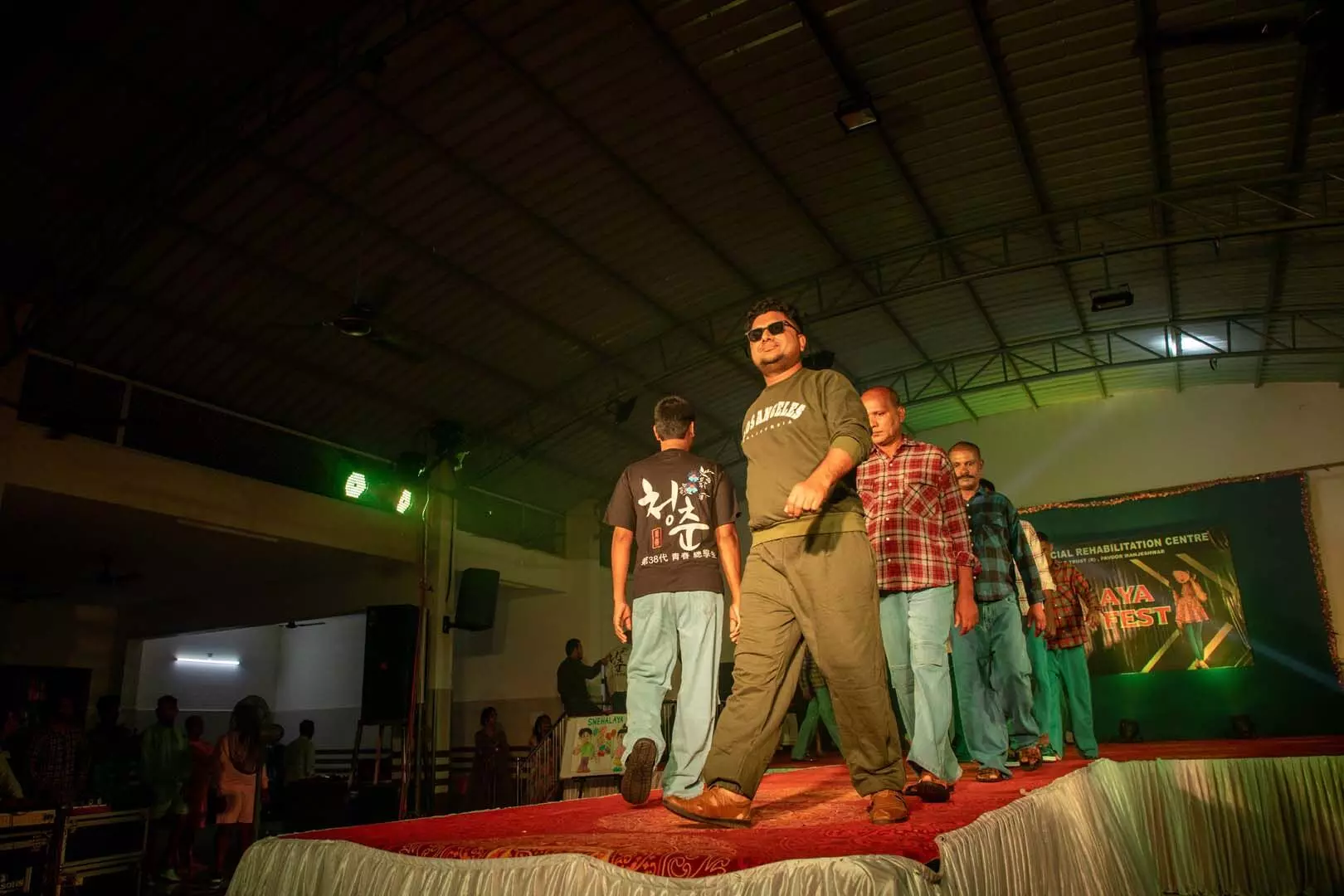
Snehalaya | Mental health awareness and destigmatization | Joseph Crasta, the executive director of Snehalaya Charitable Trust | Global TV

The “Snehalaya Fashion Fest” organized by Snehalaya Charitable Trust sounds like a truly groundbreaking and meaningful event. By combining fashion, inclusivity, and advocacy, it aimed to empower individuals with mental health challenges and raise awareness about mental health issues. The event showcased a diverse array of models, designers, and outfits, highlighting the importance of embracing all ages, genders, body types, and ethnicities.

The presence of dignitaries, celebrities, and guests from various sectors of society at the event underscores the importance of mental health awareness and destigmatization. The fact that the event was inaugurated by Mr. AKM Ashraf, MLA Manjeswaram Constituency, and Joseph Crasta, the executive director of Snehalaya Charitable Trust, shows the level of support and recognition the cause has received.

By providing a platform for individuals with mental health challenges to showcase their talents and boost their self-confidence, the event fostered a sense of empowerment and inclusion. It also created an opportunity for the audience and participants to understand the challenges faced by people with mental health conditions and support them in their journey.

Recognizing the efforts and contributions of individuals like Mr. Shobith and Mrs. Akshaya during the event is a wonderful way to acknowledge their dedication to the cause. Their work in making the show a success demonstrates the impact that individuals can have when they come together to promote a positive and meaningful message.

Overall, the “Snehalaya Fashion Fest” seems to have left a lasting impact, inspiring others to support mental health causes and initiate similar initiatives worldwide. Events like this play a crucial role in breaking down barriers, fostering understanding, and promoting support for individuals with mental health challenges. The hope is that this event’s success will lead to further positive change and awareness in the future.

Udupi sarees | eco-friendly and attractive | Kadike Trust | natural dyeing experiments | natural dyes | areca nut | indigo | madder | wild almond | marigold | pomegranate | golden shower | coconut husk | eucalyptus |

The news highlights the successful revival of Udupi saree weaving, thanks to the efforts of the Kadike Trust, an NGO that started the Udupi Saree Revival in 2018. The trust used various approaches like social media campaigns, training with Nabard support, and other measures to bring back the traditional weaving technique from extinction in two districts.

To make Udupi sarees more eco-friendly and attractive, the Kadike Trust initiated natural dyeing experiments in 2019. They have been using natural dyes like areca nut, indigo, madder, wild almond, marigold, pomegranate, golden shower, coconut husk, and eucalyptus to dye the sarees in various shades.

During the launch event at Talipady Weavers Society in Kinnigoli, the sarees dyed with areca nut and other natural dyes were released by Shree Padre, executive editor of Adike Patrike, along with other guests. The event also saw the presence of various dignitaries, including Guruprakash Shetty from Selco India, M R Pai, Mamatha Rai, and Dyer Vasudeva Shettigar, among others.

The Kadike Trust received significant support from Selco India, which provided grant funding for equipment like solar water heaters, lighting, winding devices, agitators, grinders, and dryers to aid the natural dyeing process.

The sarees will be available for purchase through the website www.udupisaree.org on prior booking.

It is heartening to see that traditional weaving practices are being revived, and natural dyeing methods are being embraced for a more sustainable approach to creating these beautiful sarees.

Why Mother Crying | The Problem of alcoholism | Burning social issue | Destruction of Families and the stigma faced by young children | Rural Families | Global TV

The Kathasandhi program, organized by Sahitya Akademi and hosted by the Konkani weekly Raknno, took place at Bishop’s House, Kodialbail, Mangalore on July 30th, 2023. The program featured Sri Dolphy Frederick Lobo, a senior fiction writer and journalist popularly known as Dolphy Cascia.

During the event, Sri Lobo discussed his approach to maintaining the sanctity of language and narrative in his fiction writing. He highlighted that he used short stories as a medium to convey social messages. The short story he presented, titled “Mai Kityaak Rodtha” (Why Mother Crying), addressed the problem of alcoholism among lower middle-class families in his neighborhood. He expressed his satisfaction in successfully tackling this burning social issue in his story, shedding light on the destruction of families and the stigma faced by young children, particularly in rural areas among the labor class.

In the discussion, Sri Lobo explained the elements that make a short story stand out, such as a curious beginning, a twist in the end, and a catchy title, which make the story attractive to readers.

The event was introduced by H M Pernal, a member of the Language Advisory Board, who briefed the audience about various Sahitya Akademi programs like Kathasandhi, Garama loak, Through my window, Kavi Sandhi, Meet the Author, and Nari Chethana, among others. He also mentioned that the Kathasandhi program was the third one organized by Sahitya Akademi in the month of July in that area, with two more programs scheduled for August.

Poet Melvyn Rodrigues, a General Council Member and Convenor of Konkani at Sahitya Akademi, escorted Sri Dolphy Lobo to the dias during the event. The discussion was moderated by Rev Fr Roopesh Madtha, the Editor of Raknno Weekly, who also proposed the vote of thanks.

The event aimed to promote literature and foster discussions on important social issues through the platform of short stories and other literary works. It also served as an opportunity to inform the audience about various Sahitya Akademi publications and grants available to support young writers and literary enthusiasts.

Break The Chain | Become a Cycle Breaker | Resolve Generational Conflicts | See things Positively | Every Problem has a Possibility and an Opportunity Associated with | Global TV | +91 98441 82044

A journey from a victim of generational conflicts to a transformational coach is so very Brilliant | Stop Blaming | Be the leader of Change |

Once upon a time, in a world where wealth and privilege went hand-in-hand, there lived a young man named Ethan. He was born into a family that was rich and prosperous. Beneath the surface of riches, there were issues silently disturbing the life of Ethan and other family members. As Ethan grew older, he became increasingly curious about the complexities of his family’s history. In his quest for understanding, he got into an extensive research journey, uncovering the intricate layers of his father’s childhood and the circumstances that had shaped their family dynamics.

Ethan’s findings revealed a story of fragmented relationships and untold struggles. His father, Richard, had experienced an unfriendly upbringing.

Richard’s father had been married twice, and Ethan discovered that he was the only child from his father’s first marriage. Richard’s father had remarried, and from his second marriage, three more children were born.

Ethan’s research shed light on the unfortunate division that had emerged within the family. Richard’s stepmother, the second wife of his father, harbored resentment towards Richard and displayed a hostile approach, distancing herself from him.

Richard’s father, while aware of this tension, had not taken a firm stance to ensure that Richard remained connected to his siblings and extended family. Consequently, Richard grew up in a separate environment, away from the warmth and support of his blood relatives.

Richard’s uncle played a pivotal role in his upbringing, overseeing his studies and ensuring he had the resources to pursue his dreams. However, Richard found himself living in a perpetual state of detachment, growing up in boarding schools and hostel living that lacked the familial bonds he longed for.

Despite these adversities, Richard’s life went propelled forward. He became a doctor. And as fate would have it, he crossed paths with a prospective life partner from a wealthy family, altering the trajectory of his life forever.

Ethan’s exploration of his father’s past sparked a deep sense of empathy and a desire to heal the wounds that had afflicted their family for far too long.

Enlightened with newfound knowledge, he initiated heartfelt conversations with Richard, delving into the pain and emotional voids that had persisted throughout their family’s history.

Through their shared exploration, Ethan became a catalyst for healing, encouraging Richard to confront his own traumas and facilitating a safe space for emotional reconciliation. The conversations were sincere, bridging the gap between father and son, and creating an opportunity for Richard to reflect on the pain he had unknowingly passed down to Ethan.

As time passed, Ethan’s efforts bore fruit. His parents, touched by his genuine approach, began to soften their stance, slowly embracing the possibility of a more harmonious relationship with Ethan.

Richard moved by the heartfelt conversations and newfound awareness, recognized the significance of family unity, and actively worked towards repairing the fragmented bonds within their home. Together, they embarked on a collective journey of healing and forgiveness. Walls that had once stood tall in between them had grounded, giving way to a newfound sense of unity, love, and shared responsibility.

The family, once divided by unresolved conflicts, now came together to rewrite their narrative. They curated a narrative defined by understanding, forgiveness, and genuine familial connection.

Ethan’s dedication to understanding and healing not only transformed his immediate family but also had a lasting impact on future generations. The wounds of the past slowly healed, and the family’s newfound unity served as a powerful foundation for creating a different legacy. Their family business expanded to greater heights. Success stories unfolded one after the other when they found themselves filled with love, empathy, and shared experiences.

Ethan’s relentless pursuit of truth and reconciliation became a testament to the transformative power of healing, understanding, and forgiveness. By unraveling the complexities of his family’s history and promoting empathy and compassion, he broke the chains of hatred and division that had haunted their family for far too long.

Ethan’s journey exemplified the profound impact that healing, reconciliation, and family unity can have on reshaping the course of one’s life, creating a future built on love and harmony. His journey of self-reflection and exploration led him to a realization. He understood that he held the power to transform his own life and contribute to the healing of his family. Breaking the generational curse is possible with conscious effort and a commitment to change.

With newfound awareness, Ethan embarked on a personal journey of growth and healing. He sought therapy, engaged in practices of self-reflection, and developed strategies to manage his anger and resentment. By taking responsibility for his own emotions and actions, he began to break free from the cycle of pain that had entangled him for years.

As Ethan evolved, his transformation had a profound impact on the family dynamics. His growth and introspection challenged Richard to confront his own unresolved pain and the damaging patterns he had unintentionally perpetuated.

Richard started to witness the positive changes in Ethan. He reflected on his own role in their strained relationship. The seeds of change were planted within his heart, and he wholeheartedly sought reconciliation with his son. He approached him with empathy and understanding. Through heartfelt conversations and a willingness to let go of past grievances, they began to rebuild their relationship on a foundation of forgiveness, compassion, and open communication.

Together, they embarked on a conscious journey to break the generational curse that had afflicted their family. They recognized the importance of addressing unresolved pain, fostering empathy, and creating an environment of love and acceptance. Their shared commitment to healing served as a catalyst for transformative change, not only within their relationship but for the entire family.

Over time, the wounds of the past gradually healed, and a newfound harmony emerged within their family. The generational curse, which had once cast a shadow over their lives, began to dissipate, replaced by a legacy of growth, resilience, and unconditional love.

Ethan’s studies and personal transformation became a beacon of hope for others caught in the web of generational curses. He shared his knowledge and experiences, inspiring those around him to confront their own patterns and strive for healing. His dedication to breaking free from the constraints of the past became a source of strength and inspiration for generations to come.

In the end, Ethan’s journey illuminated the transformative power of self-reflection, healing, and conscious effort in breaking generational curses. His perseverance and dedication created a path towards reconciliation, paving the way for a brighter future and breaking the cycle that had held their family captive for far too long.

As Ethan experienced his own transformative journey, breaking free from the chains of generational curses, he realized the profound impact his story could have on others who were also trapped in cycles of pain and dysfunction. Motivated by a deep sense of compassion and a desire to bring about positive change, Ethan decided to channel his experiences into becoming a coach, dedicated to helping families transform their lives.

With a wealth of knowledge, empathy, and personal growth, Ethan embarked on a new chapter of his life as a transformational coach. He created programs and workshops specifically tailored to families seeking to free themselves from the patterns that had held them captive for generations. Through these coaching sessions, Ethan shared the wisdom he had gained from his own journey, guiding families on a path of healing, understanding, and positive change.

Ethan’s coaching approach was rooted in empathy, compassion, and a deep understanding of the complexities involved in breaking free from generational cycles. He created a safe and supportive space for families to explore their past, uncover hidden patterns, and confront their unresolved pain. By fostering open and honest communication, Ethan empowered families to address their emotions, heal their wounds, and rewrite their family narratives.

Through his coaching sessions, Ethan helped families recognize their innate strengths, and develop healthier ways of relating to one another. He provided them with tools and strategies to improve communication, rebuild trust, and cultivate empathy and understanding. Ethan’s coaching empowered families to create a new foundation built on love, connection, and mutual support.

Word of Ethan’s transformative coaching spread, and soon families from all walks of life sought his guidance. His reputation as a compassionate and effective coach grew, as countless families experienced profound shifts in their relationships and overall well-being. With each success story, Ethan’s passion for his work deepened, fueling his dedication to supporting families on their transformative journeys.

As time went on, Ethan’s impact extended far beyond the families he directly coached. He shared his knowledge through books, podcasts, and speaking engagements, reaching a wider audience and inspiring others to embark on their own path of healing and transformation. Ethan’s mission became clear.

He became the champion to break the chains of generational curses and empower individuals and families to create lives filled with love, joy, and fulfillment. Through his coaching practice, Ethan witnessed families thrive as they broke free from the limitations of their past. He witnessed parents and children rebuilding relationships based on trust, communication, and shared values. He saw generations heal the wounds of the past and cultivate a new legacy of resilience, empowerment, and love.

Ethan’s work as a coach became his life’s purpose. He continued to touch the lives of countless families, guiding them towards a brighter future. Through his compassionate approach and unwavering commitment to transformation, Ethan sparked a ripple effect of positive change, creating a world where generational curses were replaced by a legacy of strength, healing, and unbreakable bonds.

In the end, Ethan’s journey from a victim of generational curses to a transformational coach became a testament to the power of healing and the immense potential within each individual and family. His work impacted the lives of many, empowering them to break free from the cycles that had held them captive and create a future defined by love, harmony, and limitless possibilities.

The economic and social impact of CHD Group’s work | CHD Group’s pan India work has impacted over 2.9 million lives till date | Government- development sector participation can further be strengthened | Nishanth Shetty, Head – Operations, CHD Group facilitated the programme with the Government of India | Global TV

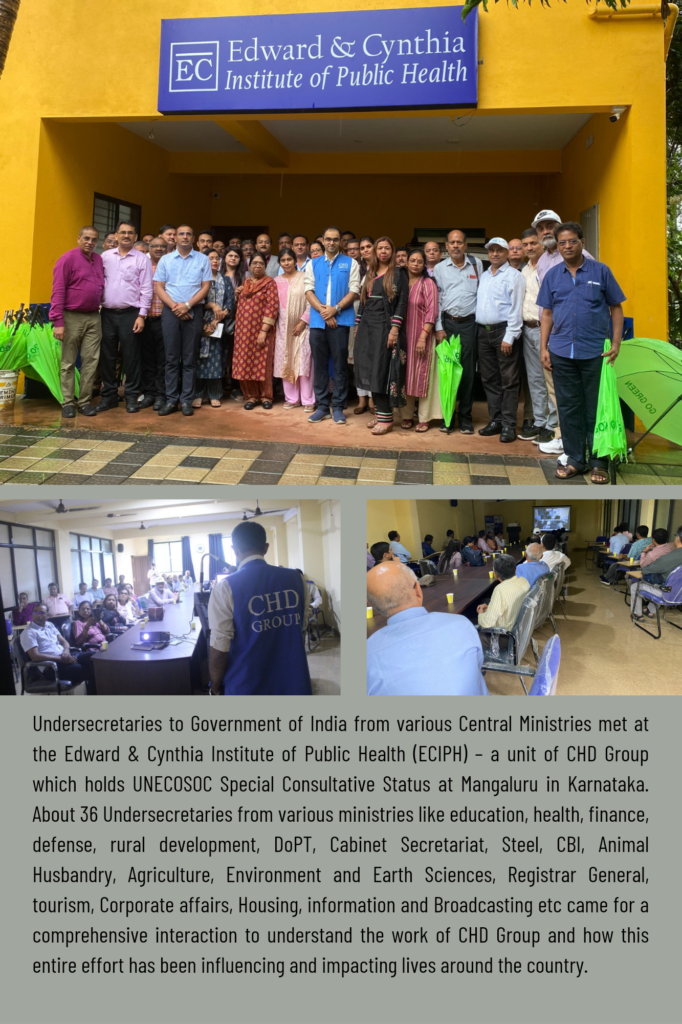
Undersecretaries to Government of India meet at ECIPH

Undersecretaries to Government of India from various Central Ministries met at the Edward & Cynthia Institute of Public Health (ECIPH) – a unit of CHD Group which holds UNECOSOC Special Consultative Status at Mangaluru in Karnataka. About 36 Undersecretaries from various ministries like education, health, finance, defense, rural development, DoPT, Cabinet Secretariat, Steel, CBI, Animal Husbandry, Agriculture, Environment and Earth Sciences, Registrar General, tourism, Corporate affairs, Housing, information and Broadcasting etc came for a comprehensive interaction to understand the work of CHD Group and how this entire effort has been influencing and impacting lives around the country.


Dr. Edmond Fernandes, Director, Edward & Cynthia Institute of Public Health introduced the work carried out by the Institute and also how CHD Group has been helping policy reforms for the Central and State Governments in India and influencing lives on the ground.

Dr. Edmond pointed out various ways in which risk informed planning needs to be created with integration of line ministries in achieving shared goals and visions outlined by the Government of India. The economic and social impact of CHD Group’s work was highlighted during the Undersecretaries meeting. CHD Group’s pan India work has impacted over 2.9 million lives till date.
Rich discussion around the way in which public private partnership models can be leveraged and how the Government- development sector participation can further be strengthened was discussed during the meeting.
Nishanth Shetty, Head – Operations, CHD Group facilitated the programme with the Government of India.

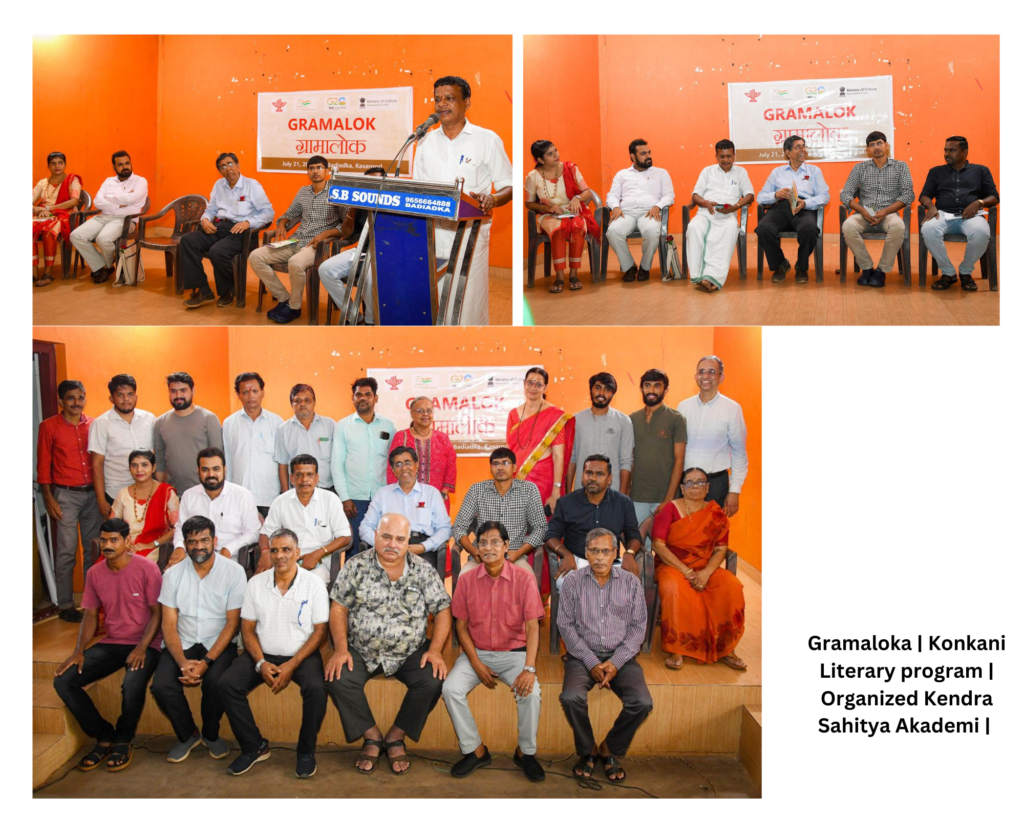
“Gramaloka.” Organized by Kendra Sahitya Akademi | Global TV

“Gramaloka” Konkani Literary Program Enchants Audience at Badiyadka

Kasaragod’s Badiyadka Culture Bhavan came alive on June 22 with an enchanting Konkani Literary program known as “Gramaloka.” Organized by the prestigious Kendra Sahitya Akademi, the event witnessed the esteemed presence of the renowned Dr. Kasturi Mohan Pai, an expert in Konkani literature and language, who graced the gathering with his wisdom and guidance.

The stage was set by Melvin Rodrigues, the passionate Coordinator of the Konkani Department at Kendra Sahitya Akademi, who eloquently highlighted the program’s significance and noble purpose.

Talented young writers were the stars of the evening, shining brightly as they unveiled their literary prowess. Venkatesh Nayak, Shweta Pai Manjeswara, and Roshan mesmerized the audience with their soul-stirring periodical poems, weaving emotions into the hearts of those present. Additionally, Stani Bela’s gripping short story left the audience in awe, adding a delightful variety to the literary offerings of the night.

The joy and gratitude in the air were palpable when D Shankara, the representative of Badiyadka Gram Panchayat, expressed heartfelt thanks to the administration of Kendra Sahitya Akademi for choosing their humble village as the venue for the prestigious Gramaloka program. This recognition meant the world to the local community, as it reaffirmed the significance of their regional literature and culture, keeping their heritage alive and vibrant.

In the picturesque setting of Badiyadka, the “Gramaloka” Konkani Literary Program proved to be a celebration of language, creativity, and camaraderie. It offered a glimpse into the rich tapestry of Konkani literature, leaving everyone inspired and yearning for more such cultural festivities.

.

Achieve, Collaborate, and Excel,” reflects Bank of Baroda’s unwavering commitment to continuous growth and fostering collaboration with its customers and partners | Glorious 116 Years | Global TV

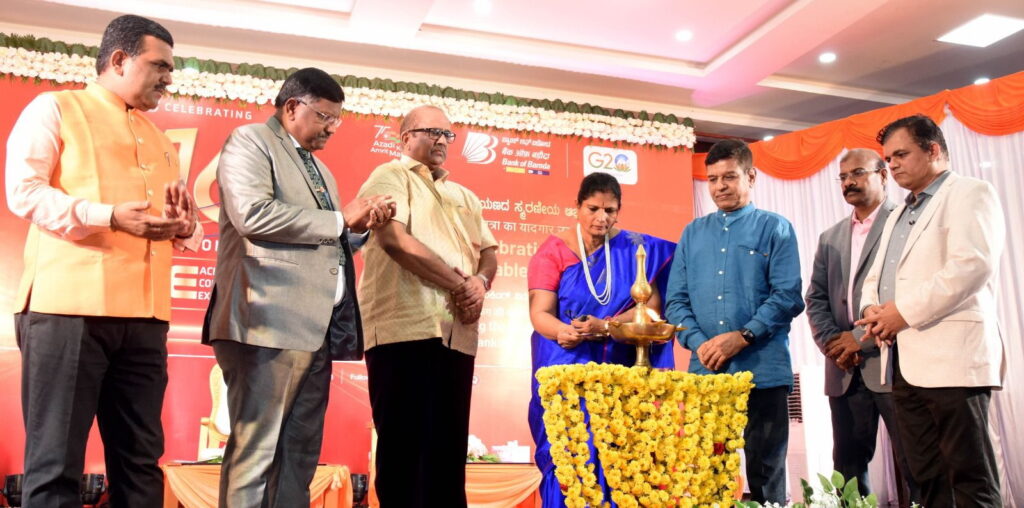
Bank of Baroda Marks Glorious 116 Years of Service to the Nation with Grand Celebration in Mangaluru

Date: July 20, 2023

Mangaluru: Bank of Baroda (Bank), one of India’s leading public sector banks, reached a remarkable milestone as it celebrated its 116th Foundation Day with grandeur and fervor at Doctor Ambedkar Bhawan Urwa. The event was graced by distinguished guests, bank officials, and esteemed community members.

The celebration commenced with the hoisting of the bank’s flag by Deputy Zonal Chief Ramesh Kanade and DGM-Network Ashwini Kumar, symbolizing the bank’s soaring success over the years. Regional Manager M.V.S. Prasad extended a warm welcome to all attendees, setting the tone for the memorable event.

The theme chosen for this year’s celebration, “Achieve, Collaborate, and Excel,” reflects Bank of Baroda’s unwavering commitment to continuous growth and fostering collaboration with its customers and partners.

Dr L.H. Manjunath, Executive Director of Shri Kshetra Dharamsthal Village Development Yojana, took the stage and highlighted the bank’s commendable efforts in reaching customers through self-help societies. He stressed the importance of providing access to quality housing and healthcare, addressing the demands of the customers with utmost dedication.

Gayatri R., General Manager and Mangaluru Zone Head of Bank of Baroda, took the audience on a nostalgic journey through the bank’s illustrious history. Established in 1908 by Maharaja Mooney Sayajirao Gaikwad, the bank has blossomed into a robust financial institution with an impressive network of 8200 branches across 17 countries. The merger with Vijaya Bank and Dena Bank further solidified its position in the global banking landscape.

The Chief Guest of the evening, former Managing Director of Bank of Baroda, K.R. Shenoy, graced the occasion with his presence. In a captivating speech, he shared his invaluable experiences and praised the bank’s strength, recognizing the seamless integration of staff from other merged banks.

Emphasizing the importance of giving back to society, Bank of Baroda demonstrated its commitment to Corporate Social Responsibility (CSR) initiatives. As part of the celebration, the bank extended assistance to Mangalaseva Samiti Thokkott, Snehdeep Bijai, and Swami Shraddhananda Sevashrams, showcasing its dedication to the welfare of the community.

The evening was adorned with cultural performances, showcasing the rich cultural heritage of India, which further amplified the jubilant atmosphere of the celebration.

The program concluded with a heartfelt vote of thanks offered by Rajesh, Deputy Zonal Manager of the Regional Office, expressing gratitude to all the guests, participants, and everyone who contributed to making the event a resounding success.

Bank of Baroda’s 116th Foundation Day celebration serves as a testament to its unwavering commitment to excellence and customer-centric banking. As the bank continues its legacy of serving the nation for over a century, it stands poised to embrace the future with enthusiasm and dedication, ensuring prosperity for its customers and the community.

From Global TV News Desk | BARODA |

Bank of Baroda (Bank), on Thursday celebrated its 116th Foundation Day. The theme for the Bank’s 116th year is “ACE – Achieve, Collaborate, Excel: Building a Stronger Future Together”, setting the agenda for the Bank to continue to dream big, strive for excellence and build a stronger, more prosperous and shared future together.

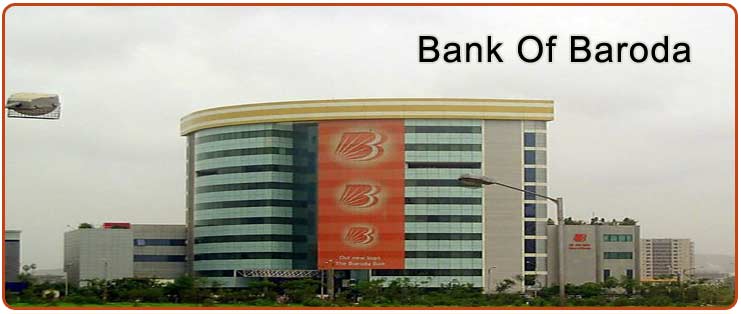
The Bank was founded by Sir Maharaja Sayajirao Gaekwad III, a visionary and reformer. From the first branch that was set up in Mandvi in Baroda in 1908, Bank of Baroda has today established itself as the 2nd largest public sector bank in the country. The Bank also has a strong international presence with a network across 17 countries. 

On the Bank’s 116th Foundation Day, Debadatta Chand, Managing Director & CEO, Bank of Baroda said, “Bank of Baroda’s 116th Foundation Day is an important landmark in the Bank’s glorious history and is a proud moment for us all. Bank of Baroda is a unique blend of old and new. A bank with a rich legacy of 115 years that has stayed ahead of the curve by embracing innovation and constantly reinventing itself to earn the trust and patronage of its customers and other key stakeholders. Today, as we reflect on our achievements and milestones accomplished over the years, it is also an opportune time to look forward as we aim to set new benchmarks in banking.”

On the occasion, the Bank felicitated customers who have made a significant contribution in the areas of MSME, Science & Medicine, Literature, Social Work, Industry, Sports and Art & Cinema.