All posts by admin

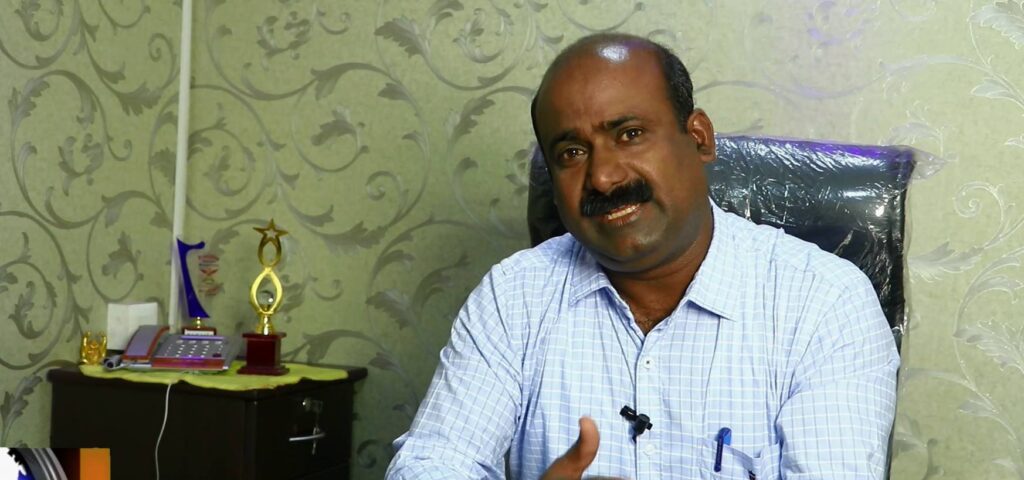
About admin

Chairman of Global TV | Excellent Writer | Exceptional PR Skills | Author of Six books | MASTER HEALER | +91 98441 82044 |

It is high time that we, as a society, take a stand against this blatant misuse of protective laws.

We must demand greater accountability from the media and ensure that allegations of sexual harassment are thoroughly investigated before being sensationalized in the public domain.

Global TV Editorial 4 May 2024

In recent times, we have witnessed an alarming trend in the misuse of protective laws under the guise of truth and justice. One of the most concerning aspects of this misuse is the weaponization of sexual harassment allegations against individuals holding responsible positions, particularly in the political arena.

It is no secret that the media, often referred to as the fourth estate, plays a crucial role in shaping public opinion and holding the powerful accountable. However, it is disheartening to see how easily the media can be manipulated to serve political agendas, sacrificing objectivity and credibility in the process.

Time and again, we have seen reputed personalities being targeted with unsubstantiated allegations of sexual harassment, conveniently timed to coincide with critical political events. These allegations not only tarnish the reputation of the individuals concerned but also undermine the credibility of the law itself.

While it is essential to provide a safe space for victims of harassment to come forward and seek justice, it is equally important to ensure that these laws are not misused for political gain. The misuse of protective laws not only underestimates the suffering of genuine victims but also erodes public trust in the legal system.

Protective laws aimed to empower victims and hold perpetrators accountable, has unfortunately been misused by some people with ulterior agendas as a tool for character assassination and political manipulation. This exploitation of legitimate concerns for personal or political gain is not only unethical but also damaging to the cause of justice.

Furthermore, the consequences of such misuse extend far beyond the immediate individuals involved. They have a chilling effect on public discourse and discourage victims from coming forward, fearing their stories will be dismissed as part of a political vendetta rather than taken seriously.

It is high time that we, as a society, take a stand against this blatant misuse of protective laws. We must demand greater accountability from the media and ensure that allegations of sexual harassment are thoroughly investigated before being sensationalized in the public domain. Failure to do so not only perpetuates injustice but also undermines the very fabric of our democracy.

It is imperative that we uphold the principles of truth and justice without allowing them to be exploited for political gain. Only then can we truly ensure that our legal system remains credible and trustworthy for all. By fostering an environment where allegations are taken seriously, investigated thoroughly, and judged fairly, we can protect both the victims and the accused from undue harm and ensure that justice is served. Before anything; the timing of the allegations and the immediate purpose should be taken into account before taking such allegations into account.

The Evolution from Sensual to Social Pleasures: A Paradigm Shift in Modern Society: Even ordinary people are ordained to it.

In recent years, there has been a noticeable shift in societal trends, with more and more individuals moving away from a focus on sensual pleasures towards a preference for social pleasures. This transition marks a significant evolution in our collective consciousness, reflecting changing priorities and values in modern society.

Traditionally, sensual pleasures have been associated with immediate gratification and individual satisfaction. Whether it be indulging in extravagant meals, luxurious vacations, material possessions, unhealthy practices, or even immoral behaviour, the pursuit of sensual pleasures has often been the cornerstone of many people’s lives. However, in today’s fast-paced and interconnected world, there is a growing realization that true fulfillment and happiness lie beyond the realm of individual experiences.
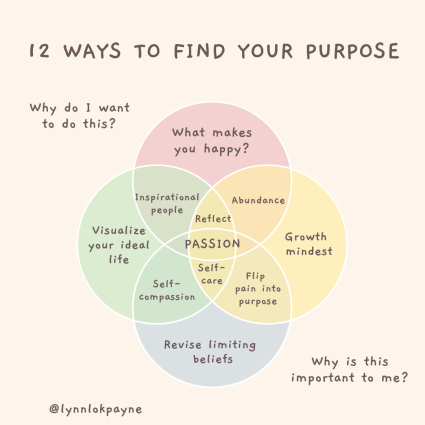
The rise of social media and digital connectivity has played a pivotal role in this paradigm shift. People are now more connected than ever before, with the ability to engage with others on a global scale instantly. As a result, there has been a gradual reorientation towards social pleasures, emphasizing meaningful connections, shared experiences, and collective well-being.

Instead of seeking fulfillment solely through personal indulgence, individuals are now placing greater value on relationships, community involvement, and social responsibility. Whether it be volunteering for a cause, participating in community events, or simply spending quality time with loved ones, there is a growing recognition that true happiness is found in meaningful connections and shared experiences.

This shift towards social pleasures is not only evident in individual behavior but also in broader societal trends. We are witnessing a rise in social entrepreneurship, sustainable living practices, and a greater emphasis on community-building initiatives. People are increasingly looking beyond their own needs and desires, recognizing the importance of contributing to the greater good and making a positive impact on the world around them.

Moreover, this transition from sensual to social pleasures is not just a personal choice but also a reflection of changing cultural norms and values. As society becomes more interconnected and interdependent, there is a greater emphasis on empathy, compassion, and collective well-being. People are realizing that true happiness is not found in the pursuit of individual pleasure but in the connections we forge with others and the positive impact we make on society as a whole.

The evolution from sensual to social pleasures marks a significant shift in societal values and priorities. As individuals increasingly prioritize meaningful connections, shared experiences, and collective well-being over individual indulgence, we are witnessing a transformation in the way we define happiness and fulfillment. By embracing this shift and prioritizing social connection and community involvement, we can create a more compassionate, empathetic, and inclusive society for all.
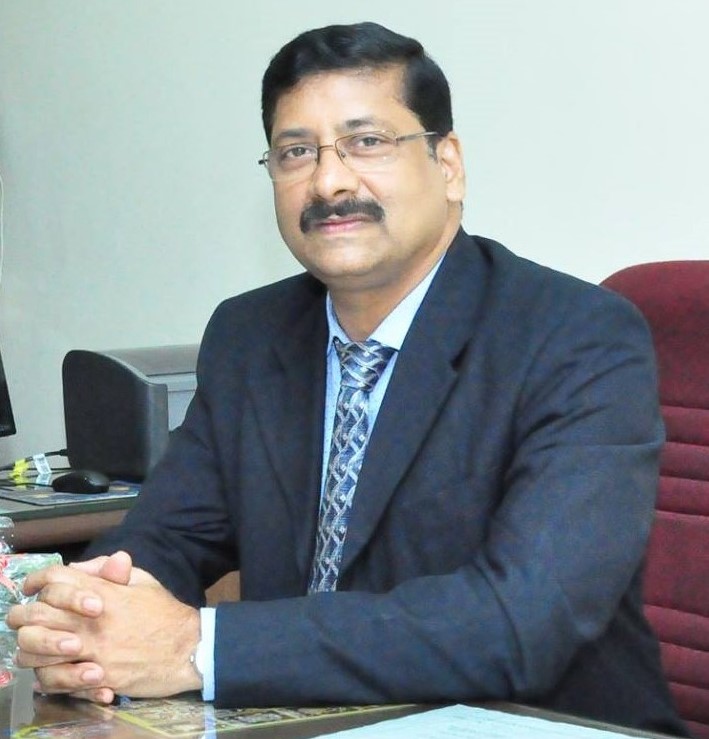
Dr. Ashok Hegde | Provide support, encouragement, and positive reinforcement to students, especially during their most challenging moments; Dr. Ashok Hegde

The Power of Encouragement: Insights from Dr. Ashok Hegde, Dean of A.J. Institute of Medical Sciences & Research Centre

By Paul R.

Dr. Ashok Hegde, the esteemed Dean of A.J. Institute of Medical Sciences & Research Centre, recently shared profound insights regarding the importance of encouragement and support, especially in the field of education during challenging times. His experiences shed light on the transformative impact of simple acts of kindness and encouragement.

Dr. Hegde recounted the story of a student who struggled with studies. Despite repeated and multiple failed attempts, the student’s determination wavered. Dr. Hegde emphasized the significance and importance of support during these challenging times, highlighting the role of educators and mentors in providing necessary encouragement to students. An empathetic and encouraging conversation had become a lifesaving trajectory for that student.

“One more girl came once,” Dr. Hegde recalled. Although her name eluded him, her story remained vivid. She was on the brink of giving up, but a conversation and supporting words from him as a compassionate mentor saved her. She was a resilient young woman from Kerala who overcame significant personal challenges, including the loss of her father during the peak of the COVID-19 pandemic. Despite facing such adversity, she persevered and successfully passed her exams. Encouraging words had often turned around sinking ships, providing a lifeline to those in need.

Dr. Hegde emphasized the importance of providing support and encouragement to students during their darkest moments. He recounted the student’s struggles, how she would lock herself away and cry for hours on end. However, she never gave up. Her story serves as a reminder that even in the face of failure and despair, a glimmer of hope and encouragement can make all the difference.

“Many people have failed, but the only thing they need is encouragement,” Dr. Hegde remarked. He stressed the importance of providing support and understanding to students during their times of need. Drawing from his own experiences, Dr. Hegde recalled the profound impact of a teacher’s words of encouragement. “Even if I don’t know anything, something will help,” he said, highlighting the transformative power of simple words of encouragement.

Dr. Hegde also discussed the detrimental impact of negative reinforcement, citing examples from various studies. He recounted studies where students were divided into different batches based on their perceived academic performance. The results were striking, with students’ performance significantly influenced by the image imprinted on their groups or batches. “See how psychologically impactful it can be on the students,” Dr. Hegde remarked.

His insights underscore the importance of providing support, encouragement, and positive reinforcement to students, especially during their most challenging moments. As educators and mentors, it is our responsibility to uplift and inspire our students, helping them realize their full potential and overcome any obstacles they may face. Dr. Hegde’s experiences serve as a powerful reminder of the transformative impact of encouragement and support in the field of education.

World Homoeopathy Day 2024 celebrated at Father Muller Homoeopathic Medical College (FMHMC) | Global TV

Mangaluru: FMHMC celebrates World Homoeopathy Day


World Homoeopathy Day 2024 was celebrated on April 30 at Father Muller Homoeopathic Medical College (FMHMC) commemorating the 269th birth anniversary of Dr Christian Friedrich Samuel Hahnemann, the founder of homoeopathy.


The inauguration of the programme was held at Father Muller auditorium. Chief guest for the programme was Dr Rahul P, BHMS, (IAAS), senior deputy accountant general, CAG of India. The guest of honour is a distinguished alumnus of 1999 UG batch, Dr Jerald Jeyakumar, MD (Hom), medical officer, department of homoeopathy, government of Kerala. Fr Richard Aloysius Coelho, director, Father Muller Charitable Institutions presided over the programme.


As a tradition, Fr Richard Aloysius Coelho garlanded the bust of Fr Augustus Muller and Dr Rahul P garlanded the bust of Dr Samuel Hahnemann. The programme began with a prayer song and Convener Dr Sebastian P A escorted the chief guest, guest of honour, president, administrator Fr Roshan Crasta, principal Dr E S J Prabhu Kiran, assistant administrator Fr Ashwin Crasta and vice principal Dr Vilma Meera D’Souza to the dais.


Dr E S J Prabhu Kiran, principal welcomed the gathering and introduced the chief guest and guest of honour. The dignitaries on the dais joined together to formally inaugurate the program by lighting the lamp.
Dr Mukesh Batra homoeopathy scholarship awards were presented to the meritorious students. Gold scholarship presented to Anagha K G, silver scholarship to Angelin Joy and Bronze scholarship to Perlin Tellis.


The winners of the various competitions held in view of World Homoeopathy Day 2024 were also awarded during the programme.
Dr Jerald Jeyakumar, proud alumni of Father Muller Homoeopathic Medical College along with Dr Binuraj T K has come up with HomeoEvidence.com which aspires to become the largest digital database of homoeopathic cures across globe by various schools of homoeopathy was launched by administrator, Fr Roshan Crasta on this occasion.


The chief guest, Dr Rahul P addressed the gathering about his experiences of BHMS and his graduation life and enlightened the students about the hardships and experiences of student life and reminded that without hardships it is difficult to survive and succeed. Dr Rahul also suggested to look into other career options as well and to be ready for change as nothing can stop you from being successful.


Administrator, Fr Roshan Crasta congratulated the gathering on the occasion of celebration of world homoeopathy day and highlighted about commitment in everyone’s lives regarding professional and personal future. The future of homoeopathy rests on the shoulders of the students and they were asked to take inspiration from the stalwarts and to broaden their horizons.


The chief guest and the guest of honour were felicitated with a memento by the director.
Dr Rakhal P, assistant professor of department of repertory was felicitated by the director and the dignitaries on the dais for his exemplary contributions to Father Muller Homoeopathic Medical College.
In his presidential address, Fr Richard Coelho reiterated the fact to the students regarding keeping a watch over the opportunities and take the examples set by the chief guest and guest of honour of the day and wished all the very best for the propagation of homoeopathy in the future.


The vote of thanks was proposed by the convener Dr Sebastian P A. The inauguration programme ended with the institution anthem.
Dr Krishna and Dr Amogha, MD scholars were the MCs for the day.
The guest of honour, Dr Jerald Jeyakumar interacted with the students of Father Muller Homoeopathic Medical College sharing his experiences in the journey that began after his education at Father Mullers.
As a part of awareness on World Homoeopathy Day, a flash mob was performed by the students of the college on April 13 at City Centre Mall, Hampankatta.

Leo Varadkar, Ireland’s first Indian-Irish Taoiseach (Prime Minister), played a major role in furthering Ireland’s economic growth | Dr. PP Devan | Global TV

Ireland’s Economic Miracle: How Leo Varadkar Transformed the Country

Dr. PP Devan

Leo Varadkar, the Indian-Irish leader, has orchestrated an economic miracle in Ireland, turning the country from debt-ridden to a thriving economy.

Under Varadkar’s leadership, Ireland has implemented strategic tax reforms, including reducing corporate tax to 12%, making it one of the most attractive destinations for major companies like Google, Microsoft, and Dell. This move has not only boosted Ireland’s economy but has also led to a significant increase in job opportunities.

One of the key factors driving Ireland’s economic success is its education system. With one-year master’s programs, the country is attracting students from around the world, creating a skilled workforce highly sought after by both local and international companies.

The economic boom has resulted in a budget surplus of 10 billion Euros last year, with projections indicating it will rise to 19 billion Euros this year. This surplus has allowed Ireland to invest heavily in infrastructure, transforming the country’s roads and transportation system.

Varadkar’s policies have also made Ireland an attractive destination for migrants. With a well-developed infrastructure, a booming economy, and job opportunities aplenty, Ireland has become a preferred choice for many looking to relocate.

A Brief History of Ireland’s Economic Transformation:

For decades, Ireland struggled economically, plagued by debt and unemployment. However, in recent years, the country has undergone a remarkable transformation, emerging as one of Europe’s strongest economies. This transformation can be attributed to a combination of factors, including strategic government policies, favorable tax reforms, and a skilled workforce.

Ireland’s economic turnaround began in the 1990s when the country shifted its focus towards becoming a knowledge-based economy. The government implemented policies aimed at attracting foreign investment, particularly in the technology and pharmaceutical sectors. This resulted in an influx of multinational companies setting up operations in Ireland, leading to job creation and economic growth.

Leo Varadkar’s Leadership and Economic Reforms:

Leo Varadkar, Ireland’s first Indian-Irish Taoiseach (Prime Minister), played a major role in furthering Ireland’s economic growth. Under his leadership, the Irish government implemented several key reforms that bolstered the country’s economy.

One of the most significant reforms was the reduction of the corporate tax rate to 12%, making Ireland one of the most attractive destinations for multinational corporations. This move not only encouraged existing companies to expand their operations in Ireland but also attracted new investments, including major tech giants like Google, Microsoft, and Dell.

Varadkar also focused on reforming Ireland’s education system to ensure that it produces a highly skilled workforce. The introduction of one-year master’s programs made Ireland an appealing destination for students from around the world, further enhancing the country’s talent pool.

The Economic Boom and Infrastructure Development:

As a result of these reforms, Ireland experienced a significant economic boom. The country’s GDP grew steadily, and unemployment rates reached record lows. The budget surplus soared, reaching 10 billion Euros last year and projected to rise to 19 billion Euros this year.

This surplus has allowed Ireland to invest heavily in infrastructure development, transforming its roads, transportation systems, and public services. The country’s modern infrastructure has further enhanced its appeal to both businesses and migrants looking to relocate.

Ireland’s Position as a Global Leader:

Today, Ireland is not only known for its strong economy but also for its innovation and entrepreneurship. The country has become a global leader in industries such as technology, pharmaceuticals, and finance, attracting talent and investment from around the world.

Leo Varadkar’s leadership has been instrumental in Ireland’s economic success, transforming the country into a thriving, modern economy that continues to attract businesses, investors, and talent from across the globe. Under his guidance, Ireland has emerged as a shining example of economic growth and prosperity.

The role of community architects in local development, restoration, and renovation is Immense; Subash Chandra Basu, Master Architect

Harnessing Unused Resources for Sustainable Urban Development | Building a More Inclusive Future is very important | A conversation with Subash Chadra Basu, President of Art Kanara Trust

It was a casual conversation with Master Architect Subash Chandra Basu, President of Art Kanara Trust. Several critical issues regarding urban development, environmental conservation, and community welfare were discussed in a flow. The conversation shed light on the pressing need for sustainable urban development practices, particularly in the utilization of unoccupied resources. Here’s a comprehensive editorial comprehension to summarize the conversation and to propose few viable solutions.

Give attention to the Environmental Impact of Development:

Sri Subash Chandra Basu emphasized the adverse effects of urban development on the environment, citing the destruction of nature and natural habitats in the pretext of development projects. He stressed the importance of sustainable development practices to mitigate environmental damage. It is imperative to balance development with environmental conservation. Creating roads everywhere has a modus operandi. Initially it goes with a mud road and few petty shops and eventually few houses appear behind the petty shops. Slowly concrete buildings come. Every wrong practice is done in the name of development. People who are hand in glow with the authorities are the beneficiaries. This has to change. People at responsible positions should foresee development for everyone and make sure that the so called development is sustainable and really progressive in all aspects and dimensions.

Addressing the Housing Crisis:

One of the key issues discussed was the exorbitantly aggravated housing crisis because of rural-to-urban migration. Basu highlighted the existence of numerous unoccupied houses in both urban and rural areas. These unused resources could play a significant role in addressing the housing problem if utilized effectively. Here is a road map.

Government and NGO Intervention:

The conversation underscored the need for government intervention to harness unoccupied houses for sustainable urban development. Basu proposed the involvement of NGOs in monitoring and facilitating this process, ensuring transparency and accountability. By working together, governments, NGOs, and communities can effectively address the housing crisis. Houses with less occupancy need to be identified. Find out the houses that require care and support of various kinds. Identify Community service providers. Check the possibility for developing viable arrangements between the residents and the service providers. Who are the community service providers? It can be doctors, nurses, to all kinds of care givers and care takers. Sometimes, just by presence, we can support the elderly people.

Employment and Social Welfare:

A crucial aspect of sustainable urban development is the creation of employment opportunities and social welfare programs. Basu suggested employing unemployed youth for social work, utilizing student forces, and creating temporary employment opportunities. These initiatives not only address unemployment but also cater to the needs of the community.

The German Model: Empowering Communities for Sustainable Development

During the conversation, Basu drew attention to the successful implementation of a community support system in Germany that he could see on his stay over there. He shared the example of unemployed youth being engaged in social work, particularly in supporting elderly residents. In this model, unemployed individuals are assigned duties such as checking on the well-being of elderly community members, providing assistance with medication, food, and other necessities. This not only provides employment opportunities but also addresses the social needs of the community. By replicating such models, communities can empower themselves to address local challenges, fostering sustainable development from within. The German model serves as an inspiring example of how community involvement can drive positive change and build more resilient and inclusive urban environments.

Architectural Perspective:

From an architectural standpoint, Basu emphasized the role of community architects in local development, restoration, and renovation. He highlighted the potential of continuous employment and community development through restoration and renovation projects. By involving local communities in the development process, we can create more inclusive and sustainable urban spaces.

Community Involvement and Maintenance:

Community involvement is crucial for the success of any sustainable development initiative. Basu stressed the importance of community participation in maintaining and utilizing unoccupied buildings. He proposed the establishment of a community support system to address the housing crisis effectively. By empowering communities, we can build more resilient and sustainable urban environments.

The conversation with Subash Chandra Basu highlighted the urgent need for sustainable urban development practices. By harnessing unused resources, particularly unoccupied buildings, and involving the community, we can address the housing crisis, mitigate environmental damage, and foster inclusive development. It is imperative for governments, NGOs, and communities to work together towards building a more sustainable future. Let us all join us in advocating for sustainable urban development practices. Let’s work together to harness unused resources, address the housing crisis, and build resilient communities for a better tomorrow.

About Subash Chandra Basu:

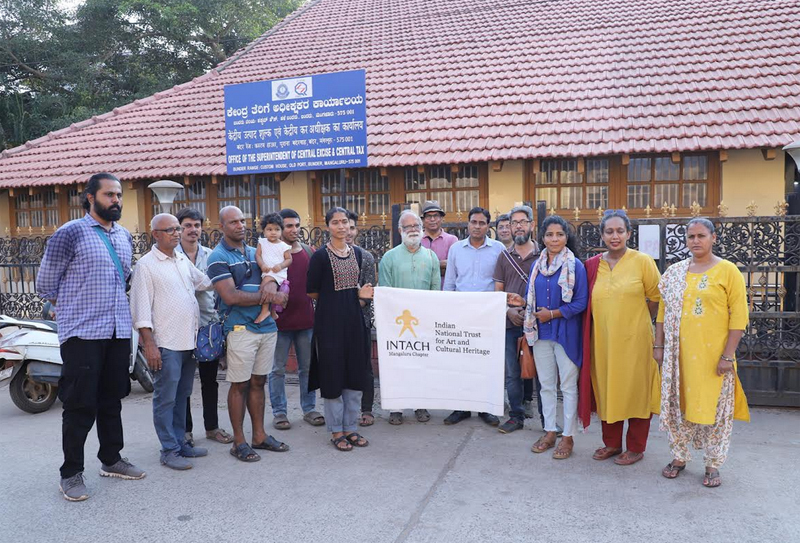
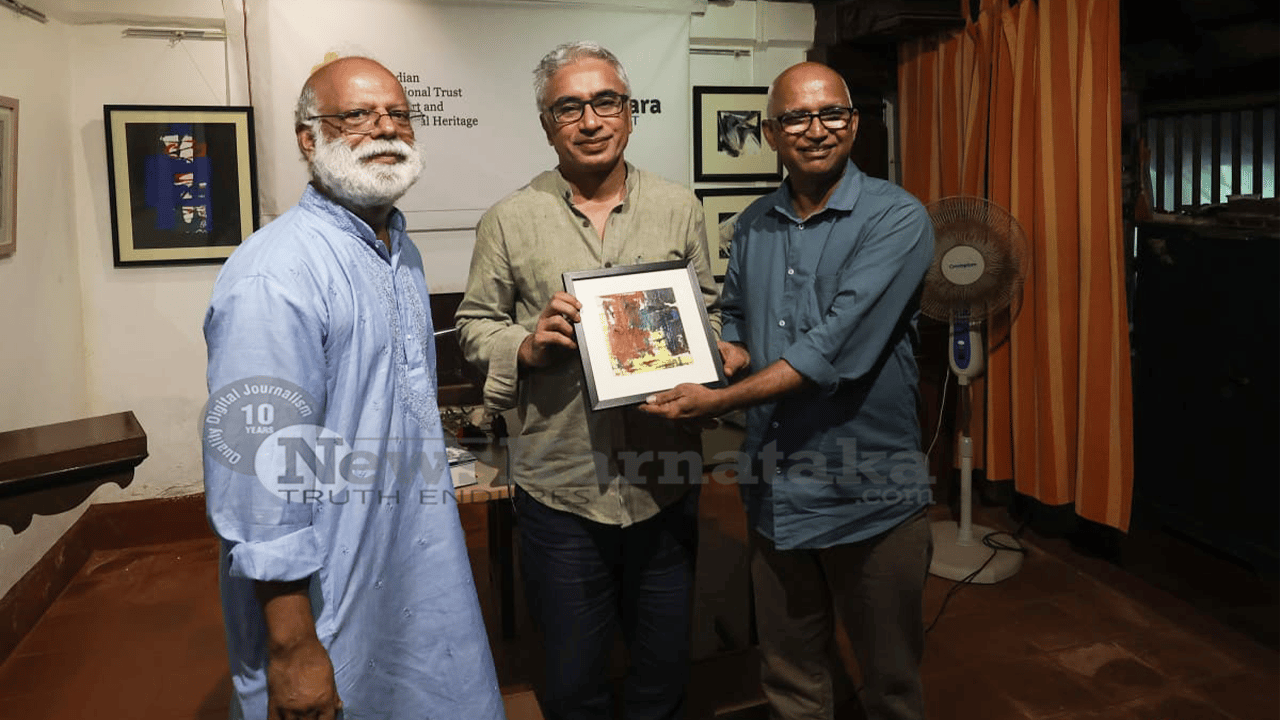
Subash Chandra Basu is a Master Architect and the President of Art Kanara Trust. He is a Professor in Architecture and also the Convener of INTACH Mangalore Chapter. With decades of experience in architecture and community development, Basu is a leading voice in sustainable urban development practices. His insights and expertise are invaluable in shaping a more sustainable future for our cities and villages.

മാർ ബസേലിയോസ് ക്രിസ്ത്യൻ കോളേജ് ഓഫ് എഞ്ചീനീയറിംഗ് & ടെക്നോജിയുടെ ഡയറക്ടർ ആയി ഡോ. ഉമ്മൻ മാമ്മൻ നിയമിതനായി | Global TV

ഡോ. ഉമ്മൻ മാമ്മൻ എം.ബി.സി. എഞ്ചിനീയറിംഗ് കോളേജിന്റെ ഡയറക്ടർ ആയി നിയമിതനായി.

പീരുമേട് : മാർ ബസേലിയോസ് ക്രിസ്ത്യൻ കോളേജ് ഓഫ് എഞ്ചീനീയറിംഗ് & ടെക്നോജിയുടെ ഡയറക്ടർ ആയി ഡോ. ഉമ്മൻ മാമ്മൻ നിയമിതനായി. മാനേജ്‌മെൻ്റ് പണ്ഡിറ്റ്, സോഷ്യൽ എഞ്ചിനീയർ, മെൻ്റർ എന്നീ നിലകളിൽ വ്യക്തിമുദ്ര പതിപ്പിച്ച അദ്ദേഹം ചേർത്തല നൈപുണ്ണ്യ സ്‌കൂൾ ഓഫ് മാനേജ്‌മെൻ്റിലെ അക്കാദമിക്‌സ് ഡീൻ, കെവിഎം ട്രസ്റ്റിൽ ഡയറക്ടർ-എച്ച്.ആർ.ഡി, അങ്കമാലി നൈപുണ്ണ്യ ഇൻസ്റ്റിറ്റ്യൂട്ട് ഓഫ് മാനേജ്‌മെൻ്റ് ആൻഡ് ടെക്‌നോളജിയിൽ കോഴ്‌സ് ഡയറക്‌ടർ,
മംഗളം ഗ്രൂപ്പ് ഓഫ് കൺസേൺസിൽ മാർക്കറ്റിംഗ് മാനേജർ എന്നീ നിലകളിൽ പ്രവർത്തിച്ചിട്ടുണ്ട്.

.നെതർലാൻഡ്‌സിലെയൂട്രക്ട് യൂണിവേഴ്‌സിറ്റിയിൽ നിന്നും മാനേജ്‌മെൻ്റിൽ പിഎച്ച്.ഡി, ബോംബെ ജമ്‌നാലാൽ ബജാജ് ഇൻസ്റ്റിറ്റ്യൂട്ട് ഓഫ് മാനേജ്‌മെൻ്റ് സ്റ്റഡീസിൽ നിന്നും എം.ബി.എ യും കേരള സർവ്വകലാശാലയിൽ നിന്ന് സാമ്പത്തിക ശാസ്ത്രത്തിൽ ബി.എ യും സ്വന്തമിക്കിയിട്ടുണ്ട്. അക്കാദമിക രംഗത്തും അതിനുമപ്പുറമുള്ള വിവിധ മേഖലകളിലുമായി നാല് പതിറ്റാണ്ടിലേറെ സമ്പന്നമായ അനുഭവസമ്പത്തു ഉള്ള അദ്ദേഹം കോട്ടയം ഭദ്രാസനത്തിലെ പുതുപ്പള്ളി സെന്റ് ജോർജ് ഓർത്തഡോൿസ്‌ പള്ളി ഇടവക അംഗമാണ്.

Transform the modern healthcare delivery system into an ethical and practical force; It will serve as a new catalyst for the economic growth of the region; Dr. CP Habeeb Rahman

Exploring the Future of Healthcare: Insights from a conversation with Renowned Dr. CP Habeeb Rahman, Chairman and Medical Director of Unity Hospital | Global TV

Mangalore was historically known for Tile industries and Banking. Both of these are faded memories today. Mangalore is boasted today being one of the modern healthcare and advanced education cities in the world. Where Mangalore stands on the global map of healthcare and education do depends on the contemporary moves of the collective stakeholders of these sectors in Mangalore today.  

But, the glorious past of Modern Healthcare in Mangalore is highly indebted to Dr. CP Habeeb Rahman, Chairman and Medical Director of Unity Hospital. He was the pioneer and pathbreaker of Modern healthcare in Mangalore. He was an incredibly modern healthcare visionary five decades ago.

He continues to advocate for progress in the healthcare delivery system in Mangalore, looking beyond solely modern, technological, or AI-intervened innovations. His aim is to address the genuine healthcare needs of the world. He believes in the mission of transforming the modern healthcare delivery system into an ethical and practical force, serving as a new catalyst for the economic transformation of the region. The healthcare facilities and education system in Mangalore and across India have the potential to serve as drivers of economic growth, much like the critical role played by oil in the thriving and progressing economies of the Gulf region. Renowned as the pioneer of modern healthcare in the city, Dr. CP Habeeb Rahman’s insights shed light on the evolving scenario of healthcare, its challenges, and its promises for the future.

In a recent conversation, Dr. Habeeb Rahman shared innumerable perspectives on various aspects of healthcare. From the role of government intervention to the significance of preventive measures, the discussion provided valuable insights into the complexities of the healthcare industry.

Dr. CP Habeeb Rahman emphasized on the importance of preventive healthcare, underlining that wellness should not be confined to mere check-ups but should extend to proactive measures aimed at maintaining health. He highlighted the evolving nature of the healthcare industry, particularly in light of technological advancements and data-driven approaches, citing examples of how data analytics and personalized medicine could reshape patient care in the future.

However, the conversation also touched upon the challenges facing the healthcare sector. Dr. Habeeb expressed concern about the rising costs of healthcare and disparities in access to quality services. He stressed the need for effective policies and measures to address these issues to ensure equitable access to healthcare for all. Moreover, he had recalled certain instances and discussed about the role of government policies and industry practices in shaping the healthcare landscape.  

At the inauguration of Unity Hospital in Mangalore in 1978, with Dev Raj Urs, then Chief Minister of Karnataka as the chief guest, Dr. Habeeb introduced the concept of a three-dimensional health delivery system, emphasizing prevention of diseases, promotion of health, alongside diagnosis and cure.

In response, the Chief Minister expressed his satisfaction at the establishment of this modern hospital in Karnataka, yet cautioned that the responsibility for prevention and promotion of healthcare lies with the government.

Until the onset of the COVID-19 pandemic, preventive healthcare received little attention globally. Even today, the healthcare providers and government entities often fail to grasp the importance of promoting health as an integral part of healthcare delivery. We are waiting to find fault and then to rectify it.

Dr. CP Habeeb Rahman underscores the importance of collaboration between the public and private sectors to address healthcare challenges effectively, pointing out that effective policies and collective efforts could prevent many healthcare crises in the future. Looking ahead, Dr. Habeeb shared his vision for the future of healthcare. It is a future grounded in understanding and utilizing data to provide personalized care. He emphasized the potential for collaboration, innovation, and data-driven approaches to transform healthcare delivery and improve patient outcomes in Mangalore and beyond. As a pioneer in the field, Dr. CP Habeeb Rahman’s insights offer valuable guidance for steering the complexities of the healthcare landscape. His vision for a future where technology, data, and collaboration drive innovation holds promise for transforming healthcare delivery and improving patient experiences.

Dr. CP Habeeb Rahman’s visionary spirit and firm commitment to excellence have indeed reshaped the landscape of healthcare in Mangalore and beyond. His pioneering efforts have not only propelled modern healthcare into the forefront of the region but have also set a precedent for advanced healthcare delivery that had attracted many stalwarts into it.

In reflecting on his remarkable journey, and the progress of healthcare delivery in the region, it becomes evident that his influence extends far beyond the confines of a single institution or region. His emphasis on preventive healthcare and the integration of holistic wellness practices has sparked a paradigm shift in how healthcare is perceived and practiced. By championing a three-dimensional health delivery system that prioritizes prevention and promotion alongside diagnosis and cure, Dr. Habeeb has laid the groundwork for a more resilient and sustainable healthcare ecosystem.

Moreover, his advocacy for collaboration between the public and private sectors underscores the importance of collective action in addressing complex healthcare challenges. By fostering partnerships and forging alliances, he has demonstrated the transformative power of cooperation in driving positive change.

Looking ahead, Dr. CP Habeeb Rahman’s vision for the future of healthcare holds immense promise. His belief in harnessing the potential of technology, data analytics, and personalized medicine to improve patient experiences represents a bold step towards a more patient-centric and efficient healthcare delivery system.

As the healthcare industry continues to evolve, Dr. CP Habeeb Rahman’s insights serve as a guiding light, illuminating the path forward towards a healthier, more prosperous future for all.

Through the platform of MAGNET, you’ll have the opportunity to forge meaningful relationships with fellow members, share ideas, and explore collaborative opportunities that can propel your vision to new heights | Global TV

Introducing MAGNET: Where Visionaries and Dreamers Connect

In a world brimming with ideas and innovations, connecting with the right people can be the catalyst that turns a dream into reality. Welcome to MAGNET which is a Media And Global Network. It is a revolutionary platform designed for visionaries and dreamers who dare to think big for themselves and for others as well.

MAGNET is a dynamic community where individuals with ambitious dreams come together to collaborate, innovate, and create a better tomorrow. Whether you’re an entrepreneur, a creative thinker, or a pathbreaker in your field, MAGNET provides the perfect environment to connect with like-minded individuals who share your passion for making a difference on a global scale.

At MAGNET, we believe that the power of connection knows no bounds. Through the platform of MAGNET, you’ll have the opportunity to forge meaningful relationships with fellow members, share ideas, and explore collaborative opportunities that can propel your vision to new heights. Our community is built on the principle of reciprocity. It is by giving support and sharing knowledge and resources, every member of MAGNET has the opportunity to thrive.

What sets MAGNET apart is its unwavering commitment to helping visionaries and dreamers achieve their goals. Whether you’re looking for mentorship, seeking opportunities, or simply craving the camaraderie of like-minded individuals, MAGNET is the place to be.

Join us at MAGNET and be part of a global network that is redefining the way we connect, collaborate, and create. Together, we can turn dreams into reality and make a positive impact on the world.

Multidisciplinary approaches in technological advancements | ICEST-24 | Global TV

ICEST 24 (International Conclave on Engineering Sciences & Technology 24) Inaugurated

The inauguration of the International Conclave on Engineering Science and Technology-2024 (ICEST-24), scheduled for April 23 & 24, occurred on April 23, 2024, at 9:30 am in the Multipurpose Hall at P. A. College of Engineering, Mangalore. ICEST-24 comprised six conferences, each representing different engineering disciplines.

The ceremony commenced with an Invocation by Abdul Abdu Samad, an 8th-semester student, followed by a welcoming speech by Dr. Shareefraju J. Ukkund, the Convener of ICEST-24. Dr. Sharmila Kumari, Chair of DIGITREV and Vice Principal of PACE, delivered the preamble address, emphasizing the significance of the event and the research environment it fosters.

Mr. Abdullah Ibrahim, Managing Trustee & GC Member, highlighted the commitment of PACE Group to research and its impact, emphasizing the presence of numerous faculty PhD holders from various research centers at PACE.

The Chief Guest, Mr. Sohan M., Senior Manager at Infosys, Mangalore, emphasized the importance of multidisciplinary approaches in technological advancements, given the diverse range of conferences under ICEST-24.

The keynote address, delivered by Dr. P. Nagabhushan, VC of Vignan University, AP, focused on the 5A’s in engineering and the convergence of various AML fields through ICEST. Dr. Nagabhushan also discussed the significance of artificial intelligence and identified critical factors for the engineering battle in the tech field.

ICEST-24 Conference Proceedings were released, and Guests of Honors, Dr. Salimullah Khan, Principal of PACP, and Dr. K. P. Soofie, Principal of PAPT, addressed the audience. Dr. Ramis M. K., General Chair of ICEST-24 and Principal of PACE, highlighted the significance of the event in his presidential remarks.

Other dignitaries included Dr. Sayyad Ameen Ahmed, Dean of Student Affairs, and Mr. Haris T. D., Purchase Manager at PAET. The program was attended by HoDs of various departments, faculty members, students, and delegates from other institutions.

The ceremony concluded with a Vote of Thanks by Dr. Krishna Prasad N., Chair of BIOTRENDCON and HOD of the Biotechnology Department.