All posts by admin

About admin

Chairman of Global TV | Excellent Writer | Exceptional PR Skills | Author of Six books | MASTER HEALER | +91 98441 82044 |

Anna Tharakan’s journey from humble beginnings to global recognition is nothing short of inspiring | Global TV

Redefining Beauty Education: Anna Tharakan and the AT Academy of Excellence | Global TV

By NVP

Beauty lies in the eyes of the beholder; but it is always better to have an eye on your beauty and glamour.  Essence of your subjective perception and individual beauty consciousness are reflected on your confidence level and aesthetic sense of appearance always. Anna Tharakan and AT Academy of Excellence make it more sensible and vibrant being a guide in the field of makeup artistry and personal grooming. AT Academy of Excellence has acquired and demonstrated a unique model of expertise and innovation in the beauty education spectrum.

Being elegant and impressive is everyone’s right and responsibility at the very same time. Beauty manifests in countless forms with diverse cultures, perspectives, and experiences. How will you transcend through the challenges of conventional standards and societal norms are very important. AT Academy of excellence make you aligned with the global standards and yet be crowned with your identity.

Beauty is a deeply personal experience, shaped by our unique backgrounds, beliefs, and values. What one person finds captivating and alluring may differ vastly from another’s perspective. It’s this inherent subjectivity that makes beauty such a fascinating and enriching aspect of human existence. Beauty is subjective. Liberate yourselves from the confines of narrow definitions and rigid expectations. Celebrate the inherent beauty within yourselves and others, recognizing that it’s our differences that make us truly remarkable.

The concept of beauty extends far beyond physical appearance, encompassing qualities such as kindness, compassion, and resilience.

True beauty emanates from within, radiating outward and touching the lives of those around us in profound and meaningful ways. Beauty is not confined to superficiality or external adornments. It’s found in the laughter lines that crinkle around your eyes, the warmth of a genuine smile, and the depth of your character. By embracing the diversity of beauty and honoring the unique perspectives of each individual, you cultivate a more inclusive and compassionate world where all are valued and celebrated for who they are.

Every person and every profession has a set of beauty insights inbuilt within at every point of time. To discover your path and to redefine it requires a set of talents and also exposure into its various perspectives. Anna Tharakan’s journey from humble beginnings to global recognition is nothing short of inspiring. Today, her legacy thrives through the Academy in multiple streams of excellence.

Anna’s passion for beauty ignited during her formative years, leading her to pursue formal training at the prestigious International Therapy Examination Council (ITEC) in London. Armed with a distinction in Makeup Artistry, Anna went on a remarkable career that saw her at the forefront of numerous groundbreaking projects. From the glitzy sets of commercial films to the high-stakes world of fashion shows, Anna’s artistry captivated audiences and industry insiders alike.

Notably, her work as the lead makeup artist for the theatrical production “LES MISERABLES” received widespread acclaim for its meticulous attention to detail and transformative effects. With each brushstroke, Anna not only enhanced the physical beauty of her clients but also empowered them with newfound confidence and self-assurance.

Driven by a desire to share her expertise with aspiring artists, Anna founded the AT Academy of Excellence, a visionary institution dedicated to shaping the next generation of beauty professionals. Nestled in the vibrant city of Bangalore, India, the academy offers comprehensive online courses and seminars in makeup artistry and personal grooming, catering to individuals from all walks of life.

A comprehensive seminar agenda awaits participants, covering essential topics tailored to healthcare professionals’ needs. From understanding personal grooming practices pertinent to healthcare settings to dressing guidelines for interviews, each session aims to equip attendees with indispensable skills for professional success.

The significance of language exposure in fostering effective communication and cultural competence sets the stage for building rapport with diverse patient populations. Professional etiquette, body language mastery, and maintaining a professional image underscore the commitment to excellence in patient care.

Effective communication techniques, including active listening and empathy, form the cornerstone of patient-centered interactions and collaborative healthcare environments. Strategies for conflict resolution, stress management, and time management are essential tools for dealing with the complexities of nursing practice with resilience and efficiency.

Discussions on work-life balance and caregiver fatigue prevention emphasize the importance of self-care in sustaining fulfilling healthcare careers. Finally, prioritizing personal care and hygiene not only upholds professional standards but also promotes overall health and well-being within healthcare settings.

Each seminar topic promises valuable insights and practical strategies essential for thriving in the dynamic healthcare landscape. What sets the AT Academy apart is not just its curriculum, but the firm commitment to excellence embodied by Anna and her team of expert instructors. With a focus on practical skills and industry insights, students are equipped with the knowledge and tools needed to thrive in the competitive beauty industry.

Beyond technical proficiency, the AT Academy fosters a culture of creativity, self-expression, and inclusivity.

Anna believes that beauty knows no bounds and encourages her students to explore their unique style in presenting themselves. Whether it’s mastering the latest makeup trends or perfecting the art of skincare, students at the AT Academy are empowered to embrace their individuality and unleash their full potential.

Definition of beauty keeps changing. With Anna Tharakan at the helm, the AT Academy of Excellence is shaping the future of beauty education by redefining the standards of beauty itself. Through her dedication, passion, and unwavering commitment to excellence, Anna continues to inspire countless individuals to embrace their inner beauty and shine brightly in a world that celebrates diversity and self-expression. Anna Tharakan reminds us that true beauty lies in authenticity, confidence, and the courage to be ourselves. As we celebrate her achievements and the legacy of the AT Academy of Excellence, let us be inspired to embrace our own unique beauty and make our mark on the world with grace and elegance.

Global TV Life Jacket Series | Transformation in 15 Days | Nurse Your Dreams with Focus | Activate all your five Senses | Practice Manual with Full Day Orientation Program+98441 82044

Global TV Life Jacket for Nurses: Nursing Your Dreams

Author: NV Paulose, Chairman, Global TV +91 98441 82044

Congratulations to all nurses embarking on this noble journey. Let your compassion be the soothing balm, your touch be the healing, and your presence the guiding light for those under your care. Your dedication is the hope for those in need. By choosing this path, you showcase the boundless capacity of your heart for love and service.

Day 1-3: Setting the Foundation:

Start by organizing your mind and establishing a strong connection with it. Begin with the “Mind Organization” exercise, revisiting 15 good memories from your past, immersing yourself fully into the positive emotions they evoke. Measure your concentration level on a scale of 0 to 10, aiming for steady improvement.

Happy 3 Days:

During the initial three days of your practice journey, focus on organizing your mind and establishing a strong connection with it. Immerse yourself fully into positive emotions, measure your concentration, and understand the workings of your mind. Lay a solid foundation for continued growth and fulfillment.

Day 4-6: Practical Steps for Daily Nurturing:

Introduce the “2D Scheme of Action”; at One direction you Nurse good memories and on the other direction You dream of a great future. Dedicate time each day to revisit positive memories and aspirations, reinforcing your commitment to self-discovery and growth. Understand your senses and their modalities and submodalities to connect more deeply with your surroundings.

Days 7-9: Enhancing Memory and Concentration:

Engage in the “Memory Amplification” exercise, making good memories bigger and brighter. Celebrate all forms of memories, recognizing them as valuable treasures that have shaped your journey. Direct your attention and mindfulness towards your life’s journey, carefully selecting and nurturing the experiences and memories you carry with you.

Days 10-15: Manifestation and Growth:

Seek personalized guidance and manifestation techniques tailored to your unique needs and goals. Reflect on your progress, celebrate achievements, and set intentions for continued growth. Trust your unconscious mind, copy excellence from your past, and model behaviors of successful individuals. Create a timeline for your future self and envision the abundant life you seek.

Nursing your dreams isn’t just a dream; it’s a way of life. By nurturing your aspirations with care and dedication, you empower yourself to manifest the reality you envision. Let this practice manual be your life jacket as you navigate the journey ahead, guiding you towards fulfillment and success.

After handling thermal paper, make it a habit to wash your hands thoroughly with soap and water; Dr. Ananth Prabhu Gurpur

Thermal paper, used extensively in various industries, relies on heat to produce images or text, Are you aware about its potential hazards?

In our daily lives, we often encounter thermal paper in the form of receipts, tickets, and various transactional documents. Whether it’s grabbing a quick bite at a café, refueling our vehicles at gas stations, or making routine purchases at retail stores, these thermal paper receipts swiftly find their way into our hands. However, what many of us may not realize is the potential danger lurking within these seemingly innocuous slips of paper. Often handled without a second thought and rarely disposed of immediately, thermal paper poses health risks that go beyond simple contact. From absentmindedly touching our faces after handling receipts to the seemingly harmless habit of licking or chewing them, the consequences of such actions can be more significant than we might imagine. Thermal paper, used extensively in various industries, relies on heat to produce images or text, and understanding its potential hazards is crucial for safeguarding our well-being.

Thermal printers employ heat to create images on paper, tape, ribbons, or other materials, eliminating the need for traditional ink or toner. There are primarily two types of thermal printing technologies in use:

  1. Direct thermal printing: This method utilizes a specialized thermochromic-coated paper that turns black upon exposure to heat, effectively producing images or text. Commonly employed for generating temporary documents like receipts and tickets, direct thermal printing offers convenience but poses certain risks due to the chemicals involved.
  2. Thermal transfer printing: In contrast, thermal transfer printing employs a heat-sensitive ribbon equipped with tiny heated pins. These pins melt and transfer wax or resin-based ink from the ribbon onto a blank surface, resulting in a more durable print.

Unlike direct thermal printing, thermal transfer printers can produce colored prints by utilizing ribbons of varying hues, making them suitable for applications such as ID badge printing.

Despite the ubiquity of thermal paper in our daily transactions, it’s essential to be mindful of the potential hazards associated with its use. Here are a few precautions to minimize exposure and mitigate risks:

  • Avoid direct skin contact: Whenever possible, refrain from prolonged contact with thermal paper. Use gloves or tissue paper to handle receipts and tickets, particularly if you have sensitive skin or pre-existing dermatological conditions.
  • Wash hands regularly: After handling thermal paper, make it a habit to wash your hands thoroughly with soap and water. This simple yet effective measure helps remove any residual chemicals or contaminants that may have transferred from the paper to your skin.
  • Refrain from licking or chewing: While it may seem harmless in the moment, licking or chewing thermal paper can expose you to potentially harmful chemicals present in the paper coating. Resist the temptation to engage in such practices, and instead, opt for safer alternatives for handling receipts and tickets.

One of the significant concerns associated with thermal paper is the presence of Bisphenol A (BPA) in its coating. BPA is a chemical compound used in the production of thermal paper to enhance its durability and printing quality. However, BPA is known to leach out of the paper upon contact with heat or friction, posing potential health risks to individuals who handle it. Studies have linked BPA exposure to various adverse health effects, including hormonal disruptions, reproductive issues, and developmental abnormalities. Moreover, prolonged or repeated exposure to BPA-containing thermal paper may exacerbate these risks, making it imperative to minimize contact and employ preventive measures when handling such materials.

By exercising caution and adopting preventive measures, we can minimize the risks associated with thermal paper exposure and safeguard our health and well-being in the long run.

Developing robust coding skills empowers creators to formulate enhanced software designs and sharpen mental capacities; Fr Denzil Lobo SJ

ST JOSEPH’S UNIVERSITY HOSTS SUCCESSFUL 24-HOUR IT HACKATHON – “TECH QUEST”


St. Joseph’s University, Bengaluru, successfully conducted its 24-hour IT Hackathon called “Tech Quest” on April 5th and 6th, 2024. Led by Dean Fr Denzil Lobo SJ, Dr BG Prashanthi and Prem Sagar, the event attracted 24 teams of motivated students and professionals from around the country. Generous sponsorship came from well-known brands Unibic, Wonderla, Danil Vilov and SS Fashions, offering catering, amusement park tickets, clothing items and branded merchandise, supporting participants throughout the intensive 24-hour challenge.


During the event, teams took up challenges connected to Fintech and Healthcare, exhibiting great inventiveness and technical acumen while addressing genuine concerns. An expert panel made up of faculty members, industry experts and domain specialists examined entries based on categories like innovation, functionality and possible impacts. Winning teams claimed portions of a reward fund amounting to 20,000/-, presented at the climactic closing ceremony.


Fr Denzil Lobo SJ, reflecting on the achievements of the participants, conveyed admiration for their abundant talent and drive. Encouraged by the pioneering accomplishments, Fr Lobo endorsed the essence of sound coding practices, echoing sentiments voiced by Tim Cook, CEO of Apple. According to Fr Lobo, developing robust coding skills empowers creators to formulate enhanced software designs and sharpen mental capacities.


Expressing gratitude towards all those attending, contributing and assisting, Dr BG Prashanthi acknowledged the pivotal roles of participants, backers, and associates. Labeling the event as a resounding victory, she confirmed plans to organize future editions of the hackathon, continuing to serve as a launchpad for students and professionals to work together, grow intellectually and create consequential innovations. For further updates about St Joseph’s University and its Department of Computer Science, one can access www.sju.edu.in.

World Health Day 2024 | My health, My Right | Dr. PP DEVAN | DR. SRINIVAS RAMAKA | Global TV

Dr. Srinivas Ramaka, a consultant cardiologist, discusses his background, experience, and involvement in community cardiology programs. He also mentions his focus on cardiovascular research and his recent project on out-of-hospital cardiac registries.

Dr. PP Devan is a Master in Many Medical Streams with proven expertise and recorded evidences. He is a learning machine and a kind Doctor. He has real concern for the wellbeing of the general public.

Summary

The video script discusses the importance of the human rights approach to health, focusing on the theme “My Health, My Rights” for World Health Day. It emphasizes the need for availability, accessibility, acceptability, and quality of health services. The script also highlights the significance of preventive measures and informed consent in healthcare.

Highlights

00:00-01:47 🎥 The script introduces the theme of World Health Day and the importance of the human rights approach to health.

02:10-03:32 🎥 The availability and accessibility of health services are discussed, emphasizing the need for uniformity and proper planning.

04:05-05:50 🎥 The quality of health services is highlighted, including the importance of auditing, safety, effectiveness, and timely care.

06:25-07:45 🎥 The script addresses the need for informed consent and confidentiality in treatment, as well as the issues of corporate hospital targets and incentivization.

08:10-09:35 🎥 The focus shifts to preventive medicine, highlighting the importance of maintaining alkalinity, hemoglobin levels, and intake of nutrients like vitamin D, iron, and omega-3.

10:05-11:18 🎥 The script expresses concern over the current state of health, including the prevalence of heart attacks and unhealthy food habits.

12:00-13:07 🎥 The need for a shift towards preventive measures is reiterated, emphasizing the impact it can have on overall health and longevity.

Key Insights

💡 The script highlights the need for proper planning and uniformity in the availability and accessibility of health services, especially in remote areas. This can help address issues related to transportation and limited healthcare facilities.

💡 Quality maintenance in health services is crucial, including auditing, safety measures, effectiveness, and timely care. Improving these aspects can enhance the overall healthcare experience and outcomes for patients.

💡 Informed consent and confidentiality are essential aspects of healthcare, but the script mentions the challenges faced in ensuring proper implementation. Issues such as rushed consent procedures and corporate hospital targets can undermine patient rights and quality of care.

💡 The script emphasizes the importance of preventive medicine, including maintaining alkalinity, adequate haemoglobin levels, and intake of essential nutrients. These measures can significantly impact overall health and reduce the occurrence of diseases and medical conditions.

💡 The script highlights the alarming trends in health, such as the increasing prevalence of heart attacks and unhealthy food habits. It calls for a shift towards healthier lifestyles and better awareness of the impact of diet and lifestyle choices on long-term health.

💡 The script raises concerns about the current healthcare system’s focus on interventions rather than prevention. It advocates for a greater emphasis on preventive measures to reduce the burden on healthcare resources and improve overall health outcomes.

💡 The script emphasizes the need for individuals to take responsibility for their health and engage in preventive measures. It calls for a balance between personal accountability and the provision of accessible and quality healthcare services.

Highlights

0:20 🎙️ Dr. Srinivas Ramaka introduces himself as a consultant cardiologist in Hanamkonda, Telangana.

0:40 🎙️ He shares his journey from being a non-cardiologist to becoming a consultant cardiologist after completing his DM in cardiology from Manipal KMC.

1:20 🎙️ Dr. Ramaka talks about his involvement in community cardiology programs and creating awareness about cardiovascular diseases.

2:10 🎙️ He mentions his research interests in epidemiology of cardiovascular diseases and tobacco prevention.

3:00 🎙️ Dr. Ramaka discusses his recent project on out-of-hospital cardiac registries, the first of its kind in the country.

3:40 🎙️ He mentions his focus on clinical research, observational studies, and training for public awareness in cardiovascular disease.

4:50 🎙️ Dr. PP Devan shares anecdotal evidence of the effectiveness of omega-3 and folic acid in reversing heart blocks.

7:25 🎙️ He discusses the importance of carrying aspirin for immediate use in case of chest pain or heart attack.

Key Insights

💡 Dr. Ramaka has a strong background in cardiology, with extensive training and experience in the field.

💡 He is actively involved in community cardiology programs, focusing on creating awareness about cardiovascular diseases among the public.

💡 Dr. Ramaka’s research interests include epidemiology of cardiovascular diseases, tobacco prevention, and various cardiovascular topics.

💡 His recent project on out-of-hospital cardiac registries highlights the importance of gathering data on cardiac events that occur outside of hospitals.

💡 Dr. PP Devan has observed positive outcomes with the use of omega-3 and folic acid in reversing heart blocks, indicating their potential as a non-invasive treatment option.

💡 He emphasizes the importance of carrying aspirin for immediate use in case of chest pain or heart attack, as it can significantly reduce the risk of death.

💡 Dr. PP Devan’s commitment to utilizing his knowledge and expertise to benefit society is evident in his plans to start a heart health program and explore alternative treatments for cancer.

MCC Bank recorded an exceptional pre-audit operating Profit of INR 13.12 Crore for the fiscal year | NPA decreased to 1.07% | Global TV


M.C.C. Bank records INR 13.12 cr profit, Expands area of operation to Karnaaka state, 3 more new Branches at Kavoor, Belthangady and Shivamogga.

Present in the meeting:
Anil Lobo – Chairman, Jerald Jude D’Silva – Vice Chairman, Andrew D’Souza, Dr Gerald Pinto, Anil Patrao, J.P. Rodrigues, David D’Souza, Elroy Kiran Crasto, Herald Monteiro, Roshan D’Souza, Melvyn Vas, Vincent Lasrado, C.G. Pinto, Sushanth Saldanha, Irene Rebello, Dr Freeda D’Souza, Alwyn Monteiro, Felix D’Cruz, Sharmila Menezes – Directors and Sunil Menezes – General Manager were present.


MCC Bank Ltd, fondly known as MCC Bank, is set to complete 112 years of devoted service this year, having accomplished noteworthy progress across all business metrics for the financial year ending 31st March 2024.
The Bank recorded an exceptional pre-audit operating Profit of INR 13.12 Crore for the fiscal year, consistently striving to reduce the Net NPA, and successfully decreasing it to 1.07% of the total advances for the first time in recent years. As of December 2023, the Bank reached a milestone of INR 1000 Crore in total business turnovers, further increasing to INR 1081 Crore by the close of 31st March 2024 showing a growth of 16%. Boasting an enhanced net worth of INR 76.35 Crore compared to the previous INR 62.45 Crore, the Bank continues to benefit from NRI support.


Initially serving only the twin districts of coastal Karnataka—Dakshina Kannada and Udupi—the Bank expanded its reach to adjacent districts like Uttara Kannada, Shivamogga, Chickmagaluru, Hassan, and Coorg, thanks to the diligent efforts of the management team headed by Anil Lobo. With approval granted by Reserve Bank of India to expand operations statewide during the past financial year, the Bank opened its 17th branch in Brahmavara following a 22-year lapse. Further expansion plans include opening three new branches in Kavoor, Belthangady, and Shivamogga throughout the ongoing financial year. The 2nd Urban Co. operative Bank in Karnataka having NRI facility.


Last fiscal year witnessed the uncontested election of a 14-member management team, led by Anil Lobo, for another 5-year term (2023-28). This overwhelming endorsement reflects the faith placed in the management by the Bank’s members. Unanimously chosen as Chairman of the Board of Directors, Anil Lobo expressed gratitude for the confidence bestowed upon him.
Achieving such impressive growth can be attributed primarily to the unwavering support from members, customer trust, and dedicated efforts of Bank employees. Looking ahead, the Bank aims to attain even greater success in the current financial year with continued backing from esteemed members and clients along with committed staff members.

Tiruvallur | May your endeavors be guided by principles of honesty, compassion, and inclusivity. May you pave the way for a brighter, more prosperous India | Global TV

A Call for Upright Politics and Rewarding Careers: Wishing Mr. Sasikanth Senthil and Fellow Leaders Success | Global TV

In the often muddy waters of Indian politics, the presence of individuals like Mr. Sasikanth Senthil shines as an inspiration and hope. With an unwavering commitment to integrity and public service, he exemplifies the qualities sorely needed in our political landscape today.

As Mr. Sasikanth Senthil boards on his journey into the Lok Sabha Election 2024, we extend our heartfelt best wishes not only to him but to all politicians of his caliber. It is individuals like him who have the power to redefine politics, to elevate it from the domination of corruption to one of meaningful change and progress.

Mr. Sasikanth Senthil: A Champion of Integrity and Public Service

Mr. Sasikanth Senthil stands at the forefront of the quest for ethical and principled governance. He is a former Indian Administrative Service (IAS) Officer hailing from Tamil Nadu. Renowned for his unwavering commitment to serving the public good, Mr. Senthil’s tenure as Deputy Commissioner in the Dakshina Kannada district was marked by remarkable achievements and commendable initiatives. During his time in office, Mr. Sasikanth Senthil confronted pressing issues head-on, from illegal sand mining to religious extremism.

Through his proactive measures and community-centric approach, he succeeded in curbing communal violence and reducing the influence of vested interests. His dedication to fair administration and transparent governance set a precedent for others to follow. In September 2019, Mr. Sasikanth Senthil made headlines when he resigned from his IAS position, citing ethical concerns and a deep-seated commitment to democracy.

His decision sparked discussions and reflections on the state of governance in our nation, earning him praise from various quarters. Now, as Mr. Sasikanth Senthil embarks on a new chapter in his career with a bid for the Lok Sabha Election 2024, his exemplary leadership and integrity continue to inspire hope and admiration. His journey serves as a testament to the transformative power of individuals dedicated to upholding the values of honesty, transparency, and accountability in public life.

In wishing Mr. Sasikanth Senthil and other leaders of his stature success in their endeavors, we reaffirm our belief in the potential of politics as a force for positive change. Let us rally behind these visionary leaders as they strive to create a more inclusive and prosperous future for all.

At Global TV, we believe that true leadership extends beyond mere rhetoric and political maneuvering. It lies in the ability to create tangible opportunities for the millions of individuals striving for better lives. It lies in fostering an environment where meritocracy thrives, where hard work and talent are duly rewarded.

We urge Mr. Sasikanth Senthil and his counterparts to seize the immense potential within our nation. Let us harness the collective intelligence and creativity of our people to create millions of rewarding career opportunities. Every space, every situation, presents an opportunity for transformation, for the creation of highly paid professional jobs.

As we traverse the complexities of the modern world, let us not forget the power of collaboration, of unity in purpose. Together, we can build a future where integrity and excellence are the hallmarks of our political landscape, where every individual has the chance to fulfil their potential.

So here’s to Mr. Sasikanth Senthil and all leaders who dare to dream of a better tomorrow. May your endeavors be guided by principles of honesty, compassion, and inclusivity. May you pave the way for a brighter, more prosperous India, where opportunity abounds for all.

With warmest regards,

NV Paulose
Chairman
Global TV

Get into the root cause of anger through concentration, awareness and emotional regulation techniques | Global TV | +91 98441 82044

Harnessing Negative Energy | Convert Weakness into Strength | Elevating Anger and Lust to Positive Forces | Global TV

By NV Paulose

There are plenty of powerful energies with in us. Anger, lust, fear, anxiety etc. are all energies expressed in wrong ways. These energies when harnessed well and redirected appropriate can lead us to profound personal growth and transformation. Anger and lust are often perceived as negative emotions. There are many other forms of energy within us. Every emotion has the potential to be channeled into a positive force when we are able to approach it with right intentions.

Anger is commonly misunderstood as a symbol of strength. It is but a complex and often a destructive emotion. It arises from various sources like injustice, fear, or hurt. Frustration is often responded with angry emotions. While it may provide a temporary sense of empowerment, unchecked anger can erode relationships, cloud judgment, and lead to regrettable actions. Anger can become a positive energy.

The key to transcending anger into positive lines lies in understanding its nature and harnessing its energy constructively. Rather than allowing anger to control us, we can learn to channel it into productive outlets. By acknowledging and processing the underlying causes of our anger, we can transform it into a catalyst for positive change. There are plenty of examples for such transformations.

One way to elevate anger is to transcend it into a power of trust. You will notice it in clear terms that the anger is expressed over and again on to your intimate ones than it appears over to others very often. You can get into the root cause of anger through concentration, awareness and emotional regulation techniques.

You can get into regular practices such as meditation and deep breathing to help yourself to cultivate a sense of calm and clarity. This will allow us to respond to challenging situations with greater composure. By reframing our perspective about the causes of anger and seeking constructive solutions, we can harness the energy of anger to drive meaningful action and advocacy. This will transform our life entirely. We become a powerhouse to transform many other lives as well.

Similarly, lust, often associated with base desires and impulsivity, can also be transformed into a profound expression of love and connection. In its purest form, lust is not merely about physical gratification but encompasses a deep yearning for intimacy and closeness. By reframing lust within the context of love, we can cultivate deeper, more meaningful relationships built on care, mutual respect and emotional connection. The next level is Godly and it generates everlasting love.

To elevate lust into everlasting love, we must first recognize and honor to our self about the underlying emotions and needs driving our desires. Rather than viewing lust as a fleeting indulgence, we can approach it with reverence and intentionality. We are then seeking to cultivate genuine connections based on trust, empathy, and shared values. By prioritizing emotional intimacy and communication, we can very well transcend the superficiality of lust and forge lasting bonds grounded in love and mutual respect. It then becomes a great feeling of emotional fulfillment.

The journey of transforming negative emotions into positive forces requires lot of efforts, self-awareness, intentionality, and a commitment to personal growth. By acknowledging the inherent complexities of emotions like anger, lust, fear, anxiety etc. we can harness their energy to propel us towards greater understanding, much more compassion, and larger fulfillment. As we learn to navigate the depths of our emotions with wisdom and grace, we unlock the transformative power within, paving the way for a more authentic and meaningful existence.

Social capital and community participation in activities are measures of social well-being and social cohesion | Living Standard | Global TV

Improving the quality of people within a community yields numerous advantages across various domains | Global TV

Enhanced education attainment and skill development foster a more knowledgeable and adaptable workforce, driving economic growth and innovation. Increased social cohesion and trust within communities lead to stronger social bonds, greater cooperation, and improved resilience in the face of challenges. Better health outcomes result from improved access to healthcare services, healthier behaviors, and support networks that promote well-being. Moreover, elevated levels of civic engagement and ethical conduct contribute to a more vibrant democracy and a more just and equitable society. Ultimately, investing in the quality of people yields a multitude of benefits, including stronger economies, healthier populations, and more inclusive and cohesive communities, thereby enriching the fabric of society as a whole.

Is there any method to measure quality of people?

Measuring the quality of individuals or groups of people is a complex and multifaceted task that involves various subjective and objective factors. While there is no universally accepted method to measure the overall quality of people, there are some approaches and frameworks that attempt to assess different aspects of individuals or populations:

Surveys and Questionnaires: Surveys and questionnaires are commonly used to collect data on people’s perceptions, attitudes, behaviors, and demographics. These tools can be designed to assess specific aspects such as happiness, satisfaction with life, well-being, health, education, employment, and social relationships.

Psychological Assessments: Psychological assessments and standardized tests are used to measure cognitive abilities, personality traits, emotional intelligence, and mental health indicators. These assessments are often conducted by trained professionals using validated instruments.

Health Indicators: Health indicators such as life expectancy, mortality rates, disease prevalence, and access to healthcare services are used to assess the overall health and well-being of populations. These indicators provide insights into the physical health status of individuals and communities.

Economic Indicators: Economic indicators such as income levels, employment rates, poverty rates, and socioeconomic status are used to measure the economic well-being and standard of living of individuals and households. These indicators reflect access to resources and opportunities.

Social Indicators: Social indicators such as literacy rates, education attainment, social capital, and participation in community activities are used to measure social well-being and social cohesion. These indicators assess individuals’ participation in society and their ability to engage with others.

Quality of Life Indices: Quality of life indices and frameworks combine various indicators across multiple domains (e.g., health, education, income, environment) to provide a holistic assessment of individuals’ well-being. Examples include the Human Development Index (HDI), Gross National Happiness (GNH), and OECD Better Life Index.

Ethical Considerations: It’s important to note that measuring the quality of people raises ethical considerations regarding privacy, consent, bias, and stigmatization. Any attempt to measure or assess individuals should be done with sensitivity and respect for their dignity and rights.

While these methods provide insights into different aspects of individuals’ lives, no single measure can capture the complexity and richness of human experience. Moreover, perceptions of quality can vary widely depending on cultural, social, and individual factors. Therefore, any attempt to measure the quality of people should be approached with caution and awareness of its limitations.

Building Social Capital

Improving social capital within communities and societies is paramount for fostering cohesive and resilient social structures. Social capital serves as a foundation for trust, cooperation, and collective action, enabling communities to address shared challenges more effectively. Strong social networks and bonds facilitate the exchange of information, resources, and support, enhancing individuals’ and groups’ ability to navigate complex social, economic, and political landscapes. Additionally, high levels of social capital promote inclusivity and reduce social disparities by providing marginalized groups with greater access to opportunities, resources, and social support networks. Moreover, robust social capital fosters a sense of belonging and shared identity, contributing to increased civic engagement, participatory decision-making, and community empowerment. By investing in social capital, societies can build stronger, more resilient communities that are better equipped to address emerging challenges, promote social justice, and achieve sustainable development goals.

What is social capital?

Social capital refers to the networks of relationships, social norms, trust, and reciprocity that exist within a community or society. It encompasses the social connections and bonds between individuals, groups, and institutions, as well as the shared values and norms that facilitate cooperation and collective action.

Key components of social capital include:

Social Networks: Social capital is built through the connections and interactions between individuals and groups within a community or society. These networks can be formal (such as professional associations or community organizations) or informal (such as friendships, family ties, or neighborhood relationships).

Trust and Reciprocity: Trust is a fundamental aspect of social capital, as it underpins cooperation and collaboration among individuals. Social capital fosters a sense of trust and reciprocity, where people are willing to help and support each other based on mutual understanding and shared norms.

Norms and Values: Social capital is shaped by the norms, values, and cultural practices that guide social interactions within a community. These norms often promote cooperation, solidarity, and collective action, contributing to the cohesion and resilience of the community.

Social Cohesion: Social capital strengthens social cohesion by fostering a sense of belonging, identity, and solidarity among community members. Strong social ties and shared experiences help build resilience and enable communities to respond to challenges and crises more effectively.

Social capital plays a crucial role in various aspects of society, including:

Economic Development: Social capital can facilitate economic growth by promoting entrepreneurship, innovation, and access to resources. Strong social networks and trust-based relationships can lead to increased cooperation and collaboration in business and economic activities.

Health and Well-being: Social capital has been linked to better health outcomes and well-being. Supportive social networks and community ties provide emotional, instrumental, and informational support, which can buffer against stress, improve mental health, and encourage healthy behaviors.

Education and Learning: Social capital can enhance educational outcomes by providing opportunities for learning, mentorship, and peer support. Strong social ties within schools and communities can create a supportive environment for students and encourage academic achievement.

Governance and Civic Engagement: Social capital is essential for effective governance and civic engagement. Trust and cooperation among citizens, institutions, and policymakers are vital for democratic participation, social accountability, and the provision of public goods and services.

Overall, social capital contributes to the resilience, cohesion, and well-being of communities and societies by fostering social connections, trust, and collective action. It is a valuable resource that enhances individuals’ and groups’ ability to

DEEDS’ impact extends far beyond advocacy, encompassing tangible actions aimed at improving the lives of marginalized communities | Global TV

Empowering Communities: The Expansive Journey of DEEDS | Global TV

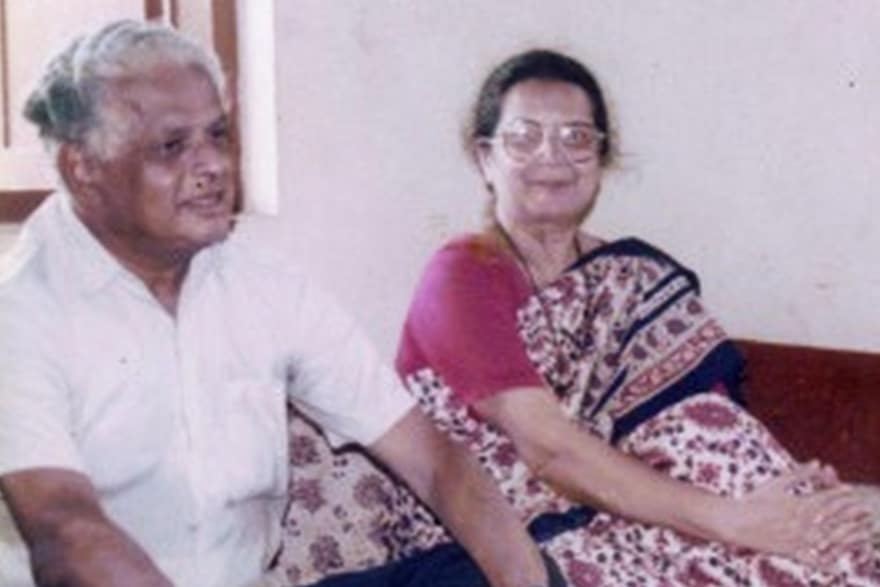
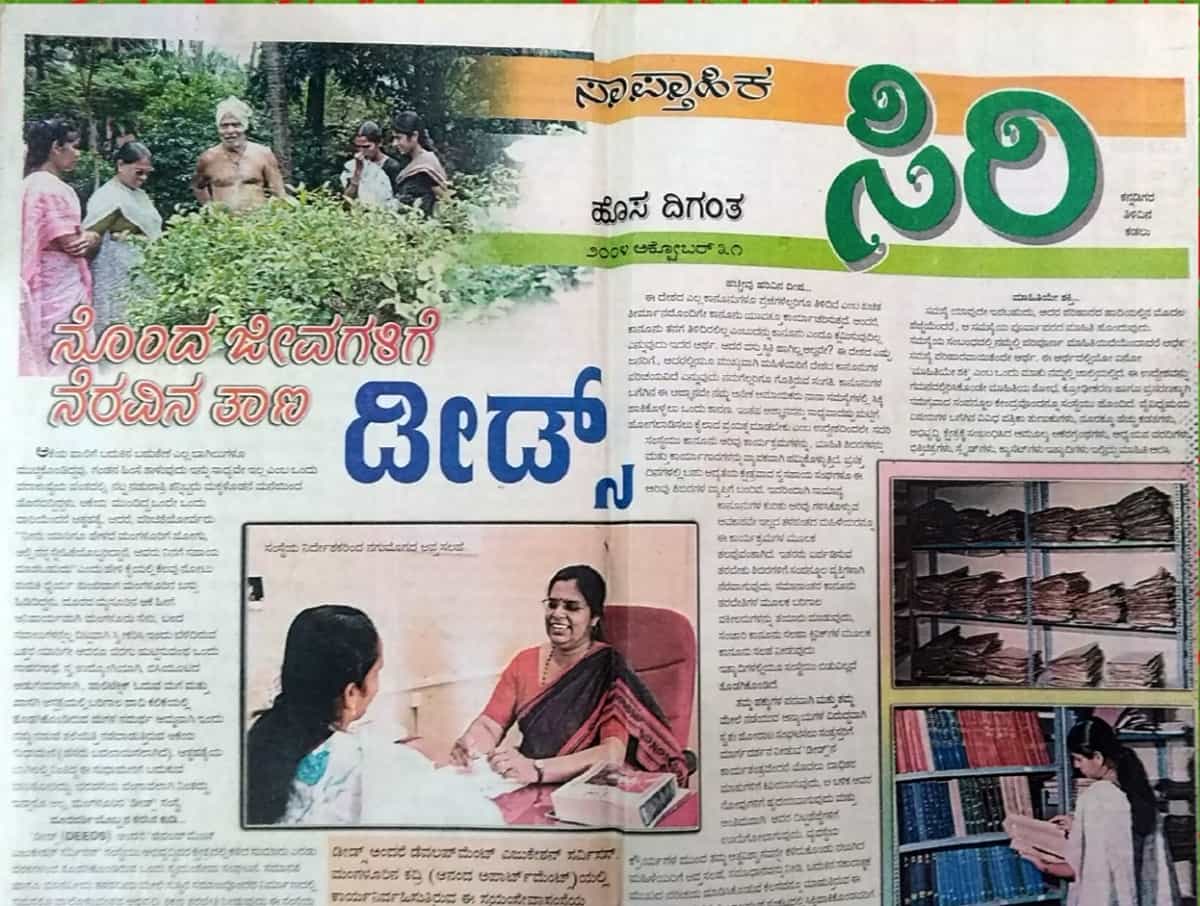
In the vast landscape of social change and community empowerment, few organizations exemplify the transformative power of grassroots action like DEEDS (Development through Education and Empowerment of the Disadvantaged Society). Founded in 1977 in Chennai by the esteemed development consultant, the late Dr. Desmond D’Abreo and Mrs Margarette D’Abreo, DEEDS emerged from a visionary quest for a society rooted in justice and equity, where change begins from the very roots of communities.

A Visionary Quest for Justice

Vision of Dr. Desmond D’Abreo and Mrs Margarette D’Abreo was not just about addressing surface-level issues but about fundamentally reshaping societal structures to uplift the most marginalized. He believed that true change could only come from understanding the lived experiences of those at the grassroots level. Thus, DEEDS was founded with a mission to empower marginalized communities to recognize and challenge the oppression they face, ultimately leading to self-determined development agendas.

A Journey of Discovery and Adaptation

DEEDS’ journey towards empowerment took many twists and turns, each one representing a deeper understanding of the challenges faced by marginalized communities. The decision to shift from the urban hustle of Chennai to the rural tranquility of Denkanikota was a crucial moment. It was here that DEEDS gained invaluable insights into the realities of village life, shaping its approach to community empowerment. Later, the move to Mangalore marked a new chapter in DEEDS’ evolution, bringing its mission to a broader audience and deeper engagement with local communities.

Continuing the Legacy: Merlyn Martis and the Mandate of Empowerment

In 1989, Mrs. Merlyn Martis assumed leadership of DEEDS in Mangalore, carrying forward the organization’s mandate of empowerment and social justice. Under her guidance, DEEDS intensified its efforts to train social workers as activists, recognizing the importance of grassroots leadership in driving sustainable change. Martis’ commitment to amplifying the voices of marginalized communities has been instrumental in shaping DEEDS’ approach to empowerment.

Empowering Women: The Heart of DEEDS’ Mission

At the core of DEEDS’ mission lies a steadfast commitment to empowering women. Recognizing that gender inequality is a pervasive issue, DEEDS has implemented a range of programs aimed at promoting women’s rights and gender equality. From paralegal training to legal assistance and advocacy, DEEDS has become a leading voice in the fight for gender justice, empowering women to claim their rights and challenge oppressive norms.

From Advocacy to Action: Mobilizing Communities for Change

DEEDS’ impact extends far beyond advocacy, encompassing tangible actions aimed at improving the lives of marginalized communities. Through partnerships with government agencies, NGOs, and grassroots organizations, DEEDS has implemented a wide array of programs addressing issues such as literacy, livelihood development, and domestic violence. By mobilizing communities and providing them with the tools and resources they need, DEEDS has catalyzed transformative change from the ground up.

Sanchalana: A Force for Gender Equality

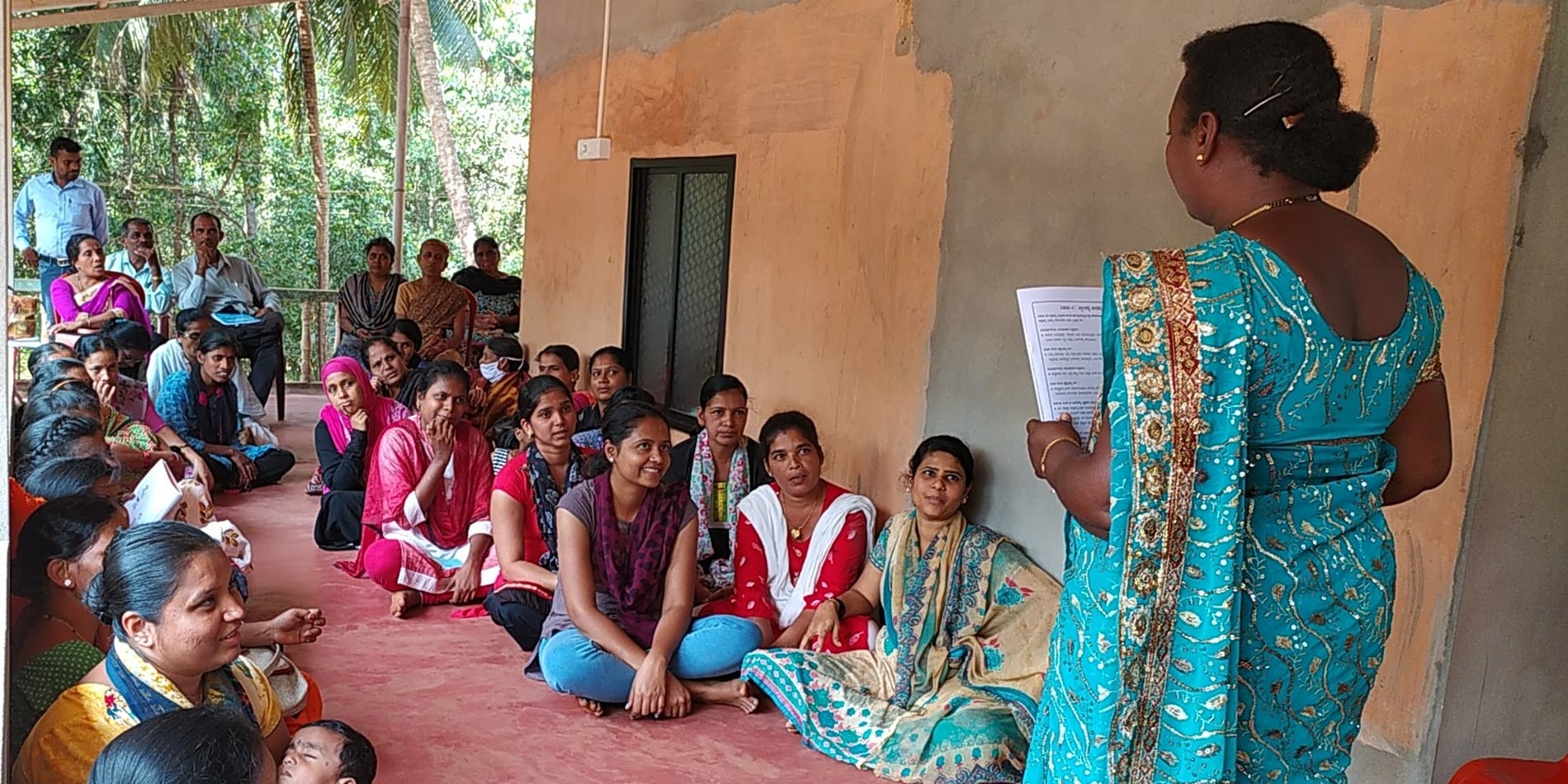
Central to DEEDS’ efforts to promote gender equality is the Women Trainers Collective, Sanchalana. With hundreds of members, Sanchalana empowers women to become agents of change within their communities, advocating for gender justice and women’s rights. Through training, capacity-building, and collective action, Sanchalana is driving positive change at the grassroots level, one community at a time.

A Hub for Resources and Advocacy

DEEDS’ resource center serves as a vital hub for research, documentation, and dissemination of information on gender and law. From training manuals to publications and campaign materials, DEEDS equips activists, NGOs, and communities with the knowledge and tools needed to advocate for gender justice. By sharing its experiences and learnings, DEEDS is fostering a culture of collaboration and empowerment across the social justice landscape.

Advancing Gender Equality Through Advocacy and Information

DEEDS’ advocacy efforts extend to leveraging the Right to Information (RTI) to gather crucial data on gender-related issues. By harnessing the power of RTI, DEEDS has obtained valuable information on issues such as sexual harassment, marriage registration, and child marriage, which are used to inform campaigns and advocacy initiatives. Through advocacy and information sharing, DEEDS is driving systemic change and advancing gender equality at all levels of society.

A Legacy of Empowerment and Change

As DEEDS continues its expansive journey towards empowerment and social justice, its legacy of empowerment and change grows stronger with each passing day. Through education, awareness, and grassroots action, DEEDS is transforming lives and communities, paving the way for a more just, inclusive, and equitable society. As we celebrate DEEDS’ achievements, let us recommit ourselves to the pursuit of a world where every individual, regardless of gender or background, has the opportunity to thrive.