All posts by admin

About admin

Chairman of Global TV | Excellent Writer | Exceptional PR Skills | Author of Six books | MASTER HEALER | +91 98441 82044 |

Alin’s Accidental Death | selfless decision to donate their infant’s organs | a noble and life-giving act | Global TV

KERALA’S 10-MONTH-OLD BABY ALIN’S ACCIDENTAL DEATH: |
A WARNING TO SOCIETY AND A CALL FOR A SAFER FUTURE

By Rotarian Lal Goel | Founder & Charter President | Rotary Club of Organ Donation International | Chairman: Organ Donation India Foundation & GYAN

The Tragedy That Shook a Nation

The recent accidental death of 10-month-old Baby Alin from Kerala has sent a wave of grief and introspection across India. While the nation has united in profound praise for the parents’ selfless decision to donate their infant’s organs — a noble and life-giving act — this tragedy demands that we also pause and ask a harder question: Could this death have been prevented?
The answer, according to the law of the land and the evidence of road safety science, is an unambiguous yes. Baby Alin did not have to die. And therein lies the urgent warning this tragedy holds for every family in India.
The Law That Was Ignored
Section 194B(2) of the Motor Vehicles Act mandates the use of child restraint systems — commonly known as car seats — for young children travelling in motor vehicles. This is not a suggestion. It is a legal obligation, enacted specifically to prevent fatalities like the one that claimed Baby Alin’s life.
Globally, road traffic injuries are a leading cause of death among children under five. Properly installed child car seats reduce the risk of death in a crash by up to 71% for infants. This is not merely statistics — it is the science of survival. When a vehicle is involved in a collision, an unsecured infant becomes a projectile. No parent’s arms, however strong, can hold a child safely against the physics of a crash.
Baby Alin’s parents, like countless Indian parents, may not have been aware of this law. Or perhaps, like many others, they may have considered it unnecessary for a short trip. This is the cultural blind spot that India must urgently address.

Organ Donation: Noble Act, Difficult Context
As someone deeply involved in organ donation advocacy, I believe organ donation is a noble, life-saving act. But organ donation should never become a consolation prize for preventable negligence. A life saved through donation is sacred — but a life lost due to avoidable carelessness is a societal failure.
The decision of Baby Alin’s parents to donate her organs is, without question, an extraordinary act of compassion. Lives have been saved as a direct result. The nation’s gratitude is appropriate and sincere.
However, praising this act without equally acknowledging the preventable circumstances of the death risks sending a dangerous signal to society. It must be said clearly — not to punish grieving parents already devastated by loss — but as a societal learning: the tragedy began with non-compliance with a law designed to protect children. A society that mourns avoidable child deaths while turning a blind eye to the cause does a disservice to every child yet to be born.

The Larger Issue: Prevention Before Donation
India continues to struggle with compliance with road safety regulations. According to global road safety data, India accounts for one of the highest numbers of road fatalities in the world. Yet child car seat usage in India remains extremely low, enforcement of child restraint laws is weak, public awareness about infant road safety is minimal, and many parents wrongly believe holding a baby in arms is safe.
In contrast, countries like the United Kingdom, Australia, and the United States enforce strict child restraint regulations with heavy penalties and strong public education campaigns. Compliance is high because enforcement is real.
India cannot afford symbolic laws. We need cultural change backed by enforcement.

A Roadmap for the Future: Seven Pillars of Child Road Safety
If Baby Alin’s death is to carry meaning beyond grief, it must catalyse systemic change. The following roadmap outlines concrete, actionable steps for government, civil society, and every Indian family.

  1. Rename Section 194B(2) as “Alin’s Law” — and Enforce It
    In the United Kingdom, the landmark organ donation legislation is known as Max and Keira’s Law, named after Keira Ball, a nine-year-old whose organs saved the life of Max Johnson, among others. The law carries their names because their story made it real, gave it a human face, and ensured that the public would remember not merely a legal provision but a child. That is the power of naming a law after those whose lives gave it meaning.
    India should do the same. Section 194B(2) of the Motor Vehicles Act — the child restraint law that, had it been followed, might have saved Baby Alin — must be formally designated Alin’s Law. This is not a symbolic gesture alone. It is the most meaningful homage a nation can pay to a child who cannot speak for herself. Every time a traffic officer checks for a car seat, every time a parent reads a road safety notice, every time a hospital hands new parents a safety leaflet, the name Alin should be present. She should be remembered not only as a donor, but as the child whose death became the turning point that made Indian roads safer for every infant who follows her.
    The Motor Vehicles Act’s child seat mandate under Alin’s Law must move from paper to practice. Traffic police across India must be trained, equipped, and directed to check for child restraint systems as part of routine enforcement. Fines must be meaningful, consistent, and applied without exception. A law that is not enforced is no law at all — and a law that bears a child’s name carries a moral weight that demands it be taken seriously.
  2. A National Awareness Campaign
    The Ministry of Road Transport and Highways, in partnership with state governments, should launch a sustained, multilingual public awareness campaign on child road safety. Hospitals, maternity wards, and paediatricians should be enlisted as frontline educators — informing new parents about car seat requirements before they leave the hospital with their newborn for the very first time. This campaign should carry Baby Alin’s name and story at its heart.
  3. Affordable Access to Child Car Seats
    One significant barrier to compliance is the cost of quality child car seats, which can be prohibitive for low- and middle-income families. The government should consider subsidising car seats for economically weaker sections, reducing GST on child safety equipment, and encouraging domestic manufacturing to bring prices down. Safety must not be a privilege of the affluent.
  4. Integration into Driving Licence and Vehicle Registration Processes
    Child safety information should be embedded into the process of obtaining a driving licence and registering a vehicle. Every new driver must be tested on child passenger safety laws. Vehicle registration renewal communications should include child safety reminders. These are low-cost, high-impact interventions.
  5. Civil Society and Rotary Engagement
    Organisations like Rotary International, with its deep roots in communities across India, have a vital role to play. Rotary clubs can organise free child seat installation clinics, community education drives, and distribute informational materials in local languages. Civil society can bridge the gap between government mandates and ground-level behaviour change.
  6. Media Responsibility
    The media, which rightly celebrated the family’s generosity in organ donation, must also fulfil its responsibility to inform. Every report on child road fatalities should mention Alin’s Law and the life-saving statistics that back it up. Journalism that informs is journalism that protects.
  7. A Data-Driven National Child Road Safety Dashboard
    India should establish a publicly accessible, state-wise dashboard tracking child road traffic fatalities and injuries, car seat compliance rates, and enforcement statistics. What is measured is managed. Transparency drives accountability, and accountability drives change.
    Conclusion: Let Alin’s Life Be a Turning Point
    Baby Alin lived for only ten months. In her brief time on earth, she gave life to others through the gifts her parents chose to offer. But civil society owes her something too — the commitment that no other child will needlessly die in a car because parents did not know, or did not comply with, the law.
    In Britain, Max and Keira’s Law changed how the nation thinks about organ donation. In India, Alin’s Law must change how a nation protects its children on the road. That is a legacy worthy of her name.
    Let us honour Baby Alin not only with tears and praise for her parents’ generosity, but with action. Let every parent who reads this story buckle their child in. Let every government official enforce Alin’s Law. Let every hospital educate new parents in her name. Let every Rotarian spread the word.
    A society is measured not by how it mourns its lost children, but by how fiercely it protects the living ones. Baby Alin’s death is a warning. Let us heed it.
    — Rotarian Lal Goel

MCC Bank | Mangalore | Sahakara Ratna Shri Anil Lobo | Global TV

MCC Bank Conducts Leadership Session for Management and staff

NV Paulose, Chairman, Global TV +91 98441 82044

MCC Bank organized a Session on leadership motivation, face-to-face selling skills, and communication skills titled “Speak, Lead and Connect” on 19th February 2026 at the Board Meeting Hall of its Head Office in Mangalore. Sahakara Ratna Shri Anil Lobo welcomed the distinguished guests with floral bouquets. The guest speakers for the session were Dr. K. Rajesh Nayak, Director – Training at the College of Banking and Financial Studies, Muscat, and CA S. S. Nayak, a renowned Chartered Accountant and expert in taxation, entrepreneurship, and business advisory services.

CA S.S. Nayak, in his session, stated that the Indian banking system is the number one in the world, highlighting its resilience, regulatory strength, and adaptability in a rapidly evolving financial landscape. He emphasized that banks should address customer complaints first before pursuing new business opportunities, as resolving concerns builds credibility, strengthens trust, and lays a solid foundation for growth.

He further mentioned that the limitations and regulatory requirements relating to the digitalization of the cooperative banking sector have now been duly addressed, enabling institutions to move forward with greater confidence in adopting technological advancements. He also stated that compliance is a higher priority than business expansion.

Explaining the exact meaning of KYC (Know Your Customer), he stressed that it involves truly knowing and understanding customers rather than merely verifying their Aadhaar and PAN cards. He also elaborated on taxation aspects applicable to Indian residents and NRIs.

He advised Managers to “know your bank, know your product, know your competitor, and know your limitations,” and encouraged them to work hard, noting that there are ample opportunities in Dakshina Kannada and Udupi districts. He urged branch managers and staff to work together to achieve their targets.

He concluded by stating that successful people show results, whereas unsuccessful people give reasons. He explained the “10-30-10 technique,” whereby approaching 10 existing customers and obtaining three references from each can lead to 30 prospects; from 30 prospects, at least 10 can be converted into customers. He also discussed effective customer handling and emphasized that customer complaints should be resolved at the branch level itself.

Finally, he explained the concepts of Management by Objectives and Management by Exception. He concluded by quoting a Sanskrit-inspired saying: “Desire changes nothing, decision changes something, and dedication changes everything.”

Dr. K. Rajesh Nayak emphasized the importance of building trust in the Bank, stating that trust is the foundation upon which lasting customer relationships and sustainable growth are established. He encouraged participants to strengthen their listening skills, explaining that effective listening not only improves customer understanding but also enhances problem-solving and service delivery.

He remarked that while technology and artificial intelligence are advancing rapidly, human skills continue to play a far more powerful role in banking, as empathy, judgment, and personal connection cannot be replaced. He cautioned everyone never to underestimate anyone’s abilities and stressed the need to continuously build knowledge and competence. He further stated that knowledge and wisdom are essential qualities of a good leader, and that common sense is equally important for everyone.

In his presidential address, Chairman Sahakara Ratna Shri Anil Lobo emphasized the importance of leadership excellence in strengthening the foundation of the organization. He highlighted that true leadership is reflected not only in decision-making but also in the ability to inspire confidence and build lasting relationships with customers. Stressing a customer-centric approach, he remarked that service should always be delivered with a positive attitude, as positive interactions create trust and foster long-term loyalty.

He also underscored the significance of setting clear targets and consistently monitoring performance through regular follow-ups to ensure steady progress. According to him, professionalism in approach, disciplined execution, and accountability at every level are essential for achieving organizational goals. He encouraged all members to remain committed, focused, and performance-driven in order to meet and exceed their targets while upholding the highest standards of service. He thanked the guest speakers for their valuable advice to the Management and staff.

On behalf of the Board of Directors, Mr C.G. Pinto, Professional Director, expressed his sincere gratitude to the guest speakers for their insightful and enlightening sessions. He appreciated the initiative taken by the Chairman in inviting such distinguished professionals to address the Board of Directors and staff, stating that their expertise and practical guidance would greatly benefit the institution in strengthening its leadership capabilities and enhancing overall performance.

The Managers appreciated the sessions, stating that the insights shared by the speakers would help them grow further, achieve their targets, and strengthen customer service. Accountant Mr Alwyn D’Souza compered the programme and proposed the vote of thanks. As a token of gratitude, the Chairman honoured the guest speakers with shawl and memento. The Chairman, Vice Chairman, Directors, top officials from the Head Office, Branch Managers, and senior officials attended the session.

Infant Jesus Shrine | Bikarnakatte | Karnataka | Global TV

Infant Jesus Shrine, Bikarnakatte Prays for Students as Examinations Approach

NV Paulose, Chairman, Global TV +91 98441 82044

Mangaluru, February 21, 2026: The Infant Jesus Shrine, Bikarnakatte organized a special prayer service on February 21, 2026, invoking God’s blessings upon students appearing for their forthcoming examinations. The programme was aimed at spiritually strengthening students, encouraging disciplined and ethical study habits, and offering reassurance to parents and teachers during a period that is often marked by anxiety and pressure.

The serene atmosphere of the Shrine was filled with devotion as students, parents, teachers, and devotees gathered in large numbers. One of the distinctive features of the Infant Jesus Shrine is its spirit of inclusiveness. People visit this Shrine irrespective of religion, caste, language, or social background. Over the years, devotees belonging to different faith traditions have found solace and inspiration here. Christians, Hindus, Muslims, and people of other beliefs regularly visit the Shrine seeking peace, strength, healing, and divine guidance. This universal appeal was clearly visible during the prayer service, as families from diverse backgrounds joined together with a shared intention for the well being and success of children.

The Eucharistic celebration was presided over by John Pinto, OCD, who delivered a thoughtful and compassionate homily. Reflecting on the realities faced by students today, he observed that examinations often create stress not only for children but also for parents and teachers. He reminded the gathering that while academic achievement is important, it should never come at the cost of mental peace, moral values, or physical health.

Addressing the students, Fr John Pinto encouraged them to cultivate disciplined habits by preparing a realistic personal timetable and following it with sincerity. He stressed the importance of regular study, timely revision, and adequate rest. He urged students to approach examinations with calmness and confidence rather than fear. Drawing from spiritual wisdom, he explained that faith in the Universal Power that governs the universe enables individuals to rise above anxiety and self doubt.

He emphasized that faith is not blind dependence but a source of inner strength that inspires responsibility, perseverance, and right conduct. According to him, believing in the infinite intelligence that governs the universe helps individuals align their thoughts and actions in a positive direction. When faith is combined with sincere effort and ethical actions, it becomes a powerful force that leads to success and fulfillment. His words resonated deeply with students and parents alike, offering reassurance and hope.

Following the Holy Mass, Eucharistic Adoration was held in an atmosphere of deep silence and prayerful reflection. Special prayers were offered for students preparing for examinations, for parents who support them with dedication and sacrifice, and for teachers who guide and shape young minds. This time of adoration allowed the faithful to pause, reflect, and entrust their concerns and aspirations to God.

One of the most touching moments of the programme was the anointing and blessing of the children. Each student was anointed with holy oil and individually blessed, invoking God’s grace, wisdom, and guidance upon their academic journey. Parents watched with visible emotion as their children received the blessings. For many families, this moment symbolized reassurance, hope, and renewed confidence as they entrusted the future of their children into God’s loving care.

Addressing the gathering after the service, Stifan Perera, OCD, Director of the Shrine, extended his heartfelt best wishes to all students appearing for their examinations. He encouraged them to face their academic challenges with honesty, confidence, and perseverance. He reminded them that true success is not measured only by marks or ranks, but by the values they uphold and the integrity they display in life. He also acknowledged the vital role played by parents and teachers in nurturing and guiding students.

The Eucharistic celebration was concelebrated by Wilson Tauro, OCD, Vocation Promoter, whose presence added to the spiritual richness of the occasion. Together, the priests highlighted the importance of prayer, guidance, and moral formation in shaping young lives, especially during crucial academic phases.

The prayer service held special significance as the year has been declared the Year of the Children by the Diocese of Mangalore. In this context, the programme stood as a meaningful expression of the Church’s concern for children and young people, recognizing them as the hope of the future and emphasizing the need for holistic care that includes intellectual, emotional, moral, and spiritual growth.

The Infant Jesus Shrine has consistently organized such prayer services at the beginning of the academic year and during examination periods. These initiatives reflect the Shrine’s enduring commitment to supporting students through prayer and pastoral care. Many students and parents have shared that such moments of prayer provide peace of mind, renewed motivation, and clarity during demanding academic times.

A defining characteristic of the Shrine is its universal outlook. People from different walks of life and religious traditions visit the Shrine regularly, especially on Thursdays and during special novenas. Many are drawn not by formal religious affiliation but by a deep belief in a Universal Power and the compassionate presence symbolized by the Infant Jesus. This openness has made the Shrine a spiritual home where human hopes and struggles find expression beyond boundaries of religion or caste.

Faith, at its core, is about trusting the Universal Power that governs the conduct of the universe. Whether one fully understands it or not, an infinite intelligence guides creation and human destiny. By believing in this higher power, individuals are able to draw inner strength, resilience, and clarity of purpose. Faith offers courage during fear, patience during uncertainty, and direction during moments of confusion.

At the same time, the message emphasized throughout the programme was that faith must always be accompanied by ethical actions. Honesty in examinations, discipline in preparation, respect for parents and teachers, and responsibility towards society are essential values. When belief is united with right conduct and sincere effort, it becomes a transformative force that leads not only to academic success but also to meaningful and responsible living.

The active participation of students, parents, and teachers highlighted the strong bond between the Shrine and the wider community. Their presence reflected a shared understanding that education is not merely about intellectual achievement, but about forming character and nurturing values that guide individuals throughout life. The atmosphere was filled with calm assurance and renewed hope. Students left the Shrine with confidence and peace of mind, parents with trust and reassurance, and teachers with encouragement to continue their mission. Once again, the Infant Jesus Shrine, Bikarnakatte, reaffirmed its role as a centre of faith, inclusiveness, encouragement, and spiritual guidance, reminding all that when faith, effort, and ethical living come together, success naturally follows.

I felt true happiness that day. One of the kids grabbed my leg as I was about to go back from there. I tried to gently free my leg, but the kid wouldn’t let go and he was staring me in the face and holding my leg tight. I leaned over and asked the child: Do you want anything else?

“I want to remember your face so that when I meet you in heaven, I can recognize you and say thank you again. “

Selected by:BILL BEN

Indian billionaire Ratan Ji Tata when a radio presenter was asked in a telephone interview: “Sir, what do you remember when you found the happiest happiness in life”?

Ratan ji Tata said: “I have crossed four stages of life, finally I understood the meaning of true happiness. “

The first step is to accumulate wealth and resources. But at this stage I didn’t get the happiness I wanted.

Second phase of collecting valuables and things. But I realized that the effect of this matter is also temporary and the flash of valuable things won’t last long.

Then came the third phase to get the bigger project. Back then I had 95% diesel supply in India and Africa. I am also the owner of the largest steel factory in India and Asia. But even here I didn’t get as much joy as I expected.

Phase four, my friend asked me to buy wheelchairs for some disabled children. There are about 200 children. Bought wheelchairs immediately as per the request of a friend.

But buddy insisted I go with him and provide wheelchairs for the kids. I got ready and went with them. My hands gave wheelchairs to all the deserving kids out there. Strange joy on those kids faces. I saw them all in wheelchairs having fun.

I felt true happiness that day. One of the kids grabbed my leg as I was about to go back from there. I tried to gently free my leg, but the kid wouldn’t let go and he was staring me in the face and holding my leg tight. I leaned over and asked the child: Do you want anything else?

Then the answer that boy told me not only shocked me but changed my outlook on life completely.

The boy said: “I want to remember your face so that when I meet you in heaven, I can recognize you and thank you again. “

RIP, Ratan N Tata

Kerala Railway Police | Amazing Care | Salute to them | Global TV

Incidents like this remind us that public institutions are ultimately built on individuals who choose to act with responsibility and compassion.

NV Paulose , Chairman, Global TV+91 98441 82044

I went up to them to personally congratulate them and took their permission to capture this photograph. I could not resist the urge to thank them on behalf of the entire nation. This is the second time I have personally witnessed the care and professionalism of the Railway Police in Kerala.

The situation this time involved a young woman travelling alone. Her husband grew anxious when she did not respond to his calls. Unbeknownst to him, she had already fallen fast asleep. The time was around 10.30 at night.

Concerned about her safety, he sent a message through the railway messaging system requesting the Railway Police to ensure her well being.

What followed was reassuring and commendable. A male and a female police officer promptly arrived at the compartment. With politeness and sensitivity, they identified the passenger, checked that she was safe and comfortable, and then conveyed a message back to the understandably worried husband, putting his mind at ease.

Was such care absent earlier, or did we misunderstand them then?

Incidents like this remind us that public institutions are ultimately built on individuals who choose to act with responsibility and compassion. These officers did not treat this as a routine duty but as a human concern, and that made all the difference.

In times when trust in systems is often questioned, such actions quietly rebuild confidence and reassure citizens that help is available when it is genuinely needed.

On behalf of Global TV, I congratulate these officers and the entire Railway Police system for their efficiency, empathy, and dedication to duty. As a citizen, I am deeply grateful for the care and concern you showed. Moments like these make me proud to say that all Indians are my brothers and sisters.

MiR NET ZERO | Buildings are not static structures. They are living systems that influence energy use, human behaviour, climate impact, and long term economic value | Global TV

From Vanishing Kilns to Living Cities | How Innovation from Rome Found Its Natural Home in Mangalore | Global TV

NV Paulose, Chairman, Global TV +91 98441 82044

A senior tile manufacturer once told me a story that stayed with me. An expert had conducted a workshop for officials from the tile industry. He spoke plainly and without diplomacy. He warned them about the urgent need for innovation. He said industries that failed to reinvent themselves would not slowly decline. They would simply vanish.

His words were uncomfortable. They were ignored.

The tile manufacturer admitted that the warning was consciously brushed aside. Those in the room believed they were irreplaceable. They believed tradition was strength enough. They believed demand would never disappear.

Time proved otherwise.

The tile industry that once defined skylines and livelihoods across the region almost vanished. A few companies that chose innovation survived and today they are doing well. Others chose different paths. Visionaries like Mr FM Lobo looked beyond factories and machinery and saw possibility in land and scenic beauty. Had the system been cleaner and more transparent, those initiatives could have transformed parts of Mangalore into some of the most sought after destinations for events and celebrations.

This is not merely a story about tiles.
It is a lesson about innovation ignored and opportunity lost.

A Powerful Contrast from Rome to Mangalore

There was a time when the slogan Mangalore roofs the world captured a reality. Clay tiles manufactured here travelled far beyond the coast, covering homes across continents.

Today the contrast is striking.

Innovation is no longer flowing outward in the form of clay and kilns. It is arriving from Rome in the form of solar roofing, intelligent materials, digital construction systems, timber engineering, smart glass, and sustainable urban regeneration.

Rome, a city shaped by centuries of civilisation, is now bringing the future of the building industry to Mangalore, a city often referred to as the Rome of the East because of its culture, education, and human values.

This convergence is symbolic. It is meaningful. And it is deliberate.

At the centre of this moment stands MIR Group and its ambitious initiative MiR Net Zero Vision 2047.

Why Mangalore Was the Right Choice
If one asks what is best about Mangalore, the answer is simple. It is the people.

Civilised in conduct and global in outlook, Mangaloreans combine tradition with exposure. Many have studied and worked across the world and returned with experience, not arrogance. The city values education, social harmony, and quality of life.

By any honest measure of human wellbeing, Mangalore would rank extremely high. If there were a true human happiness index, this city would stand near the top in the country, if not globally.

Innovation does not thrive on technology alone. It thrives where people are receptive and discerning. MIR Group did not merely select a venue. It selected a cultural environment capable of understanding and absorbing advanced ideas.

Beginning this journey in Mangalore was not convenience. It was insight.

MIR Group and a New Way of Thinking

What sets MIR Group apart is not that it speaks about sustainability. Many organisations do that. What sets it apart is how it integrates design, engineering, energy, finance, and governance into one coherent approach.

For MIR, buildings are not static structures. They are living systems that influence energy use, human behaviour, climate impact, and long term economic value.

Through solar integrated building envelopes, digital lifecycle platforms, timber technologies, smart materials, and environmental governance frameworks, the group proposes a new way forward. Cities should not merely reduce damage. They should actively regenerate value.

MiR Net Zero Vision 2047 is a platform created to make decisions.

The Summit and Its Deeper Meaning
Hosted at the TMA Pai International Convention Centre, the MiR Net Zero Summit 2026 brought together an exceptional group of leaders.

Union ministers and state ministers responsible for energy and infrastructure. Senior administrators who translate policy into execution. International experts from Italy bridging European innovation with Indian scale. Architects, engineers, financiers, developers, and sustainability leaders.

This was alignment, not symbolism.

Discussions moved seamlessly from global green capital to carbon neutral cities, from digital construction systems to material innovation, from policy intent to practical delivery.

One message emerged clearly. Net zero is no longer a distant aspiration. It is an operational challenge of the present.

Italy and India Building Together
Italy brings a rare quality to the sustainability conversation. It understands that efficiency alone is not enough. Design must respect culture. Sustainability must be beautiful. Cities must remain humane.

The Italian experts at the summit spoke about architectural responsibility, urban regeneration, digital integration, and materials that last for generations. They demonstrated that sustainability imposed without elegance will fail. Sustainability integrated with beauty will endure.

India brings urgency, scale, and opportunity. Together, Italy and India form a powerful partnership for the future of cities.

Mangalore became the meeting point.

Learning from Decline and Designing the Future
The decline of the tile industry was not caused by lack of skill. It was caused by lack of imagination.

That lesson echoed throughout the summit.

Buildings account for a large share of global energy consumption. They lock in emissions for decades. Yet they also represent the greatest opportunity for transformation.

  • Solar is no longer an add on.
  • Glass is no longer passive.
  • Timber is no longer primitive.
  • Data is no longer optional.

The future city is intelligent, integrated, and engineered with purpose.

MiR Net Zero Vision 2047 does not debate whether India should change course. It focuses on how fast change must happen and how responsibly it must be done.

Why the Year 2047 Matters
The year 2047 marks one hundred years of Indian independence. It is symbolic, but it is also practical.

Cities built today will still stand in 2047. Decisions taken now will define climate resilience, economic competitiveness, and quality of life for future generations.

The final roundtable at the summit emphasised one critical truth. Delay is the most expensive decision of all.

Innovation postponed becomes disruption endured.

A Beginning with Purpose
As the summit concluded with its valedictory address and an exclusive gala bringing together policymakers, industry leaders, and Italian delegates, it was clear that this was not an ending.

It was a beginning.

MIR Group chose Mangalore because it was ready. Ready in mindset. Ready in people. Ready in values.

The story of the tile industry teaches us a powerful lesson. Industries that believe they are irreplaceable rarely are. Cities and companies that reinvent themselves always are.

From Rome to Mangalore, from clay roofs to solar skins, from static buildings to living cities, innovation has found its moment.

This time, Mangalore is ready

Rotarian Lal Goel | Founder & Charter President | Rotary Club of Organ Donation International | Chairman: Organ Donation India Foundation & GYAN

Is India’s Organ Donation Policy Shift Good Enough?

India has reached a historic milestone in organ transplantation. In 2024, the country performed approximately 18,900 organ transplants—the highest ever recorded. Yet beneath this achievement lies a stark reality: India continues to face one of the world’s most severe organ shortages.

An estimated five lakh (500,000) patients require organ transplants annually, but only a fraction receive them. More concerning is the foundation of the system itself—India’s deceased organ donation rate remains below 1 per million population (pmp).

In contrast:
• Spain records approximately 52.6 deceased donors per million population (2024)—the highest in the world.
• The United States records approximately 48 deceased donors per million population (latest reported data).

For a nation of over 1.4 billion people, this gap is not merely statistical—it is systemic.

The Recent Policy Shift

Since 2023, the Government of India has initiated significant reforms under a “One Nation, One Policy” approach, anchored by the National Organ and Tissue Transplant Organisation (NOTTO).

1️⃣ Removing Access Barriers (2023)
• The upper age limit of 65 years for waitlist registration was removed.
• The domicile requirement was abolished, allowing patients to register in any state.
• Registration on the national waitlist was made free.

These were long-overdue measures that reduce interstate disparities.

2️⃣ Equity-Based Allocation (2025 Advisory)

NOTTO issued a 10-point advisory providing:
• Additional priority to women recipients.
• Preference to immediate relatives of deceased donors.

This addresses long-standing gender imbalance and incentivises family consent.

3️⃣ Digital and Financial Enablers
• Aadhaar-linked online pledge registration has crossed 3.3 lakh pledges.
• Financial assistance under Ayushman Bharat supports eligible transplant patients.
• Efforts are underway to strengthen real-time registries and organ transport protocols.

These reforms build upon the Transplantation of Human Organs Act and the NOTTO–ROTTO–SOTTO framework established in 2014.

Progress: What Is Working
• Transplants have risen from fewer than 5,000 in 2013 to nearly 19,000 in 2024.
• Deceased donors crossed 1,100 in 2024.
• States like Telangana, Tamil Nadu, Karnataka, and Gujarat demonstrate that structured programmes improve outcomes.

These gains are meaningful—but not transformative.

The Persistent Structural Gaps

1️⃣ Deceased Donation Remains Critically Low

India remains overwhelmingly dependent on living donors.

While Spain stands at 52.6 pmp and the United States at 48 pmp, India remains below 1 pmp due to:
• Inconsistent state implementation
• Legal ambiguity around brainstem death
• Fear of medico-legal consequences
• Absence of national Donation after Circulatory Death (DCD) protocols
• Limited expanded-criteria donor use

Without mandatory reporting and legal clarity, deceased donation cannot scale.

2️⃣ Infrastructure and Human Resource Deficits

Many registered transplant centres remain inactive. Public hospitals lag behind private institutions. Chronic shortages include:
• Trained transplant coordinators
• ICU beds for donor maintenance
• Retrieval and transport logistics
• Real-time digital allocation systems

Announcements alone cannot fix underfunded systems.

3️⃣ Mobile Organ Retrieval Centres: A Critical Missing Link

One transformative reform India urgently needs is the establishment of Mobile Organ Retrieval Centres (MORCs).

Why Mobile Retrieval Centres Matter

India’s geography is vast. Many potential donors are located in tier-2 and tier-3 cities where:
• Transplant teams are unavailable
• Brain-death declaration is delayed
• Organs are lost due to logistical constraints

Mobile Organ Retrieval Centres—equipped ambulances with trained surgical retrieval teams and organ preservation equipment—can:
• Travel to non-transplant hospitals
• Perform on-site organ retrieval
• Stabilise and preserve organs
• Coordinate rapid air or road transport

This model reduces organ wastage, decentralises access, and builds confidence among smaller hospitals.

International Inspiration

Spain’s high performance is supported by hospital-based coordinators and rapid retrieval systems. The U.S. model relies on strong Organ Procurement Organisations with structured transport networks.

India must adapt these principles to its scale through:
• Nationally funded Mobile Retrieval Units
• Regional rapid-response teams
• Dedicated organ air corridors
• Real-time GPS-linked tracking systems

Without mobile infrastructure, policy reform will not translate into higher deceased donation rates.

Massive Unmet Need

Kidney transplants number around 13,000–14,000 annually, yet waiting lists run into lakhs. Waiting periods stretch 3–5 years. Thousands die while waiting.

Rural and economically weaker patients face barriers of affordability and awareness. Myths, religious misconceptions, and fear continue to influence family consent.

The International Comparison

Spain’s leadership—52.6 pmp—was built through:
• Mandatory brain-death reporting
• Hospital-based transplant coordinators
• Continuous professional training
• Cultural normalisation of donation
• Presumed consent

The United States, at 48 pmp, benefits from strong Organ Procurement Organisations and structured national reporting.

India’s reforms remain largely procedural rather than systemic.

The Verdict: Progress, But Not Enough

The 2023–2025 reforms deserve recognition. They have:
• Increased transplant numbers
• Reduced bureaucratic barriers
• Promoted equity
• Improved digital registration

However, they do not yet address the structural core of the crisis.

The Road Ahead: From Reform to Transformation

1️⃣ Universal Financial Protection
• The AB-PMJAY scheme must be mandatory for all transplant-performing hospitals.
• Insurance companies must comprehensively cover organ transplantation without increasing premiums.

Financial fear must never prevent a transplant.

2️⃣ Empower NOTTO with Statutory Authority

NOTTO should be granted stronger binding powers for:
• Mandatory reporting
• Audit control
• Enforcement capability

Organ allocation must be insulated from politics and delay.

3️⃣ Mandatory Brain-Death Reporting
• Compulsory declaration in every ICU
• Regulatory action for non-reporting
• Uniform national protocols

4️⃣ Education Reform
• From 5th standard onwards, organs, tissues, brain death, and organ donation must be part of the curriculum.

5️⃣ Responsible Public Discourse

Deliberate misinformation that discourages organ donation should invite accountability under appropriate legal provisions.

6️⃣ Media as a Public Health Partner

Sustained organ donation messaging—not seasonal campaigns—is essential.

7️⃣ Structural Reforms Still Needed
• Harmonised legal definitions of death
• Mandatory brain-death audits
• National DCD protocols
• Public ICU investment
• Transparent allocation systems
• Performance-linked funding
• National rollout of Mobile Organ Retrieval Centres

Conclusion

India has the population base, clinical expertise, and technological capacity to become a global leader in organ donation.

What is missing is decisive systemic execution.

With Spain at 52.6 pmp, the United States at 48 pmp, and India still below 1 pmp, incremental reform is not enough.

We need stronger laws.
We need empowered institutions.
We need compulsory reporting.
We need universal financial protection.
We need a mobile retrieval infrastructure.
We need education from childhood.
We need a media partnership.

And above all, we need citizens to step forward.

Until structural reform matches policy ambition, thousands of preventable deaths will continue.

And that is a gap no nation of 1.4 billion should accept.

Bengaluru Coffee Fest: Laborers Confined to Posters | Workers stay offstage despite ‘farm to cup’ promise | Global TV

Coffee Festival spotlights roasters, leaves pickers on posters

Written by: Joswin Pereira | School of Communication and Media Studies | St Joseph’s University, Bengaluru

Bengaluru: At the India International Coffee Festival 2026 (IICF) in Bengaluru, roasters, brands and baristas took centre stage in a ‘farm-to-cup’ celebration, while the labourers who pick and process the coffee showed limited presence through posters and video loops. 

The festival, which was organised at Chamara Vajra from January 12 to 14, also saw steady footfall across the three days. The event focused on roasters, brands, baristas and industry stakeholders, with discussions centred on cultivation practices, market trends and sustainability, even as the people engaged in harvesting and processing remained at their respective estates. While plantation labour was referenced in discussions on cultivation and the farm-to-cup process, workers themselves did not take part in the panels or presentations held at the event.

SOURCE- JOSWIN PEREIRA

CAPTION: Stall at the IICF 2026 displays large visuals of plantation workers against a backdrop promoting roasting and innovation at a Bengaluru roastery.

A recent India Today article reported that workers in India’s coffee plantations face conditions that affect their health and financial stability. They are exposed daily to pesticides without adequate protective gear and face long-term risks from chemical residues, along with chronic respiratory problems and skin ailments. During the harvest, they work under scorching sun or relentless rain. Inadequate daily wages push many into debt cycles, with women and migrant labourers particularly affected by long hours, seasonal job insecurity, and limited access to healthcare, housing and social protections.

Karthik Aiyer, a commercial coffee grower from Tamil Nadu, described labourers as the “spine” of plantations and called for spotlighting them at industry festivals. “Good coffee sales stem from good practices, and good practices create good labourers,” he said, adding that when estate owners profit, “naturally it goes to the labourers.”

Thoms Noronha, a grower from Hirebile, spoke about changes in the coffee market, where growers can now cultivate without restrictions. “This has led to workers being hired only during peak seasons,” he said, adding that this inconsistency has resulted in low commitment among labourers who face chronic job insecurity. He noted that due to unemployment, many workers take short-term jobs, moving between estates or migrating to cities. According to him, this affects productivity and makes it difficult for growers to retain skilled workers amid rising global demand.

SOURCE- JOSWIN PEREIRA

CAPTION-A promotional stand at the festival features an image of coffee processing workers. 

Healthcare is another concern, said Dr N.K. Pradeep, who runs training programmes for growers and labourers. He attributed low awareness and motivation among workers partly to easy access to cheap alcohol. “Workers are one of the major links in the coffee chain; without them, there will be no plantation,” he said. Pradeep said he advocates for worker-inclusive platforms and trains participants in “scientific knowledge and technology, from soil to cup.”

SOURCE- JOSWIN PEREIRA

CAPTION- Visitors gather near the main stage at the India International Coffee Festival 2026 in Bengaluru. 

One of the organisers, Srishti Tarakanath, said the event showcases images and videos of coffee pickers and processing workers. “We have all of them, we show how they work and toil on the ground, and their hard work is the fruit we celebrate at this festival today,” she said. She added that the workers continue to remain at plantations and were not present at the Bengaluru venue.

Even as the festival focused on production practices, exports and sustainability including discussions on scientific transformation, residue-free coffee and increasing production, conversations around labour participation were largely reflected through remarks from growers, trainers and organisers. 

P. A. First Grade College | The Internal Quality Assurance Cell | Department of Commerce and Management |

One Day Syllabus Workshop on IV Semester BBA (SEP) | In association with Forum of Business Management Teachers (FOBMAT)

NV Paulose, Chairman, Global TV +91 98441 82044

The Internal Quality Assurance Cell and the Department of Commerce and Management of P.A. First Grade College, in association with the Forum of Business Management Teachers (FOBMAT), organized a One Day Syllabus Workshop on IV Semester BBA (SEP) on 14 February 2026 at 10 a.m. in the Seminar Hall. The programme was held under the patronage of Mr. Abdulla Ibrahim, Managing Trustee, P.A. Educational Trust (R). Dr. Ganesh Sanjeev, Registrar (I/c), Director (I/c), College Development Council and Senior Professor of Physics & Head- Microtron Centre, Mangalore University, graced the occasion as Chief Guest. The function was presided over by Dr. Surfraz J. Hasim, Principal, P. A. First Grade College. Dr. Chandrashekara K., President, FOBMAT; and Prof. Nandakishore K., Secretary, FOBMAT were the Guests of Honor. Ms Vanishree Y, IQAC Coordinator and Dr Shijin, Associate Professor were present during the program.

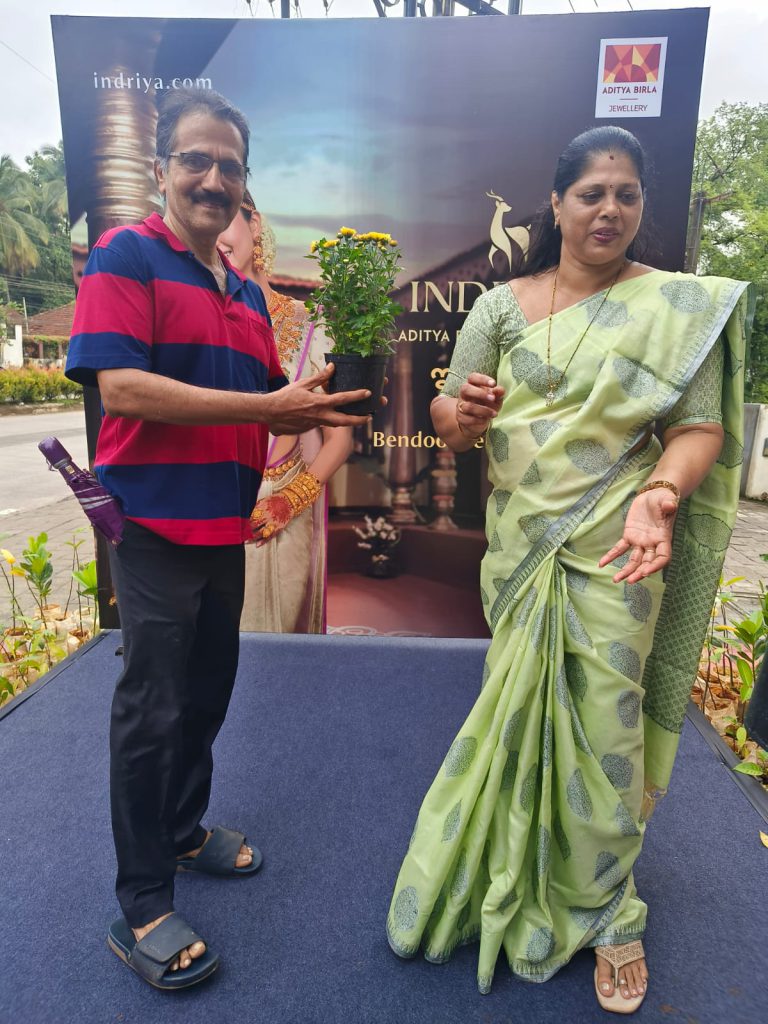
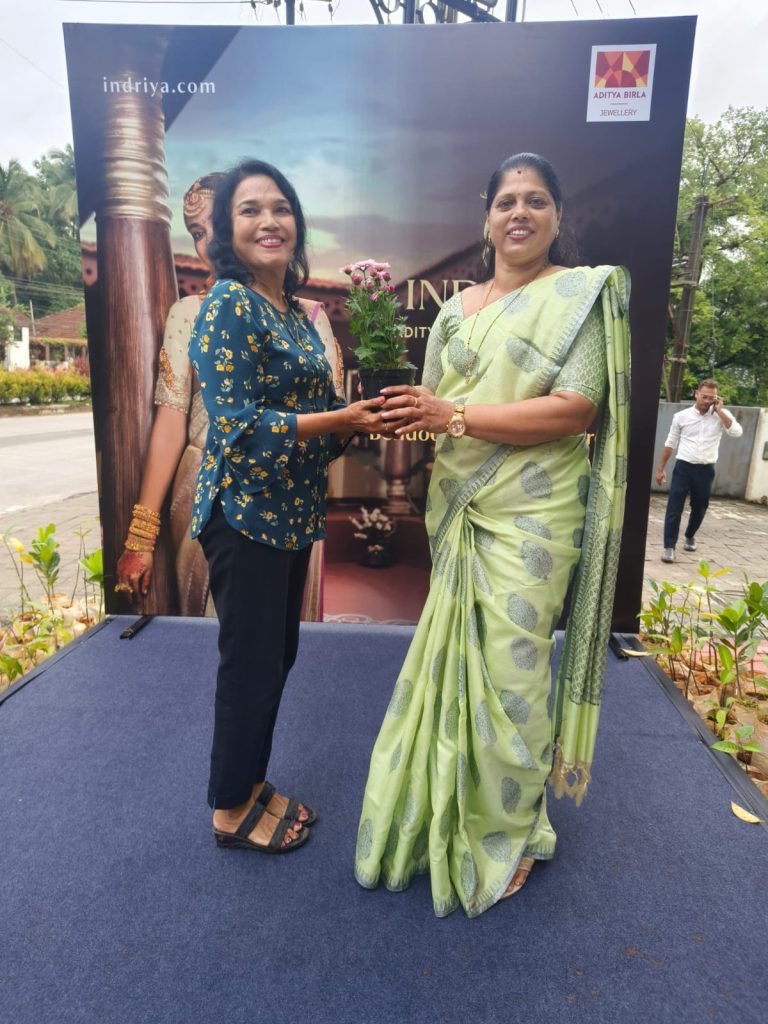
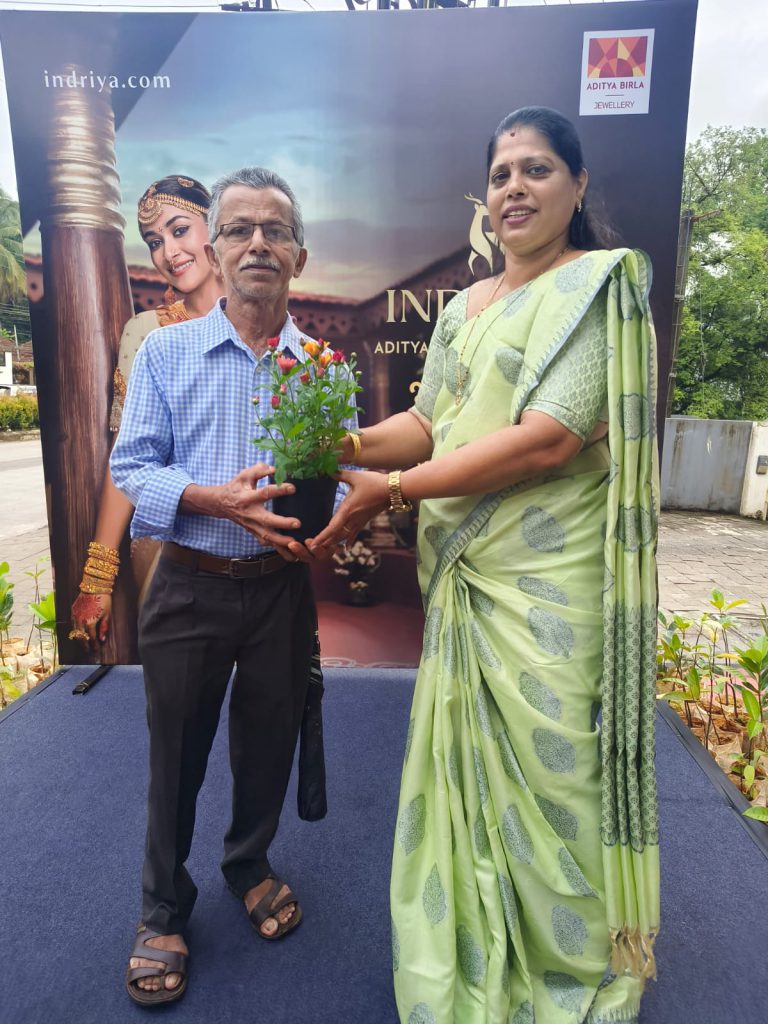
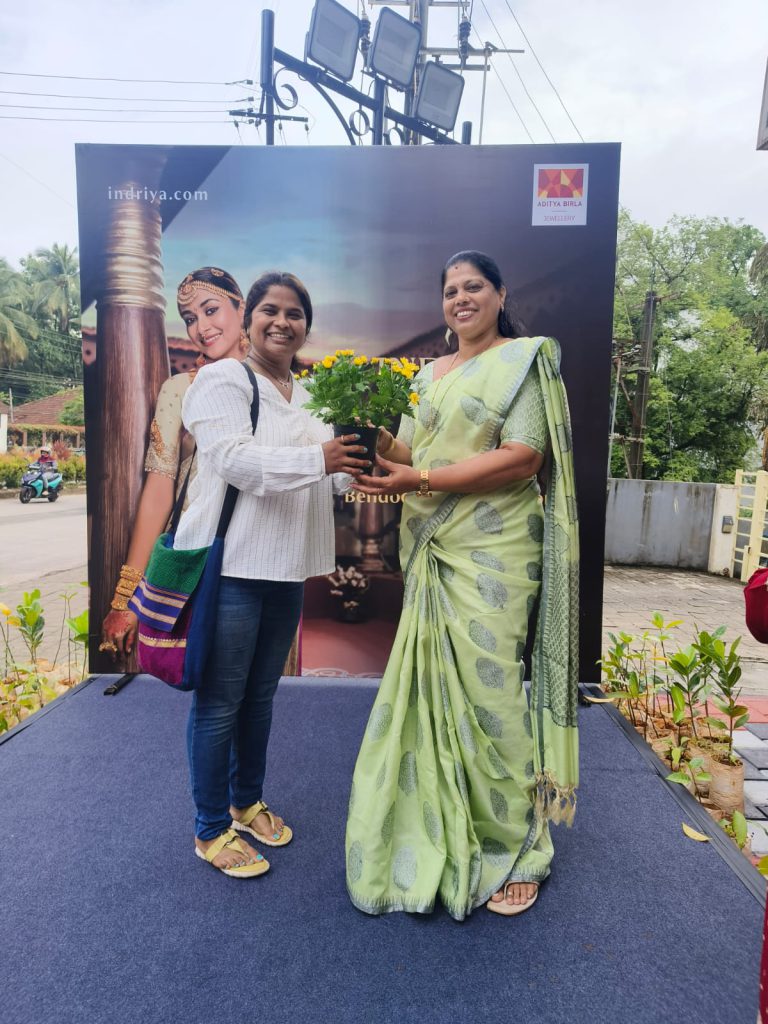
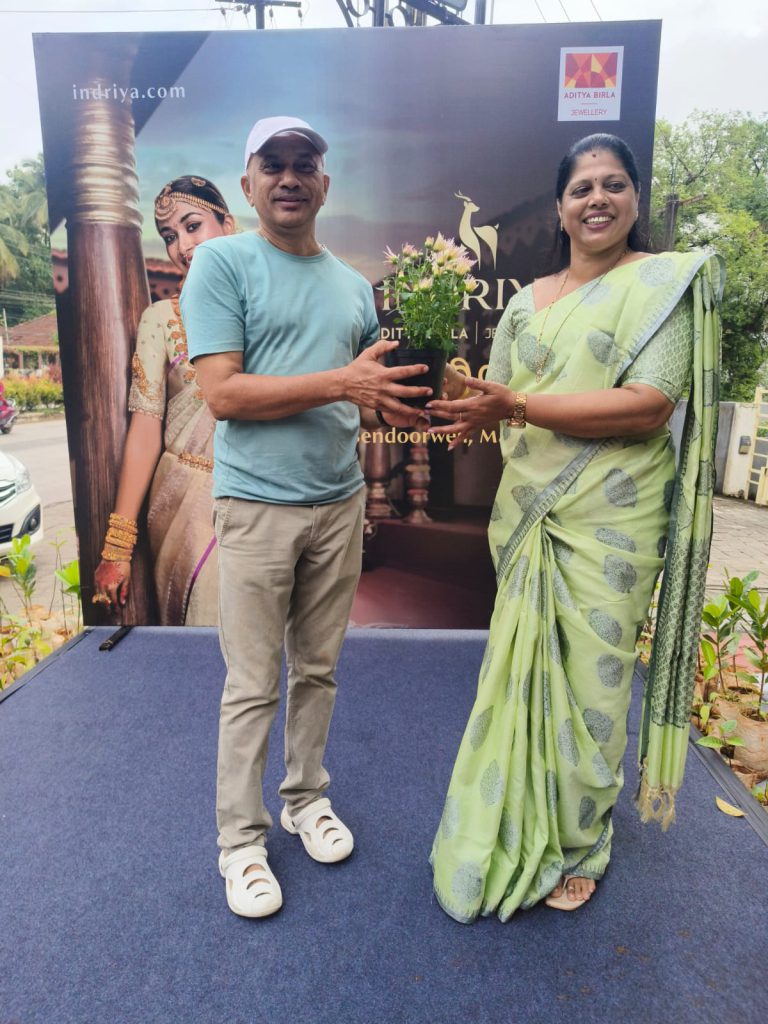
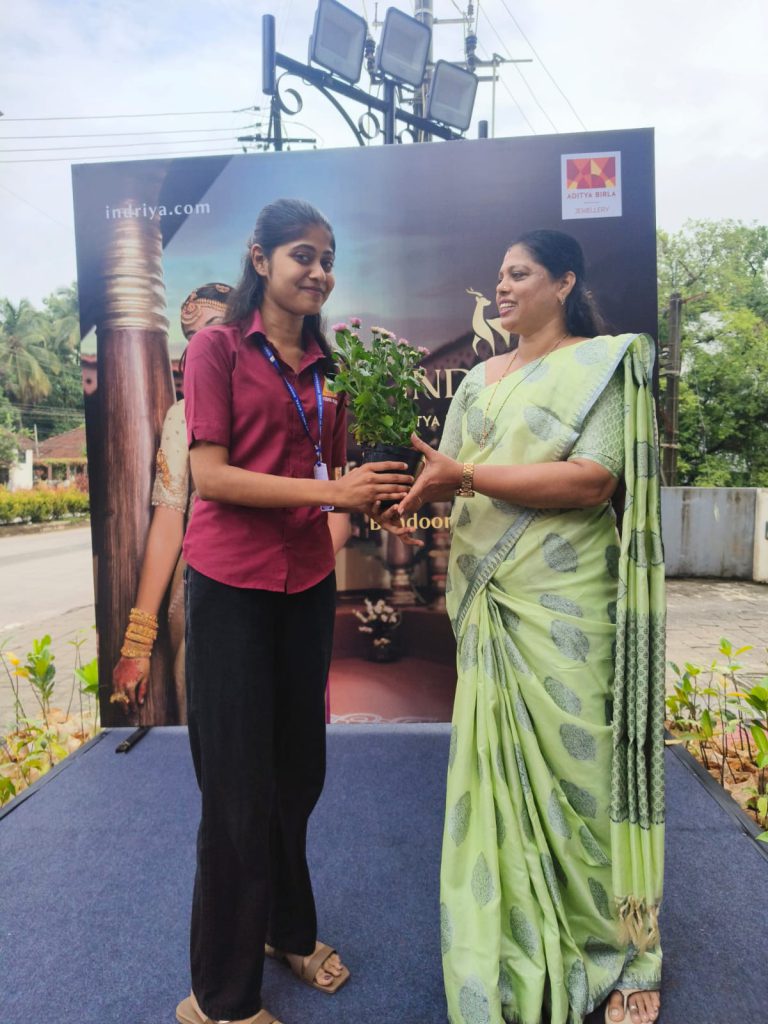
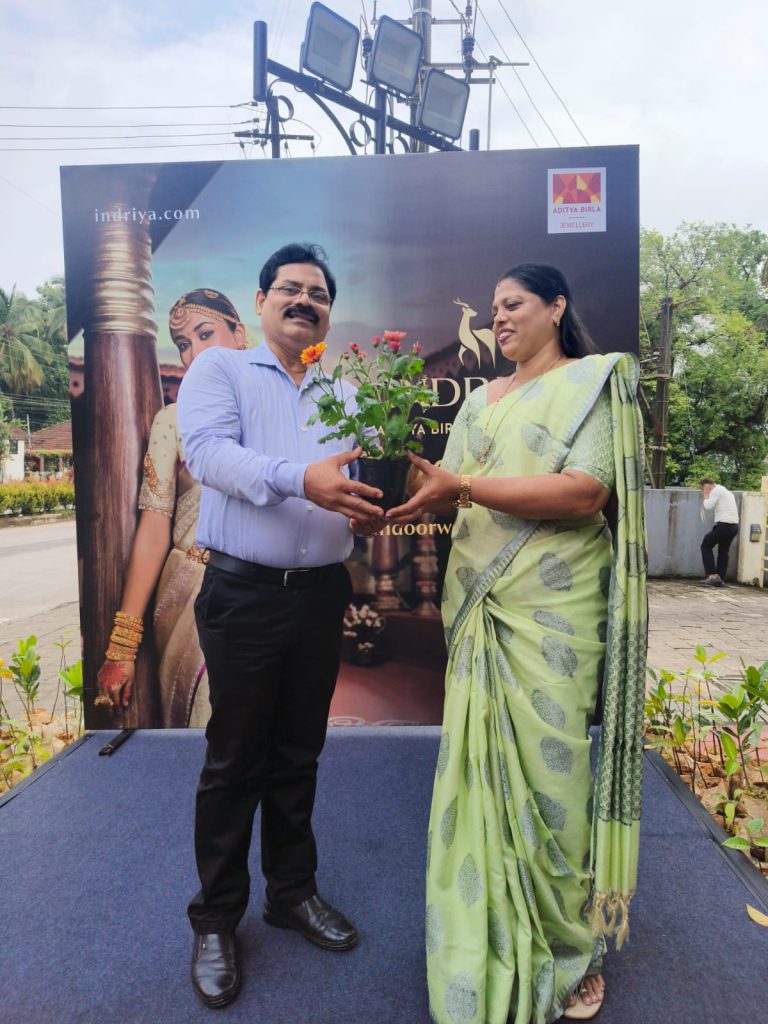
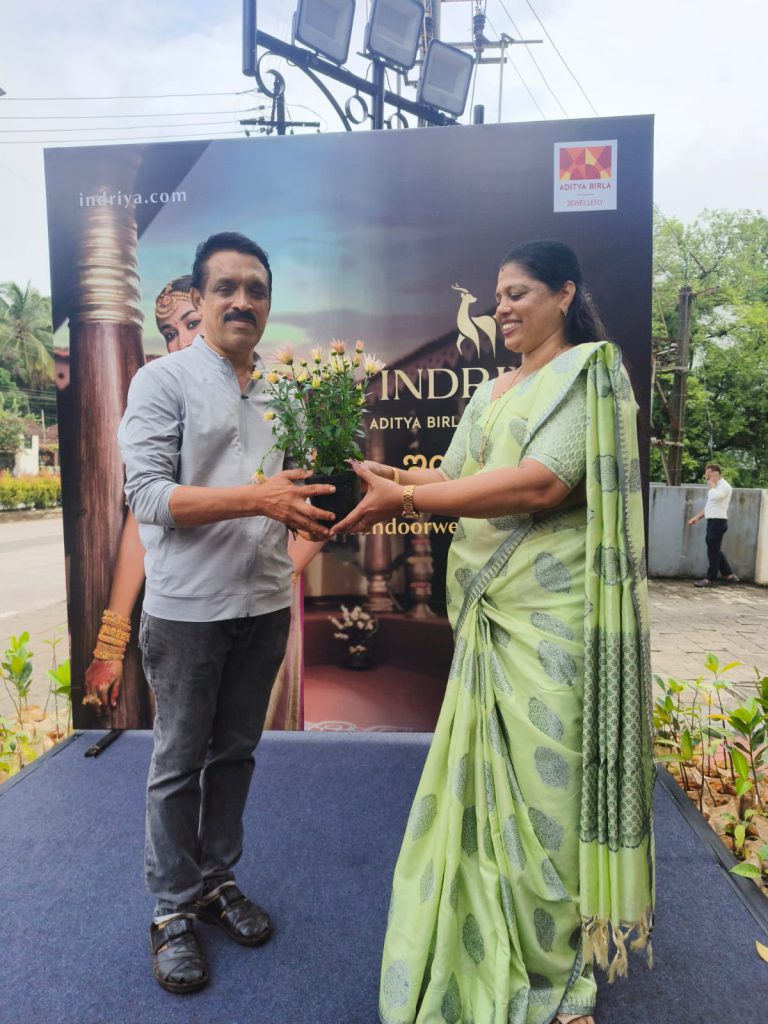
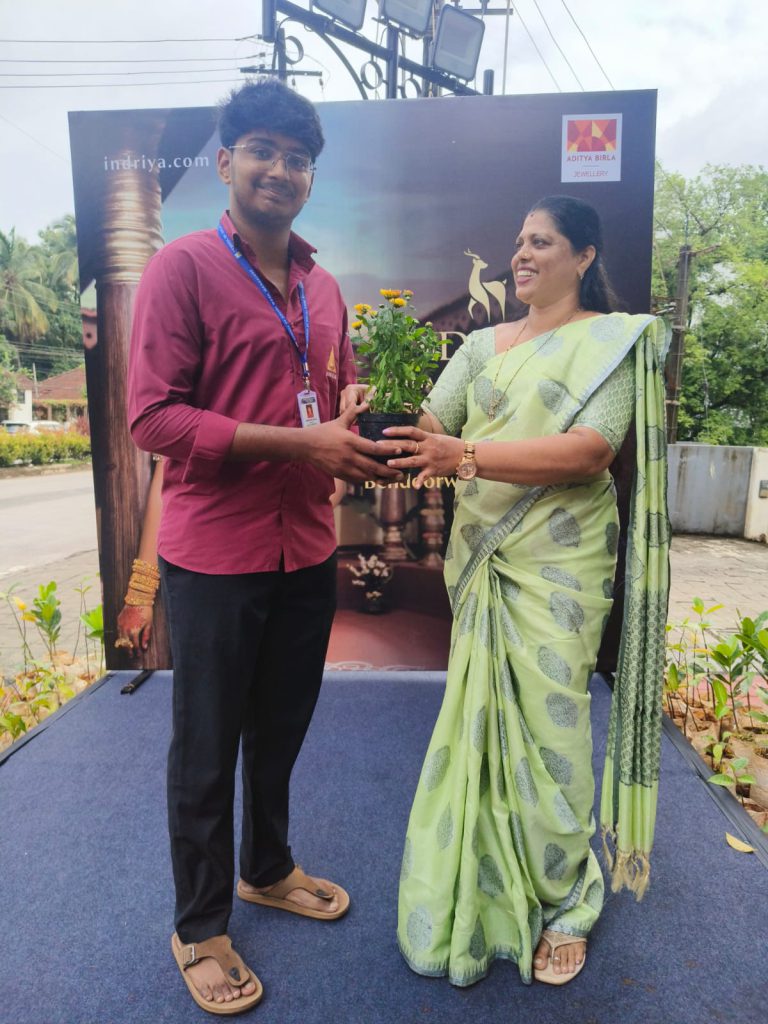
The inaugural function commenced with a prayer, followed by a warm welcome address by Ms.Deepti Udyavar, Head- Department of Management. A sapling was presented to the Chief Guest and floral greetings were extended to other dignitaries. Dr. Chandrashekara K., President, FOBMAT, delivered the introductory speech outlining the objectives of revising and strengthening the IV Semester BBA syllabus under SEP. The formal inauguration was marked by the symbolic watering of a plant by the Chief Guest.

In his inaugural address, Dr. Ganesh Sanjeev emphasized the importance of curriculum relevance, academic collaboration, and industry-oriented learning. Other dignitaries also shared their views. The Presidential remarks were delivered by Dr. Surfraz J. Hasim, who appreciated the collective efforts of FOBMAT and the organizing departments. The Chief Guest was felicitated by presenting a memento as a token of gratitude and appreciation. Prof. Nandakishore K. proposed the vote of thanks and announced the list of resource persons and the respective subject-wise venues.

During the valedictory session, feedback was invited from the faculty participants, who expressed satisfaction with the interactive deliberations and constructive discussions. They appreciated the collaborative atmosphere and found the sessions informative and enriching. Prof. Nandakishore K., Secretary, FOBMAT, delivered the concluding remarks.

The Principal felicitated FOBMAT officials by presenting mementos. Certificates were distributed subject-wise, first to the resource persons and then to the participating faculty members of different colleges affiliated to Mangalore University, marking the successful culmination of the workshop. The programme reflected the institution’s commitment to quality enhancement and academic
excellence under the motto “Learn Today, Lead Tomorrow.”

Dr. KR Venugopal | Former Vice-Chancellor of Bangalore University | Global TV


Generative AI and Future Computing | Intellectual Talk | The School of Information of St Joseph’s University, Bengaluru

NV Paulose, Chairman, Global TV +91 98441 82044

The School of Information of St Joseph’s University, Bengaluru organised the inaugural lecture under the AICTE Distinguished Professional Scheme (DPS – 2nd Phase).

The lecture series commenced with an inspiring inaugural address by Dr. Venugopal K. R, former Vice-Chancellor of Bangalore University, IEEE Fellow, and a distinguished academician. His session on “Generative AI and Future Computing” offered valuable insights into emerging technological trends and encouraged students to think critically about the future of innovation. The interactive session that followed with the faculty members on the research process further enriched faculty engagement and strengthened research orientation.

Dr. Sivakumar T was the Convener of the programme and his proactive initiative helped to secure this prestigious grant for our institution.

Dr. Bojamma, the Dean, the Heads of the Departments — Dr. B. G. Prasanthi and Dr. Jayati Bhadra — along with all the faculty members of the Department of Computer Science and the Department of Advanced Computing put in collaborative effort in making this event meaningful and impactful.