Although nearly six thousand literary works are published every year across Karnataka, only a handful of them have the strength to truly engage readers. In such a situation, writers must give greater importance to quality in writing, opined litterateur Santoshkumar Mehndale.
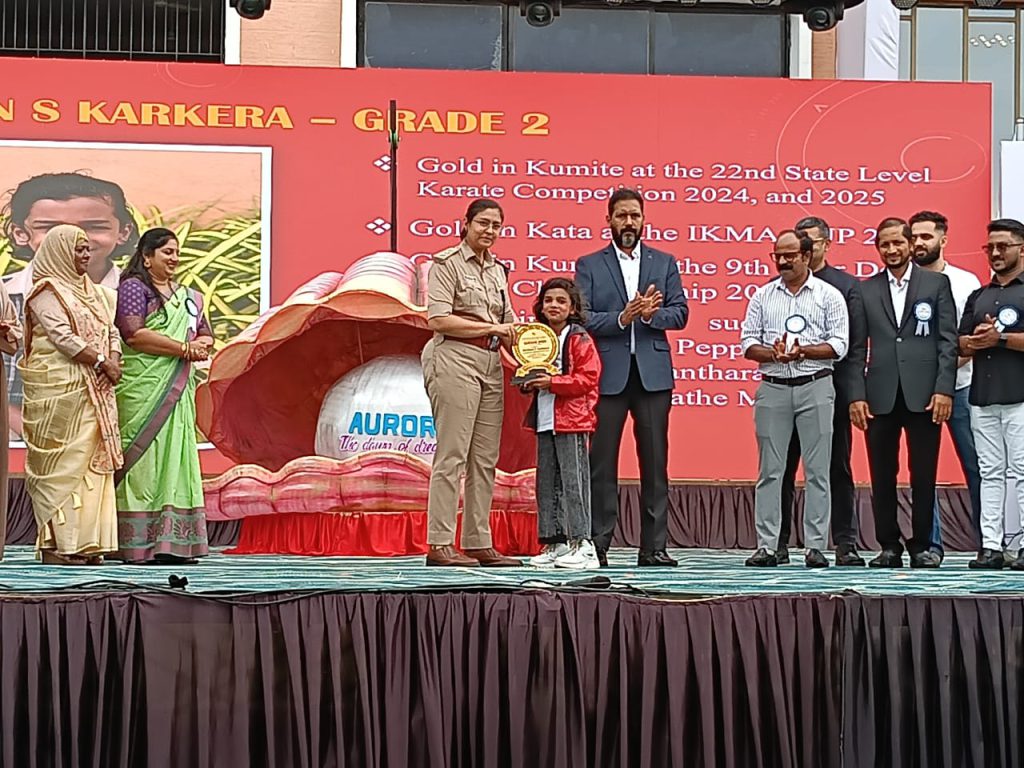
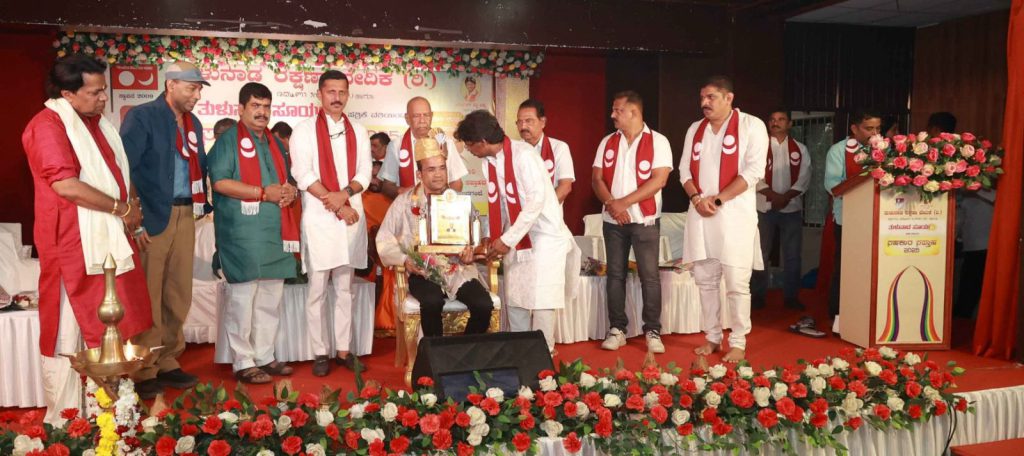
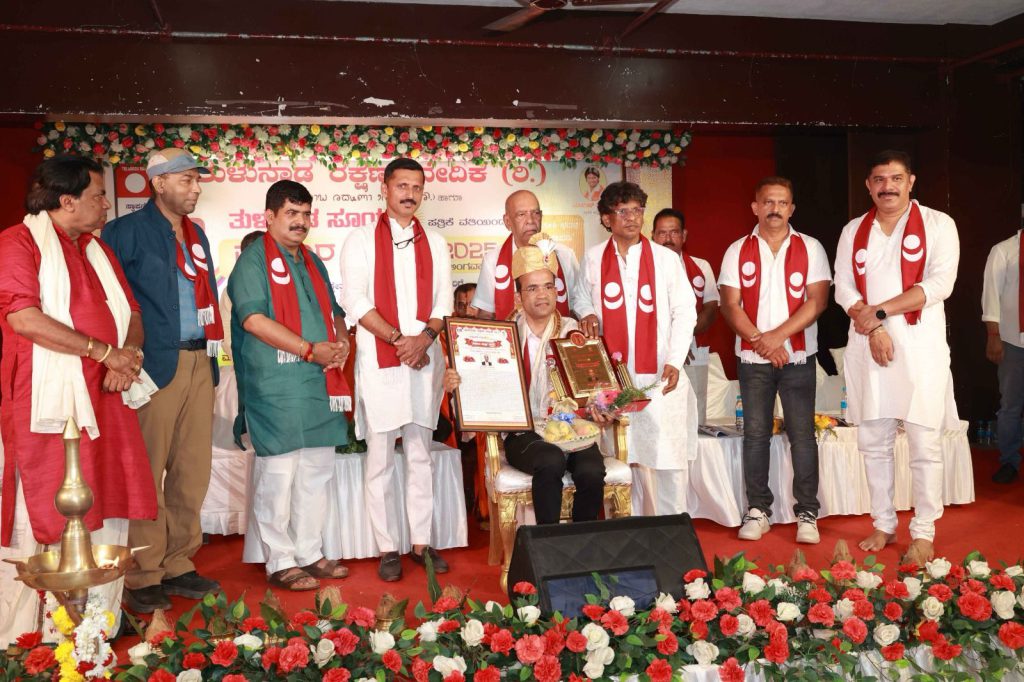
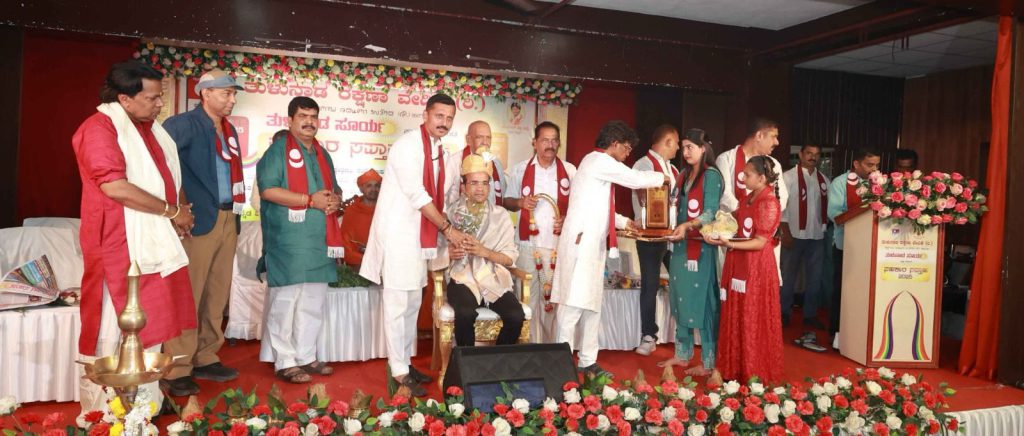
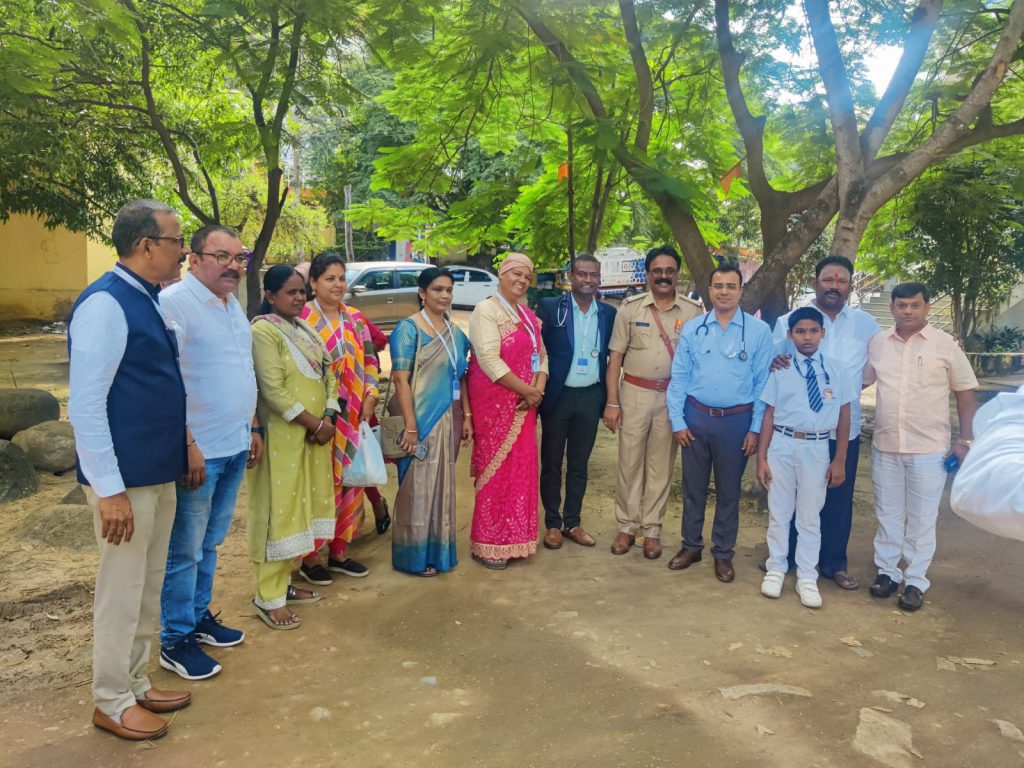
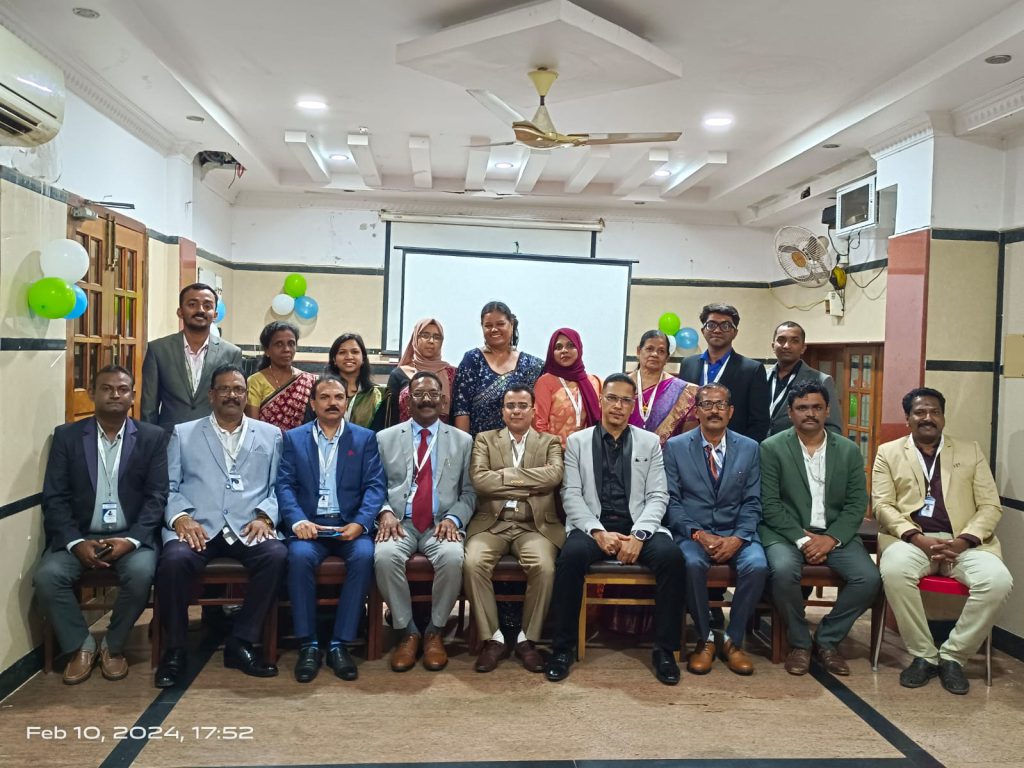
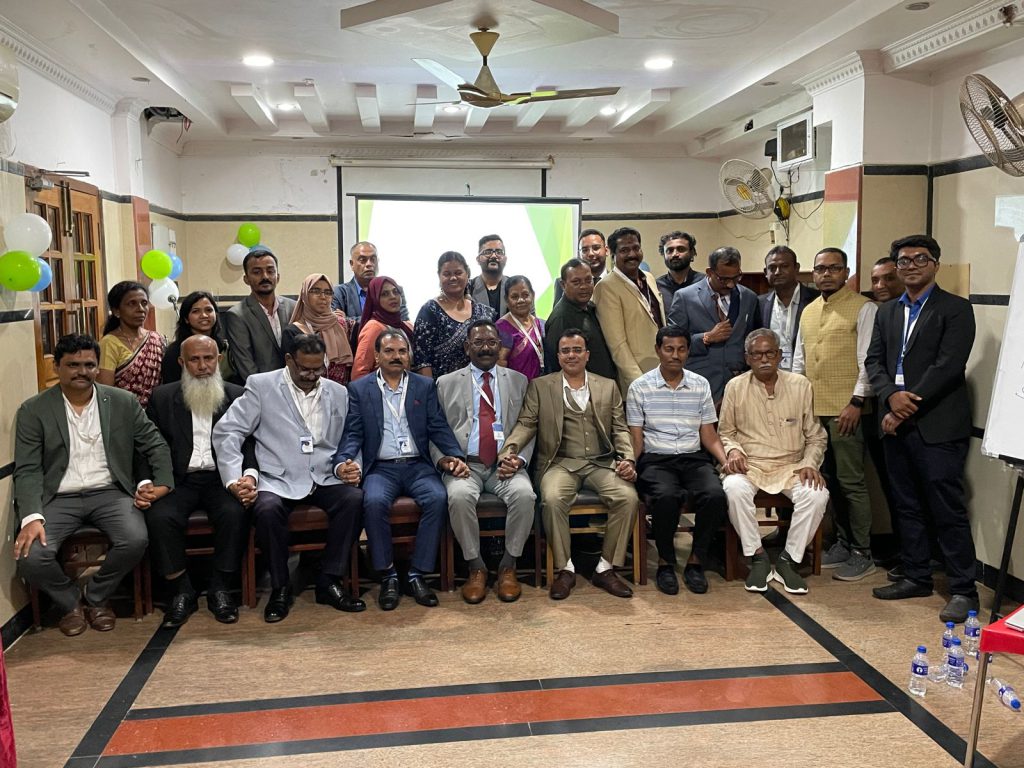
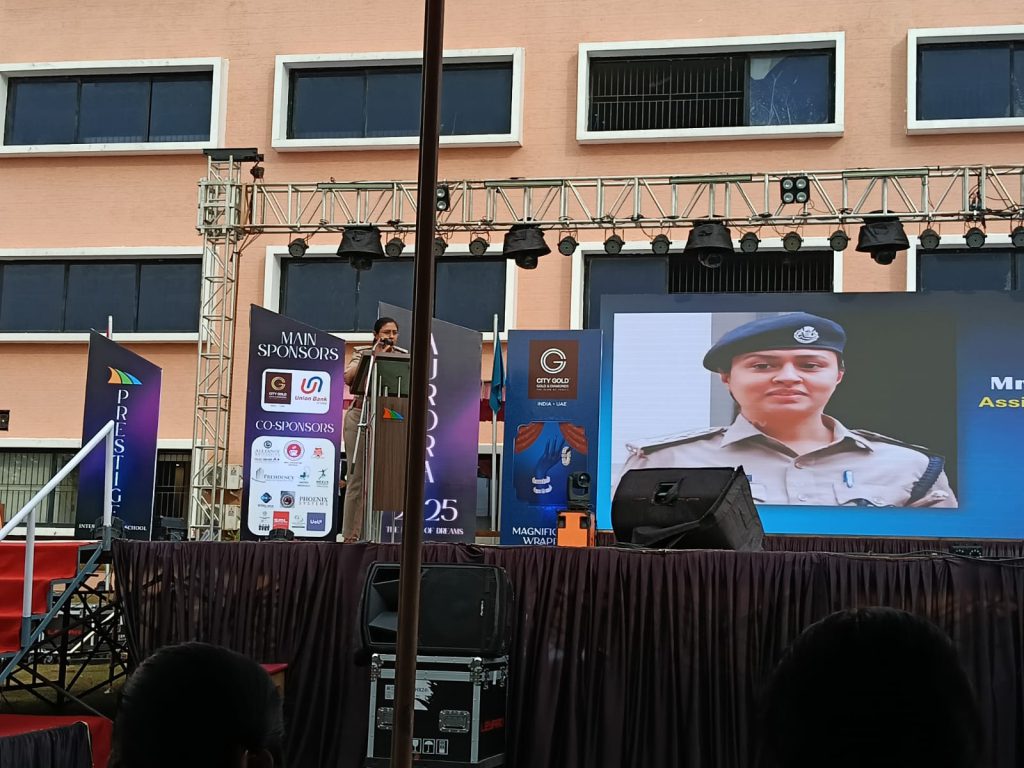
He was speaking as the chief guest at the 16th edition of the Kallacchu Award Presentation Ceremony – 2025, held on the occasion of the Silver Jubilee celebrations of Kallacchu Publications.
He remarked that creating works merely for the sake of supplying libraries, without proper experience and a background of reading, is not commendable.
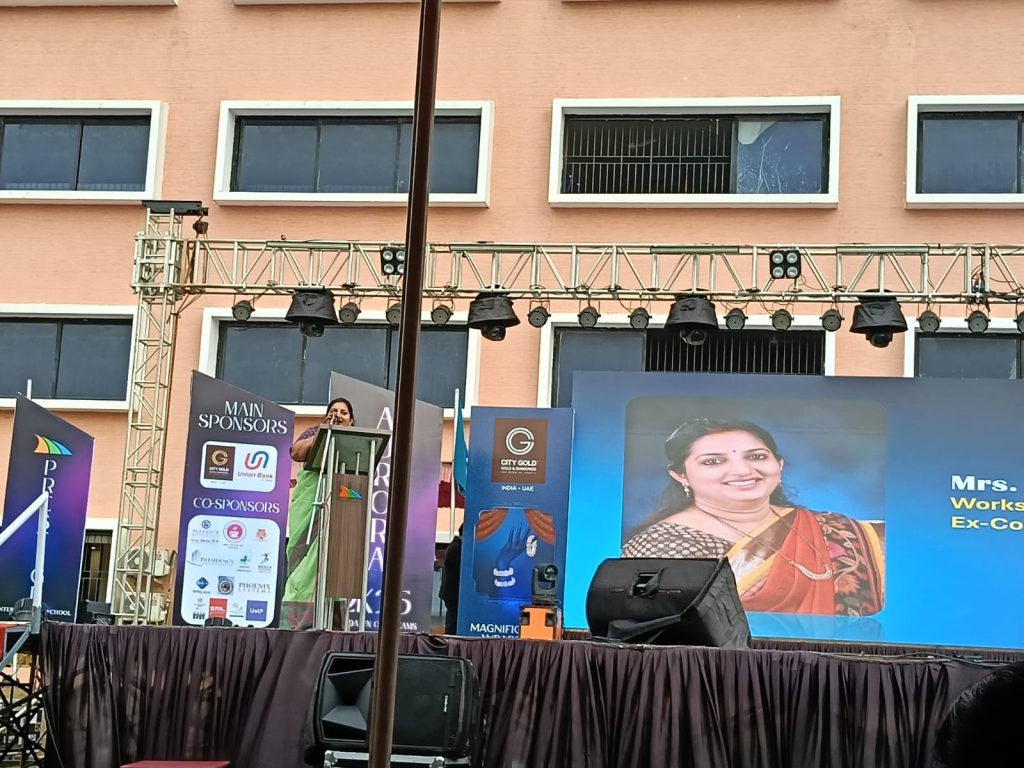
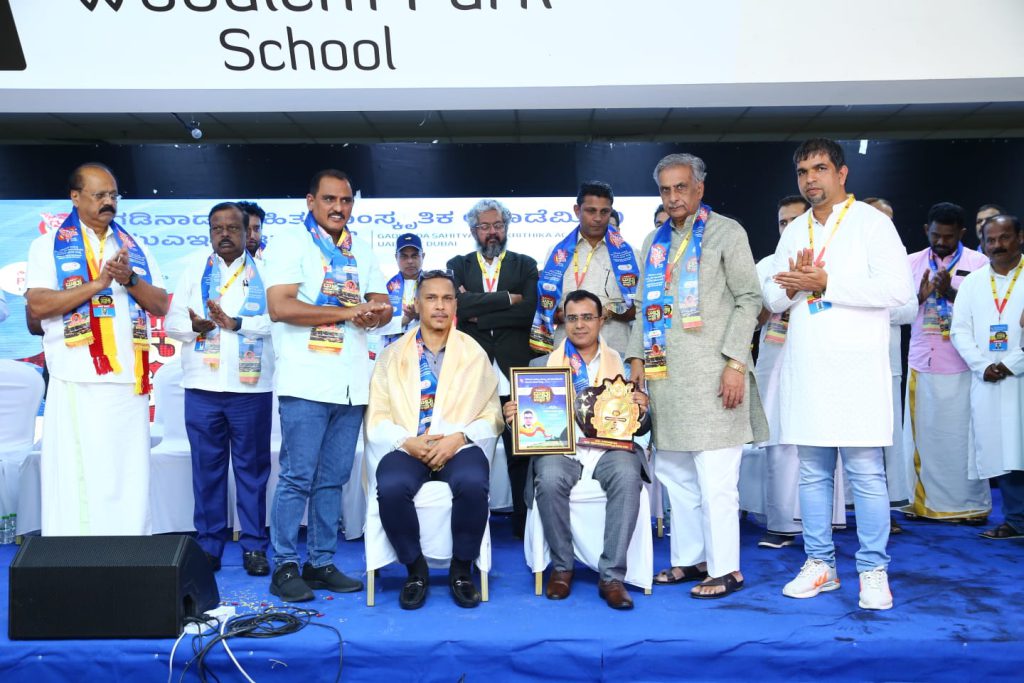
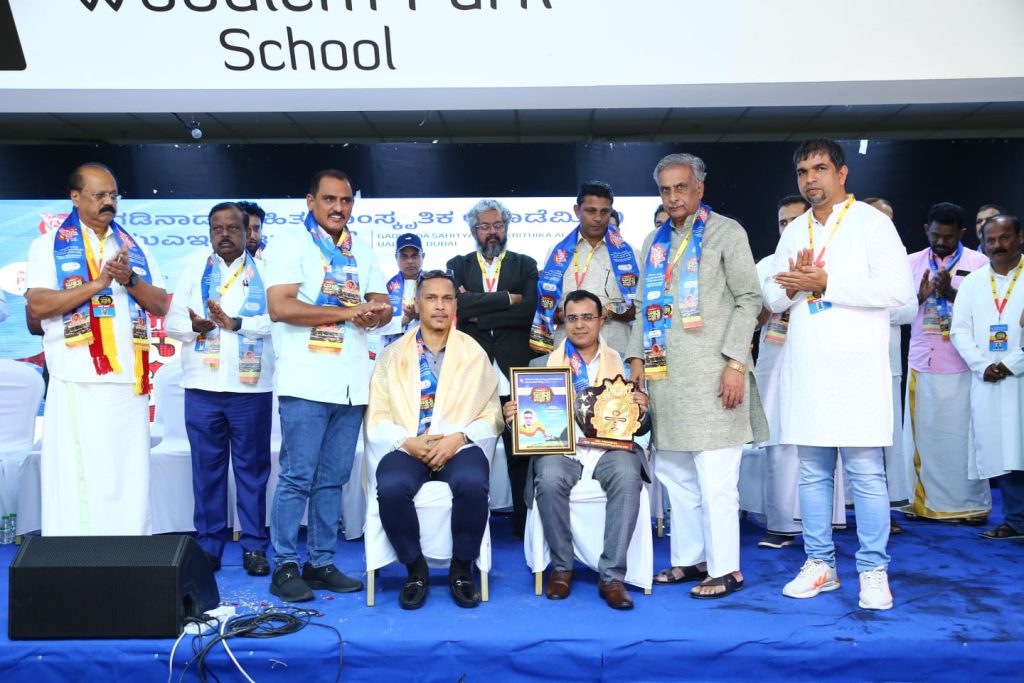
On this occasion, the prestigious KALLACHU Award was presented BY Dr. Harikrishna Punarooru to Karnataka’s five achievers from different fields — Dr. S. M. Shivaprakash, Dr. Prakash Keshav Nadig, Jabeevulla M. Asad, Remona Evette Pereira, and, on behalf of the Gokavi Geleyara Balaga, to Jayananda Madar.
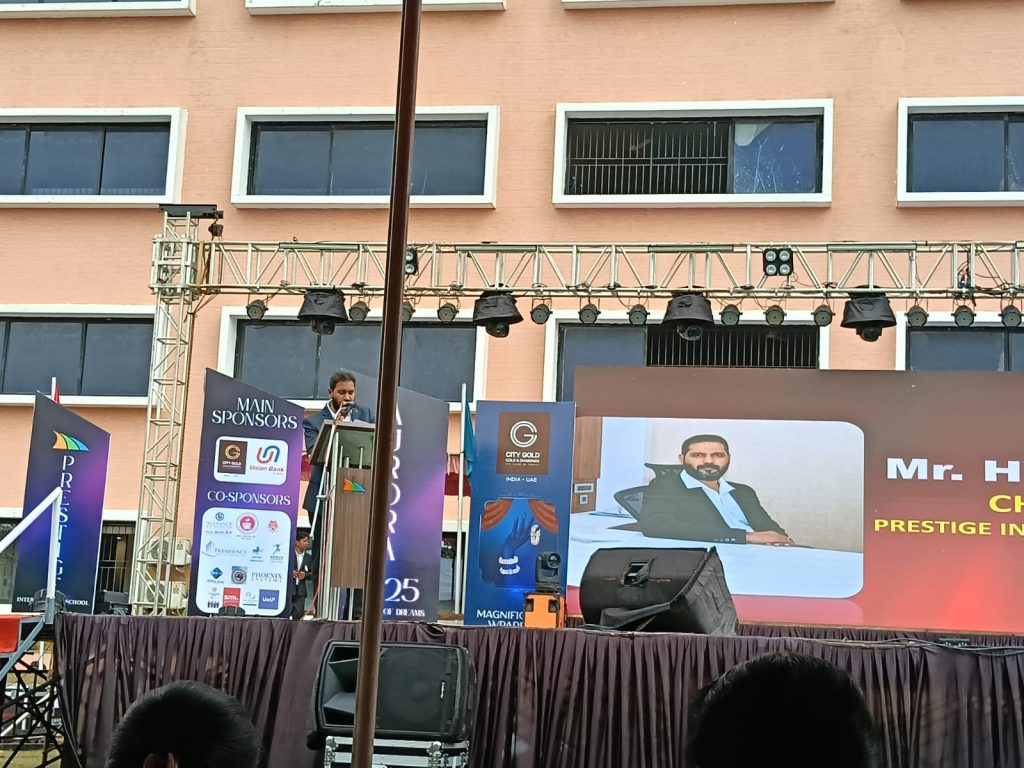
Raghu Idkidu delivered the felicitation speech.
The event also witnessed the release of senior writer Kadke Rama Avabruta’s travelogue, published by Kallacchu Publications.
Dr. Meenakshi Ramachandra, Dr. Sridhar Avabruta, and several others were present.
Writer Mahesh R. Nayak, Managing Head of the publication, welcomed the gathering. N. Subraya Bhat compered the program and proposed the vote of thanks.
“The Chosen One” (in English) – contains the Life History & Mission of Joseph Crasta in bringing up Snehalaya, the initial difficulties and struggles.
Snehalaya Charitable Trust is proud to have completed 16 years of yeomen service to the least, the last and the lost on August 26, 2025, coinciding with the Birth Anniversary of St. Mother Teresa of Kolkotta.
The day began with a Thanks giving Holy Mass, presided over by: Rev. Dr. Fr. Praveen Martis SJ, [Vice Chancellor, St. Aloysius Deemed to be University, Mangalore] and concelebrated by Rev. Fr. Peter Reginald D’Souza, [Parish Priest, St Lawrence Church, Bola] Rev. Fr. Ligory Crasta, OCD, [Administrator, Ryshivana; Christian Institute of Spirituality, Retreat Centre, Ranipura] Rev. Fr. Cyril D’Souza, [Chaplain, Snehalaya], Rev. Fr. Dominic Sequeira SDB, [Parish Priest., Holy Cross Church, Pavoor] .The thanks giving Mass was offered in gratitude to all donors who have supported Snehalaya throughout these 16 years of service.
Soon after the Eucharistic celebration, two books written by Mr. Geo D. Silva Agrar were released: Namely, “The Chosen One” (in English) – contains the Life History & Mission of Joseph Crasta in bringing up Snehalaya, the initial difficulties and struggles. And the second book in Konkani , titled “Pati Yaa Mukar Meta Thuji”, on positive thinking and an inspiration to the Youth in particular. Rev. Dr. Fr. Praveen Martis SJ, Vice Chancellor, St. Aloysius Deemed to be University, Mangalore unwrapped the cover and released the books.
During the program, Mr. Purushotham, Maintenance Supervisor, was awarded the Best Staff of the Year 2024-2025, recognizing his exceptional dedication and contributions.
Founder, Joseph Crasta, expressed his heartfelt gratitude for the unwavering support he received from the benefactors and well-wishers over the past 16 years. Mrs Olivia Crasta proposed vote of thanks to the guests and the gathering. A huge gathering consisting of donors, well-wishers and friends witnessed the celebration. The celebration concluded with a fellowship meal.
Mangaluru: Unity Hospital launches state-of-the-art Philips Azurion Cathlab for cardiac and neurovascular care
Media Release
Mangaluru, Sep 1: Unity Hospital, Highland, Falnir Road, proudly announces the launch of the Philips Azurion Cathlab – Version 3.0, the most advanced interventional suite with exceptional image quality for cardiac, neuro, and radiology procedures.
Available for the first time in coastal Karnataka, this cutting-edge, ceiling-mounted Cathlab brings world-class precision and innovation to cardiac, neurovascular, and interventional radiology procedures.
Designed to deliver superior patient outcomes with reduced procedure time and improved safety, the Philips Azurion system represents a significant leap in minimally invasive treatment options.
Key features & advantages:
Advanced imaging & accuracy: Offers exceptional image quality that enhances precision during complex cardiac and neurovascular procedures.
Radiation safety: Reduces radiation exposure and contrast medium usage by up to 30% compared to conventional cath labs—improving patient and clinician safety.
Dynamic Coronary Roadmap (DCR): Provides real-time, accurate visual guidance, allowing for faster and more accurate stent placement, reducing overall treatment time.
Global coronary guidance tools: Includes Stent Boost Live for enhanced stent visualization and DCR Live Guidance—making procedures safer and more predictable.
Future-ready infrastructure: Ceiling-mounted design provides a streamlined, flexible workspace ideal for complex interventions in cardiology, neurology, and radiology.
With the introduction of the Philips Azurion 3.0, Unity Hospital reinforces its commitment to delivering world-class healthcare to the people of Mangaluru and beyond.
Eric Ozario was a dreamer, a fighter, and a cultural torchbearer. His songs, his vision, and his institutions will continue to inspire future generations | Global TV
NV Paulose, Chairman, Global TV +91 98441 82044
Eric Alexander Ozario was born on 18 May 1949 in Mangaluru. From a young age, he loved music and carried that love throughout his life. On 29 August 2025, at the age of 76, he passed away after a long battle with illness. His death has left a deep void in the world of Konkani culture.
Founder of Mandd Sobhann In 1986, Eric founded Mandd Sobhann, a cultural group that became the heartbeat of Konkani music. Through this platform, he brought together singers, musicians, and artists. The group staged more than 2,200 shows and gave new life to traditional Konkani art forms.
The Dream Called Kalaangann To give Konkani culture a permanent home, Eric created Kalaangann in Mangaluru. This became a stage, a meeting place, and a center for preserving heritage. Many festivals, performances, and cultural discussions found their voice here.
A Master of Song Eric was not only an organizer but also a gifted composer. He wrote over 1,000 songs and released 26 albums. One of his proudest achievements was “Niranthari”, a nonstop 40-hour singing marathon with 1,711 singers. This earned a place in the Guinness World Records.
Leader and Campaigner Eric believed language and music must be protected. As president of the Karnataka Konkani Sahitya Academy, he worked to bring Konkani into schools. He also united 145 Konkani groups worldwide through the Jagotik Konknni Songhotton. He fought for writers’ rights and worked tirelessly to give the language its rightful place.
Recognitions and Awards His contributions won him many honors. He received the Rajyotsava Award, Konkani Ratna, Vishwa Konkani Kala Ratna, and several lifetime achievement awards. For the Konkani community, however, his greatest award was the love and respect he earned.
A Farewell with Tears Eric spent his final days at Fr. Muller’s Hospital. His last journey included a mass at St. Vincent Ferrer Church, public homage at Kalaangann, and cremation at Boloor. Thousands paid their respects to the man who gave them pride in their language and music.
A Legacy That Will Live On Eric Ozario was a dreamer, a fighter, and a cultural torchbearer. His songs, his vision, and his institutions will continue to inspire future generations. Konkani music has lost its strongest voice, but his spirit will live forever in every note and every melody.
ಸಾಹಿತ್ಯ ಪುಸ್ತಕಗಳ ಪ್ರಕಟಣೆ ಮತ್ತು ಪೂರಕ ಚಟುವಟಿಕೆಗಳಲ್ಲಿ ಸಕ್ರಿಯವಾಗಿ ಬೆಳ್ಳಿ ಹಬ್ಬ ” ರಜತ ರಂಗು” ಸಂಭ್ರಮದಲ್ಲಿರುವ ” ಕಲ್ಲಚ್ಚು ಪ್ರಕಾಶನದ” 16 ನೇ ಆವೃತ್ತಿಯ ಕಲ್ಲಚ್ಚು ಪ್ರಶಸ್ತಿ ಪ್ರದಾನ ಸಮಾರಂಭ ಅಗಸ್ಟ್ 31 ಭಾನುವಾರ ಸಂಜೆ 4.00 ಗಂಟೆಗೆ ಮಂಗಳೂರಿನ ಲಾಲ್ ಬಾಗ್ ಕರಾವಳಿ ಉತ್ಸವ ಮೈದಾನದ ಎದುರಿನ ಹ್ಯಾಟ್ ಹಿಲ್ ನಲ್ಲಿ ಇರುವ ಆಫೀಸರ್ಸ್ ಕ್ಲಬ್ ಸಭಾಂಗಣದಲ್ಲಿ ಜರಗಲಿದೆ.
ಈಗಾಗಲೇ ಕರ್ನಾಟಕದ ಪಂಚ ಸಾಧಕರಾದ ಡಾ. ಎಸ್ ಎಮ್ ಶಿವಪ್ರಕಾಶ್, ಜಬೀವುಲ್ಲಾ ಎಂ ಅಸದ್, ಗೋಕಾವಿ ಗೆಳೆಯರ ಬಳಗ, ರೆಮೊನಾ ಎವೆಟ್ ಪೆರೇರಾ ಮತ್ತು ಡಾ ಪ್ರಕಾಶ ಕೇಶವ ನಾಡಿಗ್ ಅವರಿಗೆ ಈ ಪ್ರತಿಷ್ಠಿತ ಪ್ರಶಸ್ತಿ ಘೋಷಣೆ ಆಗಿದ್ದು ಕಸಾಪದ ಮಾಜಿ ರಾಜ್ಯಾಧ್ಯಕ್ಷರಾದ ಧರ್ಮದರ್ಶಿ ಡಾ ಹರಿಕೃಷ್ಣ ಪುನರೂರು ಪ್ರಶಸ್ತಿ ಪ್ರದಾನ ಮಾಡಲಿದ್ದು, ಸಾಹಿತಿ ಸಂತೋಷಕುಮಾರ ಮೆಹಂದಳೆ ಮುಖ್ಯ ಅತಿಥಿಗಳಾಗಿ ಭಾಗವಹಿಸಿ ವಿಶೇಷ ಉಪನ್ಯಾಸ ನೀಡಲಿರುವರು .
ಕವಿ ರಘು ಇಡ್ಕಿದು ಅವರ ಅಭಿನಂದನಾ ಮಾತು ಹಾಗೂ ಎನ್ ಸುಬ್ರಾಯ ಭಟ್ ಅವರ ನಿರೂಪಣೆ ಇರುವ ಈ ಸಮಾರಂಭಕ್ಕೆ ಆಸಕ್ತರಿಗೆ ಮುಕ್ತ ಪ್ರವೇಶ ಇದೆ ಎಂದು ಸಂಸ್ಥೆಯ ವ್ಯವಸ್ಥಾಪಕ ಮುಖ್ಯಸ್ಥ ಮಹೇಶ ಆರ್ ನಾಯಕ್ ತಿಳಿಸಿದ್ದಾರೆ.
Visionary Administrator and Public Leader | Honouring a Legacy of Service, Integrity, and Inspiration | Global TV
NV Paulose, Chairman, Global TV +91 98441 82044
James K. Joseph, who passed away at 76, leaves behind a legacy of integrity, dedication, and visionary leadership. He was among the rare breed of civil servants who combined financial acumen with human empathy. Serving as Accountant General of Kerala, Tamil Nadu, and Maharashtra between 1988 and 1995, he built a reputation for fairness and precision. His stewardship ensured that public funds were managed with diligence, winning him the admiration of colleagues and governments alike.
His service extended to the Government of India, where he worked as Joint Secretary in the Department of Personnel and Training (DoPT). In 1995, at the relatively young age of 48, he chose voluntary retirement, a bold decision that reflected his desire to explore new ways of serving society.
Beyond the Bureaucracy: A Man of Many Roles After his retirement from the central services, Joseph took up a new challenge — he became Managing Director and Chief Editor of the Deepika Group of Publications. In this role, he proved that leadership transcends bureaucratic boundaries. Under his stewardship, Deepika reaffirmed its place as one of Kerala’s most respected publications. His sharp editorial vision and commitment to truth turned the media house into a credible voice in a rapidly changing landscape.
He later took the helm of public enterprises, serving as Managing Director of the Kerala State Industrial Development Corporation (KSIDC) and later as Managing Director of the Kerala State Road Transport Corporation (KSRTC). These roles, particularly in KSRTC, highlighted his ability to manage complex organisations with tens of thousands of employees, extensive assets, and deep-rooted challenges.
Reviving KSRTC: A Human-Centred Vision When James K. Joseph assumed leadership of KSRTC in 1999, the corporation was struggling with low morale and mounting financial losses. He recognised that the organisation’s most important resource was not its 4,000 buses or its landholdings, but its 30,000 employees.
To energize the workforce, he introduced the Panchali scheme — each bus was permanently assigned to a small team of drivers, conductors, and a mechanic. This fostered emotional ownership of the vehicles, transforming buses from mere machines into personal responsibilities. He also introduced incentive systems tied to daily collections and implemented grievance redressal forums where any employee could meet the Managing Director directly on Fridays. His belief was simple yet profound: “The next best thing to excellence is the appreciation of it.”
He instituted certificates of excellence and cash awards to reward outstanding service. Employees who had long felt neglected suddenly found themselves valued, and KSRTC began to regain both efficiency and dignity.
The Historic “Vilapa Yathra” One of the most defining chapters of James K. Joseph’s tenure as KSRTC Chairman and Managing Director came in July 2000, when nearly 300 buses were vandalised across Kerala during a hartal. For most, it was a moment of despair — a loss that deepened the crisis of an already struggling corporation. But Joseph chose to transform the tragedy into a message that would stir the conscience of the entire state.
He ordered the damaged buses to be repaired just enough to move on the road. Posters were pasted on them bearing a simple but powerful reminder: “This is your bus, your own bus.” Then, in an unprecedented move, he led a solemn procession of these vehicles through the streets of Thiruvananthapuram.
The sight was unforgettable. Hundreds of battered buses, bearing scars of senseless violence, moved slowly in a funeral-like procession. People lined the streets in silence, many of them breaking into tears as the convoy passed. The event, later remembered as the Vilapa Yathra — the Funeral March of Buses — was not just a protest, but a moral awakening.
Through this symbolic act, James K. Joseph reminded citizens that public property belongs to the people themselves. By making the buses objects of collective mourning, he rekindled a sense of ownership and responsibility among the public. It was a masterstroke of leadership that combined emotion with vision, transforming a crisis into a lesson in civic duty.
Fighting Corruption with Professionalism Joseph’s tenure was also marked by his uncompromising fight against corruption. He discovered that poor-quality spare parts were being purchased at inflated prices, draining resources and reducing efficiency. By halting such purchases and insisting on original manufacturers, he saved crores of rupees for KSRTC.
His professional decisions, however, antagonized vested interests. Corrupt lobbies, threatened by his reforms, resisted his initiatives. Ultimately, he resigned after a year, but the systems he introduced continued to leave a mark. For him, it was never about position or power but about principle and professionalism.
A Broader Vision for Kerala and India Beyond KSRTC, Joseph believed in resource-based development and the power of professional service. He often stressed that corruption was the opposite of professionalism, and that society could only be transformed through visionary, action-oriented leaders.
He admired the models of Dr. Verghese Kurien, who built Amul through micro-enterprises of farmers, and Sam Pitroda, who spearheaded India’s telecom revolution by empowering millions through STD booths. He believed that KSRTC, and Kerala at large, could be revived through similar models of innovation rooted in people’s participation.
Personal Touch and Human Warmth Those who knew James K. Joseph remember not just his administrative acumen but also his warmth, humility, and compassion. He never shied away from acknowledging the value of people, whether it was an employee of KSRTC, a journalist at Deepika, or a citizen reaching out for help.
He treasured the handwritten note of gratitude from Mother Teresa, who once recommended a young man for a position under his authority. For Joseph, her words — “My gratitude to you is by prayer for you and your family” — remained among his most cherished possessions. Such moments reflected the spiritual depth with which he approached service.
A Legacy That Lives On James K. Joseph’s life reminds us that true leadership is not about titles or positions, but about vision, integrity, and humanity. From stewarding state accounts to reviving public corporations, from leading media houses to mentoring future professionals, his journey was one of tireless commitment to society.
Every Keralite who has boarded a KSRTC bus, every reader of Deepika, and every colleague who worked under his guidance has felt the imprint of his vision. He remains a shining example of what it means to be a visionary action leader — one who led with both intellect and heart.
Before Asking, Presume You Have Received and Offer Gratitude… the Universe Will Then Deliver
By Dr. Devan
Life unfolds not merely as a sequence of random events but as a tapestry woven with invisible threads of energy, intention, and resonance. Human beings are not passive spectators drifting along the current of existence; we are conscious creators, constantly shaping our reality through thoughts, beliefs, and emotions. Among the many principles guiding this creation, few are as profound and transformative as the idea: “Before asking, presume you have received and offer gratitude… the universe will then deliver.”
This is not merely a poetic phrase; it is a principle rooted in psychology, spirituality, and even subtle aspects of physics. It invites us to live with a mindset of abundance rather than scarcity, certainty rather than doubt, gratitude rather than complaint.
The Power of Presumption: Acting as If To presume you have received is to carry within yourself the feeling that what you desire is already yours. This is not delusion or self-deception, but rather a conscious act of faith, a form of mental rehearsal. Athletes visualize their victories before stepping onto the field. Musicians feel the applause of the audience before the performance begins. Leaders envision their goals as accomplished before they set out to act.
When you presume, you step into a higher state of alignment. Your mind no longer emits vibrations of want and lack; instead, it radiates assurance. The subconscious, unable to distinguish between vividly imagined reality and physical fact, begins to operate in harmony with your presumption, directing thoughts, behaviors, and even opportunities toward fulfillment.
Gratitude as the Key Frequency If presumption is the engine, gratitude is the fuel. Gratitude is the most powerful emotional frequency a human can radiate. When you offer thanks before receiving, you prove to the universe that you trust its laws. You are no longer pleading, doubting, or waiting nervously—you are rejoicing in advance.
This anticipatory gratitude shifts your energy field. You stop acting as a beggar and instead embody the stance of a co-creator. Neuroscientific studies even show that gratitude rewires neural pathways, lowering stress, increasing dopamine, and enhancing creative flow. Spiritually, gratitude is like a magnet: the more you express it, the more reasons the universe provides for you to continue.
The Universe as a Mirror The universe does not deliver based on words alone; it mirrors back the state of being you inhabit. If you say “I want abundance,” but within you feel poor, insecure, and fearful, the universe magnifies your fear of lack. But if you say, “I thank you for the wealth, the health, the love already flowing into my life,” you create a resonance of already-having.
In simple terms, the universe is less like a vending machine and more like an echo chamber. Whatever frequency you send forth—fear or faith, complaint or gratitude—returns amplified. Presuming and thanking in advance tunes you to the station where blessings broadcast.
Biblical and Spiritual Roots This principle is not new. It echoes through ancient wisdom. In the Bible, Jesus says: “When you pray, believe that you have received it, and it will be yours.” Notice the tense: believe you have received, not will receive. The emphasis is on completed possession. Gratitude then naturally follows.
Eastern traditions echo this too. In Vedantic philosophy, sankalpa—the resolve taken with unwavering conviction—carries the seed of fulfillment. In Buddhism, mindful awareness and acceptance of abundance open the flow of karma. Even modern spiritual writers speak of “acting as if” and “living from the end.”
The Psychological Dimension Psychology validates this principle under the umbrella of self-fulfilling prophecy. When you believe you already possess what you desire, you behave differently: you walk with more confidence, make bolder decisions, radiate positivity, and attract people who align with your energy. Your behavior then influences circumstances, creating results that mirror your presumption.
Gratitude, too, has measurable effects. Studies show people who journal daily gratitudes are happier, sleep better, and experience stronger immune systems. They are also more resilient in crises. Thus, gratitude is not merely a spiritual act; it is a psychological technology for reprogramming perception and experience.
Overcoming the Trap of Doubt The greatest enemy of presumption is doubt. Doubt weakens energy, splits intention, and delays manifestation. When you ask and then immediately question—“Will it really come?”—you cancel your order with the universe.
The way out is through faith coupled with gratitude. If a child asks a loving parent for food, does he doubt he will be fed? He runs to the table with eagerness. Likewise, when you ask the universe, presume it is already being arranged. Gratitude cements this presumption, ensuring doubt cannot erode it.
Practical Application in Daily Life How do we live this principle, not merely admire it?
Visualization with Gratitude – Each morning, close your eyes and vividly imagine that your desires have already manifested. Then whisper: “Thank you, thank you, thank you.”
Gratitude Journaling – Record not only blessings you have received but also blessings you are presuming into being. Write: “I am grateful for my vibrant health… for the financial abundance flowing into my life… for the loving relationships that surround me.”
Embodied Action – Act in alignment with what you presume. If you thank the universe for health, eat, move, and live like a healthy person. If you thank it for wealth, handle money with responsibility and generosity.
Release Timelines – Gratitude does not demand deadlines. Trust that the universe delivers in the right time, often in ways far beyond imagination.
Stories of Transformation History is replete with those who embodied this principle. Thomas Edison presumed light was possible long before it existed. His gratitude for each “failed” experiment was part of the process, for he thanked discovery itself. Nelson Mandela, even in prison, lived with the presumption of freedom and dignity, and eventually the universe delivered. Countless ordinary individuals too have testified to the miraculous unfolding of health recoveries, career breakthroughs, and reconciled relationships once they began thanking before receiving.
Living in a State of Already Blessed When you live as though already blessed, life itself transforms. Anxiety gives way to serenity, because you no longer see yourself as deprived. Envy disappears, for you know your cup overflows. Patience strengthens, for you trust the unfolding. Most importantly, joy ceases to be postponed. You no longer wait for some future event to smile; you celebrate now, and in that celebration, the future delivers more reasons to celebrate.
Conclusion To presume you have received and offer gratitude is to step into a higher order of living. It is to acknowledge the universe as a benevolent partner rather than a reluctant supplier. It is to harmonize thought, emotion, and spirit into a frequency that attracts fulfillment.
The universe listens less to your words and more to your state of being. When your state says, “I already have, and I am thankful,” the universe replies, “So be it.”
Therefore, before you ask again, pause. Imagine it as done. Feel the joy. Whisper your thanks. For in that moment, you are no longer seeking—you are receiving. And the universe, ever faithful, will deliver.
A Life that Inspires | A Presence that Enkindles | Leading with Heart | The Gift of Vision | Dr. Ronald Nazareth
NV Paulose, Chairman, Global TV +91 98441 82044
Some people walk into a room and instantly change the atmosphere. Their presence is calm. Their smile is gentle. Their words give confidence. Dr. Ronald Nazareth is one such person. His style of leadership is rooted in positivity. His approach is proactive. His presence is pleasant. He makes people feel that they are not at work. He makes them feel that they are living a larger purpose. For him, work is not just work. It is life itself. It is the essence of being alive with meaning.
The Spirit of Positivity Positivity is not a tool he uses. It is the nature of his being. He looks for the good in people. He notices the promise in situations. He never wastes energy on complaints. Instead, he spreads hope. He spreads faith. He spreads joy. When people meet him, they leave with more courage than before. As a student counsellor and welfare officer for many years, he has seen students in their moments of fear, doubt, and crisis. He guided them with patience. He reassured them with kindness. His positivity became their strength. In his presence, young people learnt that failure is not the end, but a step toward growth. He knows that education is not only about classrooms. It is about nurturing hearts. His philosophy has always been simple. A happy student learns better. A supported teacher teaches better. A respected colleague contributes better. For him, happiness is not outside education. Happiness is at the very heart of education.
Proactive Leadership He is a proactive leader. He anticipates change. He prepares for challenges before they arrive. His leadership is about foresight. It is about guiding others towards what lies ahead. He enjoys in a team game scenario.
As Registrar of St. Aloysius University, he brings this proactive vision into action. Managing academic calendars, enrolment systems, and accreditation requirements are not easy tasks. Yet he carries them out with clarity and order. He ensures that students face no disruption in their learning journey. He ensures that teachers are supported to do their work with ease. He foresees possible hurdles and clears them before they grow. Because of this, people around him feel safe. They know he has already thought about tomorrow. They know he is preparing for their success. They know he is walking ahead to make the path easier.
Pleasantness as a Strength Pleasantness is his natural gift. He carries an ease that creates trust. He believes in listening first. He believes in patience. He believes in gentle words. When he guides a student, the student feels respected. When he talks with a colleague, the colleague feels valued. His leadership is not hard and cold. It is warm and human. It is pleasant and strong. It creates a culture of belonging. As Students Welfare Officer, he resolved grievances with sensitivity. As Associate NCC Officer, he trained young cadets with discipline and care. His pleasantness never weakened his authority. It only strengthened it. People followed him not out of fear, but out of trust.
The Teacher and Mentor Teaching is his first love. He has taught undergraduate students for over thirty-one years and postgraduate students for seventeen years. In every classroom, he is not only a teacher of chemistry but a mentor of life. More than seventy-five students have completed their Master’s theses under his guidance. Each of them found not just an academic guide, but a mentor who believed in their abilities. Today many of them are successful professionals, carrying forward his lessons of discipline and kindness. He is also a research supervisor for doctoral scholars. Four PhD students are currently working under his guidance. He is not only helping them complete a degree. He is shaping their journey into the world of research. He shares with them his values of honesty, patience, and creativity.
His classrooms are always alive. He brings real-life relevance into abstract subjects. He encourages discussion. He respects questions. He makes young people believe that they can create knowledge, not just consume it.
The Researcher with a Vision He is a teacher, but also a seeker. He has produced more than twenty-one research papers in peer-reviewed journals. His work has been presented at more than twenty-five national and international conferences. He has shared his knowledge as a resource person in many seminars. His research is not confined to papers. He has also completed a UGC-funded project on functionalized nanoparticles and their role in corrosion prevention. This work shows his commitment to real-world problems. His science is not theory alone. It is applied, practical, and socially relevant. He is also an innovator. He has published two patents on supercapacitors and gel polymer electrolytes. He believes that science must move beyond laboratories. It must enter life. It must improve society. In him, the curiosity of a scientist and the responsibility of a teacher meet in perfect balance.
The Author of Knowledge Dr. Ronald Nazareth’s contribution to education goes beyond classrooms and laboratories. He has authored textbooks for pre-university students of Karnataka. These books were not just curriculum requirements. They became guiding lights for countless learners. He also created tutor books that helped students revise, practice, and strengthen their concepts. His commitment to student success made him go further. He authored a book for CET, NEET, and JEE aspirants in chemistry. Through it, he reached thousands of young minds across the state, preparing them for competitive exams with confidence. Through his books, he extended his presence beyond the classroom walls. Many students who never met him in person have still been taught by him. His words continue to guide them as they prepare for their future.
Global Collaborator Education, for him, is not local. It is global. As Director of International and Domestic Relations at St. Aloysius University, he has built 107 domestic collaborations and 39 international collaborations. He has represented the university in Portugal, Belgium, Spain, and even in discussions with American institutions. At Deusto University in Spain, he was part of the Assembly of the International Association of Jesuit Universities. He helped sign MoUs with universities in Lisbon, Porto, and Vila Real. He has organized bilateral discussions with universities of Pennsylvania and Namur. He also coordinated the RISHII programme, a European Union initiative on internationalization of curriculum in Indian institutions. His efforts brought global pedagogy into Indian classrooms. He proved that education is not bound by borders. Knowledge belongs to the world. For him, international collaboration is about connecting minds across cultures. It is about opening doors where others see walls. It is about giving students the chance to see themselves as global citizens.
Building Teams and Institutions At the heart of his leadership is teamwork. He does not stand above the team. He stands with the team. He trusts people with responsibility. He empowers them to grow. As Coordinator of the Star College Scheme, as Director of the Loyola Centre for Research and Innovation, and as coordinator of national seminars, he has always believed in collective growth. His leadership does not simply take from teamwork. It also gives. He helps others rise. He teaches people how to create wonders together. His office doors are never closed. Students come with dreams. Teachers come with ideas. Staff come with concerns. He listens to all. He values creativity. He encourages innovation. He believes that institutions thrive when fresh ideas are welcomed.
The Legacy in Motion Dr. Ronald Nazareth dreams beyond himself. He dreams with the institution. He believes that a university is a living body. It is a heartbeat. The legacy of St. Aloysius University is deep in his heart. Founded in 1880 with the Jesuit motto Lucet et Ardet; Shine to Enkindle, the institution carries a heritage of light and inspiration. Dr. Nazareth lives this motto each day. He shines with knowledge. He shines with positivity. He shines with leadership. By shining, he enkindles others. He enkindles students with hope. He enkindles colleagues with motivation. He enkindles the institution with purpose. His life is a calling to serve, to inspire, to guide, and to create. His journey is proof that leadership is service. Leadership is joy. Leadership is the art of helping others shine.
From journalism to financial leadership, a journey of resilience, strategy and human touch | Beyond the Numbers | A Different Kind of Banker
NV Paulose, Chairman, Global TV +91 98441 82044
Leaders are often judged by the size of the balance sheets they command or the scale of the profits they deliver. But every so often, there comes a leader who quietly rewrites the definition of success. For Ms. Beena Vaheed, Executive Director of Bank of Baroda, numbers have never been the whole story.
Her three decades in banking tell a richer tale, a story of transformation, courage and human centered leadership. She has moved with ease from publicity campaigns to multi crore corporate portfolios, from leading deposit strategies to global sustainability discussions. Yet, what binds all these diverse experiences together is her ability to see institutions as more than systems. For her, they are ecosystems of people, values and trust.
This is not the language of conventional banking. But then, Ms. Vaheed has never been a conventional banker.
A Flair for Media and Communication Long before she was entrusted with managing zones that carried over two lakh crore in business, Ms. Vaheed was immersed in a very different world, the world of communication, media and storytelling. A graduate in Science and a post graduate in Communication and Journalism from the University of Kerala, she carried within her an unusual skillset for someone destined for banking.
Her early career trajectory bore this out. She began her professional journey in Corporation Bank in 1993 as a Publicity Officer. While many of her peers were focusing on numbers and credit assessments, Ms. Vaheed was crafting campaigns, designing communication strategies and shaping how an entire bank was perceived by the outside world.
In a landmark moment for the institution, she contributed significantly to the successful launch of Corporation Bank’s IPO in 1997. It was a task that required not only marketing acumen but also credibility and storytelling finesse. The lessons she learned during this time, the power of narrative, the importance of perception, and the art of connecting with diverse audiences, would later prove to be invaluable as she climbed the leadership ladder in Indian banking.
Her journalism background became more than an academic pursuit. It became a leadership philosophy. She understood, early on, that banking is not just about transactions. It is about trust, communication and the stories we tell people about their money and their future.
The Banker Emerges – Laying Strong Foundations As she transitioned from publicity into mainstream banking roles, Ms. Vaheed brought her distinctive perspective into every assignment. Over the years, she worked across an impressive spectrum of verticals: Retail Banking, Agriculture and MSME lending, Credit Assessment, Human Resources, Government Banking, Credit Cards, Merchant Acquisition and the Liability franchise.
Her assignments as Branch Head were a testing ground where strategy met execution. She steered strong business growth, ensured risk and compliance, and nurtured customer relationships. Here, she displayed the unique combination of sharp business acumen and soft skills in team motivation, a combination that would later become the hallmark of her leadership.
From these roles, she rose to Deputy General Manager and then to General Manager, handling one of the largest regions of Corporation Bank. In these positions, she was entrusted with major corporate accounts, managing significant business volumes and improving profitability. But colleagues remember her not only for her business performance but also for her ability to make teams feel valued, connected and inspired.
This is where her flair for media and communication seamlessly blended into leadership. She did not just issue instructions. She told stories, painted visions and made people believe they were part of something bigger.
The Test of Integration – A Human Leader in Times of Change The year 2020 marked a dramatic shift for Indian banking when Corporation Bank was amalgamated into Union Bank of India. For thousands of employees, this was a moment of uncertainty, even anxiety. Cultural identities were at stake, careers seemed unsettled, and operational integration was a massive challenge.
It was here that Ms. Beena Vaheed’s leadership shone through. Appointed as General Manager of HR Operations for the amalgamated Union Bank of India, she played a crucial role in steering the cultural integration. She was not merely aligning systems. She was aligning hearts and minds.
Her focus was on ensuring that employees felt respected and carried forward a sense of belonging. She emphasized communication, engagement and trust building. In the backdrop of a corporate merger where metrics and structures often dominate, her approach was refreshingly human. She turned a challenging phase into an opportunity for institutional renewal, demonstrating once again that banking is as much about people as it is about profits.
The Strategist – Managing Lakhs of Crores After stabilizing the human side of amalgamation, Ms. Vaheed was entrusted with one of the most challenging operational assignments of her career, managing the Delhi Zone of Union Bank of India, the second largest zone of the bank, with business exceeding two lakh crore.
The numbers were staggering. This role meant oversight of vast deposits, loans, corporate accounts and compliance structures. But beyond the scale, the role demanded constant navigation of a highly competitive financial market, regulatory expectations and customer diversity.
Her tenure was marked by steady profitability, strengthened compliance and expansion of the bank’s market share. She managed this not with aggressive short term tactics but with strategic balance, a quality that has earned her admiration across the banking sector.
Deposits, Digital and the Customer Centric Turn In her next major assignment, as Chief General Manager in charge of the Deposit Mobilisation Department, she was entrusted with one of the most critical levers of banking success: liabilities.
Here, she oversaw the entire range of deposit products, led strategic initiatives and implemented structural changes to strengthen the liability base. Under her stewardship, deposit mobilisation was not just about volume. It was about product innovation, customer engagement and digital integration.
She also spearheaded efforts in credit cards and merchant acquisition, broadening Union Bank’s presence in retail financial products. This was a natural progression of her career long ability to connect finance with communication. She knew how to speak to the customer’s aspirations, not just their accounts.
Recognitions and Leadership Beyond Banking Awards and recognitions have followed Ms. Vaheed at every stage of her career. Among the most notable is the Distinguished Alumni Award 2024 from IIM Kozhikode, a recognition of her professional excellence and contributions to the financial sector.
She has also served on important boards, including:
Director on the Board of Union Bank of India Services Ltd.
Director on the Board of Bank of Baroda
Director on the Board of BOB Capital Markets Ltd.
Director on the Board of Baroda BNP Paribas Asset Management India Pvt. Ltd.
These roles reflect not only her operational competence but also her ability to contribute to institutional governance, strategy and long term vision.
Global Perspective – Sustainability and Risk of the Future One of the most remarkable aspects of Ms. Vaheed’s leadership journey is her global outlook. In June 2025, she attended the Climate and Nature Risk Symposium in London, hosted by the Global Association of Risk Professionals.
Her presence there was not symbolic. It was reflective of her deep conviction that banking cannot remain insulated from global challenges such as climate change, biodiversity loss and sustainability. For her, risk management is not just about credit or compliance. It is also about environmental and social resilience.
Having also completed a Director’s Certification in ESG Leadership from IICA and MCA, she represents a new breed of Indian banker who is equally comfortable discussing capital adequacy and carbon footprints.
Leadership Style – Strategy with a Human Touch Colleagues and subordinates often describe Ms. Vaheed as a leader who is both strategic and empathetic. She is known for her ability to build teams, nurture talent and motivate people towards collective goals.
Her approach combines:
Strategic Acumen – ability to see the bigger picture.
People Development – mentoring, coaching, empowering.
Customer Engagement – treating every customer interaction as an opportunity for trust building.
Team Motivation – inspiring people to perform at their best, not out of fear but out of shared vision.
This leadership style has earned her multiple awards and, more importantly, the respect of those she leads.
Media Mind in Banking – The Rare Edge What truly differentiates Ms. Beena Vaheed from many of her contemporaries is her media sensibility. Her grounding in journalism and communication is not a forgotten footnote. It is a living, breathing advantage.
She understands that banking is also about narrative capital, the ability to communicate trust, build stories around products and inspire confidence among customers and stakeholders. In a world where perception often precedes performance, her dual background in journalism and banking has given her an extraordinary edge.
This unique combination makes her not only a banker of today but also a communicator of tomorrow.
A Role Model for Women in Leadership In an industry where women are still underrepresented in senior roles, Ms. Vaheed’s journey is especially inspiring. She embodies the idea that leadership is not about fitting into a mold but about creating one’s own path with authenticity and resilience.
Her career serves as a powerful narrative for young professionals, especially women, that it is possible to rise to the highest echelons of banking while staying true to one’s unique strengths and values.
Architect of Trust Looking at her career, one sees not just a banker but a builder of trust. From designing publicity campaigns in the 1990s to steering sustainability discussions in the 2020s, Ms. Beena Vaheed has shown that leadership is about adaptation, vision and above all, people.
At Bank of Baroda today, she stands as more than an Executive Director. She is a mentor, a strategist, a communicator and a role model. She blends the precision of finance with the warmth of human connection, proving that banking, at its best, is not about numbers alone. It is about stories of growth, trust and shared futures.
Experts hail it as a landmark contribution blending strategy, diplomacy, and mathematical precision
NV Paulose, Chairman, Global TV +91 98441 82044
New Delhi: A ground-breaking book titled “Nuances of Transfer of Technology in Defence Domain & Its Mathematical Modelling” has been released, offering rare insights into one of the most critical aspects of modern defence strategy. Authored by Dr. Lakshman Singh and Gaurav Yadav, the book brings together both the technical and diplomatic dimensions of defence technology transfer, a subject often shrouded in secrecy and strategic sensitivity.
The work carries a foreword by Ambassador Pankaj Saran (IFS, former Deputy National Security Advisor of India) and Subrata Mondal, General Manager, HAL Nasik, along with an introduction by Saket Chaturvedi, CEO, MIG Complex, HAL.
Defence, Diplomacy, and Mathematics Interwoven
The book examines the delicate balance between national security, defence diplomacy, and technology acquisition. It also ventures into mathematical modelling of technology transfer, enabling policymakers and industry leaders to better understand project economics, timelines, and execution pathways.
“The book does justice to both the technical part of the Transfer of Technology and the geopolitical approach and skills required to achieve such transfer. It beautifully brings out the two facets of the same coin: technological knowledge and defence diplomacy,” remarked Gen. V.K. Singh (Retd.), PVSM, AVSM, YSM, ADC, former Union Minister and current Governor of Mizoram.
Endorsements from Defence Leaders
Several prominent voices from India’s defence and strategic community have hailed the book as timely and significant.
Mr. Ravi Prakash, Executive Director, HAL Korwa, noted that it provides a unique blend of technical detail and geopolitical insight, making it essential for anyone working on defence strategy and technology.
Dr. J.P. Das, Chief General Manager, National Academy of Defence Production, praised it as “an invaluable resource for policymakers, industry professionals, and academics alike”.
Prof. (Dr.) Nisha Kant Ojha, Advisor to the Ministry of Defence, highlighted its role in strengthening national security and guiding India’s path towards strategic self-reliance.
A Timely Contribution to India’s Defence Modernisation
With India accelerating its drive towards Atmanirbharta (self-reliance) in defence, this book arrives at a crucial moment. It demystifies the complexities of technology transfer, combining real-world experiences with structured analytical models. For policymakers, defence professionals, and researchers, it offers a roadmap to navigate the intricate web of defence partnerships and technological advancements.
Published by Lancer Publishers, the book is being described as a must-read compendium for those engaged in the defence sector and national security policy.