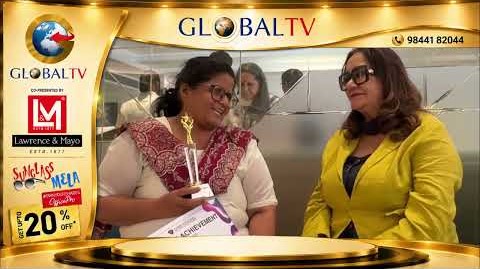
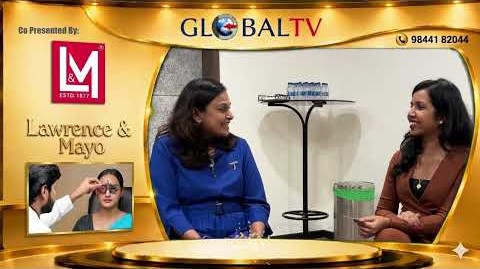
Adv. Priscilla Samuel in Conversation with Dr. Suhani Mendonsa at Dimensions Mumbai
NV Paulose, Chairman, Global TV +91 98441 82044
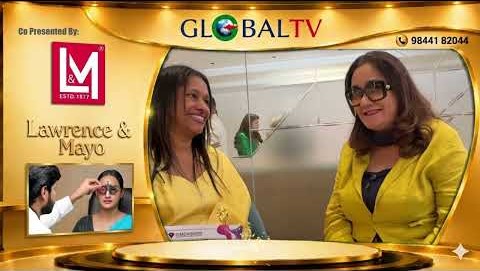
At Dimensions Mumbai, Dr. Suhani Mendonsa engaged in an insightful conversation with Adv. Priscilla Samuel, a distinguished advocate and social activist whose legal career has been dedicated to advancing public welfare and community empowerment. With nearly two decades of experience in the legal profession, Adv. Samuel has actively used public interest litigation and legal advocacy to address critical social issues affecting women, families, and communities.
During the discussion, Adv. Samuel spoke about her extensive work in areas such as the implementation of the Dowry Prohibition Act, regulation of matrimonial services, environmental protection, and legal reforms that benefit society at large. She highlighted the importance of legal awareness and education, sharing how her seminars and community outreach initiatives have helped individuals better understand their rights and responsibilities under the law.
Receiving recognition at Dimensions Mumbai was a meaningful moment for Adv. Samuel, who reflected on the impact of her work and the importance of using the law as an instrument for positive change. She emphasized the need for timely justice and continued improvements within the legal system while acknowledging the efforts being made to make legal processes more accessible and efficient. Her dedication to justice, research, and public service continues to inspire and create lasting change within the community.
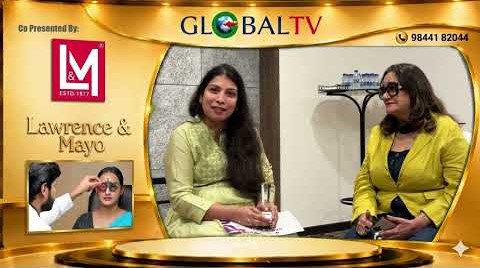
Anetha D’Souza in Conversation with Dr. Suhani Mendonsa at Dimensions Mumbai
NV Paulose, Chairman, Global TV +91 98441 82044
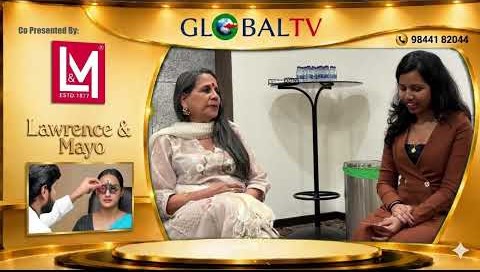
At Dimensions Mumbai, Dr. Suhani Mendonsa had an inspiring conversation with Anetha D’Souza, recipient of the Quiet Force Award, a recognition dedicated to individuals whose unwavering support and dedication often work silently behind the scenes. Anetha shared her gratitude for the honour and acknowledged the encouragement she has received from family, friends, and the Dimensions community throughout her journey.
Speaking about the role of women and mothers, Anetha reflected on the strength, resilience, and commitment that they bring to their families and communities every day. She emphasized the importance of believing in oneself, embracing opportunities, and moving forward with confidence, regardless of the challenges that may arise. Her message encouraged women, especially young mothers, to pursue their aspirations while continuing to nurture and support those around them.
Receiving the Quiet Force Award was a meaningful milestone for Anetha, inspiring her to take on new challenges and continue making a positive impact. The conversation highlighted the value of recognizing those whose contributions may not always be visible but whose influence is deeply felt. Through her words and experiences, Anetha embodied the spirit of dedication, compassion, and quiet leadership celebrated at Dimensions Mumbai.
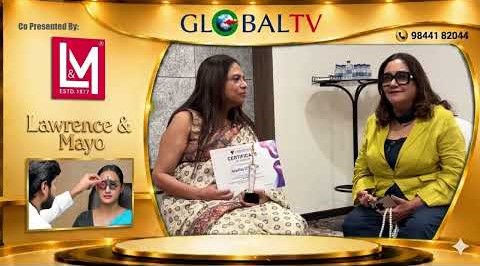
Dr. Suhani Mendonsa in Conversation with Sharon Lazrado at Dimensions Mumbai
NV Paulose, Chairman, Global TV +91 98441 82044
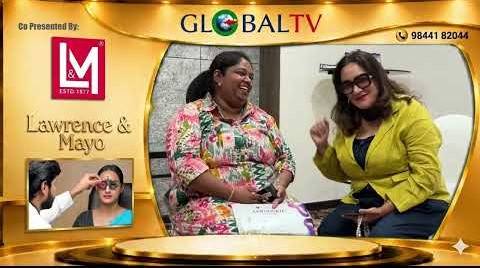
At Dimensions Mumbai, Dr. Suhani Mendonsa spoke with Sharon Lazrado, Founder of Cognition, a dynamic training organization focused on empowering individuals through skill development, confidence building, and practical learning. Sharon shared how her company works across diverse sectors, delivering programs in soft skills, leadership, medical emergency response, and professional upskilling to help people become more capable and confident in their personal and professional lives.
During the conversation, Sharon explained the philosophy behind Cognition, which is rooted in the belief that knowledge should be transformed into wisdom through action and experience. Drawing on nearly two decades of professional experience across corporate sales, training, consulting, and writing, she has developed innovative learning programs designed to create real-world impact. Her approach emphasizes hands-on training that equips participants with practical skills they can immediately apply.
A highlight of the discussion was Sharon’s work in training police personnel in Thane and Navi Mumbai on emergency response and accident management. Through Skill India-certified programs, hundreds of officers have received practical training that can help save lives during critical situations. Sharon’s dedication to education, preparedness, and community impact reflects the spirit of innovation and service celebrated at Dimensions Mumbai.
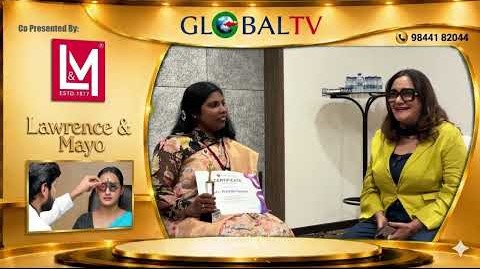
Dimensions Mumbai Celebrations: Dr. Natty Lopes in Conversation with Dr. Suhani Mendonsa
NV Paulose, Chairman, Global TV +91 98441 82044
At the Dimensions Mumbai Celebrations, Dr. Suhani Mendonsa spoke with Dr. Natty Lopes, a distinguished social worker and advocate for women’s rights, who was honoured with the Lifetime Achievement Award. Dr. Lopes shared her decades-long journey of supporting women affected by domestic violence and building systems that provide counselling, legal guidance, and community-based assistance to survivors.
During the insightful conversation, Dr. Lopes highlighted the importance of awareness, education, and accessible support services. She discussed how helplines, community outreach programs, and partnerships with hospitals, educational institutions, and local authorities have helped countless women and families navigate difficult situations and access the help they need.
Reflecting on receiving the award, Dr. Lopes described the recognition as one of the most meaningful moments of her life. She expressed gratitude to the Dimensions team and remembered the encouragement of her late mother, whose support inspired her lifelong commitment to social service. The event celebrated not only her remarkable achievements but also the impact of dedicated individuals working to create safer, stronger, and more empowered communities.
Women Who Inspire 2026: Honouring Women Who Lead with Purpose and Build with Courage
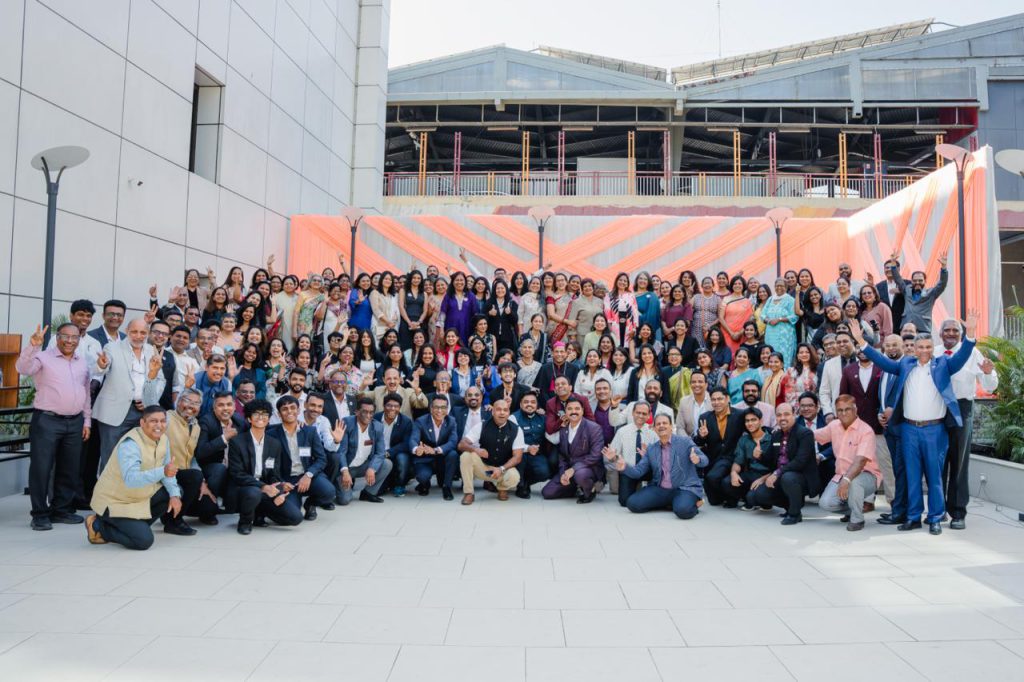
On 21st March 2026, at Hotel Kohinoor Continental, we proudly hosted Women Who Inspire 2026, a special Women’s Day celebration dedicated to recognizing the strength, vision, and resilience of Christian women entrepreneurs and professionals who are shaping industries, creating opportunities, and inspiring meaningful change. The event served as a powerful platform for business growth, networking, collaboration, and the celebration of remarkable achievements.
The marquee event witnessed the participation of over 170 entrepreneurs, business leaders, and professionals. Attendees were inspired by thought-provoking conversations led by keynote speaker Mr. Vincent D’Silva, while we were deeply honoured to welcome Padma Shri Dr. Armida Fernandez as our esteemed Chief Guest. Their insights encouraged participants to pursue excellence, leadership, and service with renewed passion and purpose.
The program featured engaging activities, including a Fireside Chat, an AI Workshop, and a glittering Awards Ceremony that recognized outstanding women making a difference in their respective fields. A major highlight of the evening was the launch of the elegant coffee table book, “Unstoppable Women,” featuring the stories of more than 50 Christian women entrepreneurs and professionals whose journeys reflect determination, faith, innovation, and perseverance.
More than a publication, Unstoppable Women is a celebration of extraordinary journeys hidden within ordinary lives. Every page tells a story of courage, growth, challenges overcome, and dreams realized. It is designed to spark meaningful conversations, inspire future generations, and encourage readers to dream bigger, embrace challenges, and pursue lives of purpose and impact. As the saying goes, while a picture may be worth a thousand words, these stories are worth a thousand inspirations.
We now invite you to join us in this noble mission by sharing this coffee table book with your family, friends, professional networks, and especially young people. We believe these inspiring stories can broaden perspectives, ignite ambition, and instill confidence in those who dare to dream. Within these pages, readers will discover the courage to be fearless, the motivation to create change, and the inspiration to become unstoppable in their own journeys.
Anna Joy Reflects on 35 Years of Service at Dimensions Mumbai
NV Paulose, Chairman, Global TV +91 98441 82044
At Dimensions Mumbai, Dr. Suhani Mendonsa spoke with Anna Joy, a dedicated development professional whose work has touched countless lives over the past 35 years. Anna shared her experience of working in community development, supporting initiatives focused on education, health, women’s empowerment, and the overall well-being of children and families across different regions.
During the conversation, Anna reflected on her long journey in the social sector and emphasized that her primary focus has always been on serving communities rather than seeking recognition. She spoke about the importance of implementing meaningful programs that create lasting impact and help strengthen opportunities for vulnerable and underserved groups.
Receiving recognition at the Dimensions event was a special moment for Anna. She expressed her gratitude to the organizers for their warm hospitality and thoughtful arrangements, noting that the event celebrated and honored the contributions of women in a meaningful way. Anna described the experience as both humbling and inspiring, reinforcing her commitment to continue making a positive difference in society.
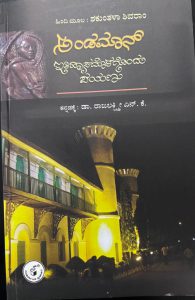
The everyday lives of people who rebuilt the Andamans with quiet determination. Instead of centering power, the narrative foregrounds the communities, especially women, whose labour, resilience, and emotional strength shaped a vibrant social world…
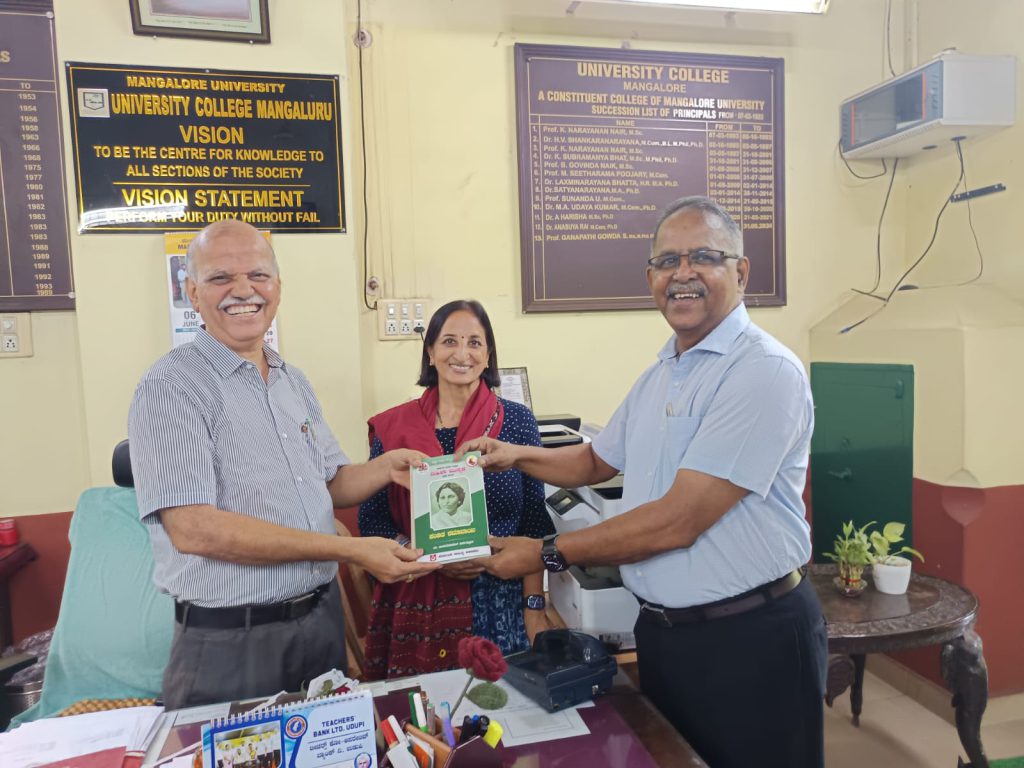
Andaman: A Journey Through History by Shakunthala Shivaram, translated into Kannada (Andaman: Itihaasadolagondu Payana) by Dr. Rajalakshmi N.K., offers a fresh and humane perspective on the islands we often remember only as a site of exile and punishment. Published by Navakarnataka Publications in June 2026, the book gently shifts the lens from colonial authority to the everyday lives of people who rebuilt the Andamans with quiet determination. Instead of centering power, the narrative foregrounds the communities, especially women, whose labour, resilience, and emotional strength shaped a vibrant social world in a place once marked by despair. The book reveals how former penal settlements slowly transformed into living, breathing spaces of coexistence.
Through vivid storytelling, it highlights how unity can emerge from diversity, and how acceptance of difference becomes the foundation of a healthy society. Shivaram’s work reminds us that history is not only written by rulers but also by ordinary individuals who create meaning through shared struggles and small acts of courage. The translation brings this nuanced world to Kannada readers with clarity and cultural sensitivity, opening a window into a unique chapter of India’s social history. In a time when societies everywhere grapple with division, the book feels deeply relevant, offering a quiet but powerful reflection on what it takes to build humane communities. It stands as both a historical exploration and a contemporary reminder of the values that sustain collective life.
The book challenges many of the simplified narratives that have long defined public understanding of the Andaman Islands. While the Cellular Jail and the history of political imprisonment remain important, Shivaram encourages readers to look beyond these familiar symbols. She presents the islands as dynamic social spaces shaped by migration, adaptation, and cultural exchange. By doing so, the work broadens the historical conversation and invites readers to engage with the Andamans as a complex human landscape rather than merely a monument to colonial oppression.
A particularly compelling aspect of the narrative is its attention to memory and belonging. Many of the communities that settled in the islands arrived under difficult circumstances, carrying with them fragments of different languages, traditions, and histories. The book explores how these diverse groups gradually forged new identities while preserving elements of their cultural heritage. This process of creating a sense of home in an unfamiliar environment emerges as one of the most moving themes of the work.
The translation by Dr. Rajalakshmi N.K. deserves special appreciation for making this rich and layered history accessible to Kannada readers. More than a linguistic exercise, the translation serves as a cultural bridge, enabling readers to connect with experiences and perspectives that may otherwise remain distant. The translator successfully retains the warmth and sensitivity of the original narrative while ensuring that the text resonates naturally within the Kannada literary context.
Andaman: Itihaasadolagondu Payana demonstrates the enduring value of people-centred history. It encourages readers to recognise the contributions of those who often remain at the margins of official records and historical accounts. Through its thoughtful storytelling and inclusive perspective, the book offers not only insight into the Andamans’ past but also a broader meditation on resilience, community, and the possibilities of coexistence. It is a work that informs, inspires, and prompts reflection long after the final page is turned.
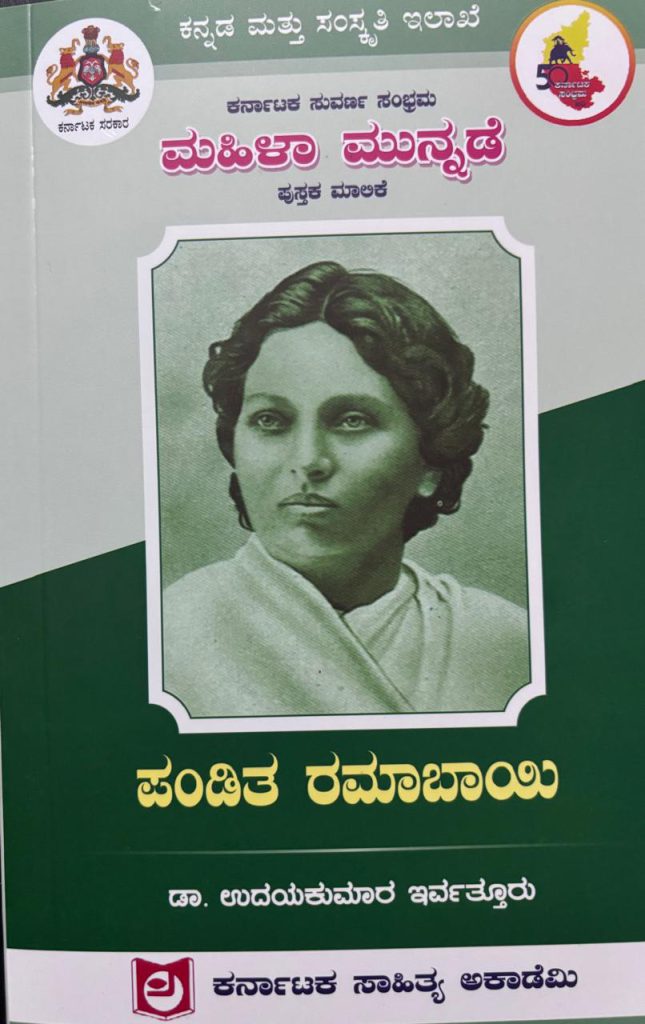
A lady from the Brahmin community, getting married to a man from the lower caste, converting to Christianity, and continuing her work for the improvement of living condition of widows, and destitutes.
Dr Uday Kumar Irvathur
Ananth Shastry Dongrey, who hails from Heranje in Mala Village in Karkala of the present Udupi District, had the privilege of accompanying his guru Ramachandra Shastry, to the palace of Baji Rao-II, to teach Sanskrit to the Queen. His visit to the palace made him think of teaching Sanskrit to women in his family. However, his wife Yamuna Bai, did not show much interest to learn Sanskrit.
In a strange situation he lost his first wife and his daughter Rama Bai, from the second wife turns her father’s dream of not only learning Sanskrit but being a scholar in the chosen field, into reality. The life was not easy for Rama Bai and her father. The conservative community did not spare Sanskrit scholar like, Anantha Shastry Dongre too, who was severely criticised for teaching Sanskrit to his daughter, much against the then societal norms. Though Anantha Shastry could prove what he did was right as per the sacred books, he did not succeed winning the heart of his community.
Anantha Shastry along with the family set on a pilgrimage to Kashi. Due to illness and hunger Shastry and his wife died on the way. Young Rama Bai and her brother Srinivas continued their journey and they arrive in Kolkutta. In Kolkatta, Rama Bai made a presentation of her scholarship in Sanskrit to the Scholars of the city. They were highly impressed by the command that she had over the subject, especially the Sanskrit literature and she was decorated with the title of “Panditha” in recognition of her scholarship. From Kolkatta, they proceeded to Dakha, which was then part of India. In Daksha, she married Bipin Bihari Bose, a young lawyer from the backward community, though there was a que of grooms from the elite class to marry a scholar of high calibre. Unfortunately, Rama Bai lost her husband, after a very brief period of the marriage. By then daughter Manorama was born.
Rama Bai, then moves to Poona, and starts her work for improving the life of young widows, and girls. Though the community wanted her to join hands with reforms already started, Rama Bai had her own plans for the empowerment of women. She wrote a book on the condition of women in India, which was not well appreciated by many in the community. Later, she goes to England to continue her studies. In England, she decided to convert to Christianity. From England she goes to USA, where she moots the idea of formation of “Rama Bai Association” with the support of philanthropists of USA. Rama Bai Association aimed at working for the cause of education, employment, social service and other allied activities that enhances the self-esteem of women in India.
Rama Bai did great service towards improving the condition of women. She made representation seeking appointment of women physicians to medically check women in the hospitals, appointment Women Officers, to whom female employees could repot.
Panditha Rama Bai, a lady from the Brahmin community, getting married to a man from the lower caste, converting to Christianity, and continuing her work for the improvement of living condition of widows, and destitutes. She was person with a vision and extra-ordinary will power, who was much ahead of her time in her thinking. Her life story, would certainly be an inspiration to all of us.
“Behind every decimal lies a decision someone once believed in”
A balance sheet shows assets, liabilities and equity, but it never shows sleepless nights, risky decisions, employee anxiety or the ambition that built the company. Yet we keep reading balance sheets as if they tell the whole story.
What the numbers show. What they don’t. Buildings appear under PPE but resilience never appears anywhere. Liabilities are sometimes fear in numeric form like survival borrowing during downturns. Profit does not always mean peace. Many companies show rising profits but not employee burnout, ethical compromises, toxic culture or mental exhaustion. Can a company truly be healthy if only its numbers are?
History has a pattern here. The collapse of Lehman Brothers during the 2008 financial crisis is one such example. On paper the numbers once suggested strength and rapid growth. But beneath those numbers were excessive risk-taking and a belief that markets would continue rising forever. When fear replaced confidence, the system began to collapse. The crisis was not caused by numbers alone; it was driven by human decisions and emotions. The emotional drivers remained hidden until the crisis exposed them. Enron told a similar story. Years of impressive reports. Behind them were manipulated accounts, unchecked ambition and leadership that confused performance with integrity. Trust disappeared faster than profits ever could.
The numbers showed growth. They did not show the rot underneath.
In 2025–26, we are watching this play out in real time. Just days ago, SEBI issued a 109-page interim order alleging that Rajesh Exports, a Bengaluru-based gold giant misrepresented approximately ₹15.15 lakh crore in revenue across five financial years routed through overseas subsidiaries that could produce no documentation to support the numbers. SEBI estimated that the alleged misrepresentation and fund diversion resulted in shareholder wealth erosion of ₹12,726 crore money that vanished from the portfolios of retail investors and institutions alike. Among the largest shareholders is LIC, holding around 10.8% of the company, a stake ultimately backed by ordinary policyholder’s premiums. The balance sheet showed an empire built in gold. The numbers looked golden. The governance beneath them reportedly was not.
India’s own IT sector was not spared. TCS announced its steepest job reduction ever, 19,755 positions in Q2 of FY 2025-26 bringing its headcount below 6,00,000 for the first time since 2022. These companies reported healthy revenues and margins. The financials looked stable. The anxiety in thousands of Indian households did not appear anywhere on those statements.
While boardroom scandals grab headlines, a quieter crisis runs beneath every profit and loss account. Today, employee engagement has collapsed from 88% in 2025 to just 64% in 2026 a 24-point withdrawal of discretionary effort in a single year. The obvious question is why don’t companies simply hire more people and protect work-life balance? The answer is uncomfortable. Burnout doesn’t appear on the balance sheet, but a new hire does. Salary, onboarding, training, these are immediate, measurable costs that CFOs can see. Exhaustion, disengagement and quiet resignation are not. So, the “cheaper” option always wins on paper.
The assets that never appear on any statement. Trust. Integrity. Ethical leadership. Employee morale. These are arguably a company’s most valuable assets and none of them appear anywhere in a financial report. Yet their absence is precisely what causes the collapses that analysts “didn’t see coming.” ESG audits are emerging as an attempt to measure what balance sheets cannot. They are a welcome step but self-reported and still maturing. The human side of organisations deserves more than a checkbox.
A company can be profitable and broken at the same time. A team can be productive and exhausted at the same time. A balance sheet can look healthy while the organisation quietly bleeds.
What do we do with this? We don’t discard the numbers, they matter. But we learn to ask better questions alongside them. Who made this decision and under what pressure? What does the attrition rate say about culture? The next time you read a financial statement, look for what’s reported. Then ask yourself what isn’t. Because not everything valuable can be measured, and not everything measurable truly defines value.
If this made you think differently about the companies you read, work for, or invest in, do share it forward.
~_anjuwrites_
*Data and case references drawn from SEBI interim order (June 2026), Business Today, Outlook Business and DHR Global Burnout Report 2026.
Rtn PHF Dr Rohan S. Monis empowers a huge pool of Nurses at Kanachur, Mangaluru on ORGAN DONATION.
NV Paulose, Chairman, Global TV +91 98441 82044
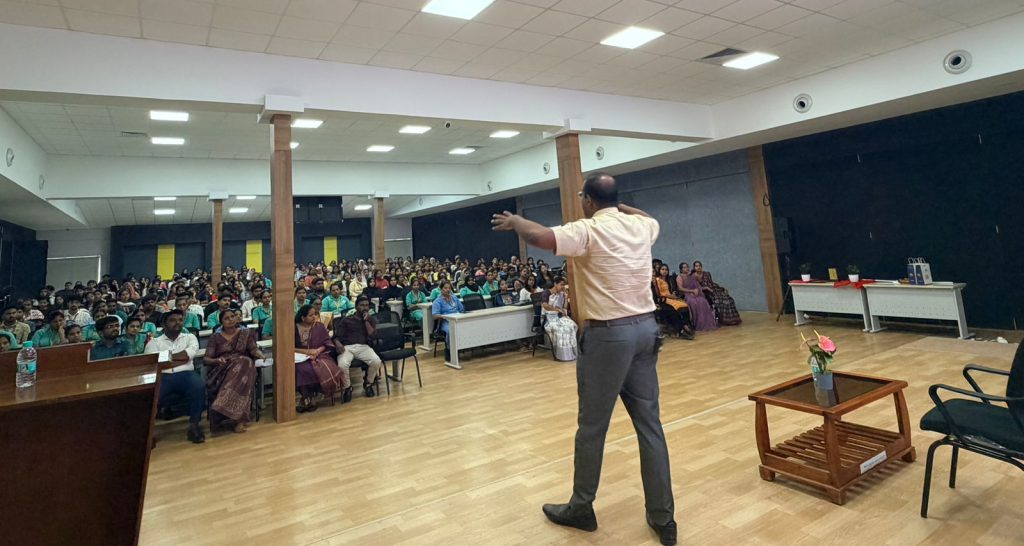
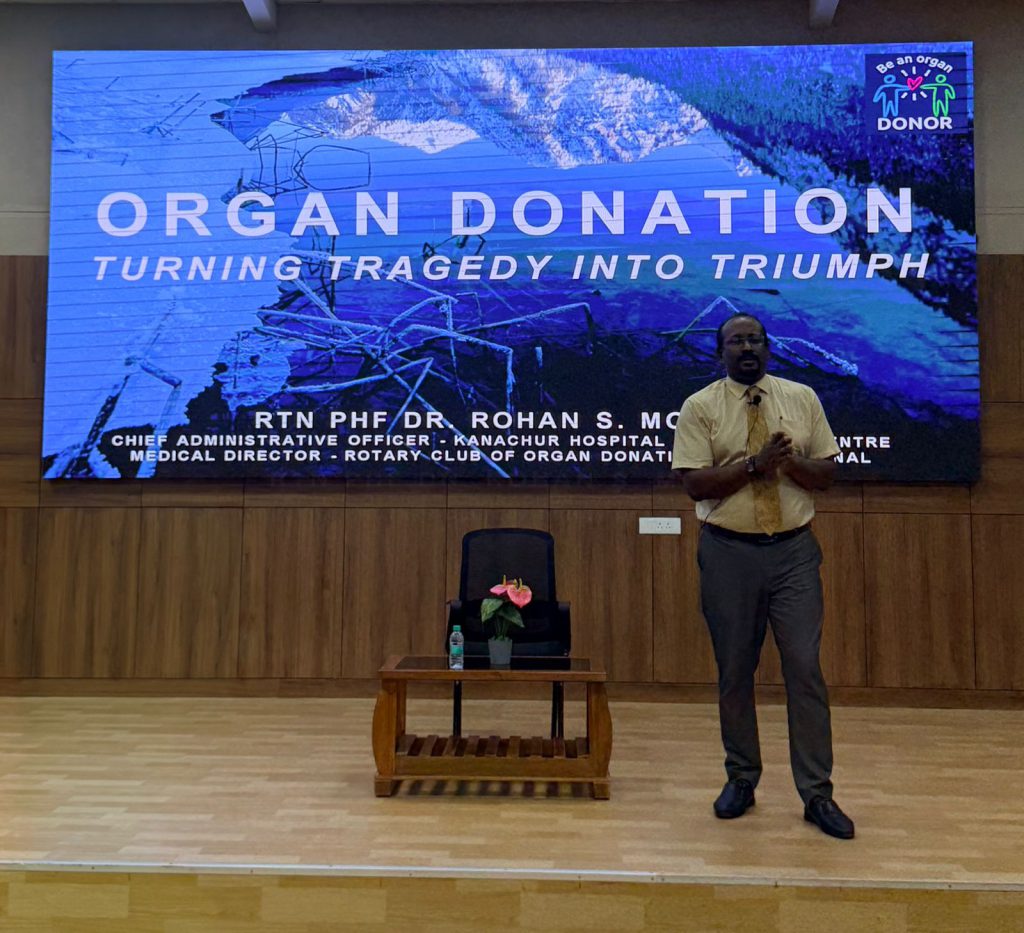
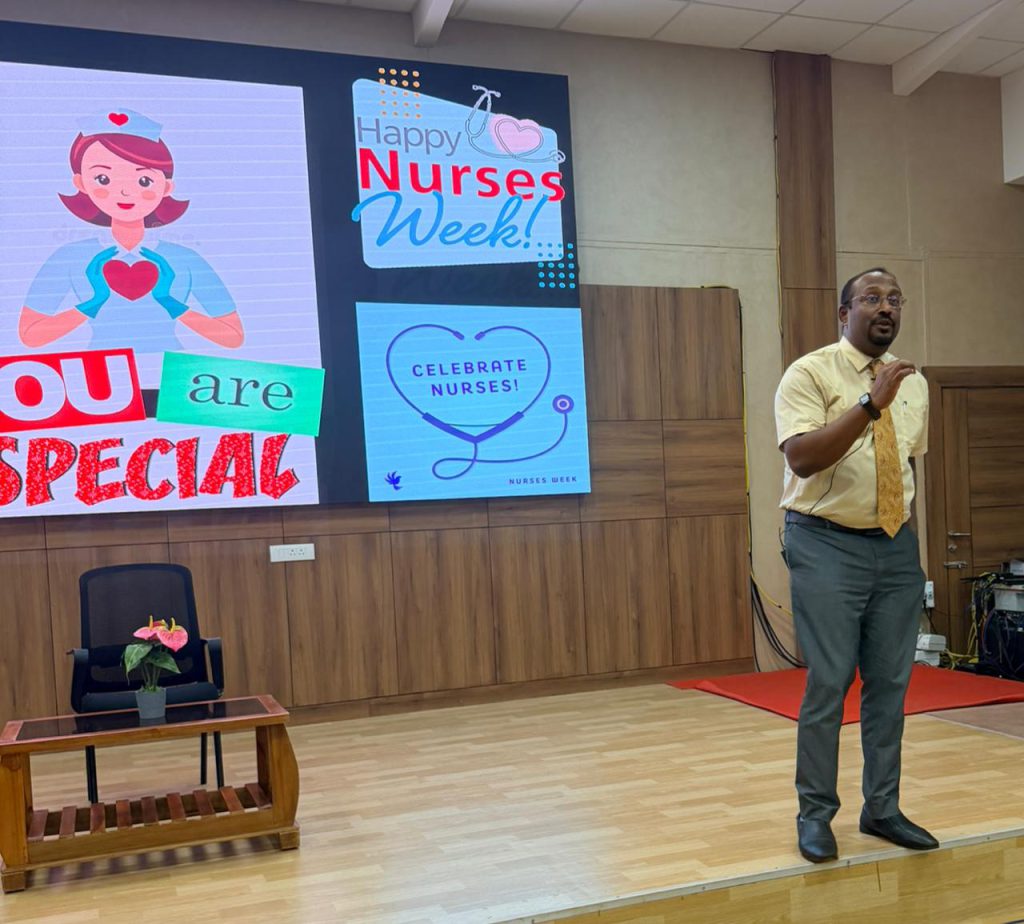
Mangaluru, 9th of May : The nurses week celebrations at Kanachur Institutions themed ‘NURSARA 2026’ ensured a powerful session on “Organ Donation – Turning Tragedy into Triumph”; progressively agreeing with the theme of the year – “Our Nurses, Our Future. Empowered Nurses Save Lives.”
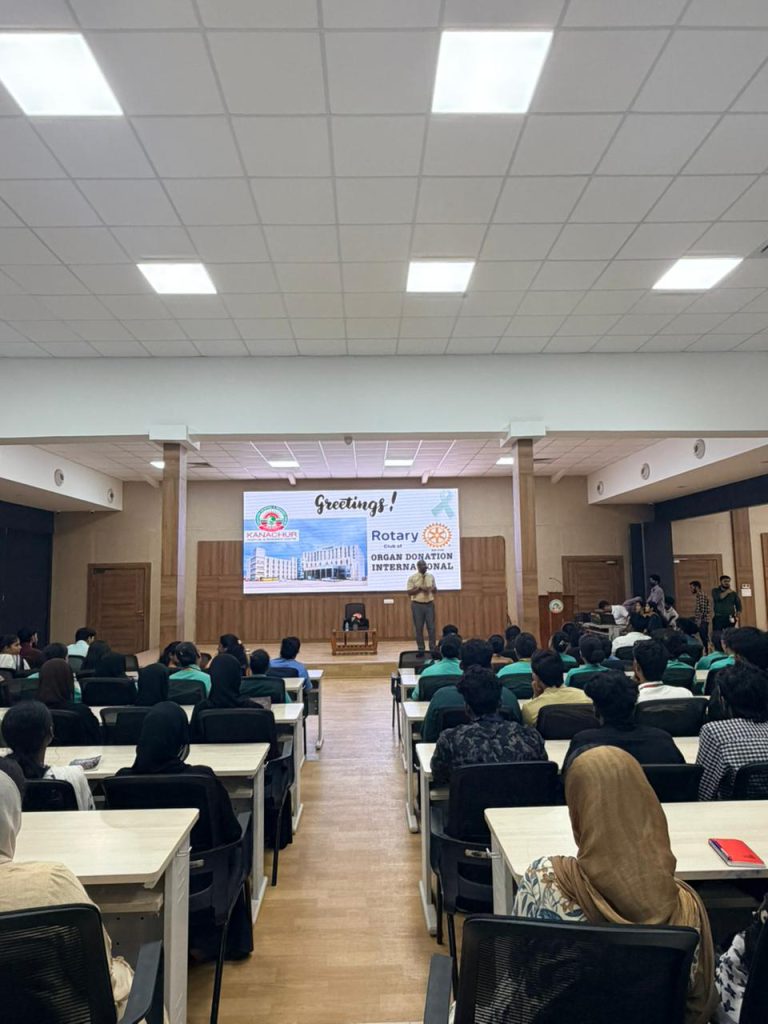
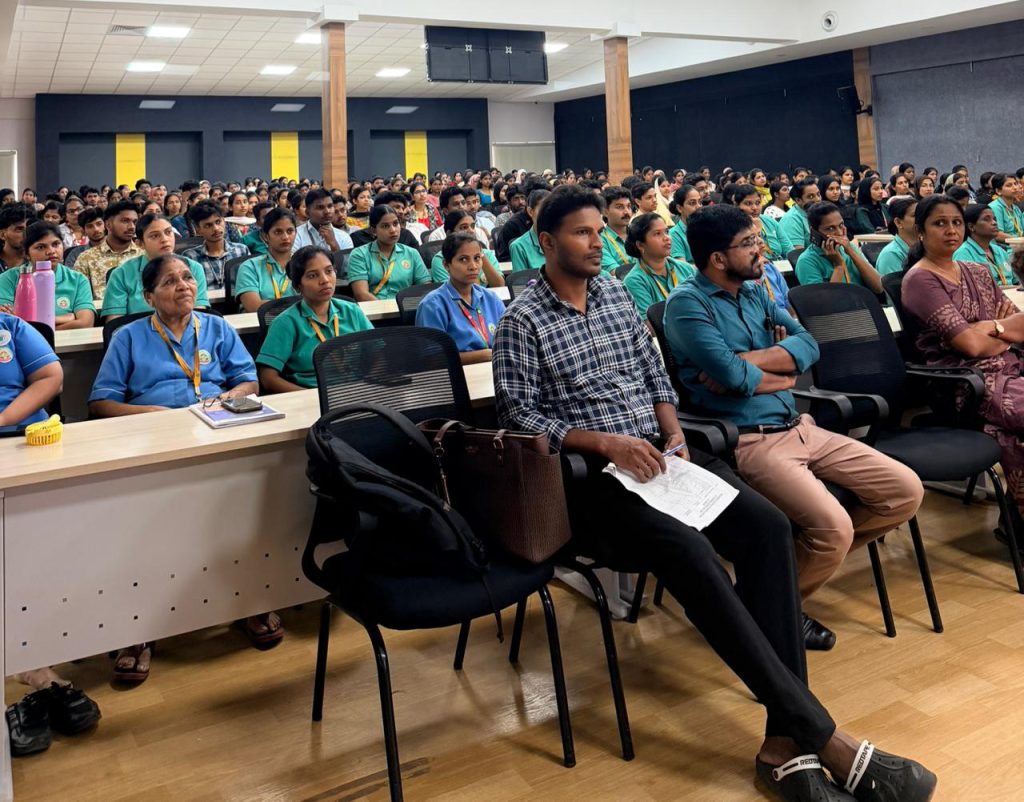
The mindful insights on ‘Organ Donation was held at Kanachur Conference Drome, Kanachur Health Campus, Mangaluru on the 9th of May, 2026. This historic session witnessed more than 700 nurses across Bharat; spearheaded by Dr Molly Saldanha – Principal, Kanachur College of Nursing Sciences; a unit of Kanachur Islamic Education Trust ® under the prestigious Rajiv Gandhi University of Health Sciences, Bengaluru.
Rtn PHF Dr Rohan S. Monis – Chief Administrative Officer, Kanachur Hospital & Research Centre and Medical Director & Charter Member, Rotary Club of Organ Donation International was invited as an eminent speaker for this profoundly evocative session on ‘Organ Donation – Turning Tragedy into Triumph’. It is podiums like these where one can choose to sensitize, educate, promote understanding and coach learned communities on this soul touching humane movement that the society needs to grow on.
Dr Monis began his session with a quote from John Bunyan and the audience recited encore – “You have not lived today until you have done something for someone who can never repay you.” Detailing on the the present donor crisis situation in our country – Dr Monis displayed a statistical difference between Bharat and Spain – which was a stark comparative reality; a wake up call for us. Bharat, with a population of over 1.4 billion people weren’t able to create a difference in the lives in our surroundings : because Bharat had a donor count of <1 donor / million population while Spain was at >50 donors / million population. Deep diving into the session – Rtn Rohan deliberated on the types of Donations and the Organs / Tissues that can be harvested in accordance with THOTA act: ● Living Donor : can donate one of his Kidneys, a part of his Liver, a part of Lungs, Intestine and also Pancreas in India. ● Deceased Donor : ○ Circulatory Death : Tissues (Cornea, Tendons, Heart Valves, Veins, Ligaments, Bones, Skin) can be donated. ○ Brain Dead : Organs (Lung, Heart, Liver, Kidneys, Pancreas & Intestines) and Tissues (Cornea, Tendons, Heart Valves, Veins, Ligaments, Bones, Skin) can be donated.
To give the Nurses a real time update from the statistical archives from NOTTO, MOHFW – GOI, Rtn Dr Monis shared that :
The number of transplants in the country has seen a 4X increase from less than 5 thousand in 2013 to nearly 20 thousand in 2025
Around 18% of transplants are currently being performed with organs donated from deceased donors. Again an amazing leap..
Close to 5 lakh Indian citizen pledged to donate their organs and tissues after death through a Aadhaar based verification system, since 17 September 2023
Bharat leads the world in hands transplants.
AS NURSES (bedside clinical experts in healthcare); ‘ORGAN DONATION’ IS A PRIME ADVOCACY THEY SHOULD TAKE UP AND TO AWARENESS IN THEIR ENVIRONMENTS.
Dr Monis beautifully annotated on WHY our Nursing Angels can be Organ Donation Health Advocates. As Nurses their spheres of influence are expressed over Patient, Family, Community and The Medical Ecosystem. With an understanding of the need for prevention of Organ Failure and the need to help the debilitated ones; our Nurses can be trendsetters too.
Primarily,
They are interfaces in the community and become dependable information banks.
They have Long Term Professional Bonding with their patients.
During recovery; proximity with the family develops & once their expertise is trusted – there’s no turning back; thus defining credibility without fear.
A Medical Update highlight was expressed on Xenotransplantation where Animal Organs are used in Clinical and Compassionate-use cases. The Pig’s organs have a close genetic make up to our human organs and a series of transplants using the pig’s Kidney, Heart and Liver have proved possible with scientific advances and research is still going on from 2024 in the USA.
Rtn Dr Rohan requested this cohort of Nurses to take this a movement forward by :
Partnering With Key Institutions: Ensuring a clear progression from unawareness, to understanding, to positive attitude, to action (registering), and finally to advocacy.
Building Knowledge and Dispelling Myths / Superstitions: Outreach programs provide accurate information and help undo wrong thought processes.
Reaching People Where They Are: Community-based programs bring the conversation to places people already trust i.e. schools, religious institutions, community centers and local events.
Leveraging Personal Stories: Programs displaying donor families and transplant recipients put a human face on these humane life saving issues.
Engaging Underrepresented Communities: Certain ethnic and racial groups are disproportionately represented on transplant waiting lists, yet have historically lower donor registration rates due to cultural concerns.
Normalizing the Conversation: Organ donation is closely tied to discussions about death and dying, which many cultures find uncomfortable. Regular outreach helps normalize these conversations, making it easier for people to talk about their wishes with family members. This matters because family consent is often a critical factor in whether donation actually proceeds, even when someone is a registered donor.
Creating a Multiplier Effect : When community members are educated and engaged, they become informal ambassadors.
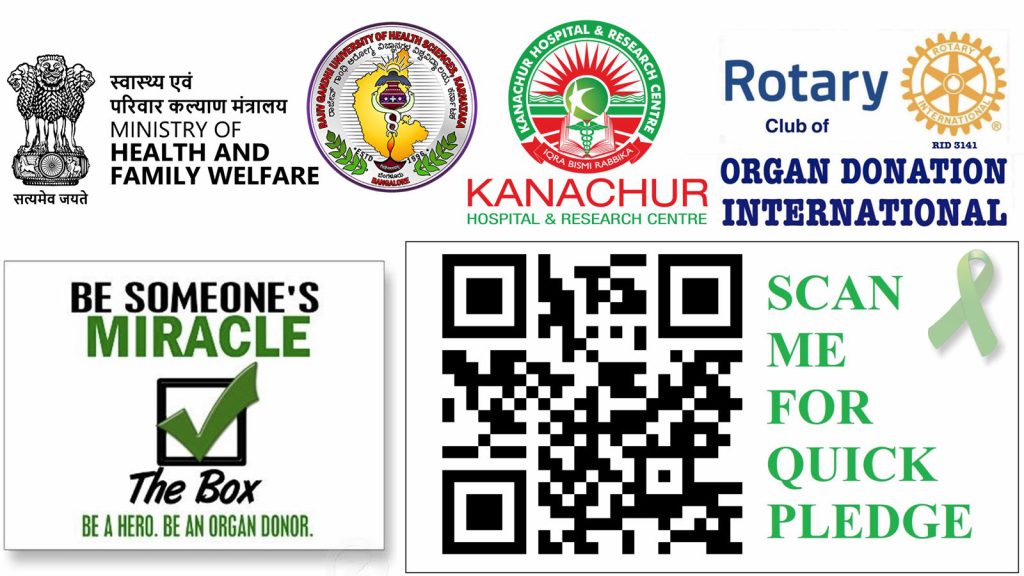
Dr Monis encouraged the Physio Experts to take the NOTTO pledge (using the QR code displayed on the presentation screen – https://notto.abdm.gov.in/) and to be a miracle in life. This session encouraged the Physio Experts to think in another dimension and ensure life happens even after we leave for our heavenly abode.
Let’s not take Death Lying Down – Donates Life – Be an Organ Donor
The recall of the final points was simply great and a few nurses took rhe pledge too after the session..!