All posts by admin

About admin

Chairman of Global TV | Excellent Writer | Exceptional PR Skills | Author of Six books | MASTER HEALER | +91 98441 82044 |

Organ Donation Warrior’s Program | a nationwide awareness and action initiative | designed to inspire people to support organ donation, spread awareness, and help save lives | Global TV

ORGAN DONATION WARRIOR | A Few Frequently Asked Questions & Answers
-Rotarian Lal Goel | Founder & Charter President | Rotary Club of Organ Donation International | Chairman | Organ Donation India Foundation & GYAN

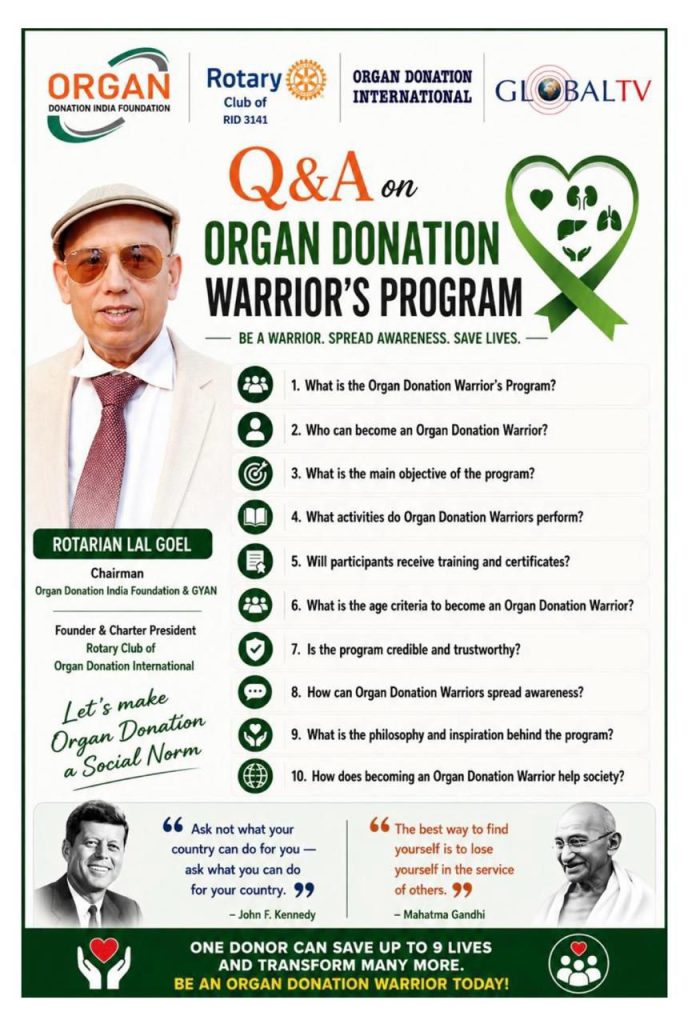
1. What is the Organ Donation Warrior’s Program?

    The Organ Donation Warrior’s Program is a nationwide awareness and action initiative designed to inspire people to support organ donation, spread awareness, and help save lives through education, advocacy, and community participation.

    *BECOME AN ORGAN DONATION WARRIOR*
    Register FREE using the Google Form

    2. Who can become an Organ Donation Warrior?

      Anyone with a passion for humanity and social service can become an Organ Donation Warrior — students, teachers, doctors, professionals, homemakers, senior citizens, NGOs, and youth leaders.

      3. What is the main objective of the program?

        The main objective is to increase awareness about organ donation, motivate people to pledge their organs, and reduce the gap between organ demand and availability.

        4. Why is organ donation important?

          Organ donation gives a second chance at life to patients suffering from end-stage organ failure. One donor can save up to 9 lives and improve the lives of many more through tissue donation.

          5. Is there any registration fee to join the program?

            No. The Organ Donation Warrior’s Program offers free registration to encourage maximum participation from society.

            6. What activities do Organ Donation Warriors perform?

              Warriors participate in awareness campaigns, seminars, social media advocacy, community outreach, educational events, donor pledge drives, and public interaction programs.

              7. Can students participate in the program?

                Yes. Students are encouraged to join, as youth play a vital role in raising awareness and changing social attitudes toward organ donation.

                8. Will participants receive a certificate?

                  Yes. Registered participants may receive participation certificates and recognition for their contribution to the cause.

                  9. Does joining the program mean compulsory organ donation?

                    No. The program focuses on awareness and education. Organ donation is always a voluntary personal decision.

                    10. What organs can be donated?

                      Organs that can be donated include the heart, kidneys, liver, lungs, pancreas, and intestines. Tissues such as corneas, skin, and bones can also be donated.

                      11. Can elderly people become organ donors?

                        Yes. Age is not always a barrier. The condition of the organs and medical evaluation are more important than age alone.

                        12. Is organ donation allowed in India legally?

                          Yes. Organ donation is legal in India under the Transplantation of Human Organs and Tissues Act (THOTA).

                          13. What is the role of family in organ donation?

                            Family consent plays a crucial role, especially after brain death. Discussing your wish to donate with your family is very important.

                            14. How can Organ Donation Warriors spread awareness?

                              They can conduct talks, share educational content, organise pledge campaigns, use social media responsibly, and encourage open discussions in society.

                              15. What message does the Organ Donation Warrior’s Program give to society?

                                The program promotes compassion, humanity, and the belief that even after life, a person can continue living through the lives they save.

                                16. Is the Organ Donation Warrior’s Program credible and trustworthy?

                                  Yes. The program is driven by dedicated social organisations, healthcare advocates, and awareness leaders committed to promoting ethical and legal organ donation. The initiative focuses on education, transparency, humanitarian values, and saving lives.

                                  17. Will Organ Donation Warriors receive training?

                                    Yes. Regular online and offline training sessions, awareness workshops, webinars, and expert interactions are organised to help Warriors understand organ donation, communication skills, public awareness methods, and legal aspects related to donation.

                                    18. What topics are covered in the training sessions?

                                      Training sessions may include:

                                      • Importance of organ donation
                                      • Brain death awareness
                                      • Myths and misconceptions
                                      • Legal and ethical aspects
                                      • Public speaking and awareness techniques
                                      • Social media advocacy
                                      • Community engagement strategies

                                      19. Is there any age limit to become an Organ Donation Warrior?

                                        People of all age groups can become Organ Donation Warriors. Young students, professionals, homemakers, and senior citizens are all welcome to participate in spreading awareness and serving humanity.

                                        20. Can school and college students join the program?

                                          Absolutely. Students are encouraged to join because young minds are powerful agents of change and can inspire society through awareness and action.

                                          21. What is the philosophy behind the Organ Donation Warrior’s Program?

                                            The program is based on the belief that every individual has the power to create positive change in society through compassion, awareness, and selfless service.

                                            As John F. Kennedy famously said:

                                            “Ask not what your country can do for you — ask what you can do for your country.”

                                            The Organ Donation Warrior’s Program encourages citizens to contribute toward a healthier and more compassionate society by helping save lives through awareness and organ donation advocacy.

                                            1. What message of Mahatma Gandhi inspires this movement?

                                              The movement draws inspiration from the timeless philosophy of Mahatma Gandhi:

                                              “The best way to find yourself is to lose yourself in the service of others.”

                                              This spirit of selfless service lies at the heart of the Organ Donation Warrior’s Program, inspiring individuals to work for humanity and give hope to those waiting for a second chance at life.

                                              2. How does becoming an Organ Donation Warrior help society?

                                                By spreading awareness and encouraging informed conversations, Organ Donation Warriors help reduce myths, inspire organ pledges, support patients waiting for transplants, and build a more caring and responsible society.

                                                3. Can Organ Donation Warriors organise awareness events independently?

                                                  Yes. Warriors are encouraged to organise awareness drives, seminars, poster campaigns, social media initiatives, educational talks, and community programs with proper guidance and coordination.

                                                  4. What is the ultimate vision of the Organ Donation Warrior’s Program?

                                                    The vision is to create a nationwide humanitarian movement where awareness about organ donation reaches every home, every school, every institution, and every community — ultimately helping save thousands of lives.
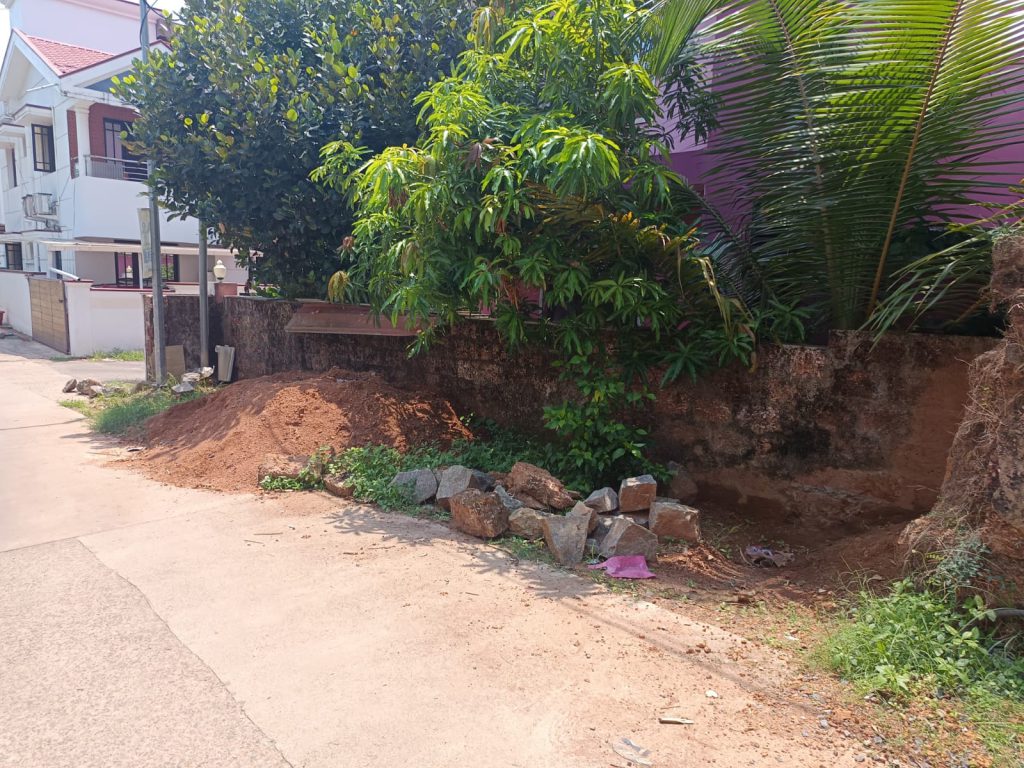
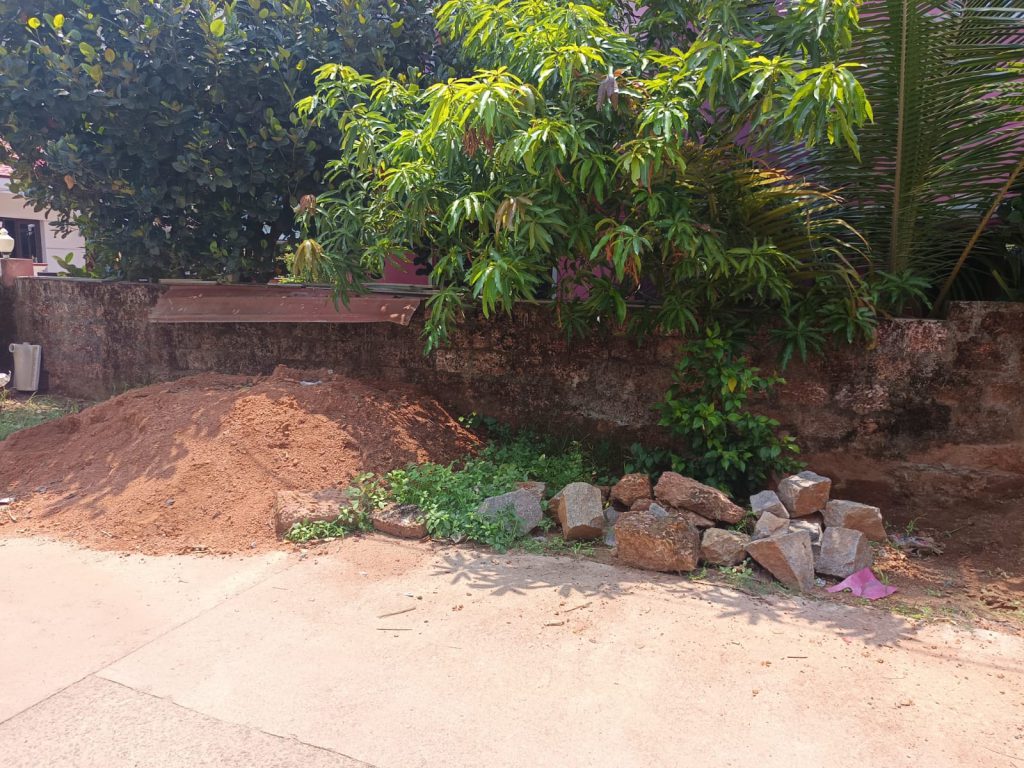
                                                    Decay in legal compliance | Public Roads Turned into Private Dumping Grounds | This is not a technical mistake | It is a calculated violation | Global TV

                                                    When Influence Bulldozes the Law: The Silent Decay of Civic Discipline in Mangalore

                                                    NV Paulose, Chairman, Global TV +91 98441 82044

                                                    Mangalore is often celebrated as one of Karnataka’s educated and progressive cities. It is known for literacy, professional colleges, disciplined communities, and rapid urban development. But beneath this polished image lies a disturbing reality that many ordinary citizens witness every day. Illegal practices are carried out openly by influential individuals, often without fear of consequences.

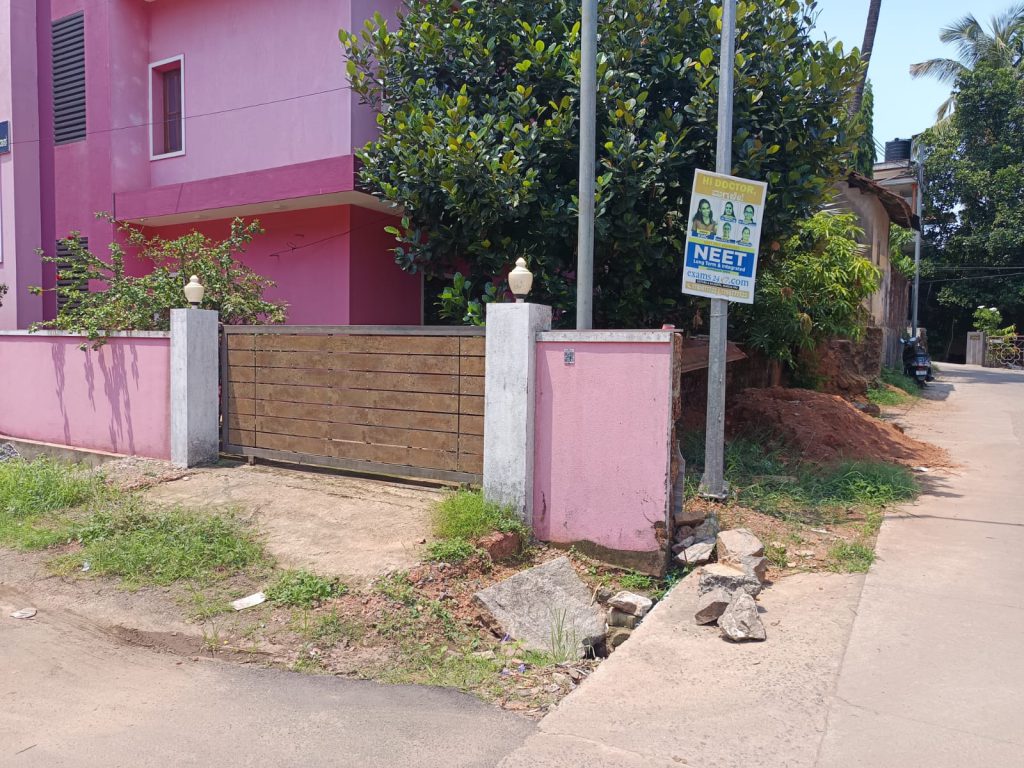
                                                    The issue is not merely about a few construction violations. It reflects a deeper collapse of civic responsibility, equality before law, and accountability in urban governance. Roads are blocked with dumped mud and stones, drainage channels are damaged, public spaces are occupied, and building rules are casually violated. What makes this worse is that these actions are frequently committed not by the poor or uninformed, but by educated and financially powerful sections of society.

                                                    Public Roads Turned into Private Dumping Grounds
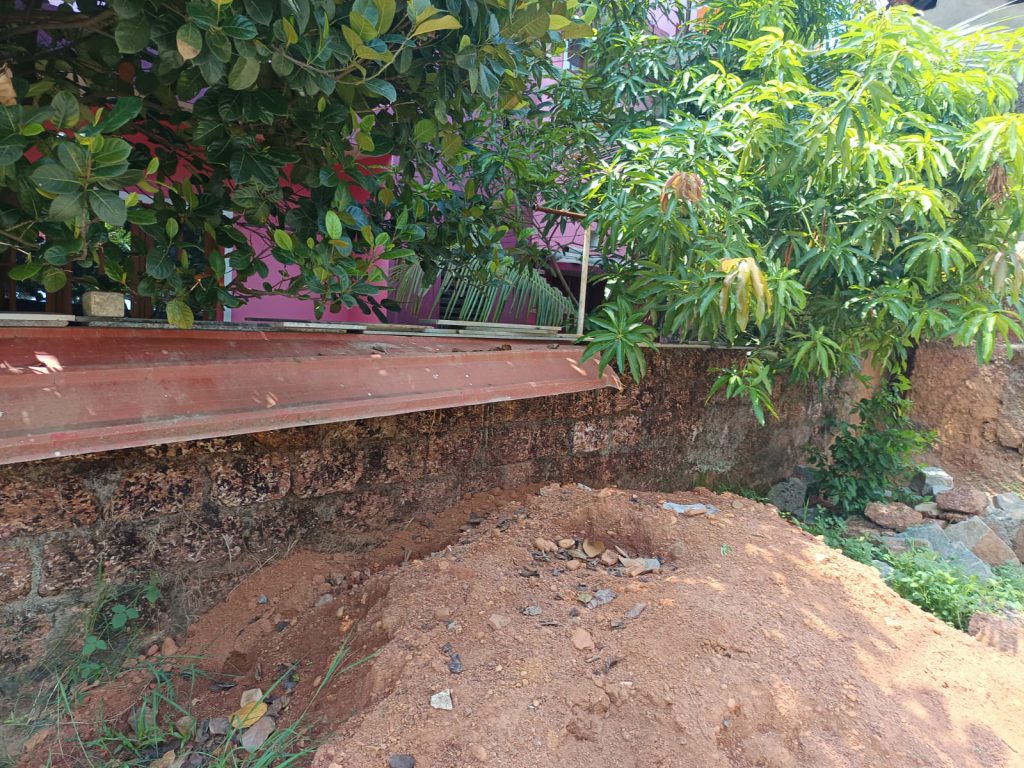
                                                    One of the most common sights in many residential areas is the dumping of construction materials on public roads. Mud, stones, sand, and debris remain piled for weeks or months, narrowing roads and creating hazards for pedestrians and vehicles alike.

                                                    In several localities, citizens are forced to drive around heaps of earth dumped beside compound walls. During rains, this loose soil flows into drains and roads, creating slippery conditions and increasing the risk of flooding. The inconvenience caused to neighbors and daily commuters is treated as insignificant.

                                                    The troubling part is that such activities are often done openly, in broad daylight, without any visible fear of municipal action. If an ordinary street vendor occupies a small public space, authorities act quickly. But when influential property owners misuse public roads during construction, enforcement becomes weak or completely absent.

                                                    This selective application of rules damages public trust more than the violation itself.

                                                    Building Plans Approved on Paper, Violated in Reality
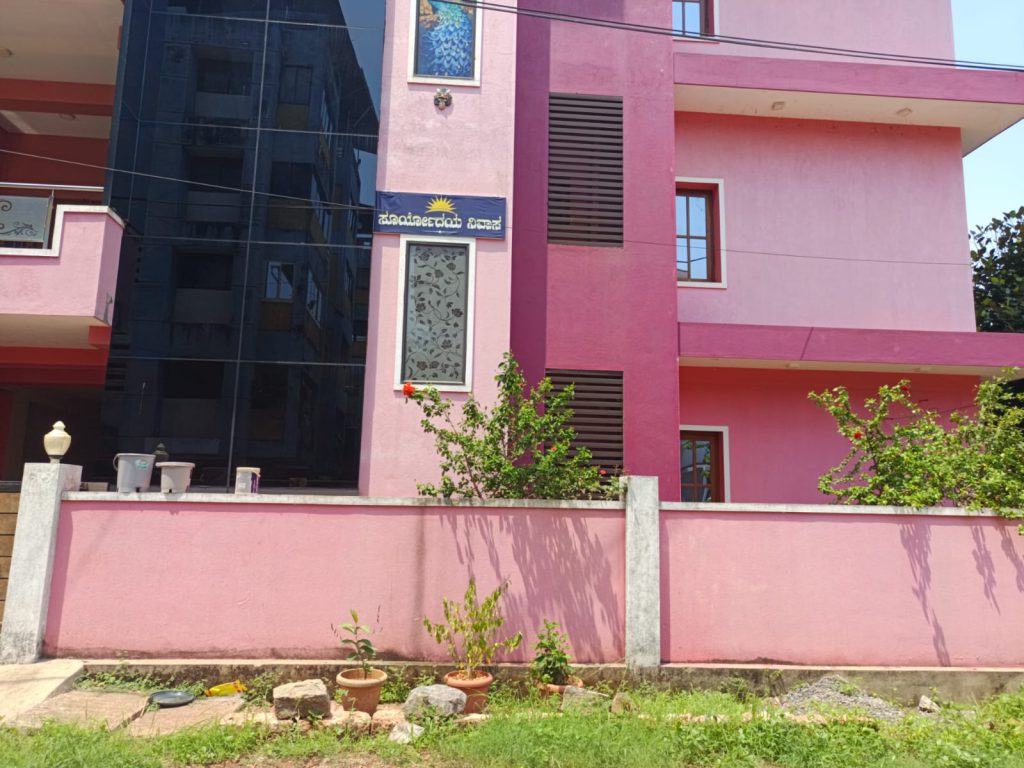
                                                    Another growing concern is the manipulation of building permissions. In many cases, one type of plan is submitted to obtain approval, but the actual construction exceeds permitted limits.

                                                    Setback areas disappear. Extra floors emerge. Balconies extend beyond sanctioned dimensions. Open spaces meant for ventilation are enclosed later. In some buildings, even designated parking areas are converted into commercial rooms or rental units after construction is completed.

                                                    This is not a technical mistake. It is a calculated violation.

                                                    Parking spaces exist for a reason. When they are illegally converted into rooms, vehicles spill onto roads, causing congestion and reducing public accessibility. The consequences are borne by the entire neighborhood, while the violator enjoys financial gain.

                                                    Such practices expose a dangerous mindset. Rules are meant only for those without power.

                                                    Education Without Civic Ethics Is Meaningless
                                                    Mangalore proudly identifies itself as an educated city. But education loses its value when civic ethics are ignored.

                                                    True education is not measured by degrees, income, or the size of a house. It is reflected in how responsibly citizens behave toward shared public spaces and common laws. A person may be professionally successful, yet socially irresponsible if they believe influence can replace accountability.

                                                    Street smartness is valuable when used for innovation, entrepreneurship, or solving social problems. But using intelligence to bypass basic civic norms is not smartness. It is exploitation.

                                                    When educated citizens themselves manipulate regulations, younger generations learn the wrong lesson. They begin to believe that success comes not from integrity, but from connections and influence. Over time, this weakens the moral foundation of society.

                                                    The danger is not only physical encroachment. It is the normalization of dishonesty.

                                                    Law Must Be Equal for Every Citizen
                                                    The strongest democracies survive because laws apply equally to everyone. The moment enforcement changes based on wealth, political influence, or social status, public confidence begins to collapse.

                                                    Citizens do not expect perfection from authorities. But they do expect fairness.

                                                    If strict action can be taken against small roadside vendors, then the same seriousness must apply to illegal constructions, road encroachments, and misuse of sanctioned building plans by affluent property owners. Municipal authorities, engineers, and local bodies must conduct regular inspections and ensure that approved plans match actual construction.

                                                    Technology today allows transparent monitoring through digital approvals, geo tagged inspections, and public complaint systems. The real issue is not lack of systems. It is lack of consistent enforcement.

                                                    Mangalore still has the opportunity to correct this direction. Civic discipline must become a collective responsibility shared by citizens, builders, officials, and local representatives alike.

                                                    A clean and lawful city is not created only through smart buildings or expensive homes. It is built through respect for public space, honesty in construction, and equality before law.

                                                    If these violations are happening openly in an educated city like Mangalore, one must seriously ask what could be happening in places where awareness and enforcement are even weaker.

                                                    The answer should concern every responsible citizen. Because cities do not decline suddenly. They decline slowly, one ignored violation at a time

                                                    Wenlock Hospital | Mangaluru | Dr Shivaprakash D S | District Surgeon and Superintendent | Global TV

                                                    ₹47 Crore Health Projects Launched at Wenlock Hospital in Major Boost to Public Care

                                                    NV Paulose, Chairman, Global TV +91 98441 82044

                                                    Mangaluru, May 22: In a significant step towards strengthening public healthcare in Dakshina Kannada, foundation stones were laid for major development projects worth approximately ₹47 crore at the Wenlock District Hospital on Thursday.

                                                    The programme, held at Kudmul Ranga Rao Town Hall at 11:10 AM, was jointly organized by the Dakshina Kannada district administration, Zilla Panchayat, and Wenlock District Hospital. The initiative marks an important phase in the expansion and modernization of one of the region’s most vital government healthcare institutions.

                                                    Major Works to Enhance Capacity

                                                    Among the key projects launched is the construction of the first phase of a new Outpatient Department block, undertaken at an estimated cost of ₹35 crore through government funding. The new facility is expected to significantly reduce congestion and improve the efficiency of patient services, especially for the large number of people who depend on outpatient care every day.

                                                    In addition, a Sewage Treatment Plant with a capacity of 500 kilo litres per day will be constructed within the hospital premises at a cost of ₹2 crore. This initiative reflects the growing emphasis on maintaining environmental standards within healthcare institutions.

                                                    Further strengthening the hospital infrastructure, the fourth and fifth floors of the Medicine Block will be constructed at an estimated cost of ₹10 crore with financial support from MRPL Mangaluru under its Corporate Social Responsibility initiative. This expansion will improve inpatient capacity and enable better delivery of specialized care.

                                                    Presence of Leaders and Officials

                                                    The event was attended by several prominent leaders and officials. Karnataka Legislative Assembly Speaker U T Khader Fareed was present on the occasion, while Health and Family Welfare Minister Dinesh Gundu Rao, who is also the district in charge minister, formally inaugurated the projects.

                                                    The programme was presided over by Mangaluru South MLA D Vedavyas Kamath. Members of Parliament Captain Brijesh Chowta and D Veerendra Heggade were also present along with several MLAs, Members of Legislative Council, and heads of various boards and corporations.

                                                    Senior officials from the health department and district administration, including Deputy Commissioner Darshan H V, Police Commissioner Sudhir Kumar Reddy, and Superintendent of Police Dr Arun K, were also in attendance, reflecting the importance of the occasion.

                                                    A Trusted Institution for Generations

                                                    Wenlock District Hospital has long served as a cornerstone of public healthcare in the coastal region. Every day, thousands of patients from Dakshina Kannada and neighbouring districts rely on its services. For many families, especially those with limited financial means, the hospital has been a dependable source of treatment and care.

                                                    Over the years, the institution has played a crucial role not only in routine healthcare but also during emergencies and public health challenges. Its contribution to the well being of society has been both consistent and far reaching.

                                                    A Five Star Hospital for the Poor

                                                    Wenlock Hospital is often described as a five star hospital for the poor. This reputation has not come from luxury, but from the quality of care, dedication of staff, and accessibility of services provided to those who need it most.

                                                    The hospital continues to offer treatment across a wide range of medical disciplines while maintaining affordability. Patients who cannot access expensive private hospitals find in Wenlock a place where they are treated with dignity and professionalism.

                                                    The new projects are expected to strengthen this identity further by improving infrastructure without compromising the hospital’s core commitment to equitable healthcare.

                                                    Leadership Behind the Progress

                                                    The successful initiation of these projects reflects the coordinated efforts of the administration, elected representatives, and the health department.

                                                    Special appreciation is due to District Health and Family Welfare Officer Dr H R Thimmayya, whose leadership and guidance have been instrumental in advancing healthcare services in the district. Along with him, the efforts of District Surgeon and Superintendent Dr Shivaprakash D S and the entire Wenlock Hospital team deserve recognition for their dedication and efficient management.

                                                    Their collective work has ensured that large scale infrastructure projects are planned and implemented with clarity and purpose.

                                                    Looking Ahead

                                                    With these developments, Wenlock District Hospital is set to enter a new phase of growth. The expansion of outpatient services, addition of new floors, and improved environmental systems are expected to enhance patient experience and healthcare outcomes.

                                                    As Dakshina Kannada continues to grow, investments in public healthcare such as these remain essential. The projects launched today stand as a testament to the commitment of authorities and healthcare professionals to ensure that quality medical services remain accessible to every section of society.

                                                    For the people of the region, Wenlock Hospital continues to represent trust, service, and hope, now strengthened with renewed infrastructure and vision for the future.

                                                    Sahakara Ratna Shri Anil Lobos dynamic leadership and transformative vision were acknowledged by Delegation from Dashen Bank

                                                    Visit of Delegation from Dashen Bank S.C. from Ethiopia to MCC Bank Ltd

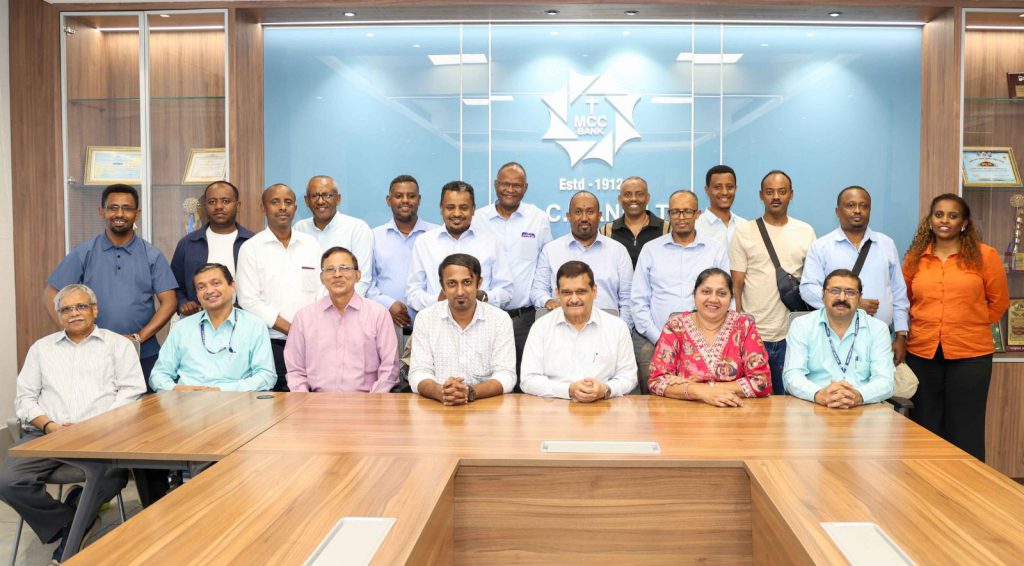
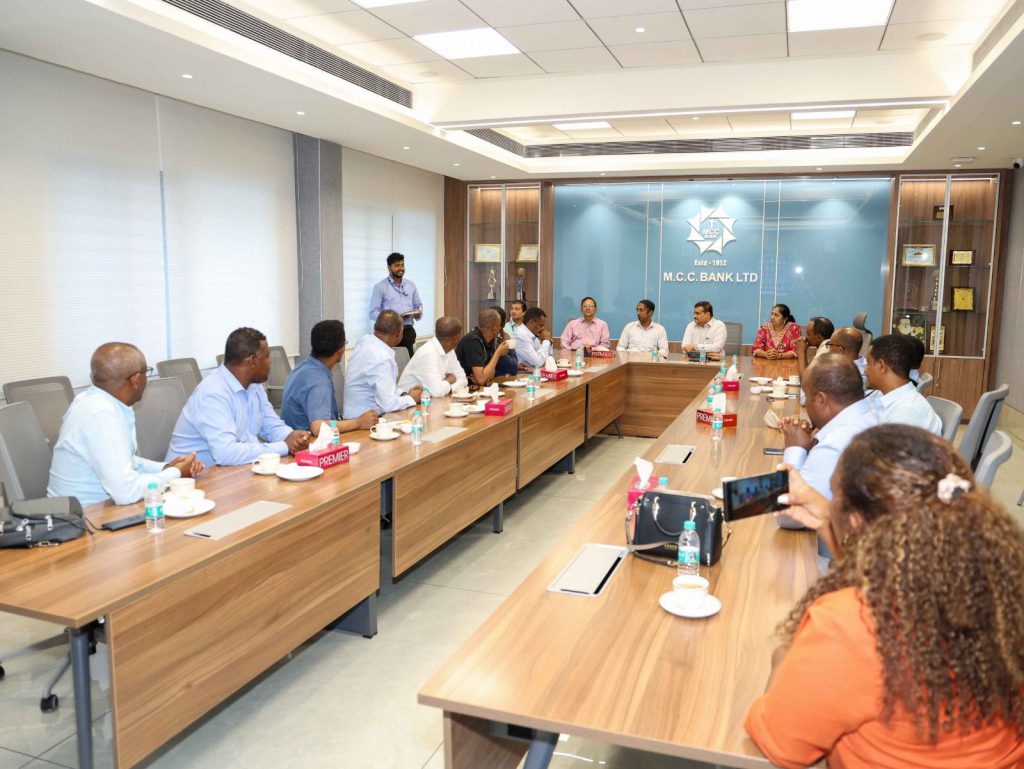
                                                    A distinguished delegation from Dashen Bank S.C. a leading private bank in Ethiopia in East Africa visited the Head Office of MCC Bank Ltd on 22 May 2026 as part of an official institutional interaction and knowledge-sharing initiative. The visit was organized with the objective of fostering professional relationships, understanding the cooperative banking framework in India, exchanging banking expertise, and exploring developments in digital banking, operational efficiency, and technological modernization.

                                                    The 13 Senior Management Directors of the Dashen Bank S.C. were present. Dashen Bank operates through a network of more than 900 plus Branches, nine dedicated Forex Bureaus, 1100 plus ATMs and 2,000 plus Point-of-Sale (POS) terminals spread across the length and breadth of the nation.

                                                    The program commenced at 3:00 PM with a formal welcome ceremony coordinated by the Master of Ceremonies, Mr. Alwyn Dsouza, Head of IT Department of MCC Bank. In his opening remarks, he extended a warm and cordial welcome to the esteemed delegation from Dashen Bank S.C. on behalf of the Board of Directors, Management, Staff, and the entire MCC Bank family. He stated that the visit represented not merely an official engagement but also a meaningful opportunity to strengthen institutional cooperation and mutual understanding between the two banking institutions.

                                                    The visiting delegates were accorded a welcome in the presence of the Directors, senior management officials, and staff members of MCC Bank Ltd. The dignitaries and officials present on the occasion included Mrs. Irene Rebello, Director; Mr. Herold J. Monteiro, Director; Mr. Clement Gratian Pinto, Professional Director; Mr. Sushanth Saldhana, Professional Director; Mr. Sunil Ivan Menezes, General Manager; and Mr. Raj F. Menezes, Deputy General Manager.

                                                    Honourable Chairman of MCC Bank Ltd, Sahakara Ratna Shri Anil Lobos dynamic leadership and transformative vision were acknowledged throughout the proceedings. The gathering recognized his significant contribution toward the modernization, expansion, and sustained growth of MCC Bank Ltd. Special mention was made of his efforts in strengthening the Bank’s operational efficiency, technological integration, branch expansion, and customer-focused banking initiatives, which have positioned MCC Bank among the prominent urban cooperative banks in Karnataka.

                                                    During the introductory session, the delegates from Dashen Bank S.C. introduced themselves and shared brief insights into their respective professional responsibilities and areas of expertise. The session created a cordial and interactive atmosphere that encouraged open dialogue and professional exchange between the representatives of both institutions.

                                                    Professional Director Mr Clement Gratian Pinto addressed the gathering and provided an insightful overview of the historical and socio-economic significance of Mangaluru as a prominent banking and educational hub of coastal Karnataka. He elaborated on the region’s strong cooperative culture and entrepreneurial spirit, which have contributed significantly to the development of cooperative banking institutions in the region.

                                                    Mr Clement Gratian Pinto further highlighted the history and development of MCC Bank Ltd, emphasizing the Bank’s commitment to ethical banking practices, financial discipline, community service, and customer-centric operations. He explained how the Bank has consistently adapted to changing banking environments while preserving its core cooperative values and institutional integrity.

                                                    The presentation also detailed the transformational phase of MCC Bank Ltd after 2018 under the visionary leadership of Shri Anil Lobo. Key growth indicators and achievements of the Bank were shared with the delegation, including substantial increases in business turnover, deposits, advances, branch network expansion, and technological advancements.

                                                    Particular emphasis was laid on the Bank’s modernization initiatives, including the implementation of Core Banking Solutions (CBS), the introduction of digital banking platforms, mobile banking services, ATM and online banking infrastructure, customer-oriented digital services, and enhanced internal operational systems.

                                                    An elaborate and interactive discussion session followed the presentation. The representatives of both banks engaged in meaningful deliberations on various contemporary banking topics and operational practices.

                                                    Following the interaction session, a documentary presentation showcasing the 114-year legacy of MCC Bank Ltd was screened for the visiting delegation. The documentary highlighted the Bank’s historical milestones, institutional achievements, modernization journey, community outreach initiatives, technological advancements, and future growth vision. The presentation offered the delegates a comprehensive understanding of the Bank’s heritage, resilience, and long-term strategic direction.

                                                    The program concluded with a formal Vote of Thanks, wherein appreciation was expressed to the visiting delegation, directors, management officials, staff members, and all participants for their valuable presence and contribution to the success of the meeting.

                                                    The interaction concluded on a highly positive and cordial note, with both institutions expressing mutual interest in continued professional engagement, knowledge exchange, and strengthening of institutional relationships in the future. The visit was regarded as a significant step toward enhancing international cooperation and professional collaboration in the banking sector.

                                                    United Homes | United Friends | Mangalore | Global TV

                                                    Compassion in Action: “United Homes” Brings Dignity and Hope to Needy Families | Global TV

                                                    NV Paulose, Chairman, Global TV +91 98441 82044

                                                    The cost of life is rising, and economic uncertainty continues to affect vulnerable communities. Acts of kindness and compassion create lasting change and powerful reminders of humanity’s shared responsibility toward one another. The inauguration of United Homes, a housing initiative launched by the United Friends Trust at Abbettu near Mangaluru, is one such inspiring example of compassion translated into meaningful action.

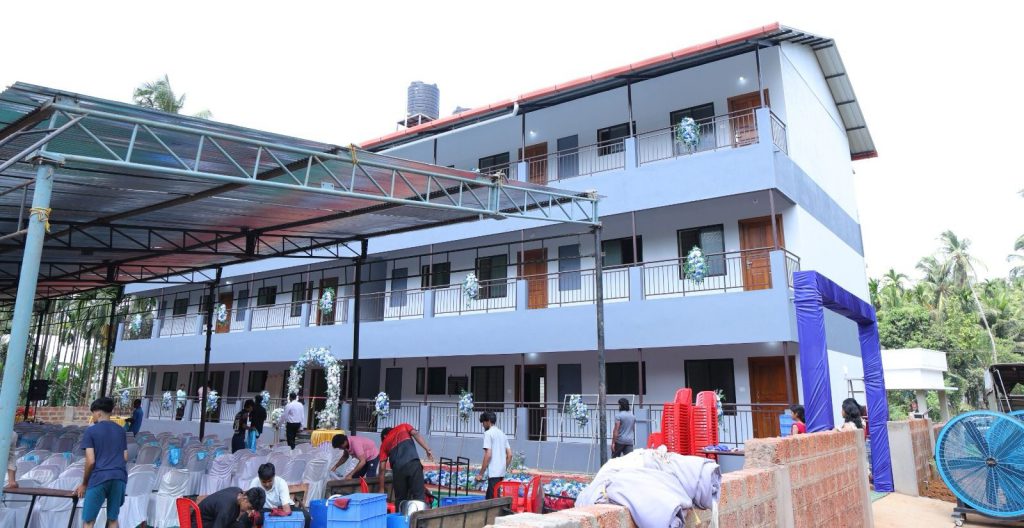
                                                    United Homes represents security, dignity, and renewed hope for ten underprivileged families who now have a place they can truly call home. The project reflects the idea of compassion and kindness. Kindness becomes transformative when people unite to uplift others through concrete acts of service.

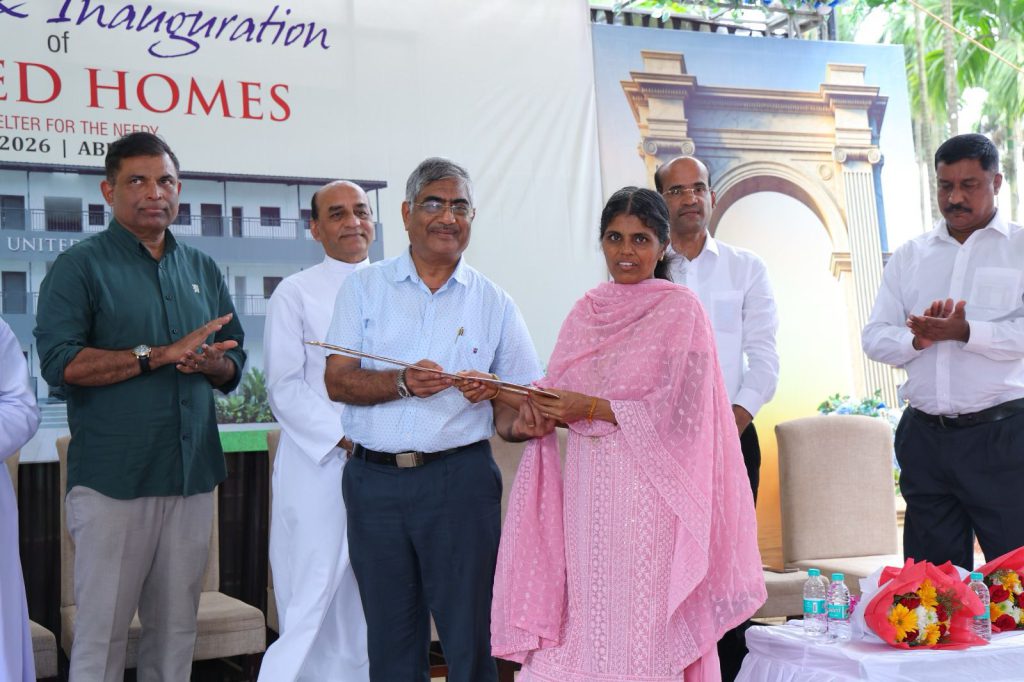
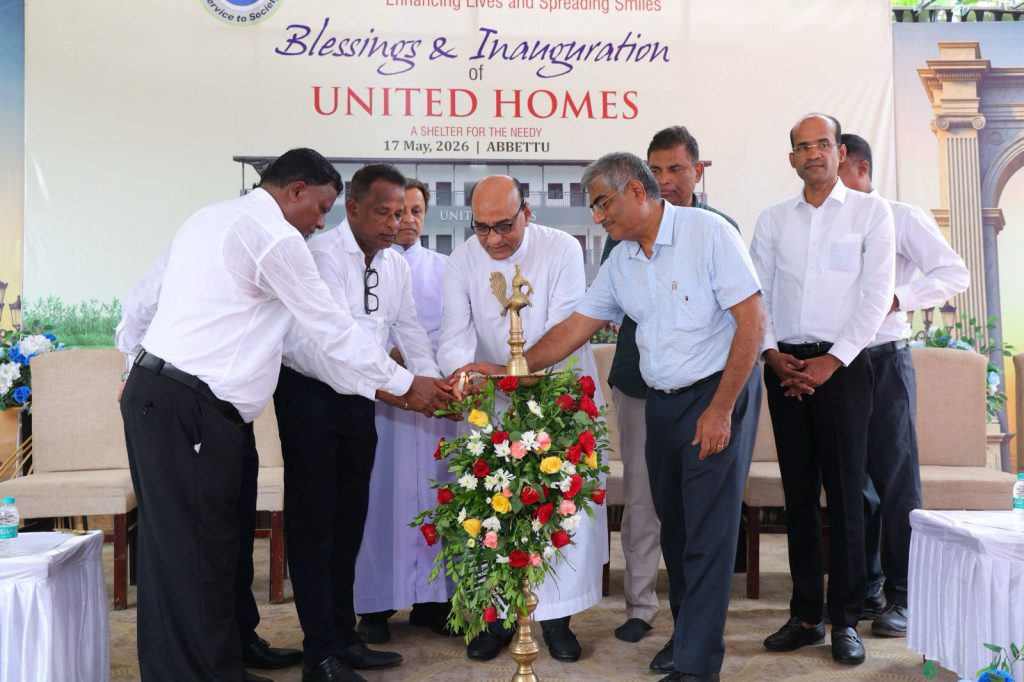
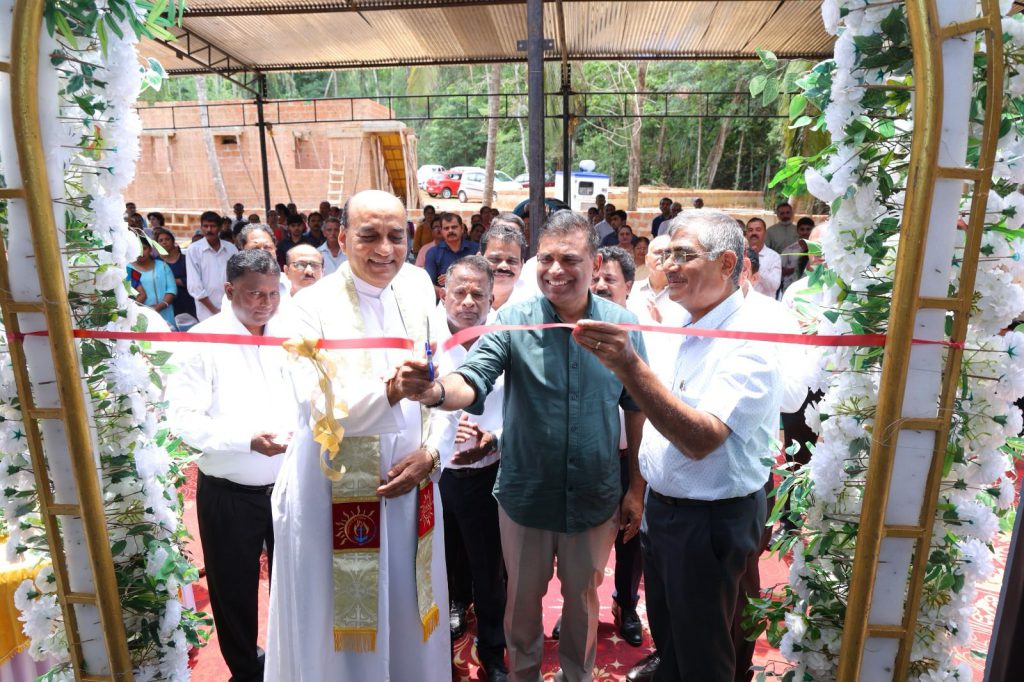
                                                    The inauguration ceremony was marked by a spirit of gratitude and community solidarity. Rev. Dr. J. B. Saldanha, parish priest of St Francis Xavier Church, blessed the newly constructed apartment complex comprising ten residential units. The nameboard of United Homes was jointly unveiled by Walter Nandalike, founder of Daijiworld Media Pvt Ltd, and Mr. Stevan Pinto, representing philanthropist Mr. Michael D’Souza.

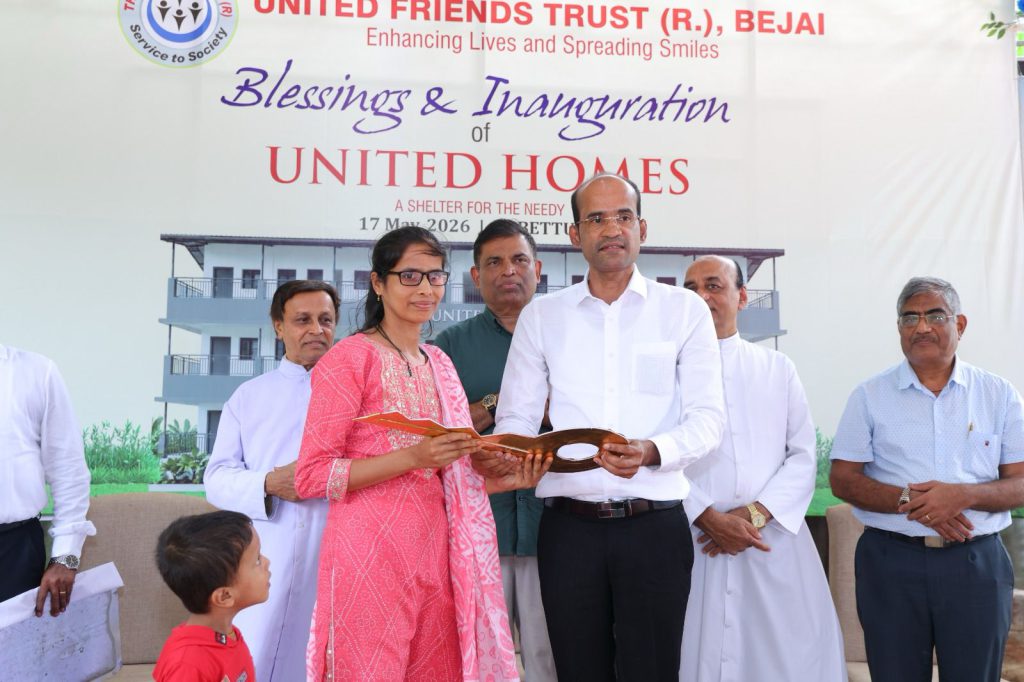
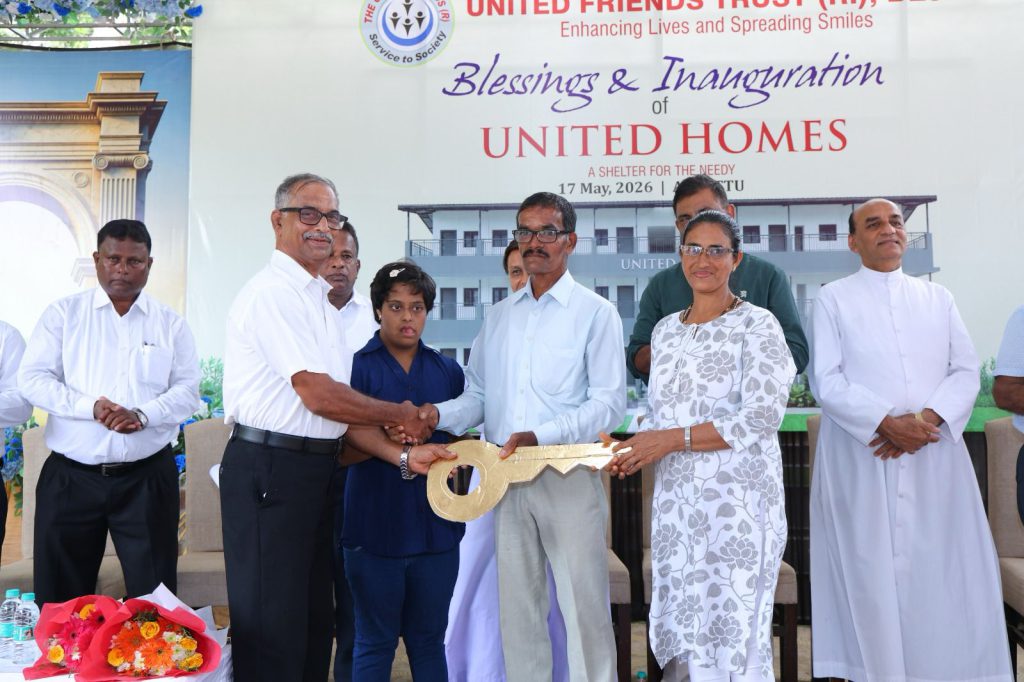
                                                    Following the inauguration, Rev. Dr. Saldanha blessed each of the residential units, while Fr. Mark Castelino, parish priest of St Antony Church, blessed the main hall. The atmosphere was filled with joy and emotion as the beneficiaries received the keys to their new homes from the donors. It was a symbolic gesture that marked the beginning of a more secure future for the families.

                                                    Speaking on the occasion, Rev. Dr. J. B. Saldanha described United Homes as a shining model of how lay organizations can independently undertake and successfully execute major community welfare projects. His words highlighted an important truth. Compassion becomes most impactful when ordinary citizens step forward with extraordinary commitment. By providing safe shelter to deserving families, the initiative has set an example for other organizations to follow.

                                                    Compassion was also evident in the generosity of philanthropist Mr. Michael D’Souza and his family, whose continued support toward social causes was acknowledged and appreciated during the event. Addressing the gathering, Walter Nandalike praised both the donors and the members of United Friends Trust for their dedication to social welfare and community development. Their collaborative effort demonstrated that lasting social change is possible when goodwill is combined with collective responsibility.

                                                    The visit of MLC Ivan D’Souza further underscored the social importance of the initiative. Appreciating the noble cause, he assured support and encouragement for such humanitarian efforts that directly improve the lives of marginalized families.

                                                    The programme also reflected strong teamwork and community participation. Mr. C. J. Lobo, president of United Youngsters, welcomed the gathering, while Mr. Sylvester Lobo, secretary, introduced the initiative and its vision. Mr. Stevan D’Souza, treasurer, presented the financial report, demonstrating transparency and accountability in the project’s execution. Mr. Arun Rodrigues, chairman, delivered the vote of thanks, and Mr. Lancy D’Souza compered the event.

                                                    United Homes is about rebuilding lives. A home provides safety, stability, self respect, and the confidence to dream of a better future. For struggling families, receiving a permanent home can transform generations by creating opportunities for education, health, and social security.

                                                    Compassion is most meaningful when it reaches those who are often overlooked. It calls upon individuals, organizations, and communities to recognize that helping the needy is not simply charity. It is an investment in humanity itself. United Homes stands as a living example of compassion put into action, quietly changing lives, restoring dignity, and proving that when communities unite with a purpose, hope can truly find a home.

                                                    Sea of Possibilities | Form a Team of Three | Invite Successful People for Storytelling | Global TV

                                                    Kutch to Kanyakumari: The Coastal Media Collaboration, the Sea of Possibilities

                                                    NV Paulose, Chairman, Global TV +91 98441 82044

                                                    India has always been defined by movement. Movement of people, cultures, languages, trade, ideas, and civilizations across land and sea. Few narratives capture this continuity more powerfully than the phrase “Kutch to Kanyakumari.” Stretching from the western shoreline of Gujarat to the southernmost edge of mainland India, it represents a journey across the living coastline of an entire nation.

                                                    Today, this phrase carries the potential to become more than geography. It can evolve into a coastal media collaboration that presents India as one interconnected maritime civilization filled with opportunity, creativity, sustainability, and global relevance.

                                                    “Kutch to Kanyakumari” is not simply a route. It is a story about the sea of possibilities.

                                                    Where the Ocean Begins the Story

                                                    https://images.openai.com/static-rsc-4/xXUxuRxpguEDDD8Kf1G39eP34fZlEPzNJcw8XTmBQVOVunsgX4gIxWFJLysxzXXHLTG2Axv4hrMDtH1Xw5K2Fs0D4ueMOH2SQEQ_6UBDZPO3xhzvk0BGvn8jlZC6OR7-8NrIEFwVN98P7x0l-DukXrJ65X-qzZzi91uu26A8Aua9aYJ0tKGVgjh1A1F1PwcW?purpose=fullsize

                                                    Kutch is often associated with the vast white salt desert of the Rann of Kutch. Yet beyond the desert lies one of India’s most significant coastal regions. Bordered by the Arabian Sea and the Gulf of Kutch, the region stands as a gateway between India and the wider world.

                                                    Its ports drive international trade. Its fishing communities preserve centuries old maritime traditions. Mandvi’s shipbuilders continue handcrafted techniques passed down through generations. Mangrove forests protect delicate coastal ecosystems while supporting biodiversity and livelihoods.

                                                    This is where the collaboration begins. Not at a political boundary, but at the meeting point between land and sea.

                                                    The sea has always represented connection:

                                                    • connection between cultures,
                                                    • connection between economies,
                                                    • connection between histories,
                                                    • and connection between futures.

                                                    A coastal media collaboration rooted in Kutch symbolizes India opening itself to the world not merely as a destination for business, but as a destination for participation and belonging.

                                                    The Ocean Floor Theme: A New Visual Language

                                                    https://images.openai.com/static-rsc-4/LLcBdATkWifOy_yZCOrdroA4X8NOaqENbMjG_hkDufdUVYbsBRNnF1XKdt5r6X233a6aReLGkphcj_Yvlt7y2GcwE73JJJA2BLGxNWidzttSIRaUCj7CM0LOxu07FzYJzIsWko7YeMFsgsNuK7VMAQ41wAJ6U-SCEl8XeHee26ket2ib3KaQnaK9m02ZOCmr?purpose=fullsize

                                                    Incorporating the “floor of the ocean” theme into the campaign creates a rich and immersive metaphor.

                                                    The ocean floor is layered, mysterious, and largely unexplored. It mirrors the untapped potential that exists beneath the visible surface of India’s social, economic, and cultural landscape.

                                                    Below the waves exists an ecosystem of movement and life:

                                                    • hidden networks,
                                                    • ancient memory,
                                                    • evolving biodiversity,
                                                    • and unseen energy shaping the future.

                                                    Visually, this theme can transform the collaboration into something cinematic:

                                                    • deep blue tones representing discovery,
                                                    • flowing currents symbolizing connectivity,
                                                    • coral ecosystems reflecting creative industries,
                                                    • submerged textures evoking ancient civilizations,
                                                    • and transitions from coastal waters to southern horizons expressing continuity and transformation.

                                                    The message becomes clear. India is not merely a nation to observe from afar. It is an ecosystem to experience from within.

                                                    Following the Coastline of a Civilization

                                                    https://images.openai.com/static-rsc-4/1D0v-6nJUU-YWIIldaTTFjvLOkEZEPR2FCLDklensnbrcjsADaCwznBMgnhqqUJOTyvzSyeXmXeX4-YtXNKEFDJz2PD7mF-t_vGF3raWFhrBjW6_-T0UKead9FlfUPFT7whMGt3cDwgmVyiHDW8R6Bg4OV4jbfkIJo_O25Zi6SArynWf8kyc78n5MXcL8I71?purpose=fullsize

                                                    As the journey moves southward, the coastline changes character again and again.

                                                    The campaign travels through:

                                                    • the industrial ports and fishing belts of Gujarat,
                                                    • the vibrant shores of Maharashtra,
                                                    • the lush Konkan landscapes of Goa and Karnataka,
                                                    • the backwaters and spice routes of Kerala,
                                                    • and finally the meeting point of oceans at Kanyakumari.

                                                    Each coastal region tells a different story while remaining part of one larger maritime identity.

                                                    The western coastline of India has historically welcomed traders, travelers, philosophers, and explorers from across the world. Arabs, Africans, Europeans, Persians, and Southeast Asians all left traces upon these shores. The coastline became not just an economic route, but a cultural archive.

                                                    A “Kutch to Kanyakumari” media initiative can document:

                                                    • fishing communities adapting to climate change,
                                                    • entrepreneurs building coastal innovation hubs,
                                                    • artists preserving local traditions,
                                                    • marine conservation efforts,
                                                    • tourism economies,
                                                    • and the dreams of young people shaping the future of India’s coastal regions.

                                                    The Sea of Possibilities

                                                    The true power of this collaboration lies not in distance, but in possibility.

                                                    The world is entering an era of transformation. Rising living costs, urban exhaustion, environmental stress, and economic uncertainty are forcing people across the globe to rethink how they want to live and work.

                                                    At the same time, millions are searching for places that offer:

                                                    • affordable lifestyles,
                                                    • entrepreneurial opportunity,
                                                    • cultural richness,
                                                    • natural beauty,
                                                    • digital connectivity,
                                                    • and meaningful human communities.

                                                    India is uniquely positioned within this global shift.

                                                    Its coastline alone presents enormous potential:

                                                    • expanding port infrastructure,
                                                    • renewable energy development,
                                                    • tourism and hospitality growth,
                                                    • creative industries,
                                                    • maritime trade,
                                                    • fisheries,
                                                    • technology corridors,
                                                    • and remote work ecosystems connected to the global economy.

                                                    Unlike many aging economies, India possesses energy, scale, diversity, and demographic momentum. It is becoming not merely a supplier of talent to the world, but a place where the world may increasingly choose to live, collaborate, invest, and create.

                                                    The Western world may look toward India:

                                                    • to reduce the cost of living,
                                                    • to build location independent businesses,
                                                    • to discover new markets,
                                                    • to reconnect with slower and more meaningful lifestyles,
                                                    • or to participate in one of the fastest evolving societies on Earth.

                                                    And nowhere captures this future more beautifully than a journey shaped by the sea.

                                                    Media as the New Maritime Route

                                                    Historically, oceans connected civilizations through ships and trade routes. Today, media performs that same role digitally.

                                                    A coastal media collaboration can become a modern maritime network of storytelling, linking local communities with global audiences.

                                                    Documentaries, immersive journalism, digital art, drone cinematography, podcasts, archives, and multilingual storytelling can collectively reshape how India’s coastline is understood internationally.

                                                    Instead of isolated regional narratives, “Kutch to Kanyakumari” presents continuity. It reveals that India’s coastline is not fragmented geography, but one flowing ecosystem connected through culture, commerce, and human aspiration.

                                                    The Final Horizon at Kanyakumari

                                                    https://images.openai.com/static-rsc-4/hq95pcuk1yxjTMNlj0-L5x5A6hp2g-z5OIEHdTIxsVSmQRiqrd8ocFJPGFYG2BPro4XqSqEi382pdGij3HhOo9n32zWEbyDJV6Fdazdu2tjZLWOq4AjkGcsVXRX5KAQz3dRU64aZPwGZHcUGlRiQn8ZVlJJxUZEinfUbFHqP4qpB-FHIWVT9MkfMq5mmIokY?purpose=fullsize

                                                    The journey concludes at Kanyakumari, where the Arabian Sea, the Bay of Bengal, and the Indian Ocean meet.

                                                    It is one of the most symbolic landscapes in India. A place where waters converge, horizons open endlessly, and sunrise and sunset both become experiences of reflection.

                                                    Symbolically, the campaign travels from the tidal edges of Kutch to the meeting point of oceans in the south. It traces the entire western and southern maritime soul of India.

                                                    That journey reflects the future India hopes to build:

                                                    • connected through diversity,
                                                    • strengthened by collaboration,
                                                    • grounded in heritage,
                                                    • and elevated by possibility.

                                                    “Kutch to Kanyakumari” is ultimately not about geography alone. It is about connection between coastlines, communities, industries, cultures, and dreams.

                                                    It is about recognizing that India’s greatest strength may lie not only on land, but along the shores that have connected it to the world for centuries.

                                                    And within those waters lies the true sea of possibilities.

                                                    Dr. K. Vasuki IAS | The School of Life | Honesty is not the best policy | It is the policy | Global TV

                                                    Dr. K. Vasuki IAS and the Search for a Meaningful Life | A Life Built on Service and Learning | Global TV

                                                    NV Paulose, Chairman, Global TV +91 98441 82044

                                                    K. Vasuki IAS is an IAS officer with an impressive career, an author and a visionary equipped with the resources to guide the Gen Z. She represents a rare combination of intelligence, compassion, self-awareness, passion to perform and humility to listen and learn. In her new book The School of Life, she opens a window into her personal journey with honesty and simplicity. The book reflects the struggles, doubts, lessons, and experiences that shaped her into a stronger and more thoughtful human being.

                                                    Dr. Vasuki belongs to the 2008 batch of the Indian Administrative Service. Before entering public service, she studied medicine at Madras Medical College and completed her MBBS degree. Later, she became a Chevening scholar and pursued a postgraduate degree in Psychology at the University of Reading.

                                                    Academic experiences gave her a deep understanding of both physical and emotional wellbeing. They shaped her approach to leadership and governance. What makes her story inspiring is that she never presents herself as someone who has all the answers. In her book, she clearly says she is not a perfect person. She contributes her tiny efforts to the universe every moment to become a better version of herself. That honesty gives the book emotional strength and makes readers feel connected to her journey.

                                                    Lessons from the Kerala Floods

                                                    The most powerful among Dr. Vasuki’s life story is her role during the devastating Kerala floods of 2018. As the District Collector of Thiruvananthapuram, she was responsible for managing relief operations during one of the worst natural disasters in the history of the state. The floods affected millions of people and destroyed homes, roads, livelihoods, and communities across Kerala. During such moments, leadership is tested not by speeches but by action. Dr. Vasuki worked tirelessly to coordinate rescue efforts, provide support to affected families, and ensure that the administration responded quickly and effectively.

                                                    She never speaks about the floods as a personal achievement. Instead, she reflects on the deeper meaning behind the tragedy. For her, the floods were a warning about climate change and humanity’s growing distance from nature. She speaks her frustration that despite scientific knowledge and repeated warnings, societies across the world still fail to take meaningful action to protect the environment.

                                                    Her reflections have become even more relevant today, especially after disasters like Wayanad landslides. Dr. Vasuki reminds us that environmental destruction is not an issue for the future alone. It is already affecting lives in the present. Through her experiences, she asks an important question: how long can humanity continue to ignore the balance between development and nature?

                                                    A Different Understanding of Success

                                                    Success is often measured by money, fame, or social status. Dr. Vasuki challenges this idea completely. In The School of Life, she encourages readers to rethink what truly matters in life. She believes that inner peace, emotional balance, kindness, and responsibility are far more important than external achievements.

                                                    Her messages are especially meaningful for young people living under constant pressure to compete and perform. Modern life moves very fast. People are expected to succeed quickly, compare themselves with others, and constantly prove their worth. As a result, many struggle with stress, anxiety, loneliness, and emotional exhaustion. Dr. Vasuki’s book offers a gentler and wiser perspective.

                                                    She reminds readers that life is not a race. Growth takes time. Mistakes are part of learning. Failure does not define a person. Most importantly, happiness cannot be found only through professional success. Her background in psychology adds depth to these reflections. She understands that mental wellbeing is deeply connected to how people live, think, and relate to others. Instead of giving simple motivational advice, she encourages self-reflection. She asks readers to question their fears, priorities, habits, and beliefs. Ability to connect personal wellbeing with larger social issues is one of the strongest qualities of her writing. She does not separate the individual from society or humanity from nature. Everything, according to her vision, is connected.

                                                    A Vision for a Sustainable Future

                                                    Dr. Vasuki believes that human beings cannot truly thrive unless the planet also thrives. This philosophy goes beyond environmental activism. It is about building a way of life based on balance, responsibility, and compassion. She speaks about sustainability as a human responsibility. Development has focused on economic growth ignoring environmental damage. Forests disappear, rivers polluted, cities overcrowded, and climate disasters become more frequent. At the same time, people experience growing stress and emotional emptiness. Dr. Vasuki believes these crises are connected. A society disconnected from nature eventually becomes disconnected from itself. We should live more consciously and think about the impact of our choices on our future generations.

                                                    Her ideas are particularly important in India today, where rapid urbanisation and climate challenges are changing everyday life. Public servants, students, professionals, and ordinary citizens can all learn from her perspective. She shows that sustainability is not only about protecting forests or reducing pollution. It is also about creating healthier communities, stronger relationships, and more meaningful lives. Unlike many public figures, Dr. Vasuki does not speak with arrogance or moral superiority. Her tone remains thoughtful and humble throughout the book. She does not force solutions on readers. Instead, she invites them into a conversation about life, responsibility, and purpose.

                                                    Why The School of Life Matters Today

                                                    The School of Life arrives at a time when many people are searching for clarity and meaning. The world today feels uncertain and divided. Technology has made life faster but not necessarily happier. Climate change, mental health struggles, social pressure, and emotional isolation have become major concerns across societies. In such times, books like this become important because they encourage reflection instead of noise. Dr. Vasuki’s writing is calm, honest, and deeply human. She speaks not as a distant government officer but as someone who has experienced both pressure and vulnerability.
                                                    Her journey proves that leadership is not only about power or authority. True leadership comes from empathy, awareness, and the courage to question oneself. That is why her story connects with readers from all walks of life. Shashi Tharoor described the book as a study in courage and grace under pressure. Rajdeep Sardesai praised it as a journey toward a happier life and a more sustainable world. Both observations capture the essence of the book beautifully. Dr. K. Vasuki’s greatest strength lies in her humanity. She simply believes in learning continuously, living consciously, and serving society with sincerity.

                                                    The Sea of Possibilities | Miracles Begin with True Storytelling | Team of 3 to Start the Game | Global TV +91 98441 82044 | Connect & Prosper | Together Far Better

                                                    Kuch to Kashmir: The Coastal Media Collaboration, the Sea of Possibilities

                                                    NV Paulose, Chairman, Global TV +91 98441 82044

                                                    India has always been described through its diversity. Languages, landscapes, climates, faiths, culture, and identities all exist simultaneously within one civilization. Yet few ideas capture this national continuum as powerfully as the phrase “Kutch to Kashmir.” It is more than geography. It is a narrative arc stretching from the salt-laden winds of the Arabian Sea to the silent snowfields of the Himalayas.
                                                    Today, that phrase holds the potential to evolve beyond politics and patriotism into something larger: a media collaboration that positions India as the next great global crossroads of opportunity, creativity, and sustainable living. You can be a part of the prosperity process right from the beginning just by forming a team of three, online, offline, or whatever form it appeals to you. Start with Storytelling as a sustainable model with those who can afford the production of a Storytelling Video.

                                                    Where the Ocean Begins the Story

                                                    https://images.openai.com/static-rsc-4/Crvb2WLshb-082cGvDvMS-yeat8VyKcwnf9tdzUvVWWY_iSH1YstHkyBAV6gdI7U9nvEkStZP3Wt5AzEknvIw4hLhjXecZV5AOeHsBMjqPM-oU9e7bJkQqKk4UgoEiC2jqwBC6ZT7Z00PC31IQYN21lkV1lMl5v-eMMgw-mvnwjRNOrLjzIY0s23NpNWsKyB?purpose=fullsize

                                                    Kutch is often imagined as a desert; the iconic white salt plains of the Rann of Kutch dominating public imagination. But Kutch is equally a coastal civilization. Its vast shoreline touches the Arabian Sea and the Gulf of Kutch, making it one of India’s most strategically significant maritime regions.

                                                    The ports of Deendayal and Mundra connect India to global trade routes. Fishing communities carry centuries-old seafaring traditions. Mangrove ecosystems protect fragile coastlines. Mandvi’s wooden shipbuilders continue practices passed down through generations.

                                                    This is where the “Kutch to Kashmir” collaboration begins, not at a border, but at the ocean floor of possibility.

                                                    The sea has always represented movement:

                                                    • movement of people,
                                                    • movement of trade,
                                                    • movement of ideas,
                                                    • and movement of civilizations.

                                                    A coastal media collaboration rooted in Kutch symbolizes India opening itself to the world not merely as a market, but as a destination for participation.

                                                    The Ocean Floor Theme: A New Visual Language

                                                    https://images.openai.com/static-rsc-4/nPj45cpQ_dRTfiznUcsA5iY60L1feRcSRcv-os6CVoA5RWt6m5mLo9QFE-Zw1Qp4ASIlVp-307SOIqix8VwQKL19mG_tLTybZlo0Ay4pZ1WL6ZyrnRoaCpA87bCL1qpVFDPgsXmAHm7CjT6jMtBPR1OncNaAwwhlZpBYlQt0cb4hF4zFFQBzDc3YC9hXic0T?purpose=fullsize

                                                    The ocean floor is mysterious, layered, and largely unexplored, much like India’s untapped social and economic potential. Beneath the visible surface lies an ecosystem full of energy, hidden networks, ancient memory, and future resources.

                                                    Visually, this theme can transform the campaign into something immersive:

                                                    • deep blue gradients symbolizing depth and discovery,
                                                    • flowing currents representing connectivity,
                                                    • glowing marine ecosystems reflecting innovation hubs,
                                                    • submerged textures mirroring ancient civilizations beneath modern development,
                                                    • and transitions from coastal waters to Himalayan ice symbolizing elevation and evolution.

                                                    The narrative becomes cinematic:
                                                    India is not a country to observe from the outside; We are an ecosystem you can enter at ease.

                                                    From Coastlines to Corridors of Opportunity

                                                    https://images.openai.com/static-rsc-4/ed0c4BnCCO20uw50FVEXd7fYpE6EpYgPwa-vzRmFZMle1uCLoyq-BdGK5P_xHolXqxAGXqMdX1HPfJTB0ed9v4bfw6wTxMa-hhU4StagLLvEtt6czY8zSW__iM-wJZJDxugWIDVP3J1Smj48y7QMWG1vOaOZ24pKK99dGBFihUGhrOQ5IuZGzcUOm4ceG5ut?purpose=fullsize

                                                    As the collaboration moves inland, the geography changes dramatically.

                                                    The campaign transitions through:

                                                    • the industrial ports and fishing belts of Gujarat,
                                                    • the resilient deserts of Rajasthan,
                                                    • the agricultural heartlands of Punjab,
                                                    • and finally the mountain valleys of Jammu & Kashmir.

                                                    This journey reflects the transformation of India itself.

                                                    Every region contributes a different layer to the national story:

                                                    • coastlines drive trade,
                                                    • deserts teach resilience,
                                                    • farmlands sustain populations,
                                                    • mountains preserve ecological balance and strategic security.

                                                    A “Kutch to Kashmir” media initiative can document not only landscapes, but aspirations:
                                                    entrepreneurs building new economies,
                                                    students redefining education,
                                                    artists preserving identity,
                                                    and migrants searching for better futures.

                                                    The Sea of Possibilities

                                                    The most important aspect of this collaboration is not geography — it is possibility.

                                                    The world is entering a period of economic and cultural realignment. Rising living costs across Western nations are forcing individuals and families to reconsider where and how they want to live. Simultaneously, millions are searching for places that offer:

                                                    • affordable lifestyles,
                                                    • entrepreneurial opportunity,
                                                    • cultural richness,
                                                    • climate diversity,
                                                    • digital connectivity,
                                                    • and human-scale communities.

                                                    India stands at the center of that conversation.

                                                    Unlike many aging economies, India possesses:

                                                    • a young population,
                                                    • expanding infrastructure,
                                                    • growing digital ecosystems,
                                                    • massive coastline access,
                                                    • multilingual talent,
                                                    • and one of the world’s largest internal consumer markets.

                                                    This creates a new global possibility:
                                                    India not merely as a workforce provider, but as a destination for global living and collaboration.

                                                    The western world may increasingly look toward India:

                                                    • to reduce the cost of living,
                                                    • to build remote-first businesses,
                                                    • to participate in emerging industries,
                                                    • or simply to rediscover a slower and more meaningful way of life.

                                                    And nowhere captures this transition more beautifully than a journey beginning at the sea.

                                                    Media as the New Maritime Route

                                                    Historically, oceans connected civilizations through trade ships. Today, media performs the same function digitally.

                                                    A coastal media collaboration can become a modern maritime route of storytelling:
                                                    connecting local communities to global audiences.

                                                    Documentaries, immersive journalism, digital art, drone cinematography, podcasts, cultural archives, and multilingual storytelling can collectively redefine how India is perceived internationally.

                                                    Instead of fragmented narratives, “Kutch to Kashmir” offers continuity.
                                                    It tells the world:
                                                    this nation is not disconnected regions,
                                                    but one flowing ecosystem.

                                                    The Summit Beyond the Shoreline

                                                    https://images.openai.com/static-rsc-4/5d-_FAAuHhvSr8RKSMfJSBJNNBNIjRrpq5x7SotQjKrf2Nyj-vhDS_XdxCVqn8FpyAZ4-7PYxClJmEBIYKc9s9GDCEcOOcB5UtXvoO9JbhwKd-rC6VX44iFFK3PePZIz563nzq5brOkgM2KqsqQrKb7kvwuiTU8zbhUQN0U9psnPYo1ZUo8iM7m5YmQf0Opv?purpose=fullsize

                                                    The final arrival in Kashmir completes the metaphor.

                                                    The journey begins below sea level in the salt marshes and coastal belts of Kutch and rises gradually toward the Himalayan summits. Symbolically, the campaign moves from depth to height — from the ocean floor to the rooftop of the subcontinent.

                                                    That transformation mirrors the future India hopes to build:
                                                    grounded in history,
                                                    connected through diversity,
                                                    and elevated by possibility.

                                                    “Kutch to Kashmir” is ultimately not about distance.
                                                    It is about connection.

                                                    It is about proving that coastlines and mountains, ports and villages, fishermen and technologists, local traditions and global ambitions can coexist within one national narrative.

                                                    And in that convergence lies the true sea of possibilities.

                                                    Fr. Bonaventure Nazareth | His legacy is inscribed in the lives he touched; in the souls he restored | Global TV

                                                    Fr. Bonaventure Nazareth: A Priest with a Peripheral Vision; a Vision Beyond the Visible

                                                    NV Paulose, Chairman, Global TV +91 98441 82044

                                                    He never sought the spotlight, yet wherever he went, hearts turned toward him immensely and invariably. Not because he spoke with authority, but because he listened with a rare depth of understanding. He walked into a room not to impose, but to perceive; not to command, but to serve. And when he spoke, it was as though the silence itself was given voice. He is always there when you need his presence, and his words and actions are gentle, profound, and transformative.

                                                    Where others saw conflicts, he saw wounded souls. Where people focused on outcomes, he focused on intentions. He knew that beneath every harsh word was a buried pain, beneath every division was an unmet longing. His calling was not to solve problems, but to heal hearts, to guide souls toward truth, and to remind humanity of the sacredness of connection. We are spiritual beings having human experience on earth; his silence speaks louder than his words.

                                                    A Shepherd Who Saw the Unseen
                                                    Fr. Bonaventure was not a leader in the conventional sense. He did not build institutions or draft policies. His leadership was of a different order. He led people back to themselves, back to God. He sought not accolades but reconciliation, not applause but understanding. He never ever accused anyone for anything. Rather he tells everyone not to make judgements but adjustments to fit into God’s plan.
                                                    When he stepped into broken spaces; be it a community divided by grudges, a family estranged by misunderstandings, or an organization torn by competition, he did not look for the loudest voices. Instead, he searched for the unheard, the unseen, the forgotten. “Tell me” He would ask, “where does it hurt?”

                                                    He knew that healing did not come from rules and regulations, but from love. Love that listens always although when you are not bound to do so. The love that forgives, the love that restores. “True change,” he often said, “begins when we stop seeing each other as problems and start seeing each other as brothers and sisters in Christ.” His approach is transformative as his faith is deep-rooted.

                                                    Restoring Souls, Not Just Situations
                                                    In a world obsessed with logic and results, Fr. Bonaventure worked through faith and grace. He did not push for solutions; he planted seeds of trust. He did not dictate paths; he illuminated possibilities.
                                                    When rivals were at war, he invited them not to negotiate but to break bread together. When communities were fractured, he asked them not to debate but to share stories. Healing, he knew, was not found in policies but in presence. The greatest transformations happened not in boardrooms or courtrooms, but in the sacred space of honest conversation and shared prayer.
                                                    He reminded people that Christ Himself did not build His kingdom through legislation but through love. “If we live only by laws,” he would say, “we remain prisoners. But if we live by love, we are free towards immense possibilities.”

                                                    Whispered Wisdom, Eternal Impact
                                                    There were no grand monuments erected in his name, yet his presence was a cathedral of peace. His wisdom did not come in fiery sermons, but in simple truths spoken at the right moment. He would kneel beside a weeping mother, place a reassuring hand on the shoulder of a troubled youth, whisper a quiet word to a struggling person; and in these moments, the weight of the world lifted from their hearts. People approach him, overwhelmed with gratitude. Fr. Bonaventure smiles, because for him, he was merely a vessel; the healing was God’s work.

                                                    Love Over Law, Understanding Over Judgment
                                                    He believed that most conflicts were not about ideology, but about unhealed wounds. He never sought to win arguments; he sought to mend spirits. “People don’t need more rules,” he would say. “They need reasons to believe again.”

                                                    Whether among leaders of all sorts, struggling families, or disheartened students, his message remained the same: Unity is found not in agreement, but in love. Strength is not in dominance, but in humility. Peace is not the absence of problems, but the presence of Christ in the midst of them.

                                                    A Legacy Written in Hearts
                                                    Fr. Bonaventure is not bothered about statues or respect. There is no buildings bearing his name. His legacy is inscribed in the lives he touched; in the souls he restored. For those who knew him, he is not just a priest. He is a reminder that faith is not about ritual, but about relationship. His leadership is not about authority, but about servanthood. That true vision is not about seeing with the eyes, but with the heart.
                                                    And in every place, he walked, in every soul he touched, he left behind the quiet yet unshakable imprint of God’s love. And the journey continues.

                                                    Rotarian PDG Dr Rajendra Agarwal was elected unopposed to this prestigious position | Global TV

                                                    ROTARIAN LAL GOEL CONGRATULATES ROTARIAN PDG DR RAJENDRA AGARWAL ON HIS ELECTION AS SENIOR VICE-PRESIDENT OF AKHIL BHARTIYA AGARWAL SAMMELLAN

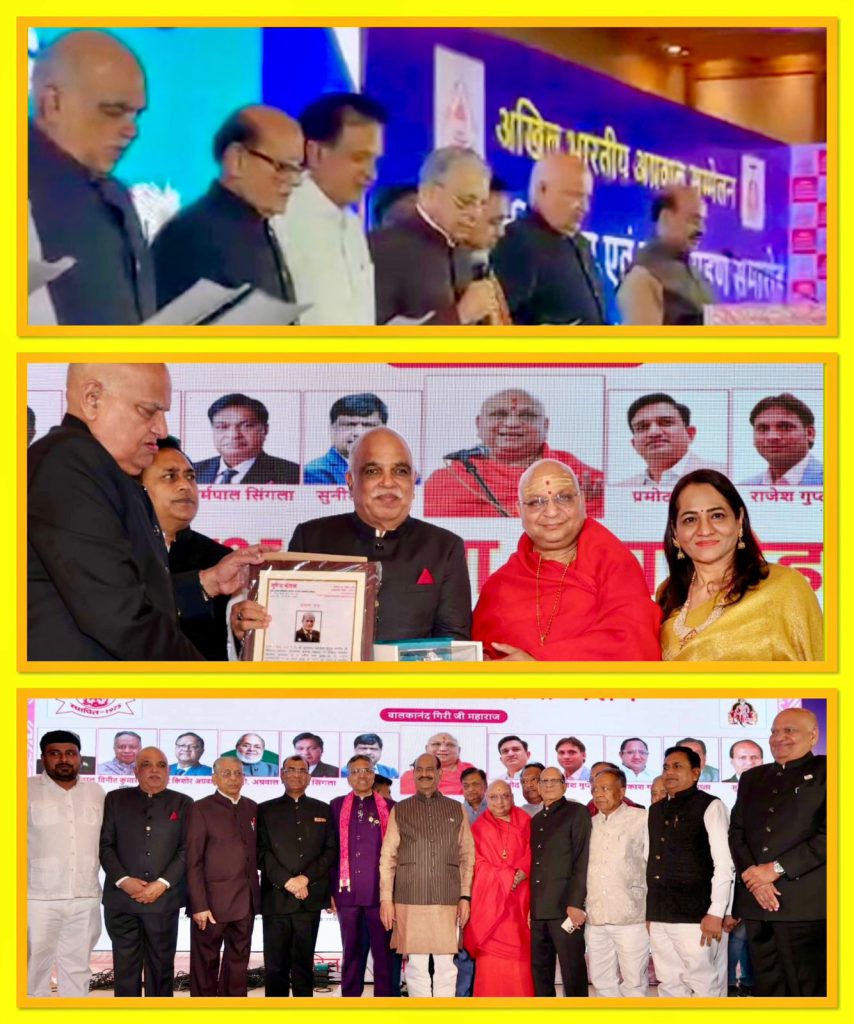
                                                    New Delhi, 18th May 2026 — Rotarian Lal Goel, Founder & Charter President of the Rotary Club of Organ Donation International and Chairman of the Organ Donation India Foundation & GYAN, warmly congratulated Rotarian PDG Dr Rajendra Agarwal on his election as Senior Vice-President of Akhil Bhartiya Agarwal Sammellan.

                                                    Rotarian PDG Dr Rajendra Agarwal was elected unopposed to this prestigious position, reflecting the immense respect and admiration he commands across the Agarwal community. The oath-taking ceremony for the newly elected office-bearers was held at Hotel Le Méridien, New Delhi, in a glittering event presided over by the Chief Guest, Shri Om Birla, Hon’ble Speaker of the Lok Sabha, who administered the oath of office.

                                                    His Holiness Acharya Mahamandaleshwar Anant Shri Vibhushit Shri Shri 1008 Swami Balkananand Giri Ji Maharaj gave his blessing to the newly elected officials.

                                                    Rotarian PDG Dr Rajendra Agarwal is also the Mentor and Honorary Member of the Rotary Club of Organ Donation International.

                                                    In his congratulatory message, Rotarian Lal Goel paid rich tribute to Rotarian Dr Agarwal’s distinguished and multifaceted service in the fields of organ donation advocacy, cancer care, cataract surgeries, and paediatric heart surgeries, describing him as a true Rotarian embodying the spirit of “Service Above Self.”

                                                    Expressing his hopes for the five-year tenure ahead, Rotarian Lal Goel urged Rotarian Dr Agarwal to place organ donation among the foremost priorities of his leadership so that the vast reach and influence of the Agarwal community may inspire more people, especially the affluent sections of society, to embrace this noble and life-saving cause.