സ്നേഹാലയ ചാരിറ്റബിൾ ട്രസ്റ്റ് സ്ഥാപകൻ ജോസഫ് ക്രാസ്റ്റയുടെ ആത്മകഥ പ്രകാശനം ചെയ്തു
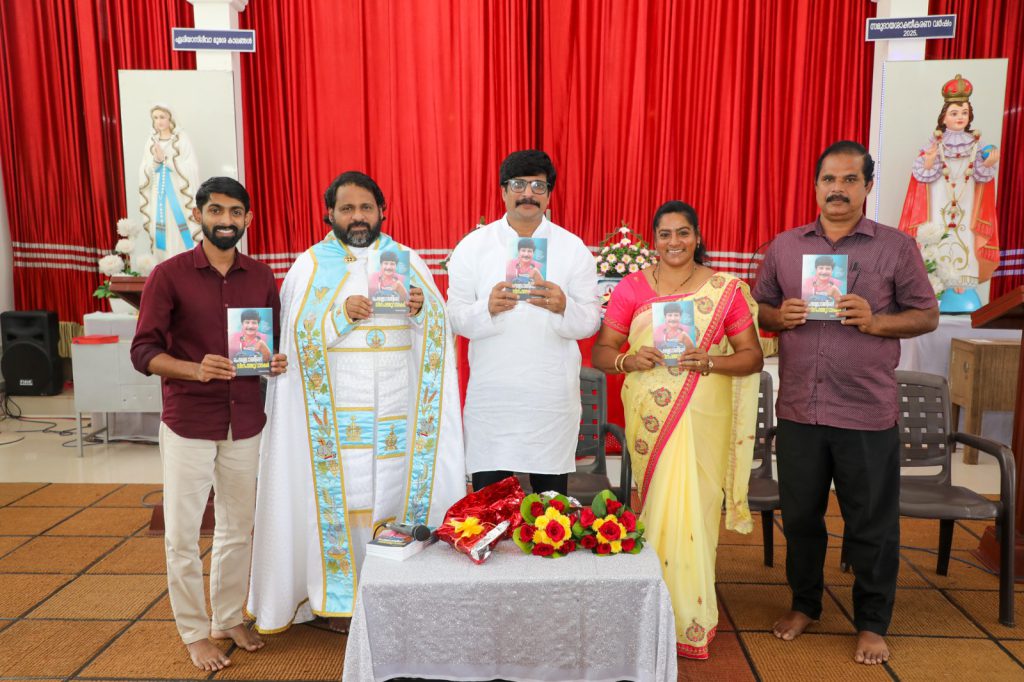
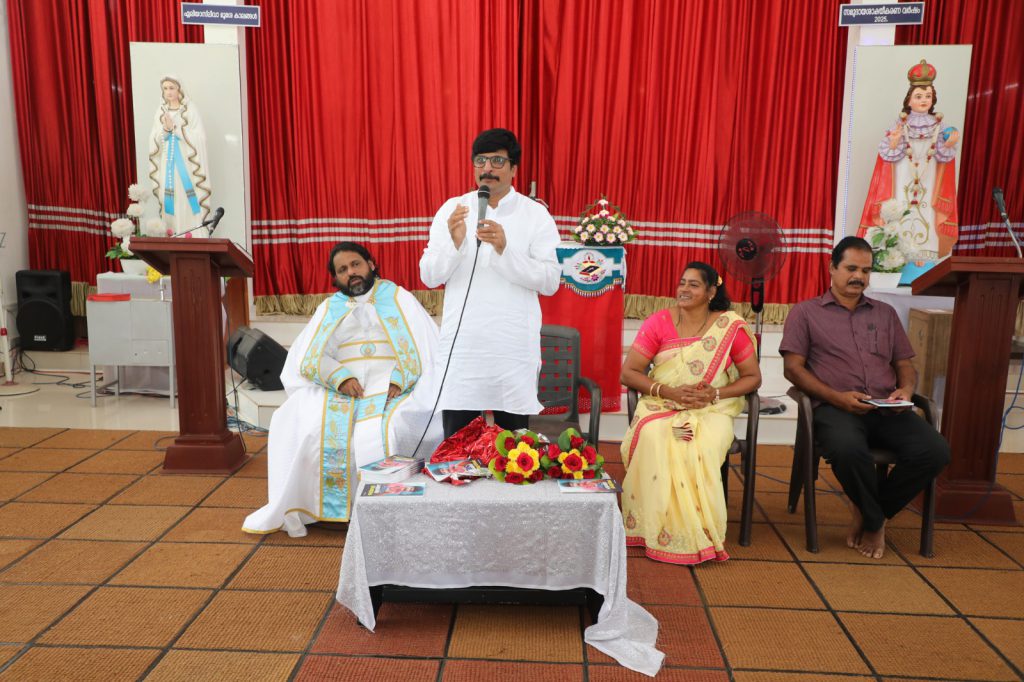
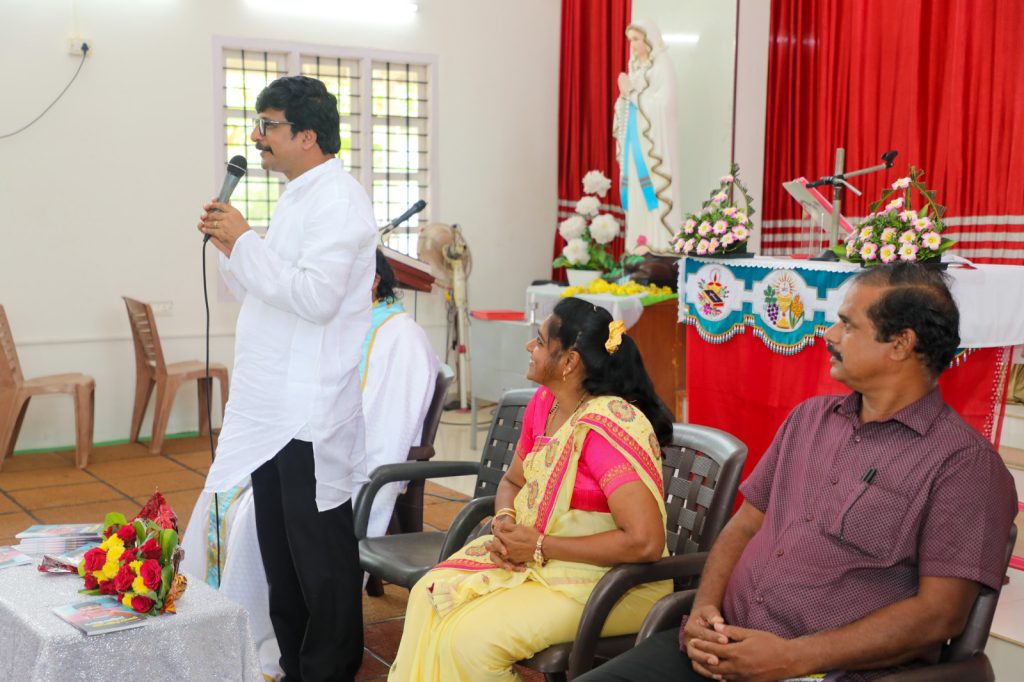
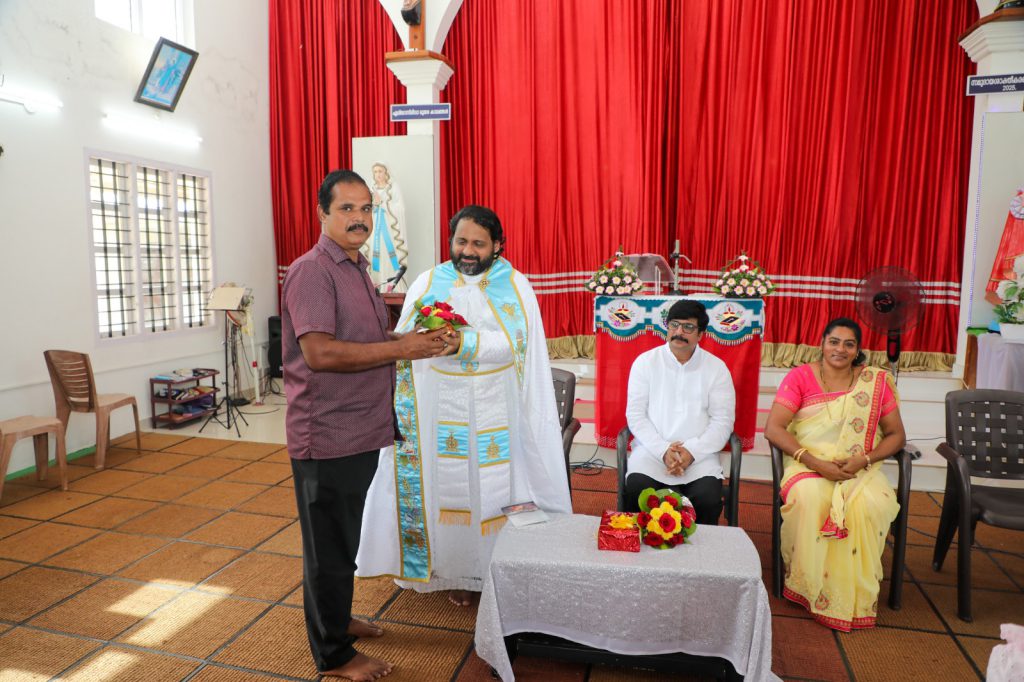
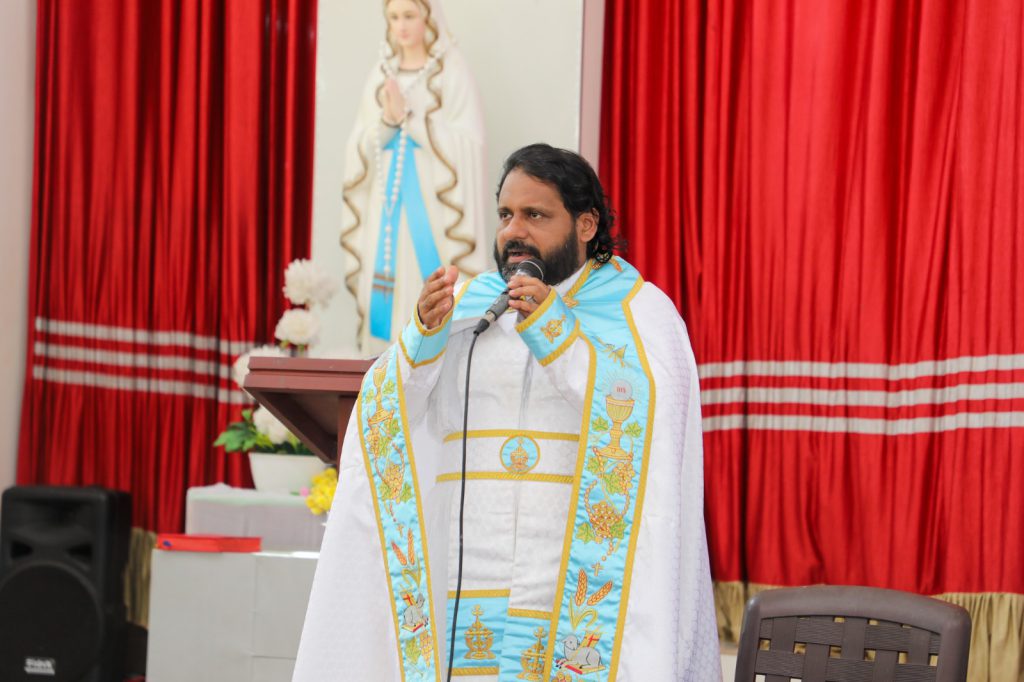
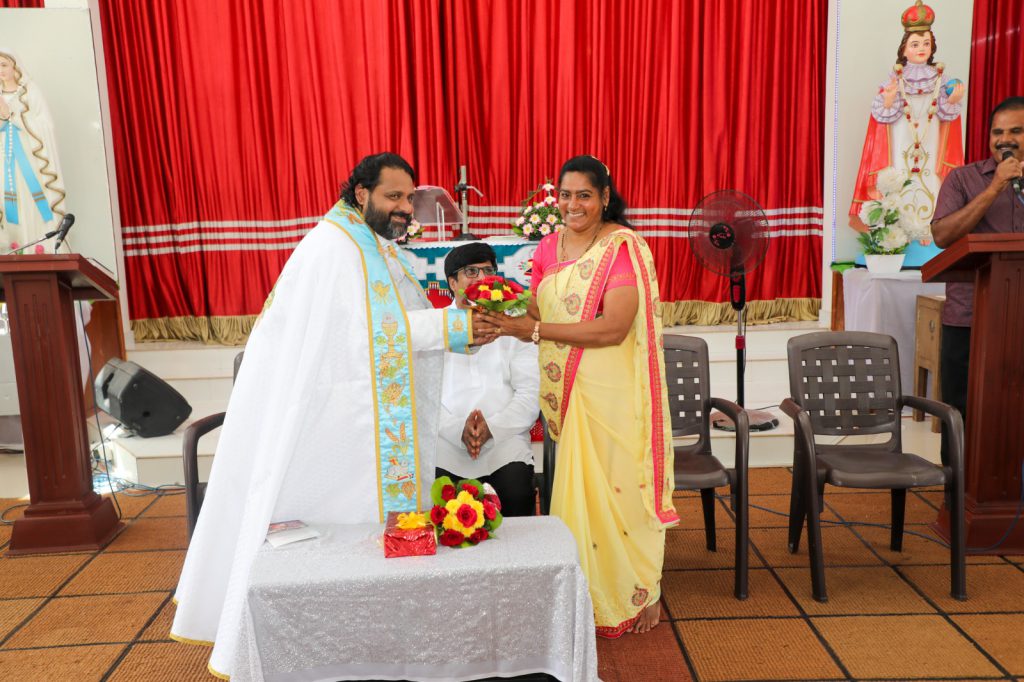
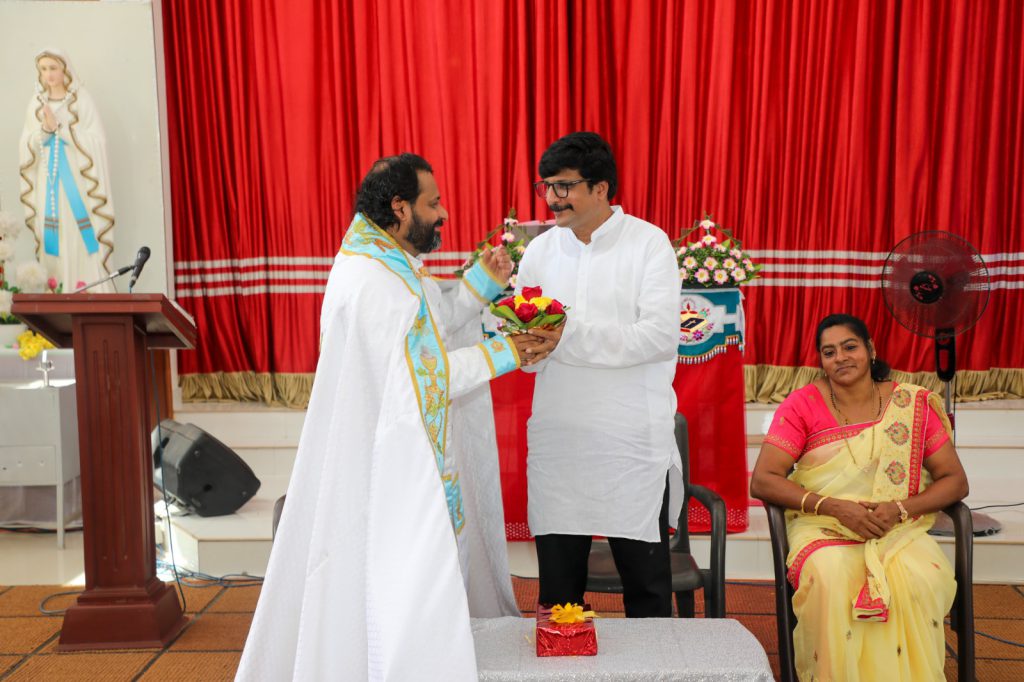
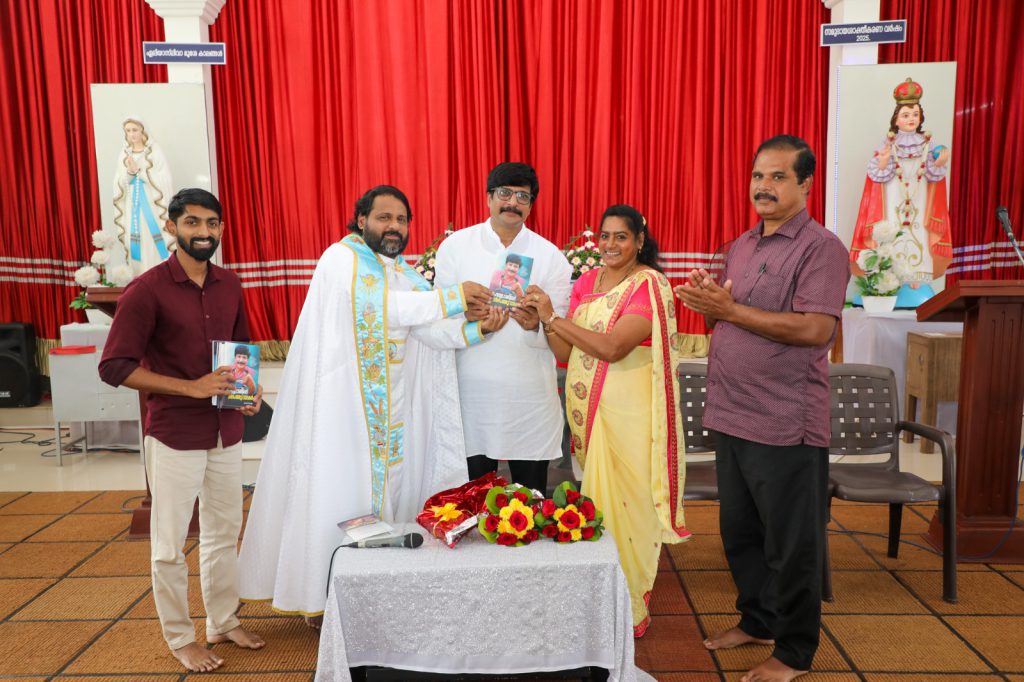
ഹൊസൻഗാഡി: സ്നേഹാലയ ചാരിറ്റബിൾ ട്രസ്റ്റ് സ്ഥാപകൻ ജോസഫ് ക്രാസ്റ്റയുടെ പുതിയ ആത്മകഥയായ “ഹെബ്രോണിലെ സ്നേഹത്തൂവാലകൾ” (Hebronile Snehathoovalakal) ഹൊസൻഗാഡി ഇൻഫന്റ് ജീസസ് പള്ളിയിൽ വെച്ച് 26/10/2025 ന് പ്രകാശനം ചെയ്തു.
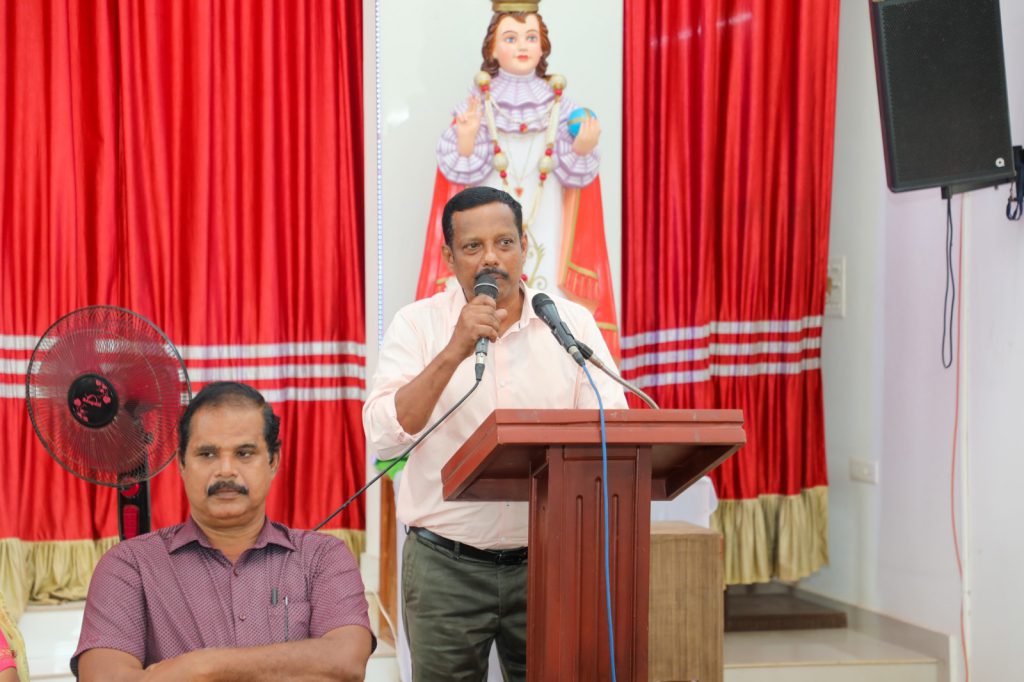
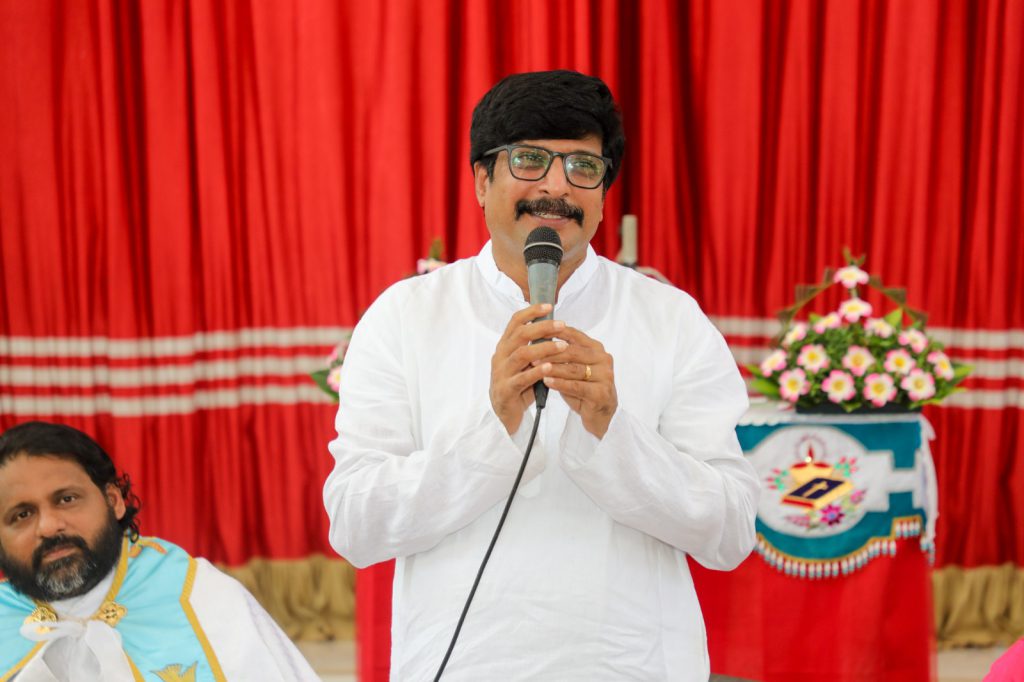
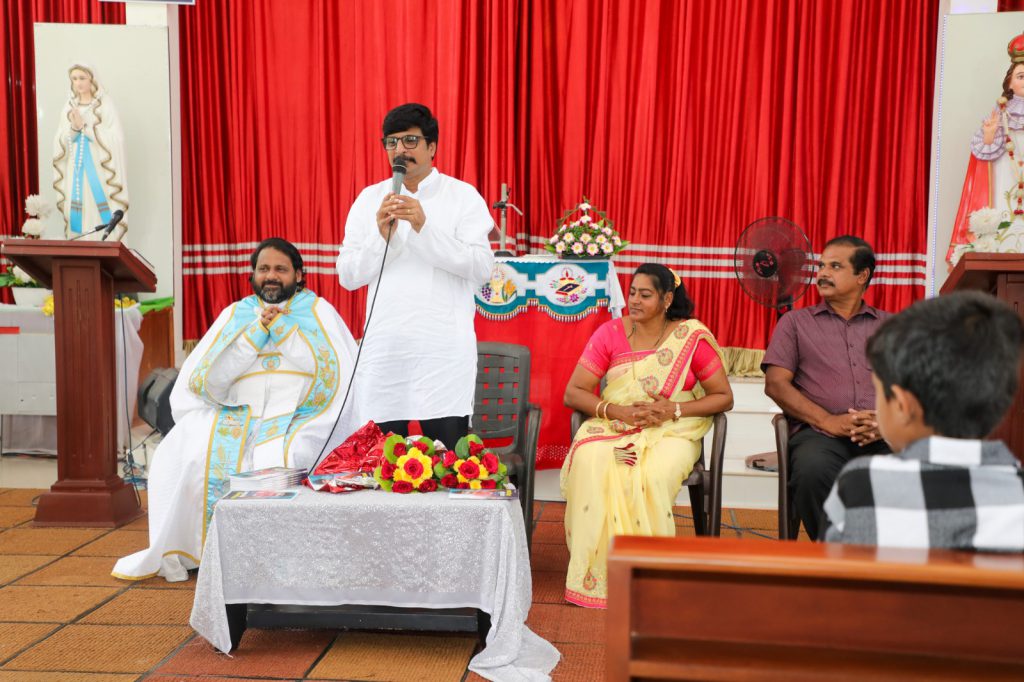
വികാരി റവ.ഫാ. ലൂയിമരിയദാസ് പുസ്തകം പ്രകാശനം ചെയ്തു. ഇടവക കോ-ഓർഡിനേറ്റർ തോമസ് പരിപാടിയിൽ പങ്കെടുത്തവരെ സ്വാഗതം ചെയ്തു. ജീവകാരുണ്യ പ്രവർത്തനങ്ങൾക്ക് ജീവിതം ഉഴിഞ്ഞുവെച്ച ജോസഫ് ക്രാസ്റ്റയുടെ ജീവിതാനുഭവങ്ങളാണ് ഈ ആത്മകഥയിലൂടെ വായനക്കാരിലേക്ക് എത്തുന്നത്.
Power of Collective Media Action | HE is not a problem. He is a possibility. What is HE? A combination of Hunger and Employment.
NV Paulose, Chairman, Global TV +91 98441 82044
Students are architects of the future. Practice makes them perfect. We should mentor them to practice on collective community development models. Community development is nothing but addressing the issues in the society. Two major issues are Hunger and Employment. The first is in plenty and the second is very scarce. Hence, let us add another phrase saying Practice with a Purpose Makes you Perfect.
HE is not a problem. He is a possibility. What is HE? A combination of Hunger and Employment. We are using the student power to address the major issues in the world. We are doing it district wise and also area wise. Let us do it in smaller teams. Then club the teams.
Give the Salt Magic a new meaning to fit to your local realities. Here, the primary idea is to give practical exposure for students in community development initiatives. Take them batchwise. Place them in teams of five. Let them practice art of appreciation at free times.
Art of appreciation transforms their approach towards life. The process includes self-appreciation and appreciation to others. The process starts with storytelling. Let people breath positive, think positive and speak positive. This is a basic principle in the Salt Magic. The first session for a batch of students will set the tone. Meanwhile, they are explained about the other four components in the process.
One side, there are Mentors to Guide them. On another side, there are women in team to support them. On another side, there are successful people to Connect with 4 Questions. On another side, there are people at the bottom-line, like the security guards and housekeeping staff at small building to benefit from the entire initiative cycles.
Come Back and Revisit the whole process in the practice perspective.
Collective practice makes us a force for the social good. This project is a live internship for students. It helps them learn important life skills while solving two big problems in the society: hidden hunger and the need for meaningful jobs. Let us see the process once again;
We collectively enter a cycle of learning and giving back. This journey is built on four steps called the Four Cs.
1. Concentration
The journey starts with concentration on positive memories. This is where we build our foundation for success. You will learn to focus your mind and to stay away from distractions. Concentration will train us to stay focused. Your mind will get into work while you experience calm within. It is the first and most important practice. It teaches you mental discipline, which is the key to mastery. (Practice Pole Exercise)
2. Communication
Once your mind is focused, you move to communication. This is where you learn to share your ideas clearly. Practice positive story telling and keen listening. This will connect you with others. Every conversation becomes a chance to grow. Interact with great people; direct, online or through four questions. Slowly, you move from being a learner to a leader who can inspire people through words.
Save time with digital repetitions | Professional Management for Purposeful Action | Do it to know it
Professional management means systems are results driven, digitally enabled, and evaluated transparently. It demands skill over favouritism, delivery over declarations, and measurable work over empty promises. It places quality and result at the centre of every decision. Professional management ensures that every effort made in service and innovation give measurable outcome guided by clarity, discipline, and concern.
3. Connection
Now you take your skills into the real-world practice. This is the heart of the Salt Magic Mission. You will connect with successful people and learn from their journeys. You will ask them four important questions:
What were your turning points?
What challenges did you overcome?
What success stories do you value the most?
What is your main learning from life?
At the same time, you will connect with your community. You will meet educated women who are looking for purpose and work. You will also meet people like security guards and housekeeping staff who often face hidden hunger. You will bring these two groups together. The women will prepare healthy snacks. The successful people whom you have featured in Global TV will support them in the process. Students will facilitate the process of connecting between the three components.
4. Celebration
This is the final step and the most joyful one. It is where your efforts turn into visible results. The women you helped are now working and earning with pride. The people you reached out are receiving nutritious food. Together, you have created a community that supports and uplifts each other. Successful people feel so joyful that their support reached real beneficiaries and helped someone in a meaningful engagement.
This is not charity. It is a celebration of shared humanity. It shows how right engagement can fight hunger and connection lead to happiness.
Compact Collective Models
The Salt Magic promotes a new culture that is compact, targeted, and purpose driven. All are encouraged to joint initiatives that are small in size but deep in value. This approach promotes local collaboration and collective action. Everyone in the process is in a giver and a beneficiary as well. This is the power of Collective Media Action (PCMA). Media can keep everyone connected with positive stories.
The Circle of Excellence | Let it Cycle around you
Let your journey comes to a full circle. Begin with Concentration and communication; These are the basic skills you need to practice.
Connection and Celebration are for practical exposure. This change that you bring to the society also transform your life entirely.
Let your internship becomes a real initiative. Your learning creates jobs and fights hunger. You do not just grow as a student or professional. You grow as a change maker. This is the new circle of excellence. Your practice finds its purpose. Your effort helps perfect the world around you. Step into the circle. Your practice awaits its purpose.
”സ്നേഹിക്കയില്ല ഞാൻ നോവുമാത്മാവിനെ സ്നേഹിച്ചിടാത്തൊരു തത്വ ശാസ്ത്രത്തെയും.” | മനസ്സിൽ നിറഞ്ഞുതുളുമ്പുന്ന വരികൾ | ചിന്തകളും
Dr. Joslet Mathew
ഇന്ന് ഒക്ടോബർ കേരളത്തിൻ്റെ പ്രിയ കവി വയലാർ രാമവർമ നമ്മെ വിട്ടുപിരിഞ്ഞിട്ട് ഇന്ന് അൻപത് വർഷങ്ങൾ പൂർത്തിയാകുന്നു. ഈ സ്മൃതി ദിനത്തിൽ അദ്ദേഹത്തിന് ശ്രദ്ധാഞ്ജലി അർപ്പിച്ചുകൊണ്ട് ഒരു കവിത ആലപിക്കുകയാണ്. ഒരുപക്ഷെ വയലാർ തൻ്റെ കവിതകളിലെ ഏറ്റവും അർത്ഥവത്തായ വരി കുറിച്ചിരിക്കുന്നത് ഈ കവിതയിലാണ്. ”സ്നേഹിക്കയില്ല ഞാൻ നോവുമാത്മാവിനെ സ്നേഹിച്ചിടാത്തൊരു തത്വ ശാസ്ത്രത്തെയും.” വയലാറിലുള്ള അദ്ധേഹത്തിൻ്റെ സ്മൃതി കുടീരത്തിലും രേഖപ്പെടുത്തിയിരിക്കുന്നത് ഈ വരികളാണ്. കവിത, മാ നിഷാദാ…
പ്രാണനില് ശരമേറ്റ് പൈങ്കിളിയുടെ മിഴി കോണിലെ ശോകത്തിന്റെ നീരുറവോപ്പും മുന്പേ അബെയ്ത നിഷാദനോടരുതെന്നാഞ്ഞാപിക്കാന് അങ്ങനെ ആദ്യത്തെ പ്രേമഗര്ജനം കേട്ടു ഈ വിശ്വപ്രക്രിതിയെ പൂക്കൂടയാക്കി പ്രേമഭാവനയുടെ കോണില് തിരുകി തമ്മില് തമ്മില് കരളും ചുണ്ടും ചേര്ത്ത് സ്വപ്നമണ്ഡലമൊന്നില് അരുളും കിളികളിലോന്ന് വേര്പിരിഞ്ഞപോള് വേദന വിങ്ങി കീറും ആത്മാവില് പ്രേമോഷ്മളാചേതനയമാര്തിയ കാവ്യശില്പതിന് നാദം .. പ്രേമത്നെതിരായ നിര്ദയ വികാരത്തിന് പ്രേരണകളെ തട്ടിമാറ്റുവാനല്ലേ പൊങ്ങി .. വേടന്റെ കൂരബുള്ള കയ്യിലും പിടയുന്ന പേട പൈങ്കിള്ളിയുടെ നെഞ്ചിലും തലോടുവാന് കഴിഞ്ഞില്ല അന്നാദ്യത്തെ പ്രേമഗായകനായ കവിക്കും ദ്രോഹിപ്പോനെ ചെറുത്തു പാട്ടും പാടി ദ്രോഹിപ്പോനെ ചെറുത്തു പാട്ടും പാടി
കേള്പ്പുനാം ചരിത്രത്തില് സംസ്കാര ചരിത്രത്തിലാ പെരുംപറയുടെ ഉഗ്രമാം ആനജ്ജാ ശബ്ദം പാവമാമൊരു ഗ്രാമ പെണ്കിടാവിനെ രാജ്യപാലകന് വഞ്ചിച്ചൊരു രാഷ്ട്രിയ ചരിത്രത്തെ കാലത്തിനു ഒരുനാളും മായ്കുവാന് കഴിയാത്തൊരു കാവ്യശില്പമായ് വാര്താ കാളിദാസനെ നോക്കു ആ നെടും നാരായത്താല് രാജനീതിയെ ചൂണ്ടി മാനിഷാദകളെത്ര പാടിയിട്ടുണ്ടാം അങ്ങോര് ആ നെടും നാരായത്താല് രാജനീതിയെ ചൂണ്ടി മാനിഷാദകളെത്ര പാടിയിട്ടുണ്ടാം അങ്ങോര് തങ്ങളാലാവും പോലെ സ്നേഹത്തിന് മാനവ സ്നേഹത്തിനായ് അങ്കമാടിയ നാളില് ചെറുത്തു ദ്രോഹിപോരേ മാനിഷാദകളെത്ര മാനിഷാദകൾ പൊങ്ങി മാനവസ്നേഹത്തിന്റെ മണിനാവുകൾ തോറും
കേരളത്തിലും ജനകോടിയെ സംസ്കാരത്തിന്റെ ധീരനൂപുര നാദം കേള്പിച്ച കാവ്യത്മാകള് മാനിഷാദകള് പാടി മാനിഷാദകള് പാടി മര്ദകവര്ഗ്ഗത്തിന്റെ മാരക ശ്രമങ്ങളെ എതിരിട്ടില്ലേ ദൈവവും ,വാളും ശ്രുതിസ്മൃതിയും വേദാന്തവും കൈവശം നേടിപോന്ന സംസ്കാര പെരുമാകള് മാനവ സ്നേഹത്തിന്റെ സിംഹഗര്ജ്ജനം കേട്ടു മാനിഷാദയിലൂടെ കാലഘട്ടങ്ങള് തോറും
ഞാനുമാ ശബ്ദമാണേറ്റു പാടുന്നത് ഗാനങ്ങളിലൂണ്ടതിൻ കാൽ ചിലമ്പൊലി പിന്നിട്ടു പോന്ന യുഗങ്ങളിൽ നിന്നതിൻ ധന്യ സന്ദേശം ശ്രവിപ്പൂ ഞാനന്ന്വഹം ചൂടുന്നു രോമാഞ്ചം ഈ വിശ്വമാകെ ചൂടുന്നു രോമാഞ്ചം ഈ വിശ്വമാകെ ഞാൻ പാടും മനുഷ്യാകഥാനുഗാനങ്ങളീൽ
നാടിന് അഭിനവ സംസ്കാര ശൈലികള് നേടി ചരിത്രം തിരുത്തി പിടിക്കുവാന് വേദനിക്കുന്ന ഹൃദയങ്ങളോന്നിച്ച് വീഥികള് തോറും വെളിച്ചം വിതയ്കവേ ആ വെളിച്ചത്തില് കിനാവുകള്കുളിലെ ജീവിത സ്പന്ദങ്ങള് ചുണ്ട് വിടര്തവേ കാണുന്നു ഞാനതിന് കുംബുകള്കുള്ളില് കാണുന്നു ഞാനതിന് കുംബുകള്കുള്ളില് ഒരോണം വിടര്ന്നു വിടര്ന്നു വരുവതായ് മണ്ണിനത്മാവ് കുളിര്ന്നു കുളിര്ന്നു അതില്നിന്ന് ഉയിര്കൊള്ുമീ പുത്തന് കുരുന്നുകള് മണ്ണിനത്മാവ് കുളിര്ന്നു കുളിര്ന്നു അതില്നിന്ന് ഉയിര്കൊള്ുമീ പുത്തന് കുരുന്നുകള് നുള്ളികളയാന് വരുന്നവരോടെനികുള്ള താക്കിതിലുണ്ട് ആ മാനിഷാദകള്
”സ്നേഹിക്കയില്ല ഞാൻ നോവുമാത്മാവിനെ സ്നേഹിച്ചിടാത്തൊരു തത്വ ശാസ്ത്രത്തെയും.”
The SALT Magic: Transform Your Life | Concentration | Communication | Connection | Celebration | Steps: Start Now | Appreciate Positives | Link People | Team Up
NV Paulose, Chairman, Global TV +91 98441 82044
Have you ever felt stuck in your life? Do you want to be more successful and happy? There is a simple way to change your life. It is called The SALT Magic.
Think about salt. Salt is a simple ingredient, but it brings out the best taste in any food. It also unites people, as every home shares salt and food. In the same way, The SALT Magic is a simple method to bring out the best in you with the art of teamwork. Start, Appreciate, Link and Team up are the components of the SALT Magic. It begins with S – Start with Concentration. Dedicate one hour a week for self-improvement. Learn to Appreciate yourself and others. Link people for a purpose. Team Up for greater purposes. Be part of the goal to Celebrate Hunger Free Day in our district.
The four steps are Concentration, Communication, Connection, and Celebration. You only need one hour each week to practice them. This is how it works.
Step 1: Concentration
Practice Concentration exercise in a team of 5. Pick a good memory and activate your 5 senses around that good memory. Close your eyes and See that Memory vivid and clear. Activate your senses (Seeing, hearing, Feeling, Tasting & Smelling) and check your concentration on a scale of 0 to 10.
Concentration practice makes your mind strong. A strong mind is the first ingredient for a better life, just like salt is the first ingredient in a tasty meal.
Step 2: Communication
Next, practice how you talk and listen. Good communication is not just about speaking. It is about listening to understand. This skill will help you at work and with your family. It helps people understand you better. It opens new doors for you. Practice Listening and Speaking on a regular basis.
Step 3: Connection
Then, focus on building real relationships. Connect people who can help you grow. Also connect people whom you can help. Talk to people with kindness. Understand their feelings. Help them when you can. Strong connections with others make you stronger. These people will support you. You will support them. We grow better when we grow together. This connection unites us, just like salt brings different flavors together in one dish.
Step 4: Celebration
Finally, take time to celebrate. Be happy about your progress, even the small wins.
True celebration is an opportunity to come together. Coming together for a purpose is a great success. This will make our celebration meaningful. What if our purpose was a Hunger Free Day for our entire district? We could use our collective power to ensure that for one day, no one in our district goes to sleep hungry. We could share food, resources, and kindness. This is the SALT magic. Uniting people to their native places to make life better for everyone.
A Promise to Help Others
The SALT Magic is about giving and taking. We give you this method to transform your life. In return, we ask you to help others. Please join us in supporting people who need it. Share the goodness you have. When you become successful, you can help others succeed too.
Your transformation starts with one hour a week. Practice the four steps of The SALT Magic. You will see your life change for the better. And you will help make the world a better place too.
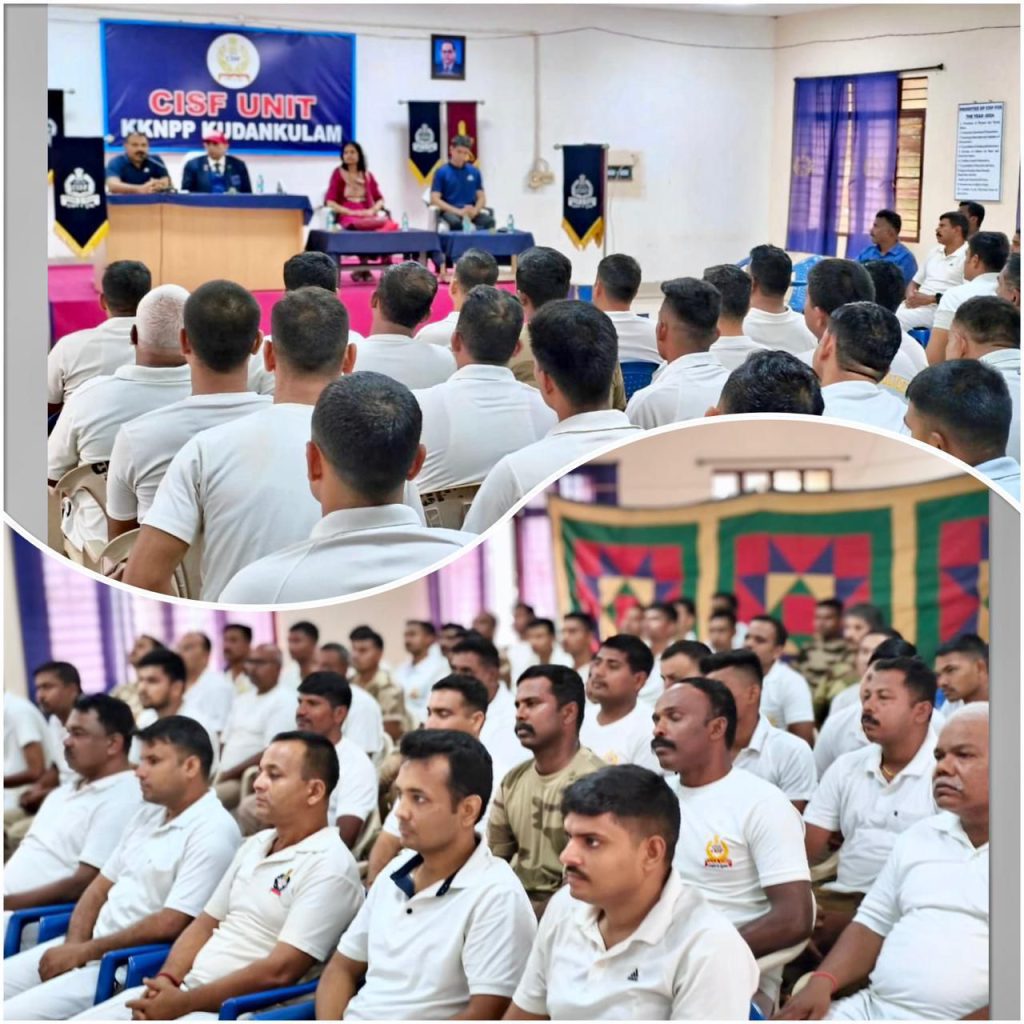
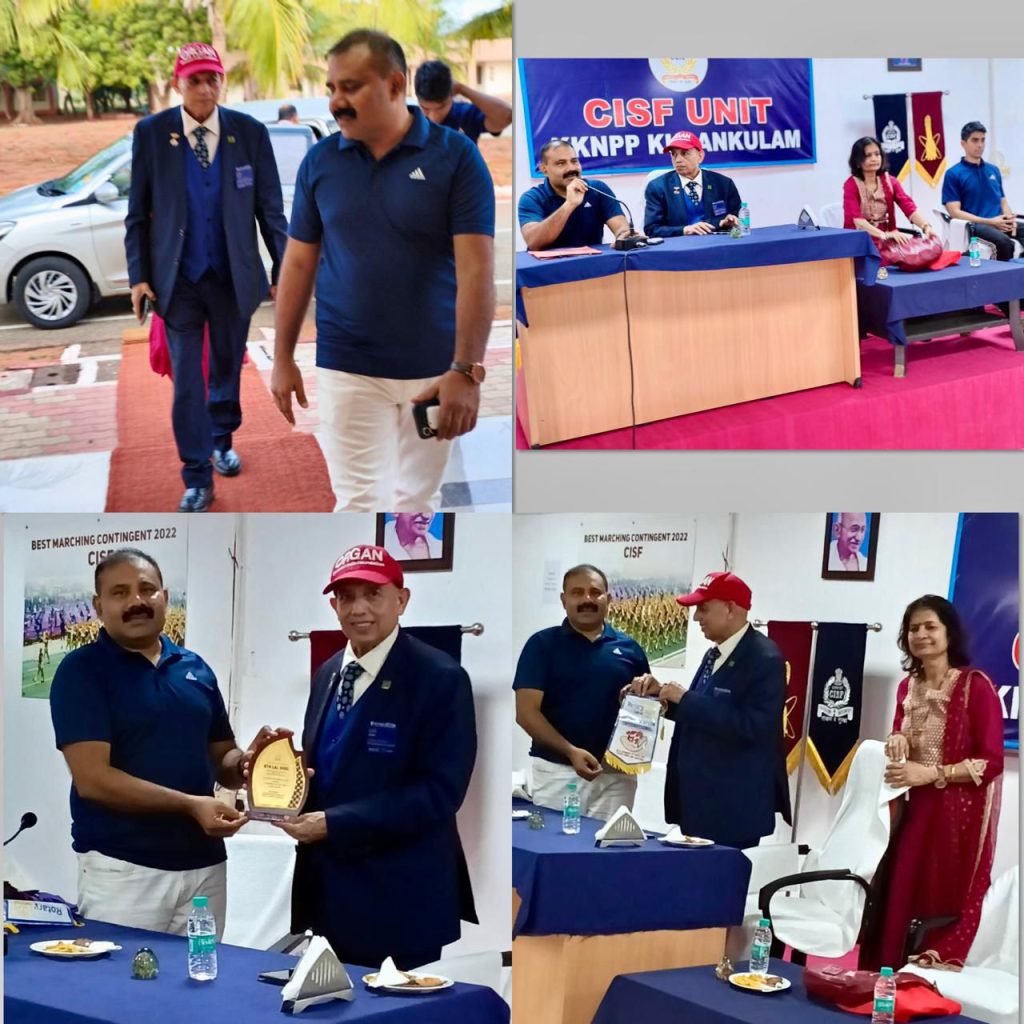
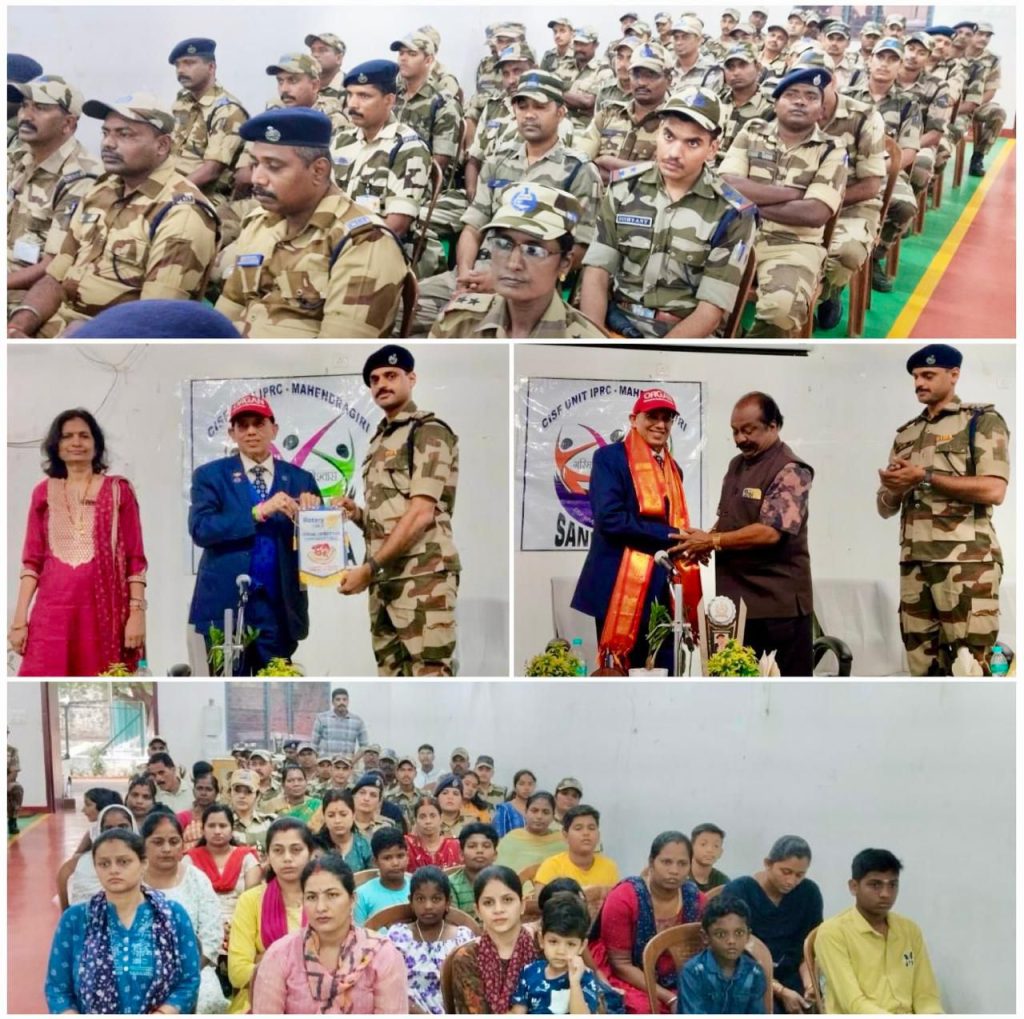
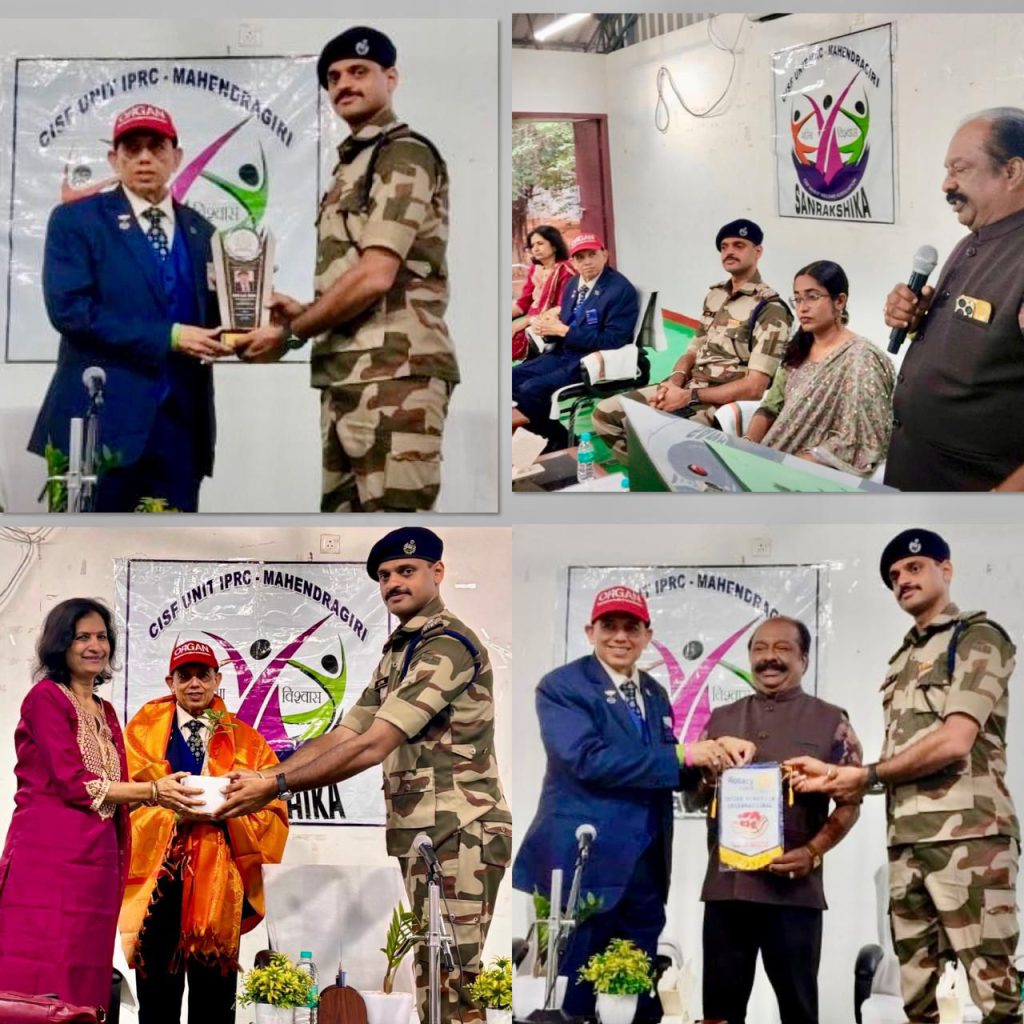
ROTARIAN LAL GOEL EMPHASISES CRITICAL NEED FOR ORGAN DONATION AT CISF, ISRO PROPULSION COMPLEX, MAHENDRAGIRI, TAMIL NADU
Mahendragiri, Tamil Nadu, October 12, 2025 -Rotarian Lal Goel, Founder and Charter President of the Rotary Club of Organ Donation International, Chairman of the Organ Donation India Foundation, and Chairman of GYAN, addressed personnel at the CISF, ISRO Propulsion Complex in Mahendragiri, Tamil Nadu, emphasising the critical importance of organ donation in India.
In his keynote address, Rotarian Lal Goel presented sobering statistics from the National Organ & Tissue Transplant Organisation (NOTTO), revealing that over 5 lakh people die annually in India due to the unavailability of organs. He explained that a single brain-dead donor can save up to nine lives and improve the quality of life for up to 75 individuals through organ and tissue donation.
“Last year alone, more than 5 lakh people in India lost their lives while waiting for organs,” Goel stated. “With a potential pool of 2-3 lakh brain-dead cases annually, if every brain-dead person donated their organs, no one in India would have to die waiting for a transplant.”
Deputy Commandant Deepak Jayakumar warmly welcomed Rotarian Lal Goel and Mrs Rajni Goel, acknowledging organ donation as a profoundly noble act. He encouraged all attendees to pledge their organs to help save countless lives.
Rotarian Major Donor B. Arumugapandian, Rotary Governor (2011-12) and Chicago Convention on Legislation (COL) Representative, commended Rotarian Lal Goel’s unwavering dedication to advancing organ donation awareness and advocacy.
The program was expertly conducted by Mrs Deepak Jayakumar, President of Sanrakshika, and drew significant participation from CISF officers, personnel, and their families and Rotarian S. Ramalingam, Public Image Chairman of the Rotary Club of Nagercoil.
Rotarian Lal Goel expressed his heartfelt gratitude to Mrs. and Deputy Commandant Deepak Jayakumar for their meticulous organisation of the program and their warm hospitality. He specially acknowledged Rotarian B. Arumugapandian for travelling a considerable distance to grace the occasion with his presence. Rotarian Goel also extended his appreciation to all CISF personnel and their families for their enthusiastic attendance and patient engagement throughout the session, recognising their openness to understanding this life-saving cause.
ഓസ്ട്രേലിയ സിറ്റി കൗണ്സില് തിരഞ്ഞെടുപ്പില് മിന്നുന്ന വിജയം നേടി ടോണി തോമസ്
By Denny Thomas
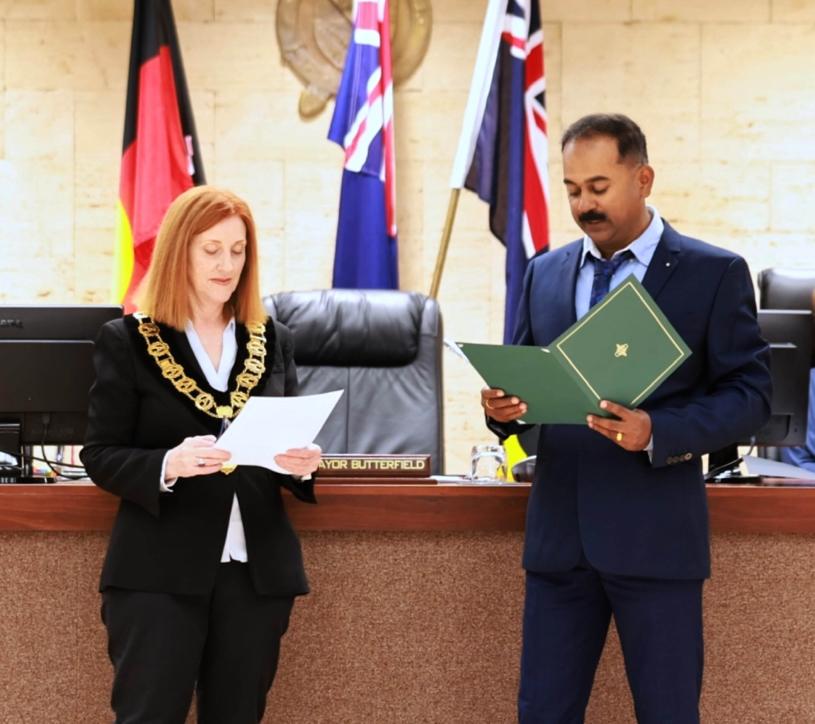
ഉളിക്കൽ (കണ്ണൂർ):വെസ്റ്റേൺ ഓസ്ട്രേലിയയിലെ പ്രമുഖവും വിസ്തൃതവുമായ കൗൺസിലായ അർമാഡെയിലിലെ കൗൺസിലറായി സത്യ പ്രതിജ്ഞ ചെയ്ത് ചുമതല ഏറ്റെടുത്ത് മലയാളി യുവാവ്. ഉളിക്കലിലെ (കണ്ണൂർ) റിട്ടയെർഡ് അധ്യാപകരായ പരേതനായ തോമുണ്ണി മാസ്റ്ററുടെയും ത്രേസ്യാമ്മ ടീച്ചറുടെയും(ഉളിക്കൽ പഞ്ചായത്ത് മുൻ വാർഡ് മെമ്പർ) മകനായ ടോണി തോമസ് അക്കരയാണ് കഴിഞ്ഞ ദിവസം നടന്ന വാശിയേറിയ തിരഞ്ഞെടുപ്പിൽ പതിനായിരത്തിൽ അധികം വോട്ടർമാരുള്ള റാൻഫോർഡ് വാർഡിൽ നിന്നും 52% വോട്ടുകൾ നേടി കൗൺസിലറായി സത്യ പ്രതിജ്ഞ ചെയ്ത് അധികാരം ഏറ്റെടുത്തത്.
വെസ്റ്റേണ് ഓസ്ട്രേലിയയിലെ സിറ്റി കൗണ്സില് തിരഞ്ഞെടുപ്പുകള് ഒക്ടോബര് 18 നാണ് പൂര്ത്തിയായത്. പോസ്റ്റല് വോട്ടിങ് സംവിധാനത്തിലാണ് വോട്ടെടുപ്പ് നടന്നത്. ഓസ്ട്രേലിയയിലെ സിറ്റി കൗണ്സില് തിരഞ്ഞെടുപ്പുകളില് രാഷ്ട്രീയ പാര്ട്ടികളുടെ അടിസ്ഥാനത്തിലല്ല മത്സരം നടക്കുന്നത്. സ്ഥാനാര്ത്ഥികളുടെ വ്യക്തിപരമായ സേവനവും സാമൂഹ്യ ഇടപെടലുകളുമാണ് മത്സരിക്കാനുള്ള പ്രധാന മാനദണ്ഡം.
560 ചതുരശ്ര കിലോമീറ്റർ വിസ്തൃതിയിൽ വ്യാപിച്ചു കിടക്കുന്ന അർമാഡെ കൗൺസിൽ,കെൽസ്കോർട്ട്, ഫോറസ്ററ് ഡെയിൽ തുടങ്ങി 19 ഉപ നഗരങ്ങൾ കൂടി ചേർന്നതാണ്.
യു കെ യിലെ മാഞ്ചസ്റ്ററിൽ നിന്നും ഒരു വ്യാഴവട്ടകാലം മുൻപ് പെർത്തിൽ കുടുംബ സമേതം താമസമാക്കിയ ടോണി മികച്ച ഒരു സംഘാടകനും സാമൂഹ്യ പ്രവർത്തകനും ആണ്. നഴ്സും കൊട്ടിയൂർ സ്വദേശിനീയുമായ മിനി ചെറിയാൻ നമ്പൂടാകം ആണ് ടോണിയുടെ ഭാര്യ.
വിദ്യാർഥികളായ അൽഫോൺസ്, ആന്റണി, അന്ന എന്നിവർ മക്കളാണ്. 2029 ഒക്ടോബർ 20 വരെയാണ് പുതിയ കൗൺസിലിന്റെ കാലാവധി.
Our Future Lies in Nurturing Bees, Not Guarding Honey | From Stolen Honey to a Nation of Builders
NV Paulose, Chairman, Global TV +91 98441 82044
We begin with a stark, unsettling fact. In Punjab, the CBI seized assets from a single police officer: ₹7.5 crore in cash, 2.5 kg of gold, 50 properties, and a trove of luxury watches. This is not an anomaly; it is a symptom. It is the harvested, bottled, and stolen honey.
For too long, we have defined our national wealth by this “honey” that is actually a static capital with an inherited cancer within it. The piles of cash and the glittering properties are temporary pleasures. We take such corruption as theft and make big fury about them. We miss a more fundamental truth, one that nature’s most diligent creator teaches us.
The True Wealth Isn’t the Honey, It’s the Bee.
A hive’s most vital asset is not the honey in its combs. That is merely the output, the residue of a process. The true, irreplaceable wealth is the hive’s capacity to make honey; the collective of bees, the pollination flights, the cooperation and collaboration within, and the life-giving buzz itself. This capacity cannot be seized in a raid. It cannot be locked in a vault. It is a living, breathing force. Ever growing.
The corrupt officials are like the bear raiding the hive. They only see the finished product. They steal the capital, but they cannot steal the capital-generating capacity of the people. They are predators of things. They are deaf, dumb and blind to the process that creates them.
The Great Paradox: Immaterial Capital
This is the core of the modern economic scenario. The so-called Capital has become immaterial today in the life of the people. It is no longer just land and gold; it is trust, ideas, networks, and human potential, that create lasting wealth in the world. When a corrupt official takes money, the real loss isn’t just the money itself. The real loss is everything that money would have become. Yet, the society goes ahead in a renewed path, some times to reach a greater destination as destined.
Corruption is a tragic failure of imagination. It is brutal, outdated and a dirty way for capital mobilization. It is looting the harvest instead of nurturing the field. It makes capital inert, trapping it in lockers and land deeds, removing it from the circulatory system of the economy.
The Path Forward: From Hives to Ecosystems
So, how do we surpass this? Not by building bigger locks for the honey, but by creating more bees and healthier fields.
Become Pollinators, Not Predators: The joy in preparing fresh honey is more than the joy in stealing them from another beehive. We should redesign a reward system; for inspiration. This means:
Transparent Systems as the New Hive: We should create platforms to ensure the nectar reaches its intended destination, bypassing the sticky fingers of intermediaries. We need more of this in addressing the fundamental issues in the world. Hunger, Education and Employment are the areas that we should focus our attention. Education and Creative Engagement of students, youth and women can do wonders in India.
Empowering the Worker Bees: The principal stealing from the mid-day meal scheme starves the future workforce. Investing in education, healthcare, and skills isn’t an expense; it is feeding the larvae that will become the next generation of productive bees.
Connect the Human Hive: Wealth should be created at every instance and it should be distributed equitably as well. The most powerful strategy to eradicate hunger is to transform the fight against it into an economic engine, where those facing food insecurity become active architects of the solution. By channelling seed money from diverse sources, including sponsors from promotional initiatives in media, art, tourism, healthcare and education; we can fund community kitchens that engage people to prepare snacks for themselves and others.
Those who can contribute; others distribute. This is self-reinforcing and replacing the static stockpiling of aid. This method will build a dynamic economy of dignity and integrity. Solving hunger generates income and empowers everyone involved as both a contributor and a beneficiary.
Celebrate the Process, Not Just the Product: A nation obsessed with its GDP (the honey) often neglects the dignity of its citizens and its environment (the hive). The real miracle in India is not progress despite corruption, ii is the people who continue to create and innovate in spite of all of it. Imagine the energy, unleashed. Aim; not a trillion-dollar economy, aim to build at least a social system free from corruption.
The real task before us is to redirect our national energy away from guarding the honey and towards nurturing the bees; the millions of Indians whose talent, integrity, and hard work are the true, undisputable wealth of this nation. The bees will then take care of themselves. The heartbeats of a billion productive people, connected and empowered, is a fortune that no one can ever seize. Let us bank on ourselves.
4 Master Skills and 2 Basic Skills | Leadership, Management, Organizing, Innovation | Concentration, and Communication |
The era is changing. Change is constant and drastic. Are you ready for a change? Prepare yourself for the future. It requires more than formal education. Practice 4 Master Skills and 2 Basic Skills to make your role effective and productive wherever you go; said NV Paulose, a seasoned media professional and the Chairman of Global TV. He shared this new perspective on a popular TV Show conducted by CA SS Nayak.
Business Tonic is a popular TV which has crossed 340 Episodes. Skill Development was the topic. The Show was hosted in Namakudla which is the leading channel in Coastal Karnataka. Beyond his leadership in media, NV Paulose is an author of over ten books, a therapist, and a career coach. Global TV is a media platform for social engagement.
During the show, NV Paulose addressed a critical question: Is formal education enough to prepare for the future? He believes it is not. According to him, formal education mainly develops only one skill; it is communication. While important, it is insufficient for mastering life or professional challenges. Real skill emerges only through practice and persistence. The first two letters (S&K) are very important.
S to Start and K to Keep doing. By starting and keep doing, we can master any skill. Every skill, whether driving, running, or walking, requires consistent practice. He illustrates it with a childhood example: the first skill a child learns is breathing. Breathing is foundational and often requires guidance, as in practices like yoga or Sudarshan Kriya.
Interestingly, while learning to breathe, a child also learns to cry; a skill in expression that often serves as a problem-solving tool. Similarly, humans acquire many learned behaviours as skills like anger, shouting, anxiety, and fear, all are unwanted skills shaped by practice. We should quit unwanted skills and master on important skills. This is the way for excellence in our lives and in the life of others.
Classroom learning alone cannot develop mastery in any skill. True skill training requires real-world application and repetition. From his experience, he identifies four master skills and two foundational skills essential for success in life and work:
Four Master Skills:
Leadership: Inspiring, guiding, and influencing others effectively.
Management: Planning, decision-making, and resource oversight.
Organizing: Structuring tasks, time, and people for efficiency.
Innovation: Doing things differently and improving processes to create better outcomes.
Two Basic Skills:
Concentration: Focusing attention and energy on what truly matters.
Communication: Conveying ideas clearly, persuasively, and empathetically.
NV Paulose stresses that mastering these skills requires deliberate effort and practice. While formal education lays the foundation, hands-on experience and continuous refinement transform knowledge into real competence. His insights offer a roadmap for thriving in a complex world. Skills are cultivated through consistent practice, self-awareness, and the courage to innovate. For students, educators, and professionals alike, the message is clear: start, keep going, and refine your skills. That is the path to meaningful success and lasting impact.
Learn, Earn & Return | Unlocking the Power of the Educated Woman | From Learning to Earning and Leading | Global TV
NV Paulose, Chairman, Global TV +91 98441 82044
Kerala is often described as the land of learning. Its people take pride in literacy, equality, and social awareness. In a thoughtful conversation between Prof. Dr. Jolly Jose and Prof. Dr. Sharon Wilson, two distinguished academicians explore what it means to be a woman in Kerala today. Their discussion celebrates the triumphs of education while reflecting on the challenges that remain in translating knowledge into action.
Education as the Foundation of Progress
For Prof. Dr. Jolly Jose, being a woman in Kerala is an experience filled with gratitude and pride. “The open-minded nature of our society and the importance given to education are wonderful,” she shares. “I was able to study because my parents, grandparents, and especially my mother and grandmothers were educated. They believed that everyone in the family must have access to learning.”
This strong family tradition has created generations of educated women in Kerala. Education here is not seen as a privilege. It is seen as a right and a duty.
A Contrast with Other Regions
Dr. Jose points out that the situation is not the same across India. “In many parts of the North and in some states of the Northeast, girl children are still kept away from school,” she observes. “During the period of Covid, when families had only one device, it was usually given to the boy for online study. I also conducted studies in Haryana and found that many boys continued their education while a good number of girls were left behind.”
Kerala, she says, stood out even during that crisis. “Girls here were encouraged to study and were given the same opportunities as boys. The commitment to education never disappeared.”
A Culture of Equal Learning
Kerala’s literacy rate, which is close to one hundred percent, stands as proof of this commitment. “Everyone can read and write,” Dr. Jose explains. “Even if higher education is not possible for all, basic learning reaches every home. There is no difference between boys and girls when it comes to higher studies. Most girls complete their degrees, and many move into professional courses in engineering, medicine, and the sciences.”
Ambition among young women in Kerala continues to grow. The walls that once separated gender roles in education are gradually being replaced by a spirit of equality and determination.
Women in Media: Courage and Competence
Dr. Jose speaks with admiration about women in the field of journalism. “Kerala has many outstanding women journalists who work with great skill and courage. They are well trained in modern tools such as fact checking, digital analysis, and artificial intelligence. They lead as news anchors, sports reporters, and field correspondents who take on challenging assignments.”
She adds that women journalists in Kerala are often at the forefront of discussions and investigations. “Compared with many other regions, our women in media are confident, technically knowledgeable, and fearless.”
The Question of Productivity | Get into Discussions and Actions
Even with all these achievements, Dr. Jose expresses a serious concern. “Many educated women remain nonproductive,” she says. “They have degrees but very few opportunities to use their knowledge. Most often, their education is used only to guide their children in studies. Beyond that, their talents are left unexplored.”
She acknowledges the value of homemakers but believes that the state and society must create more platforms for women to apply their learning. “Education finds its true meaning only when it is put to use. We must encourage women to contribute actively to social and economic progress.”
Beyond Literacy: Towards Leadership
Kerala has won global admiration for its success in educating women. Yet, as Dr. Sharon Wilson remarks, “The journey does not end with learning. The next stage is leadership. Women must be given the space to lead and to shape the future.”
The discussion between the two professors becomes a gentle yet firm reminder. Kerala has given its women the gift of knowledge. The time has come to open wider doors so that this knowledge can turn into creativity, enterprise, and service.
Kerala’s story is one of progress and promise. The women of Kerala stand ready; educated, aware, and capable, to lead their state and their nation toward a more equal and enlightened tomorrow.
You are an architect. Your life is your ultimate project. Build it with diligence and prudence | Global TV
NV Paulose, Chairman, Global TV +91 98441 82044
The resources you have are your time, your energy, and your choices. Every single day, you are building. The only question is: What are you building, and for whom? There are only two paths. The choice you make defines everything.
Path 1: The Smuggler (Corruption)
When you choose corruption, you become a smuggler of stolen value. You trade in money, power, or influence that was never rightfully yours. It may look like success with a portfolio of properties, a vault of gold, a fleeting sense of power. But you are building the palace with sand.
The wealth you hoard is just a memory of what you took, a story of “what you had,” not “who you were.” A stolen Rolex tells no time; it only tells a tale of theft. This path constructs a cold, silent tomb of possessions. When the tides of time wash over it, nothing remains but a hollow name, forgotten or spoken associated with shame.
Path 2: The Builder (Professionalism)
When you choose professionalism, you become a true builder. This isn’t just about doing a job. It’s about creating value and taking only your fair, honourable share from the harvest, never from the seeds.
You are the farmer who sows seeds for generations you will never meet, building your legacy not from a hoard of grain, but from the fertility of the field itself. You are the teacher who is a guide, not a gatekeeper. Your triumph is not in who you kept out, but in the worlds, you helped students discover within themselves. You are the leader who profits by solving real problems, not by exploiting weaknesses.
You build with stone and spirit. You lay a foundation of integrity and raise pillars of value. You create structures that provide shelter, opportunity, and dignity long after you are gone. This path does not just create memories. It builds a living memorial.
What is a Living Memorial? It’s Simple.
It is the well in a village, built by an honest engineer. Every sip of water is a tribute to his work. It is the small enterprise started by someone you mentored. Every job it creates is a stone in your legacy. It is the trust in a community that its systems are fair and its children well nourished.
Your living memorial is not a statue of cold, silent stone. It is the thriving garden of a community you helped nourish. It is the chorus of stories from lives you helped uplift, and the simple, enduring sound of your name spoken with respect long after you are gone.
Your Choice, Today
The monumental journey of your life will not be measured by the memories you leave in your wake, but by the memorial you become for the future. Will you be the Smuggler, whose legacy is a forgotten museum of things? Or will you be the Builder, whose legacy is living, breathing, and celebrated with respect in a progressive world?
The choice is simple. It is the choice between taking from others or building for others. And you make that choice today.