All posts by admin

About admin

Chairman of Global TV | Excellent Writer | Exceptional PR Skills | Author of Six books | MASTER HEALER | +91 98441 82044 |

ORGAN DONATION WARRIORS | Gift Life. Spread Hope | Rotarian Lal Goel | Chief Editor | Global TV

ORGAN DONATION WARRIORS | A National Volunteer Movement for Organ Donation Awareness & Advocacy | Initiated by Organ Donation India Foundation | In Association with Rotary Club of Organ Donation International | Global TV

ORGAN DONATION WARRIORS

A short video capturing the powerful and historic speech delivered by Rotarian Lal Goel at a recent meeting of the Rotary Club of Organ Donation International.

Rotarian Lal Goel is the Chairman of the Organ Donation India Foundation & GYAN, and the Founder & Charter President of the Rotary Club of Organ Donation International — globally recognised for his relentless commitment to promoting organ donation and saving lives.

INTRODUCTION

India continues to face one of the most severe organ donor shortages in the world. Despite rapid advances in transplant medicine, thousands of patients lose their lives every year — not because treatment is unavailable, but because a donor could not be found in time. The roots of this crisis run deep: entrenched myths, social hesitation, inadequate awareness, and the absence of structured community support systems have long stood in the way of a culture of voluntary organ donation.

It is against this backdrop that the Organ Donation India Foundation, in association with the Rotary Club of Organ Donation International and Global TV, is proud to launch Organ Donation Warriors. This nationwide volunteer movement seeks to transform ordinary citizens into ambassadors of life, hope, and humanitarian change.

This is not simply a programme. It is a call to action — an invitation to every compassionate Indian citizen to become a messenger of life, hope, and humanity in their own community.

VISION & MISSION

The vision of Organ Donation Warriors is to build a compassionate and informed India where every citizen understands the profound importance of organ donation and actively supports the mission of saving lives through organ and tissue donation.

To realise this vision, the mission of the movement is to develop a nationwide network of trained volunteers who will spread awareness, encourage donor pledges, support grieving families through the donation process, and champion a lasting culture of giving across every corner of the country.

OUR ASSOCIATIONS

The Organ Donation Warriors movement draws its strength from the collaboration of three committed organisations, each bringing unique reach, credibility, and purpose to the initiative.

Organ Donation India Foundation is the founding body behind this movement, with years of dedicated advocacy, outreach, and policy engagement in the field of organ donation across India. The Foundation brings together medical expertise, legal knowledge, and grassroots networks to drive systemic change.

Rotary Club of Organ Donation International (RID 3141) is a distinguished Rotary club whose sole mission is the promotion of organ donation awareness across India and internationally. Its members bring the ethos of “Service Above Self” to every interaction, giving the movement a trusted, values-driven foundation and access to Rotary’s vast volunteer network.

Global TV lends its media presence and broadcast capabilities to the movement, ensuring that the message of Organ Donation Warriors reaches millions of viewers across platforms. Through live sessions, awareness broadcasts, testimonials, and digital campaigns, Global TV amplifies the voice of every volunteer and donor family associated with the initiative.

Together, these three partners form a powerful alliance of civil society, community service, and media — united in their commitment to saving lives.

WHAT WE AIM TO ACHIEVE

The Organ Donation Warriors movement is guided by a set of clear, measurable objectives. At its core, the initiative seeks to dramatically increase public awareness about organ donation in both urban and rural India, while systematically dismantling the myths and misconceptions that continue to prevent families from consenting to donation.

Beyond awareness, the movement is committed to action. It will actively encourage citizens to pledge organ donation and will create a trained corps of community-level volunteers in every district of the country. By engaging youth, healthcare professionals, social workers, transplant recipients, and donor families alongside everyday citizens, the movement will build a broad and lasting coalition for change.

The movement also aims to help significantly improve India’s deceased organ donation rate through sustained community engagement and public awareness.

In the long term, Organ Donation Warriors aspires to become the largest citizen-led organ donation advocacy network in India — a movement that outlasts any single campaign and becomes a permanent force for compassion in Indian public life.

WHO CAN JOIN

One of the defining principles of Organ Donation Warriors is its openness. The movement welcomes anyone above the age of eighteen who carries a genuine desire to contribute to the cause — no prior experience in advocacy or healthcare is required.

Organ donors and recipients, donor families who wish to share their experience and inspire others, social workers, teachers, university and college students above 18 years of age, healthcare professionals, NGO members, and Rotary and Lions Club members are all especially welcome. So too are media professionals, influencers, and any citizen who believes that a single act of awareness can save a life.

Registration is free of cost. Interested individuals may write to odindia4@gmail.com with their full name, city and state, mobile number, occupation, and a brief introduction. A registration form and onboarding details will be shared promptly in response.

TRAINING & PREPARATION

Every registered volunteer will receive free, structured online training designed to equip them with the knowledge, skills, and confidence needed to advocate effectively in their communities. The training is organised across five carefully designed modules.

Module 1 — Understanding Organ Donation

This module introduces volunteers to the fundamentals of organ donation — the distinction between living and deceased donation, the organs and tissues that can be donated, and why India’s donor rate remains critically low.

Module 2 — Legal & Ethical Framework

This module covers the legal and ethical landscape, including an overview of the Transplantation of Human Organs Act (THOA), the meaning and significance of brain death, and the ethical principles that govern the donation process.

Module 3 — Communication & Awareness

This module focuses on communication — how to speak persuasively in public, how to run a social media awareness campaign, and how to address myths and misconceptions with sensitivity, evidence, and compassion.

Module 4 — Community Outreach

This module prepares volunteers for community outreach, covering the planning and execution of awareness drives, school and college engagement programmes, and the nuances of working with religious and community groups.

Module 5 — Volunteer Leadership

This module develops volunteer leadership skills, including event coordination, team building, mentorship, and the documentation and reporting practices that will allow the movement to monitor and demonstrate its impact.

ACTIVITIES & CAMPAIGNS

Organ Donation Warriors will be active across multiple fronts simultaneously. At the community level, volunteers will organise seminars, workshops, and public talks, complemented by street campaigns that take the message of donation directly to the people.

Schools and colleges will be priority targets, with dedicated ambassador programmes designed to make the next generation of Indians the most organ-donation-aware in history.

In the digital space, volunteers will drive coordinated social media campaigns, create and share video content, and record testimonials from donor families and transplant recipients whose stories have the power to change minds and move hearts.

Dedicated digital campaigns in multiple Indian languages will ensure outreach across diverse communities and regions.

The movement will also mark key occasions on the national and international calendar — National Organ Donation Day, World Organ Donation Day, Eye Donation Fortnight, and targeted campaigns around Mother’s Day and Youth Awareness events — with walkathons, candlelight tributes, and human chain campaigns that build visible, public momentum for the cause.

Through Global TV’s media platform, select sessions and awareness broadcasts will be streamed live, extending the reach of the movement far beyond what any single volunteer or local event could achieve.

ORGANISATIONAL STRUCTURE

Organ Donation Warriors operates through a four-tier structure designed to balance national vision with local action.

National Level

A National Advisory Board and a panel of Medical and Legal Experts, provide strategic direction and ensure the movement’s integrity and coherence across the country.

State Level

State Coordinators oversee regional implementation, coordinate with district leaders, and represent the movement in state-level advocacy forums.

District Level

District Leaders manage local volunteer networks, plan district-level campaigns, and maintain activity records for their areas.

Community Level

At the foundation of the entire structure are the Community Volunteers — the Organ Donation Warriors themselves — who engage directly with citizens, conduct awareness sessions, and drive donor pledges at the grassroots level. They are the heartbeat of the movement.

RECOGNITION & CERTIFICATION

Every volunteer who completes the training programme and actively contributes to the movement will receive a Digital Certificate of Recognition and an official Identity Card.

Outstanding contributors may also receive Appreciation Letters, special Awards, and the opportunity to be elevated to District or State Coordinator roles.

The movement will honour exceptional volunteers annually — recognising those whose dedication, creativity, and impact have gone above and beyond in service of the cause of organ donation in India.

PARTNERSHIPS & COLLABORATION

Organ Donation Warriors actively invites collaboration from hospitals and transplant centres, NGOs, educational institutions, corporate CSR programmes, Rotary and Lions Clubs, media organisations, and government health departments.

Each partnership strengthens the movement’s reach and reinforces the message that saving lives through organ donation is a cause that transcends institutional boundaries.

Together, civil society, healthcare, education, media, and government can create an environment in which organ donation is not merely permitted, but embraced — as an act of love, service, and profound human solidarity.

CONCLUSION

India stands at a historic crossroads in the journey toward a stronger culture of organ donation. The gap between the number of patients awaiting organ transplants and the number of donors willing to give is vast — but it is not unbridgeable.

What is needed is not new technology or new policy alone, but a shift in the consciousness of a nation.

Organ Donation Warriors exists to bring about that shift, one community, one conversation, and one pledge at a time. With the expertise of the Organ Donation India Foundation, the network of the Rotary Club of Organ Donation International, and the reach of Global TV, the movement has the foundation it needs to grow into something truly transformative.

Every Warrior who joins this movement becomes more than a volunteer. They become a messenger of hope, a guardian of life, and a living testament to the belief that ordinary people, acting together with extraordinary purpose, can change the world.

“One Organ Donor Can Save Multiple Lives. One Warrior Can Inspire Thousands.”

Conceptualised & Led By

Rotarian Lal Goel
Chairman — Organ Donation India Foundation
Founder & Charter President
Rotary Club of Organ Donation International

Registration

WhatsApp 9892724908
Email: odindia4@gmail.com

Website: rcorgandonationinternational.rotaryindia.org

After Your Duty Hours Matters | Have clarity about what YOU want to become | Global TV

ADHD Matters: How What You Do After Your Duty Hours Quietly Shapes Your Character, Defines Your Discipline, and Ultimately Builds the Future You Aspire to Achieve

NV Paulose, Chairman, Global TV +91 98441 82044

What you do after your duty hours matters far more than most people are willing to admit. During the structured part of the day, responsibilities guide our actions. There are expectations to meet, tasks to complete, and roles to fulfill. But when the formal day ends, something far more powerful begins. Choice.

It is in these unstructured hours that the true direction of a person’s life is determined. No one is watching. No one is demanding output. There is no immediate reward or recognition. Yet, these are the hours where growth either quietly takes root or slowly fades away.

The idea of After Duty Hour Dedication is not about working endlessly. It is about understanding that personal growth does not happen by accident. It is built through small, intentional actions repeated consistently over time.

The people we admire and look up to understand this deeply. They are not always in a rush. They do not live in constant pressure. They know how to enjoy life, how to rest, how to connect with others, and how to work with purpose. But what sets them apart is what they choose to do beyond what is required of them.

They invest in themselves.

Clarity of Purpose

Great individuals do not drift through their free time without direction. They have clarity about what they want to become, even if the path is not fully defined. This clarity allows them to use their time with intention.

After duty hours are not treated as empty space to be filled randomly. Instead, they are seen as an opportunity. Whether it is learning a new skill, improving knowledge, or refining a craft, their actions are aligned with a larger vision.

Clarity does not mean perfection. It simply means having a sense of direction. Without it, time slips away unnoticed. With it, even one hour a day becomes meaningful.

When a person knows why they are putting in the effort, discipline becomes easier. Distractions lose their power. Time gains value.

Respect for Time

One of the most defining attributes of successful individuals is their respect for time. They understand that time is not something to be spent casually. It is something to be invested wisely.

After duty hours are often the most easily wasted part of the day. It is easy to fall into passive routines that offer comfort but little growth. While relaxation is important, unconscious consumption can slowly take control of valuable hours.

People who grow consistently are aware of this. They do not eliminate rest, but they balance it with purpose. They set aside time to unwind, but they also protect time for progress.

Even a focused sixty to ninety minutes each day can create a powerful impact over months and years. What matters is not the length of time, but the intention behind it.

Consistency in Action

Progress is not built through occasional bursts of effort. It is built through consistency.

Anyone can feel motivated for a short period. Anyone can start something new with enthusiasm. But very few continue when the excitement fades. This is where true growth begins.

Consistency creates rhythm. It transforms effort into habit. Over time, it removes the need for constant motivation. Actions become part of daily life rather than something that requires force.

After duty hour dedication is powerful because it operates in this quiet, consistent space. There are no dramatic changes overnight. Instead, there is steady improvement that compounds over time.

The difference between where a person is today and where they will be in the future is often found in these repeated, consistent efforts.

Emotional Balance and Self Control

There is a common misunderstanding that success comes from constant pressure and endless work. In reality, great individuals maintain balance.

They understand their limits. They know when to push forward and when to step back. They do not allow stress, fatigue, or distractions to completely control their decisions.

After duty hours can easily be influenced by mood. A tiring day can lead to avoidance. A stressful situation can lead to distraction. But those who grow learn to manage these emotions.

They do not depend entirely on how they feel. They act based on what matters.

At the same time, they do not ignore rest. They recharge, reflect, and return stronger. This balance allows them to sustain their efforts over long periods without burnout.

Commitment to Continuous Growth

Perhaps the most important attribute of great individuals is their commitment to becoming better every day.

They do not see learning as something limited to formal education or structured environments. They carry it into their daily lives. They remain curious. They remain open. They continue to improve, even when no one is asking them to.

After duty hours become a personal space for growth. It is where ideas are explored, skills are developed, and potential is expanded.

This commitment is not driven by pressure from others. It comes from within. It is a quiet decision to not remain the same.

Over time, this mindset creates a significant difference. Opportunities begin to align with preparation. Confidence grows. Capabilities expand.

The power of After Duty Hour Dedication lies in its simplicity. It does not require extraordinary talent or resources. It requires awareness, intention, and discipline.

Consider two individuals with similar responsibilities and abilities. One completes the day and allows the remaining hours to pass without direction. The other chooses to invest even a small portion of that time in growth. At first, the difference is invisible. But over time, it becomes impossible to ignore.

Skills improve. Thinking evolves. Opportunities increase.

This is not because one person had more time. It is because one person used time differently.

It is important to remember that this approach is not about doing more for the sake of doing more. It is about doing what matters. It is about aligning actions with goals. It is about making small, meaningful choices consistently.

There will always be challenges. Fatigue, distractions, and lack of motivation are part of the journey. But these challenges are not obstacles to growth. They are the conditions in which discipline is built.

After duty hours represent freedom. And how that freedom is used defines the direction of life.

No one may notice the effort immediately. There may be no recognition in the beginning. But growth does not depend on visibility. It depends on consistency.

Over time, results speak clearly.

Success is rarely sudden. It is the outcome of daily decisions made when there is no pressure to act. It is built quietly, step by step, through effort that often goes unseen.

Your responsibilities may shape your present. But what you choose to do beyond them shapes your future.

That is why After Duty Hour Dedication truly matters.

Bengaluru University | Dr Jayakar Shetty | Global TV

Where Silence Breathes Discovering the Hidden Wilderness Inside Bengaluru University

NV Paulose, Chairman, Global TV +91 98441 82044

Most of us imagine a university by lecture halls libraries and constant move of academic life. But step into Bengaluru University and that assumption quietly dissolves. Beneath its academic surface lies a landscape that feels almost untouched a space where nature exists not as decoration but as a living breathing presence.

This is not something you notice at first glance. Like many meaningful things it reveals itself slowly. Walk a little further than usual take a turn away from the crowded paths and suddenly the environment changes. The noise fades the air cools and you begin to sense something deeper than just a campus it feels like an escape.

The Quiet Spread of Green

The vastness of the university plays a crucial role in this transformation. Spread across hundreds of acres the campus allows nature the room it needs to thrive. Unlike manicured parks this is not controlled greenery. It is layered uneven and alive in ways that feel authentic.

Tall trees form natural canopies their shadows stretching across pathways that seem to lead nowhere in particular. Shrubs and grasses grow freely filling in the spaces between structures. There are patches where sunlight barely touches the ground creating a soft filtered glow that makes everything feel still and suspended in time.

A Living Ecosystem in the City

What makes this space truly remarkable is not just its beauty but its ecological richness. In the middle of a rapidly expanding city the campus has become a refuge for countless species. Birds call from hidden branches insects hum softly in the background and occasionally more elusive creatures move unseen through the undergrowth.

This is urban biodiversity at its most subtle. It does not announce itself loudly. Instead it exists quietly rewarding those who pay attention. Early mornings especially reveal a different world one where the campus feels less like an institution and more like a forest waking up.

The Illusion of Secrecy

There is a reason people describe this side of the university as hidden. It is not because it is locked away or restricted. In truth it is open to anyone willing to explore. The sense of secrecy comes from how easily it is overlooked. Most visitors remain within familiar zones classrooms administrative buildings and main roads. The deeper greener parts require intention. They ask you to slow down to wander without a fixed destination. In a culture that often prioritizes efficiency that kind of exploration has become rare.

Spaces That Invite Stillness

In these quieter corners something shifts internally. The constant pressure to move to achieve to stay connected begins to loosen. You find yourself pausing more often listening observing simply being present. There are moments when the silence feels almost tangible. Not empty but full filled with subtle sounds distant bird calls the rustle of leaves. It is a kind of stillness that does not demand attention yet leaves a lasting impression. For many this becomes the most valuable part of the experience.

Nature as a Silent Teacher

Without saying a word these spaces offer lessons that classrooms often cannot. They remind you of balance of patience of coexistence. Watching how life unfolds here without urgency without force can quietly reshape how you think about your own pace.

There is a humility in recognizing that such richness exists without human intervention. It challenges the idea that everything meaningful must be built structured or controlled. Sometimes the most powerful environments are the ones that are allowed to remain as they are.

People Behind the Preservation

Places like this do not sustain themselves by accident. Leadership within Bengaluru University has played a role in protecting and maintaining its green character. The Vice Chancellor Dr Jayakar Shetty has been associated with administrative efforts that support campus development while retaining its natural spaces. Environmental awareness within the campus is also shaped by educators and researchers such as Dr H S Sathyanarayana who have contributed to ecological studies and sustainability initiatives. Beyond official roles independent naturalists and wildlife enthusiasts including Gurunandan Rao help document and protect biodiversity especially reptiles and amphibians that often go unnoticed.

The Role of Awareness

Despite its presence this natural side of the campus remains underappreciated. Awareness is growing but slowly. A few enthusiasts researchers and nature lovers have begun to highlight its importance not just as a scenic feature but as a vital ecological space.

Their efforts matter. In a city where green areas are constantly under pressure places like this serve as reminders of what can still be preserved. They show that development and nature do not always have to exist in conflict if given the chance they can coexist.

A Personal Escape Within Reach

What makes this environment so special is its accessibility. You do not need to travel far plan extensively or spend money to experience it. It is right there waiting quietly behind the familiar.

For students and visitors alike it offers something rare a chance to disconnect without leaving the city. Whether it is a short walk between classes or a deliberate visit early in the morning even a brief encounter with this space can shift your perspective. Once you start noticing it you cannot unsee it. The same campus begins to feel different richer deeper more alive. What once seemed ordinary reveals layers you had not considered before. And that shift in perception often extends beyond the campus itself.

The hidden wilderness within Bengaluru University is more than just a physical space. It is a reminder a quiet nudge to look beyond the obvious to explore what lies beneath the surface of everyday life.

In a world that constantly pulls attention outward places like this draw it inward. They remind you that peace does not always require distance and beauty does not always demand visibility. Sometimes it exists quietly waiting for you to notice.

And once you do it changes the way you see not just a campus but the world around you.

GIVE BACK TO MOTHER | By Rotarian Lal Goel | Chief Editor | Global TV

GIVE BACK TO MOTHER | Honouring Mothers by Saving Mothers — A Call to Pledge Organ Donation

Mother’s Day Special | May 2026

By Rotarian Lal Goel | Founder & Charter President | Rotary Club of Organ Donation International | Chairman: Organ Donation India Foundation & GYAN

“A mother gives us life and nurtures it with her very being. The greatest tribute we can offer is to pass that gift forward by pledging to donate our organs and saving mothers who are waiting for a second chance at life.”

She Who Gave Life

A mother is the first giver of life, of strength, of unconditional love.
Before we could breathe, she sustained us. Before we could stand, she carried us.

This Mother’s Day, let us not only celebrate her — let us honour her in the most meaningful way possible:
by giving life to someone else.

Because today, across India, thousands of mothers are waiting.
Waiting for a kidney. Waiting for a liver. Waiting… for hope.

Many will not get that chance.

A Tribute Through Action

Flowers fade. Cards are forgotten.
But a life saved becomes a legacy.

This year, let your tribute go beyond words.
Pledge to donate your organs.

Every donor card signed is not just a form —
It is a promise to a mother you may never meet.

A Truth We Must Confront

In many families, when a mother needs an organ, she is placed last.
Others are considered first. She is told to wait.

This must change.

A mother who gave everything should not be the last to receive care.
If you are medically eligible as a child, sibling, or loved one, step forward.

Living donation is not just a medical act.
It is gratitude in its purest form.

The Mothers Waiting in Silence

They do not protest.
They do not demand.

They wait just as they once waited through sleepless nights for us.

But waiting is costing them their lives.

India’s organ donation rate remains critically low.
And behind every statistic is a mother, a family, a story that could have continued.

What You Can Do Today

  • Pledge your organs after life
    Register at the National Organ and Tissue Transplant Organisation (www.notto.mohfw.gov.in) after talking with your family.
  • Consider living donation
    If your mother or a mother in your family needs a transplant, explore your eligibility.
  • Change the mindset
    Do not let the mother be the last option. Let her be the priority.
  • Start the conversation
    Speak about organ donation at home. Make it a tradition, not a taboo.
  • Spread awareness
    One conversation can save multiple lives.

A Tribute Beyond a Day

Mother’s Day is not just a celebration — it is a reflection.

When we choose organ donation, we carry forward her greatest lesson:
that life is meant to be given, not held back.

Come forward.
Pledge. Donate. Save a Mother.

Because she saved you first.

Vinchnar Motiyam | The survival of any language’s literature depends on its readers,” remarked Dr. Fr. Praveen Martis, Vice-Chancellor of St Aloysius University | Global TV

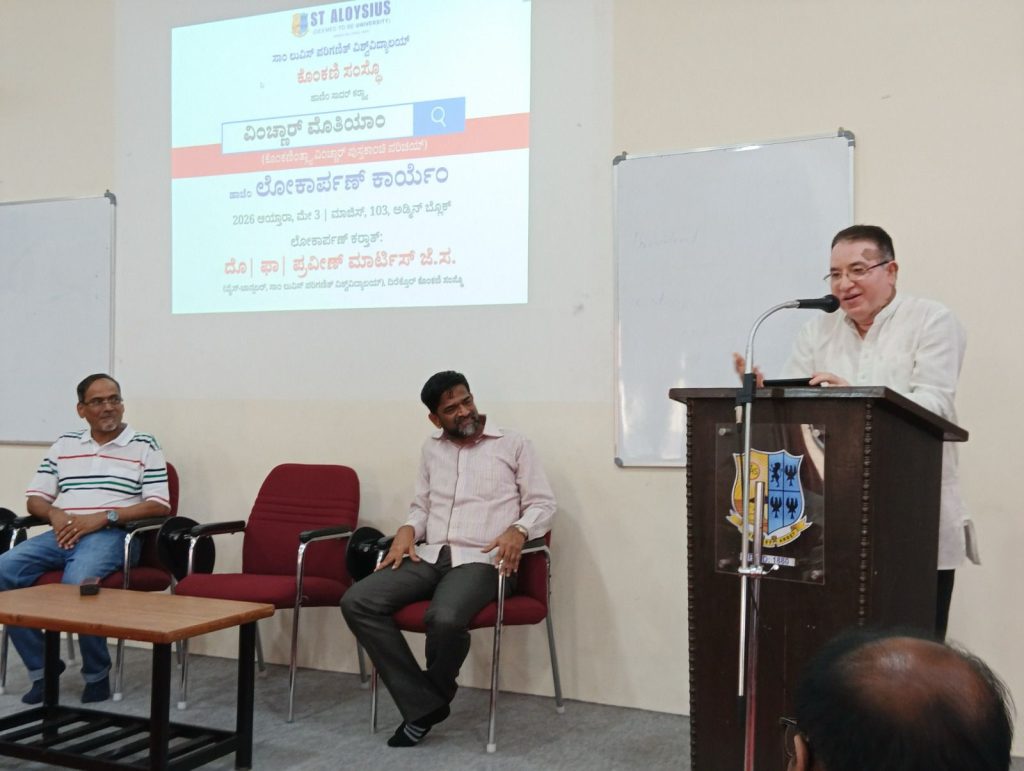
St Aloysius University Konkani Institute launches ‘Vinchnar Motiyam’ series

“The survival of any language’s literature depends on its readers,” remarked Dr. Fr. Praveen Martis, Vice-Chancellor of St Aloysius University, as he inaugurated the new video series Vinchnar Motiyam (Selected Pearls) at the University’s Konkani Institute.

The initiative aims to revive the declining reading habit in Konkani by introducing a new medium. Through this series, readers will share their reflections on their favorite literary works. Episodes will be broadcast on the University’s official YouTube channel on the first and third Saturday of every month, serving as a valuable resource for students and teachers engaged in Konkani literary studies.

For over 46 years, the Konkani Institute has been dedicated to the promotion of Konkani language and literature. In the past year, it has successfully hosted Bolkawv (Balcony), a unique program that engaged audiences in literary discussions. The new Vinchnar Motiyam series builds on this legacy, offering readers a platform to connect with classic works.

Dr. Martis also highlighted that the Institute has been publishing the research journal Amar Konkani for the past 44 years. Under the leadership of Dr. Fr. Vijay D’Souza, a new Konkani language research project is set to begin shortly.

Introducing the program’s framework, Dr. Alwyn D’Souza, advisor to the Konkani Institute, explained the design and vision behind Vinchnar Motiyam. He expressed confidence that the series would nurture a culture of reading. He further revealed that another upcoming series will simplify literary criticism theories for readers.

The inaugural event was hosted by noted writer and journalist H. M. Pernal, who welcomed the gathering and anchored the program. Pinto Vamanjoor proposed the vote of thanks, with assistance from Ms. Vanitha.

Online Video Magazines (OVMs) are organized around different locations and themes.

Global TV OVM (globaltv.in/ovm)

NV Paulose. Chairman, Global TV +98441 82044

An Online Video Magazine OVM is a digital publication format similar in concept to a Special Supplement in newspapers. While Supplements focus on events or occasions, OVMs are organized around different locations and themes. Each edition of an OVM highlights a specific place, such as a Global City, Campus, or a Specific Historic Place.

Special Supplements on Occasions | OVMs on Locations | Global TV innovation

In addition to location-based storytelling or highlights, it also includes thematic coverage such as people, education, health, environment, travel, career, or culture, which allows a broader and more meaningful exploration of the subject. OVM is a combination of all forms of media presentation, including newspapers, magazines, video, audio, short text, images, and interactive elements, packaged into a unit and presented into a micro-URL like GLOBALTV.IN/643 on an instant speed.

Just as special newspaper supplements provide in-depth coverage of a theme or celebration, OVMs offer immersive digital storytelling that helps viewers experience both places and themes more vividly in one unified format. Content gets 24/7 basis additions and modifications.

OVM has a Collective advantage wherein the Wheel Creation is not repeated at every instance. Everyone enjoys the benefits of Teamwork.

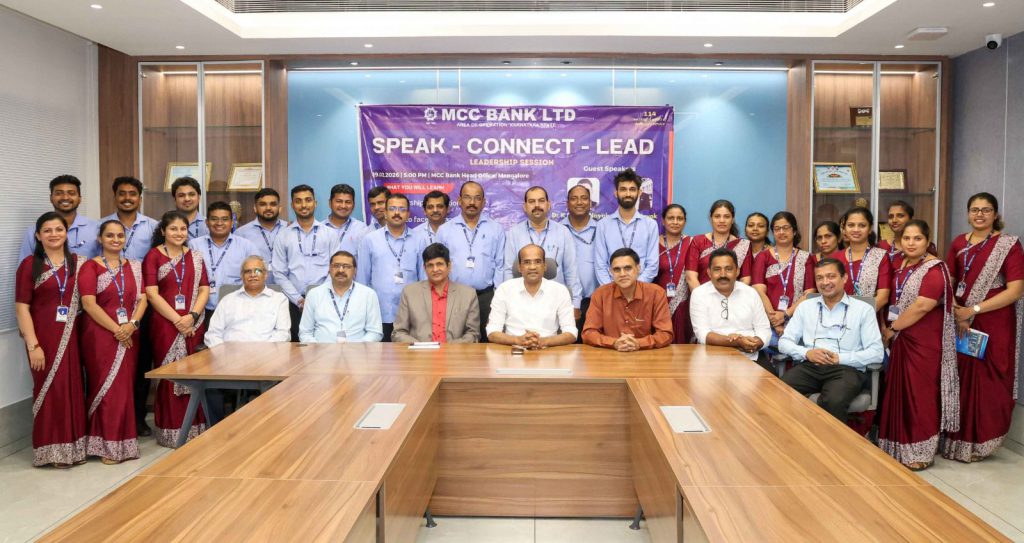
Anil Lobo | The Leadership Journey of Transformation at Mangalore Catholic Co-operative Bank | Global TV

When Professionalism Becomes Your Core, Transformation Follows | Global TV

NV Paulose, Chairman, Global TV +91 98441 82044

Transformation in institutions is often discussed as if it begins with strategy, policy, or financial restructuring. In reality, it begins much deeper. It begins when professionalism is no longer an external expectation but an internal standard. Change begins to unfold naturally when it becomes part of a leader’s thinking, behaviour, and discipline.

Mangalore Catholic Cooperative Bank. A century old institution rooted in community service has, in recent years, redefined its direction and performance. At the center of the shift is Sahakari Ratna Anil Lobo, whose leadership has quietly but firmly reshaped the bank’s identity.

MCC Bank was established in 1912 with a purpose of serving people who needed accessible and reliable financial support. Over the decades, it built credibility and trust across Dakshina Kannada and surrounding regions. However, like many long-standing cooperative institutions, it reached a stage where stability began to outweigh progress. Growth slowed, expansion paused, and modernization lagged behind the pace of the wider banking sector. When Anil Lobo assumed leadership, he did not enter as an outsider with theoretical ideas. He came with years of experience as a director within the same institution.

He understood its systems, its strengths, and its limitations. More importantly, he understood that real change would not come from isolated decisions but from a consistent shift in standards. His approach was simple in principle but demanding in practice. Professionalism had to become the foundation of every function within the bank.

One of the earliest signs of this shift was visible in expansion. For over two decades, the bank had seen little movement in terms of branch growth. Under his leadership, that changed with intent and clarity. New branches were opened in key locations, increasing the total network significantly within a short period. This expansion was not carried out for visibility alone. It reflected renewed institutional confidence. It allowed the bank to reach new communities, strengthen its regional presence, and demonstrate that it was ready to grow again.

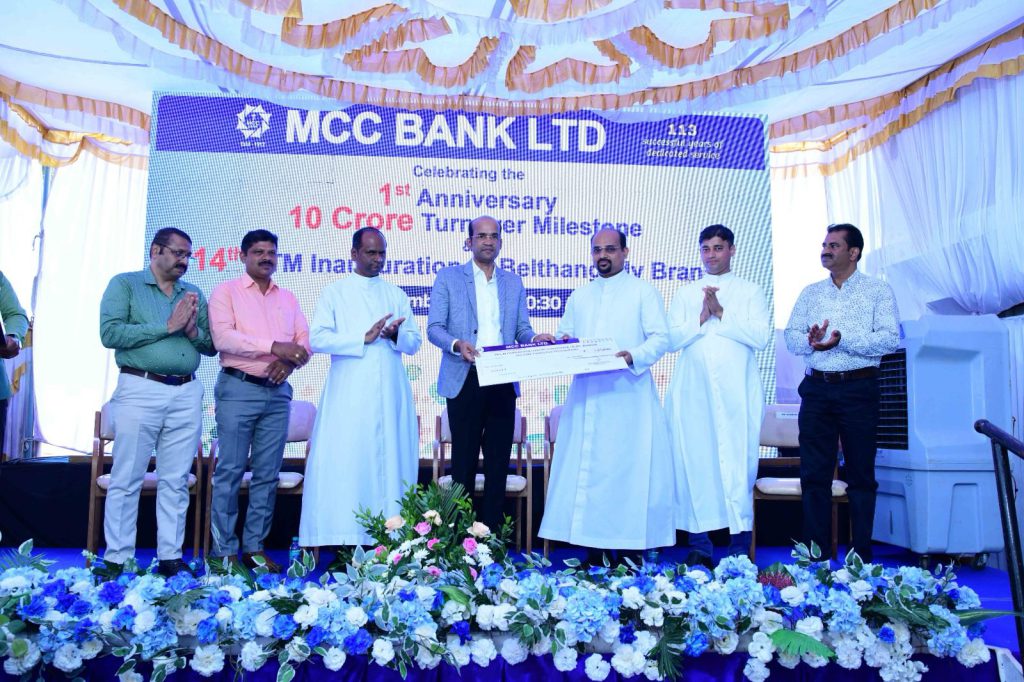
Expansion, in this context, became a signal that the bank had moved out of inertia and into action. Financial performance began to reflect and the bank recorded its highest ever net profit, crossing ten crore rupees. Total business exceeded fifteen hundred crore rupees. These figures were not the result of aggressive risk taking. They were built on structured improvements in lending, monitoring, and recovery.

What stands out in this phase is the balance that was maintained. Growth did not come at the cost of stability. The bank continued to hold strong financial indicators, which included

  • A capital adequacy ratio above regulatory expectation
  • A controlled and low level of nonperforming assets (NPA)
  • Consistent profitability supported by disciplined operations

These are not small achievements in the cooperative banking space. They reflect a system that is not only growing but doing so with responsibility and control. At the same time, modernization was treated as essential, not optional. Banking had already entered a digital phase, and any delay in adaptation would have widened the gap between customer expectations and service delivery. Recognizing this, Anil Lobo ensured that technology was integrated across operations.

Core banking systems were implemented across all branches. Customers were given access to digital transaction facilities, including online transfers and internet banking. ATM services were expanded, and further digital services were prepared for rollout. These changes improved efficiency internally and enhanced trust externally.

However, systems alone do not define an institution. The real measure lies in how it connects with people. In this area, the leadership approach remained direct and grounded. Customer interactions were not left to routine processes. Meetings were organized across branches, giving customers an opportunity to voice concerns and share feedback.

This created a different kind of relationship between the bank and its customers. It reduced distance. It replaced assumption with understanding. Most importantly, it signalled that the institution was willing to listen and respond. A similar focus was placed on the internal team. Employees were not expected to adapt without support.

A structured training environment was introduced to improve skills and align staff with evolving expectations. Regular reviews ensured that performance was monitored and guided. Employee welfare was also given importance. Health and accident insurance coverage provided a sense of security. These measures contributed to a work environment where employees felt supported, which in turn influenced the quality of service delivered. Even as the bank focused on growth and efficiency, it did not move away from its social responsibility.

Financial assistance programs continued to support families in need, covering areas such as education, healthcare, and essential life expenses. This balance between financial discipline and social commitment preserved the original spirit of the institution.

Recognition followed these efforts in a natural way. In the board elections, the leadership panel was elected without opposition, reflecting strong confidence among members. The conferment of the Sahakara Ratna Award by the Government of Karnataka further acknowledged the impact of this leadership.

Yet, beyond awards and numbers, the real transformation lies in a shift that is less visible but more powerful. MCC Bank moved from functioning as a traditional institution maintaining stability to operating as a focused organization pursuing growth with clarity and discipline.

Looking ahead, the direction remains steady. Plans for further expansion are already in place. Digital services will continue to improve. Support for small businesses and entrepreneurs will expand. The objective is not only to increase scale but to strengthen relevance in a changing financial environment.

The leadership journey of Anil Lobo offers a clear lesson. Institutions do not transform because of occasional effort. They transform when standards change at the core. When professionalism becomes part of everyday thinking, it influences decisions, shapes systems, and builds trust over time. This is not a dramatic process. It is steady, consistent, and often quiet. At MCC Bank, professionalism is a culture. And once it became a culture, transformation is something inevitable.

NECF | National Environment Care Federation (NECF) formally contesting findings submitted by the National Centre for Coastal Research (NCCR) to the National Green Tribunal (NGT) | Global TV

Environmental Group Challenges Official Report on Mangrove Loss in Mangaluru

NV Paulose, Chairman, Global TV +91 98441 82044

A dispute has emerged over the alleged destruction of mangroves along the Nethravathi River in Mangaluru, with the National Environment Care Federation (NECF) formally contesting findings submitted by the National Centre for Coastal Research (NCCR) to the National Green Tribunal (NGT).

Conflicting Claims

The controversy stems from an NCCR report prepared in connection with the Mangaluru Smart City riverfront development project. In its submission to the tribunal, NCCR reportedly concluded that no mangrove destruction had taken place in the project area.

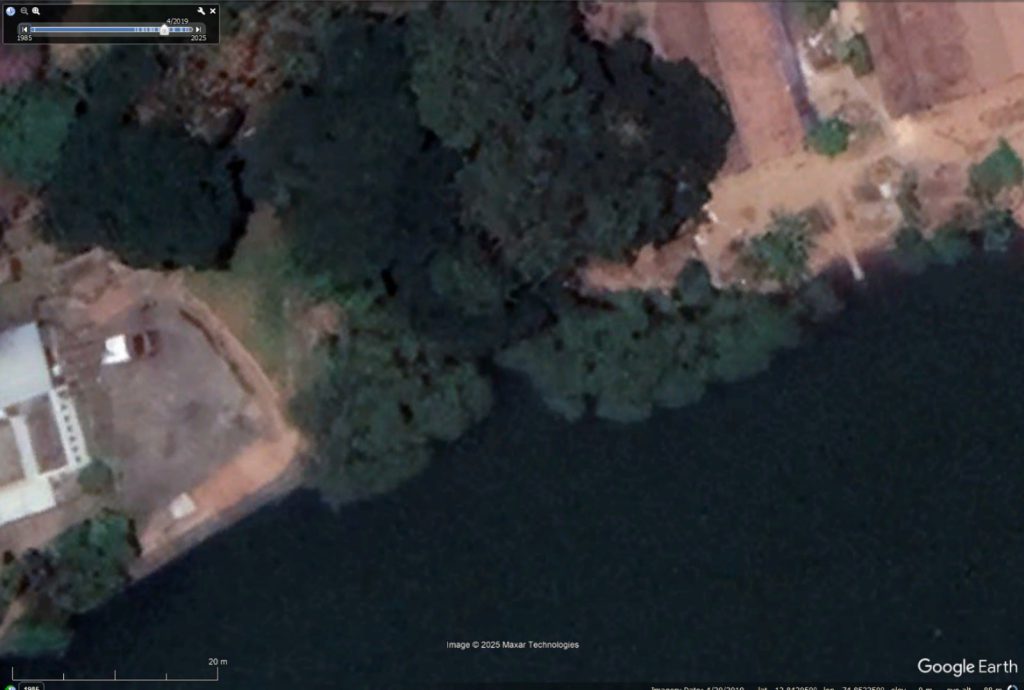
However, NECF has strongly disputed this conclusion, citing satellite imagery and temporal data that suggest otherwise. According to the organization, historical satellite records from 2015, 2018, and 2022 show dense mangrove cover along the riverbanks. In contrast, imagery from November 2025 allegedly reveals a complete absence of mangroves in the same area, alongside visible construction activity.

Environmental Significance

Mangroves are classified under the most ecologically sensitive coastal regulation zones (CRZ-I(A)) in India. These ecosystems play a critical role in shoreline protection, biodiversity conservation, and carbon sequestration. Any removal or alteration of mangrove vegetation requires prior regulatory approval and is subject to strict environmental scrutiny.

If NECF’s claims are substantiated, the reported changes could indicate a violation of coastal regulation norms, raising concerns about environmental compliance in urban development projects.

Questions Raised

In its communication, NECF has sought clarification from NCCR on several key points:

  • Whether historical satellite data was adequately analyzed
  • If on-ground verification was conducted before finalizing the report
  • The methodology used to conclude that no mangrove loss occurred
  • The identities and roles of experts involved in preparing the report
  • Whether any external influence may have affected the findings

The organization has emphasized the need for transparency and scientific rigor in environmental assessments, particularly in ecologically sensitive regions.

Call for Reassessment

NECF has urged NCCR to revisit its findings and submit a revised, evidence-based report to the tribunal. It has also called for an internal review within NCCR to examine the accuracy and integrity of the original submission.

The federation has set a 10-day deadline for a response, warning that it may escalate the matter to higher authorities, including the Ministry of Earth Sciences, if its concerns are not adequately addressed.

Broader Implications

The dispute highlights the growing tension between infrastructure development and environmental conservation in coastal regions. It also underscores the importance of reliable scientific reporting in informing judicial and policy decisions.

As the matter potentially heads toward further legal scrutiny, the outcome may have implications not only for the Mangaluru project but also for how environmental impact assessments are conducted and reviewed across similar projects in India.

അൽഗോരിതത്തെ ചങ്ങാതി ആക്കൂ… | Algorithm to Connect and to Explore | Not to Control and Exploit | Global TV

അൽഗോരിതത്തിൽ നിന്നും ആളോഹരി വിഹിതത്തിലേക്ക്: ഒരു പുതിയ ചുവടുവയ്‌പിന്‌ സമയമായി | ഗ്ലോബൽ ടി വി

എൻ വി പൗലോസ്, ചെയർമാൻ, ഗ്ലോബൽ ടി വി | +91 98441 82044

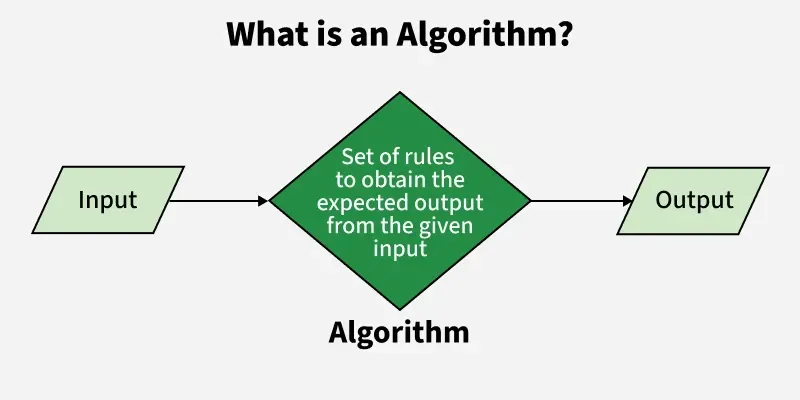
ഇന്ന് ലോകം പൂർണ്ണമായും ഡിജിറ്റൽ ആയി മാറിക്കൊണ്ടിരിക്കുകയാണ്. കമ്പ്യൂട്ടറുകളും ഫോണുകളും നമ്മുടെ ജീവിതത്തിൻ്റെ ഭാഗമായി. ഇതിനൊപ്പം ‘അൽഗോരിതം’ (Algorithm) എന്നൊരു കാര്യവും വന്നു. ലളിതമായി പറഞ്ഞാൽ, കമ്പ്യൂട്ടറിനെ എങ്ങനെ ജോലി ചെയ്യണമെന്ന് പറയുന്ന നിർദ്ദേശങ്ങളുടെ ഒരു പട്ടികയാണ് അൽഗോരിതം. സോഷ്യൽ മീഡിയ മുതൽ ബാങ്ക് വരെ എല്ലായിടത്തും അൽഗോരിതം ഇന്ന് ഇടപെടുന്നുണ്ട്.

എന്നാൽ ഇപ്പോൾ ഉള്ള രീതി എന്താണ്? ഈ അൽഗോരിതങ്ങൾ ജനങ്ങളെ നിയന്ത്രിക്കാനാണ് ഉപയോഗിക്കുന്നത്. നിങ്ങൾ എന്തു കാണണം, എന്തു വാങ്ങണം, എന്തു ചിന്തിക്കണം എന്നൊക്കെ അത് തീരുമാനിക്കുന്നു. നിങ്ങളുടെ ഓരോ ചുവടും അത് രേഖപ്പെടുത്തുന്നു. നിങ്ങൾ ഒരു യന്ത്രത്തിൻ്റെ കീഴിലാകുന്നു. ഇത് നമ്മുടെ സ്വാതന്ത്ര്യത്തെ കുറയ്ക്കുകയും, പണക്കാർ കൂടുതൽ പണക്കാരാകാനും പാവങ്ങൾ പാവങ്ങളായി തുടരാനും ഇടയാക്കുന്നു.

എന്താണ് വേണ്ടത്?

അൽഗോരിതം ജനങ്ങളെ നിയന്ത്രിക്കാനുള്ള ഉപകരണമാകരുത്. പകരം, അത് ജനങ്ങളെ ഒരുമിച്ച് കൊണ്ടുവരാനും പരസ്പര സഹകരണത്തിലൂടെ വളരാനും സഹായിക്കുന്നതാകണം. അതായത്, രാജ്യത്തിൻ്റെയും സമൂഹത്തിൻ്റെയും സാമ്പത്തിക പുരോഗതിയിൽ ഓരോ വ്യക്തിയും, എല്ലാ ദിവസവും സജീവമായി പങ്കെടുക്കണം. ഓരോരുത്തരും ചെയ്യുന്ന ജോലിക്ക്, ന്യായമായ പ്രതിഫലവും ലാഭ വിഹിതവും (share) ലഭിക്കണം. ‘ഒരുമിച്ച് വളരുക’ (Grow Together) എന്നതാണ് നമ്മുക്കെല്ലാം അനുകരണീയമായ മുദ്രാവാക്യം.

നിയന്ത്രണത്തിൽ നിന്ന് പങ്കാളിത്തത്തിലേക്ക്

നമ്മുക്കിത് ഒരു ഉദാഹരണത്തിലൂടെ മനസ്സിലാക്കാം. ഇപ്പോൾ, ഒരു വലിയ കമ്പനി ഒരു ആപ്പ് ഉണ്ടാക്കും. നിങ്ങൾ അത് ഉപയോഗിക്കും. നിങ്ങൾ ചെയ്യുന്നതെല്ലാം കമ്പനി രേഖപ്പെടുത്തും. നിങ്ങളുടെ ഡാറ്റ വിറ്റ് കമ്പനി ലാഭമുണ്ടാക്കും. നിങ്ങൾ വെറുമൊരു ഉപഭോക്താവ് മാത്രം. നിങ്ങൾക്ക് സത്യത്തിൽ ഒന്നും കിട്ടുന്നില്ല. നിങ്ങളുടെ വിവരങ്ങളും അതിലൂടെ നിങ്ങളും വെറുമൊരു വില്പന ചരക്കായി മാറുകയാണ് ഇതിലൂടെ.

ഇത് അടിമുടി മാറും. അതേ ആപ്പ് തന്നെ എടുക്കുക. എന്നാൽ ഇത്തവണ, നിങ്ങൾ ആപ്പിൽ എന്തെങ്കിലും ചെയ്യുമ്പോൾ, അതിന് നിങ്ങൾക്ക് പ്രതിഫലം ലഭിക്കും. ഉദാഹരണത്തിന്: നിങ്ങൾ ഒരു പ്രാദേശിക കർഷകനിൽ നിന്ന് പച്ചക്കറി വാങ്ങിയാൽ, ആപ്പ് നിങ്ങൾക്കും കർഷകനും ബോണസ് പോയിന്‍റുകൾ തരും.

നിങ്ങൾ മറ്റൊരാൾക്ക് ഒരു ചെറിയ ജോലി (പെയിന്റിംഗ്, കമ്പ്യൂട്ടർ പഠിപ്പിക്കൽ മുതലായവ) ചെയ്തുകൊടുത്താൽ, അത് ആപ്പിൽ രേഖപ്പെടുത്തുകയും നിങ്ങൾക്ക് ക്രെഡിറ്റ് ലഭിക്കുകയും ചെയ്യും.

നിങ്ങൾ പ്ലാസ്റ്റിക്ക് വേസ്റ്റ് ശേഖരിച്ചാൽ പോലും, അതിനും പ്രതിഫലം.

പുതിയ രീതി അവലംബിക്കുന്നതിലൂടെ എല്ലാം മാറും. അങ്ങനെ ചെയ്യുന്നതിലൂടെ, അതുവരെ വെറുമൊരു ‘ഡാറ്റ’ ആയിരുന്ന നിങ്ങൾ സമ്പദ് വ്യവസ്ഥയുടെ ഒരു പ്രധാന ഭാഗമാകുന്നു. നിങ്ങളുടെ ഓരോ പ്രവൃത്തിക്കും മൂല്യമുണ്ട്. ഇതാണ് ‘ആളോഹരി വിഹിതം’ (Per Capita Share) എന്നതുകൊണ്ട് ഉദ്ദേശിക്കുന്നത്. സമൂഹത്തിൽ ഉണ്ടാകുന്ന മൊത്തം സമ്പത്തിൻ്റെ ഒരു ചെറിയ വിഹിതമെങ്കിലും നിങ്ങൾക്കും കിട്ടണം.

ഇത് പ്രായോഗികമാണോ? തീർച്ചയായും. ഇതിനായി വേണ്ടത്:

ലളിതമായ ഒരു ഡിജിറ്റൽ പ്ലാറ്റ്ഫോം: ഏതൊരാൾക്കും ഉപയോഗിക്കാവുന്ന, സൗജന്യവും ലളിതവുമായ ഒരു മൊബൈൽ ആപ്പ്. നമ്മുടെ ചുണക്കുട്ടികൾക്ക് ഇത് വെറും നിസ്സാരം. സുതാര്യമായ അൽഗോരിതം: എങ്ങനെയാണ് പോയന്‍റുകൾ കിട്ടുന്നത്, എങ്ങനെയാണ് ലാഭം പങ്കുവയ്ക്കുന്നത് എന്ന് എല്ലാവർക്കും മനസ്സിലാകുന്ന രീതി. രഹസ്യങ്ങൾ വേണ്ട.

പ്രാദേശികമായ ബന്ധങ്ങൾ: വലിയ കമ്പനികൾക്ക് പകരം നമ്മുടെ അയൽപക്കത്തെ കട, കർഷകൻ, കരകൗശല തൊഴിലാളി എന്നിവരുമായി ബന്ധിപ്പിക്കുന്ന ഒരു ആഗോള സംവിധാനം.

എന്തൊക്കെ നേട്ടങ്ങൾ?

ദാരിദ്ര്യം കുറയും: ചെറിയ ചെറിയ ജോലികൾക്ക് പോലും പ്രതിഫലം ലഭിക്കുമ്പോൾ ആളുകളുടെ വരുമാനം കൂടും.

ആത്മവിശ്വാസം വർദ്ധിക്കും: ‘എനിക്കും ഇതിൽ പങ്കുണ്ട്, എൻ്റെ കഴിവുകൾക്ക് വിലയുണ്ട്’ എന്ന തോന്നൽ വ്യക്തികളിൽ ഉണ്ടാകും.

സമൂഹം ശക്തമാകും: എല്ലാവരും ഒന്നിച്ച് ജോലി ചെയ്യുകയും പരസ്പരം സഹായിക്കുകയും ചെയ്യുമ്പോൾ സമൂഹം കൂടുതൽ ഐക്യത്തോടെയും കരുത്തോടെയും നിലനിൽക്കും.

സാങ്കേതിക വിദ്യ നമുക്ക് വേണ്ടി: നമ്മെ നിയന്ത്രിക്കാതെ, നമുക്ക് അനുയോജ്യമായ രീതിയിൽ സാങ്കേതിക വിദ്യ പ്രയോജനപ്പെടുത്താം.

നമ്മൾ ഒരു തിരഞ്ഞെടുപ്പിൻ്റെ വക്കിലാണ്. അൽഗോരിതത്തെ ഒരു മേലധികാരിയാക്കണോ, അതോ സുഹൃത്താക്കണോ?

ജനങ്ങളെ നിയന്ത്രിക്കുന്ന അൽഗോരിതത്തിൽ നിന്നും, ഓരോരുത്തരുടെയും ദൈനംദിന പങ്കാളിത്തത്തെ ബഹുമാനിക്കുന്ന ആളോഹരി വിഹിതത്തിലേക്ക് നമുക്ക് വളരണം. അതിന് ഇപ്പോൾ തന്നെ ഒരു പുതിയ ചുവടുവയ്പ്പ് നടത്തേണ്ട സമയമാണിത്.

ഓർക്കുക: എല്ലാവരും കൂടി വളർന്നാൽ മാത്രമേ, യഥാർത്ഥ പുരോഗതി ഉണ്ടാകൂ. നമുക്ക് ഒരുമിച്ച് വളരാം (Grow Together).

ഇനി, ഈ പുതിയ വഴി എങ്ങനെ പ്രായോഗികമാക്കും? (ചില ലളിതമായ ഉദാഹരണങ്ങൾ)

മുകളിൽ പറഞ്ഞ കാര്യങ്ങൾ സ്വപ്നം പോലെ തോന്നിയേക്കാം. പക്ഷേ അങ്ങനെയല്ല. ചെറിയ ചെറിയ മാറ്റങ്ങളിൽ നിന്ന് ഇത് തുടങ്ങാം. നമുക്ക് ചില ലളിതമായ ഉദാഹരണങ്ങൾ നോക്കാം.

ഉദാഹരണം 1: നാടിൻ്റെ ഓൺലൈൻ ചന്ത

നമ്മുടെ നാട്ടിൽ ഒരു ചെറിയ ചന്ത ഉണ്ടെന്ന് വിചാരിക്കുക. കർഷകർ പച്ചക്കറി കൊണ്ടുവരും, കുശവൻ കലം കൊണ്ടുവരും, മുത്തശ്ശി അച്ചാർ ഉണ്ടാക്കി കൊണ്ടുവരും. ഇപ്പോൾ ലോകത്ത് ഫ്ലിപ്കാർട്ടും അമേസണും ഒക്കെയുണ്ട്. പക്ഷേ ആ വലിയ കമ്പനികൾക്ക് നമ്മുടെ നാട്ടിലെ മുത്തശ്ശിയുടെ അച്ചാറിന് വില കൊടുക്കില്ല.

പുതിയ രീതിയിൽ, നമുക്ക് നമ്മുടെ നാടിന് വേണ്ടി മാത്രമായി ഒരു ലളിതമായ ആപ്പ് ഉണ്ടാക്കാം. ആ ആപ്പിൽ, മുത്തശ്ശി തൻ്റെ അച്ചാർ വിൽക്കും. നിങ്ങൾ ആ അച്ചാർ വാങ്ങും. ഇടയ്ക്ക് ഒരു വലിയ കമ്പനിയും ലാഭം എടുക്കില്ല. ആപ്പ് എടുക്കുന്ന ചെറിയ കമ്മീഷൻ കൊണ്ട്, ആ ആപ്പ് നടത്തുന്ന ആളുടെ ശമ്പളം പോകും. ബാക്കി ലാഭം മുത്തശ്ശിക്കും നിങ്ങൾക്കും (ചില പോയിന്‍റുകൾ ആയി) തിരിച്ചുകിട്ടും. നിങ്ങൾ വാങ്ങിയതിന് നിങ്ങൾക്കും പ്രതിഫലം! ഇതൊരു സഹകരണ സംവിധാനമാണ്. അതാണ് ‘ഗ്രോ ടുഗെദർ’.

ഉദാഹരണം 2: അറിവ് പങ്കിട്ടാൽ പ്രതിഫലം കിട്ടും

നിങ്ങൾക്ക് കമ്പ്യൂട്ടർ അറിയാം. ഇപ്പോൾ നിങ്ങൾ അയൽവീട്ടിലെ കുട്ടിക്ക് സൗജന്യമായി പറഞ്ഞുകൊടുക്കും, പുതിയ രീതിയിൽ, നിങ്ങൾ ആ കുട്ടിയെ പഠിപ്പിക്കുന്ന സമയം ആപ്പിൽ രേഖപ്പെടുത്തും. ആ കുട്ടിയുടെ വളർച്ചയ്ക്ക് നിങ്ങൾ നൽകിയ സംഭാവനയ്ക്ക് ആപ്പ് നിങ്ങൾക്ക് ‘സ്കിൽ പോയിൻറ് തരും.

ആ പോയിൻറ് കൊണ്ട് നിങ്ങൾക്ക് ഭക്ഷണം വാങ്ങാം, അല്ലെങ്കിൽ നിങ്ങൾക്ക് വേറെ എന്തെങ്കിലും പഠിക്കാം. അറിവ് പങ്കിടുന്നത് ഒരു സാമ്പത്തിക പ്രവർത്തനമായി മാറും.

ഇത്തരത്തിലുള്ള പുതിയ രീതി കൊണ്ട് വരുന്ന മാറ്റങ്ങൾ:

ചെറിയ ജോലികൾക്ക് വില വരും: നമ്മുടെ നാട്ടിൽ പലരും ചെറുതും വലുതുമായ ജോലികൾ ചെയ്യുന്നുണ്ട്. അത് ചെറിയ അറ്റകുറ്റപ്പണികളോ, വൃദ്ധരെ സന്ദർശിക്കുന്നതോ ആകാം. ഇതിനെല്ലാം പുതിയ രീതിയിൽ മൂല്യം ലഭിക്കും. ഇത് നിരവധി പേർക്ക് വരുമാന മാർഗ്ഗമാകും.

പണക്കാരും പാവങ്ങളും തമ്മിലുള്ള വിടവ് കുറയും: വലിയ കമ്പനികൾ ലാഭം മുഴുവൻ എടുക്കുമ്പോഴാണ് വിടവ് കൂടുന്നത്. പകരം, ലാഭം എല്ലാവർക്കും പങ്കുവയ്ക്കുമ്പോൾ, പാവപ്പെട്ടവർക്ക് കുറച്ചുകൂടി ലഭിക്കും. പണക്കാർക്ക് നഷ്ടമില്ല, കാരണം എല്ലാവരും കൂടി വാങ്ങുകയും വിൽക്കുകയും ചെയ്യുമ്പോൾ മൊത്തം വിപണി വലുതാകും.

സമൂഹത്തിൽ വിശ്വാസം വർദ്ധിക്കും: ഇപ്പോൾ, നമ്മൾ വലിയ കമ്പനികളെ വിശ്വസിക്കുന്നു (അവർ നമ്മുടെ ഡാറ്റ എടുക്കുമെങ്കിലും). പക്ഷേ, സ്വന്തം നാട്ടിലെ ആപ്പ്, എല്ലാവർക്കും കാണാവുന്ന അൽഗോരിതം – ഇത് കൂടുതൽ വിശ്വാസം ഉണ്ടാക്കും. കാരണം ഇവിടെ എല്ലാം തുറന്നതാണ്. ‘എൻ്റെ കഷ്ടപ്പാടിന് എനിക്ക് കിട്ടും’ എന്ന ഉറപ്പ് ഉണ്ടാകും.

പുതിയ തരത്തിലുള്ള തൊഴിലുകൾ: ആപ്പ് നടത്താൻ ആളുകൾ വേണം. പുതിയ അൽഗോരിതം എഴുതാൻ ആളുകൾ വേണം. പഴയ രീതിയിലെ ‘ബിസിനസ്’ എന്നത് വേറെ, ഈ പുതിയ ‘സഹകരണ സമ്പദ് വ്യവസ്ഥ’ എന്നത് വേറെ. ഇത് യുവത്വത്തിന് പുതിയ അവസരങ്ങൾ സൃഷ്ടിക്കും.

എന്താണ് തടസ്സങ്ങൾ?

എല്ലാം എളുപ്പമാണെന്ന് പറയുന്നില്ല. രണ്ട് പ്രധാന തടസ്സങ്ങളുണ്ട്:

മാനസികാവസ്ഥ: നമ്മൾ ഇപ്പോൾ വലിയ കമ്പനികളുടെ കീഴിൽ ജീവിക്കാൻ പഠിച്ചുപോയി. ‘എനിക്ക് പുതിയതൊന്നും വേണ്ട’ എന്ന മടി മാറ്റേണ്ടതുണ്ട്.

അൽഗോരിതം ആര് ഉണ്ടാക്കും? അത് വലിയവരുടെ കയ്യിൽ പോകരുത്. നമ്മുടെ തദ്ദേശ സ്വയംഭരണ സ്ഥാപനങ്ങൾ, കൂട്ടായ്മകൾ, സഹകരണ സംഘങ്ങൾ എന്നിവർ ചേർന്ന് ലളിതവും സുതാര്യവുമായ ഒരു സംവിധാനം ഉണ്ടാക്കേണ്ടതുണ്ട്.

മറഞ്ഞിരുന്ന് മറ്റുള്ളവർ നിയന്ത്രിക്കുന്ന അൽഗോരിതത്തിൻ്റെ ലോകത്ത് നിന്ന് നമുക്ക് പുറത്തുകടക്കാം. നമുക്ക് പുതിയൊരു ലോകം കെട്ടിപ്പടുക്കാം. അവിടെ ഓരോ വ്യക്തിക്കും വിലയുണ്ട്. അവിടെ ഓരോ ദിവസത്തെയും ചെറിയ പങ്കാളിത്തം വലിയ മാറ്റമുണ്ടാക്കും. അതൊരു സ്വപ്നമല്ല. നമ്മൾ ചെറുതായി തുടങ്ങുകയാണെങ്കിൽ, അത് സാധ്യമാണ്.

ഇന്ന് തന്നെ തീരുമാനിക്കുക: ‘ഞാൻ എൻ്റെ നാടിൻ്റെ വളർച്ചയ്ക്ക് എന്ത് ചെയ്യും?’ ഒരു ചെറിയ ആശയം പങ്കുവയ്ക്കുക. ഒരു ചെറിയ ജോലി ചെയ്യുക. പിന്നീടത് നമ്മുടെ കണ്മുന്നിൽത്തന്നെ ഒരു വലിയ പ്രസ്ഥാനമായി വളരും. ഓർക്കുക: ഒരുമിച്ച് വളരുക (Grow Together) എന്നത് നമ്മുടെ ഭാവിയാണ്. ആ വഴിയിലേക്ക് ചുവട് വയ്ക്കുക.