All posts by admin

About admin

Chairman of Global TV | Excellent Writer | Exceptional PR Skills | Author of Six books | MASTER HEALER | +91 98441 82044 |

Mission Kerala | Connecting People and Creating New Meanings in an Uncertain World | Global TV

The world is passing through one of the most uncertain periods in modern history. Yet history teaches us that every period of uncertainty creates an opportunity for visionary societies to redefine their future. Kerala stands at such a moment.

NV Paulose, Chairman, Global TV +91 98441 82044

“Your life is empty and meaningless.”

The words came without warning.

For a brief moment, they struck me like a thunderbolt. I had travelled through life believing that every achievement, every struggle, every dream and every relationship had meaning. Yet here was a man standing before hundreds of people calmly declaring that my life was empty and meaningless.

Then he repeated the sentence.

“Your life is empty and meaningless.”

Again.

“Empty and meaningless means empty and meaningless.”

He did not explain it.

He simply repeated it.

As I listened, my mind began to resist. I felt disturbed, confused and even slightly irritated. Was this really the conclusion of everything we call life? Was all human effort nothing more than an illusion? Had every ambition become irrelevant in one sweeping statement?

For a few moments, it felt as though everything I believed had collapsed.

Then something unexpected happened.

A question appeared in my mind with remarkable clarity.

“What is his problem if my life is empty and meaningless?”

The question surprised even me.

It immediately led to another.

“If my life has no meaning, why should that concern anyone else? More importantly, who says I cannot create meaning? Why cannot I fill my life with purpose? Why cannot I dream impossible dreams? Why cannot I dedicate my life to serving society and leave the world better than I found it?”

That moment changed my life.

Without thinking any further, I stood up, walked directly to the stage and spoke.

“What is your problem if my life is empty and meaningless? I will take care of that. I will fill my life with great dreams, impossible goals and meaningful work.”

He smiled warmly.

“You got it,” he said.

“Go ahead and create your life the way you wish.”

Those few words have remained with me ever since.

Looking back today, I realise that the statement was never intended to make us feel hopeless. It was intended to free us from the illusion that meaning is something waiting to be discovered somewhere outside ourselves.

  • Meaning is created.
  • Purpose is created.
  • Vision is created.

History itself is created by people who refuse to accept that circumstances define destiny.

That lesson has never been more relevant than it is today.

A World Searching for Direction

We are living through one of the most turbulent periods since the end of the Second World War.

Wars continue to devastate nations. Entire cities have been reduced to rubble. Millions of people have been forced to leave their homes. Economic uncertainty has become a constant companion. Supply chains are being reorganised. Artificial intelligence is transforming industries faster than governments can adapt. Climate events remind us that nature respects no political boundaries.

For many people, the future appears uncertain.

Every morning begins with headlines that speak of conflict, disruption, and instability.

The world that emerged after the Cold War is giving way to a new global order. Economic power is shifting. Technology is changing the nature of work. Nations are competing not only for military strength but also for knowledge, innovation, talent, and trust.

These changes may appear distant from our everyday lives in Kerala.

They are not.

  • Every increase in fuel prices affects our households.
  • Every change in global trade influences our businesses.
  • Every technological breakthrough changes the opportunities available to our young people.
  • Every conflict somewhere in the world eventually reaches us through its economic and social consequences.

No society can isolate itself from global change.

  • The real question is not whether Kerala will be affected.
  • The real question is whether Kerala will prepare itself to benefit from change.

Every Crisis Creates Opportunity

History offers an extraordinary lesson.

The greatest advances in civilisation have often emerged from periods of uncertainty.

  • Economic crises have produced new industries.
  • Scientific challenges have produced remarkable discoveries.
  • Natural disasters have inspired better planning and stronger institutions.
  • Periods of conflict have encouraged nations to rethink education, health care, technology and economic development.

The future is rarely built during comfortable times.

  • It is built by those who recognise opportunity while others see only crisis.

This is precisely where Kerala stands today.

We can spend our energy worrying about everything that is changing around us.

Or we can ask a far more powerful question.

“What can Kerala become because the world is changing?”

That question changes everything.

  • Instead of becoming victims of global uncertainty, we become creators of new possibilities.
  • Instead of fearing change, we begin to shape it.
  • Instead of waiting for opportunities, we begin to build them.

Why Mission Kerala Matters

Every generation receives a defining challenge.

  • Our grandparents built institutions.
  • Our parents expanded education and public health.
  • Our generation has been given a different responsibility.

We must prepare Kerala for a world where knowledge is the greatest form of wealth, where innovation creates prosperity, where collaboration is more valuable than competition, and where people who can solve complex problems will lead the future.

Mission Kerala should not be understood merely as a programme or a government initiative.

  • It should become a shared vision.
  • A movement.
  • A collective commitment to imagine a Kerala that is stronger, more compassionate, more innovative, and more confident than ever before.

The greatest strength of Kerala has never been its geography.

It has always been its people.

  • Our teachers.
  • Our nurses.
  • Our entrepreneurs.
  • Our scientists.
  • Our artists.
  • Our workers.
  • Our farmers.
  • Our students.
  • Our global Malayali community spread across every continent.

Together, we represent one of the greatest reservoirs of knowledge, experience, and goodwill anywhere in the world.

The challenge before us is not a lack of talent.

It is the absence of a common mission that brings this talent together.

  • Mission Kerala can become that mission.
  • Not because it promises quick solutions.
  • But because it begins with a simple yet transformative idea.

Just as individuals can create meaning in their own lives, societies can create meaning in their own history.

  • Kerala does not have to wait for the future.
  • Kerala can choose to create it.

And that choice begins with every citizen believing that the future is not something that happens to us. It is something we build together.

Mission Kerala Is a People’s Movement

The future of Kerala cannot be built by the government alone.

  • Neither can it be built by business alone.
  • Nor by universities, religious institutions or voluntary organisations working in isolation.

The future will be built only when every citizen begins to think differently.

For decades, we have measured development in terms of roads, buildings, bridges, and public spending. These are essential. They improve the quality of life and strengthen the economy. Yet the greatest transformation begins not with infrastructure but with imagination.

  • Every great society was first imagined before it was constructed.
  • Every remarkable institution was once an idea in someone’s mind.
  • Every successful enterprise began with a question that others considered impossible.

Mission Kerala must therefore begin by changing the way we think about ourselves.

  • We are not merely beneficiaries of development.
  • We are creators of development.

The Greatest Wealth of Kerala

Kerala’s greatest natural resource is not hidden beneath the ground.

  • It is visible every day.
  • It is our people.

Across the world, Malayalis have earned a reputation for hard work, compassion, professionalism, and adaptability. They have contributed to hospitals, universities, research laboratories, industries, financial institutions, and governments across continents.

This global community represents an extraordinary reservoir of knowledge, experience, and goodwill.

For too long, we have viewed migration only through the lens of remittances.

  • Money has certainly strengthened countless families.
  • But knowledge, networks, and ideas are even more valuable.

The challenge before us is to transform the global Malayali community from a source of financial support into a partner in knowledge, innovation, and investment.

  • Brain drain can become brain circulation.
  • Experience gained abroad can return home in the form of mentorship, entrepreneurship, research, technology, and global partnerships.

Mission Kerala should create pathways for these connections to flourish.

From Education to Excellence

Kerala has every reason to be proud of its achievements in literacy and public education.

The next chapter must focus on excellence.

  • Our schools and universities should prepare young people not only to secure employment but also to create employment.
  • Students must learn to ask better questions, solve complex problems, and work across cultures.
  • Creativity should receive the same respect as academic achievement.
  • Research should become a natural extension of learning.
  • Entrepreneurship should become a respected career choice rather than a risky alternative.

A society that invests in curiosity invests in its future.

Artificial Intelligence and the Human Advantage

Artificial intelligence is transforming every sector of the global economy.

Some fear that it will replace human beings.

  • A wiser response is to ask how human beings can work with intelligent technologies to create greater value.
  • Routine work will increasingly be automated.
  • Human qualities such as empathy, creativity, ethical judgment, leadership, and collaboration will become even more valuable.

Kerala has the opportunity to prepare its young people for this transition.

  • If education, technology, and innovation move together, Kerala can become a centre of excellence for the knowledge economy.
  • The future will belong not simply to those who possess technology but to those who know how to use it wisely.

Health Care, Tourism and the Creative Economy

The world is changing the way it travels, learns, and seeks well-being. People are looking for destinations that offer trust, quality, sustainability, and authentic experiences.

Kerala already possesses many of these strengths.

  • Our health care professionals are respected around the world.
  • Our natural beauty attracts visitors from every continent.
  • Our arts, literature, cuisine, and traditions enrich our cultural identity.

These strengths should not exist as isolated sectors.

Together they can form a powerful development ecosystem that generates employment, attracts investment and strengthens communities. Mission Kerala should encourage collaboration across these sectors so that the whole becomes greater than the sum of its parts.

Every Malayali Is an Ambassador

The image of Kerala is not shaped only by advertisements or official campaigns.

It is shaped every day by ordinary people.

  • A nurse in London.
  • A software engineer in Bengaluru.
  • A teacher in Dubai.
  • A scientist in Singapore.
  • A chef in Melbourne.
  • An entrepreneur in Kochi.

Each carries a part of Kerala into the world. Each has the ability to build trust, create opportunities, and strengthen relationships. Mission Kerala should recognise every Malayali as an ambassador whose actions contribute to the reputation of our State. Development is built as much through relationships as through resources.

From Competition to Collaboration

The future will reward societies that learn to collaborate.

Government, universities, industry, civil society, and the global Malayali community must work as partners rather than competitors.

  • Innovation grows where ideas are shared.
  • Investment flows where trust exists.
  • Communities flourish where people believe that success is something to be multiplied rather than protected.

Mission Kerala should become a platform that encourages collaboration across every sector of society. The greatest breakthroughs rarely emerge from isolated effort. They emerge when diverse minds work together with a shared purpose.

Leadership for a New Generation

  • Leadership today requires more than administrative skill.
  • It requires imagination.

The leaders of the coming decades will not be remembered only for managing existing systems.

They will be remembered for creating new possibilities.

Young people across Kerala are searching for purpose.

  • They do not merely want employment.
  • They want significance.

They want to know that their work contributes to something larger than themselves.

Mission Kerala should become an invitation to that generation.

  • An invitation to build.
  • To innovate.
  • To serve.
  • To lead.

Creating Meaning Together

I often return to the sentence that once disturbed me.

“Your life is empty and meaningless.”

Today, I hear it differently.

  • Not as a judgment.
  • Not as a criticism.
  • But as a reminder that meaning is never delivered to us in a sealed package.

Meaning is created through our choices.

The same is true of societies.

Kerala has no predetermined future.

Its future will be shaped by the choices we make today.

  • Will we allow uncertainty to make us fearful?
  • Or will we allow it to make us courageous?
  • Will we wait for others to define our destiny?
  • Or will we define it ourselves?

The Mission Before Us

Years have passed since I walked to that stage and challenged the statement that my life was empty and meaningless. What I did not realise then was that the conversation was never only about an individual life. It was about responsibility. It was about recognising that the freedom to create meaning also carries the responsibility to create value.

Today, that responsibility belongs not only to me but to all of us. Mission Kerala is not simply about economic growth. It is about building a society where opportunity reaches every home, where innovation serves humanity, where education inspires excellence, where compassion remains our strength and where every citizen believes that he or she has a role in shaping the future.

The world will continue to witness conflict, uncertainty, and rapid change.

  • We cannot control every event beyond our shores.
  • But we can control the vision with which we respond.
  • History does not remember societies that merely reacted to change.
  • It remembers those who transformed change into opportunity.

Many years ago, I walked away from a stage with a new understanding of life.

Today, I extend that understanding to Kerala.

  • If life has no predetermined meaning, let us create one.
  • If history offers no guarantees, let us build a future worthy of remembrance.
  • If the world is searching for hope, let Kerala become a place where hope is translated into action.

Mission Kerala is not simply a programme.

  • It is not merely a policy.
  • It is a promise.
  • A promise that we will refuse to be defined by fear.
  • A promise that we will dream beyond the limits of the present.
  • A promise that every child, every family, every institution and every Malayali, wherever they may live, can become a partner in building a society that is prosperous, compassionate, innovative and confident.

The future does not arrive by accident.

  • It is imagined by visionaries.
  • It is built by citizens.
  • And it begins with a simple decision.
  • To create meaning where none is given.
  • To create hope where others see uncertainty.
  • To create Mission Kerala together.

Are You a Nomadic Village Traveller?

Have you ever travelled to a place that was completely unknown to you?

  • Not as a tourist.
  • Not to take photographs.
  • Not to tick another destination off your list.

But to live there, eat with the people, listen to their stories, understand their dreams, share their struggles, and become, even for a short while, one of them.

History remembers people who travelled in this way. Explorers, anthropologists, writers, and social reformers crossed mountains, deserts, and oceans, not merely to discover new lands, but to discover new ways of living. They immersed themselves in unfamiliar communities, learned local languages, respected local traditions, and returned home with a deeper understanding of humanity.

That is the spirit of a Nomadic Village Traveller.

  • A Nomadic Village Traveller does not collect destinations.
  • A Nomadic Village Traveller collects relationships.
  • Every village becomes a classroom.
  • Every home becomes a place of learning.
  • Every conversation becomes a lesson.
  • Every journey becomes an exchange of knowledge, culture, and friendship.

Imagine a world where thousands of people choose to spend time in villages across continents, sharing skills, learning traditions, documenting stories, supporting local enterprises, and building lifelong friendships.

  • Travel would no longer be an industry.
  • It would become a movement.
  • A movement that connects people instead of merely connecting places.

Perhaps the question is not whether such a movement is possible.

The real question is this.

Are you a Nomadic Village Traveller?
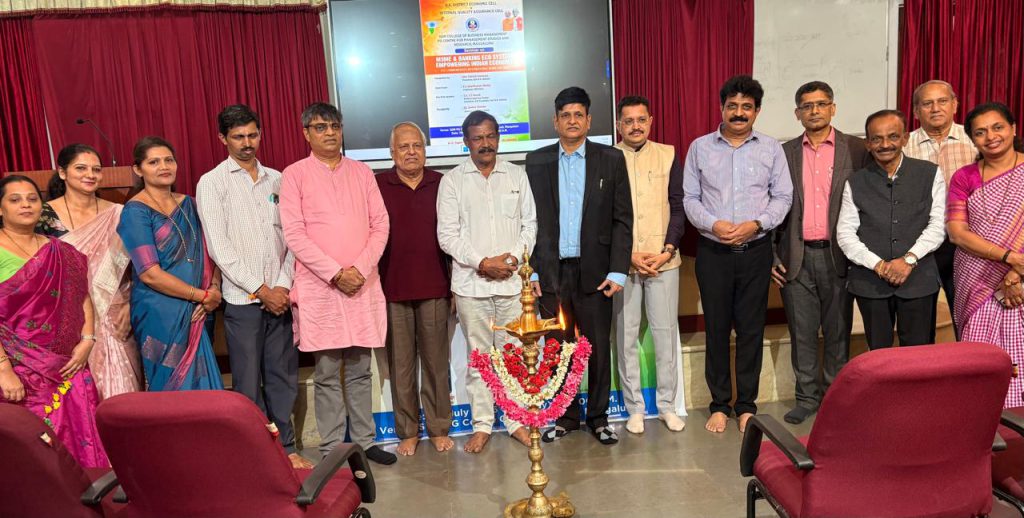
Seminar on MSME and Banking Ecosystem Highlights Entrepreneurship and Economic Growth in Mangaluru

Be Job Provider, Not Job Seeker’: CA S. S. Nayak Inspires Youth at MSME Seminar

NV Paulose , Chairman, Global TV +91 98441 82044

Mangaluru, July 7: To commemorate International MSME Day 2026, the D.K. District Economic Cell, BJP, in association with the Internal Quality Assurance Cell (IQAC) of SDM College of Business Management PG Centre for Management Studies and Research, organized a seminar on “MSME & Banking Eco System: Empowering Indian Economy” to commemorate International MSME Day 2026 at the SDM PG Centre Conference Hall, Mangaluru. The programme was inaugurated by Shri Sathish Kumpala, President, BJP D.K. District, in the presence of CA Shantharam Shetty, Chairman, Indian Red Cross Society D.K., as the Chief Guest. Mrs. Sumathi, Asst Professor & IQAC Coordinator, SDM PG Centre Presided over the function.

Delivering the keynote address, CA S. S. Nayak, MSME & Start-up Mentor and Convener, BJP Economic Cell, D.K. District, highlighted the crucial role of MSMEs in India’s economic growth and explained the importance of banking support, digital finance, government schemes, and entrepreneurship in strengthening the sector. The seminar witnessed active participation from MBA students, faculty members, entrepreneurs, and professionals, making it an informative and inspiring event. Er. G. Yogish Pai, Co-Convener, Mr Raghunath Pai, Member , Mr Sundar Shetty, Member, BJP Economic Cell, D.K. District were also present. Mr Sanjay Prabhu, Treasurer , BJP, DK District, Shri KS Balachandra Rao , Former GM Canara Bank, Dr Ramesh Pai & many more entrepreneurs were also present. CA S S Nayak made detiled presentation of MSME & Start Up Schemes, entrepreneural opportunities & funding options from Banks . He emphasised on PM Modi’s Vision “ Be Job provider, Not Job Seeker”. The program ended with Vande Mataram & Janaganamana.

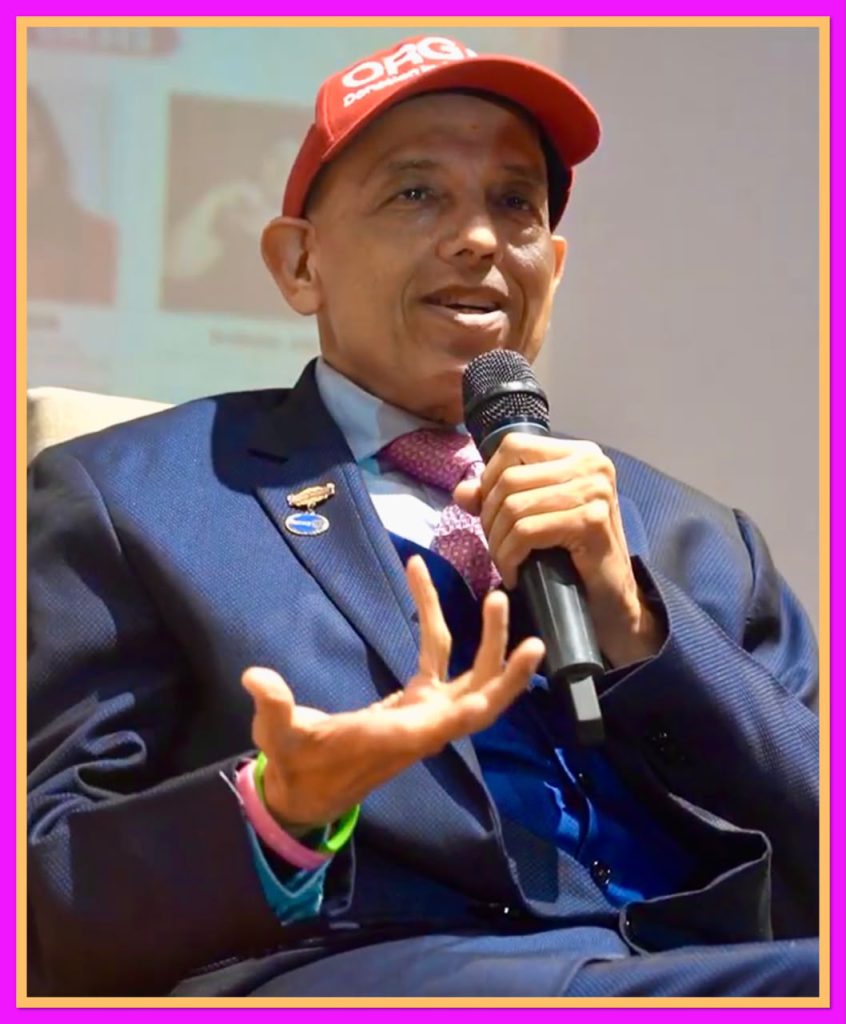
Chief Managing Editor and Founder & Charter President, Rtn Lal Goel, who shares his experience of addressing hundreds of home-based women entrepreneurs and social workers | Global TV

Rotary Club of Organ Donation International Inspires Action Through Awareness, Education and Service

NV Paulose, Chairman, Global TV, +91 98441 82044

The latest weekly bulletin of the Rotary Club of Organ Donation International (RCODI), released on 10 July 2026, highlights the club’s unwavering commitment to promoting organ donation awareness while celebrating community service, leadership, and healthy living. Packed with inspiring stories, educational content, and meaningful initiatives, the bulletin reflects the club’s mission of transforming lives through awareness and compassion.

Leading this edition is a message from Chief Managing Editor and Founder & Charter President, Rtn Lal Goel, who shares his experience of addressing hundreds of home-based women entrepreneurs and social workers at the “पंख को उड़ने दो 4.0” programme in Mumbai. Despite heavy monsoon rains, the event witnessed enthusiastic participation and served as a platform to recognise the remarkable contributions of women in building stronger communities. During his keynote address, Goel stressed the importance of gender equality, urging families to provide equal opportunities to boys and girls while drawing attention to the disparity between women who donate organs and those who receive transplants. His message reinforced the belief that social transformation begins at home.

The bulletin also carries an informative article by Dr Kamal Jain, Tissue Donation Chair of RCODI, explaining the process of brain death certification in India. The article simplifies the legal and medical aspects of brain death under the Transplantation of Human Organs and Tissues Act (THOTA), 1994, helping readers understand how certified brain death enables deceased organ donation. By clarifying common misconceptions, the piece encourages informed conversations about one of the most important aspects of organ donation.

Another noteworthy feature highlights the awareness efforts undertaken by Rotarian Uma Jhawar in Indore. During a condolence meeting held in memory of the late Shri Prakash Chand Naroliya, she sensitised nearly 200 attendees about the importance of eye donation. The initiative demonstrated how even moments of grief can become opportunities to inspire hope and save lives through awareness.

The bulletin also celebrates the continued expansion of the Organ Donation Warriors movement, a nationwide initiative aimed at creating a network of trained volunteers to promote organ, tissue, and body donation. Rotarian Lalit Sharma of Jaipur has been appointed as the Public Relations Officer of the movement. His appointment is expected to strengthen media outreach, public engagement, and awareness campaigns across India, further advancing the mission of making organ donation a household conversation.

Adding an emotional dimension to the publication is a heartfelt poem titled Leave a Legacy That Breathes, written by Regal President Rtn Hemalatha Bhandari. The poem beautifully captures the enduring impact of organ and tissue donation, reminding readers that even after death, one can continue to give the priceless gift of life to others.

Promoting healthy living remains another important aspect of the bulletin. In the “Healthy Food – Healthy Organs” section, Regal Secretary Rtn Ruby Agarwal shares an easy-to-prepare healthy protein bar recipe made with sattu, dates, nuts, cocoa, and peanut butter. Rich in protein and fibre, the recipe encourages readers to adopt nutritious eating habits that support long-term organ health.

The final pages introduce club member Rtn Manikandan Venkateswaran, offering readers a glimpse into his personal interests, family life, and motivation for joining the Rotary Club of Organ Donation International. His simple yet powerful reason—to “live through others even after death”—perfectly embodies the spirit of organ donation.

The bulletin successfully combines education, inspiration, and community engagement. It not only informs readers about the latest initiatives of the Rotary Club of Organ Donation International but also reinforces the powerful message that one organ donor can save multiple lives. Through awareness, compassion, and collective action, the club continues to inspire individuals to leave behind a legacy that truly breathes.

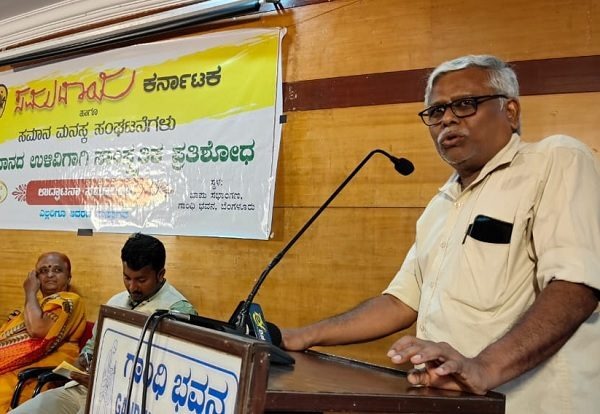
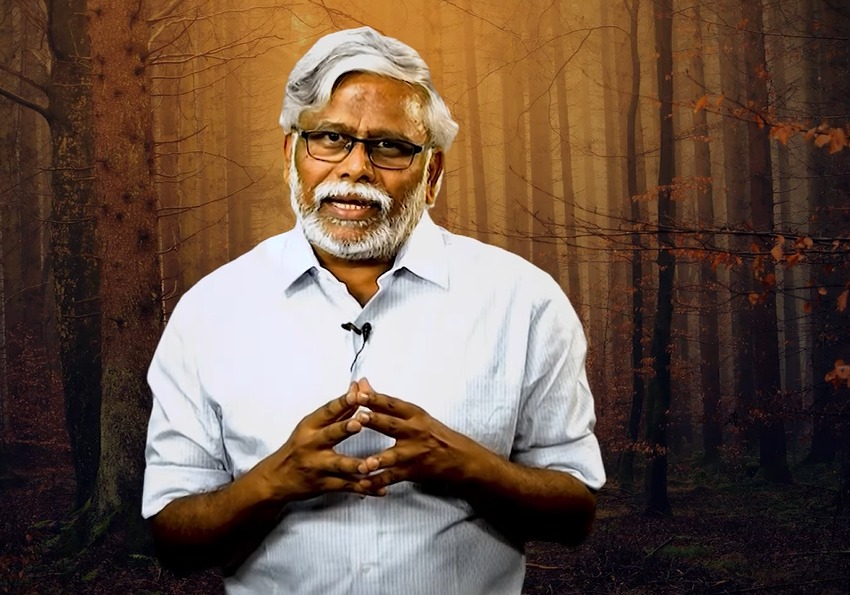
Shivasundar | An Open Mind Guided by Simplicity | A Conversation That Extends Beyond Politics | Global TV

Shivasundar: A Voice of Conviction in Public Life | The Need for Independent Thinkers

NV Paulose, Chairman, Global TV +91 98441 82044

Meeting a public intellectual often reveals qualities that cannot be understood through books or public speeches alone. A conversation with Shivasundar offers precisely such an experience. Beyond his public identity is a thoughtful individual whose openness, humility, and clarity leave a lasting impression.

Our discussion moved across history, philosophy, economics, democracy, agriculture, caste, and community life. What made the conversation memorable was not simply the range of subjects but the ease with which each idea connected naturally to the next.

The discussion never felt like a lecture. It felt like an invitation to think together.

The Quiet Strength of Integrity

Public life frequently rewards visibility, speed, and certainty. Yet the qualities that leave a lasting influence are often quieter. Integrity, patience, humility, openness, and intellectual honesty cannot be measured by popularity. They reveal themselves through consistent conduct over time.

These qualities became evident throughout the conversation. They explain why many people continue to value his writings and public discussions. The most enduring lesson from meeting Shivasundar is that ideas acquire their greatest strength when they are supported by character. Knowledge commands respect, but knowledge combined with humility inspires trust.

An Open Mind

One of the most striking qualities of Shivasundar is his openness. He does not approach conversations with the intention of defeating opposing views. Instead, he listens carefully, responds patiently, and encourages questions.

This openness reflects confidence rather than uncertainty. People who are secure in their ideas do not fear discussion. They recognise that meaningful dialogue strengthens understanding.

Throughout the conversation, there was no attempt to impose conclusions. Instead, every argument was developed through explanation and reasoning, allowing listeners to reach their own understanding.

Such openness is becoming increasingly rare in public life where debates often become contests rather than conversations.

Clarity of Thought

Knowledge becomes valuable only when it can be communicated clearly. This is one of Shivasundar’s greatest strengths.

Even while discussing subjects that span centuries of history and multiple disciplines, his reasoning remains organised and coherent. Each argument develops naturally from the previous one.

A discussion on the freedom movement becomes a discussion about democracy. Democracy leads to questions about caste. Questions of caste naturally connect with Ambedkar’s philosophy of dignity and autonomy. From there the discussion moves towards capitalism, local economies, agriculture, and community organisation. Nothing appears disconnected because every subject is treated as part of a larger social reality.

Freedom Begins with Responsibility

One idea returned repeatedly throughout the conversation. Real freedom begins with individual responsibility. Political freedom alone is not sufficient. Individuals must become capable of thinking independently, making ethical choices, and accepting responsibility for those choices. Dependence upon external authority, whether political, religious, or economic, weakens personal autonomy.

His reflections on Ambedkar’s philosophy highlighted this point. Human dignity comes from recognising one’s own worth rather than seeking validation from institutions that have historically denied equality. This emphasis on personal responsibility gives his understanding of democracy a deeply human dimension.

Building Instead of Merely Opposing

Another important insight emerged while discussing social movements. Resistance has its place, but meaningful change also requires creation. Instead of focusing only on opposing existing systems, communities can build alternatives through cooperation, local production, and collective action.

His observations on our discussions about agriculture illustrated this perspective. Local cultivation strengthens local economies, reduces unnecessary dependence upon distant markets, and encourages community participation. Even small initiatives have the potential to inspire wider social change when undertaken collectively. This practical optimism distinguishes his thinking from approaches that remain confined to criticism.

Simplicity as a Way of Life

Perhaps the most remarkable aspect of meeting Shivasundar is the simplicity with which he lives and communicates. There is no display of intellectual superiority despite decades of scholarship and public engagement. Ideas are expressed with calmness and without unnecessary ornamentation.

His lifestyle appears consistent with his philosophy. Simplicity is not presented as an aesthetic choice but as an ethical one. Living simply creates the freedom to think independently without becoming captive to status, consumption, or public approval. This consistency between thought and conduct strengthens the credibility of his public voice.

Learning Through Conversation

The conversation demonstrated that genuine education often happens outside classrooms.

Historical events became opportunities to understand present society. Economic questions became discussions about ethics. Political analysis became reflections on everyday life.

Rather than providing ready made answers, Shivasundar encouraged a habit of questioning. His method reminds us that education is not the accumulation of information but the cultivation of judgment.

This approach leaves a deeper impact because it transforms the way people think rather than merely increasing what they know.

Shivasundar: A Voice of Conviction in Public Life | The Need for Independent Thinkers

Every generation produces individuals who influence society not through political office or institutional authority but through the power of ideas. Such people become important because they encourage citizens to think beyond the obvious, question accepted narratives, and examine public life with honesty and reason. In contemporary Karnataka, Shivasundar has emerged as one such voice.

Known for his widely read Samakaleena column and his public lectures and discussions, Shivasundar has consistently participated in conversations that matter. His work reflects an enduring commitment to democratic values, constitutional principles, and social justice. Rather than offering quick opinions that satisfy popular sentiment, he approaches public issues with patience, historical awareness, and intellectual discipline.

His contribution lies not simply in expressing opinions but in creating a space where people are encouraged to think critically. At a time when public discourse often rewards certainty more than inquiry, this approach has become increasingly valuable.

Looking Beyond Immediate Events

One of the defining features of Shivasundar’s work is his ability to place current events within a larger historical and social context. Political developments rarely exist in isolation. They are shaped by history, institutions, economic conditions, and social relationships. His analyses consistently remind audiences that understanding the present requires an understanding of the past.

Whether discussing elections, constitutional institutions, or public policy, he avoids reducing complex issues to slogans. Instead, he invites readers to explore the deeper forces that influence political decisions and social change.

This method encourages citizens to become informed participants in democracy rather than passive consumers of political messaging.

Commitment to Constitutional Values

Throughout his public engagement, constitutional values remain central to his thinking. Democracy, equality, liberty, and justice are not treated merely as words contained in legal documents. They are presented as living principles that require constant protection through public participation and informed debate.

His discussions often emphasise that democracy cannot survive on elections alone. Institutions remain meaningful only when citizens continue to question authority, defend civil liberties, and hold governments accountable irrespective of political affiliation.

Such consistency is particularly significant in periods of political polarisation. Principles acquire value precisely when they are upheld even under pressure.

Courage to Remain Independent

Independent commentary rarely enjoys universal approval. Those who refuse to align themselves completely with any political camp often face criticism from multiple directions. Yet intellectual independence remains one of the foundations of democratic society.

Shivasundar has demonstrated a willingness to maintain his convictions despite disagreement and controversy. This does not mean that every reader must agree with every conclusion he reaches. Rather, it reflects the importance of preserving spaces where ideas can be examined freely without fear of conformity. A healthy democracy requires voices that are prepared to ask uncomfortable questions and challenge accepted assumptions.

Making Complex Ideas Accessible

Another important aspect of his work is accessibility. Constitutional law, political philosophy, economic policy, and social history are subjects that often remain confined to universities and specialist discussions. Shivasundar succeeds in bringing these ideas into everyday public conversation.

His writing and public discussions avoid unnecessary complexity. Difficult concepts are explained through familiar examples drawn from ordinary life. This enables people from different educational backgrounds to participate in discussions that shape public life.

Accessibility should never be mistaken for simplicity of thought. On the contrary, it reflects a deep understanding of the subject. Only those who understand complexity thoroughly can explain it clearly.

A Lasting Contribution

The value of a public intellectual should not be measured solely by agreement or disagreement. Meaningful public commentary encourages reflection, strengthens democratic culture, and expands civic understanding.

By consistently inviting people to examine issues through history, constitutional values, and reason, Shivasundar has contributed to a more informed public discourse. His work reminds us that democracy depends not only upon institutions but also upon citizens who are willing to think independently and engage responsibly.

In an age of instant opinions and rapid reactions, thoughtful analysis remains indispensable. Through his writings and public engagement, Shivasundar continues to demonstrate that ideas grounded in integrity, consistency, and careful reasoning retain their power long after political slogans have faded.

Lodha Park Clubhouse, Mumbai | Rotarian Lal Goel said that women today have demonstrated their capabilities across every field and are playing a pivotal role in shaping a stronger and more inclusive society | Global TV

ROTARIAN LAL GOEL CALLS FOR GENDER EQUALITY AND GREATER ORGAN DONATION AWARENESS WHILE ADDRESSING HOME-BASED WOMEN ENTREPRENEURS & WOMEN SOCIAL WORKERS IN MUMBAI

NV Paulose, Chairman, Global TV +91 98441 82044

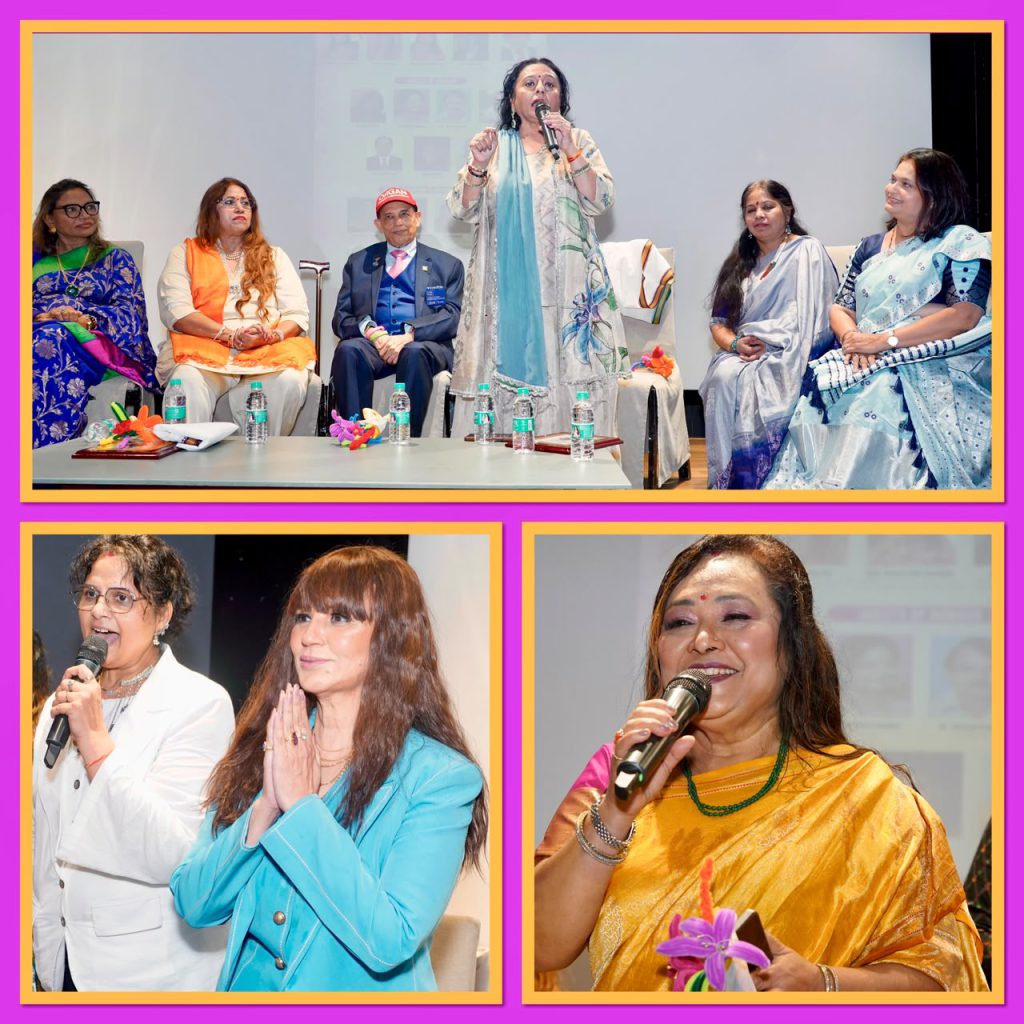
Mumbai, 4 July: Rotarian Lal Goel, Founder & Charter President of the Rotary Club of Organ Donation International (RCODI) and Chairman of Organ Donation India Foundation & GYAN, addressed and inspired hundreds of home-based women entrepreneurs and women social workers as the Chief Guest at “पंखों को उड़ने दो 4.0”, held at Lodha Park Clubhouse, Mumbai.

In his keynote address, Rotarian Lal Goel said that women today have demonstrated their capabilities across every field and are playing a pivotal role in shaping a stronger and more inclusive society. He observed that although today’s generation has access to an unprecedented amount of information, true progress depends on transforming information into knowledge, wisdom, and responsible action.

Speaking on organ donation, he highlighted the disparity between the number of women who become living organ donors and the comparatively smaller number of women who receive organ transplants. He said this imbalance deserves serious attention from society and stressed that the journey towards equality begins within every family. He urged parents to raise their children with equal respect and opportunities for both boys and girls, adding that lasting social transformation starts at home.

The programme celebrated the courage, resilience, and achievements of home-based women entrepreneurs and women social workers whose dedication continues to strengthen families, communities, and the nation.

The event was organised by Ms Rashmi Mishra, Founder, CEO & Director of IIW – Inspiring Indian Women (UK & India), with the generous support of Smt Manju Mangalprabhat Lodha, renowned philanthropist.

The programme was graced by several eminent personalities, including Padma Shri Kalpana Saroj, Ms Preety G. Sharma, Smt Deepa Udit Narayan, Ms Neeta Lulla, Rotarian Ruby Agarwal, Mr Vibhuti Jain, and many other distinguished guests.

Rotarian Lal Goel congratulated Ms Rashmi Mishra and her team for organising such a meaningful initiative despite the heavy monsoon rains in Mumbai. He described the programme as an inspiring platform that recognises and celebrates the invaluable contribution of women entrepreneurs and women social workers, while encouraging greater social responsibility and community participation.

Table TV | The Day Millions of Global Communication Channels are Added to Television Broadcasting | Global TV

When We Looked Everywhere Except Where the Treasure Lay

NV Paulose, Chairman, Global TV +91 98441 82044

There is an old story that has stayed with me for years. At first glance it appears humorous. On closer reflection, it explains one of the greatest weaknesses of human civilization.

A driving instructor was teaching a nervous young learner. The road ahead was uneven, filled with ditches. With understandable concern, the instructor repeatedly warned him, “Be careful. Avoid the ditches.”

The learner became completely preoccupied with the ditches. Every decision he made was driven by the fear of entering one. As he attempted to avoid the first ditch, the car slipped into another. While trying to recover from that, it entered a third. One mistake led to another until he had almost visited every ditch on the road.

Finally, the instructor asked him to stop.

“Reverse the car,” he said.

The learner slowly retraced his path until he reached the point where the journey had begun.

The instructor smiled and said, “You missed one ditch. Go back and cover that one as well.”

The story makes us smile because it captures something fundamental about the way human beings think. When our attention becomes completely occupied by one set of possibilities, we often fail to notice the one possibility that truly matters. We become experts at reacting while forgetting to discover. We improve what already exists but overlook what could fundamentally change the future.

History, in many ways, has behaved exactly like that learner.

Civilizations Also Miss Their Greatest Opportunities

Every civilization likes to believe that progress is the inevitable result of intelligence. History tells a different story. Progress often depends less upon intelligence than upon recognition. Many transformative ideas appear long before society develops the wisdom to understand them. Some are dismissed as impractical. Others are delayed because institutions remain committed to familiar ways of thinking. Occasionally, an idea is admired without its deeper significance ever being recognised.

The real tragedy is not that great ideas are rejected. The greater tragedy is that societies frequently fail to recognise the living source from which those ideas emerge. They admire the visible achievement but overlook the creative process that produced it. They celebrate the invention while neglecting the inventor. They preserve the product while allowing the capacity for further innovation to disappear.

This pattern has repeated itself throughout history, not because people lack intelligence, but because they often mistake the obvious for the important.

We Improved Television Without Redefining It

Television offers a remarkable example of this pattern.

For almost a century, humanity accepted a simple definition of television. It was understood as a broadcasting medium. A few broadcasters created programmes. Millions of people watched them. Information travelled in one direction from the centre to the audience. The audience remained largely passive.

Within this understanding, remarkable progress was made. Better cameras were developed. Colour replaced black and white. Satellite broadcasting expanded global reach. Digital transmission improved quality. High definition became ultra high definition. Smart televisions entered our homes. Every decade introduced another technological improvement.

Each of these developments represented genuine achievement. Yet they all shared one silent assumption. Television was expected to become a better broadcasting system.

Very few people paused to ask a more fundamental question.

What if television had been misunderstood from the very beginning?

What if its greatest potential was never broadcasting at all?

The Day Millions of Global Communication Channels are Added to Television Broadcasting

The difference between broadcasting and communication may appear small, yet it changes the entire philosophy of the medium.

Broadcasting distributes information from one source to many receivers. Communication allows every participant to become both a sender and a receiver. Broadcasting creates audiences. Communication creates communities. Broadcasting encourages passive consumption. Communication encourages active participation.

The future of television does not lie in broadcasting more content alone. It lies in creating richer human interaction.

When television becomes an interactive communication platform, its purpose changes completely. It ceases to be a machine that entertains people for a few hours every day. Instead, it becomes an instrument through which neighbourhoods exchange knowledge, teachers educate students, doctors guide families, entrepreneurs reach local markets, artists share their creativity, and ordinary citizens participate in shaping the life of their own communities.

Television then becomes not merely a screen, but a public square.

That possibility has existed for decades.

We simply failed to recognise it.

History Had Already Whispered the Possibility

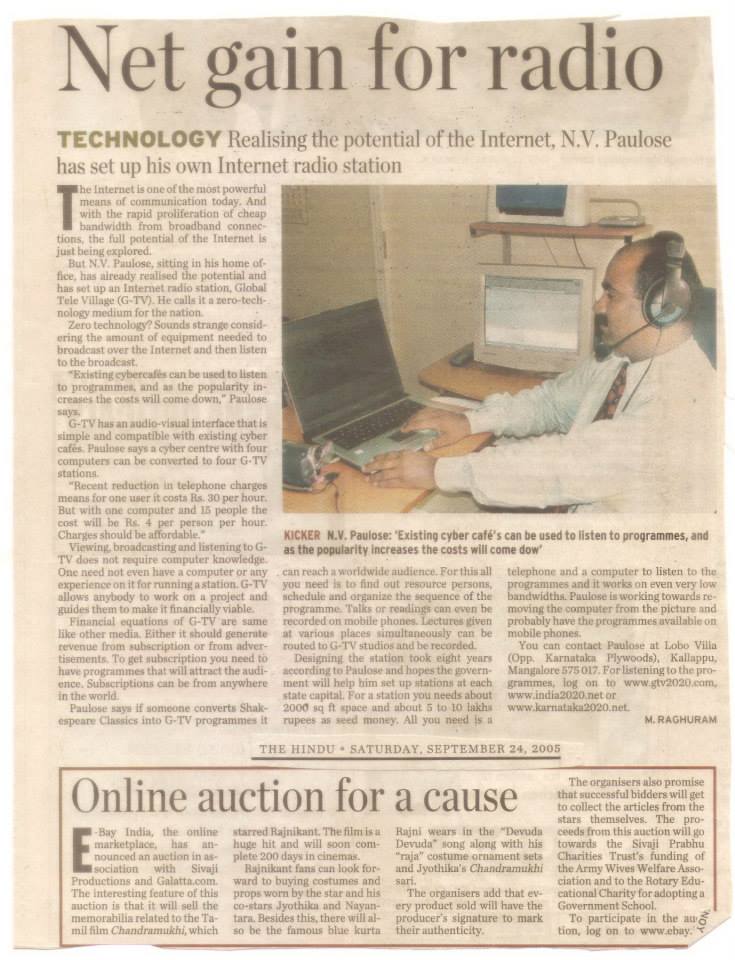
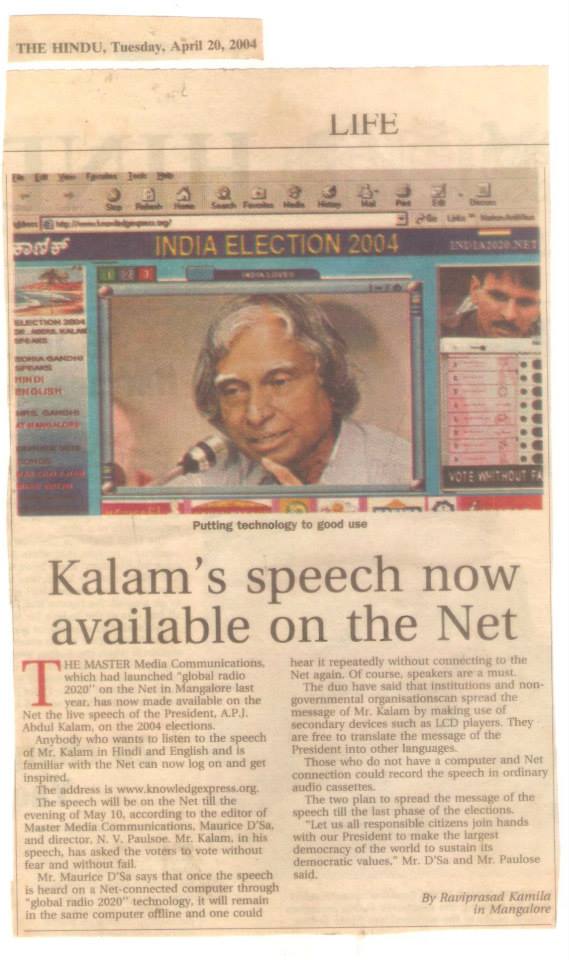
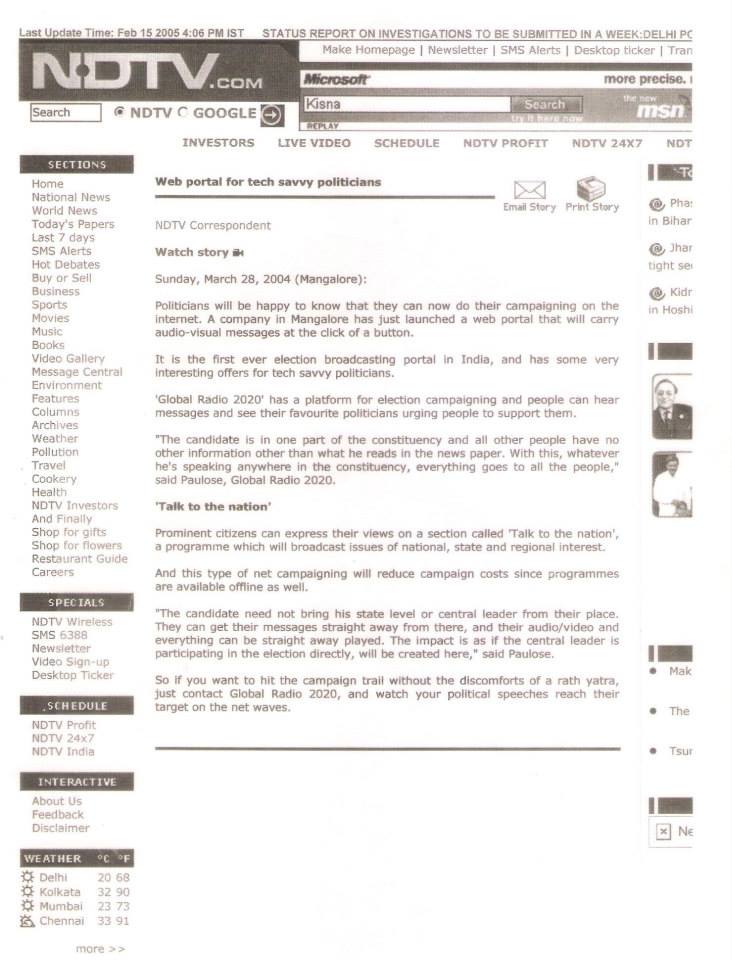
More than twenty years ago, when broadband itself was still uncommon and Internet streaming was only beginning to emerge, several respected newspapers quietly documented experiments that challenged conventional thinking.

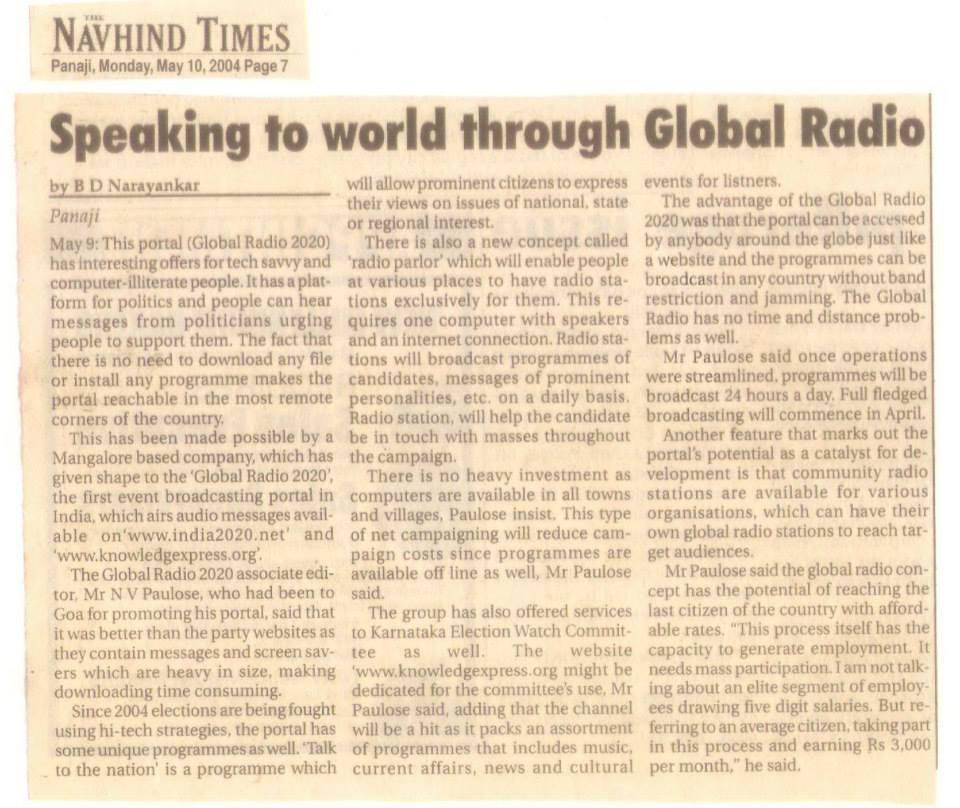
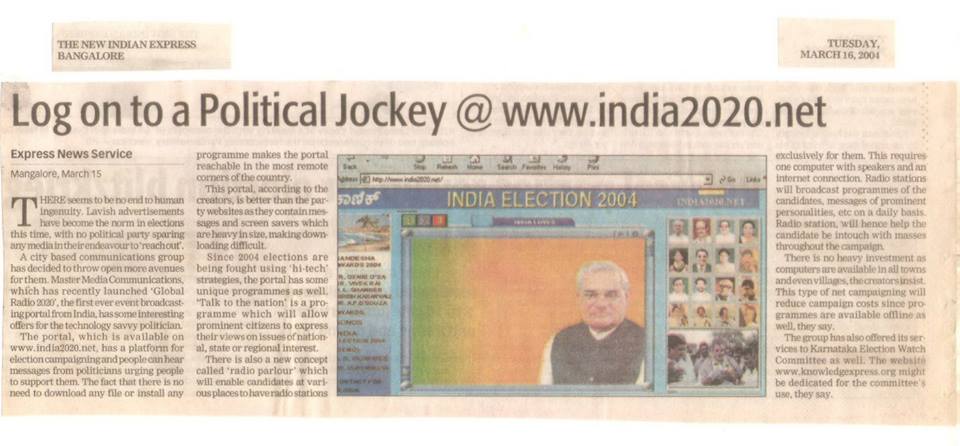
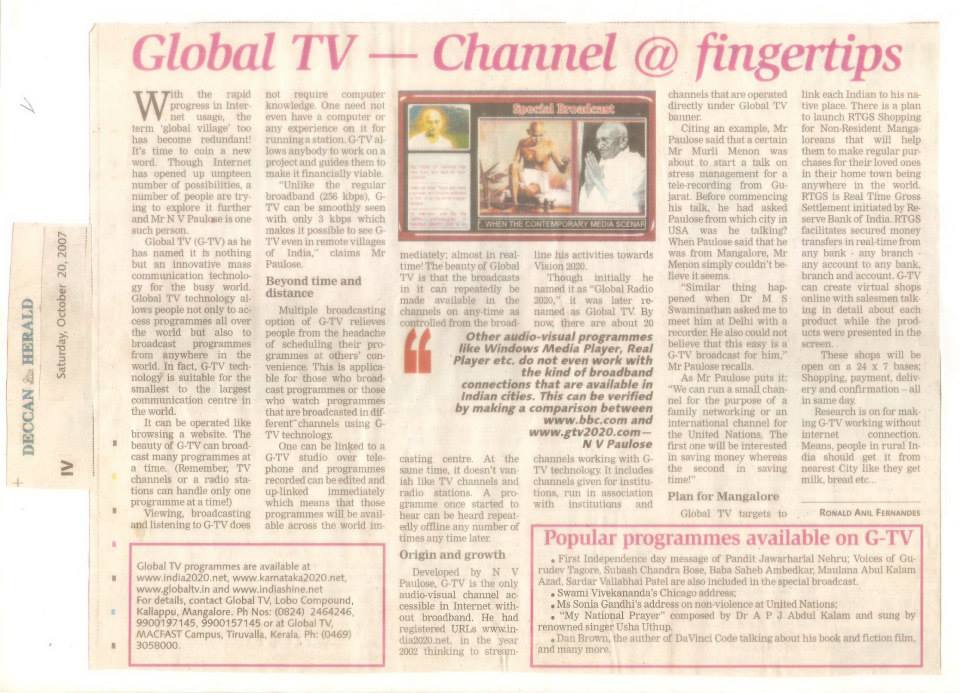
The Hindu reported initiatives involving Internet television and the online dissemination of important public addresses, including speeches by Dr. A. P. J. Abdul Kalam. The Indian Express, Deccan Herald, Navhind Times, and NDTV described Internet broadcasting, election information portals, community communication initiatives, and early attempts to use digital networks as instruments of public participation rather than mere transmission.

At the time, these reports appeared to describe isolated technological experiments.

Looking back after two decades, they tell a different story.

Taken together, they reveal the early emergence of an entirely different philosophy. Television was no longer being imagined as a one way broadcasting medium. It was being reimagined as an interactive communication platform capable of connecting people, institutions, knowledge, and communities.

History had quietly whispered the future.

The world heard the technology.

It did not fully hear the idea.

Recognition Is the Beginning of Every Revolution

History occasionally offers inspiring examples of what becomes possible when vision is recognised at the right moment.

Rajiv Gandhi recognised not merely a proposal from Sam Pitroda but a way of thinking about India’s future. He understood that telecommunications represented far more than technology. It represented national transformation through connectivity. More importantly, he entrusted the originator with the opportunity to participate in shaping that transformation.

That decision carries an enduring lesson.

One may always ask a simple question.

What if the proposal had merely been taken and handed over to someone else?

Would the same result have emerged?

No one can answer with certainty.

Yet history repeatedly suggests that ideas are not isolated objects that can simply be transferred from one person to another. Great ideas continue evolving during implementation. Their creators possess insights that rarely appear in written documents. The greatest contribution of an innovator is often not the first idea but the countless refinements that follow.

Recognition therefore is not an act of generosity.

It is an act of wisdom.

The Flower Was Never the Plant

This is why I often return to a simple metaphor.

An idea resembles a flowering plant.

Everyone notices the flower because it is colourful and immediately visible. Some admire it. Others pluck it. Yet the flower is only one expression of a living organism whose roots remain hidden beneath the surface. The plant continues drawing nourishment, growing quietly, and producing new blossoms season after season.

If someone plucks the flower and carries it away, they possess beauty for a few days.

What they never possess is the living source capable of producing countless flowers.

Ideas behave in precisely the same manner.

Institutions frequently believe they have acquired innovation simply because they have acquired one successful proposal. In reality, they may have separated the flower from the plant. They obtain one visible achievement while losing the continuing source of future creativity.

The Malayalam proverb expresses this truth beautifully.

“ഉപ്പോളം വരുമോ ഉപ്പിലിട്ടത്?”

Can what has merely been preserved in salt ever become equal to salt itself?

The proverb reminds us that something derived from an original source can never completely replace the source itself. Creativity cannot simply be transferred like property. It grows from a living process of observation, imagination, experience, and continuous refinement.

The Treasure We Left Behind

The story of the learner driver now returns with renewed meaning.

Humanity entered countless technological ditches. We improved broadcasting. We multiplied channels. We developed better screens. We created streaming services. We built social media. We introduced artificial intelligence. Each development contributed something valuable.

Yet throughout this extraordinary journey, we overlooked the one treasure that had quietly remained before us. We never fully transformed television into an interactive communication platform serving local communities. We travelled everywhere except the place where the greatest opportunity waited.

Fortunately, history sometimes grants civilizations a second chance. Returning to an unfinished idea is not moving backward. It is recovering something valuable that was left behind.

Table TV and a New Communication Economy

This is where the idea of Table TV becomes significant.

Imagine a world in which every neighbourhood, every village, every apartment complex, every educational institution, every professional association, and every local community has its own television platform serving approximately two hundred people.

Such platforms would not exist merely to broadcast programmes.

They would become centres of communication, learning, entrepreneurship, culture, healthcare, public dialogue, and local economic activity.

Students could present projects.

Teachers could conduct interactive classes.

Doctors could offer preventive healthcare guidance.

Farmers could exchange practical knowledge.

Artists could perform before their own communities.

Senior citizens could preserve local history.

Young people could create meaningful content.

Homemakers could become educators, communicators, entrepreneurs, organisers, and custodians of community knowledge.

Television would no longer be something people simply watch.

It would become something through which people participate in building their communities.

The economic implications are equally profound. Such a decentralised communication network could meaningfully engage one crore young people and homemakers. It would create livelihoods not by distributing subsidies but by creating genuine social and economic value through knowledge, creativity, communication, and participation.

This is not merely a media model.

It is the foundation of a new communication economy.

Perhaps the Treasure Has Been Waiting for Us All Along

The journey of civilization is not merely the story of inventions. It is the story of recognition. Again and again, humanity has been presented with extraordinary possibilities that first appeared as quiet ideas in the minds of a few individuals. Some were recognised and nurtured. Others waited patiently until society finally became ready to understand them.

The opportunity to transform television from a broadcasting medium into an interactive communication platform has never disappeared. It has waited with remarkable patience while we explored countless other technological possibilities. Today we possess global connectivity, affordable digital devices, cloud computing, artificial intelligence, and communication networks of unprecedented reach. What remains unfinished is not the technology. What remains unfinished is our imagination.

I often reflect upon a simple thought. There is a divine intelligence that governs the conduct of the universe, and we are all participants in it. This is not a religious statement but a philosophical one. Human beings do not own truth. We encounter it. We do not create every possibility. We discover it. Great ideas appear through prepared minds, but they ultimately belong to the unfolding story of human civilization.

Perhaps the opportunity before us is not to invent something entirely new. Perhaps it is simply to recognise the treasure that has been waiting for us all along. If we have the wisdom to recover it now, television can become far more than a broadcasting medium. It can become the communication platform that empowers communities, strengthens democracy, creates knowledge, and rewardingly engages one crore young people and homemakers in shaping a more participative and creative future.

Sometimes the greatest step into the future begins by returning to the one opportunity we unknowingly left behind.

Suja R Mohan | Empowering Personal Growth Through Mindset and Life Coaching | Global TV

Silver Membership Class on Mind Power and Personal Success Begins August 3

NV Paulose, Chairman, Global TV +91 98441 82044

A new batch of the Silver Membership Class, a one-month personal development program focused on achieving life success through the power of the mind, is scheduled to begin on August 3.

The course offers daily one-hour online sessions, with participants able to choose between 1:00 PM and 9:00 PM batches. The program is designed to help individuals develop a positive mindset, strengthen mental resilience, and apply practical techniques for personal and professional growth.

According to the organizers, the course includes training in creating a mental blueprint for success, reprogramming the mind through proven techniques, improving interpersonal relationships, developing a healthy attitude toward wealth, setting and achieving meaningful goals, and building a happy and harmonious family life.

Participants will also learn methods to maintain happiness, enhance peace within the family, strengthen intuition through meditation, manage finances responsibly, overcome debt, achieve personal aspirations, and improve relationships with others. An interactive question-and-answer session will allow participants to clarify their doubts throughout the program.

The course fee is ₹2,360 (₹1,999 + GST) for the one-month program.

Interested individuals can register by contacting the organizers via WhatsApp at +91 95672 74997 or +91 70125 05861.

Payments can be made through Google Pay (8089011019) or by bank transfer to SUJA R MOHAN ACADEMY. Participants are requested to send the payment screenshot to +91 95672 74997 to complete their registration.

The organizers encourage anyone interested in self-improvement, mental empowerment, and personal success to enroll and take advantage of this structured learning opportunity.

Organized by Team Suja R Mohan.

Suja R Mohan: Empowering Personal Growth Through Mindset and Life Coaching

Suja R Mohan has emerged as a prominent life coach, motivational speaker, and mind power trainer from Kerala, inspiring thousands of people through her coaching programs, public talks, and digital platforms. As the founder of Suja R Mohan Academy, she has built a growing community focused on personal development, self-belief, and achieving success through mindset transformation.

With more than a decade of experience in coaching and mentoring, Suja R Mohan specializes in life coaching, mind power training, business coaching, and celebrity coaching. According to her academy, her mission is to help individuals identify their true potential, overcome limiting beliefs, and create meaningful personal and professional growth. Her coaching philosophy emphasizes the connection between thoughts, emotions, and actions, encouraging people to develop a positive mindset while pursuing their goals.

Through the Suja R Mohan Academy, she offers a variety of structured programs designed for different stages of personal development. These include Silver, Gold, and Platinum Memberships, along with specialized courses such as Mind Mastery, Wealth Mastery, Health Mastery, Relationship Mastery, Law of Attraction workshops, student coaching, and business coaching. The academy states that its programs are designed to provide practical techniques, goal-setting strategies, confidence building, and guidance for personal transformation.

One of the distinguishing features of Suja R Mohan’s work is her emphasis on mind power and manifestation techniques. She frequently speaks about visualization, affirmations, self-discipline, and developing empowering habits that can help individuals pursue success in various aspects of life. In interviews and public appearances, she describes manifestation as aligning one’s thoughts, emotions, beliefs, and actions toward a desired outcome while maintaining consistent effort and personal responsibility.

Her influence has expanded significantly through social media and online platforms, where she regularly shares motivational messages, inspirational videos, and practical advice on personal growth. Her official website highlights a large online community, multiple coaching programs, and testimonials from participants who credit her guidance with helping them improve confidence, relationships, and career direction.

Beyond coaching individuals, Suja R Mohan also works with entrepreneurs, professionals, students, and public personalities through customized mentoring programs. Her coaching approach focuses on helping clients set clear goals, strengthen decision-making abilities, improve communication skills, and build resilience in the face of challenges. The academy emphasizes personalized coaching, recognizing that every individual has unique aspirations and circumstances requiring tailored guidance.

As interest in personal development continues to grow, Suja R Mohan has become one of Kerala’s well-known motivational coaches, attracting participants from different parts of India and abroad through online learning. Her academy continues to expand its range of programs with the aim of helping people cultivate confidence, clarity, and purpose in both their personal and professional lives.

Through her message of self-belief, continuous learning, and disciplined action, Suja R Mohan encourages people to take responsibility for their own growth and work consistently toward building a more successful and fulfilling future.

Seeing the Future Before It Arrives | Television as an interactive communication platform | Global TV

When We Pluck the Flower and Ignore the Plant

NV Paulose, Chairman, Global TV +91 98441 82044

History is often written as a chronicle of great events, powerful leaders, and technological revolutions. Yet beneath every transformation lies something far less visible: an idea. Every civilization has advanced because someone imagined a possibility that others could not yet see. Some of these ideas were embraced and nurtured. Many others were dismissed, delayed, or quietly forgotten, only to reappear years later through different people and under different circumstances.

This recurring pattern raises a profound question. Do ideas belong to individuals, or are individuals merely participants in a larger process of discovery?

I have often reflected on a simple thought: there is a divine intelligence that governs the conduct of the universe, and we are all part of it. This is not a religious assertion. It is a philosophical observation born from watching history unfold. Human beings do not create reality; they discover aspects of it. Ideas emerge through minds that are prepared to perceive possibilities hidden from others. Some are recognized in their own time. Others must wait for history to catch up.

The tragedy of civilization is not merely that great ideas are rejected. It is that societies often fail to recognize the living source from which those ideas arise.

Seeing the Future Before It Arrives

At the beginning of this century, India stood at the threshold of the digital age. Broadband connectivity was limited. Streaming media was almost unknown. Social media platforms that dominate public discourse today either did not exist or were in their infancy. Television remained what it had been for decades: a one-way broadcasting medium. Information flowed from the broadcaster to millions of passive viewers. The audience watched, but it did not participate.

Amid this technological landscape, a different possibility began to emerge.

Instead of treating television as a device for broadcasting information, it could be reimagined as an interactive communication platform. Every viewer could become a participant. Instead of transmitting programmes from a single source to a passive audience, television could become a digital meeting place where citizens, institutions, governments, educators, and communities communicated with one another.

The distinction may appear subtle, but it represents a fundamental shift in philosophy.

  • Broadcasting creates audiences.
  • Communication creates relationships.
  • Broadcasting distributes information.
  • Communication builds communities.

Looking back from today’s world of streaming platforms, interactive media, video conferencing, citizen journalism, and digital civic engagement, such a vision appears almost obvious. Yet two decades ago it was far from conventional thinking.

Several respected newspapers documented these efforts.

The Hindu reported experiments involving Internet television and the online dissemination of important public addresses, including speeches by Dr. A. P. J. Abdul Kalam. The Indian Express, Deccan Herald, Navhind Times, and NDTV carried reports describing Internet broadcasting, election information portals, community-based digital communication, and new ways of using emerging technologies to connect people.

At the time, these initiatives were viewed as interesting experiments. Today, they read like early glimpses of a future that had not yet arrived. History has a curious habit of making yesterday’s vision appear obvious only after it becomes reality.

Beyond Technology

Many people assume that innovation is primarily about technology.

  • It is not.
  • Technology is merely an instrument.
  • Innovation begins with changing the way we understand a problem.
  • The real question was never how to improve television.
  • The question was whether television itself had been misunderstood.

For nearly a century, television was defined by its hardware. Cameras produced images. Broadcasting stations transmitted signals. Receivers displayed programmes. But perhaps television was never merely a broadcasting system. Perhaps it was always capable of becoming an interactive communication network.

This shift resembles the transformation of the telephone. A telephone is not valuable because it transmits sound. It is valuable because it enables human connection.

Similarly, the future of television was not about producing better broadcasts. It was about enabling richer communication.

This distinction changes everything.

  • A broadcaster speaks.
  • A communicator listens.
  • A broadcaster informs.
  • A communicator engages.
  • A broadcaster creates spectators.
  • A communicator creates participants.

The digital age has gradually confirmed this transformation. Today’s media ecosystem is no longer defined by one-way broadcasting. Viewers create content, respond instantly, participate in discussions, collaborate across continents, and influence public conversations in real time.

What once appeared visionary has quietly become everyday reality.

Recognition and the Courage to Trust Vision

History occasionally presents remarkable examples of societies recognizing creative potential before its value becomes universally accepted. One such example is Sam Pitroda. Rajiv Gandhi did not merely appreciate a technical proposal concerning telecommunications. He recognized an individual whose way of thinking could reshape India’s future. More importantly, he entrusted the originator with the opportunity to participate in implementing that vision.

This distinction deserves careful attention. Imagine an alternative history.

Suppose the proposal had been accepted but handed to someone else merely because that individual happened to be politically connected or administratively convenient.

Would the outcome have been identical? No one can answer with certainty. But history repeatedly suggests that ideas cannot always be separated from the minds that produced them.

Vision evolves continuously during implementation. The creator understands subtleties that rarely appear in written documents. Innovation is not a single moment of inspiration. It is an ongoing conversation between observation, experimentation, correction, and imagination.

Recognizing an idea is important. Recognizing the person capable of nurturing that idea may be even more important.

The Flower Is Not the Plant

There is a simple metaphor that captures this truth.

An idea is like a flowering plant. Everyone admires the flower. Some even pluck it. But the flower is not the plant. The flower is only the visible expression of a much deeper living system. Hidden beneath the surface are roots drawing nourishment from the earth. The stem continues to grow.

New buds continue to form. The plant possesses the capacity to produce countless flowers throughout its life. If someone plucks the flower and runs away, they possess beauty for a short while. Eventually the flower withers. What they never acquired was the living system that produced it. Ideas behave in precisely the same manner.

Organizations frequently believe they can separate an idea from its creator and expect the same creative process to continue elsewhere. Sometimes they obtain immediate results. Often they lose the far greater opportunity. They acquire one flower while abandoning the garden.

A Lesson from a Malayalam Proverb

Malayalam expresses this wisdom with remarkable simplicity.

“ഉപ്പോളം വരുമോ ഉപ്പിലിട്ടത്?”

Can something preserved in salt ever become equal to salt itself?

The proverb reminds us that something derived from an original source cannot automatically become identical to the source. This is not a criticism of those who implement ideas. Implementation is indispensable. But implementation without understanding is rarely equivalent to creation accompanied by continuous refinement. Societies sometimes assume that once an idea has been documented, anyone can reproduce its future. History suggests otherwise. The most valuable asset is often not the proposal. It is the creative intelligence that continues generating new possibilities long after the first proposal has been written.

The Illusion That Everything Can Be Bought

Modern civilization has become extraordinarily successful at assigning monetary value.

Land has a price. Technology has a price. Labour has a price. Even intellectual property can be purchased.

This success has encouraged an illusion: that creativity itself can also be bought.

  • Money can finance innovation.
  • Money can reward innovation.
  • Money can accelerate innovation.

But money cannot manufacture originality. Original insight cannot be ordered like machinery. No budget has ever guaranteed imagination. No committee has ever voted an invention into existence.

The deepest source of creativity remains beyond financial calculation. This is why organizations that attempt merely to purchase ideas often discover that genuine innovation gradually disappears.

The visible products remain. The invisible source has quietly departed.

Why Ideas Return

History contains another remarkable pattern.

Ideas often reappear. Scientific principles are rediscovered. Mathematical truths emerge independently in different civilizations. Technological breakthroughs occur simultaneously in different countries. Philosophical insights return across generations.

This does not necessarily imply coincidence. It suggests that reality continually offers opportunities for discovery. When conditions become favourable, prepared minds perceive similar truths.

One individual may be ignored. Another may arrive. The pathway changes. The underlying possibility remains. Ideas possess an extraordinary power because they are rooted not merely in personal ambition but in the structure of reality itself.

The Intelligence Behind Civilization

This brings us back to the thought with which we began. There is a divine intelligence that governs the conduct of the universe, and we are all part of it. Whether one interprets this as the intelligence inherent in nature, the deep order of reality, or the unseen logic through which civilizations evolve, the essential insight remains unchanged.

  • Human beings are not isolated creators.
  • We are participants.
  • We discover.
  • We interpret.
  • We contribute.

Every great innovation represents a dialogue between the human mind and the deeper order of existence. No individual owns truth. No institution owns wisdom. At best, we become temporary custodians of insights that pass through us. Some societies recognize those insights while they are still unfolding. Others notice only after history has already moved on.

A Responsibility for the Future

The greatest responsibility of any civilization is therefore not merely to celebrate success after it becomes obvious. Its responsibility is to recognize living sources of creativity while they are still quietly growing.

History does not reward societies simply because they possess resources. It rewards those that possess discernment. The future rarely announces itself with certainty. It first appears as an unusual idea in the mind of someone willing to imagine possibilities beyond conventional thinking.

If that person is ignored, the idea may disappear for a time. Or it may re-emerge elsewhere, through another individual, another institution, or another generation. Reality is patient. Human institutions are not always so.

The Way Ahead

The history of civilization is not merely the history of inventions.

  • It is the history of recognition.
  • Again and again, humanity has faced the same choice.
  • Will we admire only the flower, or will we nurture the plant?

Will we collect ideas after they become fashionable, or will we recognize the minds capable of producing them?

The newspaper reports published two decades ago were not merely records of technological experiments. They documented an emerging philosophy: that communication technologies should empower participation rather than passive consumption; that television could evolve from a broadcasting medium into an interactive communication platform; and that digital networks could strengthen communities rather than simply distribute content.

Today, much of the world is moving in precisely that direction.

The lesson extends far beyond one individual or one innovation.

  • Ideas cannot be reduced to commodities.
  • They are living expressions of a deeper creative process.
  • One may appropriate a proposal.
  • One may imitate an invention.
  • One may delay recognition.
  • But one cannot permanently possess the source of creativity by taking only its visible expression.
  • To pluck the flower is easy.
  • To understand the plant requires wisdom.

And perhaps the true measure of a civilization is not how many flowers it gathers, but how carefully it learns to recognize, protect, and cultivate the gardens from which they bloom.

Ratnashree Joseph G. M. Rebello | A Lifelong Champion of Environmental Conservation and Social Service | Global TV

Joseph G. M. Rebello is an environmental activist; an educator, trainer, motivator, social auditor, and a true servant of society.

NV Paulose, Chairman, Global TV +91 98441 82044

Ratnashree Joseph G. M. Rebello is a remarkable personality. His unwavering commitment to environmental conservation, water management, social accountability, and public awareness has made him a respected name across Karnataka. Through decades of dedicated service, he has shown that one determined individual can create lasting change. He works quietly, transforms communities and inspires generations. He never seek fame or recognition, but dedicated his life to serve people and protecting nature.

Joseph G. M. Rebello is an environmental activist; an educator, trainer, motivator, social auditor, and a true servant of society. He has devoted his entire life to promoting sustainable living, protecting natural resources, and encouraging citizens to become responsible custodians of the environment. His work reflects a rare combination of knowledge, practical experience, integrity, and compassion.

One of the most significant areas of Mr. Rebello’s contribution is water conservation. He strongly believes that water is life’s most precious resource and that every drop must be valued. Rainfall is uncertain everywhere in the world. Some years bring abundant rain, while others experience drought. Climate change has made weather patterns even more unpredictable. Understanding this reality, Mr. Rebello has continuously promoted rainwater harvesting as a practical and permanent solution for water security.

As he often demonstrates through his work, rain is not a regular phenomenon anywhere in the world, but efforts to harvest and conserve rainwater must be regular, continuous, and perpetual. This philosophy has become the foundation of his lifelong mission. While nature decides when it rains, human beings can decide how wisely they collect, store, and recharge every drop that falls. His consistent efforts have encouraged thousands of families, institutions, and government departments to adopt rainwater harvesting systems that benefit both present and future generations.

Mr. Rebello’s popular awareness programme, “Connecting with Rainwater – Cleanliness Begins at Home,” has reached people from different walks of life. Through this initiative, he teaches that environmental conservation starts with simple habits practiced within every household. He explains that maintaining clean surroundings, preventing water pollution, segregating waste, and harvesting rainwater are responsibilities that belong to every citizen. His training sessions are practical, easy to understand, and supported by real-life examples, enabling participants to implement these practices immediately.

His expertise extends beyond water conservation. As a State Resource Person and Trainer, he has shared his knowledge on groundwater conservation, rainwater harvesting, solid and liquid waste management, plastic waste management, sanitation, and environmental protection. His ability to simplify complex environmental issues has made him one of the most sought-after trainers in Karnataka. Government officials, engineers, elected representatives, teachers, students, self-help groups, non-governmental organisations, and community leaders have all benefited from his guidance.

Over the years, Mr. Rebello has conducted about 6,000 training programmes across all 31 districts of Karnataka, directly creating awareness among over 300,000 people. These numbers reflect not merely the scale of his work but also his relentless commitment to educating society. Every programme has inspired individuals to become active participants in protecting the environment rather than passive observers.

His contribution to cleanliness and sanitation is equally noteworthy. Serving as the Swachhata Ambassador of Udupi City Municipal Council, he has tirelessly promoted the principles of cleanliness and hygiene. He firmly believes that a clean environment is the foundation of a healthy society. Instead of limiting himself to speeches and awareness campaigns, he leads by example. Whether it is encouraging proper waste disposal, promoting source segregation, or educating communities about composting and recycling, he actively participates in every aspect of environmental cleanliness.

One quality that distinguishes Mr. Rebello is his courage to act. Many people notice littering but remain silent. Mr. Rebello does not. Whenever he sees people throwing garbage in public places, he politely but firmly stops them and explains their civic responsibility. His objective is never to embarrass anyone but to educate them and encourage behavioural change. Such actions have earned him immense respect as a fearless environmental advocate who practices what he teaches.

His concern for the environment is holistic. He understands that clean water, healthy soil, forests, fresh air, and proper waste management are interconnected. Protecting one without safeguarding the others is impossible. Therefore, his campaigns address every aspect of environmental sustainability. He consistently educates people about reducing plastic usage, managing biodegradable and non-biodegradable waste responsibly, conserving groundwater, planting trees, and protecting natural ecosystems. His vision extends beyond immediate environmental problems to securing a healthier planet for future generations.

Apart from environmental conservation, Mr. Rebello has made significant contributions to good governance and social accountability. Integrity and transparency form the cornerstone of his public service. As a Social Auditor for several Central and State Government schemes, he has played an important role in ensuring that public welfare programmes are implemented honestly and efficiently. His work involves carefully examining government projects, identifying irregularities, and recommending corrective measures. Whenever he discovered misuse of funds or procedural lapses, he fearlessly reported them without yielding to pressure or influence.

Such honesty requires courage because exposing irregularities is never easy. Yet Mr. Rebello has always placed public interest above personal convenience. His commitment to ethical governance has strengthened people’s trust in public institutions and demonstrated that accountability is essential for meaningful development.

His service extends to many sections of society, especially those who need support the most. He has actively worked for the welfare of senior citizens, women, children, construction workers, and sanitation workers. As an active member associated with the Udupi District Legal Services Authority and the Women and Child Protection Unit, he has participated in various programmes aimed at protecting vulnerable communities and promoting legal awareness. His compassionate approach reflects his belief that true development must include social justice, dignity, and equal opportunity for all.

Despite his impressive achievements, Mr. Rebello is widely admired for his humility. Those who have attended his training programmes often describe him as soft-spoken, approachable, and patient. He treats every participant with respect, whether they are senior government officials or school children. His simplicity allows people to connect with him easily, while his deep knowledge earns their admiration. He never imposes ideas but patiently explains why environmental responsibility benefits every individual and every family.

The impact of his work has been recognised through numerous prestigious awards. These honours celebrate not only his personal achievements but also the positive influence he has had on society. Among the many recognitions he has received are the Best Bharat Nirman Sevak Award (2014), Adhunik Bhagiratha Award (2015), Jalaratna Award (2016), Ratnashree Award (2017), District Karnataka Rajyotsava Award (2018), Seva Chaitanya Award (2019), Sadhana Shri Award (2021), Prakruthi Chetana Forest Department Award (2022), and the Bayalu Shikshana Prabhava Teacher Award (2022). Each award represents society’s appreciation for his tireless efforts in environmental protection and public service.

His achievements have also received widespread attention through Doordarshan, radio programmes, newspapers, and various educational publications. Educational institutions, government departments, civic organisations, and social service groups frequently invite him to deliver lectures and conduct workshops because of his practical knowledge and inspiring approach.

Mr. Rebello has also served as a member of several developmental committees under the Udupi Zilla Panchayat and as an evaluator for various government competitions. These responsibilities reflect the confidence that public institutions place in his expertise, fairness, and professional integrity.

Perhaps the greatest lesson from Joseph G. M. Rebello’s life is that environmental protection is not the responsibility of governments alone. Every individual has a role to play. Saving water, planting trees, keeping surroundings clean, reducing waste, protecting groundwater, and using natural resources responsibly are simple actions that collectively create a powerful impact. Through his life and work, he has shown that meaningful change begins with personal responsibility and spreads through education and collective participation.

In a world facing increasing environmental challenges, Mr. Rebello’s message is more relevant than ever. Climate change, water scarcity, pollution, and waste generation demand continuous action rather than occasional concern. His lifelong campaign reminds us that while rainfall cannot be controlled by human beings, our commitment to conserving every drop of water can and must remain constant. Rainwater harvesting is not merely a technical solution; it is a way of thinking that values nature and prepares society for the future.

Today, Ratnashree Joseph G. M. Rebello stands as a shining example of dedication, honesty, and selfless service. His work has enriched communities, strengthened environmental awareness, promoted good governance, and inspired countless people to become responsible citizens. His life demonstrates that true leadership is measured not by position or power but by the positive difference one makes in the lives of others.

It is indeed a privilege for any institution or organisation to have Ratnashree Joseph G. M. Rebello as a resource person and mentor. His wisdom, practical experience, and unwavering commitment continue to inspire people across Karnataka and beyond. His legacy reminds us that protecting nature is not a one-time effort but a lifelong responsibility. By following his example, every citizen can contribute towards building a cleaner, greener, healthier, and more sustainable future for generations to come.

K. Sathyavathi | Women in the Fisheries Sector: Giving Voice to the Invisible | Global TV

A Review of Women in the Fisheries Sector by K. Sathyavathi

NV Paulose Chairman Global TV+91 98441 82044

Women in the Fisheries Sector, written by K. Sathyavathi, is an important Kannada book that highlights the lives, struggles, and contributions of women belonging to fishing communities. Published by Kannada University, Hampi, through the Onake Obavva Study Chair, the book focuses on a section of society that has often remained invisible despite its significant contribution to the economy and community life. The author brings together her experience as a journalist, field observations, and official records to present a realistic picture of the social, economic, and cultural conditions of fisherwomen.

The book begins by emphasizing the importance of women in every sphere of society. Whether in agriculture, industry, education, science, or technology, women have made remarkable contributions. However, despite their hard work and dedication, they continue to face discrimination, neglect, and exploitation. The condition of women from marginalized communities is even more difficult, as they often struggle with poverty, lack of education, and limited opportunities. Fisherwomen are one such group whose lives are filled with hardships but whose contributions remain largely unrecognized.

In the author’s note, K. Sathyavathi shares the story behind the creation of this book. Although writing has been her profession for more than twenty-five years as a journalist, she had never written a full-length book because she believed that book writing demands time, detailed research, and careful reflection. Her journey toward writing this work began when journalist B. M. Basheer and Professor N. Chinnaswamy Sosale encouraged her to prepare a book on the condition of fisherwomen for the Onake Obavva Study Chair. Their encouragement inspired her to transform years of reporting and interaction with fishing communities into a comprehensive study.

One of the greatest strengths of this book is the author’s close connection with fishing communities. Having reported extensively on their lives, she presents not only statistics and government data but also the lived experiences of women who depend on fishing for their survival. The book combines journalistic observation with academic research, making it informative as well as emotionally engaging. Instead of presenting fisherwomen merely as victims, the author portrays them as courageous, hardworking, and determined individuals who continue to support their families under extremely challenging conditions.

The book explains that fishing is not limited to catching fish. Women actively participate in cleaning, sorting, processing, drying, transporting, and selling fish. They also manage household responsibilities while contributing significantly to the family income. Despite performing multiple roles, they receive little recognition, limited financial security, and inadequate access to education and healthcare. Their work often remains unpaid or undervalued, reflecting the broader gender inequalities present in society.

A significant theme discussed in the book is exploitation. The author points out that even though India’s economy continues to grow, the benefits of development have not reached many fisherwomen. They continue to face unstable incomes, poor working conditions, social discrimination, and inadequate government support. Many women spend long hours under difficult weather conditions, carrying heavy loads and traveling to markets, yet they earn only modest incomes. These realities expose the gap between economic development and social justice.

The book also places the lives of fisherwomen within a broader global context. Across oceans, seas, rivers, and lakes around the world, millions of families depend on fishing for their livelihood. Although the specific conditions vary according to geography, culture, and local traditions, women everywhere play an essential role in sustaining fishing economies. By highlighting this wider perspective, the author reminds readers that the struggles of fisherwomen are not isolated but are shared by communities across the world.

An inspiring aspect of the book is its portrayal of the resilience of coastal women. They are described as bold, hardworking, and capable of overcoming numerous obstacles. In coastal Karnataka, fisherwomen are often known for their confidence and determination. However, despite their strength, their social, educational, and economic progress has remained slow. While a few women have achieved success and leadership in their profession, thousands continue to live with poverty, debt, and insecurity. This contrast demonstrates that individual success alone cannot solve structural inequalities.

The foreword and introductory remarks further strengthen the significance of the book. They stress that knowledge should emerge from the experiences of ordinary people and marginalized communities, not only from traditional academic sources. Kannada University, Hampi, has undertaken the important responsibility of documenting such lived realities through its research centers and publications. By publishing this book, the university contributes to preserving social history while encouraging greater awareness of women’s issues.

K. Sathyavathi’s writing style is simple, direct, and compassionate. Her background in journalism allows her to explain complex social issues in a clear and accessible manner. Rather than relying only on emotional appeals, she supports her observations with facts, official reports, and practical examples. This balanced approach makes the book useful for students, researchers, policymakers, social workers, and general readers interested in women’s studies, rural development, and social justice.

Ultimately, Women in the Fisheries Sector is much more than a study of fishing communities. It is a powerful reminder that women who work behind the scenes often sustain families, communities, and local economies without receiving the recognition they deserve. The book calls upon society to acknowledge their contributions, address the inequalities they face, and ensure that development includes even the most marginalized sections of society.

K. Sathyavathi’s Women in the Fisheries Sector is a valuable contribution to Kannada literature and social research. It successfully combines journalism, research, and human sensitivity to document the lives of fisherwomen with honesty and respect. By giving voice to women whose stories are rarely heard, the book encourages readers to reflect on issues of gender equality, dignity of labour, and social inclusion. It stands as an important resource for understanding both the hardships and the resilience of women in the fisheries sector and serves as a meaningful call for greater justice, recognition, and empowerment