The St. Vincent De Paul Society (SVP), an international service organisation popularly known as SSVP, is celebrating 100 years of its presence in the Mangalore Catholic Diocese. The Centenary Valedictory Ceremony will be held on Sunday, 25 January 2026, at the Father Muller Convention Centre.
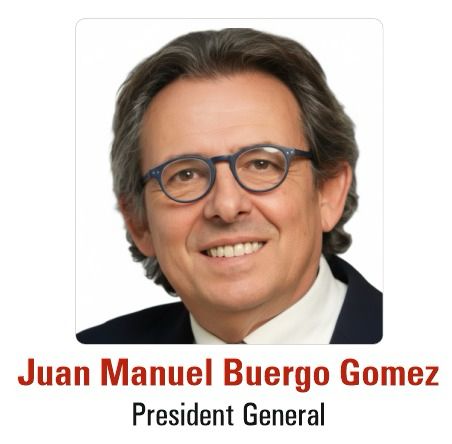
The programme will be presided over by the Most Rev. Dr Peter Paul Saldanha, Bishop of Mangalore. The International President of SSVP, Mr Juan Manuel Buergo Gomez, will arrive from Spain and participate as the Chief Guest. The Most Rev. Dr Aloysius Paul D’Souza, Bishop Emeritus of Mangalore Diocese, Mr Jude Mangalraj, President of the SSVP. National Council, and Mr Joseph Pandian, International Ombudsman, will be present as Guests of Honour.
Members of the Karnataka Legislative Council Mr Ivan D’Souza, Director of Father Muller charitable Institutions Rev. Fr Faustine Lucas Lobo, and renowned Entrepreneur and Philanthropist Mr Joseph Elias Menezes will grace the occasion as Guests of Honour. Along with them, Mr Santiago Manickam, National Secretary of SSVP, Ms Asha Vaz, and youth representative Mr Alister Nazareth will be present on the dais.
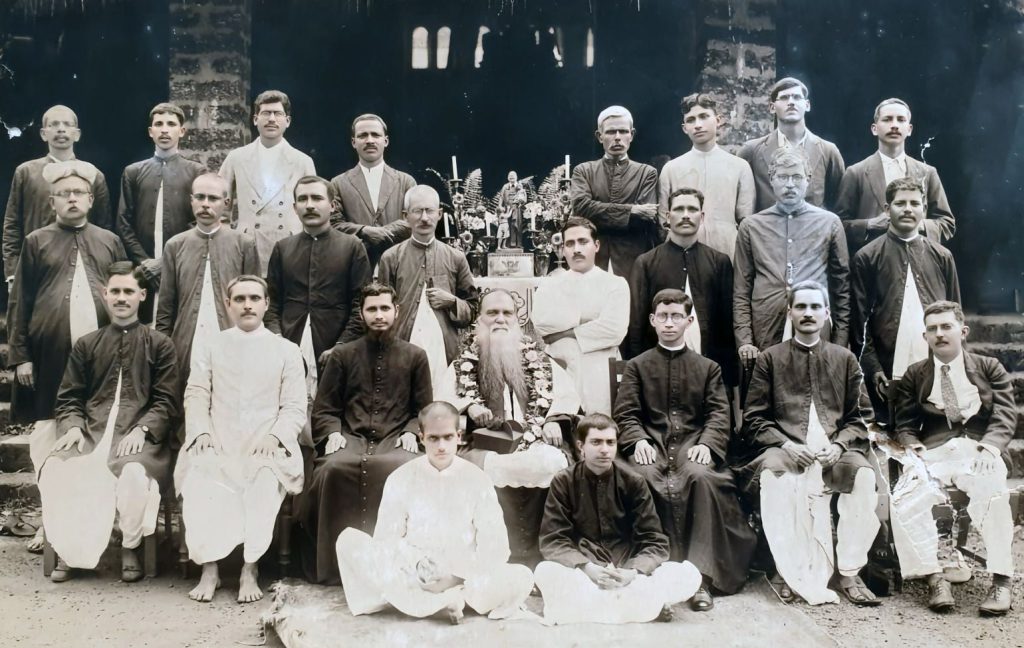
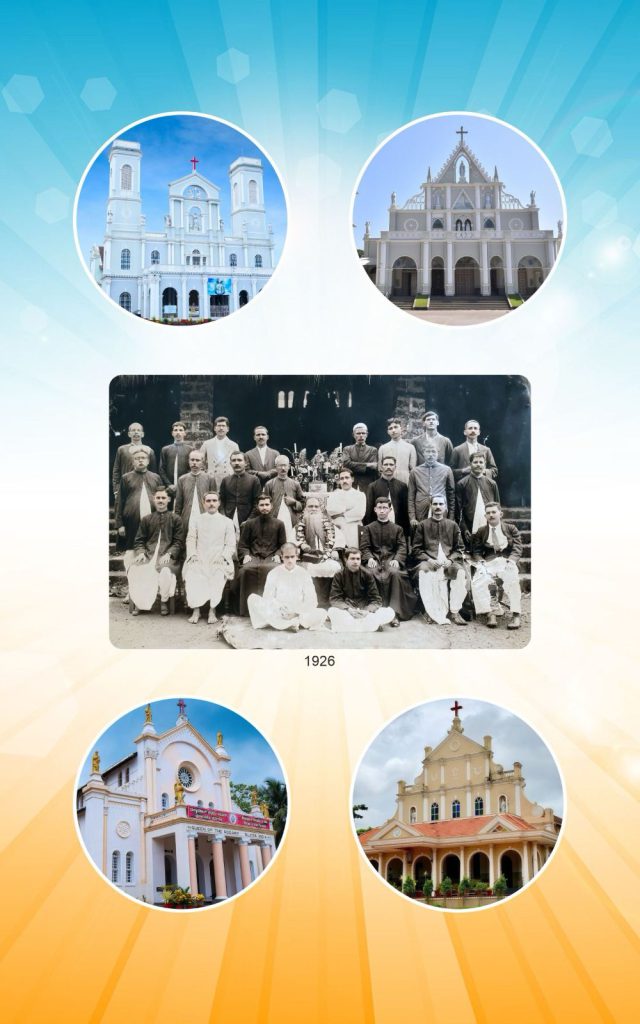
The St. Vincent De Paul Society, the world’s largest Catholic lay service organisation, was established in Mangalore at Bendur Church on 10 January 1926. In the same month, the Milagres unit was formed, followed by two more units in May 1926 at Rosario Cathedral and Bejai Church.
The core mission of the St. Vincent De Paul Society is to visit the poor and the needy and provide them with necessary assistance while strictly maintaining confidentiality and dignity.
At present, under the Mangalore Central Council, there are 111 units, each adopting at least five families in their respective neighbourhoods and caring for them as members of their own family. Currently, 623 adopted families comprising 1,765 family members are being supported. With a total strength of 1,618 members across 111 units and 2 Youth Units, the SSVP continues its service to the poor quietly and without publicity.
In collaboration with Father Muller Medical College Hospital, Mangalore, and Thumbay, a major project providing free medical treatment and dialysis care to members of adopted families is being successfully implemented.
To commemorate the centenary, the St. Vincent De Paul Society has launched two major projects: ‘Shikop’ – Educational support for higher studies to about 405 students from SSVP adopted families. ‘Aasro’ – Financial assistance to 100 families for construction or repair of their houses.
During the valedictory function, the SSVP–Trinity Kidney Care Project will be inaugurated with the support of Joseph E. Menezes’s Trinity Medicare Services Trust, Udupi, to assist kidney patients with medicines and dialysis.
History of the St. Vincent De Paul Society The Society was founded in 1833 in Paris, France, by Blessed Frederic Ozanam, aged 22, along with six companions. Today, it is present in 158 countries worldwide, with over 800,000 members and more than one million volunteers dedicated to serving the poor and marginalised. In India, the Society was established in Mumbai in 1863 and presently has 7,225 units with 65,546 members.
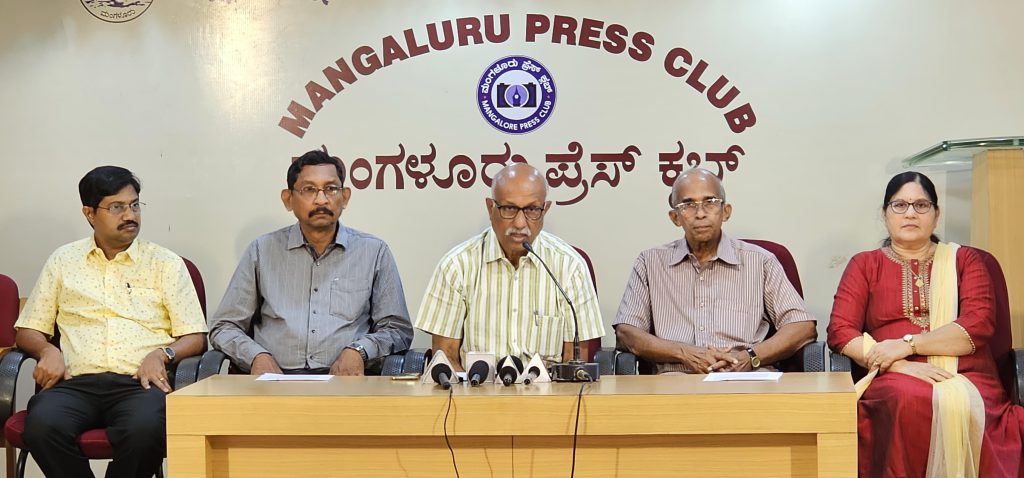
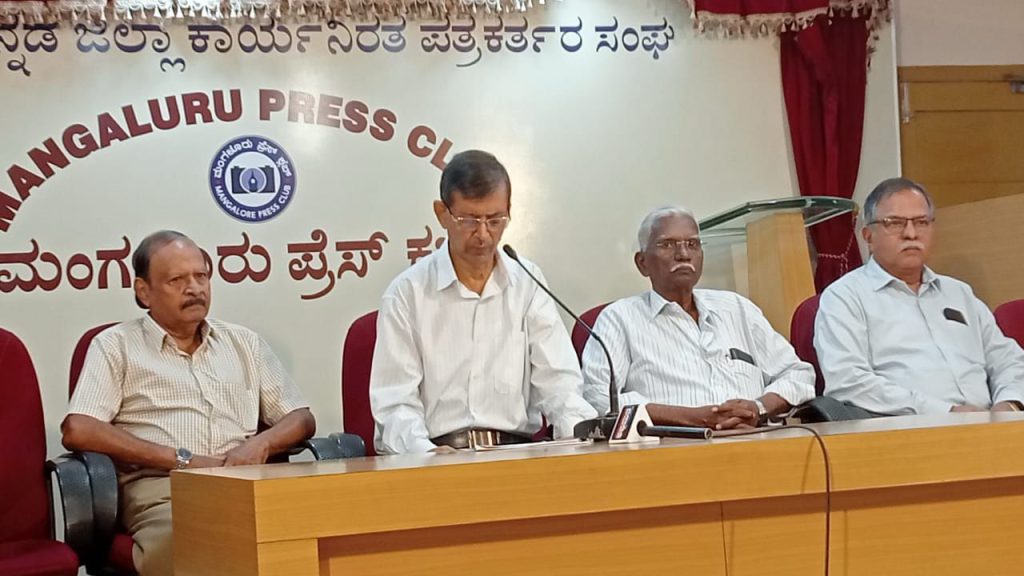
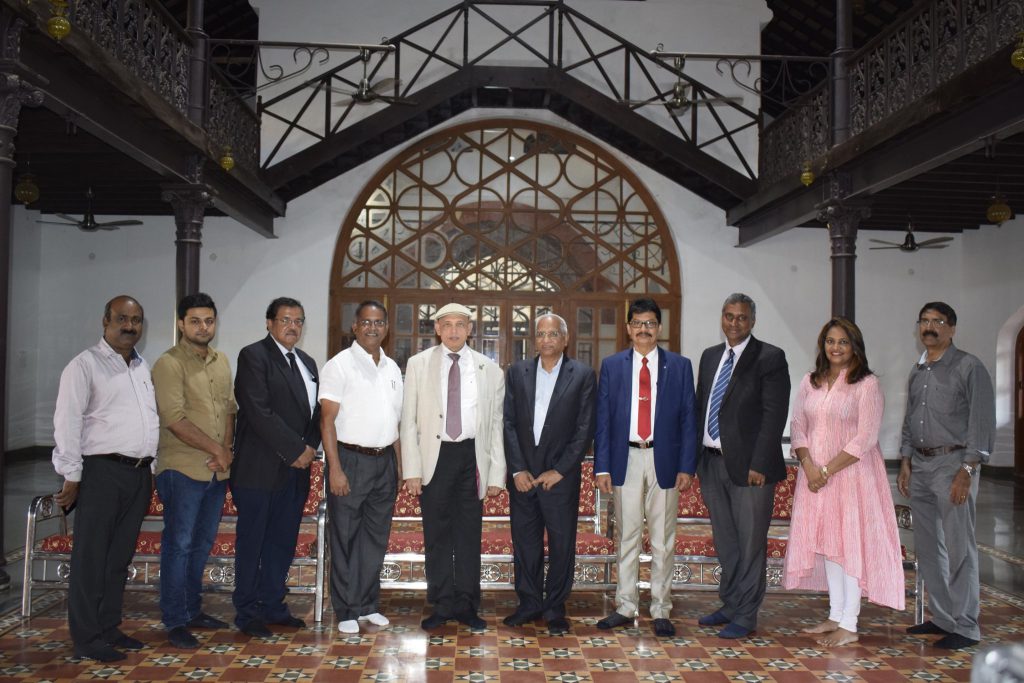
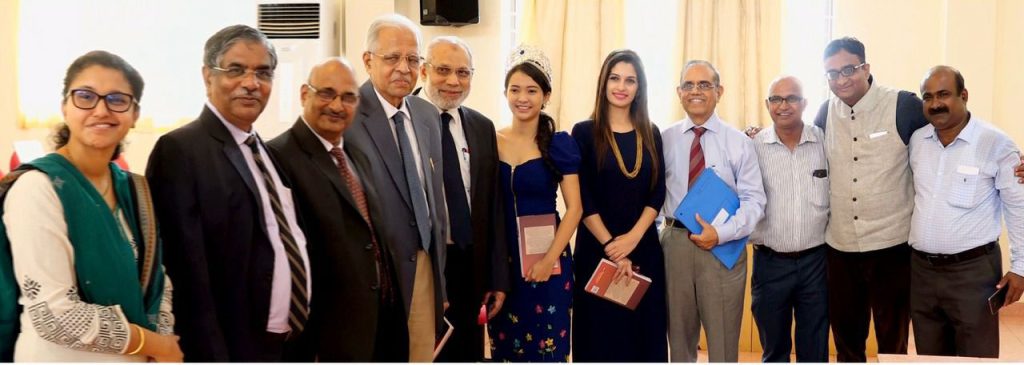
Members present at the Press Meet | 22 January 2026, Press Club, Mangalore.
Joe Coelho : President, Central Council Ligoury Fenandes: Secretary, Central Council Clarence Machado : Treasurer, Central Council Mrs Philomena Menezes: Convener, Centenary Celebration Committee Loyd Rego : Convener, Media Committee
The Computer Science Society, a vital part of the IEEE student chapter at St. Joseph’s University, Bengaluru, celebrated a significant milestone with its inauguration and investiture ceremony on 19th Jan., 2026. The event was a blend of inspiration, knowledge, and vision, reflecting the society’s commitment to excellence and growth in the field of computer science. The ceremony unfolded with a series of well-coordinated events, each contributing to the overall success of the occasion.
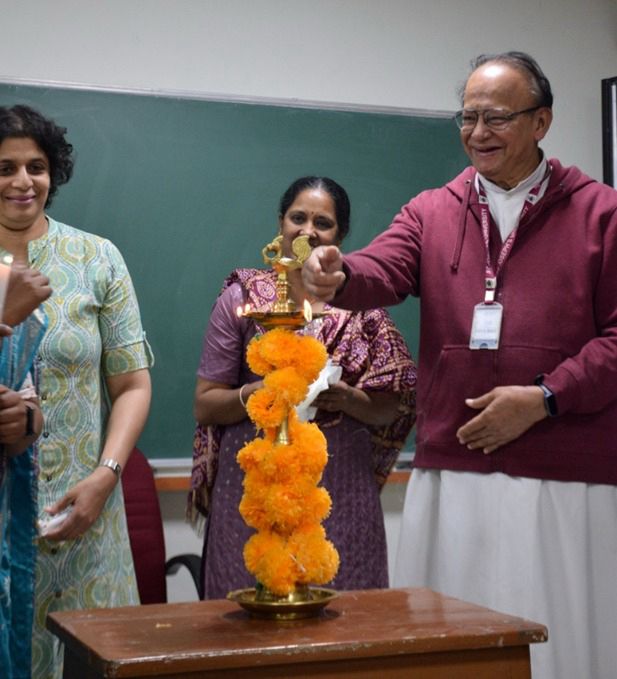
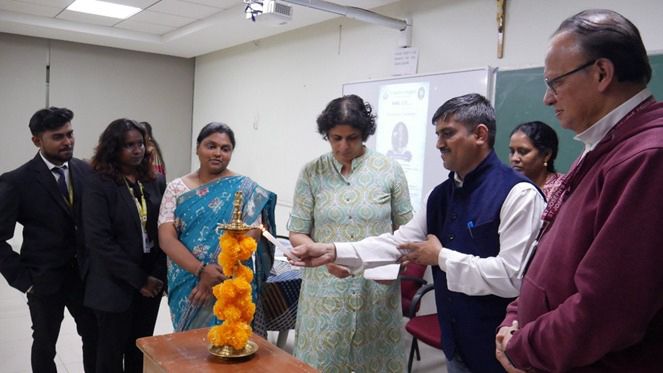
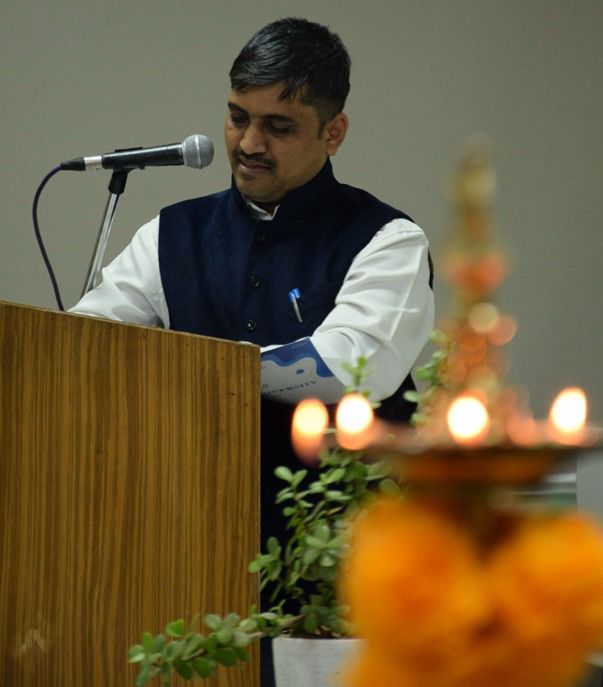
The IEEE Computer Society Investiture Ceremony 2026 at St Joseph’s University, Bengaluru commenced with the gracious arrival of the respected dignitaries, marking the formal inauguration of the event. The ceremony began with an invocation prayer led by Fr. Denzil Lobo SJ, which set a solemn and respectful tone for the proceedings, followed by the ceremonial Lighting of the Lamp, symbolizing knowledge, wisdom, enlightenment, and leadership.
Dr. Deepa Nagalavi, Computer Society Advisor, then introduced the Chief Guest, highlighting his valuable contributions to IEEE, his professional excellence, and his continued mentorship of student communities.
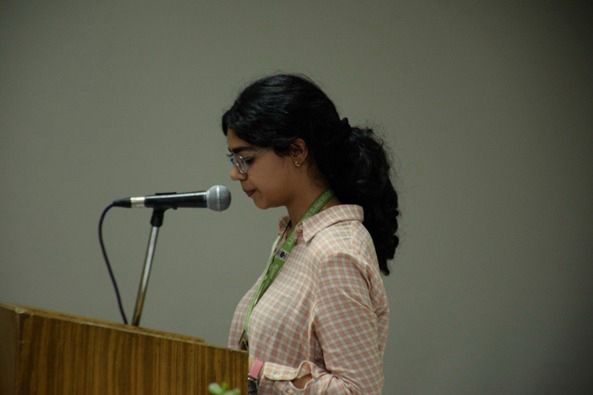
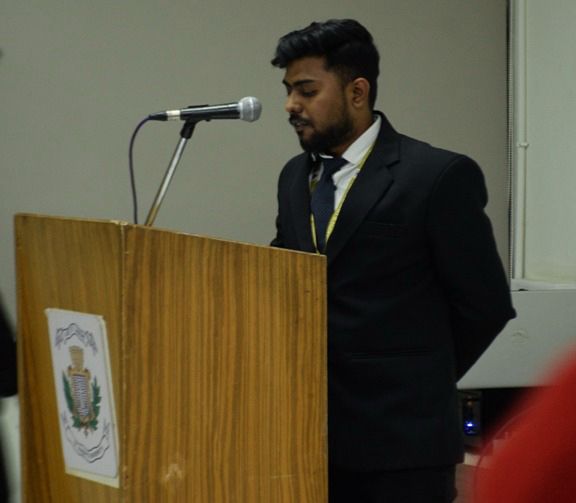
The Chief Guest, Mr. Devendra Gowda, addressed the gathering with an inspiring speech, encouraging students to actively participate in IEEE activities, enhance their technical competencies, embrace innovation, and shoulder leadership responsibilities with integrity and dedication. Following this, student leaders Ms. Rida Quazi and Mr. Farhanulla Sami shared their perspectives, expressing their enthusiasm, vision, and strong commitment to organizing meaningful technical, professional, and community-oriented initiatives under the IEEE Computer Society.
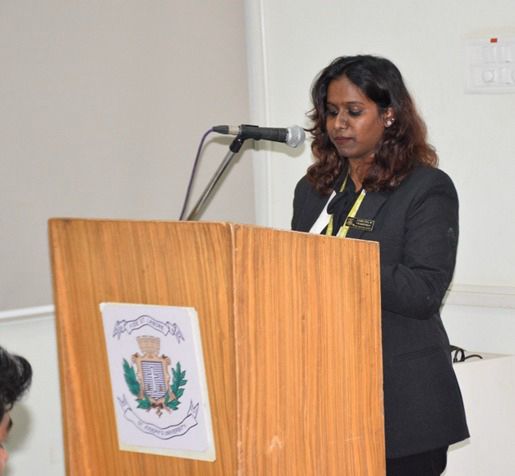
The focal point of the event was the Investiture Ceremony, during which the newly elected office bearers were formally inducted and honoured, followed by the Oath Taking ceremony administered by Dr. Deepa Nagalavi, reaffirming their pledge to serve responsibly and ethically. The program concluded with the Vote of Thanks proposed by Ms. Amrutha M, who expressed gratitude to the dignitaries, faculty members, organizers, and participants for their valuable presence and support. Overall, the ceremony was conducted successfully and emerged as a significant and empowering occasion that set a strong and purposeful foundation for future IEEE Computer Society activities at the university.
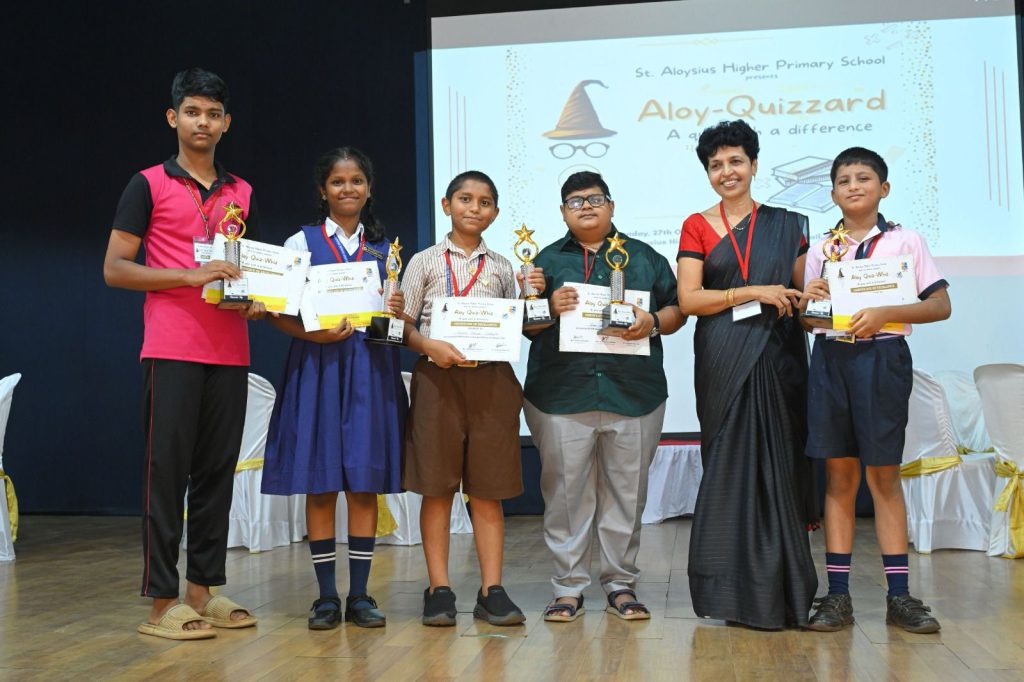
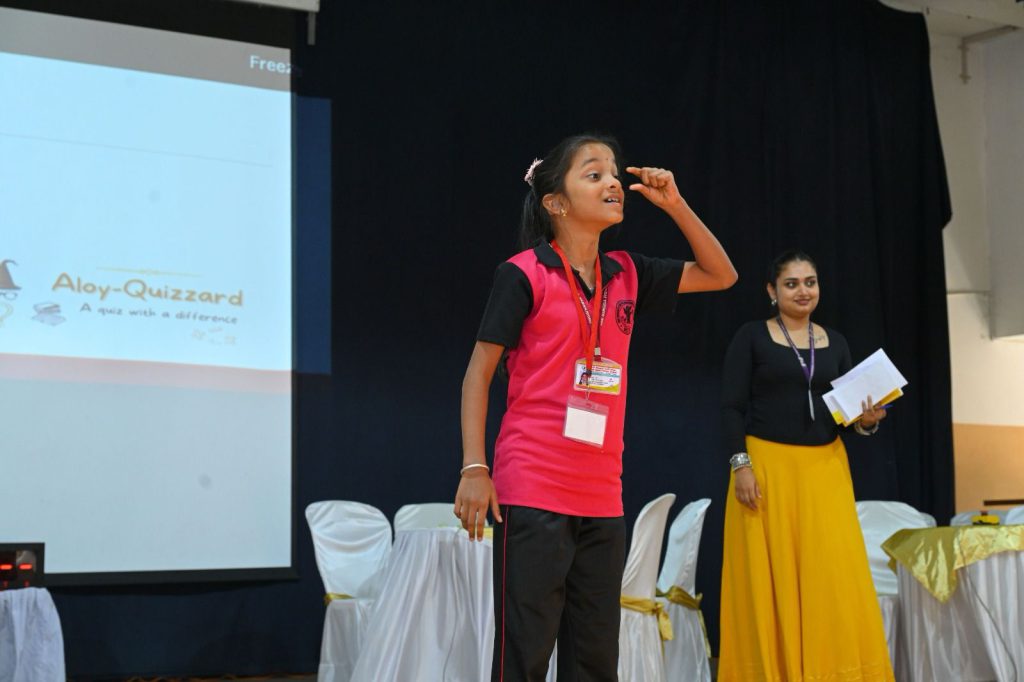
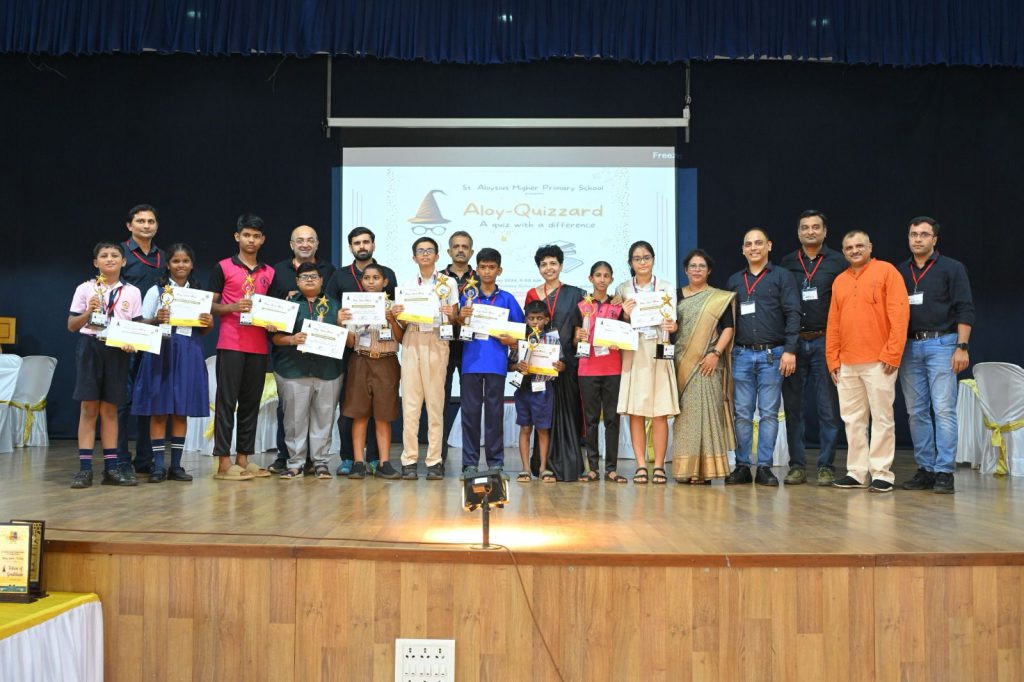
Breaking Barriers: St. Aloysius Hosts ‘Aloy Quiz-Whiz 2026’ to Champion Inclusivity
NV Paulose, Chairman, Global TV +91 98441 82044
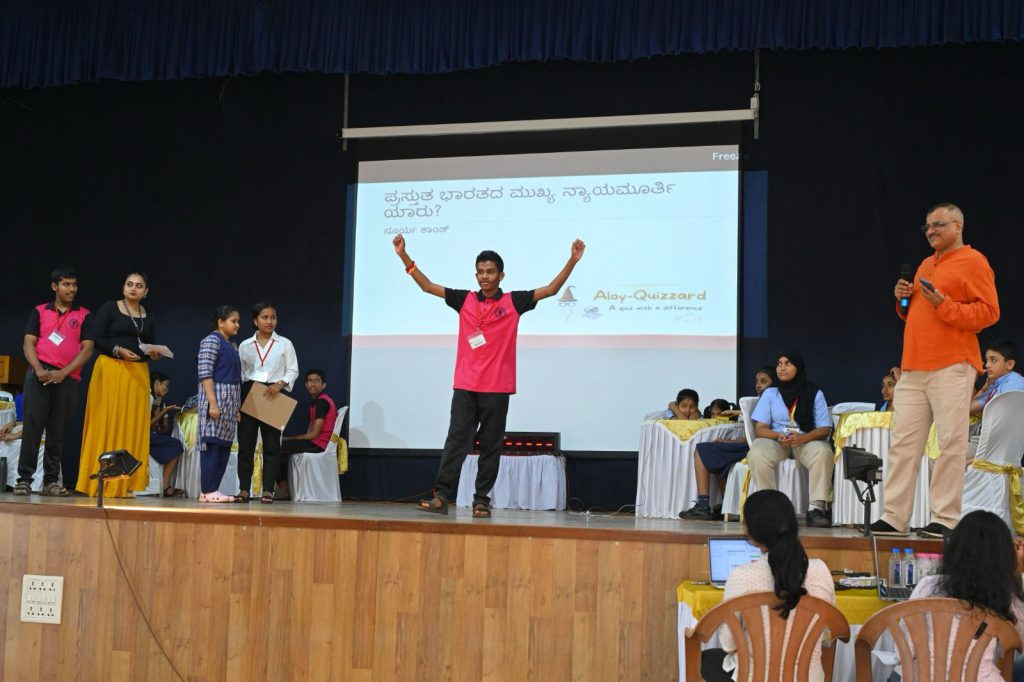
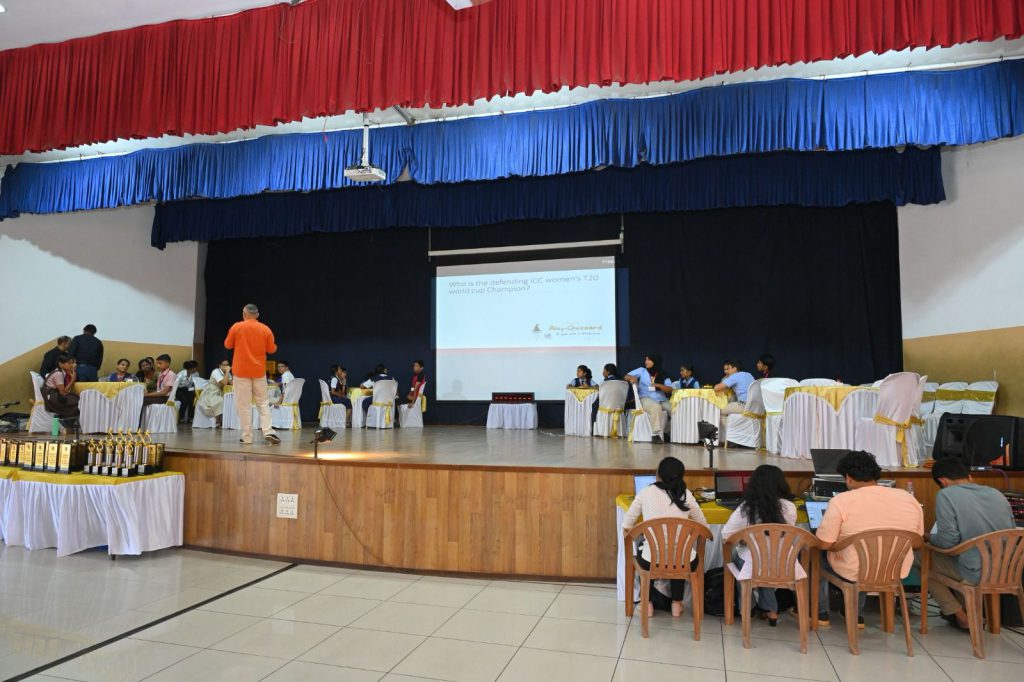
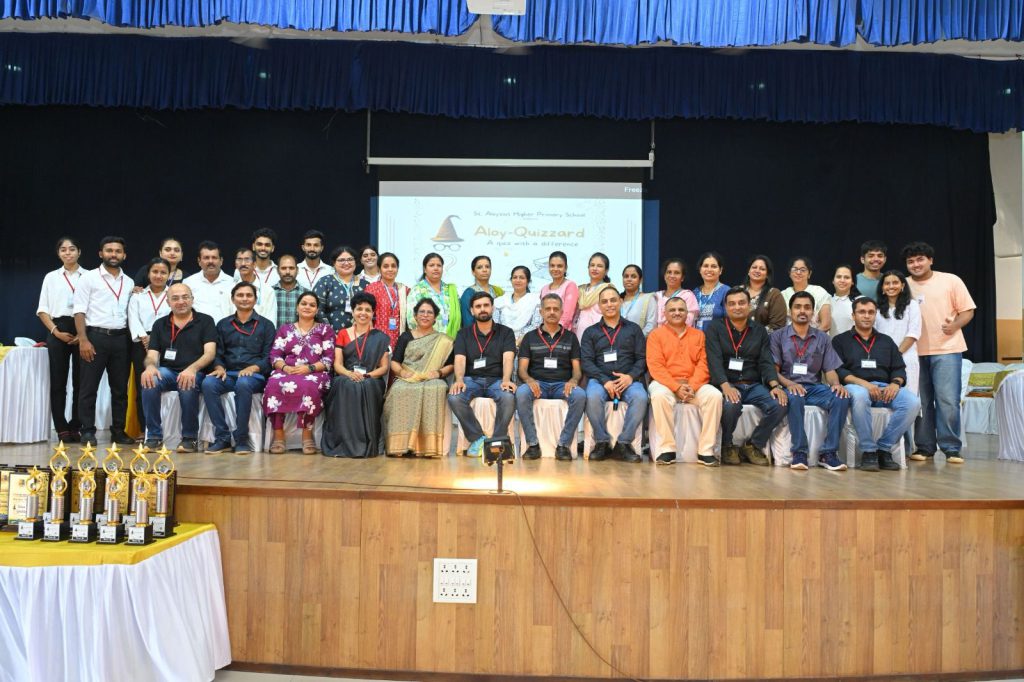
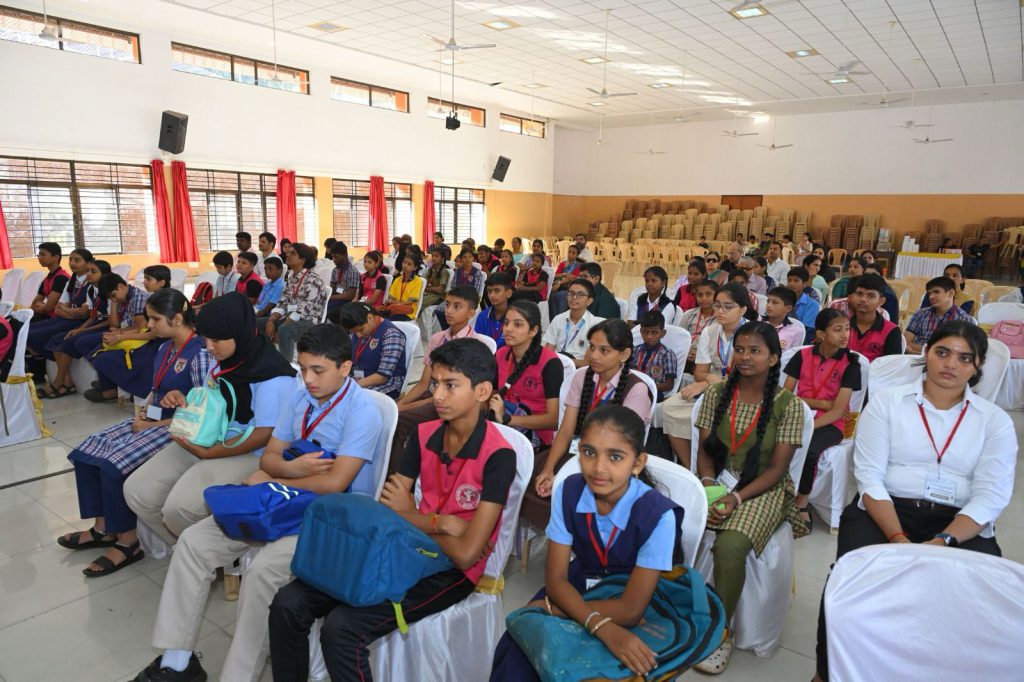
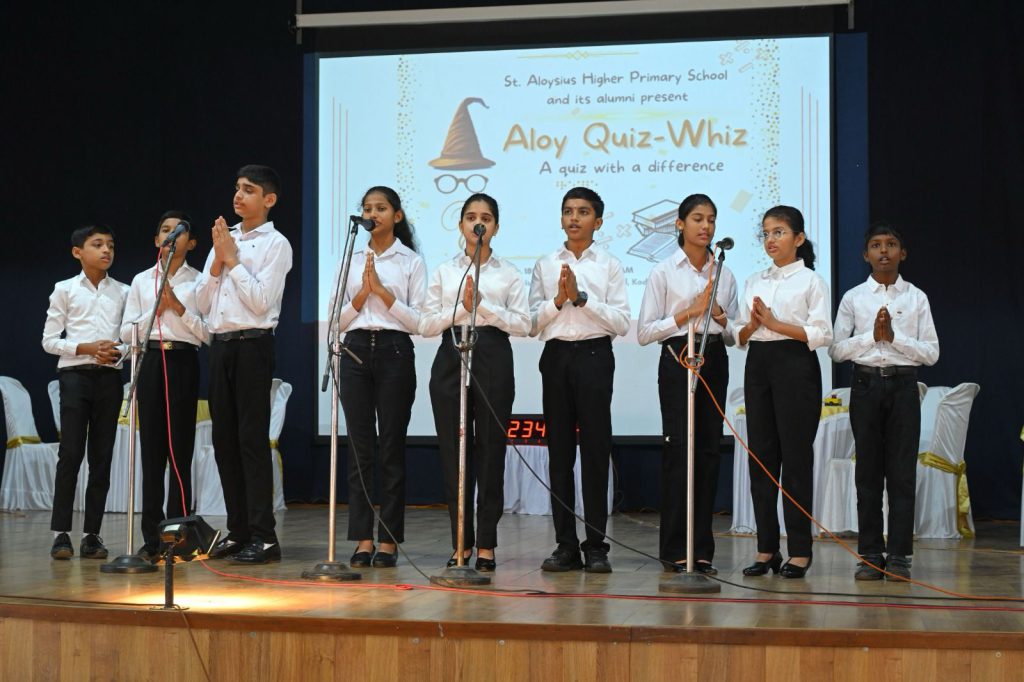
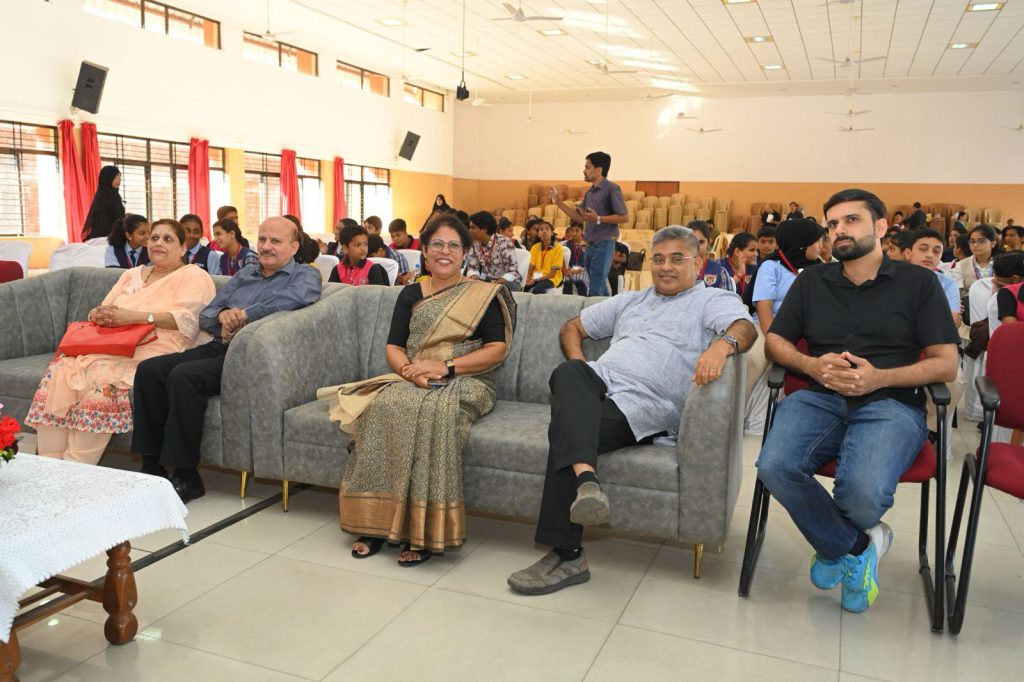
MANGALORE — In a powerful display of teamwork and social integration, the St. Aloysius Higher Primary School Alumni Association, under the aegis of the St. Aloysius College Alumni Association (SACAA), successfully organized ‘Aloy Quiz-Whiz 2026’ on Sunday, January 18. The event, held at the school’s Kodialbail campus, reimagined the traditional quiz format to bridge the gap between students of diverse backgrounds and abilities.
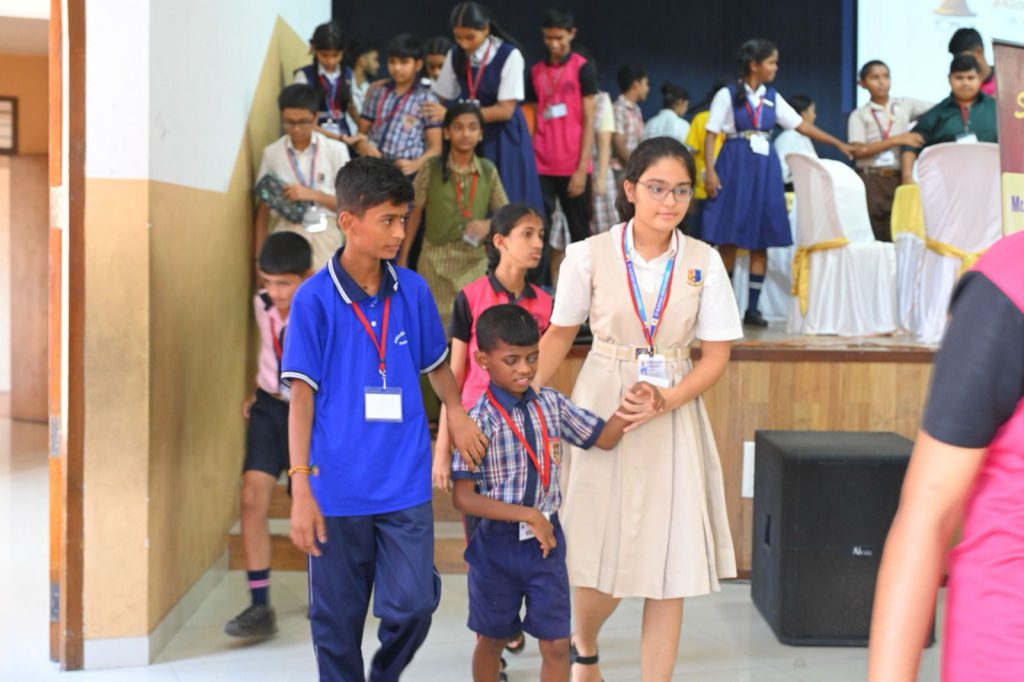
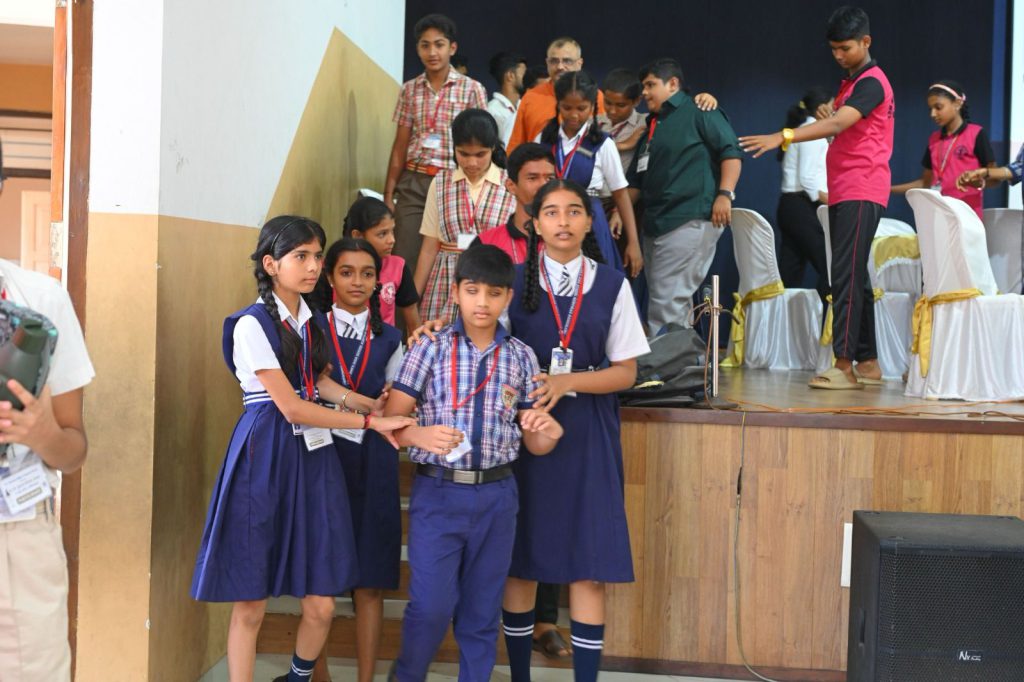
The program commenced at 9:00 a.m. with an audience of approximately 200 people, including students, teachers, and parents. Unlike standard academic competitions, the Aloy Quiz-Whiz utilized an innovative team structure designed to foster empathy and cooperation. Each competing team was a microcosm of society, composed of one visually impaired participant, one student with speech and hearing impairment, one student from a government school, and two students from private schools. This unique structure emphasized that while all quizzes test general knowledge, this specific initiative focused on overcoming natural barriers through cohesive teamwork.
The primary objectives of the quiz were to educate the public on the high capabilities of specially-abled children and to sensitize young students to social diversity. Mrs. Josita Sequeira, Headmistress of the school, delivered the welcome note, followed by an inaugural address by Fr. Melwin Pinto SJ, Rector of St. Aloysius Group of Institutions. Fr. Pinto highlighted the significance of inclusivity, praising the event for its role in social awareness and holistic education. He remarked that he was deeply touched to see the institution hosting an event that brings together schools from across the city.
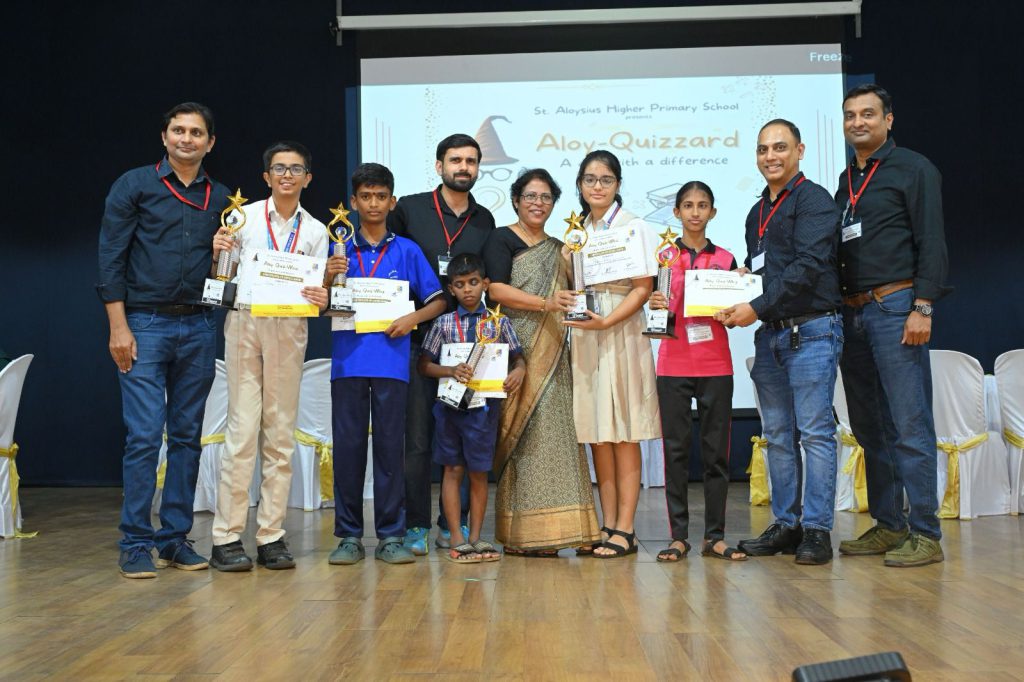
A total of 15 schools participated, including institutions like Presidency School, Lourdes Central School, and the Roman & Catherine Lobo School. The competition was closely contested, with the top honors eventually going to a combined team of students from the Roman & Catherine Lobo School, S.D.M. Mangalajyothi Integrated School, St. Aloysius Gonzaga School, and D.K.Z.P.H.P School, Kapikad. The winning participants included Arya, U. Ameena Nidha, Avika Joshi, Vishnu Dev Panday, and Dilip L.D. The second-place trophy was awarded to a team comprising Shree Manma, Shivaram Nayak, Anmol Cherish Saldanha, Chris Shawn D’Souza, and Sneha.
The impact of the event was echoed by various attendees. Mr. Calistus D’Sa, Principal of the Roman and Catherine School for the visually impaired, noted that this unique format allowed his students to feel truly special and capable of competing on a level playing field. Alumnus Deepak Ramani observed that watching children of all abilities work together served as a reminder of the importance of patience and mutual respect.
The event was smoothly conducted by emcee Ms. Neerada from the Masters of Social Work department at St. Aloysius University. The proceedings concluded with a Vote of Thanks proposed by Mr. Neil Rodrigues, Secretary of the Alumni Association, who noted that the enthusiasm of the children serves as a yearly inspiration for the organizers. The day ended with a communal lunch for all participants and the distribution of participation certificates, marking a successful step forward in the movement for inclusive education in Mangalore.
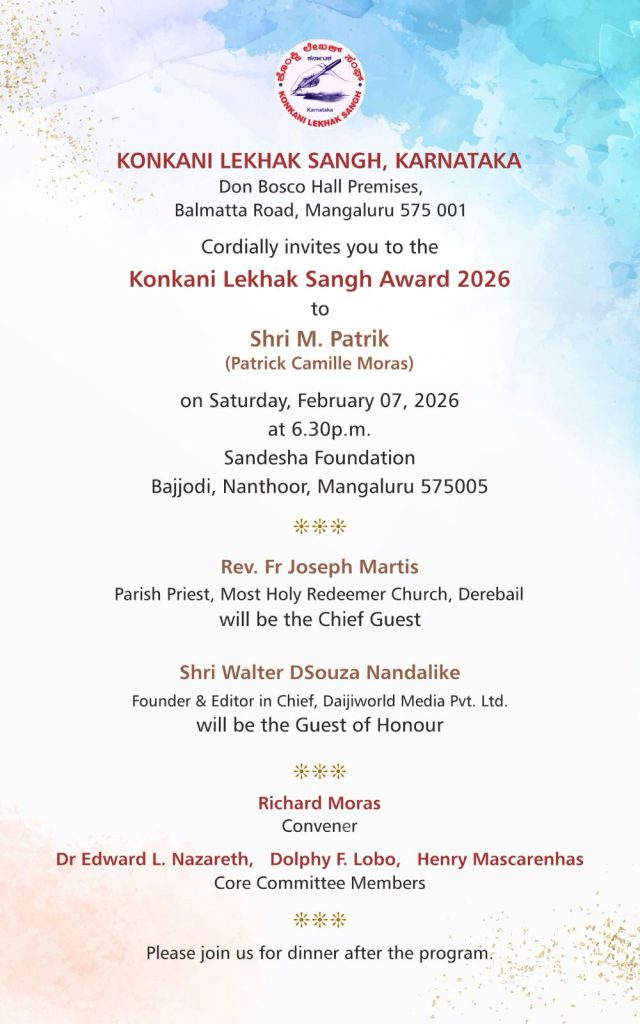
Konkani Literary Award Conferred to: Mr. Patrick Camille Moras (M. Patrik)
NV Paulose, Chairman, Global TV +91 98441 82044
Konkani Lekhak Sangh Karnataka – A voluntary association exclusively formed with the sole intention of promoting Konkani language and literature in the year 2018. From the year 2022, Konkani Lekhak Sangh decided to select and honour a Konkani writer who has immensely contributed to Konkani literature. For the year 2026, Konkani Lekhak Sangh award committee has selected a well known Konkani writer Mr. Patrick Camille Moras (M. Patrik). The award consists of a cash prize of Rs 25000/-, a citation and a Memento.
Born on November 17, 1945, Patrick Camille Moras, known as M. Patrik, rose from a childhood of hardship to become a pillar of Konkani literature. After discontinuing school in fifth grade to support his family, he found a mentor in J.B. Rasquinha, who provided him with books and encouraged him to sell literature books door-to-door.
Starting as a book seller and Associate Editor of Kannik Konkani Magazine at eighteen, he became a prolific author of over 800 short stories, 400 articles, and ten novels. Through his Nityadar Prakashan, he published numerous works, including plays and detective dramas, cementing his legacy as a dedicated servant of the Konkani language. In recognition of his immense contribution to literature, he has been honored with the Honorary Award from the Karnataka Konkani Sahitya Academy and the ‘Sandesha Konkani Literature Award – 2026’ conferred upon M. Patrick.
The award will be conferred at a function on February 07, 2026 at 6.30 p.m., at Sandesha Premises, Sandesha Foundation, Bajjodi, Mangaluru.
Members Present at the Press Meet: Richard Moras – Convener, Dolphy F. Lobo – Committee member, Dr Jerry Niddodi – Advisory Committee member, J.F. DSouza – Advisory committee member
Rotarian Lal Goel | Founder & Charter President | Rotary Club of Organ Donation International | Chairman | Organ Donation India Foundation & GYAN
NV Paulose, Chairman, Global TV +91 98441 82044
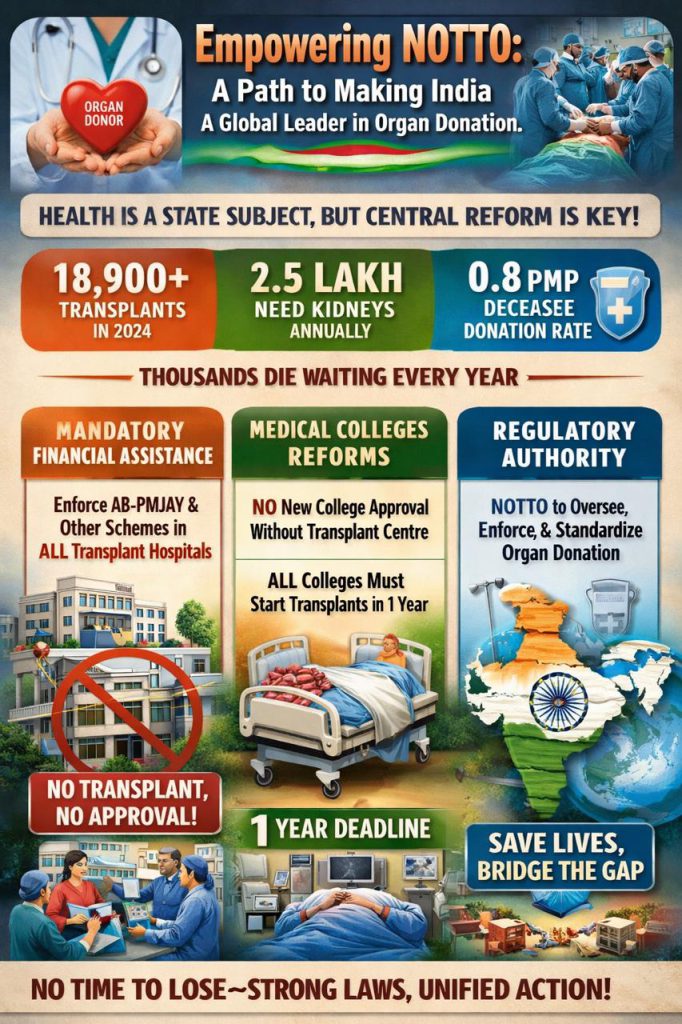
India continues to face a profound and preventable organ shortage crisis, despite notable progress in recent years. In 2024, the country achieved a record 18,900+ organ transplants, ranking third globally after the United States and China. Yet this achievement masks a grim truth: demand vastly exceeds supply.
Annually, nearly 2.5 lakh patients require kidneys, 80,000 need livers, 50,000 need hearts, and 1 lakh need corneas. Waiting lists remain fragmented and opaque, with kidney registries alone numbering over 1.75 lakh. Thousands die each year while waiting—not due to lack of medical capability, but due to systemic failures.
India’s deceased organ donation rate stands at just ~0.8–0.81 per million population (pmp). While an improvement, it remains far below global benchmarks such as Spain (~52.6 pmp) and the United States (~48 pmp).
At the centre of India’s transplant framework is the National Organ and Tissue Transplant Organisation (NOTTO), established under THOTA in 2014. NOTTO has improved coordination, registries, and awareness, including 3.3 lakh+ Aadhaar-linked pledges. However, it lacks statutory authority, enforcement powers, and financial autonomy—severely limiting its impact.
Health Is a State Subject — But the Centre Must Drive Reform
While health is constitutionally a State subject, organ donation and transplantation demand strong central leadership. Only the Central Government can ensure uniformity, accountability, and enforceability across states.
Therefore, Parliament must amend THOTA to empower NOTTO with statutory authority, enabling it to: • Issue binding national regulations • Mandate compliance across states and institutions • Enforce penalties for violations • Ensure equity and transparency in allocation
Without such central legal reform, disparities between states will persist, and lives will continue to be lost due to administrative paralysis.
Why NOTTO Must Be Strengthened as a National Regulator
Regulatory Authority with Enforcement Powers
Like the Securities and Exchange Board of India (SEBI) and the Election Commission of India (ECI), NOTTO must regulate: • Hospitals and transplant centres • Surgeons and transplant teams • Organ retrieval and allocation networks
This includes licensing, inspections, accreditation, suspension, and de-recognition for non-compliance.
Mandatory Implementation of Financial Assistance Schemes
NOTTO must be legally empowered to ensure compulsory implementation of all government financial assistance schemes, including Ayushman Bharat – PMJAY, across all transplant hospitals—public and private.
No transplant centre should be allowed to: • Refuse AB-PMJAY patients • Cherry-pick only paying recipients • Create financial barriers for the poor
Organ transplantation is a public health service, not a luxury commodity.
Medical Colleges: The Missing Backbone of Deceased Donation
No Approval Without Transplant Capability • No new medical college—government or private—should receive approval from regulatory authorities unless it is established as an organ transplant centre with: • Brain death certification capability • ICU donor management protocols • Organ retrieval infrastructure
Teaching hospitals must be leaders in donations, not passive observers.
One-Year Deadline for Existing Medical Colleges • All existing medical colleges, both government and private, must be mandated to initiate organ transplant programs within one year, beginning at least with: • Kidney & Liver transplantation • Brain death identification and donor referral
Failure to comply should invite: • Withdrawal of recognition • Reduction of postgraduate seats • Financial penalties
India cannot afford medical colleges that train doctors but fail to save lives through organ donation.
Expanded Powers and Functions of NOTTO • Legal & Quasi-Judicial Authority: Investigate complaints, adjudicate allocation disputes, impose fines, and recommend prosecution. • Direct Oversight: National registry of centres and surgeons; mandatory audits for poor donor conversion or utilisation rates. • Public Awareness Mandate: Sustained, well-funded national campaigns—on the scale of voter awareness drives. • Real-Time Transparency: Legally mandated live data on waiting lists, transplants, donor conversion, and organ utilisation. • Interstate Authority: Power to override bureaucratic delays in organ sharing, prioritising medical urgency. • Research & Innovation: Funding for organ preservation, immunology, logistics, and emerging technologies.
A Realistic National Target
With decisive reform: • 5 pmp within 5 years is achievable • 10–15 pmp within a decade is realistic
This would mean tens of thousands of additional lives saved annually, reduced black-market risks, and global leadership in ethical transplantation.
The Cost of Inaction
Concerns about regulatory overreach can be addressed through parliamentary oversight, transparent reporting, and independent audits. The real danger lies in inertia.
Every year of delay means: • Preventable deaths • Families destroyed • Public trust eroded
Empowering NOTTO is not administrative reform—it is a moral, medical, and constitutional responsibility.
India has doctors. India has hospitals. India has science.
What we lack is decisive governance.
The question is no longer whether India can lead the world in organ donation— It is whether we choose to.
The Rotary Club of Organ Donation International presents an impactful brainstorming session on Organ Donation in India, bringing together medical experts, social leaders, recipients, and change-makers committed to saving lives through awareness and action. The session will be led by Dr. Vatsala Dilip Trivedi (MBBS, MS, M.Ch – Urology), Former Professor & Head of the Department of Urology and Transplant Services at LTMGH, Sion Hospital, and Consultant at SL Raheja Hospital and Kohinoor Hospital, Mumbai, along with distinguished Rotary leaders and advocates in the field of organ donation.
The panel includes Rtn Lal Goel, Founder & Charter President; Rtn PHF Ritika Gupta, Inspire President; Rtn Aalok Singhi, Founder & Creator of Mithasha Foundation, Indore; Rtn Harsh Vardhan, kidney recipient and Captain of the Indian Archery Team at the World Transplant Games 2025, Jaipur; Rtn Jyoti Galada, journalist, creative and scriptwriter from Kolkata; Rtn Ruby Agarwal, Inspire Secretary; and Rtn Sunil Gupta, Public Image Chair. This inspiring dialogue will be held on Saturday, 17th January 2026 at 8:00 PM, aiming to spark ideas, share lived experiences, and strengthen India’s organ donation movement.
Are you the one who can deliver? | Or else, can you bring those who can deliver to the forefront? Either way you can be a part of the process.
NV Paulose, Chairman, Global TV +91 98441 82044
The idea behind the number 1299 is simple yet profound. It represents a way of seeing society through the lens of 1 to 99. Miracles do not happen when systems are torn down or when success is punished. They happen when attention shifts. They happen when a society focuses on to the ninety nine percent while everything else continues as it is.
This is not a call to dismantle systems, disrupt growth, or reverse what is existing. Let everything remain as it is. Let excellence be rewarded at every point. Enhance opportunities for the 99% to gain momentum while the one percent continues to flourish further ahead.
The issue is not prosperity of the one percent. The issue is the silent but purposeful neglect of the rest. A nation can live with inequality even to a large extent. But a society cannot live with indifferent approach to the larger chunk of the population. Equity and equal opportunity should be there on fundamental rules, laws and systems. See the nature to get an idea of this. Can you restrict the poor from breathing the air?
How will you measure happiness? Can you claim happy in the midst of plenty? It is the one who had experienced penury turn to become great in the future. Those who had enjoyed plenty had turned to become poor when they had failed to nurture their person and talent.
The Silent Drift Toward the One Percent
In India Today, attention of the systems increasingly flows towards upward. Economic planning, tax cuts, incentives, urban development, education, healthcare, and even public imagination quietly align around the interests of a small wealthy group. This does not always happen by design. It happens by habit. We silently ignore injustice. It is obvious when it comes to matters pertaining to the commoners.
When leaders, institutions, and systems repeatedly look toward the top, resources follow that gaze. Over time, what begins as growth becomes imbalance. The ninety nine percent are not actively harmed, but they are gradually overlooked. That is the more dangerous mistake.
Ignoring does not make noise. It does not create immediate crisis. But it slowly weakens the foundation of the entire society.
The Real Problem Is Not Wealth, But Neglect
Wealth is not the enemy. Achievement is not the problem. The danger lies in allowing large numbers of people to become invisible. When education is designed for a few, potential is wasted. When healthcare is accessible only to those who can afford it, human strength is lost. When employment systems fail to protect dignity, social trust erodes. These losses do not appear on balance sheets, but they shape the future.
Greed behaves like a bottomless bucket. No amount poured into it ever feels sufficient. But this is not a moral accusation. It is a structural truth. When attention stays fixed on the top, demands from the top never end. Unfulfilled demands attribute unhappiness at the top also. Meanwhile, silence grows below. Roof falls if there is no foundation. We should continuously learn lessons from the wisdom of the universe.
The Lesson of the Lily and Solomon
There is a timeless comparison that reveals the heart of this issue in a profound manner. Consider the beauty of a simple lily in the field and compare it with the splendour of Solomon at the height of his glory. Solomon represents wealth, power, and human achievement at its peak and the lily represents fragility, simplicity, short life and what appears to be insignificant. Yet the lily is clothed with a beauty that rivals royal splendour. The lesson is not that Solomon’s glory is wrong.
The lesson from the timeless wisdom is that the divine attention does not stop with the powerful. Care extends even to what seems to be least important. Nothing is dismissed as unworthy of consideration. This is the attitude societies must learn to imitate. If God does not ignore the least, human systems have no justification for doing so.
Enjoy your possessions and positions, but never disgrace the other on your glorious existence.
Attention Is the First Act of Justice
Justice does not begin with laws or budgets. It begins with attention. What we choose to see determines what we choose to fix. The ninety nine percent do not need to replace the one percent. They need to be seen alongside them. They need to be considered in planning, policy, and priority. Even small acts of inclusion create long term balance.
Just as the lily does not compete with Solomon for beauty, the ordinary citizen does not compete with the wealthy for dignity. Both can exist. Both deserve care. Never ever act as poor are at the mercy of the rich; it is not. In fact, all in the world and beyond are at the mercy of the infinite intelligence that governs the conduct of the universe.
How Everyone Benefits When No One Is Ignored
When the 99 percent are acknowledged, supported, and included, society becomes stronger for everyone, including the one percent. A healthy population creates stable systems. Widespread education and skill development produces capable talent. Accessible healthcare to every citizen sustains productivity. Social trust reduces risk and unrest.
Prosperity built on inclusion lasts much longer than prosperity built on exclusion. The one percent does not lose when the ninety nine percent are lifted from neglect. They gain a more stable and sustainable society in which their success can further more endure.
India at a Moment of Choice
India stands today at a decisive moment. The demographic dividend is in our favour. With the size of population and diversity, we cannot afford to let large sections of its population fade into the background.
Economic indicators may rise, cities may shine at the outset, and wealth may accumulate, but none of this guarantee national strength if the majority feels unseen. It is like the volcano underneath.
Refocusing on to the ninety nine percent and reinforcing the systems in their inclusion means investing attention in rural communities, ordinary people, small entrepreneurs, students, and the vulnerable. It means asking a simple question in every decision: who is being left out.
This is not charity. It is responsibility.
Where Miracles Truly Happen
Miracles do not require dramatic upheaval. They occur quietly when ordinary people are no longer invisible.
When a farmer feels supported rather than forgotten.
When a student believes effort will be met with opportunity.
When illness does not mean financial ruin.
When dignity is preserved even at the lowest levels of society.
These are the miracles that transform nations from within.
From Ignoring to Seeing
The message of 1 to 99 is not revolutionary. It is corrective. Let everything remain as it is. Let wealth exist. Let success shine. But let no one be ignored. A society that learns to see the ninety nine percent, including the least among them, aligns itself with a deeper wisdom.
Just as the lily is not forgotten in a world that includes Solomon, people must not be forgotten in a nation that celebrates progress. When attention expands to include everyone, miracles follow naturally.
Question to Establishments: Is there an Opportunity to Perform? | Question to Team Leaders: Can you Perform? | +91 98441 82044
NV Paulose, Chairman, Global TV +91 98441 82044
The AIM 100 Days Challenge is designed for young people who want to act create and perform in the real world. It is not a training program that waits for confidence to appear at the end. Confidence is built through action from the very first day.
Rooted in the Appreciative Inquiry model this challenge shifts attention from problems to possibilities. Instead of fixing what is wrong participants amplify what already works. This creates energy momentum and early results which are critical for youngsters who learn best by doing. Acceleration Inclusion and Maximization are not treated as concepts to be studied. They are lived experiences throughout the 100-day journey. There is space for Performers. Others excuse.
Why Appreciative Inquiry Fits Young Minds
Youngsters respond strongly to recognition progress and purpose. Here, Appreciative Inquiry works because it begins with strengths not gaps. It invites performers to aim success, acknowledge effort and build belief.
From the start young participants feel trusted. Their ideas matter. Their observations are valued. This creates psychological safety and motivation which naturally leads to performance.
Start with a Goal. When we focus on what gives life to a system, we can act with confidence and speed. Results are outcomes.
This approach enables
Early wins that boost morale
Inclusive participation where every voice counts
Faster movement from idea to action
The challenge becomes energizing rather than exhausting.
The Team Game and Its Spirit
The AIM Challenge is structured as a team game to mirror real life collaboration. Twenty teams with five members each work on existing establishments across education tourism events community platforms charity and social initiatives.
The emphasis is on enhancement not invention. Teams do not start from zero. They build on what already exists and improve it meaningfully.
Young participants are encouraged to take responsibility and ownership. They are not passive learners. They are contributors shaping real outcomes.
The spirit of the challenge is built on
Trust and collaboration
Action over analysis
Learning through contribution
This creates a performance driven culture from day one.
Day 1 to 10 | Discovering What Gives Life
The journey begins with discovery. Instead of asking what is broken teams ask what is already working well. They explore moments of success satisfied users effective practices and positive stories within the chosen establishment.
This phase builds appreciation and understanding. It creates respect for the system and the people within it. Small actions are encouraged immediately. Teams may improve a communication touchpoint streamline a simple process or enhance engagement. Results start appearing early. Even small changes create visible impact and confidence.
This phase focuses on
Identifying strengths and success stories
Appreciating people processes and culture
Initiating quick visible improvements
Youngsters experience achievement from the start.
Day 11 to 30 | Dreaming with Purpose
Once strengths are clear teams move into the dreaming phase. This is not about unrealistic ideas but about imagining the best possible future built on existing success.
Young participants work together to visualize what the establishment could become if its strengths were fully leveraged. They discuss inclusion openly asking who else could benefit and how access could be widened.
The dream phase energizes creativity while staying grounded. Small experiments continue. Ideas are tested quickly and refined through feedback.
This phase encourages
Bold yet realistic imagination
Collective vision building
Early pilots and experiments
Dreams begin to take shape through action.
Day 31 to 55 | Designing for Acceleration
With a clear vision teams now focus on design. They structure ideas into simple workable models. The emphasis is on speed clarity and usability.
Acceleration is experienced directly. Processes become smoother. Engagement increases. Decisions happen faster. Youngsters learn how design choices influence outcomes.
Design is practical. Teams use existing platforms people and resources. Documentation is minimal. Action is central.
This phase develops
Clear action plans
Practical system and experience design
Momentum through simplicity
Participants begin to see how ideas turn into results.
Day 56 to 80 | Delivering and Maximizing Impact
This phase is about delivery and multiplication. Teams focus on making their strongest idea work consistently and reliably.
Maximization becomes visible. A single improvement leads to multiple benefits. One successful pilot inspires replication. Resources are stretched intelligently rather than expanded.
Young participants learn scale thinking. They understand how impact can grow without proportionally increasing effort.
This phase emphasizes
Consistent execution
Smart use of existing resources
Expanding reach and value
Impact becomes tangible and measurable.
Day 81 to 100 | Destiny Through Performance
The final phase is not an ending. It is a transition. Teams reflect on what they have created and how it can continue beyond the challenge. They share stories of change learning and contribution.
Presentations focus on outcomes and experience rather than theory. Youngsters leave with proof of performance. They have contributed to something real and meaningful.
This phase strengthens
Confidence and credibility
Ownership and responsibility
Readiness for future leadership
Destiny is shaped through action.
Results from the Very Beginning
Imagine a city like Mangalore performing like a city like Mumbai. What happens is a paradigm shift. It brings greater results for a larger number of people. Imagine 100 events in place there were 10 events in a week. Imagine many other cities are twinned with the city campaigns.
What makes the AIM 100 Days Challenge unique is that results are visible from the start.
Small wins appear in the first weeks
Engagement grows steadily
Confidence compounds through action
This continuous progress keeps youngsters motivated and committed.
A Platform for Young Doers
The AIM 100 Days Challenge is not about preparing young people for the future. It invites them to perform now.
Appreciative Inquiry provides the mindset. The 100-day structure provides discipline. The team game provides belonging.
Together they create an environment where young people discover their ability by using it.
That is where real learning and real impact begin.
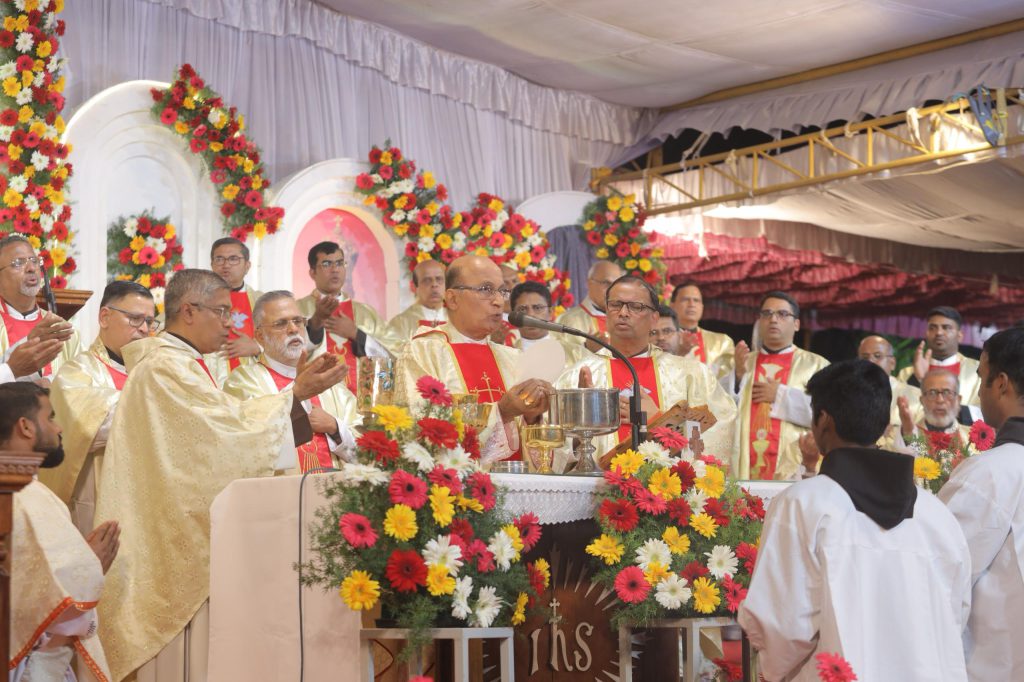
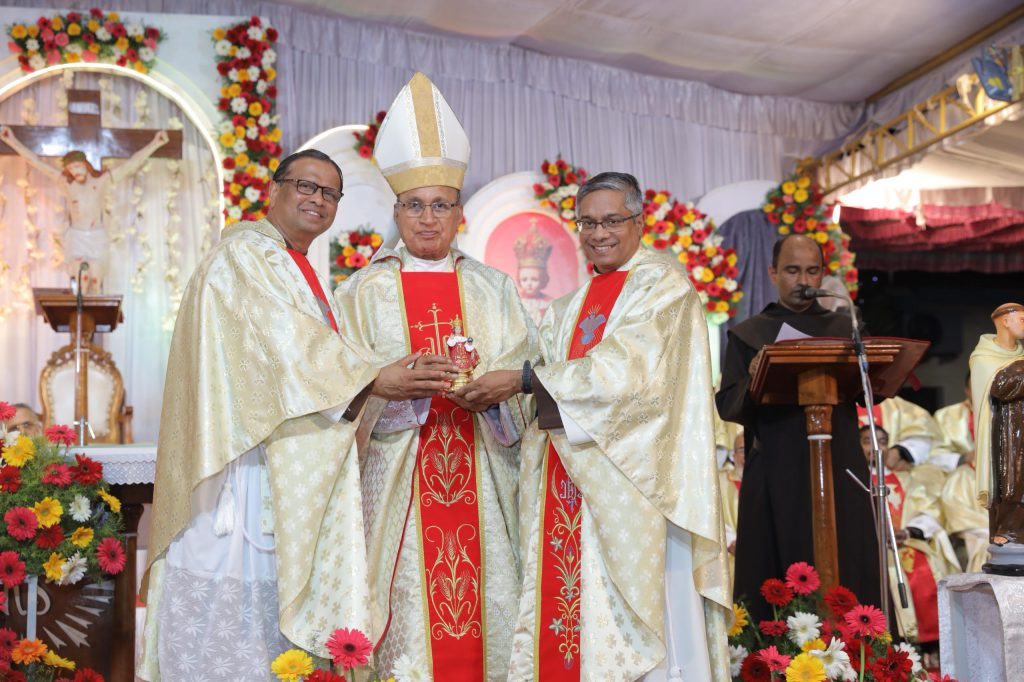
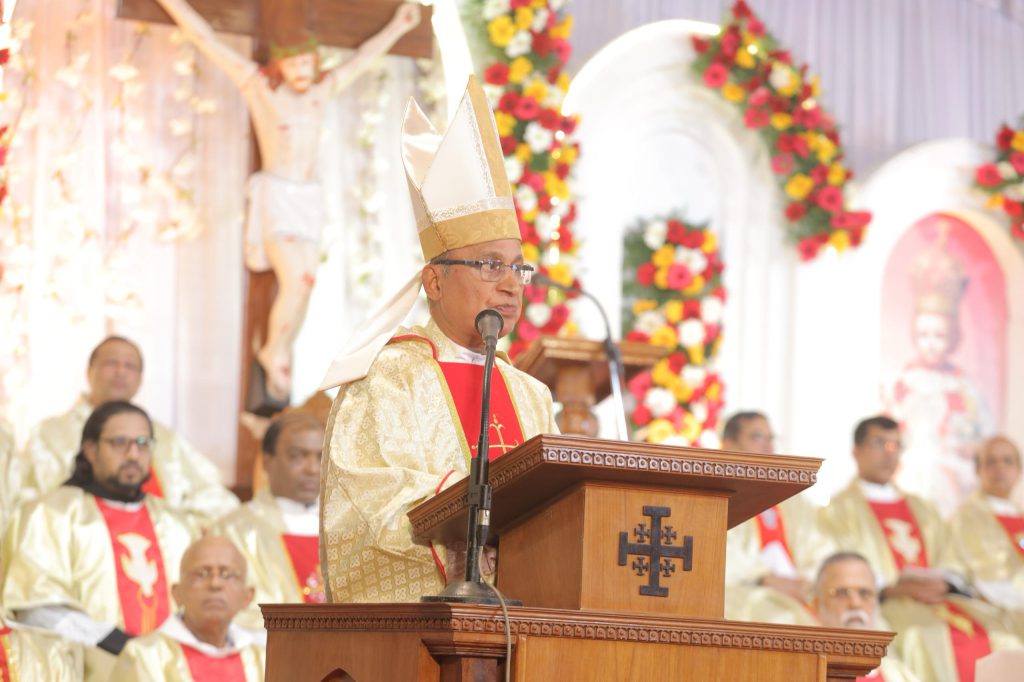
Thousands Gather as Infant Jesus Shrine Celebrates Annual Feast
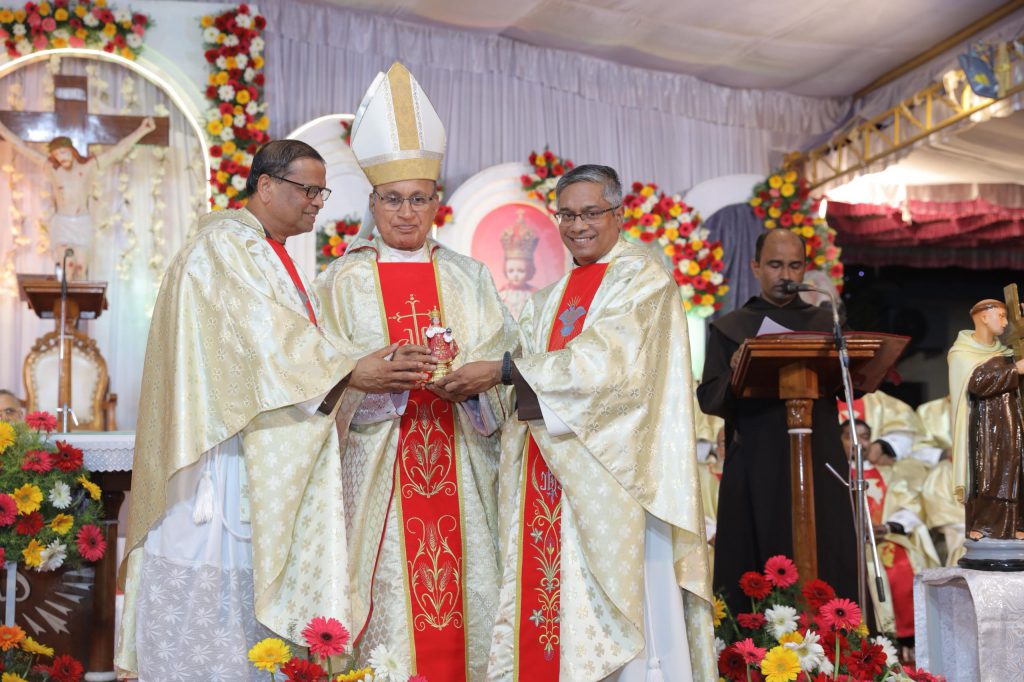
Bikarnakatte, Jan 14, 2026: The Infant Jesus Shrine, Bikarnakatte, celebrated its Annual Feast on January 14 with great devotion and religious fervour, drawing thousands of devotees from the early hours of the morning.
A total of five Eucharistic celebrations were held during the day to enable the large number of faithful to participate in the Feast. The solemn morning Feast Mass was celebrated by Rt. Rev. Aloysius Paul D’Souza, Bishop Emeritus of Mangaluru.
The solemn evening Feast Mass was presided over by Rt. Rev. Gerald Isaac Lobo, Bishop of Udupi. In his homily, he invited the faithful to walk in the spiritual path shown by St John of the Cross, the great Carmelite mystic from Spain, whose twin jubilees—the 300th anniversary of his canonisation and the 100th anniversary of his proclamation as Doctor of the Church—are being commemorated this year. He exhorted the faithful to seek a deeper union with God by imbibing the virtues of the Infant Jesus, especially humility and obedience.
The evening Eucharistic celebration witnessed an impressive gathering, with around 50 priests, hundreds of religious sisters, and thousands of devotees participating in the solemn liturgy and honouring the Infant Jesus.
The Annual Feast was celebrated in a deeply prayerful and festive atmosphere, as the faithful gathered in large numbers to seek the blessings of the Infant Jesus and to renew their commitment to live according to the Gospel values.
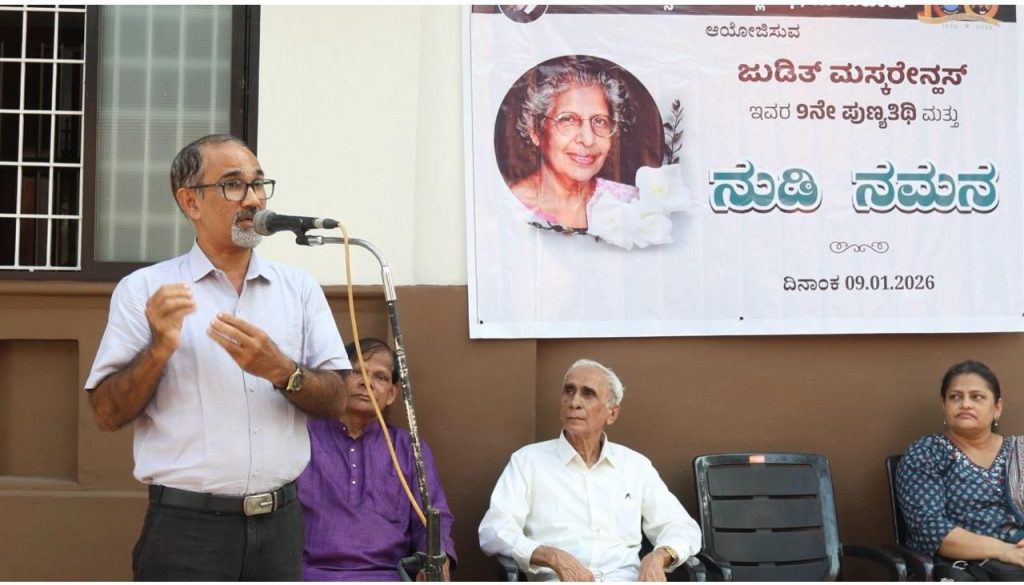
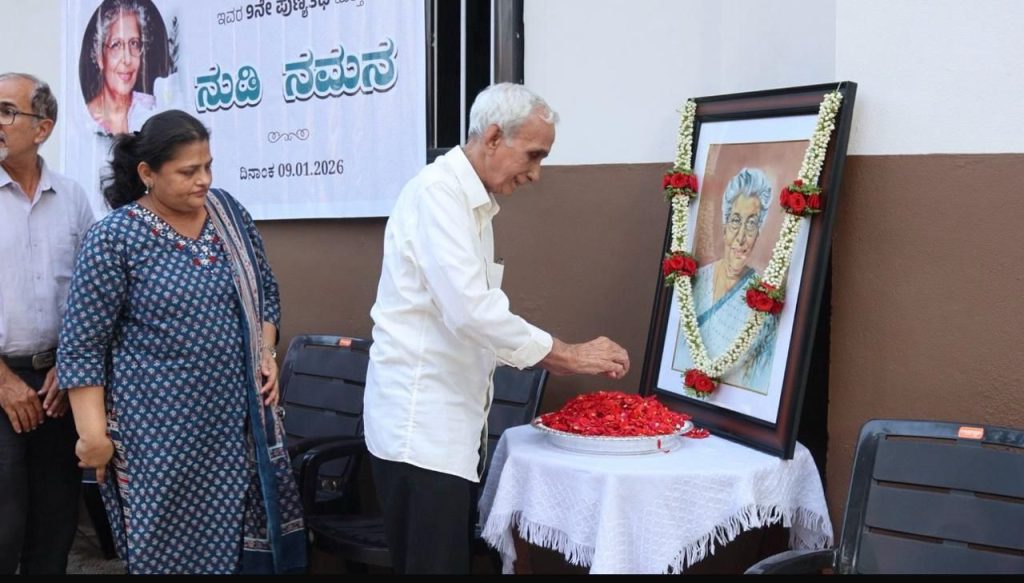
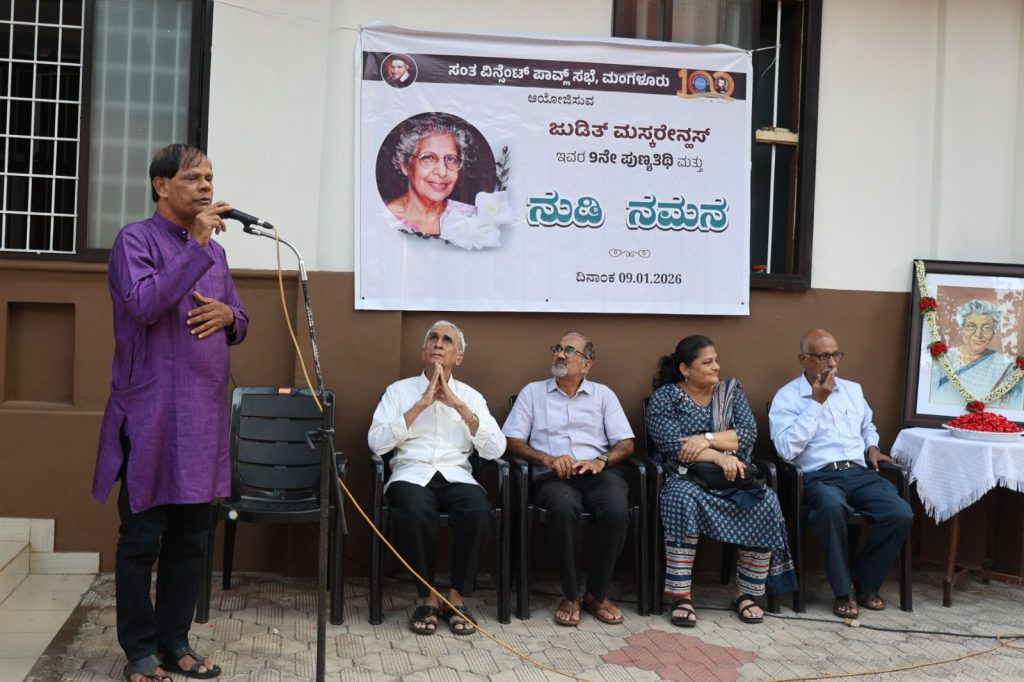
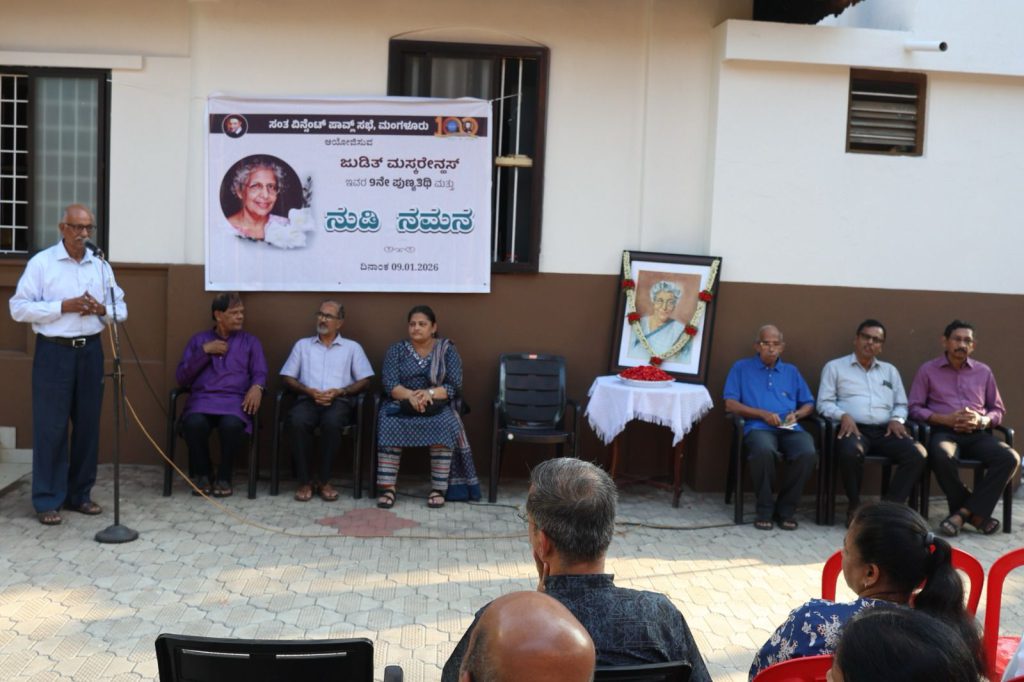
Nudi Namana: A Tribute to the Life and Legacy of Judith Mascarenhas
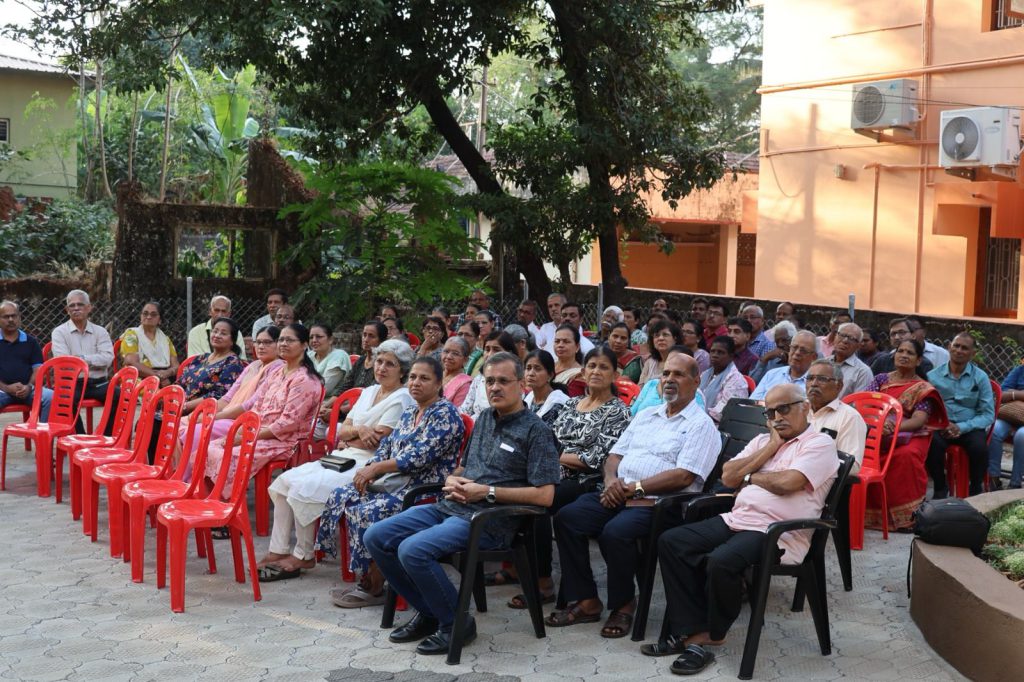
The Nudi Namana programme was a meaningful and heartfelt tribute organised by the Society of St. Vincent de Paul (SSVP), Central Council, in remembrance of the late Judith Mascarenhas on January 9, marking her 9th death anniversary. The programme began with an introduction by Mr. Titus Noronha, followed by a warm welcome address by Mr. Joe Coelho, President of the SSVP Central Council, which set a reflective and dignified tone for the event. It was shared on the occasion that January 9 will continue to be observed every year in her memory, in recognition of her selfless service to society.
The programme featured inspiring talks by Mr. Ravi Posavanike, Assistant Photo Editor, The Times of India,Mr. Krishna Mohan from Kannada Prabha; and Mr. Dolphy D’Souza, her long-time confidant from Preethi Neethi Trust. The speakers shared their personal experiences and heartfelt anecdotes, highlighting Judith Mascarenhas’ multifaceted life and her dedicated service as a teacher, journalist, politician, corporator, and Deputy Mayor. She was remembered as a woman deeply committed to justice, compassion, and the welfare of the marginalized.
The speakers fondly recalled how Judith Mascarenhas touched the lives of people from all walks of life. Her home was always open to those in need, and her qualities of discipline, sympathy, and simplicity earned her immense respect and affection. She was lovingly known as “Judybai” and was hailed by many as the “Mother Teresa of Mangalore.”
Mr. Dolphy D’Souza and Mr. Santhosh Sequeira highlighted her tireless dedication to serving the underprivileged. They shared moving instances where she extended help even in situations where influential individuals could not or would not intervene. A touching anecdote about her driver further reflected how her kindness inspired everyone around her.
It was noted with admiration that Judith Mascarenhas was instrumental in constructing over 60 houses for the poor, without seeking recognition or publicity—an enduring testimony to her selfless spirit. Mr. Gilbert Pinto, SSVP member and former corporator, along with SSVP Central Council office bearers, SSVP members, neighbours, and members of the Preethi Neethi Trust, were present on the occasion.
The programme concluded with a vote of thanks proposed by Ms. Flavy Lobo, Secretary of the Bendur SSVP Conference, and the entire programme was efficiently compered by Mr. Titus Noronha.