All posts by admin

About admin

Chairman of Global TV | Excellent Writer | Exceptional PR Skills | Author of Six books | MASTER HEALER | +91 98441 82044 |

Teak or Team | There Is Time for Everything. Now Is the Time for Team Plantation | Global TV

There is time for learning. There is time for reflection. There is time for building systems patiently. And there is a time when delay itself becomes a cost.

NV Paulose, Chairman, Global TV +91 98441 82044

Today, without doubt, this is the time for Team Plantation. Story Telling is the rewarding project. Institutions, especially educational institutions, are standing at a critical junction. They are rich in people but poor in engagement. They are full of activity but short on meaningful participation. They hold enormous potential energy that remains largely untapped. The reason is not lack of intelligence or infrastructure. The reason is outdated thinking about growth, contribution, and success. Excellence is a Team Game.

For decades, we believed that progress comes from slow, elite driven, capital heavy models. Teak plantation is an appropriate metaphor for that mindset. It requires land, patience, money, and authority. It grows slowly and rewards only a few after many years. Teak has its place, but teak cannot address today’s challenges. Team Plantation can.

Why Team Plantation Matters Now

Team Plantation is not about waiting for value to mature. It is about activating value that already exists in people. Every student, teacher, administrator, and staff member carries skills, curiosity, and creative energy. What is missing largely today is not talent, but a system that invites massive participation. Isolated events are in plenty. The missing factors are connectivity, continuity and a larger purpose.

Team Plantation is easier to implement than teak plantation. It does not demand large capital investment. It demands clarity of roles, trust in people, and a willingness to decentralize action while centralizing direction. We should create something rewarding for everyone.

Most importantly, Team Plantation creates immediate rewards. Not only financial rewards, but psychological rewards such as belonging, purpose, and visibility. These rewards are especially important in educational institutions, where disengagement has become a silent epidemic. Every person is a centre of attraction in many ways.

From Mobile Addiction to Mobile Action

One of the most visible symptoms of disengagement today is mobile addiction. Institutions often treat this as a discipline problem. Phones are banned, restricted, or morally criticized. These measures fail because they fight the symptom, not the cause.

Young people are not addicted to mobiles. They are truly addicted to meaning, recognition, and creative expression. The mobile phone is simply the most accessible tool. The real shift needed is from mobile addiction to mobile action. Can mobiles used to create videos, write scripts, manage data, coordinate events, and communicate ideas? Then the same device becomes a productive instrument. The transformation does not happen through rules. It happens through roles.

Team Plantation Versus Teak Plantation

  • Teak plantation depends on ownership. Team Plantation depends on participation. We can do massive works with Teams
  • Teak plantation grows slowly. Team Plantation grows every day.
  • Teak plantation rewards a few at the end. Team Plantation rewards many along the way. There is no one less rewarded, in fact.
  • Teak plantation locks resources into land. Team Plantation creates wealth and circulates energy through people.

Educational institutions are not designed for teak plantation thinking. They are designed to be living ecosystems. Team Plantation aligns naturally with their purpose. Make your campus much more vibrant.

The Seven Roles That Create Living Institutions

A successful Team Plantation does not rely on hierarchy. It relies on clear and respected roles. The seven roles form a complete system that can scale from a classroom to an entire institution.

Action Dreamers. The Starting Force

Action Dreamers are the people who move first. They see possibilities and begin experimenting without waiting for permission. In many of the institutions, these are often students or young faculty who want to try something new. Lethargic people block and disengage them.

Action Dreamers’ role deserves maximum stress at the grassroots level. Without Action Dreamers, nothing begins. Institutions that consciously nurture Action Dreamers experience faster renewal and stronger relevance. At the master level, leadership must protect Action Dreamers from unnecessary obstruction. Even a small percentage of active Action Dreamers can transform the culture of an entire campus.

Best Communicators. The Alignment Force

Energy without clarity creates confusion. Best Communicators ensure that ideas are understood, feedback is heard, and everyone feels included. This role deserves stress across both grassroots and master teams. At the grassroots level, communicators build peer trust. At the master level, they shape institutional narrative and external perception.

In an age of information overload, clear communication is not optional. It is foundational. Everyone can be a contributor towards prosperity.

Team Leaders. The Enablers

Leadership today is not about control or credit. It is about making others effective. Team Leaders create safe environments, resolve tensions, and maintain continuity. This role deserves strong stress at the master team level. Poor leadership blocks energy. Good leadership multiplies it. Institutions rise or fall based on how well leaders enable teamwork. Right Leadership makes people appreciated and inspired.

Event Managers. The Momentum Builders

Institutions come alive through moments. Events are not formalities. They are catalysts for connection, learning, and pride.

Grassroots Event Managers create frequent, small-scale engagements. Master teams ensure rhythm, alignment, and institutional memory. Stress here should be on consistency rather than grandeur.

Video Editors. The Visibility Engine

What is not seen does not inspire. Video Editors convert everyday action into stories that motivate others. This role deserves high stress at the grassroots level because it directly converts mobile usage into productive output. With minimal training, many students and staff can become capable video editors, generating additional income and institutional visibility. We have a standard format set for campaigns.

Script Writers. The Structure Providers

Script Writers bring coherence. They define formats, messages, and models that can be repeated and scaled. This role deserves greater stress at the master team level. Without scripts, teams scatter. With scripts, teams move together with purpose. We should create purpose for doing all these initiatives. Purposes should match the interest of everyone.

Data Managers. The Hidden Connectors

Data Managers ensure that talent is not wasted. They track skills, participation, and availability so the right people meet the right opportunities. This role deserves quiet but continuous stress at both levels. Good data reduces guesswork and increases trust in decisions.

Master Teams and Grassroots Teams. Both Are Essential

Not all roles function equally at all levels. Grassroots teams generate volume, experimentation, and engagement. Master teams provide direction, standards, and continuity.

Institutions fail when they confuse these roles. They succeed when they allow grassroots freedom within master guidance.

Why Educational Institutions Must Lead This Shift

Educational institutions are uniquely positioned today to lead Team Plantation. They already have people, time, learning culture, and social legitimacy. When Team Plantation is adopted seriously, institutions shift from attendance to engagement, from syllabus delivery to skill ecosystems, from passive consumption to active creation.

This Is the Moment

There was a time for hierarchy. There was a time for waiting. There was a time for teak and capital investments. That time has passed.

Now is the time for Team Plantation. It is easier, faster, more inclusive, and more rewarding for institutions and every individual involved.

Team Plantation creates life where there is stagnation and purpose where there is distraction. Success today is not about standing alone. Success is about planting teams that grow together.

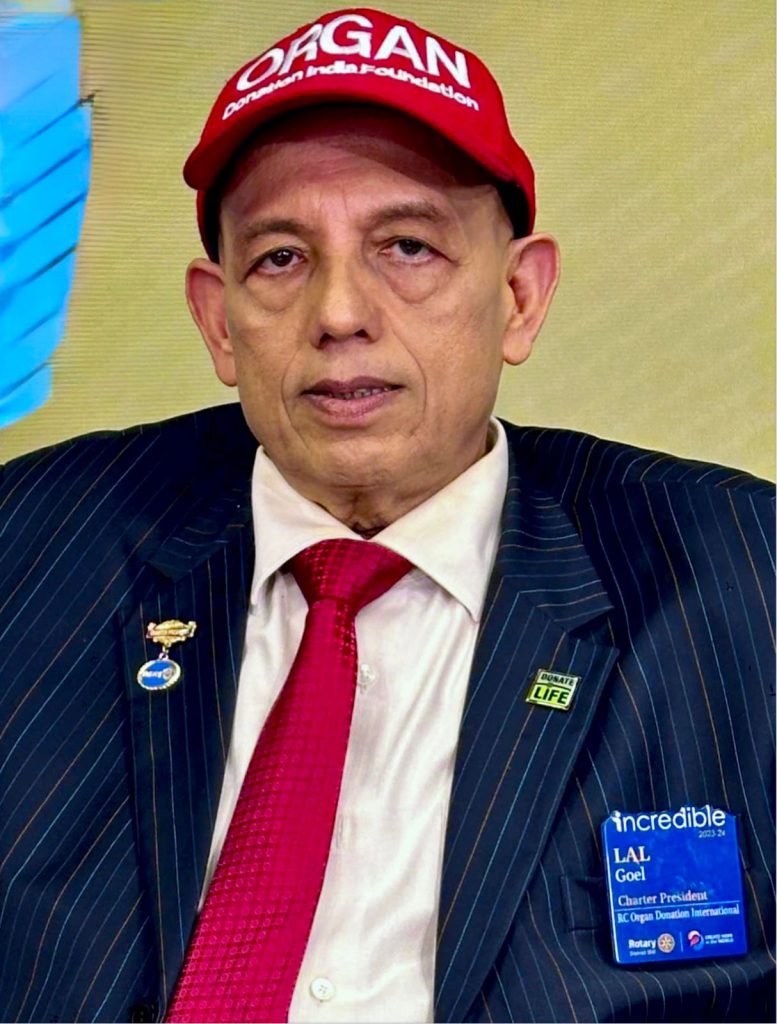
Organ Donation Systems: India, the United States, and the United Kingdom-Rotarian Lal Goel | Global TV

A Comparative Analysis with Strategic Recommendations for India

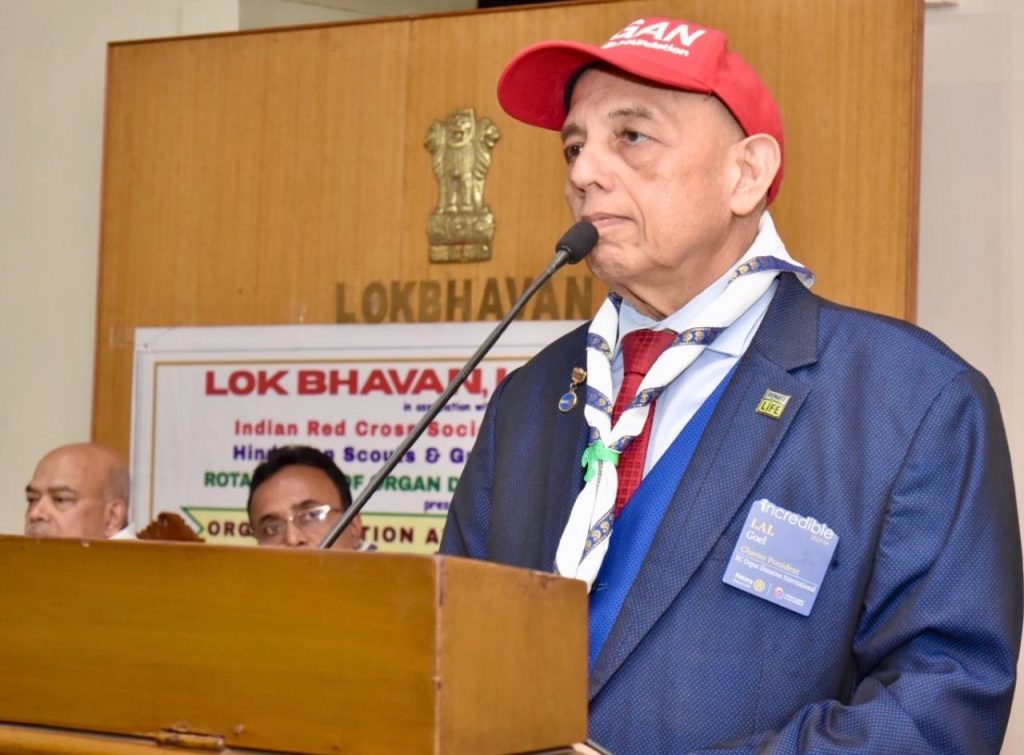
Rotarian Lal Goel | Founder & Charter President | Rotary Club of Organ Donation International

Organ donation systems worldwide confront a shared challenge: transplant demand vastly exceeds organ availability. Even high-performing systems fall short. The United States achieves approximately 50 deceased donors per million population (PMP) yet meets only 80% of transplant demand—demonstrating that institutional frameworks matter as much as public altruism.

India, the United States, and the United Kingdom represent three distinct governance models. Their contrasting outcomes offer practical lessons, but only if India’s unique challenges remain central to any proposed solutions.

Comparative Overview

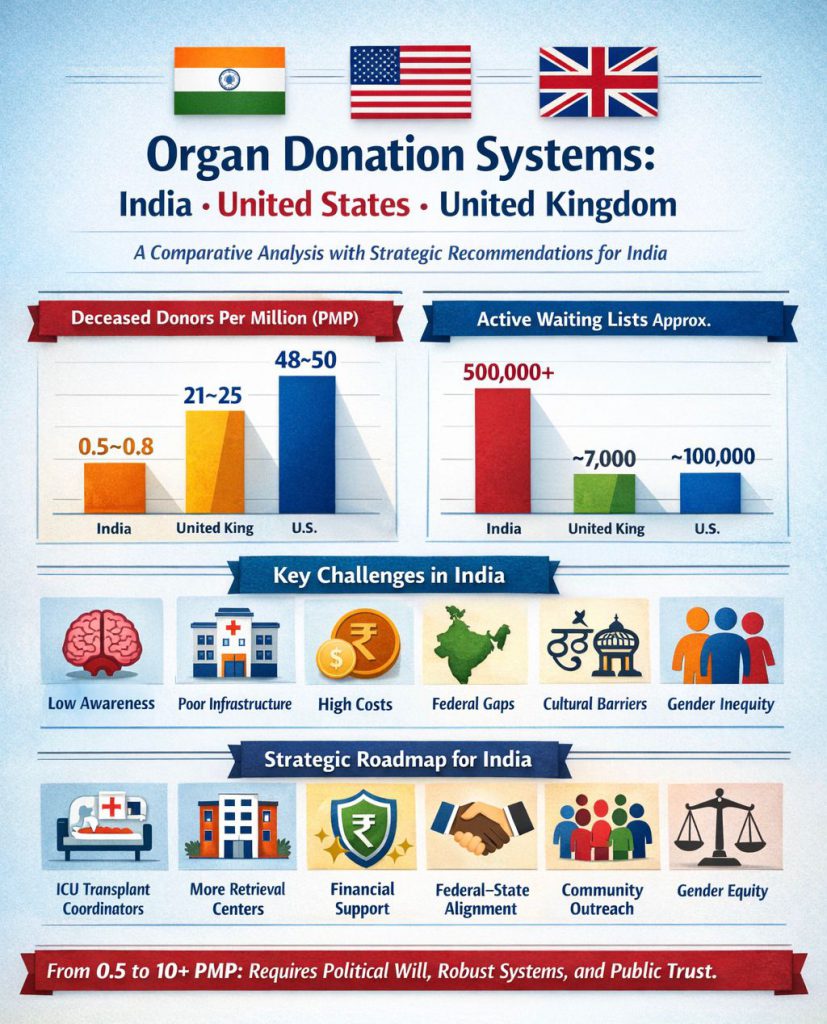
Deceased Donor Rates (PMP)

  • India: 0.5–0.8
  • United Kingdom: 21–25
  • United States: 48–50

Approximate Active Waiting Lists

  • India: 500,000+
  • United Kingdom: 7,000
  • United States: 100,000

India’s challenge is fundamentally operational: converting intent into identification, pledges into retrievals, and policy into practice.

India: National Organ and Tissue Transplant Organisation (NOTTO)

Governance Structure

NOTTO operates under the Ministry of Health & Family Welfare through the Transplantation of Human Organs and Tissues Act (THOA). The system follows a three-tier architecture: national coordination, Regional Organ and Tissue Transplant Organisations (ROTTOs), and State Organ and Tissue Transplant Organisations (SOTTOs).

Because health is constitutionally a State subject, NOTTO lacks binding authority over State governments. Many SOTTOs exist nominally or function intermittently, often dependent on NGOs or individual advocates rather than systematic institutional support.

Core Functions

  • Awareness and Registration: National campaigns, online donor registry, 24×7 helpline
  • Capacity Development: Training transplant coordinators and ICU staff
  • Allocation and Logistics: Standardised allocation protocols, green corridors for organ transport
  • Regulatory Oversight: Preventing commercial exploitation and enforcing THOA provisions

Despite over 480,000 registered pledges, actual deceased donation remains at 0.5–0.8 PMP—revealing a substantial gap between intention and implementation.

Critical Challenges

1. Insufficient Awareness

Brain death remains poorly understood, even among healthcare professionals. Families rarely discuss organ donation before medical crises occur, leaving decisions to be made under extreme emotional distress.

2. Infrastructure Deficits

Only a small fraction of India’s districts have functional organ retrieval centres. Approximately 15–20% of hospitals possess ICU capabilities adequate for deceased donation protocols. Rural and semi-urban areas remain largely excluded from the donation network.

3. Financial Barriers

Transplant procedures are prohibitively expensive for most families. Insurance coverage is inconsistent, government support mechanisms are limited and administratively slow, and long-term immunosuppression costs are rarely covered comprehensively.

4. Limited Federal Authority

Without enforceable oversight of State-level implementation, outcomes depend heavily on local political will—creating wide inter-state disparities. Tamil Nadu consistently achieves over 1.5 PMP, demonstrating what Indian states can accomplish with sustained commitment and effective systems.

5. Cultural and Religious Misconceptions

Persistent myths about bodily integrity, rebirth, and funeral rituals create hesitation. The absence of clear guidance from religious and community leaders reinforces uncertainty.

6. Gender Disparities

Women are over-represented as living donors but under-represented as recipients. Social norms, financial dependence, and differential access to healthcare drive this imbalance.

United States: Organ Procurement and Transplantation Network (OPTN/UNOS)

The US system operates through a decentralised but accountable framework, with 55 professional Organ Procurement Organisations (OPOs) coordinating donations. The United Network for Organ Sharing (UNOS) manages allocation through advanced digital systems (UNet) with real-time matching capabilities.

Strong performance incentives, transparent public reporting, and consistent federal oversight drive results: approximately 46,000–48,000 transplants annually at 50 PMP. The system demonstrates that professionalisation and accountability—not legislation alone—drive outcomes.

United Kingdom: NHS Blood and Transplant (NHSBT)

The UK employs a fully centralised national authority with Specialist Nurses for Organ Donation embedded in hospitals. National retrieval teams and unified logistics ensure consistent service delivery. While England operates under a “soft opt-out” consent system, families are always consulted before proceeding.

The UK performs over 4,000 transplants annually at 21–25 PMP, demonstrating that cultural normalisation and bedside expertise can be as effective as legislative frameworks.

Key Insight: Systems Create Donors, Not Laws Alone

Spain achieves approximately 50 PMP with an opt-out system, but its success derives primarily from trained professionals, systematic hospital identification protocols, and robust infrastructure—not the consent framework itself.

Strategic Roadmap for India

Vision

  • 5-year target: 2–3 PMP
  • 10-year target: 10+ PMP

Priority Actions

1. Professionalise Donor Identification

Require trained transplant coordinators in every ICU-capable hospital. Link brain-death identification audits to hospital licensing and accreditation standards.

2. Expand District-Level Infrastructure

Establish at least one functional organ retrieval centre per revenue district. Strengthen public-sector ICU capabilities rather than relying exclusively on private hospitals.

3. Ensure Financial Protection

Create a uniform national transplant insurance package. Provide comprehensive government support for economically vulnerable recipients, including post-transplant immunosuppression medications.

4. Strengthen Federal-State Coordination

Implement performance-linked funding for States with transparent, publicly reported benchmarks. Establish clear national standards while respecting State autonomy.

5. Sustain Cultural Engagement

Move beyond episodic campaigns to continuous community engagement. Actively involve religious leaders, women’s organisations, and local influencers in normalising donation discussions.

6. Address Gender Inequities

Require mandatory counselling and ethics review for living donations. Implement priority correction mechanisms to ensure equitable access for women recipients.

Conclusion

India’s organ donation challenge is fundamentally systemic. With 0.5–0.8 deceased donors PMP and a waiting list exceeding 500,000, thousands die annually—not from lack of compassion, but from fragmented execution.

The United States demonstrates the power of accountable decentralisation. The United Kingdom shows the impact of centralised expertise and cultural normalisation. India must adapt—not copy—these approaches to its federal structure, economic realities, and cultural context.

The path from 0.8 to 10+ PMP is challenging but achievable. What is required is sustained political commitment, empowered institutional systems, professional staffing, and community trust.

The question is no longer what must be done. It is whether India will choose to implement these solutions—at scale, with urgency, and with consistency.

Thousands of lives depend on that choice.

IQRA Arabic School | The Intellectual Symposium–2.0, aimed at promoting peace, unity, and social responsibility | Global TV

Humanity Is the Common Platform for Collective Action, Emphasized at Intellectual Symposium–2.0 in Mangaluru | Global TV

NV Paulose, Chairman, Global TV +91 98441 82044

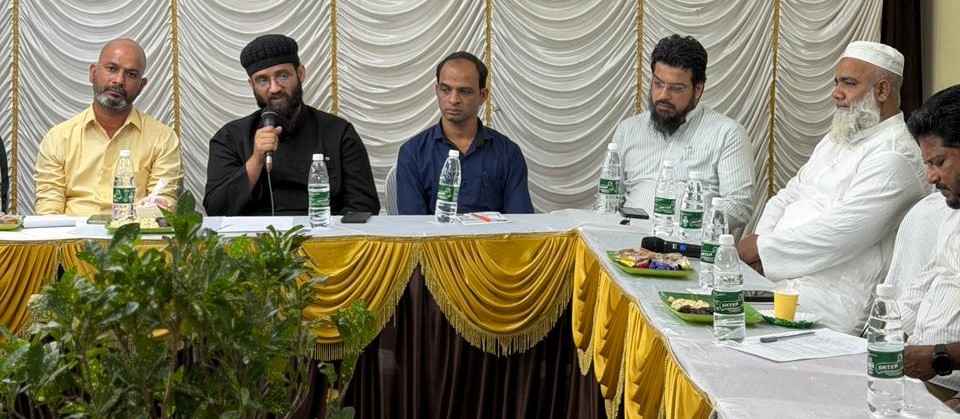
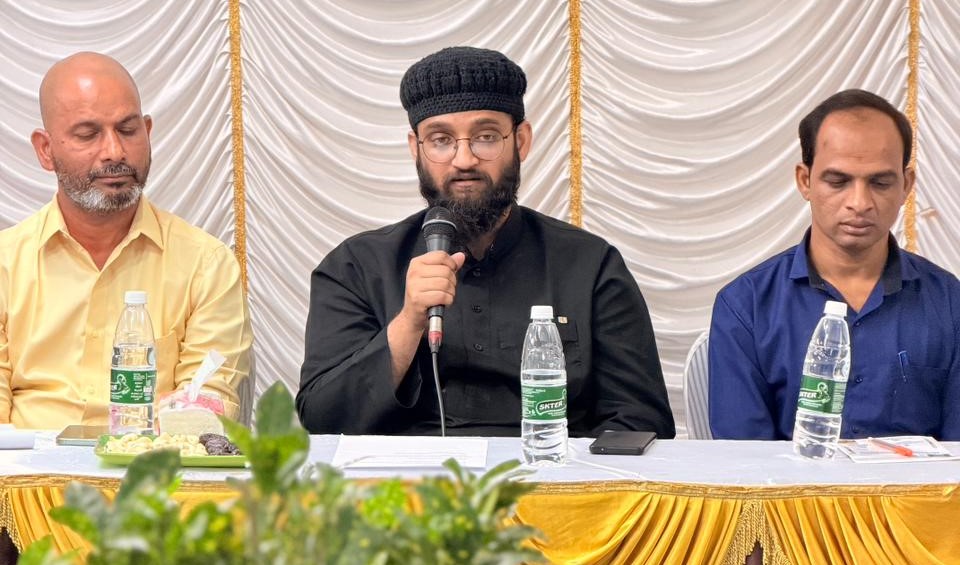
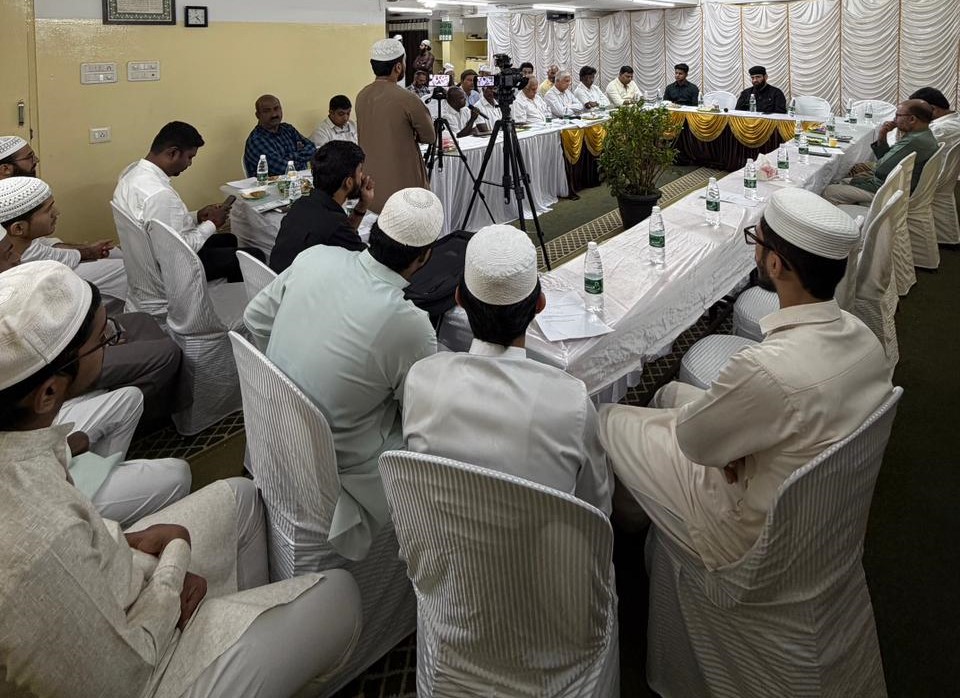
Mangaluru, January 8, 2026: The Intellectual Symposium–2.0, aimed at promoting peace, unity, and social responsibility, was held on Thursday at Iqra Arabic School, Kalpana Road, Kankanady, Mangaluru. The programme was organized by the All India Payam-e-Insaniyat Forum (AIPIF), Mangaluru, under the theme “Let us unite on a common platform to discuss the creation of a peaceful environment in India.” Presiding over the symposium, Moulana Syed Abdul Ali Hasani Nadwi of the All India Payam-e-Insaniyat Forum emphasized that humanity is the common platform on which people from all religions, communities, and backgrounds must come together to build a strong and harmonious nation.

Addressing the gathering, he stated that while discussions are important, meaningful progress can only be achieved through practical and sustained action. He urged individuals and institutions to take responsibility in addressing key social challenges such as hunger, substance abuse, educational shortcomings, unemployment, and health-related issues. He observed that a hunger-free and drug-free society plays a vital role in ensuring peace and reducing social unrest.

Several speakers at the symposium highlighted alarming ground realities related to poverty and hunger. Referring to national and global data, participants pointed out that a significant share of the world’s undernourished population lives in India, with millions surviving on minimal daily income. Speakers also drew attention to gaps in healthcare infrastructure, shortage of medical professionals, and limited access to hospital facilities, particularly affecting rural and economically weaker communities.

Drug abuse, especially among the youth, emerged as a major concern during the discussions. NG Mohan, Social Reformer and advisor to many institutions shared experiences from the late 1980s, recalling how prescription medicines were misused as narcotics and trafficked illegally. Despite regulatory measures over the years, he noted that drug abuse continues due to poverty, unemployment, social pressure, and lack of awareness. Sharing a recent incident, he narrated how a coastal drug trafficking network came to light during a private film project. The episode, he said, exposed the deeper social roots of the drug trade, pointing to economic insecurity and lack of livelihood opportunities. Several speakers stressed that poverty, hunger, and unemployment are closely linked to drug abuse and other antisocial activities, urging society to address root causes rather than symptoms alone.

The symposium featured a panel discussion focused on building a hunger-free and drug-free nation, highlighting the need for cooperation, mutual understanding, care, love, and shared sacrifice. Referring to the ‘Imagine Chicago’ initiative launched in the United States in 1992, NV Paulose, Chairman, Global TV explained how community-led action, strength-based approaches, and small achievable goals helped transform neighborhoods, demonstrating the power of collective responsibility. Youth engagement was identified as a key priority. Raguveer Suterpet emphasized the need for regular ground-level programmes that bring young people together across communities without distinctions of religion, caste, or social background. Mentorship, awareness campaigns, and constructive platforms were suggested to positively channel youth energy.

Prosperity-Focused Perspective (News Style Intervention)

Adding a different perspective to the discussion, Dheeraj, Managing Director of Macchhi Group of Hotels, urged participants to adopt a positive, prosperity-oriented approach to nation-building. He said that while issues such as poverty and hunger must be acknowledged, continuously framing the narrative around deprivation alone limits collective thinking.

“Instead of only talking about poverty and hunger, we should talk about prosperity as a goal,” he said, adding that language and mindset play a crucial role in shaping social outcomes. Dheeraj emphasised that true change begins with individual responsibility and constructive action, stating that prosperity-driven thinking encourages innovation, employment, and long-term solutions rather than dependency.

He concluded by noting that sustained national progress would come not merely from slogans, but from consistent effort, self-belief, and a commitment to creating opportunities at every level of society. Other issues discussed included shortages in blood and organ donation, rising educational challenges, child health concerns, and infant mortality. Participants encouraged citizens to actively support blood and organ donation drives and contribute to local education and health initiatives.

Reiterating India’s core values, Moulana Hasani said that secularism, democracy, and non-violence form the pillars of the nation. Respect for all faiths, active participation in democracy, and adherence to non-violence, he said, are essential for sustainable development and national progress.

The programme concluded with a call for self-reflection and character-building, emphasizing that purification of the heart leads to harmony in society. The symposium resolved to develop small, time-bound community action plans and reconvene in the coming months to review progress, reinforcing the commitment to building a peaceful, inclusive, and progressive India.

Kavita Trust | Kavita Fest | Mother Teresa Peace Park, St. Aloysius (Deemed to be University), Kodialbail, Mangaluru | Global TV

Kavita Trust Celebrates 20th Edition of Kavita Fest on January 11, 2026 | Global TV

NV Paulose, Chairman, Global TV +91 98441 82044

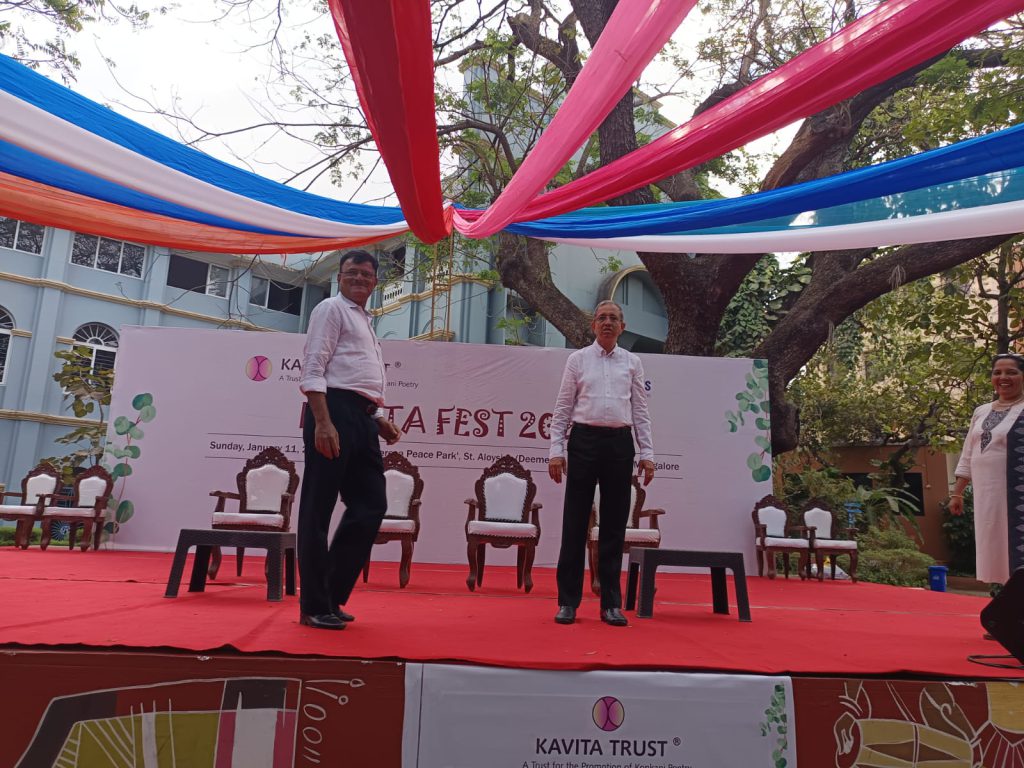
The Kavita Trust, a pioneering literary organisation dedicated to the promotion and enrichment of Konkani poetry, will celebrate the 20th edition of its flagship event, Kavita Fest, on Sunday, January 11, 2026. The day-long literary festival will be held from 9.30 am to 4.30 pm at the Mother Teresa Peace Park, St. Aloysius (Deemed to be University), Kodialbail, Mangaluru, in collaboration with St. Aloysius (Deemed to be University).

Marking two decades of sustained contribution to Konkani literature, Kavita Fest 2026 is open to all lovers of the Konkani language and poetry. The celebrations will begin with a procession from Tagore Park to Mother Teresa Peace Park, symbolically bringing poets, students and literature enthusiasts together.

The inaugural ceremony will be presided over by Rev. Dr. Praveen Martis SJ, Vice-Chancellor of St. Aloysius (Deemed to be University). The Guest of Honour will be Prof. Maria D’Costa, Director of Xcell – Institute for Excellence.

The festival will showcase a rich and diverse literary programme. Highlights include an interaction session with Vally Vagga, recipient of the Mathias Family Poetry Award – 2026, and “My Life, My Poetry”, an interactive session with children finalists of the popular Konkani poetry reality show Biri Biri Pavs. The youth finalists of Biri Biri Pavs will also present their poetry during a dedicated session.

Adding a performative dimension to the festival, Ranga Adhyayan Kendra, St. Aloysius (Deemed to be University) will stage a poetry-based play, followed by Kavisandhi, a literary dialogue with Paresh N. Kamat, Konkani writer and recipient of the Kendra Sahitya Akademi Award. An open poetry session will provide a platform for aspiring and established poets to share their work.

The closing ceremony will be graced by eminent Konkani litterateur and Jnanpith Award laureate Damodar Mauzo as the Chief Guest. He will be accompanied by Shaila Mauzo, noted literary translator, and Francis J. B. D’Cunha, Konkani writer and educator, who will be Guests of Honour.

During the valedictory function, several prestigious awards will be presented, including the Dennis and Mary D’Cunha Memorial Best Poetry Book Award – 2024 to Felcy Lobo, the Mathias Family Poetry Award – 2026 to Vally Vagga, and prizes to the winners of the Biri Biri Pavs Poetry Competition in both children’s and youth categories.

Everyone has a Role to Play | Success Is a Team Game: Seven Critical Team Roles That Can Transform Our Economy and Career Paradigm | Global TV

Passive Career Roles | Create Roles and Teams | Allow them to Work for You | Activate the system | Align them with your larger Goals | Global TV

NV Paulose, Chairman, Global TV +91 98441 82044

For a long time, we have been taught that success comes from climbing a hierarchy. Titles, positions, and ranks were seen as the ultimate goals. The higher you went, the more important you were believed to be. But the world has changed. Today, problems are complex, systems move fast, and no one can do everything well alone. In this new reality, success is not about standing at the top of a ladder. Success is a team game. You need to address other’s interest to activate them into your team game.

Think of a football match. Every player has a role. Defenders protect, midfielders connect, and strikers turn teamwork into goals. Imagine a team where the captain insists on being the last person to score every goal. No matter how talented the captain is, the team will struggle.

Goals come from teamwork, trust, and correct positioning, not at all from hierarchy. The same rule applies to careers, institutions, organizations, and economies. What we need today is not rigid hierarchy, but clear roles working together. Creating safe and inspiring space for everyone is the job of the people at the top leadership. Creating an atmosphere of growth is the most important leadership quality today. Nurturing bright leadership is the need of the hour at every district in India. We are a nation with the largest growth potential out of demographic dividend.

Seven team roles are especially powerful in shaping this new growth paradigm. They are Action Dreamers, Best Communicators, Team Leaders, Event Managers, Video Editors, Script Writers, and Data Managers. Find them among your colleagues. Bring large number of students into the team game. You win the game in a big way.

Action Dreamers: Starting the Movement

Action Dreamers are the people who imagine better futures and take the first step toward them. They do not wait for permission or perfect conditions. They see problems and begin testing solutions immediately.

In traditional hierarchies, Action Dreamers are often blocked by slow approval systems. In team-based environments, they become powerful drivers of change. They bring energy, ideas, and courage. But like a striker in football, they need support from the rest of the team to score.

Alone, their effort is limited. Together, their ideas can move entire organizations forward. Keep Action Dreamers in your establishment at high esteem. You need at least 10% of your entire strength to be made effective Action Dreamers to become an institution of excellence. Rest everything is naturally set when there are Action Dreamers around.

Best Communicators: Keeping Everyone in the Game

Best Communicators make sure everyone understands the plan. They listen carefully and speak clearly. They reduce confusion and prevent unnecessary conflict. In our context; they are the people with positive probing questions to inspire everyone else to talk from their heart.

In rigid hierarchies, communication often flows only from the top to the down streams. This creates silence, fear, and misunderstanding. In a team game, communication flows in all directions.

Best Communicators help Action Dreamers be understood, help Team Leaders stay informed, and help everyone feel included. They are like midfielders who keep the ball moving and connect every part of the field. In Media Context; Best Communicators play a major role.

Team Leaders: Guiding Without Blocking

Team Leaders are often misunderstood. Leadership is not about controlling every move or taking all the credit. True Team Leaders focus on making others successful. In a healthy team, leaders do not insist on being the hero. Just like a football captain who supports the striker instead of competing with them, good leaders place people where they perform best.

They make decisions, resolve tension, and protect the team from chaos, but they do not block progress with ego. Strong leadership reduces the burnouts and builds trust. Weak leadership attempts to create fear and slows everything down. Trusting and trust building are very important for Team Leaders. They are transparent and aim collective growth.

Event Managers: Creating the Right Moments

Event Managers bring people together at the right time and in the right way. These events may be meetings, shootings, workshops, launches, or community gatherings. In many organizations, events are treated as formal obligations. In strong teams, events are opportunities.

Event Managers design opportunities to create memorable experiences that encourage collaboration, learning, and connection. They make things easier and better. They understand timing, flow, and more so about human behaviour. Just like a well-planned match, the environment they create allows everyone to perform better. Event Managers in our context is the people who bring people to come together and work together.

Video Editors: Shaping What People See and Feel

World is converging into Micro Systems. Meaning, there is an unseen turnaround from capital focus towards people involvement and Large-Scale Interactive Development Processes (LSIDP) in every stream of growth potential. Education, Healthcare, Tourism and Media are the four major Pillars that can construct a developed India.

We need Media to activate every other growth stream. Media is also a major stream of growth potential. We need to work on Self Sustainable Models in all streams. Video Editor is a major player in today’s growth mechanism. Story Telling is a powerful tool for communication. Video Editors in our context are people with basic editing skills.  How stories are told and how attention is captured are all organised by Professional Video Editors and Graphics experts. The Video Editors are the Copy Paste people with basic skills. Two weeks training can make you to be a Video Editor. This will fetch you Additional Income (AI) over your Regular Income (RI). This is an opportunity for housewives as well. 

Script Writers: Giving Ideas a Clear Voice

Script Writers bring structure to thoughts. They turn complex ideas into simple stories that people can understand and remember.

Without clear scripts, messages become scattered. With strong scripts, teams move with purpose. Script Writers help align everyone around a shared story. They are essential for videos, events, campaigns, and even internal communication. In a team game, a shared story keeps everyone focused on the same goal. Script writers come at the top of the team in setting standards and models and to take the idea into larger scales.

Data Managers: Connecting the Right People

Data Managers are the quiet coordinators of the team. Their role is to collect and organize information about people so the right connections can happen. They track people, skills, availability, performance, and collaboration patterns. They help leaders assign roles wisely, help communicators reach the right people, and help Action Dreamers find the right partners. Their work includes data collection, data analysis, and data management, but the goal is always human connection.

Without Data Managers, teams rely on guesses. With them, teams make informed decisions and avoid wasting talent.

Rethinking Hierarchy for the Future

Hierarchy is not the enemy. The problem arises when hierarchy blocks collaboration. When power matters more than purpose, teams fail. When leaders insist on being the final point of success, progress slows.

The future belongs to teams where roles are respected, information flows freely, and leadership supports rather than dominates. Just like in football, winning comes from passing the ball, trusting teammates, and playing your position well.

Success is a team game

When these seven roles work together without ego and without rigid hierarchy, they can transform people, economy, careers, organizations, and entire ecosystem. Become a link that connect the diamonds!

TIME | There Is Time for Everything. Now Is the Time for Team Plantation | Global TV

There is time for learning. There is time for reflection. There is time for building systems patiently. And there is a time when delay itself becomes a cost. Today, without doubt, this is the time for Team Plantation. Story Telling is the rewarding project.

NV Paulose, Chairman, Global TV +91 98441 82044

Institutions, especially educational institutions, are standing at a critical junction. They are rich in people but poor in engagement. They are full of activity but short on meaningful participation. They hold enormous potential energy that remains largely untapped. The reason is not lack of intelligence or infrastructure. The reason is outdated thinking about growth, contribution, and success. Excellence is a Team Game.

For decades, we believed that progress comes from slow, elite driven, capital heavy models. Teak plantation is an appropriate metaphor for that mindset. It requires land, patience, money, and authority. It grows slowly and rewards only a few after many years. Teak has its place, but teak cannot address today’s challenges. Team Plantation can.

Why Team Plantation Matters Now

Team Plantation is not about waiting for value to mature. It is about activating value that already exists in people. Every student, teacher, administrator, and staff member carries skills, curiosity, and creative energy. What is missing largely today is not talent, but a system that invites massive participation. Isolated events are in plenty. The missing factors are connectivity, continuity and a larger purpose.

Team Plantation is easier to implement than teak plantation. It does not demand large capital investment. It demands clarity of roles, trust in people, and a willingness to decentralize action while centralizing direction. We should create something rewarding for everyone.

Most importantly, Team Plantation creates immediate rewards. Not only financial rewards, but psychological rewards such as belonging, purpose, and visibility. These rewards are especially important in educational institutions, where disengagement has become a silent epidemic. Every person is a centre of attraction in many ways.

From Mobile Addiction to Mobile Action

One of the most visible symptoms of disengagement today is mobile addiction. Institutions often treat this as a discipline problem. Phones are banned, restricted, or morally criticized. These measures fail because they fight the symptom, not the cause.

Young people are not addicted to mobiles. They are truly addicted to meaning, recognition, and creative expression. The mobile phone is simply the most accessible tool. The real shift needed is from mobile addiction to mobile action. Can mobiles used to create videos, write scripts, manage data, coordinate events, and communicate ideas? Then the same device becomes a productive instrument. The transformation does not happen through rules. It happens through roles.

Team Plantation Versus Teak Plantation

  • Teak plantation depends on ownership. Team Plantation depends on participation. We can do massive works with Teams
  • Teak plantation grows slowly. Team Plantation grows every day.
  • Teak plantation rewards a few at the end. Team Plantation rewards many along the way. There is no one less rewarded, in fact.
  • Teak plantation locks resources into land. Team Plantation creates wealth and circulates energy through people.

Educational institutions are not designed for teak plantation thinking. They are designed to be living ecosystems. Team Plantation aligns naturally with their purpose. Make your campus much more vibrant.

The Seven Roles That Create Living Institutions

A successful Team Plantation does not rely on hierarchy. It relies on clear and respected roles. The seven roles form a complete system that can scale from a classroom to an entire institution.

Action Dreamers. The Starting Force

Action Dreamers are the people who move first. They see possibilities and begin experimenting without waiting for permission. In many of the institutions, these are often students or young faculty who want to try something new. Lethargic people block and disengage them.

Action Dreamers’ role deserves maximum stress at the grassroots level. Without Action Dreamers, nothing begins. Institutions that consciously nurture Action Dreamers experience faster renewal and stronger relevance. At the master level, leadership must protect Action Dreamers from unnecessary obstruction. Even a small percentage of active Action Dreamers can transform the culture of an entire campus.

Best Communicators. The Alignment Force

Energy without clarity creates confusion. Best Communicators ensure that ideas are understood, feedback is heard, and everyone feels included. This role deserves stress across both grassroots and master teams. At the grassroots level, communicators build peer trust. At the master level, they shape institutional narrative and external perception.

In an age of information overload, clear communication is not optional. It is foundational. Everyone can be a contributor towards prosperity.

Team Leaders. The Enablers

Leadership today is not about control or credit. It is about making others effective. Team Leaders create safe environments, resolve tensions, and maintain continuity. This role deserves strong stress at the master team level. Poor leadership blocks energy. Good leadership multiplies it. Institutions rise or fall based on how well leaders enable teamwork. Right Leadership makes people appreciated and inspired.

Event Managers. The Momentum Builders

Institutions come alive through moments. Events are not formalities. They are catalysts for connection, learning, and pride.

Grassroots Event Managers create frequent, small-scale engagements. Master teams ensure rhythm, alignment, and institutional memory. Stress here should be on consistency rather than grandeur.

Video Editors. The Visibility Engine

What is not seen does not inspire. Video Editors convert everyday action into stories that motivate others. This role deserves high stress at the grassroots level because it directly converts mobile usage into productive output. With minimal training, many students and staff can become capable video editors, generating additional income and institutional visibility. We have a standard format set for campaigns.

Script Writers. The Structure Providers

Script Writers bring coherence. They define formats, messages, and models that can be repeated and scaled. This role deserves greater stress at the master team level. Without scripts, teams scatter. With scripts, teams move together with purpose. We should create purpose for doing all these initiatives. Purposes should match the interest of everyone.

Data Managers. The Hidden Connectors

Data Managers ensure that talent is not wasted. They track skills, participation, and availability so the right people meet the right opportunities. This role deserves quiet but continuous stress at both levels. Good data reduces guesswork and increases trust in decisions.

Master Teams and Grassroots Teams. Both Are Essential

Not all roles function equally at all levels. Grassroots teams generate volume, experimentation, and engagement. Master teams provide direction, standards, and continuity.

Institutions fail when they confuse these roles. They succeed when they allow grassroots freedom within master guidance.

Why Educational Institutions Must Lead This Shift

Educational institutions are uniquely positioned today to lead Team Plantation. They already have people, time, learning culture, and social legitimacy. When Team Plantation is adopted seriously, institutions shift from attendance to engagement, from syllabus delivery to skill ecosystems, from passive consumption to active creation.

This Is the Moment

There was a time for hierarchy. There was a time for waiting. There was a time for teak and capital investments. That time has passed.

Now is the time for Team Plantation. It is easier, faster, more inclusive, and more rewarding for institutions and every individual involved.

Team Plantation creates life where there is stagnation and purpose where there is distraction. Success today is not about standing alone. Success is about planting teams that grow together.
Organ Donation | WHY INDIA LAGS BEHIND THE UK IN ORGAN DONATION? | Global TV

Understanding the Gap and the Way Forward | Written By Rotarian Lal Goel, Founder & Charter President, Rotary Club of Organ Donation International

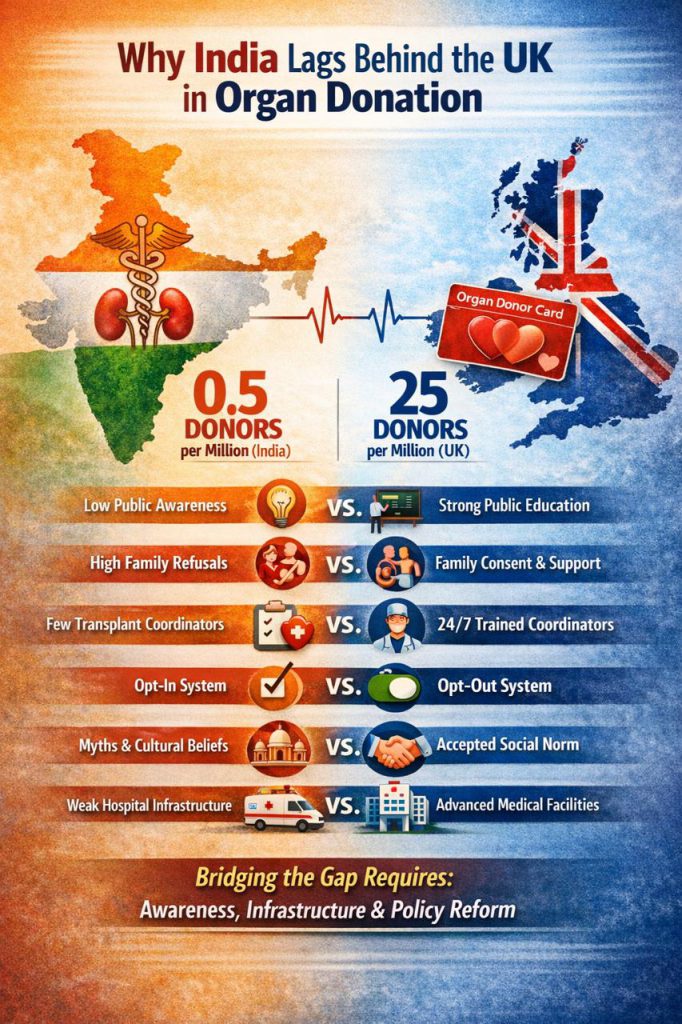
Organ donation is among humanity’s most profound acts of selflessness—where the end of one life becomes the beginning of hope for many others. Yet, despite India’s rich cultural ethos of compassion, charity, and daan, the country continues to lag far behind the United Kingdom in organ donation rates.
This disparity does not reflect a lack of generosity among Indians. Instead, it highlights systemic gaps in awareness, preparedness, infrastructure, policy execution, and public trust.

The Awareness Divide
In India, awareness about organ donation—especially deceased and brain-death donation—remains fragmented and inconsistent. Large sections of the population are unfamiliar with the concept of brain death, the legal framework governing donation, and the immense life-saving potential of deceased donors.
In contrast, the UK has embedded organ donation into its social consciousness through sustained public education, school-based learning, and nationwide campaigns led by NHS Blood and Transplant. As a result, organ donation is not a crisis-time conversation but a normalised social responsibility.

When Families Say No
Even when individuals in India pledge their organs during life, donation often does not materialise because families are unprepared or emotionally overwhelmed at the critical moment. Family refusal rates remain high, largely due to a lack of prior discussion and counselling.
In the UK, trained transplant coordinators guide families with empathy and clarity during these difficult conversations. Because donation is openly discussed and socially accepted, families are more prepared—making refusal far less likely.

Infrastructure and Training Gaps
India faces an acute shortage of trained transplant coordinators, grief counsellors, and standardised ICU protocols—especially in government hospitals. Many potential donors are missed due to delayed identification of brain death, inadequate donor maintenance, and logistical inefficiencies in organ retrieval and transport.
The UK, by contrast, operates within a highly integrated national framework, where hospitals follow uniform clinical pathways. Transplant coordinators are available round-the-clock, ensuring every potential donor is managed with precision, dignity, and compassion.

Cultural Myths and Misconceptions
Deep-rooted myths continue to hinder progress in India—fears of body disfigurement, religious prohibitions, and beliefs related to rebirth or karma. These misconceptions often overshadow medical facts.
In the UK, major religious leaders and institutions across faiths have publicly endorsed organ donation as an act of charity, compassion, and service to humanity—helping normalise the practice across diverse communities.

The Policy Question
India follows a strict opt-in consent system, requiring explicit permission for donation. The UK has adopted a soft opt-out system, where consent is presumed unless individuals register an objection—while still respecting family views.
This policy shift, combined with public awareness and trust, has significantly contributed to increased donor numbers in the UK.

The Trust Factor
A crucial barrier in India is public mistrust—fear of organ misuse, commercial exploitation, or premature withdrawal of treatment. These concerns, whether real or perceived, deeply influence family decisions.
The UK addresses this through transparency, rigorous audits, and a centralised organ allocation system, ensuring fairness, accountability, and ethical integrity at every stage.

The Numbers Tell the Story
The cumulative impact of these factors is stark:

  • India: ~0.5 deceased donors per million population
  • United Kingdom: 24–25 donors per million population
    That is nearly 50 times higher.
    This gap is not about compassion—it is about systems, preparedness, coordination, and policy execution.

The Path Forward
India does not lack heart.
India lacks systems.
Bridging this gap requires:

  • Sustained, grassroots public education
  • Normalising family conversations on organ donation
  • Strengthening hospital infrastructure and ICU protocols
  • Training dedicated transplant coordinators nationwide
  • Building public trust through transparency and accountability
  • Active engagement from civil society and service organisations like Rotary International
    With collective action from government, healthcare institutions, NGOs, and community leaders, organ donation in India can evolve from an exception to an expectation.
    When awareness meets preparedness, generosity transforms into saved lives.
    The question is not whether India can close this gap—
The question is how urgently we choose to act.