First Woman President Takes Oath at SSVP Mangalore Central Council
NV Paulose Chairman Global TV+91 98441 82044
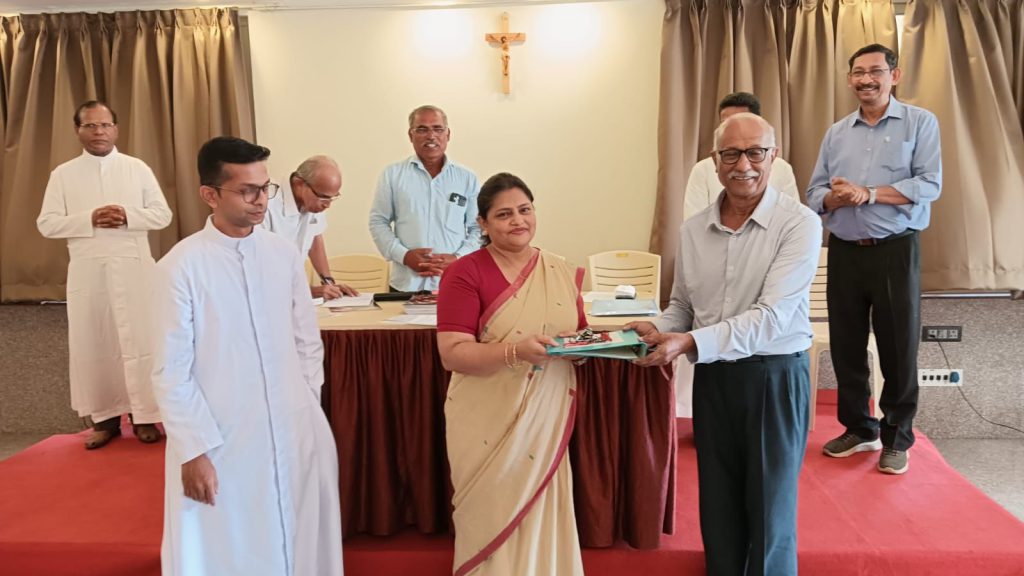
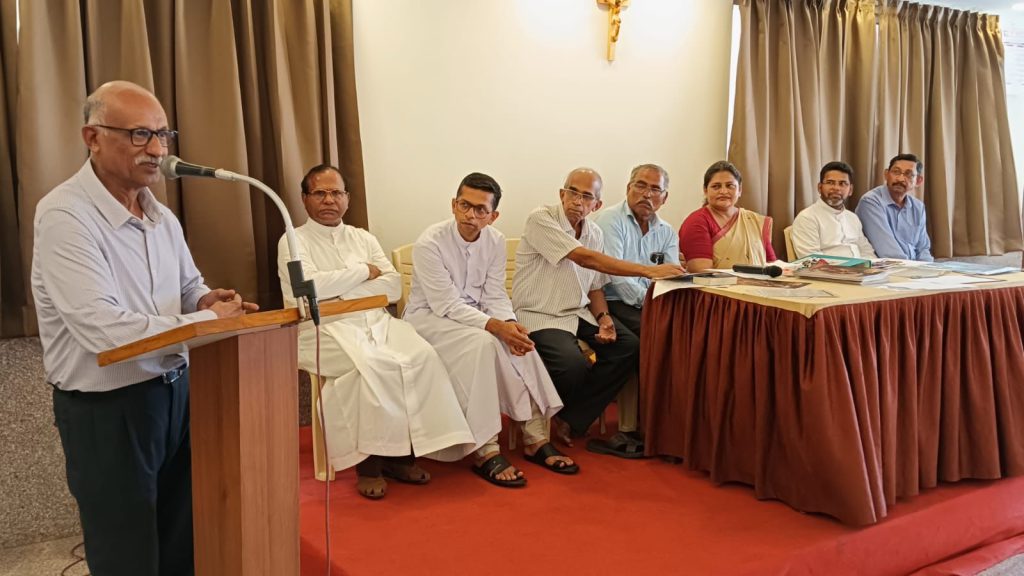
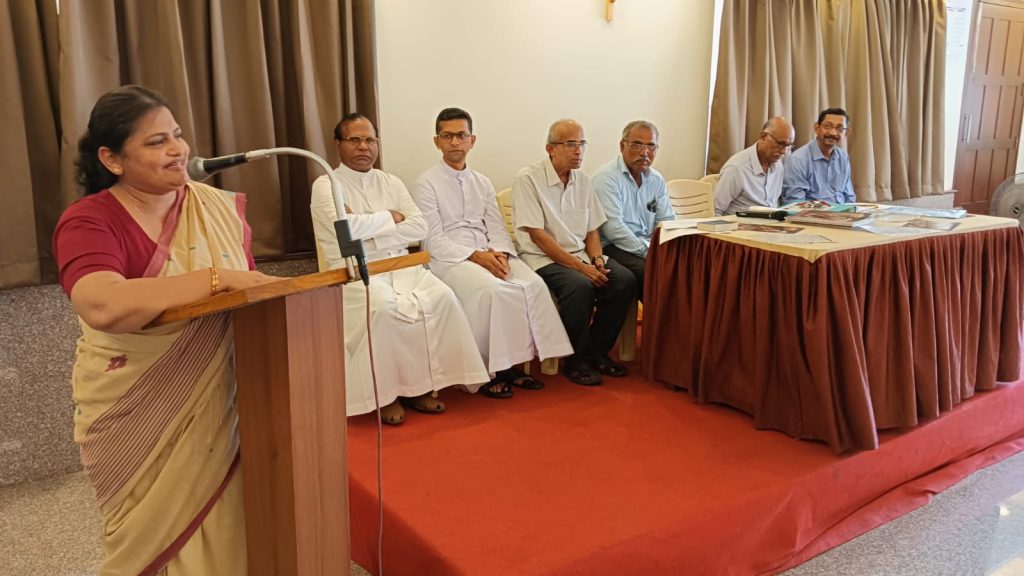
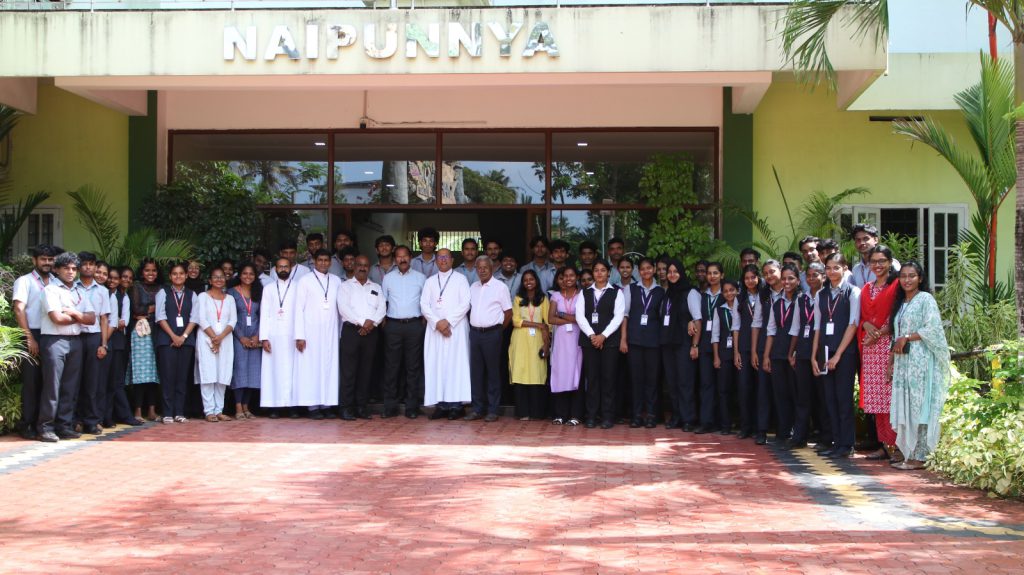
The St Vincent De Paul Society, Mangalore Central Council (SSVP), celebrated a historic milestone with the oath-taking ceremony of its first-ever lady President in its 66-year history.
Preetha Lobo, who belongs to the Bendore Conference, was administered the oath of office by Fr Flavian Lobo, Spiritual Advisor, in the presence of Fr Francis D’Souza, former Spiritual Advisor, and Fr Walter D’Souza, Parish Priest of Bendore.
Br. Joe Coelho, the outgoing President, expressed his gratitude to all for their support and cooperation during his six-year tenure. He especially thanked the Secretary, Br. Ligory Fernandes, and the Treasurer, Br. Clarence Machado, along with all the members. He also wished the incoming President success and assured her of his wholehearted support.
The incoming President thanked everyone for electing her to the post and sought the cooperation and support of all members
Welcoming Cities and Mutual Interest Groups are Changing the Indian Career Landscape
NV Paulose, Chairman, Global TV +91 98441 82044
India is at a turning point in its career landscape. While opportunities are growing, there remains a visible gap between potential and access. Millions of young people possess talent, energy, and ambition, yet struggle to find meaningful pathways to apply them. At the same time, communities hold untapped resources, networks, and local strengths that often go unnoticed. Bridging this gap requires a shift in how we think about careers, collaboration, and opportunity creation.
This is where the idea of Welcome Cities and Mutual Interest Groups (MiG) comes into focus.
A Welcome City is not defined by infrastructure alone. It is defined by its openness to people, ideas, and participation. It creates an environment where individuals feel encouraged to step forward, connect, and contribute. When cities and campuses become welcoming in this sense, they transform from passive spaces into active ecosystems of growth.
MiG acts as the operational backbone within this ecosystem. It brings people together based on shared interests and enables them to take part in structured, meaningful activities. Instead of waiting for opportunities to arrive, individuals become part of a system that identifies potential, organizes effort, and creates outcomes.
At the heart of this approach lies a crucial shift towards people orientation. Traditional systems often focus on qualifications, positions, and rigid pathways. In contrast, a people oriented approach begins with individuals their interests, their abilities, and their willingness to engage. It asks a simple question: what can each person contribute today, using what they already have?
This is where MiG becomes powerful. By allowing individuals to join groups such as Data and Intelligence, Welcome and Engagement, Events and Outreach, Media and Communications, and Finance and Relations, it creates clear roles that are easy to understand and easy to enter. A student with a mobile phone can begin immediately. A newcomer can find a place without hesitation. Participation becomes natural rather than forced.
However, people orientation alone is not enough. It must be combined with economic innovation.
India does not lack talent. What it lacks is enough structured ways to convert talent into income, growth, and sustainability. Economic innovation in this context does not necessarily mean large scale industries or complex systems. It begins at the micro level by creating small, practical models that engage people in productive activity.
This is where the idea of micro economic models becomes important.
A micro economic model can be as simple as a storytelling event that leads to skill discovery, which then connects individuals to projects, collaborations, or local opportunities. It can involve documenting local businesses, creating media content, organizing community events, or building networks that generate value over time. When designed well, these small models create both learning and earning opportunities.
The key is not complexity, but scalability.
When one model works in one campus or community, it can be replicated across many. With the support of MiG and the structure of Welcome Cities, these models can be launched at a massive scale, reaching thousands of participants across regions. This is how local action turns into widespread impact.
A critical factor in making this system work is teaming up.
Individuals working alone often face limitations. But when people come together in groups with shared intent, their combined effort creates momentum. MiG is designed to encourage this collaboration by forming teams around functions and interests. Each group becomes a unit of action, and multiple groups together form a network of coordinated effort.
Along with teaming up comes the importance of role creation.
One of the biggest barriers for young people is the lack of clearly defined roles. When roles are unclear, participation drops. When roles are simple and visible, people step in more easily. MiG addresses this by breaking down activities into clear responsibilities. Whether it is identifying data, welcoming participants, organizing events, creating content, or managing support, every role is meaningful and accessible.
This clarity transforms passive individuals into active contributors.
Yet, even with structure and roles, the real difference is made by people who take ownership.
This is where leaders and action partners come in.
Leaders are not just those who guide from the front. They are individuals who take responsibility for moving things forward, ensuring consistency, and maintaining focus. Action partners are those who execute, support, and collaborate to turn plans into reality. Together, they create the balance between vision and action.
Without leaders, direction is lost. Without action partners, progress slows. When both work together, systems come alive.
The integration of storytelling within this framework adds another powerful layer. Through structured storytelling activities, individuals share real experiences, challenges, and journeys. These stories do more than inspire. They provide practical insights, reveal opportunities, and connect people across different backgrounds.
Storytelling becomes a bridge between knowledge and action.
As more stories are discovered and shared, more people find direction. As more people find direction, more initiatives begin to take shape. This creates a continuous cycle of growth, where learning leads to action and action leads to new opportunities.
The larger vision is clear.
By combining Welcome Cities, Mutual Interest Groups, people orientation, and economic innovation, it is possible to build a system where opportunities are not limited to a few, but accessible to many. A system where individuals do not wait for change, but actively participate in creating it.
The path forward lies in starting small and scaling consistently.
Join a group. Identify a person. Organize a simple activity. Build a small model. Repeat it. Share it. Expand it.
These small actions, when connected, create a network of impact.
India’s career landscape is not going to change through isolated efforts alone. It will change through systems that bring people together, define roles clearly, and create pathways for continuous engagement and growth.
MiG is one such system.
It offers a practical, accessible, and scalable approach to transforming potential into opportunity. And in doing so, it has the ability to reshape how careers are built, how communities grow, and how individuals find their place in a rapidly evolving world.
The future will belong to those who can connect, collaborate, and create.
World Health Day 2026 Marked by Large Scale CPR Training Initiative in Hanumakonda
NV Paulose, Chairman, Global TV +91 98441 82044
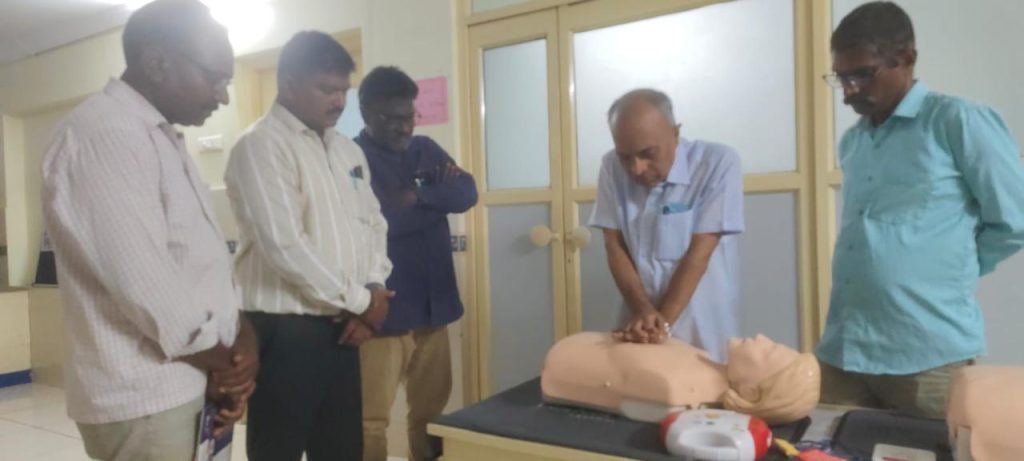
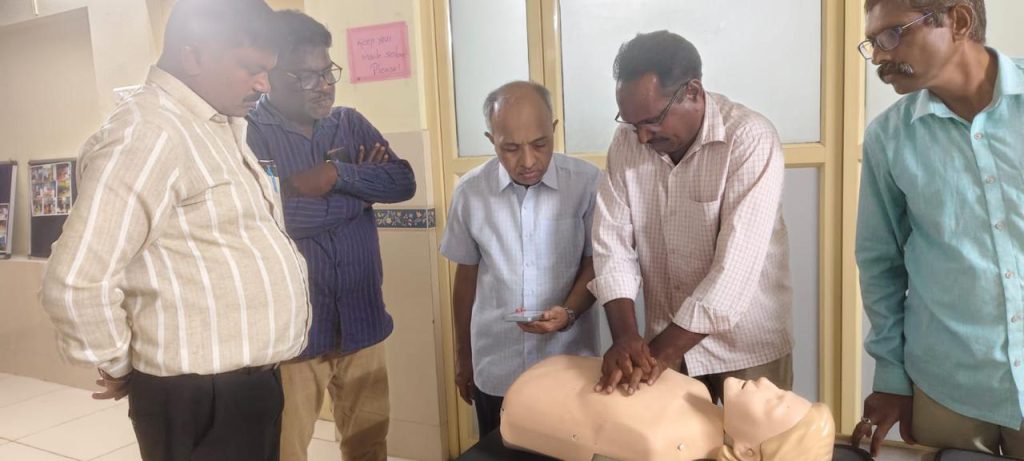
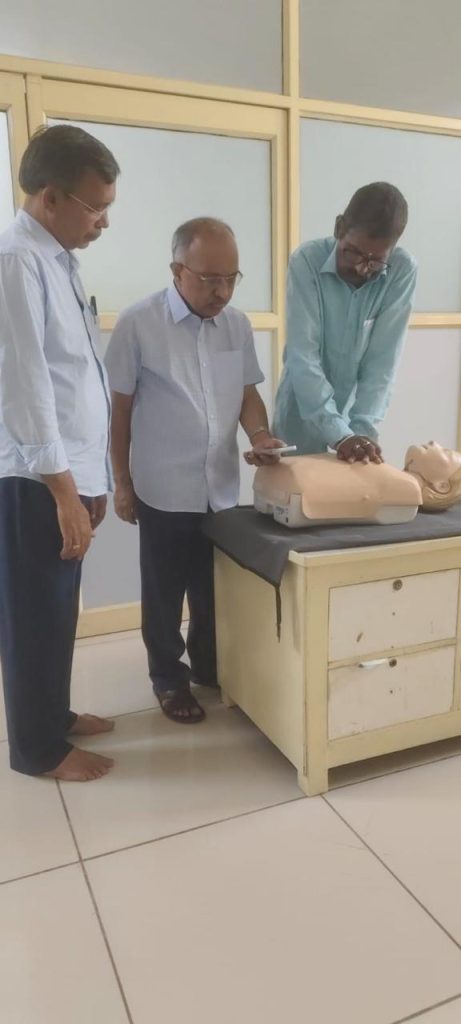
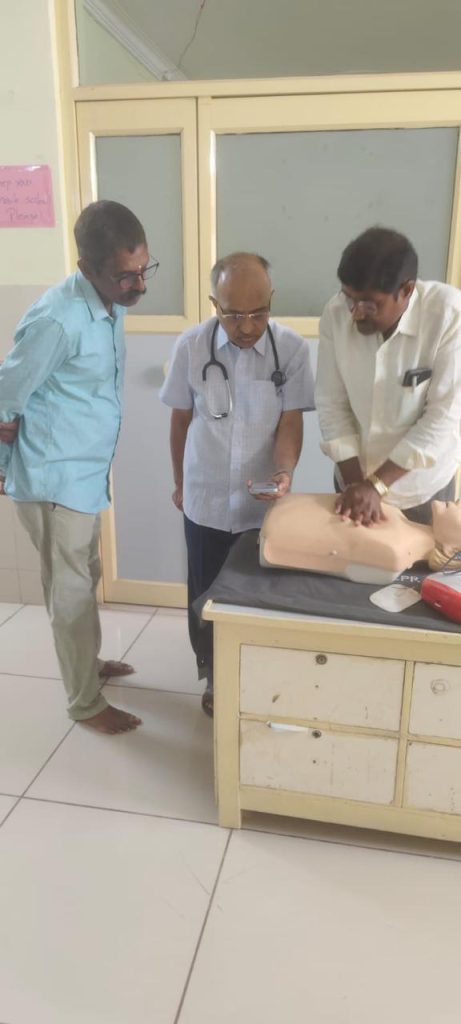
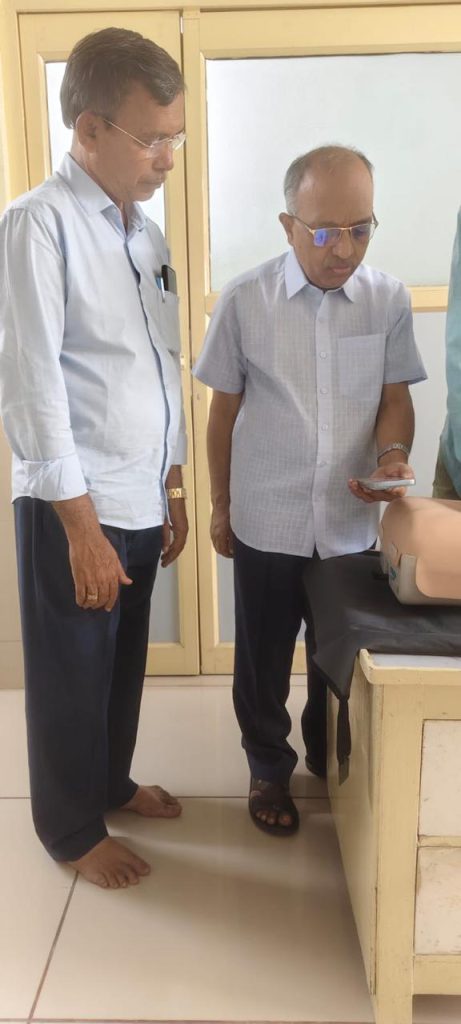
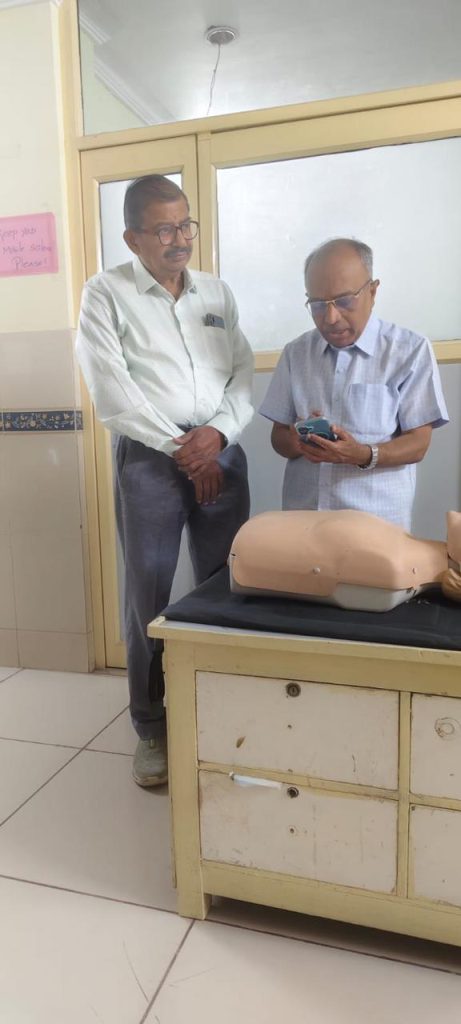
On the occasion of World Health Day on April 7, 2026, Srinivasa Heart Centre and Srinivasa Heart Foundation organised a comprehensive training programme in high quality CPR for family members of patients, RTC staff, railway staff, and members of the public. The training was conducted using Q CPR mannequins, ensuring participants received hands on, guideline based instruction in life saving techniques.
World Health Day is observed every year on April 7 to commemorate the establishment of the World Health Organization in 1948. The theme for World Health Day 2026, “Together for Health, Stand with Science,” highlights the importance of collective action and scientific approach in improving global health outcomes.
Srinivasa Heart Centre and Srinivasa Heart Foundation have been at the forefront of community cardiology initiatives since 1999, with lay rescuer CPR training programmes being conducted since 2009. Building on this strong foundation, the National CPR Challenge Campaign has already been launched, followed by Project HEART India in 2025, which focuses on training high school students in high quality CPR.
Continuing these impactful initiatives, a nationwide campaign to train all sections of society in high quality CPR, in accordance with international resuscitation education guidelines, was formally launched on World Health Day at Srinivasa Heart Centre in Hanumakonda. The programme aligns closely with this year’s global theme and reflects a commitment to expanding life saving skills across communities.
As part of this initiative, a year long campaign is planned to train a wide cross section of the population. This includes staff in government and private offices, students and staff in schools, colleges and universities, NCC and NSS cadets, police personnel, district court staff, bank employees, railway and RTC staff, as well as family members of patients. Training will be conducted using Q CPR mannequins and AED trainers to ensure high quality, practical learning.
This sustained effort is expected to significantly improve survival outcomes in cases of sudden cardiac arrest by equipping ordinary citizens with the skills needed to respond effectively in emergencies. The initiative represents an Indo US collaborative effort led by Dr Srinivas Ramaka and Dr Vemuri S Murthy, an internationally renowned resuscitation expert and advisor to Srinivasa Heart Foundation.
Dr Srinivas Ramaka, a distinguished cardiologist, has rendered enduring service to community cardiology for over 25 years. His unwavering commitment to preventive heart care and public health education has transformed countless lives, making him a respected leader in advancing cardiac awareness and emergency response training in India.
The day long event was attended by Dr Dinesh, Dr Vijayachander Reddy, members of the local press, along with family members of patients, and staff from RTC and the railways. Their participation reflected strong community engagement and support for this vital health initiative.
With sustained efforts, scientific training methods, and broad community participation, this campaign stands as a significant step towards building a safer and more prepared society in the face of cardiac emergencies.
Emerging Hip Hop Choreographer Gains International Recognition | Global TV
By DP Jose, Senior Resident Editor
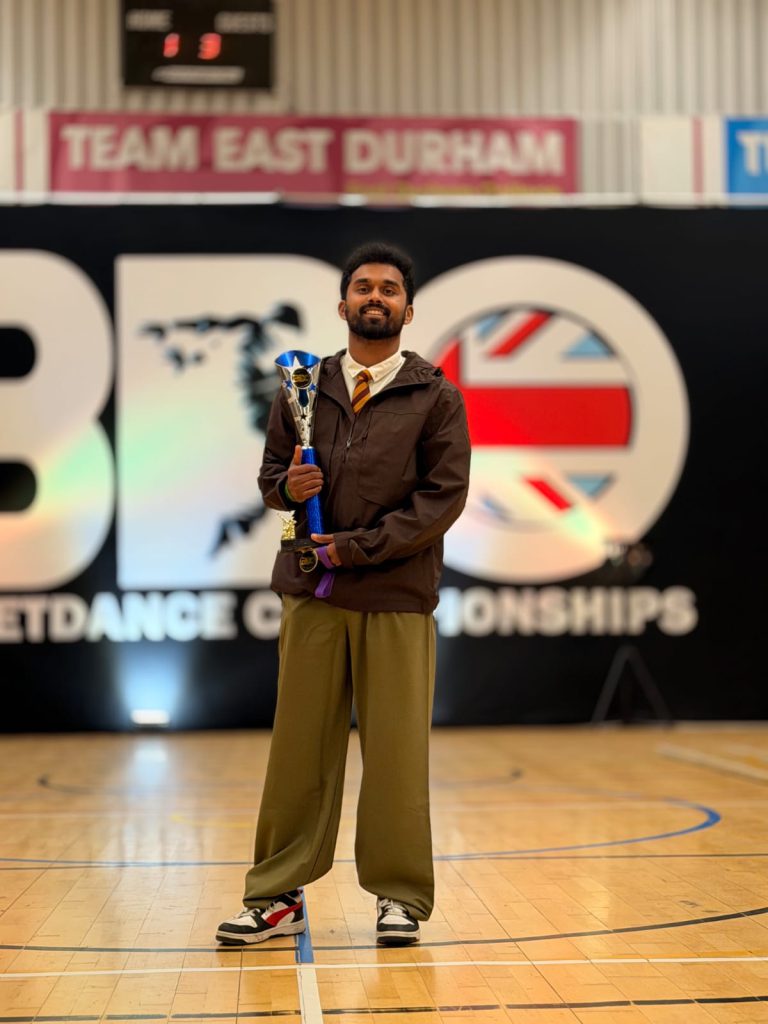
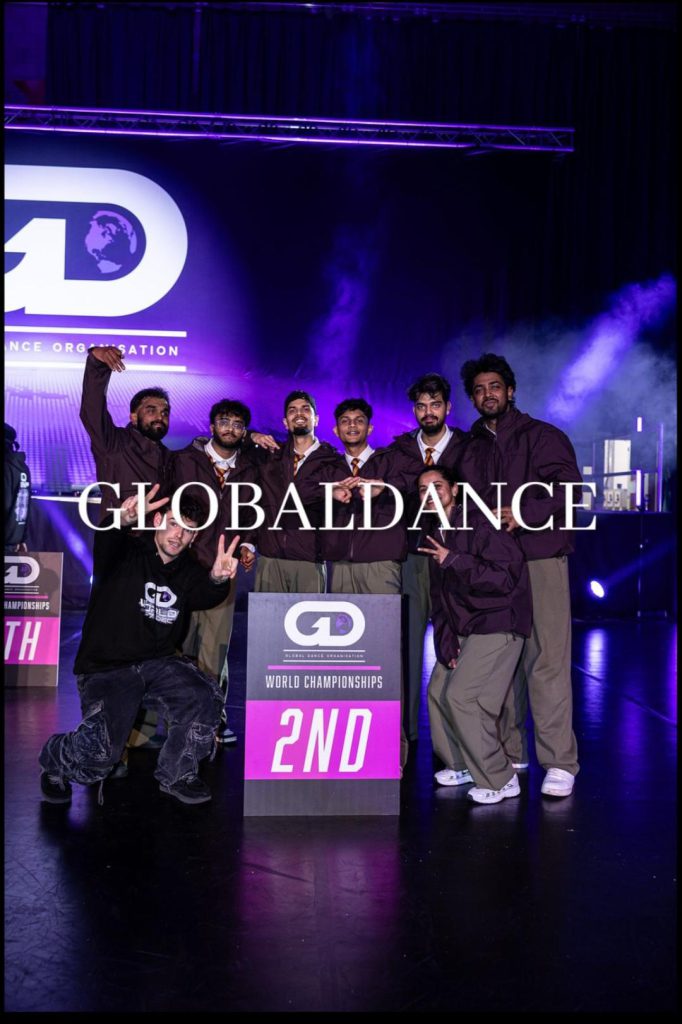
Mathew, a UK based hip hop performer and assistant choreographer originally from Kerala, is steadily building a name for himself in the global dance scene following a second place finish at the GDO World Championships, one of the most competitive international platforms for street and urban dance. His role as assistant choreographer was instrumental in shaping the structure, transitions, and overall flow of the routine, highlighting his leadership, creative insight, and technical expertise within a collaborative performance.
The GDO World Championships attracts some of the finest hip hop dancers from around the world, and Mathew’s contribution stood out for its precision, musicality, and innovative approach to movement. Judges and observers noted the seamless balance between technical excellence and expressive performance, further strengthening his reputation as both a performer and a choreographic collaborator.
Mathew comes from a distinguished family background. He is the son of the late Advocate George Mecheril, who served as senior government pleader at the High Court in Ernakulam, and Elsamma T S. A native of Taliparamba, he carries forward a legacy of professional excellence. His sister, Elizabeth, has also worked as an advocate at the Kerala High Court.
Earlier this year, Mathew secured first place at the BDO Dance Championships, reinforcing his standing within the international hip hop community. This achievement, combined with his consistent success in national level competitions during his university years in India, reflects a strong pattern of growth and a clear ability to influence the field.
Beyond performance, Mathew’s work reflects a distinct choreographic voice. He places emphasis on structural clarity and rhythmic precision while allowing expressive and dynamic movement to take centre stage, qualities that mark him as a developing creative force in hip hop dance.
Reflecting on his journey, Mathew described his exposure to international stages as a defining chapter in his artistic evolution. He noted that participating in global productions deepened his understanding of choreography, particularly in terms of precision, flow, and cohesion, while also inspiring him to continue refining his creative identity and exploring new directions within hip hop.
Currently residing at 47 Manhattan House, Milton Keynes, England, Mathew continues to expand his presence on the international stage. With recognition across both national and global competitions and a growing record of creative leadership, he is establishing himself as a promising figure in hip hop dance, poised to make a meaningful impact on the global dance community.
ROTARIAN LAL GOEL SERVES AS CHIEF GUEST AND KEYNOTE SPEAKER AT WORLD HEALTH DAY ORGAN DONATION PROGRAM
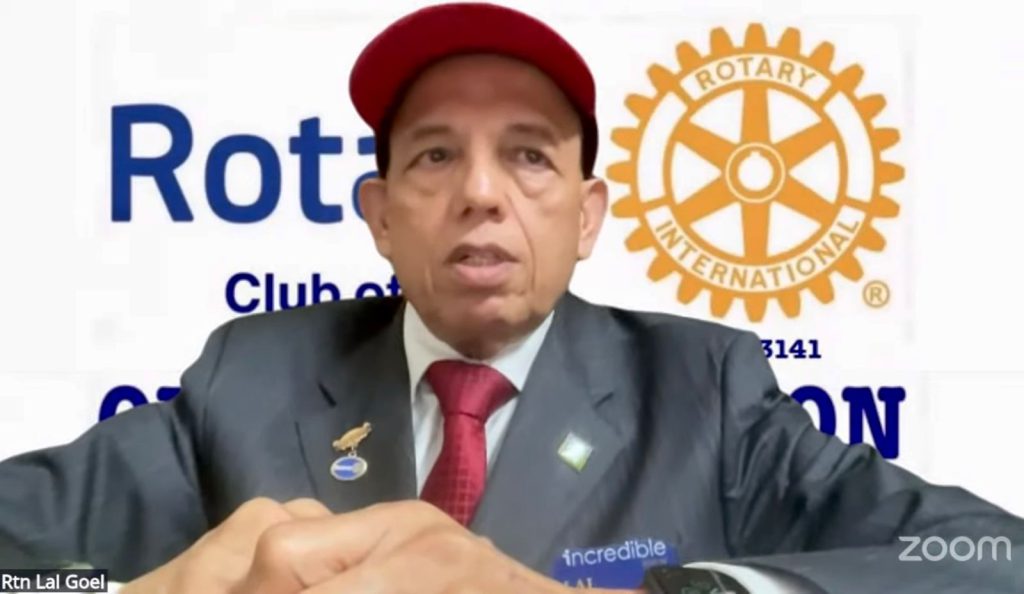
Goa, 7 April 2026 — Rotarian Lal Goel, Founder & Charter President of the Rotary Club of Organ Donation International and Chairman of the Organ Donation India Foundation & GYAN, served as Chief Guest and Keynote Speaker at an online organ donation awareness program held in observance of World Health Day.
The program was jointly organised by the Rotary Club of Panaji Riviera (RID 3170) and the Rotary Club of Organ Donation International (RID 3141).
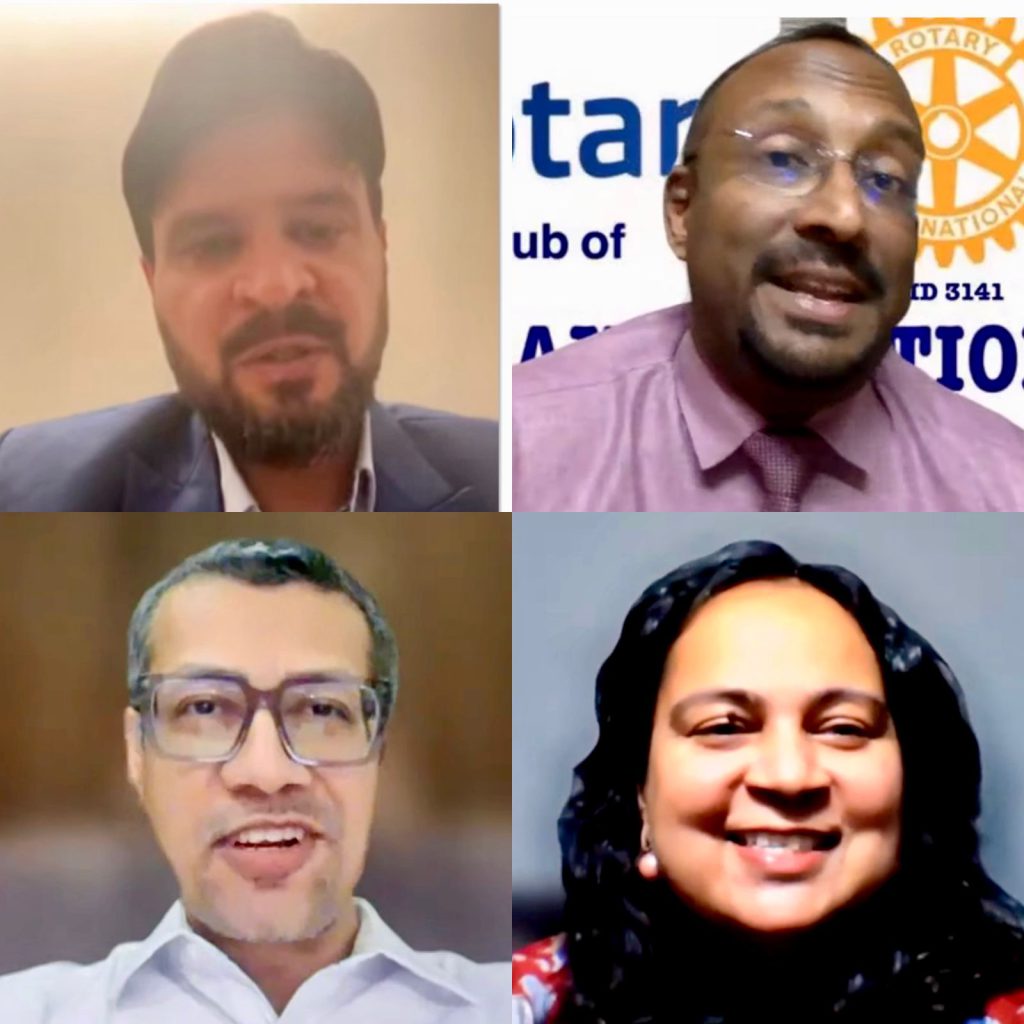
Rotarian Jeet Tolani, President of the Rotary Club of Panaji Riviera, welcomed participants with a warm opening address, commending the sustained and impactful efforts of Rotarian Lal Goel in advancing organ donation across India.
Rotarian Tanmay Modi formally introduced the Chief Guest, Rotarian Lal Goel, and the Guest of Honour, Rotarian Dr Rohan Monis, to the audience.
Rotarian PHF Dr Rohan Monis, Medical Director, provided an insightful overview of the Rotary Club of Organ Donation International, highlighting its mission, outreach, and ongoing initiatives.
In his keynote address, Rotarian Lal Goel delivered a compelling and thought-provoking perspective on the critical state of organ donation in India. Emphasising the urgent need for greater public participation and awareness, he stated:
“We are not God, but He has given us the power to save up to nine lives and improve up to seventy-five lives.”
He further highlighted Rotary’s immense potential to drive meaningful change through awareness initiatives in educational institutions, the establishment of Non-Transplant Organ Retrieval Centres (NTORCs), facilitation of access to government grants for underprivileged patients, and proactive efforts to dispel myths and misconceptions surrounding organ donation.
Rotarian Lal Goel expressed his sincere gratitude to the Rotary Club of Panaji Riviera and Rotary International District 3170 for the opportunity to address this vital cause.
The session was conducted with great poise by Rotarian Sonia Shirsat, noted singer and International Service Director of the Rotary Club of Panaji Riviera, who also delivered a gracious vote of thanks.
The program was graced by the presence of distinguished attendees, including Assistant Governor Rtn Nester Sequeira, Assistant Governor Rtn Nasir Ali, Dr Gervasio Mendes (Principal, Government College Sanquelim), Rtn Rosevelt Valadares, Rtn Hemalatha Bhandari (President-Elect), Rtn PHF Deepak Goel (Foundation Chair 2026–27), Rtn Dipen Shah (Club Project Service Chair), and Rtn Uma Jhawar (Executive Director, MK Eye Bank, Indore), along with members of both participating Rotary clubs.
First World Konkani Music Convention Muhurtham and Logo Launch
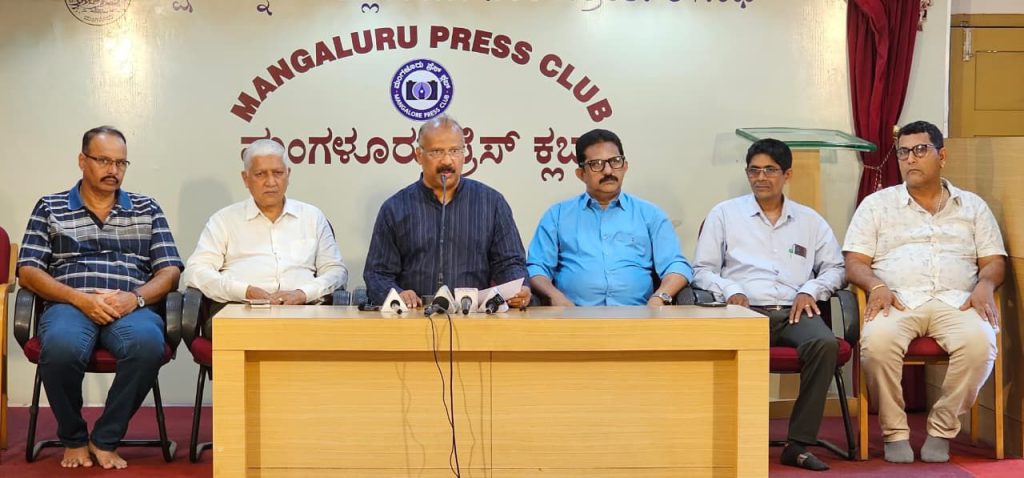
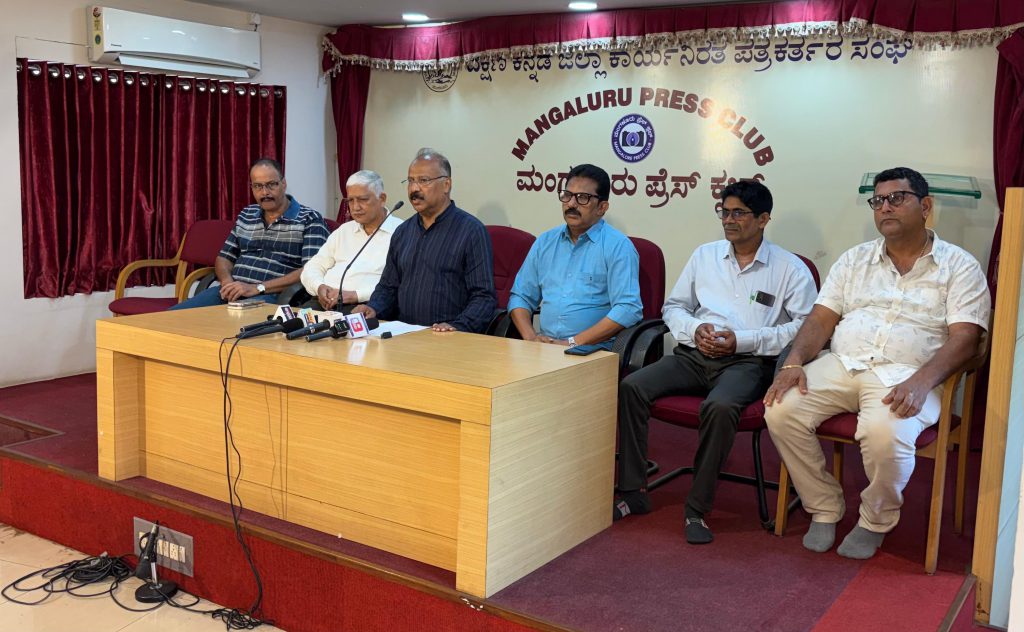
Mandd Sobhann, the World’s Premier Konkani Cultural Organization currently celebrating its 40th anniversary (1986–2026), is organizing the First World Konkani Music Mega Convention, in line with its core objectives. The Muhoortham and Logo Launch for this grand event, scheduled to take place in Mangaluru from November 3 to 15, will be held on Friday, 10.04.2026, at 4:00 PM at Kalaangann, Shaktinagar.
Shri U.T. Khader, Speaker of the Karnataka Legislative Assembly, will be the Chief Guest. Shri Dinesh Gundu Rao, Minister for Health and Family Welfare and District In-charge Minister of Dakshina Kannada, will launch the logo. Shri Vedavyas Kamath (MLA, Mangaluru South), Shri Ivan D’Souza (MLC), and Goan Artiste Shri Michael Gracias will be present as Guests of Honour.
During this music convention, an attempt will be made to set a Guinness World Record for the Longest Singing Marathon by Multiple Singers, lasting 12 days, 12 hours, and 12 minutes. Over 6,000 singers from Karnataka, Goa, Maharashtra, Kerala, other states, and abroad will participate in this effort. In this record attempt, singers from Christian, GSB, Daldi, Kudmi, Kharvi, Siddi, Syrian Orthodox, and other communities will sing approximately 5,000 Konkani songs. Alongside, as part of the Music Mega Convention, various symposiums related to music will be organized. Veterans who have achieved great milestones in music will be honoured. Hall of Fame and a music-cultural related exhibition will be arranged. This program will be held as a tribute to Eric Ozario for his monumental contribution to Konkani music.
Present at the Press Conference: • Louis J. Pinto (President, Mandd Sobhann) • Roy Castelino (Pirjent, Kalaangann) • Joel Pereira (Music Director, First World Konkani Music Mega Convention) • Stany Alvares (Co-ordinator, Mandd Sobhann) • Naveen Lobo (Vice President, Mandd Sobhann) • Ronald Crasta (Secretary, Mandd Sobhann)
ജൂബിലിയിൽ രണ്ടു തവണ ഡോ. എപിജെ അബ്ദുൾ കലാമിനെ ക്ഷണിച്ചുവരുത്തിയ അദ്ദേഹം കലാം സാറിൻ്റെ ആത്മസുഹൃത്തുക്കളിൽ ഒരാളായിത്തീർന്നു എന്നകാര്യം എനിക്ക് സാക്ഷ്യപ്പെടുത്താൻ കഴിയും…
By P V Alby
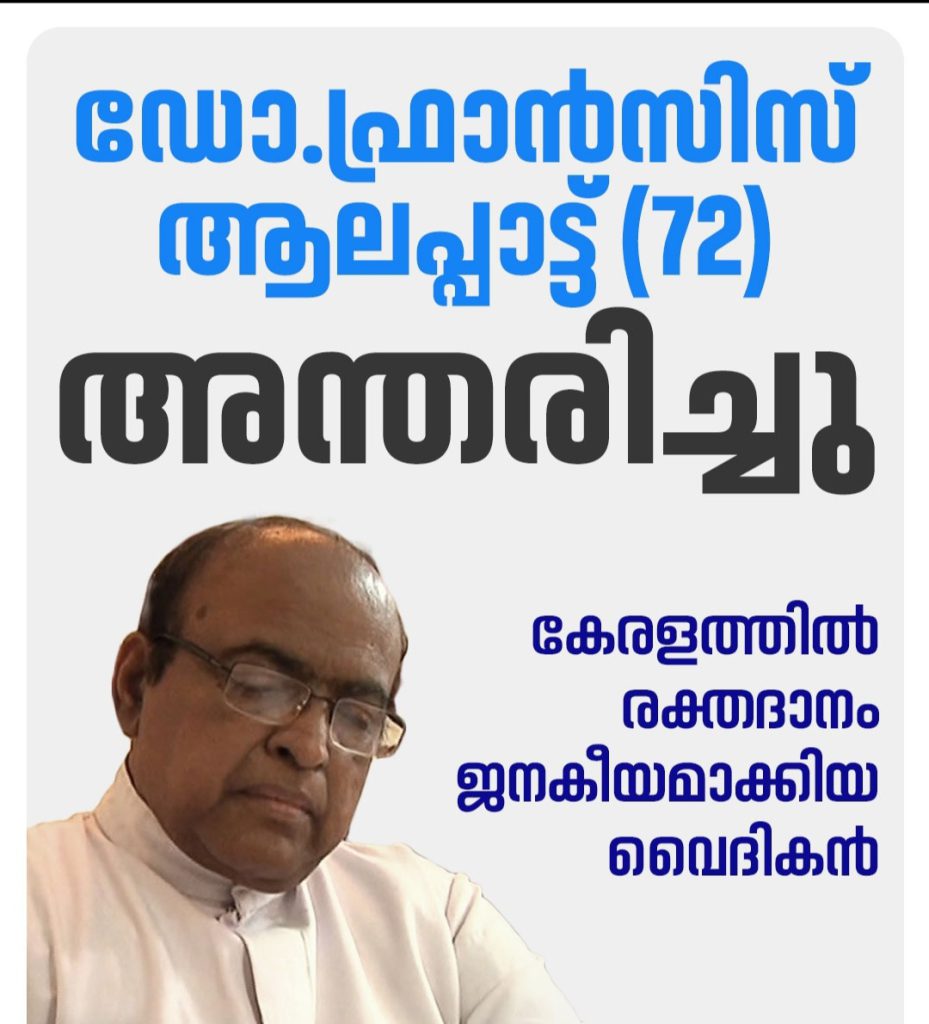
തൃശൂർ നഗരപ്രാന്തത്തിലെ സമ്പന്നമായൊരു കുടുംബത്തിൽ ഒരു എൻജിനീയറുടെ മകനായി ജനിച്ച കുട്ടി. പഠനത്തിൽ ബഹുമിടുക്കൻ. പ്രീ-ഡിഗ്രി കഴിഞ്ഞപ്പൊഴേ വൈദികനാകാൻ ആഗ്രഹിച്ചു; പക്ഷേ, വീട്ടിൽനിന്ന് സമ്മതം കിട്ടിയില്ല. അങ്ങനെ, ഒരു മുതിർന്ന വ്യക്തിയാകുവോളം പഠനം തുടരാൻ നിശ്ചയിച്ച് ജീവശാസ്ത്രത്തിൽ എം എസ്സിയും പിന്നെ വൈദ്യശാസ്ത്ര ബിരുദവും നേടി. കോഴിക്കോട് MBBS നു പഠിക്കുമ്പോൾ കണ്ട കരളലിയിക്കുന്ന ഒരു കാഴ്ച അദ്ദേഹത്തെ മഹത്തായ രക്തദാനപ്രസ്ഥാനം കേരളത്തിലാദ്യമായി കെട്ടിപ്പടുക്കുന്നതിലേക്കു നയിച്ചു.
അക്കാലത്തുതന്നെ കോഴിക്കോട്ടെ ജസ്യൂട്ട് സഭ (Society of Jesus) ആസ്ഥാനവുമായി ബന്ധപ്പെട്ട് രഹസ്യമായി വൈദികപഠനവും തുടങ്ങി! പിന്നീട്, തൃശൂർ അതിരൂപതയിൽ ചേർന്ന് വീട്ടുകാരുടെ സമ്മതത്തോടെ പഠനം പൂർത്തിയാക്കി വൈദികനായിത്തീർന്നു.
ഇരവിമംഗലം ഇടവകയിൽ വികാരിയായിരിക്കേ, നാനാജാതി മതസ്ഥരുടെ സഹകരണത്തോടെ ഇരവിമംഗലം പഞ്ചായത്തിലെ എല്ലാ അംഗങ്ങളുടെയും രക്തഗ്രൂപ്പ് നിർണയിച്ച്, രക്തദാനത്തിന് സന്നദ്ധരാക്കി ഒരു സമ്പൂർണ ഡയറക്ടറി ഉണ്ടാക്കി. നിരവധിപേരുടെ ജീവൻ രക്ഷിക്കാൻ അത് സഹായിച്ചു. ഫാ. ഡോ. ആലപ്പാട് കോഴിക്കോട് രക്തദാനപ്രസ്ഥാനം ആരംഭിച്ചതിൻ്റെ രജതജൂബിലി സ്മാരകമായി ഒരു പുസ്തകം തയാറാക്കുന്നതിനാണ് ഞാൻ ആദ്യമായി ബന്ധപ്പെടുന്നത്. പിന്നീട് നിരവധി പദ്ധതികളിൽ ഞങ്ങൾ സഹകരിച്ചു. തൃശൂർ നെഹ്രു നഗർ ഇടവകയിൽ അദ്ദേഹം വികാരിയായിരിക്കേ, വൈദികമന്ദിരത്തിൽ താമസിച്ച് ജോലി ചെയ്ത സന്ദർഭങ്ങളിലെല്ലാം ആ വ്യക്തിത്വത്തിൻ്റെ വൈശിഷ്ട്യം ഞാൻ അനുഭവിച്ചറിഞ്ഞു – മനുഷ്യരെ മനസ്സിലാക്കി, സ്നേഹത്തോടും തികഞ്ഞ അന്തസ്സോടുംകൂടെ ഇടപെടുന്ന വ്യക്തി. സീറോ-മലബാർ സഭയിൽ കുർബാനത്തർക്കം രൂക്ഷമായ കാലമായിരുന്നു അത്. അദ്ദേഹം അതിനെ എങ്ങനെ തൻ്റെ ഇടവകയിൽ ഭംഗിയായി, ആർക്കും ബുദ്ധിമുട്ടുണ്ടാക്കാതെ കൈകാര്യം ചെയ്തു എന്നു കണ്ട് ഞാൻ അൽഭുതപ്പെട്ടു.
ജൂബിലി മെഡിക്കൽ കോളജിൻ്റെയും നഴ്സിംഗ് കോളജിൻ്റെയും സ്ഥാപക ഡയറക്ടർ എന്നനിലയിൽ അച്ചൻ്റെ മാനേജ്മെൻ്റ് വൈഭവം കേരളം എന്നല്ല, ഇന്ത്യ മുഴുവൻ അറിഞ്ഞതാണ്. ജൂബിലിയിൽ രണ്ടു തവണ ഡോ. എപിജെ അബ്ദുൾ കലാമിനെ ക്ഷണിച്ചുവരുത്തിയ അദ്ദേഹം കലാം സാറിൻ്റെ ആത്മസുഹൃത്തുക്കളിൽ ഒരാളായിത്തീർന്നു എന്നകാര്യം എനിക്ക് സാക്ഷ്യപ്പെടുത്താൻ കഴിയും…
കോവിഡ് ബാധയാണ് ഫാ. ഡോ. ഫ്രാൻസിസ് ആലപ്പാട്ടിൻ്റെ കർമതീക്ഷ്ണതയുടെ ശോഭ കെടുത്തിയത്. നടക്കാൻ വലിയ പ്രയാസമായി. ഞങ്ങളൊരുമിച്ച് ഒരു പുസ്തകം ചെയ്യുമ്പോഴാണ് അദ്ദേഹം ചില ആരോഗ്യപ്രശ്നങ്ങളുമായി അമല ആശുപത്രിയിൽ പ്രവേശിപ്പിക്കപ്പെട്ടത്. അവിടെയിരുന്നും ഞങ്ങൾ പണി തുടർന്നു. വിടുതൽ വാങ്ങി പോരുംമുൻപ് സുഹൃത്തായ ഒരു ഡോക്ടർ വെറുതെ നടത്തിയ പരിശോധനയിലാണ് അർബുദബാധ വെളിപ്പെട്ടത്. പിന്നീടത് മാറി എന്ന് മനസ്സിലായെങ്കിലും അച്ചൻ പഴയ ജീവിതത്തിലേക്ക് മടങ്ങിവന്നില്ല. ജൂബിലി ആശുപത്രിയോടു ചേർന്നുള്ള വൈദികമന്ദിരത്തിലായിരുന്നു പിന്നീടുള്ള ജീവിതം. അവിടെയിരുന്നും ഞങ്ങളൊരു പുസ്തകം പൂർത്തിയാക്കി.
ഫാ. ഡോ. ഫ്രാൻസിസ് ആലപ്പാട്ടിനോടൊത്തുള്ള ഓരോ അനുഭവവും അവിസ്മരണീയമാണ്. അദ്ദേഹം കാലയവനികയ്ക്കു പിന്നിൽ മറഞ്ഞെങ്കിലും ഓർമകൾക്ക് മരണമില്ല… ആദരാഞ്ജലി.
ROTARIAN LAL GOEL HOLDS HIGH-LEVEL BRAINSTORMING SESSION WITH SOTTO OFFICIALS ON ORGAN DONATION IN JAIPUR
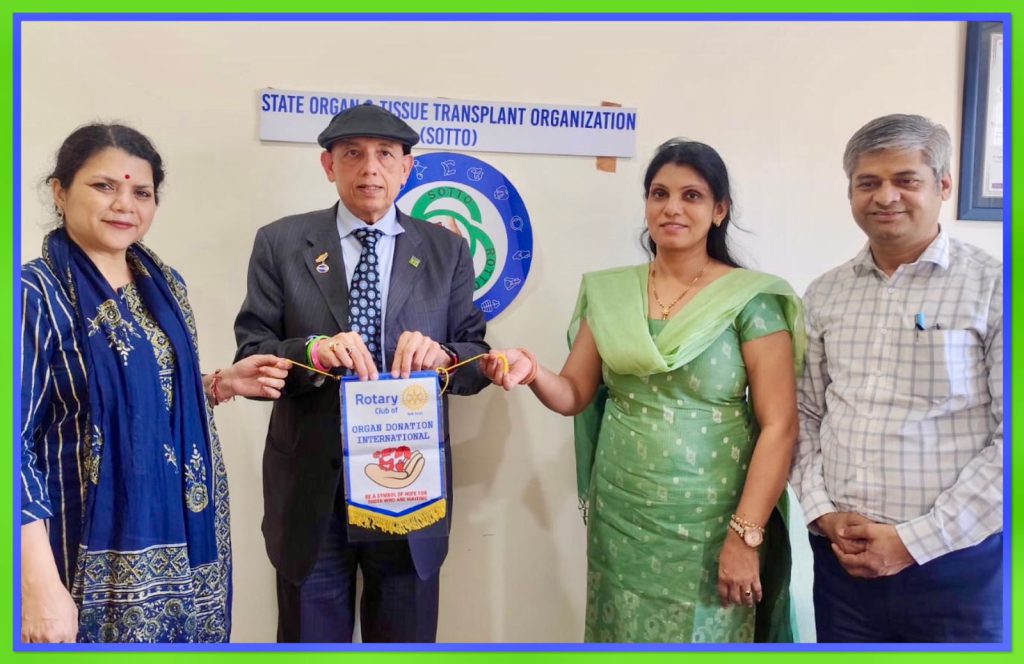
Jaipur, 6 April 2026 — Rotarian Lal Goel, Founder & Charter President of the Rotary Club of Organ Donation International and Chairman of the Organ Donation India Foundation & GYAN, held a productive and wide-ranging brainstorming session with senior officials of the State Organ and Tissue Transplant Organisation, Rajasthan (SOTTO Rajasthan), to deliberate on the pressing challenges and future roadmap for organ donation in the state.
The meeting brought together Rotarian Lal Goel and senior SOTTO officials — Prof. Dr Monica Jain, Additional Principal, SMS Medical College & Convener (IEC); Prof. Dr Chitra Singh, Joint Director; Prof. Dr Dharmesh Sharma, Consultant (IEC); and Prof. Dr Ajeet Singh, Consultant (Transplant) — for an in-depth and solution-oriented discussion on the current status of organ donation in Rajasthan and across India.
A key concern unanimously highlighted was the challenge of securing family consent, widely regarded as the most critical and sensitive step in the organ donation process. It was observed that even when families initially consent, decisions are often reversed at the last moment due to external influences or societal pressures—significantly reducing the number of successful organ donations.
Addressing this critical issue, Rotarian Lal Goel emphasised the urgent need for structured and continuous awareness and training programmes for the entire medical fraternity — including doctors, nursing staff, paramedics, and transplant coordinators. He stressed that equipping healthcare professionals with effective communication skills and emotional sensitivity is essential to counselling grieving families with empathy and confidence.
He further underscored the importance of establishing Non-Transplant Organ Retrieval Centres (NTORCs) in every revenue district of Rajasthan, stating that this would be a transformative step in decentralising and strengthening the organ retrieval ecosystem beyond major urban hospitals.
Rotarian Lal Goel also reaffirmed that the Rotary Club of Organ Donation International, in collaboration with Rotary Clubs across Rajasthan, would extend full support to SOTTO in advancing awareness initiatives and facilitating the development of NTORCs across the state.
The SOTTO officials appreciated Rotarian Lal Goel’s unwavering commitment to the cause of organ donation and assured their full cooperation in jointly working towards increasing organ donation rates in Rajasthan.
Expressing his gratitude, Rotarian Lal Goel thanked the SOTTO team for their openness and constructive engagement. He also extended special thanks to Rotarian Harsh Vardhan, Chairman – Organ Donation, Rotary International District 3056 (2026–27), for coordinating the meeting at short notice.
The meeting concluded on a cordial note, with Rotarian Lal Goel presenting the Rotary Club flag to the SOTTO officials as a symbol of partnership and shared commitment towards saving lives through organ donation.
LACK OF AWARENESS, POOR INFRASTRUCTURE, HIGH COST OF TREATMENT & MYTHS ARE KEY REASONS FOR LOW ORGAN DONATION IN INDIA: ROTARIAN LAL GOEL
Jaipur, 5 April 2026: Rotarian Lal Goel, Founder & Charter President of the Rotary Club of Organ Donation International and Chairman of the Organ Donation India Foundation & GYAN, highlighted that lack of awareness, inadequate infrastructure, high cost of treatment, and deep-rooted cultural and religious myths remain the four primary reasons for the low rate of organ donation in India.
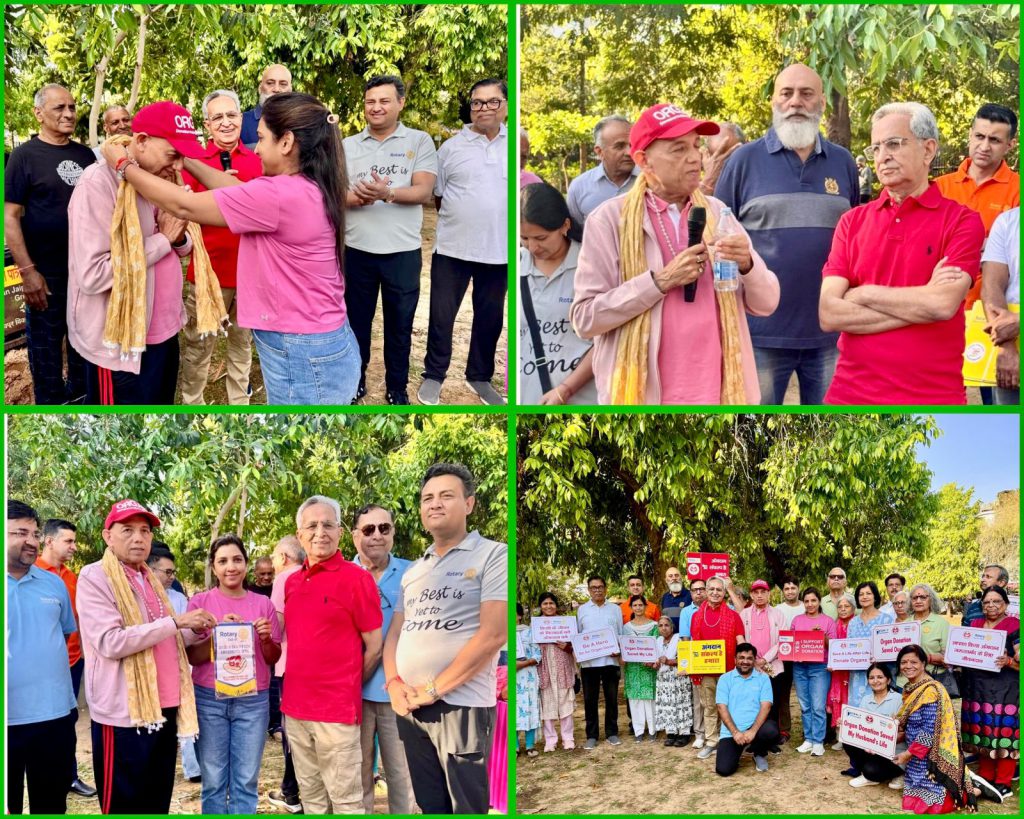
He was addressing Rotarians, members of the Morning Yoga Club, and the Morning Walkers’ Association at Nursery Circle Park, Jaipur, during a unique “Rotary Walk & Talk for Organ Donation” initiative. The program was jointly organised by the Rotary Club Jaipur Royal and the Rotary Club of Organ Donation International.
Welcoming the gathering, Rotarian Poonam Bagadia, President of Rotary Club Jaipur Royal, expressed gratitude to Rotarian Lal Goel for his continued leadership in this life-saving cause. The event was effectively conducted by Rotarian Ravi Kamra, Patron & Founder Member of Rotary Club Jaipur Royal, and seamlessly coordinated by Rotarian Harsh Vardhan, a kidney recipient and Chairman, Organ Donation, Rotary International District 3056 (2026–27).
Elaborating on the challenges, Rotarian Lal Goel stated that nearly 84% of India’s population remains unaware of organ donation, reflecting a critical gap in public education. He further pointed out that, as per NOTTO, only about 15–16% of India’s revenue districts have organ transplant or organ retrieval facilities, highlighting severe infrastructure limitations.
Citing Rajasthan as an example, Rotarian Lal Goel noted that despite strong public willingness, organ transplant facilities remain limited to cities like Jaipur, Jodhpur, and Udaipur.
On the financial front, he emphasised that while the Government of India’s AB-PMJAY scheme provides coverage of up to ₹15 lakh for economically weaker sections, its implementation across states remains inconsistent and inadequate.
Addressing societal barriers, Rotarian Lal Goel also dispelled common myths and misconceptions surrounding organ donation, urging citizens to move beyond fear and misinformation and embrace organ donation as a noble act that can save up to nine lives.
Among those present were Rotarian Amar Jeet, Founder President of Rotary Club Jaipur Organ Donation; Rotarian Dr Giriver Sharma, kidney recipient and Chairman, Rotary District 3056 (Transplant Games); and Rotarians P. Mittal and B. M. Vijayvergia, along with several other distinguished members.
Prof. Dr. Sridhar Shetty – The Iron Man of Dentistry
Written by Prof. Dr. E.G.H. Solomon
Forty years is a long time to know a person well. Both of us graduating from the same college in Bombay and having the same postgraduate teacher, Prof. Dr. Udani, is just a coincidence. After Dr. Goverdhan Hegde, Sridhar Shetty was the next person from Karnataka State to join MDS at Bombay University. A few years junior to me, Sridhar completed his MDS in style, acquiring the friendship and admiration of his teachers, classmates, and local dentists.
Coming from a southern state, Bombay groomed this otherwise ordinary-looking lad into one of the iconic figures of our time. What made this non-controversial man in dentistry what he is today? Why could others not rise similarly? What qualities did they lack? What is the secret behind his success? I need not boast about it—his colleagues and past and present students know it well.
One of the most remarkable attributes I found in him is his patriotism toward his motherland. Having had the opportunity to serve on the dental faculty in Nairobi, Kenya, he had every chance to migrate to the USA—a land of opportunity, freedom, and prosperity—to continue his passion for teaching. This was especially feasible when acquiring a DDS was relatively easy for a trained teacher from India, and his sibling was already settled there. Yet, he chose to serve his own people. Only a few Indians made such a choice; I am proud to be among that group.
Affectionately called Sridhar by a privileged few, I can testify to the secret of his success. If acronyms are allowed, it lies in his five C’s, which took him to the pinnacle of the dental profession:
Charisma: Even without speaking, something about him communicates strongly. His tall, charming personality, brisk walk, and ever-present smile can soften even an aggressive individual. His commanding voice adds to his presence. The quiet and supportive presence of Mrs. Sridhar Shetty by his side gave him additional strength.
Courage: Many people are courageous, but Sridhar remained courageous even in defeat. His “never give up” attitude and boldness in expressing his views ultimately led to success. In his youth, he may have been aggressive—his classmates would agree.
Confidence: His confidence was his trump card. His positive thinking and perseverance carried him up the ladder of success. He not only practiced these virtues but also instilled them in his students. Even when his confidence faltered, he accepted setbacks gracefully without dwelling on them. His leadership qualities are commendable.
Conviction: He strongly believed that truth always triumphs. Once convinced of what is right, no external influence could sway him. He never lived a double life. “Play while you play and work while you work” was his motto.
Culture and Conduct: Culture shapes a man. In a time when values are fading, Sridhar upheld his culture and earned the reputation of being a true gentleman. He always extended help to those in genuine need. Tolerance was his way of life. A man free of vices, he is a lover of peace.
Sridhar is synonymous with dental camps. As a conceiver, planner, and executor of rural dental camps, he dedicated himself to serving the poor and those without access to dental care. As a pioneer, he set an example for the nation. This earned him national recognition, including the B.C. Roy Award. Notably, he never worked for awards nor took pride in them.
Pioneer in Rural Elderly Programs: His vision to provide dental care for the elderly in rural areas is remarkable. While “Dental Health for All” has long been a national policy, its implementation has often been lacking. Sridhar transformed vision into mission for the underprivileged who lacked access due to financial or logistical constraints.
As early as 1987, he initiated awareness programs by motivating his institution’s staff and forming dedicated teams. His approach was always methodical and well-planned. Interns and postgraduate students were involved in reaching rural populations and providing treatment. While camps are common in community dentistry, regular, time-bound treatment camps offering multiple procedures are rare and highly commendable.
He went further by establishing rural satellite centers—firsts in India—where comprehensive dental care was provided free of cost. Treatments ranged from extractions and fillings to periodontal care and restorative work such as dentures, crowns, and bridges, including maxillofacial prostheses. Clinical work was done in satellite centers, while laboratory procedures were handled at the dental college. Over three decades, millions of treatments were provided. Street plays were also conducted to promote dental hygiene awareness.
Father of Single-Day Denture Camps: For patients in remote areas unable to make multiple visits, these camps were a boon. Dentures were delivered in a single day, efficiently managed by postgraduate students, interns, and staff under Sridhar’s supervision. Many institutions later adopted this model, though not with the same consistency and mission-driven approach.
Founder of the First Organized Implant Center in Dental Colleges: The Brånemark implant system was introduced into postgraduate training at A.B. Shetty Memorial Institute of Dental Sciences, followed by collaboration with Goethe University, Frankfurt.
Nitte and Sridhar are inseparable. His unconditional love and devotion to the institution are remarkable. He played a pivotal role in developing A.B. Shetty Memorial Institute into one of the finest dental colleges in the country through his leadership and administrative excellence.
His students admire him—even when he appeared strict—because they understood his intentions. He maintained a fine balance between discipline and compassion. He never harmed anyone, always striving to do good. His fairness as an examiner and generosity in evaluation earned him respect. Patients appreciated his compassion, staff respected his discipline and kindness, and colleagues admired his five C’s. Shri Vinay Hegde valued him as a master planner with loyalty and integrity.
I shared a close academic and social relationship with him. The spread of Gnathology in India during the 1990s was largely due to his efforts. Numerous continuing dental education (CDE) programs at ABSM laid a strong foundation for young prosthodontists. My own work on the study and classification of smiles was possible due to his encouragement.
As President of the Dental Council, he helped many colleges start undergraduate and postgraduate programs, benefiting institutions that are now leaders in dental education. They remain indebted to him.
In 1974, he accepted my invitation to attend the first conference of the Indian Prosthodontic Society in Madras. Starting at the lowest rung, he later rose to become President and played a key role in shaping the society’s future.
A firm believer in a strong work ethic, Sridhar shows no signs of aging. May his qualities inspire future generations. In summary, he is a unique blend of strength and humility, discipline and kindness, toughness and understanding, authority and gentleness.
Wishing him many more laurels. Keep up the good work.
— Emeritus Prof. Dr. E.G.H. Solomon MDS (Bombay), Dr. med. dent (Germany), F.D.S.R.C.P.S (Glasgow) Former Professor of Postgraduate Studies in Prosthodontics (1992–2002) A.B. Shetty Memorial Institute of Dental Sciences, Mangalore