All posts by admin

About admin

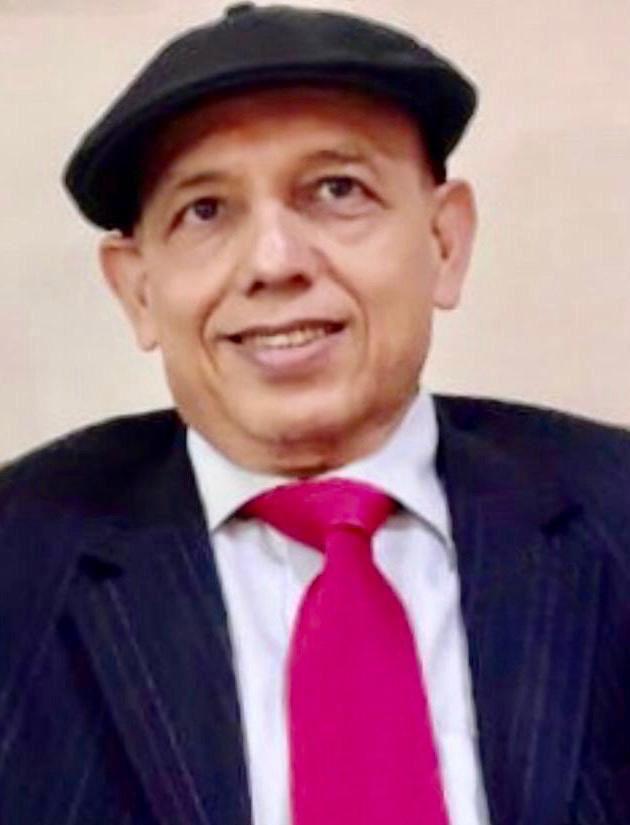
Chairman of Global TV | Excellent Writer | Exceptional PR Skills | Author of Six books | MASTER HEALER | +91 98441 82044 |

MiR NET ZERO | Buildings are not static structures. They are living systems that influence energy use, human behaviour, climate impact, and long term economic value | Global TV

From Vanishing Kilns to Living Cities | How Innovation from Rome Found Its Natural Home in Mangalore | Global TV

NV Paulose, Chairman, Global TV +91 98441 82044

A senior tile manufacturer once told me a story that stayed with me. An expert had conducted a workshop for officials from the tile industry. He spoke plainly and without diplomacy. He warned them about the urgent need for innovation. He said industries that failed to reinvent themselves would not slowly decline. They would simply vanish.

His words were uncomfortable. They were ignored.

The tile manufacturer admitted that the warning was consciously brushed aside. Those in the room believed they were irreplaceable. They believed tradition was strength enough. They believed demand would never disappear.

Time proved otherwise.

The tile industry that once defined skylines and livelihoods across the region almost vanished. A few companies that chose innovation survived and today they are doing well. Others chose different paths. Visionaries like Mr FM Lobo looked beyond factories and machinery and saw possibility in land and scenic beauty. Had the system been cleaner and more transparent, those initiatives could have transformed parts of Mangalore into some of the most sought after destinations for events and celebrations.

This is not merely a story about tiles.
It is a lesson about innovation ignored and opportunity lost.

A Powerful Contrast from Rome to Mangalore
There was a time when the slogan Mangalore roofs the world captured a reality. Clay tiles manufactured here travelled far beyond the coast, covering homes across continents.

Today the contrast is striking.

Innovation is no longer flowing outward in the form of clay and kilns. It is arriving from Rome in the form of solar roofing, intelligent materials, digital construction systems, timber engineering, smart glass, and sustainable urban regeneration.

Rome, a city shaped by centuries of civilisation, is now bringing the future of the building industry to Mangalore, a city often referred to as the Rome of the East because of its culture, education, and human values.
This convergence is symbolic. It is meaningful. And it is deliberate.

At the centre of this moment stands MIR Group and its ambitious initiative MiR Net Zero Vision 2047.

Why Mangalore Was the Right Choice
If one asks what is best about Mangalore, the answer is simple. It is the people.

Civilised in conduct and global in outlook, Mangaloreans combine tradition with exposure. Many have studied and worked across the world and returned with experience, not arrogance. The city values education, social harmony, and quality of life.

By any honest measure of human wellbeing, Mangalore would rank extremely high. If there were a true human happiness index, this city would stand near the top in the country, if not globally.

Innovation does not thrive on technology alone. It thrives where people are receptive and discerning. MIR Group did not merely select a venue. It selected a cultural environment capable of understanding and absorbing advanced ideas.

Beginning this journey in Mangalore was not convenience. It was insight.

MIR Group and a New Way of Thinking

What sets MIR Group apart is not that it speaks about sustainability. Many organisations do that. What sets it apart is how it integrates design, engineering, energy, finance, and governance into one coherent approach.

For MIR, buildings are not static structures. They are living systems that influence energy use, human behaviour, climate impact, and long term economic value.

Through solar integrated building envelopes, digital lifecycle platforms, timber technologies, smart materials, and environmental governance frameworks, the group proposes a new way forward. Cities should not merely reduce damage. They should actively regenerate value.

MiR Net Zero Vision 2047 is a platform created to make decisions.

The Summit and Its Deeper Meaning
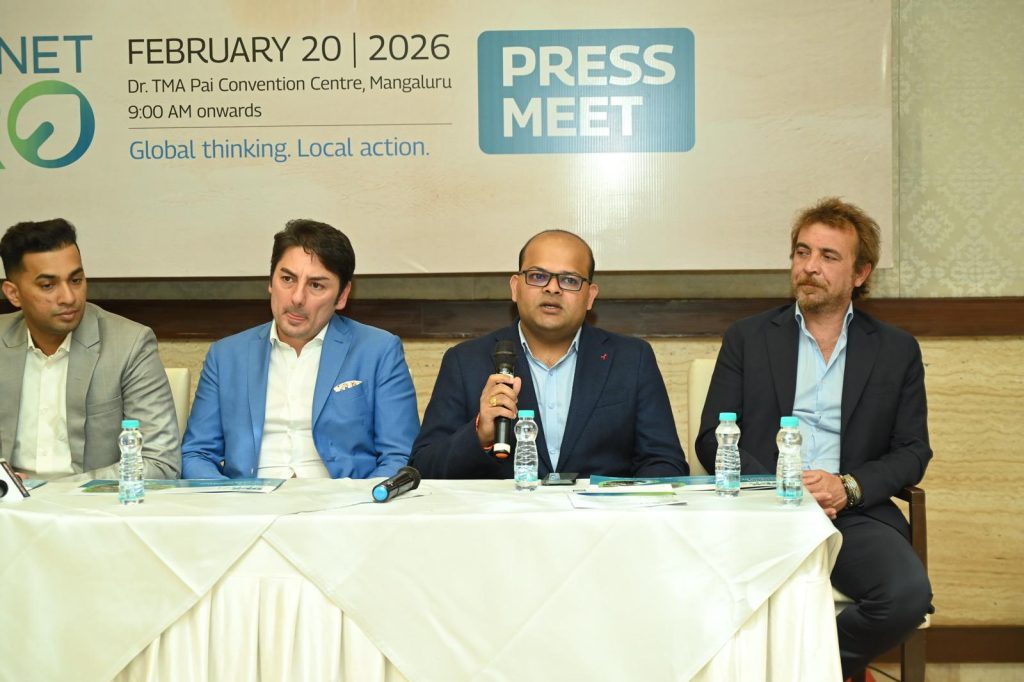
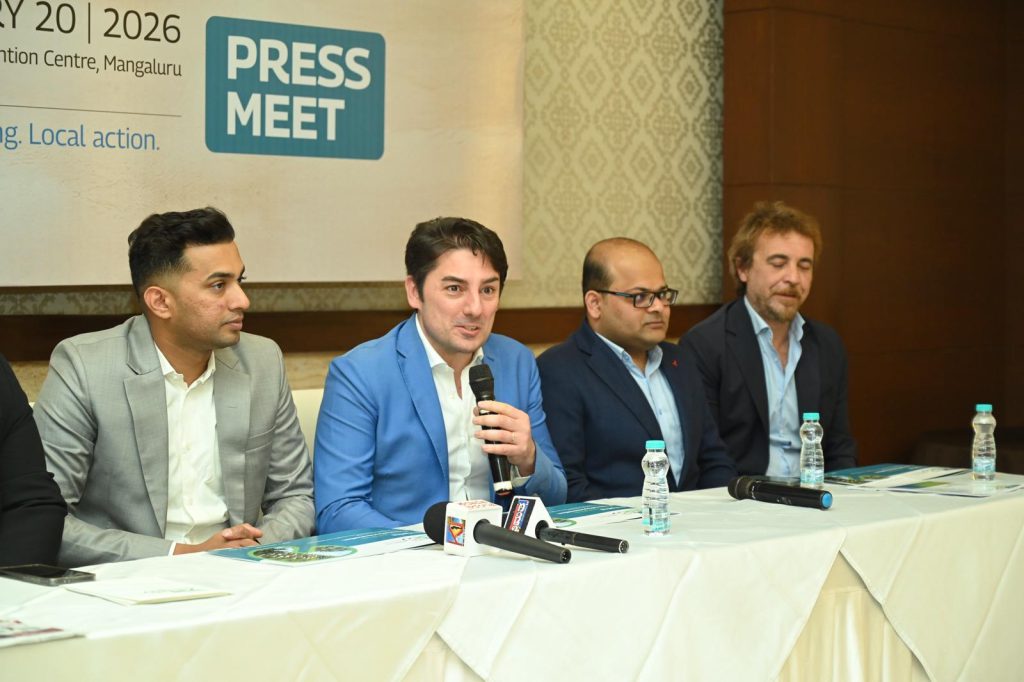
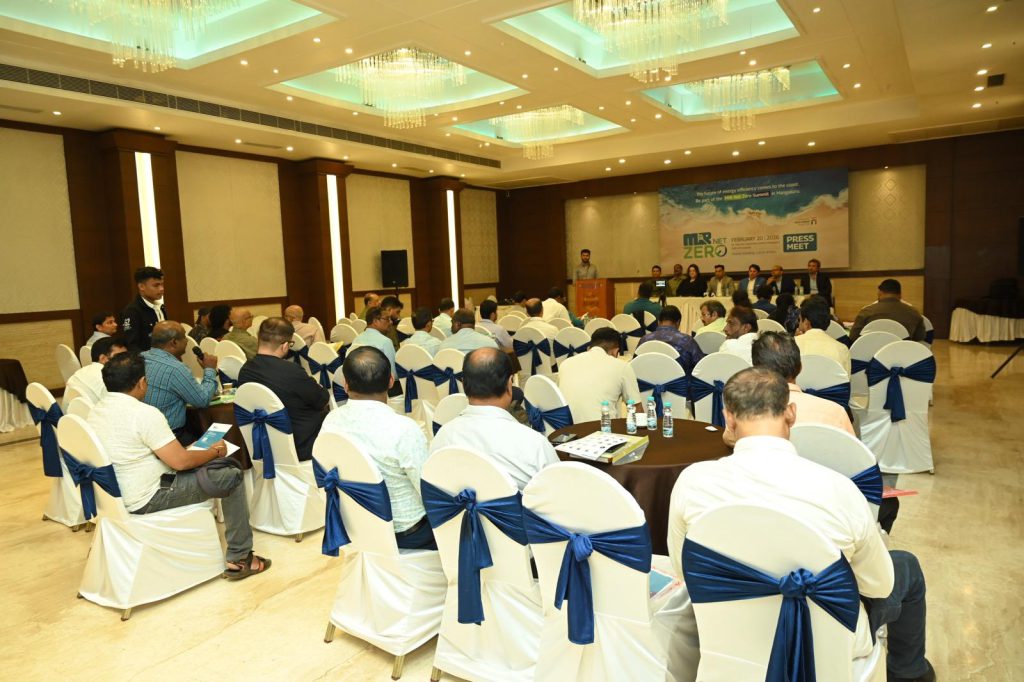
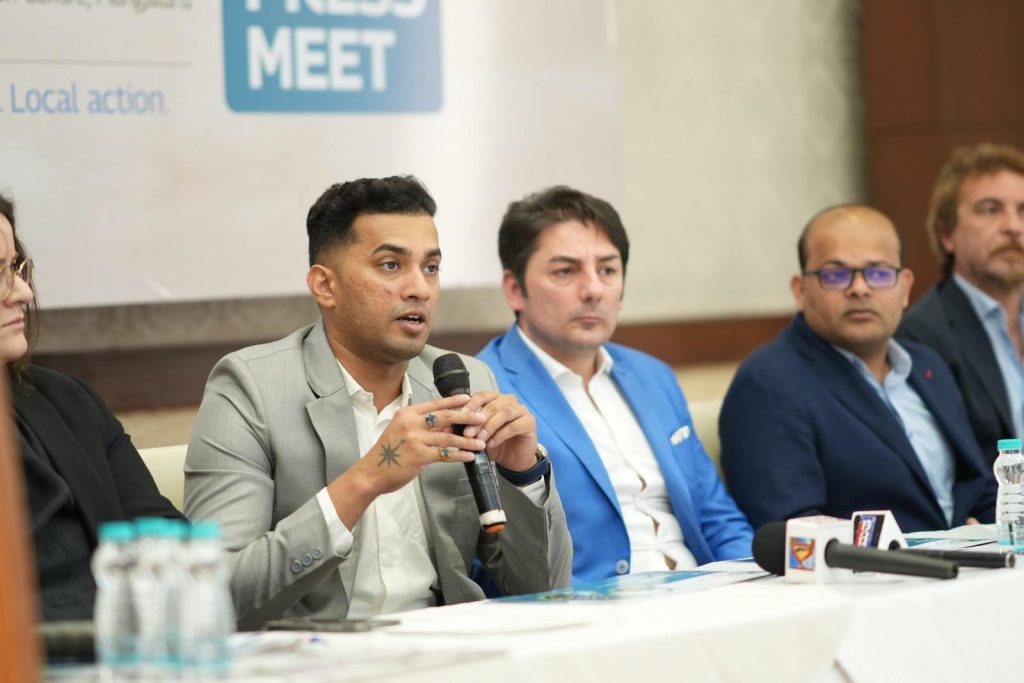
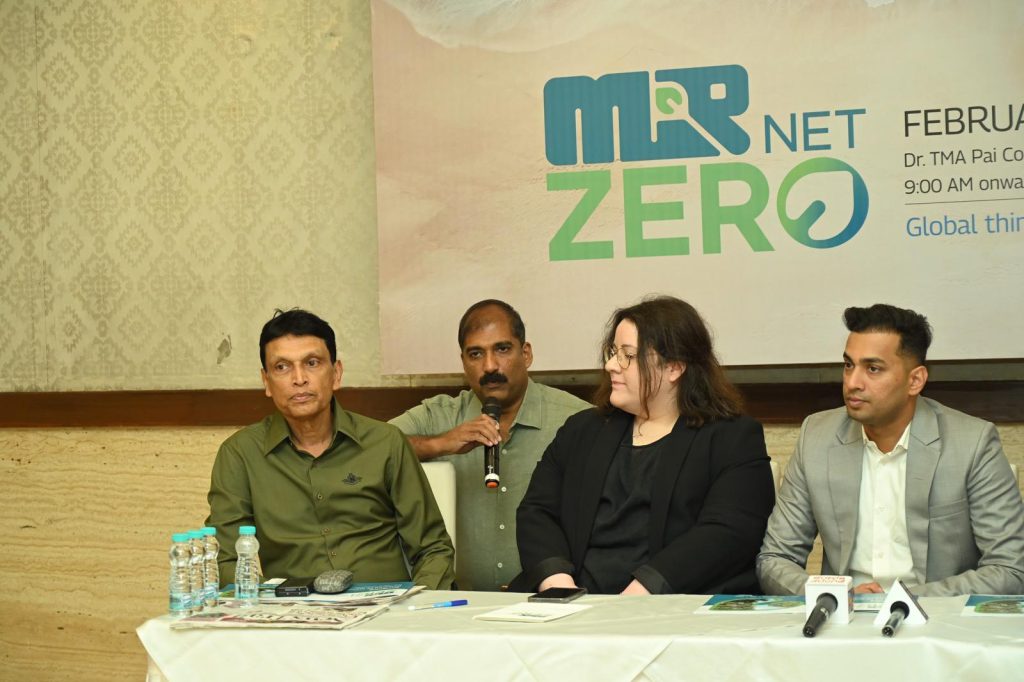
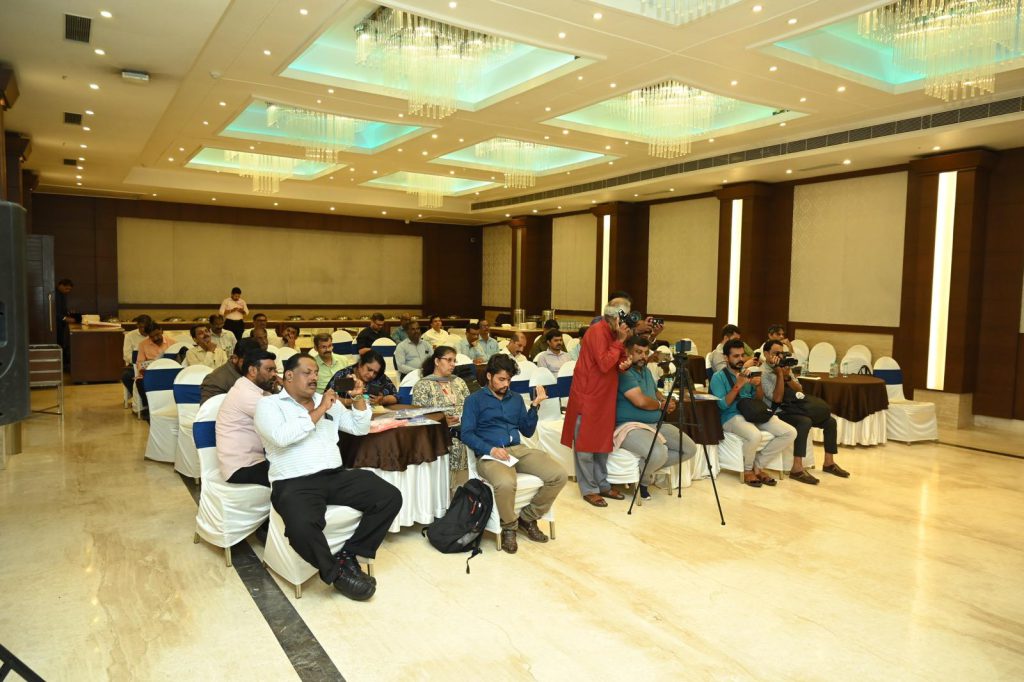
Hosted at the TMA Pai International Convention Centre, the MiR Net Zero Summit 2026 brought together an exceptional group of leaders.

Union ministers and state ministers responsible for energy and infrastructure. Senior administrators who translate policy into execution. International experts from Italy bridging European innovation with Indian scale. Architects, engineers, financiers, developers, and sustainability leaders.

This was alignment, not symbolism.

Discussions moved seamlessly from global green capital to carbon neutral cities, from digital construction systems to material innovation, from policy intent to practical delivery.

One message emerged clearly. Net zero is no longer a distant aspiration. It is an operational challenge of the present.

Italy and India Building Together
Italy brings a rare quality to the sustainability conversation. It understands that efficiency alone is not enough. Design must respect culture. Sustainability must be beautiful. Cities must remain humane.

The Italian experts at the summit spoke about architectural responsibility, urban regeneration, digital integration, and materials that last for generations. They demonstrated that sustainability imposed without elegance will fail. Sustainability integrated with beauty will endure.

India brings urgency, scale, and opportunity. Together, Italy and India form a powerful partnership for the future of cities.

Mangalore became the meeting point.

Learning from Decline and Designing the Future
The decline of the tile industry was not caused by lack of skill. It was caused by lack of imagination.

That lesson echoed throughout the summit.

Buildings account for a large share of global energy consumption. They lock in emissions for decades. Yet they also represent the greatest opportunity for transformation.

  • Solar is no longer an add on.
  • Glass is no longer passive.
  • Timber is no longer primitive.
  • Data is no longer optional.

The future city is intelligent, integrated, and engineered with purpose.

MiR Net Zero Vision 2047 does not debate whether India should change course. It focuses on how fast change must happen and how responsibly it must be done.

Why the Year 2047 Matters
The year 2047 marks one hundred years of Indian independence. It is symbolic, but it is also practical.

Cities built today will still stand in 2047. Decisions taken now will define climate resilience, economic competitiveness, and quality of life for future generations.

The final roundtable at the summit emphasised one critical truth. Delay is the most expensive decision of all.

Innovation postponed becomes disruption endured.

A Beginning with Purpose
As the summit concluded with its valedictory address and an exclusive gala bringing together policymakers, industry leaders, and Italian delegates, it was clear that this was not an ending.

It was a beginning.

MIR Group chose Mangalore because it was ready. Ready in mindset. Ready in people. Ready in values.

The story of the tile industry teaches us a powerful lesson. Industries that believe they are irreplaceable rarely are. Cities and companies that reinvent themselves always are.

From Rome to Mangalore, from clay roofs to solar skins, from static buildings to living cities, innovation has found its moment.
This time, Mangalore is ready

Rotarian Lal Goel | Founder & Charter President | Rotary Club of Organ Donation International | Chairman: Organ Donation India Foundation & GYAN

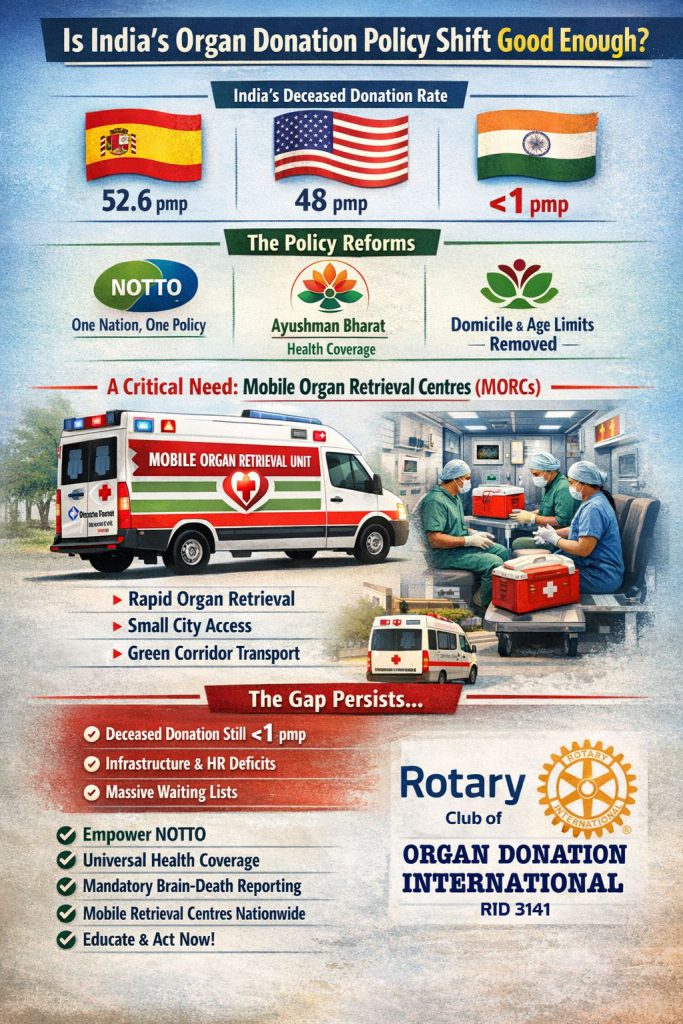
Is India’s Organ Donation Policy Shift Good Enough?

India has reached a historic milestone in organ transplantation. In 2024, the country performed approximately 18,900 organ transplants—the highest ever recorded. Yet beneath this achievement lies a stark reality: India continues to face one of the world’s most severe organ shortages.

An estimated five lakh (500,000) patients require organ transplants annually, but only a fraction receive them. More concerning is the foundation of the system itself—India’s deceased organ donation rate remains below 1 per million population (pmp).

In contrast:
• Spain records approximately 52.6 deceased donors per million population (2024)—the highest in the world.
• The United States records approximately 48 deceased donors per million population (latest reported data).

For a nation of over 1.4 billion people, this gap is not merely statistical—it is systemic.

The Recent Policy Shift

Since 2023, the Government of India has initiated significant reforms under a “One Nation, One Policy” approach, anchored by the National Organ and Tissue Transplant Organisation (NOTTO).

1️⃣ Removing Access Barriers (2023)
• The upper age limit of 65 years for waitlist registration was removed.
• The domicile requirement was abolished, allowing patients to register in any state.
• Registration on the national waitlist was made free.

These were long-overdue measures that reduce interstate disparities.

2️⃣ Equity-Based Allocation (2025 Advisory)

NOTTO issued a 10-point advisory providing:
• Additional priority to women recipients.
• Preference to immediate relatives of deceased donors.

This addresses long-standing gender imbalance and incentivises family consent.

3️⃣ Digital and Financial Enablers
• Aadhaar-linked online pledge registration has crossed 3.3 lakh pledges.
• Financial assistance under Ayushman Bharat supports eligible transplant patients.
• Efforts are underway to strengthen real-time registries and organ transport protocols.

These reforms build upon the Transplantation of Human Organs Act and the NOTTO–ROTTO–SOTTO framework established in 2014.

Progress: What Is Working
• Transplants have risen from fewer than 5,000 in 2013 to nearly 19,000 in 2024.
• Deceased donors crossed 1,100 in 2024.
• States like Telangana, Tamil Nadu, Karnataka, and Gujarat demonstrate that structured programmes improve outcomes.

These gains are meaningful—but not transformative.

The Persistent Structural Gaps

1️⃣ Deceased Donation Remains Critically Low

India remains overwhelmingly dependent on living donors.

While Spain stands at 52.6 pmp and the United States at 48 pmp, India remains below 1 pmp due to:
• Inconsistent state implementation
• Legal ambiguity around brainstem death
• Fear of medico-legal consequences
• Absence of national Donation after Circulatory Death (DCD) protocols
• Limited expanded-criteria donor use

Without mandatory reporting and legal clarity, deceased donation cannot scale.

2️⃣ Infrastructure and Human Resource Deficits

Many registered transplant centres remain inactive. Public hospitals lag behind private institutions. Chronic shortages include:
• Trained transplant coordinators
• ICU beds for donor maintenance
• Retrieval and transport logistics
• Real-time digital allocation systems

Announcements alone cannot fix underfunded systems.

3️⃣ Mobile Organ Retrieval Centres: A Critical Missing Link

One transformative reform India urgently needs is the establishment of Mobile Organ Retrieval Centres (MORCs).

Why Mobile Retrieval Centres Matter

India’s geography is vast. Many potential donors are located in tier-2 and tier-3 cities where:
• Transplant teams are unavailable
• Brain-death declaration is delayed
• Organs are lost due to logistical constraints

Mobile Organ Retrieval Centres—equipped ambulances with trained surgical retrieval teams and organ preservation equipment—can:
• Travel to non-transplant hospitals
• Perform on-site organ retrieval
• Stabilise and preserve organs
• Coordinate rapid air or road transport

This model reduces organ wastage, decentralises access, and builds confidence among smaller hospitals.

International Inspiration

Spain’s high performance is supported by hospital-based coordinators and rapid retrieval systems. The U.S. model relies on strong Organ Procurement Organisations with structured transport networks.

India must adapt these principles to its scale through:
• Nationally funded Mobile Retrieval Units
• Regional rapid-response teams
• Dedicated organ air corridors
• Real-time GPS-linked tracking systems

Without mobile infrastructure, policy reform will not translate into higher deceased donation rates.

Massive Unmet Need

Kidney transplants number around 13,000–14,000 annually, yet waiting lists run into lakhs. Waiting periods stretch 3–5 years. Thousands die while waiting.

Rural and economically weaker patients face barriers of affordability and awareness. Myths, religious misconceptions, and fear continue to influence family consent.

The International Comparison

Spain’s leadership—52.6 pmp—was built through:
• Mandatory brain-death reporting
• Hospital-based transplant coordinators
• Continuous professional training
• Cultural normalisation of donation
• Presumed consent

The United States, at 48 pmp, benefits from strong Organ Procurement Organisations and structured national reporting.

India’s reforms remain largely procedural rather than systemic.

The Verdict: Progress, But Not Enough

The 2023–2025 reforms deserve recognition. They have:
• Increased transplant numbers
• Reduced bureaucratic barriers
• Promoted equity
• Improved digital registration

However, they do not yet address the structural core of the crisis.

The Road Ahead: From Reform to Transformation

1️⃣ Universal Financial Protection
• The AB-PMJAY scheme must be mandatory for all transplant-performing hospitals.
• Insurance companies must comprehensively cover organ transplantation without increasing premiums.

Financial fear must never prevent a transplant.

2️⃣ Empower NOTTO with Statutory Authority

NOTTO should be granted stronger binding powers for:
• Mandatory reporting
• Audit control
• Enforcement capability

Organ allocation must be insulated from politics and delay.

3️⃣ Mandatory Brain-Death Reporting
• Compulsory declaration in every ICU
• Regulatory action for non-reporting
• Uniform national protocols

4️⃣ Education Reform
• From 5th standard onwards, organs, tissues, brain death, and organ donation must be part of the curriculum.

5️⃣ Responsible Public Discourse

Deliberate misinformation that discourages organ donation should invite accountability under appropriate legal provisions.

6️⃣ Media as a Public Health Partner

Sustained organ donation messaging—not seasonal campaigns—is essential.

7️⃣ Structural Reforms Still Needed
• Harmonised legal definitions of death
• Mandatory brain-death audits
• National DCD protocols
• Public ICU investment
• Transparent allocation systems
• Performance-linked funding
• National rollout of Mobile Organ Retrieval Centres

Conclusion

India has the population base, clinical expertise, and technological capacity to become a global leader in organ donation.

What is missing is decisive systemic execution.

With Spain at 52.6 pmp, the United States at 48 pmp, and India still below 1 pmp, incremental reform is not enough.

We need stronger laws.
We need empowered institutions.
We need compulsory reporting.
We need universal financial protection.
We need a mobile retrieval infrastructure.
We need education from childhood.
We need a media partnership.

And above all, we need citizens to step forward.

Until structural reform matches policy ambition, thousands of preventable deaths will continue.

And that is a gap no nation of 1.4 billion should accept.

Bengaluru Coffee Fest: Laborers Confined to Posters | Workers stay offstage despite ‘farm to cup’ promise | Global TV

Coffee Festival spotlights roasters, leaves pickers on posters

Written by: Joswin Pereira | School of Communication and Media Studies | St Joseph’s University, Bengaluru

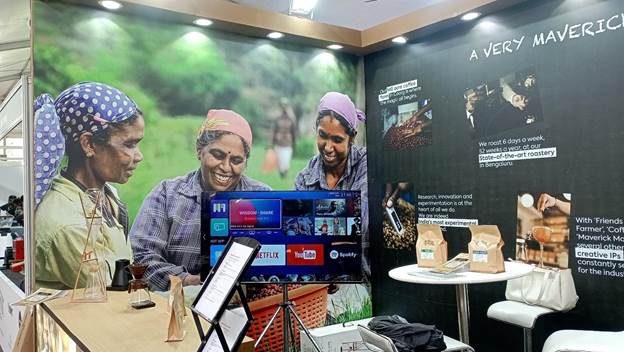
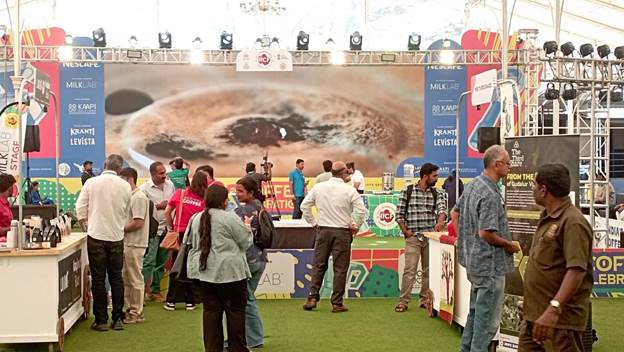
Bengaluru: At the India International Coffee Festival 2026 (IICF) in Bengaluru, roasters, brands and baristas took centre stage in a ‘farm-to-cup’ celebration, while the labourers who pick and process the coffee showed limited presence through posters and video loops. 

The festival, which was organised at Chamara Vajra from January 12 to 14, also saw steady footfall across the three days. The event focused on roasters, brands, baristas and industry stakeholders, with discussions centred on cultivation practices, market trends and sustainability, even as the people engaged in harvesting and processing remained at their respective estates. While plantation labour was referenced in discussions on cultivation and the farm-to-cup process, workers themselves did not take part in the panels or presentations held at the event.

SOURCE- JOSWIN PEREIRA

CAPTION: Stall at the IICF 2026 displays large visuals of plantation workers against a backdrop promoting roasting and innovation at a Bengaluru roastery.

A recent India Today article reported that workers in India’s coffee plantations face conditions that affect their health and financial stability. They are exposed daily to pesticides without adequate protective gear and face long-term risks from chemical residues, along with chronic respiratory problems and skin ailments. During the harvest, they work under scorching sun or relentless rain. Inadequate daily wages push many into debt cycles, with women and migrant labourers particularly affected by long hours, seasonal job insecurity, and limited access to healthcare, housing and social protections.

Karthik Aiyer, a commercial coffee grower from Tamil Nadu, described labourers as the “spine” of plantations and called for spotlighting them at industry festivals. “Good coffee sales stem from good practices, and good practices create good labourers,” he said, adding that when estate owners profit, “naturally it goes to the labourers.”

Thoms Noronha, a grower from Hirebile, spoke about changes in the coffee market, where growers can now cultivate without restrictions. “This has led to workers being hired only during peak seasons,” he said, adding that this inconsistency has resulted in low commitment among labourers who face chronic job insecurity. He noted that due to unemployment, many workers take short-term jobs, moving between estates or migrating to cities. According to him, this affects productivity and makes it difficult for growers to retain skilled workers amid rising global demand.

SOURCE- JOSWIN PEREIRA

CAPTION-A promotional stand at the festival features an image of coffee processing workers. 

Healthcare is another concern, said Dr N.K. Pradeep, who runs training programmes for growers and labourers. He attributed low awareness and motivation among workers partly to easy access to cheap alcohol. “Workers are one of the major links in the coffee chain; without them, there will be no plantation,” he said. Pradeep said he advocates for worker-inclusive platforms and trains participants in “scientific knowledge and technology, from soil to cup.”

SOURCE- JOSWIN PEREIRA

CAPTION- Visitors gather near the main stage at the India International Coffee Festival 2026 in Bengaluru. 

One of the organisers, Srishti Tarakanath, said the event showcases images and videos of coffee pickers and processing workers. “We have all of them, we show how they work and toil on the ground, and their hard work is the fruit we celebrate at this festival today,” she said. She added that the workers continue to remain at plantations and were not present at the Bengaluru venue.

Even as the festival focused on production practices, exports and sustainability including discussions on scientific transformation, residue-free coffee and increasing production, conversations around labour participation were largely reflected through remarks from growers, trainers and organisers. 

P. A. First Grade College | The Internal Quality Assurance Cell | Department of Commerce and Management |

One Day Syllabus Workshop on IV Semester BBA (SEP) | In association with Forum of Business Management Teachers (FOBMAT)

NV Paulose, Chairman, Global TV +91 98441 82044

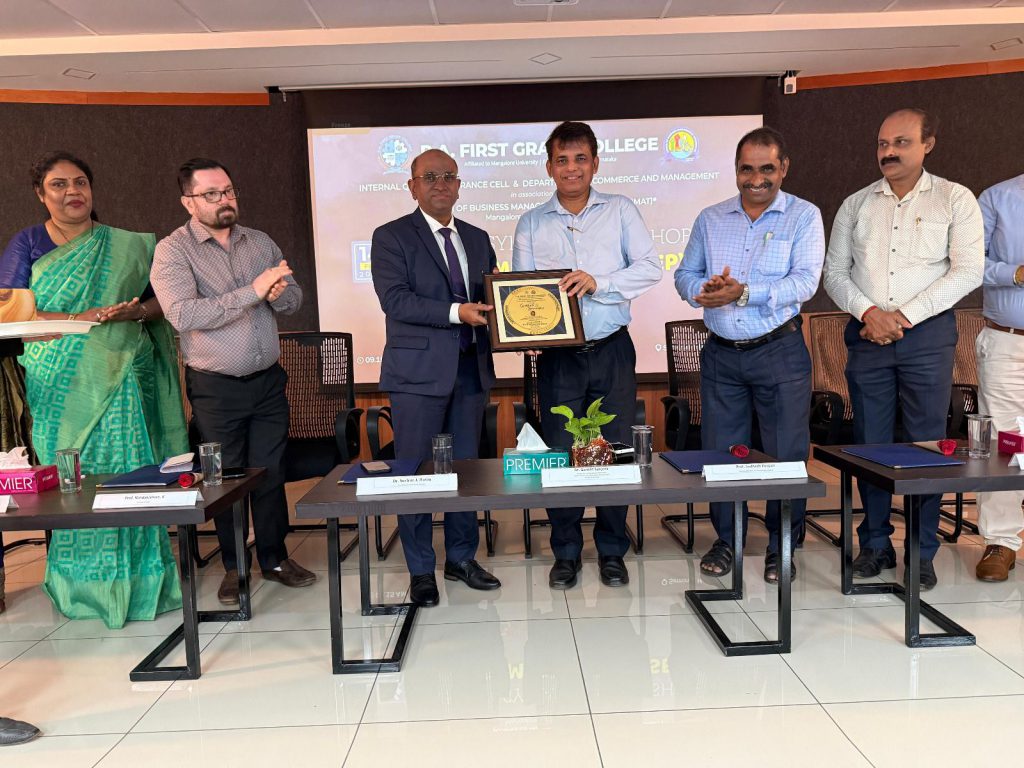
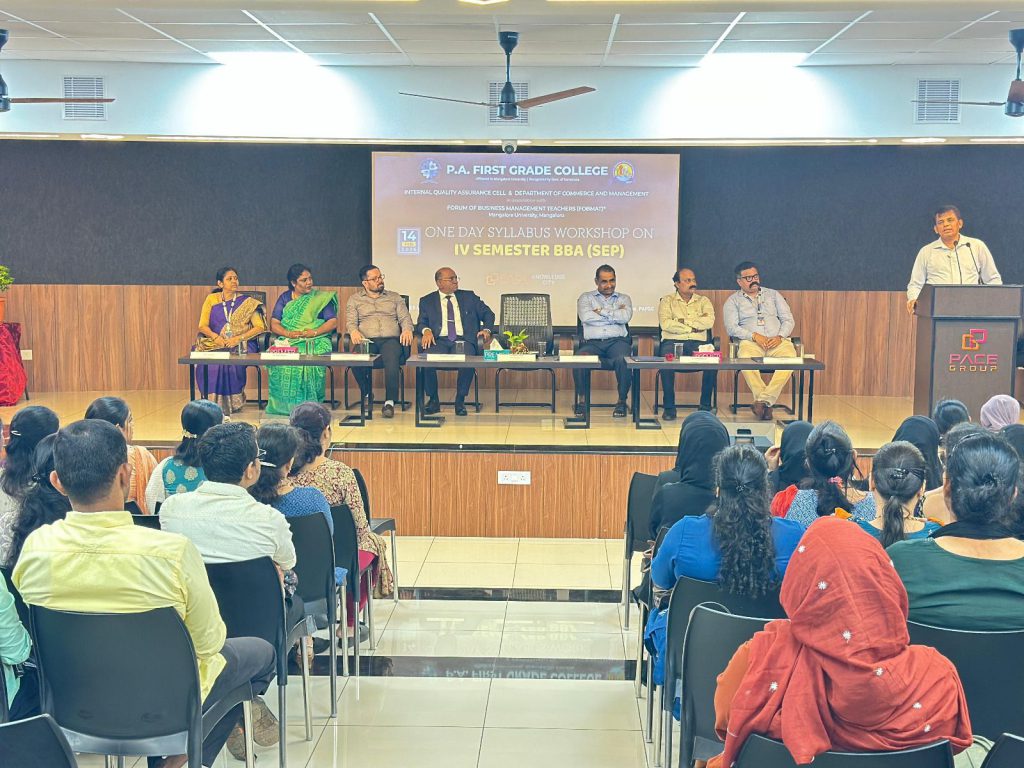
The Internal Quality Assurance Cell and the Department of Commerce and Management of P.A. First Grade College, in association with the Forum of Business Management Teachers (FOBMAT), organized a One Day Syllabus Workshop on IV Semester BBA (SEP) on 14 February 2026 at 10 a.m. in the Seminar Hall. The programme was held under the patronage of Mr. Abdulla Ibrahim, Managing Trustee, P.A. Educational Trust (R). Dr. Ganesh Sanjeev, Registrar (I/c), Director (I/c), College Development Council and Senior Professor of Physics & Head- Microtron Centre, Mangalore University, graced the occasion as Chief Guest. The function was presided over by Dr. Surfraz J. Hasim, Principal, P. A. First Grade College. Dr. Chandrashekara K., President, FOBMAT; and Prof. Nandakishore K., Secretary, FOBMAT were the Guests of Honor. Ms Vanishree Y, IQAC Coordinator and Dr Shijin, Associate Professor were present during the program.

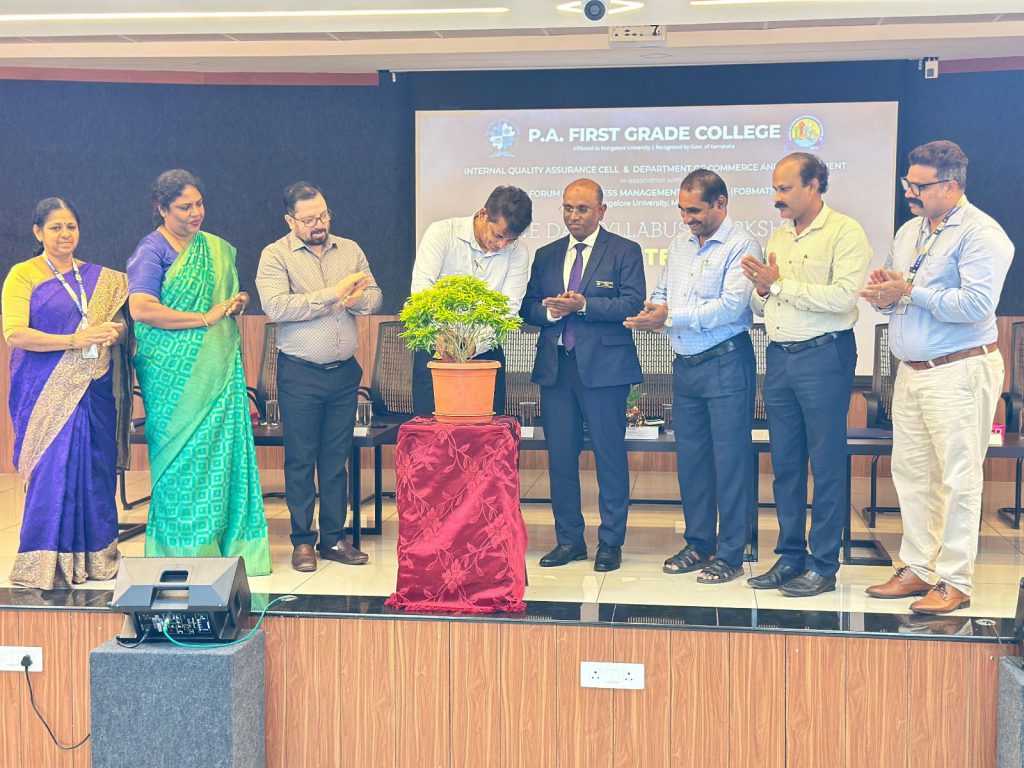
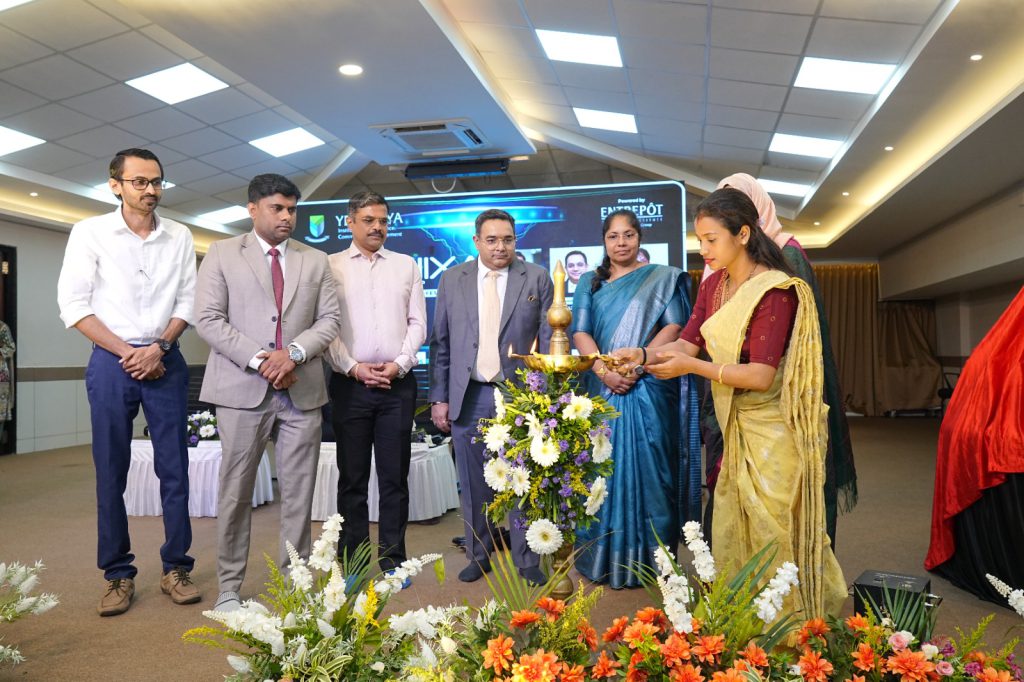
The inaugural function commenced with a prayer, followed by a warm welcome address by Ms.Deepti Udyavar, Head- Department of Management. A sapling was presented to the Chief Guest and floral greetings were extended to other dignitaries. Dr. Chandrashekara K., President, FOBMAT, delivered the introductory speech outlining the objectives of revising and strengthening the IV Semester BBA syllabus under SEP. The formal inauguration was marked by the symbolic watering of a plant by the Chief Guest.
In his inaugural address, Dr. Ganesh Sanjeev emphasized the importance of curriculum relevance, academic collaboration, and industry-oriented learning. Other dignitaries also shared their views. The Presidential remarks were delivered by Dr. Surfraz J. Hasim, who appreciated the collective efforts of FOBMAT and the organizing departments. The Chief Guest was felicitated by presenting a memento as a token of gratitude and appreciation. Prof. Nandakishore K. proposed the vote of thanks and announced the list of resource persons and the respective subject-wise venues.

During the valedictory session, feedback was invited from the faculty participants, who expressed satisfaction with the interactive deliberations and constructive discussions. They appreciated the collaborative atmosphere and found the sessions informative and enriching. Prof. Nandakishore K., Secretary, FOBMAT, delivered the concluding remarks.

The Principal felicitated FOBMAT officials by presenting mementos. Certificates were distributed subject-wise, first to the resource persons and then to the participating faculty members of different colleges affiliated to Mangalore University, marking the successful culmination of the workshop. The programme reflected the institution’s commitment to quality enhancement and academic
excellence under the motto “Learn Today, Lead Tomorrow.”

Dr. KR Venugopal | Former Vice-Chancellor of Bangalore University | Global TV


Generative AI and Future Computing | Intellectual Talk | The School of Information of St Joseph’s University, Bengaluru

NV Paulose, Chairman, Global TV +91 98441 82044

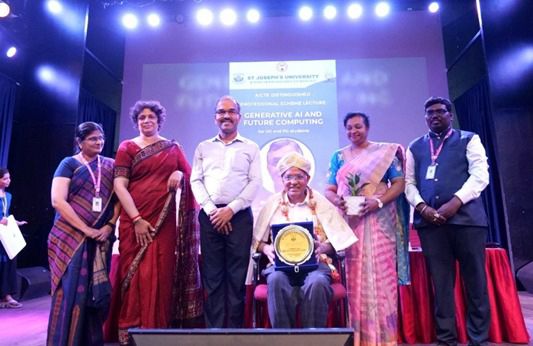
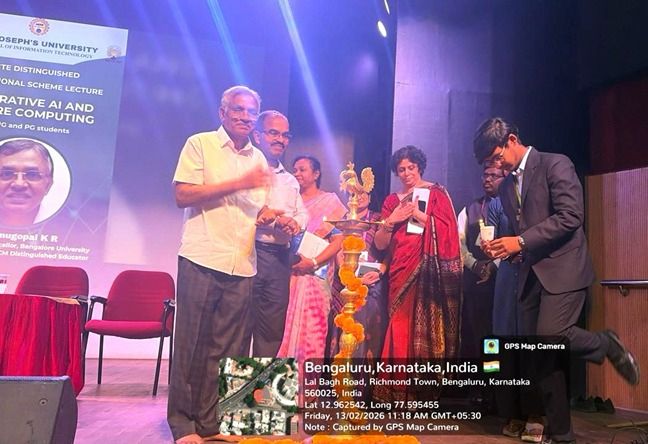
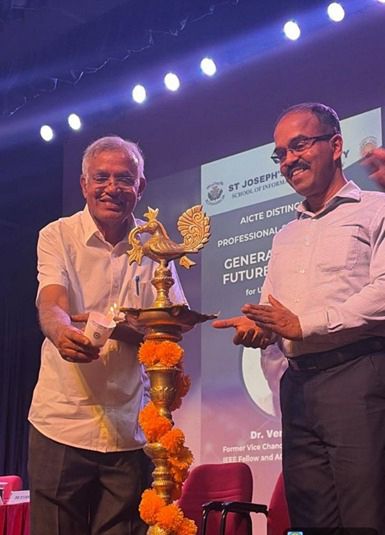
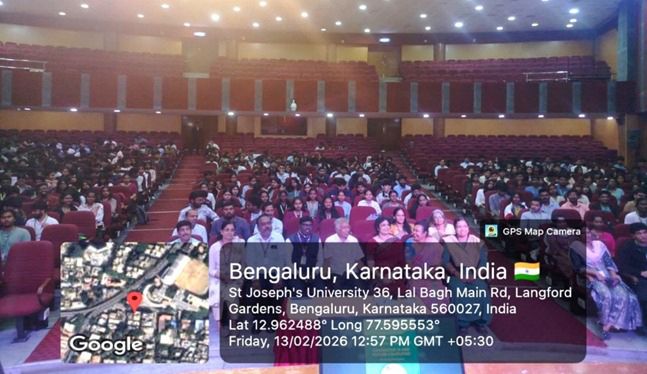
The School of Information of St Joseph’s University, Bengaluru organised the inaugural lecture under the AICTE Distinguished Professional Scheme (DPS – 2nd Phase).

The lecture series commenced with an inspiring inaugural address by Dr. Venugopal K. R, former Vice-Chancellor of Bangalore University, IEEE Fellow, and a distinguished academician. His session on “Generative AI and Future Computing” offered valuable insights into emerging technological trends and encouraged students to think critically about the future of innovation. The interactive session that followed with the faculty members on the research process further enriched faculty engagement and strengthened research orientation.

Dr. Sivakumar T was the Convener of the programme and his proactive initiative helped to secure this prestigious grant for our institution.

Dr. Bojamma, the Dean, the Heads of the Departments — Dr. B. G. Prasanthi and Dr. Jayati Bhadra — along with all the faculty members of the Department of Computer Science and the Department of Advanced Computing put in collaborative effort in making this event meaningful and impactful.

Shikha Sushil | Mangaluru | Hisna Miss Daijiworld-2026 | Global TV

Serena Evjin the first runner-up | Faye Martis second runner-up | Thousand participants from across India and abroad | Twenty-five in the Final Round |

NV Paulose, Chairman, Global TV +91 98441 82044

Shikha Sushil of Mangaluru has been crowned the prestigious Hisna Miss Daijiworld-2026. She was declared the winner during the grand finale held on Saturday night at the Milagres Hall in Mangaluru, where Serena Evjin secured the first runner-up title and Faye Martis was named the second runner-up. The beauty pageant attracted more than a thousand participants from across India and abroad, with twenty-five contestants eventually advancing to the second stage of the competition.

Shikha Sushil clinched the crown by shining in the final round’s various categories, including self-confidence, self-introduction, the ramp walk, the question-and-answer session, and the “X-factor” segment. Ronald Pinto, the Director of Hisna International, along with his wife Dorothy Pinto, honored the winners with their crowns and cash prizes of three lakh, two lakh, and one lakh rupees respectively. Furthermore, the other nine finalists who reached the grand finale were recognized with individual titles and awarded twenty-five thousand rupees each.
ಮಂಗಳೂರಿನ ಶಿಖಾ ಸುಶೀಲ್ ಪ್ರತಿಷ್ಟಿತ ಹಿಸ್ನಾ ಮಿಸ್ಸ್ ದಾಯ್ಜಿವರ್ಲ್ಡ್-2026 ಕಿರೀಟವನ್ನು ಮುಡಿಗೇರಿಸಿಕೊಂಡಿದ್ದಾರೆ. ಶನಿವಾರ ರಾತ್ರಿ ಮಂಗಳೂರಿನ ಮಿಲಾಗ್ರಿಸ್ ಸಭಾಭವನದಲ್ಲಿ ನಡೆದ ಅಂತಿಮ ಸುತ್ತಿನ ಸ್ಪರ್ಧೆಯಲ್ಲಿ ಶಿಖಾ ಸುಶೀಲ್ ಇವರನ್ನ ವಿಜೇತರೆಂದು ಘೋಷಿಸಲಾಯಿತು. ಸೆರೆನಾ ಎವ್ಜಿನ್ ಪ್ರಥಮ ರನ್ನರ್ ಅಪ್ ಪ್ರಶಸ್ತಿ ಪಡೆದುಕೊಂಡರೆ ಫೇ ಮಾರ್ಟಿಸ್ ದ್ವಿತೀಯ ರನ್ನರ್ ಅಪ್ ಪ್ರಶಸ್ತಿಗೆ ಭಾಜನಾರದರು. ದೇಶ ವಿದೇಶಗಳಿಂದ ಸಾವಿರಕ್ಕಿಂತಲೂ ಹೆಚ್ಚಿನ ಸ್ಪರ್ಧಿಗಳು ಭಾಗವಹಿಸಿದ್ದ ಈ ಸೌಂದರ್ಯ ಸ್ಪರ್ಧೆಯಲ್ಲಿ ದ್ವಿತೀಯ ಹಂತಕ್ಕೆ ಇಪ್ಪತ್ತೈದು ಸ್ಪರ್ಧಿಗಳು ಆಯ್ಕೆಯಾಗಿದ್ದರು.

ಅಂತಿಮ ಸುತ್ತಿನ ಸ್ಪರ್ಧೆಯಲ್ಲಿ ಆತ್ಮಸ್ಥೈರ್ಯ, ಸ್ವ ಪರಿಚಯಿಸುವಿಕೆ, ರೇಂಪ್ ವಾಕ್, ಪ್ರಶ್ನೋತ್ತರಿ, ಹಾಗೂ ಎಕ್ಸ್ ಫಾಕ್ಟರ್ ವಿಭಾಗಳಲ್ಲಿ ಮಿಂಚಿದ ಶಿಖಾ ಸುಶೀಲ್, ಹಿಸ್ನಾ ಮಿಸ್ಸ್ ದಾಯ್ಜಿವರ್ಲ್ಡ್ ಕಿರೀಟಕ್ಕೆ ಭಾಜನರಾದರು. ಹಿಸ್ನಾ ಇಂಟರ್ ನ್ಯಾಶನಲ್ ನಿರ್ದೇಶಕರಾದ ರೊನಾಲ್ಡ್ ಪಿಂಟೊ , ಪತ್ನಿ ದೊರೊತಿ ಪಿಂಟೊ, ವಿಜೇತರನ್ನು ಕಿರೀಟದ ಜೊತೆಗೆ ತಲಾ ಮೂರು, ಎರಡು ಹಾಗೂ ಒಂದು ಲಕ್ಷದ ನಗದು ಬಹುಮಾನಗಳನ್ನು ನೀಡಿ ಗೌರವಿಸಿದರು. ಅಂತಿಮ ಸುತ್ತಿಗೆ ಪ್ರವೇಶಿಸಿದ ಇತರ ಒಂಭತ್ತು ಸ್ಪರ್ಧಿಗಳು ವೈಯುಕ್ತಿಕ ಬಿರುದುಗಳೊಂದಿಗೆ ತಲಾ ಇಪ್ಪತ್ತೈದು ಸಾವಿರ ನಗದನ್ನು ಪಡೆದುಕೊಂಡರು.

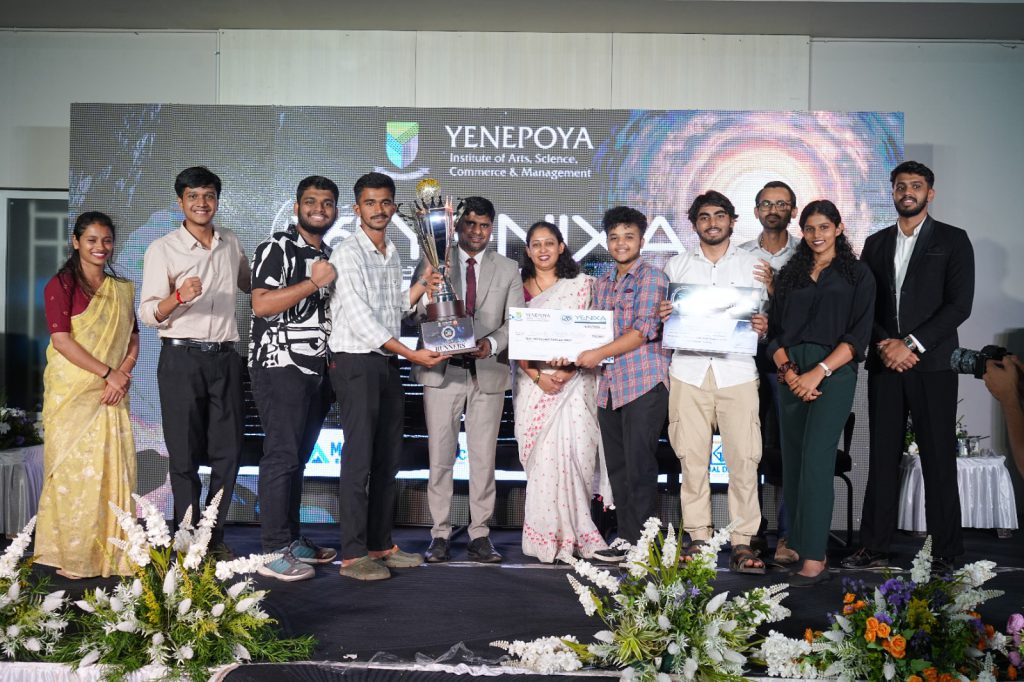
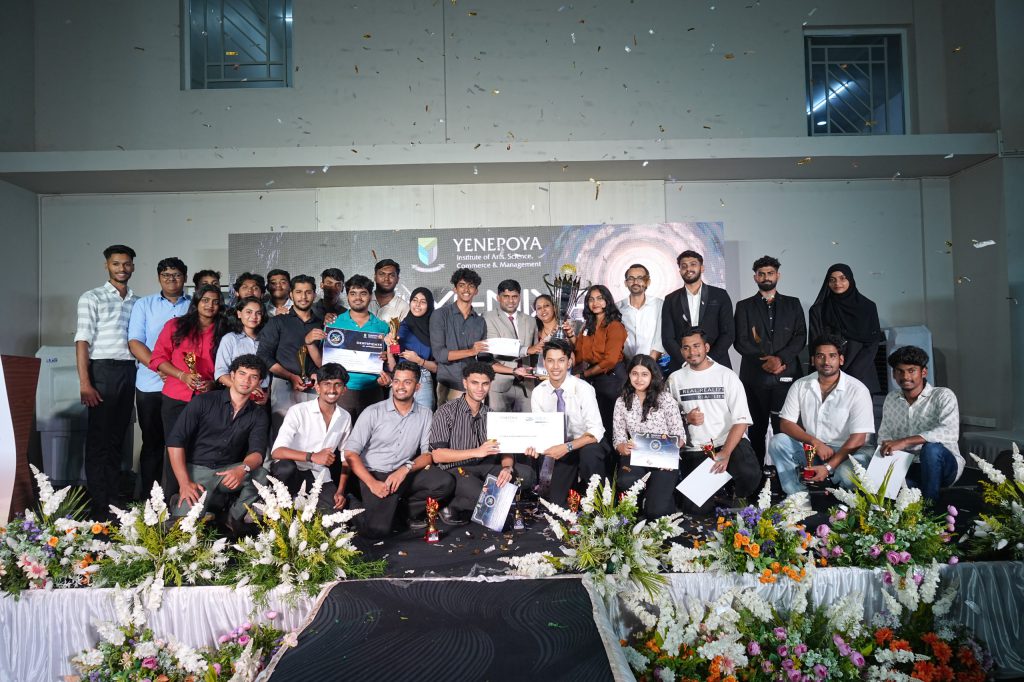
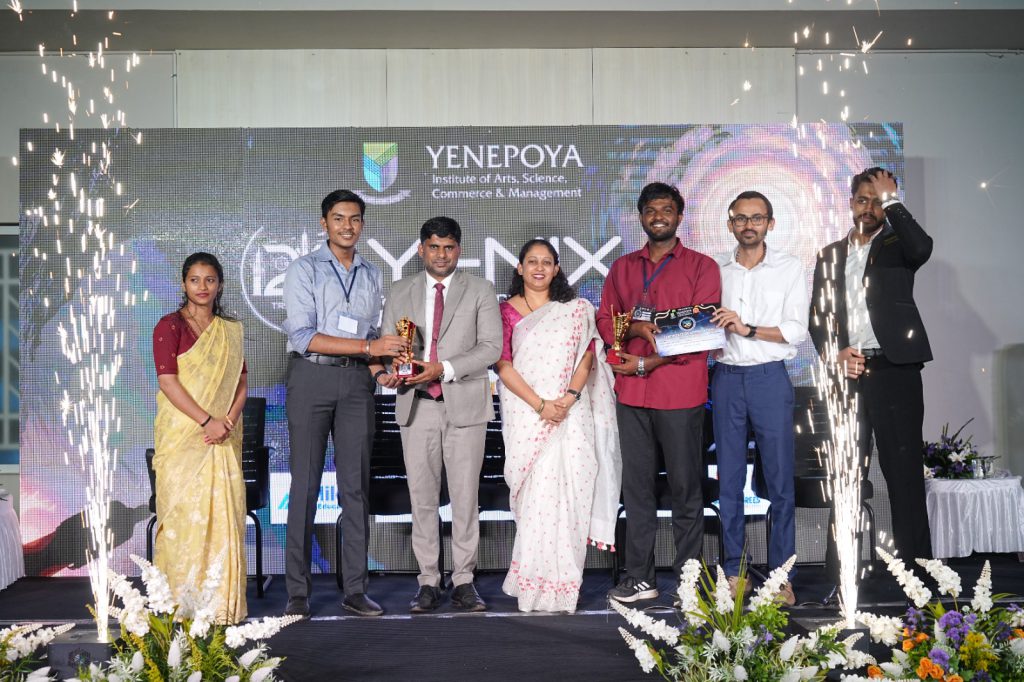
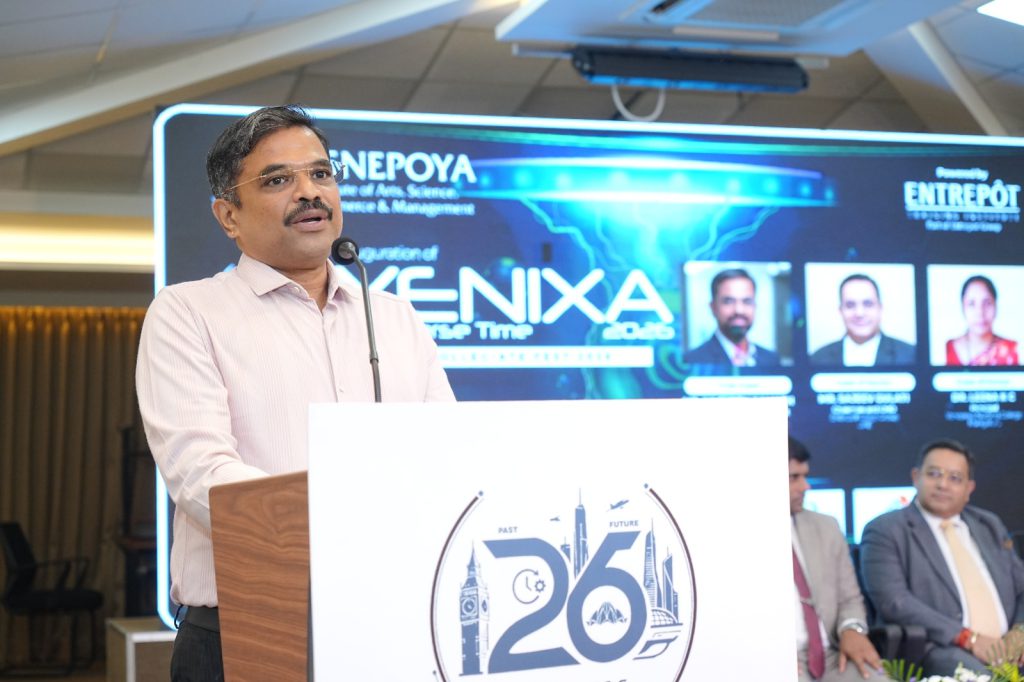
YENIXA 2026 Highlights Industry Academia Synergy and Future Ready Learning at YIASCM

St. Aloysius (Deemed to be University) bags the Yenixa 2026 title | Canara College secured the runners trophy

NV Paulose, Chairman, Global TV +91 98441 82044

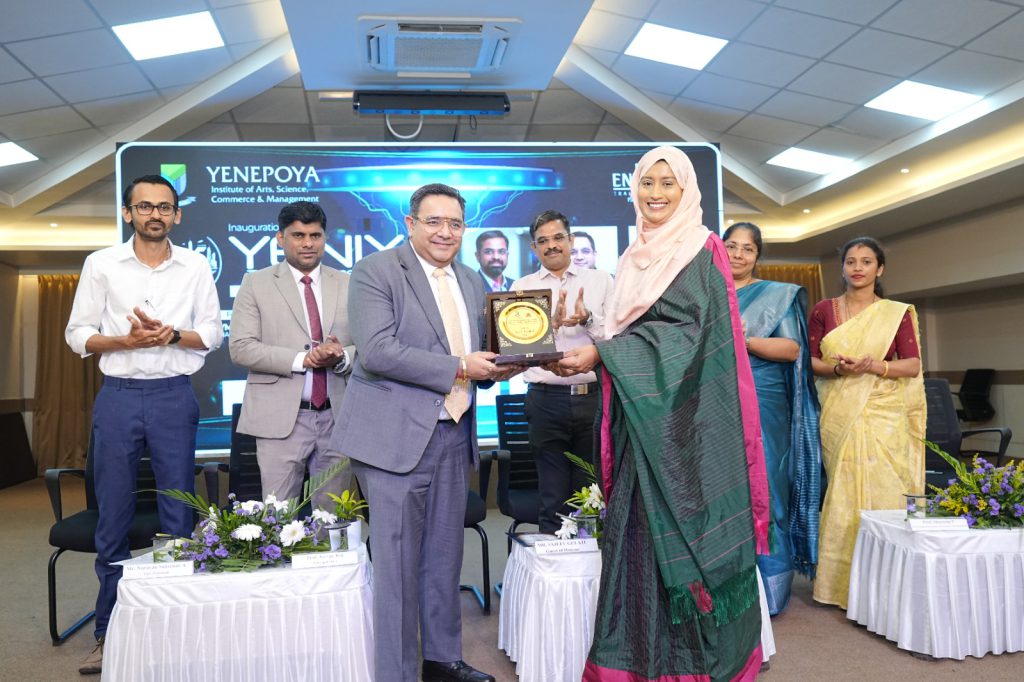
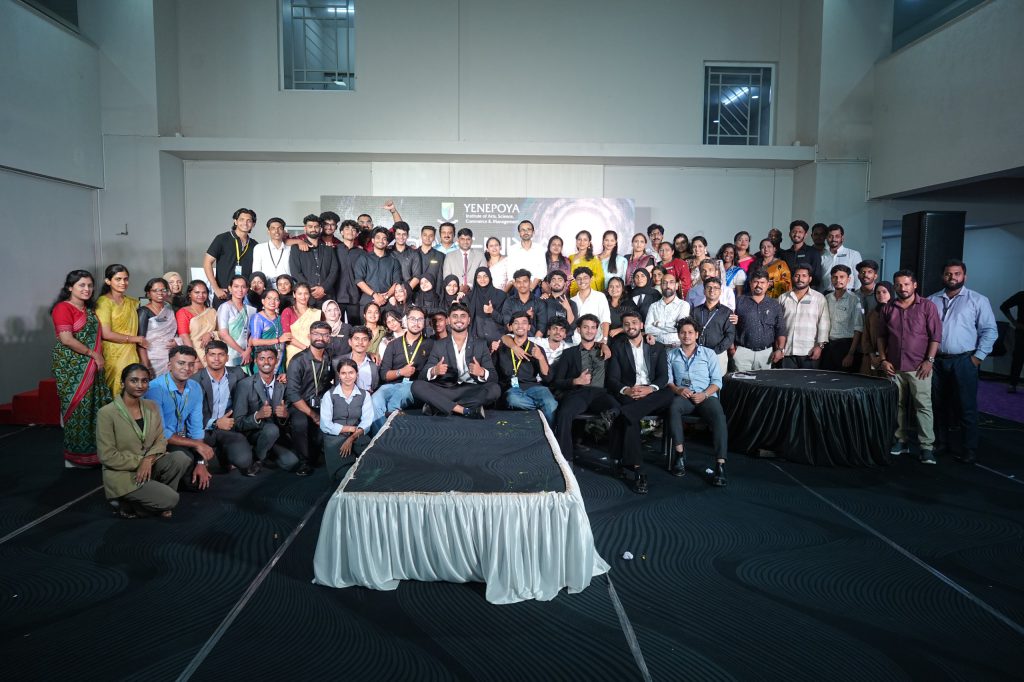
Yenepoya Institute of Arts, Science, Commerce and Management YIASCM Kulur Campus emerged as a vibrant hub of talent, innovation and industry academia interaction with the successful hosting of YENIXA 2026 Traverse Time, the National Intercollegiate Fest, on Monday February 16 2026. One of the largest student centric events organised by the institution, the fest brought together 651 students from 35 colleges across Mangaluru various parts of Karnataka and neighbouring states.

The grand inauguration held at the YMK Auditorium set an inspiring tone for the day. Delivering the keynote address on Preparing for the Job of the Future, Chief Guest Mr Vasudev Kamath, Vice President and Development Centre Head Infosys Mangaluru, urged students to move beyond rigid academic boundaries and develop a future ready mindset. Emphasising adaptability curiosity and discipline, he highlighted the growing relevance of hybrid careers and multidisciplinary learning. He encouraged students to cultivate universal skills engage in early networking beyond digital platforms and participate in collaborative projects. “A degree defines your foundation but skills and mindset define your future,” he remarked.

Guest of Honour Mr Sajeev Gulati, Chairman and CMD Entreport Cargo Group UAE, shared insights from the logistics and aviation sectors, observing that India’s strong intellectual capital places it in a favourable global position. He advised students to prepare themselves for diverse professional roles in an evolving economy.

Addressing the gathering Dr Leena K C, Principal Yenepoya Nursing College a constituent unit of Yenepoya Deemed to be University, underlined the importance of mentorship in identifying and nurturing student potential. She appreciated the initiative taken by students to step forward explore opportunities and challenge themselves beyond the classroom.

Presiding over the inaugural session Prof Jeevan Raj, Principal In charge YIASCM, expressed gratitude to all participating colleges and commended the organising committee and faculty coordinators for their meticulous planning and execution. In her introductory remarks Prof Shareena P, Dean Faculty of Commerce and Management Yenepoya Deemed to be University and Vice Principal YIASCM, highlighted the importance of platforms like YENIXA in fostering leadership creativity collaboration and networking.

The inaugural programme was welcomed by Ms Neekshitha V Shetty, Head Department of Management, and the vote of thanks was proposed by Prof Savitha from the Department of Humanities and Social Sciences. The session was compered by Dr Shinu Asmy V S Department of Linguistics along with Ms Krithi K K Department of Management.

As part of YENIXA 2026, 17 academic and cultural competitions were conducted witnessing enthusiastic participation and strong industry engagement throughout the day.

The fest concluded with a vibrant valedictory ceremony held at the Quadrangle. Chief Guest Ms Preethi Nayak, Co founder Joos Botal Mangaluru, delivered an inspiring address emphasising that performance contribution and consistent effort matter more than academic scores alone. She encouraged students to build visibility through active participation and reminded them that learning is a lifelong process that extends far beyond formal education.

In his presidential address Prof Jeevan Raj congratulated the participants for their spirited involvement and reiterated the value of intercollegiate platforms in building confidence leadership and interdisciplinary exposure.

The valedictory ceremony was welcomed by Dr Sareen Sheikh Department of Chemistry. Prize announcements were made by Ms Pinakini P Shetty Department of Commerce while the vote of thanks was delivered by Ms Sahana S Department of Commerce. The programme was compered by Ms Amritha C Department of Linguistic Studies along with Ms Deepika Department of Computer Science.

In the overall championship standings St Aloysius Deemed to be University Mangaluru emerged as the YENIXA 2026 Champion securing the trophy along with a cash prize of Rs 15000 while Canara College Mangaluru was declared the runner up receiving a trophy and Rs 10000.

With its scale diversity of competitions strong industry participation and enthusiastic student engagement YENIXA 2026 reaffirmed YIASCM’s commitment to collaborative learning hybrid skill development and future ready education. The fest concluded on a high note celebrating excellence teamwork and the spirit of healthy competition.

Rakesh Kumar Jha | Planting Trees for the Nation: The Inspirational Journey of Rakesh Kumar Jha | Global TV

Rakesh Kumar Jha has spent more than two decades nurturing minds and shaping aspirations.


NV Paulose, Chairman, Global TV +91 98441 82044

Rakesh Kumar Jha tells us a story shaped by conscious choices, sustained discipline and an enduring belief in the transformative power of education. His life unfolds at a rhythm that values patience over publicity and substance over spectacle. His journey has grown quietly and steadily, gaining depth and meaning with time rather than urgency.

His life is not a narrative of deliberate effort guided by purpose more than overnight recognition or accidental achievement. Through years of learning, teaching and reflection, his life stands as a reminder that education, when pursued with integrity, has the power to shape not only individual destinies but also the moral and intellectual fabric of society.

From a small village background to the national platforms of education, media and public discourse, Rakesh Kumar Jha has spent more than two decades nurturing minds and shaping aspirations. His work as a civil services coach, author, academic contributor, anchor and motivational mentor reflects a deeper commitment to public service rather than personal prominence.

Early Life and the Power of Aspiration
Like countless young Indians who grow up far from metropolitan privilege, Rakesh Kumar Jha’s early life was rooted in simplicity. The resources were limited, but the ambition was not. Education was seen as a path to dignity and social contribution. Delhi attracted him as it has attracted generations of young Indians who arrive with dreams of academic excellence and a desire to serve the nation. Within the intellectually vibrant environment of Delhi University, he pursued his graduation and post-graduation with seriousness, discipline and clarity of purpose. These years shaped his academic temperament and sharpened his understanding of society and governance.

He went on to complete a Master’s degree in Mass Communication from Kurukshetra University, a step that added professional depth and a broader perspective to his strong academic foundation. Alongside formal degrees, he undertook specialized training in journalism, book publishing, media research and English language proficiency from nationally respected institutions such as the National Book Trust, Indian Institute of Mass Communication and the British Council, New Delhi. They broadened his understanding of communication, governance and the role of knowledge in shaping society.

The Defining Turning Point
The years 2004 and 2005 marked a crucial turning point in his life. After appearing for the Civil Services Examination, Rakesh Kumar Jha stood at a crossroads familiar to many capable young professionals. With his academic background, he could have pursued a career in journalism, law, corporate media, or institutional communication. These paths offered stability and recognition. Yet, he chose differently.

Instead of seeking personal advancement through established professional routes, he decided to dedicate himself to training and mentoring young people, particularly those preparing for civil services and public sector roles. This decision was not driven by compulsion or lack of opportunity. It was a deliberate choice rooted in conviction.


He believed that while individual success matters, empowering others multiplies impact. He understood that classrooms, libraries and mentoring spaces are as critical to nation building as administrative offices and policy chambers.

The Early Struggles of a First-Generation Educator
The initial phase of this journey was challenging. With limited institutional backing and a small student base, the struggle was not just financial or logistical. The deeper challenge was credibility.

Students are discerning. They place their future in the hands of those they trust. Earning that trust takes time. In the early days, classrooms were not full. Recognition was limited. The question that confronted him repeatedly was simple yet demanding. Why should students believe in his ability to guide them toward success? His answer was consistency. He invested deeply in preparation, content development and pedagogical clarity. He focused on substance over show, discipline over shortcuts and understanding over memorization.

Gradually, students began to notice the difference. Word spread. Confidence grew. Results followed.

Building Authority Through Work, Not Noise
As his reputation strengthened, his work expanded beyond classroom teaching. Rakesh Kumar Jha began engaging with broader audiences through All India Radio, television studios, academic seminars and public forums. Whether addressing students, moderating discussions, or participating in policy conversations, the challenge remained consistent. Every audience required credibility.

Each platform demanded preparation and humility.
He learned to communicate complex ideas in accessible language without diluting their seriousness. His engagement with national and international seminars, government institutions and private organizations reflected an approach grounded in balance rather than rhetoric. This steady engagement across platforms established him as a voice of reasoned analysis rather than sensational commentary.

Students as the True Measure of Success
Despite his growing visibility, Rakesh Kumar Jha has always measured success through a different lens. For him, the most meaningful milestones are not awards or appearances. They are the achievements of his students. Over the years, he has mentored thousands of aspirants. Many of them have gone on to serve in administrative, bureaucratic and public service roles across the country. Some now hold positions of significant responsibility in district administration and governance.
These moments, when students succeed and contribute to society, remain his most cherished rewards. He views teaching as a long-term responsibility rather than a transactional activity.

To explain this philosophy, he often uses a simple yet powerful metaphor. Success, he says, is like planting a tree. You nurture it patiently for years before it bears fruit. The fruit does not arrive immediately, but when it does, it sustains many.
Encounters That Reinforced Purpose

Throughout his journey, Rakesh Kumar Jha has interacted with some of the most respected figures in public life. Meetings with Nobel Peace Laureate Kailash Satyarthi, former CBI Director Dr. Tri Nath Mishra, Governors like T N Chaturvedi, B.P. Singh and other distinguished administrators and thinkers became moments of reflection and learning.

These interactions did not alter his path. Instead, they strengthened his belief that leadership is ultimately about service and accountability. They reaffirmed his conviction that education remains the most enduring instrument of social change.

Author and Contributor to Intellectual Discourse
Parallel to his teaching and mentoring work, Rakesh Kumar Jha has made significant contributions as an author and writer. His books and co-authored works explore themes of governance, society, media, language and international relations.
His writing style mirrors his teaching approach. It is structured, balanced and rooted in real world relevance. Whether discussing parliamentary traditions, the relationship between society and institutions, or India’s global engagements, he writes with the clarity of an educator rather than the urgency of a commentator.
These publications have further strengthened his role as a public intellectual committed to informed discourse.

A Philosophy Shaped by Discipline and Patience
At the heart of Rakesh Kumar Jha’s journey lies a philosophy that is both simple and demanding. He does not promise shortcuts or quick success. He emphasizes continuous effort, strategic thinking and emotional resilience.
His message to young people is consistent and grounded in experience. Work sincerely and persistently. Do not lose patience when progress is slow. Build clarity of direction. Align passion with preparation. Remain committed even when recognition is delayed. He reminds students that his own journey involved years of study, multiple academic programs, professional training, seminars, debates and public engagements. None of it was accidental. None of it was wasted.

Rooted in Service, Not Spotlight
In an age dominated by digital visibility and instant validation, Rakesh Kumar Jha represents a quieter tradition of leadership. His influence is measured not by online metrics, but by lived outcomes. Not by applause, but by impact. He belongs to a generation of educators who believe that the true purpose of knowledge is transformation. Transformation of individuals who go on to serve society with integrity, responsibility and awareness.

A Life That Continues to Grow
The journey of Rakesh Kumar Jha does not fit into dramatic headlines. It fits into something deeper and more enduring. It is the story of a man who chose meaning over momentum, service over security and long-term contribution over short term comfort.

Like the tree he often speaks of, his work continues to grow steadily. It provides guidance, shelter and nourishment to generations of learners.
And perhaps that is the most powerful lesson his life offers. True success does not announce itself. It grows quietly and it lasts.

Reality Shifters | Ten Ways to Shift Reality | Based on the teachings of Cynthia Sue Larson | Global TV

Visualize What You Desire | Pay Attention | Practice Appreciation | Energize Yourself | Choose Your Attitude | NV Paulose +91 98441 82044

1. Pay Attention
The first step is to notice what is happening around you. We are all shifting reality all the time, but most of us do not realize it. Begin watching for anything that appears, disappears, transforms, moves, or changes in time. Even very small changes count. Stay uncritical, because there is no real difference between a tiny shift and a large one. Awareness is where everything begins.

2. Practice Appreciation
As you begin noticing changes, appreciate them. Be grateful for even the smallest positive experiences in your life. Appreciation increases reverence for life and naturally brings more positive shifts. Gratitude toward yourself and others creates an environment where reality shifts are easier to experience.

3. Review Scientific Studies If Needed
Some people feel more comfortable when ideas are supported by science. If that is you, reviewing scientific studies can help calm the analytical mind. Modern physics increasingly suggests there may be no single objective reality. Experiments such as the double slit experiment show that observation affects outcomes, which supports the idea that multiple realities can exist at the same time.

4. Revisit Your Assumptions
Many assumptions come from classical thinking that values only what can be measured. Yet emotions, consciousness, love, and identity are deeply real, even though they cannot be measured in a traditional way. Questioning these assumptions allows you to experience reality in a more flexible and expansive manner.

5. Energize Yourself
Taking care of your body, mind, and spirit is essential. Eat nourishing food, get adequate rest, and move your body in ways that feel supportive. Practices such as meditation, breathing exercises, qigong, or other internal movement arts help raise your energy and clarity. Your personal vitality strongly influences how you experience reality.

6. Reverse Negative Self Talk
Negative thoughts can collapse possibilities before they have a chance to unfold. Fear based thinking often brings about what we least want. Counter this by creating affirmations that directly reverse negative beliefs. Think of them as mental antibodies. If you are unsure what to address, simply ask, How good can it get?

7. Feel Non Local Connection
You are not alone. Connection goes beyond physical distance. Community, shared intention, spiritual support, and even engaging with this material create a sense of belonging. Feeling supported strengthens your confidence and your ability to shift reality.

8. Visualize What You Desire
Imagine what you wish to experience, while leaving space for something even better. Rather than being rigid, hold your vision gently. Openness allows reality to meet you in ways you may not have anticipated.

9. Let Go
After focusing on your intention, release it. Like planting a seed, you must allow it room to grow. Letting go through breath, relaxation, or meditation creates the freedom needed for shifts to occur. Holding too tightly can slow the process.

10. Choose Your Attitude
Your attitude shapes your experience. Aim for the highest emotional state you can genuinely access, whether that is calm, hope, gratitude, joy, or awe. Wherever you are, accept it and look gently upward. Asking How good can it get keeps your reality moving in a positive direction.

MORE…