ഏത് വാർത്ത? | ആർക്കെതിരെ? | എപ്പോൾ? | എന്തിന്? | ഏത് മാധ്യമം? | ഏത് മാധ്യമ പ്രവർത്തകൻ? | ഉത്തരം കിട്ടേണ്ട ചോദ്യങ്ങൾ
എൻ വി പൗലോസ് ചെയർമാൻ ഗ്ലോബൽ ടി വി +91 98441 82044
മാധ്യമ പ്രവർത്തകർ ആകാശത്തുനിന്നും വാർത്തകൾ സൃഷ്ടിക്കുന്നു എന്ന പരാമർശം കേരളത്തിൻ്റെ മുഖ്യമന്ത്രി വി ഡി സതീശൻ വളരെ മൃദുവായതെന്ന് തോന്നും വിധം അവതരിപ്പിച്ചെങ്കിലും ഇത് വളരെ ഗൗരവമേറിയ ആരോപണം ആണെന്ന് സീനിയർ ജേണലിസ്റ്റ് ഫെഡറേഷൻ സെക്രട്ടറി ജനറൽ എൻ. പി. ചെക്കുട്ടി.
എന്താണ് മാധ്യമ രംഗത്ത് സംഭവിക്കുന്നത്?
ഇത് എന്തായാലും പുതു തലമുറയിലെ പത്രപ്രവർത്തകരുടെ മൂല്യബോധത്തിൽ ഉണ്ടായിരിക്കുന്ന അപചയമല്ല. എക്കാലത്തും ഭൂരിപക്ഷം പത്രപ്രവർത്തകരും മാധ്യമ ധർമത്തെ മുറുകെ പിടിക്കുന്നവരായിരുന്നു. ഇപ്പോഴും ആ നിലയിൽ കാര്യമായ മാറ്റം ഒന്നും ഉണ്ടായിട്ടില്ല. പക്ഷെ പലപ്പോഴും മൂല്യാധിഷ്ഠിത പത്രപ്രവർത്തകർക്ക് മൂക്ക് പൊത്തി പണിയെടുക്കേണ്ട അവസ്ഥയാണുള്ളതെന്നും ശ്രീ ചെക്കുട്ടി പറയുകയുണ്ടായി.
മാധ്യമരംഗം രാജ്യത്തിൻ്റെ നീതിബോധത്തിനുള്ള ഇൻഷുറൻസ് ആയിരുന്നെകിൽ മാധ്യമ തൊഴിൽ സംസ്കാരത്തിലെ മാറ്റം അതിൻ്റെ അടിത്തറ ഇളക്കിയിരിക്കുകയാണ്.
ഗ്ലോബൽ ടി വി ക്ക് പറയാനുള്ളത്
മാധ്യമരംഗം കടന്നുപോയിട്ടുള്ള തകർച്ചകൾ ചർച്ചകളിൽ പങ്കെടുത്ത പ്രമുഖർ അക്കമിട്ട് നിരത്തുകയുണ്ടായി. അതിനെക്കുറിച്ചുള്ള എപ്പിസോഡുകൾ ചെയ്യേണ്ടതുണ്ട്. അതിന് സീനിയർ ജേര്ണലിസ്റ്റുകളുടെ സഹകരണം അഭ്യർത്ഥിക്കുന്നു.
മാധ്യമരംഗം നേരിടുന്ന വെല്ലുവിളികൾ വിവരിക്കുന്നതിനുള്ള എളുപ്പവഴി ഇതിനെ ലളിതമായ ഭാഷയിൽ അവതരിപ്പിക്കുക എന്നതാണ്.
യന്ത്രത്തിനിടയിൽ ഒരാളുടെ കാൽ കുടുങ്ങിയാൽ എന്ത് ചെയ്യും എന്നതാണ് ചോദ്യം. യന്ത്രം ഓഫാക്കും എന്ന് ഉത്തരം. യന്ത്രത്തിനെതിരെ മുദ്രാവാക്യം വിളിക്കുന്നവരും ഉണ്ടാകാം. ആകാശത്തേക്കുള്ള വെടി പക്ഷെ ഒന്നിനും പരിഹാരമല്ല. നമ്മുക്ക് മാധ്യമങ്ങളിലെയും മാധ്യമ പ്രവർത്തകരിലെയും കള്ള നാണയങ്ങളെ തിരിച്ചറിയാൻ കഴിയില്ല എന്നാണോ? ഒരിക്കലുമല്ല.
അൽഗോരിതം എന്ന യന്ത്രമനുഷ്യൻ ആണ് നമ്മുടെ മാധ്യമ രംഗത്തെ ഇന്ന് നിയന്ത്രിക്കുന്നത്. ആര് എന്ത് കാണണം എന്ത് കേൾക്കണം എന്ത് ചിന്തിക്കണം എന്ന് തീരുമാനിക്കുന്നത് അവനാണ്. അവൻ എന്ന് പറയുന്നത് തെറ്റാണ്. അത് അവനോ അവളോ അല്ല. അന്തസ്സും ആഭ്യജാത്യവുമില്ലാത്ത കശ്മലരുടെ ഒരു സംഘം മൂഡശിരോമണികൾ; ലോകത്തെ നിയന്ത്രിക്കാമെന്ന അവരുടെ മൂഡവിചാരം. ഇതെല്ലാമാണ് ഇന്ന് നാം കാണുന്ന ഈ താൽക്കാലിക പ്രതിസന്ധികൾക്ക് കാരണഭൂതർ.
മൂട് പോയ ബക്കറ്റുകൾ നിറക്കുക എന്ന ഒറ്റ ഉദ്ദേശമാണ് ഈ സംഘത്തിലെ എല്ലാവർക്കുമുള്ളത്. അവർ നിറക്കട്ടെ എന്നെ നമ്മുക്ക് പറയാൻ പറ്റൂ…
യന്ത്ര മനുഷ്യൻ പടച്ചുവിടുന്ന കള്ളക്കഥകൾ കേട്ട് ആവേശം കൊള്ളുന്ന സാധാരണ മനുഷ്യരെ ബോധവൽക്കരിക്കുക എന്നതാണ് നമ്മുടെ മുന്നിലുള്ള വെല്ലുവിളി. ഇതിനായി നമ്മുക്ക് പലതും ചെയ്യാൻ കഴിയും. ആദ്യം മാംഗല്യം. പിന്നെ തന്തുനാനേന…
From Reading to Careers | Two Ideas That Can Transform Every District in India | +91 98441 82044
NV Paulose, Chairman, Global TV +91 98441 82044
Chapter 1:
Space Creation & Development of Career Creation Concepts (SCDCCC)
RDMC is for Reading Development Media Centres. Reading and Development are two sides of the same coin. It is like Body and Mind. One cannot be separated from the other. Hence, you may kindly read Reading Development as Reading & Development also. The right kind of reading associated with thinking and action will certainly lead to career development.
We are, today, in a situation where the honeybees are waiting for freebies instead of flying into the best flowers and stunning plantations. We have plenty of options for enormous growth right in front of all of us. This is the same for everyone.
Individuals who open their eyes to see opportunities will prosper when they take the right steps. Institutions that open up their doors to welcome efficient and effective people will also achieve greater growth. This is applicable even for governments as they are also like institutions. Welcome people and encourage people to take steps. Appreciate and provide facilities that are plentiful around every place everywhere.
India’s journey towards becoming a developed nation will ultimately be decided not only by the performance of its largest cities, but by the transformation of every district. A developed India cannot be built with a few islands of prosperity surrounded by regions where young people lack access to quality learning, meaningful employment, entrepreneurship opportunities and pathways for personal growth.
Every district has talent. What is often missing is an ecosystem that identifies that talent, develops it, and connects it to opportunities. There should be two approaches in Career development. Short Crop and Long Crop are the two options to present them in a farmer’s language.
This is not something that the Chief Minister of a State should take decisions and action on. There is too little for a CM or even PM to do on this. It is we, the people, who should create Systems and Structures to nurture an ecosystem.
We as a society, family, institution, organisation, or the government should focus more on Short Crops in Career Planning and leave the responsibility for long-term career planning to each individual. Two complementary concepts can help us to create an ecosystem for short-term and well-rewarding career opportunities. This should happen on a large scale.
For example: 10,000 Reading & Development Media Centres (RDMCs) and SCDCCC — Space Creation & Development of Career Creation Concepts. Together, these concepts can provide a powerful framework for transforming India’s districts from administrative units into learning, innovation, employment and opportunity ecosystems.
Chapter 2 :
RDMCs: Building the Knowledge Infrastructure
The first requirement for development is to create a space for collective progress. Institutions grow only when the people progress. Contributions of any kind happen in a positive environment. A Reading Centre is an existing space where a Wall Space is provided for a Curtain, with space to carry magazines, books, digital devices, and periodicals. 10,000 Reading & Development Media Centres (RDMCs) can create a distributed knowledge infrastructure across Kerala (Same for other states also).
These centres need not be merely traditional libraries. They can become modern community learning and development centres where children, students, youth, teachers, workers, entrepreneurs and citizens can access books, digital resources, educational content, career information and development programmes. A reading centre is also a meeting place and a storytelling location.
An RDMC can bring together several functions under one roof: reading and self-learning, along with meeting the right kind of people, is one activity stream. Storytelling to find the strength of the people and institutions and understanding what we can do together as a team is the subsequent process. We talk about wealth from waste, and we have several success Stories associated with the theme of creating wealth out of what otherwise can become a waste. Do we ever think about the kind of time that we waste? Can we use the time effectively to generate measurable and rewarding outcomes?
A young person should not have to migrate to a major city simply to discover opportunities that are already available around her or him. The RDMC can become the gateway through which students in a rural or semi-urban area connect with the wider world and bring an entire world to their villages and towns.
A district with hundreds of active learning centres can gradually develop a culture of reading, curiosity, continuous learning, and action plans to effectively engage the entire people in the district into Rewarding and recreational initiatives. Knowledge alone does not create development. We need spaces where knowledge can be converted into action. Space can be created anywhere and everywhere. We can create space in a KSRTC Bus Stand. Space can be created in a coffee shop or in a house as well. Things become faster and better when we do it in a systematic way and on a large scale. That is where SCDCCC becomes important.
Chapter 3 :
SCDCCC: Converting Learning into Livelihoods
Space Creation & Development of Career Creation Concepts (SCDCCC) can be understood as the opportunity infrastructure that complements the knowledge infrastructure created by RDMCs. The fundamental idea is simple: every district should have spaces and mechanisms where people can explore careers, develop skills, experiment with ideas, build enterprises, collaborate with others, and create new livelihood opportunities. Think about Open Space Organisations.
These spaces could take different forms depending on the needs of a district. They could include career development centres, innovation spaces, entrepreneurship hubs, maker spaces, skill-development facilities, incubation centres, digital workspaces, creative studios or community enterprise centres. The objective should not merely be to train people for existing jobs. A developed district must also create an environment in which people can create work, enterprises and new career pathways. This creates a continuous development pipeline.
The same model can work for artisans, women entrepreneurs, students, farmers, school dropouts, graduates, small businesses and professionals seeking new skills.
This distinction is crucial.
If ten thousand young people are trained but there are no opportunities to apply their skills, training alone cannot transform the district. But when learning, skills, mentorship, technology, and entrepreneurship are connected, the same young population can become a major economic force. We should create Revenue Models within the system to reward them and to inspire them to think and grow big. Feeding a bird until it spreads its wings is the principle here.
The RDMC–SCDCCC Connection
The real transformative power lies in combining the two concepts. RDMC develops the person. SCDCCC develops the opportunity. A student enters an RDMC to read, learn, and discover possibilities. Through its resources, the student may identify an interest in technology, agriculture, healthcare, design, tourism, manufacturing or entrepreneurship.
The SCDCCC ecosystem then provides a pathway to convert that interest into a career. For example, a young person interested in agriculture could use an RDMC to learn about modern farming, food processing and agricultural technology. The local SCDCCC facility could then provide access to experts, equipment, training, mentors, entrepreneurs, financing information and markets. The individual moves from
Information
Learning
Skill
Experimentation
Enterprise
Income
Chapter 4:
District as Development Ecosystem
Transforming the District as a Whole
The objective should ultimately be bigger than individual career development. A successful RDMC-SCDCCC network can change the economic and social character of an entire district.
Schools can become connected to wider learning resources. Young people can access career guidance locally. Local entrepreneurs can find talent. Small businesses can access knowledge and technology. Women can find pathways to entrepreneurship and employment. Farmers can learn about value addition and markets. Traditional skills can be connected to modern design and digital commerce.
Over time, this can create a virtuous cycle.
More learning creates more skills. More skills create more opportunities. More opportunities create more enterprises and employment. More economic activity creates greater demand for knowledge and innovation. The district therefore becomes a self-reinforcing development ecosystem.
India has thousands of communities with different economic strengths and challenges. Therefore, the model should not impose one identical programme everywhere.
Each district should identify its own development potential. A coastal district may focus on fisheries, tourism and marine industries. An agricultural district may focus on food processing, agri-tech and rural enterprises. A district with traditional crafts may build creative industries and export capabilities. An urbanising district may focus on technology, services, construction and entrepreneurship.
RDMCs can provide the common knowledge platform, while SCDCCC spaces can adapt career and enterprise creation to local strengths. This makes the model both national in scale and local in execution.
Chapter 5
From Developed Cities to Developed Districts
RDMCs can ensure that knowledge reaches people.
India’s development challenge is ultimately a question of distribution. If opportunity remains concentrated in a handful of metropolitan centres, migration will continue, regional inequalities will persist, and enormous human potential will remain underutilised.
But when every district can develop its own ecosystem of learning, skills, innovation, entrepreneurship and employment, development becomes geographically distributed. The vision of 10,000 RDMCs combined with SCDCCC is therefore much larger than establishing libraries or career centres. It is about creating the basic infrastructure for human potential.
SCDCCC can ensure that knowledge leads somewhere.
Together, they can create a pathway from reading to learning, learning to skills, skills to careers, careers to enterprises, and enterprises to district-level economic development.
That is how every district can become more than an administrative boundary. It can become a centre of knowledge, opportunity, innovation and prosperity. When implemented with strong local leadership, digital connectivity, partnerships with educational institutions, industry participation and measurable outcomes, these two concepts could become important building blocks of a developed India.
A developed nation begins with developed people. Developed people need knowledge. Knowledge needs access. And knowledge must ultimately become opportunity. That is the promise of combining 10,000 RDMCs with SCDCCC: creating the learning and opportunity infrastructure through which every district can discover, develop, and deploy its own human potential.
ROTARY CLUB OF ORGAN DONATION INTERNATIONAL CELEBRATES FOURTH INSTALLATION CEREMONY WITH INDUCTION OF 22 NEW MEMBERS
The Rotary Club of Organ Donation International held its 4th Installation Ceremony online on 9 August 2026, welcoming 22 new members and marking the beginning of a new Rotary year.
The induction of the new members was led by Chief Guest District Governor Rtn Rajan Dua (RID 3141), who, along with outgoing President Rtn PHF Ritika Gupta, installed Rtn Hemalatha Bhandari as the new President for Rotary Year 2026–27.
Addressing the gathering, Founder & Charter President and Membership Chair Rtn Lal Goel announced an ambitious membership goal for the year: enrolling at least 100 new members to expand RCODI’s reach and strengthen its mission of raising awareness and promoting action for organ donation.
Service Project Chair Rtn Sunil Gupta introduced Assistant Governor Rtn Arun Wadhwa, while Organ Donation Chair Rtn PHF Dr Rohan Monis introduced the newly constituted Board of Directors for the Rotary year.
The ceremony was also addressed by Assistant Governor Rtn Arun Wadhwa and was smoothly conducted by Learning Facilitator Rtn Prof. Dr Lakshmi Goel, while Regal Secretary Rtn Ruby Agarwal proposed the vote of thanks.
District Projects Facilitator PDG Rtn Dr Rajendra Agarwal, Chief Principal Aide Rtn Ajit Dubey, Chief Coordinator Rtn Anand Ramnani, and PDG Rtn Lata Subhraidu were among the distinguished dignitaries present, along with a large number of members of the Rotary Club of Organ Donation International and invited guests.
Transformation Through Storytelling | കഥ പറയൂ വസന്തം വിരിയട്ടെ | Global TV
NV Paulose, Chairman , Global TV +91 98441 82044
Global TV’s City Ambassadors cum Career Chefs is conceived as a new and imaginative movement for creating careers, livelihoods, enterprises and opportunities by discovering the extraordinary wealth that already exists in Kerala. The initiative begins with a simple but powerful thought: every place has a story, every community has hidden assets, and every person has the potential to create something valuable from them. Kerala is blessed with spectacular landscapes, backwaters, beaches, mountains, forests, farms, rivers and villages. It has a remarkable cultural heritage, traditional knowledge, cuisine, crafts, festivals, performing arts, literature and architecture. It also has one of the most educated and globally connected populations in India. Yet much of this wealth remains underused as a source of new careers. City Ambassadors cum Career Chefs is about changing that.
The word Chef is deliberately used as a metaphor. A chef takes different ingredients, understands their qualities and combines them creatively to produce something new. A Career Chef does exactly the same with the resources of a place. The ingredients may be a beautiful landscape, a local tradition, a forgotten story, a talented young person, an agricultural product, a craft, a historic building, a waterway, a festival, a unique community or a new technology. The Career Chef brings these ingredients together and asks a different question: What new opportunity can be created from this? The result could be a new profession, a tourism experience, a creative enterprise, a digital business, a cultural product, a social enterprise or an entirely new form of livelihood.
The City Ambassador is the person who discovers and represents these possibilities. The Ambassador knows the character of a place and becomes its storyteller, explorer and connector. The person does not simply tell visitors where to go. The Ambassador looks deeper. What is special about this place? What do its people know that the outside world does not know? What resources are lying unnoticed? What stories have never been told? What skills are disappearing? What could young people create here if they were given the opportunity? What could be taken from this locality to the national and international market? The City Ambassador therefore becomes a bridge between the place and the world.
This is where storytelling becomes central to the entire Global TV programme. The objective is not simply to produce television programmes about places or successful individuals. The objective is Transformation through Storytelling. A story can change the way a person sees a village, a profession, a community or even themselves. A young person who believes that success requires leaving Kerala may discover, through another person’s story, that a career can be created from the resources around them. A community that sees an old tradition as something belonging to the past may discover that the same tradition can become the foundation of a contemporary enterprise. A forgotten location may suddenly be recognised as a place of extraordinary value because its story has reached millions of people.
Every programme can therefore begin with a discovery. We meet a person, enter a place and uncover something that has been overlooked. We listen to the people who live there. We understand the history, culture, environment and aspirations of the community. Then comes the challenge: Can we create a new career from these ingredients? The programme follows the process of discovery, experimentation, collaboration and transformation. The audience does not merely hear the final success story. They witness the journey. They see an idea emerge, encounter its difficulties, watch people contribute their knowledge and skills, and finally see a new opportunity take shape.
Imagine a City Ambassador discovering a small village with an extraordinary landscape and a community that has preserved traditional farming practices for generations. Instead of simply presenting the village as a tourist attraction, the programme could bring together a farmer, a young digital creator, a hospitality professional, a designer and an environmental expert. Together they could develop a new farm experience that allows visitors to learn, participate and understand the local way of life. The young person who helps create the experience could become a professional nature and farm experience curator. The farmer gains a new source of income. Local food producers gain a market. The village gains visibility. Visitors gain an authentic experience. One story creates multiple careers.
Another programme could begin with a traditional craft that is slowly disappearing. The City Ambassador finds an elderly craftsperson who has extraordinary knowledge but no younger generation interested in continuing the tradition. The Career Chef then brings together design students, entrepreneurs, digital marketers and international members of the Malayalee community. The old craft is documented, redesigned for contemporary markets, presented through compelling storytelling and connected to buyers outside Kerala. What began as a story about a disappearing tradition becomes a story about revival, entrepreneurship, design and global opportunity.
This approach can be applied to almost anything Kerala possesses. Its backwaters can generate new careers in responsible tourism, environmental interpretation, water based experiences and conservation. Its mountains can inspire careers around biodiversity, outdoor education, wellness and adventure. Its food traditions can create opportunities in culinary experiences, food entrepreneurship, documentation and global branding. Its architecture can inspire heritage interpretation and creative tourism. Its festivals can support event management, cultural production, media and international programming. Its literature and performing arts can create new digital and educational opportunities. Its agricultural communities can connect traditional knowledge with modern technology, premium markets and experiential tourism.
The initiative can also look beyond the obvious. Some of Kerala’s greatest assets are invisible. They are the knowledge of its people, the skills of its diaspora, the networks created by migration, the entrepreneurial instinct of its communities, the stories of ordinary people and the extraordinary resilience of its society. A Career Chef can combine these intangible assets with technology and global connectivity. A retired professional can become a mentor. A homemaker can transform a traditional skill into a business. A young graduate can become a local experience creator. A photographer can become a visual storyteller for a region. A fisherman can become an interpreter of marine life. A teacher can create a heritage education programme. A person returning from abroad can bring international knowledge back into the local economy.
Global TV’s role is to find these stories and give them scale. Television has traditionally been used to tell people what is happening. This initiative can use television to show people what is possible. Each story becomes an invitation to imagine. Each City Ambassador becomes a local point of discovery. Each Career Chef becomes an example of what can happen when imagination is applied to the resources of a place. The programme can inspire people not simply to watch but to participate, contribute ideas, start experiments and create opportunities of their own.
The concept can eventually develop into a network covering the whole of Keralam. Different City Ambassadors can represent different cities, towns and regions. They can continually search for unusual people, hidden places, forgotten traditions, emerging technologies and unexplored opportunities. Their discoveries become television stories, digital content, community projects and potential enterprises. Global TV can create a living map of Kerala’s opportunities, where every location becomes associated not only with what it is famous for today but with what it could become tomorrow.
The initiative becomes even more powerful because of the global presence of Malayalees. Kerala has a remarkable advantage that few regions possess: millions of people with emotional, cultural and economic connections to their homeland are spread across the world. They are present in the Gulf, Europe, North America, Africa, Australia and many other parts of the world. They can become the extended network of the City Ambassadors and Career Chefs. A story discovered in a small Kerala village can therefore travel immediately to a Malayalee community in Dubai, London, Toronto, Melbourne or New York. A local entrepreneur can find a mentor abroad. A traditional product can find a market overseas. A young Career Chef can connect with professionals in another country. A story can become a bridge between Kerala and the world.
This creates the possibility of a two way flow of ideas. Kerala can export its stories, products, experiences, knowledge and talent to the world, while the diaspora can bring back ideas, technology, investment, expertise and international market access. The Malayalee community outside Kerala is not merely an audience. It can become an active participant in the Career Chef ecosystem.
The long term ambition is therefore much larger than a television programme. Global TV can build a movement around the idea that careers can be created wherever there is imagination, local knowledge and the willingness to experiment. Keralam becomes the first laboratory. The stories provide the inspiration. The City Ambassadors provide local discovery. The Career Chefs create new possibilities. Global TV provides the storytelling platform and the connection to the wider world.
Once the model is proven in Kerala, it can travel across India. Every state has its own ingredients. Every region has landscapes, traditions, communities, knowledge systems, resources and people who have not yet been given the opportunity to turn them into new careers. The Kerala experience can become a model for discovering these possibilities elsewhere. Eventually, the idea can cross national boundaries and connect with Indian communities and diaspora networks around the world.
At its heart, City Ambassadors cum Career Chefs is about changing the narrative of employment. Instead of constantly asking where the next job will come from, we begin asking what new work can be created. Instead of seeing a beautiful landscape only as scenery, we see its potential. Instead of seeing tradition only as heritage, we see its potential for innovation. Instead of seeing young people only as job seekers, we see them as creators. Instead of seeing the diaspora only as people who left Kerala, we see them as a global network connected to Kerala.
And that is why Transformation through Storytelling is at the heart of the idea. A powerful story can transform a place from ordinary to extraordinary, a skill from invisible to valuable, a tradition from forgotten to relevant, and a person from a job seeker into a creator of opportunity.
Global TV can begin this journey in Keralam, discover the Career Chefs among its people, tell their stories to the world, connect them through the Malayalee diaspora, and ultimately create a global movement in which every place becomes a source of opportunity and every person has the possibility of becoming the chef of their own career.
‘ആകാശത്തു നിന്ന് വാർത്ത സൃഷ്ടിക്കുന്നു!’ | മാധ്യമ പ്രവർത്തകരുടെ പെൻഷൻ കൂട്ടും: മുഖ്യമന്ത്രി വി.ഡി. സതീശൻ
Report by Sri Franco Louis, State Secretary, Senior Journalist Forum – Kerala
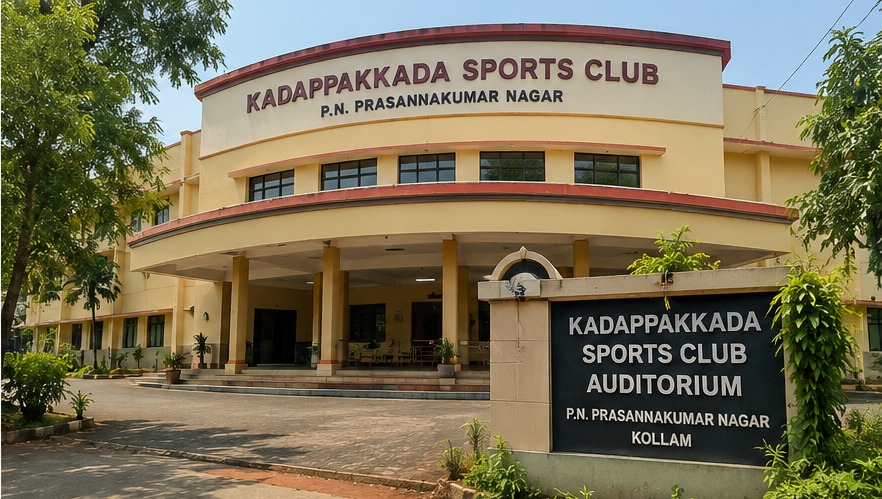
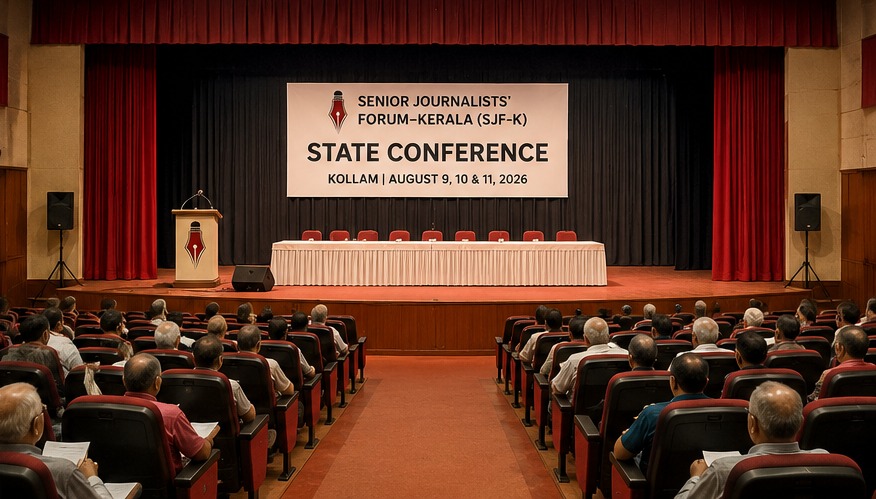
കൊല്ലം: സംസ്ഥാനത്തെ മാധ്യമ പ്രവർത്തകരുടെ പെൻഷൻ വർദ്ധിപ്പിക്കുന്നതിൽ ഉചിതമായ തീരുമാനം ഉടൻ കൈക്കൊള്ളുമെന്ന് മുഖ്യമന്ത്രി വി.ഡി.സതീശൻ. പെൻഷൻ കമ്മിറ്റി ഉടൻ പുനസ്സംഘടിപ്പിക്കുമെന്നും പെൻഷൻ വർദ്ധനയിൽ കമ്മിറ്റിയുടെ നിർദ്ദേശവും പരിഗണിക്കുമെന്നും മുഖ്യമന്ത്രി പറഞ്ഞു. കടപ്പാക്കട സ്പോർട്സ് ക്ളബ്ബ് ഓഡിറ്റോറിയത്തിൽ (പി.എൻ. പ്രസന്നകുമാർ നഗർ ) സീനിയർ ജേണലിസ്റ്റ്സ് ഫോറം 13-ാം സംസ്ഥാന സമ്മേളനം ഉദ്ഘാടനം ചെയ്യുകയായിരുന്നു അദ്ദേഹം.
മാധ്യമ പ്രവർത്തകർക്കായി ചികിത്സാ പദ്ധതി ആവിഷ്കരിക്കാനും സർക്കാർ നടപടി സ്വീകരിക്കും. ഇന്ത്യയിൽ ആദ്യമായി വയോജനങ്ങൾക്കായി പ്രത്യേക വകുപ്പ് ആരംഭിച്ച സർക്കാർ അവരുടെ സംരക്ഷണത്തിന് ആരോഗ്യ പരിരക്ഷ പദ്ധതി നടപ്പാക്കും. മുതിർന്ന മാധ്യമ പ്രവർത്തകരേയും ഈ പദ്ധതിയിൽ ഉൾപ്പെടുത്തും.
പഴയ കാല മാധ്യമ പ്രവർത്തകർ ഞങ്ങളെ പോലുള്ള രാഷ്ടീയ നേതാക്കൾക്ക് വിലപ്പെട്ട മാർഗനിർദ്ദേശം നൽകുന്ന വഴികാട്ടികളായിരുന്നു. പക്ഷേ ഇന്നത്തെ മാധ്യമ പ്രവർത്തനം എങ്ങോട്ടു പോകുന്നു എന്ന് ഗൗരവമായി ചിന്തിക്കേണ്ട കാലമായി. തെറ്റായ വാർത്തകൾ തിരുത്തുകയും ഖേദപ്രകടനം നടത്തുകയും ചെയ്യുന്ന പതിവ് പണ്ടുണ്ടായിരുന്നു. പക്ഷേ ഇന്ന് തിരുത്തുന്നതിനു പകരം വ്യാജ വാർത്ത കൂടുതൽ പൊടിപ്പും തൊങ്ങലും വച്ച് വീണ്ടും വരുന്ന അവസ്ഥയാണുള്ളത്. ആകാശത്തു നിന്ന് വാർത്ത സൃഷ്ടിക്കുന്ന ഈ പ്രവണതയെപ്പറ്റി മാധ്യമ പ്രവർത്തകർ ആത്മ വിമർശനം നടത്തണമെന്നും മുഖ്യമന്ത്രി നിർദ്ദേശിച്ചു.
സീനിയർ ജേർണലിസ്റ്റ്സ് ഫോറം കേരള സംസ്ഥാന പ്രസിഡണ്ട് അലക്സാണ്ടർ സാം അധ്യക്ഷത വഹിച്ചു. സാംസ്കാരിക വകുപ്പ് മന്ത്രി പി.സി. വിഷ്ണുനാഥ്, തൊഴിൽ വകുപ്പ് മന്ത്രി ബിന്ദു കൃഷ്ണ, സ്വാഗതസംഘം ചെയർമാനും കൊല്ലം മേയറുമായ എ.കെ. ഹഫീസ്, ബി.ബി. ഗോപകുമാർ എംഎൽഎ, ജില്ലാ പഞ്ചായത്ത് പ്രസിഡന്റ് ആർ. ലതാ ദേവി, കേരള മീഡിയ അക്കാദമി മുൻ അധ്യക്ഷൻ ആർ.എസ്. ബാബു, ഫോറം ജനറൽ സെക്രട്ടറി കെ.പി. വിജയകുമാർ, കെയു ഡബ്ല്യുജെ സംസ്ഥാന ജനറൽ സെക്രട്ടറി സുരേഷ് എടപ്പാൾ, കൊല്ലം പ്രസ് ക്ലബ്ബ് പ്രസിഡന്റ് ഡി ജയകൃഷ്ണൻ, സ്വാഗതസംഘം ജനറൽ കൺവീനർ എസ്. സുധീശൻ എന്നിവർ പ്രസംഗിച്ചു. സ്കൂൾ വിദ്യാർഥി ഓം കാറിനെ മന്ത്രി പിസി വിഷ്ണുനാഥ് അനുമോദിച്ചു. മുതിർന്ന മാധ്യമപ്രവർത്തകനും എഴുത്തുകാരനുമായ പ്രഭാകരൻ പുത്തൂർ പതാക ഉയർത്തിയതോടെയാണ് സമ്മേളനം ആരംഭിച്ചത്. മാധ്യമ സെമിനാർ മന്ത്രി ബിന്ദു കൃഷ്ണ ഉദ്ഘാടനം ചെയ്തു. എം.ജി. രാധാകൃഷ്ണൻ അധ്യക്ഷനായി. സീനിയർ ജേണലിസ്റ്റ്സ് ഫെഡറേഷൻ ഓഫ് ഇന്ത്യ സെക്രട്ടറി ജനറൽ എൻ.പി. ചെക്കുട്ടി മാധ്യമ തൊഴിൽ സംസ്കാരം എന്ന വിഷയം അവതരിപ്പിച്ചു. സ്റ്റേറ്റ് ഫൈനാൻസ് കമ്മീഷൻ ചെയർമാൻ കെ എൻ ഹരിലാൽ, പി. നന്ദകുമാർ, ആർ ചന്ദ്രശേഖരൻ, സംഗീത മധു, സി. ഗൗരിദാസൻ നായർ, ഡോ. നടക്കൽ ശശി, സി.പി. രാജശേഖരൻ എന്നിവർ പ്രസംഗിച്ചു.
ഇന്നു രാവിലെ ഒമ്പതിന് പ്രതിനിധി സമ്മേളനം കർണാടകത്തിലെ മുതിർന്ന മാധ്യമപ്രവർത്തകരുടെ സംഘടന പ്രസിഡൻ്റ് ആർ.പി. സാംബ സദാശിവ റെഡി ഉദ്ഘാടനം ചെയ്യും. ഉച്ചയ്ക്ക് 12ന് സമാപന സമ്മേളനം പ്രതിപക്ഷ നേതാവ് പിണറായി വിജയൻ ഉദ്ഘാടനം ചെയ്യും. മന്ത്രി പികെ കുഞ്ഞാലിക്കുട്ടി, അഡ്വ. വിഷ്ണു മോഹൻ എംഎൽഎ തുടങ്ങിയവർ പ്രസംഗിക്കും.
Senior Journalists’ Forum Kerala to Hold 13th State Conference in Kollam
NV Paulose, Chairman, Global TV +91 98441 82044
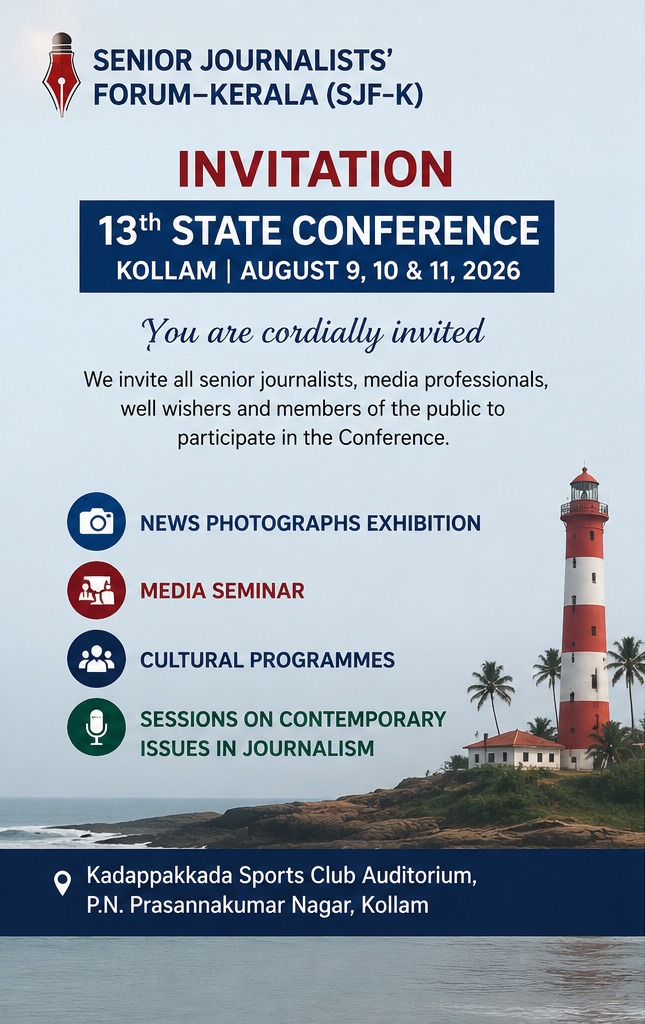
KOLLAM: The 13th State Conference of the Senior Journalists’ Forum–Kerala (SJF-K) will be held at the Kadappakkada Sports Club Auditorium in Kollam from August 9 to 11. The three-day event will feature a special exhibition of news photographs, a media seminar, cultural programmes and sessions focusing on contemporary issues in journalism and the media profession. The highlight of the conference will be an exhibition titled “Views Through the Camera Eye – An Exhibition of News Photographs That Speak.” The exhibition will showcase news photographs that capture important events and moments through the camera lenses of journalists.
The organisers have invited members of the public, journalists and their friends to attend the exhibition, inaugural and concluding sessions, media seminar and cultural programmes. The main programmes will be held on August 10 and 11 at the P.N. Prasannakumar Nagar at the Kadappakkada Sports Club Auditorium. Registration will be held from 2 p.m. to 3 p.m. on August 10, followed by the flag-hoisting ceremony at 3.30 p.m. The inaugural session will begin at 4 p.m.
Kerala Chief Minister V.D. Satheesan will inaugurate the conference. Alexander Sam, president of the Senior Journalists’ Forum–Kerala, will preside over the inaugural session. A.K. Hafeez, Mayor of Kollam and chairman of the reception committee, will deliver the welcome address, while K.P. Vijayakumar, general secretary of the Forum, will propose the vote of thanks. P.C. Vishnunath, K.N. Balagopal MLA, B.B. Gopakumar MLA and R. Lathadevi, president of the Kollam District Panchayat, are among those scheduled to offer felicitations.
A media seminar on “Media Work Culture” will be held at 5.30 p.m. on August 10. The seminar will be moderated by Dr. Nadakkal Sasi, with M.G. Radhakrishnan as moderator and Labour Minister Bindu Krishna as the inaugurator. N.P. Chekkutty, secretary of the Senior Journalists’ Forum of India (SJFI), will make the thematic presentation. K.N. Harilal, chairman of the State Finance Commission; P. Nandakumar, former MLA; R. Chandrasekharan, member of the ILO Governing Body; Sangeetha Madhu of the Kerala Shabdam group; C. Gouridasan Nair, executive member of SJFI; and C.P. Rajasekharan will participate in the seminar.
The day’s programmes will conclude with a Legendary Music Night at 6.30 p.m., led by Pazhayidam Murali. The musical evening will feature evergreen songs as well as newer melodies. The representative session of the conference will be held at 9 a.m. on August 11. K. Sundaresan, state secretary of the Forum, will welcome the delegates, while Alexander Sam will preside. Sandeep Dixit, president of SJFI, will inaugurate the session. M.A. Majeed Rauthar, Kollam district secretary of the Forum, will propose the vote of thanks.
The concluding session will be held at noon. Dr. Udaya Sukumaran, Deputy Mayor of Kollam and vice-chairperson of the reception committee, will deliver the welcome address. R.S. Babu, former chairman of the Kerala Media Academy, will preside. Pinarayi Vijayan, Leader of the Opposition, will inaugurate the concluding session. P.K. Kunhalikutty, Minister for Industries, will be the chief guest. Adv. Vishnu Mohan MLA, P. Ramabhadran, chairman of the Handicrafts Development Corporation, and Forum patrons Dr. Naduvattam Sathyaseelan and A. Madhavan will offer felicitations. The conference is expected to bring together senior journalists and media personalities for discussions on the changing nature of journalism, media work culture and the continuing significance of news photography. The Senior Journalists’ Forum–Kerala has invited journalists, media professionals and the public to participate in the programmes at the Kadappakkada Sports Club Auditorium in Kollam.
Indian-origin vascular surgeon launches innovative golf alignment aids in New York
NV Paulose , Chairman, Global TV +91 98441 82044
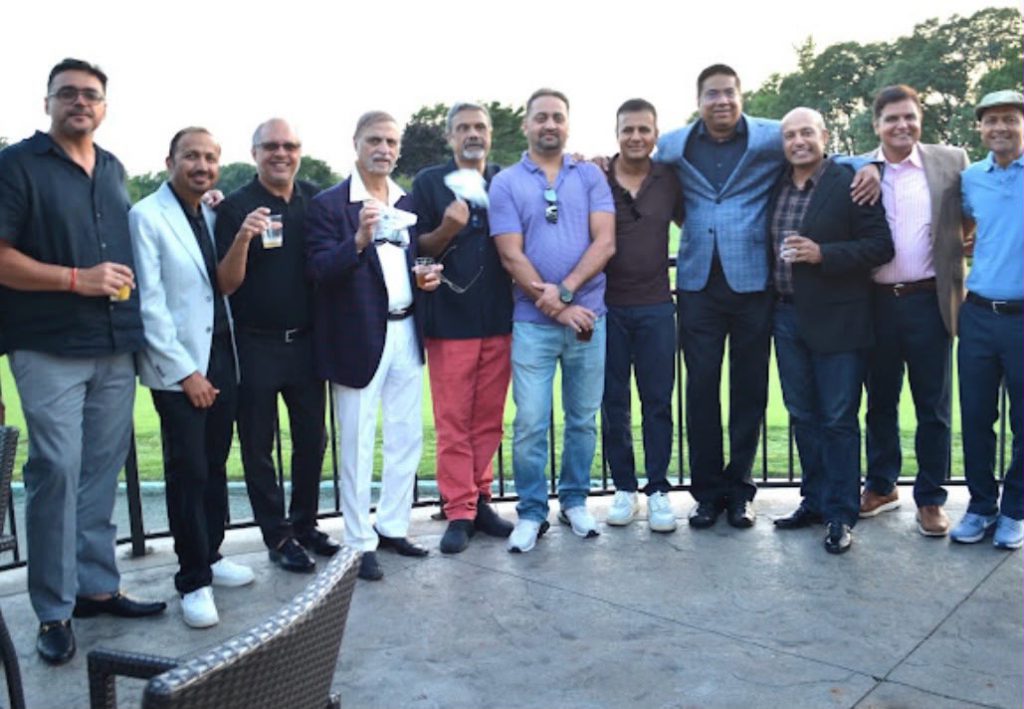
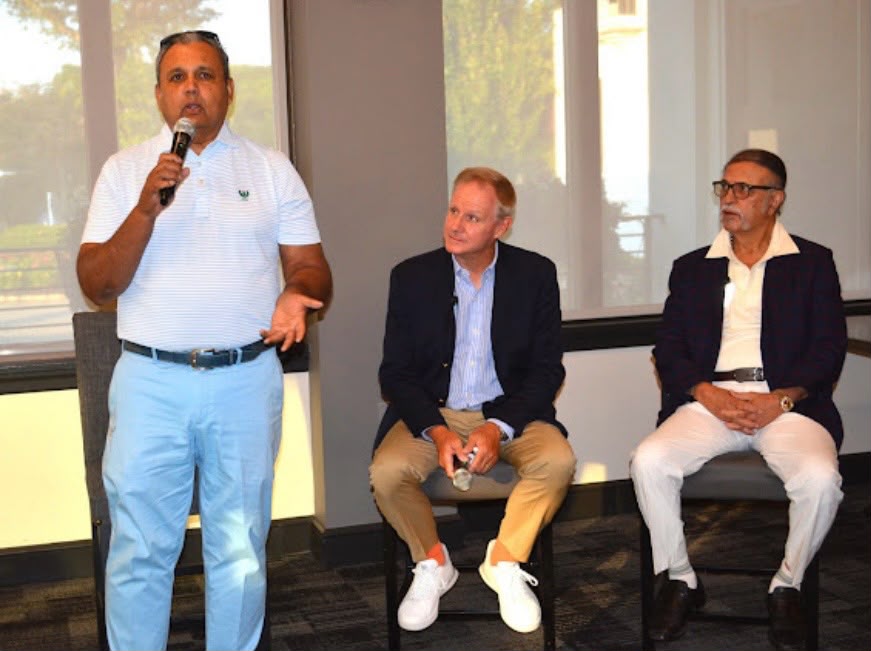
Mangaluru/New York, July 25: Rai’s Super T and Rai’s Device, two golf-alignment aids developed by vascular surgeon, scientist, sportsman and inventor Dr Dinker B Rai, were formally launched at the Village Club of Lake Success in New York on Saturday.
The launch brought together golfers, club members, professionals and members of the community for a presentation centred on improving accuracy and consistency in golf through a more objective approach to alignment.
Alignment is one of the fundamental aspects of golf. Golfers generally identify their target and mentally visualise an imaginary line between the ball and the target before positioning their clubface, feet, shoulders and hips. Dr Rai’s inventions seek to make this otherwise imaginary alignment line visible and easier to reproduce.
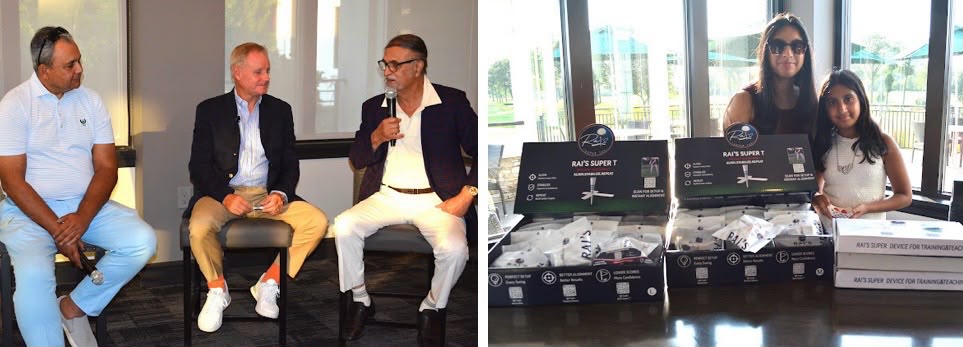
Rai’s Super T is designed as a directional golf tee for use on the course, while Rai’s Device is intended as a training and teaching aid at the driving range. Both use perpendicular directional and alignment limbs to help golfers establish the target line, square the clubface, align the body and develop a repeatable setup and swing path.
A panel discussion formed a key part of the launch programme. Moderated by Rajiv Rudra of RR Golf Academy, the discussion featured Village Club Pro Robi Mistretta and Dr Rai, who spoke about the importance of alignment, the development of the inventions and their potential application for golfers, coaches and students.
The programme also featured instructional and biographical videos demonstrating the use of the products. Professional golfers and experts, including Amandeep Jhol, former CEO of the Professional Golf Tour of India, Adam Laird of North Shore Country Club and Asian Games golf gold medallist Rishi Narain, shared their perspectives on the innovations.
Guests had an opportunity to examine the products and interact with Dr Rai and the event team during the launch.
The event was sponsored by Peter Kumar, president of Gullwing Motor Cars, Astoria, with support from the Village Club of Lake Success and its board. Dr Rai also acknowledged the guidance and encouragement extended by club professional Robi Mistretta during the development of the device.
Dr Rai, who has more than five decades of experience as a vascular surgeon and medical educator, has also been associated with sports and was a former national-level cricketer. His golf inventions grew out of an effort to express alignment through simple geometric principles that can be seen, understood, taught and repeated.
“The purpose is to make alignment visible, objective and repeatable—so the golfer can stand with confidence and concentrate on the swing,” Dr Rai said.
The inventions are currently patent pending. Rai’s Super T is intended for use on the golf course, while Rai’s Device is positioned as a practice-range tool for golfers and instructors.
RBI Principles for Progress of Individuals, Installations and Organisations
NV Paulose , Chairman, Global TV +91 98441 82044
The RBI Principles provide a simple framework for building strong individuals, installations and organisations. Here, R stands for Referral Circles, B stands for Business Circles, and I stands for Inner Circles. The Inner Circle is the foundation of the entire system. People who build their Inner Circle carefully and strengthen it through trust, shared values, commitment and mutual support are like those who build their homes on a rock foundation. When the foundation is strong, challenges can be faced with greater confidence and stability. The Inner Circle should therefore be developed with people who genuinely believe in the purpose, contribute their time and knowledge, and are prepared to stand together during both opportunities and difficulties.
The next layer is the Referral Circle, which can be developed by welcoming and engaging another group of participants who may not yet belong to the Inner Circle. The purpose of this circle is to create connections, introduce new people to opportunities, share information and expand the reach of the initiative. At this stage, the relationship should not be built around an expectation of remuneration or reward. The strength of a Referral Circle comes from goodwill, trust and the willingness to connect people with useful opportunities. As relationships deepen, some members of the Referral Circle may naturally demonstrate greater commitment and responsibility and can gradually be invited into the Inner Circle. In the same way, people from the wider community can be encouraged to participate without pressure, allowing the network to grow organically.
Once the Inner Circle and Referral Circle are firmly established, the Business Circle can prosper immensely. The Business Circle represents the wider network of customers, partners, entrepreneurs, professionals, service providers and economic opportunities connected to the organisation or community. This circle should be monitored carefully so that relationships remain healthy, productive and aligned with the larger purpose. At the same time, the movement between circles should remain open: a person who begins in the Business Circle may demonstrate exceptional commitment and can be upgraded into the Referral Circle or eventually the Inner Circle. In this way, the RBI model becomes a living system of growth—the Inner Circle provides the foundation, the Referral Circle expands the network, and the Business Circle creates opportunities and prosperity. When these three circles work together with discipline and trust, individuals become stronger, installations become more effective, and organisations become capable of sustained progress.
ROTARY CLUB OF ORGAN DONATION INTERNATIONAL ATTENDS SOTTO KARNATAKA EXECUTIVE COMMITTEE MEETING
Bengaluru, 3 August 2026: Rtn Lal Goel, Founder & Charter President of the Rotary Club of Organ Donation International and Chairman of the Organ Donation India Foundation and GYAN, attended the Executive Committee Meeting of the State Organ & Tissue Transplant Organisation (SOTTO) Karnataka and Jeevasarthakathe at the office of the Hon’ble Minister for Health & Family Welfare, Government of Karnataka.
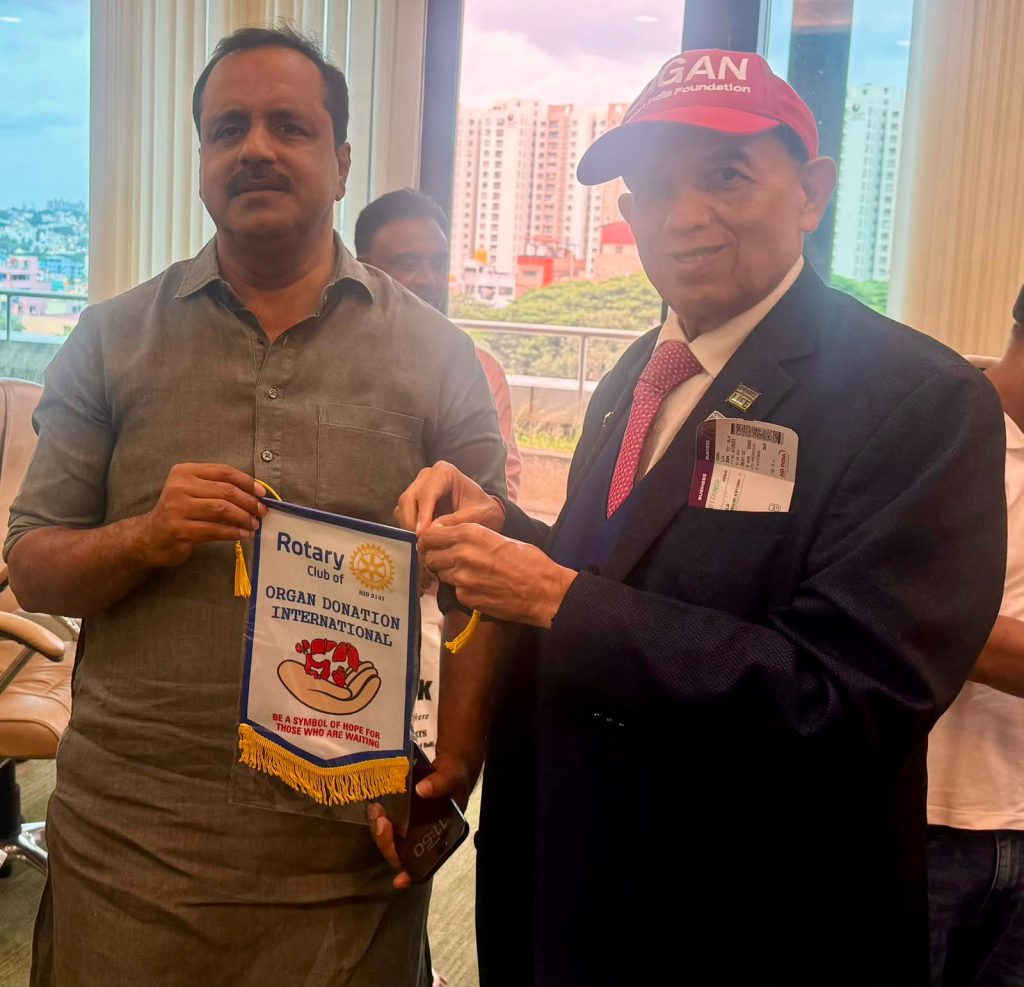
Rtn Lal Goel presenting the Rotary’s flag to the Hon’ble Minister of Health & Family Welfare, Government of Karnataka, Mr U T Khader
The meeting was attended by senior officials from the Department of Health & Family Welfare, SOTTO Karnataka, Jeevasarthakathe, and other key stakeholders involved in organ donation and transplantation.
During the meeting, Rtn Lal Goel stressed that every Revenue District Headquarters in Karnataka should have at least one Organ Retrieval Centre. He explained that strengthening the state’s organ retrieval infrastructure would significantly improve access to deceased organ donation and substantially increase the organ donation rate across Karnataka.
As a mark of Rotary’s commitment to humanitarian service, Rtn Lal Goel presented the Rotary Flag to the Hon’ble Minister, symbolising Rotary’s unwavering dedication to “Service Above Self” and its continued support for advancing organ donation awareness and saving lives.
Appreciating the suggestions, the Hon’ble Minister requested Rtn Lal Goel to prepare and submit a comprehensive roadmap outlining strategic measures to enhance organ donation and transplantation in Karnataka.
Dr. Oommen Mammen, Principal Chief Editor, Global TV – Keralam +91 96336 78896
Education is rapidly evolving, yet access to quality teaching remains uneven. Students often travel long distances for coaching, institutions struggle to recruit expert faculty, and many talented teachers are unable to reach learners beyond their local communities. Advances in digital technology now make it possible to bridge these gaps through a new educational model.
The proposed Cinematic Learning Centre (CLC) is an innovative, technology-enabled learning ecosystem that combines the impact of a classroom, the experience of a digital theatre, and the flexibility of online education. It creates a network of physical learning centres where students can attend professionally delivered classes on large interactive screens while engaging with expert faculty through live sessions and interactive discussions. Rather than replacing teachers, this model extends their reach and brings quality education closer to students.
The Cinematic Learning Centre Concept
A Cinematic Learning Centre is designed as a modern learning hub equipped with large display screens or projection systems, high-speed internet, quality audio systems, interactive communication tools, and comfortable seating for students. The environment provides an engaging educational experience that is far more effective than conventional online learning. Students gather at the centre to participate in scheduled classes delivered by experienced educators. Lessons may be presented live, recorded in advance, or offered through a combination of both, ensuring flexibility while maintaining academic quality.
Live Teaching Combined with Recorded Excellence | Initial Academic Focus
One of the strongest features of this model is the integration of professionally recorded lessons with live interaction. Core lessons can be recorded using high production standards, allowing the best educators to teach thousands of students across multiple locations. Following each lesson, students participate in live question-and-answer sessions where they interact directly with faculty members. This blended approach ensures consistent teaching quality while preserving the personal engagement that students value. The model also allows classes to be repeated, revised, or accessed later for reinforcement, improving learning outcomes.
The first phase of implementation should concentrate on subjects where students consistently seek additional academic support, particularly Physics, Chemistry, Mathematics, and Science.
Once the model is established, it can expand into higher education, including Engineering, postgraduate studies, Statistics, Data Science, Artificial Intelligence, Quantum Technologies, and other specialised disciplines. Professional certification programmes, competitive examination coaching, skill development courses, and lifelong learning initiatives can also become part of the platform.
A Scalable Learning Network | Franchise and Investment Model
Each learning centre can comfortably accommodate approximately fifty students for an interactive session. Where demand exceeds capacity, additional batches or parallel sessions can be conducted using separate links or faculty members. This modular approach enables unlimited expansion while maintaining meaningful interaction between students and instructors. Instead of constructing large campuses, educational services can be replicated efficiently through a network of standardised centres. The Cinematic Learning Centre operates on a franchise or partnership model.
Each centre requires a relatively modest investment, estimated at approximately ₹2 to ₹4 lakh, depending on the scale and quality of infrastructure. The investment covers essential facilities such as large display screens or projection systems, computers and networking equipment, high-speed internet connectivity, audio and video systems, student seating, furniture, and a well-planned interior. Compared with establishing a conventional educational institution, this investment is considerably lower while offering significant opportunities for expansion.
Content and Operational Support | Revenue Sharing
The central organisation develops and supplies the academic content, manages technology platforms, provides faculty support, coordinates scheduling, and ensures consistent quality standards across all centres. Local franchise partners focus on operating the centres, managing students, maintaining facilities, and promoting admissions within their communities. This clear division of responsibilities allows each partner to concentrate on its strengths while maintaining uniform educational standards. Students register for courses and pay their fees in advance according to the programme structure.
Revenue generated through enrolments is shared between the operating centre and the central organisation. One possible arrangement is sixty percent for the operating centre and forty percent for the central organisation. Another option is sixty-five percent for the operating centre and thirty-five percent for the central organisation. The final structure can be determined after evaluating operational costs, technology investments, content development, and marketing requirements.
Beyond Academic Education | Marketing and Expansion Strategy
Although the initial focus is on school and college education, the Cinematic Learning Centre is designed as a multipurpose digital knowledge platform. The same infrastructure can support professional development programmes, teacher training, corporate learning, government awareness programmes, workshops, seminars, entrepreneurship training, career guidance, skill development courses, and cultural or creative learning initiatives. This flexibility allows each centre to remain active throughout the year while serving learners from different age groups and professional backgrounds. Growth of the network will rely primarily on digital marketing supported by local outreach and institutional partnerships.
Social media campaigns, educational webinars, student success stories, demonstrations, and collaborations with schools, colleges, and community organisations can create awareness and attract learners. Professional associations, educators, and respected senior professionals can also contribute by promoting the initiative within their networks. The model is designed to expand systematically from selected pilot centres to district headquarters, major cities, state capitals, and eventually to communities across India.
Education in Multiple Languages | Institutional Collaboration
India’s linguistic diversity presents an opportunity rather than a challenge. Educational content can be produced in multiple Indian languages, enabling students to learn in the language they understand best. This approach significantly expands the reach of the platform and allows quality education to become accessible across regions with different linguistic backgrounds. Universities, educational institutions, government agencies, and industry partners can become strategic collaborators in developing the Cinematic Learning Centre network.
Partnerships may include curriculum delivery, certification programmes, faculty participation, research collaborations, and specialised training initiatives. Such collaborations enhance credibility while ensuring that programmes remain relevant to academic and industry needs.
The Road Ahead
The immediate priority is to prepare a comprehensive project proposal detailing the infrastructure requirements, technology architecture, academic framework, investment model, operational guidelines, revenue sharing arrangements, marketing strategy, and phased expansion plan. Pilot centres should be established to validate the concept, refine operational processes, and demonstrate educational outcomes. Lessons learned from the pilot phase can then guide expansion into a nationwide network. The Cinematic Learning Centre represents more than a new tuition model. It is a scalable educational ecosystem that combines technology, expert teaching, and local accessibility.
By integrating professionally produced learning content with real-time interaction, affordable infrastructure, and a sustainable partnership model, it has the potential to transform the way education is delivered. With careful planning, strong partnerships, and a commitment to quality, this initiative can create a nationwide network of technology-enabled learning centres that brings excellent education within reach of every learner, regardless of location.