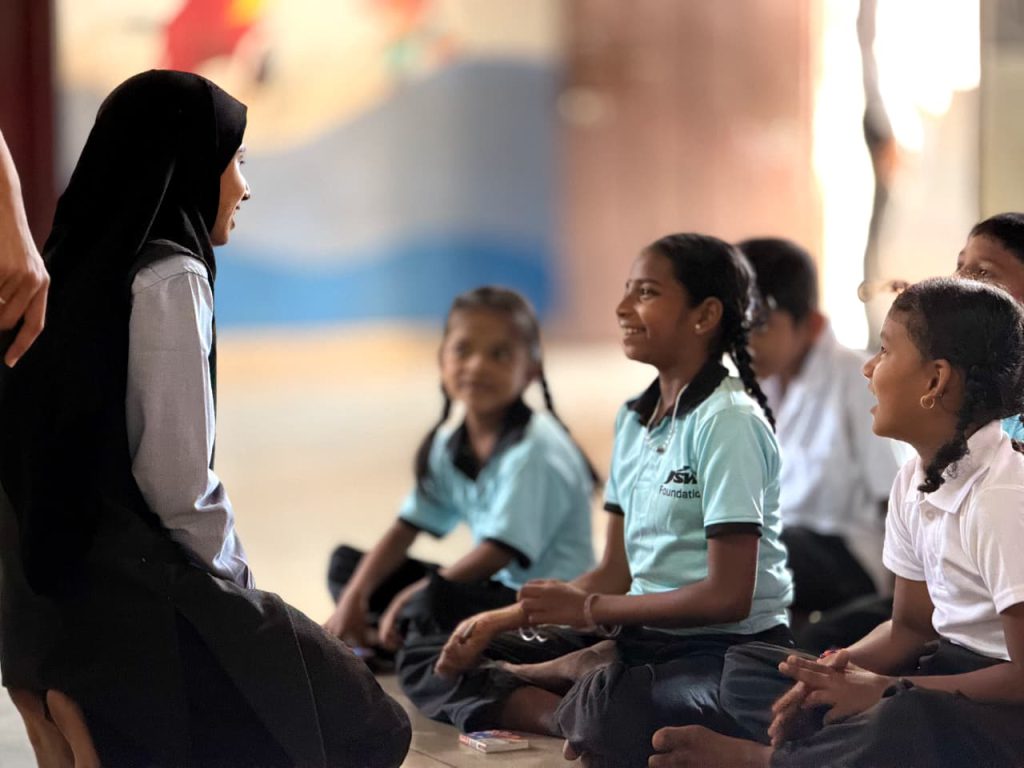
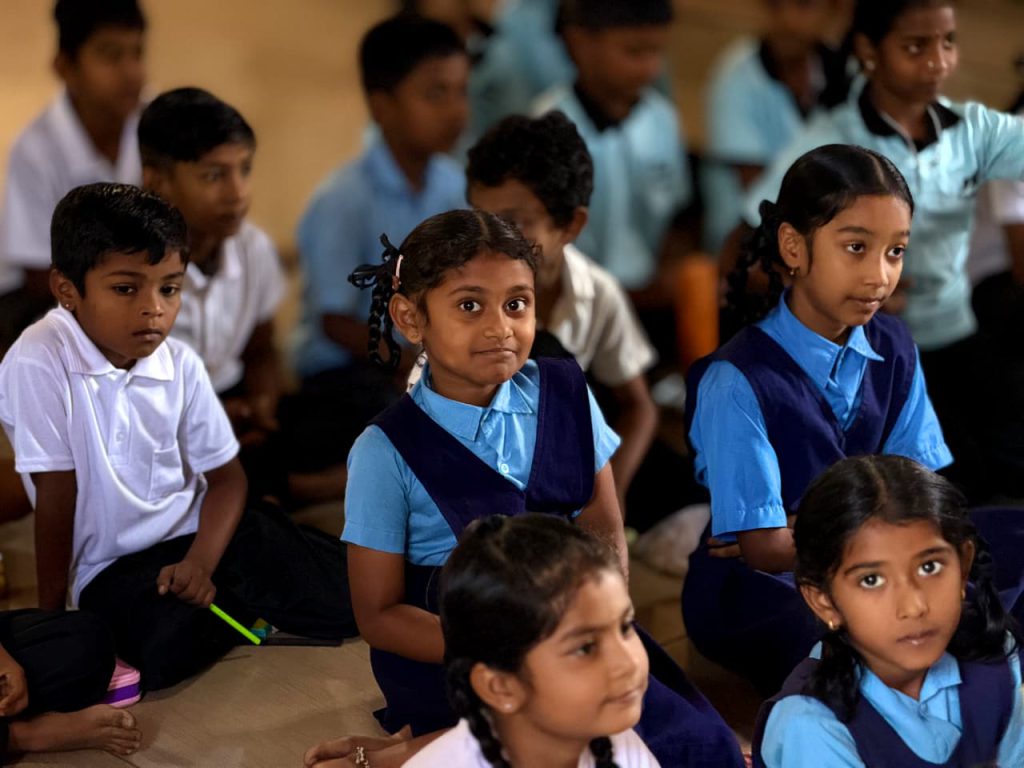
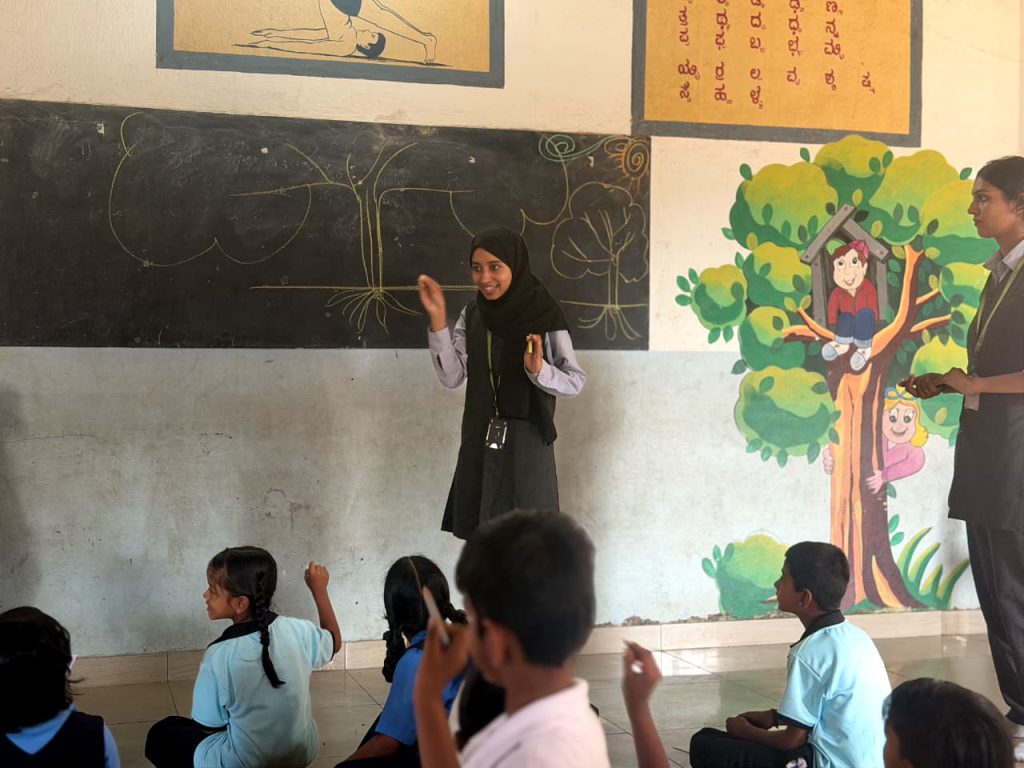
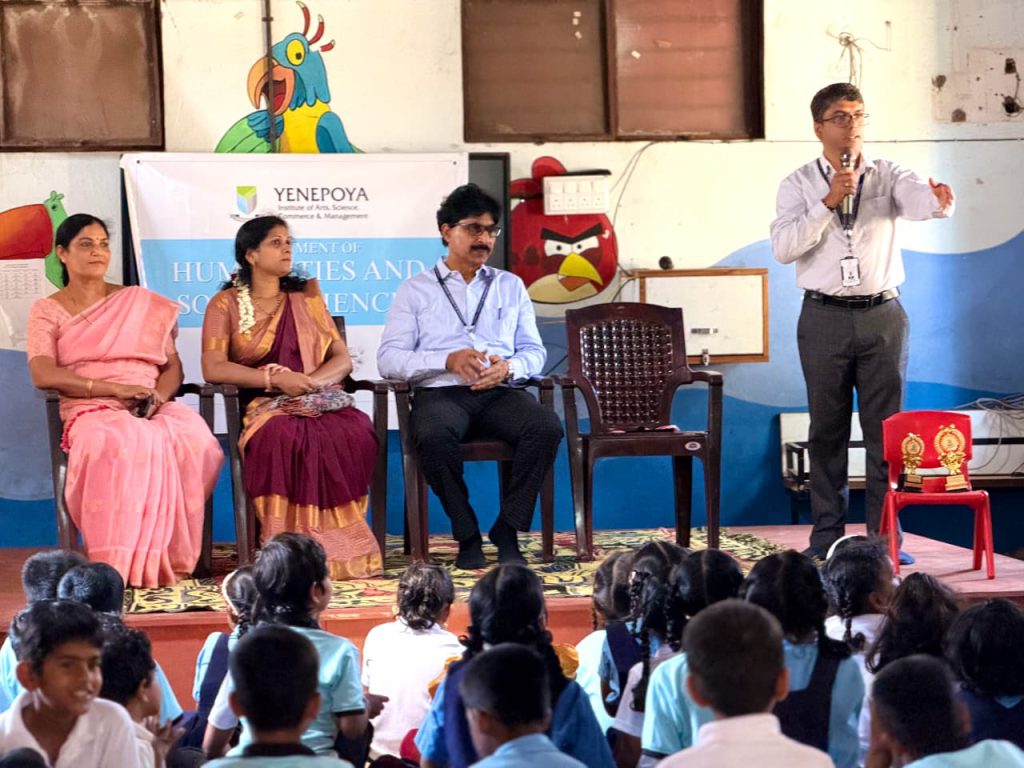
A total of 33 students of Grade II enthusiastically participated in the workshop.
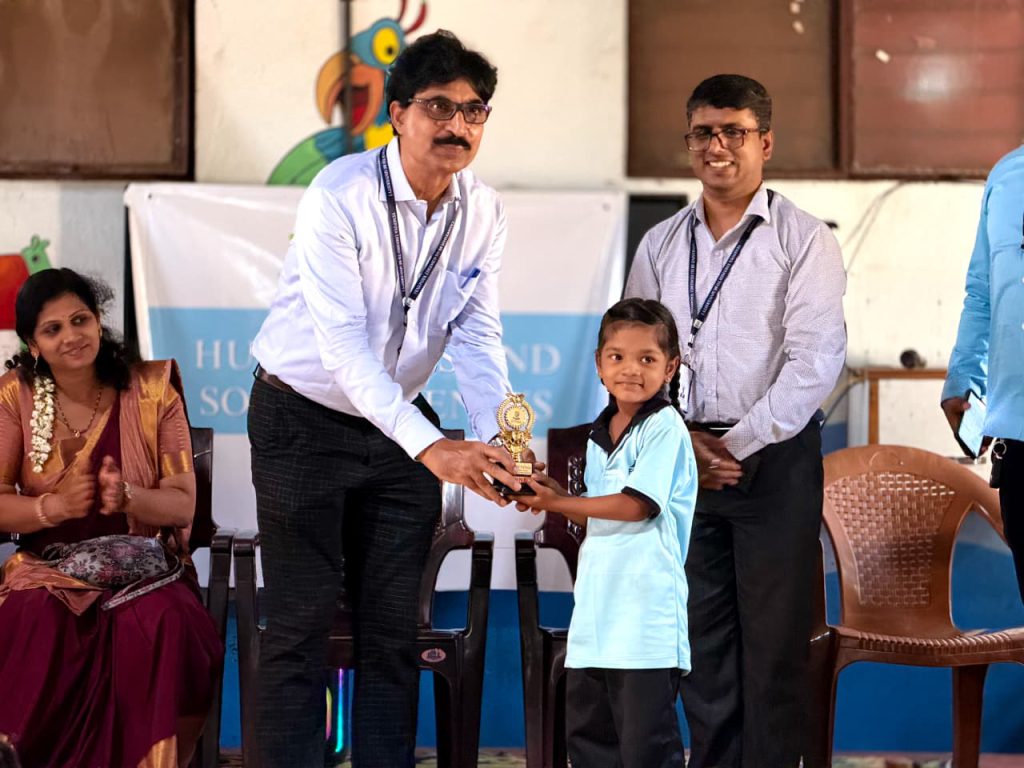
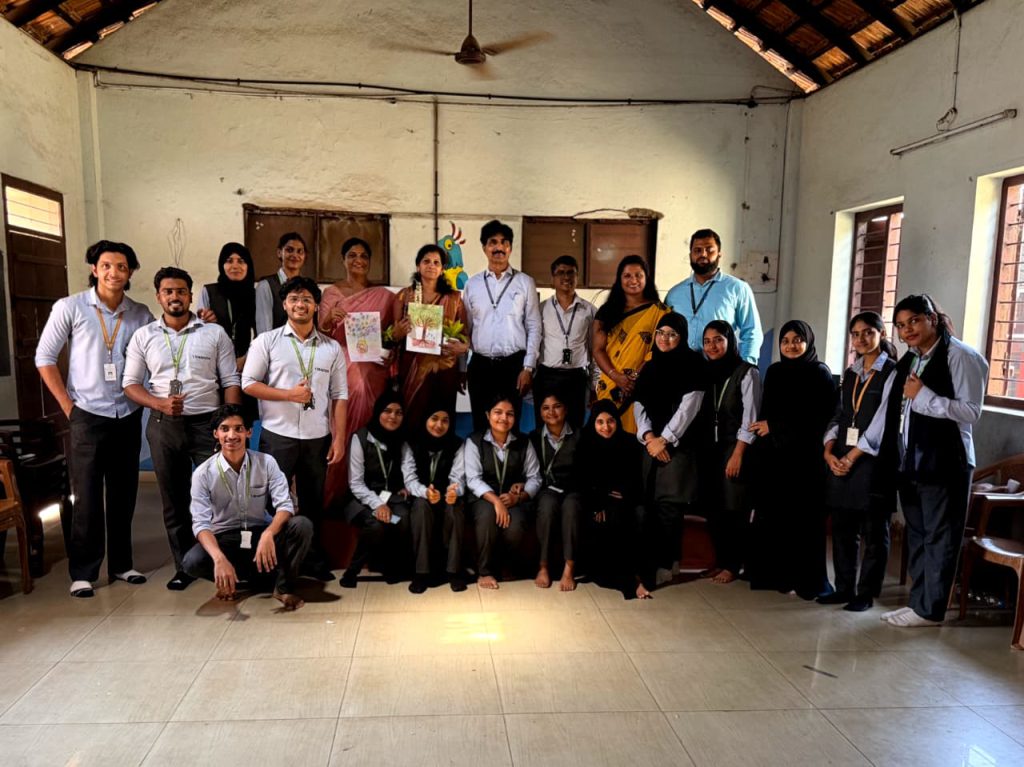
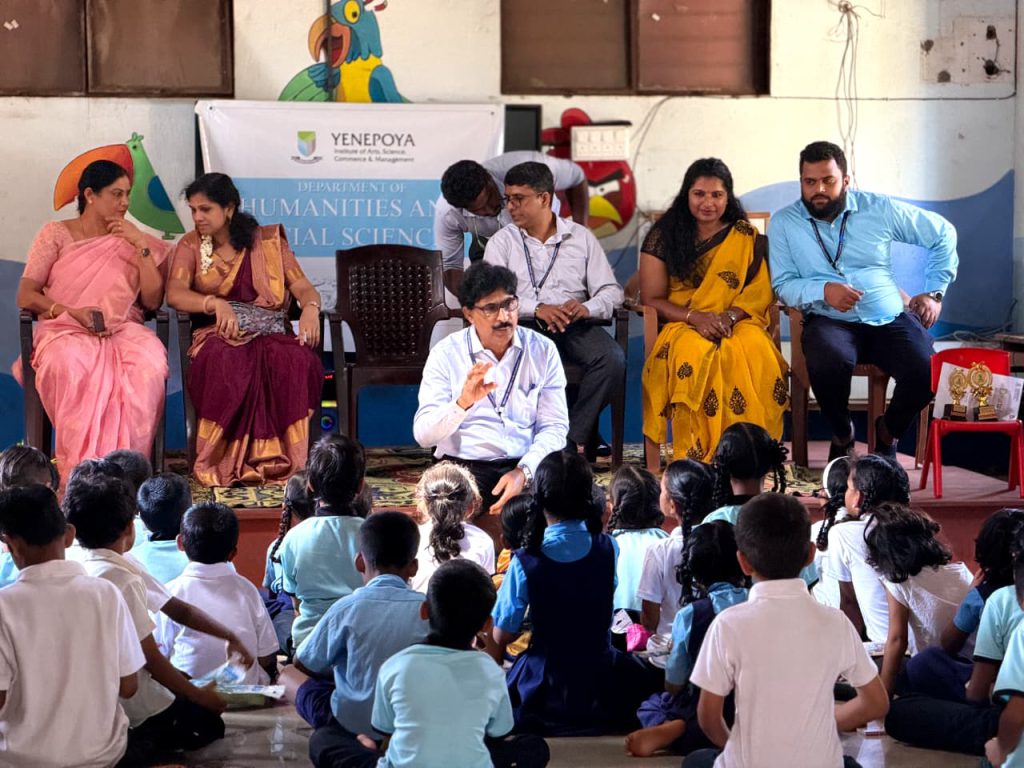
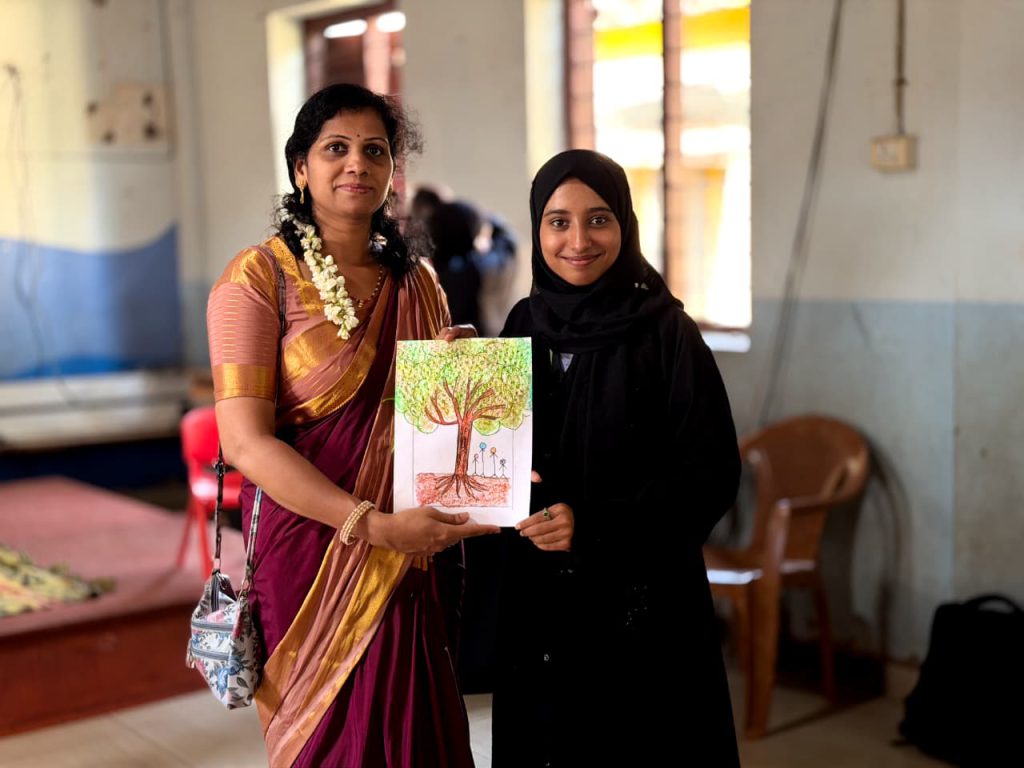
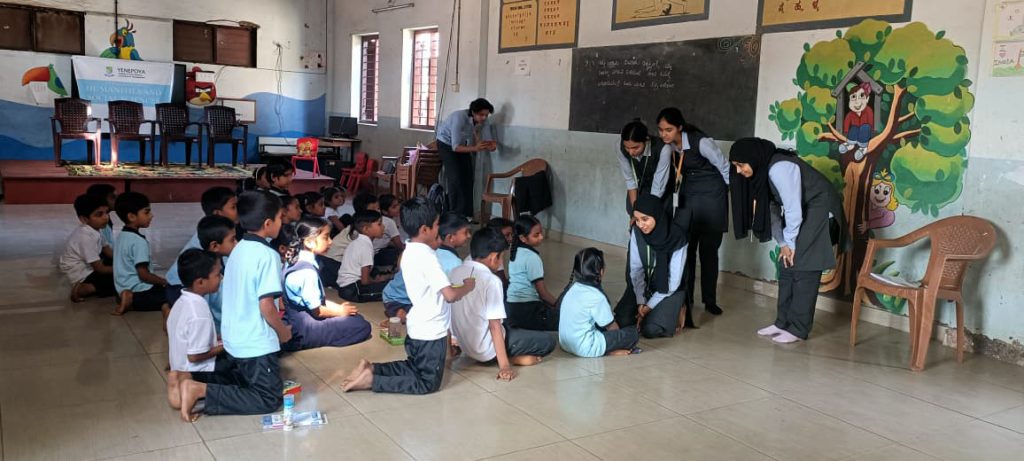
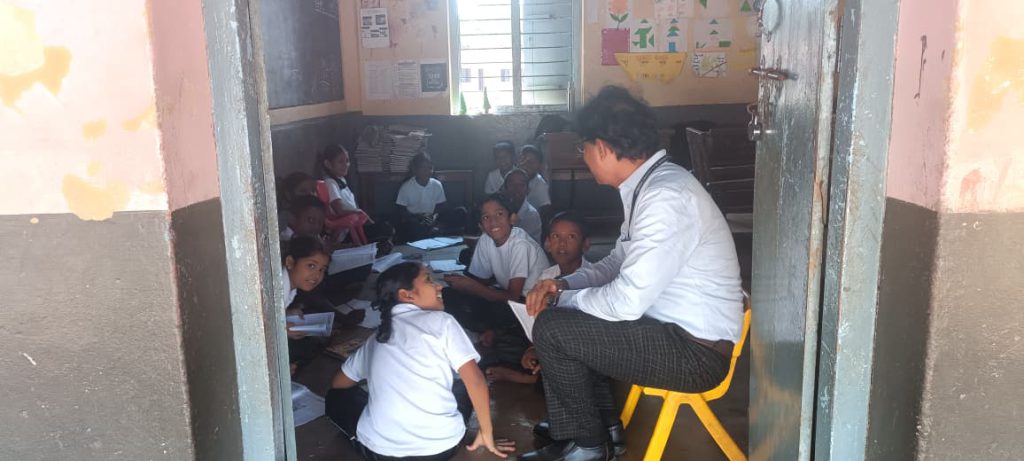
The Department of Humanities and Social Sciences organised a Drawing Workshop and Competition on 14th February 2026 at Govt. Primary School, Vidyanagar, Panjimogaru, as part of its extension activity and experiential learning initiative under the Event Management component of the Advertising and Public Relations course.
The programme was graced by Ms. Yashodha Acharya (SDMC President), Ms. Vani (School Principal), Dr. Vasanth Kumar (Head, Department of Humanities and Social Sciences), Dr. Deekshitha Prashanth (BA Class Advisor), and Mr. Sagar Shetty.
The event was coordinated by Mr. Srinivasa Pejathaya (Programme Coordinator) along with student coordinators Mr. Thamseer and Rashad Usman.
BA Design students Shivani, Sumaiya, Likhitha and Nafeesa conducted the workshop meaningfully, guiding the children through creative activities, while final-year BA students actively engaged and managed the event.
As part of their academic requirement in Event Management, students handled planning, coordination, logistics, sponsorship and execution of the programme, gaining valuable hands-on experience. Stationery kits, crayons, and sweets were distributed to all participants, and trophies were awarded to the Winner and Runner-up.
The initiative successfully blended community outreach with experiential learning, fostering creativity among young learners while strengthening practical event management skills among students.
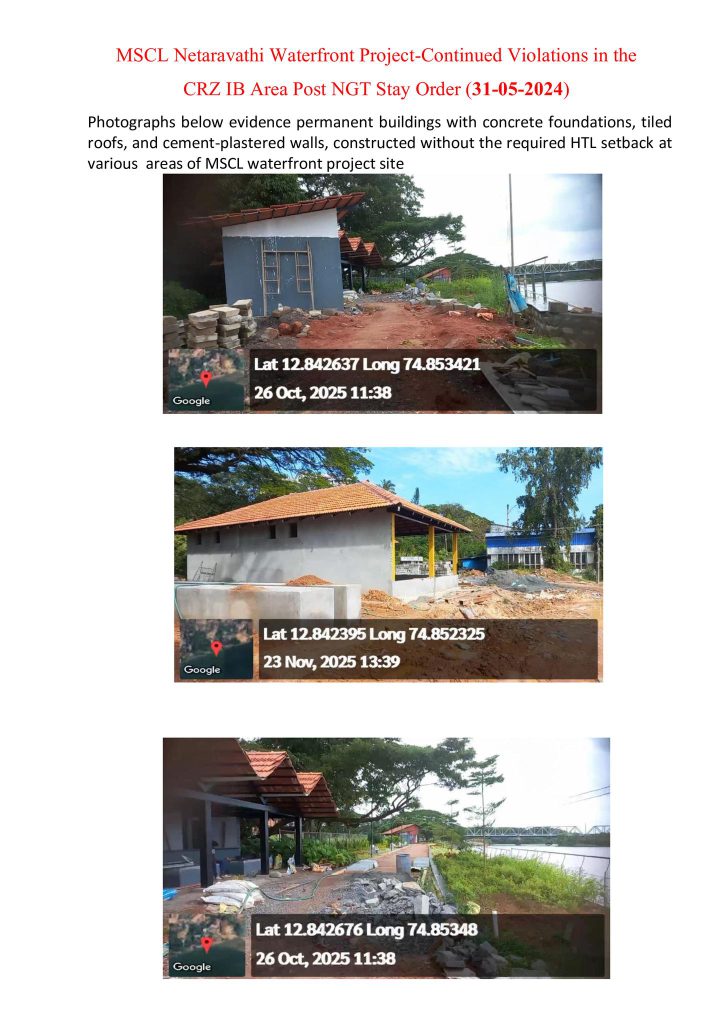
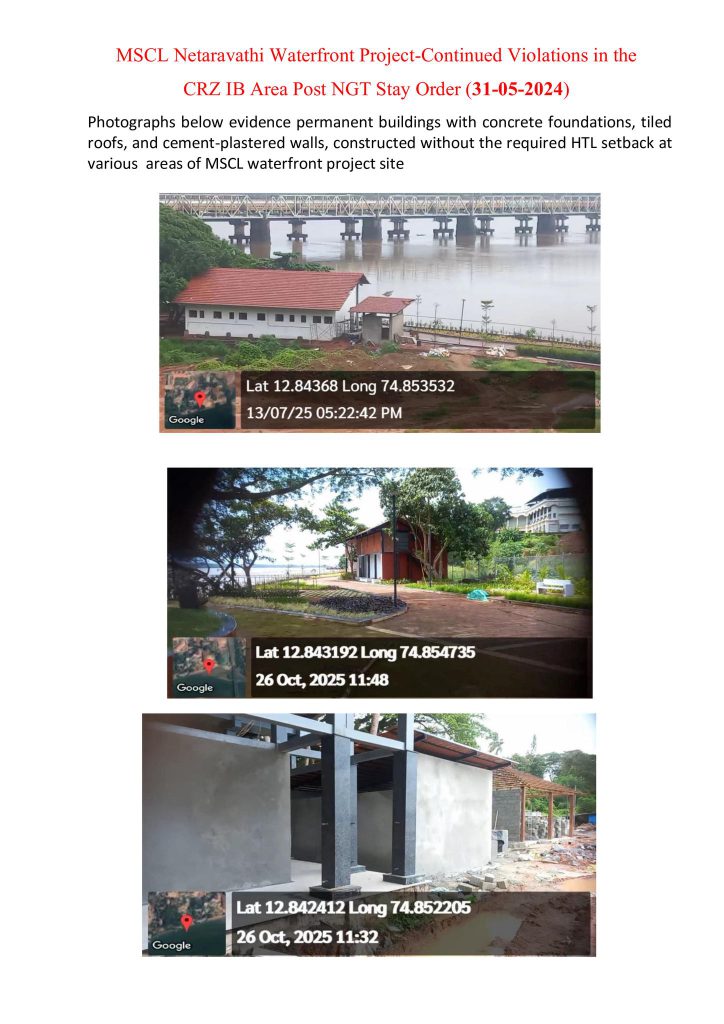
Serious Violation of CRZ NOC Conditions in Netravathi Riverfront Project?
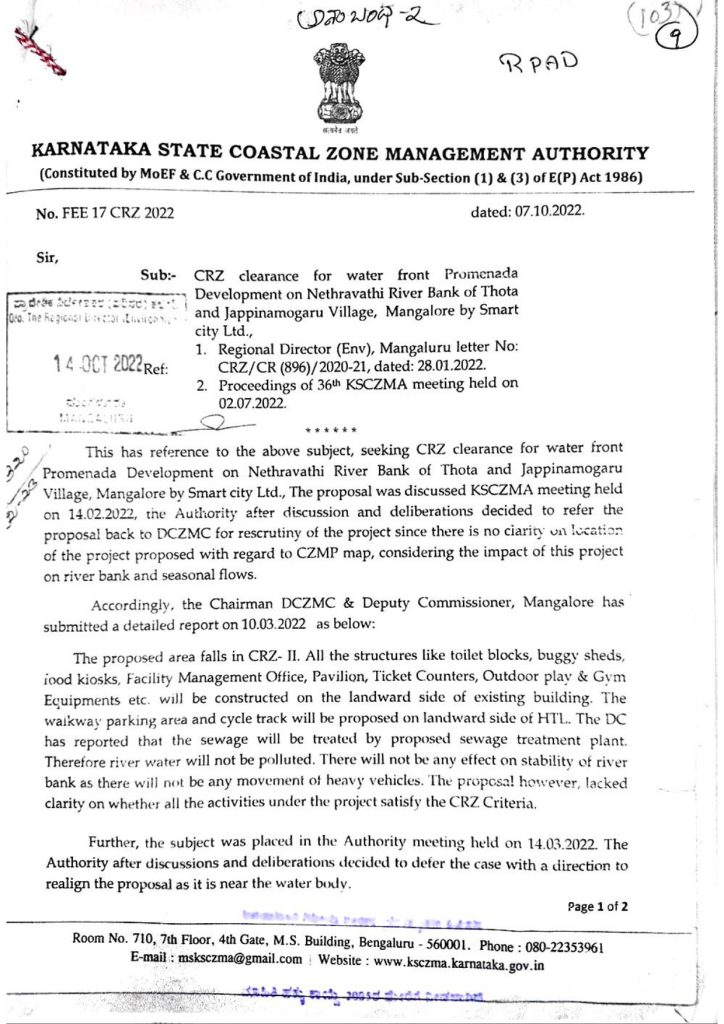
The No Objection Certificate (NOC) dated 07-10-2022 (Ref No. FEE 17 CRZ 2022) issued by the Karnataka State Coastal Zone Management Authority to Mangalore Smart City Limited for the Netravathi Riverfront Promenade Project clearly states a crucial condition:
No permanent structures / concrete structures shall be constructed.
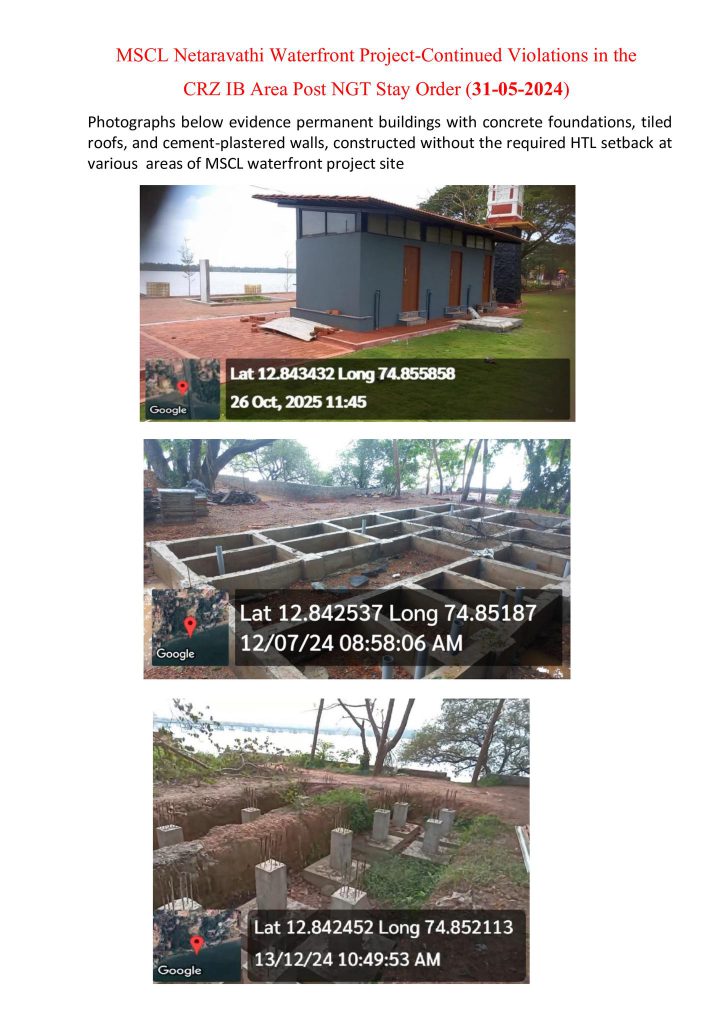
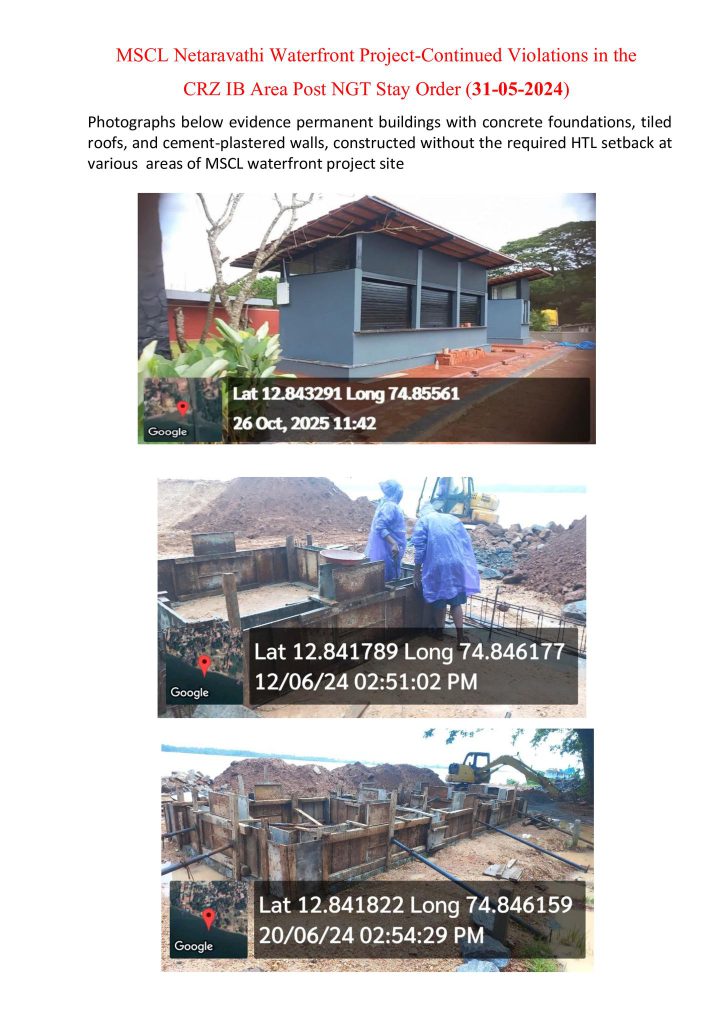
However, on the ground, what do we see?
Concrete buildings
Office structures
Toilet blocks
Buggy sheds
Food kiosks
Ticket counters
Retaining walls
If these constructions are indeed permanent concrete structures, they appear to be in direct violation of the explicit condition imposed in the NOC.
The riverfront belongs to the people. Coastal Regulation Zone (CRZ) permissions are not mere formalities — they are meant to protect fragile coastal ecosystems and prevent irreversible environmental damage.
This raises serious questions:
• Was the condition of the NOC ignored?
• Who monitored compliance?
• Has the Karnataka State Coastal Zone Management Authority inspected the site?
• Will accountability be fixed for violation of CRZ norms?
Development cannot come at the cost of environmental law.
Citizens deserve transparency. Authorities must clarify whether the project complies with the NOC conditions or explain how such permanent constructions were permitted.
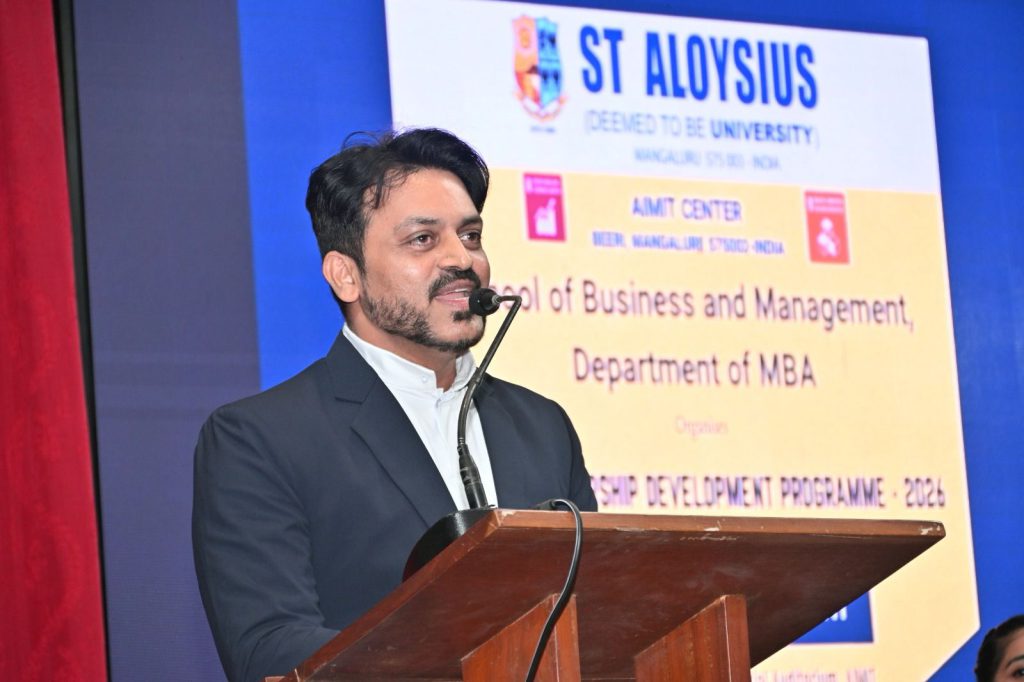
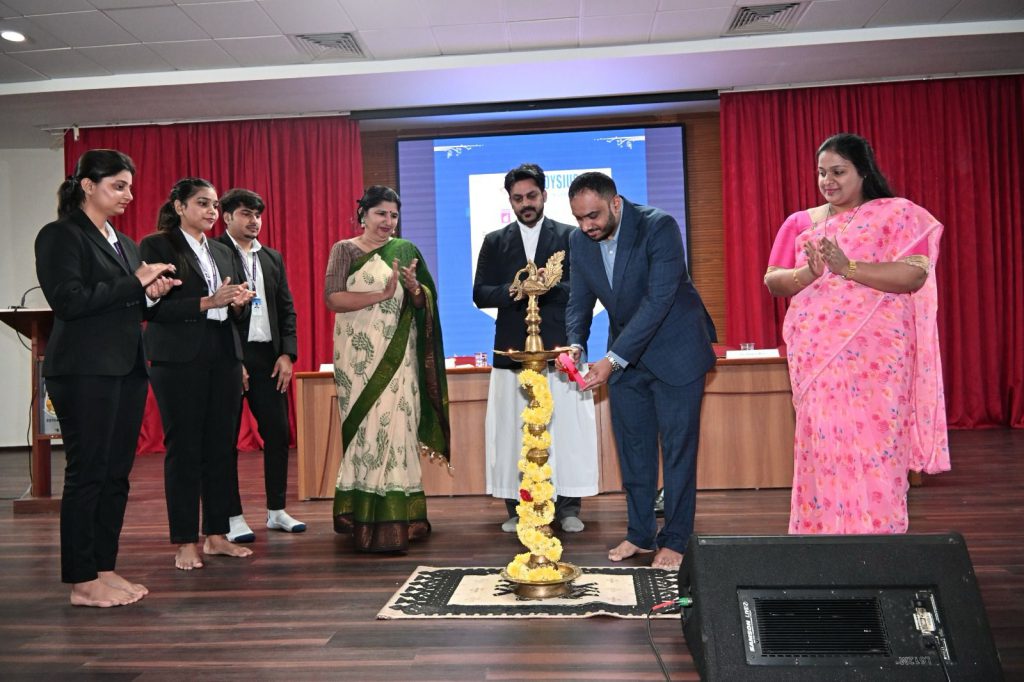
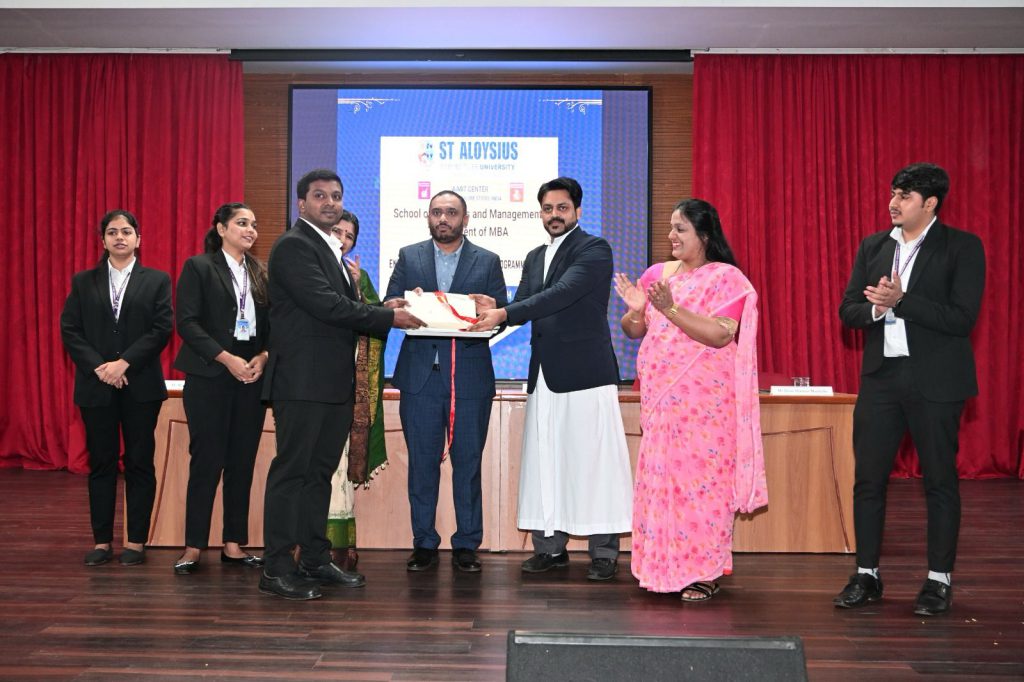
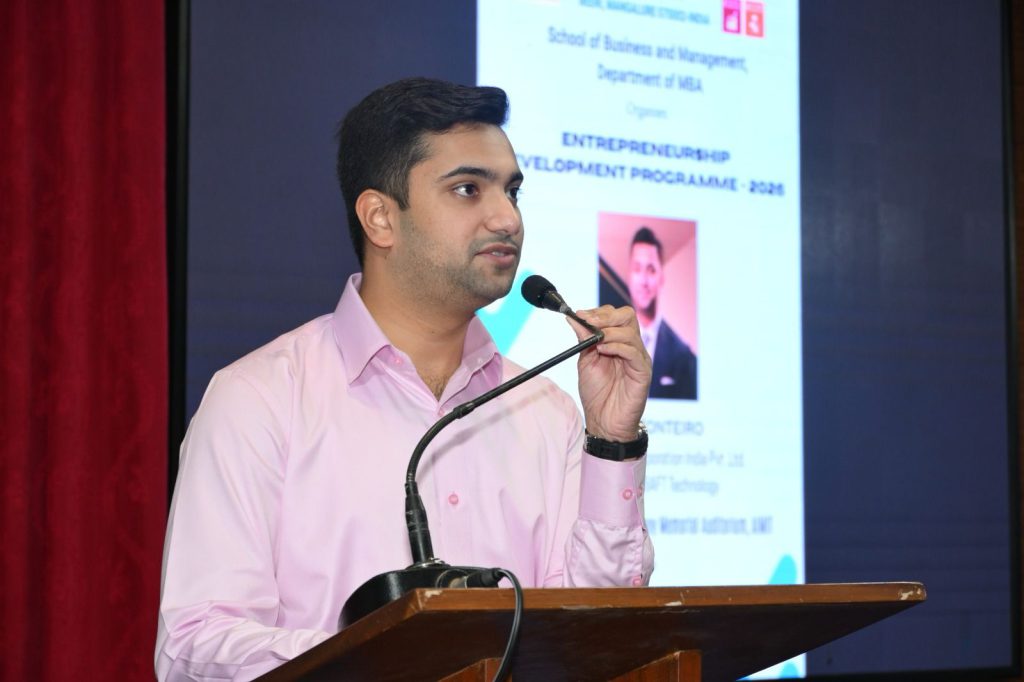
Mangaluru, Feb 10: The School of Business & Management, Department of MBA, St Aloysius (Deemed to be University), successfully organized the Entrepreneurship Development Programme (EDP) – 2026 on February 10 at the Arthur Shenoy Memorial Auditorium, AIMIT. The full-day event, held from 9:00 a.m. to 4:15 p.m., brought together eminent industry leaders, faculty, and aspiring student entrepreneurs for an engaging exchange of ideas and experiences.
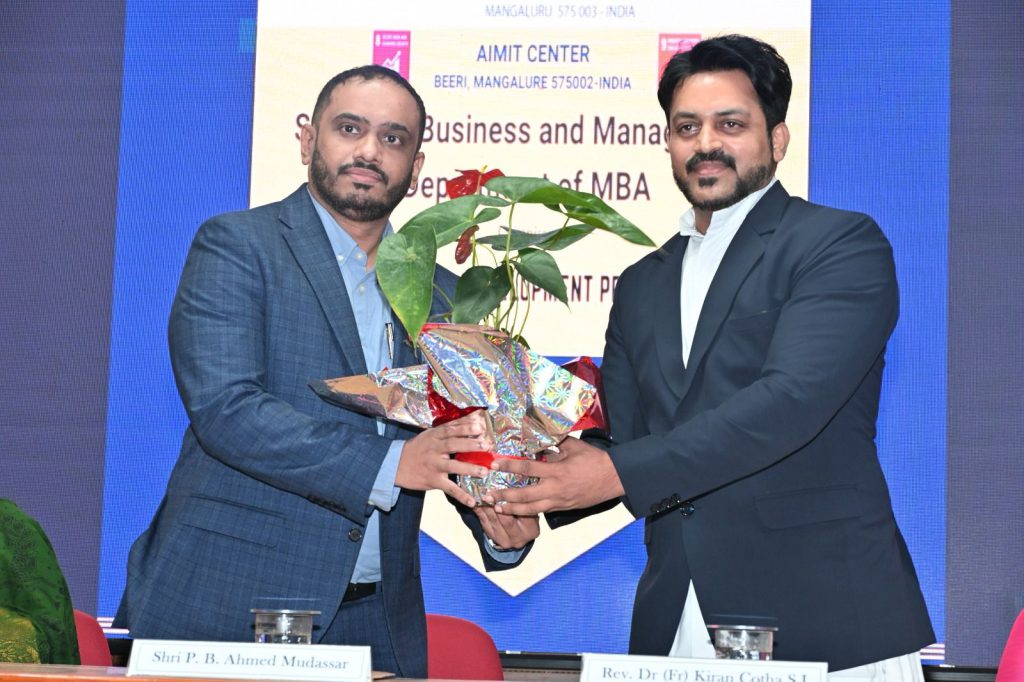
The inaugural session began with the traditional lighting of the lamp. Sri P. B. Ahmed Mudassar, President of KCCI, graced the occasion as Chief Guest and delivered the Special Address. Rev. Dr. Fr. Kiran Cotha SJ, Director of AIMIT, offered the Presidential Address, while Dean Dr. Rajani Suresh, presented a Bird’s Eye View of the programme. Dr. Swapna Rose Faculty Coordinator of the EDP and of the Starting a Business course offered by Santa Clara University, California, played a pivotal role in curating the event.
Adding youthful energy and precision to the proceedings, Student Coordinators Riona Teresa Trindade and Jilson Hanson Machado anchored the inaugural session with the Welcome Address and Vote of Thanks respectively. Their coordination ensured smooth execution of the day’s events. The programme was compered with grace by Renisha Lobo.
The technical sessions featured inspiring entrepreneurial journeys shared by:
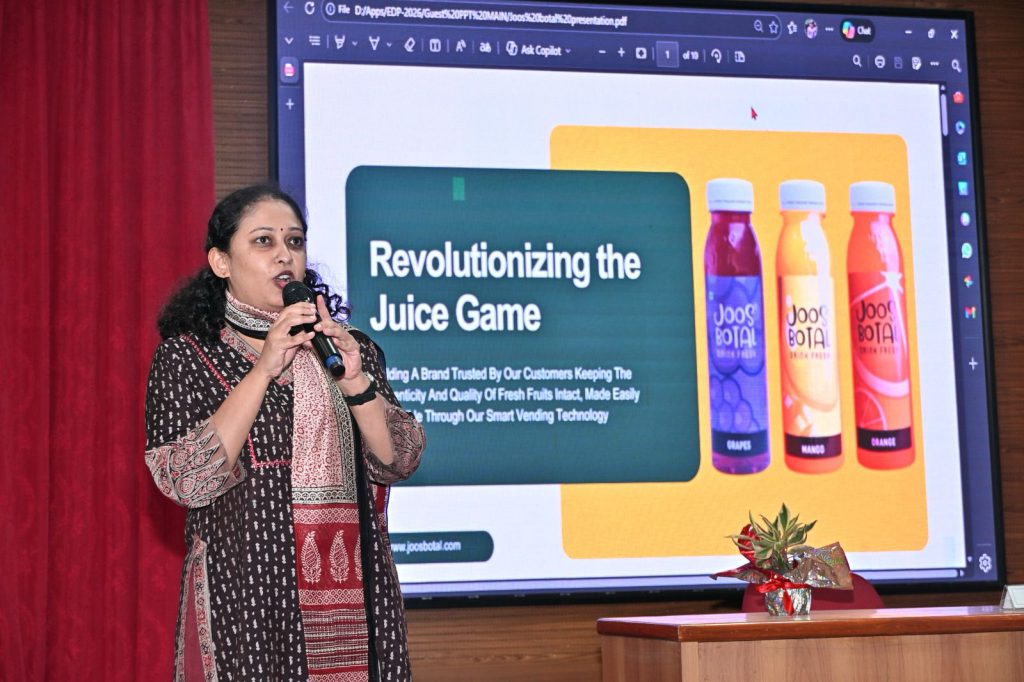
Ms. Preethi Nayak, Founder of Joos Botal
Mr. Ajay Prabhu Managing Director of KVP Business Solutions
Mr. Dion Monteiro, Director of Rohan Corporation India Pvt. Ltd. and Co-Founder of BAFT Technology
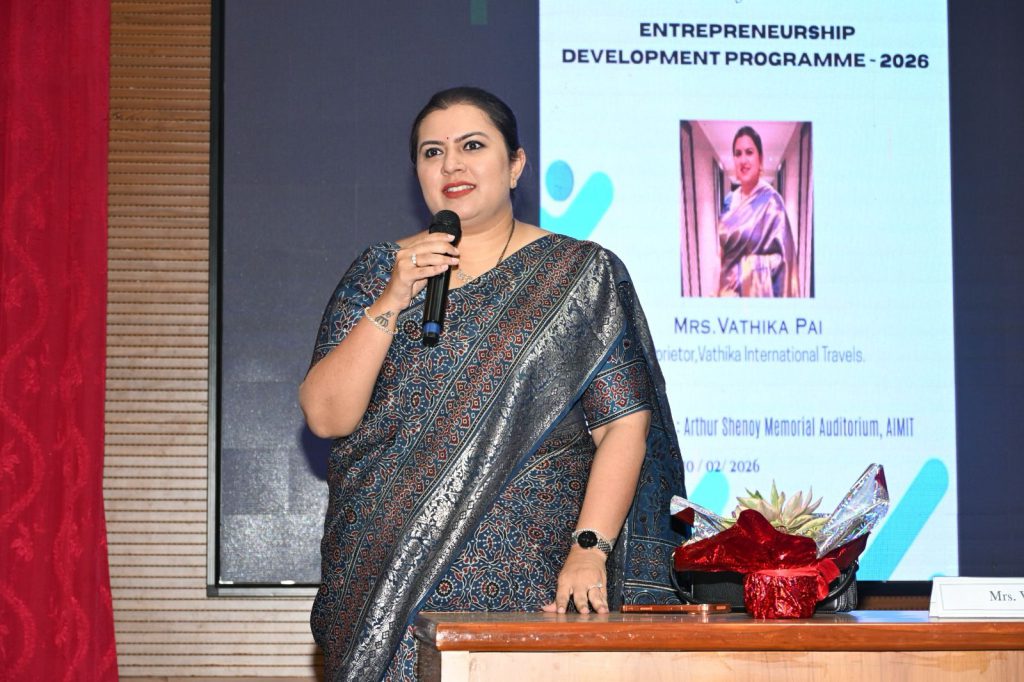
The concluding interactive session, ‘Mentorpitch – Where Young Ideas Meet a Wise Mind’ was led by Mrs. Vathika Pai, Proprietor of Vathika International Travels. Student entrepreneurs Thobismon Thomas, Joel Pinto, Aishwarya Francis, Manoj Kumar, Gwen D’Souza, Mohammed Taiseer, and Akash MJ presented their ventures and received constructive feedback.
The programme concluded on an inspiring note, leaving participants motivated to pursue their entrepreneurial aspirations with renewed confidence. The active involvement of student coordinators and entrepreneurs underscored the spirit of collaboration and innovation that defines AIMIT’s academic culture.
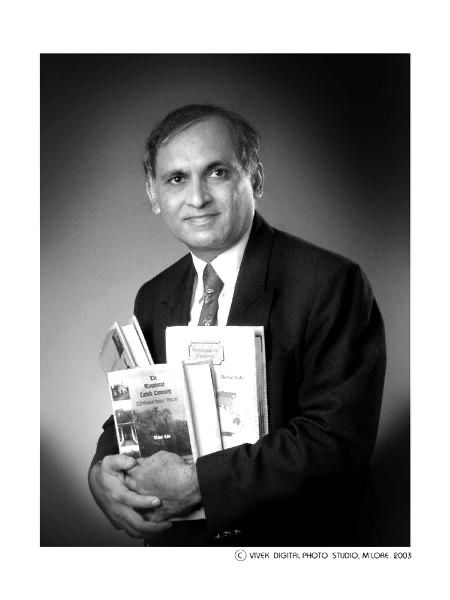
Dr Michael Lobo Writer, genealogist, Historian Camelot Bejai Church Road Mangalore – 575004 Tel:0824 2212349 Cell: 9844112364 13th Feb, 2026
Golden Couples Reunion to Celebrate 50 Years of Married Life
Dr Michael Lobo is organising a special Golden Couples Reunion to honour couples who have completed fifty years of married life. The event will be held on 14th February at 5 pm at Camelot, Bejai Church Road, Mangalore.
The reunion aims to recognise and celebrate the enduring bonds of love, commitment, and mutual understanding that have stood the test of time. It will bring together Golden Jubilee couples along with their families for an evening of gratitude, reminiscence, and celebration. Around 30 golden couples are expected to participate.
The programme will include a formal felicitation ceremony for the Golden Couples, sharing of memories, cultural presentations, and moments of thanksgiving. The gathering seeks not only to honour these inspiring couples but also to highlight the timeless values of companionship, patience, and family life that continue to guide future generations.
Dr Michael Lobo
ಡಾ. ಮೈಕೆಲ್ ಲೋಬೊ ಬರಹಗಾರರು, ವಂಶಾವಳಿ ತಜ್ಞರು, ಇತಿಹಾಸಕಾರರು ಕ್ಯಾಮಲಾಟ್, ಬಿಜೈ ಚರ್ಚ್ ರಸ್ತೆ , ಮಂಗಳೂರು – 575004_ ದೂರವಾಣಿ: 0824 2212349 ಮೊಬೈಲ್: 9844112364 ದಿನಾಂಕ: 13 ಫೆಬ್ರವರಿ, 2026
ಪತ್ರಿಕಾ ಪ್ರಕಟಣೆ
ವೈವಾಹಿಕ ಜೀವನದ 50 ವರ್ಷಗಳ ಸಂಭ್ರಮ: ‘ಗೋಲ್ಡನ್ ಕಪಲ್ಸ್’ ಪುನರ್ಮಿಲನ
ಮಂಗಳೂರಿನ ಬಿಜೈ ಚರ್ಚ್ ರಸ್ತೆಯ ‘ಕ್ಯಾಮಲಾಟ್’ನಲ್ಲಿ ಫೆಬ್ರವರಿ 14 ರಂದು ಸಂಜೆ 5 ಗಂಟೆಗೆ, ವಿವಾಹ ಜೀವನದ ಐವತ್ತು ವರ್ಷಗಳನ್ನು ಪೂರೈಸಿದ ದಂಪತಿಗಳಿಗಾಗಿ ಡಾ. ಮೈಕೆಲ್ ಲೋಬೊ ಅವರು ವಿಶೇಷ ‘ಗೋಲ್ಡನ್ ಕಪಲ್ಸ್’ (ಸುವರ್ಣ ದಂಪತಿಗಳು) ಪುನರ್ಮಿಲನ ಕಾರ್ಯಕ್ರಮವನ್ನು ಆಯೋಜಿಸಿದ್ದಾರೆ.
ಕಾಲದ ಪರೀಕ್ಷೆಯನ್ನು ಯಶಸ್ವಿಯಾಗಿ ಎದುರಿಸಿ, ಪ್ರೀತಿ, ಬದ್ಧತೆ ಮತ್ತು ಪರಸ್ಪರ ತಿಳುವಳಿಕೆಯೊಂದಿಗೆ ದೀರ್ಘಕಾಲದ ದಾಂಪತ್ಯ ಜೀವನ ನಡೆಸುತ್ತಿರುವ ದಂಪತಿಗಳನ್ನು ಗೌರವಿಸುವುದು ಈ ಕಾರ್ಯಕ್ರಮದ ಮುಖ್ಯ ಉದ್ದೇಶವಾಗಿದೆ. ಈ ಸಂಭ್ರಮದ ಸಂಜೆ ಸುಮಾರು 30 ಸುವರ್ಣ ದಂಪತಿಗಳು ತಮ್ಮ ಕುಟುಂಬದವರೊಂದಿಗೆ ಭಾಗವಹಿಸಿ, ಹಳೆಯ ನೆನಪುಗಳನ್ನು ಮೆಲುಕು ಹಾಕಲಿದ್ದಾರೆ. ಕಾರ್ಯಕ್ರಮವು ಸುವರ್ಣ ದಂಪತಿಗಳಿಗೆ ಔಪಚಾರಿಕ ಸನ್ಮಾನ, ನೆನಪುಗಳ ಹಂಚಿಕೆ, ಸಾಂಸ್ಕೃತಿಕ ಪ್ರಸ್ತುತಿಗಳು ಮತ್ತು ವಂದನಾರ್ಪಣೆಯನ್ನು ಒಳಗೊಂಡಿರುತ್ತದೆ. ಈ ಸಮಾವೇಶವು ಕೇವಲ ಸ್ಫೂರ್ತಿದಾಯಕ ದಂಪತಿಗಳನ್ನು ಗೌರವಿಸುವುದು ಮಾತ್ರವಲ್ಲದೆ, ಮುಂದಿನ ಪೀಳಿಗೆಗೆ ಮಾರ್ಗದರ್ಶಕವಾಗಿರುವ ಒಡನಾಟ, ತಾಳ್ಮೆ ಮತ್ತು ಕೌಟುಂಬಿಕ ಮೌಲ್ಯಗಳನ್ನು ತೋರಿಸುವ ಗುರಿಯನ್ನು ಹೊಂದಿದೆ.
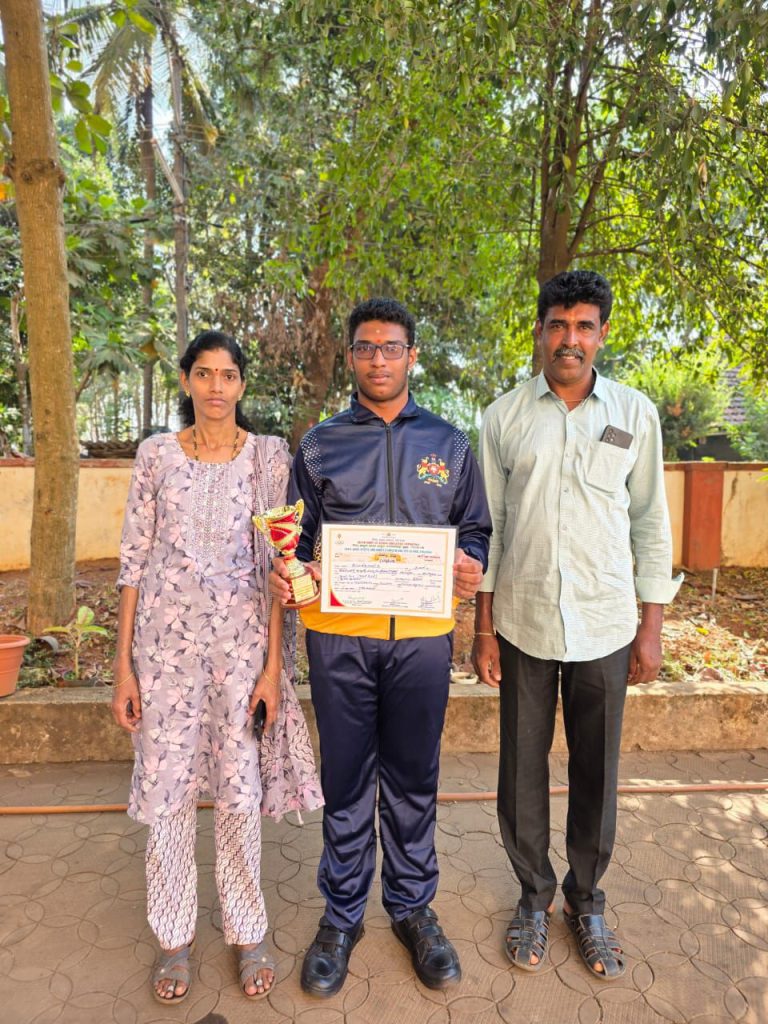
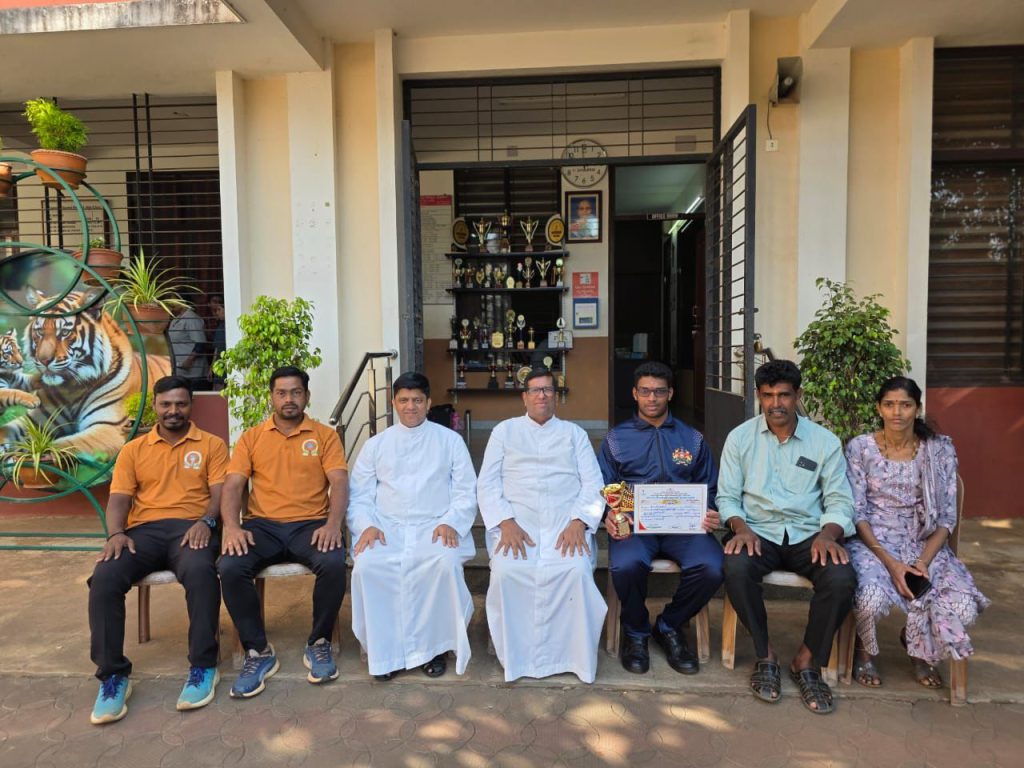
ರಾಷ್ಟ್ರೀಯ ಮಟ್ಟದ ವಿಶೇಷ ಮಕ್ಕಳ ಅಥ್ಲೆಟಿಕ್ ಸ್ಪರ್ಧೆಗೆ ಮಂಗಳೂರು ಸೆಂಟ್ ಲಾರೆನ್ಸ್ ಇಂಗ್ಲಿಷ್ ಮೀಡಿಯಂ ಶಾಲೆ, ಬೊಂದೇಲ್ನ ವಿದ್ಯಾರ್ಥಿ ಆಯ್ಕೆ
ಮಂಗಳೂರಿನ ಸೆಂಟ್ ಲಾರೆನ್ಸ್ ಇಂಗ್ಲಿಷ್ ಮೀಡಿಯಂ ಶಾಲೆ, ಬೊಂದೇಲ್ನ ವಿದ್ಯಾರ್ಥಿ ಶ್ರೇಯಸ್ ಕುಮಾರ್ ಕೆ ರಾಜ್ಯ ಮಟ್ಟದ ವಿಶೇಷ ಮಕ್ಕಳ ಅಥ್ಲೆಟಿಕ್ ಸ್ಪರ್ಧೆಯಲ್ಲಿ ಸಾಧನೆ ಮಾಡಿ ಶಾಲೆ ಹಾಗೂ ಕುಟುಂಬಕ್ಕೆ ಹೆಮ್ಮೆ ತಂದಿದ್ದಾನೆ. ಬೆಂಗಳೂರಿನ ರಾಮನಗರದಲ್ಲಿ ನಡೆದ ಈ ಸ್ಪರ್ಧೆಯಲ್ಲಿ ಶ್ರೇಯಸ್ ಶಾಟ್ಪುಟ್ ಮತ್ತು ಜಾವೆಲಿನ್ ಎಸೆತ ಸ್ಪರ್ಧೆಗಳಲ್ಲಿ ಭಾಗವಹಿಸಿ, ಶಾಟ್ಪುಟ್ನಲ್ಲಿ ಪ್ರಥಮ ಸ್ಥಾನ ಪಡೆದು ರಾಷ್ಟ್ರೀಯ ಮಟ್ಟದ ಸ್ಪರ್ಧೆಗೆ ಆಯ್ಕೆಯಾಗಿದ್ದಾನೆ.
ಶ್ರೇಯಸ್ ಅವರು ಶ್ರೀ ಪ್ರವೀಣ್ ಕುಮಾರ್ ಹಾಗೂ ಶ್ರೀಮತಿ ಕವಿತಾ ಜೆಕೆ ಅವರ ಪುತ್ರ. ಅವರ ತಂಗಿ ರಿಷಿಕಾ ಪಿ, ಯುಕೆಜಿ ತರಗತಿಯಲ್ಲಿ ವಿದ್ಯಾಭ್ಯಾಸ ಮಾಡುತ್ತಿದ್ದಾಳೆ.
ಶಾಲೆಯ ಆಡಳಿತ ಮಂಡಳಿ, ಶಿಕ್ಷಕರು ಮತ್ತು ಹಿತೈಷಿಗಳು ಶ್ರೇಯಸ್ ಅವರ ಈ ಸಾಧನೆಗೆ ಅಭಿನಂದನೆ ಸಲ್ಲಿಸಿ, ರಾಷ್ಟ್ರೀಯ ಮಟ್ಟದ ಸ್ಪರ್ಧೆಯಲ್ಲಿ ಹೆಚ್ಚಿನ ಯಶಸ್ಸು ಸಾಧಿಸಲಿ ಎಂದು ಹಾರೈಸಿದ್ದಾರೆ.
Student from St. Lawrence English Medium School, Bondel, Mangaluru Selected for National-Level Special Children’s Athletics Competition
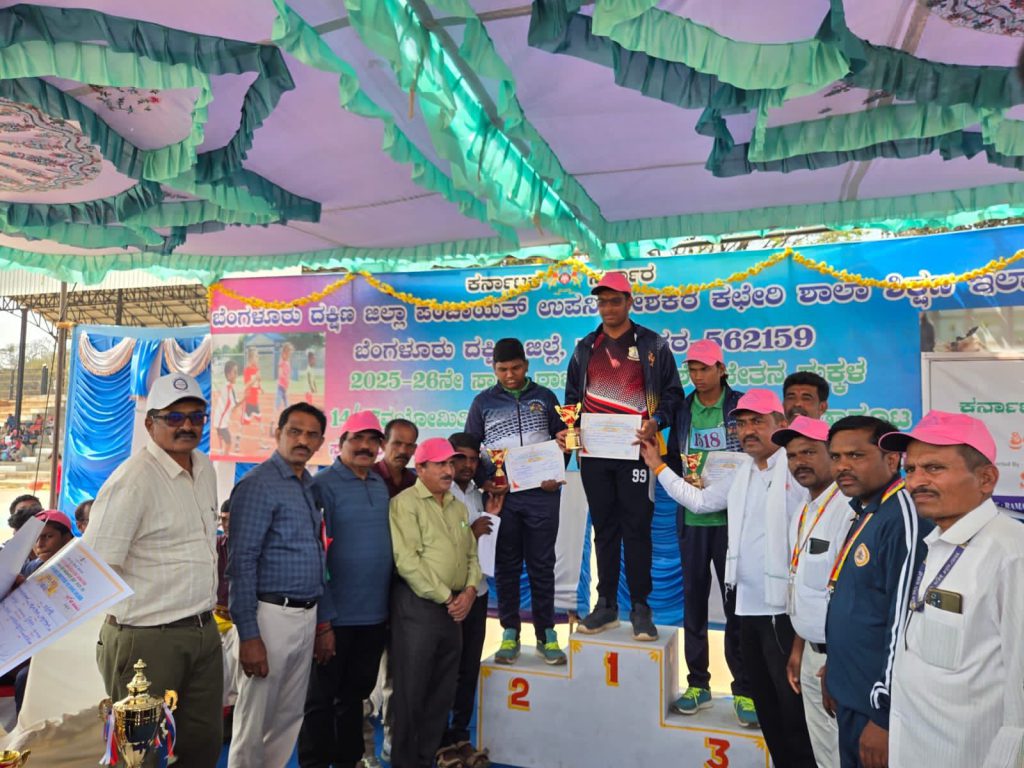
Shreyas Kumar K, a student of St. Lawrence English Medium School, Bondel, Mangaluru, has brought pride to his school and family by achieving success at the state-level Special Children’s Athletics Competition. The event was held in Ramanagara, Bengaluru, where Shreyas participated in the shot put and javelin throw events. He secured first place in shot put and has been selected to compete at the national level.
Shreyas is the son of Mr. Praveen Kumar and Mrs. Kavitha J.K. His younger sister, Rishika P., is studying in the UKG class.
The school management, teachers, and well-wishers have congratulated Shreyas on his achievement and wished him greater success at the national-level competition.
Above is the Global TV Concept of 1 to 99 | Let everything remain as it is | CLICK THE LINK
During the discussion on the Union Budget 2026, MP Saket Gokhale brought the focus back to an uncomfortable truth. India’s economic narrative is increasingly disconnected from the everyday struggles of its youth. Budgets today, he argued, are no longer shaped by policy choices but by personalities and grand political storytelling. The constant reference to the past or to distant promises of 2047 leaves young Indians with no answers for the present, where they are trying to find jobs, afford housing, and build stable lives.
The Absence of a Clear Indian Dream One of the most powerful questions raised in Gokhale’s speech was about vision. While other nations built their growth around a shared idea of opportunity and upward mobility, India has failed to clearly define what success looks like for its young people. Instead of nurturing ambition, the current system often discourages questioning and critical thinking. According to Gokhale, dreams are being replaced with slogans, and aspiration is slowly being treated as a problem rather than a strength.
Education That Pushes Students Away For many young Indians, the journey out of the country begins with higher education. Despite stricter visa rules abroad, students continue to leave in large numbers because Indian universities do not provide an environment that rewards innovation and research. Gokhale highlighted that while higher education receives significant funding on paper, only a very small fraction is allocated to research and innovation. This sends a clear message that original thinking is not a priority, forcing students to look elsewhere to explore their potential.
Degrees Without Jobs and Jobs Without Security The failure of the education system feeds directly into unemployment and underemployment. A large percentage of Indian graduates are considered unemployable, and many highly qualified young people are forced to apply for low paying and insecure jobs. Youth unemployment remains high, and even those who are employed often work long hours for inadequate pay. Gokhale emphasized that the real crisis lies not just in job creation, but in the lack of quality, dignified employment.
Economic Growth That Does Not Translate Into Prosperity India’s position as one of the world’s largest economies is often celebrated, but this headline figure hides a harsher reality for young citizens. In terms of purchasing power, India ranks very low globally. Gokhale pointed out that urban Indian youth are poorer in real terms than young people in several conflict affected countries. Rising taxes, low wages, and job insecurity make economic growth feel distant and abstract rather than empowering.
A Declining Quality of Urban Life Quality of life has become a decisive factor in why young Indians choose to leave. Clean drinking water often requires private spending, air pollution dominates major cities, and healthcare remains underfunded and expensive. Road safety continues to be a major concern, with hundreds of deaths every day despite heavy infrastructure spending. Housing costs in large cities consume a significant portion of young workers’ salaries, leaving little room for savings or personal growth.
Urban Development That Feels Superficial Gokhale also questioned the impact of large scale urban projects such as the Smart Cities mission. After years of investment, he challenged whether India can genuinely claim to offer globally competitive, livable cities. For young people navigating overcrowded transport, unsafe roads, and unaffordable housing, these projects appear disconnected from daily realities.
Who Is Saket Gokhale and Why His Voice Matters Saket Gokhale has emerged as a prominent parliamentary voice known for his emphasis on data, transparency, and lived experience. Having lived in several Indian cities as well as abroad, his critique is grounded in comparison rather than ideology. His focus on youth issues reflects a broader concern that India risks losing not just talent, but belief, if policies continue to ignore everyday struggles.
Why the Youth Are Choosing to Leave The message underlying Gokhale’s speech is clear. Young Indians are not leaving because they lack patriotism or attachment to their country. They are leaving because the system does not provide quality education, meaningful work, affordable living, or a dignified quality of life. Until budgets and policies begin to seriously address these realities, the question will continue to echo across the country: where is the Great Indian Dream, and who is it really meant for?
India’s greatest wealth is not measured in foreign exchange reserves, stock indices, or natural resources. As Rahul Gandhi argued in his speech in Parliament, India’s real strength lies in her people. A nation of more than one point four billion citizens represents not a burden but a historic advantage, provided that this human potential is understood, protected, and empowered.
In his address, Rahul Gandhi emphasized that in the twenty first century, people do not only create labor and productivity. They also create data. Every action, transaction, preference, and interaction produces information. In the age of artificial intelligence, this data has become the most valuable economic resource. According to him, artificial intelligence without data is meaningless, and data without people does not exist. India therefore possesses one of the largest and most valuable data pools in the world, simply because of the scale and diversity of its population.
Rahul Gandhi argued that this human generated data is a national asset that must be treated with the same seriousness as land, water, or energy. In a world where global powers are competing for technological dominance, Indian data gives India strategic leverage. He warned that any policy or agreement that weakens India’s control over this asset undermines national sovereignty and future economic strength.
The speech also highlighted the foundational role played by farmers and workers. India’s food security, Rahul Gandhi noted, is created by those who till the land and those who labor across the economy. This food security is not just about survival. It enables education, innovation, and technological progress. Without secure livelihoods for farmers and workers, no data economy or digital future can sustain itself.
Energy security was identified as another pillar that directly affects India’s people. Rahul Gandhi argued that a modern nation cannot function without reliable and independent access to energy. If control over energy choices is weakened, the lives of ordinary citizens are directly affected through higher costs, instability, and reduced economic freedom.
A central theme of the speech was that India is entering an unstable and turbulent global environment marked by geopolitical conflict and the weaponization of finance and energy. In such times, Rahul Gandhi stressed that a nation must protect its core strengths. For India, these strengths are her people, the data they generate, the food they produce, and the energy that powers their lives.
Rahul Gandhi also warned about the social impact of rapid technological change. He pointed out that artificial intelligence will disrupt traditional employment, including the information technology sector that has employed millions of Indians. This makes investment in people, skills, and safeguards even more urgent, not less.
Concluding his argument, Rahul Gandhi stated that India’s future cannot be secured by sacrificing the interests of her citizens. India’s people are not a commodity to be traded or surrendered under pressure. They are the foundation of the nation’s strength and the key to its future in a changing world.
India’s wealth, as articulated in this parliamentary speech, is not something that can be sold, transferred, or depleted. It lives in her people. Protecting India therefore means protecting their dignity, their livelihoods, their data, and their ability to shape their own future.
Educators Beyond Borders | The Enduring Contribution of Teachers from Mangalore and South India
NV Paulose, Chairman, Global TV +91 98441 82044
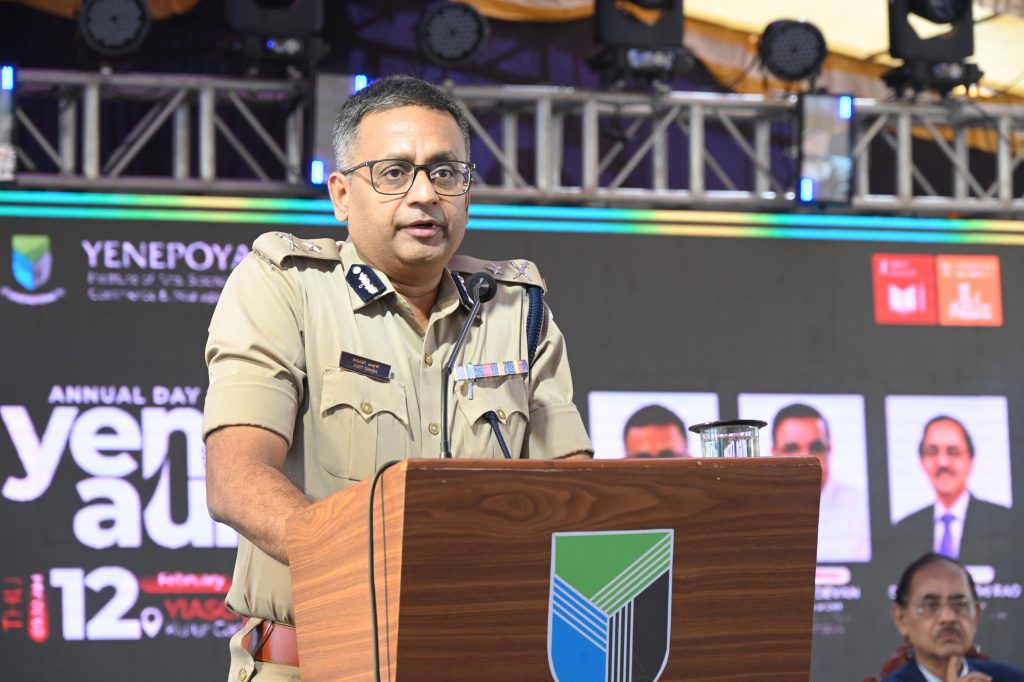
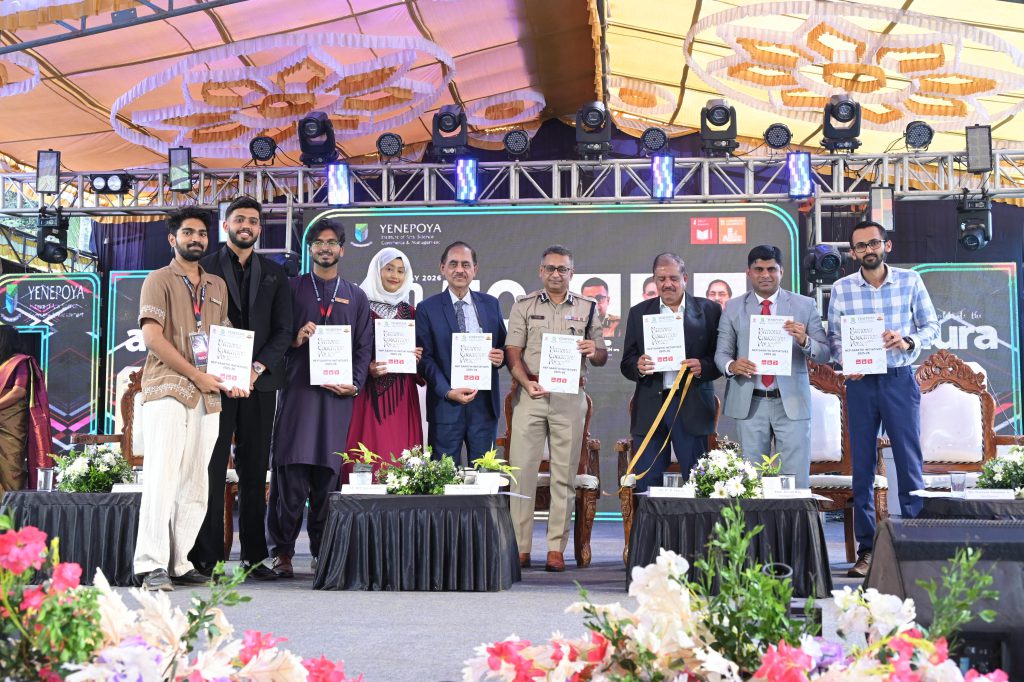
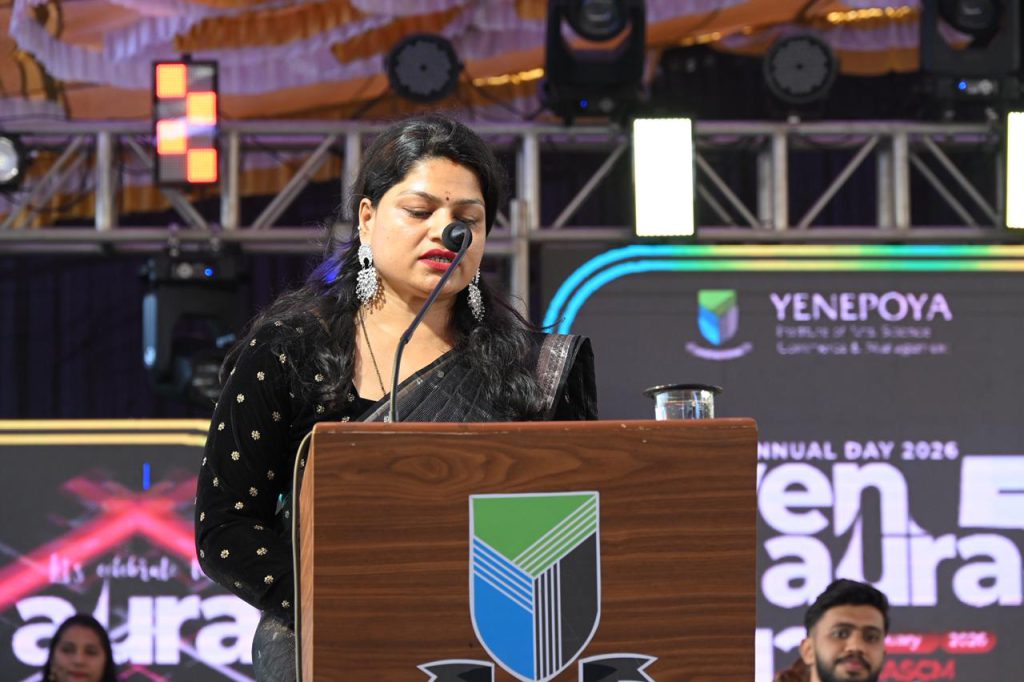
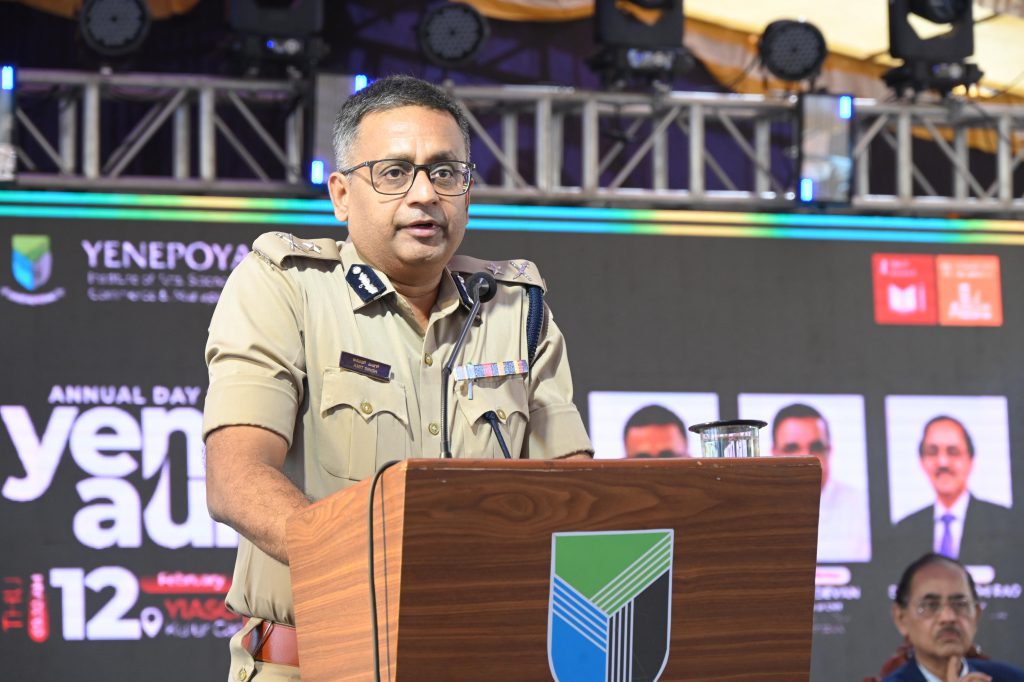
“Education in India has long been shaped not only by institutions, but by the quiet migration of dedicated teachers who carried knowledge, discipline, and values across regions,” said Mr. Amit Singh IPS, Inspector General of Police, Western Range, Mangaluru, the Chief Guest of Yen Aura 5.0, the Annual Day 2026 of Yenepoya Institute of Arts, Science, Commerce and Management.
Speaking to Global TV on the occasion at the YIASCM Kulur Campus, while celebrating institutional achievement and the enduring role of educators in nation building, Mr. Amit Singh IPS shared reflections that strongly connected with the academic community. His appreciation was directed toward teachers from across South India, who have played a particularly significant role in strengthening the educational foundations of institutions far beyond their home states.
Historically, several decades ago, opportunities in higher education and formal employment were limited in many parts of South India. At the same time, emerging educational institutions across India especially in the northern and eastern regions faced an acute shortage of trained and committed teachers. It was during this period that teachers from Mangalore, Kerala, Tamil Nadu, and neighbouring regions stepped forward, accepting appointments in unfamiliar geographies, cultures, and languages. What they carried with them was not merely subject knowledge, but a deep respect for education as a life shaping force.
Teachers from South India earned a reputation for discipline, consistency, and commitment. Many institutions particularly mission schools, colleges, and newly established campuses actively sought them out. Their willingness to work in challenging environments, adapt to local contexts, and remain deeply invested in student growth left a lasting impression. In states such as Bihar, it became common for entire generations of students to be taught by educators from Kerala and coastal Karnataka, often in remote or underserved areas.
A striking cultural contrast often observed was the reverence shown to teachers in these regions. Students approached education with aspiration and respect, seeing teachers as guides toward a better future. For many young learners, education represented more than employment. It symbolized dignity, social mobility, and purpose. Aspirations toward civil services and public leadership were often nurtured by teachers who emphasized discipline, clarity of goals, and sustained effort.
The influence of South Indian teachers extended well beyond classrooms. Many continued their academic journeys by pursuing doctoral research while teaching, supervising scholars, and contributing to institutional growth. Others even after retirement chose to remain engaged in academia, reinforcing the idea that teaching is a lifelong commitment. Their presence strengthened academic culture, research orientation, and ethical standards within institutions.
As Prof. Jeevan Raj, Principal In Charge of Yenepoya Institute of Arts, Science, Commerce and Management, often emphasizes, institutions are built not merely through infrastructure but through people who uphold values and academic integrity. The legacy of South Indian educators aligns closely with this philosophy, quietly strengthening systems, mentoring generations, and raising standards.
Over time, as educational opportunities expanded across India, the landscape naturally evolved. Yet the foundational contribution of teachers from Mangalore and South India remains undeniable. They helped establish credibility, raise academic benchmarks, and cultivate generations of learners who valued effort over entitlement and responsibility over power.
A Journey of Wisdom, Discipline, and Well Being | Address by Dr. P. P. Devan at Yenepoya University
NV Paulose, Chairman, Global TV +91 98441 82044
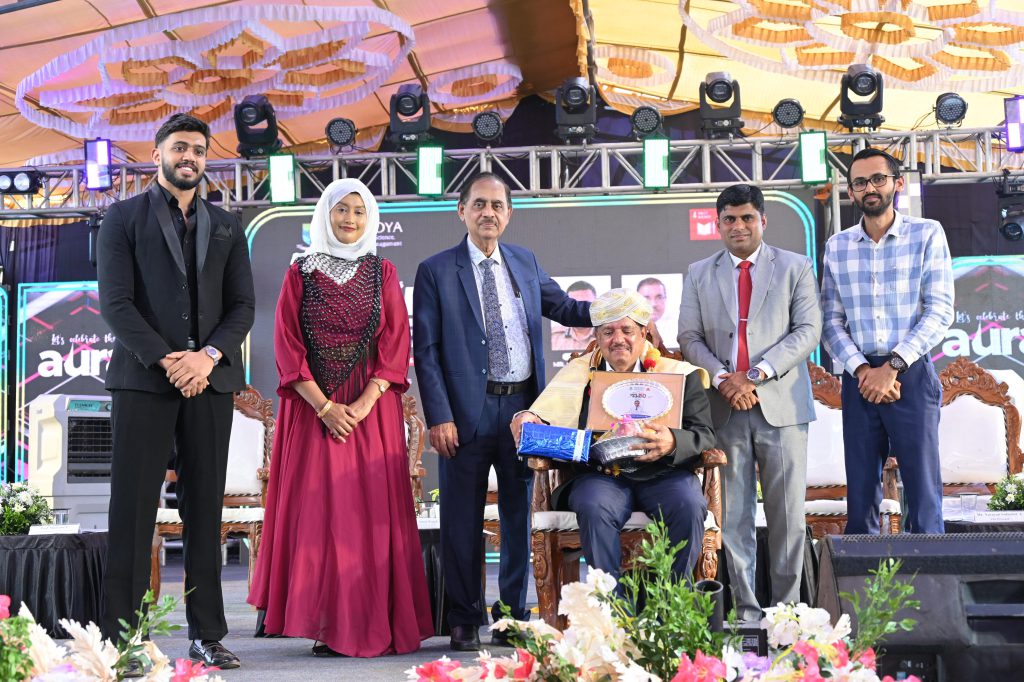
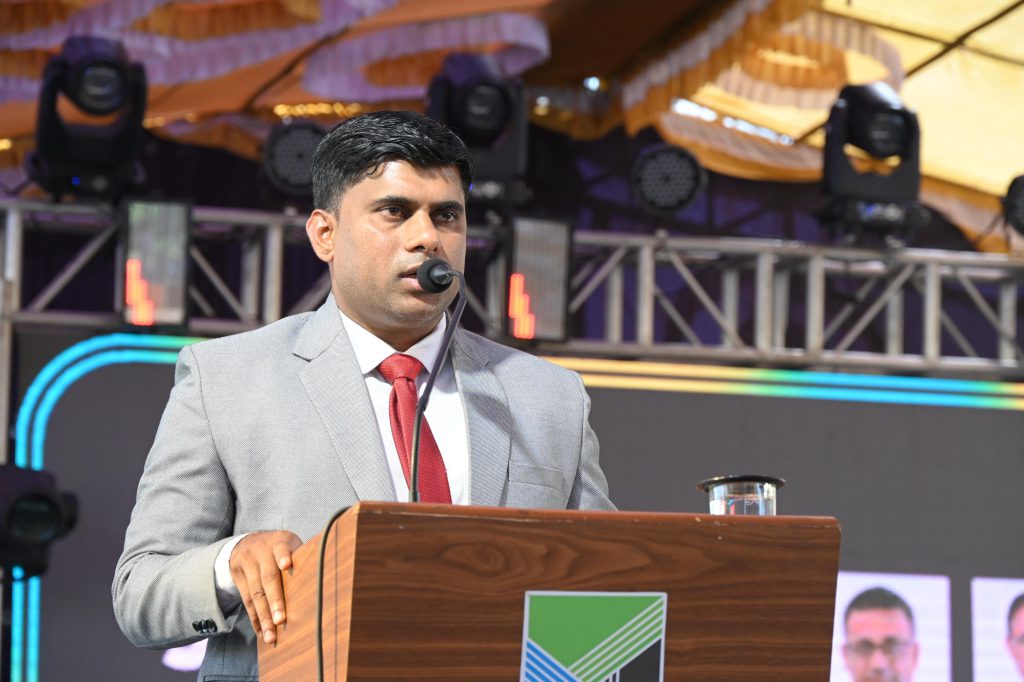
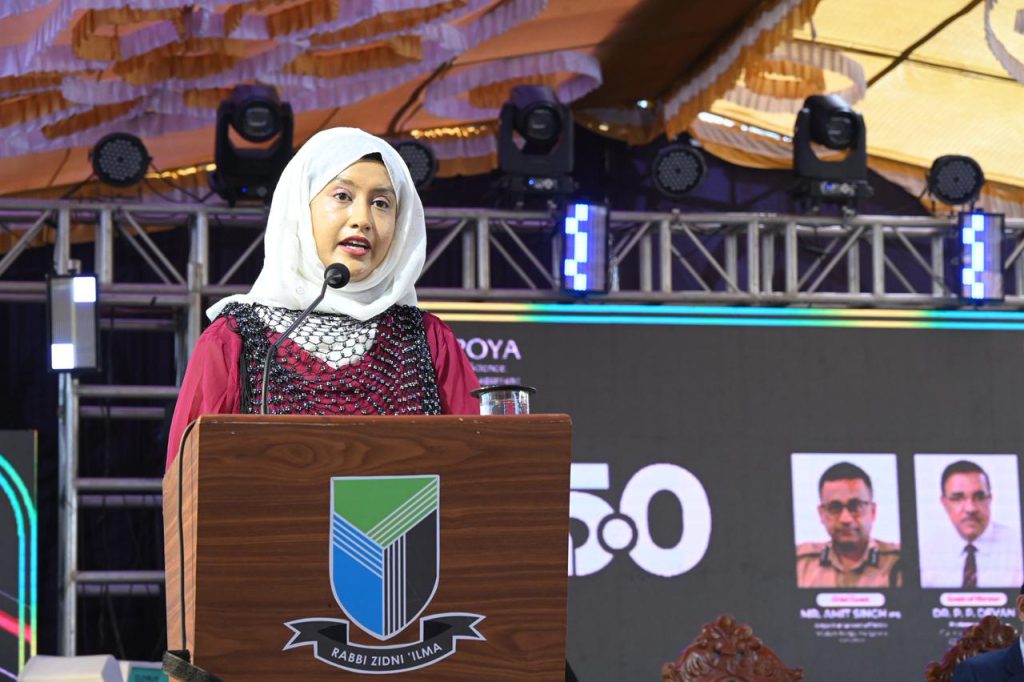
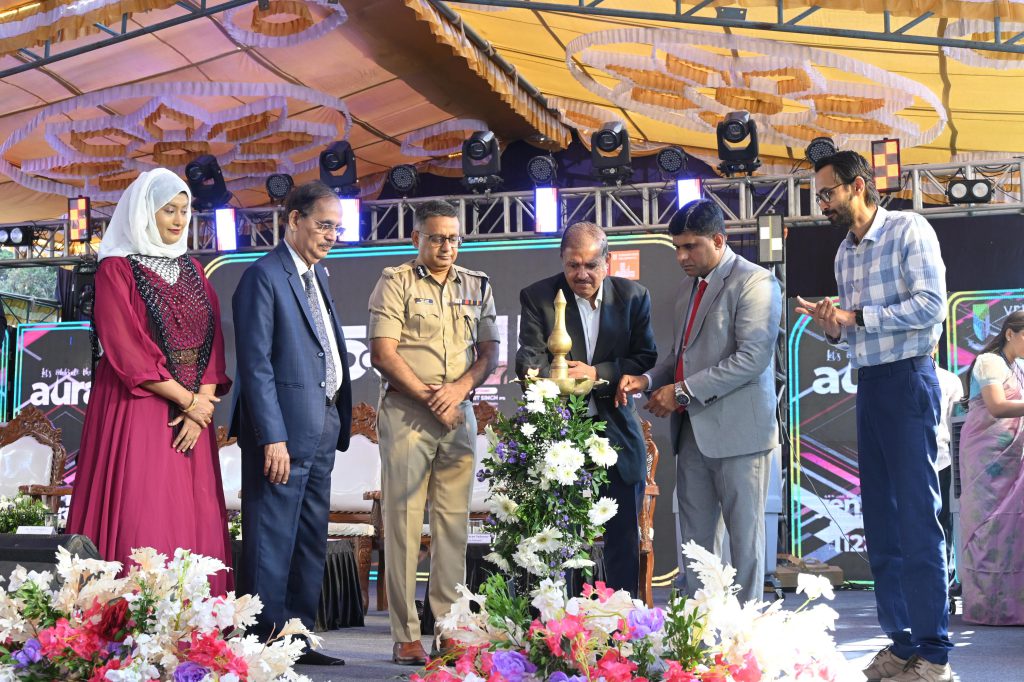
Yenepoya Institute of Arts, Science, Commerce and Management celebrated its Annual Day 2026, Yen Aura 5.0, with great enthusiasm and vibrancy at the YIASCM Kulur Campus on 12 February 2026. The event was graced by Mr. Amit Singh, IPS, Inspector General of Police, Western Range, Mangaluru, as the Chief Guest, whose presence added dignity and inspiration to the occasion.
Dr. P. P. Devan, Professor of ENT and Former Associate Dean, AJIMS, Mangaluru, honoured the gathering as the Guest of Honour, captivating the audience with his insightful address on life, career, communication, health, and values. The programme was presided over by Dr. B. H. Sripathi Rao, Pro Vice Chancellor, Yenepoya Deemed to be University, Mangaluru, and witnessed the esteemed presence of Prof. Jeevan Raj, Principal In Charge, Prof. Shareena P, Dean Faculty of Commerce and Management and Vice Principal, and Mr. Narayan Sukumar A, Vice Principal. Organised by the Student Council 2025–26 along with the staff and students, the event was a memorable celebration of talent, achievement, and collective spirit
Dr. P. P. Devan’s was a defining moment in the lives of young students standing at the threshold of their professional journey. The audience comprised energetic and talented students, devoted parents, and dedicated teachers who together form the foundation of academic and personal growth. Speaking from a lifetime of experience, Dr. Devan shared lessons drawn not only from success, but also from careful observation of failures, challenges, and realities of life.
The Importance of Silence at the Start of a Career
Dr. Devan began by emphasizing that the early phase of any career demands caution and awareness. At this stage, every individual is under constant observation. Words spoken casually can carry long lasting consequences. He explained that while mistakes in action can often be corrected, careless speech, especially against authority, can permanently damage professional prospects. Silence, he reminded the students, is a powerful form of discipline and an essential quality in the formative years of one’s career.
Language as the Foundation of Professional Success
One of the strongest messages of the address centered on mastery of language, particularly English. Dr. Devan shared a personal example involving his twin sons who were pursuing management studies. Instead of advising them to focus solely on grades, he encouraged them to learn one English word each day, to understand it thoroughly, pronounce it correctly, and use it with precision. Over time, this simple practice builds confidence and clarity.
He explained that professional selection often depends less on academic performance and more on communication skills. Clear expression, correct pronunciation, proper sentence structure, and confident delivery significantly influence how a candidate is perceived. Dr. Devan urged students to use their academic years to gain complete command over English, describing it as an indispensable tool for long term success.
Striving for Excellence Through Continuous Reinvention
Dr. Devan challenged the students to rise above mediocrity. In an increasingly competitive world, being merely competent is no longer sufficient. He stressed the need to aim for excellence and to constantly reinvent oneself. As careers progress, new challenges emerge and old skills become outdated. Those who fail to adapt are quickly overtaken by younger and more efficient professionals. Continuous learning, adaptability, and self-improvement, he said, are the keys to remaining relevant and respected.
The Role of Emotional Intelligence and Networking
While academic life rewards intellectual ability, Dr. Devan pointed out that professional life places equal emphasis on emotional intelligence. The ability to interact respectfully, communicate effectively, and build positive relationships determines long term growth. Beyond this, he highlighted the critical role of networking. In times of uncertainty, it is often relationships that provide opportunities and support. Building meaningful connections and maintaining professional networks can safeguard careers during challenging periods.
Health as the Greatest Form of Wealth
Turning to health, Dr. Devan reminded the audience that no level of success can compensate for poor health. Drawing from medical research and clinical experience, he spoke about the rising incidence of heart disease, strokes, and cancer in modern society. He emphasized the importance of preventive care, particularly through proper nutrition and lifestyle habits.
He explained the protective role of green leafy vegetables in maintaining heart health, highlighting the importance of folate in reducing coronary artery blockages. Traditional diets once provided these nutrients naturally, but their absence in modern diets has contributed to the growing burden of cardiac disease.
Preventing Stroke Through Simple Daily Habits
Dr. Devan addressed the alarming increase in stroke cases, even among younger individuals. He explained that humans lack the ability to synthesize ascorbate, unlike animals, making them more vulnerable to strokes. Based on his experience, adequate intake of vitamin C significantly reduces this risk. He recommended simple preventive measures such as consuming fresh lime juice daily, stressing that strokes are among the most devastating yet preventable medical conditions.
Vitamin D and Protection Against Cancer
Addressing the growing number of cancer cases, Dr. Devan pointed to widespread vitamin D deficiency as a major contributing factor. Modern lifestyles limit exposure to sunlight, leading to weakened natural defense mechanisms. He urged students and faculty alike to recognize the importance of sunlight exposure and vitamin D supplementation as essential components of long-term health and disease prevention.
Humility as the Engine of Lasting Growth
As he neared the conclusion of his address, Dr. Devan spoke about humility as the driving force behind sustained success. He compared personal growth to a rising balloon, emphasizing that true ascent comes from inner qualities rather than external display. Humility, he said, removes barriers, invites learning, and allows unlimited growth.
Wealth, Giving, and the Meaning of Fulfillment
Dr. Devan acknowledged that dedication and hard work can lead to financial success. However, he emphasized that true fulfillment comes from sharing wealth rather than accumulating it endlessly. Giving a portion of one’s earnings to friends, colleagues, and well wishers creates balance and joy. Money spent on maintaining health and supporting others, he noted, is far more valuable than money lost to preventable illness.
A Message That Extends Beyond the Auditorium
Dr. P. P. Devan’s address at Yenepoya University was a thoughtful reflection on life, career, health, and values. His words offered practical guidance and timeless wisdom to students preparing to enter the professional world. His message kept the audience inspired, informed, and better prepared for the journey ahead.
BUILDING A LIFE THAT STANDS: The Power of Choosing Your Priorities Continually
NV Paulose, Chairman, Global TV +91 98441 82044
Continually doing something shapes your life more powerfully than you realise. When you return to a task again and again, your unconscious competence begins to expand. What once felt deliberate becomes natural. What once required effort becomes instinctive. This is the hidden strength of consistency. Continually is a word that captures the quiet force behind mastery. It reminds us that meaningful progress comes from repeated attention to the things that matter most. When you set your time on your priorities continually, your abilities sharpen, your confidence grows, and your actions begin to flow effortlessly. Yet this transformation only happens when you focus on the right areas, because not every ability deserves continual investment. Some skills can carry your future while others are only meant for small, practical moments.
The Importance of Self Knowledge
Every person carries a unique combination of talents. Some abilities are powerful, some provide support, and some are small and useful only occasionally. When you do not understand which ability deserves your focus, you may end up investing in the wrong areas. This leads to exhaustion, confusion, or lack of progress. Knowing your true strengths helps you prioritise properly. It brings clarity to your decisions, steadiness to your emotions, and purpose to your daily actions. Self knowledge keeps your energy directed where it can produce the most meaningful outcomes.
The Six Elements of Personal Skill
To identify your strengths with clarity, it helps to organise your abilities into six elements. Each one plays its own role in shaping your growth and guiding your priorities.
Brick Skills The Strongest Foundation
Your Brick skill is your greatest strength, the ability that feels natural and energising. It is the work you do with confidence and enjoyment. When you build your life upon your Brick, you anchor yourself in authenticity. Examples of Brick skills include clear writing, engaging with people, deep thinking, connecting ideas, creating comfort in a home, or offering warm hospitality. These are not ordinary strengths. They are the core of who you are. Continual attention to your Brick skill turns it into something powerful, stable, and deeply fulfilling.
Granite Skills The Supportive Strengths
Granite skills support your Brick and make it stronger. They may not be your primary abilities, but they help lift your main skill to a higher level. If writing is your Brick, then creativity or listening may be your Granite. If home management is your Brick, patience or discipline may be your Granite. Continually strengthening your Granite helps your Brick shine. These skills form a reliable base that enhances your natural strengths.
Stone Skills The Necessary Daily Tools
Stone skills are the practical abilities required to manage daily life efficiently. They include organising tasks, planning routines, and managing time. These skills do not define you, but they keep your days running smoothly. Continually applying your Stone skills creates order and reduces stress, allowing your stronger abilities to flourish.
Sand Skills Small but Handy Abilities
Sand skills are minor abilities that are helpful in certain situations. They may include simple computer knowledge, quick household techniques, or basic creative tricks. These skills are useful only in specific moments. They should be used when needed but not mistaken for your main strengths. Continually polishing them does not lead to long term growth, so they must be kept in their rightful place.
Silt Skills Abilities That Are Still Growing
Silt skills are the talents you are currently learning. These represent your next level of growth. When you invest in them continually, Silt skills can grow into Stones or even rise to the level of Bricks. They may include improving communication, learning better use of artificial intelligence, developing writing, or enhancing home care abilities. Even small daily practice strengthens your Silt and shapes your future self.
Water Skills Basic Skills Expected of Everyone
Water skills are common abilities such as being polite, arriving on time, or communicating clearly. These are essential for daily interactions, but they do not define your identity. They should flow naturally through your behaviour without demanding major time or attention.
A Simple Ritual of Clarity
A powerful practice for gaining self understanding is to list all your skills and place each one in its correct category. This ritual gives clarity and balance. Ask yourself which ability feels most natural and powerful. That is your Brick. Ask which ability you are learning now that will benefit your future. That is your Silt. This simple exercise transforms confusion into direction and helps you use your time with purpose.
Why Your Brick Must Be Your Priority
Your Brick is your strongest foundation. When you neglect it, you feel unsettled and disconnected from your true self. Many people focus on small tasks or basic abilities and then wonder why they do not experience meaningful growth. Continual attention to your Brick transforms your life. You begin to produce excellent work. You attract new opportunities. You build confidence. You become more aligned with your natural strengths. Your Brick deserves sacred time every week because it is the core of your identity.
The Power of Investing in Silt Daily
Your Silt skills also deserve steady attention. These are the abilities that will shape your future. Even ten minutes of practice daily can create remarkable progress over time. When you continually develop your Silt, you ensure that you are always growing, always evolving, and always ready for new possibilities. Silt is the soil where your next strengths are planted.
Using the Six Elements to Structure Your Time
Continually making time for what matters becomes easier when you structure your schedule according to the six elements. Give dedicated time to your Brick. Strengthen your Granite enough to support it. Spend small but consistent moments on your Silt. Use Stone and Sand skills only when needed. Allow your Water skills to flow naturally through your behaviour. This balanced approach ensures that your energy and time align with your real purpose.
The Value of Emerging Strengths in the Future
Skills such as hospitality, home management, clarity in communication, and the ability to bring people together are becoming increasingly valuable in the modern world. They influence future work environments, community building, and personal leadership. Your Brick may rest in thinking clearly, writing, connecting people, or creating comfort. These strengths hold real value. Continually developing them prepares you for a future where these abilities become essential.
Individuals Who Build on Their Brick Become Strong
People who recognise their Brick and continually build upon it become strong and centred. The person with a Brick of nurturing naturally creates unity. The person guided by curiosity grows with confidence. The individual whose strength is wisdom becomes a source of direction. The one rooted in discipline becomes a steady pillar for others. These examples show that when you identify your true strength and build on it continually, your life develops purpose and power.
Do Not Spend All Your Time on Water
Basic abilities like politeness and punctuality are important, but they should not consume all your attention. They do not define your identity. If you focus too much on these basic skills, you lose time that should be invested in your deeper strengths. Continual improvement should always begin with what is truly yours.
Continual Growth Creates a Life That Stands
A fulfilling life is built through continual effort in the right areas. You do not need dramatic changes. You need steady dedication. Build with your Brick. Support it with your Granite. Expand your future through your Silt. This pattern brings stability and confidence. Your daily actions begin to reflect your most authentic abilities. Your growth becomes intentional and meaningful.
Choose Continually What Matters Most
Continually is not about repetition. It is a conscious decision to live with clarity. When you identify your Brick, support it with Granite, apply your Stones, control your Sand, nurture your Silt, and allow your Water to flow naturally, you create a balanced and strong life. You stop polishing what cannot hold your future and start building with what is truly solid within you. This approach expands your unconscious competence, strengthens your identity, and helps you achieve your best. When you choose what matters continually, you build a life that stands firm and grows with purpose.