All posts by admin

About admin

Chairman of Global TV | Excellent Writer | Exceptional PR Skills | Author of Six books | MASTER HEALER | +91 98441 82044 |

The Ward Committee system is something I’m very passionate about. It’s designed to decentralize power and bring decision-making closer to the people | Global TV

Civic movement is very effective at cities like Mangalore. It is because of the dedication and transparency maintained by Citizen Leaders like Nigel Albuquerque.  Mangalore is a city known for its vibrant culture and history. Civic responsibility and community participation had helped the city development.

As the convenor of the Mangalore Civic Group, Nigel has been instrumental in driving positive change across the city. His work, focused on enhancing civic engagement, transparency, and accountability in governance, has earned him widespread recognition.
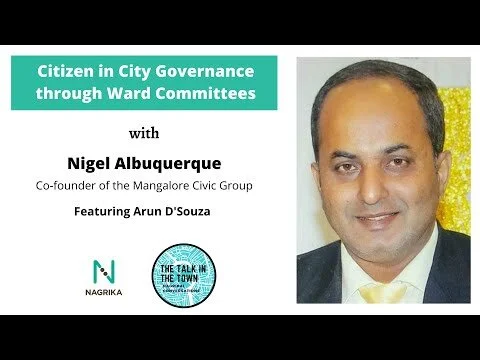
Paul: Nigel, thank you for taking the time to speak with Global TV today. Can you start by telling us a bit about the Mangalore Civic Group and your role as its convenor?

Nigel Albuquerque: Thank you for having me. The Mangalore Civic Group was established with the primary goal of empowering citizens to actively participate in the governance of our city. As the convenor, my role involves coordinating our various initiatives, which range from advocating for better urban infrastructure to ensuring transparency in local governance. We believe that a well-informed and engaged citizenry is essential for the healthy functioning of any democracy.
Paul: Your group has been quite active in advocating for citizen-friendly infrastructure and urban planning. Could you elaborate on some of the key initiatives in this area?

Nigel Albuquerque: Absolutely. One of our main focus areas has been to ensure that urban planning projects in Mangalore are designed with the community’s needs at the forefront. For instance, we’ve been pushing for better public transportation systems, safer pedestrian pathways, and the creation of more green spaces. Our goal is to make Mangalore a city that is not only functional but also livable for all its residents.

Paul: Transparency and accountability in governance are also central to your work. What specific actions has the Mangalore Civic Group taken to promote these values?

Nigel Albuquerque: We’ve been quite proactive in this regard. We regularly organize public forums where citizens can directly engage with local government officials. These forums provide a platform for discussing issues ranging from budget allocations to the implementation of municipal projects. Additionally, we’ve been advocating for the digitization of government records and the regular publication of council meeting minutes to make governance more transparent and accessible to the public.

Paul: Another area where your group has made a significant impact is in raising public awareness on social and environmental issues. Can you share some examples of the campaigns you’ve led?

Nigel Albuquerque: One campaign that stands out is our initiative on waste management. We’ve conducted numerous workshops across the city to educate residents on waste segregation and the importance of reducing single-use plastics. We also ran a citywide tree-planting drive, which saw the participation of thousands of citizens. These campaigns are aimed at fostering a sense of responsibility towards our environment and encouraging sustainable practices.

Paul: Your advocacy for the Ward Committee system has been particularly noteworthy. What inspired you to champion this cause, and what impact has it had on local governance?

Nigel Albuquerque: The Ward Committee system is something I’m very passionate about. It’s designed to decentralize power and bring decision-making closer to the people. Each ward in the city has its unique challenges and needs, and this system allows citizens to have a direct say in how their local area is governed. We’ve been conducting workshops to educate residents about how they can participate in these committees, and the response has been overwhelmingly positive. It’s empowering to see people take ownership of their communities and hold their elected representatives accountable.

Paul: It’s clear that your work has had a significant impact on Mangalore. What motivates you to continue this work, despite the challenges?

Nigel Albuquerque: The motivation comes from the community itself. Seeing the positive changes that can happen when people come together and work towards a common goal is incredibly rewarding. There are challenges, of course, but I firmly believe that a just and equitable society is worth fighting for. Every small step we take towards better governance and civic engagement brings us closer to that goal.

Paul: Finally, what are your future plans for the Mangalore Civic Group? Are there any upcoming projects you’re particularly excited about?

Nigel Albuquerque: We’re currently working on a project to create a comprehensive database of civic issues in Mangalore, which will be accessible to the public. This will help citizens report problems more efficiently and allow us to track the local government’s response to these issues. We’re also planning to expand our environmental initiatives, particularly focusing on promoting sustainable energy solutions within the city. There’s a lot of work to be done, but I’m excited about the possibilities.

Paul: Nigel, thank you so much for sharing your insights with us today. Your dedication to improving the civic life of Mangalore is truly inspiring.

Nigel Albuquerque: Thank you. It’s been a pleasure speaking with you, and I hope our conversation encourages more people to get involved in their communities.

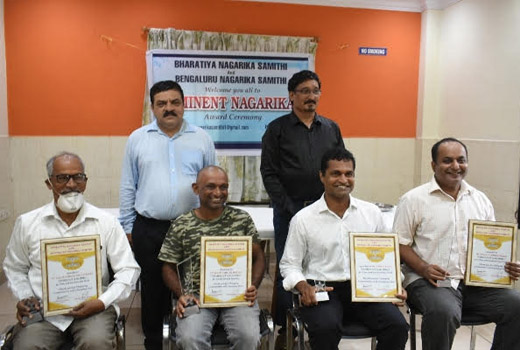
The Award to Kiran Nirkan will be presented on Saturday 5th October 2024 at P F X Saldanha Auditorium, MCC Bank Admin Office at Hampankatta | Global TV

Leo Rodrigues Family Kittall Youth Award to Kiran Nirkan

Promising youth writer Kiran Nirkan ( Floyd Kiran Moras ) chosen for Leo Rodrigues Family Kittall Youth Award 2024. He has been contributing to Konkani literature in the form of poetry, essays and children literature. Recently Kavita Publications – publication wing of Kavita Trust has published Nakthiram – collections of poems exclusively written for young children.

Kiran Nirkan

A graduate in business administration with a strong passion towards Konkani language and  literature he perused post graduate Konkani diploma from Institute of Konkani, St Aloysius deemed to be university and scored third rank by presenting research essay on the subject “depiction of nature in Vally Vogga’s short stories” 

With flair towards journalism he served as editor of Nirkanchem Keern and on the editorial board of Amcho Yuvak, diocesan monthly for the youth.  He is a regular columnist on ARSO Konkani monthly. Being an active member of Karnataka Non Residents Indians Association, UAE he submits reports on literary and cultural events held in and around UAE to the media houses of Karnataka.

As an organiser he was instrumental in organising two editions of unique musical Geet Gozal in Dubai with celebrated lyricists Wilson Kateel and Melvyn Rodrigues. He hosted multilingual poetry sessions in the UAE.  As an ardent supporter of blood donation in the UAE he campaigns  the cause of donating blood and saving life and so far donated blood for 38 times.

With a sole motto of encouraging the youth writers of Konkani, Abu Dhabi based NRI Entrepreneur, staunch Konkani supporter and Philanthropist Sri  Leo Rodrigues sponsoring Kittall Youth Award for the last 12 years. The award carries a purse of Rs.25,000/- and citation.

Kittall is the premier Konkani literature web portal published nonstop since 2011 by Konkani poet, storyteller, critic and presently the member of Konkani Advisory Board, Sahitya Akademi, New Delhi  –   H M Pernal. JoCy Siddakatte, Wilma Bantwal, Stany Bela, Melwyn Kolalgiri, Wilson Kateel, Roshu Bajpe, Clive D Souza are prominent youth writers bestowed with Leo Rodrigues Family Kittall Youth Award in the past.  

The Award to Kiran Nirkan will be presented on Saturday 5th October 2024 at P F X Saldanha Auditorium, MCC Bank Admin Office at Hampankatta at 7.00 p.m.  Member of Legislative Council Sri Ivan D Souza will be chief Guest and Sri Anil Lobo, Chairman of MCC Bank will be the guest of honour to the award  presentation ceremony.

Complementarity is a mentality that seeks to find common ground and mutual benefit in every interaction, fostering a spirit of cooperation and unity | Global TV

The Art of Converting Yourself from a Threat to Others to Become a Thread that Connects Others | Global TV

NV Paulose, Chairman, Global TV +91 98441 82044

Conflicts and divisions often dominate the headlines in the world. There is a need for a subtle yet profound shift in this predominant attitude. A significant change in this approach can make a real difference in the world. But it has to happen at a micro level to make an impact of it in our lives. Meaning, we should make a change in the world around us to see its large reflection across the world.

We should make conscious attempts to embrace extreme simplicity as an innate attitude in our personal and professional life. We see in our daily lives so many stalwarts around us filled with humility and simplicity to the core. Copying them and coping up with their attitude and approach is the way forward to become a thread instead of becoming a threat to others unnecessarily.

See everyone as our kith and kin. This is taught in every faith in the world. Are we really faithful is a question that we should ask ourselves. Do we have faith in ourselves? Those who believe in themselves will also have respect for others and their faiths as well. Seeing everyone as our kith and kin means recognizing our shared humanity and feeling a deep connection and belonging with others.

Our mind set should inspire us to show empathy, compassion, and understanding, and to treat others with kindness, respect, and warmth, just as we would with our closest friends and family. This will help us in complementing others instead of unnecessarily competing with them.  Such approach converts potential conflicts into opportunities for growth, understanding, and connection.

From Conflict to Complementarity

Complementarity is a mentality that seeks to find common ground and mutual benefit in every interaction, fostering a spirit of cooperation and unity. When we encounter differences or disagreements, our initial response is often to assert our own perspective, leading to polarization and further discords.

There is an opportunity for us to make a conscious choice to create a harmonious and inclusive environment just by choosing to complement with others. Choosing silence instead of making an attempt to silence others is the best choice that we can make in the world of conflicts and conflict resolution. Instead of turning back to fight with others, better we go ahead by allowing others to overtake us when and where they find it an opportunity to do so. As we go in a pace and rhythm with the times, we will see them slowing down to pace with us for sure.  

The Power of Complementing Others

Complementing others involves seeking common ground and valuing diverse perspectives. By finding areas of shared interest or values, we can build bridges of understanding and connection. Additionally, recognizing the unique insights and strengths others bring allows us to learn from them and grow together.

Fostering open communication and embracing interdependence are also essential aspects of complementing others. By encouraging active listening and empathetic understanding, we can create a safe and supportive environment for constructive dialogue. Acknowledging that our individual successes are linked to the success of those around us helps us recognize the value of collaboration and mutual support, leading to stronger relationships and greater collective achievement.

The Power and Potential of Complementarity in Harnessing the Power of Unity and Diversity:

By adopting an attitude of complementarity, we can transform our interactions and relationships in profound ways. We can diffuse tension and transform potential conflicts into opportunities for growth, allowing us to build bridges between individuals and communities through shared understanding.

This, in turn, enables us to connect with others on a deeper level and foster a sense of unity. Complementarity unlocks creativity by combining diverse perspectives to generate innovative solutions. By embracing our differences and valuing the unique insights of others, we can create a culture of empathy, nurturing a sense of belonging and shared humanity. This culture allows us to thrive together, celebrating our individuality while recognizing our interconnectedness.

Guiding Principles for cultivating Complementarity:

To cultivate an attitude of complementarity, it’s essential to embrace a set of guiding principles. Practice self-awareness by recognizing your own strengths. Be willing to listen actively to others. Engage fully with their perspectives. Seek common ground by looking for areas of shared interest or values.

Embrace humility. Be open to learn from others. Adjust your approach. Foster a spirit of complementarity. Transform potential conflicts into opportunities for connection and growth. We have a greater role to play in the conflicting world where divisions often seem unbeatable. A subtle shift in our attitude can have a profound impact, fostering a culture of empathy, understanding, and harmony. After all, we are travellers on earth with a time span and space limit.

Mind the Gap between your dreams and your approaches. 

Homogram offers a versatile approach that can be applied in various contexts, from individual emotional development to therapeutic and coaching practices| Global TV

Introducing Homogram; Catch and Match Method. It is an Innovative kind of Emotional Practice to resolve a longtime emotional conflict.


Author: NV Paulose, Master Practitioner of Appreciative Inquiry (AI) and Neuro-Linguistic Programming (NLP)


The landscape of Therapeutical interventions towards emotional well-being, in time critical resolutions, and personal development are ever-evolving. We need to look into the issues through the eyes of the beholders and resolve them through their mind and might. Therapist is like a midwife. Issues belong to the clients. Midwife should help a smooth delivery process. NV Paulose, a distinguished Master Practitioner of both Appreciative Inquiry (AI) and Neuro-Linguistic Programming (NLP), has pioneered revolutionary patterns and models to suit with the changing times and needs in the society.
The new series of AI-NLP Intervention is named Homogram, and the first module is named “Catch and Match Method”. This is an innovative framework that merges the strengths of AI and NLP to give a strong hold on the issue at stake into the hands of the stakeholders themselves. Giving them a hold on to the issue will help them to create a powerful tool to boost and nourish their own strengths to achieve required emotional resilience and to reach their ultimate well-being.


The Genesis of Homogram


The concept of Homogram stems to resolve longstanding issues. Clients are feeling like they are in a complete mess. When they attempt to resolve an issue, it is like another one pops up, and the vicious circle engulfs them for some time. Even when they are eager to resolve the issues, they complicate it and make it more delicate and difficult as time goes. Their desperate attempts to resolve issues helps only to complicate it further and to worsen it in the minds of others.


Complications arise because of the paradigm and foundation on which they attempt to resolve the issues. As times goes on and on, they reach a level of anxiety that frustrates them on an ongoing basis. Whatever they choose to be the resolution or alternatives to the issues also begin to ruin their peace. They jump from one paradigm to other on an ongoing basis. Inconsistencies surround them. Trust goes away from sight. Soon they reach into a conflict between emergency and purpose.


Resolution begins here


They lucky ones get caught with the purpose. The luckiest ones realize that it is the high time to look into the matter from a realistic stand point. Solutions flow from the desire to identify and replicate positive emotional patterns. I want to resolve the matter, however delicate it is; he or she says to self. I am willing to respect every move including silence in exchange of the components in the process.


Thus, Homogram is a ceasefire at once without seeking for a request or attempt from the other side. A white flag is hoisted at a key place welcoming any move to continue with a conversation. Begin hospitality segments when the other responds to your gesture with equal respect. Thus homogram clicks to kick start a journey.
Homogram; combines “homo,” meaning same or similar, and “gram,” suggesting a written or visual representation. Homogram, therefore, is a structured approach to recognizing, reinforcing, and reproducing positive emotional states and behaviors to reconcile and to resolve a longstanding conflict or confusion.


The Foundations of Homogram.


Homogram is built on the foundational principles of Appreciative Inquiry and Neuro-Linguistic Programming, integrating these methodologies to foster positive emotional transformation. Finding goodness and goodness alone is a key principle of Appreciative Inquiry (AI) and its structure is built on a 4D Model..


Appreciative Inquiry (AI):


Appreciative Inquiry is a strengths-based, positive approach to development and change. It involves exploring what works well and envisioning ways to build on these strengths. The core principles of AI integrated into Homogram include:
1
Discovery: Identifying the positive emotional experiences and successful patterns in an individuals life.
2
Dream: Envisioning an ideal emotional state and future possibilities.

3
Design: Creating actionable points to achieve the envisioned emotional state and personal relationship.
4
Destiny: Implementing and sustaining steps for continuous emotional growth and connection.

Neuro-Linguistic Programming (NLP):
NLP explores the elements of keen relationships between our thoughts, language, and behaviors, aiming to enhance communication and personal development. Key NLP techniques used in Homogram are:
1
Anchoring: Creating physical or mental triggers for positive emotional states.
2
Reframing: Changing perspectives on experiences to alter their emotional impact.

3
Visualization: Using mental imagery to enhance and project positive emotional states.
4
Factorization: Making Four Key resolutions for achieving peace and self-actualization.

Practical Applications of Homogram
Homogram offers a versatile approach that can be applied in various contexts, from individual emotional development to therapeutic and coaching practices. It begins with sufficient number of individual sessions and certain number of hospitality sessions. Non Verbal Communication is extensively used in the process. Steps are taken only once two white flags are seen at open spaces associated with the parties involved in the process. Initial sessions are just for hospitality and in the presence of significant people of both the parties. There is agenda set for the meetings. Even nodes and gestures are supposed to be positive and positive probing. Presence of a Therapist is a must or preferred in every step taken in collective sessions.
Individual Emotional Development:
1
Self-Reflection Exercises: Guided exercises to help individuals recognize and document their positive emotional experiences and patterns.
2
Visualization Techniques: Practices that help individuals envision their ideal emotional states and successful future scenarios.

3
Anchoring Practices: Developing personal anchors to trigger positive emotional responses during challenging times.
4
Switch Therapy: It is a specialized technique aimed at swiftly transitioning individuals into positive and futuristic emotions.

Therapeutic and Coaching Practices:
Homogram Coaching: Coaches use the Homogram framework to help clients identify their strengths and develop strategies for emotional resilience.
Therapeutic Sessions: Therapists integrate Homogram principles to help clients reframe negative experiences and reinforce positive emotional patterns.
Theoretical Underpinnings
Homogram is grounded in several key theories that support its effectiveness and applicability:
Emotional Resilience: The ability to adapt to stressful situations and crises. By identifying and reinforcing positive emotional patterns, Homogram helps individuals build a stronger foundation to face challenges.
Positive Psychology: Focuses on enhancing well-being and happiness by cultivating positive emotions, strengths, and virtues. Homogram applies these principles through AI and NLP techniques.
Neuroplasticity: The brain’s ability to reorganize itself by forming new neural connections. Consistently practicing positive emotional patterns through Homogram can create lasting changes in the brains wiring, leading to sustained emotional well-being.
Implementing Homogram
The following steps are recommended to implement Homogram effectively:
Assessment: Begin with a thorough assessment of the individuals current emotional state, strengths, and past successes.
Discovery: Facilitate self-reflection sessions to identify positive emotional experiences and patterns.
Dream: Guide individuals through visualization exercises to create a vivid picture of their ideal emotional future.
Design: Develop actionable steps and plans to achieve the desired emotional state, incorporating NLP techniques like anchoring and reframing.
Destiny: Support the implementation of these strategies through regular check-ins, adjustments, and reinforcement of positive behaviors.
Monitoring and Feedback: Continuously monitor progress, provide feedback, and celebrate successes to sustain motivation and improvement.
NV Pauloses Homogram is a groundbreaking practice that offers a structured and integrative approach to emotional well-being. By blending the strengths of Appreciative Inquiry and Neuro-Linguistic Programming, Homogram provides individuals with the tools to build resilience, achieve emotional balance, and lead more fulfilling lives. This innovative framework not only supports personal growth but also offers valuable insights and techniques for coaches and therapists seeking to enhance their practices. Through the development of Homogram, NV Paulose has created a lasting legacy in the field of emotional therapy, paving the way for a brighter, more positive future for all who embrace this transformative practice.

“The Courage to Cry” is a poignant reminder that true strength lies not only in adhering to directions but also in confronting and expressing emotions when the principles are compromised | Global TV

The Courage to Cry | Embracing Vulnerability in Defiance of Injustice | Tears as Testimony to Integrity and Resilience | Global TV

The moment He made others to Cry

https://www.facebook.com/share/v/dcC2UnQpRuTHhh9G/?mibextid=D5vuiz

Below is the old story!

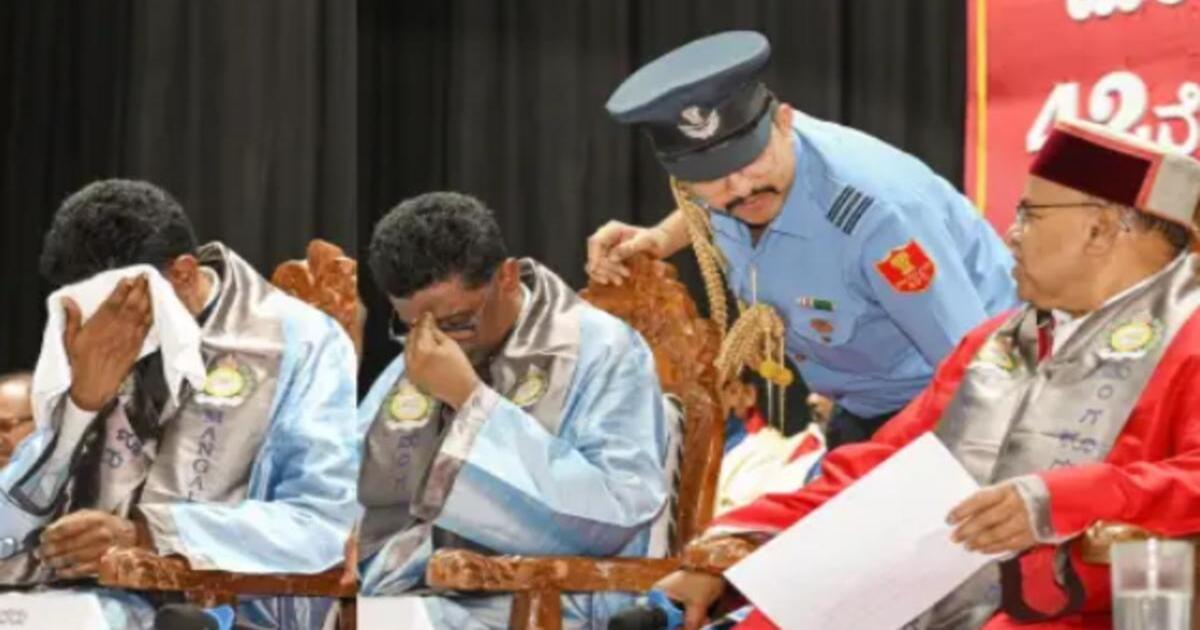
In a recent convocation at Mangalore University, the solemnity and decorum of the occasion were disrupted when the Governor, acting as Chancellor, disregarded established protocol by neglecting to honor Ph.D. holders. This decision deviated from tradition and deeply affected those involved.

Amidst the breach of protocol, Vice Chancellor Dr. PL Dharma found himself unable to rectify the situation. In a poignant display of emotion, he shed tears on stage. The Governor’s actions, whatever their grounds, were deemed inappropriate for such a dignified moment.

The disregard for established norms not only undermined the sanctity of the convocation but also drew widespread criticism from attendees. The lack of recognition for Ph.D. holders sparked outrage among students, parents, and educators present, reflecting a shared disappointment.

Dr. Dharma’s tears symbolized a broader sentiment in response to arbitrary decisions. In a society that often equates leadership with stoicism, his display of vulnerability underscored the emotional toll of such actions. The incident serves as a stark reminder of the importance of upholding traditions and respecting procedures in formal ceremonies.

“The Courage to Cry” is a poignant reminder that true strength lies not only in adhering to principles but also in confronting and expressing emotions when those principles are compromised. Dr. Dharma’s tears embody the courage to acknowledge and confront injustice, despite institutional constraints.

As we reflect on this incident, let us acknowledge the bravery it takes to uphold convictions in the face of adversity. Let us honor the emotional honesty displayed by leaders like Dr. Dharma, whose tears spoke volumes about integrity, empathy, and the enduring importance of honoring ceremony and tradition.

The Old Man and the Sea” is a story of hope and the enduring power of human connection | The importance of mentorship, legacy, and the bonds that sustain us | The enduring human spirit | Global TV

The Triumph and Tragedy of the Human Spirit: Reflections on Hemingway’s “The Old Man and the Sea”

By Fr. Augustine Pottakulangara

Few works capture the profound complexities of the human spirit as poignantly as Ernest Hemingway’s novella, “The Old Man and the Sea in the rich collection of 20th-century literature.” Published in 1952, The Old Man and the Sea is all about the enduring themes of perseverance, dignity, and the intimate bond between humanity and nature.

The Journey of Santiago

The story chronicles the life of Santiago, an aged Cuban fisherman, who gets into an epic struggle against a giant marlin in the deep waters of the Gulf Stream. After 84 days without a catch, Santiago’s faith and determination remain unshaken. His young apprentice, Manolin, though forced by his parents to fish with more successful men, continues to support and care for the old man, embodying a touching portrayal of intergenerational respect and love.

On the 85th day, Santiago hooks an enormous marlin, initiating a grueling three-day battle that tests his strength, resolve, and spirit. Despite his age and physical limitations, Santiago’s deep respect for the marlin as a worthy adversary drives him to endure the exhausting ordeal. This struggle, rich with Christian symbolism, mirrors the trials faced by saints and martyrs who battled against overwhelming odds with unwavering faith.

Themes of Perseverance and Honor

Hemingway’s tale is more than a simple story of man versus fish; it is a profound exploration of the human condition. Santiago’s unyielding struggle reflects the universal theme of perseverance in the face of seemingly insurmountable challenges. His journey is not just about survival, but about proving his worth, not to others, but to himself. It is a quest for dignity and honor, reminiscent of the moral and ethical battles that each of us faces in our lives.

The novella also delves into the relationship between man and nature, highlighting a deep reverence for the natural world. Santiago’s admiration for the marlin and his sorrow over its eventual destruction by sharks symbolize a poignant commentary on the cyclical nature of life and the respect we owe to all of creation.

Symbolism and Reflection

Hemingway’s minimalist prose, with its stark and unembellished style, serves to heighten the emotional and spiritual undertones of the narrative. The marlin represents the ultimate challenge, a symbol of the extraordinary goals and dreams that drive us. Santiago’s dreams of lions on the African beaches harken back to his youth and vitality, symbolizing a longing for lost strength and a connection to a more innocent and powerful time.

The relentless sharks, devouring Santiago’s hard-won prize, stand as a metaphor for the destructive forces in life that can undermine our greatest achievements. Yet, even in defeat, there is a sense of triumph in Santiago’s unwavering spirit and the recognition of his extraordinary effort by those around him.

A Legacy of Hope and Human Connection

In the end, “The Old Man and the Sea” is a story of hope and the enduring power of human connection. Santiago’s relationship with Manolin, marked by deep mutual respect and care, underscores the importance of mentorship, legacy, and the bonds that sustain us. Manolin’s pledge to fish with Santiago again is a promise of renewal and a testament to the enduring human spirit.

As we reflect on Santiago’s journey, we are reminded of our own struggles and triumphs, the dignity with which we face our challenges, and the profound connections that bind us together. Hemingway’s masterpiece, through the lens of Santiago’s epic battle, offers a timeless meditation on the resilience of the human spirit and the sacredness of our endeavors, no matter how seemingly small or insignificant they may appear.

In celebrating “The Old Man and the Sea,” we celebrate the enduring human spirit, the honor of struggle, and the unbreakable bonds of friendship and respect that define our shared human experience.

Fr. Augustine Pottakulangara is a columnist for Global TV, where he explores the intersection of literature, faith, and the human spirit.

Surround yourself with people who share or understand your purpose | A strong support network can provide emotional, practical, and financial help during emergencies | Global TV

Emergency and Purpose in Personal Life: Handling Crises with Clarity and Bounty

Fr. Augustine Pottakulangara

Emergencies in personal life, such as health crises, financial hardships, or sudden changes in circumstances, can be devastating and destabilizing. However, having a clear sense of purpose can provide direction, motivation, and resilience during these challenging times. Additionally, recognizing the unseen hand that works wonders for us can further bolster our ability to manage crises effectively. We should learn about integrating purpose and acknowledging divine interventions in personal emergency management. This can help individuals to overcome crises more effectively and emerge stronger.

Understanding Personal Emergencies

Health crises can disrupt lives unexpectedly, manifesting through sudden illnesses, accidents, or chronic conditions that demand immediate medical attention. These events often lead to significant physical and emotional stress, requiring urgent medical intervention and sometimes prolonged care. The implications extend beyond the affected individual to family members who may need to provide support, manage healthcare logistics, and cope with the emotional toll of the crisis. The financial burden of medical expenses can exacerbate the situation, further complicating the path to recovery and stability.

Financial hardships, such as job loss, unforeseen expenses, or broader economic downturns, can severely impact personal finances and overall well-being. Losing a steady source of income or encountering unexpected costs can lead to difficulties in meeting daily expenses, and maintaining a standard of living. Such hardships often necessitate drastic lifestyle adjustments and can create stress and anxiety, affecting mental health and personal relationships. Managing financial instability requires resilience and often necessitates seeking assistance, whether through community support, or personal networks.

Family and relationship issues, including the loss of a loved one or ongoing family conflicts, deeply affect individuals and their support systems. Grieving the death of a family member or close friend can be a challenging emotional process, while persistent conflicts within the family can create a toxic environment that hampers personal growth and happiness. These issues can strain relationships, diminish emotional support, and lead to long-term psychological effects. Effective communication, and community support play crucial roles in managing and overcoming such challenges.

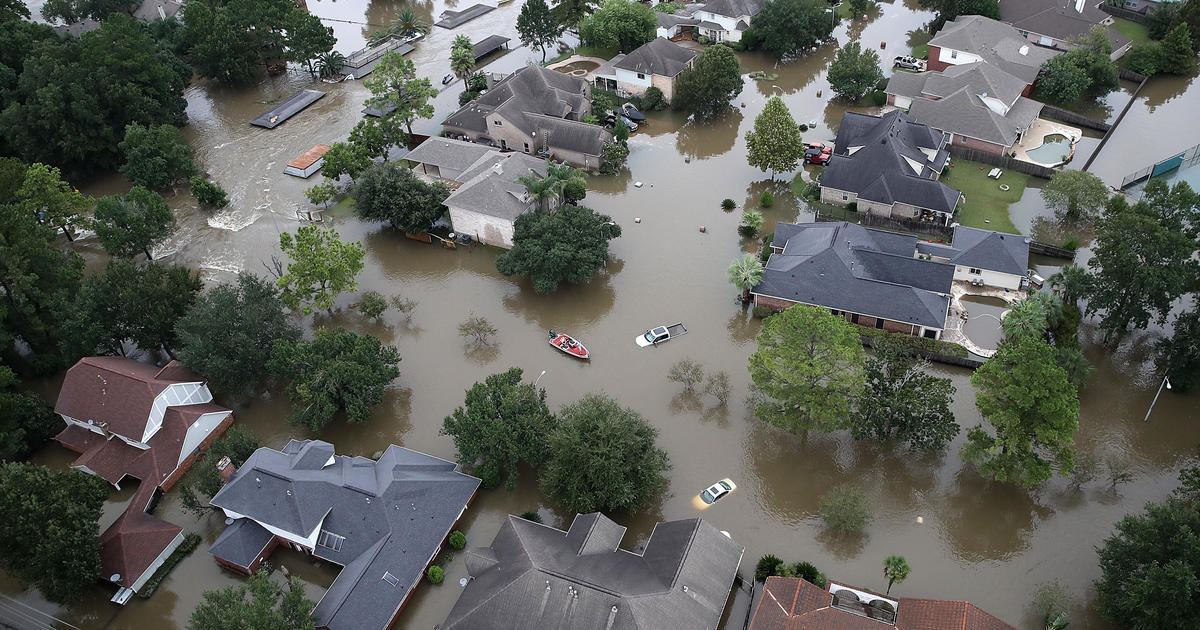
Natural disasters such as floods, fires, or earthquakes have profound personal impacts, often leading to loss of property, displacement, and emotional trauma. The immediate aftermath of such events involves ensuring safety, securing basic necessities, and beginning the process of rebuilding. Long-term recovery can be complicated by financial challenges, loss of community infrastructure, and the psychological impact of experiencing such traumatic events. Community resilience, government aid, and access to mental health resources are vital for individuals affected by natural disasters to rebuild their lives and restore a sense of normalcy.

The Unseen Hand and Divine Interventions

When faced with a personal emergency, having a clear sense of purpose can guide decisions and actions. Purpose acts as a compass, helping individuals prioritize what is most important and make choices aligned with their core values. Additionally, it is essential to recognize the unseen hand that works wonders for us, especially during emergencies. Often, things work faster, and results happen in quick order when there is an emergency. For example, if a surgery needs to be done in two days, it happens within that time, regardless of the cost involved. However, if ten days are available, it tends to delay all those days. This phenomenon highlights the importance of understanding divine interventions. Those who are deeply connected with Godly intervention often see greater things happen beyond their reach and potential.

Building a Support Network

Surround yourself with people who share or understand your purpose. A strong support network can provide emotional, practical, and financial help during emergencies. Share your plans and purpose with trusted friends and family so they can support you effectively when needed.

Emergencies in personal life are inevitable, but a clear sense of purpose can significantly enhance the ability to navigate and recover from these crises. By integrating purpose and recognizing divine interventions in personal emergency management, individuals can make more effective decisions, maintain resilience, and ultimately emerge stronger. Purpose provides direction, motivation, and a long-term perspective, transforming how we handle the unexpected challenges life throws our way.

Harness the power of media wisely, and watch as you achieve more than you ever imagined | Achieve 4 birds with just one shot | Global TV

Media is a 4 Bird Shot: Empowering Youth for a Multi-Faceted Future

We are living in the digital age today. Media has evolved far beyond a mere source of entertainment. It has become a powerhouse of opportunities, enabling youth to achieve multifaceted goals with just a single, strategic approach. By leveraging the potential of media, young individuals can simultaneously pursue education, career development, social engineering, and personal growth. The transformative power of media offers a promising pathway for the youth to grow and excel in various aspects of their lives.

Bird 1: Education

Media has revolutionized the way we access and consume knowledge, providing unprecedented opportunities for learning and expanding horizons. With the internet at our fingertips, online courses, educational channels, and podcasts have democratized education. Platforms such as Dr Devan’s Academy offer unique programs and Coursera offers courses from top universities, allowing anyone with an internet connection to learn from the best. Educational channels break down complex subjects into engaging, easy-to-understand videos, making learning both accessible and enjoyable. This vast array of resources empowers individuals to acquire new skills, advance their knowledge, and even earn degrees online, making education more inclusive and flexible than ever before.

Bird 2: Career Opportunities

Professional growth is very handy with the help of Digital Media Streams. Media serves as a powerful bridge to a world of career opportunities. Young professionals can build and expand their networks, connecting with industry leaders and potential employers. It’s never too early to start your job search, even while you are still studying. Dream big and identify the skills and experiences needed to achieve your dream job. Use media to connect with mentors who can provide guidance and help you reach your goals. Creative professionals can showcase their portfolios, while developers can display their projects, gaining visibility and exposure that opens doors to exciting job prospects. Success stories abound where individuals have used these platforms to significantly enhance their career growth. You can turn your dream job into a reality by effectively leveraging media.

Bird 3: Social Awareness and Social Engineering

Media empowers youth to become influential proponents of change, giving them a voice to advocate for important causes. Social media platforms provide a powerful stage for raising awareness, mobilizing support, and driving societal change. From creating opportunities through collective action to social justice, media enables young and enterprising to amplify their messages and engage with a global audience. Success stories demonstrate the potential of media-driven action. By harnessing the power of media, young people can contribute to meaningful change and positively impact society.

Bird 4: Personal Development and Well-being

Media is also a rich source of inspiration and motivation, offering a wealth of content that supports personal development and well-being. Get into the right forums that can provide valuable insights and advice on various aspects of life. Emotional equilibrium is more important than physical fitness. Mental health and financial literacy are important for self-improvement. Engaging with motivational content can spark new interests, encourage healthy habits, and foster a growth mindset.

Key Points

Media serves as a multi-functional tool that supports education, career growth, social activism, and personal development. By understanding and harnessing its potential, youth can unlock opportunities and achieve more than they ever imagined.

Call to Action

Embrace the power of media responsibly and creatively. Explore the wealth of opportunities it offers and let it propel you towards success in every aspect of your life.

Inspiring Closing

Harness the power of media wisely, and watch as you achieve more than you ever imagined. You can achieve 4 birds with just one shot. The future is in your hands, and with media as your ally, there are no limits to what you can accomplish.