All posts by admin

About admin

Chairman of Global TV | Excellent Writer | Exceptional PR Skills | Author of Six books | MASTER HEALER | +91 98441 82044 |

Dr. Oommen Mammen | Recognizing his flair and ingenuity, his company did something rare; they sponsored him for an elite management program | Global TV

From Army Dreams to Market Leadership to Academic Excellence: Transformational Journey of Dr. Oommen Mammen | Dream always take a Detour | Global TV

NV Paulose, Chairman, Global TV +91 98441 82044
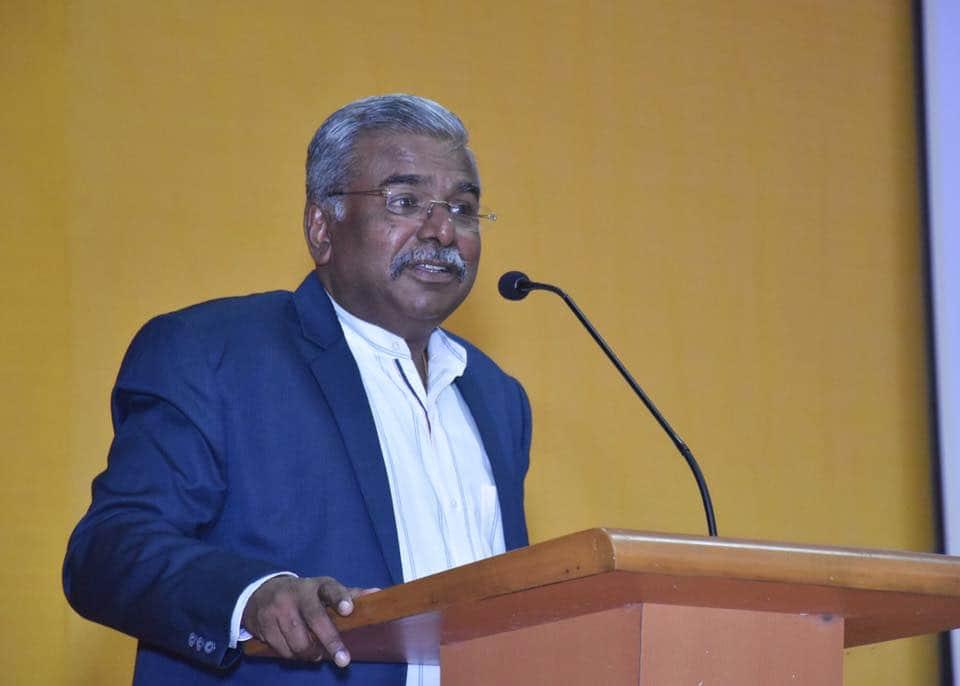
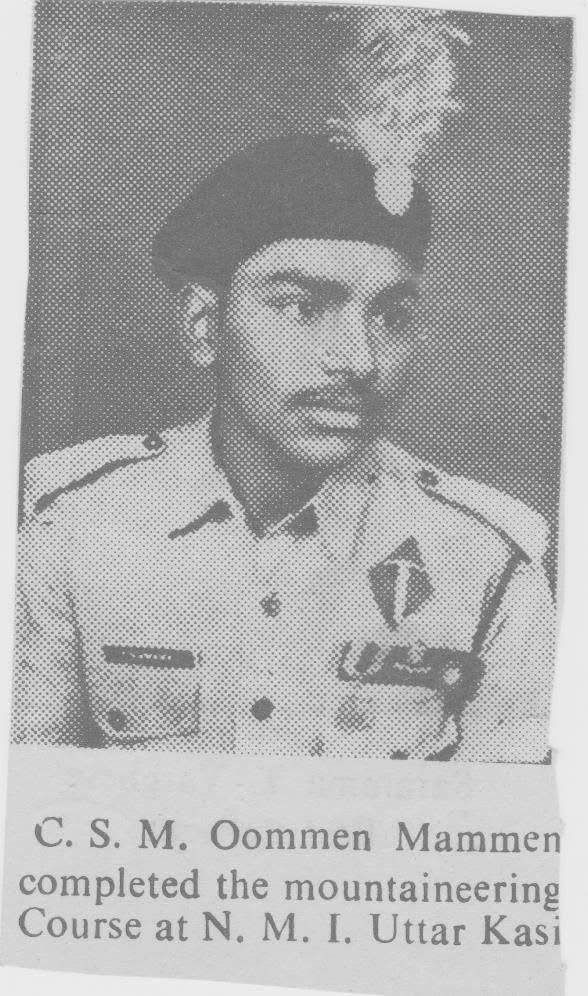
In the year 1978, a youngster named Oommen Mammen stood on the threshold of his dream. He had cleared the prestigious UPSC Service Selection Board (SSB) exam and interview; gateways to becoming a commissioned officer in the Indian Army. Out of over three lakh applicants, he had secured an enviable rank of 173.

For the determined young aspirant, it was not just a personal triumph, but the realization of a dream long nurtured in silence. He was fond of the uniforms and had emotionally adorned it on to himself as a matter of pride. He was sure about joining the service of a warrior who protect the nation and was proud about it.

But fate, as it often does, had other plans.

At the medical examination in Gwalior, the dream unravelled. A diagnosis of a deviated septum; a seemingly minor nasal irregularity, disqualified him. Doctors cited potential breathing issues at high altitudes. It was a harsh verdict. In a single moment, the uniform, the stars, and the life of service slipped out of his reach.
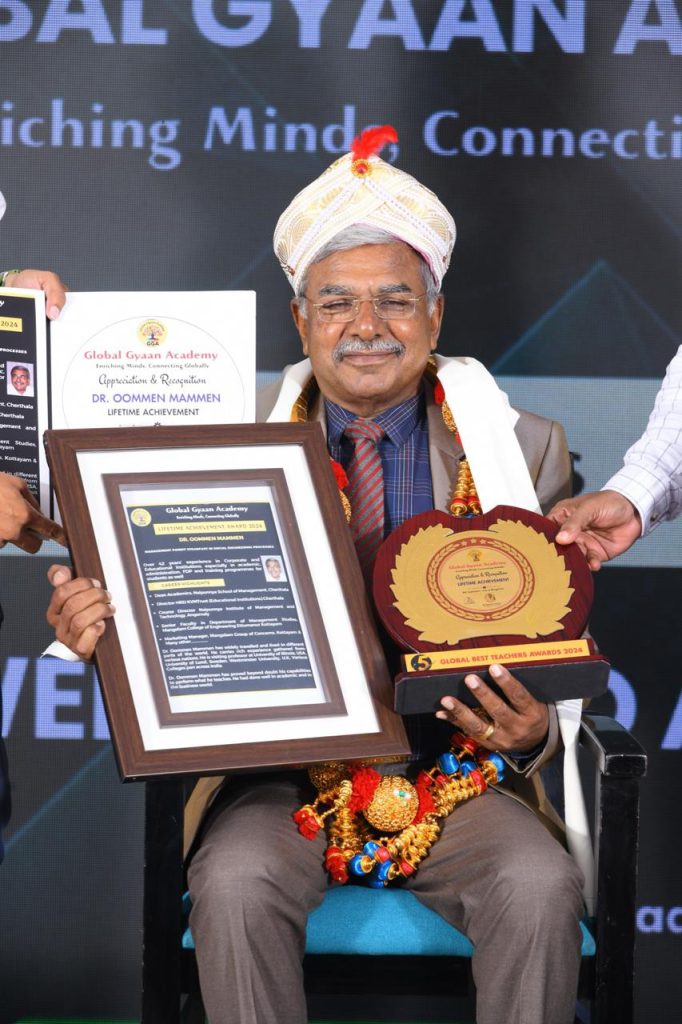
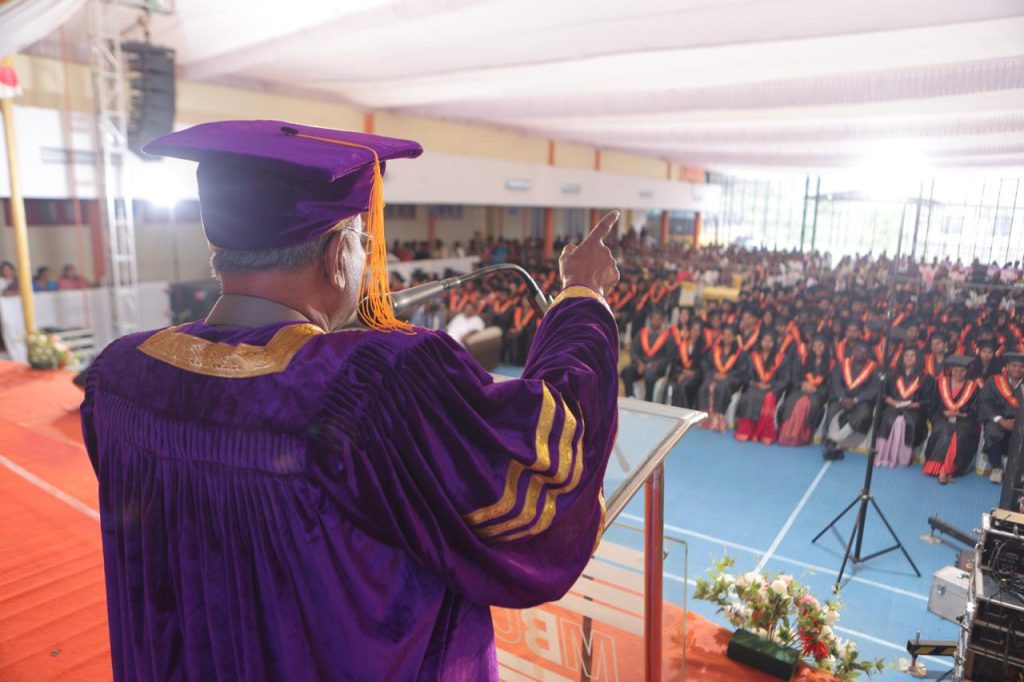
Disheartened but composed, Oommen boarded the train back home, unaware that destiny was seated across from him in the form of Mr. Narayan; a General Manager with Smith and Nephew. The two strangers began to talk. Listening to Oommen’s story, Mr. Narayan saw not a rejected candidate, but a resourceful young man brimming with potential. “Why don’t you try marketing?” he asked.

That question became the key that unlocked the next phase of Oommen Mammen’s life. By the time the train reached its final destination, Mr. Narayan had already taken his own mental interview of the young man. The appointment order from Smith and Nephew arrived almost as fast as the train. It was the first major turning point in a life that would soon be defined not by uniforms and ranks, but by strategy, innovation, and the art of influencing people positively.
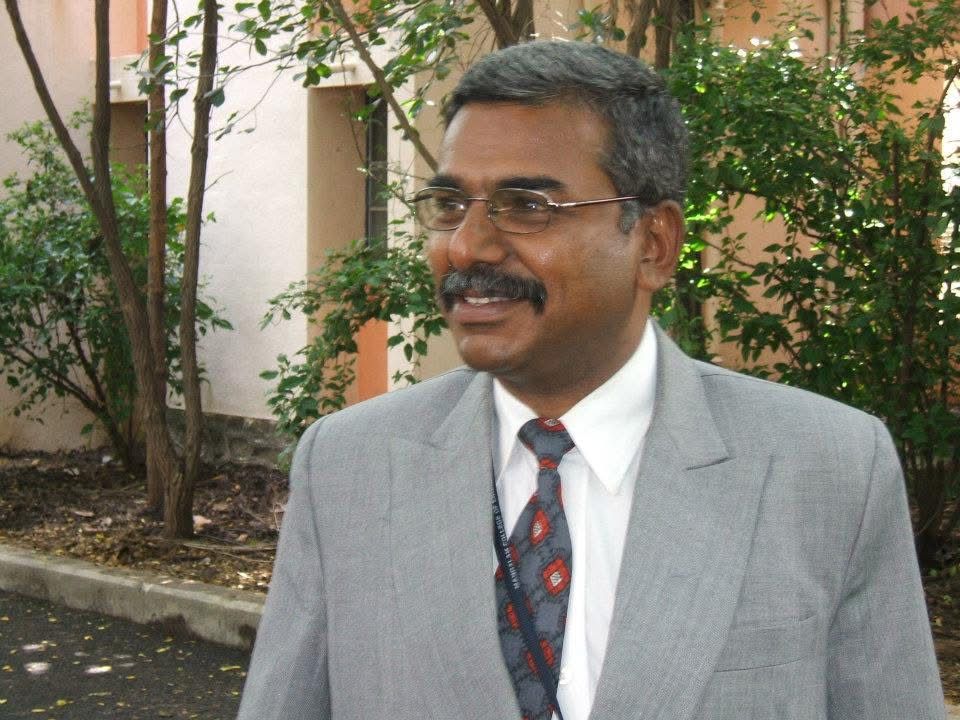
By 1982-83, Oommen was tasked with the challenging role of marketing an ambitious product named SlimAid, a weight-loss sachet priced steeply at ₹135; an amount that raised eyebrows in a market unfamiliar with diet solutions during those times. Rejections piled up as doctors were sceptical about unproven clinical benefits. But giving up was not in Oommen’s vocabulary. He turned to beauty parlours; an unconventional yet brilliant move. Starting with a friend’s wife’s parlour, he placed a mere two packets. Word spread. Two became twenty.

Twenty became two hundred, and soon the demand touched 2,000 packets a month. He had discovered a grassroots model of promotion that got him connected with real consumers and people who meet them on and often.
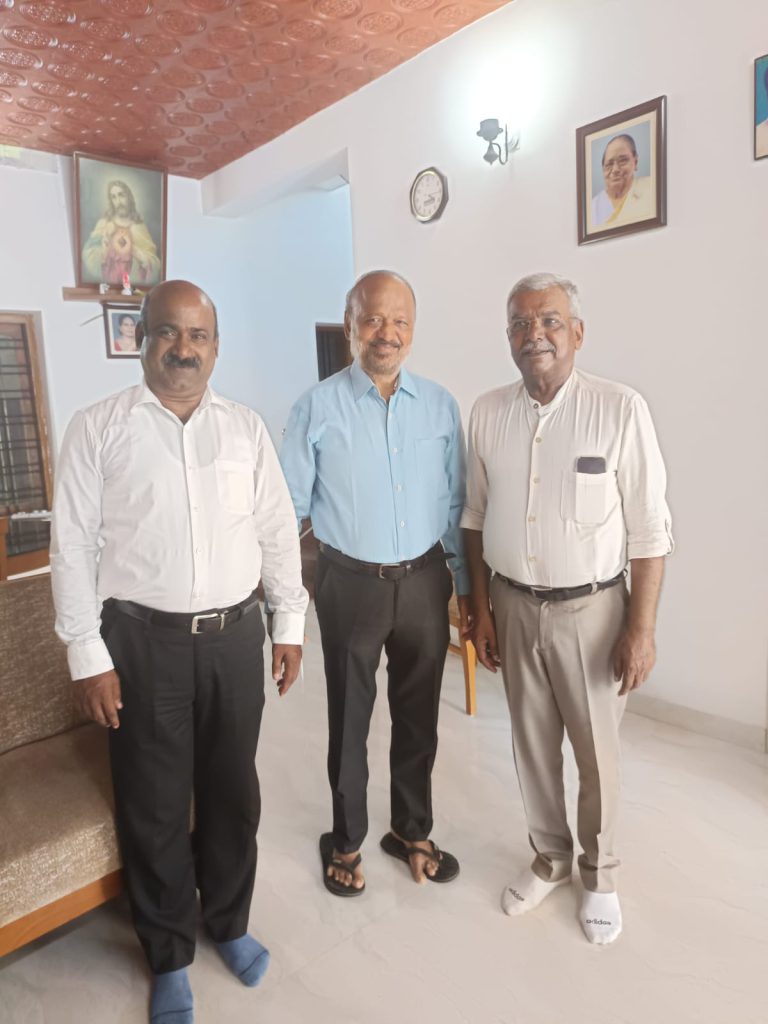
Another moment of serendipity followed. At the Taj Hotel in Bangalore, Oommen struck a deal with a chef; introducing SlimAid as a premium health drink. The sachet that cost ₹135 was served at ₹900 on the Taj menu. In a flash, the positioning of the product shifted; from uncertain to aspirational.

Recognizing his flair and ingenuity, his company did something rare; they sponsored him for an elite management program at the renowned Jamnalal Bajaj Institute. It was a transformative period. Surrounded by future luminaries like film director Dr. Manirathnam. Oommen’s worldview expanded very swift and it got polished by academic rigor and the fire of ambition.

By 1993, the boy who once dreamed of donning the army uniform was now the General Manager of Sales. He had climbed steadily, not with the boots of a soldier, but with the boldness of a pioneer.

A Journey of Resolve and Reinvention:

His life, marked by audacious dreams, unexpected detours, and a relentless will to overcome adversity, reads like a narrative meant to inspire not only those in business and academia but anyone who has ever dared to dream.
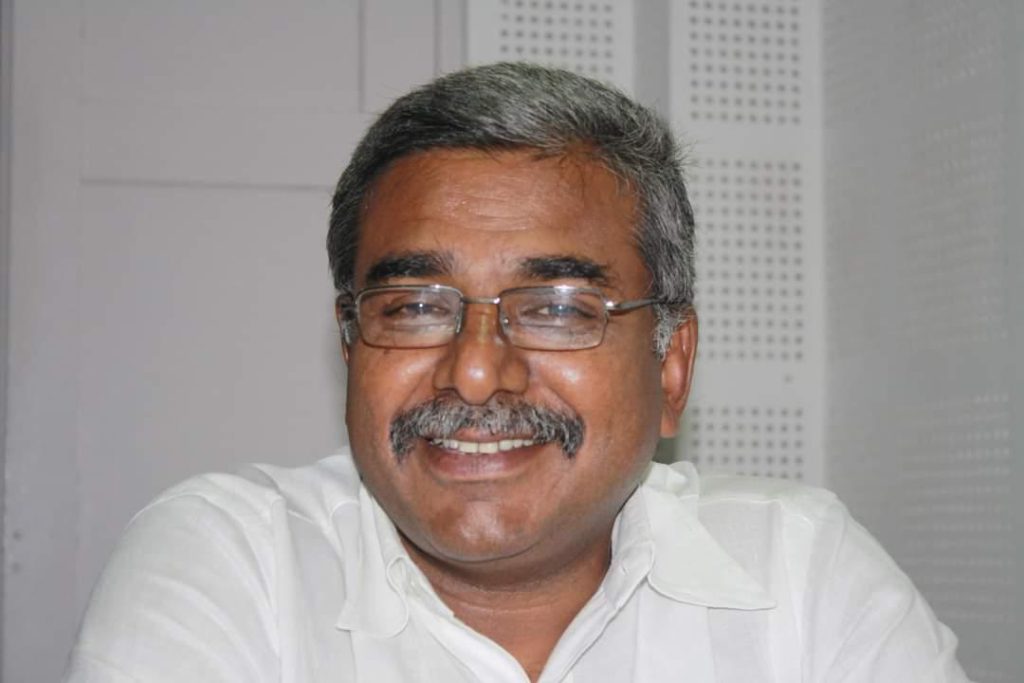
One evening, during a trip in Hyderabad, he collapsed in his hotel room. A hotel staff member found him unconscious, bleeding from the head. A misdiagnosis followed; carcinoma, a form of blood cancer. For nearly a year, he lived with this grim prognosis, undergoing weekly blood transfusions. “Every youth in my village donated blood,” he recalls. The trauma was immense.

But as fate would have it, a second opinion and deeper tests revealed the real issue: a hormonal secretion disorder related to the pituitary gland. A corrective surgery brought him back from the brink, not just physically, but spiritually. It was during this time that his family began to understand the emotional and psychological toll his career had taken.

A Gentle turn towards Education

Following his recovery, Oommen Mammen left his high-pressure job and embraced a quieter, yet equally impactful path; teaching. He joined Dr. D.Y. Patil University as an Assistant Professor, later moving back to Kerala where he joined the Mangalam Group of Institutions. Initially appointed as General Manager, he soon transitioned to teaching Managerial Economics in their engineering college.
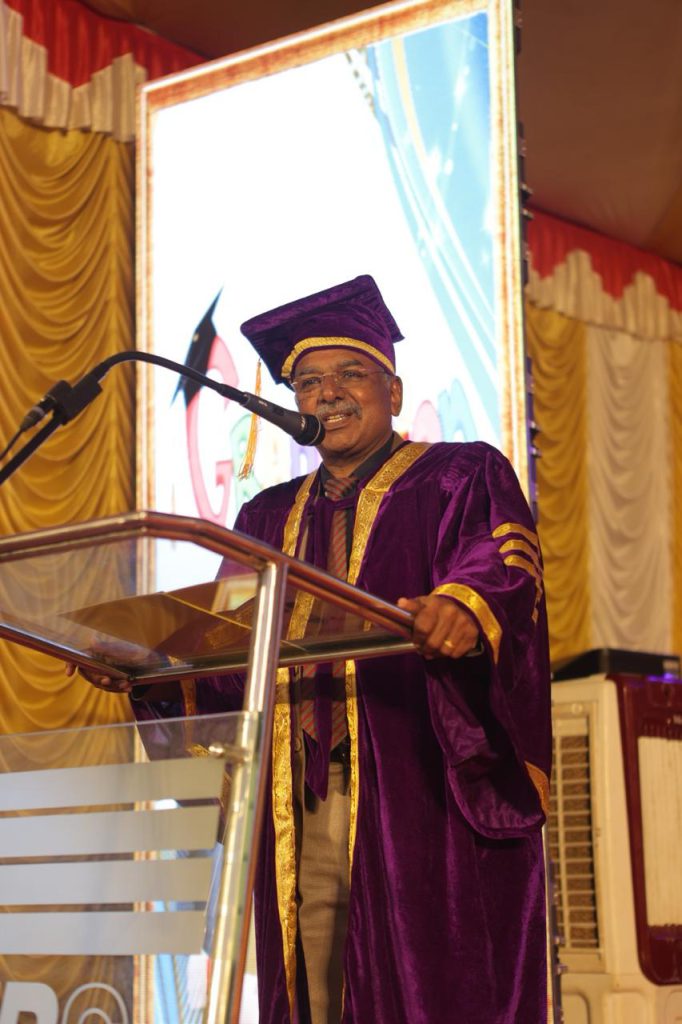
Not one to rest, he proposed and successfully launched an MBA program within the group. However, the transition came with financial sacrifices. From earning ₹70,000 at Smith & Nephew, his monthly income dropped to ₹12,000. The cut was steep, but he chose fulfilment over fortune.

The Essence of a Life Well Lived

Through twists of fate, errors in diagnosis, train conversations, and career upheavals, Dr. Oommen Mammen continually reinvented himself. From aspiring soldier to marketing pioneer, from a falsely identified cancer patient to pituitary survivor, and from corporate executive to educator; his life stands as a compelling example of taking deviation and action in renewed motion whenever required.

What remains constant throughout is his unwavering spirit and his belief in turning setbacks into stepping stones. His story is emerging every now and again, not merely about success, but about transformation, about finding meaning in the unpredictable, and about embracing each turn with purpose and courage.

The Spark of Ethics and the Fire Within

It was never part of a grand plan. When he first stepped into the classroom, the instruction was clear but cryptic: “Talk to them. But don’t talk about the subject.” It was almost absurd to him. He was entering the world of academia with decades of sales and marketing behind him; and now he had to fill an hour without discussing curriculum? Yet something in him stirred. A quiet challenge. A shift.
He began speaking not from textbooks but from memory; from his years on the road, from boardrooms and by lanes, from brand wars and ethics breached. Nestlé in India. Adidas in sweatshops. Coca-Cola’s green-tinted promises. He spoke of the shadows that stalked the gleaming facades of multinational giants. Surprisingly, the students leaned in. His stories got connected.

That day, he discovered the magic of storytelling as pedagogy. When his director eventually assigned him the subject of “Business Ethics”; famously dry and moralistic, he embraced it not with theory but with life. “It was all moral science,” he recalled, “Do’s and don’ts. But I gave it a soul.” He brought in real case studies, ethical dilemmas, and industry disasters. It wasn’t about right and wrong anymore; it was about human decisions, corporate consequences, and moral courage. Behind his ability to talk so freely was a lesser-known discipline: reading. In the lonely hours of travel; on trains, in hotel lobbies, and between flights, he read. News. Reports. Books. Not just for information, but for insight.
“Reading helped me survive that classroom,” he recalled, “It shaped me long before I knew I needed it.” Then life, ever unpredictable, handed him another surprise. One night, his friend turned up at his doorstep. Without much preamble, she insisted: “We must visit our old college.” His wife, trusting and calm, allowed him to leave with her that very night. At midnight, they found themselves climbing a tree on campus; looking for an old carving of his name. Torchlight. Security guard. A 200-rupee bribe. It was bizarre, magical, childlike. A fleeting moment of past and present meeting in silence.
And then she asked the question that would change everything: “Why don’t you do your PhD?” He laughed. “I have no money for that,” he replied truthfully.

But she insisted. She would sponsor it. At least help him apply for scholarships. She pushed him to dream, and when he hesitated, she pushed harder. She found agencies. Suggested universities. Eventually, he was admitted to Utrecht University in the Netherlands. She even gave him ₹1.5 lakh; to begin the process.
Then came the real world: quitting his job, feeding his family, surviving in a foreign system. He stalled. Until one morning, she showed up again; not as a benefactor, but as a creditor. “Either return the money,” she said, “or use it.”

The deadline was six months. There was no money to return. Her words ignited something. A deadline, yes; but also a lifeline. He was being asked to commit, to leap, to step into the unknown with nothing but grit. And so he began again.

The Road Less Taken

But the real battle had just begun. How could I afford to live abroad? Quit my job? Maintain a family? Survive? I turned to something I had done before: books.
I began organizing book exhibitions across college campuses. I sold academic titles to libraries, often earning commissions of 35%. After travel and logistics, 25% was still mine. I sold for lakhs at each event. I was part sales rep, part porter, part dreamer. But I survived. My family survived.
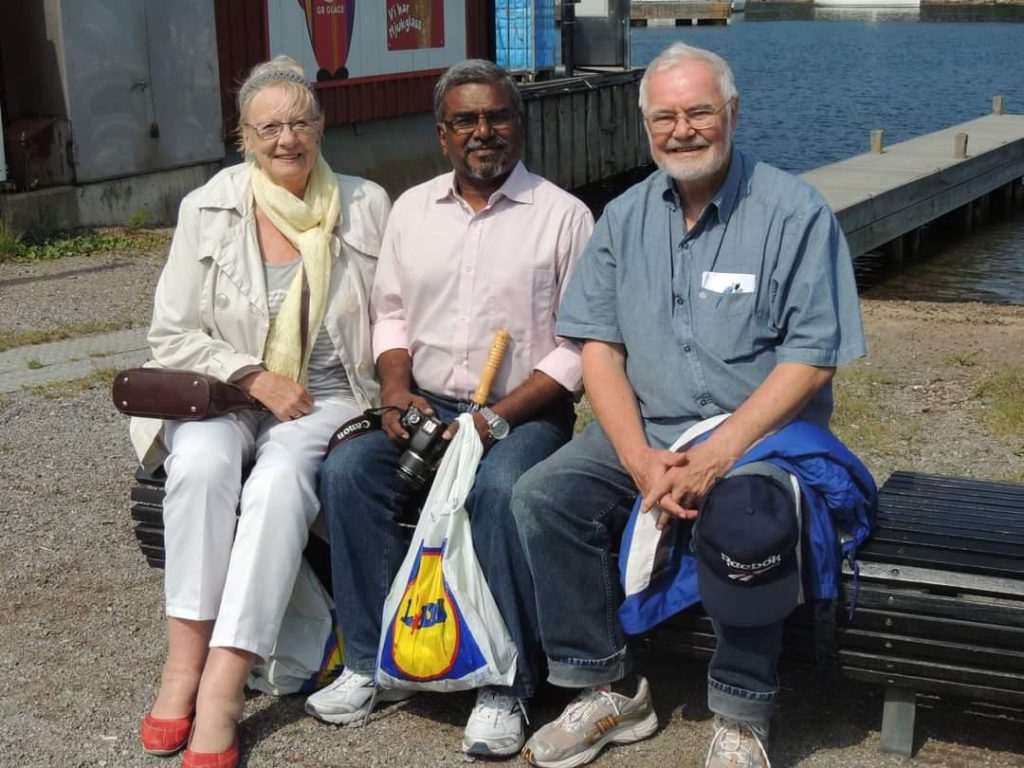
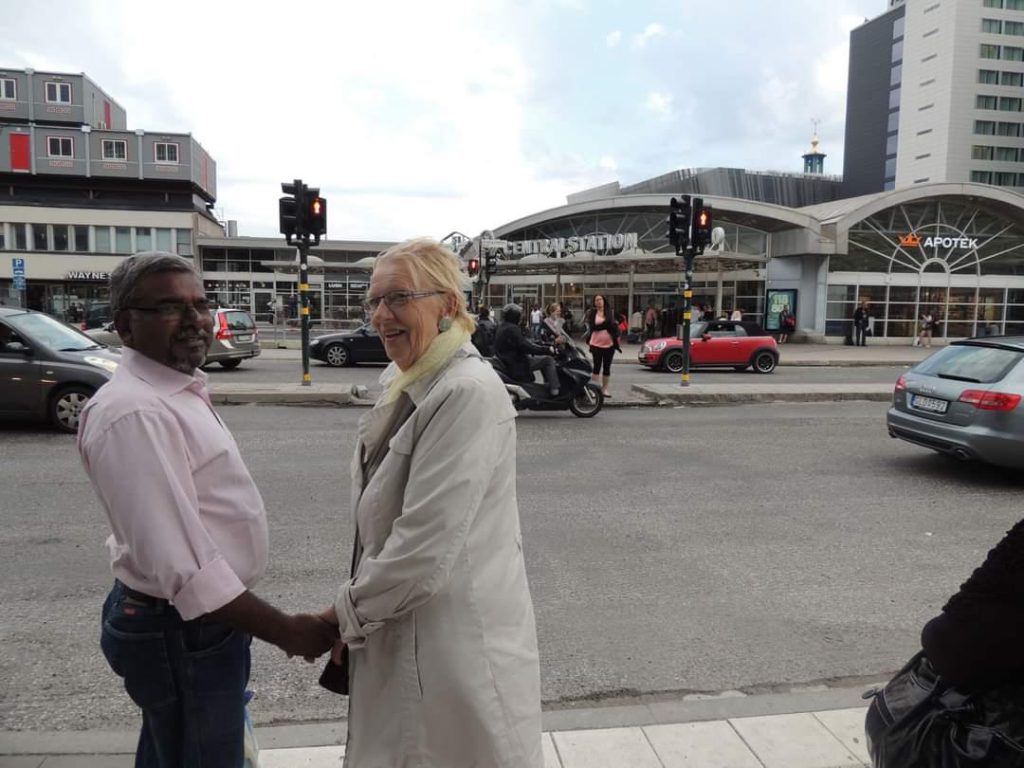
Then came the Netherlands. Expensive. Alien. Cold. My professor there said, “Take up a part-time job.” But part-time work meant less time in the library, less focus. She gave me a crazy idea: “Sell flowers at the pedestrian crossings.”

And so I did. Friday to Sunday, I stood at traffic lights, selling tulips and roses. Not because I had fallen. But because I refused to fall. The library was my university; the flower stand was my sponsor. When I came back, everything changed. My eyes opened wider. I understood that life is not about climbing ladders but about building bridges.

People often ask me, “Why do you speak differently? Why do you teach differently?” I don’t follow the conventional route. Never have. I walk into classrooms with chaos. I speak without notes. I provoke, I disrupt, I challenge.

Sometimes, my ways confuse my students. Sometimes, my department doesn’t understand me. But I know this: I survived. And more than that; I created my own path. They say destiny is written. I say: I write mine.
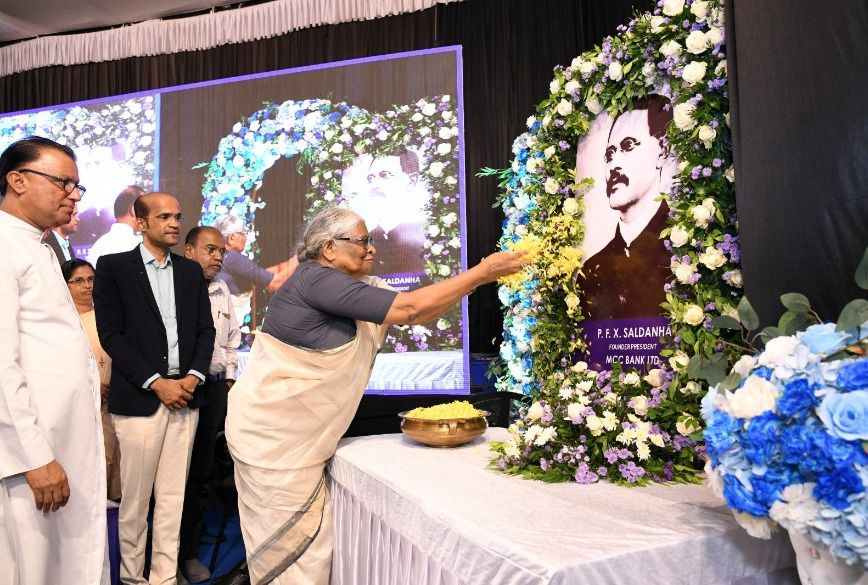
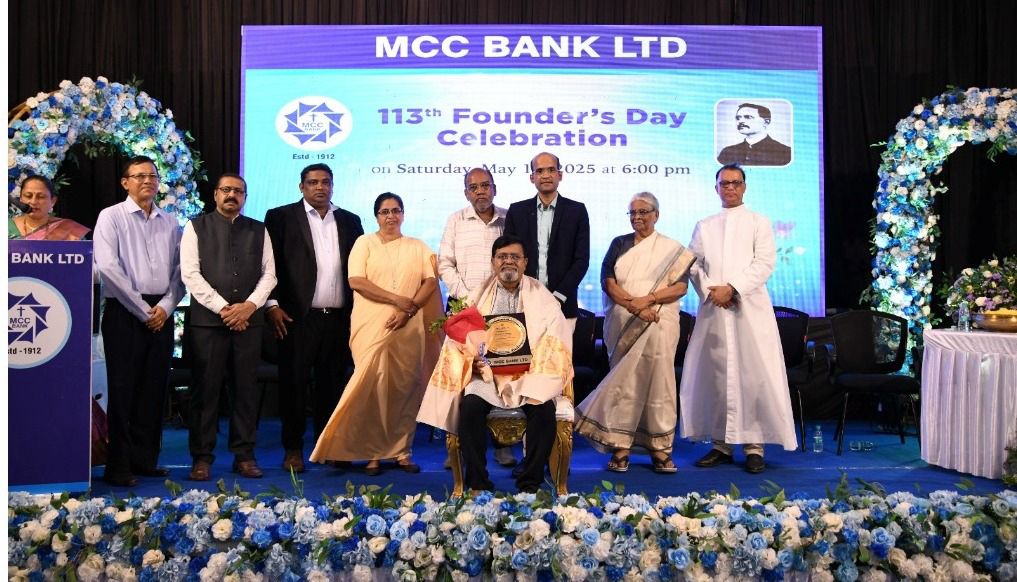
MCC BANK 113 FOUNDER’S DAY |

MCC Bank Ltd Celebrates 113 th Founders Day

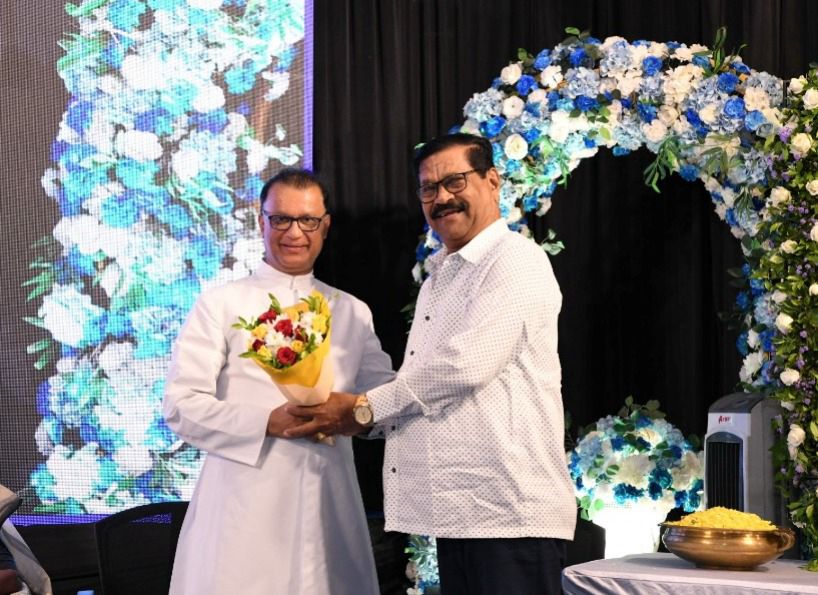
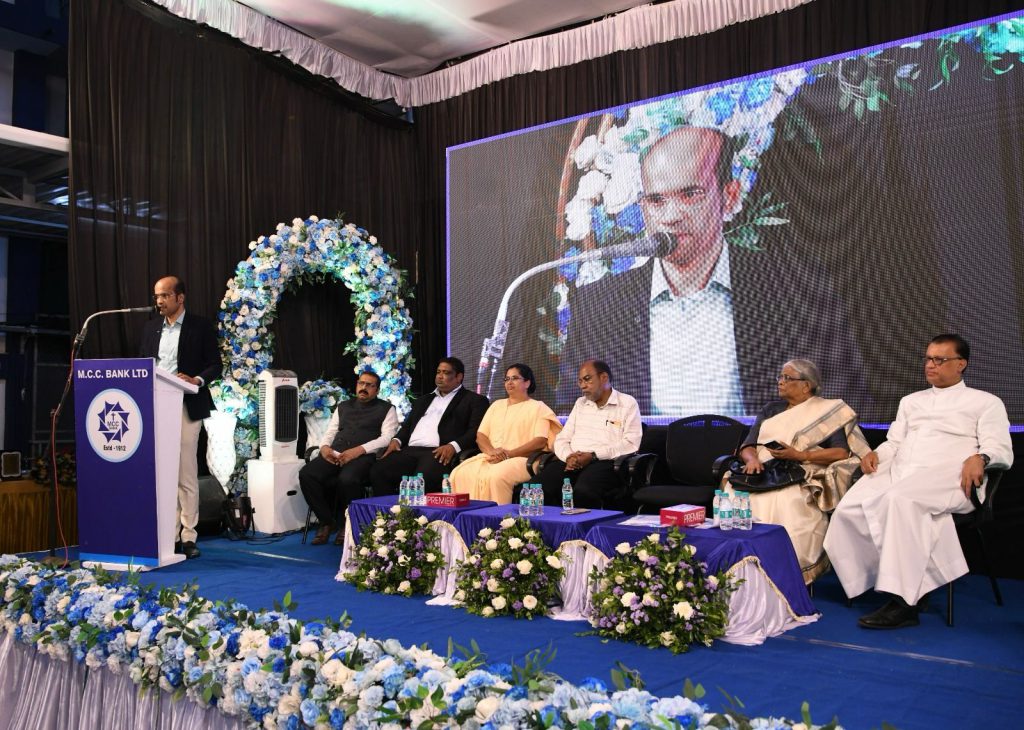
MCC Bank Ltd celebrated its 113th Founders Day at the Administrative Office Campus on 10.05.2025 with a solemn and spirited gathering that highlighted the institution’s unwavering commitment to society since its inception. The celebration paid tribute to the legacy of the founder, Mr. P.F.X. Saldanha, and recognized the bank’s continued progress and resilience in the cooperative sector.

The program began with a prayer conducted by Deale Dsouza and team. Documentary on the history and progress of the bank was presented.
The event was presided over by Sahakara Ratna Mr Anil Lobo, Chairman of the Bank.

Distinguished guests on the dais included Rev. Fr Denis D’Sa, PRO, Udupi Diocese; Rev. Sr Clara Menezes, UFC, Provincial Superior, Mangalore Province; Mr Lionel Aranha, Chartered Accountant; Prof. Hilda Rayappan, Director, Prajna Counselling Centre; Mr Stephen Menezes, President, Mangalore Konkans, Dubai and Mr Sunil Menezes, General Manager of the Bank.


In his welcome address, Mr Anil Lobo warmly greeted the dignitaries, board members, staff, and guests. He highlighted MCC Bank’s transformation and its parity with nationalized banks in service and performance. He expressed deep admiration for Rev. Fr Denis D’Sa, lauding him as a source of inspiration and a symbol of professionalism. Mr Lobo humbly refrained from detailing the Bank’s accomplishments, acknowledging that they had already been well communicated.

The program included a touching tribute to the Bank’s founder, as dignitaries and member of Mr P.F.X. Saldanha’s family offered floral respects to his portrait.

In his keynote address, Rev. Fr Denis D’Sa congratulated the Bank and delivered an
inspiring message rooted in three core principles:

  1. Looking Back with Gratitude – Celebrating the legacy and foundational values
    of the institution.
  2. Looking Within for Self-Evaluation – Encouraging introspection through SWOT
    analysis and the courage to take risks.
  3. Looking Forward with Trust in God – Emphasizing faith and perseverance,
    drawing parallels with astronaut Sunitha Williams’ journey.
    He urged the staff members to remain diligent, serve with empathy, and approach
    customers with a smile.
    Charity contributions were distributed by the Chairman to De Mercede Orphanage,
    Panir, and Shalom Trust®️, Kankanady, underlining the Bank’s commitment to
    social responsibility.

Rev. Sr Clara Menezes released the annual bulletin, joined by Editor Dr Gerald Pinto
and Sub-Editor Ms Shery Ashna. In her address, she praised the Bank’s legacy and emphasized the importance of opportunity, patience, professionalism, and hard work in achieving sustainable growth. Newly qualified Chartered Accountants, children of esteemed customers were felicitated.

Prof. Dr Edmund J. B. Frank, St Aloysius college and Ex-chairman of MCC bank, Mr Marcel M. Dsouza, Ex Director of MCC Bank, Konkani Writer and Mr Stephen Menezes, newly elected President of Mangalore Konkans, Dubai, for their commendable service to the community were felicitated.

CA Lionel Aranha presented a brief history of the Bank, reminding attendees that success is not merely about results, but about the integrity and principles upheld in achieving them.

The customers who celebrated their birthdays in the month of May were honoured. Prof Hilda Rayappan, Director of Prajna Counselling Centre, who has served the Society for the last 50 years was also felicitated during the occasion. In response
she thanked the Bank and emphasized the importance of empathy in service.
Directors Andrew Dsouza, Herold Monteiro, Anil Patrao, Roshan Dsouza, Melwyn Vas, Freeda Dsouza, Irene Rebello, Alwyn P. Montiero, Sharmila Menezes, Felix DCruz, Dr Gerald Pinto, and C G Pinto were present.

General Manager Sunil Menezes proposed the vote of thanks and Ms Grishma Melisha Saldanha, Neermarga compered.

INFOVISION 2025 | fostering innovation, collaboration, and excellence in technology education | Global TV

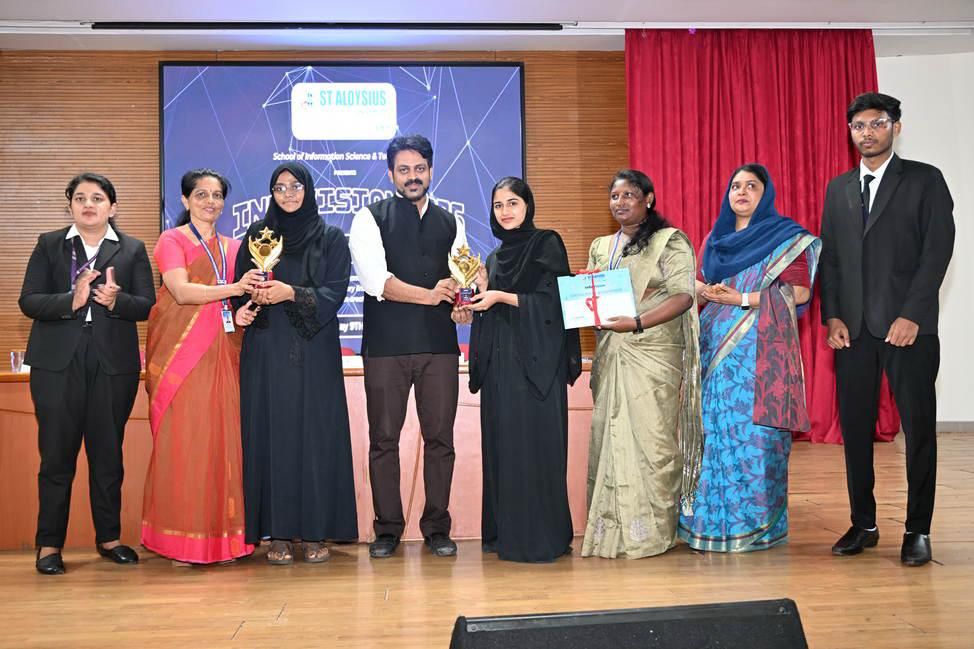
Intercollegiate tech fest INFOVISION 2025 at AIMIT, St Aloysius university

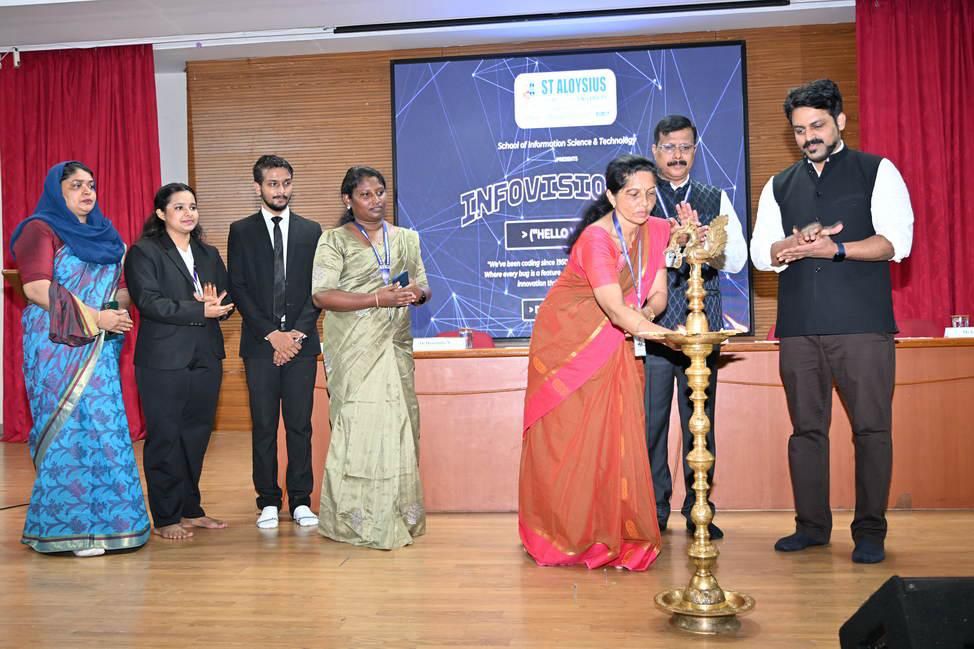
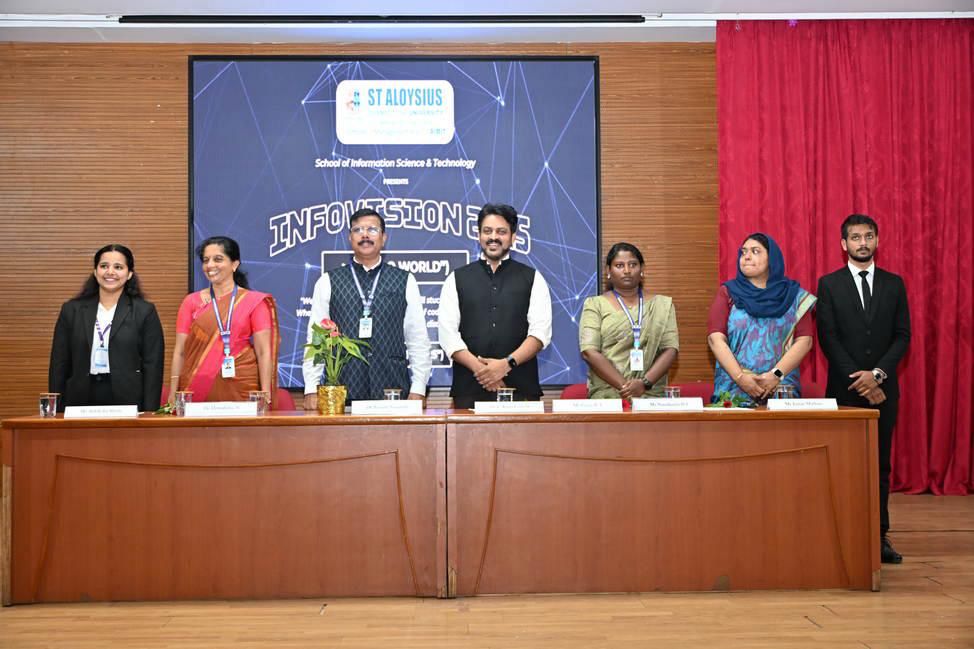
On May 9, 2025, the PG Department of the School of Information Science & Technology at St Aloysius (Deemed to be University), AIMIT Centre, successfully organized its annual intercollegiate tech fest, INFOVISION 2025, under the creative theme “HELLO WORLD”, with the witty tagline: “We’ve been coding since 1950… and still stuck at ‘Hello World’.” The fest served as a vibrant platform for undergraduate students to exhibit their analytical, technical, and cultural talents.

A total of 27 teams from various colleges across Karnataka and Kerala enthusiastically participated in the event, making it a day filled with energy, competition, and innovation. The event commenced with an inaugural ceremony that set the tone for the day.

The ceremony was graced by distinguished dignitaries including the Chief Guest, Dr. Ronald Nazareth, Registrar of St Aloysius (Deemed to be University); Fr. Dr. Kiran Cotha SJ, Director of AIMIT; Dr. Hemalatha N, Dean of the School of Information Science & Technology; along with Ms. Nausheeda B S and Ms. Gana K V, the Staff Coordinators; and Mr. Justin Martin and Ms. Abhiskha Shetty, the Student Coordinators. The day featured six thoughtfully curated events that challenged and celebrated the participants’ skills across various domains. INFOVISION 2025 was a testament to the university’s commitment to fostering innovation, collaboration, and excellence in technology education.

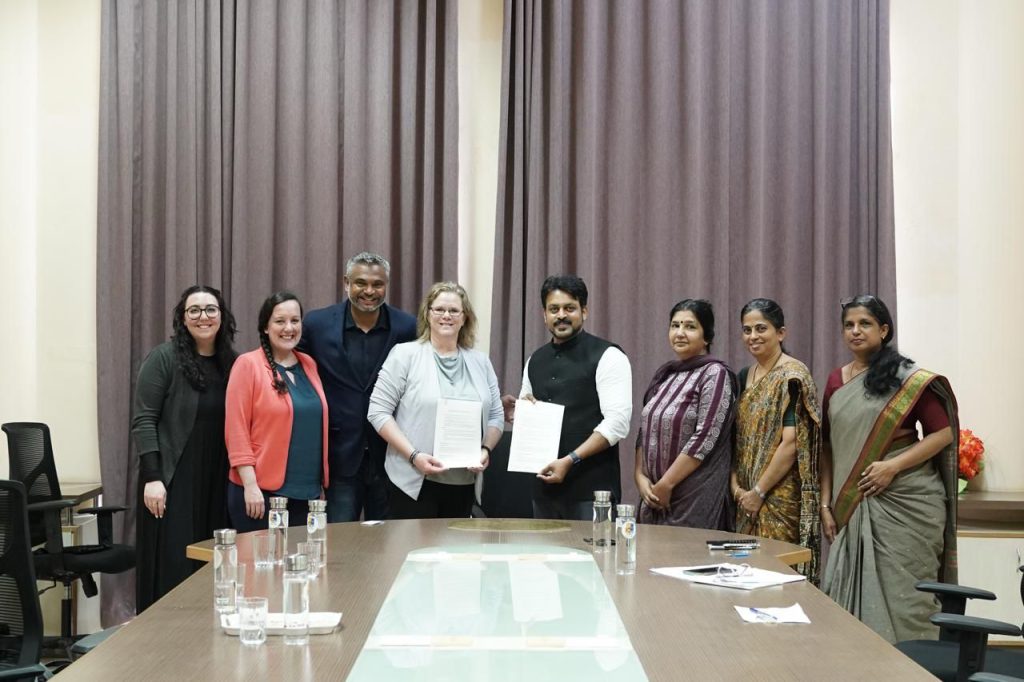
Dr. Fr. Kiran Cotha SJ | Director | AIMIT emphasized the importance of building bridges across borders | Dr. Nikki Fennern expressed her enthusiasm about the partnership, highlighting Judson University’s commitment to fostering international cooperation and academic growth | Global TV

AIMIT, St Aloysius University Signs MOU with Judson University, USA to Foster Global Academic Collaboration

Monday, May 9, 2025 — Mangalore

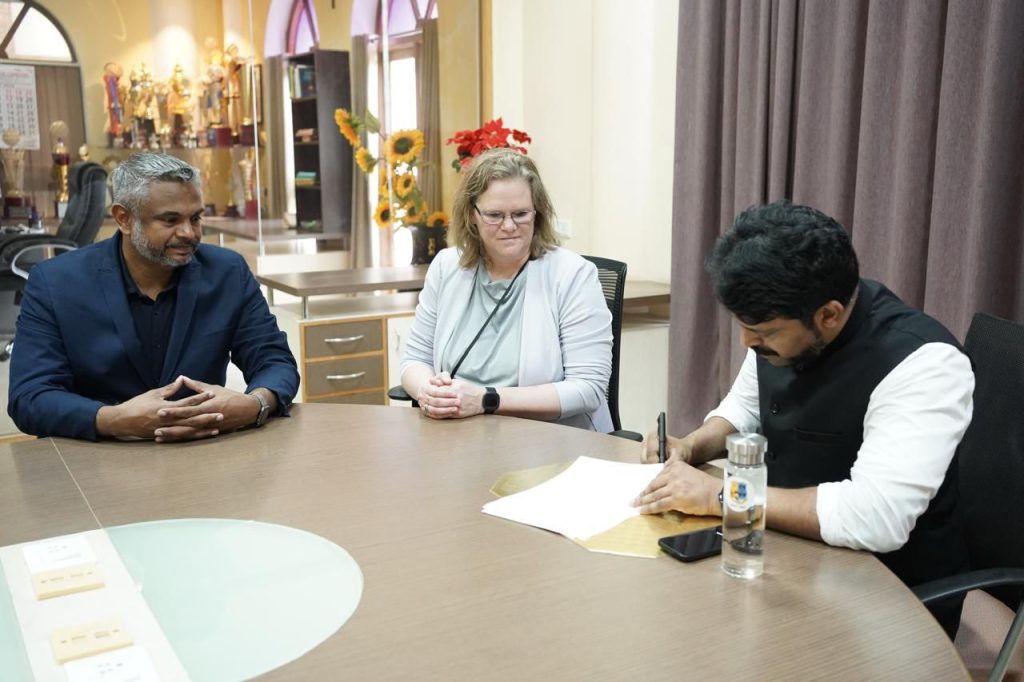
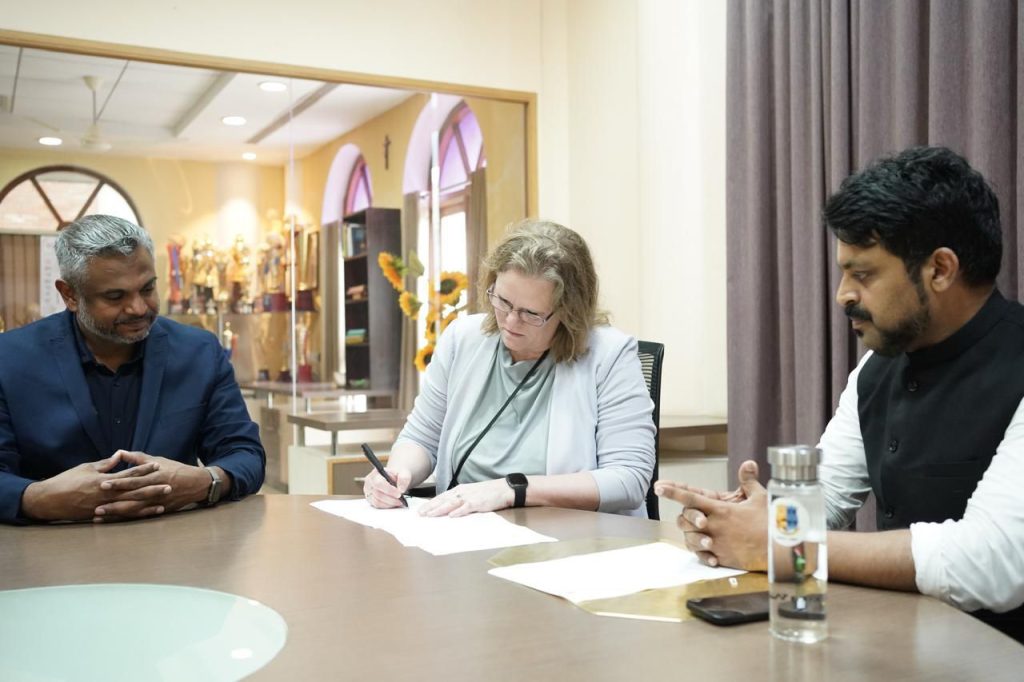
In a significant step towards strengthening global academic partnerships, St Aloysius University’s AIMIT (Aloysius Institute of Management and Information Technology) Centre signed a Memorandum of Understanding (MoU) with Judson University, Illinois, USA. The MoU was formally signed by Dr. Fr. Kiran Coth, Director of AIMIT, and Dr. Nikki Fennern, Vice President of Judson University, during a ceremonial event held at the AIMIT campus.

The primary objective of this MoU is to formalize the mutual intent of St Aloysius University (AU), Judson University, and Campus USA to explore and promote collaborative educational ventures that will be mutually beneficial. This partnership is poised to open avenues for:

International Academic Collaboration: Enabling faculty and student exchange programs, joint academic initiatives, and cross-cultural learning experiences.

Research Partnerships: Facilitating collaborative research projects, co-publications, and innovation-based initiatives across disciplines.

Resource Sharing: Promoting access to academic resources, expertise, and infrastructure between the institutions.

Establishment of a Center of Excellence (CoE): Exploring the possibility of creating a CoE that will serve as a hub for innovation, training, and research in emerging areas of mutual interest.

This collaboration reflects the growing commitment of both institutions to globalize education, foster academic excellence, and contribute meaningfully to the international academic community. It also aligns with the strategic vision of St Aloysius University to provide its students and faculty with broader global exposure and access to best practices in teaching, learning, and research.

Speaking on the occasion, Dr. Fr. Kiran Coth emphasized the importance of building bridges across borders and welcomed the opportunities that the MoU will bring. Dr. Nikki Fennern expressed her enthusiasm about the partnership, highlighting Judson University’s commitment to fostering international cooperation and academic growth.

This MoU marks the beginning of a promising partnership and the way for fruitful academic and cultural exchanges in the years to come.

Mangalam has built its legacy over decades through value-based journalism | Global TV

മൂല്യാധിഷ്ഠിത മാധ്യമ പ്രവര്‍ത്തനം ഉയര്‍ത്തി പിടിച്ച് മംഗളം മുമ്പോട്ട് പോകും. | മംഗളത്തെ തകര്‍ക്കാനുള്ള വ്യാജ പ്രചരണങ്ങൾ തള്ളിക്കളയണമെന്നും
മാനേജ്മെന്റ് അഭ്യർത്ഥിച്ചു.

NV Paulose, Chairman, Global TV +91 98441 82044

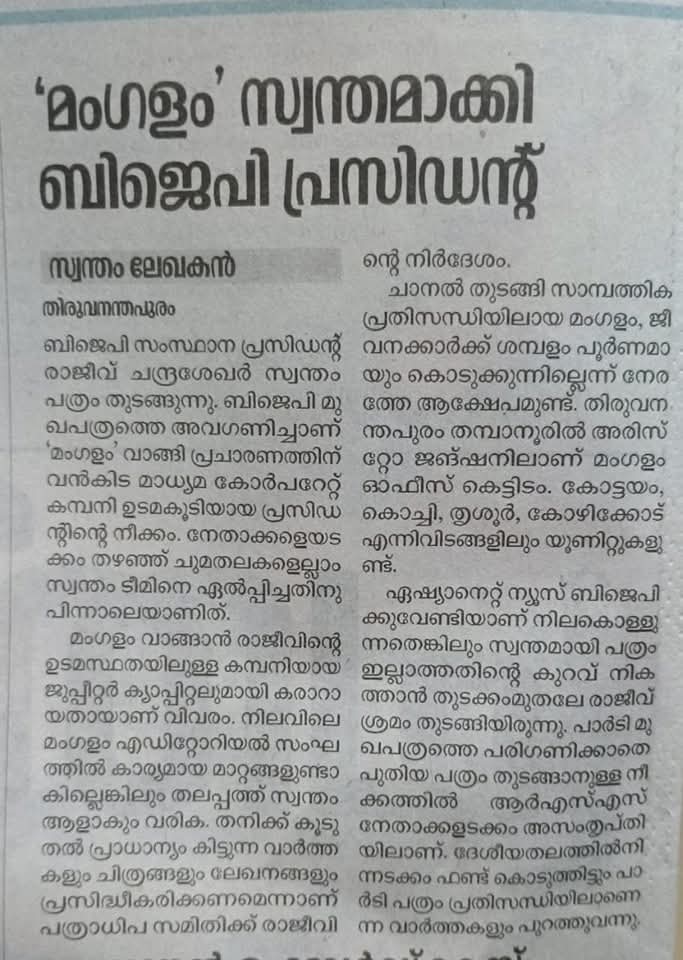
കോട്ടയം: മംഗളം ദിനപത്രത്തിന്റെ മാനേജ്‌മെന്റില്‍ മാറ്റമുണ്ടാകുന്നുവെന്ന തരത്തിലുള്ള വാര്‍ത്തകള്‍ വസ്തുതാ വിരുദ്ധമാണ്. മംഗളം നിയന്ത്രണം ബി.ജെ.പി പ്രസിഡന്റ് രാജീവ് ചന്ദ്രശേഖറിന്റെ നേതൃത്വത്തിലുള്ള ജൂപ്പിറ്റര്‍ കമ്യൂണിക്കേഷന്‍ ഏറ്റെടുത്തുവെന്ന് ചില മാധ്യമങ്ങള്‍ റിപ്പോര്‍ട്ട് ചെയ്തിരുന്നു. എന്നാല്‍ ഇത് അടിസ്ഥാന രഹിതമാണെന്നു മാനേജ്മെന്റ് വ്യക്തമാക്കി. മംഗളം ദിനപത്രത്തിന്റെ മാനേജ്‌മെന്റില്‍ യാതൊരു മാറ്റവുമില്ല. ഇതുമായി ബന്ധപ്പെട്ട് ആരുമായും ചര്‍ച്ചകള്‍ നടക്കുന്നില്ല, നടന്നിട്ടുമില്ല, ഒരു കരാറില്‍ ഏര്‍പ്പെട്ടിട്ടുമില്ല.

മൂല്യാധിഷ്ഠിത മാധ്യമ പ്രവര്‍ത്തനം ഉയര്‍ത്തി പിടിച്ച് മംഗളം മുമ്പോട്ട് പോകും. പതിറ്റാണ്ടുകളുടെ പാരമ്പര്യമുള്ള മംഗളത്തെ തകര്‍ക്കാനുള്ള വ്യാജ പ്രചരണങ്ങളാണ് നടക്കുന്നത്. ഇതില്‍ മാന്യ വായനക്കാര്‍ വീഴരുതെന്നും ഇത്തരം പ്രചരണങ്ങൾ തള്ളിക്കളയണമെന്നും
മാനേജ്മെന്റ് അഭ്യർത്ഥിച്ചു.

Baseless Rumours: Mangalam Refutes Takeover Claims

Kottayam: Reports suggesting a change in the management of Mangalam daily are completely baseless and untrue, clarified the management of Mangalam. Some media outlets had reported that Mangalam was taken over by Jupiter Communications, led by BJP President Rajeev Chandrasekhar. However, the Mangalam management has categorically denied these claims, stating that there has been no change in ownership or management.

“No discussions have taken place with any party regarding a takeover, nor has any agreement been signed,” the management said in a statement. Emphasizing its commitment to value-based journalism, Mangalam asserted that it will continue to move forward upholding its decades-long tradition.

The management also condemned the spread of false propaganda aimed at tarnishing the legacy of Mangalam, and urged its respected readers not to fall prey to such misinformation.

Editorial: Journalism Must Not Be Hijacked by Rumour

Fake newses circulate faster than real news because it goes over the horses of algorithms. Fake information travels faster than truth by design. This design doesn’t belongs to the reader. People are taken for granted by the forces who govern the algorithms.

The responsibility of journalism has never been more sacred or more vulnerable. The recent circulation of baseless claims regarding a management change at Mangalam daily is a glaring example of the decay that sets in when rumour replaces reporting, and hearsay is given the sheen of headlines.

Several outlets irresponsibly reported that Mangalam had been taken over by a politically affiliated media group; without a shred of confirmation from the source, and worse, without even attempting to verify the claim with the management. What followed was not journalism, but a reckless game of Chinese whispers, amplified by the echo chambers of digital media. The management of Mangalam has since firmly denied these claims, asserting there have been no discussions, agreements, or transitions of any sort.

The damage, however, was already done.

False narratives, once released into the public domain, gain a life of their own. They erode the public’s trust, not just in the target of the falsehood but in media as a whole. It is the sacred duty of every newsroom to uphold accuracy, fairness, and integrity; not just when convenient, but always.

Journalism cannot afford to become a tool for vested interests or a playground for speculation. The cost is too high; not merely for individuals or institutions targeted by false reports, but for our democratic discourse itself.

A media house that publishes without verification is not exercising freedom of the press; it is abusing it.

Mangalam has built its legacy over decades through value-based journalism. Attempts to disrupt its credibility with unfounded gossip not only disrespect its history but also betray the basic tenets of journalistic ethics.

Let this incident serve as a reminder. Every journalist, every editor, and every publication has a choice; to be part of the noise or to be part of the truth. The profession we revere demands nothing less than unwavering accountability.

False news may create momentary ripples. But truth, rooted in trust and responsibility, is what endures.

Connect with Global TV | We are a Large Resource Pool | Filled with Energy and Enthusiasm | We Respect Values

Global TV Working Model: A New Age of Activity Unit Partnerships and Massive Collaborations | Global TV

NV Paulose, Chairman, Global TV +91 98441 82044

Media in this era often thrives on negative sensationalism. Global TV is happily working on other side of it. We work as a torchbearer towards a new paradigm which is rooted in positive sensationalism and constructive journalism. We model Kunjan Nambiar, a prominent 18th-century Malayalam poet. Nambiar is credited with creating Ottan Thullal which has become a unique dance-drama art form of Kerala, India. We do it in the model of Appreciative Inquiry in Media. 

The editorial philosophy and ethical focus of Global TV is deeply inspired by the legendry President of India Dr. APJ Abdul Kalam. We talk only positive. More than just a media house, Global TV is a growing ecosystem built on partnerships, grassroots empowerment, and transformative storytelling.

Operations of Global TV is based on the Activity Unit Partnership, influenced by the visionary principles of Dr. PK Abraham, who is fondly remembered as the “Turnaround Legend.” He transformed organisations and took them to next levels with his simple working models. He found brilliant opportunities around dormant assets and new avenues in existing establishments.

Role Creation, Team Building and Systemic Activities structured around Revenue Models were his Mantra for Turn Around Transformations. We were mentored by enormous number of legends, all of them with clear revenue models and working standards.

1. The Philosophy Behind the Model

The Global TV model is an all-round media framework. It is a mission. Drawing inspiration from Dr. Kalam’s call for media to uplift society through positivity, innovation, and vision, the platform reimagines journalism as a tool for Economic Prosperity and Collective Growth. The Media is mentored and strengthened by Dr. PK Abraham’s model of working units: small, manageable teams that operate regularly and purposefully. Just as individual beads form a garland, these activity units come together to create a powerful, connected force of transformation.

2. What is an Activity Unit Partnership?

An Activity Unit Partnership is a micro-ecosystem of coordinated effort. Each unit comprises a small team; typically, 5 to 7 members, engaged in a focused, continuous activity aligned with Global TV’s mission. These units could be communication cells, skill development clusters, media production teams, or service hubs. The power lies in replication and connectivity: when many such units flourish, they collectively build a scalable, Non-Threatening, people-centric media movement to create more economic opportunities for the people.

3. Pillars of the Partnership Model

a. Local Ownership: Every unit is community-rooted, allowing people to take charge of their economic wellbeing and social standing.

b. Capacity Building: Teams receive training in journalism, leadership, digital skills, regular revenue models and social engagement.

c. Revenue Sharing: A transparent, win-win revenue model ensures viability and sustainability for individuals and the platform alike.

d. Content Collaboration: Stories are shared, not imposed. Central editorial values guide the content, but the soul comes from the ground.

e. Spirit of Service: Like Dr. Kalam envisioned, the ultimate goal is to create value based opportunities to uplift lives and to inspire innovation.

4. Implementation Strategy

The Activity Unit model is rolled out through strategic collaboration with:

  • Educational institutions (Schools, Colleges and Universities)
  • Religious Establishments (that are interested in social upliftment)
  • Individual professionals seeking purpose-driven engagement.

Each Activity Unit (AU) undergoes an induction process; starting with an orientation, followed by hands-on training, and eventually independent functioning with periodic mentoring. Digital Connects and networking will ensure seamless coordination across the expanding framework.

5. Examples of Activity Units in Action

  • Tourism Ambassadors: Students trained to promote regional tourism while producing engaging content.
  • Correspondents Cum Social Workers: People who are engaged in the service sectors are empowered with Media Systems to earn additional revenue just by connecting people to their native places.
  • Home Care Supervisors and Wellness Communicators: A blend of media, caregiving, and public health awareness.
  • Campaign Units: Media Centers that train youth to be SLOW & STEADY to transform themselves and to tell the success stories of others.

Each unit becomes independent and interdependent during the process of their evolution and merger with the mainstream themes that are explained above.

6. The Role of Global TV Headquarters

Rather than functioning as a top-heavy command center, Global TV HQ acts as:

  • A visionary lighthouse: guiding the moral and strategic compass of the teams and to network between all of them with required synaptic gaps.
  • A quality assurance node: maintaining credibility, accuracy, and ethical standards. It is easier since we entertain only positive and constructive.
  • A catalyst; facilitating partnerships, mobilizing resources, and presenting collective and replicable economic models for opportunity creations.

7. Benefits and Outcomes

  • Scalable Growth: Small revenue units can emerge anywhere, in the rural villages, metro cities, college campuses or anywhere.
  • Empowerment of People: Youth, women, and Others find opportunities and platforms to create revenue models and to enhance their economy.
  • Economic and Social Value: Each activity unit becomes a self-sustaining micro-enterprise rooted in development.
  • Cultural Rebuilding: Just as a garland is made of flowers, this model rebuilds the cultural fabric by connecting people, purpose, and progress.

A Blueprint for a Micro Media Modelling:

The Global TV Working Model is an evolved practice, an economic movement, and a tribute to the legacy of great minds like Dr. APJ Abdul Kalam and Dr. PK Abraham. By transforming journalism into a micro collaborative, ground-up, development-focused process, Global TV sets a new standard for media: not as a spectator and a Whistle blower, but as a partner in progress.

As the garland of Activity Units grows longer and more vibrant, the invitation remains open: educators, visionaries, youth leaders, and institutions, welcome us, we shall be a part of your prosperity and the new wave of creativity.

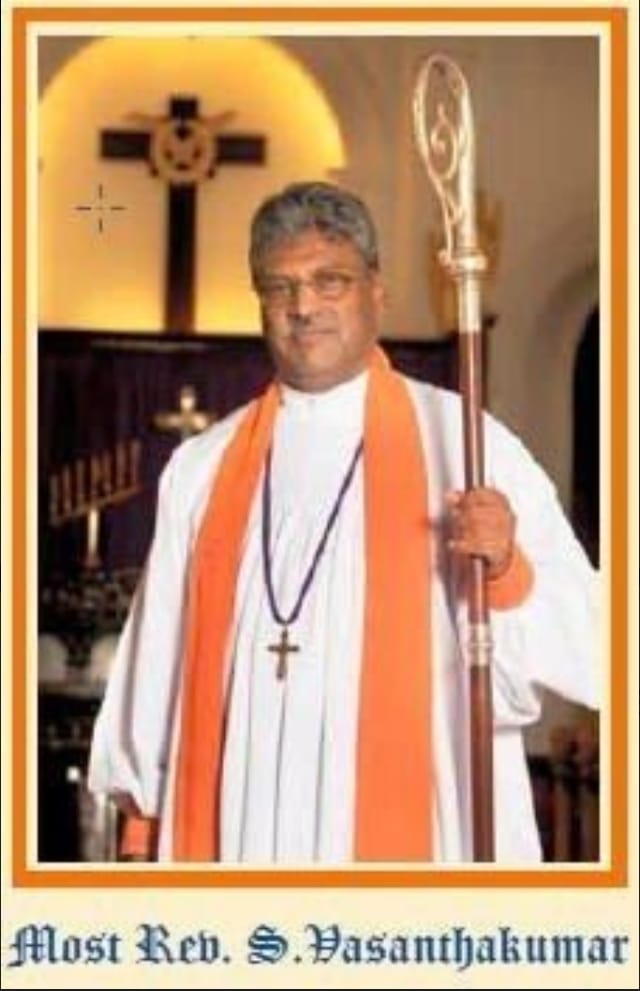
Bishop Most Rev. S. Vasanthakumar | Remaining Humble | Retaining Goodness | Living Simple | Giving Back | Challenging the threats | Global TV

Life is a journey between Karma and Dharma; Bishop Most Rev. S. Vasanthakumar.

NV Paulose, Chairman, Global TV +91 98441 82044

Life, in its purest essence, is a journey. It is a sacred passage where Karma and Dharma intersect, collide, and sometimes even contradict. We should build our lives as an embodiment of service to the concept of humanity. The attempt should be to give back as much possible towards all that we receive from the universe from birth to death; or even before and after. Keeping this delicate balance is the message that we can take from the life of Bishop Most Rev. S. Vasanthakumar.

  • The Legacy of Bishop Most Rev. S. Vasanthakumar

In his story, we witness a man rising through ecclesiastical ranks; with a soul wrestling with duty, justice, pain, and redemption; anchored always in the twin currents of action at the best and righteousness to the core.

Bishop Vasanthakumar is a spiritual voyager, a moral compass in troubled times and a servant leader who walked into spaces most feared to tread. Whether in the villages of Karnataka or on national platforms, he held fast to the conviction that faith without action is dead and action without faith is deadly. His life is the living testament to that truth. Do the best and to the maximum possible.

His life presents a reflective chapter woven with transformative moments from those whose lives were touched by his purest intentions. At its core, it explores how one man lived at the intersection of Karma; the realm of action and consequence, and Dharma; the call to righteousness and duty.

Through struggle and silence, through victories both public and personal, Bishop Vasanthakumar taught us that spiritual leadership is not about control, but courage. It is about standing in the gap between suffering and salvation. As you journey through his stories, you will find a remarkable man and get an inspiration to reflect, examine and redesign your path between Karma and Dharma.

First Turning Point in life; Lessons from a Village Teacher

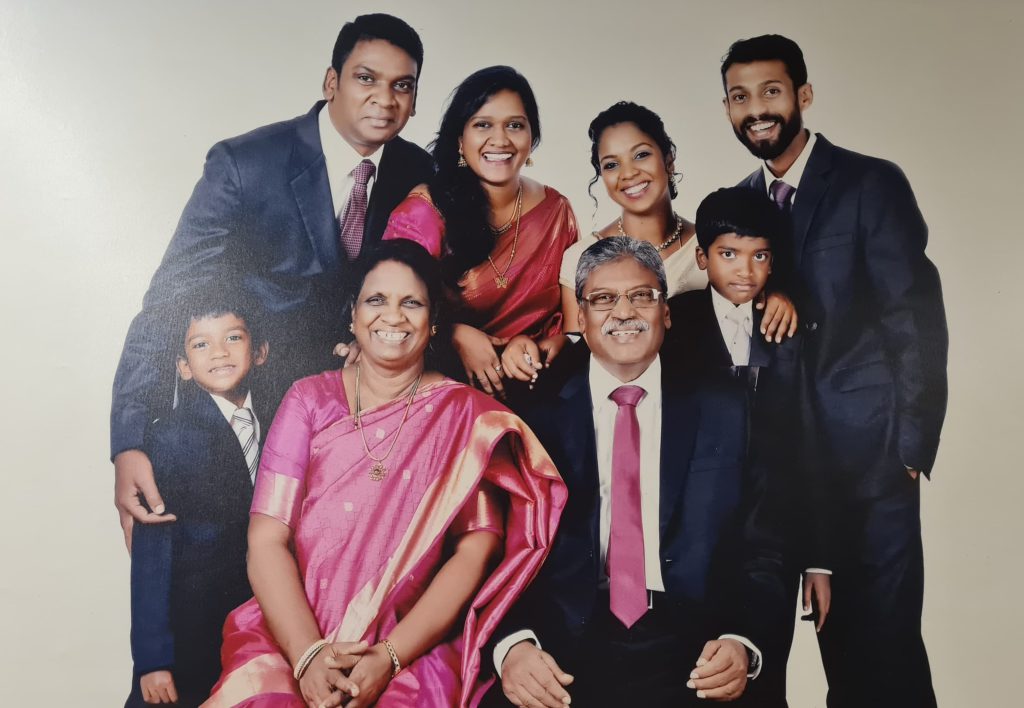
Most Rev. S Vasantha Kumar
Wife: Late Rev Nirmala Vasantha Kumar
Son : Mr. Amar Vasantha Kumar
Daughter in law: Mrs. Eunice Preethi Amar
Grand son 1 : Varun
Grandson 2 : Vivan
Daughter: Arpana Vasantha Kumar
Son in law: Mr. Rajiv

Before the robes of the bishop, before the pulpit and the public addresses, before the long years of service and struggle, there was a village; and a teacher.

In that quiet village, tucked away from the noise of cities and the complexities of academia, young Vasantha Kumar walked to a modest school every day. The school had only one teacher. Four classes were taught in rotation. The system was simple; almost too simple, but it was brilliant in its own way.

The teacher began with the fourth standard, gave them instructions, and then moved to the third, and so on. The older children taught the younger ones in her absence, not out of obligation, but because they were trusted.

It wasn’t just a school. It was a community of learners, a small republic of mutual respect and shared curiosity. That, the Bishop recalls, was his first encounter with leadership and mentorship. It laid the foundation for how he would understand empowerment: not as something handed down, but something passed on through trust and shared responsibility. Real force behind this transformative experience was the teacher; a woman who, though lacking in institutional fame, was generations ahead in pedagogical vision. She didn’t just teach from textbooks. She opened the classroom to the world.

“Go out,” she would say, “and collect leaves from different trees. Identify them. Learn their names.” Another day, she’d say, “Pick up stones. Notice their colors. Their texture. What do they remind you of?” She transformed education into an exploration of nature, life, and meaning. Her radical approach didn’t stop at learning. It extended into social transformation. The village was, like many others, divided along lines of caste and creed; Lingayats, Kurubas, Adi Kannadiga families, and Christians. But in her classroom, there was no segregation.

“Sit together,” she would insist. “You are one.”

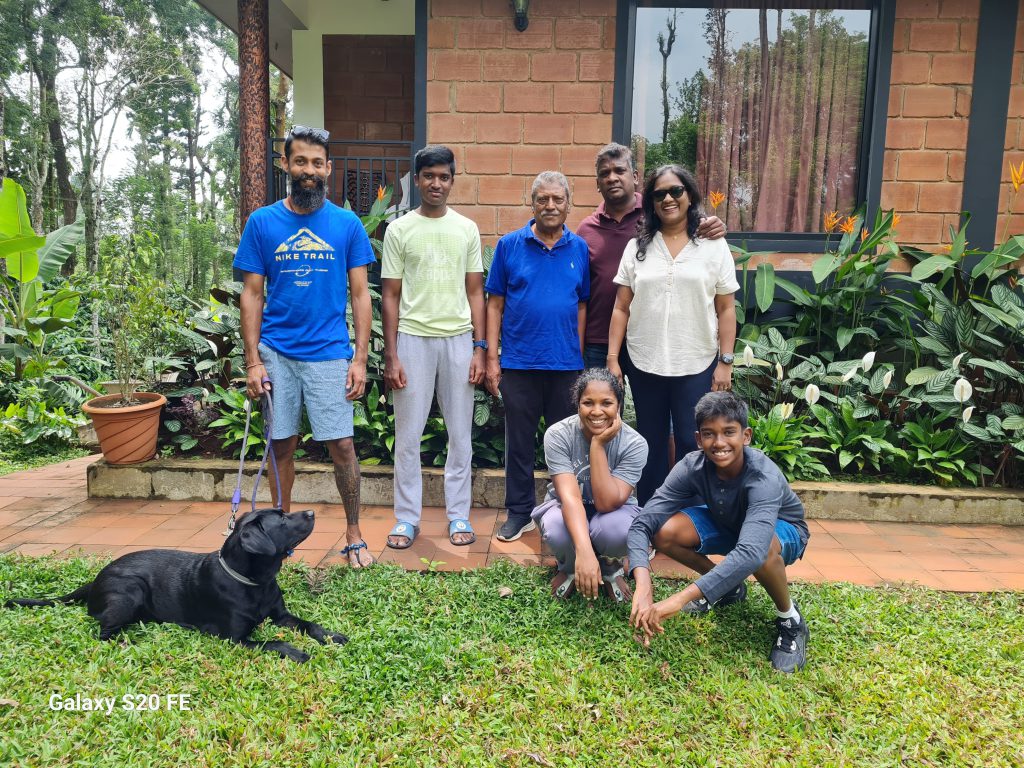
Most Rev. S Vasantha Kumar
Son : Mr. Amar Vasantha Kumar
Daughter in law: Mrs. Eunice Preethi Amar
Grand son 1 : Varun
Grandson 2 : Vivan
Daughter: Arpana Vasantha Kumar
Son in law: Mr. Rajiv
Dog: Storm

These were not mere words. They were seeds planted deep in young minds. Seeds of equality, unity, and compassion; values that no exam could measure, but which life would later demand. The children absorbed it all; equality at the lunch mat, solidarity in homework help, kindness in how they referred to one another. There was no division between “us” and “them.” There was only “we.”

Years later, when that teacher passed away at her daughter’s home in Bangalore, the village boy she once taught had become the Bishop of Bangalore. Upon receiving the news, he halted his official journey and called the family.

“Please wait,” he said. “Don’t bury her until I arrive.” He returned, not as a bishop, but as a student, and performed her final rites with reverence and gratitude. That moment, he often says, was not about ritual. It was about honouring a life that had shaped his own. “That was the first turning point of my life,” he says. “There are many others. But this one gave me my foundation.”

He never forgot her. In every annual gathering of the 1,300 teachers across diocesan schools, he tells her story. “This,” he tells the educators, “is the kind of teacher I want you to become. Education is not merely teaching 2+2=4. It is shaping a person. Teaching a child to accept others. To build a better society.”

Education should be one that rejects discrimination, embraces unity, and finds meaning not just in textbooks; but in life. You cannot preach Christ and practice caste.  Bishop Most Rev. S. Vasanthakumar is very clear about his policies on human wellbeing and humanity as such. “The cross, for him, is a symbol of suffering and resurrection. You cannot remain in Good Friday when Easter is promised. We don’t have to shout; we just have to live in a way that no one can ignore our worth. That is his leadership mantra. “Even a suffering,” he often says, “was a call. Not a curse. It made me who I am.”

“I feel satisfied. I have done everything I could within my capacity. I brought reforms within the Church. I stood for what mattered.” These words reflect the deep conviction of Bishop Most Rev. S. Vasanthakumar, a leader shaped not only by theology but by lived values of justice, compassion, and inclusion. Throughout his ecclesiastical journey, he sought to bring about genuine transformation; one that went beyond rituals and reached into the heart of society.

One of the most remarkable episodes in the bishop’s public life came when Taralabalu Swamiji invited him to speak before a gathering of more than 25,000 people at Palace Grounds. Rather than speak exclusively about Christ, Bishop Vasanthakumar chose to center his message on Basavanna, the great 12th-century reformer. He eloquently narrated how Basavanna envisioned a just and equal society, one that transcended caste, status, and prejudice; a vision remarkably aligned with Christ’s own message.

In response, Taralabalu Swamiji offered a deeply respectful tribute of his own. He spoke about Jesus Christ, not from a place of religious boundary but from a shared moral platform. Quoting the Sermon on the Mount, the Swamiji highlighted how the teachings of Jesus paralleled Basavanna’s in spirit; both pointing toward love, peace, and righteousness. In that moment, Bishop Vasanthakumar and the Swamiji embodied the essence of interfaith harmony: a dialogue not of conversion, but of convergence around universal values.

Such openness to unity had its roots in the early life of Bishop Vasanthakumar, in a modest village classroom where a teacher once told her students, “Sit together. You are one.” That teacher broke all social norms of segregation. She made the children sit together irrespective of caste; whether Lingayat, Kuruba, Adikarnataka, or Christian. She emphasized learning through nature, empathy, and inclusion. The seeds of pluralism were sown in that soil; nurturing a young mind that would one day lead with the same spirit.

It was this formative influence that continued to guide Bishop Most Rev. S. Vasanthakumar throughout his life. He never forgot that early call to equality and community. Later, as a Church leader overseeing hundreds of schools and teachers, he would recount this very story during orientation sessions, urging educators to become transformational figures; not just dispensers of facts, but shapers of humanity. For him, education and faith were both tools to build a society grounded in acceptance, dignity, and mutual respect.

A Peaceful Goodbye: The Power of Care in the Final Moments

Bishop Most Rev. S. Vasanthakumar fondly recalls an experience from his days as a pastor in Bangalore, one that left a profound impact on him. It was during the Christmas season when he and his church team were going door to door, singing carols and spreading festive cheer. They reached a modest home in Munereddy Pallya, a photo of Lord Ayyappa hung high on the wall.

Every house, only two carols, one Bible reading, one prayer, and then one wish. That’s all. Nothing more than that. Even if the family asked, asked for more, you are not going to sing.

The mother, frail and suffering from cancer, was seated at the center of the room, praying quietly. The son, seeing the pain in her eyes, requested the team for one more song after they had finished their usual two. Despite the routine, something moved the pastor deeply. The son, with a pleading expression, asked for another carol for his mother’s sake. The lady had been writhing in pain throughout the carol service, yet she remained focused on her prayer. Pastor Vasanthakumar, sensing the weight of the request, gave his consent and they sang a third carol.

When the third song was over, the lady, who was wriggling with pain till then, requested for one more song. My people were really looking at me.  In a loud voice, I said, sing. We sang, and I prayed.

“In Christmas season, every day we used to go to different areas. Days later, as I was reflecting on the events, an unexplainable pull made me revisit that small house.”  

He set out quietly, without his clerical dress, hoping to find out more about the woman he had prayed for. When he arrived, It was difficult for him to locate the house. Just as he was about to leave, the young man who had invited him to their home ran up to him. With urgency in his voice, he explained that the woman had passed away the very next day, but she had passed peacefully. The news hit Bishop Vasanthakumar deeply. It was a bittersweet moment for him, but he was comforted by the thought that the mother had found peace in her final moments, something she had longed for throughout her illness.

Lessons of Leadership and Patience: Reflections by Chetan Rajuratna

Chetan Rajuratna, Principal of Hebich, Mangalore, reflecting on his time with Bishop Most Rev. S. Vasanthakumar, shares the lasting impact his uncle had on him. “I still follow the lessons I learned from my uncle,” he says, noting the discipline and wisdom imparted by the Bishop. “He was never late to office or to meetings. I remember how, even for a 9:30 a.m. schedule, he would be downstairs by 8:30, calmly sipping his coffee.” Chetan recalls how his uncle managed the complexities of the Central Diocese, which had its own unique set of challenges. “Managing the Central Diocese, which had its own complex dynamics compared to the Northern and Southern ones, he displayed remarkable composure and leadership,”

“He never reacted immediately but listened deeply before responding,” says Chetan. His uncle’s approach to life was grounded in patience and understanding. “He used to say, ‘Don’t jump and fight; first understand the situation,’ and I still see his fingers moving when he calculated things quietly before speaking with clarity and authority.” Chetan carries these lessons with him in his personal and professional life to this day.

Message for the Youth from Bishop Most Rev. S. Vasanthakumar:

“Dear young minds, always remember to be true to yourself and stay grounded in the values that shape your character. Life will present you with numerous opportunities, and it is crucial to recognize that you have received much from society. Your task now is to give back, in whatever way you can; whether through small, everyday actions or significant contributions that can transform lives. Never forget that your true success is not measured by personal gain, but by the positive impact you leave on others and the world around you.

Remember the lesson taught by your elders, especially those who have shaped you along the way. It’s not about how far you’ve come, but about how much you’ve shared with others. Education and values learned from people who cared can propel you forward, just as they did for those who came before you. Let the vision of a better society, rooted in service and kindness, guide your path.

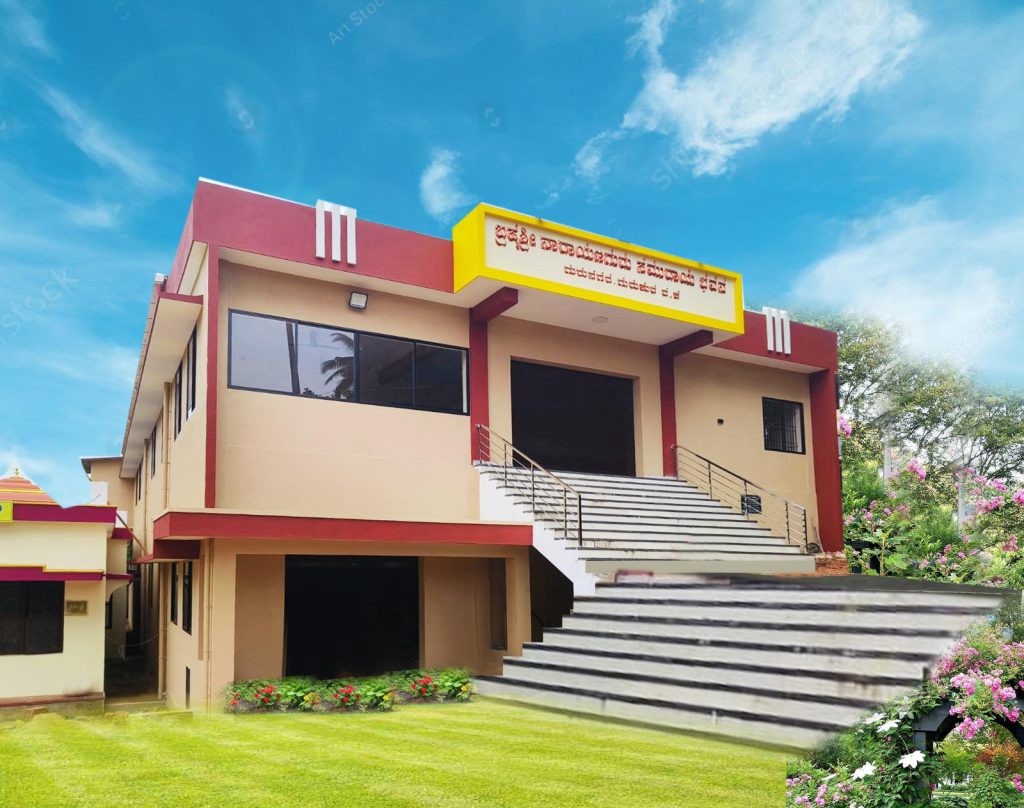
Gurunagara | Brahmashree Narayana Guru Community Hall | Symbol of unity, service, and cultural pride | a vital resource for the local community.

Billava Samaja Seva Sangha, Gurupura to Inaugurate Grand New Community Hall on May 4 | Global TV

Gurupura, May 2:
The historic Billava Samaja Seva Sangha (R), Gurunagara, Gurupura, is all set to mark a major milestone with the inauguration of its newly constructed community hall on May 4, 2025. The new facility, named Brahmashree Narayana Guru Community Hall, stands as a symbol of unity, service, and cultural pride, and will serve as a vital resource for the local community.

Established in 1960, the Sangha has completed over 75 years of commendable service in religious, educational, cultural, and social domains. Over the decades, the Sangha has become a pillar of support for the Billava community and the broader society in and around Gurupura.

The journey of the Sangha’s infrastructure development began in 1981, when the foundation stone for the Guru Mandir was laid on its 47 cents of land. The Mandir was inaugurated in 1983, and in 2010, a statue of Brahmashree Narayana Guru was installed during the Sangha’s Golden Jubilee celebrations.

Inspired by the need to provide a proper venue for social functions, the Sangha resolved to construct a modern community hall in Gurupura, akin to those available in other parts of the district. The foundation stone for this ambitious project was laid in 2016, with a projected budget of Rs. 1.75 crore.

Generous support came from political representatives and the community. Then-MLA Moideen Bava extended a grant of Rs. 15 lakh, while MLC Kota Srinivas Poojary sanctioned Rs. 50 lakh. Additionally, numerous local organizations and philanthropists contributed funds and support to bring this vision to life.

The result is a splendid, single-story community hall with a seating capacity of approximately 800, equipped with all essential amenities. The hall is designed to host weddings, public meetings, and various cultural programs. Importantly, it is open to people of all castes and religions, embodying the inclusive philosophy of Brahmashree Narayana Guru.

The Sangha’s legacy is further enriched by the dedicated leadership of past presidents including Late Sankappa Poojari Bhandaramane, Late Yadava Salyan Bhandaramane (interim), Late S. Narayana Poojari Kulavoor, Late Mahabala Salyan Devandabettu, Sheena Kotyan Bellabetta, Gangadhara Anchan Bejjabetta, Balakrishna Kotyan Baripalla, and Late Sudhakar Ameen Kanjilakodi. The current president Mahabala Ameen Gurupura, along with a committed team of office-bearers, continues to guide the organization with vision and purpose.

The Sangha plans to expand its initiatives to support education for underprivileged students, marriage assistance, housing aid, and employment support—a comprehensive roadmap for the socio-economic upliftment of the Billava community.

University College Mangalore | One-Week Faculty Development Program on Research Methodology | Global TV

Organized by The Research Forum in collaboration with the Internal Quality Assurance Cell (IQAC | Global TV

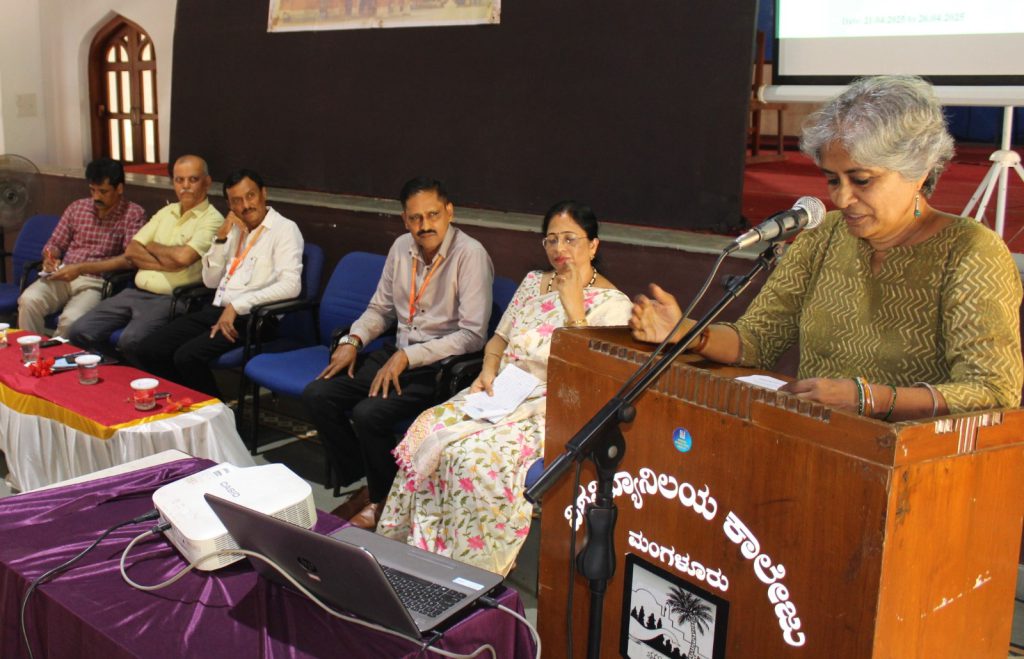
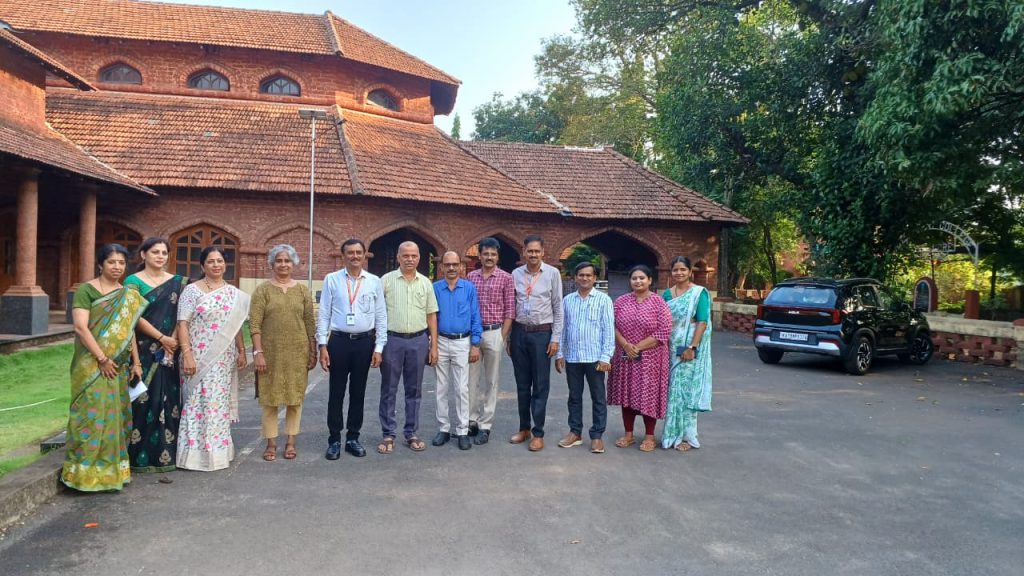
The Research Forum in collaboration with the Internal Quality Assurance Cell (IQAC) of University College Mangalore successfully conducted a One-Week Faculty Development Program (FDP) on Research Methodology from April 21 to April 26, 2025, at Ravindra Kala Bhavana, University College Mangalore. The college, a constituent of Mangalore University, is re-accredited with an ‘A’ Grade by NAAC and recognized as a College with Potential for Excellence.

The program was meticulously designed to enhance academic research skills, promote a strong research culture, and foster academic excellence among teaching faculty and research scholars. Sessions were scheduled daily from 3:30 PM to 5:30 PM, with the final session on April 26 conducted from 11:30 AM to 12:30 PM.

Inaugural Session

The FDP was presided over by Prof. Ganapathi Gowda, Principal of University College Mangalore. The inaugural function was graced by Prof. Parinitha Shetty, Dean of the Faculty of Arts and Professor, Department of English, Mangalore University, who served as the Guest of Honour. Their inspiring addresses set the tone for a week of insightful learning and academic engagement.

The overall coordination of the program was managed by:

  • Dr. Bharathi Prakash, Coordinator, Research Forum and Assistant Professor, Department of Microbiology
  • Dr. Siddaraju M N, IQAC Coordinator and Assistant Professor, Department of Botany

Each session focused on a crucial aspect of research methodology and academic development, led by esteemed faculty members of University College Mangalore:

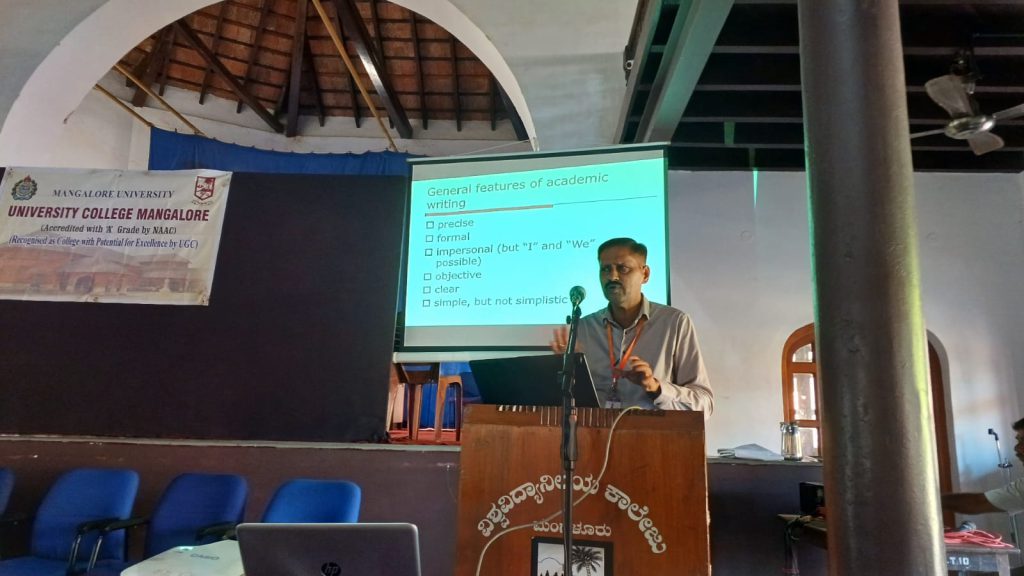
Academic Writing

  • Resource Person: Dr. Yathish Kumar, Professor, Department of Commerce

The session emphasized the nuances of scholarly writing and structuring academic documents effectively.

How to Write a Research Paper

  • Resource Person: Dr. Subhashini Srivatsa, Professor, Department of Commerce

Participants gained valuable insights into formulating research papers suitable for reputed journals.

Soft Skills

  • Resource Person: Dr. Abbokar Siddiq, Professor, Department of Commerce

The session highlighted the significance of communication, leadership, and interpersonal skills in academia.

Writing for Project Funding

  • Resource Person: Dr. Bharathi Prakash, Assistant Professor, Department of Microbiology

Attendees were trained in drafting proposals for acquiring research grants and funding opportunities.

Research and Artificial Intelligence

  • Resource Person: Dr. Bharathi Pilar, Assistant Professor, Department of Computer Science

This session explored the integration of AI tools and techniques in modern research practices.

Research Ethics

  • Resource Person: Dr. Siddaraju M N, Assistant Professor, Department of Botany

The concluding lecture focused on the importance of maintaining integrity, transparency, and ethical standards in research.

The final day culminated with a Valedictory Session, reflecting on the learnings of the week. Participants shared their feedback, appreciating the resourceful sessions, engaging faculty, and the college’s initiative in organizing such a timely and relevant program.

The FDP witnessed enthusiastic participation from faculty members and research scholars across departments. The sessions helped participants refine their research skills, develop scholarly writing abilities, explore funding mechanisms, and embrace new technologies like AI in research. Importantly, the emphasis on research ethics reinforced the commitment to upholding academic standards.