All posts by admin

About admin

Chairman of Global TV | Excellent Writer | Exceptional PR Skills | Author of Six books | MASTER HEALER | +91 98441 82044 |

Stock Market is not a platform where political leaders should tread lightly, particularly when millions of livelihoods are at stake | Global TV

Stock Market Vs. Common Sense

In recent weeks, a storm has been brewing in the Indian stock market, drawing attention from investors, politicians, and citizens alike. The controversy stems from high-profile investment advice given by Prime Minister Narendra Modi and Union Home Minister Amit Shah. Their statements, predicting a market surge post-Lok Sabha elections, have sparked calls for a Joint Parliamentary Committee (JPC) investigation. Congress leader Rahul Gandhi has been particularly vocal, labeling the situation the “biggest stock market scam” and raising serious questions about the propriety of such advice.

The crux of the matter lies in the unusual intersection of political influence and market movements. On May 23, Prime Minister Modi confidently forecasted that the stock market would hit new highs following the BJP’s anticipated electoral victory. A few days earlier, on May 13, Amit Shah suggested that investors should buy before June 4, predicting a market uptick. These statements came at a sensitive time, with millions of retail investors looking for direction amidst the volatility.

One must question whether it is appropriate for political leaders to provide specific investment advice. The stock market is inherently unpredictable, driven by a complex mix of economic indicators, investor sentiment, and global events. It is not a platform where political leaders should tread lightly, particularly when millions of livelihoods are at stake. The role of government officials is to create a stable economic environment, not to act as financial advisors.

Furthermore, the media outlets that carried these interviews are owned by a business group currently under investigation by SEBI for stock manipulation. This raises further concerns about the potential conflict of interest and the impartiality of the advice given. Rahul Gandhi’s call for a JPC investigation seeks to uncover whether there was a coordinated effort to manipulate market sentiment and benefit specific investors at the expense of the common retail investor.

The stock market, often seen as a barometer of economic health, should not be swayed by political rhetoric. Instead, it should be guided by sound economic policies and regulatory frameworks that ensure transparency and fairness. The recent events highlight the need for stronger regulatory oversight to prevent market manipulation and protect the interests of ordinary investors.

The larger issue at play is the erosion of common sense in the face of political and financial machinations. Investing in the stock market should be based on thorough analysis and rational decision-making, not on speculative statements from political figures. Retail investors, many of whom are investing their hard-earned savings, deserve better.

As we get into these turbulent waters, it is imperative to restore trust in our financial systems. This can only be achieved through accountability, transparency, and a clear separation between political influence and market operations. The call for a JPC investigation is a step in the right direction, but it must be followed by concrete actions to address any malpractices and reinforce the integrity of our markets.
The controversy unearthed serves as a stark reminder that common sense must prevail in the stock market. Political leaders should focus on governance and policy-making, leaving financial advice to qualified professionals. Only then can we ensure a stable and fair market environment that benefits all investors.

Wave Theory in Stock Market

The stock market, often described as a sea of opportunities and risks, is influenced by various factors, both rational and psychological. One of the most intriguing concepts in understanding market movements is the Wave Theory. Developed by Ralph Nelson Elliott in the 1930s, this theory posits that market prices move in predictable patterns or “waves” driven by investor psychology. According to Elliott, these waves are a result of collective investor sentiment swinging between optimism and pessimism in natural sequences. The theory suggests that markets move in five-wave patterns during bull markets and three-wave patterns during bear markets, creating a framework for forecasting future market movements.

Wave Theory has gained significant traction among traders and analysts for its ability to offer insights into market trends and turning points. It emphasizes that market behavior, while seemingly chaotic, follows certain fractal patterns that repeat over time. By analyzing these patterns, investors can make more informed decisions about entry and exit points in the market. However, it is important to note that while Wave Theory provides a useful tool for understanding market psychology and trends, it is not foolproof. It should be used in conjunction with other analytical methods and a comprehensive understanding of market fundamentals to maximize its effectiveness in investment strategies.

Artificial Wave Theory in Stock Market

Artificial Wave Theory is an advanced concept that extends the principles of traditional Wave Theory by incorporating modern computational techniques and artificial intelligence. Unlike the original Wave Theory, which relies on manual pattern recognition and historical data analysis, Artificial Wave Theory uses machine learning algorithms to detect and predict wave patterns in the stock market. These algorithms are designed to analyze vast amounts of market data in real-time, identifying subtle and complex patterns that may not be visible to human analysts. By leveraging AI, Artificial Wave Theory aims to enhance the accuracy and reliability of market predictions, offering investors a powerful tool to navigate the uncertainties of the stock market.

The integration of artificial intelligence into wave analysis has the potential to revolutionize trading strategies. AI-driven models can continuously learn and adapt to changing market conditions, improving their predictive capabilities over time. This dynamic approach allows for more responsive and precise forecasting, helping investors to capitalize on emerging trends and mitigate risks more effectively. However, the success of Artificial Wave Theory depends on the quality of the data and the robustness of the algorithms used. As with any technological advancement, it is crucial to combine AI insights with human judgment and market expertise to develop a holistic investment strategy.

Beware of the Manipulators in the Stock Market

The stock market, a platform for economic growth and wealth creation, is not immune to the influence of manipulators who seek to exploit it for personal gain. Market manipulation involves deliberate actions to artificially influence stock prices, creating a false sense of market dynamics. These manipulators use various tactics, such as spreading false information, executing high-frequency trades, or conducting pump-and-dump schemes, to distort market perceptions and induce investors into making misguided decisions. Such activities not only undermine market integrity but also erode investor confidence, leading to significant financial losses for unsuspecting participants.

It is crucial for investors to remain vigilant and informed to protect themselves from market manipulators. Conducting thorough research, relying on credible sources of information, and maintaining a skeptical approach to too-good-to-be-true opportunities are essential practices. Regulatory bodies like the Securities and Exchange Board of India (SEBI) play a vital role in monitoring and penalizing manipulative activities, but individual investors must also exercise caution. Understanding the signs of potential manipulation, such as sudden, unexplained price movements or suspicious trading volumes, can help investors avoid falling prey to these schemes. By fostering a culture of transparency and accountability, both regulators and investors can work together to safeguard the market’s fairness and stability.

Advice for Navigating the Stock Market Safely

Investing in the stock market can be a rewarding way to grow your wealth, but it requires careful planning and a prudent approach. One of the key pieces of advice is to avoid treating the stock market as a gambling platform. Unlike gambling, successful stock market investing relies on informed decision-making, thorough research, and a long-term perspective. It’s essential to invest in well-established companies with solid fundamentals rather than chasing quick profits through speculative trades. By maintaining a disciplined approach and avoiding high-risk bets, you can build a more stable and profitable investment portfolio.

Another crucial strategy is to remain patient during market downturns. Stock market crashes can be alarming, but they are a normal part of market cycles. Historically, the market has always recovered over time. When a crash occurs, avoid the impulse to sell off your investments in a panic. Instead, take a step back, reassess your investment strategy, and consider holding onto your positions or even buying quality stocks at lower prices. Remember, investing in the stock market is a marathon, not a sprint. Staying calm and patient during turbulent times can help you ride out the volatility and ultimately benefit from the market’s long-term growth.
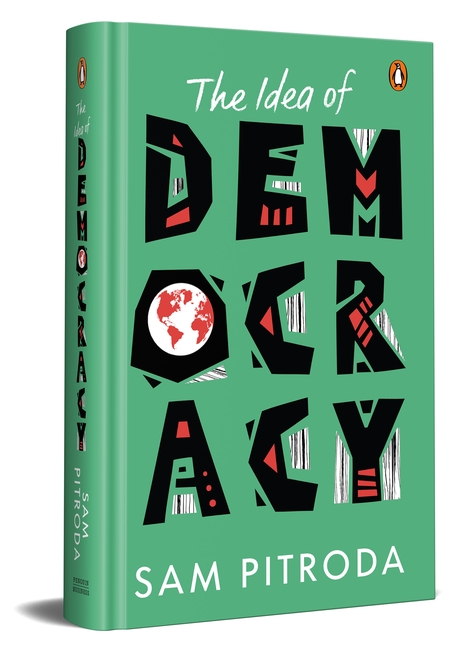
Dr Sam Pitroda’s egalitarian and humanitarian mindset calls for a democracy where dignity is not an afterthought but a fundamental precondition | Global TV

Editorial: The Essence of Dignity in Democracy as described elaborate in the idea of democracy, The Book written by Dr. Sam Pitroda | Published by Penguin India | Global TV

In “The Idea of Democracy,” Dr. Sam Pitroda articulates a vision where dignity is indispensable to the fabric of democratic societies. This profound insight reveals that dignity is not merely an accessory to liberty and equality but is fundamental to their realization and the health of democracy itself.

Dr. Sam Pitroda emphasizes that for democracy to thrive, it must ensure that every citizen enjoys not only equal standing but also a high standing, free from the risk of indignity. When citizens live under the shadow of indignity, their ability to effectively use political liberty is compromised. This makes dignity a cornerstone for collective self-governance.

Dignity is the bedrock of inalienable human rights, recognizing the intrinsic worth and rights of each individual. Upholding dignity ensures that people are treated equally, have equal opportunities for participation in public life, and are shielded from discrimination and abuse. This creates a society that values human rights, inclusivity, and mutual respect—hallmarks of a robust democracy.

Dr. Sam Pitroda’s reflections resonate powerfully in contemporary contexts. The mass displacement of migrant laborers during India’s lockdowns and the global outcry against racial injustice in various countries and states highlight how indignity undermines democratic values. Similar indignities faced by women and minority communities worldwide pose significant threats to democracy’s core principles.

Moreover, Dr. Pitroda stresses that legal measures alone are insufficient to safeguard dignity. There must be a collective consciousness that, in our interconnected world, the fate of one impacts the fate of all. This idea is poignantly captured in Martin Niemöller’s famous post-war confession, reminding us of our shared responsibility to defend the dignity of others:

“First they came for the Socialists, and I did not speak out—
Because I was not a Socialist.
Then they came for the Trade Unionists, and I did not speak out—
Because I was not a Trade Unionist.
Then they came for the Jews, and I did not speak out—
Because I was not a Jew.
Then they came for me—and there was no one left to speak for me.”

Dr Pitroda’s egalitarian and humanitarian mindset calls for a democracy where dignity is not an afterthought but a fundamental precondition. By ensuring dignity for all, we not only fortify democracy but also build a society where every individual can flourish. It is a call to action for all of us to recognize our interconnectedness and to uphold the dignity of every human being as a core democratic value.

National Health Card for Universal Healthcare | Corporate Social Responsibility in the Pharmaceutical Industry | Centralized Department of Roads | Global TV

Measure Government’s Efficiency on parameters that matters to you; Insights from Dr. PP Devan
Dr. PP Devan, The Doctor Encyclopedia, distinguished thinker and advocate for social justice, has proposed a set of questions to measure the efficiency of governments. His insightful queries span across healthcare, education, taxation, infrastructure, and social equity, aiming to enhance the quality of life for all citizens. Dr. Devan’s questions are focused on the citizens’ advantages and at the overall welbeing of society through governmental interventions.


Personal Benefits in Clear Terms

Dr. Devan begins by urging individuals to reflect on their personal progress over recent government terms. This self-assessment encourages citizens to consider how public policies and governmental actions have impacted their lives. Evaluating personal benefits can provide a micro-level understanding of a government’s effectiveness, encompassing areas such as giving economic stability to every individual, healthcare access, and educational opportunities.


Corporate Social Responsibility in the Pharmaceutical Industry

Dr. Devan proposes that pharmaceutical companies allocate 10% of their profits primarily for treating doctors and improving healthcare infrastructure. This innovative approach could ensure that those at the frontline of healthcare receive the support they need, enhancing overall public health outcomes. By formalizing such a mandate, governments can foster a more equitable healthcare system where both providers and patients benefit.


National Health Card for Universal Healthcare

A national health card, as suggested by Dr. PP Devan, could revolutionize healthcare accessibility. Such a card would ensure that every citizen has access to necessary medical services without financial hardship. 10% of the Fual Tax should be earmarked for this purpose exclusively.
Implementing a universal health card could reduce the burden on families, prevent medical bankruptcies, and create a healthier population, ultimately driving economic productivity and societal well-being.
Transition from Income Tax to Transaction Tax
Dr. Devan’s idea of replacing income tax with a transaction tax seeks to simplify taxation and broaden the tax base. This approach could potentially reduce tax evasion and increase transparency in financial transactions. A transaction tax system might also ease the burden on low-income earners, fostering a more inclusive economic environment.
However, careful calibration is needed while getting into this transition to ensure it does not disproportionately affect lower-income groups.

Centralized Department of Roads

Creating a centralized Department of Roads, as Dr. Devan suggests, could enhance infrastructure management and maintenance. This department would ensure consistent standards, efficient resource allocation, and accountability.

A military model system is required in the country to address challenges that are climate induced and with conspirers and intruders into the environmental safety. Having a powerful autonomous department will help reducing reliance on contractors. The government can streamline operations very quickly and potentially reduce costs, leading to better road quality and safety.

National Health Advisory Group

Dr. Devan highlights the need for a robust National Health Advisory Group to provide expert guidance on health policies. Such a group could play a major role in coordinating responses to health crises, advising on public health strategies, and ensuring that healthcare policies are evidence-based.
Strengthening this advisory group reliable and sustainable can lead to more informed decision-making and improved health outcomes.

Free Professional Education for Security Forces

Acknowledging the sacrifices by the personnel of security forces, Dr. Devan proposes offering two free professional seats in educational institutions to members of the army, navy, and defense. This initiative would honor their service and provide opportunities for their families, promoting social mobility and respect for those who protect the nation.

English Language Education

Mother Tongue is learned by people at home on their own. There is no need of an extra effort to teach anyone about their mother tongue. Instead, we should understand the need of English education in the largely globalised world. Dr. Devan’s suggestion to transition from regional language schools to first-class English language schools aims to equip students with global communication skills.

While promoting English proficiency is beneficial, it is crucial to balance this with the preservation of regional languages and cultural heritage. A dual-language approach could offer the best of both worlds, ensuring students are globally competitive while remaining rooted in their cultural identity.

Addressing the Broader Social Context

Dr. Devan’s questions are not just about measuring government efficiency; they are about envisioning a society where every segment benefits from equitable policies. By focusing on healthcare, education, infrastructure, and taxation reforms, these questions highlight the need for a holistic approach to governance. Implementing these ideas could lead to a more just, prosperous, and harmonious society.
Dr. PP Devan’s parameters for measuring government efficiency provide a comprehensive framework for evaluating and improving public policies. His visionary ideas challenge governments to think beyond conventional measures and adopt innovative solutions that benefit every segment of society. By addressing these questions, governments can strive to create a more equitable and efficient system, ultimately enhancing the quality of life for all citizens.

Engaging Citizens in Governance | Empowering Participation | Strengthening Civil Society | Ensuring Transparency | Activating Society | Inspiring Work and Wealth Creation | Global TV

The Roles of Government and Opposition in Governance: A Delicate Balance

In democratic systems, the roles of government and opposition can be likened to the binary code of computer language, where government and opposition are the 1s and 0s, respectively. Both elements are indispensable in ensuring the system functions efficiently. While the government, symbolized by the 1s, appears to be in control, it is the interplay with the opposition, the 0s, that maintains the integrity and effectiveness of the democratic process. Government and opposition can foster greater public participation in governance, ultimately cementing the power of the people.

Government: The Engine of Policy and Administration

The government, comprising elected officials and appointed bureaucrats, is primarily responsible for the formulation and implementation of policies. With access to the national budget, the government directs public funds to various sectors such as healthcare, education, infrastructure, and defense. It also enacts laws, oversees their execution, and ensures that the state’s machinery runs smoothly. The government sets the national agenda, identifying key areas needing attention and development, drafting policies that reflect the ruling party’s manifesto, and responding to emerging issues like economic downturns, health crises, and security threats.

Opposition: The Sentinel of Accountability

While the government wields considerable power, the opposition plays a crucial role in keeping it in check. The opposition acts as the sentinel of democracy, ensuring that the government’s actions align with the best interests of the populace. It scrutinizes the government’s policies and actions, highlighting inefficiencies, corruption, and policy failures. Through rigorous debate and analysis, the opposition ensures transparency and accountability. Additionally, the opposition proposes alternative policies and solutions, offering the electorate a choice and fostering a healthy democracy.

The Role of People in Governance: The True Sovereign

At the heart of governance lies the power of the people. In a democratic setup, the government and the opposition derive their legitimacy from the citizens. People’s participation is not just a periodic electoral event but a continuous engagement in the democratic process. Citizens participate in governance through voting, public consultations, and civil society activities. Active participation ensures that the government remains responsive to the needs and aspirations of the people. The relationship between the government, opposition, and the people can be likened to cement and concrete, where the interaction between these entities needs balance and stability.

Engaging Citizens in Governance: Empowering Participation

For governance to be effective and truly democratic, the involvement of people is paramount. Governments should regularly organize public consultations and hearings to gather input from citizens on various policies and projects. Participatory budgeting initiatives allow citizens to propose and vote on budget priorities, ensuring that resources are directed to areas that matter most to the community. Civic education programs in schools, community centers, and through media campaigns can foster a more informed and engaged electorate. Leveraging technology to create digital platforms where citizens can engage with their government is essential in today’s digital age.

Strengthening Civil Society and Ensuring Transparency

Civil society organizations (CSOs) play a critical role in mobilizing citizen participation and advocating for various causes. Governments should support and collaborate with these organizations to ensure a vibrant civil society. Transparent governance practices, such as open data initiatives and regular reporting, build trust and encourage public participation. When citizens can see how decisions are made and resources are used, they are more likely to engage. Ensuring that all segments of society, including marginalized groups, have a voice in governance is crucial for an inclusive and equitable development.

The Opposition’s Role in Enhancing People’s Participation

The opposition has a significant role in promoting and safeguarding public participation in governance. It can advocate for the inclusion of diverse voices in governance processes, push for policies that ensure broad-based participation, and propose legislative reforms aimed at enhancing citizen engagement. The opposition can work closely with CSOs to amplify citizens’ voices and concerns within the legislative and policy-making processes. By scrutinizing government decisions and highlighting areas where public input has been ignored, the opposition can pressure the government to adopt more participatory approaches.

Activating Society: Inspiring Work and Wealth Creation

For a society to thrive, it must be dynamic and proactive in creating wealth and opportunities. Governments and civil society can collaborate to identify areas where citizens can contribute meaningfully. Encouraging the formation of teams and networks can harness collective effort and innovation. Policies that support entrepreneurship and innovation can empower citizens to create wealth and drive economic growth. Building a culture of participation requires continuous effort and encouragement, recognizing and celebrating citizen contributions can motivate others to get involved.

Governance Beyond the Box

Governance isn’t just confined to the corridors of power. It’s a dynamic process that should involve every citizen. Establishing open offices in public spaces and setting up temporary governance booths in various neighborhoods can increase accessibility and ensure that no community is left behind. Organizing governance festivals and creating robust digital platforms can engage and educate citizens, fostering a more inclusive decision-making process. Forming citizen task forces and deploying mobile governance units can harness the collective expertise and enthusiasm of the populace.

Execution and Measurement

To ensure these initiatives lead to meaningful outcomes, both the government and the opposition must commit to forming dedicated teams to oversee the execution of each initiative, establishing clear timelines, defining specific, measurable outcomes, and creating mechanisms for ongoing feedback from citizens. By setting up open offices, leveraging technology, and fostering direct citizen involvement, we can create a more dynamic and inclusive governance system. Government and opposition must step up, adopt these innovative approaches, and focus on measurable outcomes to ensure that governance truly serves the people.

Leaders bear a crucial responsibility in nurturing both morale and morality within their organizations | Global TV

The Interconnection of Morale and Morality: Nurturing Ethical Principles in Organizational Culture

Morale and morality, though distinct in definition, share a strong relationship, especially within the framework of organizational culture. While morale pertains to the collective spirit, enthusiasm, and confidence of a group, morality delves into principles of right and wrong conduct. Despite their apparent differences, they converge in shaping the ethical fabric of a community or workplace.


Morale serves as the foundation upon which the edifice of an organization stands. It reflects the emotional well-being and motivation levels of individuals within a group. High morale fosters camaraderie, productivity, and resilience, while low morale can lead to dissatisfaction, disengagement, and ultimately, organizational dysfunction. Thus, maintaining high morale is often a priority for leaders seeking to optimize performance and cultivate a positive work environment.

However, the sustainability of high morale hinges not only on material incentives or motivational speeches but also on the alignment of individual and collective values with moral principles. Herein lies the nexus between morale and morality. A workplace that espouses ethical behavior and upholds moral standards naturally fosters a sense of trust, respect, and belonging among its members. When employees perceive that their organization operates with integrity and fairness, their morale receives a substantial boost.

Conversely, moral dilemmas or ethical lapses within an organization can corrode morale and sow seeds of discontent. Instances of dishonesty, injustice, or unethical conduct erode trust, breed cynicism, and dampen enthusiasm among employees. A culture that tolerates or turns a blind eye to such transgressions risks undermining its very foundation, as disillusioned individuals may become disengaged or even actively resist the prevailing norms.

Leaders bear a crucial responsibility in nurturing both morale and morality within their organizations. They must not only inspire and motivate but also exemplify ethical leadership through their actions and decisions. By championing transparency, accountability, and ethical conduct, leaders set the tone for a culture that prioritizes integrity and upholds moral values. Furthermore, they must foster open communication channels, where concerns regarding ethical issues can be raised and addressed without fear of reprisal.

Moreover, integrating moral education and ethical training into organizational development initiatives can fortify the connection between morale and morality. By equipping employees with the tools to navigate complex ethical dilemmas and promoting a culture of ethical reflection and dialogue, organizations can cultivate a workforce that is not only high in morale but also steadfast in its commitment to ethical conduct.

Morale and morality are two facets of organizational life, each influencing and reinforcing the other. A robust organizational culture rests on the pillars of high morale and ethical behavior, where individuals feel valued, motivated, and morally aligned with the mission and values of the organization. By recognizing the symbiotic relationship between morale and morality, leaders can cultivate a culture that not only thrives but also upholds the highest ethical standards, thus ensuring the enduring success and integrity of the organization.

Leaders imagine and implement dreams into realities | They make everyone Successful | Global TV

Leaders are the Heart of the Program

As a leader within the Home Drive initiative, you are the heart of the program, driving its vision and ensuring its successful execution. Your primary role is to inspire and guide your team, fostering a sense of unity and purpose. By cultivating a collaborative environment, you enable every team member to contribute their best, ultimately propelling the program toward its goals. Your leadership is crucial in creating a cohesive and motivated team dedicated to reconnecting individuals with their roots.

Creating Teamwork and Team Spirit

To instill a strong sense of teamwork and team spirit, focus on the five magic letters: CJCRC. These letters stand for Cordial, Jovial, Creative, Rewarding, and Connecting, which are the pillars of effective leadership. By embracing these qualities, you will make your role both impactful and fulfilling, ensuring that your team works harmoniously towards common objectives.

Cordial and Jovial: Building Positive Relationships

Cordial:
Being cordial in your interactions sets a tone of respect and kindness. Approach each team member with warmth and openness, creating a welcoming atmosphere. This fosters trust and encourages open communication, making it easier to address challenges and celebrate successes together. A cordial approach ensures that your team feels valued and respected, which is essential for maintaining high morale and motivation.

Jovial:
A jovial demeanor can significantly enhance the working environment. Infuse your leadership style with positivity and humor to make the workplace enjoyable. This not only reduces stress but also strengthens bonds among team members. When the leader is jovial, it creates a ripple effect, uplifting the entire team and making collaborative efforts more enjoyable and productive.

Creative and Rewarding: Fostering Innovation and Motivation

Creative:
Encourage creativity within your team to keep the program dynamic and innovative. Provide opportunities for team members to brainstorm and implement new ideas. Recognize and nurture their creative potential by supporting out-of-the-box thinking and experimentation. This approach not only keeps the program fresh and engaging but also empowers your team to take ownership of their contributions, leading to higher levels of satisfaction and achievement.

Rewarding:
Recognize and reward the hard work and accomplishments of your team members. Implement a system of acknowledgment and incentives that celebrates their efforts. This could range from public recognition and proper rewards. Remuneration is the biggest motivator. Professional development opportunities are also very important. By making everyone’s role rewarding, you create a culture of appreciation and motivation, driving your team to continuously strive for excellence.

Connecting: Strengthening Bonds and Communication

Connecting:
Establish strong connections within your team and with external stakeholders. Foster an environment where everyone feels connected to the program’s mission and to each other. Regularly communicate the program’s vision and progress, and encourage feedback and collaboration. By being a connecting force, you bridge gaps and create a unified front, ensuring that everyone is aligned and working towards the same goals.

Becoming a Real Leader

By embodying Cordial, Jovial, Creative, Rewarding, and Connecting qualities, you will transform your leadership role into one that is both effective and fulfilling. These attributes will help you build a cohesive, motivated, and innovative team that is capable of achieving great things. Your ability to inspire and connect with your team on these levels will establish you as a real leader, one who not only drives the program’s success but also leaves a lasting positive impact on everyone involved.

TV Presenter | TV Star | Star Striker | Face of the Program | Calm and Cool | Smiling and Enthusiastic | Welcoming and Charming | Global TV

TV Presenters are the Face of the Program

As a TV Presenter for Home Drive, you are the face of the program, captivating audiences and drawing global attention to our mission. Your role is to connect with successful people on a personal level, sharing the heartfelt stories of individuals reconnecting with their roots. This connection is vital for making the program successful. By presenting success stories with passion and authenticity, you help make Home Drive not just a show, but a movement.

Making Your Role Easy and Enthusiastic

To ensure your role remains both manageable and exciting, focus on the three magic letters: SQS. These letters stand for Scripts, Quotes, and Stories, and they are the key ingredients to transforming your presentations into captivating and memorable segments. Embracing SQS will not only streamline your workflow but also elevate your presence, making each episode you host a standout experience.

Scripts, Quotes, and Stories: The Recipe for Success

Scripts:

Crafting well-prepared scripts is the foundation of your role. A good script provides structure and ensures you cover all the important points while allowing room for spontaneity. Involve your entire team in the process of script preparation. Take help of Global TV Editors and Mentors. Scripts should be clear, concise, and tailored to engage your audience. They help you stay on track, convey your message effectively, and maintain professional decorum. Make your script into various segments. Make each segment short and sweet.

Quotes:

Incorporating powerful quotes can significantly enhance your presentations. Quotes from participants, famous personalities, or cultural references add depth and credibility to your segments. Be neutral and Positive while selecting the quotes. Take lighter and shorter ones, initially at least. Quotes should evoke emotions, provoke thought, and create memorable moments that connect with viewers. Select quotes that align with the theme of your episode and highlight the essence of the stories you are sharing.

Stories:

Stories are the heart of Home Drive. Keep many short and sweet stories ready with you. Make it brief and meaningful. Connect them with the real stories that you are presenting. Sharing compelling stories about individuals reconnecting with their roots makes your role impactful and rewarding. Personal anecdotes, success stories, and heartwarming tales capture the audience’s imagination and foster a deeper connection to the program’s mission. By telling these stories with empathy and enthusiasm, you bring the Home Drive vision to life, inspiring viewers to explore their own heritage.

Becoming a Celebrity Presenter

By mastering Scripts, Quotes, and Stories, you not only enhance your presentation skills but also position yourself as a celebrity in the media landscape. Your ability to deliver well-crafted content with emotional resonance will attract more people into your audience and increase your influence.

Involve very well in the process, and watch as your role in Home Drive transforms into a rewarding and celebrated career. You will easily make your future successful and promising.

The world is at a crossroads | Current capital-oriented economic model is inadequate | A new approach that prioritizes inclusivity, sustainability, and intelligence can rebuild a prosperous future | Global TV

The world is undergoing a capital-oriented dual-standard protocol for a very long time. On one side it is a free world for the topline people and on the other side a controlled progress for the bottomline crowd. Skyline at one side and pipeline on the other side. People in the topline are freely exposed to the sky without required ground exercises. Everyone in the bottom line is pushed into certain pipelines of variable fabrics. This process is called cutting legs to fit into the shoes that are already manufactured. This has to change. Majority of the people have lost their legs because of the false mechanism.
We need to rebuild their legs. Either using human intelligence or artificial intelligence or both. The world has changed a lot. A lot of expansions and expositions have taken place. There is sufficient space for everyone’s advantage now. We just need to make a new model for bottom-line economic rejuvenation. It will strengthen the top line as well.

Redefining Progress: Building a Bottom-Up Economic Model for a Balanced Future

The world today is characterized by a relentless pursuit of economic growth and progress, predominantly driven by capital-oriented strategies. This process often resembles a pipeline, forcing individuals through a uniform path, much like fitting feet into pre-manufactured shoes, irrespective of their unique sizes and shapes. This approach has resulted in widespread economic and social discontent, as many individuals find themselves disadvantaged, their potential curtailed by a system that prioritizes uniformity over diversity.
In this context, there is a pressing need to rethink and restructure our economic models. A shift from a top-down, capital-centric framework to a bottom-up, human-centered approach is imperative. By leveraging both human intelligence and artificial intelligence, we can develop a new model of economic rejuvenation that not only rebuilds the ‘legs’ of those who have been left behind but also strengthens the overall economic structure.

The Problem with the Current Model

The existing economic model is heavily skewed towards maximizing profits and efficiency, often at the expense of human well-being and social equity. This capital-oriented approach tends to benefit those at the top of the economic pyramid while marginalizing those at the bottom. The ‘pipeline’ process strips away individuality and creativity, enforcing conformity and stifling innovation among the workforce.

Economic Disparities

Economic disparities have widened significantly over the past few decades. According to the World Inequality Report, the richest 1% of the global population now holds more wealth than the bottom 50%. This concentration of wealth has led to social unrest, political instability, and a sense of disenfranchisement among the majority.

Stagnation of Wages

While corporate profits have soared, wage growth for the average worker has stagnated. The International Labour Organization reports that real wage growth has been lagging behind productivity growth, leading to a decline in labor’s share of national income. This disconnect between corporate success and individual prosperity is a critical flaw in the current economic model.

The Need for a New Approach

To address these issues, we must adopt a new economic paradigm that emphasizes inclusivity, sustainability, and human development. This bottom-up approach should prioritize the well-being of individuals, fostering an environment where everyone can thrive and contribute to the economy.

Inclusive Economic Growth

Inclusive growth ensures that the benefits of economic expansion are shared equitably among all segments of society. This requires targeted policies that support small and medium-sized enterprises (SMEs), promote fair wages, and provide access to education and healthcare. By empowering individuals and communities, we can create a more resilient and dynamic economy.

Sustainable Development

Sustainability is another cornerstone of the new economic model. It involves not only environmental stewardship but also the prudent use of resources to ensure long-term prosperity. This means investing in renewable energy, sustainable agriculture, and circular economies that minimize waste and promote reuse and recycling.

Leveraging Human and Artificial Intelligence

The integration of human intelligence and artificial intelligence (AI) can play a pivotal role in this economic transformation. By harnessing the strengths of both, we can create systems that are more efficient, innovative, and responsive to the needs of society.

Human Intelligence

Human intelligence is characterized by creativity, empathy, and ethical reasoning. These qualities are essential for developing policies and strategies that prioritize human well-being over mere economic metrics. By involving diverse stakeholders in decision-making processes, we can ensure that economic policies reflect the values and aspirations of society as a whole.
Artificial Intelligence
AI, on the other hand, excels in data analysis, pattern recognition, and automation. These capabilities can be leveraged to optimize resource allocation, improve public services, and enhance productivity. For instance, AI can be used to identify skill gaps in the workforce and develop personalized training programs, ensuring that individuals are equipped for the jobs of the future.
A New Model for Bottom-Line Economic Rejuvenation
The new economic model should be built on the principles of inclusivity, sustainability, and intelligence. This model, referred to as Bottom-Line Economic Rejuvenation (BLER), seeks to rebuild the ‘legs’ of those who have been disadvantaged by the current system and strengthen the overall economic structure.
Key Components of BLER

Inclusive Policies:

Implementing policies that ensure fair wages, job security, and equal opportunities for all. This includes supporting SMEs, promoting worker cooperatives, and enforcing labor rights.

Education and Training:

Investing in education and vocational training to equip individuals with the skills needed for the modern economy. This involves both traditional education systems and innovative approaches such as online learning platforms and AI-driven personalized learning.

Healthcare and Social Services:

Providing universal access to healthcare and social services to ensure a healthy and productive population. This includes mental health support, affordable housing, and social safety nets.

Sustainable Practices:

Promoting sustainable business practices and investing in green technologies. This not only addresses environmental concerns but also creates new economic opportunities in emerging sectors.

Technology and Innovation:

Leveraging AI and other advanced technologies to drive innovation and efficiency. This includes fostering a culture of research and development, supporting tech startups, and ensuring that technological advancements benefit society as a whole.

Case Studies and Examples


Several countries and regions have already begun to implement elements of this new economic model with promising results. For instance, Scandinavia’s emphasis on social welfare and worker rights has led to high levels of social mobility and economic stability. Similarly, Germany’s support for SMEs through the Mittelstand model has resulted in a robust and resilient economy.
In the realm of AI, Estonia has emerged as a leader by integrating digital solutions into public services, resulting in improved efficiency and accessibility. These examples demonstrate that a balanced approach, combining human-centric policies with technological innovation, can lead to sustainable and inclusive economic growth.
The world is at a crossroads, with the current capital-oriented economic model proving inadequate in addressing the needs and aspirations of the majority. By adopting a new approach that prioritizes inclusivity, sustainability, and intelligence, we can rebuild the ‘legs’ of those who have been left behind and create a more balanced and prosperous future.
Bottom-Line Economic Rejuvenation represents a paradigm shift, moving away from the rigid, top-down structures that have dominated for too long. By embracing this new model, we can ensure that economic progress benefits everyone, not just a privileged few, and build a world where every individual has the opportunity to thrive.

Tracker | Evaluator | Archivist | Manager | Writer | Outreach Coordinator | Reporter | Keeper of Accounts | Where will you Fit in the Home Drive | Global TV

Home Drive basically is a Campus Drive to Reconnect Hearts to their Roots with multiple purposes on board.

The project is named Home Drive is an action plan to connect indian people to their native places. We are organizing Campus Teams and Campaigns as part of the program. We make it an entertainment and an enthusiastic drive at the same time.

TV episodes, book publications and CinemaScope Productions are done with the participation of Non-Resident Indians and The Indian People residing away from their hometowns. Those searching for their roots are also included in the drive. Lot of events are also to take place in the process.

Team Building and Role Creation are the first set of exercises in the process. Two types of roles are planned. One role is for the people who wish to sit in the gallery. And the other is for the people who wish for themselves to get into the ground.

Data collection, Processing, and Organising are the roles of the people sitting in the Gallery. Follow-up works, Writing, and Presenting are the work of the people who are playing on the ground.

Organising, Team Building, Accounting, and Finance are the works allotted for the core members in various teams. We make it a brilliant TEAMWORK. We shall also describe the above roles by taking letters from the word TEAMWORK.

Roles for “Home Drive” Project Using Letters from “TEAM WORK”

T – Tracker: (Data Collection) Data Gatherer

Responsibilities: Collect and gather data on participants, locations, and logistics.
Skills Needed: Attention to detail, database management.

E – Evaluator: (Processing) Entrepreneur

Responsibilities: Analyze and process collected data to ensure accuracy and relevance.
Skills Needed: Analytical skills, data processing software proficiency.

A – Archivist: (Organising) Data Organizer

Responsibilities: Organize data into accessible formats and maintain comprehensive records.
Skills Needed: Organizational skills, record-keeping.

M – Manager: (Organising, Core Team) Project Coordinator

Responsibilities: Oversee team activities, ensure timelines are met, and coordinate with different roles.
Skills Needed: Leadership, project management.

W – Writer: (Writing and Presenting) Content Creator

Responsibilities: Create content for publications, scripts for TV episodes, and presentation materials.
Skills Needed: Writing, creativity.

O – Outreach Coordinator: (Follow Up) Event Manager

Responsibilities: Engage with participants, handle follow-ups, and maintain ongoing communication.
Skills Needed: Communication, interpersonal skills.

R – Reporter: (Presenting) TV Presenter

Responsibilities: Present findings and stories through various media channels.
Skills Needed: Public speaking, media handling.

K – Keeper of Accounts: (Accounting and Finance) Finance Officer

Responsibilities: Manage finances, budget planning, and accounting for all team activities.
Skills Needed: Financial management, accounting skills.

Campus Drive to Reconnect Hearts to their Roots | Communication Skills to Students | Brand Building and Promotion for Campuses | Training and Development for the Faculty | Society Building through Collective Action | All are welcome to join hands with Global TV in this Happy Drive | To Connect, Call +91 98441 82044

We are living in an era of chaos with the advent of globalization and urbanization. Profit and Status have taken precedence in all our initiatives. The essence of our value systems and the fragrance of one’s native place often fade into the background. “Home Drive” seeks to reverse this trend by creating a bridge that reconnects individuals with their roots. Our mission is simple yet profound. The mission is to foster a sense of belonging and cultural identity among Indian people, bringing them closer to their heritage.

The Spirit of Teamwork

“Home Drive” thrives on the collective effort of our diverse team, unified by a common goal. Let’s delve into the roles that are pivotal to our mission, each one crucial to the success of our initiative, and represented by the letters in “TEAM WORK.”

Trackers are the backbone of our data collection efforts. They meticulously gather information about participants, locations, and logistics. Without their vigilance and attention to detail, the foundation of our project would be shaky.
Evaluators step in next, ensuring that the data collected is accurate and useful. Their analytical skills help us make sense of vast amounts of information, transforming raw data into actionable insights.
Archivists then take this processed data and organize it systematically. Their role is akin to that of a librarian, ensuring that every piece of information is accessible and well-documented, ready for when we need to reference it.
Managers lead the charge, overseeing all activities and ensuring that our timelines are met. They coordinate between various roles, making sure that every team member is aligned with our mission and objectives.
The creative minds in our team, Writers, bring our stories to life. They craft compelling narratives for our publications, TV episodes, and presentations. Their words inspire and engage, making the essence of “Home Drive” resonate with a broader audience.
Outreach Coordinators maintain the human connection. They follow up with participants, ensuring ongoing engagement and addressing any concerns. Their communication skills keep the community spirit alive and thriving.
Reporters take our message to the masses. They present our findings and stories across various media platforms, ensuring that “Home Drive” reaches and resonates with as many people as possible.
Finally, our Keepers of Accounts manage the financial health of the project. Their expertise in budgeting and accounting ensures that our operations run smoothly and sustainably.

Moving Forward

With a robust framework of roles and responsibilities, “Home Drive” is set to make a lasting impact. Our TV episodes, book publications, and CinemaScope productions will not only entertain but also educate and inspire. Through various events and campaigns, we aim to rekindle the connection between individuals and their native places. “Home Drive” is more than a project; it’s a movement. A movement to celebrate and preserve our cultural heritage, to foster a sense of community, and to remind us all of where we come from. Together, with unwavering teamwork and dedication, we will make this vision a reality.

Three crucial Cs in a Teacher’s Success | Current Knowledge, Consistency, and Commitment; Rev. Dr. Varghese Varghese Kalloor |

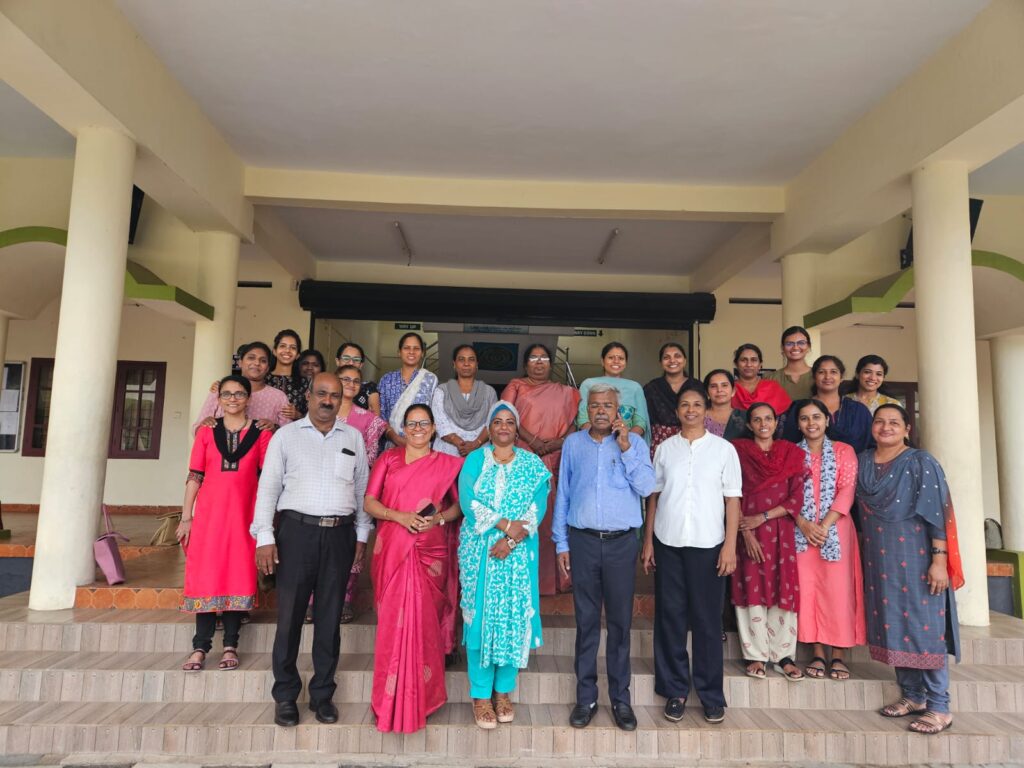
Georgian Public School Hosts FDP Program: A Day of Insight and Inspiration for Teachers | Global TV

Georgian Public School held a Faculty Development Program (FDP) for the academic year 2024, bringing together educators for a day of motivational talks and professional development. The event aimed to equip teachers with the skills and mindset needed to excel in their profession.

The program was inaugurated by the school’s Manager, Fr. Varghese Varghese Kalloor.


Fr. Kalloor emphasized the significance of the day, stating, “This is a program that we arranged for the day for our teachers. And I am sure it will reflect in the performance of the school for the coming years, academically and professionally.”
In his address, Fr. Kalloor introduced a framework to teachers centered around three crucial Cs. Current Knowledge, Consistency, and Commitment, he believes, are the most essential and influential facttors for effective teaching.
Current Knowledge:
Fr. Kalloor stressed the importance of continuous learning and staying updated in one’s field. “Being a teacher is very simple, but you have to access your knowledge. Otherwise, you cannot raise the students of this present time,” he remarked, encouraging teachers to remain students themselves in their pursuit of knowledge.
Consistency:
Highlighting the importance of a stable attitude, Fr. Kalloor noted that a teacher’s mindset significantly influences their professional effectiveness. He advised, “Being a teacher, it is very significant. You have to think about your profession, your ministry, and try to be consistent in your attitude.”
Commitment:
Fr. Kalloor also spoke about the evolving challenges in education and the need for a strong commitment to the teaching profession. “Being a good teacher is a big challenge. The attitude of our students, family situations, social atmosphere, everything keep changing. He urged teachers to stay committed and adapt to these changes with a positive and proactive approach.

In his address, Dr. Prof. Oommen Mammen, the Secretary emphasized the significance of nurturing students’ curiosity and maintaining their enthusiasm for learning.

He reflected on the initial spark of curiosity that new students often bring to the classroom, noting how it tends to diminish over time if not properly nurtured.
Dr. Oommen highlighted the role of teachers in sustaining students’ interest in various subjects. “When he comes and sits with a sparkle in his eyes, that means he is curious to know, listen to you and learn. Something new is going to come to him,” he remarked.
He expressed concern over the tendency for students to perceive certain subjects as boring or difficult, attributing this to ineffective teaching methods. “Just because of our first class introduction of the subject, the sparkle in the eyes of the student may not remain, we should ignite them continuously,” he observed.
Drawing parallels to historical conflicts, such as the Mahabharata, he underscored the profound impact that teachers can have on students’ lives. He urged educators to treat every student with respect and to foster an environment of mutual learning and growth.

.Principal Vimala Joseph addressed the gathering, emphasizing the importance of professional development and collaboration among teachers. Actually, it’s not the classroom, but the teacher who makes a difference,” Since I speak with you every day, let the guests speak today, she said.

N K Mathew, trustee of the school spoke passionately about the vision for Gorgean Public School and the ongoing efforts to enhance its infrastructure and educational quality. “This is a school that is being built with respect. We have a government school and many other schools around.

Our students are recognized for their talents and communication. He underscored the importance of instilling pride in the students for their command of English and their academic environment. “The most important thing for us is that the students of this school should be proud of their English,” he said,

He assured the trustees’ commitment to supporting the school’s development and overcoming any challenges. “We are there to provide support, but it is the teachers who make a difference,” he said.

The event was a resounding success, leaving teachers inspired and better prepared to face the upcoming academic challenges. The FDP at Georgian Public School highlighted the institution’s commitment to fostering a culture of continuous improvement and excellence in education.

The sessions were conducted by Dr. Ruksana Hassan, Teachers’ Trainer, Child Psychologist, and Special Educator; CA Anu John and NV Paulose, Chairman of Global TV and Master Practitioner of NLP.