All posts by admin

About admin

Chairman of Global TV | Excellent Writer | Exceptional PR Skills | Author of Six books | MASTER HEALER | +91 98441 82044 |

Additional Income Models | Creating Opportunity for others is the largest opportunity in the world | Open your eyes and see the changing world | Global TV

We shall teach you the Art of Adaptation and Concentration for Success | Global TV

Moving ahead with the times is an art by itself. We are living in a fast-paced world. Very few people truly grasp the rapid changes that shape our society. Others get adapted to the changes gradually. significant transformations often go unnoticed by them until they are well underway. Those who recognize and harness these changes early on tend to achieve remarkable success. This insight into societal shifts is crucial for anyone looking to thrive in their personal and professional lives.

Challenging Conventional Wisdom

A common belief is that earning more money simply requires working harder. This notion is somewhat misleading. While hard work is undoubtedly important, there comes a point where increasing one’s income necessitates more than just additional effort. Alongside your hardworking in core areas of your competence, the focus should shift towards smarter work strategies, such as delegating tasks and making others work efficiently, aligning with your master plans. Successful time planning and people engagement can create substantial passive income, enabling individuals to enjoy financial stability without getting into unhealthy practices.

Narayana Murthy, the renowned Infosys founder, once highlighted the importance of creating alternative or additional income streams. This principle suggests that rather than taking unnecessary risks, individuals should seek opportunities that provide consistent returns with minimal effort in areas of their passionate engagements.

Harnessing Individual Talents

People possess diverse skills and talents that, when properly utilized, can lead to significant achievements. Some excel in communication, while others are proficient writers or effective team leaders. Recognizing and nurturing these abilities is essential for personal growth and success. For instance, even those who initially struggle with public speaking can become exceptional speakers through practice and determination. The key is to set clear goals for the mind, which in turn will strive to achieve them.

Building and Measuring Concentration

One often-overlooked aspect of success is the ability to concentrate. Teachers frequently lament students’ lack of focus, yet there are few methods to measure and improve this crucial skill. Developing and maintaining concentration is essential for achieving any goal. Global TV with Indian Society for NLP introduces a unique method to enhance Concentration through positive mind exercises:

  1. Memory Anchoring Exercise: Begin by placing one of your palm on a table or your lap. Reflect on a proud moment from your past, a memory that brings you joy and satisfaction. As you immerse yourself in this memory, measure the weight of your palm by making a soft attempt to lift it from the table or lap using 2 fingers of your other hand. Is there any weight or resistance felt?
  2. Concentration Measurement: Close your eyes and stay connected to the memory, ignoring any external stimuli. The goal is to keep your hand anchored despite distractions. This exercise helps measure and build concentration, as the mind’s focus on a positive memory makes the body more resilient to external interference.

By regularly practicing this exercise, individuals can significantly improve their concentration levels. The process involves selecting multiple positive memories and anchoring oneself physically and mentally. Over time, this practice can lead to an unshakable concentration, which is invaluable for achieving greater success.

Adapting to societal changes and leveraging individual talents are essential for success in today’s world. Recognizing the importance of smart work, alternative income sources, and developing concentration can transform one’s approach to personal and professional growth. By implementing these strategies, anyone can harness the power of their mind and talents to achieve their goals and thrive in a rapidly changing society.


Alva’s Traditional Day Celebration is an extra-large event; it is a platform for cultural expression, learning, and community building | Global TV

Alva’s Traditional Day Celebration: A Vibrant Display of Cultural Unity

The Alva’s Traditional Day Celebration is a highly anticipated event that showcases the rich cultural diversity and unity of India. With meticulous planning and enthusiastic participation, this celebration has become a hallmark of cultural expression and learning. This year’s event promises to be a spectacular display of traditions, performances, and culinary delights from various Indian states.

Showcasing South Indian Culture

The heart of Alva’s Traditional Day lies in its cultural programs, designed to highlight the diverse traditions of India. This year’s celebration will prominently feature the cultures of various states in India. Each state’s unique heritage will be represented through dance, music, and other performances, creating vibrant cultural expressions and delightful experiences through various teams.

The teams aim to demonstrate unity through diversity and innovation, ensuring that every region is represented and celebrated. For instance, traditional dances like the Tiger Dance, which usually features around ten performers, will be performed by an all-girls team this year, marking a bold and innovative step in the celebration.

Leadership and Community Involvement

A significant aspect of Alva’s Traditional Day is the emphasis on student leadership and community involvement. Students are encouraged to take on leadership roles in various areas such as food, culture, decoration, and coordination. This event is not just about showcasing talent but also about fostering leadership skills and teamwork among students.

Vivek Alva, Managing Trustee of Alvas Education Foundation inspired students to seize this opportunity to demonstrate their capabilities and contribute meaningfully to the event. Whether leading a dance performance, coordinating food stalls, or managing decorations, there are numerous opportunities for students to shine and take ownership of the event.

Culinary Delights

One of the highlights of the Alva’s Traditional Day Celebration is the diverse array of traditional foods from different Indian states. The food stalls will feature authentic dishes, allowing visitors to experience the culinary richness of each region. From Andhra biryani to Kerala’s traditional cuisine, the event promises a gastronomic journey throughout India.

The organizers have emphasized the importance of presenting traditional foods that are not only delicious but also educational. Visitors will have the chance to learn about the unique ingredients and cooking methods of each state, making the food stalls an integral part of the cultural learning experience.

Creating a Vibrant Ambience

The goal of Alva’s Traditional Day is to create a vibrant and culturally rich environment that reflects the unity and diversity of India. The event aims to generate a sense of pride and connection to regional cultures among participants and visitors alike. Through meticulous planning and enthusiastic participation, the celebration seeks to foster an atmosphere of joy, learning, and cultural appreciation.

Alva’s Traditional Day Celebration is an extra-large event; it is a platform for cultural expression, learning, and community building. By bringing together students, performers, and visitors from different regions, the event celebrates the rich diversity of Indian culture and promotes unity through diversity. As the preparations continue and excitement builds, this year’s celebration promises to be a memorable and impactful experience for all involved.

Department of Emergency Medicine at Kanachur Institute of Medical Sciences celebrated World Emergency Medicine Day | Global TV

KANACHUR MEDICAL COLLEGE celebrates ‘WORLD EMERGENCY MEDICINE DAY’

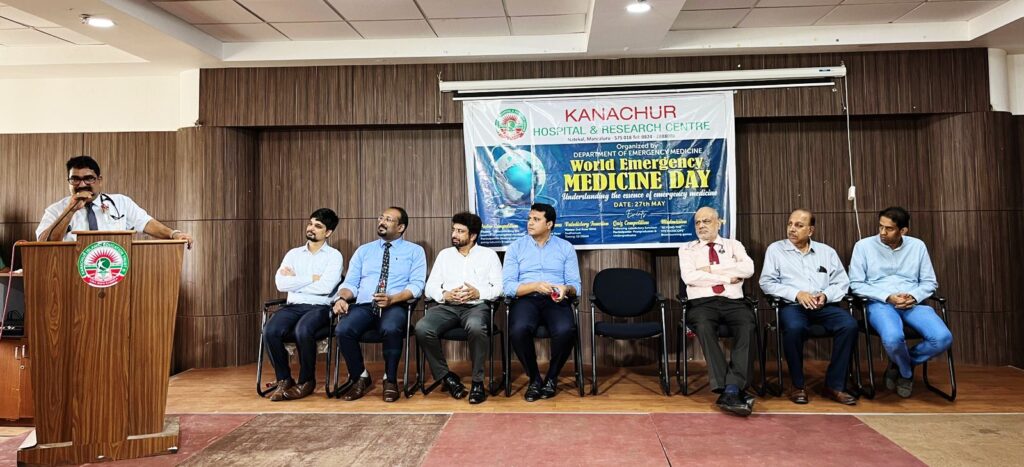
‘World Emergency Medicine Day’ was observed on 27th May, 2024 at Kanachur Institute of Medical Sciences. It was marked by active participation, learning, and community engagement events. The events not only educated and inspired our students and staff but also emphasized the critical role of emergency medicine in saving lives in the most important times. Audience engagement was high throughout the day, with participants showing enthusiasm and appreciation for the activities and training provided. The celebration successfully fostered a sense of community and heightened awareness of emergency medical services, leaving a lasting impact on all who attended.

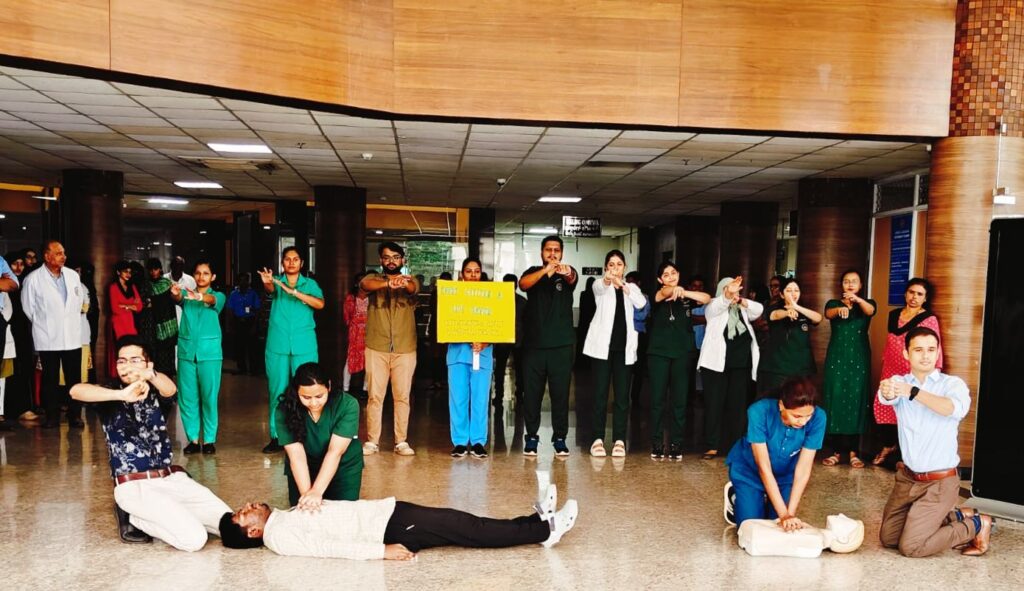
The Department of Emergency Medicine at Kanachur Institute of Medical Sciences celebrated World Emergency Medicine Day with a series of engaging and educational events. The day commenced with a vibrant street play at 9:30 AM moderated by Dr Praveen Kumar, performed by our enthusiastic faculty, postgraduates, interns and nursing staff, which effectively conveyed the importance of CPR to the public. The event continued with a poster competition involving undergraduate, nursing, and postgraduate students. The competition showcased a plethora of creative and informative posters on various aspects of emergency medicine.

At 10:00 AM, the focus shifted to the main event where Mr Abdul Rahiman – Director, KIMS; Dr Ismail – Chairman, KHSAC; Dr Shahnawaz Manipady – Dean; Dr Harish Shetty – Medical Superintendent; Dr Rohan Monis – Chief Administrative Officer; Dr AnanthPrasad – Pain Physician; Dr Vijay – I/C HOD, Emergency Medicine and other dignitaries took their places on the dais at auditorium. Mr Rahiman expressed the great improvement and timely management of the patients with the Department of Emergency Medicine being recognised as a post graduate department by NMC. Dr Ismail highlighted the significance of emergency medicine with historical facts and wished the team the best. Dr. Monisha Naik then spoke eloquently on the global importance of World Emergency Medicine Day, emphasizing its role in raising awareness and improving emergency care worldwide. Prizes of poster competition were distributed to the winners, recognizing their hard work and innovation. Dr. Vijay Kumar delivered a heartfelt vote of thanks, expressing gratitude to all participants, organizers, and dignitaries.
Following this, a series of quiz competition and Med-Mission Fun Academics sessions were conducted for both undergraduate and postgraduate students, moderated by Dr Boorapu Rupavathi, providing a stimulating platform for learning and competition. These sessions were highly engaging, with students eagerly participating and competing, demonstrating their knowledge and skills in emergency medicine. The audience’s energy and excitement were palpable, making these activities a highlight of the day.
In the evening, the celebration extended to training non-medical personnel. Dr Afeefa was rhetorical MC for the event.

The highlight was that approximately 35 individuals, including PROs, security staff, housekeeping staff, and receptionists, received hands-on Basic Life Support (BLS) training in the Medical Education Unit (MEU) hall. This session aimed to equip them with essential life-saving skills, ensuring a safer environment within our institute.

Alva’s Pragati is an annual placement drive | 7th and 8th June 2024 | One of the largest placement drives in India | Global TV

Alva’s Pragati 2024: Paving the Path to a Promising Future | Global TV

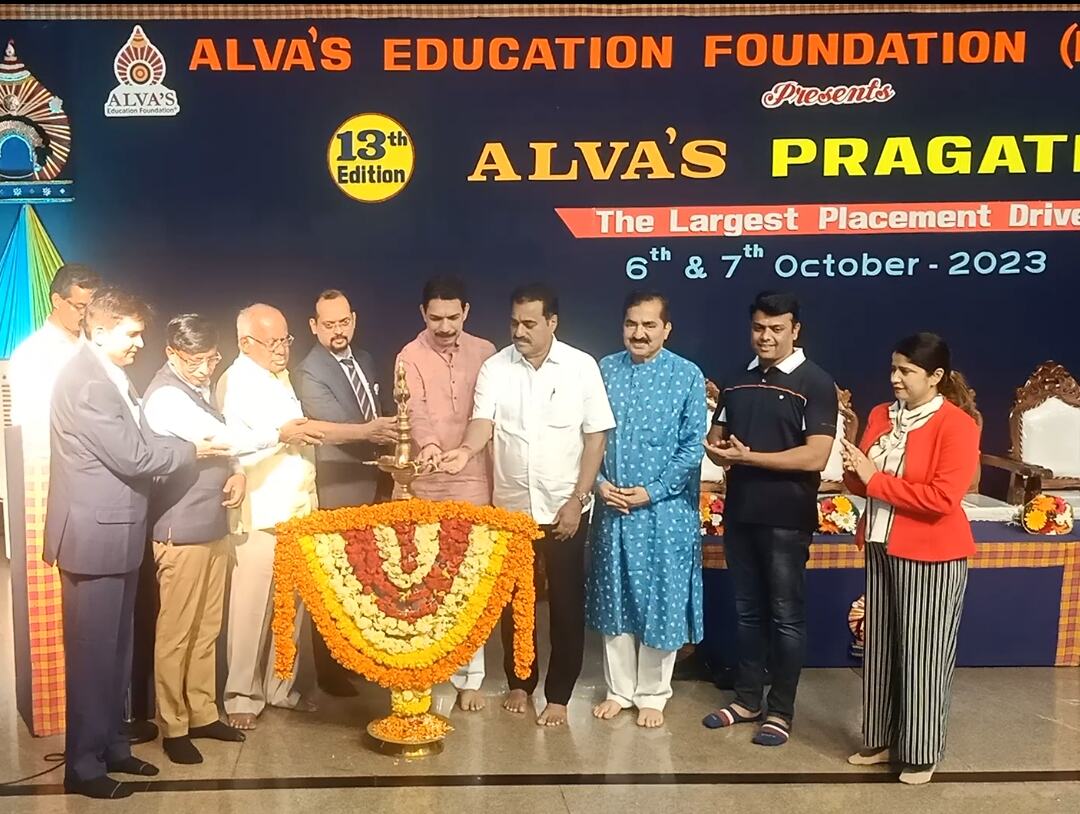
Alva’s Education Foundation, a beacon of educational excellence in Moodubidire, Karnataka, is all set to host the 14th edition of its highly anticipated placement drive, Alva’s Pragati. Scheduled to take place on the 7th and 8th of June 2024, this event promises to be a significant opportunity for job seekers across various educational backgrounds to secure promising career prospects.
About Alva’s Education Foundation

Alva’s Education Foundation, established by Dr. M. Mohan Alva, is renowned for its commitment to providing quality education and holistic development. Located in the serene environs of Vidyagiri, Moodubidire, the foundation encompasses a wide range of educational institutions, from schools to professional colleges, offering courses in diverse fields such as arts, science, commerce, engineering, medicine, and management. The foundation is known for its state-of-the-art infrastructure, experienced faculty, and a student-centric approach that fosters academic excellence and personal growth.

What is Alva’s Pragati?

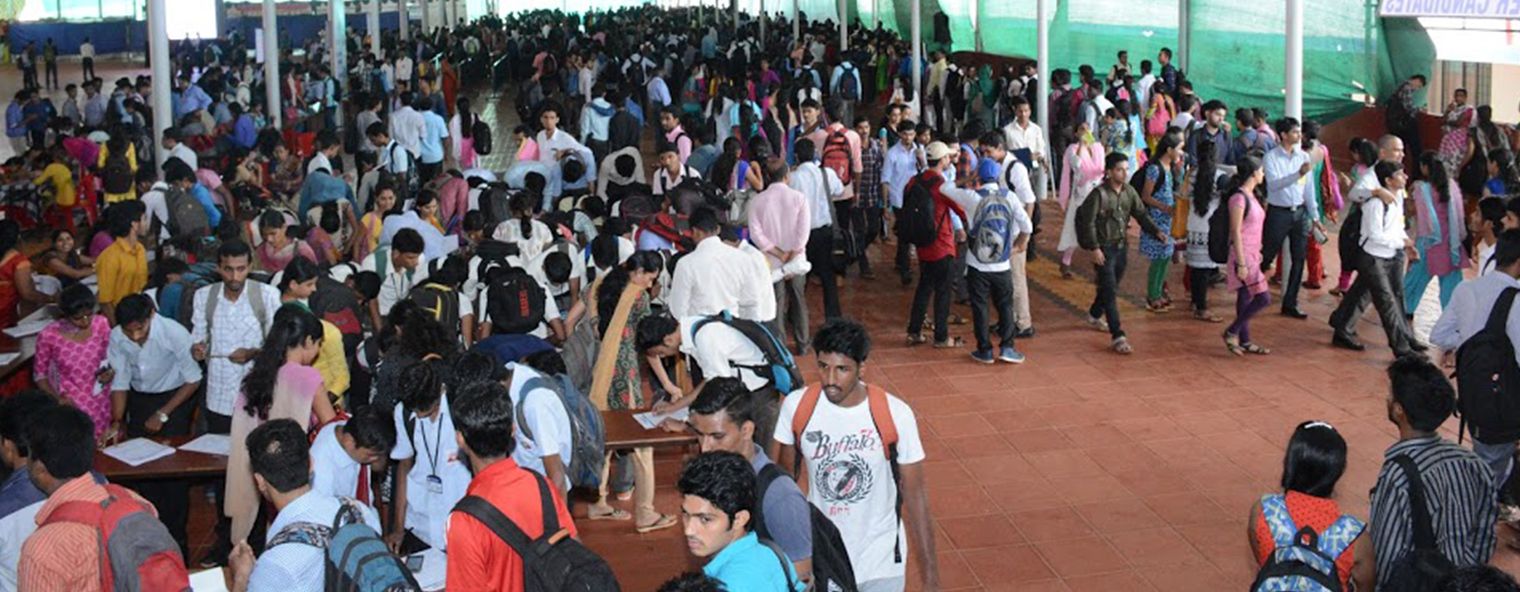
Alva’s Pragati is an annual placement drive that stands as a testament to the foundation’s dedication to bridging the gap between education and employment. As one of the largest placement drives in India, it attracts over 200 companies from various sectors, including IT, healthcare, manufacturing, finance, education, and more. The event is free for all participants, making it an inclusive platform for job seekers.
Who Can Participate?

Alva’s Pragati is open to a broad spectrum of candidates, including:

SSLC (Secondary School Leaving Certificate) holders
PUC (Pre-University Course) graduates
ITI (Industrial Training Institute) certificate holders
Diploma holders
Any graduates (Bachelor’s degree holders in any field)
Postgraduates (Master’s degree holders in any field)
Doctors
Nurses

This wide eligibility criterion ensures that individuals from various educational and professional backgrounds have the opportunity to find suitable employment.
Event Details

Date: 7th and 8th June 2024
Venue: Alva’s Campus, Vidyagiri, Moodubidire
Participation Fee: Free


How to Register

Interested candidates can register for Alva’s Pragati 2024 by visiting the official website: www.alvaspragati.com. Early registration is recommended to avoid last-minute rush and ensure participation.

Companies Participating

With over 200 companies expected to attend, participants will have the chance to engage with potential employers from a diverse array of industries. This not only increases the chances of landing a job but also provides exposure to various career paths and industry expectations.


Contact Information

For any inquiries or further information, participants can reach out to the following contact numbers:

9741440490
9663190590
7975223865

Why Attend Alva’s Pragati?

Diverse Opportunities: With such a wide range of companies, candidates from different educational backgrounds have the opportunity to explore 

multiple career avenues.
Networking: The event serves as a great platform for networking with industry professionals, which can be invaluable for career growth.
Free Participation: The event is free, making it accessible to everyone, irrespective of their financial background.

Skill Matching: The variety of companies ensures that there are roles available for different skill sets and expertise levels.

Alva’s Pragati 2024 is more than just a placement drive; it is a launchpad for dreams and ambitions. By providing a platform where education meets employment, Alva’s Education Foundation continues to play a pivotal role in shaping the futures of countless individuals. Mark your calendars for June 7th and 8th, and take the first step towards a brighter career with Alva’s Pragati.

For more information and updates, stay tuned to www.alvaspragati.com. Don’t miss this golden opportunity to embark on a journey towards a successful and fulfilling career.

“Government” and “Governance” are often used interchangeably, but they represent distinct concepts | Many Times, Governments make attempts to overshadow Governance | In the end, every one of them fails miserably | Global TV

Government is all about Controlling | Governance is all about facilitations | There are Distinct Roles to play in Shaping Society | Global TV

The terms “government” and “governance” are often used interchangeably, but they represent distinct concepts crucial to understanding how societies function. Government refers to the formal institutions and officials, elected and appointed, responsible for making and implementing decisions. Governance, on the other hand, is a broader concept that includes the various ways through which societal interests are articulated and pursued, often extending beyond the formal mechanisms of government.

While government involves the official decision-making bodies, effective governance relies heavily on the active participation of citizens, activism, and civil society initiatives. This broader perspective of governance can bring significant benefits to a society, even when the government is performing poorly or is corrupt. It’s akin to a powerful flood overwhelming a small river or stream; the collective force of engaged citizens can drive substantial change.

The Power of Democracy: Beyond Government

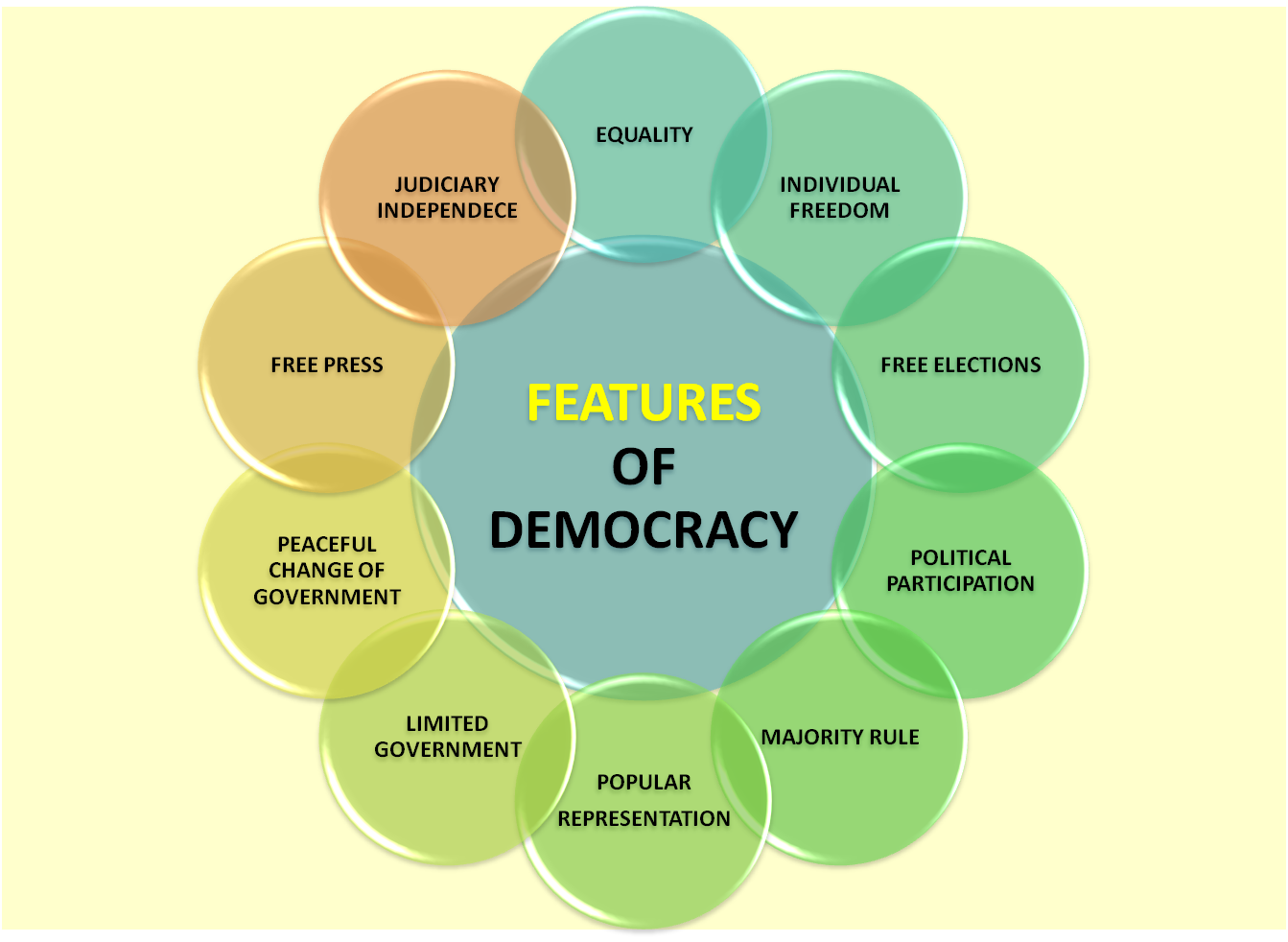
Democracy is fundamentally about empowering people beyond the constraints of government structures. Derived from the Greek words “demos” (people) and “kratos” (rule), democracy signifies the rule of the people. This system champions individual rights and participation, ensuring that diverse voices are heard and that decisions reflect the collective will. In a robust democracy, the role of government is not just administrative but also as a conduit for the people’s aspirations and needs.

However, democracy’s true strength lies beyond formal governance. It thrives on citizen engagement, civil society, and grassroots movements that shape societal trajectories. This active participation allows individuals to hold the government accountable, scrutinize its actions, and advocate for policies that uphold justice, equality, and the rule of law.

Fundamental Pillars of Democratic Governance

Freedom of Expression:

Essential for democracy, this allows citizens to voice opinions, critique policies, and engage in public discourse without fear. It fosters innovation, dialogue, and informed decision-making, addressing complex societal challenges through diverse perspectives.

Inclusivity and Equality:

Democracy ensures marginalized communities and minority groups have a voice. By promoting dialogue and consensus-building, it enhances social cohesion and reduces the risk of polarization and conflict.

Active Participation:

Democracy involves more than voting. Citizen journalism, advocacy, and community organizing are crucial for influencing public opinion and holding power accountable, protecting against tyranny and oppression.

Challenges and Resilience of Democracy

Despite its strengths, democracy faces challenges like erosion of civil liberties, electoral manipulation, and institutionalized corruption. Disinformation and polarization further threaten democratic fabric by undermining trust in institutions. However, democracy’s resilience lies in its adaptability. By nurturing civic engagement, fostering transparency, and promoting inclusive decision-making, societies can harness democracy’s transformative potential for a just, equitable, and sustainable future.

Governance Begins with Self-Governance

Governance starts with self-governance as individual responsibility, discipline, and ethical behavior. This foundation is critical for a healthy democracy, fostering accountability and proactive citizenship.

Self-Governance: Pillars of Democratic Society

Personal Responsibility:

Encourages integrity and accountability, creating a ripple effect of ethical behavior and trust within the community.

Informed Decision-Making:

Empowers individuals to critically evaluate policies, participate in debates, and make informed choices reflecting societal best interests.

Empowerment and Initiative:

Leads to positive community contributions and the emergence of grassroots leaders driving social and economic progress.

Self-Induced Leadership Initiatives

When individuals recognize their potential for change, they often step into leadership roles, creating beneficial initiatives for their communities. These grassroots movements are crucial for:

Community Engagement:

Addressing needs through localized approaches ensures tailored solutions for specific community challenges.

Innovation and Creativity:

Grassroots initiatives bring fresh perspectives and innovative solutions, driving economic growth and social development.

Social Cohesion and Resilience:

Collective efforts foster unity and purpose, enhancing community resilience to various shocks.

Interplay Between Governance and Democracy

The vibrancy of democracy depends on citizen engagement and initiative. A vibrant democracy features:

Active Participation:

Citizens involved in civic life contribute to a responsive democratic system.

Diverse Voices:

Ensuring all voices are heard strengthens governance legitimacy and effectiveness.

Economic Vitality:

Grassroots initiatives stimulate economic activity and create jobs, enhancing overall vitality.

Accountability and Transparency:

Engaged citizens hold governments accountable, rooting out corruption and ensuring effective use of public resources.

Synergy of Governance and Democracy

Governance, starting with self-governance, expands through leadership initiatives. Active citizen participation is crucial for a vibrant democracy and economy. By taking personal responsibility, engaging in community initiatives, and advocating for inclusive governance, individuals drive meaningful change, contributing to a prosperous and equitable society. Democracy’s power lies not only in elected officials but in the collective actions of citizens, shaping the future of communities and nations.

In Summary:

At the heart of effective governance lies the bedrock of democracy, where the power vested in the people catalyzes transformative change and ensures accountability even in the face of poor-performing or corrupt governments. One of the fundamental pillars of democratic governance is the freedom of expression, which allows citizens to voice their opinions, critique government policies, and participate in public discourse without fear of reprisal. This freedom serves as a catalyst for innovation, dialogue, and informed decision-making, fostering an environment where diverse perspectives can coalesce to address complex societal challenges.

Moreover, democracy thrives on the principles of inclusivity and equality, ensuring that marginalized communities and minority groups have a seat at the table. By fostering dialogue and consensus-building across different segments of society, democracy promotes social cohesion and resilience, mitigating the risk of polarization and conflict.

Importantly, the power of democracy is not confined to the ballot box but permeates every facet of society. Through mechanisms such as citizen journalism, advocacy campaigns, and community organizing, individuals can exert influence, shape public opinion, and hold power to account. In this way, democracy serves as a bulwark against tyranny and oppression, safeguarding fundamental rights and liberties.

However, the efficacy of democracy is not immune to challenges. In many parts of the world, democratic institutions face threats ranging from erosion of civil liberties to electoral manipulation and institutionalized corruption. Moreover, the rise of disinformation and polarization poses existential threats to the fabric of democratic societies, undermining trust in institutions and sowing discord among citizens.

Nevertheless, the resilience of democracy lies in its ability to adapt and evolve in response to changing circumstances. By nurturing a culture of civic engagement, fostering transparency and accountability, and promoting inclusive decision-making processes, societies can harness the transformative potential of democracy to build a more just, equitable, and sustainable future for all.

The power of democracy transcends the confines of government, permeating every aspect of governance and societal life. By empowering individuals, fostering dialogue, and upholding the principles of justice and equality, democracy serves as a beacon of hope, guiding humanity towards a brighter and more prosperous tomorrow.

Equitable distribution of economic benefits | A deep understanding of the socio-economic dynamics at the grassroots level | Global TV

Revamping Economic Distribution in the Telecom Industry: A Call for Grassroots Empowerment | Global TV

In the rapidly evolving landscape of the telecom industry, the distribution of economic benefits has long been a subject of scrutiny and debate. Dr. Sam Pitroda, the renowned technocrat and visionary, pioneered a paradigm shift in economic distribution, advocating for a more equitable allocation of revenues to benefit the grassroots. His careful study and innovative approach laid the groundwork for transformative change in India’s telecom sector.

The Principle of Equitable Distribution:

Dr. Pitroda’s advocacy for equitable distribution of economic benefits stemmed from a deep understanding of the socio-economic dynamics at the grassroots level. He recognized that traditional models of revenue distribution often favored corporate interests over the welfare of the masses. In response, he championed policies that sought to empower the grassroots by ensuring a fair share of the telecom industry’s revenues reached the bottom of the pyramid.

Mobile Companies and Revenue Circles:

The advent of mobile technology brought unprecedented connectivity and convenience to millions, yet the economic benefits of this revolution were not always distributed equitably. Mobile companies, operating on a model akin to a fishnet, often retained the lion’s share of revenues, leaving minimal returns for the revenue circles and consumers. Commission rates on mobile recharge, for instance, hovered at less than one percent, further exacerbating the disparity.

Dr. Pitroda’s Economic Pattern:

Drawing inspiration from Dr. Pitroda’s vision, imagine a scenario where mobile companies adopt a new economic pattern. Something that prioritizes grassroots empowerment. In this paradigm, a significant portion of revenues like 20% would be allocated to the mobile recharge circles, ensuring that communities at the grassroots level benefit directly from the telecom boom. Such a model would align with Dr. Pitroda’s ethos of inclusive growth and socio-economic development.

Policy Decisions for Grassroots Building:

Furthermore, policy decisions by the government could reinforce this economic shift by mandating a percentage of mobile recharge revenues—say, 15 percent—to be earmarked for grassroots building initiatives. Unlike existing surcharges, such as the petrol surcharge for toilet building, these funds would be directed towards genuine grassroots empowerment projects, spanning infrastructure development, education, healthcare, and skill-building programs.

Realizing the Vision:

Implementing Dr. Pitroda’s economic pattern and government policy decisions would require collaboration and commitment from stakeholders across the telecom ecosystem. Mobile companies, policymakers, regulators, and civil society must come together to enact meaningful change that prioritizes the welfare of the most vulnerable segments of society.

Telecom companies can take it as a marketing strategy to build their grassroots teamwork and network. Rather than a disconnected system, a more connected system can work wonders in the promotion stream. For eg: The Government Telecom Departments can use it to develop an inner circle of Combo Career Promotion. Millions will work in the Marketing Team on a Commission Basis to Rebuild the Government Telecom Sector that has become a Skeleton by now.

The telecom industry stands at a crossroads, poised to redefine its role in driving inclusive growth and socio-economic development. By embracing Dr. Pitroda’s ethos of equitable distribution and enacting policy decisions that prioritize grassroots empowerment, we can build a more resilient and equitable society. Let us seize this opportunity to realize Dr. Pitroda’s vision of a telecom sector that truly serves the needs of all, leaving no one behind.

The Indian Telecom Revolution catalyzed socio-economic development across various sectors. It Connected Us Globally | Global TV

Dr. Pitroda’s contributions to Telecom Revolution began in the 1980s when he conceptualized the idea of Public Call Offices (PCOs) | Global TV

Sam Pitroda is an eminent technocrat and visionary who played the dual roles of innovation and introduction in spearheading the Indian Telecom Revolution. It was a transformative journey that revolutionized communication infrastructure and reshaped the socio-economic landscape of India. Sadly, the younger generation does not have a clear idea of his person and contributions to the Indian Economy. Every Indian Youth should be proud of this great soul, now residing in Chicago, another great location of greater interventions like Imagine Chicago and Appreciative Inquiry.

Visionary Leadership:

Born in Odisha, India, Dr. Pitroda pursued higher education in the United States and eventually became a pioneer in the field of telecommunications. His destiny-driven visionary leadership and relentless pursuit of innovation under resistance and threats laid the foundation for India’s telecom transformation.

Introduction of Public Call Offices (PCOs):

Dr. Pitroda’s contributions began in the 1980s when he conceptualized the idea of Public Call Offices (PCOs). These PCOs provided affordable and accessible communication services to millions of Indians, especially in semi-urban and rural areas with scarce telecommunication infrastructure. Even urban towns had a heavy dependence on PCOs until the new millennium.

Telecommunications Commission and Technological Advancements:

As the founding chairman of the Telecom Commission and advisor to the Prime Minister of India, Dr. Pitroda championed policies that promoted indigenous development of telecommunications technology. His efforts led to the establishment of the Centre for Development of Telematics (C-DOT), which focused on developing cutting-edge telecom equipment tailored to India’s unique needs.

Liberalization and Privatization:

Dr. Sam Pitroda played a crucial role in advocating for the liberalization and privatization of India’s telecom sector. His advocacy paved the way for the historic liberalization reforms of 1991, which opened up the telecom sector to private investment and competition, ending decades of government monopoly.

Introduction of Mobile Telephony:

Under Dr. Pitroda’s guidance, India witnessed the advent of mobile telephony in the early 1990s. The introduction of mobile services revolutionized communication by making it accessible to even the remotest corners of the country. This democratization of communication empowered millions, facilitating connectivity and fostering economic growth.

Impact on Socio-Economic Development:

The Indian Telecom Revolution catalyzed socio-economic development across various sectors. It facilitated access to information, improved healthcare delivery, enhanced educational opportunities, and transformed governance through e-governance initiatives. Moreover, it spurred entrepreneurship and innovation, driving economic growth and employment generation.

Legacy and Continued Influence:

Dr. Sam Pitroda’s contributions to the Indian Telecom Revolution have left an indelible mark on the nation’s development trajectory. His vision, leadership, and dedication to bridging the digital divide continue to inspire generations of technocrats, policymakers, and entrepreneurs.

Dr. Sam Pitroda’s visionary leadership and pioneering efforts in the Indian Telecom Revolution have transformed India’s communication landscape, empowering millions and catalyzing socio-economic progress. His legacy serves as a testament to the power of innovation and technology in driving inclusive growth and fostering societal transformation.

Become a Caretaker Supervisor Cum TV Anchor | Global TV

Be a Healthcare Hero & TV Star: The Dual Career You Never Knew Existed

Calling all changemakers! Global TV unveils a revolutionary program that lets you become a healthcare leader by day and a TV star by night. The “Become a Healthcare Hero & TV Anchor” program offers an unparalleled opportunity to combine your passion for patient care with the dynamic world of television anchoring.  This innovative initiative equips you with the skills to excel in both fields, while also giving you the chance to promote India’s booming medical tourism industry.

The Dual Role Explained:

Healthcare Hero:

Caretaker supervisors play a pivotal role. You’ll oversee and manage caregiving services within healthcare facilities, ensuring the highest standards of patient care and implementing best practices in geriatric and home health services.

TV Star:

Beyond your supervisory duties, you’ll be trained to become a TV anchor, the face of Global TV. You’ll deliver scripts, connect with people, and give valuable health tips and promotional content to a broad audience. This dual role enhances the visibility of healthcare topics and educates the public on crucial health issues.

Training Program Highlights:

From hands-on patient care to mastering the mic, our training equips you with the skills to excel in both worlds.

Comprehensive Healthcare Training: Gain in-depth training in geriatric care, home health aide services, and healthcare assistance through partnerships with renowned hospitals. This includes hands-on experience and workshops on supervisory skills.

Media and Communication Skills: Learn the fundamentals of TV anchoring, including voice modulation, on-camera presence, script reading, and live shows. Workshops with experienced journalists and anchors will provide industry insights and practical broadcasting skills.

Integration of Roles:

No more choosing between your passion for healthcare and your media dreams. This program lets you leverage both for a truly unique career. Real-world scenarios and simulations will prepare you to manage caregiving teams while delivering health-related news and information on television.

Medical Tourism Promotion:

Turn healthcare into a global language. Learn how to promote India’s booming medical tourism industry and connect patients worldwide.

Understanding Medical Tourism: Gain insights into this rapidly growing sector where patients travel internationally for medical care.

Promotional Skills: Develop skills in creating content that highlights the benefits of medical treatments in India. This involves understanding healthcare services offered, infrastructure, and patient testimonials.

Public Engagement: As a TV anchor, you’ll have the opportunity to engage with international audiences, promoting India as a prime destination for medical tourism.

Career Opportunities:

Land your dream job in healthcare, media, or both! This program opens doors to diverse and exciting opportunities.

In Healthcare:

Hospitals and Clinics: Become a caretaker supervisor, managing caregiving teams.

Home Care Agencies: Ensure quality and efficiency of home-based health services.

Public Health Programs: Contribute to community health initiatives.

In Media:

TV Anchoring: Anchor health segments on Global TV, providing valuable information on wellness and medical advancements.

Health Communication Specialists: Work behind the scenes in media production, creating educational content.

Medical Tourism Promotion: Become a leader in promoting medical tourism and attracting international patients.

Public Speaking and Advocacy: Use your skills to influence policy changes and public awareness campaigns.

Benefits of the Program:

Be a triple threat! Gain a powerful skillset that sets you apart in the job market.

Enhanced Skill Set: This program equips you with a versatile skill set, opening doors to diverse career opportunities.

Job Security and Growth: The healthcare, media, and medical tourism sectors are all rapidly growing fields.

Public Impact: Graduates can impact public health directly through caregiving, indirectly through media outreach, and by promoting medical tourism.

Embrace this opportunity to make a significant impact in healthcare, media, and medical tourism. Don’t just dream of making a difference, do it! Apply now and become a leader in these exciting fields.

For more details on the program, admissions, and course schedules, contact Global TV at nvpaulose@gmail.com or +91 9844182044.

Sacieee

INAUGURAL of IEEE Students’ Branch at ST JOSEPH’S UNIVERISITY
Bengaluru

The IEEE Student Branch of the School of Information Technology at St. Joseph’s University was inaugurated on May 22, 2024.
Prof. Devendra Gowda, SAC IEEE Co-Chair of the Bangalore Section, served as the chief guest. In his speech, he highlighted the benefits of IEEE membership, noting that SJU’s branch is the first among non-engineering universities in Bangalore and one of 28 tech societies. He emphasized the opportunities for volunteering, networking with industry experts, and gaining practical experience through IEEE. Prof. Gowda stressed that volunteering is key to success and provides technical advantages, while active involvement in IEEE activities offers mentorship from executives who support passionate members.
Rev. Fr. Denzil Lobo, the Dean of the School of Information Technology, SJU, in his presidential address, spoke about the evolving technological landscape and the critical role of IT graduates in shaping the future. He urged students to focus on fundamental knowledge rather than just competitive exams. He discussed navigating the VUCA (Volatile, Uncertain, Complex, Ambiguous) world and the importance of continuous learning. Addressing concerns about AI’s impact on jobs, he emphasized the need for a diverse skill set including coding, communication, analytical thinking, and emotional intelligence. He concluded with a motivational quote from Swami Vivekananda, ” Take up an idea, make it your own. Think of it, dream of it. The more the power of concentration, the more knowledge is acquired”, encouraging students to pursue their passions with dedication.
Dr. Sivakannan S., IEEE Branch Counsellor at SJU, welcomed the chief guest and other dignitaries, setting a positive tone for the event. Dr. B.G. Prasanthi, Head of the Computer Science Department, introduced Prof. Gowda, highlighting his contributions to engineering and IEEE. Dr. Deepa Nagaraj, Branch Advisor, introduced the newly appointed office bearers of the IEEE Student Branch, who pledged to uphold IEEE’s values and objectives.
The event concluded with a vote of thanks by Johnviston Dias, Student Chair of the SJU Student Branch. He thanked the chief guest, speakers, faculty, and students for their support and participation, marking a successful inauguration.
The establishment of the IEEE Student Branch at St. Joseph’s University signifies a major milestone, poised to cultivate a dynamic community of future engineers and technologists dedicated to innovation and excellence.

San Bhaskaran’s strategic vision offers a comprehensive approach to global stability and leadership | Global TV

Meet Mr. San Bhaskaran: A Visionary for Global Stability and Prosperity | Global TV

By NV Paulose with Dr. PP Devan

Meet Mr. San Bhaskaran, a prolific thinker and creative economic analyst. He is a voracious reader and an acclaimed writer with an advanced mindset that is both focused and expansive. Bhaskaran is deeply committed to providing world-class facilities to even the most marginalized individuals. He advocates for cleanliness and hygiene on a personal level, as well as stringent measures to promote environmental preservation and natural beautification. Bhaskaran believes that people need not travel to foreign tourist destinations to enjoy the luxuries of the world; such luxuries can be found everywhere if we maintain and explore them. His interests range from promoting young entrepreneurs to addressing global conflicts, underpinned by a belief in building a world order that is congenial for everyone.

A New Strategic Vision: San Bhaskaran’s Insights on Global Stability and Leadership

In an era marked by heightened geopolitical tensions and rapid economic shifts, San Bhaskaran offers a fresh perspective on global stability and strategic leadership. His insights into the Russia-Ukraine conflict and broader geopolitical dynamics underscore the importance of proactive diplomacy and innovative economic strategies. Bhaskaran’s visionary approach highlights the need for new alliances, economic systems, and a strategic thinking framework to address the complexities of the modern world.

Understanding the Russia-Ukraine Conflict: A Strategic Perspective

The Russia-Ukraine conflict has deep historical and strategic roots. Bhaskaran’s analysis sheds light on the core issues driving the conflict:

Security Concerns: Russia’s primary concern is the potential encroachment of NATO on its borders. The prospect of Ukraine joining NATO poses a significant threat to Russia’s strategic security, particularly regarding the status of Crimea and other disputed regions.

Geopolitical Reality: Bhaskaran emphasizes the importance of recognizing the geopolitical reality. Ukraine’s attempts to join NATO and the European Union have been met with reluctance due to the potential destabilization of the region and the historical tensions between Russia and Ukraine.

Diplomatic Solutions: He advocates for a diplomatic compromise where Ukraine acknowledges the current status of Crimea and other regions while ensuring its sovereignty. This approach aims to prevent further escalation and the risk of nuclear conflict.

The Role of Global Powers: Strategic Implications

Bhaskaran critically examines the roles of global powers, particularly the United States and NATO, in the conflict:

Economic Sanctions and Military Pressure: The United States has employed economic sanctions and increased military presence to pressure Russia. Bhaskaran argues that these tactics aim to weaken Russia’s economy and political stability, potentially leading to regime change.

Proxy Conflict: The prolonged support for Ukraine by NATO mirrors the tactics used during the Cold War, where proxy conflicts were instrumental in shifting global power dynamics. Bhaskaran suggests that the US strategy may be to create a prolonged conflict in Ukraine to weaken Russia.

A New Approach to Global Stability: Strategic Initiatives

To move beyond the current impasse and foster global stability, Bhaskaran proposes several strategic initiatives:

Establishing New Alliances: Forming new alliances based on mutual interests and shared goals can reduce dependency on traditional power blocs and foster a more balanced global order.

Developing Alternative Economic Systems: Creating new regional payment systems and reserve currencies can mitigate the risks associated with the weaponization of financial networks like SWIFT. This would empower countries to maintain economic independence and neutrality.

Building New Financial Centers: Establishing alternative financial hubs can decentralize economic power and encourage a more stable and equitable global economy.

Strategic Thinking Framework: Enhancing Leadership and Management
Bhaskaran’s framework for strategic thinking provides valuable insights for leaders and managers aiming to navigate complex challenges. The framework includes:

Defining Outcomes: Clearly identify the desired outcomes, both immediate and long-term. Intentions set the direction, while actions determine progress.

Planning and Prioritizing: Determine the steps needed to achieve the outcomes, arrange them logically, and identify the most impactful steps. Consider potential risks and how to maintain the direction towards the goal.

Iterative Learning: Take one step at a time, evaluate the outcomes, and adjust actions based on what has been learned. Continuously refine the approach to achieve better results.

Outcome Evaluation and Improvement: Assess whether the outcomes meet the goals. If successful, develop a repeatable process; if not, analyze what could have been done differently.

Pattern Recognition: Identify patterns in external conditions and personal mistakes to improve future decision-making.

Continuous Improvement: Implement changes based on learned patterns to achieve better outcomes more efficiently.

Vision for a Balanced and Better World

Bhaskaran’s analysis is not merely about resolving conflicts but about creating a more balanced and equitable global order. He argues that regions like Asia and Africa can assert their independence and collaborate on these initiatives to significantly reduce global tensions. This proactive stance can prevent future conflicts and promote a more peaceful international environment.

San Bhaskaran’s strategic vision offers a comprehensive approach to global stability and leadership. His insights into the Russia-Ukraine conflict and broader geopolitical dynamics emphasize the importance of proactive diplomacy, innovative economic strategies, and a robust framework for strategic thinking. By advocating for new alliances, economic systems, and financial centers, Bhaskaran provides a pathway to a more balanced and better world. His high thinking and clear understanding serve as a guiding light for policymakers, managers, and global leaders striving for peace and stability in an increasingly complex world.