All posts by admin

About admin

Chairman of Global TV | Excellent Writer | Exceptional PR Skills | Author of Six books | MASTER HEALER | +91 98441 82044 |

The road to a just and equitable society is challenging, but achievable if we unite and take decisive action | Fr Cedric Prakash SJ

Unite Against Poverty and Hunger: Empowering Change on World Food Day and International Day for the Eradication of Poverty

Article Inspired by Fr Cedric Prakash SJ’s reflection

As the calendar reaches October 16th and 17th, we are reminded of two crucial Universal Days: World Food Day and the International Day for the Eradication of Poverty. These consecutive days serve as a powerful reminder of the ongoing crisis of hunger and poverty that persists both in India and across the globe. Fr Cedric Prakash SJ’s words offer a sobering reflection on the widespread and systemic challenges, urging us to act with purpose and conviction.

The Alarming Reality

India, a land abundant with resources, is paradoxically home to millions who go without daily essentials. The figures are staggering and serve as an indictment of the inequities that continue to divide society. As of 2022, 220 million people in India live with hunger (FAO). According to the World Bank, 30% of the world’s extreme poor reside in India, and 70% of the Indian population survives on less than ₹220 per day (NSSO, 2020). These statistics paint a grim picture of inequality and deprivation.

Globally, the situation is equally distressing. The Food and Agriculture Organization (FAO) reports that 820 million people suffer from hunger across the globe. Meanwhile, 736 million people live in extreme poverty, struggling to survive on less than $1.90 a day (World Bank, 2022). These alarming figures reflect a deep-rooted crisis that calls for immediate, transformative action.

The Unsettling Truth

The chasm between wealth and poverty continues to widen, with a privileged few amassing vast fortunes while millions struggle with basic survival. This stark inequality not only reflects systemic injustice but perpetuates cycles of hunger and poverty. The marginalized remain locked in this cycle, their opportunities limited by structures that benefit the elite.

In this context, Fr Cedric Prakash SJ’s reflection is a call to action: “The hope to change this lies in our collective courage to address and take a stand today against the structural and endemic causes of poverty and injustice.”

Empowering Interventions: How We Can Make a Difference

The road to a just and equitable society is challenging, but achievable if we unite and take decisive action. Fr Cedric Prakash SJ’s message offers hope that through courage and solidarity, we can make meaningful change. Empowering interventions are essential, and each of us plays a vital role in creating a better world. Here are several ways we can contribute to this cause:

Advocating for Policy Reforms

Governments and policymakers hold the power to implement transformative reforms. We must advocate for policies that address poverty, hunger, and inequality at both national and international levels. From providing social safety nets to ensuring food security, robust policy frameworks are crucial to uplift the underprivileged.

Supporting Mass Movements and Individual Initiatives

Countless number of people are working tirelessly to address food insecurity at grassroots level.  By supporting their collective efforts can help expand their reach and impact. Food Packets, Financial contributions and active participations however small, can provide life-changing opportunities for those in need.

Volunteering Time and Skills

Volunteering is a powerful tool for creating change. Whether it’s working at a local food bank, teaching skills to those in marginalized communities, or helping massive programs, your time can make a tangible difference in someone’s life. Engage with grassroots initiatives in your local community that address poverty and hunger head-on.

Educating Ourselves and Others

Understanding the root causes of poverty and hunger is essential for dismantling them. We need to engage in continuous learning about the systemic issues that perpetuate inequality, from broken economic chains to unfair practices. Sharing this knowledge with others can spark greater awareness and mobilize broader support for change.

Holding Leaders Accountable

Leadership at all levels must be held accountable for addressing the crises of poverty and hunger. By engaging in constructive dialogue with local, national, and global leaders, we can demand transparent and effective action. Voting in elections, advocating for ethical leadership, and participating in civic processes are powerful ways to push for lasting reforms.

Create Momentum; Initiate or Join the Movement

The time for change is now. This World Food Day and International Day for the Eradication of Poverty, we are presented with an opportunity to unite in solidarity for a world free from hunger and poverty. Here’s how you can join the movement:

  • Share Stories of Resilience and Hope
  • Amplify Voices of Marginalized Communities
  • Participate in Local Events and Campaigns
  • Donate to Reputable Initiatives
  • Engage in Constructive Dialogue with People

Together, We Can Break the Cycle

The eradication of poverty and hunger requires a collective, sustained effort. It’s about more than temporary relief; it’s about dismantling the structures that perpetuate these crises and replacing them with systems that prioritize justice, equity, and dignity for all. We can break the cycle of poverty and hunger by working together to build a society where every person has access to nutritious food and the opportunity to thrive.

Fr Cedric Prakash SJ’s words challenge us to act with courage and determination: “Let us unite in our collective courage to create a world where no one is left behind.”

Take the First Step Today

The question is no longer “What can be done?” but rather, “Will we do it?” The first step toward eradicating poverty and hunger begins with each of us. Whether through advocating for change, volunteering, educating, or donating, every action counts. Will you join the movement to eradicate poverty and hunger? Together, we can make a profound and lasting impact.

Urbanization has led to increased self-centeredness, making it difficult to organize mass movements | Tushar Gandhi

The Conversation Summary:

In conversation with Tushar Gandhi. Several important aspects of India’s current political and social landscape is discussed here. This conversation underscores the need for political parties like Congress to reconnect with the public, revive grassroots movements, and encourage collective leadership.

Thank you so much for this insightful conversation, Tushar. It’s fascinating to dive into the themes you’ve touched on regarding mass movements, political disconnection, and the personal cost of activism. You’ve painted a vivid picture of how today’s political landscape in India contrasts sharply with the collective leadership and grassroots connections that once defined the Congress, as well as the challenges facing modern movements in rallying people.

I was struck by your analysis of the Congress’ shift from a mass-based organization to a court-centric or darbari one. This is a profound observation about how the party’s internal dynamics evolved post-Independence. You mentioned that Congress had that critical local presence, where every small village had a direct link to the national political process. Today, however, the party seems to have lost that grassroots touch, while the BJP, leveraging the RSS, has managed to build an impressive communication network.

This disconnect you mention, especially the shift from a mass-based to darbari politics, feels central to understanding why movements are faltering. The alienation you pointed out between political parties and the people seems to have intensified in urban spaces, where there’s little sense of community or collective action. The atomization of urban society, where people don’t even know their neighbors, adds to the challenge of sparking unified movements.

It’s compelling how you attribute the BJP’s outreach success to the RSS. The comparison with how Congress marginalized its own Seva Dal, once a powerful arm of grassroots communication, highlights a critical misstep in Congress’ political strategy. You made a strong case for the Congress needing to return to a collective leadership model if it ever hopes to regain the trust and enthusiasm of the people.

Finally, your thoughts on the personal sacrifices that activism demands, and how the fear of such sacrifices can deter youth from participating, were particularly insightful. It’s clear that there’s a significant psychological and social barrier in today’s India, where success is often measured in terms of monetary gain and where few are willing to endure the hardships of activism. Your example of Medha Patkar and other committed individuals is a poignant reminder that it’s the rare individuals willing to take those risks who can ignite change.

Once again, thank you for sharing your thoughts and experiences. It’s been a truly enriching conversation, and I’m sure this dialogue will resonate deeply with those who care about India’s political future.

Here are key points from Tushar Gandhi’s talk based on the conversation:

  1. Lack of Mass Movements in India: Tushar Gandhi emphasizes that mass movements have diminished in India. One of the reasons is the disconnect between mainstream political parties and the general public. People have become apathetic, only reacting when issues affect them personally, contributing to societal complacency.
  2. Congress Party’s Disconnect: He attributes the Congress party’s loss of mass appeal to its transition from a mass-based party to a “darbari” (court) party. Once a party that had representatives in every village, Congress lost touch with the grassroots, leading to a sense of alienation among the public.
  3. Rahul Gandhi’s Bharat Jodo Yatra: Tushar sees Rahul Gandhi’s Bharat Jodo Yatra as a significant step towards reconnecting with the masses. The spontaneous welcome Rahul received during the yatra demonstrated that people still hold memories of past Congress leadership, and they longed for that kind of engagement.
  4. RSS and BJP’s Success: He mentions that the BJP’s success in outreach is largely due to the RSS (Rashtriya Swayamsevak Sangh), which operates as a disciplined, militarized cadre-based organization, managing communication and grassroots efforts for the BJP.
  5. Collective Leadership vs. Personality Cult: Tushar Gandhi argues that collective leadership, which was a hallmark of the Congress during the independence movement, has been lost. He believes the Congress needs to return to a model of collective leadership rather than relying on singular figures to face the BJP and RSS’s organized structure.
  6. Urbanization and Political Alienation: Urbanization has led to increased self-centeredness, making it difficult to organize mass movements. In cities, people are less connected to their neighbors, and this disjointedness has affected political awareness and activism.
  7. The Role of Sacrifice in Leadership: He talks about how leadership, especially in activism, requires personal sacrifice. Young people today often hesitate due to the personal cost involved, but Tushar believes that once leaders establish themselves, support systems emerge to sustain them.

These points reflect Tushar Gandhi’s reflections on India’s current political landscape, mass movements, and the Congress party’s challenges in reconnecting with the public.

Hebich Technical Training Institute | Building Skilled Professionals for a Stronger Tomorrow | Global TV

Hebich Technical Training Institute: Pioneer in Blue Collar Engineering Education since 1964

Mangaluru, October 2024: Hebich Technical Training Institute (HTTI), a leading institution in technical education since 1964, has opened admissions for the 2024 session. Known for shaping generations of skilled professionals, HTTI offers a range of industry-relevant courses tailored to meet the increasing demand for blue-collar engineering jobs.

With industries across India and globally emphasizing skill-based education, HTTI is proud to provide comprehensive training in trades like Fitter, which is highly sought after in the manufacturing and engineering sectors.

Courses Offered

One of HTTI’s flagship programs is the Fitter Trade, a two-year course certified by the National Council for Vocational Training (NCVT) under the Government of India’s Department of Skill Development, Entrepreneurship, and Livelihood. The course is designed for students who have completed their SSLC or those who were unsuccessful in completing PUC. With an age limit of 40 years, this program provides ample opportunity for mid-career professionals looking to upskill or change their career trajectory.

Additionally, HTTI has created a unique pathway for degree-holding candidates. Graduates can now enroll in this skill-based training to enhance their hands-on expertise, making them more competitive in the job market.

Special Opportunity for Fitter Trade Graduates

One of the highlights of HTTI’s offerings is the opportunity for successful Fitter Trade graduates to continue their education with a 1-year Advance Course in Mechanical Craftsmanship. This diploma-level course provides specialized training in high-demand areas such as:

  • CNC (Computer Numerical Control)
  • Pneumatics
  • Computer-Aided Design and Drafting (CADD)

What makes this offer even more enticing is that these advanced trainings are provided free of cost, and 100% campus placement is guaranteed upon completion of the program. This ensures that students not only acquire technical knowledge but also gain a foothold in reputable companies across the nation.

Why Choose HTTI?

As industries evolve, there is an ever-growing demand for skilled blue-collar professionals, particularly in engineering roles that require practical, hands-on expertise. HTTI has been a pioneer in fulfilling this need for six decades, adapting to industry changes and providing its students with a strong foundation for successful careers.

With a blend of theoretical knowledge and rigorous practical training, HTTI students are well-equipped to meet the challenges of the modern industrial landscape. This makes the institute a perfect launchpad for those aspiring to work in sectors such as manufacturing, automotive, construction, and heavy machinery.

Apply Now!

  • Last date for admissions: 30th October 2024
  • Location: Hebich Technical Training Institute, Balmatta, Mangaluru-575001
  • Contact Information:
    • Phone: 0824-2985578, 2422036
    • Mobile: 9972007578

Limited seats are available, so prospective students are encouraged to act swiftly to secure their place. Scan the QR code for location details and the online admission application link.

Don’t miss this chance to kickstart a career in technical education. With blue-collar engineering roles becoming more crucial in the economy, now is the perfect time to invest in skill development and ensure a promising future.

Global TV wishes to create Combo Careers for those who are very good in tasty snacks preparation and also service oriented | +91 98441 82044

Snack Pack for God; Feeding the Needy is Serving the God

Basic steps involved:

  • Identifying the families that require support
  • Choosing the Locations to place the Boxes
  • Selecting the people to Coordinating the process
  • Campaigns and setting standards
  • Taking the campaign to next level

Identifying the families that require support:

This should happen silently. Unlike the regular way, we should not expose them for the purpose of publicity by taking photos etc. We should make sure to reach them the support and also make sure we approach them with respect.

Choosing the Locations to place the Boxes:

NSS Volunteers are entrusted with the handling of the boxes. Boxes can be placed at apartments, shops etc. These boxes should be checked twice a day and the data should be documented in a log book kept at each location.

Selecting the people to Coordinating the process:

At initial level, we should take help of the residents in the apartments and people at the shops. Eventually, when there is revenue models, we can engage those who are otherwise not employable for this purpose.  

Campaigns and setting standards:

We need to make digital campaigns during the initial phase of the campaign. Once things are set to take wheel with certain level of performance, we can engage few individuals to manage the process. People will support such initiatives.  

Taking the campaign to next level:

At later stages, Global TV wishes to create Combo Careers for those who are very good in tasty snacks preparation and also service oriented. We shall place them as Associate Editors and Service Chefs. Financial contributions in the boxes shall be used for this purpose. We shall set up community Kitchens in due course of time.

This is a very ambitious dream. Our experiences in implementing the project at other places are encouraging. Taking them to certain level require integrity in approach towards the UN Sustainable Development Goal Number One. This is the end to end narrative of the Vision of Snack Pack for God.  

Global TV is re-launching the popular “Community Kitchen” project, combining the idea of eating together with shooting events | Partner With us +91 98441 82044

Community Kitchen for Society Building; a Global TV Initiative

Global TV is re-launching the popular “Community Kitchen” project, combining the idea of eating together with shooting events. These events organised with partnering institutions will invite people from all walks of life to come together and to connect with each other and discuss about practical steps in community development. This initiative encourages people to set aside political differences and focus on people-to-people interactions on development initiatives.

The “Global TV Community Kitchen” aims to bring individuals together through the shared experience of preparing and having food together. By doing so, we can foster a sense of unity and empathy, breaking down barriers such as cultural and socio-economic differences. The project highlights the power of simple food as a universal language that create bonds, encourages collective action, and inspires positive change for the well-being of the community at large.

This effort is about connecting people, promoting dialogue, and working together for common goals with Sustainable Actions and Truthful Living (SALT). Every person should get an opportunity to contribute towards the common goals that are basically aimed at reducing the gap between the haves and the have-nots. Let us all come together in Breaking Barriers and Building Bridges. Get Involved by volunteering, donating, and participate in Community Kitchen initiatives.

Together, let’s build a stronger and more compassionate Society!

The Thousand Rupees Challenge is an opportunity for individuals to engage in a positive media movement that promotes constructive journalism and community collaboration | Global TV

Contribute towards Global TV’s Thousand Rupees Challenge: Empower Action Journalism for Social Change

Global TV, the first internet TV from India (2002) presents an expansion plan by introducing a refreshing and proactive approach through its Thousand Rupees Challenge. This initiative invites you to contribute ₹1,000 towards action journalism that champions progress and community-driven transformation. By emphasizing constructive journalism, Global TV aims to shift the narrative from problems to solutions, creating a platform for positive change.

What is the Thousand Rupees Challenge?

The Thousand Rupees Challenge is an opportunity for individuals to engage in a positive media movement that promotes constructive journalism and community collaboration.  Your ₹1,000 contribution helps us to do more episodes and campaigns in our media mission that connects visionaries, action leaders, and the youth, encouraging micro actions that lead to meaningful social transformation.

Global TV believes in the power of small, incremental steps. Instead of the typical “post-mortem reporting” that focuses solely on problems, Global TV highlights solutions, identifies root causes, and implements scalable, impactful changes.

Key Goals of the Thousand Rupees Challenge:

Promoting Constructive Journalism:

Global TV promotes campaign models that inspire massive action in collective collaborations. We focus on individuals and institutions who are engaged in best practices and sustainable development models for the society at large.

Empowering Local Communities:

Through collective action, Global TV enables communities to take charge of their development, fostering unity and collective action. Most of the solutions come from within the society. All that we need to do is to connect likeminded people to come together and support each other. Our voice should go with our actions.

Connecting People through Collaboration:

Our initiatives to bring together individuals from diverse backgrounds towards collective action had impressed many stalwarts. Global TV is very well known as the connecting platform of Visionaries and action leaders. Collaborative model that we promote keeps none away. We focus on drives for social progress. Action journalism for us is more than just telling stories. It’s inspiring real-world change by focusing on progress. Global TV act as a catalyst for Transformation.

By contributing ₹1,000, you become an essential part of a movement that is transforming the way media converge. This contribution supports journalism that is driven by collective action. You can join this mission by making your donation via Google Pay at (+91 9844182044). Every contribution fuels the platform for constructive journalism and social impact.

Become a Resident Editor

Global TV welcome social oriented individuals to become Resident Editors and to become part of the media mission.  Together, We Can Reshape the way world is progressing around us. The Thousand Rupees Challenge is about empowering individuals and communities to drive positive change. By joining this movement, you become part of a collective effort that redefines what it means to report news, shifting from highlighting problems to celebrating progress.

Join hands with Global TV, contribute ₹1,000, and together, let’s reshape the way the best practices are promoted locally and globally for the advantage of humanity at large. Small things has the power to make great differences in the world.

Reinventing Yourself: Through Paradigm Shifts in Thinking | Professor Gerard D’Souza from St. Agnes College | Global TV

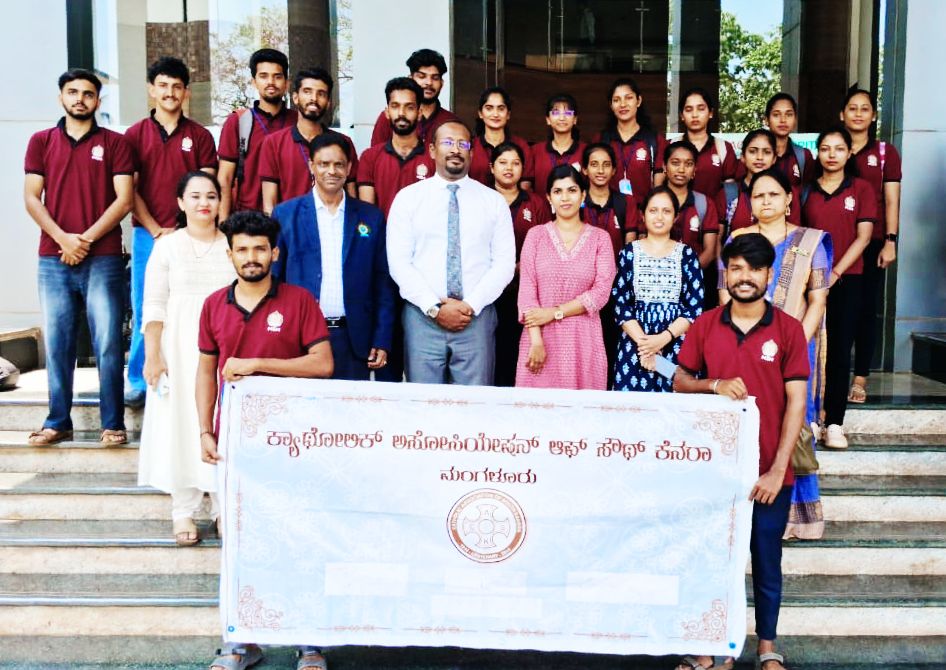
Catholic Association of South Kanara (CASK) launched its inaugural program

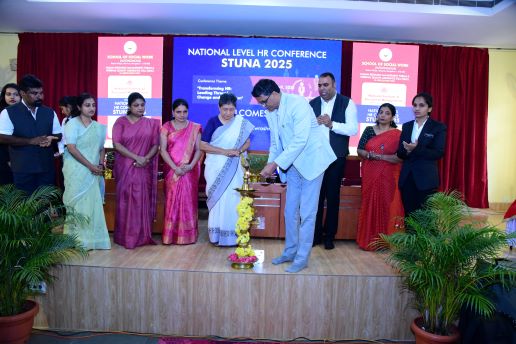
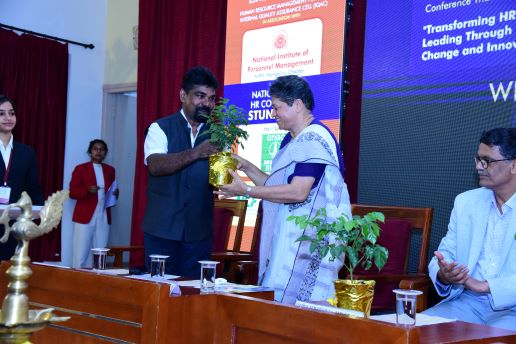
On October 15, 2024, the Catholic Association of South Kanara (CASK) launched its inaugural program, “Reinventing Yourself: Through Paradigm Shifts in Thinking,” as part of the ‘IgniteU’ project, in collaboration with the Center for Professional Excellence and the Department of English at the School of Social Work, Roshni Nilaya, Mangaluru.


The event was inaugurated by Mr. Ronald Gomes, President of CASK, along with Vice President and CASK Program Director Ms. Marjorie Texeira and Assistant Professor Vineetha Pereira, Director of the Center for Professional Excellence and Head of the Department of English. Notable attendees included Dr. Sandra Lobo, Dean of Humanities, and Assistant Professor Rancy D’Souza from the School of Social Work.


Professor Gerard D’Souza from St. Agnes College delivered an engaging presentation, highlighting the importance of ethical self-transformation through personal anecdotes. He introduced practical coping mechanisms such as the 9-10 Principle, the 10 Finger Principle, and the Window Technique. Additionally, he discussed internal “Viruses”; negative traits that hinder personal growth; and shared strategies to overcome them. Insights on interview techniques and the development of soft skills to enhance employability were also provided. The session, enriched by creative activities and discussions, inspired attendees to embrace personal and professional reinvention.

The event was compereed by Ms. Mahed Sadiaf, a III BA student.

ഏറ്റവും വിഷമം തോന്നിയത് സന്തോഷ് ജോർജ്ജ് കുളങ്ങരയുടെ സ്‌കൂളിൽ വിട്ടതാണ് | ഗ്ലോബൽ ടി വി

കുട്ടികളുടെ വിദ്യാഭ്യാസവുമായി ബന്ധപ്പെട്ട ഒരു ആലോചന.

സജി മർക്കോസ്

എഡ്വിനെ സ്‌കൂളിൽ ചേർത്തത് മൂന്ന് വയസ്സ് ഉള്ളപ്പോളാണ്, LKG യിൽ . ആ ക്ളാസിലെ ഏറ്റവും ചെറിയ കുട്ടി അവനായിരുന്നു. LKG യും UKG യും കഴിഞ്ഞു ഒന്നാം ക്ലാസിൽ എത്തുമ്പോൾ 5 വയസ്സ്, പത്ത് കഴിയുമ്പോൾ 15 ഇതായിരുന്നു കണക്കു കൂട്ടൽ.

ആ പ്രായത്തിൽ മൂന്നു വയസ്സും നാല് വയസ്സും തമ്മിൽ വലിയ അന്തരമുണ്ട്, കാര്യങ്ങൾ മനസിലാക്കാനുള്ള കഴിവിൽ കാര്യമായ വളർച്ച ആ പ്രായത്തിൽ ഉണ്ടാകും എന്നൊന്നും തലച്ചോർ വളർന്ന ഞാൻ ചിന്തിച്ചില്ല. എന്നെ നാല് വയസ് തികയുന്നതിനു മുൻപേ സ്‌കൂളിൽ ചേർക്കുമ്പോൾ പ്രായം തികയാത്തതുകൊണ്ട്, ജൂൺ ഒന്ന് ജനന തീയതി ആക്കിയതിനെപ്പറ്റി അമ്മ പറഞ്ഞു കേട്ടട്ടിട്ടുള്ളത് എനിക്കും പ്രചോദനമായ എന്ന പറഞ്ഞാൽ മതിയല്ലോ.

പഠിക്കാൻ പ്രായമാകുന്നതിനു മുൻപേ ചേർത്തതുകൊണ്ടാവും എഡ്വിൻ ആദ്യം മുതലേ പഠനകാര്യങ്ങളിൽ പിന്നോക്കം ആയിരുന്നു. അന്പതുകുട്ടികൾ ഉള്ള ക്ളാസിയിൽ അവൻ പിന്തള്ളപ്പെട്ടു, ബുള്ളി ചെയ്യപ്പെട്ടു. സ്‌കൂളിന്റെ കുഴപ്പം ആണെന്ന് കരുതി സ്‌കൂൾ മാറ്റി, ഒന്നും രണ്ടും പ്രാവശ്യമള്ള – പ്ലസ് ടു കഴിയുമ്പോഴേയ്ക്കും ഏഴു സ്‌കൂളിൽ പഠിപ്പിച്ചു. അതിൽ രണ്ടു പ്രാവശ്യം കേരളത്തിലായിരുന്നു. മകനെ എങ്ങിനെയും മലയാളിക്കാനുള്ള അപ്പന്റെ ശ്രമം.

ഏറ്റവും വിഷമം തോന്നിയത് സന്തോഷ് ജോർജ്ജ് കുളങ്ങരയുടെ സ്‌കൂളിൽ വിട്ടതാണ്. എട്ടാം ക്ലാസിൽ അവിടെ ചേർത്തു. സന്തോഷിന്റെ അനിയൻ രാജേഷ് ആണ് പ്രിൻസിപ്പൽ. വളരെ മോശം ഹോസ്റ്റൽ. അതിരാവിലെ ഒരു മണിക്കൂർ ഫോൺവിളിച്ചാൽ കിട്ടിയാലായി, ഫോൺ കിട്ടിയാൽ ആദ്യത്തെന്നെ അവൻ ഭക്ഷണത്തെക്കുറിച്ചുള്ള പരാതിയാണ്. ഞാൻ തിരികെ ദേഷ്യപ്പെടും.

ഏഴുമാസം കഴിഞ്ഞു ആദ്യ അവധിയ്ക്ക് ബഹ്‌റൈനിൽ വരുന്നു. എയർപ്പോർട്ടിൽ ഞങ്ങൾ കാത്തി നിൽക്കുന്ന കാര്യം ഓർക്കുമ്പോൾ ഇന്നും എന്റെ കണ്ണ് നിറയും. ഫ്ളൈറ്ററങ്ങി എല്ലാവരും പോയി, അവസാനം ഒരു പയ്യൻ നടന്നു വരുന്നു, സൊമാലിയയിൽ നിന്നുള്ള ഏതോ കുട്ടി ആയിരിക്കും എന്ന് കരുതി, ഞാൻ ശ്രദ്ധിച്ചില്ല. “ദേ അച്ചാച്ചൻ” എന്ന് ഐറിൻ പറഞ്ഞപ്പോഴാണ് വീണ്ടും ശ്രദ്ധിച്ചത്. കണ്ണ് മാത്രമുണ്ട് പഴയതുപോലെ.

പിന്നെ തിരികെ വിട്ടില്ല- ഞാൻ പോയി ടിസി വാങ്ങിവന്നു.

അധ്യാപന വർഷത്തിന്റെ ഇടയ്ക്ക് പ്രൈവറ്റ് സ്‌കൂളിൽ ഒന്നും ചേർക്കില്ല, അവന്റെ മാർക്കുകൾ ആണെങ്കിൽ കൻസിടന്റായി മോശവും.

കമ്യുണിറ്റി സ്‌കൂൾ ആയ ഇന്ത്യൻ സ്‌കൂളിൽ ചേർത്തു. അധ്യാപകർക്ക് എന്നും പരാതികൾ മാത്രം. PTI യ്ക്ക് ഒരിക്കലും ഞാൻ പോകില്ല.

പ്ലസ് വണ്ണിന് വീണ്ടും നാട്ടിൽ വിട്ടു. മോനെ മലയാളി ആക്കിയേ അടങ്ങൂ. അതും നാല് മാസം കഴിഞ്ഞു തിരികെ വന്നു.

വീണ്ടും ഇന്ത്യൻസ്‌കൂൾ തന്നെ അഭയം.

ആവർഷം സ്‌കൂൾ കമ്മറ്റിയിൽ ഞാൻ സർക്കാർ നോമിനിയായി ചുമതലയേറ്റു . ഏതാണ്ട് പന്ത്രണ്ടായിരം കുട്ടികൾ പഠിക്കുന്ന സ്‌കൂൾ, എഴുന്നൂറിനടുത്ത് അധ്യാപകർ, നൂറോളം സ്‌കൂൾ ബസുകൾ- ഒട്ടനവധി പരാധീനതകൾ ഉള്ള സ്‌കൂൾ, പേരന്റ്സിനിടയിൽ അമിതമായ പൊളിറ്റിക്സ്. സ്‌കൂൾ കമ്മറ്റിയിലേക്കുള്ള തിരഞ്ഞെടുപ്പുകൾക്ക് നമ്മുടെ നിയമസഭാ തിരഞ്ഞെടുപ്പിനേക്കാൾ വീറും വാശിയുമാണ്.

ആ വര്ഷം പ്ലസ് ടു വിനു 100 % വിജയം വേണമെന്ന് ഞങ്ങൾ കമ്മറ്റി തീരുമാനിച്ചു. ആയിരത്തിലധികം കുട്ടികൾ പ്ലസ് റ്റു പരീക്ഷ എഴുതുന്നുണ്ട്, തോൽക്കാൻ സാധ്യതയുള്ള പത്ത് കുട്ടികളുടെ ലിസ്റ്റ് എടുക്കാൻ പ്രിന്സിപ്പലിനോട് പറഞ്ഞു, അതിൽ എഡ്‌വിനുണ്ട്.

വലിയ നിരാശയായി, കമ്മറ്റി അംഗത്തിന്റെ മകൻ പോലും തോറ്റിരിക്കുന്നു എന്ന് പത്രത്തിൽ വരെ വന്നേക്കാം. പ്രിൻസിപ്പൽ പളനി സ്വാമിയെ പോയി കണ്ടു, എഡ്വിൻ തോൽക്കരുത്. കമ്മറ്റി അംഗത്തിന്റെ മകൻ എന്ന പരിഗണന അവനു കിട്ടാതിരിക്കാൻ ഒരു അധ്യാപകരെയും കണ്ടിട്ടില്ല. എന്റെ മകൻ ആണെന്ന് ഷേർളി ടീച്ചറിനല്ലാതെ Sherly Kbm ആർക്കും അറിയുകയും ഇല്ലായിരുന്നു

“സാർ ഭയപ്പെടവേണ്ട, അവൻ ജയിക്കും” സാർ ഉറപ്പു നൽകി.

എഡ്വിൻ ജയിച്ചു. പിന്നെ ഇന്നുവരെ ഞാൻ ഒന്നിനും നിര്ബന്ധിട്ടില്ല. തുടർ പഠനത്തിന് അവന്റെ ആഗ്രഹപ്രകാരം കാനഡയ്ക്ക് പോയി. എല്ലാ പരീക്ഷകൾക്കും നല്ല മാർക്ക് വാങ്ങി ജയിച്ചു. നമ്മുടെ വിദ്യാഭ്യാസ രീതിക്കും ഉണ്ടായിരുന്നു പ്രശ്‍നം. കാണാപ്പാഠം പഠിക്കുന്നതും, എല്ലാം ഓർത്തുവച്ച് വർഷാവസാനം മൂല്യനിർണ്ണയം നടത്തുന്നതുമായ CBSE രീതി അവനെപ്പോലെയുള്ള കുട്ടികൾക്ക് ചേർന്നതല്ല.

പിന്നെ അവനു ജോലിയായി , അവിടുത്തെ PR ആയി, 25 ആമത്തെ വയസ്സിൽ അവിടെ വീടുവാങ്ങാൻ നോക്കുന്നു. (ആ പ്രായത്തിൽ എനിക്ക് സിനിമകാണണമെങ്കിൽ അപ്പച്ചന്റെ പോക്കറ്റിൽ നിന്നും മോഷ്ടിക്കണമായിരുന്നു.)

വിദ്യാഭ്യാസ കാലാം മുഴുവൻ മോശം അനുഭവങ്ങൾ ആയിരുന്നെങ്കിലും സ്നേഹത്തിന്റെ ധാര മുറിയാതെ നോക്കിയത് അവനായിരുന്നു, ഇല്ലെങ്കിൽ ഇന്ന് കീരിയും പാമ്പും ആയി കഴയേണ്ടതായിരുന്നു. ഏറ്റവും അടുത്ത കൂട്ടുകാരോട് മിണ്ടുന്നതുപോലെയാണ് എഡ്വിനോട് സംസാരിക്കുമ്പോൾ. ഈ ലോകത്തിലെ എന്ത് കാര്യം പറഞ്ഞാലും അതിനോട് കൂട്ടിച്ചേർക്കാൻ ഒരു വാചകം എങ്കിലും അവനു സ്വന്തമായി ഉണ്ടാകും. അവന്റെ അമ്മയും ഐറിനും UK പോയതിനു ശേഷം ഞാൻ ഒറ്റക്കായി. അവൻ ഒരുമാസം കൂടെ വന്നു നിൽക്കട്ടെ എന്ന് ചോദിച്ചു. ആ നിൽപ്പ് അഞ്ചു മാസം നീണ്ടു നിന്നു. ഒരുമിച്ച് സ്വിമ്മിങ് പൂളിൽ പോകും, ജിമ്മിൽ പോകും. എന്റെ ജീവിതത്തിലെ ഏറ്റവും നല്ല ദിവസങ്ങൾ ആയിരുന്നു അത്.

ലോകോത്തരമായ വിദ്യാഭ്യാസ രീതികളുള്ള ഫിൻലാന്റിൽ കുട്ടികൾ Pre-primary Education നു പോകുന്നത് ആറാമത്തെ വയസിലാണ്, സ്‌കൂൾവിദ്യാഭ്യാസം തുടങ്ങുന്നത് ഏഴാമത്തെ വയസിലും.

നമ്മുടെ വിദ്യാഭ്യാസ രീതികൾക്കുമുണ്ട് പ്രശ്‍നം – പണ്ടൊക്കെ അക്ഷരങ്ങൾ പഠിച്ചു തുടങ്ങുന്നത് “അ ” യിലാണ്. ഇപ്പോൾ മാറിയിട്ടുണ്ടെന് തോന്നുന്നു. ഏറ്റവും അവസാനം പഠിപ്പിക്കേണ്ട അക്ഷരമാണ് അ. അത്രയും കുനിപ്പുകൾ ഉള്ള അക്ഷരം എഴുതുവാൻ ആ പ്രായത്തിൽ പ്രയാസമാണ്.

ഇതിന്റെ എല്ലാം ഗുണം കിട്ടിയത് ഐറിനാണ്. പന്ത്രണ്ടു വര്ഷം ഒരേ സ്‌കൂളിൽ പഠിപ്പിച്ചു. നാലുവയസ്സ് കഴിഞ്ഞപ്പോൾ ആണ് LKG യിൽ ചേർത്തത്. ഇപ്പോൾ UK യിൽ A Level അവസാന വര്ഷം. അത് കഴിഞ്ഞാൽ ഒരു വര്ഷം ബ്രെക് എടുക്കണം എന്നാണു അവളുടെ ആഗ്രഹം – അതൊക്കെ അവരുടെ ഇഷ്ടം, ഒന്നിനും നിര്ബന്ധിക്കാറില്ല.

സ്വന്തമായി കാര്യങ്ങൾ തീരുമാനിക്കാനും തിരഞ്ഞെടുക്കാനും പ്രാപ്തിയാക്കുക എന്നതാണ് എന്റെ ജോലി എന്ന് തിരിച്ചറിഞ്ഞത് ഒരാളെ പഠിപ്പിച്ചു കൊളം ആക്കിയപ്പോഴാണ്. (അല്ലാതെ അവര്ക് വേണ്ടി തീരുമാനം എടുക്കേണ്ടത് എന്റെ ജോലിയല്ല.)

യാത്രാഭ്രമം ഉള്ളതുകൊണ്ട്, ഒരിക്കൽ ഗോപാലകൃഷ്ണൻ സാറും, വിജയ ലക്ഷ്മി ടീച്ചറും നടത്തുന്ന അട്ടപ്പാടിയിലെ സാരംഗിൽ പണ്ട് ഒരു ആഴ്ച പോയി താമസിച്ചിരുന്നു. അവരുടെ രീതികളോട് വിയോജിപ്പ് ഉണ്ട്, പക്ഷെ, അവിടുത്തെ കുട്ടികളുടെ പഠനകാര്യങ്ങൾ കൗതുകം ഉണ്ടാക്കുന്നതാണ്. ആരെയും അക്ഷരം പഠിപ്പിക്കാറില്ല. കഥകൾ വഴി അറിയാതെ അക്ഷരം ഉള്ളിൽ ചെല്ലും, എഴുതി തുടങ്ങിയാൽ ഒരാഴ്ചകൊണ്ട് മുഴുവൻ അക്ഷരങ്ങളും എഴുത്തും, അപ്പോഴേയ്ക്കും എട്ടോ ഒൻപതോ വയസ്സ് ആയിട്ടുണ്ടാകും. അങ്ങിനെ ആകണം അക്ഷരം പഠിപ്പിക്കേണ്ടത്

എഴുത്തിനിരുത്ത് കാലമാണല്ലോ- അത് ഏത് പ്രായത്തിൽ നടത്തിയാലും, കഴിയുമെങ്കിൽ സ്‌കൂളിൽ അല്പം താമസിച്ച് വിടുന്നതാണ് നല്ലത്.

Dr Srinivas Ramaka is at the Forefront in Creating Awareness about Heart Health Measures | Global TV

Dr Srinivas Ramaka Speaks on October 16 th the World Restart a Heart Day aimed at creating awareness

Dr Srinivas Ramaka is at the Forefront in Creating Awareness about Heart Health Measures. He does Campaigns Continuously for the past twenty-five years. World Restart a Heart (WRAH) is a global initiative designed to raise awareness about the importance of bystander CPR, with the potential to save up to 200,000 lives annually. Cardiac arrest, when the heart suddenly stops beating, is a medical emergency where immediate intervention can mean the difference between life and death. Studies show that bystander CPR can double or triple survival rates, making quick action essential in these critical moments.

Every year on October 16th, WRAH Day is observed with global training events and activities to encourage people to learn CPR and spread awareness. The campaign uses social media platforms like Twitter, Instagram, Facebook, and LinkedIn to share survivor stories and tips, using the hashtag #WorldRestartAHeart to connect participants. These efforts help to build a global community of lifesavers, united in the mission to improve survival rates through basic life-saving skills.

The initiative encourages flexible, voluntary participation by national resuscitation councils and promotes a strong media strategy to highlight CPR training and awareness. By increasing the number of trained bystanders, WRAH aims to make rapid CPR response more common in communities worldwide, ultimately saving more lives each year.

Injustice in GST Sharing | Political leaders are attempting to disrupt the progress | U T Farzana Ashraf

Understanding the Difference between Polity and Politics for a Better Society

U T Farzana Ashraf

People in public life should behave constructively and understand the difference between polity and politics. Creating conflicts always and on everything is not at all good for the wellbeing of the larger society like the state of Karnataka. We as a state always presented to be submissive to the centre and our NADAGEETHE (Karnataka State Anthem) very meaningfully narrate the relationship like that of the mother and the daughter. But, many times, many of the political leaders are attempting to create unrest in the state to disrupt the progress.

This is nothing but lack of knowledge about good governance. People at large are suffering because of the negative approach of the leaders who supposed to be the propellers of the prosperity of the people of Karnataka. Many people use the terms “polity” and “politics” as if they mean the same thing. But they are different, and understanding this difference is key to helping to build a better society. The state that had followed family planning guidelines meticulously is at a heavy loss today because of the indifferent approach of the centre with regards to GST.

What is Polity?

Polity is like the foundation or the framework of a government. It is the system that organizes how a country is governed. Think of it as the structure that holds everything in place and ensures that the country runs smoothly and fairly. Simply put, polity is about creating a stable system where everyone’s rights are protected, and the country functions well.

What is Politics?

Politics, on the other hand, is about the people, parties, and groups who compete for power within that system. It is the action of trying to influence how things are run, often with a focus on who gets to make decisions and which ideas or policies should be followed. Leaders from some parties are forgetting they belong to the state of Karnataka and behave as if they are the enemies of the state.

Why Does This Difference Matter?

Understanding the difference between polity and politics can help us become better citizens. It is very relevant today in maintaining the relations between the centre and the states. Centre adopting a squeezing mind-set against states will do harm for the entire national ethos. We should know how to avoid this. Every political party should understand the difference between polity and politics.    

  1. Polity is about the rules that help society work: We should understand the importance of good governance. It’s the stable foundation for long-term growth and justice. It should not be taken lightly, because if the rules or institutions are weak, the whole system can collapse.
  2. Politics is about the game of power:  While politics can bring change, it can also lead to conflicts and divisions. Sometimes, people forget the bigger picture when they are caught up in political fights.

If we want to see real progress in society, it’s important to focus not just on politics but on strengthening the polity. We need to respect our institutions, laws, and the social contract between citizens and the government and between state governments and the central government. This is three dimensional relationship.  

Working for the Common Good

It is easy to get discouraged when politics seems divisive, but we should not lose sight of the bigger goal. The purpose of politics should be building a just and fair society. Understanding the difference between polity and politics helps we stay grounded and committed to the common good.

Here’s how you can contribute:

  1. Get involved in your community: Whether it’s joining local governance, supporting educational programs, or simply being an active citizen, your participation strengthens the system.
  2. Support reforms that improve the structure of governance: Advocate for better laws, transparency, and accountability in the government.
  3. Engage in politics with a sense of responsibility: Voting, voicing your opinion, or even running for positions can be powerful ways to bring about change, but it’s important to focus on what is good for everyone.
  4. Encourage respect for institutions:  Institutions are pillars of democracy. They need to be protected and supported to serve the public.

By understanding how polity and politics work together, we can create an environment where debates are constructive, reforms are meaningful, and the government serves its people well. Let’s all work together for the common causes of our state and the people at large, focusing not just on political victories but on building a strong, fair, and functional system that benefits everyone.