The Universal Treatment Curriculum (UTC) for Substance Use Disorder
Ecolink Institute Offers International Certification in Substance Addiction Therapy Mangalore, India – The Ecolink Institute of Well-Being, an Approved Training Provider of The Colombo Plan, is set to launch the next batch of International Certificate Course on Substance Addiction & Therapy from April 21 to May 2, 2025. This intensive training program is designed to equip psychology and social work students with globally recognized expertise in substance use disorder treatment.
Global Recognition and Certification The course follows the Universal Treatment Curriculum (UTC) for Substance Use Disorder and is endorsed by WHO and the United Nations. Participants will receive an internationally recognized certificate, enhancing their career prospects in the healthcare and rehabilitation sectors.
Comprehensive Training Modules The program covers four key areas critical to addiction therapy:
Physiology & Pharmacology of Substance Use Disorder
Treatment for Addiction – Continuum of Care
Co-occurring Mental & Medical Disorders
Basic Counseling Theories and Skills for Nurses
Top-Tier Training and Accessibility The curriculum is based on global standards, with detailed Participant Manuals.
Sessions are conducted by internationally certified trainers from The Colombo Plan and UN-endorsed institutions.
The affordable course fee of Rs. 9000 makes it accessible to students and professionals.
Award-Winning Institution The Ecolink Institute of Well-Being has been recognized with the ISSUP Award for Excellence in Education Provision, further cementing its reputation as a leading training provider in the field of addiction studies.
Registration and Contact Details For further details and registration, visit www.ecolinkinstitute.com/utc-MLCU. For inquiries: 📞 +91 80731 68164 | +91 94483 27209 ✉ ecolinkinstitute@gmail.com
This program provides an excellent opportunity for students and professionals to gain global expertise in substance addiction therapy, contributing to a healthier and more resilient society.
Tibetan Medical & Astro. Institute to Host Traditional Pulse Diagnosis Camp in Kochi
Kochi, March 2025 – The Tibetan Medical & Astro. Institute – Friends of Tibet Foundation is organizing a Traditional Tibetan Pulse Diagnosis Camp in Kochi from March 26 to 28, 2025. The camp will be led by Dr. Dorjee Rapten Neshar, a highly respected Tibetan physician known for his expertise in traditional healing.
The three-day camp, which aims to provide holistic health assessments through the ancient Tibetan pulse diagnosis method, will be held at 115, Panorama Nagar, Amala Bhavan Road, Kadavanthra, Kochi, Kerala – 682020.
What is Tibetan Pulse Diagnosis? Pulse diagnosis is a fundamental aspect of Tibetan medicine, where a trained physician reads subtle variations in the pulse to diagnose health conditions. This technique, deeply rooted in Buddhist medical traditions, provides insights into the balance of the body’s elements and helps detect ailments before they manifest physically.
Registration Details: Registration Opens: March 15, 2025
Venue: 115, Panorama Nagar, Amala Bhavan Road, Kadavanthra, Kochi
How to Register: Interested individuals can register by reaching out to the organizers or visiting the venue.
The event provides a unique opportunity for individuals seeking natural and holistic approaches to health and well-being. With increasing interest in traditional healing methods, this camp is expected to draw participants from across Kerala and beyond.
Winning the St Paul’s National Media Award is a testimony to Vartha Bharati’s dedication to responsible journalism in the digital era.
NV Paulose, Chairman, Global TV +91 98441 82044
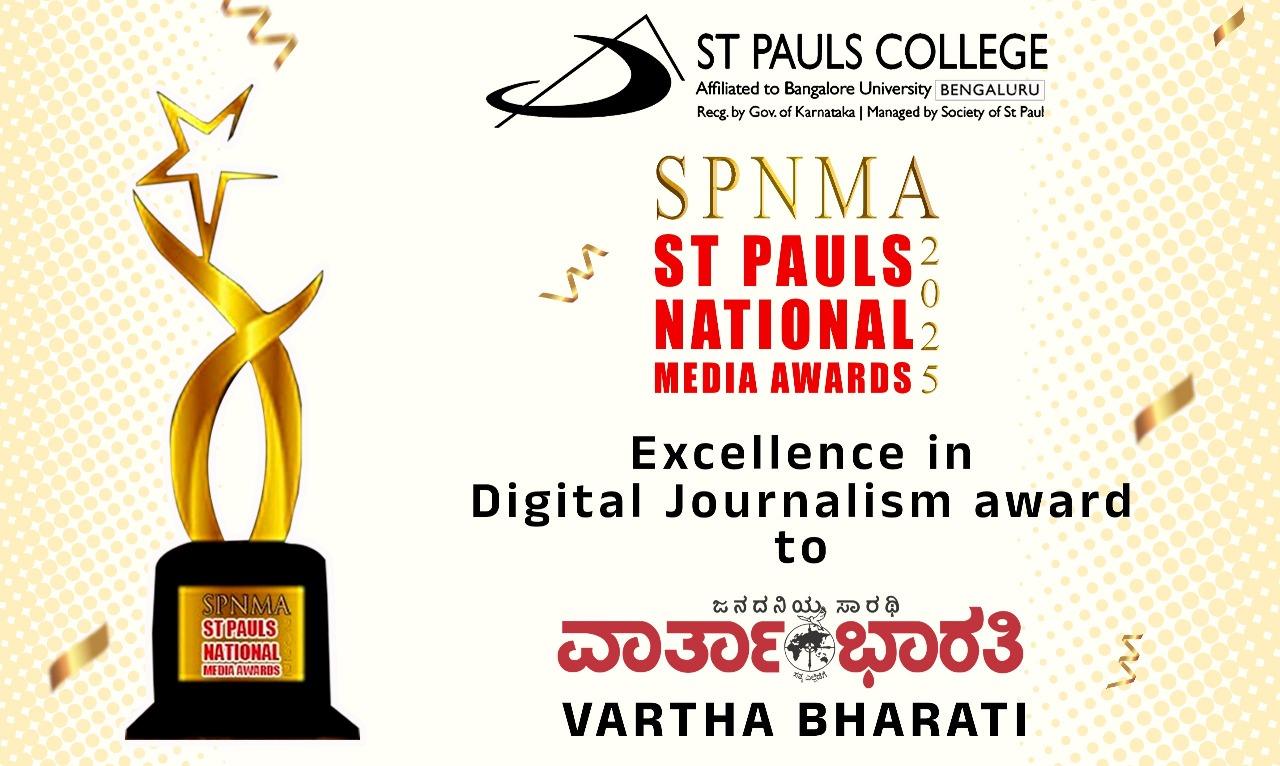
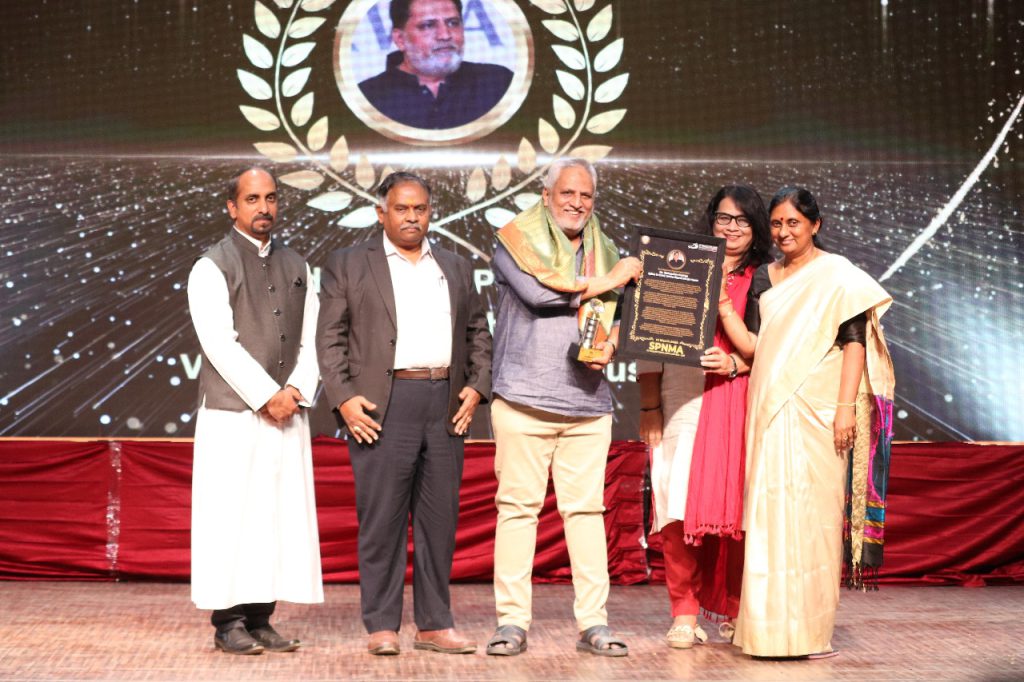
Vartha Bharati, a prominent media house known for its commitment to ethical journalism, has been honoured with the St Paul’s National Media Award (SPNMA) 2025 for Excellence in Digital Journalism. The award was presented to Chief Editor Abdussalam Puthige during a ceremony held on March 14, 2025, at St Pauls College, Bengaluru.
The SPNMA, an initiative of the Society of St Paul, celebrates outstanding contributions in journalism, broadcasting, digital media, and publishing. This year’s awards mark the 111-year legacy of St Pauls in media, honouring professionals who uphold journalistic ethics and foster public awareness.
Vartha Bharati’s recognition underscores its unwavering commitment to factual reporting and impactful digital storytelling. Over the years, the platform has built a reputation for delivering credible and insightful news coverage, catering to a wide audience with its sharp reportage and digital presence.
The award ceremony was graced by esteemed guests, including Prof. B K Ravi, Vice-Chancellor of Koppala University; Dr. Mamatha B R, retired IAS officer and State Information Commissioner; Ayesha Khanum, Chairperson of Karnataka Media Academy; Rev. Fr. Dr. Thomas M J, Chairman of the SPNMA Awards Committee and Principal of St Pauls College; and Dr. Prashanth Venugopal, Award Committee Coordinator and Head of Journalism & Mass Communication at St Pauls College.
Alongside Vartha Bharati, several other distinguished media professionals were honoured at the event, reflecting the diverse excellence in the field of journalism.
This accolade not only highlights Vartha Bharati’s dedication to responsible journalism but also sets a benchmark for others in the industry to emulate.
Vartha Bharati, a leading name in Indian journalism, has once again proven its commitment to truth, ethical reporting, and digital innovation. The newspaper has been honoured with the St Paul’s National Media Award for Excellence in Digital Journalism, recognizing its impactful contributions to the field.
Founded in 2003, Vartha Bharati has established itself as a voice for the people, particularly in Karnataka, where it has been a steadfast source of news, analysis, and investigative journalism. Known for its independent editorial stance, the newspaper has consistently championed democratic values, social justice, and unbiased reporting.
A Digital Powerhouse in Journalism
While traditionally a strong player in print media, Vartha Bharati has rapidly adapted to the evolving digital landscape. Its website and social media platforms offer real-time updates, in-depth reports, and multimedia content, making it a go-to platform for news readers across India and beyond.
The newspaper’s digital-first approach has allowed it to engage with a younger audience while maintaining the credibility and trust of its loyal readership. Its coverage spans diverse topics, including politics, governance, education, economy, human rights, and social movements, ensuring a well-rounded news experience.
A Well-Deserved Recognition
Winning the St Paul’s National Media Award is a testimony to Vartha Bharati’s dedication to responsible journalism in the digital era. The award acknowledges media organizations that uphold the highest journalistic standards, foster public awareness, and contribute to society through impactful reporting.
Receiving this award reinforces Vartha Bharati’s mission to continue delivering accurate, fearless, and people-centric journalism. As digital media continues to evolve, the publication remains at the forefront, setting new benchmarks for quality reporting and ethical storytelling.
This honor not only celebrates Vartha Bharati’s past achievements but also sets the stage for its future as a leading force in Indian digital journalism.
Mangalore: One of the Fastest Growing Cities in India | Global TV
NV Paulose, Chairman, Global TV +91 98441 82044
Mangalore, a city known for its Dynamic and Civilized Population, International Airport, Thriving Sea Port, Educational institutions, Medical Hub and overall growth, is rapidly emerging as one of India’s fastest-growing urban centres in India. Its strategic location along the Arabian Sea, coupled with its expanding rural landscape, infrastructural potential and eco-friendly equations, makes it an attractive destination for faster economic growth.
Among many innovative ideas, Endowment Project stands out as a groundbreaking model that blends collective investment, community ownership, and legacy building. This initiative moves beyond traditional charity by creating a sustainable framework where contributors are not merely donors but active stakeholders in a vision that benefits both them and society.
Gone are the days when people blindly donated large sums to charity without any tangible returns, only to see institutions lose sight of their core missions. Many charitable organizations have become more business-oriented than socially driven, leading to donor scepticism. People are now hesitant to contribute significantly to causes that offer no future rewards or assurances. Additionally, past experiences of donors being sidelined or witnessing the mismanagement of visionary initiatives by successors have further discouraged contributions.
The Rise of Mangalore: A Prime Investment Destination
Meanwhile, the city is growing with various supporting factors that are very much encouraging for those who are looking for a continued connectivity with the city. Mangalore’s robust economic landscape is driven by its diverse industries, including shipping, IT, healthcare, and education. The city’s connectivity, with an international airport, a major seaport, and well-developed road and rail networks, further enhances its appeal. As land values continue to rise, investors are seeking sustainable and meaningful opportunities that go beyond traditional real estate.
This is where the Endowment Project presents a compelling proposition. Unlike conventional investment models, this initiative is structured to create both personal wealth and social impact on an increasing market value proposition.
The Endowment Project: A Visionary Concept
The Endowment Project, spearheaded by intellectual thought processes for several years now attracts interests of many individuals and visionaries across India. It is not a donation-driven initiative. Instead, it follows an ownership-based model, ensuring that participants benefit from appreciating land value and project progress while contributing to a noble cause.
Creation of Common wealth on self-sustainable model is the key. People who are investing in Endowment Projects does so primarily to honour a legend and are gaining advantage out of their collective intervention. The common project which is undertaken as part of the Endowment Project are divided into unit share and thereafter each unit share is divided into many timeshare units.
Key Features of the Endowment Project
Ownership-Driven Model
Investors purchase a share in a common land project (10 cents per unit).
Full ownership rights allow retention, sale, or transfer of the property.
Integrated Community Hub
A Nodal Centre and A Visionary Venture spread across one third of the total project land. It serves as a platform for advanced professional education, career training, media initiatives, and community development.
This centre is built on Unit Share Equations and maintained through a Time-Share Contributions. These models are value driven more than reliance on donations.
Wealth Creation & Legacy Building
Unlike charitable donations, investments in this project appreciate over time and the participants become part of a collective effort to honour and promote the legacy of great individuals. Each project will be managed by professionals based on a clearly driven professional management systems and proposition.
Self-Sustaining Revenue Model
Each project generates income through unique revenues models. Time-share rates will be announced for insiders at a lower pricing. Contributions from community members and others are also streamlined in the patterns of timeshare equations.
Revenue models assured with regular utilisation of resources will make sure and ensure long-term sustainability of the project without dependency on donations, grants or external funding. Further capital induction for expansion and growth are also possible in a self-sustainable development model.
Prime Locations with High Growth Potential
Endowment projects are identified with land banks available in the suburbs of Mangalore. The project will benefit from rapid urban expansion and government interventions in the form of roads, bridges etc. Mangalore city is already experiencing the heat of increasing land prices. This may be the case in many cites across India as well. Collective investment options will give many other advantages to the Endowment Projects like better bargaining power etc.
A Game-Changer for Investors and Society
The Endowment Project redefines philanthropy and investment, creating a win-win scenario for individuals and society. Here’s why it stands out:
Financial Growth: Investors not only honor a legacy but also see their assets appreciate.
Community Building: Unlike isolated land investments, this initiative fosters a network of like-minded individuals.
Future-Proof Model: Ownership rights allow participants to retain, transfer, or sell their shares, ensuring financial security.
Urban Expansion Advantage: With Mangalore’s suburbs rapidly developing, property values are expected to skyrocket in the coming years.
How to Get Involved
Secure Your Unit: Reserve your 10 cents of land in a prestigious project.
Join the Collective Ownership: Become a part of an elite network of visionaries.
Support the Nodal Centre: Utilize and promote Advanced Professional Education. Career Training and Community Initiatives.
Grow with the Project: Enjoy the rising value of your investment while making a difference.
The Endowment Project in Mangalore is an opportunity to build wealth while contributing to a greater cause. As Mangalore cements its position as one of India’s fastest-growing cities, visionary investors have a unique chance to be part of a sustainable and socially impactful initiative.
With its strategic location, self-sustaining model, and focus on legacy building, the Endowment Project is a blueprint for responsible and profitable investing in the 21st century. Now is the time to act, invest, and make history by honouring legends while securing your investment growing. Contact +91 98441 82044 for general helpline. Connect with the Visionaries and Promotors to know specific modalities of each endowment project.
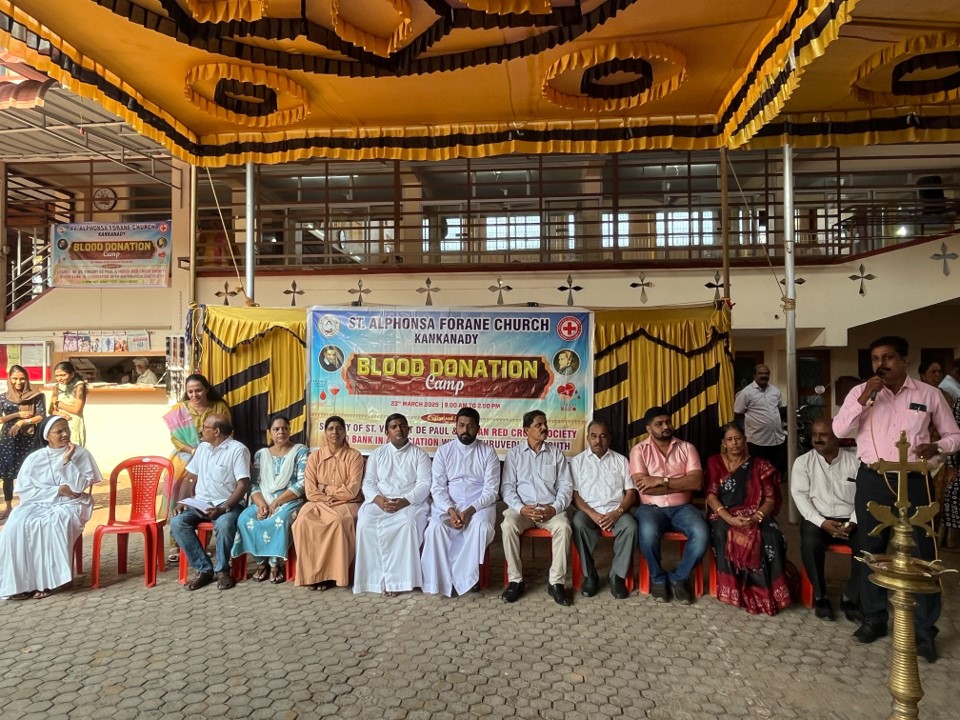
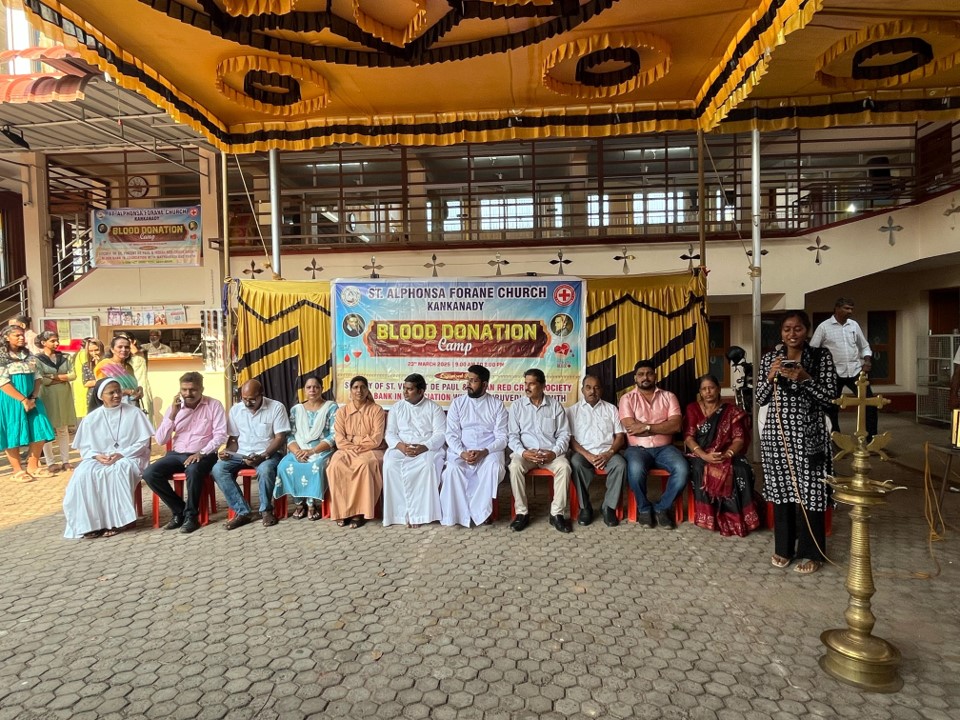
Blood Donation Camp Organized at St. Alphonsa Forane Church, Kankanady
Mangalore, March 23, 2025: A Blood Donation Camp was successfully organized at St. Alphonsa Forane Church, Kankanady, in collaboration with the Society of St. Vincent de Paul & Indian Red Cross Society Blood Bank, along with Mathruvedi and Youth. The event, held from 9:00 AM to 2:00 PM, witnessed enthusiastic participation from donors across different age groups.
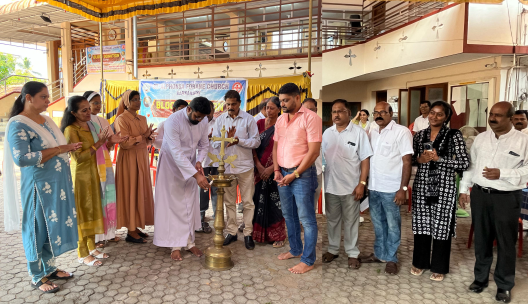
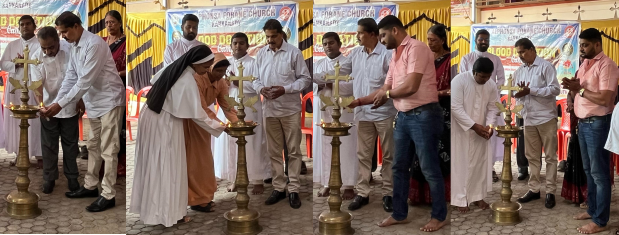
The camp was inaugurated by Fr. Augustine Pottamkulangara, the Forane Vicar, who encouraged the attendees to actively participate in the noble cause of blood donation. In his inaugural address, he emphasized the importance of serving humanity through selfless acts like donating blood.
Speaking on the occasion, Praveen Kumar, Chief Coordinator of the Indian Red Cross Society Blood Bank, highlighted the health benefits of blood donation, stating that regular donation can help prevent heart disease, regulate blood sugar levels, and improve overall well-being. He encouraged more individuals to come forward and contribute to this life-saving mission.
Mathew Mukuzhy, Secretary of the Society of St. Vincent de Paul and the Principal Coordinator of the camp, welcomed the gathering and expressed gratitude to all participants.
The camp witnessed an overwhelming response, with 121 donors stepping forward to donate blood during the half-day event. Medical professionals conducted health screenings before the donations, ensuring a safe and seamless process for all participants.
Sr. Rosna SH, Animator of SMYM Youth Forum, expressed contentment over the active participation of the youth in organizing the event and in donating blood. She commended their dedication and service to the community.
Sr. Sophia Philip, Animator of Mathruvedi, spoke at the event, appreciating the donors and volunteers. She later proposed the vote of thanks, acknowledging the efforts of all involved in making the camp a grand success.
The organizers extended special thanks to the medical staff, and volunteers, whose efforts contributed to the smooth execution of the camp. The event successfully highlighted the importance of blood donation as a lifesaving act and a means of fostering social responsibility.
Dr. D.S. Shivaprakash: A Leader in Surgery, Healthcare, and Community Service | Healthcare with Compassion and Leadership | Global TV
NV Paulose, Chairman, Global TV +91 98441 82044
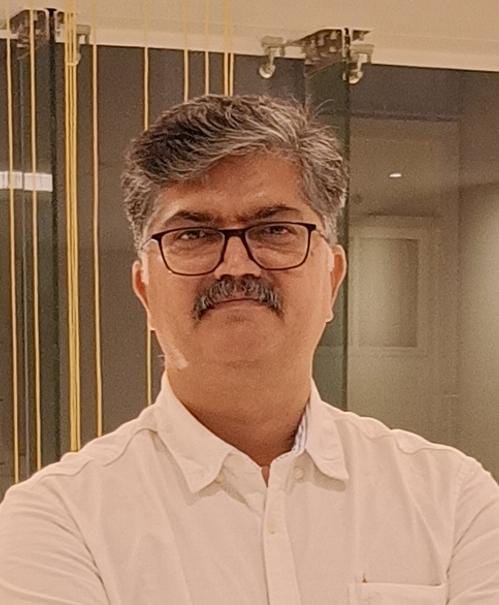
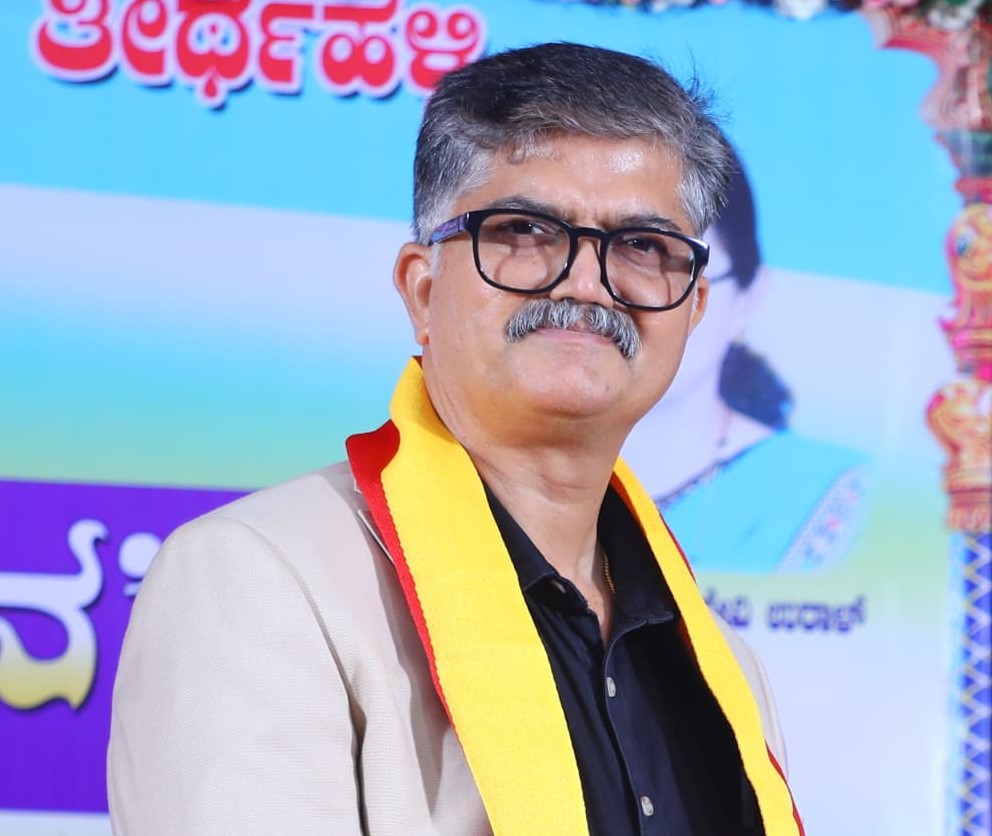
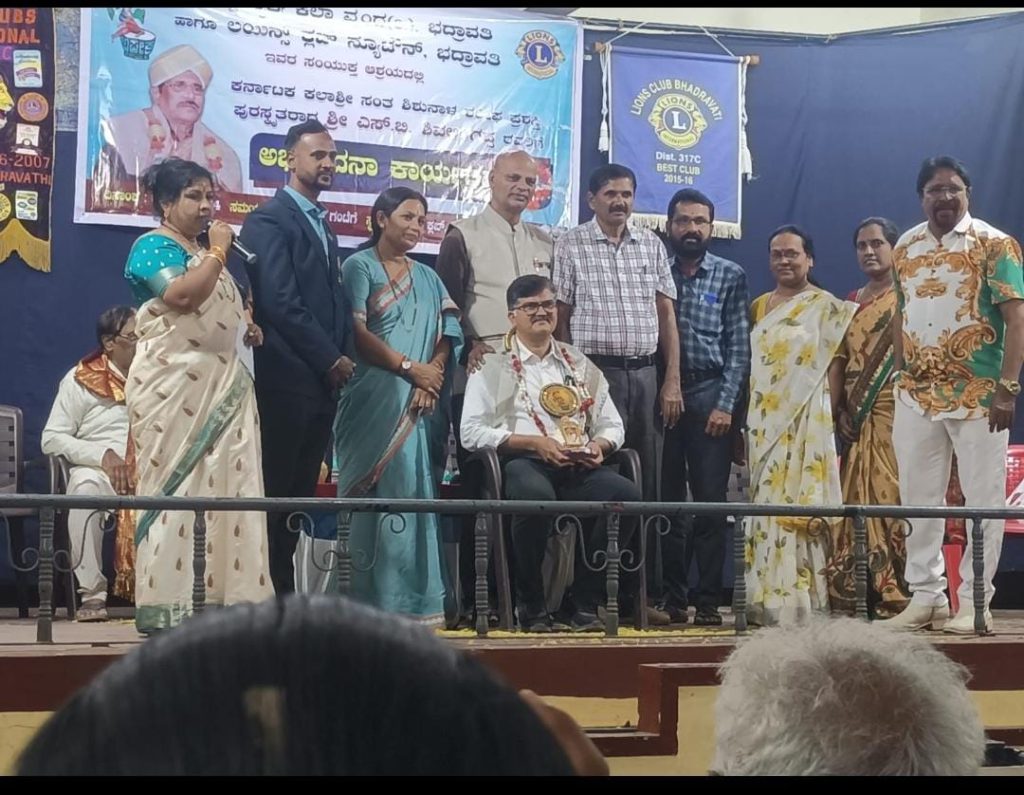
Dr. D.S. Shivaprakash stands as a towering figure in Karnataka’s medical landscape, blending excellence in surgery with a deep commitment to public service. With an illustrious career spanning decades, he has healed thousands and played a transformative role in shaping healthcare infrastructure and administration at key locations. His journey is filled with perseverance, achievements, and invaluable lessons for others to emulate. He serves as an inspiration to medical profession by his humanitarian approach towards people who are suffering on account of various challenges in their life.
Dr. Shivaprakash D.S., a dedicated medical professional with 27 years of service in the Health and Family Welfare Department, currently serves as the District Surgeon and Superintendent of Wenlock District Hospital, Mangalore. A highly qualified surgeon, he holds an MBBS and MD in General Surgery, along with a PCHM certification, reflecting his commitment to medical excellence and hospital administration. Over the years, he has worked across various healthcare institutions, contributing significantly to patient care, public health initiatives, and medical education. His leadership at Wenlock District Hospital has strengthened its role as a critical healthcare provider in the region.
Beyond his professional accomplishments, Dr. Shivaprakash is a devoted family man. He is the son of D. Sadanandappa and shares his life with his wife, Adhwini D.S. Their children, Shrivatsa D.S., who has completed his MBBS, and Sanjana D.S., currently studying at IISc Bangalore, continue the family’s legacy of academic and professional excellence. His unwavering dedication to both his profession and his family exemplifies his values of service, education, and community welfare.
A Journey Defined by Commitment and Growth
Born with an innate passion for medicine and service, Dr. Shivaprakash pursued his MBBS and later specialized with an MS in General Surgery from MMC Mysore. This achievement marked a turning point in his life, opening doors to an extensive career dedicated to patient care and hospital administration.
From the operating room to boardroom discussions, his impact has been both immediate and lasting.
A Surgeon of Excellence and a Visionary Leader
With over 25,000 successful surgeries to his name, Dr. Shivaprakash has established himself as one of the most skilled and reliable surgeons in Karnataka. Beyond his surgical achievements, his contributions to hospital development in Thirthahalli and Bhadravathi stand as testimonies to his vision of expanding access to quality healthcare. Currently, as the District Surgeon and Superintendent at Wenlock Hospital, he continues to drive initiatives aimed at enhancing medical infrastructure and ensuring top-notch patient care.
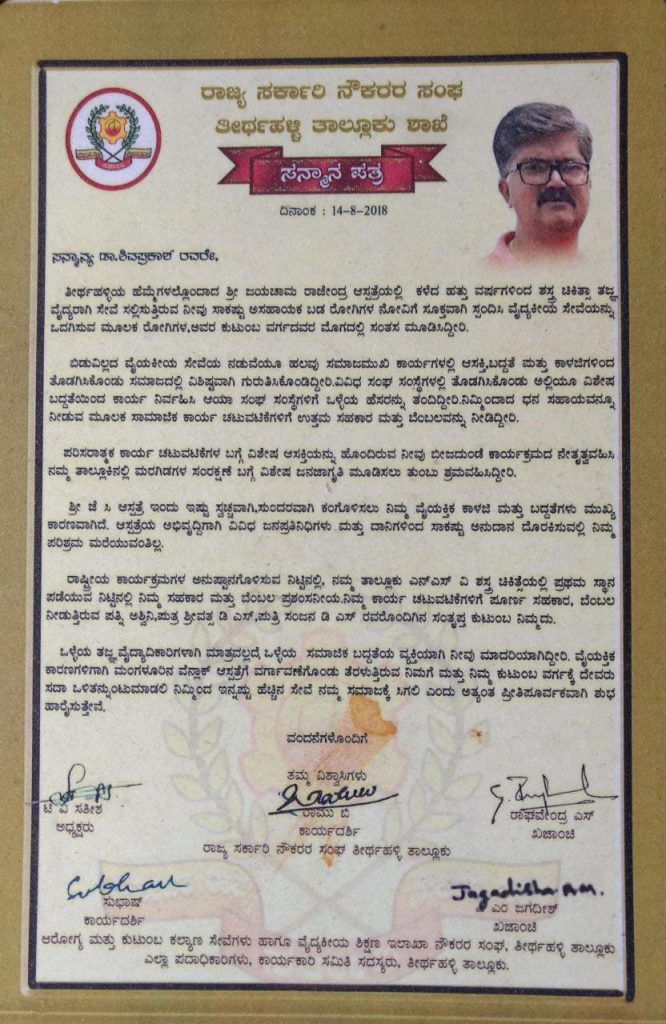
His leadership extends beyond hospital walls. As the former District President of the Karnataka Government Medical Officers’ Association (KGMOA) in Shimoga and the President of the IMA Thirthahalli Branch, he demonstrated remarkable administrative acumen. Under his guidance, the IMA Thirthahalli Branch was recognized as the best small branch, further solidifying his legacy as a leader committed to excellence.
Championing Social Service and Cultural Engagement
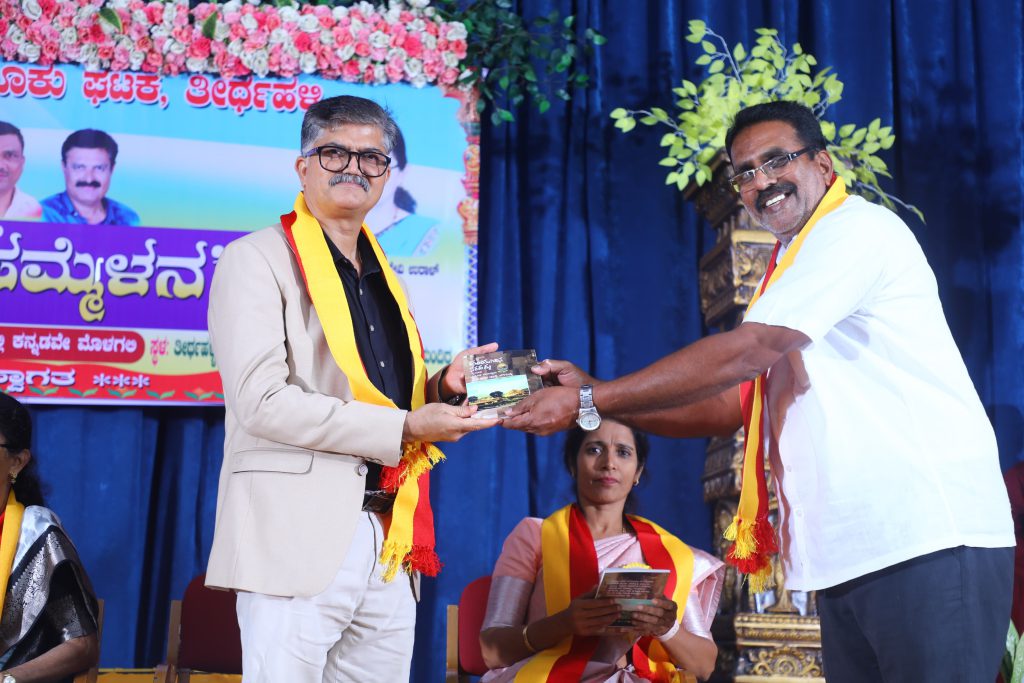
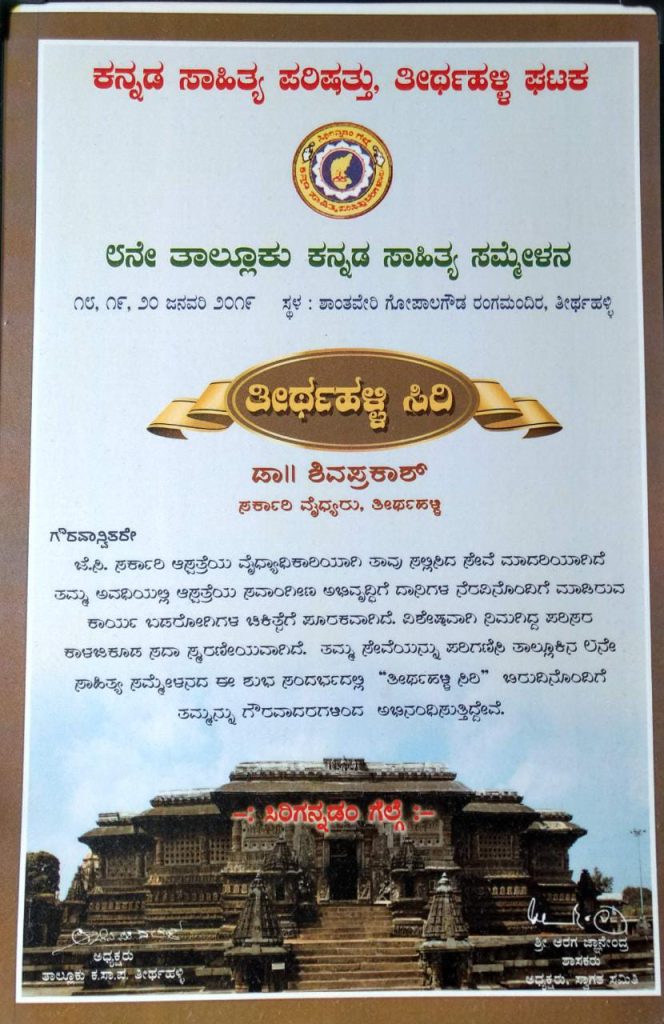
Dr. Shivaprakash’s contributions are not limited to medicine alone. His involvement in community welfare is evident in his role as a trustee of the Rotary IMA Blood Bank in Thirthahalli, where he has actively supported blood donation drives and emergency healthcare initiatives. Additionally, his association with the Kannada Sahithya Parishad in Thirthahalli highlights his dedication to cultural and literary endeavors, reflecting his multifaceted personality.
While his journey has been marked by remarkable successes, it has not been devoid of challenges. Managing hospital administration, balancing stakeholder interests, and handling complex relationships with law enforcement, politicians, media, and the public have posed significant trials. However, his ability to adapt, mediate, and make decisions in the best interest of healthcare services has enabled him to overcome these hurdles with unwavering determination.
An Award-Winning Legacy of Service
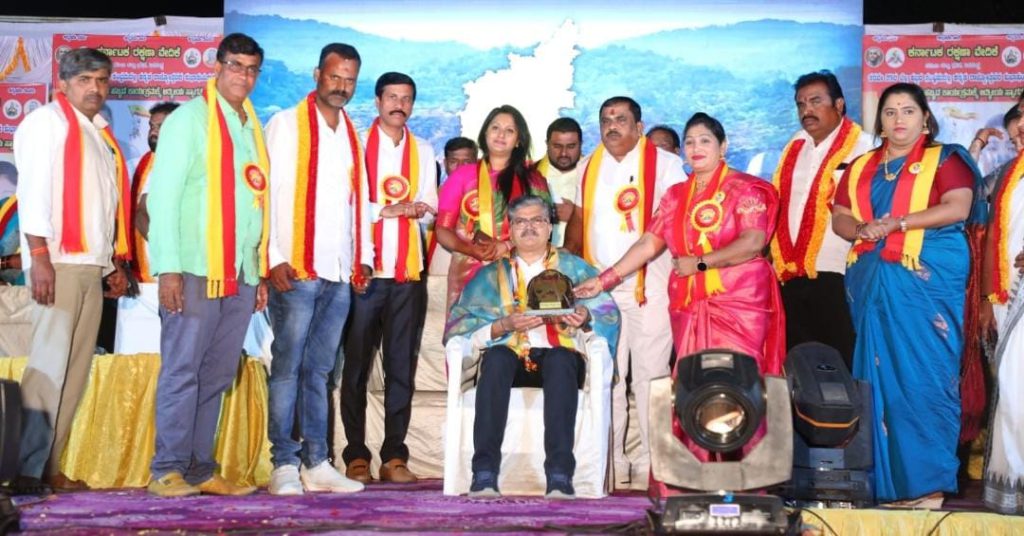
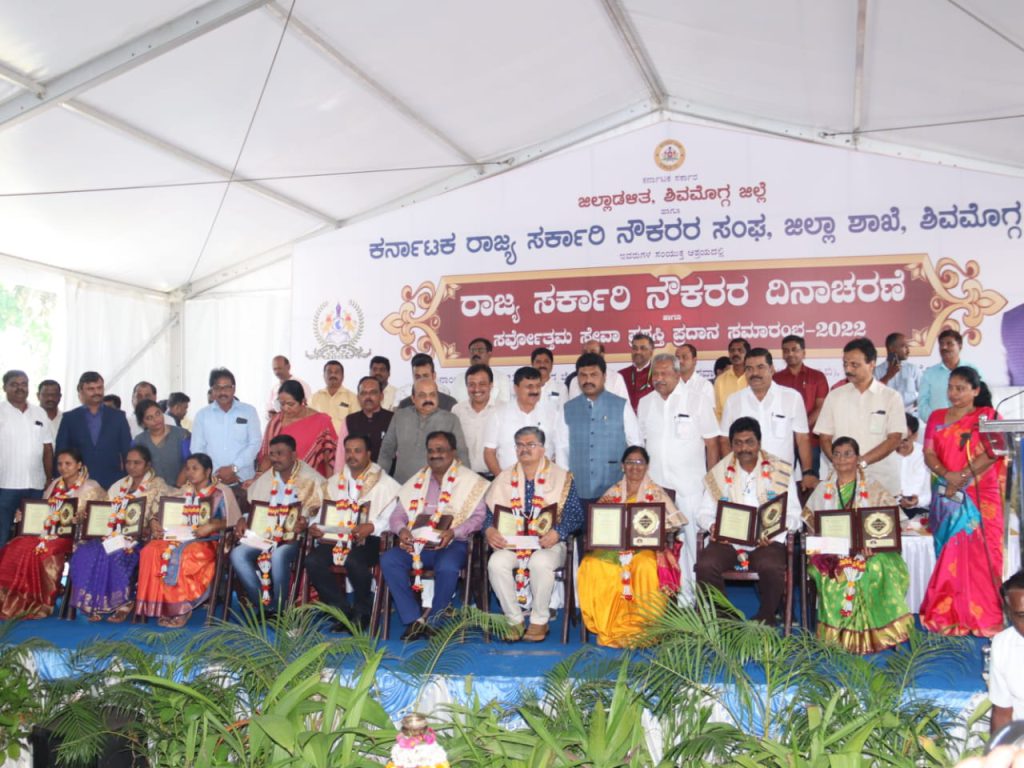
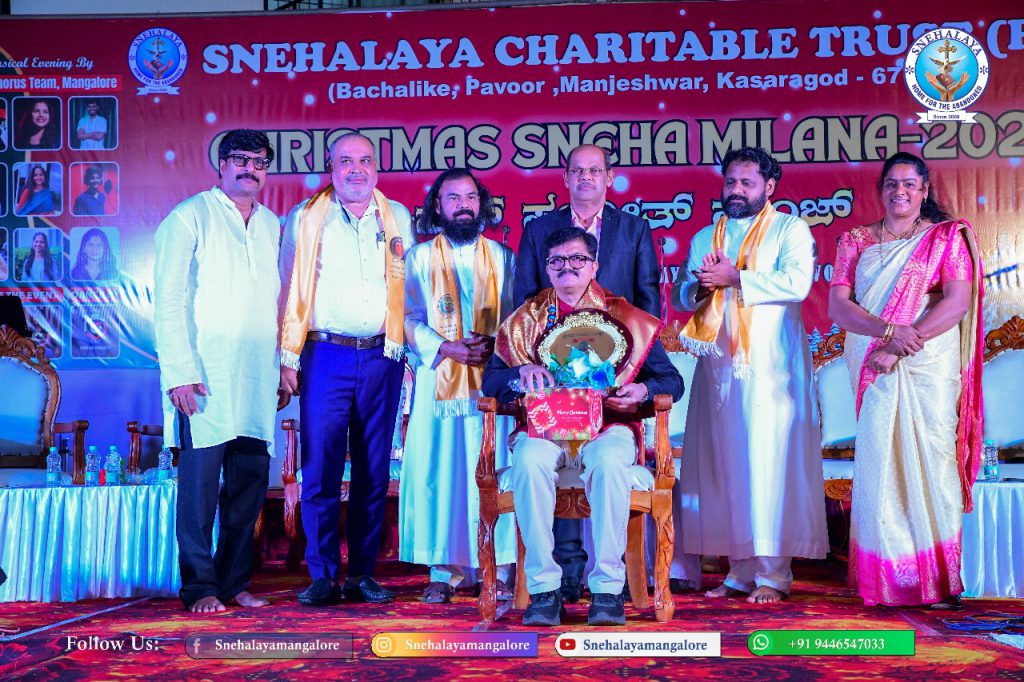
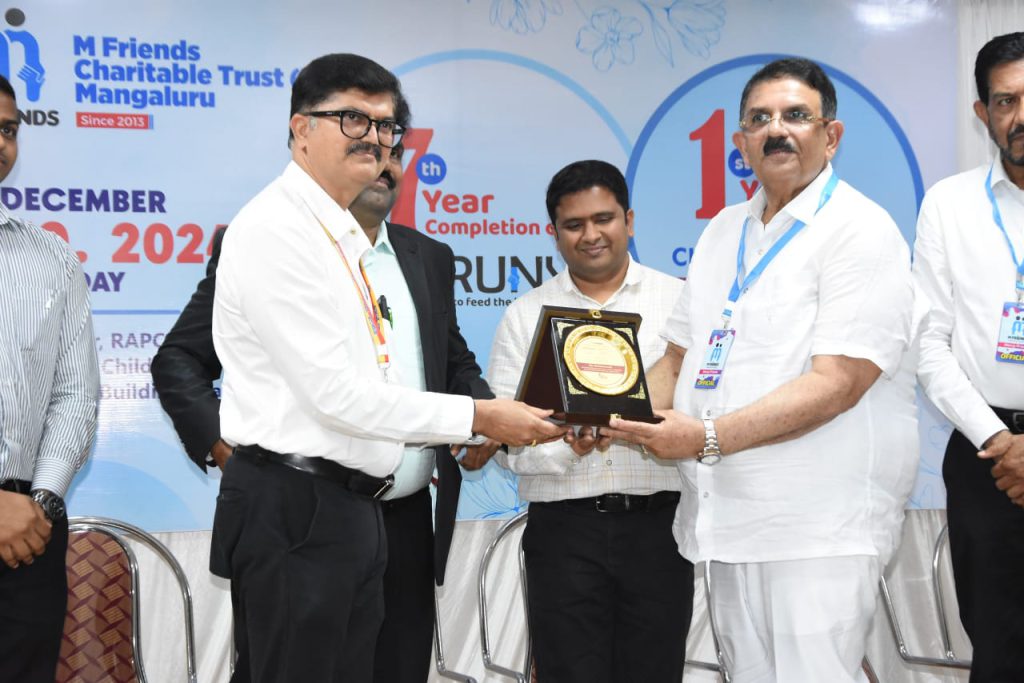
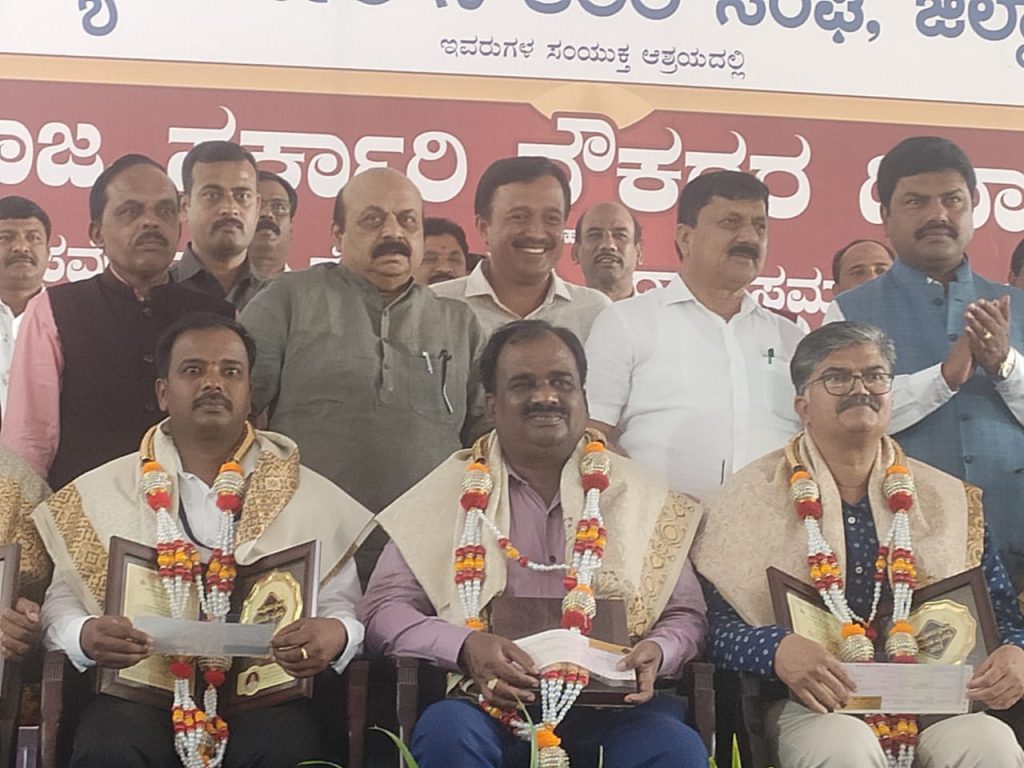
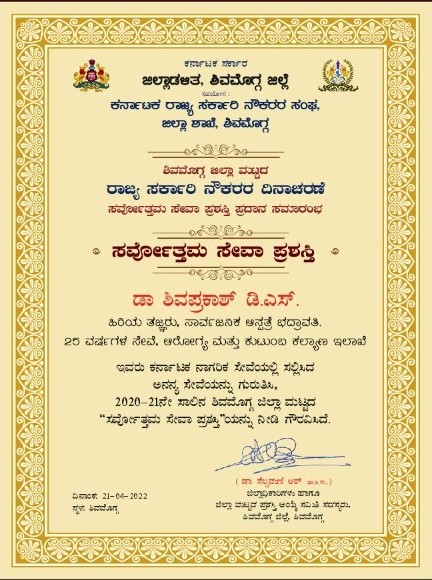
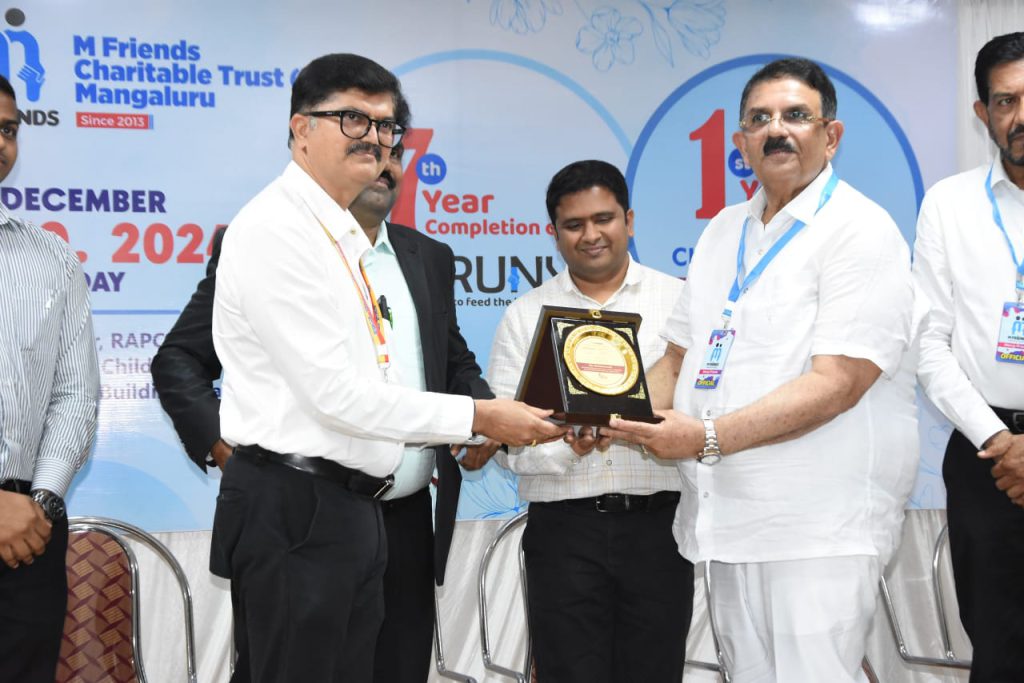
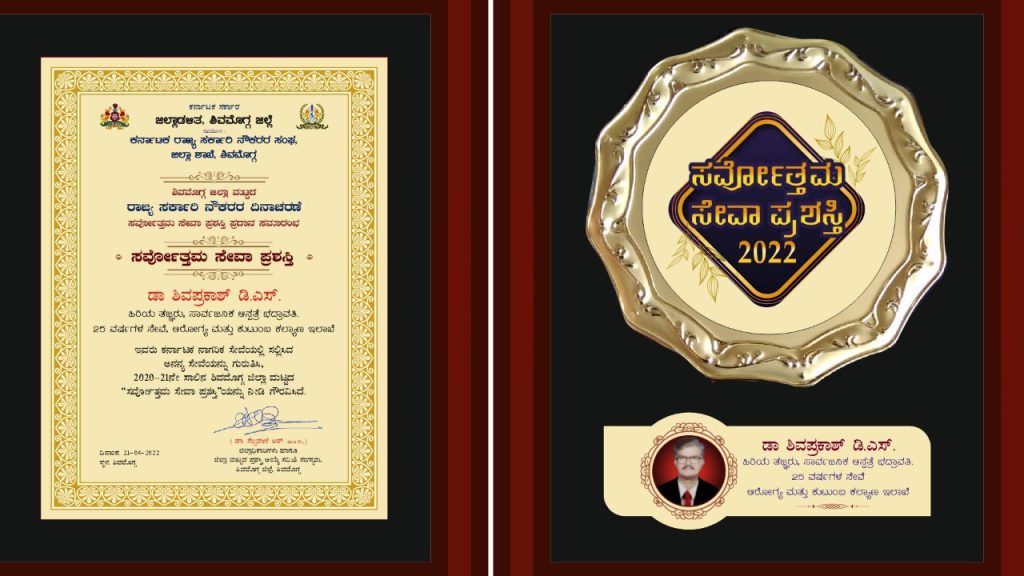
Recognizing his outstanding contributions to healthcare and society, Dr. DS Shivaprakash was honoured with the prestigious Sarvothama Seva Award by the Chief Minister. This accolade is a reflection of his unwavering dedication, his ability to bring about meaningful change, and his relentless pursuit of excellence in medical service.
Wenlock Hospital Achieves Historic Milestone with First Organ Harvesting
In a landmark event, the 176-year-old Government Wenlock Hospital in Mangaluru successfully conducted its first organ harvesting procedure on January 10, 2025. The organs were retrieved from a 41-year-old woman named Rekha P, who was declared brain dead following a brain hemorrhage.
Rekha had suffered the hemorrhage after a fall while drawing rangoli in front of her house and was initially treated at a private hospital in Shivamogga before being referred to Wenlock Hospital due to her deteriorating condition.
Under the guidance of District Surgeon and Hospital Superintendent Dr. D.S. Shivaprakash, a team of doctors harvested Rekha’s liver and corneas. The liver was sent to Apollo BGS Hospitals in Mysuru, and the corneas were sent to KMC Hospital in Mangaluru for transplantation.
The nation is yet to get momentum in the area of organ donation. This milestone not only showcases the hospital’s medical capabilities but also emphasizes the importance of organ donation in giving others a new lease on life. His timely interventions will give many breakthroughs for the hospital for sure.
Life Lessons and Words of Wisdom
Throughout his career, Dr. Shivaprakash has lived by a simple yet profound principle: “Do good work, and recognition will follow.” He firmly believes that delivering quality healthcare and making a positive impact is far more important than seeking acknowledgment. His journey serves as a testament to the fact that integrity, hard work, and a service-oriented mindset overlay the way for success and fulfilment. Dr. D.S. Shivaprakash’s life story is one of relentless dedication, patience in the face of challenges, and an unwavering commitment to service.
His contributions to healthcare, medical administration, and community welfare have left an indelible mark on Karnataka’s healthcare system. As he continues his journey, his legacy serves as an enduring source of inspiration for the next generation of medical professionals, urging them to strive for excellence, compassion, and selfless service in the noble field of medicine.
Akashavani Interview with Dr Shivaprakash, DMO Wenlock Hospital
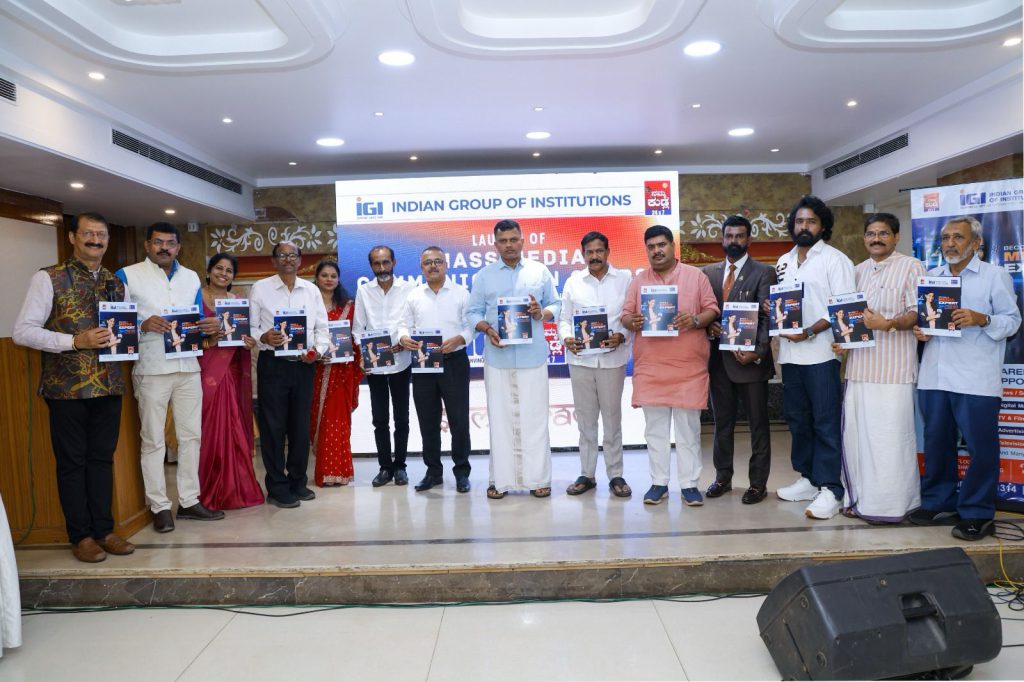
Mass Media Training in collaboration with Namma Kudla 24×7 | LAPT International Accreditation | Inauguration of Rajamma Memorial Trust
The Indian Group of Institutions (formerly Indian Computer Academy) celebrated its 20th anniversary, IGI – Sambhram 2025, on March 16 at 4:00 PM at the Shehnai Hall of Hotel Deepa Comforts. Established in 2005 in Pumpwell, Mangalore, the institution was inaugurated by the current Speaker of the Karnataka Legislative Assembly, Shri U.T. Khader, who was then the Secretary of Seva Dal. Over the past two decades, IGI has provided quality education in computer science, technical training, aviation, hospitality, logistics and supply chain management, airport management, cabin crew training, English coaching, and other fields, empowering thousands of students.
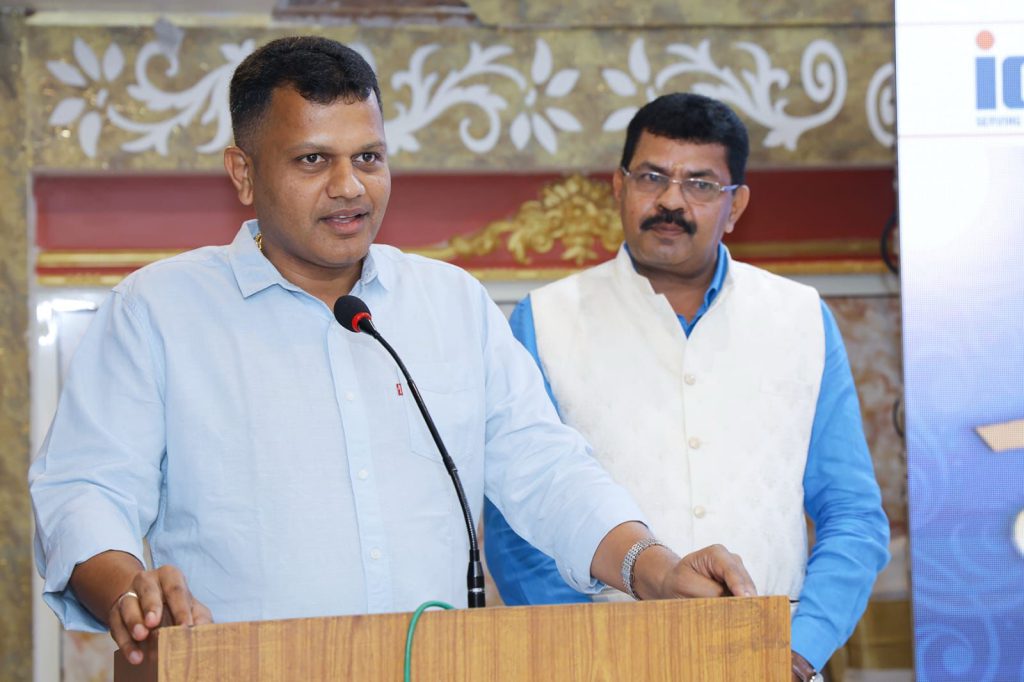
One of the major highlights of the event was the announcement of LAPT (London Academy of Professional Training) accreditation. This internationally recognized skill assessment and certification body operates in over 180 countries, enabling students at IGI to receive globally recognized certificates that enhance their career prospects. During the celebration, Shri Murali Hosamajalu, Managing Director of IGI, was honored with the Master Trainer Award from LAPT for his contributions to aviation education. Another milestone was the launch of the Mass Media and Communication Training program in collaboration with Namma Kudla 24×7, Coastal Karnataka’s leading TV channel. This marks the region’s first diploma program in mass media communication, providing hands-on training in print and digital journalism, video production, social media and digital marketing, public relations, news anchoring, camera technology, and multimedia techniques, with expert media professionals guiding students through industry-oriented learning.
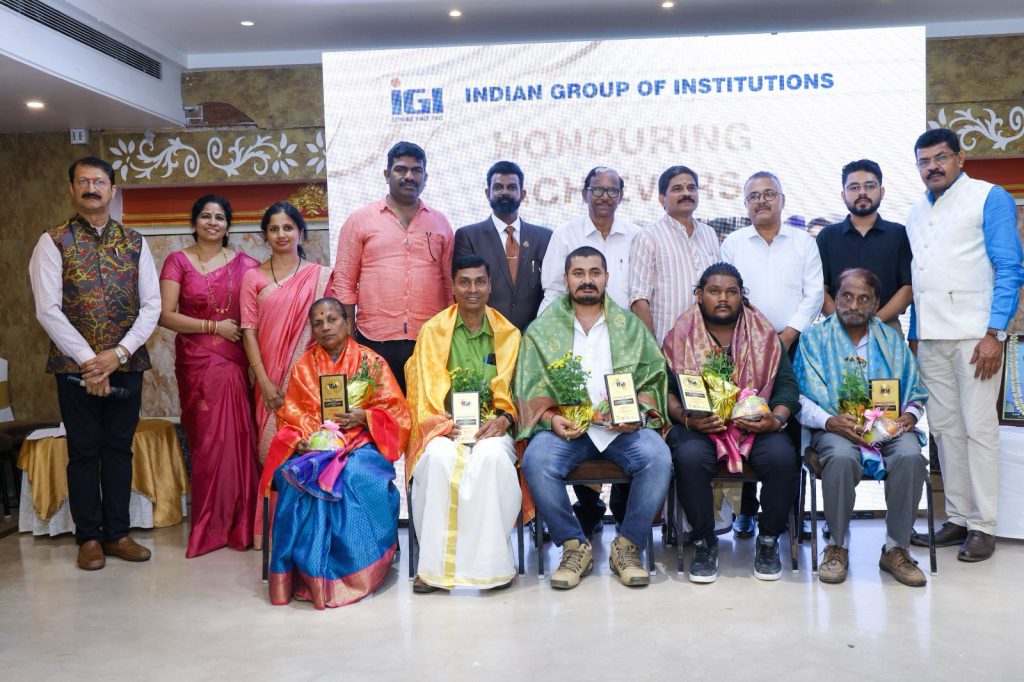
The celebration also witnessed the inauguration of the Smt. Rajamma Memorial Educational and Charitable Trust in memory of Smt. Rajamma, the late mother of IGI’s MD, Shri Murali Hosamajalu. A social worker and political figure from Kaukraadi village in Puttur Taluk, she played a key role in women’s empowerment and community development. The trust aims to support youth and women through education and skill development programs. As part of the occasion, several notable personalities were honored for their contributions, including Shri Bhaskar Rai for journalism, Shri Vipin Purushu for art and culture, Smt. Sharada Kadri and Akash Karkera for social service, and Shri Advaith Narayan, who secured the 100th rank in the CDS Exam, for defense services. Alumni of IGI who have excelled in aviation, computer science, and logistics were also recognized.
The event was presided over by Shri Murali Hosamajalu, MD of IGI and a Member of the State Committee, Education Cell, along with Director Smt. Sajitha M. Nair. Chief guests included Captain Brijesh Chouta, Member of Parliament, Shri Vedavyas Kamath, Karnataka MLA, Shri Satish Kumpala, President of Dakshina Kannada BJP, Shri Ramanath Rai, Former District In-Charge Minister, and Shri Vijay, President of LAPT, UK. Special invitees included Shri Kadri Navaneeth Shetty, CEO of Namma Kudla 24×7, writer and journalist Shri Jayant Kodkani, director and actor Shri Swaraj Shetty, film director Shri Vijay Kumar, film and theatre artist Miss Roopa Varkadi, Shri Abraham Varghese, former Principal and Secretary of St. George Group of Institutions, Dr. Abdul Khader, former Principal of Karnataka Polytechnic, Mangalore, and Shri Prasad Rai, Advocate from BC Road. The event also saw the presence of educationists, college heads, and media professionals.
The evening concluded with a grand musical concert featuring renowned South Indian playback singers Prakash Mahadevan and Roopa Prakash. The program commenced with a welcome address by faculty member Smt. Chaitra and ended with a vote of thanks by Smt. Avani Parvathi. The event was hosted by Shri Kadri Navaneeth Shetty and Smt. Sindhu N.
Empowering Women, Elevating Leadership: A Hybrid Webinar to Celebrate and Amplify Women’s Voices in Leadership |
Mumbai, India – March 22, 2025: Leadership transcends gender, yet access to opportunities often remains a challenge for women. To bridge this gap and empower women in leadership, an exclusive Hybrid Webinar titled “Empowering Women, Elevating Leadership” is set to take place on March 22, 2025, from 3:30 PM to 7:00 PM at The Summit Business Bay, Mumbai. This prestigious event aims to celebrate, inspire, and amplify women’s voices in leadership across various industries.
A Stellar Line-up of Esteemed Speakers
The event will feature an exceptional panel of accomplished leaders, including executives, industry pioneers, entrepreneurs, and leadership coaches who have made remarkable contributions in their respective fields. The list of esteemed speakers includes:
Sharda Sundar – Executive Director & Life Coach
Beena Vahid – Executive Director at Bank of Baroda
Prassanna Lohar – India Blockchain Global Leader
C.S. Radhika – Executive Director of GIC-Re India
Anjali Tarapore – Independent Director
Ruma Dey – DMD & Group Compliance Officer, SBI
Poornima Shirishkar – Founder at Zhepudyoginichi
Nidhi Kajaria – Head of HR, ICICI Securities
Sheetal Kalro – Deputy Director General, IMC
Shrikant Patil – CEO of Singapore Fast Growing Fintech
Dr. Snehaal Magar – Internationally Certified in PMU, Consultant Aesthetic Physician
Divya Momaya – Independent Women Director
Shobana Komal – SK Law Suits
Shilpa Kumar – Partner, Omidyar Network India
Payal Mulchandani – Co-Founder, 4th Wheel Social Impact
Payal Gupta – Leadership Coach
Carmishtha Mitra – Human Resources Strategist
Lohita Sujith – Sr. Director, Copyright & Digital Economy
G. Rameshkumar – Director General – BFSI Expert in MSME Loan
P.N. Shetty – CEO at Rupeeboss
Mak Landge – Director, ZeroXc
Sudip Mondal – Founder at Startupholic Catalyst
Why Attend?
The Empowering Women, Elevating Leadership webinar promises to be a dynamic and insightful event, offering participants an opportunity to:
✅ Gain valuable insights from renowned women leaders and industry experts. ✅ Network with like-minded professionals and expand professional connections. ✅ Engage in meaningful discussions on leadership, inclusion, and empowerment. ✅ Be part of a transformational movement driving change in the leadership landscape.
A Call to Action: Register Now!
This event is designed for professionals, aspiring leaders, and anyone committed to fostering gender diversity and inclusion in leadership. The webinar will be accessible both in-person and online, allowing a global audience to participate and benefit from this powerful conversation.
📝 To Register now and be a part of the movement! 👉 CLICK HERE
Join us in honoring, uplifting, and accelerating women’s leadership together!
NIPM Foundation Day 2025 & Management Student Conclave Inaugurated | Global TV
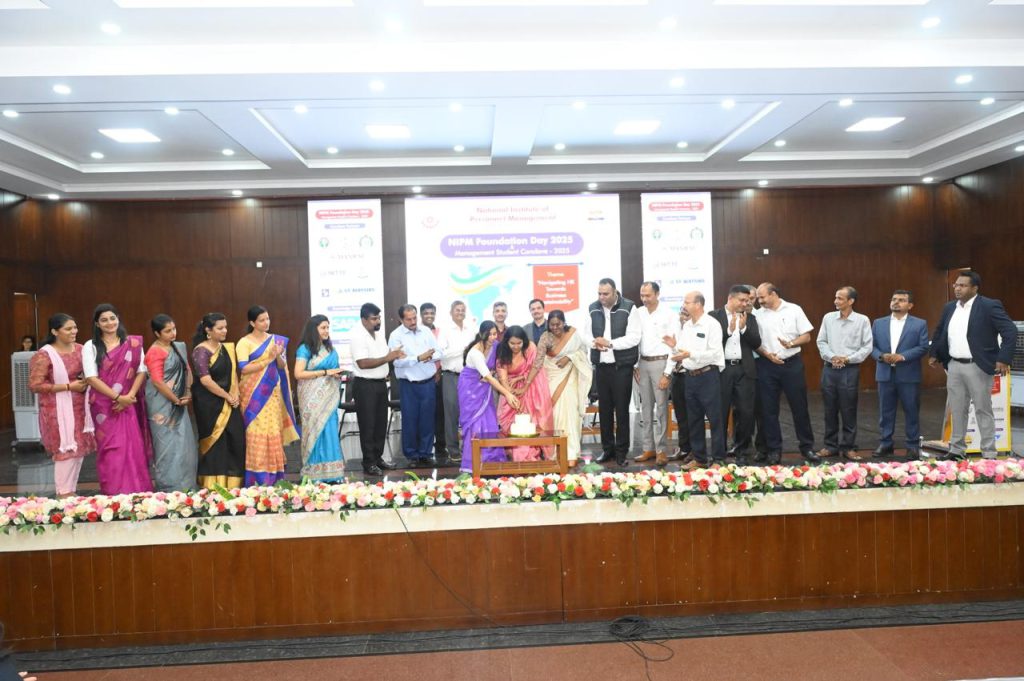
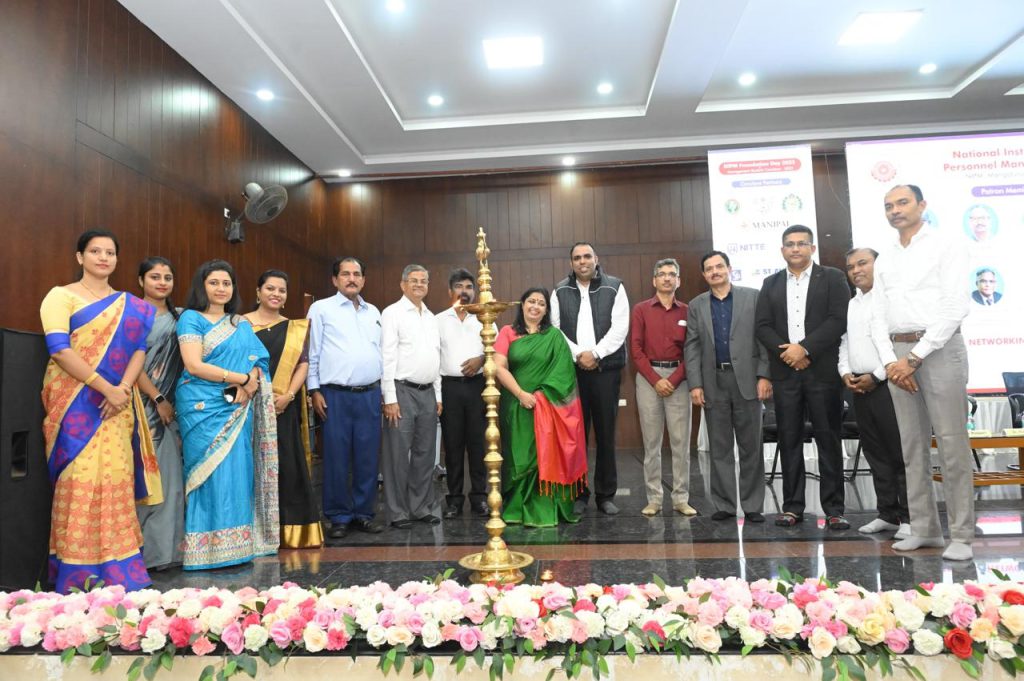
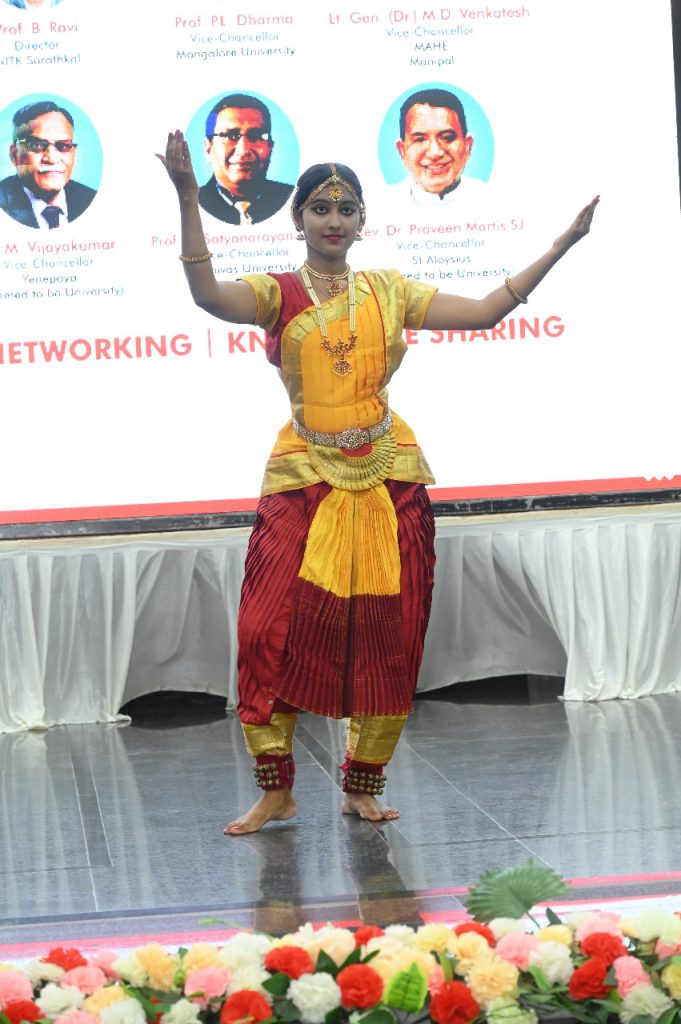
The NIPM management students Conclave 2025 was a momentous event that celebrated the 45th foundation day of the National Institute of Personnel Management (NIPM) at Ambedkar Bhavan in Urva today. The conclave brought together HR professionals, industry leaders, HR Students and experts to discuss the evolving landscape of human resource management in the age of artificial intelligence and digital transformation. The event was marked by insightful discussions, thought-provoking speeches, and a commitment to advancing the HR profession in alignment with contemporary workforce demands.
Dr. MH Raja, National President of NIPM commenced the event with an inspiring address joining through online mode, congratulating all members and participants on the remarkable 45-year journey of NIPM. He highlighted the increasing influence of artificial intelligence in workforce management and underscored the necessity for HR professionals to adapt to these technological advancements. Dr. Raja emphasized that AI-driven processes are reshaping industries, making it imperative for HR teams to develop strategies that integrate AI while maintaining the human essence of workforce management.
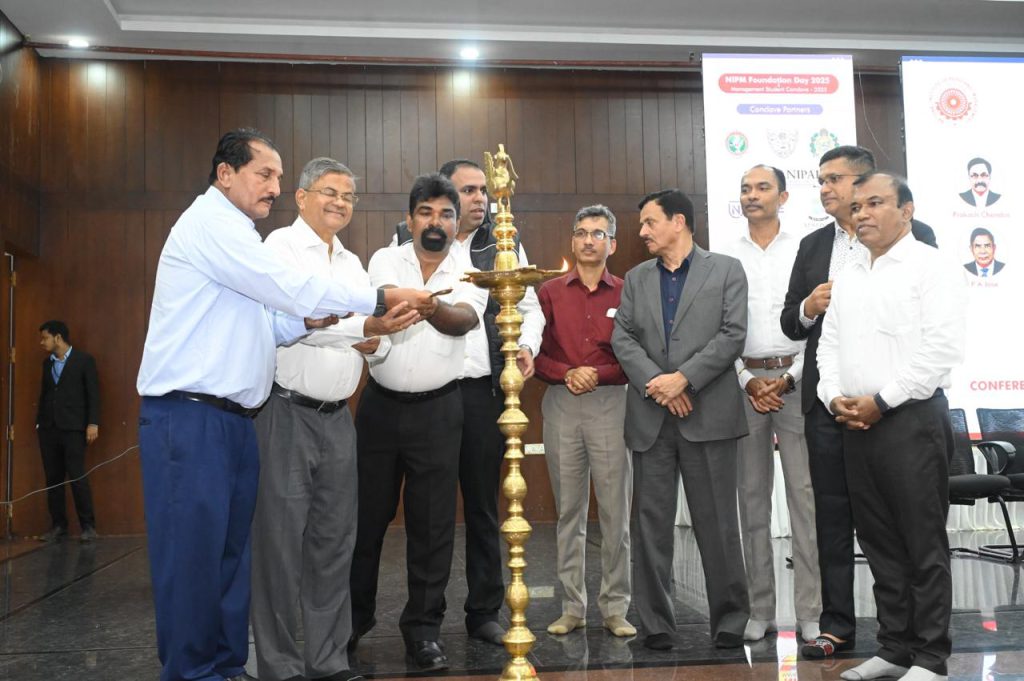
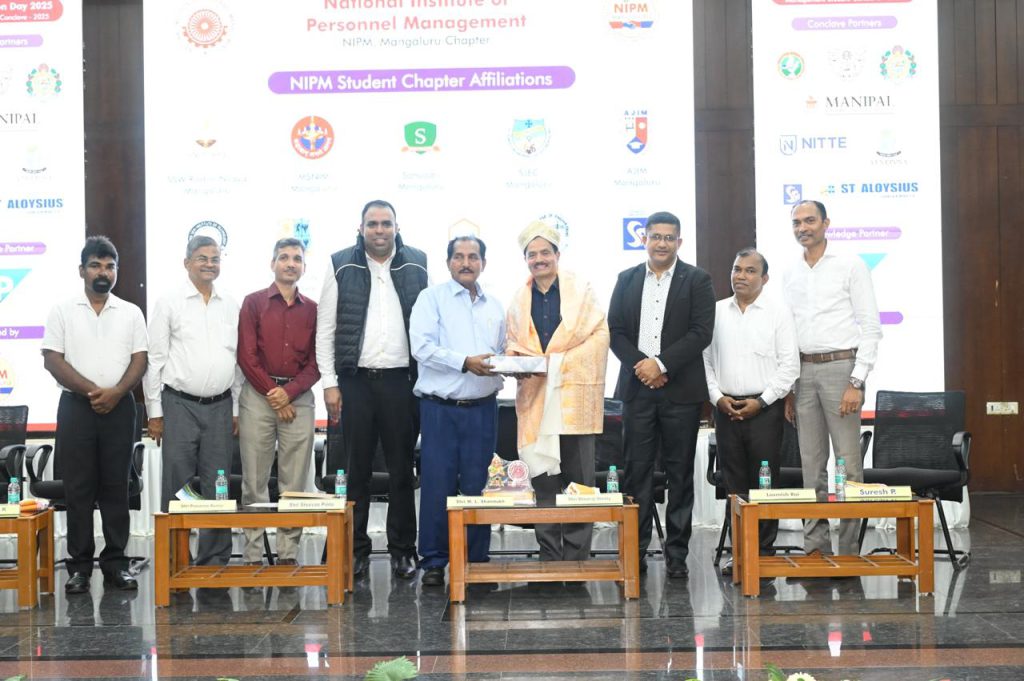
The event was inagurated, by Shri M. L. Shanmukh, Former Director (HR) of Bharat Electronics Limited (BEL), Bengaluru. In his impactful keynote address he provided a comprehensive analysis of the evolving role of HR in today’s dynamic business environment. He articulated the shift from a seller’s market to a buyer’s market, emphasizing how organizations must now position themselves attractively to retain top talent.
He elaborated on the need for HR professionals to be an integral part of an organization’s strategic decision-making process, rather than merely serving as a support function. Stressing the significance of training and development, he urged HR leaders to actively invest in skill enhancement programs to ensure a competent and future-ready workforce. Furthermore, he advocated for employee empowerment, encouraging HR professionals to create workplace environments that nurture innovation, inclusivity, and business growth.
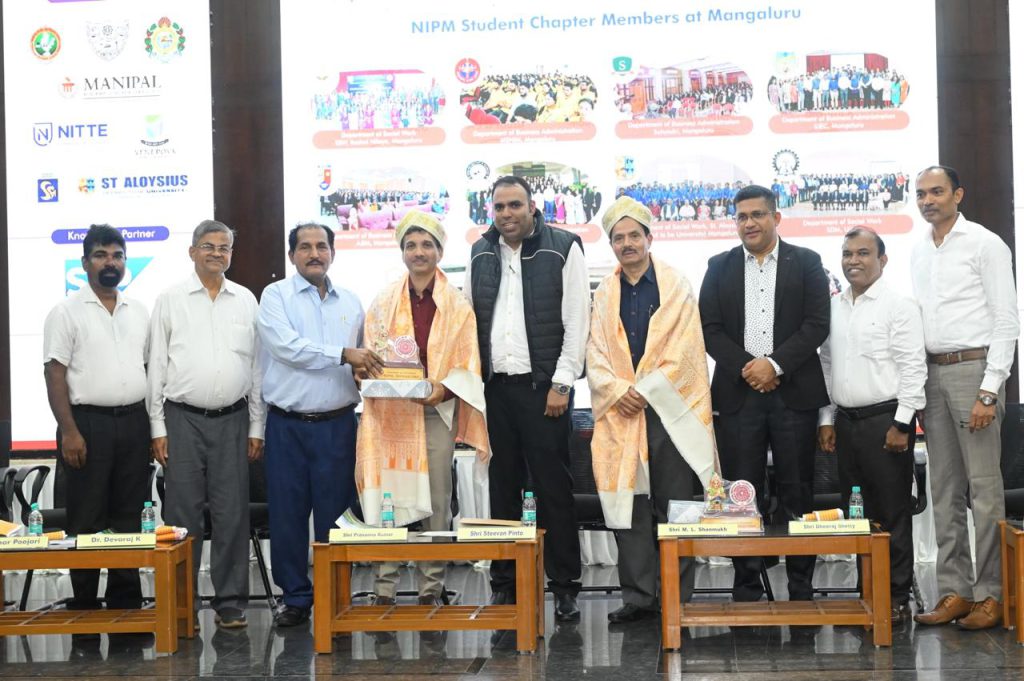
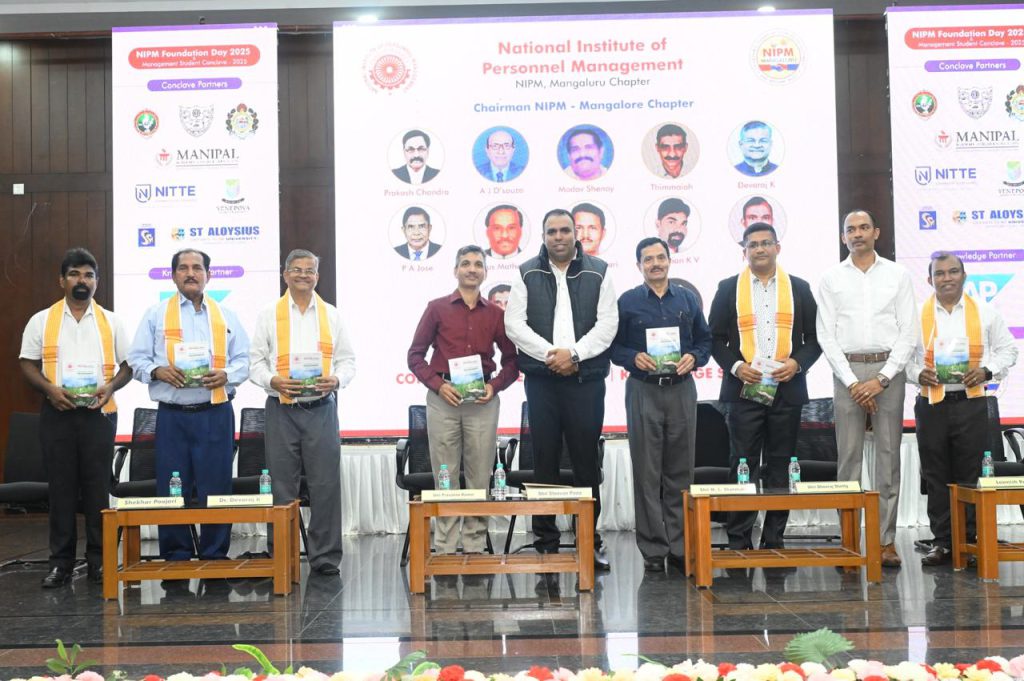
Chief Guest Prasanna Kumar, IRS, Assistant Commissioner Central Excise & Central Tax (GST), Mangaluru, shed light on the crucial role of ethics in HR management with regard to compliance on taxation. He underscored the importance of maintaining confidentiality, ensuring transparency in employee relations, and adhering to regulatory tax norms. His session reinforced the idea that ethical HR practices are fundamental to building trust, fostering organizational integrity, and ensuring long-term sustainability. During the event, the past chairpersons of NIPM Mangaluru Chapter Dr. Devaraj K, Mr. Shekhar Pujari, Mr. P Suresh, Mr. Dheeraj Shetty and Dr. Sebastin K V were felicitated for their contribution to NIPM Mangaluru Chapter .
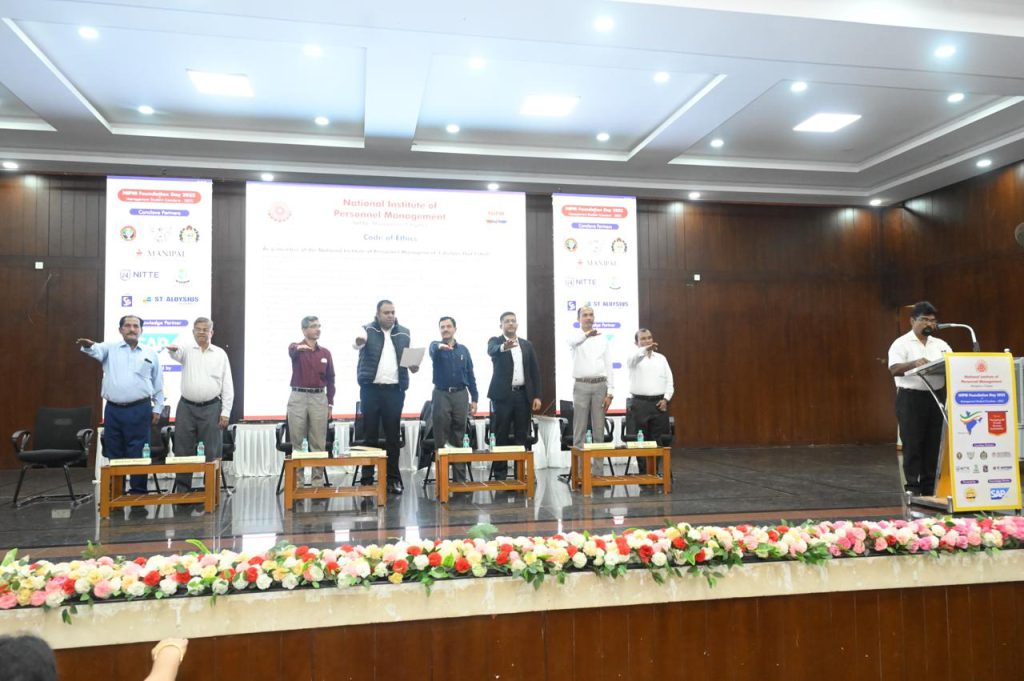
Earlier Shri Steeven Pinto, chairman NIPM Mangaluru chapter delivered the welcome address, setting the tone for an engaging and insightful conclave. He warmly welcomed the esteemed guests, speakers, and attendees, acknowledging their contributions to the HR fraternity. Following his address, Dr. Sebastin K V, Past Chairman, administered the Code of ethics of NIPM, reaffirming the commitment of HR professionals to ethical practices, employee well-being, and organizational excellence. Dr. Laxmish Rai, Hon Secretary NIPM Mangaluru Chapter proposed the vote of Thanks. Ms. Shravya and Ms. Alphonsa Paul HR Students from the School of Social Work compered.
NIPM members and around 450 student members from various esteemed institutions including the School of Social Work Roshni Nilaya Mangaluru, Mangalore University, Manel Srinivasa Nayak Institute of Management Mangaluru, AJ Institute of Management Mangaluru, Shree Devi Institute of Technology Mangaluru, SDM College Ujire, Mangalore Institute of Technology and Engineering (MITE) Moodabhidri, yenapoya Institute of Management, Dr. M V Shetty College of Social Work, St. Aloysius Institute of Social Work, Sahyadri College of Engineering and Management participated in this mega event.
The event also witnessed insightful sessions aimed at equipping participants with knowledge and strategies for navigating the complexities of business sustainability through effective human resource management by experts in the field. The Notable sessions were,
Building Sustainable Organizations: Individual’s Role in Future-Proofing Businesses by:
Shri Sandeep SP, Head – HR Pratt and Whitney India Business Bengaluru &
Dr. Rameela Shekhar, Mental Health Professional and Trainer, Manashanthi Counselling, Research and Training Centre
The event conclude with a valedictory program featuring distinguished guests including Shri K. Jairaj B. Rai, Chairman of Sri Ramakrishna Credit Co-operative Society Ltd., and Shri Prakash R., Assistant Labour Commissioner (Central), Mangaluru Division.