All posts by admin

About admin

Chairman of Global TV | Excellent Writer | Exceptional PR Skills | Author of Six books | MASTER HEALER | +91 98441 82044 |

HR networks provide an invaluable platform for mutual support | Resource access, knowledge sharing, and continuous learning | Global TV

HR CONNECT 2023 – Fostering Connection, Purpose, and HR Excellence

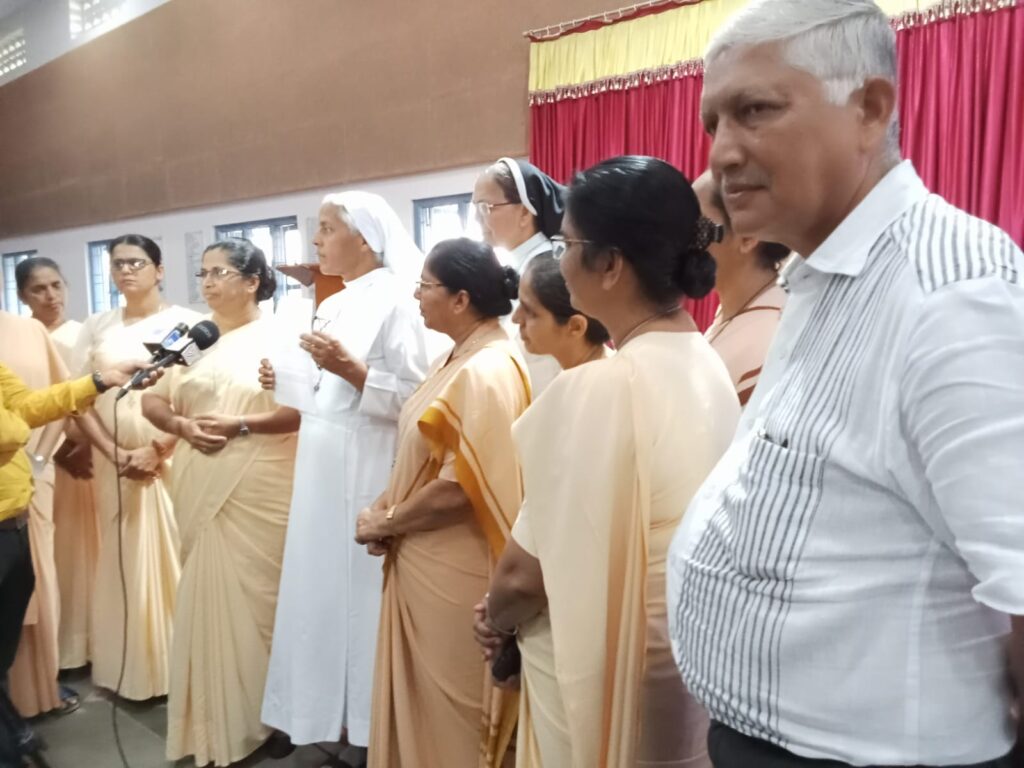
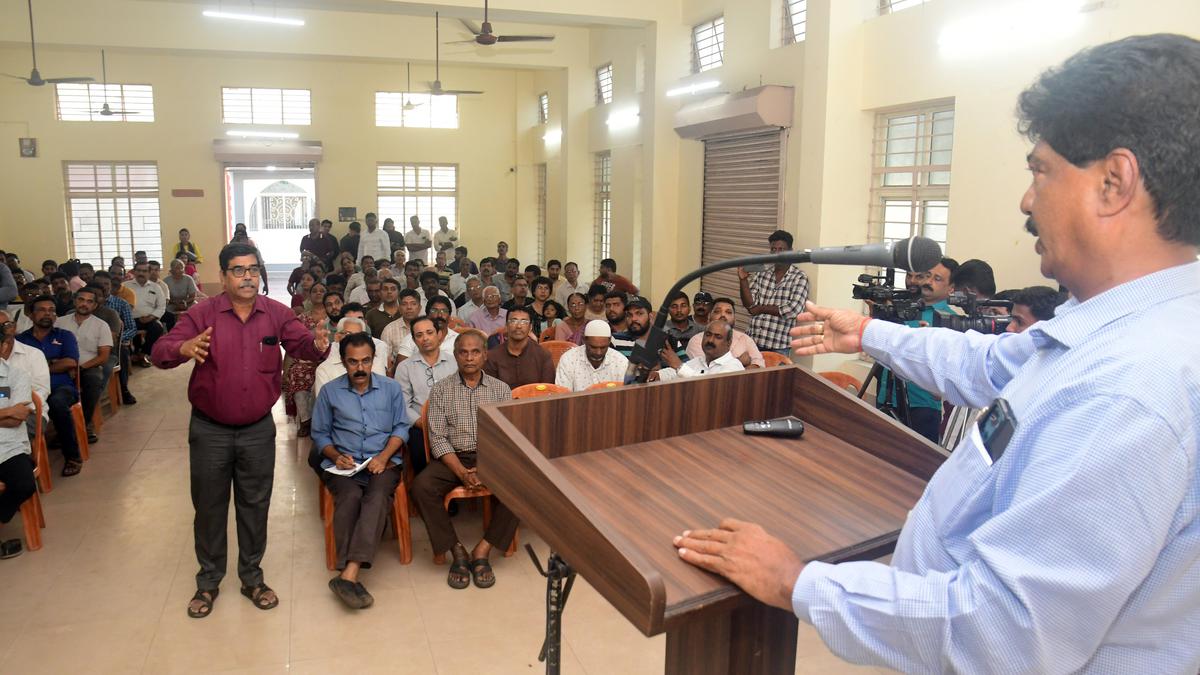
Mangaluru, 22nd July 2023 – The NIPM Mangaluru chapter organized a grand event, HR CONNECT 2023, aimed at bringing together professionals from the Human Resources, Industrial Relations, and Learning & Development domains. Held at Hotel A J Grand, Mangaluru, the event witnessed an assembly of more than 200 HR professionals from diverse organizations in Dakshina Kannada and Udupi Districts.

Empowering Insights from Keynote Speaker Mr. Jamestin KS

The event commenced with Mr. Jamestin KS, the esteemed former Director of HR and Business Development/Joint Ventures at ONGC, taking the stage as the keynote speaker. In his address, Mr. Jamestin shared his remarkable journey through uncharted waters in his HR career. He revealed that his entry into the HR domain was accidental but led to substantial growth and invaluable insights.

During his speech, Mr. Jamestin shed light on the evolving role of HR in both public and private sectors, emphasizing its significance as a strategic board-level position in organizational decision-making. Notably, he emphasized the importance of nurturing a positive work environment where employees feel acknowledged and encouraged in their endeavors. Such an atmosphere, he asserted, plays a pivotal role in enhancing employee productivity and satisfaction.

Addressing the critical issue of employee engagement, Mr. Jamestin highlighted concerning statistics for the Indian context, indicating that only 30% of the workforce is actively engaged, while 40% are actively disengaged, which significantly affects overall organizational performance.

Mr. Chandrashekar Shetty’s Thought-Provoking Insights

As the esteemed chief guest of the program, Mr. Chandrashekar Shetty, Director of Yashas Management Solutions, Bengaluru, delivered an insightful speech centered around the theme of “connect,” drawing inspiration from the ancient Rig Veda. Mr. Shetty emphasized that the prosperity of an organization is intrinsically linked to the happiness of its employees. Therefore, he stressed the need for organizations to focus on creating a conducive environment that fosters both professional growth and personal contentment.

Mr. Shetty highlighted the changing nature of jobs in the present era, where employees are expected to focus not only on their work but also on continuous improvement. He emphasized the importance of adding value to one’s job, with a particular focus on achieving customer delight as a key driver for success.

In the context of HR’s transformation, Mr. Shetty emphasized that HR professionals today play a critical role in bringing about profound transformation within organizations. Understanding the true purpose of human existence, which revolves around caring for and serving others, is the key to fostering a higher sense of purpose in the workplace.

NIPM Mangalore Chapter’s Commitment to HR Excellence

During the event, Mr. Jamestin KS administered the code of ethics to the delegate HR professionals, symbolizing the commitment to ethical practices within the HR community. The event also witnessed the official rollout of NIPM Mangalore Chapter’s activities for the years 2023 – 2024 and 2024 – 2025, showcasing the chapter’s dedication to supporting HR professionals in their professional growth and development.

Acknowledging Sponsors and Partners

HR CONNECT 2023 was made possible through the generous support of its main sponsor, Union Bank of India, and co-sponsors St. Josephs Engineering College Mangalore and Kambar Products and Services. The event was further strengthened by the collaboration of event partners, including Rohan Corporation Mangalore, MRPL Mangalore, MCF Mangalore, Cardolite Speciality Chemicals India LLP, SBI Mangalore, Tejaswini Facility Management Private Limited, Mangalore Special Economic Zone (MSEZ), and BASF (India) Limited.

Honoring Past Chairmen and Gratitude

In a touching moment, all past Chairmen of NIPM Mangalore Chapter were honored during the event, recognizing their contributions to the growth and success of the chapter. Mr. Steevan Pinto, the current Chairman, warmly welcomed the gathering, and Mr. Lakshmish Rai, the Secretary, extended a heartfelt vote of thanks.

The event concluded on a spiritual note, with Ms. Chitthara from the School of Social Work invoking God’s blessings upon the gathering.

In conclusion, HR CONNECT 2023 proved to be an enriching and empowering event, emphasizing the importance of fostering connection, purpose, and HR excellence in today’s dynamic business landscape. The event brought together a diverse and enthusiastic community of HR professionals, setting the stage for collective growth and success in the years to come.

Earlier Report below:

HR CONNECT 2023 – Empowering HR Professionals for the Future

Date: 20th July 2023

Mangaluru

In recognition of the vital role played by HR professionals in driving business productivity and fostering a conducive work environment, the NIPM Mangaluru chapter is set to host a significant event – HR CONNECT 2023. This event aims to bring together professionals from the Human Resources, Industrial Relations, and Learning & Development domains, empowering them with the tools and knowledge needed to navigate the ever-changing landscape of HR in the modern world.

1. HR Professionals as Catalysts for Organizational Growth

The press note highlights that people are the most impactful asset of any business. HR professionals have been at the forefront of strategic initiatives that address the evolving needs of employees and propel business growth. From managing the entire employee lifecycle – right from recruitment and onboarding to performance analysis and crisis management – HR professionals play a crucial role in molding an organization’s culture and values.

2. The Power of Networking in HR

The complexity of the modern business environment demands that HR professionals stay connected and updated. HR networks provide an invaluable platform for mutual support, resource access, knowledge sharing, and continuous learning. By connecting with their peers, professionals can gain fresh insights into solving challenging issues and delivering top-notch HR services.

3. HR CONNECT 2023 – An Empowering Mega Event

To foster collaboration and knowledge sharing among HR professionals, the NIPM Mangaluru chapter is organizing HR CONNECT 2023. The event is scheduled for Saturday, July 22, 2023, starting from 6.30 PM at the prestigious Hotel A J Grand, Mangaluru. This event is poised to attract around 200 HR professionals from various organizations in Dakshina Kannada and Udupi Districts.

4. Keynote Speaker and Esteemed Guests

The highlight of HR CONNECT 2023 will be the esteemed lineup of speakers. Mr. Jamestin K S, Former Director of HR & BD/JV (Business Development/Joint Venture) will deliver the keynote address, sharing valuable insights and experiences from his illustrious career. Additionally, Mr. V. Kulkarni, the National President of NIPM, and Mr. Chandra Shekar Shetty, Director of Yashas Management Solutions, Bengaluru, will grace the event as Chief Guests, lending their expertise to the discussions.

5. Charting the Path for NIPM Mangalore Chapter

Furthermore, the event will witness the rollout of activities for NIPM Mangalore Chapter for the years 2023 – 2024 and 2024 – 2025. This demonstrates the commitment of the chapter to consistently contribute to the professional development of HR practitioners in the region.

Conclusion

In conclusion, HR CONNECT 2023 promises to be an enriching and empowering event for HR professionals in the Mangaluru region. By facilitating knowledge exchange, encouraging collaboration, and providing insights from industry leaders, this event will equip HR professionals to face the challenges of the ever-evolving HR landscape confidently. It is an exceptional opportunity for professionals to connect, learn, and grow together, fostering a community of HR excellence.

For more information and registration, HR professionals are encouraged to use the registration link, told Mr. Steven Pinto , chairman NIPM Mangalore Chapter and Lakshmish Rai, Secretary of NIPM Mangalore Chapter. Let us join hands to celebrate and elevate the significance of Human Resources in shaping the future of businesses and workplaces.

F

Tourism Ambassadors | A Great Initiative from All of Us | We Can Operate TA at Local to National Level | Begin with a Referral Circle | Global TV

Once upon a time in the vast and diverse land of India, a unique initiative was born to promote tourism and foster connections between urban cities and rural villages. The visionary plan involved harnessing the power of the people themselves. The Media Consortium, NGOs, Governmental Agencies, Campuses, and Clubs Joined hands at many places and launched a program simultaneously at many places to create 6 lakhs Tourism Ambassadors who would be the driving force behind this transformation.

In each city, 7 Trusted Women Entrepreneurs and 7 Supporting Establishments were identified and selected first. 100 enthusiastic individual were carefully selected, made in groups of 7, and trained to become the Tourism Ambassadors. Each group of Seven was connected either with one of the Women Ambassadors or with Supporting Establishments. These passionate individuals, hailing from all walks of life, became the face of their respective cities, welcoming tourists with open arms and hearts. They took pride in showcasing the rich cultural heritage, picturesque landscapes, and vibrant traditions of their regions.

The journey began with a focus on connecting cities and villages in the process. Rather than limiting tourism promotion to just the urban areas, the Tourism Ambassadors set out to explore and celebrate the charm of the countryside too. They recognized that true transformation lay in bridging the gap between rural and urban India. They have presented to the world a wide variety of itineraries that could be made into different permutations and combinations according to their convenience and budget.

The key to this endeavor was the Village City Combine, where each city would collaborate with neighboring villages to develop sustainable tourism offerings. The Tourism Ambassadors realized that this approach would not only boost the local economy but also preserve the indigenous culture and environment.

As the program progressed, they worked tirelessly to create Campus Village Connectivity. Universities and educational institutions played a pivotal role in this stage. Students from various academic backgrounds joined the Tourism Ambassador program, bringing fresh ideas and innovative solutions to the table. These students became catalysts for change, working side by side with the villagers to build infrastructure, implement eco-friendly practices, and develop unique tourism experiences.

The results were astounding. Across the nation, 6000 cities are connected with countless villages. Great Stories of cultural exchange and economic growth began to unfold. The collaboration between city dwellers and villagers fostered a deep sense of mutual respect, understanding, and unity.

Level 2

The economic impact was profound. With tourism becoming a major industry, local businesses thrived, generating income and employment opportunities for thousands. Traditional crafts and artisanal products from the villages found new markets in the cities, promoting sustainable livelihoods.

The figures spoke volumes of the program’s success. In just a few years, the number of tourist arrivals skyrocketed, contributing significantly to the country’s GDP. Employment rates in rural areas surged, resulting in decreased migration to cities and reducing the burden on urban infrastructure. Great manifestations took place when hundred people were brought together under a structured system on a joint mission. Tourism Ambassadors become the thread to connect in preparation for an unusual garland. Many garlands of collaboration and co-creation were developed in the trajectory of prospering societies.

The most remarkable transformation was in the hearts and minds of the people. The Tourism Ambassadors not only showcased the beauty of their homeland but also instilled a sense of pride and responsibility among the citizens. Environmental conservation became a collective mission, and local communities united to preserve their natural resources for generations to come.

As the sun set on the horizon, the entire nation stood together as one, a rainbow of colors and cultures, woven together by the collective culmination of 6 lakhs Tourism Ambassadors. Their unwavering dedication and passion had turned India into a global destination, renowned not only for its breathtaking landscapes and architectural wonders but also for its heartwarming hospitality and genuine connections between people.

And so, the story of India’s transformational journey inspired the world, showing that when people come together with a shared vision and purpose, economic prosperity and cultural enrichment can be achieved hand in hand.

Level 3

Determining the monthly remuneration for Tourism Ambassadors was discussed at different places. Many options were presented, discussed, and implemented depending on various factors such as the cost of living in different regions, the responsibilities and workload associated with the role, and the level of expertise and experience shown in performance. Since Tourism Ambassadors come from diverse backgrounds and may have varying levels of commitment, a region-wise flexible remuneration structure was opted for. However, It was decided to have a general approach to promote a monthly remuneration package at every place using funds generated through tourism initiatives and other development opportunities.

A general guideline was presented as follows:

Basic Stipend: Provide a base stipend to all Tourism Ambassadors. This stipend could be a fixed amount per month, meant to cover their basic living expenses and recognize their dedication to the program.

Performance-Based Incentives: Introduce performance-based incentives to motivate Tourism Ambassadors to excel in their roles. The incentives could be linked to factors such as the number of tourists they attract, positive feedback received from tourists, successful implementation of sustainable initiatives, and active participation in community engagement activities.

Location and Cost of Living Allowance: Since the cost of living varies across cities and villages, consider offering an additional allowance based on the location where the Tourism Ambassador is assigned. This helps ensure that their remuneration is adequate to meet their living expenses.

Training and Skill Development: Invest in continuous training and skill development programs for Tourism Ambassadors. Those who undergo specialized training and acquire new skills could receive higher remuneration as an acknowledgment of their increased expertise.

It was also proposed to offer Additional Income (AI) options for Tourism Ambassadors.

The idea was to empower them economically and create opportunities beyond their core responsibilities. Here are some ways presented to offer AI options:

Local Entrepreneurship:

Encourage Tourism Ambassadors to explore entrepreneurial ventures related to tourism. They could start small businesses such as handicraft shops, local tour operators, or eco-friendly accommodation options. The government could provide financial support or low-interest loans to help them kickstart their ventures.

Tour Guide Services:

Allow Tourism Ambassadors to work as freelance tour guides during their free time. This enables them to interact with more tourists and generate additional income.

Art and Cultural Shows:

Organize art and cultural events in collaboration with local communities. Tourism Ambassadors who possess artistic talents could showcase their skills and earn from ticket sales or merchandise.

Online Content Creation:

Support Tourism Ambassadors in creating digital content, such as travel blogs, vlogs, or social media posts, to share their unique experiences and insights. They could earn through sponsorships, advertisements, or affiliate marketing.

Sustainable Tourism Projects:

Reward Tourism Ambassadors who actively participate in and propose sustainable tourism projects. If these projects generate revenue or lead to cost savings, they could receive a share of the profits or incentives.

Online Booking Platforms:

Partner with online travel booking platforms and allow Tourism Ambassadors to earn commissions on bookings made through their referrals.

Cultural Exchange Programs:

Establish cultural exchange programs where Tourism Ambassadors from India can participate in similar initiatives abroad, gaining exposure and earning stipends while representing their country’s culture.

By combining a competitive monthly remuneration package with diverse AI options, Tourism Ambassadors will not only be financially motivated but also inspired to contribute actively to the growth of the tourism industry in India. Moreover, this approach fosters a sense of ownership and entrepreneurship, making the program more sustainable and successful in the long run.

Level 4

Creating a decent remuneration package for Tourism Ambassadors involves striking a balance between fair compensation for their efforts and the economic feasibility of the program. While the specific figures may vary based on the factors mentioned earlier, here’s a suggested monthly remuneration package:

Basic Stipend:

Offer a basic stipend of around INR 15,000 to INR 20,000 per month. This amount would serve as a stable income for their dedication to the program and cover essential living expenses.

Performance-Based Incentives:

Introduce performance-based incentives to motivate and reward exceptional performance. The incentives could range from INR 2,000 to INR 5,000 per month, based on achieving specific targets and objectives.

Location and Cost of Living Allowance:

Provide a location-based allowance to adjust for the varying cost of living in different areas. This allowance could range from INR 3,000 to INR 5,000, depending on the city or village where the Tourism Ambassador is stationed.

Skill Development Bonus:

Offer a skill development bonus of around INR 2,000 to INR 3,000 per month for Tourism Ambassadors who complete additional training or acquire specialized certifications related to tourism promotion.

Considering this suggested package, a Tourism Ambassador stationed in a city could receive an average total remuneration of around INR 22,000 to INR 30,000 per month. For those working in villages, the remuneration could be around INR 20,000 to INR 28,000 per month, accounting for the higher cost of living in cities.

It’s important to note that these figures are approximate and may vary based on the specific circumstances and budgetary considerations of the program. Additionally, periodic reviews and adjustments to the remuneration package would be necessary to keep it in line with economic changes and performance evaluations.

By offering a decent remuneration package, coupled with the additional income options previously mentioned, the Tourism Ambassador program would attract passionate and dedicated individuals who can contribute effectively to the growth and promotion of tourism in India.

These options were continuously improved based on the funds generated through the sharing mechanism between beneficiaries and the effects of enthusiasm in creating a self-driven economy.

Food for thought at this level of our manifestations:

By providing a well-rounded remuneration package that includes both a stable monthly stipend and additional income opportunities (AI), Tourism Ambassadors can indeed earn a decent and predictable income each month. This approach offers financial security and stability to the participants while also fostering a sense of entrepreneurship and ownership.

The combination of a basic stipend and performance-based incentives ensures that Tourism Ambassadors receive a consistent income that covers their essential living expenses. At the same time, the AI options open up opportunities for them to explore their passions, talents, and entrepreneurial ambitions, potentially allowing them to earn an equal or even higher amount through their additional endeavors.

This holistic approach not only attracts dedicated individuals to the Tourism Ambassador program but also empowers them to actively participate in the economic growth of their communities. It creates a win-win situation, where the Tourism Ambassadors benefit from financial independence and the nation benefits from a thriving and sustainable tourism industry.

Furthermore, this approach can lead to the development of a vibrant ecosystem where Tourism Ambassadors act as ambassadors not only for their regions but also for the potential of local entrepreneurship and cultural preservation. As they promote their homeland to tourists, they can showcase the diversity of opportunities that exist beyond traditional roles, inspiring others to pursue innovative paths and contribute to India’s economic and cultural prosperity.

By nurturing this program and continuously refining the remuneration package based on feedback and evolving economic conditions, India can witness a transformative impact on tourism, local economies, and community empowerment. The beauty of this movement is its base unit concept. Seven plus One base units can function independently and interdependently with one another. The group dynamics has plenty of options.

Dr. Preethi Lolaksha Nagaveni | The brilliance of this Mangalorean scholar shines bright | She is honored with a prestigious PhD in Law from Lancaster University in the United Kingdom | Congratulations to Her | Global TV


Mangaluru, a city renowned for producing remarkable scholars, takes immense pride in celebrating the exceptional achievements of one of its own, Dr. Preethi Lolaksha Nagaveni. The brilliance of this Mangalorean scholar shines bright as she was recently honored with a prestigious PhD in Law from Lancaster University in the United Kingdom. The conferral of this esteemed degree took place in a grand ceremony, graced by none other than the esteemed Pro Chancellor and former minister and MP, Alistair Burt, on a memorable Wednesday.

Dr. Preethi’s journey towards intellectual excellence began in her early years, as she pursued her education at the renowned Vishwa Mangala School of Konaje, where the seeds of her passion for law were sown. Later, she continued her academic pursuits at St. Aloysius Junior College, honing her knowledge and skills in the realm of legal studies. Graduating with flying colors, she achieved the coveted BA LLB (Hons) with a Gold Medal from the prestigious National Law School of India University, Bengaluru, a testament to her outstanding abilities.

The pursuit of knowledge led Dr. Preethi to set her sights on the United Kingdom, where she completed her LLM degree at the esteemed University of Reading. Immersed in the academic environment of the UK, she blossomed as a scholar and showcased her acumen in the field of International Human Rights Law. Her presentations at the United Nations on various Human Rights issues garnered immense praise and respect, resulting in her papers being published on the UN’s official website, a truly exceptional recognition of her expertise.

The significance of Dr. Preethi’s observations did not go unnoticed, as the UN expert committee on Child Rights referenced her work in their influential report. Moreover, the United Nations Office of the High Commissioner for Human Rights (UNOHCHR) graciously uploaded her writings on their official website, further solidifying her reputation as a distinguished authority on International Human Rights Law.

Notably, her contributions have transcended the boundaries of the United Nations, as the World Health Organization recognized her profound knowledge by incorporating her writings into their esteemed database. Such recognition cemented her status as a world-class expert in International Human Rights Law.

Presently, Dr. Preethi serves as the esteemed senior editor of the Kings student law review and forum, an illustrious publication affiliated with Kings College, London. Additionally, she is a respected member of the Honour Abuse Research Matrix (HARM Network) at the esteemed University of Central Lancashire, UK, where her insights contribute to vital research in the field.

Beyond her academic pursuits, Dr. Preethi’s dynamic vision saw the conceptualization and organization of five international Conferences on Law, fostering intellectual exchange and knowledge dissemination on a global scale. Her indomitable spirit and scholarly achievements earned her the revered ‘Lancaster Award-Gold’ from Lancaster University, UK, an acknowledgment of her outstanding contributions.

With an impressive portfolio of over 20 research papers published in various esteemed international law journals, Dr. Preethi continues to make significant contributions to the advancement of legal knowledge. Her remarkable commentaries on COVID-19 and International Health Regulations, in particular, have found a place in the distinguished Oxford University Press in New York, adding to her list of accomplishments.

The convocation ceremony at Lancaster University was a heartwarming occasion, with Dr. Preethi’s loving parents, Lolaksha and Nagaveni, proudly witnessing their daughter’s well-deserved recognition. Their unwavering support and belief in her capabilities have undoubtedly played an instrumental role in shaping the young scholar into the awe-inspiring individual she is today.

As the city of Mangaluru celebrates this extraordinary achievement, it can truly boast of nurturing a prodigious talent like Dr. Preethi Lolaksha Nagaveni, a beacon of knowledge and an inspiration to aspiring scholars worldwide. With her unwavering commitment to the pursuit of justice and human rights, Dr. Preethi’s impact on the legal landscape promises to be enduring and transformative. We eagerly await the next chapter in her remarkable journey, confident that it will be nothing short of extraordinary.

Another Way of Village City Collaboration | We can start from Nowhere | We should start Now Here | Global TV | For Support +91 98441 82044

Once upon a time in rural India, there was a small village named Chitrakoot nestled amidst lush green fields and rolling hills. The villagers led a simple and contented life, working hard on their farmlands and cherishing their tight-knit community.

In the heart of the village lived an elderly man named Ramesh, who was highly respected for his wisdom and experience. Ramesh had spent his entire life in Chitrakoot, witnessing its evolution over the years. One day, a young man from the city named Siddharth arrived in the village. He was intrigued by the village’s natural beauty and the peace it offered, and he decided to spend some time there to gain a fresh perspective on life.

Siddharth was from a bustling city where material wealth was often used to measure success and happiness.

Intrigued by this quaint village, he decided to engage in conversations with the villagers to learn more about their way of life.

As Siddharth began talking to the villagers, he was surprised to find that despite not having lavish possessions or modern technology, the villagers radiated a sense of fulfillment and contentment. He found that they valued strong relationships, spending quality time with their families, and celebrating every small joy of life.

One evening, Siddharth sat down with Ramesh near a serene pond, and he shared his observation, “Ramesh ji, I have seen the city’s riches, and yet, the people here in the village seem happier and more content. How can that be?”

Ramesh smiled warmly and replied, “Young man, wealth is not always measured by material possessions. In our village, we are blessed with fertile lands that provide us with an abundance of food.

Our relationships with each other are genuine and rooted in love and care. We find joy in the simplest of things – a beautiful sunrise, the laughter of children, and the sound of birds singing in the trees.”

He continued, “While the city offers many comforts and opportunities, it also brings its own set of challenges – the fast pace, constant competition, and a sense of detachment from nature and one another. In seeking prosperity, the city-dwellers often find themselves chasing desires that can be insatiable.”

Siddharth pondered over Ramesh’s words and realized that true wealth lies not only in material possessions but in the intangible joys and connections that life offers. He decided to spend more time in the village, immersing himself in the simple pleasures and embracing the wisdom of the villagers.

As days turned into weeks, Siddharth learned to appreciate the richness of rural life – the warmth of its people, the harmony with nature, and the fulfillment that comes from leading a life guided by simplicity and genuine human connections.

In this story, the villagers of Chitrakoot exemplify a different kind of wealth that goes beyond material possessions. They cherish the richness of their relationships, the beauty of nature, and the contentment that arises from living in harmony with their surroundings. The story reminds us that true wealth can be found in the little joys of life and the depth of our connections with others, rather than solely in monetary possessions.

Part 2

As Siddharth spent more time in the village of Chitrakoot, he began to foster a strong bond with the villagers. He shared stories of bustling city life with them, describing the advancements in technology, the diverse cultures, and the array of opportunities available in urban areas. The villagers listened with great interest, eager to learn about life beyond their serene village.

In return, the villagers shared their way of life with Siddharth, taking him on a tour of their fields, introducing him to their traditions, and inviting him to participate in their cultural festivals.

was deeply moved by the simplicity and unity of the village community.

One day, Siddharth had an idea. He decided to organize an exchange program between the village and the city. He spoke to the village elders about the possibility of sending some of the young villagers to the city for a brief stay and bringing city-dwellers to experience the rural life in Chitrakoot.

Excited by the idea, the villagers agreed to participate in the exchange program. Siddharth reached out to his city friends and explained the plan, and many of them were eager to experience life in the village.

The first group of city-dwellers arrived in Chitrakoot, wide-eyed and curious about their new surroundings. They were welcomed with open arms by the villagers, who taught them farming techniques, traditional crafts, and shared stories of their rich cultural heritage. The city-dwellers were amazed by the sense of community, the pristine natural surroundings, and the contentment that seemed to radiate from the villagers.

Meanwhile, some of the young villagers traveled to the city with Siddharth. They marveled at the modern infrastructure, the fast-paced lifestyle, and the myriad of opportunities that the city offered. They visited schools, museums, and businesses, gaining exposure to new ideas and ways of life.

As the exchange program progressed, both sides began to see the advantages of each other’s way of life. The city dwellers appreciated the tranquility and connectedness of the village, while the villagers recognized the value of education, technology, and exposure to various cultures that the city provided.

The exchange program created a bridge of understanding between the city and the village, fostering mutual respect and appreciation.

People from both sides started to realize that both ways of life had their unique strengths, and there was much to learn from one another.

Inspired by the success of the exchange program, the villagers and city-dwellers decided to continue this initiative regularly. They formed a committee to organize cultural events, skill-sharing workshops, and educational programs throughout the year. The village embraced sustainable practices from the city, while the city adopted elements of simplicity and community living from the village.

As the years went by, the bond between the city and the village grew stronger, and both sides thrived. The exchange of ideas, values, and experiences enriched the lives of everyone involved. The villagers found inspiration in the city’s progress and innovation, while the city-dwellers found solace and contentment in the village’s close-knit community.

Ultimately, the connection between the city and the village became a shining example of how embracing diversity and fostering understanding can lead to harmonious coexistence, benefiting all involved. The exchange program continued to bridge the gap between the two worlds, creating a future where people from all walks of life could come together, learn from each other, and celebrate the richness of the human experience.

Part 3

As the bond between the city and the village strengthened, the exchange program gave rise to a new and innovative concept – Micro Tourism and Collective Farming.

Seeing the beauty and potential of the village, some city-dwellers expressed their desire to invest in the rural areas by collectively purchasing vacant land. They envisioned transforming these plots into sustainable farms and immersive tourism destinations.

Embracing this idea, a group of city-dwellers and villagers came together to form a cooperative. They pooled their resources to acquire land and began collective farming initiatives. The cooperative aimed to grow organic produce, utilizing traditional farming methods while incorporating modern techniques learned from the city.

The villagers gladly welcomed this collaboration, seeing it as an opportunity to enhance their agricultural practices and generate additional income for the community. The cooperative set up workshops where city-dwellers shared their knowledge of food processing, preservation, and marketing, while the villagers taught them the art of cultivating crops with respect for nature.

As the farm flourished, the cooperative organized micro-tourism experiences for urban visitors. The city-dwellers hosted tourists and guests in charming cottages built amidst the lush green fields. Tourists from the city relished the chance to experience rural life firsthand, participating in farming activities, learning about traditional crafts, and savoring locally grown organic meals.

The atmosphere at the farm was nothing short of a celebration. Folk music, dance performances, and cultural festivities became a regular occurrence.

City dwellers and villagers came together to celebrate harvest festivals, share stories around bonfires, and enjoy the beauty of a star-lit night sky.

Word spread quickly about this unique destination, attracting more visitors and generating sustainable income for the cooperative and the villagers. The farm became renowned for its commitment to eco-tourism and organic agriculture, drawing people from far and wide seeking an authentic rural experience.

With the success of the first cooperative, other city-village partnerships followed suit, leading to the establishment of micro-tourism and collective farming initiatives in various regions. The movement brought economic empowerment to rural areas and provided city-dwellers with a chance to reconnect with nature and appreciate the beauty of simplicity.

The micro-tourism ventures also facilitated cultural exchange and understanding. City visitors learned about the rich cultural heritage and traditions of the village, fostering a deeper appreciation for their hosts’ way of life. In turn, the villagers gained exposure to diverse perspectives, broadening their horizons and understanding of the world beyond their borders.

The success of these initiatives also prompted collaboration in education and healthcare.

City-dwellers supported the village in setting up schools, providing access to quality education, and funding medical facilities to improve healthcare services.

As the years passed, the lines between the city and the village began to blur. The micro-tourism and collective farming ventures led to an integrated community where people from both backgrounds lived and worked together, celebrating their differences and embracing their shared humanity.

Through the powerful connection of Micro Tourism and Collective Farming, the city and the village became two halves of a harmonious whole. The celebration of life’s abundance extended beyond material possessions, emphasizing the richness of experiences, the depth of relationships, and the unity of human spirit. This inspiring collaboration served as a model for other regions, driving positive change across the country, and exemplifying the beauty of unity in diversity.

Part 4

The success of the micro-tourism and collective farming initiatives had an incredible ripple effect on the village and the city. As city-dwellers became more conscious of their food choices and sought organic products, the Village Organic Market flourished, becoming a hub of sustainable and locally sourced goods.

City people, who had experienced the beauty of rural life through micro-tourism ventures, developed a newfound appreciation for the value of organic and locally grown produce.

They recognized the benefits of supporting local farmers and artisans, understanding that their purchases directly contributed to the well-being of rural communities.

The demand for organic products from the village grew significantly, leading to increased income for the village farmers. They were now able to cultivate their lands sustainably, without the pressure of relying on chemical-intensive methods. The enhanced income allowed them to invest in better agricultural practices, irrigation systems, and modern equipment, further improving their productivity and livelihoods.

With the thriving Village Organic Market, the villagers gained a sense of pride in their work and the value of their traditions. The city-dwellers appreciation for their produce and crafts reinforced the importance of preserving their cultural heritage. Traditional practices that were on the verge of fading away found a renewed sense of purpose and were passed down to younger generations with enthusiasm.

As the bond between the city and the village strengthened, food festivals celebrating organic products were organized both in the villages and cities. These festivals became a harmonious blend of rural and urban cultures, showcasing the diverse culinary delights of both worlds. Villagers proudly presented their organic produce and traditional dishes, while city-dwellers brought their knowledge of international cuisines and culinary techniques.

These food festivals not only served as platforms for local farmers and artisans to showcase their talents but also became a catalyst for cultural exchange.

City visitors learned about the historical significance of the village’s culinary traditions, and villagers embraced the fusion of flavors from distant lands, creating a melting pot of taste and tradition.

The festivals also became avenues for showcasing traditional arts, crafts, and performing arts from the village. Traditional dance forms, music, and handicrafts attracted city audiences, giving the village artists wider recognition and encouraging the preservation of their cultural legacy.

As the popularity of the Village Organic Market and food festivals grew, the cooperative expanded its reach beyond the local region. The organic products gained recognition in neighboring cities and even internationally. Villagers became proud ambassadors of their region, and their produce found its way into gourmet restaurants and specialty stores worldwide.

The success of the Village Organic Market led to a positive impact on the entire region’s economy. More villages embraced collective farming and sustainable practices, leading to a broader movement towards organic agriculture and eco-friendly tourism.

As city and village life intertwined, barriers dissolved, and mutual understanding and respect flourished.

The city-dwellers realized the profound value of rural traditions and the essential role of the village in maintaining ecological balance. Simultaneously, the villagers appreciated the importance of modern innovations and the need to adapt to a changing world.

The transformation that began with a simple exchange program had now become a full-fledged movement toward sustainability, cultural preservation, and economic empowerment. The city and the village had found a harmonious coexistence, learning and growing together, united in their collective vision of a better and more inclusive future.

And so, the story of the city and the village became a tale of collaboration, where both sides discovered the richness and beauty that lay in embracing diversity and working hand in hand toward a shared vision of prosperity, cultural heritage, and ecological harmony.

Newfound prosperity | Village collective | Invest to improve | Infrastructure Building | Community learning center | Story Line | Global TV

Once upon a time in a picturesque rural village called Serenity Hills, the community had been facing economic challenges for years. Many of the villagers struggled to make ends meet, and the lack of engaging work opportunities drove the younger generation to migrate to cities in search of better prospects.

One day, a visionary young leader named Ravi returned to Serenity Hills after completing his education in economics and rural development.

He was determined to make a difference in his hometown and saw the potential for transforming the community’s fortunes.

Ravi gathered the villagers in the central square and shared his dream of building a thriving rural economy that would benefit everyone. He proposed a novel theory of productivity starting with people engagement and fair wages. He envisioned a chain of ripples that would uplift the entire community.

With the support of the village elders and enthusiastic youth, Ravi set his plan in motion. He identified the villagers’ skills and interests and designed projects that resonated with them. Some focused on organic farming, others on producing beautiful handicrafts, while some were keen on promoting eco-tourism.

To ensure that all villagers felt valued and motivated, Ravi set a minimum wage of ₹200/- per hour for their work. The villagers were thrilled by this proposition, as it was significantly higher than what they had been earning before. The promise of fair wages brought everyone together, sparking a renewed sense of purpose and belonging.

To ensure the success of the projects, Ravi collaborated with experts to provide training and skill development programs. Local artisans learned new techniques, farmers adopted sustainable practices, and eco-tour guides honed their communication and hospitality skills.

Soon, the village began to witness positive changes. A group of enterprising villagers, inspired by the fair wages and encouragement, decided to start their own businesses. A young woman named Leela opened a boutique to sell the exquisite handicrafts made by her fellow villagers. A group of farmers established a cooperative to market their organic produce.

The ripple effect was now evident. The villagers were earning more and spending locally, stimulating economic activity within the village. As word spread about the high-quality products and unique eco-tourism experiences in Serenity Hills, tourists from nearby cities started visiting the village, providing a steady stream of income.

With the newfound prosperity, the village collectively decided to invest in improving their infrastructure. They built better roads for easier transportation of goods, set up a community learning center, and established a small health clinic to cater to their needs.

As the village’s economy flourished, Ravi’s theory of productivity was evident in the positive impact it had on the entire community. The ripple effect had reached far and wide, touching the lives of everyone in Serenity Hills.

The once-quiet village was now a bustling hub of economic activity and social harmony. The youth, instead of leaving for the cities, were returning to their roots, contributing to the growth of their community.

Ravi’s vision and his theory of productivity had transformed Serenity Hills into a shining example of rural development. Other villages in the region took notice, and the concept spread like wildfire. Across the countryside, rural communities embraced engagement, fair wages, and the ripple effect, igniting a wave of progress and prosperity that touched the lives of millions.

And so, with people engagement and ₹200/- per hour for the last person, a chain of ripples began, connecting hearts, minds, and hands to shape a better future for all. The tale of Serenity Hills became an inspiration for generations to come, reminding them that when people are engaged and their efforts are valued, the possibilities for growth are boundless.

Part 2

As news of Serenity Hills’ remarkable transformation spread far and wide, it caught the attention of the global community.

Foreign tourists were intrigued by the village’s unique eco-tourism experiences, and they flocked to witness the harmonious blend of nature and culture that Serenity Hills offered.

This influx of international visitors not only contributed to the local economy but also created an opportunity for foreign trade. The villagers saw potential in exporting their high-quality organic produce and exquisite handicrafts to international markets. Ravi and the village entrepreneurs worked with trade experts to establish connections with buyers and distributors overseas.

The success of the exported products further boosted the village’s reputation, leading to more international orders. With a growing demand for their goods, Serenity Hills became an essential player in the global market.

The income generated from foreign trade was reinvested in the village, fueling further economic development and infrastructure enhancement.

Seeing the positive impact of Serenity Hills’ engagement and fair wage model, natives of the village residing in different parts of the world were inspired to contribute back to their homeland. They formed a global diaspora network that pooled resources to support various community development projects in Serenity Hills.

Members of the diaspora network organized fundraising events, established micro-lending initiatives, and contributed to skill development programs.

The funds generated were directed toward building schools, healthcare centers, and vocational training facilities, creating a virtuous cycle of development.

Additionally, the diaspora network served as ambassadors, promoting Serenity Hills’ products and tourism opportunities in their host countries. This grassroots marketing strategy helped expand the village’s reach and diversified its sources of income.

As the chain of ripples extended across borders, the impact of Serenity Hills’ model was felt not only within the village but also in the lives of the global diaspora and the international community. The success of the engagement and fair wage model in Serenity Hills inspired similar initiatives in other rural areas worldwide, leading to a wave of sustainable rural development.

The native diaspora’s involvement strengthened their connection with their roots and instilled a sense of pride and responsibility for their village’s prosperity.

Their contribution transcended monetary aid, fostering cultural exchange and partnerships with communities from diverse backgrounds.

In time, Serenity Hills became an emblem of hope, demonstrating the potential of empowering rural communities through engagement, fair wages, and foreign trade. The village’s success story was showcased in international forums and conferences, inspiring policymakers and global leaders to adopt similar models for rural development in their respective countries.

And so, the tale of Serenity Hills became a beacon of change, with the engagement and fair wage model igniting a transformational journey that transcended borders.

By embracing their heritage, engaging their people, and connecting with the world, the village unlocked a future brimming with prosperity, unity, and boundless possibilities.

Part 3

Tourism development and food processing in a collective global way further enhanced Serenity Hills’ progress and opened new avenues for the village’s growth and prosperity.

Global Eco-Tourism Collaboration:

Serenity Hills, now renowned for its eco-tourism experiences, attracted tourists from all corners of the world. As the village became a global destination, international tourism organizations took an interest in preserving the pristine natural beauty and cultural heritage of the area. Collaborative efforts were made to ensure sustainable tourism practices, protect the environment, and promote responsible travel.

Sister Village Program:

Embracing the spirit of global collaboration, Serenity Hills initiated a “Sister Village” program. Through this initiative, the village formed partnerships with rural communities in different countries facing similar challenges. The exchange of knowledge, experiences, and best practices between the sister villages led to mutual development and cultural enrichment.

Culinary Exchanges and Food Processing Ventures:

With the global influx of tourists, Serenity Hills’ traditional cuisine gained international recognition. To further capitalize on this opportunity, the village engaged in culinary exchanges with chefs and food enthusiasts from diverse backgrounds. These exchanges led to the fusion of local delicacies with international flavors, creating a unique gastronomic experience.

Food Processing Cooperative:

To maximize the value of their organic produce, Serenity Hills established a food processing cooperative. This cooperative not only added value to their agricultural products but also allowed them to export processed goods like jams, sauces, and dried fruits to international markets. The cooperative became a model for other rural communities seeking to boost their agricultural exports.

Global Marketing and E-commerce:

With the help of the native diaspora and trade experts, Serenity Hills set up a global marketing campaign to promote their tourism offerings and food products. They utilized e-commerce platforms to reach a wider audience, allowing people from around the world to purchase authentic Serenity Hills products and experiences.

Cultural Exchange Festivals:

Serenity Hills hosted annual cultural exchange festivals, inviting performers, artisans, and representatives from their sister villages to showcase their traditions and arts. These festivals not only celebrated diversity but also created economic opportunities for local artists and craftspeople.

Sustainability Initiatives:

Recognizing the importance of preserving the natural environment, Serenity Hills actively engaged in sustainability initiatives. They invested in renewable energy projects, implemented waste management systems, and promoted eco-friendly practices throughout the village.

As Serenity Hills continued to flourish, the collective global effort to support the village’s development became a shining example of how collaboration, cultural exchange, and sustainable practices can pave the way for prosperity and harmony in rural communities worldwide.

The success of Serenity Hills’ tourism development and food processing ventures inspired other regions to adopt a similar approach, creating a network of rural communities committed to mutual growth and positive impact on the global stage. The ripple effect of their collective efforts became a symbol of hope and cooperation, illustrating the power of unity in creating a brighter future for all.

Part 4

As Serenity Hills’ remarkable journey of development and global collaboration continued, word of their success spread to the highest levels of government. The state and national authorities recognized the village’s outstanding achievements in rural development, sustainable tourism, and food processing.

In a momentous ceremony, Ravi and the villagers of Serenity Hills were honored with a prestigious national award for their exceptional contributions to rural empowerment and global engagement.

The award highlighted the innovative approach taken by the village and served as a beacon of inspiration for other communities facing similar challenges.

With recognition from the government, Serenity Hills became a model for other villages and regions to follow. Government officials and policymakers studied the village’s development model and sought ways to replicate its success in other parts of the country.

The government, recognizing the potential for scaling this model, allocated additional funds to support the expansion of similar initiatives across rural areas. They partnered with Serenity Hills to conduct training programs, workshops, and capacity-building sessions to share best practices and lessons learned.

As the model gained traction, a network of “Serenity Hills-inspired” villages emerged, each tailored to the specific needs and strengths of their community.

These villages embraced the principles of people engagement, fair wages, sustainable tourism, and food processing.

The collective efforts of these villages led to a wave of rural prosperity across the nation. Unemployment rates declined, and the standard of living improved in previously marginalized areas. With a focus on sustainable practices, the environment flourished, and natural resources were protected for future generations.

Internationally, Serenity Hills and the villages that followed its lead received attention from global organizations and foreign governments.

The success of the model garnered support and funding for various development projects, further accelerating growth and transforming more rural communities worldwide.

The village’s recognition and success also led to increased international tourism, drawing travelers who sought unique and responsible travel experiences. The influx of tourists contributed not only to the economic growth of the villages but also to the promotion of cross-cultural understanding and harmony.

As years passed, Ravi, now a revered figure, continued to mentor and support other communities striving for progress.

He became an ambassador for rural development, sharing his experiences and insights on various platforms, including international conferences and forums.

The transformation of Serenity Hills and the ripple effect it created served as a testament to the power of collective action, unity, and vision. The once-struggling village had become a symbol of hope and inspiration, proving that with dedication, cooperation, and innovative thinking, rural communities could overcome challenges and achieve sustainable growth.

And so, the tale of Serenity Hills came full circle, with Ravi’s vision and the villagers’ determination not only transforming their own lives but also igniting a positive transformation that reverberated across the nation and the world. The village’s story became a timeless reminder that with passion, purpose, and the collective will to make a difference, we can build a brighter future for all, one village at a time.

Preethi Lolaksha Nagaveni from Mangalore, India earned a Ph.D. in Law in England | She has many credits in her achievements | Congratulations | Global TV

ಇಂಗ್ಲೆಂಡ್ ನಲ್ಲಿ ಕಾನೂನು ಪಿ ಹೆಚ್ ಡಿ ಪದವಿ ಪಡೆದ ಮಂಗಳೂರಿನ ಪ್ರೀತಿ ಲೋಲಾಕ್ಷ ನಾಗವೇಣಿ

ಮಂಗಳೂರು: ಇಂಗ್ಲೆಂಡ್ ನ ಲ್ಯಾಂಕಸ್ಟರ್ ವಿಶ್ವವಿದ್ಯಾನಿಲಯದಲ್ಲಿ ದಿ.19.07.2023ರಂದು ನಡೆದ ಘಟಿಕೋತ್ಸವದಲ್ಲಿ ಮಂಗಳೂರು ಮೂಲದ ಡಾ. ಪ್ರೀತಿ ಲೋಲಾಕ್ಷ ನಾಗವೇಣಿ ಅವರಿಗೆ ಕಾನೂನಿನಲ್ಲಿ ಪಿ ಹೆಚ್ ಡಿ ಪದವಿ ಪ್ರದಾನ ಮಾಡಲಾಯಿತು. ವಿಶ್ವ ವಿದ್ಯಾನಿಲಯದ ಸಹ ಕುಲಾಧಿಪತಿಯೂ ಇಂಗ್ಲೆಂಡ್ ನ ಮಾಜಿ ಸಚಿವರೂ ಸಂಸತ್ ಸದಸ್ಯರೂ ಆಗಿರುವ ಅಲಿಸ್ಟರ್ ಬರ್ಟ್ ಪದವಿ ಪ್ರದಾನ ಮಾಡಿದರು.

ಕೊಣಾಜೆಯ ವಿಶ್ವ ಮಂಗಳ ಸ್ಕೂಲ್, ಮಂಗಳೂರಿನ ಸಂತ ಅಲೋಶಿಯಸ್ ಜೂ ಕಾಲೇಜ್ ನ ಹಳೆ ವಿದ್ಯಾರ್ಥಿನಿ ಯಾಗಿರುವ ಡಾ, ಪ್ರೀತಿ ಬೆಂಗಳೂರಿನ ನ್ಯಾಷನಲ್ ಲಾ ಸ್ಕೂಲ್ ಆಫ್ ಇಂಡಿಯಾ ಯೂನಿವರ್ಸಿಟಿ ಯಲ್ಲಿ ಚಿನ್ನದ ಪದಕ ದೊಂದಿಗೆ ಬಿ ಎ ಎಲ್ ಎಲ್ ಬಿ (ಆನರ್ಸ್) ಪದವಿ ಹಾಗೂ ಇಂಗ್ಲೆಂಡ್ ನ ಯೂನಿವರ್ಸಿಟಿ ಆಫ್ ರೆಡಿಂಗ್ ನಲ್ಲಿ ಎಲ್ ಎಲ್ ಎಂ ಪದವಿ ಪಡೆದಿದ್ದರು.

ವಿಶ್ವ ಸಂಸ್ಥೆಯಲ್ಲಿ ನಾಲ್ಕು ಬಾರಿ ತಮ್ಮ ವಿಚಾರ ಮಂಡಿಸಿದ್ದ ಡಾ. ಪ್ರೀತಿ ಅವರ ಸಾಕಷ್ಟು ಚಿಂತನೆಗಳನ್ನು ವಿಶ್ವ ಸಂಸ್ಥೆ ತನ್ನ ಅಧಿಕೃತ ಜಾಲತಾಣದಲ್ಲಿ ಪ್ರಕಟಿಸಿ ಅವರ ವಿದ್ವತ್ತನ್ನು ಗೌರವಿಸಿತ್ತು.

ವಿಶ್ವ ಸಂಸ್ಥೆಯ ತಜ್ಞರ ಸಮಿತಿ ಮಾನವ ಹಕ್ಕುಗಳ ಕುರಿತ ತನ್ನ ವರದಿಯಲ್ಲಿ ಡಾ. ಪ್ರೀತಿ ಅವರ ಚಿಂತನೆಯನ್ನು ಉಲ್ಲೇಖ ಮಾಡಿತ್ತು. ಇತ್ತೀಚೆಗೆ ವಿಶ್ವ ಆರೋಗ್ಯ ಸಂಸ್ಥೆ ಡಾ. ಪ್ರೀತಿ ಅವರ ಬರಹಗಳನ್ನು ತನ್ನ ಡಾಟಾ ಬೇಸ್ ಗೆ ಸೇರ್ಪಡೆ ಗೊಳಿಸಿತ್ತು. ಈ ಮೂಲಕ ಡಾ. ಪ್ರೀತಿ ವಿಶ್ವದ ವಿದ್ವತ್ ಲೋಕದ ಗಮನ ಸೆಳೆದಿದ್ದರು.

ಪ್ರಸಕ್ತ ಕಿಂಗ್ಸ್ ಕಾಲೇಜು, ಲಂಡನ್ ಇದರ ಸ್ಟೂಡೆಂಟ್ ಲಾ ರಿವ್ಯೂ ಅಂಡ್ ಫೋರಮ್ ನ ಹಿರಿಯ ಸಂಪಾದಕರು ಆಗಿರುವ ಡಾ. ಪ್ರೀತಿ, ಯೂನಿವರ್ಸಿಟಿ ಆಫ್ ಸೆಂಟ್ರಲ್ ಲಾಂಕಶೈರ್ ನ ಆನರ್ ಅಬ್ಯುಸ್ ರಿಸರ್ಚ್ ಮ್ಯಾಟ್ರಿಸ್ (HARM Network) ನ ಸದಸ್ಯರೂ ಆಗಿದ್ದಾರೆ.

ಇಂಗ್ಲೆಂಡ್ ನಲ್ಲಿ ಈಗಾಗಲೇ ಐದು ಅಂತರ ರಾಷ್ಟ್ರೀಯ ಕಾನೂನು ಸಮ್ಮೇಳನ ಗಳನ್ನು ಯಶಸ್ವಿಯಾಗಿ ಸಂಘಟಿಸಿ, ನಡೆಸಿರುವ ಡಾ. ಪ್ರೀತಿಗೆ ಇಂಗ್ಲೆಂಡ್ ನ ಲ್ಯಾಂಕಸ್ಟರ್ ಯೂನಿವರ್ಸಿಟಿ ‘ಲ್ಯಾಂಕಸ್ಟರ್ ಅವಾರ್ಡ್ – ಗೋಲ್ಡ್’ ನೀಡಿ ಗೌರವಿಸಿದೆ.

ಅಂತರ ರಾಷ್ಟ್ರೀಯ ಅಕಡೆಮಿಕ್ ಜರ್ನಲ್ ಗಳಲ್ಲಿ ಡಾ. ಪ್ರೀತಿ ಅವರ ಇಪ್ಪತ್ತಕ್ಕೂ ಹೆಚ್ಚು ಸಂಶೋಧನಾ ಪ್ರಬಂಧಗಳು ಪ್ರಕಟ ಗೊಂಡಿದ್ದು, ಕೋವಿಡ್ -19 ಮತ್ತು ಅಂತರ್ ರಾಷ್ಟ್ರೀಯ ಆರೋಗ್ಯ ರೆಗುಲೇಷನ್ ಕುರಿತ ಡಾ. ಪ್ರೀತಿ ಅವರ ಬರಹವನ್ನು ಈ ಹಿಂದೆಯೇ ಆಕ್ಸ್ಫರ್ಡ್ ಯೂನಿವರ್ಸಿಟಿ ಪ್ರೆಸ್, ನ್ಯೂಯೋರ್ಕ್ ಪ್ರಕಟಿಸಿದೆ.

IF WE FEAR PROBLEMS AND SIT BACK FROM TAKING ACTION, WHERE WILL WE EVEN LAND?

The importance of facing challenges and taking action rather than avoiding them out of fear or uncertainty. Let’s elaborate on this:

Facing problems:

In life, we inevitably encounter various problems and obstacles. These can be personal, professional, or societal in nature. Avoiding problems doesn’t make them go away; in fact, it often exacerbates the situation and may lead to even more significant challenges down the line.

Confronting fear:

Fear is a natural human emotion, and it is okay to feel afraid when facing uncertain situations. However, allowing fear to control our actions can hinder personal growth and prevent us from achieving our goals. It’s essential to recognize fear, but it’s equally crucial to confront it and push past our comfort zones.

Taking action:

Taking action implies proactively addressing the issues and challenges that arise in life. It means making decisions, trying new things, and being willing to learn from both successes and failures. Without action, we remain stagnant and miss out on potential opportunities for growth and improvement.

Learning and growth:

When we face problems and take action, we open ourselves up to learning from our experiences. Every challenge presents a chance to develop new skills, gain insights, and become more resilient. Embracing problems as opportunities for growth can lead to personal development and a stronger sense of self.

Success and achievement:

Those who are willing to confront problems and take action are more likely to achieve their goals and reach new heights. While success is not guaranteed, those who actively work towards their objectives have a higher chance of attaining them compared to those who remain passive.

Regret and missed opportunities:

Avoiding problems and shying away from taking action can lead to regret later on. Regret often stems from missed opportunities and the realization that we could have done more to improve our circumstances.

When we allow fear to hold us back and avoid taking action when faced with problems, we might find ourselves stuck in a cycle of stagnation, regret, and missed opportunities. On the other hand, when we confront challenges head-on and take proactive steps towards resolution, we create opportunities for growth, learning, and the possibility of achieving our desired outcomes. Embracing challenges with a positive mindset can lead us to a more fulfilling and successful life journey.

Unlocking Additional Income: Ethical Alternatives to Corruption and Critical Path for Prosperity | Global TV

Today, Corruption is practiced mostly by people who already are well-to-do. They do massive corruption as a way for earning Additional Income (AI) | More Earning More Greed |

While Additional Income (AI) is a positive factor, Corruption is the wrong route taken for that | We are proposing several alternatives for Additional Income (AI) | Come On, Let us Uproot and Eradicate Corruption |

In the pursuit of Additional Income (AI) and overall societal development, it is essential to explore ethical alternatives to corruption, which is a cancer in society. This article focuses on highlighting a range of compelling avenues for unlocking Additional Income (AI), including organizing the unorganized sector, revitalizing institutions, fostering rural-urban connectivity, connecting alumni to their alma mater and native places, creating economic equations, valuing time, promoting fair remuneration, and establishing new revenue models. By embracing these ethical paths, individuals can not only enhance their financial well-being but also contribute to the eradication of corruption and foster a more prosperous and equitable society.

Organizing the Unorganized Sector:

One of the key alternatives to corruption is to empower and organize the unorganized sector. By supporting skill development programs, advocating for labor rights, and fostering entrepreneurship, individuals can generate Additional Income (AI) in a legitimate and ethical manner. This approach not only uplifts the workforce but also contributes to socio-economic development without resorting to corrupt practices.

Revitalizing Institutions:

Revitalizing institutions, such as community organizations, non-profits, and educational establishments, provide individuals with opportunities to earn Additional Income (AI) while promoting social progress. By actively engaging in consultancy, mentoring, and training programs within educational institutions or offering specialized services to non-profits, individuals can contribute to the growth of these institutions while earning income through legitimate means.

Fostering Rural-Urban Connectivity:

Bridging the rural-urban divide is crucial for sustainable development and reducing the influence of corruption. By fostering rural-urban connectivity, individuals can create avenues for Additional Income (AI) that promote economic growth and empowerment. Initiatives such as rural tourism, agricultural supply chain development, and supporting rural artisans and entrepreneurs through e-commerce platforms contribute to income generation and upliftment of rural communities.

Connecting Alumni to Alma Mater and Native Places:

Connecting alumni to their alma mater and native places serves as an ethical and powerful means of unlocking Additional Income (AI). By fostering stronger connections, individuals can contribute to mentorship programs, industry collaborations, and knowledge-sharing platforms. These connections also provide opportunities for economic growth and development in both educational institutions and local communities.

Creating Economic Equations:

Creating economic equations based on ethical partnerships and collaborations is an effective alternative to corruption. By identifying synergistic opportunities and collaborating with businesses, organizations, or individuals who share common goals, individuals can generate Additional Income (AI) while upholding ethical values. Strategic alliances, joint ventures, and co-creation of products and services create win-win situations for all parties involved.

Valuing Time and Fair Remuneration:

Valuing time and offering fair remuneration are essential elements of earning Additional Income (AI) ethically. By prioritizing tasks that align with personal skills and passions, individuals optimize their efforts and enhance their income potential. Advocating for fair wages and equitable compensation practices ensures that individuals are rewarded appropriately for their contributions, discouraging the need for corruption as a means to make more money.

Establishing New Revenue Models:

Establishing new revenue models that prioritize fair and international standard remuneration is crucial to eradicating corruption. By paying competitive salaries, organizations can attract and retain efficient talent, fostering a culture of integrity and professionalism. Hourly payment models and investment in skilled professionals not only ensure stable incomes but also contribute to economic growth and productivity.

Need of the Hour

Unlocking Additional Income (AI) through ethical alternatives is vital in the fight against corruption. By organizing the unorganized sector, revitalizing institutions, fostering rural-urban connectivity, connecting alumni to their alma mater and native places, creating economic equations, valuing time, promoting fair remuneration, and establishing new revenue models, individuals can contribute to a more prosperous society while upholding integrity and ethical principles. By choosing these alternative paths, we can collectively combat corruption and build a sustainable and equitable future.

Embracing Unity | Joint Family Collaboratives | Fostering Togetherness and Shared Prosperity | Together For Better | Together Far Better | Global TV

Together we can achieve greater heights | None of us a greater than all of us | Tradition is values | It is more important than preaching traditional values |

Within the realm of Joint Family Collaboratives, a symphony of togetherness unfolds, nurturing bonds that transcend generations. This transformative concept seeks to create spaces where extended families can come together, fostering unity, harmony, and collective prosperity. This article delves into the essence of Joint Family Collaboratives, highlighting their significance in strengthening familial ties and building a thriving joint family culture.

Objectives:

To establish Joint Family Collaboratives as nurturing hubs that celebrate the essence of joint families, providing a supportive environment for all members.
To cultivate a sense of belonging and shared responsibility, where the collective welfare of the joint family takes precedence.
To foster an atmosphere of collaboration, where family members can pool their diverse talents, skills, and resources to create a prosperous and sustainable future.
To revive and promote traditional values, customs, and rituals that form the foundation of a vibrant joint family culture.


Key Features:

a. Collaborative Living Spaces:

Spacious residences are designed to accommodate extended families, with separate living areas to ensure privacy while promoting shared experiences.
Common areas for communal activities, such as shared kitchens, dining spaces, and recreation rooms, where family members can connect and bond.
Serene gardens and outdoor spaces provide opportunities for joint family celebrations, cultural events, and festive gatherings.


b. Shared Resources and Responsibilities:

Resource pooling and financial planning, enabling joint investments, business ventures, and collective savings for the family’s long-term stability.
Rotation of household responsibilities and chores, fostering a sense of equity and shared burden among family members.
Mutual support and care, where the strength of the collective alleviates individual challenges, creating a safety net for all.


c. Cultural Preservation and Growth:

Integration of ancestral traditions and cultural practices, providing a rich tapestry of heritage that enriches the joint family’s identity.
Learning and sharing platforms for imparting traditional knowledge, wisdom, and skills to younger generations.
Collaboration with cultural experts and facilitators to organize workshops, performances, and cultural events that celebrate the joint family’s unique heritage.


Nurturing Unity:

Within the embrace of Joint Family Collaboratives, the symphony of shared dreams and aspirations unfolds. Each member becomes a vital note, harmonizing in unison, creating a melody of unity. Through collaborative living, shared responsibilities, and a celebration of cultural heritage, the joint family thrives as a cohesive unit, building lasting bonds of love, trust, and support.

Need of the Hour:

In an era of rapid urbanization and changing family dynamics, the demand for Joint Family Collaboratives is on the rise. Families yearn for a sense of belonging and interconnectedness, seeking to revive the joint family structure that provides a strong support system. The desire to foster a shared future, pool resources, and preserve cultural legacies propels the demand for this empowering concept.

Joint Family Collaboratives stand as beacons of unity, nurturing the essence of joint families and fostering a culture of togetherness. Through collaborative living, shared responsibilities, and the preservation of cultural heritage, these transformative spaces provide families with the opportunity to thrive as a collective entity. Let us embrace the beauty of Joint Family Collaboratives, weaving a tapestry of shared prosperity, enduring bonds, and a legacy that will resonate for generations to come.

Clement Farm | Reviving Bonds | Uniting Souls | A Poetic Concept of Family Reconciliation | Take Steps to Connect and Celebrate Life | Global TV

Your winning doesn’t mean my failure | We can win together far better | Relation is something that fades away when there is no building | That’s why it is Relation Building |

In the realm of Clement Farm, where compassion embraces reigns supreme, we weave a thread of familial connections, breathing life into the spirits longing for reunion. Within the sacred walls of Family Guest Houses, we seek to mend fractured bonds, bridging the gaps between extended families. Our poetic concept aims to not only reconcile hearts but also establish virtual joint family networks and create spaces for harmonious family business meetings.

Objectives:

To create sanctuaries of solace, where estranged family members can find refuge and rekindle their forgotten bonds.
To nurture an environment of understanding, forgiveness, and healing, where past grievances dissolve like morning mist.
To establish virtual joint family networks, transcending physical distances and fostering continuous engagement among relatives.
To provide spaces for family business meetings, where ancestral wisdom meets contemporary aspirations, weaving a tapestry of enterprise and shared prosperity.


Key Features:

a. Family Reconciliation Sanctuaries:

Tranquil chambers, adorned with tender hues and gentle whispers, beckoning estranged souls to embrace forgiveness.
Intimate settings are designed for heartfelt conversations, allowing for open dialogues and shared vulnerability.
Facilitation of therapeutic sessions and counseling, guided by compassionate experts, helping to mend shattered bonds.


b. Virtual Joint Family Networks:

Technological marvels intertwine hearts, bridging oceans, and transcending borders with a seamless digital connectivity.
Virtual gatherings and celebrations, where laughter dances through pixels, uniting kinfolk separated by time and distance.
Online forums and platforms, nurturing continuous interaction and creating a digital hearth for shared stories and wisdom.


c. Family Business Meetings:

Eloquent boardrooms are bathed in the glow of heritage, where ancestral whispers guide strategic discussions and aspirations.
Collaborative spaces, honoring the sacredness of lineage, while nurturing innovative ideas for a thriving family enterprise.
Expert consultants and mentors, steeped in the lore of family business, offer guidance to weave a tapestry of lasting success.


Nurturing Bonds:

Within the embrace of Clement Farm’s hallowed halls, lost connections are rekindled, and dormant love awakens. Souls once estranged find solace in the sacred sanctuary, where forgiveness blossoms like fragrant flowers. Hand in hand, hearts intertwined, families embark on a voyage of rediscovery, rewriting their shared narrative in the ink of reconciliation.

Need of the Hour:

In an era of fleeting connections and fragmented lives, the call for familial reunification echoes strongly in the hearts of many. Clement Farm’s poetic concept of family reconciliation resonates deeply with individuals seeking to rebuild the pillars of kinship. The longing to forge lasting bonds, create virtual joint family networks, and nurture family businesses that stand the test of time fuels the demand for this transformative experience.


In the symphony of life, let us orchestrate a harmonious melody, resonating through the corridors of Harmony Haven. With a focus on family reconciliation, virtual joint family networks, and flourishing family businesses, this poetic concept aims to mend broken ties, unite souls, and kindle the fires of lasting familial bonds. Let us embark on this enchanting journey, where hearts are healed, spirits entwined, and the tapestry of family legacy is woven with love’s enduring embrace.