
History is transformed by those who built alternatives | stand for something so compelling that the old way simply becomes irrelevant | Global TV
NV Paulose, Chairman, Global TV +91 98441 82044
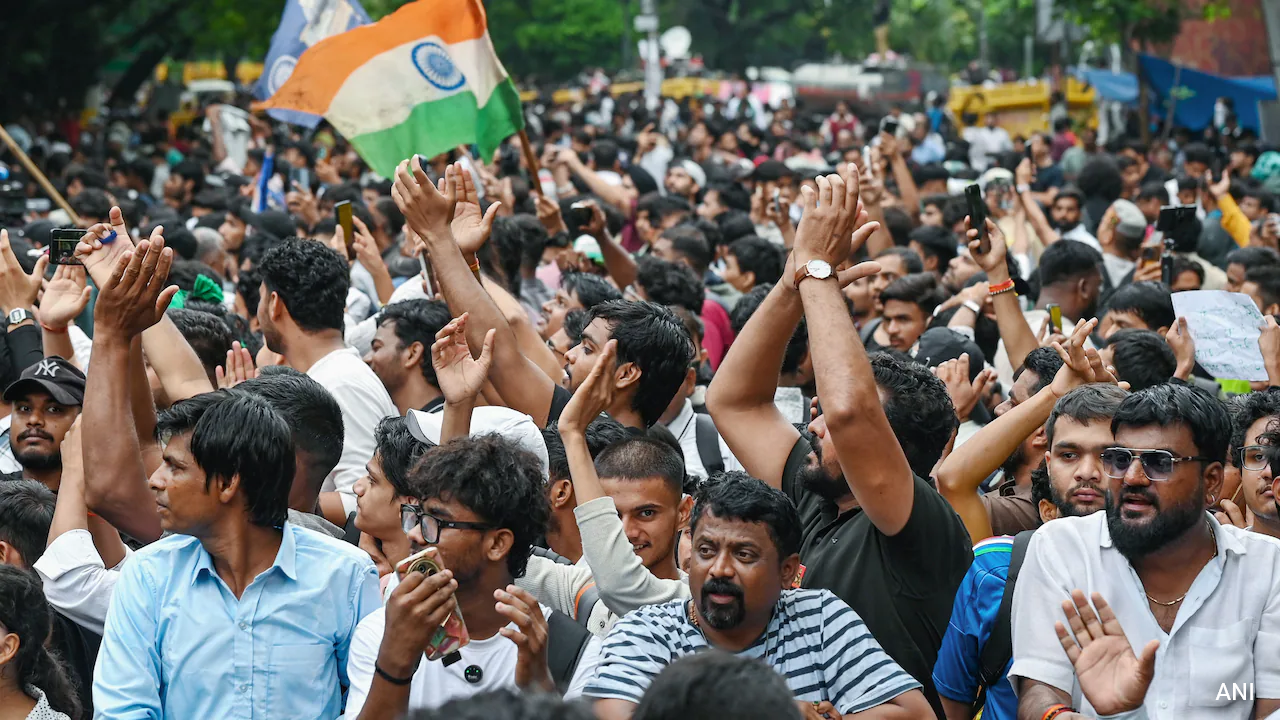
Every generation inherits a question. Some generations ask how to preserve what they have inherited. Some ask how to reform what they have received. And a few extraordinary generations ask a far more ambitious question: India’s young people stand at precisely such a moment. The headlines today are filled with protests, demonstrations, anger, disappointment, and accusations. Social media amplifies outrage. Television debates reward confrontation. Politics divides every conversation into opposing camps. There is a place for democratic dissent. Every democracy must leave room for citizens to question authority, demand accountability, and defend constitutional values. But there is another path that receives far less attention; the path of creation. History remembers those who protested injustice. History is transformed by those who built alternatives.

Perhaps the greatest revolution available to India’s youth today is not to stand against something, but to stand for something so compelling that the old way simply becomes irrelevant.
The Story That Changed Everything
There is a well-known story associated with the founding of Stanford University. It is said that a modestly dressed couple visited Harvard University hoping to make a donation in memory of their son. According to the story, they were not taken seriously. Their appearance led people to underestimate both their intentions and their capacity.
During the conversation, Harvard’s enormous operating costs were mentioned. The husband reportedly turned to his wife and said, “Honey; he is talking about peanuts. We can build a university on our own” Whether every detail of the story unfolded exactly this way has been debated by historians. Stories survive because they communicate a deeper truth. The youth of India should take it seriously.
The deeper truth is this: When institutions fail to recognize your potential, you do not spend your life asking for recognition. You build institutions that recognize others. That is exactly what happened. Stanford University emerged not from resentment but from vision. Not from protest. From creation.
India’s Greatest Untapped Resource
People often say India’s greatest strength is its population. That is not true. Population by itself creates neither prosperity nor civilization. India’s greatest strength is aspiration. Walk into any railway station. Any campus. Any small town. You will find millions of young people carrying dreams much larger than the places they come from.
Previous generations accumulated land. This generation accumulates skills. Previous generations inherited businesses. This generation can build businesses from a laptop. Previous generations required factories. This generation requires ideas. The nature of wealth itself has changed.
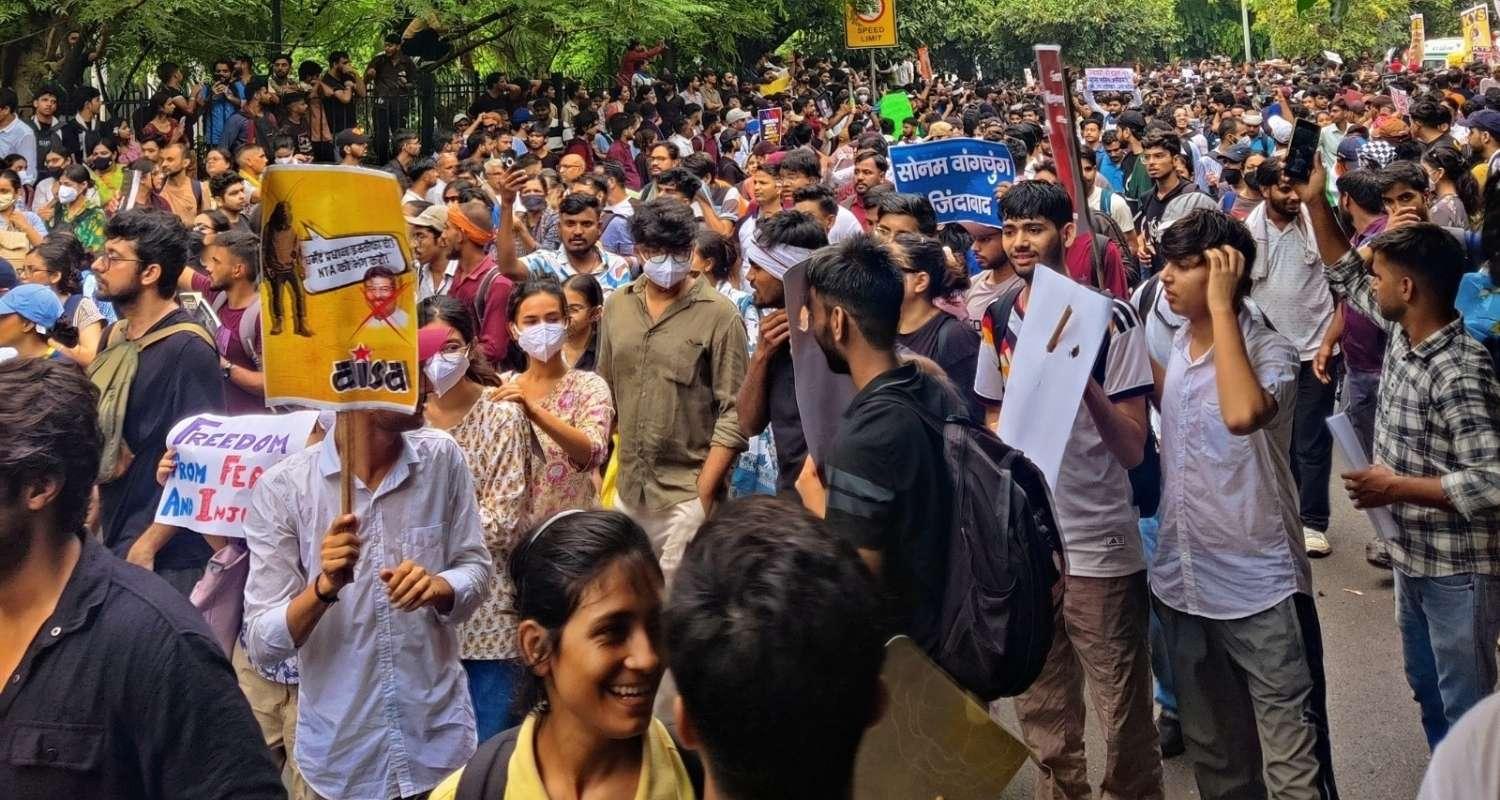
For centuries, wealth was primarily capital-driven. If you owned land, machines, or factories, you possessed economic power. Today, wealth is increasingly career-driven. A software engineer can create a product used by millions. A designer in Mysuru can work for clients across continents. A teacher can educate thousands online.
A filmmaker can reach audiences without owning a studio. An entrepreneur can launch a company with little more than knowledge, persistence, and internet access. The greatest capital of the twenty-first century is no longer money. It is human capability. And India possesses it in extraordinary abundance.
What If We Redirected Our Energy?
Imagine something extraordinary. Imagine the energy that fuels endless political arguments was redirected toward solving real problems. Imagine if every student frustrated by a broken system decided to build a better learning platform. Imagine if unemployed graduates came together to create enterprises that generated jobs.
Imagine if coders built public technology. Doctors built affordable healthcare systems. Lawyers built legal access platforms. Artists built cultural institutions. Farmers built agricultural innovations. Teachers built world-class schools.
Young people often ask, “What is the government doing?” A more powerful question might be, “What can we build together?” This is not against government. It is for citizenship. Citizenship is not merely the right to vote. It is the willingness to create value for society.
The New Economics of Hope
For much of history, starting something meaningful required enormous resources. Today, the barriers have collapsed. Artificial intelligence allows individuals to accomplish what once required entire teams.
Cloud computing eliminates the need for expensive infrastructure. Digital payments enable commerce across every village. Global markets are available to anyone with internet access.
Knowledge that once belonged exclusively to elite universities is freely available online. Never before has one individual possessed such extraordinary productive power.
The question is no longer, “Can we create?” The question is, “What shall we create?” Hope is no longer an emotion. Hope has become an economic strategy.
Stop Waiting for Permission
Many of history’s greatest institutions were created by people who refused to wait for permission. They saw problems that everyone else accepted as permanent. Then they quietly began building solutions.
No committee invited them. No authority approved them. No one declared that the time was right. They simply started. Every great university began as an idea. Every respected company began as uncertainty. Every social movement began with a handful of believers. Every technological revolution began with someone whom others underestimated. Great institutions are sitting in college classrooms.
Perhaps the next breakthrough healthcare company is being imagined in a small town. Perhaps the next educational revolution is being designed in a hostel room. Potential rarely announces itself. It simply begins working.
From Anger to Architecture
Anger is powerful. But anger alone cannot sustain civilization. Buildings last longer than slogans. Institutions outlive demonstrations.
Ideas endure after headlines disappear. If young people channel disappointment into creation, they become architects rather than critics. Architects leave behind schools. Hospitals. Companies. Research laboratories. Scholarships. Technologies. Works of art. Communities.
They leave behind possibilities. The world we admire today was built by people who believed in taking steps. Not merely complaining.
The Economy We Can Build
India frequently speaks about becoming a developed nation. The phrase often sounds like a government target. It should instead become a personal mission. An economy is not created inside ministries alone.
It is created every morning when millions of people solve problems for one another. Every useful product increases prosperity. Every ethical business creates dignity. Every innovation expands opportunity.
Every teacher develops human capital. Every entrepreneur creates confidence. Every scientist enlarges possibility. GDP is ultimately the mathematical expression of millions of acts of value creation.
The future economy already exists. It simply waits to be built.
The Invitation
There are moments in history when societies become consumed by what is wrong. There are other moments when they become obsessed with what is possible. The second kind changes the world. India does not lack intelligence. It does not lack ambition. It does not lack courage.
What it sometimes lacks is the confidence to believe that its young people are not merely participants in history; they are its authors. The greatest tribute we can pay to those who struggled before us is not endless remembrance. It is fresh creation.
If a university overlooks your potential, build a better university. If an institution disappoints you, build a stronger institution. If a system excludes people, build one that includes them. If an economy feels too small, create a larger one. History does not ask whether we were angry.
History asks what we built. Perhaps the real revolution before India’s youth is not political at all. Perhaps it is civilizational. A revolution of builders. Of creators. Of entrepreneurs. Of scientists. Of teachers. Of artists. Of dreamers who refuse to believe that the future must resemble the past. The world does not belong only to those who inherit it.
It belongs to those who imagine it differently; and then have the courage to build it. Let others spend their lives proving what is broken.
Let this generation become known for proving what is possible. Because the greatest answer to disappointment is not despair. It is creation. And the greatest protest against a limited world is to build a limitless one.


