
From ancient trade routes and migrations to cultural revival and global initiatives, the story of Konkani is the story of a living heritage.
NV Paulose, Chairman, Global TV +91 98441 82044
When we speak about Konkani today, we are not merely speaking about a language of the past. We are speaking about a vibrant cultural identity that continues to evolve through the efforts of communities, institutions, artists, writers, educators, and language enthusiasts across the world.
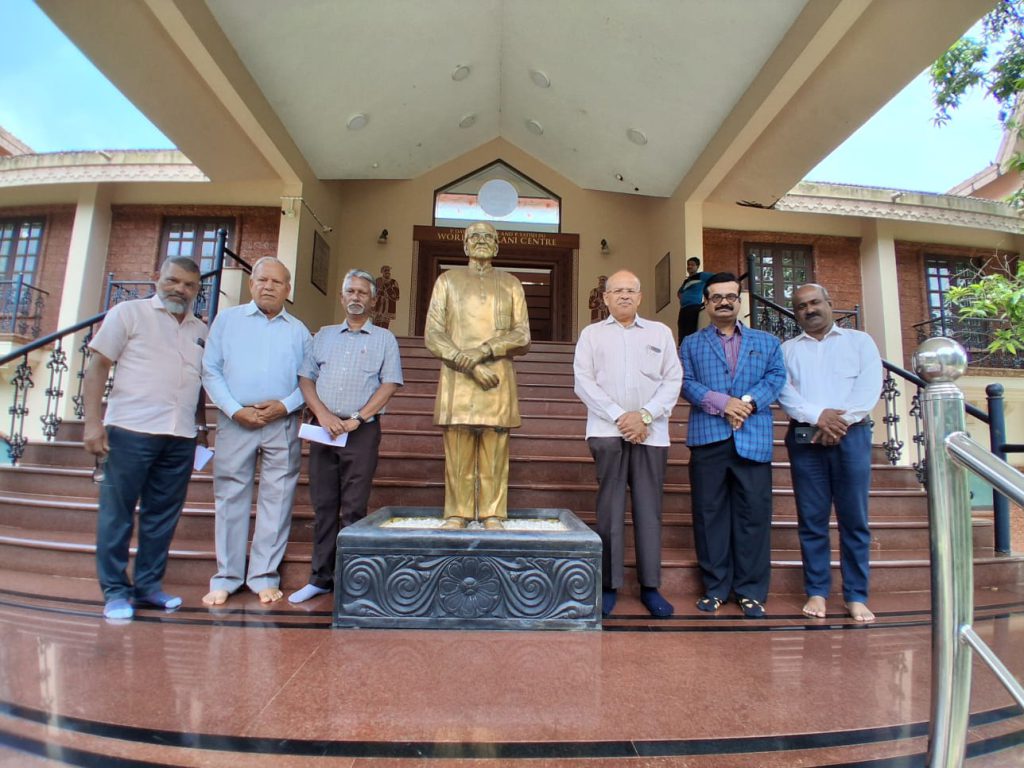
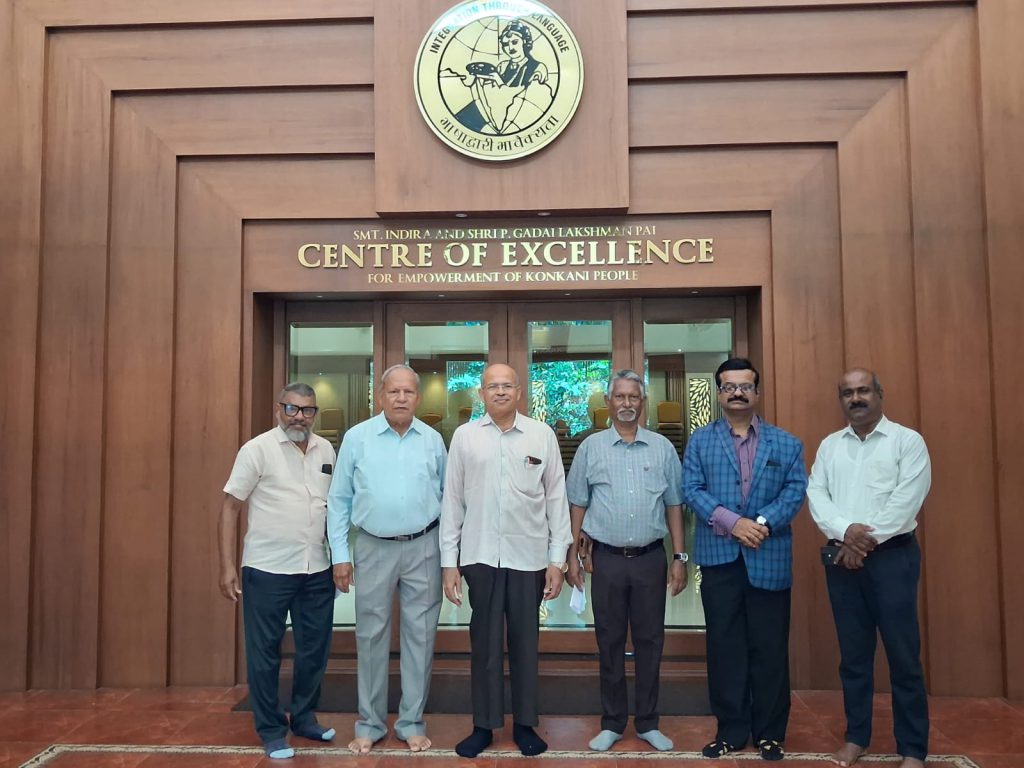
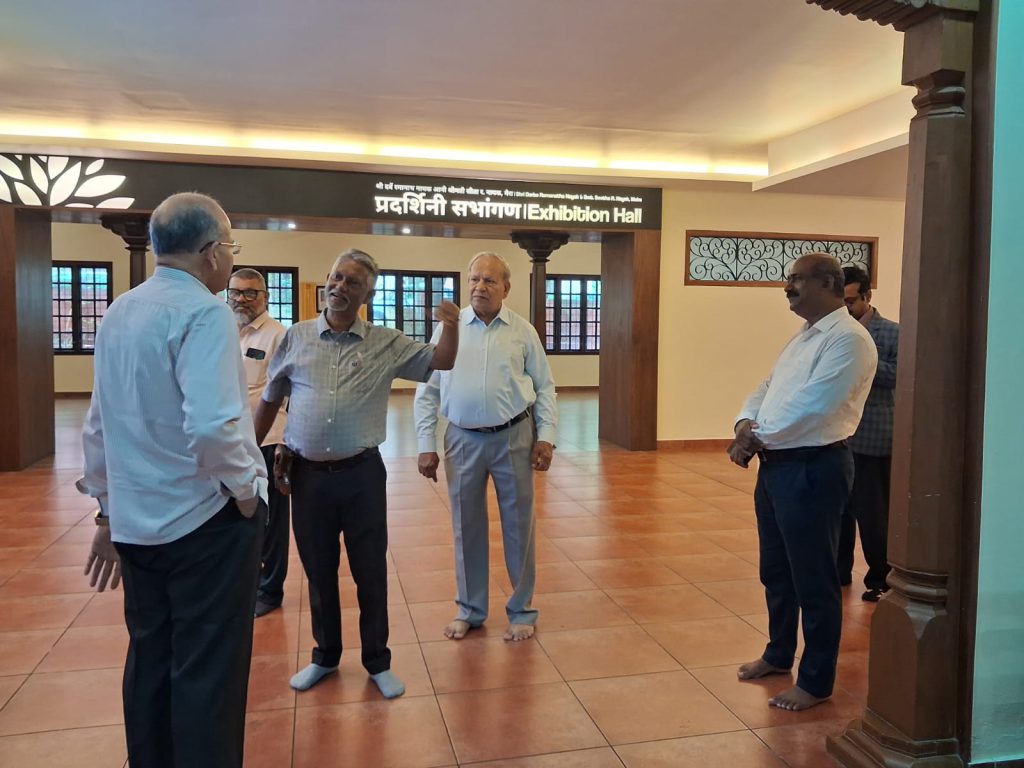
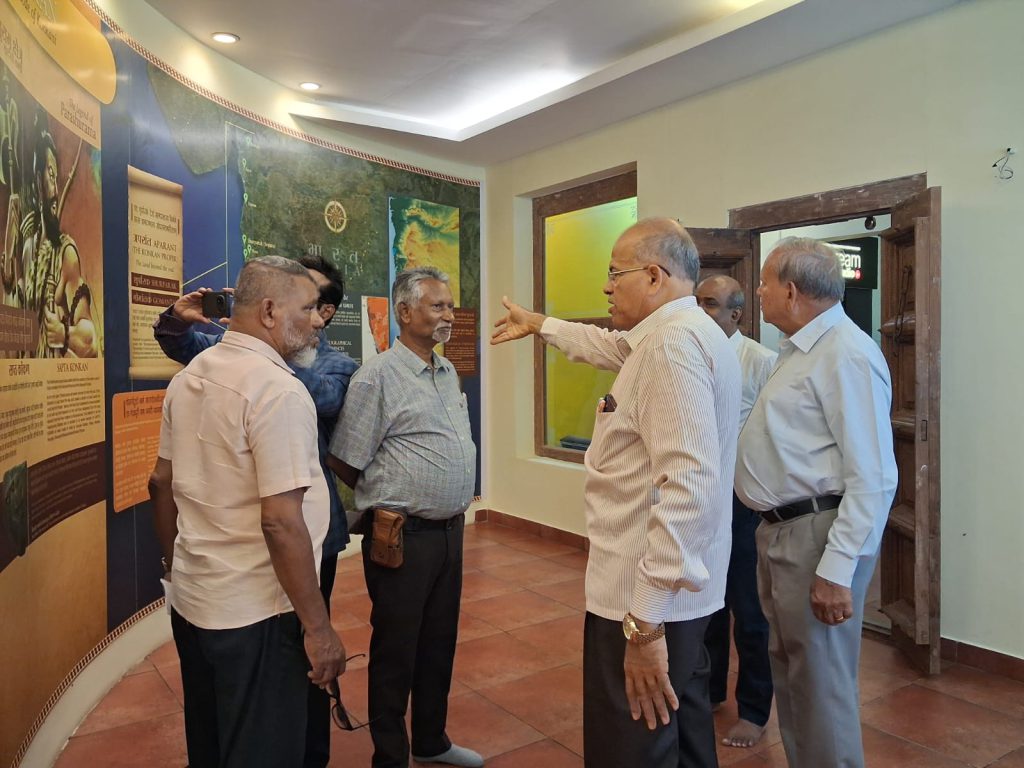
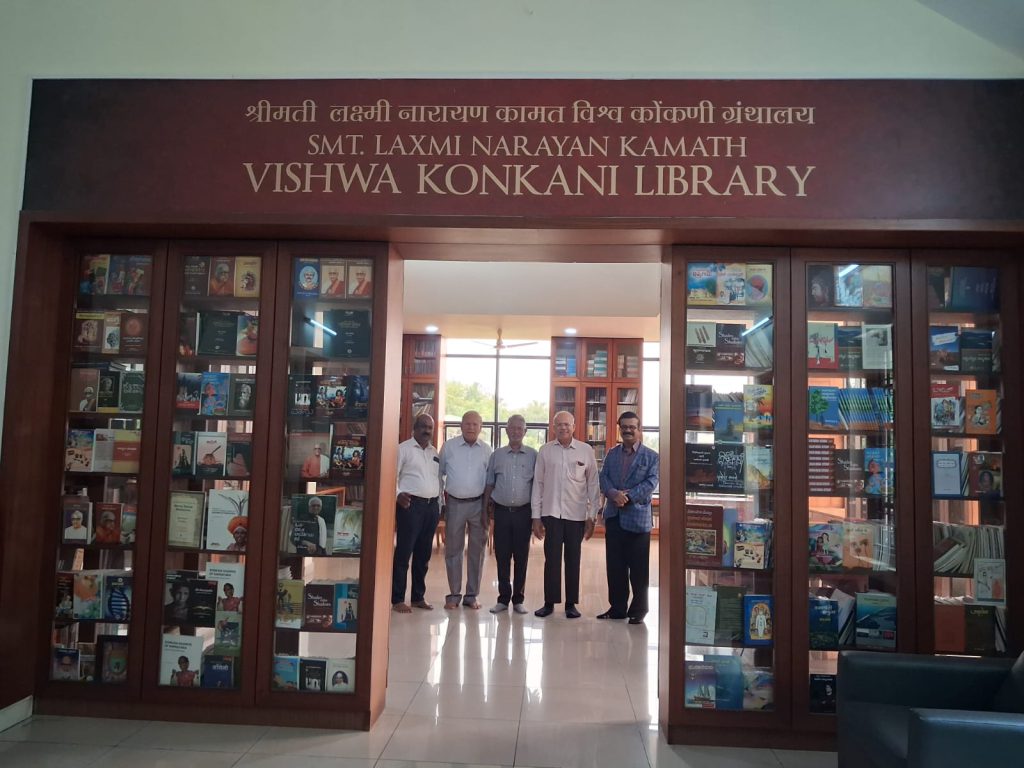
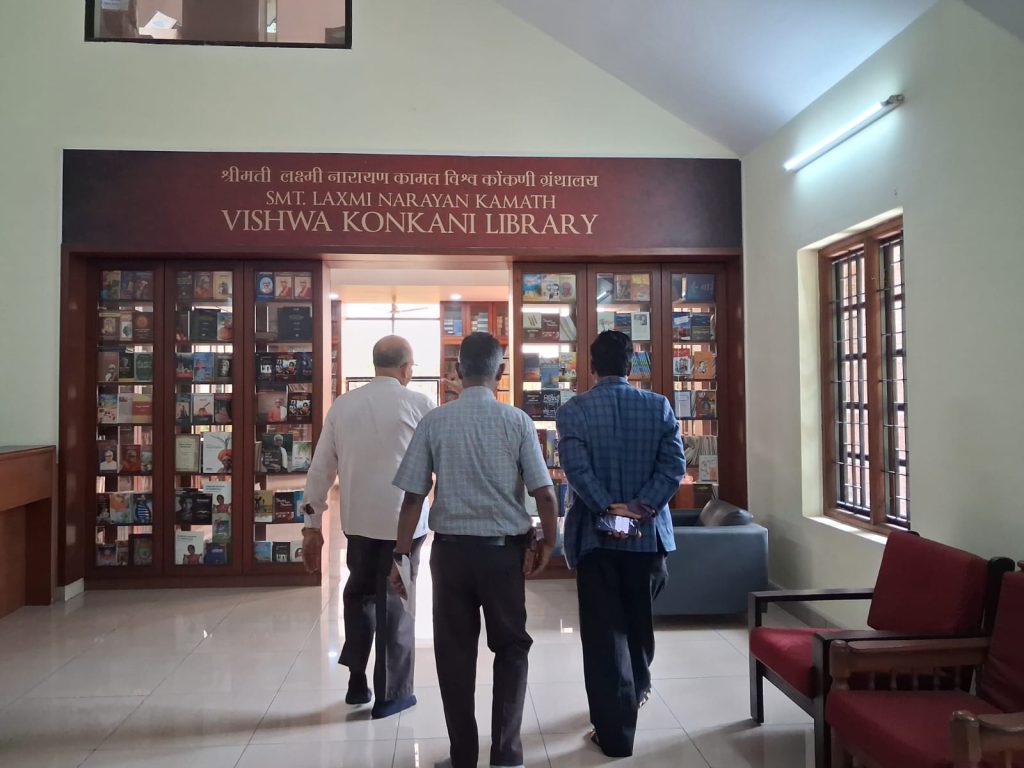
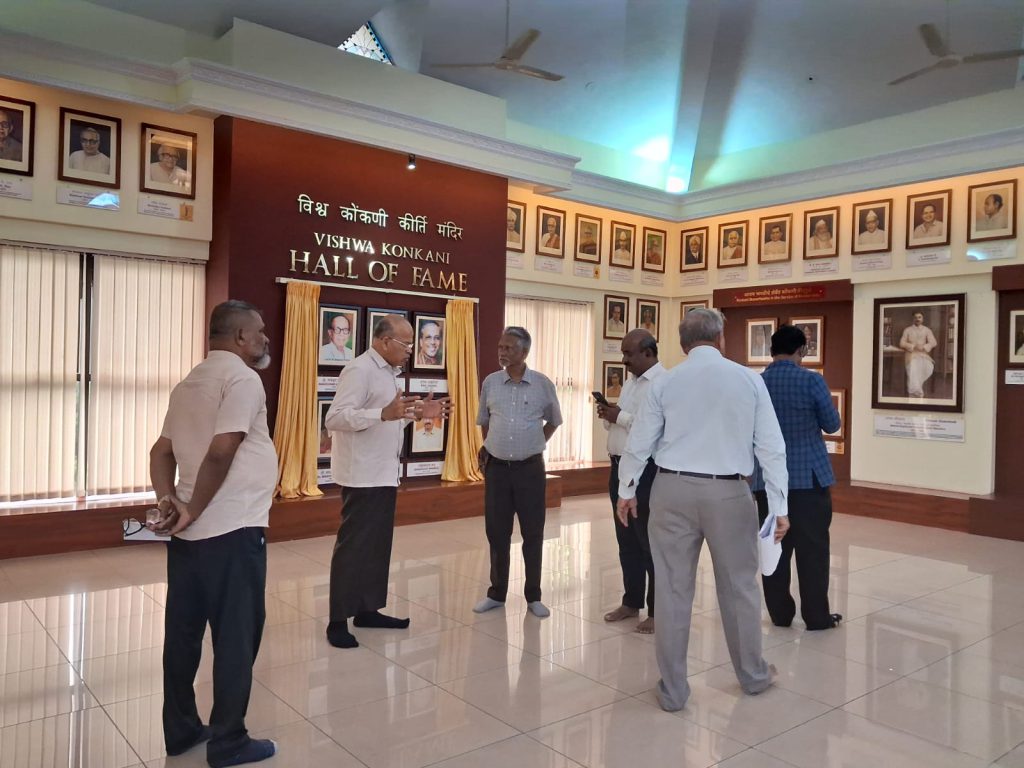
The preservation and promotion of Konkani has received renewed energy through institutions and movements dedicated to its growth. The World Konkani Centre in Mangaluru has emerged as a significant institution working towards the preservation, promotion, and development of Konkani language, literature, art, and culture. Through initiatives in research, education, literary activities, translation, documentation, and cultural programmes, the Centre has created a platform that brings together Konkani speaking people from different regions and communities.
Cultural movements such as Mandd Sobhann have played a remarkable role in strengthening Konkani identity through music, theatre, traditional arts, and cultural performances. Its Kalaangann, the Konkani Heritage Centre, stands as a unique space dedicated to preserving and showcasing the artistic traditions of Konkani communities. Through decades of cultural activities, Mandd Sobhann has demonstrated how music and performing arts can become powerful instruments for preserving language and identity.
Several other initiatives, including literary organisations, language academies, educational programmes, publications, digital platforms, and community-based efforts across India and abroad, continue to enrich Konkani. These collective efforts demonstrate that a language survives not only through books and dictionaries but through people who speak it, celebrate it, create in it, and pass it on to future generations.
A Language That Connects Many Communities
When people think of Konkani, they often think of Goa. While Goa remains one of the most important centres of Konkani culture, the story of the language extends far beyond its geographical boundaries. It is a story that connects communities across Karnataka, Kerala, Maharashtra, Gujarat, and different parts of the world through migration, trade, faith, education, and shared traditions.
Konkani is not merely a means of communication. It is a cultural identity shaped by centuries of history and carried forward by diverse communities. Few Indian languages represent such a remarkable combination of linguistic diversity, migration, resilience, and cultural continuity.
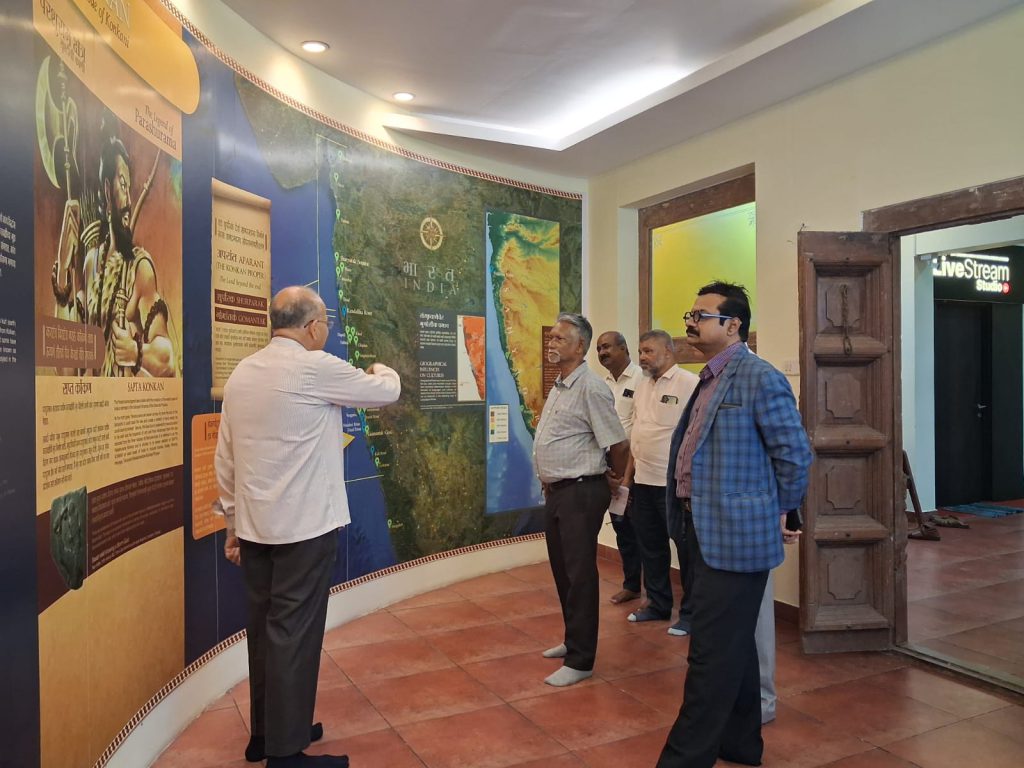
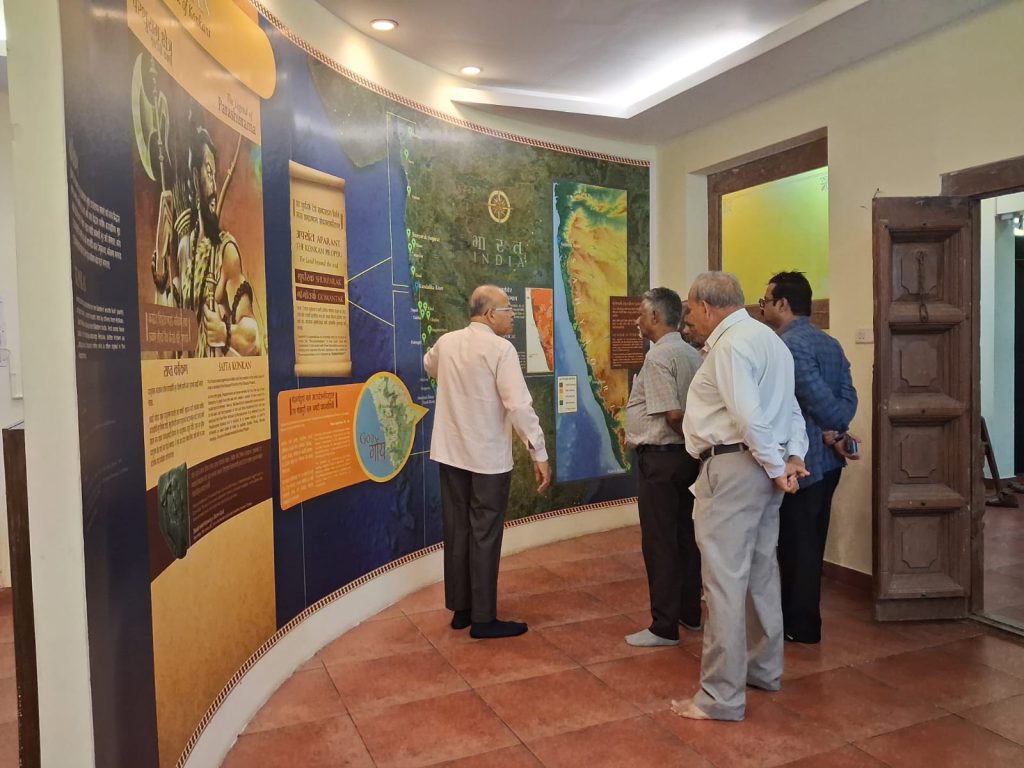
One of the most unique features of Konkani is that it is spoken by people belonging to different religious and social backgrounds. Hindus, Catholics, Muslims, and other communities have preserved Konkani as their mother tongue. Despite differences in customs, traditions, and beliefs, the language has remained a common bond connecting these communities.
This diversity is one of Konkani’s greatest strengths. The language has grown not because of one single group, but because generations of people across regions have contributed to its richness through their literature, traditions, music, customs, and everyday speech.
Contributions to Education, Healthcare, and Society
For generations, Konkani speaking communities have made significant contributions to the social and cultural development of the region.
The Konkani speaking Catholic community has made remarkable contributions to the social development of coastal Karnataka, particularly through its longstanding commitment to education and healthcare. Institutions such as St. Aloysius, founded by the Jesuits, have played a transformative role in education. Over the decades, generations of Konkani speaking Catholics have contributed as students, educators, administrators, alumni, and benefactors, strengthening the institution’s legacy and expanding its impact on society.
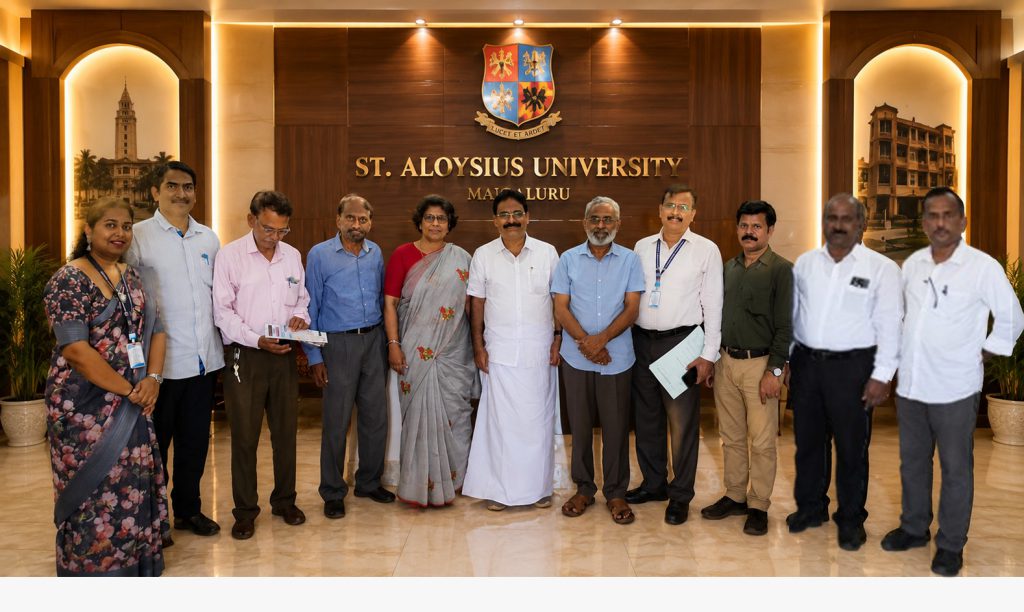
The community’s contributions extend beyond education and healthcare into areas such as music, sports, business, literature, and social service. These contributions have benefited people across communities and have become an important part of the cultural history of the region.
The Journey of Migration
The history of Konkani is deeply connected with migration. Over many centuries, communities moved along the western coast of India, carrying their language, traditions, family histories, and religious practices with them.
Traditional accounts describe the migration of Saraswat communities from northern regions towards the Konkan coast. Whether viewed through historical records, oral traditions, or community memories, these movements played an important role in shaping the cultural landscape of Goa, Karnataka, Maharashtra, and Kerala.
Migration did not weaken Konkani identity. Instead, it created new expressions of the language and allowed Konkani culture to flourish in different regions.
Many Dialects, One Language
Konkani is remarkable for its variety of dialects. In earlier times, communication between distant villages was limited. Communities often lived in relative isolation, and language naturally changed from one region to another.
As a result, Konkani developed many forms, each carrying the influence of its surroundings. Some dialects absorbed words from Kannada, Marathi, Malayalam, Portuguese, and other languages. These variations should not be viewed as divisions. They are valuable records of history, showing how communities interacted and adapted over generations.
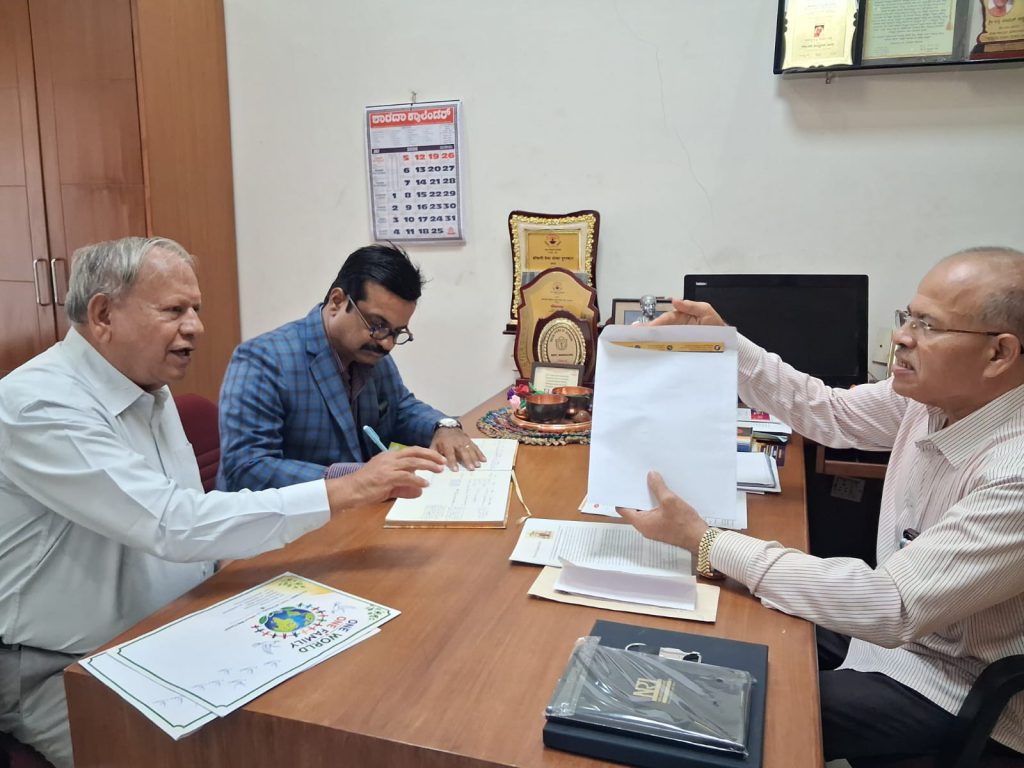
Every dialect contains unique words and expressions that represent the experiences of the people who preserved it. Documenting these dialects through dictionaries, recordings, and research is essential for protecting the richness of Konkani.
Konkani and the Ancient World
The history of the western coast of India has always been connected with the wider world. Archaeological discoveries such as the ivory figurine popularly known as the “Pompeii Lakshmi,” discovered during excavations at Pompeii, provide evidence of ancient trade links between India and the Roman Empire.
Indian ivory, spices, textiles, and other goods travelled through maritime trade routes connecting the Indian coast with distant lands. Such discoveries remind us that the regions where Konkani speaking communities lived were part of global networks long before modern transportation existed.
These connections reveal that the cultural history of Konkani is not isolated. It is part of a much larger story of human movement and exchange.
Language Changes, Identity Continues
One of the most fascinating aspects of community history is that language may change while identity continues.
Oral traditions describe instances where small groups of Konkani speaking people settled among other linguistic communities. Over generations, they adopted the local language while preserving elements of their ancestral identity, including family traditions, gotras, rituals, and memories of their origins.
Such stories demonstrate the complex relationship between language and culture. A community may change the language it speaks in daily life while continuing to preserve a deep connection with its heritage.
Temples, Family Traditions, and Historical Memory
Across the Konkan region, temples, family deities, and place names preserve important clues about the journeys of Konkani communities.
Family deities, known as kuladevatas, continue to connect present generations with their ancestral villages. The movement of temples and religious traditions during periods of political change, including the Portuguese period in Goa, reflects the efforts of communities to preserve their faith and identity.
These traditions are not only religious practices. They are also important sources of social history that help us understand migration patterns and community relationships.
Preserving the Stories of Konkani
Much of Konkani history exists not only in written records but also in the memories of elders. Oral traditions, family histories, local stories, and community experiences contain valuable knowledge that can disappear if not documented.
Recording these voices through interviews, books, digital archives, and research projects is essential. Every elder carries a part of history, and preserving these memories ensures that future generations understand the journey of their language and culture.
The Future of Konkani
The survival of Konkani depends on continued use, appreciation, and transmission to younger generations. Speaking Konkani at home, encouraging children to learn the language, supporting literature, preserving dialects, and documenting history are important steps towards strengthening its future.
Konkani has survived centuries of migration, social change, and historical challenges because people carried it in their homes, communities, songs, traditions, and daily conversations.
The story of Konkani is ultimately a story of connection. It connects regions, religions, generations, and civilizations. Preserving Konkani is not only about saving a language. It is about protecting the memory and heritage of the people who have carried it across centuries.
By celebrating its diversity, supporting institutions dedicated to its growth, and ensuring its continued use, we can help Konkani remain a vibrant language for generations to come.


