
When a Teacher’s Lesson Becomes a Way of Life
NV Paulose, Chairman, Global TV +91 98441 82044
There are moments in a teacher’s life that return unexpectedly, sometimes after several decades. A former student walks in, sits across the table, and says something that makes the teacher realise that an old classroom lesson had travelled much farther than he ever imagined. For Fr. Prashanth Madtha, SJ, one such moment came through his former student, Nandagopal Shenoy.
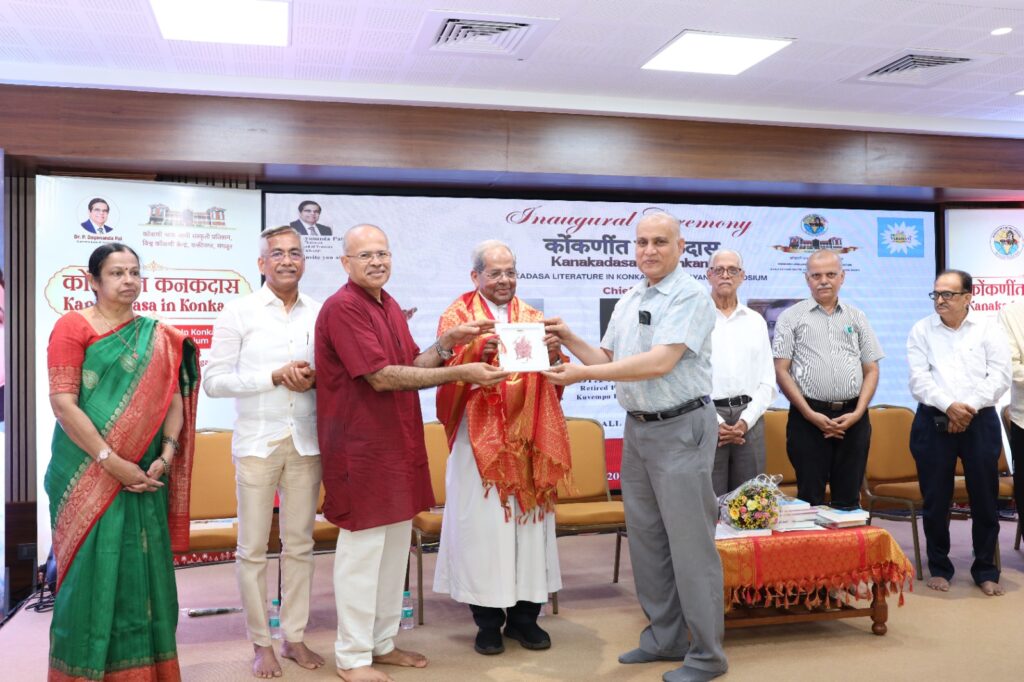
CA Nandagopal Shenoy, who is today the President of the World Konkani Centre, had carried with him a lesson from his school days, not merely as a memory, but as an idea that gradually shaped his understanding of life. Fr. Prashanth Madtha is himself a teacher whose life has extended far beyond the classroom. A prolific writer in Kannada, Konkani and English, he has authored books, dictionaries and literary works and has served as a professor and principal at St Aloysius College, Mangaluru.
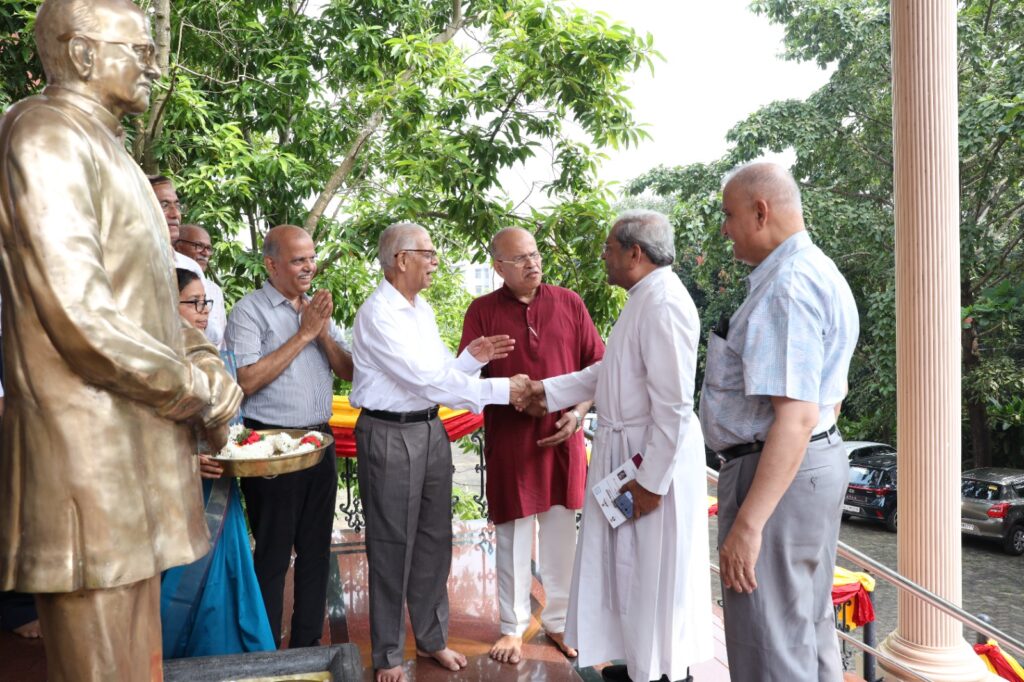
His literary and cultural contributions have received wide recognition, including the Karnataka Rajyotsava Award in 2024. Yet, when he speaks about Nandagopal Shenoy, the emphasis is not on the student’s achievements. It is on something much more intimate; the way a thought given to a young mind can remain alive for years. The memory revolves around story of a banana plant.
The story also carries an echo of Karnataka’s agrarian history. For generations, cultivation in many parts of the region involved complex relationships between landowners and tenants. In unequal tenancy arrangements, cultivators could find themselves carrying much of the burden of agricultural labour while a substantial part of the produce or income went to those who held the land. The sweat of the cultivator could produce the wealth enjoyed by someone who did not perform the daily labour of cultivation.
A boy watches a bunch of bananas growing day after day. He waters the plant, observes the fruit becoming bigger, and begins imagining what he will do when the bananas ripen. He thinks of eating some himself and sharing others with his mother, father, and friends. His imagination grows along with the fruit. For the boy, the banana bunch is no longer just a crop. It has become a collection of dreams. Then, one day, the boy sees his father arrive with a sickle. The bananas are cut and taken away for a religious ceremony.

The boy is devastated. He had nurtured the plant, watched it grow, and dreamed about its fruit, but someone else would now enjoy what he had cared for. In his childish anger, he turns against the younger plants. When the fruit of his labour can simply be taken away, why should he continue to nurture them? The story contains a question that we spend our entire lives trying to answer. What is the meaning of our work if someone else receives its fruits?
From the fruit of labour to the meaning of sharing
Years later, CA Nandagopal Shenoy could see that story differently. The lesson was not about ownership of the bananas. It was about the purpose of what we grow. Work, wealth and ability acquire a different meaning when they are seen not merely as things to possess, but as things that can benefit others. What had first appeared to the boy as an injustice became, in the mature mind of the adult, an invitation to share. That idea appears to have become part of Nandagopal Shenoy’s personal philosophy.
Rather than seeing financial success simply as a means to improve one’s own standard of living, he developed a habit of setting aside a portion of his earnings for social causes and people in need. The important point is not the arithmetic of how much goes where. It is the principle behind it. One’s work should leave something behind for others. The child who once wanted to share the bananas in a close circle had grown into an adult who was willing to share the fruits of his labour into a much larger circle.
There is something deeply moving about that transformation. Teachers often wonder what becomes of the thoughts they plant in their students. A lesson may occupy only a few minutes of a school day, while its consequences may unfold over an entire lifetime. A student may forget the chapter, the examination and even the circumstances in which a lesson was taught. But sometimes a story finds a permanent place in the imagination. It resurfaces years later when life presents a similar question.
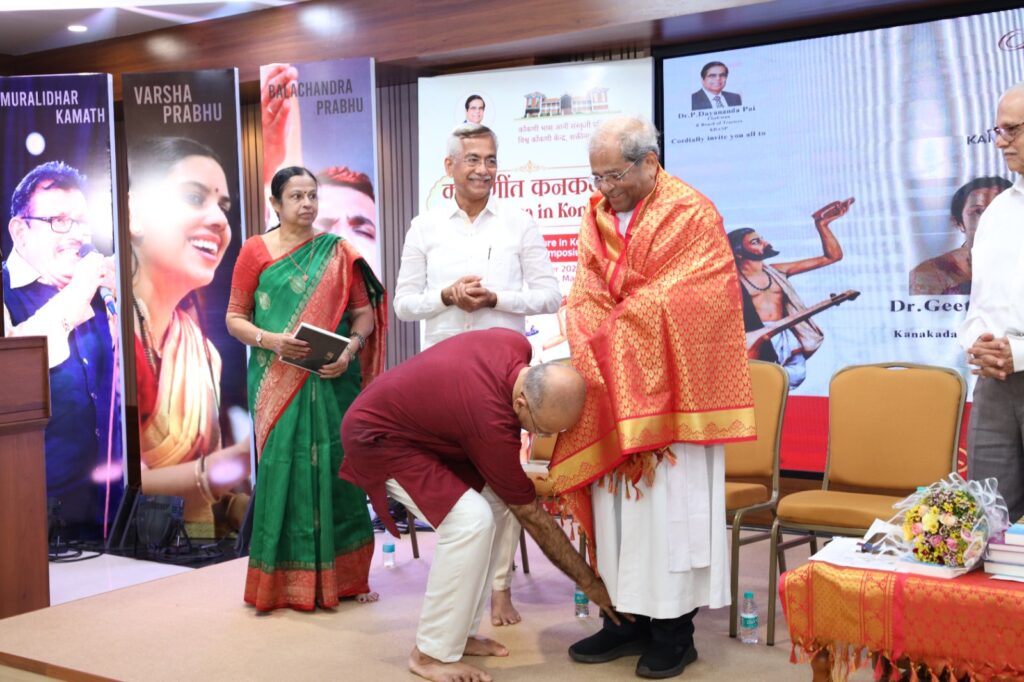
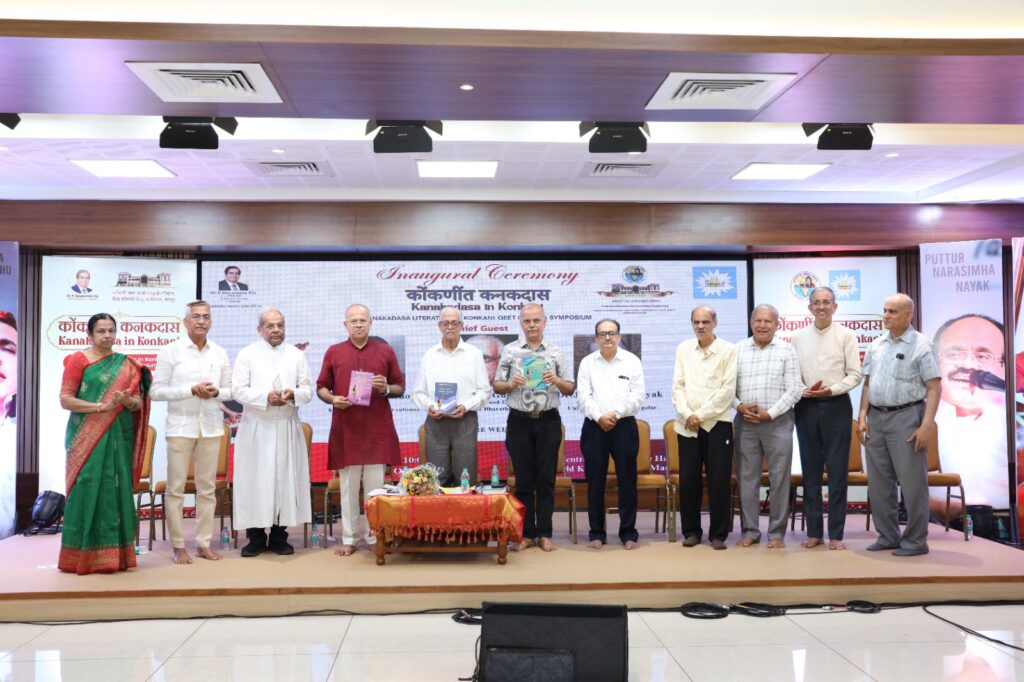
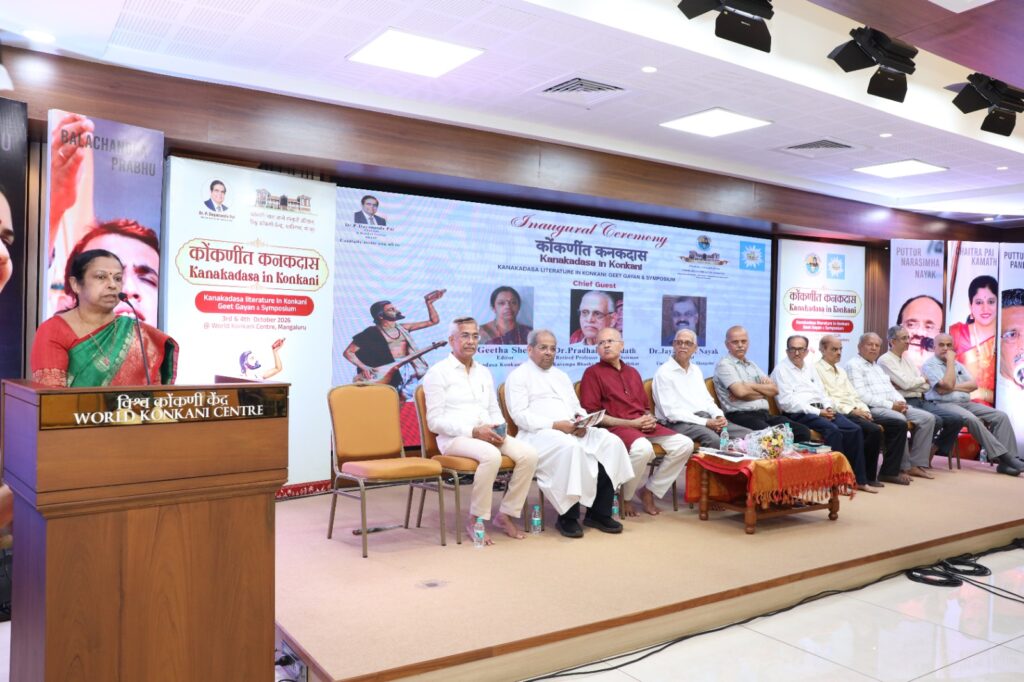
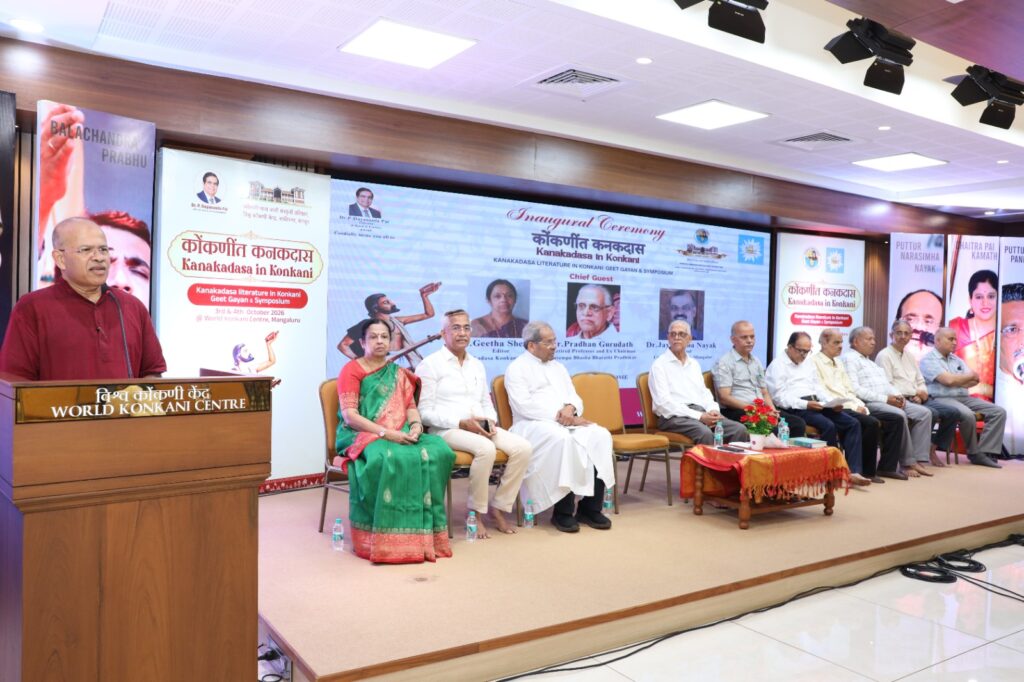
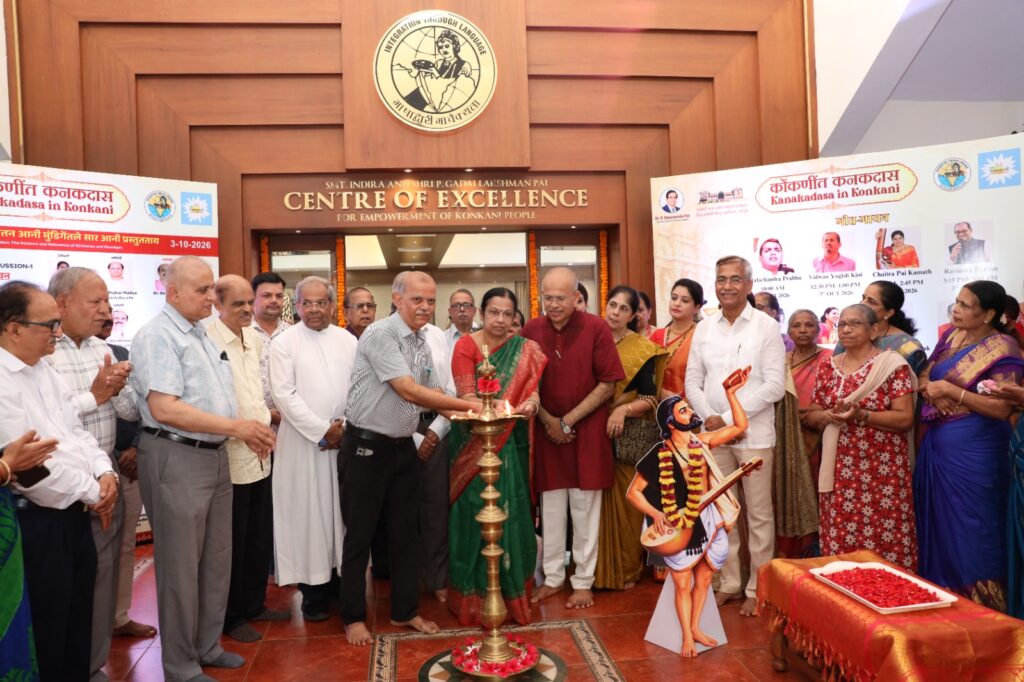
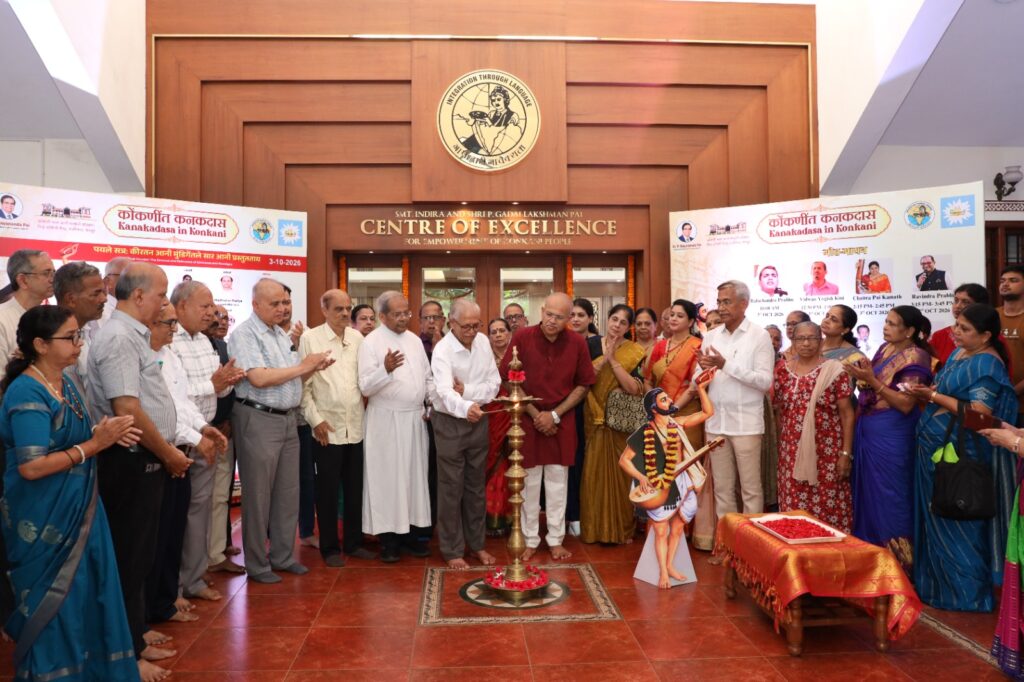
For Nandagopal Shenoy, that lesson seems to have become larger than the original story. It helped him think about the relationship between earning and giving, between personal needs and social responsibility. His later public work gives that philosophy another dimension. As President of the World Konkani Centre for the 2024 to 2027 term, he is associated with an institution whose work includes the preservation and development of Konkani language, literature, culture, education and community initiatives. The Centre’s activities include educational programmes, scholarships, cultural initiatives, research and support for younger generations. Seen in that light, the banana story becomes almost symbolic. A plant grows because somebody tends it. But its purpose is fulfilled only when it bears fruit. And fruit, by its very nature, is something meant to be shared. The same can be said of knowledge, wealth, talent, and influence. They become meaningful when they move beyond the individual who possesses them.
The invisible bond between teacher and student
Perhaps this is what makes the relationship between Fr. Prashanth Madtha and Nandagopal Shenoy so special. It is not simply a story of a successful student remembering his teacher. It is a story of a teacher discovering that something he once said had become part of another person’s way of living. For an educator, that may be one of the highest forms of recognition. Awards honour the teacher publicly, but the life of a student honours the teacher quietly. Fr. Prashanth Madtha’s own understanding of education has always extended beyond textbooks. His writings include works on language, literature, spirituality, gender and classroom management, and his contribution to Kannada and Konkani linguistic scholarship is substantial. His Kannada thesaurus and Konkani thesaurus are examples of his sustained engagement with language. It is therefore fitting that one of the lessons associated with him should survive not as a formula, but as a story.
There is another insight in the conversation between teacher and student: the power of storytelling itself. Human beings understand much of their lives through stories. Families pass memories through stories. Communities preserve culture through stories. Teachers communicate values through stories. A story allows a listener to return to it at different ages and discover a different meaning each time. What a child hears as a story about bananas, an adult may understand as a story about labour, disappointment, ownership, generosity, and responsibility.
That may also explain why the lesson remained with Nandagopal Shenoy. It did not tell him what to think. It gave him something to think about. The boy’s disappointment was allowed to remain part of the story, but time gave him the opportunity to reinterpret it. The banana plant became a metaphor for life itself. We plant, we nurture, we hope, we work, and eventually the fruit may belong to somebody else. The real question is whether we can find happiness in having helped the fruit grow.
The journey from classroom to public life is rarely a straight line. A student carries hundreds of impressions from teachers, parents, friends and experiences. Most disappear. A few remain. Very rarely, one becomes a principle. In Nandagopal Shenoy’s case, a lesson from his school days appears to have survived long enough to become part of his philosophy of work and service. His later role in the Konkani cultural sphere gives that philosophy a wider public expression. The World Konkani Centre describes its mission as serving the preservation and overall development of Konkani language, art and culture among Konkani people across the world.
And perhaps that is the real measure of a teacher. Not how many students remember his name, but how many remember something worth carrying forward. Fr. Prashanth Madtha may have taught thousands of students during his long academic and literary career. Yet one former student returning after many years with a simple message, “I still remember that lesson; it changed my philosophy of life,” can make an entire teaching career feel worthwhile.
A teacher plants a thought. A student waters it with experience. Life gives it sunlight and rain. Sometimes, many years later, it bears fruit in a place the teacher never expected to see it. That is what makes the story of Fr. Prashanth Madtha and Nandagopal Shenoy more than a story about a teacher and a successful former student. It is a story about the mysterious life of an idea. A poem became a lesson, the lesson became a philosophy, and the philosophy became a way of living. In the end, perhaps the finest tribute a student can give a teacher is not to say, “I remember what you taught me,” but to be able to say, “I tried to live it.”


