
The future of work is being created wherever people come together and share stories | Global TV
NV Paulose, Chairman, Global TV +91 98441 82044
(With inputs from Sir VM Ramalingam & Dr. Vivek G. Mendonsa)
Every person carries a story: a journey of skills learned, challenges overcome, relationships built, ideas developed, and possibilities imagined. When these stories meet, new opportunities emerge. A conversation can become a collaboration. A collaboration can become a team. A team can create a role. A role can generate revenue. Jobs are not only discovered. Many jobs are created through human relationships. The missing link between people and opportunities is often not talent. It is connection.
The Economy of Human Relations
Organizations are built by people before they are built by systems. Every successful venture begins with conversations:
- “Who are we?”
- “What problem are we trying to solve?”
- “What strengths do we bring?”
- “What can we create together?”
These questions are the foundation of human relations.
Human relations are the outcomes of storytelling. When people exchange stories, they discover trust, shared purpose, complementary strengths, and new possibilities. Storytelling allows individuals to move beyond labels such as “employee,” “employer,” “candidate,” or “customer.” They begin to see each other as human beings with experiences, aspirations, and capabilities.
The workplace of the future will belong to those who can create meaningful connections.
From Transactions to Transformations
Traditional employment often begins with a transaction:
- “I have a vacancy.”
- “I need a job.”
- “I need someone with these qualifications.”
But meaningful opportunities begin with dialogue:
- “What are you passionate about?”
- “What have you learned through your experiences?”
- “What strengths do you want to contribute?”
- “What future can we build together?”
This shift changes everything.
Instead of searching only for existing jobs, communities can create ecosystems where people discover opportunities together. This is where the idea of different types of value-based fees emerges.
The Introduction Fee: Creating the First Connection
Every opportunity begins with an introduction.
A person introduces two people who may create value together:
- “I know someone who has the skills you need.”
- “I know someone who is looking for exactly this opportunity.”
- “I believe these two stories should meet.”
The Introduction Fee recognizes the value of bringing the right people into the same conversation. An introduction is not a simple exchange of contact information. It is the beginning of a possibility. A meaningful introduction can change careers, create partnerships, start businesses, and solve problems. The person who creates the bridge between two stories creates value.
The Connection Fee: Building Relationships Through Dialogue
An introduction opens the door. A connection builds the relationship. Connection requires listening, understanding, and exploring. It involves conversations such as:
- “What are your goals?”
- “What strengths do you bring?”
- “What challenges are you facing?”
- “How can we support each other?”
The Connection Fee recognizes the effort involved in creating meaningful relationships. Technology can connect millions of people instantly. Genuine human connection is but more valuable than technology. A connection is not measured by the number of contacts someone has. It is measured by the quality of relationships created.
The Success Fee: Celebrating Shared Outcomes
When relationships create results, success is achieved.
- A team is formed.
- A role is created.
- Revenue is generated.
- A community grows.
The Success Fee recognizes value created when a connection produces a meaningful outcome. Success is not created by one person alone. It emerges from cooperation, trust, and shared contribution. When everyone benefits from the outcome, the relationship becomes sustainable.
Team Formation: Stories Creating Collective Strength
Great teams are not assembled only through job descriptions. They are formed through understanding.
A team emerges when people discover:
- “My strengths complete your strengths.”
- “Your experience complements my experience.”
- “Our stories create something bigger together.”
Team formation is a storytelling process. People who understand each other can work together more effectively. They can create roles that did not previously exist because they see possibilities beyond traditional structures.

Role Creation: Discovering Work Through Strengths
Many people search for jobs that already exist. But innovation happens when people create roles around opportunities. A person’s unique combination of skills, experiences, relationships, and passions can become a new form of contribution.
Role creation asks:
- “What value can this person create?”
- “What problem can this person help solve?”
- “What new possibility appears when this person joins the conversation?”
This approach moves away from fitting people into predefined boxes. It focuses on discovering potential.
Revenue Generation Through Relationships
Revenue is often treated as a purely financial outcome. But sustainable revenue begins with relationships. Customers, partners, employees, and communities are connected through trust.
- Trust is built through dialogue.
- Dialogue is built through storytelling.
- Storytelling reveals value.
When people understand each other’s needs and strengths, they create solutions that matter. The strongest businesses are not built by exploiting opportunities. They are built by exploring possibilities.
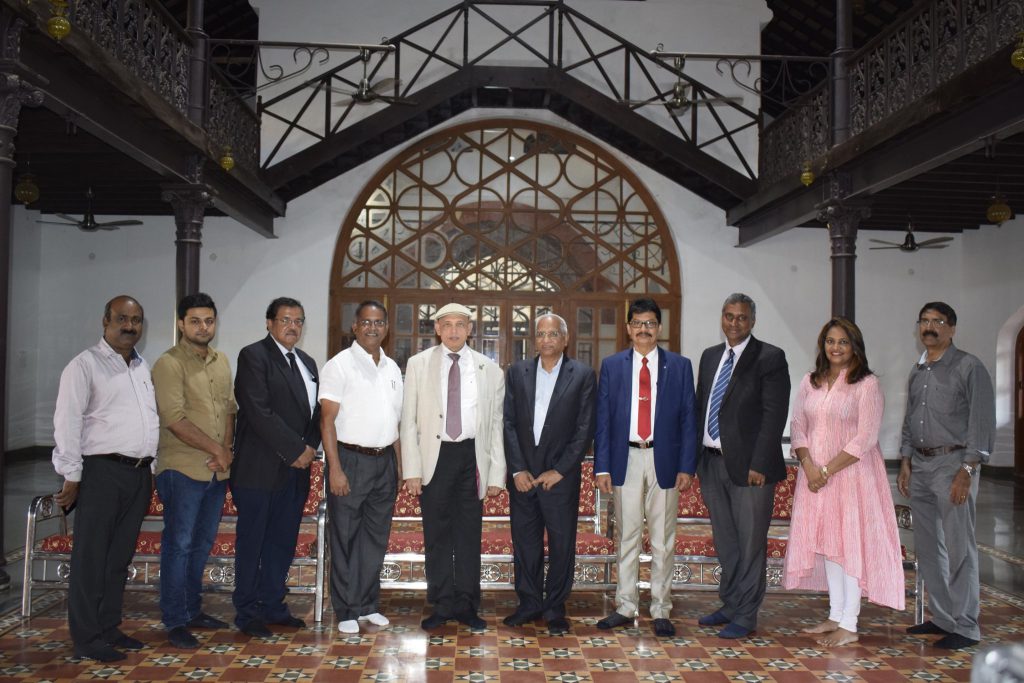
Appreciative Inquiry: Looking for What Works
A powerful approach to human development is Appreciative Inquiry: discovering what gives life to individuals, teams, and organizations. Instead of asking:
- “What is wrong?”
- “Who failed?”
- “What is missing?”
Appreciative Inquiry asks:
- “What is working?”
- “When have we succeeded?”
- “What strengths already exist?”
- “What future can we create together?”
This changes the nature of conversation. People become energized when their strengths are recognized. Organizations grow when they build upon what is possible.
Strength-Based Development: Growing Through Capabilities
Every person has strengths waiting to be discovered and developed. A strength-based approach does not ignore challenges. It simply begins from a different place. It asks:
- “What can this person contribute?”
- “What abilities can be expanded?”
- “How can we create conditions where people thrive?”
When people operate from their strengths, they bring greater creativity, confidence, and commitment. The goal is not to make everyone the same. The goal is to help everyone contribute their best.
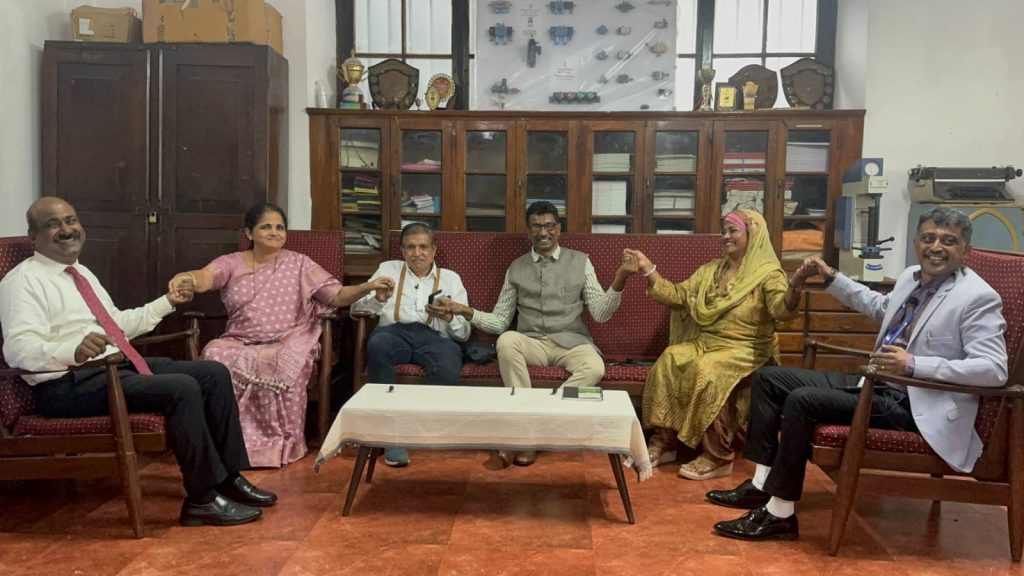
Explore Instead of Exploit
Many systems are built around extraction:
- How can we get more?
- How can we reduce costs?
- How can we maximize short-term gains?
A human-centered future requires a different question:
“What can we discover together?”
- Exploration creates opportunities.
- Exploitation creates limitations.
Exploration respects people as sources of knowledge, creativity, and possibility. The future belongs to those who can build environments where people are encouraged to share stories, discover strengths, and create value together.

The Future Workplace Is a Conversation
The next generation of jobs will not only come from companies announcing vacancies. They will come from communities creating conversations.
- A conversation between a mentor and a learner.
- A conversation between a founder and a contributor.
- A conversation between two strangers who discover shared purpose.
- Every conversation carries potential.
- Every story can open a door.
- Every relationship can create value.
Jobs are plenty where people gather to tell stories because stories reveal what people can create together. The future of work is not only about finding employment. It is about building relationships, discovering strengths, forming teams, creating roles, and generating shared success.


